Category: Behavioral Economics

  • Why is Taxation Important?

    Why is Taxation Important?

    Taxation is important because it enables governments to provide public goods and services to citizens and maintain economic stability. Taxes are mandatory contributions collected by governments from individuals and businesses based on their income, property or consumption.

    Tax revenue is primarily used for funding public goods and services such as healthcare, education, infrastructure, and national security. Taxes also help to regulate the economy by influencing consumer behavior, promoting social welfare and providing a stable source of income to the government.

    In this article, we will delve deeper into the importance of taxation and how it impacts our daily lives. We will also explore the different types of taxes and their functions, as well as the benefits and drawbacks of taxation.

    The Significance of Taxation for Individuals and Societies

    Credit: www.bostonglobe.com

    Understanding Taxation

    Taxation is essential for governments to finance public services and infrastructure. It is a way of collecting money from citizens based on their income, property, and transactions. Taxation has been practiced for centuries, with ancient civilizations imposing levies on their citizens.

    In modern societies, taxation makes up a significant portion of government revenue. There are various methods of taxation, including income tax, sales tax, property tax, and excise tax. Each of these methods has its advantages and disadvantages, and governments use them in different ways to achieve their goals.

    Understanding taxation is crucial for citizens, as it helps them make informed decisions about their finances and ensures that they are contributing to society’s growth and development.

    The Importance Of Taxation

    Taxation is crucial for any government as it is the primary source of financing activities and services provided to citizens. Additionally, taxation plays a significant role in promoting economic stability by providing a stable revenue stream for the government to invest in public infrastructure, education, healthcare, and other essential services.

    Taxation also reduces income inequality as it helps redistribute wealth and provide assistance to those in need. Moreover, taxation encourages social responsibility as it funds projects that protect the environment, promote social welfare, and ensure that basic human rights are met.

    Overall, taxation is a necessary and essential aspect of modern society that enables the government to provide crucial services while promoting fairness and equity.

    Taxation And Government Activities

    Taxation is a crucial part of government activities. It enables the provision of public goods and services, such as building roads and hospitals. Taxation also helps ensure national security by funding military activities. In addition, it regulates economic activity through implementing various tax policies.

    Another significant purpose of taxation is supporting social welfare programs, such as providing healthcare and education. Without taxation, governments would not have the means to fund these essential services, and societies would suffer. Therefore, taxation is vital for the functioning of a modern state and the well-being of its citizens.

    Taxation And Economic Stability

    Taxation is crucial to ensure economic stability. It stimulates growth by providing funds for investment in infrastructure, education, and research. Tax revenue additionally cushions economic downturns by allowing countries to put in place measures to help those who lose their jobs.

    It also balances market failures by removing negative externalities through the provision of public goods and social programs. Lastly, taxation ensures fiscal responsibility by providing the government with revenue to pay down debts and finance public services like defense, police, and fire departments.

    Through these mechanisms, taxation proves to be a key component of economic sustainability.

    Reducing Income Inequality

    Taxation is essential for reducing income inequality. Addressing wealth disparities can be achieved through redistributing income for social good. Tax dollars can be used for providing social services to those in need. Furthermore, taxation can help create social mobility opportunities for those who are disadvantaged.

    Through a fair and just taxation system, we can reduce the gap between the rich and poor and build a more equitable society. It allows us to invest in essential public services that benefit everyone, regardless of their socio-economic status.

    Taxation is a critical component of a functioning democracy, promoting fairness and equality in society. As citizens, it is our responsibility to pay taxes as a contributing member of society, ensuring that we all have access to essential services and resources.

    Frequently Asked Questions On Why Is Taxation Important?

    Why Is Taxation Important For A Country’S Economy?

    Taxation is an essential component of a country’s economy since it is the primary source of income for the government. Taxes fund public services such as education, healthcare, infrastructure, and security, among others. Without taxation, the government would not have the resources to implement policies that promote economic growth and development.

    How Does Taxation Benefit Citizens?

    Taxes provide various benefits to citizens, including access to public goods and services, such as roads, schools, and hospitals. Taxes also support social welfare programs that provide essential support to vulnerable individuals and families. Additionally, taxes promote economic stability by funding public investments and programs that create jobs and stimulate growth.

    What Are The Different Types Of Taxes?

    There are several types of taxes, including income tax, sales tax, property tax, excise tax, and payroll tax. Income tax is a tax imposed on individuals’ income, while sales tax is levied on the sale of goods and services. Property tax is a tax on real estate, while excise tax is a tax on specific goods, such as tobacco and alcohol.

    Payroll tax is a tax paid by employees and employers to fund social security and other government programs.

    How Does Taxation Influence The Government’S Policies?

    Taxation provides the resources that the government needs to implement policies that promote economic growth and development. The government can use taxes to encourage or discourage certain behaviors, such as imposing higher taxes on harmful products like tobacco to deter their consumption.

    Taxes also provide the government with the resources to fund projects and programs that support social welfare, health, and education, among others.

    How Does Taxation Affect Businesses?

    Taxes affect businesses in several ways, including their profitability and growth potential. Companies that pay higher taxes have less disposable income, which can limit their ability to invest in expansion and innovation. On the other hand, taxes can encourage companies to prioritize green investments and environmentally sustainable business practices.

    Taxes also create a level playing field by ensuring that all businesses pay their fair share.

    Conclusion

    Taxation is a critical component of modern society. It provides the government with the financial means to supply its citizens with several essential amenities and services. The taxes collected fund the infrastructure of a nation, including healthcare, education, and national defense.

    Additionally, taxes serve as a tool for wealth distribution, ensuring that those who can afford to pay more taxes contribute their fair share. By doing so, the government can provide welfare benefits to underprivileged parts of society, reducing income inequality and increasing social mobility.

    Taxation also plays a vital role in enforcing the rule of law by ensuring that everyone contributes to society’s development. Without taxation, the government would not be able to provide adequate public services and the country’s economy would be adversely affected.

    Therefore, the importance of taxation cannot be overstated, and it is essential for every citizen to pay their share of taxes to support their country’s growth and development.


  • Why is real estate most profitable?

    Real estate is the most profitable due to the high potential for appreciation and passive income streams. Investing in real estate allows for equity accumulation through loan paydown and appreciation, as well as rental income that can exceed expenses.

    Real estate has always been a popular investment vehicle due to the potential for long-term returns and diversification opportunities. Unlike other forms of investment like stocks or bonds, real estate can provide multiple streams of income including appreciation, rental income and tax benefits. Additionally, real estate has a tangible value that people can see and understand. However, investing in real estate requires careful research and analysis of the local market conditions, as well as the property’s potential for appreciation and rental income. While there are risks involved, savvy investors can leverage real estate to create wealth and financial stability.

    Understanding Real Estate Investments In Detail

    Real estate investments are one of the most profitable investment options, offering long-term financial stability. Real estate investment involves purchasing a property or land to gain profit from it. This could be through renting, resale, or both. Real estate investing can be of two types- residential or commercial.

    Residential investments include single-family homes, apartments, and duplexes. On the other hand, commercial investments can include office buildings, retail space, or storage facilities. Investing in real estate requires research, analyzing market trends, and understanding the potential for growth and returns.

    Successful real estate investors know their local market, analyze the risks, and make informed decisions. Real estate investments have the potential for high returns while diversifying one’s portfolio.

    Benefits Of Investing In Real Estate Over Other Forms Of Investment

    Investing in real estate is the most profitable choice as it generates passive income and provides potential appreciation in property values. Tax advantages make it a lucrative choice. Additionally, it offers diversification of portfolio, making it a safer option than other investments.

    By owning rental property, you can receive a stable and consistent income that can positively affect your finances. Real estate is also an excellent way to build wealth over time and provides a hedge against inflation. Investing in real estate can be stressful at first, but it is a long-term investment that can yield exceptional results.

    Finally, it’s essential to conduct thorough research, review the market trends, and collaborate with professionals to make sound investment decisions.

    Best Financial Decision of My Life – Grant Cardone

    The Role Of Location In Real Estate Investments

    Location plays a crucial role in determining the profitability of real estate investments. To maximize profits, it’s important to analyze and choose an ideal location. Several factors must be considered while selecting a location, including population growth, economic growth, and job opportunities.

    By assessing the market trends and analyzing comparable properties, investors can make informed decisions about where to invest in real estate. Furthermore, investors must closely monitor any changes in the chosen location’s real estate market and adjust their strategies accordingly.

    Ultimately, choosing the right location is key to achieving high returns on real estate investments.

    Risks Involved In Real Estate Investments

    Real estate has long been considered one of the most profitable investment options out there. Yet, like many investments, it is not entirely without its risks. One such risk comes from market fluctuations and real estate cycles. The price of property can rise and fall depending on a variety of factors, such as the economy.

    Additionally, interest and mortgage rates, which can also fluctuate, can impact the cost of buying real estate. Natural disasters are another risk; floods, hurricanes, and fires can all cause significant property damage. Finally, legal and regulatory changes can impact real estate investments.

    As always, it’s crucial to weigh the risks and benefits before making any investment decision.

    Best Practices For Successful Real Estate Investments

    Real estate investments have the potential to generate high returns, but only if executed properly. Conducting comprehensive market research ensures you make informed investment decisions. Building a professional team with experts in law, real estate, and financing is crucial. Developing a strong network in the industry helps you stay up-to-date with the latest trends and obtain valuable insights.

    It is equally important to maintain good financial health and risk management strategies to build a profitable real estate portfolio. By implementing these best practices, investors can reduce risks and increase their chances of success in the real estate industry.

    Frequently Asked Questions Of Why Is Real Estate Most Profitable?

    Why Is Real Estate A Profitable Investment?

    Real estate generally increases in value over time, generating long-term returns through appreciation and rental income.

    What Are The Benefits Of Investing In Real Estate?

    Investing in real estate provides diversification, cash flow, equity growth, tax benefits, and a hedge against inflation.

    Is Investing In Real Estate A Safer Option?

    Real estate is a relatively safe investment option with less volatility and a historically stable growth rate.

    Can A Beginner Make Money In Real Estate?

    Yes, but it takes research, education, patience, and often working with a professional to make informed decisions.

    What Are The Different Ways To Invest In Real Estate?

    Real estate can be invested through buying and managing rental properties, reits, crowdfunding, real estate mutual funds, and flipping properties.

    How Can I Finance My Real Estate Investment?

    Financing options include traditional mortgages, private lenders, hard money loans, crowdfunding, and partnerships.

    What Are The Risks Of Investing In Real Estate?

    The risks include economic downturns, natural disasters, unexpected repairs, changes in tax laws, and non-paying tenants.

    Conclusion

    Real estate investment has proven to be a profitable venture over time, and with the growing population and economy, it is projected to continue to thrive. The consistent cash flow, potential for appreciation, and tax benefits make it one of the most lucrative investment options for individuals and companies alike.

    However, the key to success in real estate investment lies in being well-informed, strategic, and patient. It is crucial to conduct thorough market research, analyze cash flow projections, and develop a solid investment plan before diving in. The availability of online resources and real estate advisors make it easier for individuals to make informed decisions about their investments.

    When done right, real estate investment can be a reliable source of passive income and long-term wealth building. So, whether you are a seasoned investor or just starting, real estate investment can be a profitable and rewarding venture.

  • Why is Debt a Trap? Know the Truth

    Debt is a trap because it’s easy to get into and hard to get out of. Interest payments can make it difficult to pay off the principal, and late fees can add up quickly. If you’re not careful, debt can spiral out of control and ruin your financial life.

    Debt is a trap. It’s a vicious cycle that can be hard to break out of. You’re always paying for something that you may not even need anymore.

    The payments add up and before you know it, you’re in over your head. It’s important to be mindful of your spending and to live within your means. That doesn’t mean you can’t enjoy life or have nice things, but it does mean being conscious of how much debt you’re taking on.

    If you’re struggling with debt, there are resources available to help you get back on track. You don’t have to go through this alone. Talk to a financial advisor or credit counselor about creating a plan to get out of debt and start fresh.

    Is Debt a Trap?

    Debt can be a trap if it is not managed properly. When an individual takes on too much debt, they can quickly find themselves struggling to make payments and falling deeper into debt. High-interest debts, such as credit card debt, can be particularly difficult to pay off. Additionally, relying on debt to finance luxuries or make ends meet can lead to a cycle of debt that is difficult to break. However, when used responsibly, debt can be a valuable tool for financing large purchases and investments. It’s important to be mindful of the amount of debt you’re taking on and to make sure that you can afford the monthly payments.

    Debt is often thought of as a trap, and while it can be difficult to get out of debt, it doesn’t have to be a trap.

    Why is Debt a Trap?

    Debt is a trap because it’s easy to get into and hard to get out of. Once you’re in debt, you’re constantly paying interest on the money you owe, which makes it difficult to save money or make any progress toward getting out of debt. The more debts you have, the harder it is to keep up with your payments and the more likely you are to fall behind and end up in even more debt.

    So why is debt such a trap?

    Let’s take a closer look. The first reason is because of the high interest rates that are associated with most forms of debt. If you have ever tried to pay off a credit card balance, you know how quickly the interest can add up.

    And the longer you carry that balance, the more interest you will accrue. This is one of the main reasons why so many people are stuck in credit card debt – they can only make the minimum payment each month and the rest goes towards paying off the accumulating interest charges. Another reason why debt is such a trap is because it can be easy to fall behind on payments.

    One missed mortgage payment can lead to late fees and penalties that make it even harder to catch up. And if you fall too far behind, your home could even be foreclosed on . The same goes for car loans – if you miss too many payments, your vehicle could be repossessed .

    In both cases, not only have you lost whatever asset you were trying to finance , but now you also have major negative marks on your credit report which will make it even harder (and more expensive) to borrow money in the future . So next time someone tells you that taking on some debt is no big deal , think twice before doing so . It might seem like an easy way to buy something now , but down the road it could end up costing you much more than anticipated .

    If you’re struggling with debt, there are some things you can do to get back on track. First, try to create a budget so that you can see where your money is going each month and make adjustments accordingly. You may also need to cut back on expenses in order to free up more money to put toward your debts.

    If you’re unable to make significant progress on your own, there are also organizations that can help you get out of debt. Whatever route you choose, getting out of debt won’t happen overnight but it is possible if you stay focused and committed.

    Debt Trap Examples

    When you’re in debt, it can feel like you’re stuck in a never-ending cycle of making payments but never getting any closer to becoming debt-free. This is what we call the debt trap. The debt trap occurs when the interest on your debts is so high that even if you make all your required monthly payments, the amount you owe only keeps growing.

    As your debt grows, so do your minimum monthly payments, which makes it harder and harder to get out of debt. And the cycle continues. Let’s say you have 10,000,00 in credit card debt with an annual interest rate of 20%.

    Your minimum monthly payment would be 20,000, but if you only paid that each month, it would take you over 25 years to become debt-free! And during that time, you would end up paying more than 26,000,00 in interest alone – more than double the original amount of your debt.

    Debt traps come in many different forms. Here are a few examples:

    1. Payday loans: These short-term, high-interest loans are easy to get but hard to pay off.

    You may be tempted to take out a payday loan when you’re in a financial bind, but the steep interest rates and fees can make it difficult to repay. Once you’re stuck in a payday loan cycle, it can be tough to break free.

    2. Credit cards: It’s easy to overspend with credit cards, especially if you’re using them to finance purchases that you can’t afford. The interest on credit card debt can add up quickly, making it hard to get ahead.

    3. Personal loans: Like credit cards, personal loans can be easy to obtain and tempting to use for larger purchases or consolidate other debts. But the interest on personal loans can also add up quickly, making them difficult to repay.

    4. Auto loans: Many people rely on their cars for transportation, so it’s not surprising that auto loans are common debt traps. If you’re struggling to make your car payments, you may end up upside down on your loan (owing more than the car is worth). This can make it hard to sell or trade in your vehicle and get out from under the debt trap.

    Personalized course on Personal Finance

    Nafeez Al Tarik, CFA, FRM, Managing Director, Dhaka Bank Securities Limited has brought a Personal Finance course with 10 Minute School to help you out of debt. Follow this link to know more and be debt free:

    Follow this link to know more and manage money to be debt free:

    What is Debt Trap Diplomacy?

    Debt trap diplomacy is a type of economic statecraft in which a country deliberately takes on unsustainable levels of debt in order to further its geopolitical aims. The debtor country then uses the threat of defaulting on its loans as leverage to extract concessions from its creditors. This strategy is often employed by rising powers as a way to quickly build up their military and economic might, at the expense of more established nations.

    The term “debt trap diplomacy” was first coined by Indian economist Jayati Ghosh in 2011, though the phenomenon itself is much older. One of the most famous examples occurred during the Cold War, when the Soviet Union used its status as a major creditor to gain political influence over developing countries in Africa and Latin America. In recent years, China has been accused of using debt traps to expand its influence in Asia and beyond.

    There are several ways that a country can fall into a debt trap. One common scenario is when a nation takes out loans for infrastructure projects that prove to be unviable or fail to generate enough revenue to service the debt. Another possibility is that a government borrows money from abroad only to have those funds siphoned off by corrupt officials.

    Either way, once a country falls into a debt trap it can be very difficult to escape without making significant concessions to creditors. Critics argue that debt trap diplomacy is an unethical way for powerful countries to take advantage of weaker ones. They also warn that this strategy could lead to an increase in global instability if rival nations start competing with each otherto lure indebted countries into their orbit.

    Why Debt is a Trap?

    Credit: www.japantimes.co.jp

    How to Avoid Debt Trap?

    Debt can be a trap, especially if you’re not careful. There are a few key things to remember if you find yourself in debt. Here are some tips to avoid getting into debt or deepening a debt hole:

    1. Create a budget: One of the most important steps in avoiding a debt trap is to create a budget and stick to it. This will help you to track your income and expenses and identify areas where you can cut back on spending.
    2. Live below your means: It’s important to live within your means, which means spending less than you earn. Avoid lifestyle inflation and resist the urge to keep up with others’ spending habits.
    3. Avoid unnecessary expenses: Avoid buying things that you don’t need, especially if you’re using credit to do so. Instead, focus on saving for the things that you really want or need.
    4. Pay off high-interest debt: High-interest debt, such as credit card debt, can quickly spiral out of control. Prioritize paying off this type of debt as quickly as possible to avoid falling into a debt trap.
    5. Use credit responsibly: When using credit, be sure to only borrow what you can afford to pay back and make sure to pay your bills on time. Late fees and interest can add up quickly, making it harder to get out of debt.
    6. Build an emergency fund: Having an emergency fund can help to protect you from falling into a debt trap. By having savings set aside, you can avoid having to rely on credit when unexpected expenses arise.
    7. Avoid impulse buying: Impulse buying can lead to overspending and ultimately falling into debt. Before making a purchase, take a moment to think about whether you really need the item and if it fits into your budget.
    8. Shop around for the best deals: When making a purchase, be sure to shop around for the best deals. This will help you to save money and avoid overspending.
    9. Avoid consolidation loans: Consolidation loans may seem like a good way to get out of debt, but they can actually make the problem worse. Instead, focus on paying off your debts one at a time.
    10. Seek professional help if needed: If you’re struggling to get out of debt, don’t be afraid to seek professional help. There are many organizations and financial advisors that can help you to create a plan to get out of debt and avoid falling into a debt trap in the future.
    1. Avoid using your credit card for cash advances: Cash advances typically come with high interest rates and fees, making it harder to pay off the debt. Instead, use your credit card for purchases and pay off the balance in full each month.
    2. Prioritize saving: Make saving a priority and set aside a certain percentage of your income each month. This will help you to build an emergency fund and have a cushion to fall back on in case of unexpected expenses.
    3. Avoid taking on too much debt: Be mindful of the amount of debt you’re taking on and make sure that you can afford the monthly payments. Taking on too much debt can make it difficult to keep up with payments and can lead to a debt trap.
    4. Avoid cosigner loans: Cosigner loans can put a lot of pressure on both parties involved. If you are unable to make the payments, it will affect your cosigner’s credit as well, it is better to avoid them.
    5. Avoid taking on too much student loan debt: While student loans can help to pay for education, it’s important to borrow only what you need and be aware of the long-term repayment implications.
    6. Avoid predatory lending: Predatory lending practices can trap individuals in a cycle of debt. Be aware of the terms and conditions of any loan you’re considering and avoid any lender that seems to be trying to take advantage of you.
    7. Avoid using debt to invest: using debt to invest in high-risk ventures is not advisable as it can put you in a worse position if the investment doesn’t pan out.
    8. Avoid using debt to pay off debt: using debt to pay off existing debt can lead to a vicious cycle of debt, it’s better to focus on paying off the debt you have and avoid taking on additional debt.
    9. Avoid using debt to finance luxuries: using debt to finance luxuries such as vacations or expensive cars can put you in a difficult financial position, it’s better to save up for them or avoid them altogether.
    10. Avoid procrastinating debt repayment: Don’t put off repaying your debts, the longer you wait the more interest and fees will accumulate, making it harder to pay off. It’s important to address your debts as soon as possible to avoid falling into a debt trap.
    11. Know your spending patterns: Track where you spend your money and how much you spend each month. This will help you identify areas where you can cut back.
    12. Stay away from high-interest debt. If at all possible, try to avoid borrowing money that comes with high-interest rates (like credit cards). This type of debt can quickly get out of control and become difficult to repay.
    13. . Avoid using loans to cover everyday expenses. Loans should only be used for large purchases that you cannot afford upfront (like a car or home).

    How Do You Break a Debt Trap?

    Debt traps can occur when people take on too much debt and then find themselves struggling to repay it. This can happen for a number of reasons, such as losing a job or an unexpected expense. Once someone falls behind on their payments, they may start receiving calls from debt collectors or their creditors may start taking legal action.

    This can all add up to a lot of stress and anxiety, making it even harder to catch up on payments. If you’re stuck in a debt trap, there are a few things you can do to try and break free. First, take a close look at your budget and see where you can cut back on expenses.

    Try to make some extra money by picking up some freelance work or selling unwanted items. Then, use this extra money to make bigger payments towards your debts. You might also want to consider consolidating your debts into one monthly payment with a lower interest rate.

    This can make it easier to stay on top of your payments and get out of debt quicker. Finally, make sure you stay communication with your creditors and let them know what’s going on. They may be willing to work with you if they know you’re trying to get out of debt.

    Breaking out of a debt trap can be difficult, but it’s not impossible. By following these tips, you’ll be one step closer to becoming debt-free!

    Why Should We Avoid Debt?

    Debt is something that can easily become a problem in our lives if we’re not careful. It can be difficult to keep up with payments and the interest can add up quickly, making it hard to get out of debt. Here are a few reasons why you should avoid debt:

    1. High-interest rates: Debt often comes with high-interest rates, making it more expensive to borrow money. For example, credit card debt can have an interest rate of 20% or more.
    2. Paying more than you borrow: With high-interest rates, you may end up paying more in interest than you borrowed in the first place. For example, if you borrow $10,000 at 20% interest, you will end up paying $12,000 over 5 years.
    3. Financial stress: Carrying too much debt can cause financial stress, which can affect your overall well-being. This can lead to anxiety, depression, and even physical health problems.
    4. Limited financial flexibility: When you have a high level of debt, you have less financial flexibility. You may have to put off saving for retirement or a child’s education because you need to make debt payments.
    5. Difficulty getting credit: High levels of debt can make it difficult to get approved for new credit, such as a mortgage or car loan. This can limit your ability to make large purchases in the future.
    6. Damage to credit score: Late or missed payments on debt can damage your credit score, making it harder to get approved for credit or loans in the future.
    7. Difficulty in making ends meet: High levels of debt can make it difficult to make ends meet, as you may have to devote a large portion of your income to debt payments.
    8. Risk of bankruptcy: Carrying too much debt can increase the risk of bankruptcy, which can have long-term consequences on your finances and credit score.
    9. Missed opportunities: High levels of debt can prevent you from taking advantage of opportunities, such as investing in a business or buying a home.
    10. Difficulty in living without debt: A high level of debt can make it difficult to live without debt, as you may have to rely on credit to make ends meet. This can lead to a cycle of debt that is difficult to break.
    1. Difficulty in saving for future: When you have high levels of debt, it can be difficult to save for future financial goals such as retirement or your children’s education.
    2. Difficulty in taking on new opportunities: High levels of debt can limit your ability to take on new opportunities such as starting a business or buying a home.
    3. Risk of losing assets: High levels of debt can increase the risk of losing assets such as a home or car through foreclosure or repossession.
    4. Difficulty in getting a good job: High levels of debt can make it difficult to get a good job as some employers may view you as a financial risk.
    5. Difficulty in getting a good insurance rate: High levels of debt can make it difficult to get a good insurance rate, as some insurance companies view debt as a risk factor.
    6. Difficulty in getting a good rent rate: High levels of debt can make it difficult to get a good rent rate, as some landlords may view debt as a risk factor.
    7. Difficulty in getting a good mortgage rate: High levels of debt can make it difficult to get a good mortgage rate, as some lenders may view debt as a risk factor.
    8. Difficulty in making large purchases: High levels of debt can make it difficult to make large purchases such as a car or home.
    9. Difficulty in getting a good car loan rate: High levels of debt can make it difficult to get a good car loan rate, as some lenders may view debt as a risk factor.
    10. Difficulty in getting a good personal loan rate: High levels of debt can make it difficult to get a good personal loan rate, as some lenders may view debt as a risk factor.


    The minimum payments may seem manageable at first, but as the interest accrues, the balance may only grow larger over time. If you find yourself in this situation, don’t despair – there are options available to help you get back on track financially.

    Conclusion

    Many people view debt as a necessary evil – something that must be taken on in order to purchase a home, car, or education. However, what many people don’t realize is that debt is actually a trap. Once you’re in debt, it’s very difficult to get out.

    The interest payments alone can keep you in a never-ending cycle of payments. Not to mention, if you miss a payment or two, your credit score will take a hit and it will become even harder to get out of debt.

  • How Metro Rail Develops an Area?

    How Metro Rail Develops an Area?

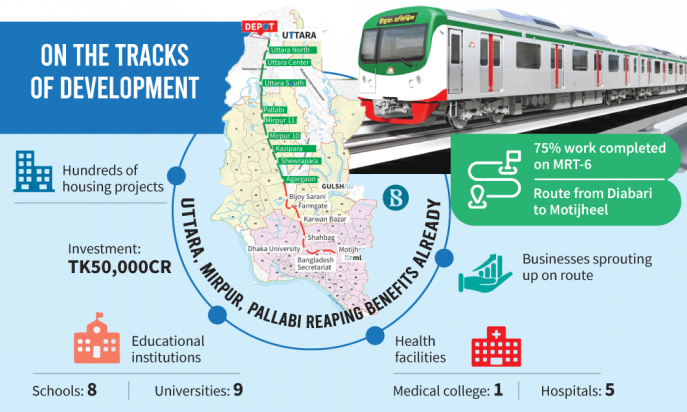
    Metro rail is important for the development of an area because it provides efficient and reliable transportation, which can help to reduce traffic congestion and pollution. In addition, metro rail can also help to boost economic activity by providing access to jobs, shopping, and entertainment.

    The development of an area is essential for the economy and Metro Rail is one of the most important factors in this process. By providing fast, reliable transportation, Metro Rail makes it possible for people to live in one area and work in another. This increases the number of potential customers for businesses, which leads to more jobs and economic growth.

    In addition, Metro Rail helps to reduce traffic congestion and pollution, making it a sustainable form of transportation that benefits both the environment and public health.

    How Metro Rail Develops an Area?

    Metro rail systems can have a significant impact on the development of an area by providing reliable and efficient transportation that encourages economic growth and development. Here are a few ways in which a metro rail system can affect the development of an area:

    Improved access to employment and education: A metro rail system can provide access to job centers and educational institutions, making it easier for people to commute to work or school. This can help to attract and retain workers and students, boosting the local economy.

    Increased property values: The presence of a metro rail system can increase the value of real estate in the area, as it makes the location more desirable and convenient for commuters. This can lead to an increase in property values and contribute to the overall economic development of the region.

    Redevelopment of underutilized areas: A metro rail system can stimulate the redevelopment of underutilized or derelict areas by making them more accessible and attractive to businesses and residents. This can lead to the revitalization of neighborhoods and the creation of new job opportunities.

    Enhanced quality of life: A metro rail system can improve the quality of life in an area by reducing traffic congestion and air pollution, and providing a safe and convenient alternative to driving. This can make the area more appealing to residents and visitors.

    One way in which metro rail can contribute to the development of an area is by providing a reliable and efficient means of transportation for residents and visitors. This can make it easier for people to access employment, education, and other opportunities within the city, and may encourage economic growth and development.

    Metro rail systems can also stimulate real estate development and property values in the areas they serve. The presence of a convenient and reliable transportation option can make an area more attractive to businesses and residents, which can lead to increased demand for commercial and residential properties.

    In addition, metro rail systems can help to reduce traffic congestion and improve air quality by providing an alternative to car travel. This can make an area more livable and attractive to potential residents and businesses.

    Finally, metro rail systems can serve as a catalyst for urban redevelopment and revitalization. The construction of a metro rail line can stimulate investment and development in underutilized or underserved areas, leading to the creation of new jobs, businesses, and housing opportunities.

    What Makes the Metro System More Sustainable?

    The Metro system is one of the most important pieces of infrastructure in any city. It is a lifeline for many people who rely on it to get around, and it plays a vital role in the economy. However, the Metro system is not without its problems.

    One of the biggest challenges facing the Metro system is sustainability. There are a number of factors that contribute to the unsustainable nature of the Metro system. First, the Metro system is very energy intensive.

    The trains require a lot of electricity to operate, and this electricity often comes from dirty power sources such as coal-fired power plants. Second, the Metro system produces a significant amount of waste. Each day, there are tons of garbage and recyclables that are generated by the trains and stations.

    This waste often ends up in landfills or incinerators, which are two of the least sustainable methods for dealing with waste. So what can be done to make the Metro system more sustainable? One solution that has been proposed is to switch to cleaner power sources for the trains.

    This would involve investing in renewable energy sources such as solar and wind power, which would significantly reduce the carbon footprint of the Metro system. Another solution is to improve waste management practices at all levels of theMetro system. This could involve things like increasing recycling and composting rates, as well as working with businesses alongthe train routes to reduce packaging and other forms o f waste .

    Implementing these solutions would go a long way towards makingtheMetro sys tem more sus tainable .

    How Metro Rail is Important for the Development of an Area?

    Credit: blogs.adb.org

    Why Metro Rail is Important?

    A metro rail, also called a rapid transit or subway system, is an important part of a city’s public transportation infrastructure. Metro rails can help to reduce traffic congestion and pollution, and they can also offer a fast and convenient way to get around a city. In many cases, metro rails are faster and more efficient than buses or cars.

    There are many reasons why metro rail is important. First, metro rail can help to reduce traffic congestion in a city. By providing an alternative to driving, metro rail can take some of the pressure off of a city’s roads.

    This can lead to shorter commute times and less time spent sitting in traffic. Second, metro rail can help to reduce pollution levels in a city. Buses and cars emit pollutants into the air, but trains run on electricity, which is much cleaner for the environment.

    Third, metro rail offers a fast and convenient way to get around a city. In many cases, it is faster than taking a bus or driving because there is no need to deal with traffic congestion.

    Are Metros Good for the Environment?

    As the world becomes more and more populated, cities are struggling to find ways to accommodate all of the people while still maintaining a livable environment. This has led to the rise in popularity of public transportation, specifically subways and metros. But are these really good for the environment?

    The short answer is: yes, metros are good for the environment. In fact, they’re one of the best options for reducing your carbon footprint. Public transportation generally requires less energy per passenger than either private cars or buses, and metros have an even better track record.

    One study found that a single subway train can move 4 times as many people as a bus and emits only 1/10th of the pollution [1]. That’s because trains are much more efficient than buses – they don’t have to start and stop as often, so they use less fuel overall. And since metros typically run on electricity (which can be generated from renewable sources), their emissions are even lower.

    Of course, not all public transportation is created equal – some systems are better than others at reducing pollution. For example, light rail systems (like San Francisco’s BART) tend to be even cleaner than subways because they use less energy per passenger mile [2]. So if you have the option to take light rail instead of a subway or bus, it’s probably your best bet for reducing your carbon footprint.

    Why is Metro Needed for Big Cities?

    The need for a metro in big cities is dictated by the simple fact that these cities are teeming with people. A metro provides an efficient way to move large numbers of people around a city, which is essential in bustling metropolises. By having a dedicated underground transportation system, a city can avoid the gridlock and pollution that comes with relying too heavily on cars and buses.

    Moreover, a well-designed metro can help to spur economic development by making it easier for people to get to job centers, businesses, and cultural attractions. Big cities need metro systems in order to function at their best.

    Conclusion

    A metro rail system can play a key role in the development of an area by improving access to employment, education, and other amenities, and by stimulating economic growth and redevelopment.

    The blog post discusses how metro rail is important for the development of an area. It cites several reasons why this is the case, including that metro rail can spur economic growth, improve quality of life, and increase accessibility. The post also notes that while metro rail projects can be costly and require significant planning, they can ultimately pay off for cities and communities.

  • Capital Budgeting | How to manage?

    Capital Budgeting | How to manage?

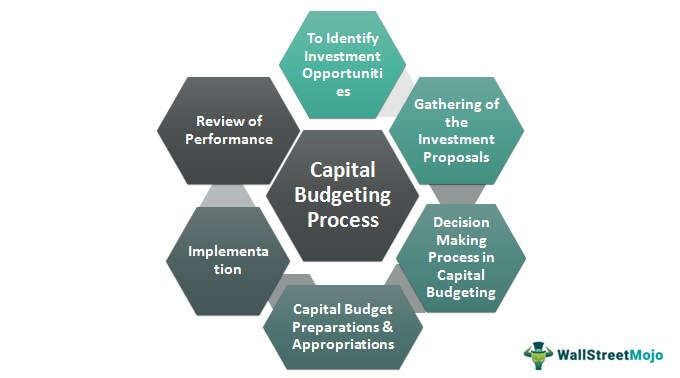
    Capital budgeting is the process of making decisions about investments in long-term assets for a company. The goal of capital budgeting is to find projects that will increase the value of the firm and create shareholder wealth. There are several methods that can be used in capital budgeting, including net present value, internal rate of return, and payback period.

    Each method has its own advantages and disadvantages, so it is important to understand all of them before making any investment decisions. The most important thing to remember when doing capital budgeting is that future cash flows are estimated and therefore subject to uncertainty. This means that there is always some risk involved in any investment decision, but this risk can be minimized by using careful analysis and sound judgment.

    As a business owner, you’re always looking for ways to invest in your company and ensure its long-term success. One of the most important aspects of this is capital budgeting. Capital budgeting is the process of allocating funds for major investments, such as new equipment or facilities.

    There are a few different methods you can use to approach capital budgeting. The most common is the payback period method, which looks at how long it will take for an investment to “pay back” its initial cost. Another popular method is the net present value (NPV) method, which takes into account the time value of money when making investment decisions.

    Whichever method you choose, capital budgeting is an important tool for ensuring that your business makes smart, profitable investments.

    Capital Budgeting

    Capital budgeting is a process used by organizations to determine which long-term investments or projects are worth Pursuing. These investments could include things like new facilities, equipment, products, or processes.

    The goal of capital budgeting is to ensure that an organization’s limited resources are being used in the most efficient way possible. There are several steps involved in capital budgeting:

    • 1. Defining the project scope and objectives
    • 2. Identifying potential projects
    • 3. estimating the costs and benefits of each project
    • 4. Evaluating the risks associated with each project
    • 5. Selecting the most feasible option
    • 6. Implementing and monitoring the chosen project
    • 7. Reviewing results and modifying plans as necessary

      Organizations use different methods to evaluate potential projects and make decisions about which ones to pursue. Some common methods include net present value (NPV), internal rate of return (IRR), payback period, and profitability index (PI). Each method has its own advantages and disadvantages, so it’s important for organizations to choose the one that best fits their needs.

      Which method you use will also affect how you calculate your estimates—you’ll need different information if you’re using NPV vs IRR, for example. But in general, you’ll need to consider both financial and non-financial factors when making your calculations.
    Capital Budgeting

    Credit: www.wallstreetmojo.com

    What are the Methods of Capital Budgeting?

    There are three methods of capital budgeting: the payback method, the net present value method, and the internal rate of return method.

    The payback method is a simple capital budgeting technique that calculates how long it will take for an investment to “pay back” its initial cost. The payback period is determined by dividing the initial investment by the annual cash flows from the project.

    One advantage of using payback period is that it’s relatively easy to calculate; however, a major disadvantage is that it doesn’t take into account the time value of money like NPV and IRR do.

    The net present value (NPV) method is a more sophisticated capital budgeting technique that takes into account the time value of money. NPV calculations discount future cash flows back to their present value, and then compare this number to the initial investment. If the NPV is positive, then the investment should be accepted; if it is negative, then it should be rejected.

    The internal rate of return (IRR) is another popular capital budgeting technique that also takes into account the time value of money. IRR calculations find the interest rate at which an investment’s NPV equals zero – in other words, it’s the “hurdle rate” that an investment must clear in order to be accepted. Like NPV, if an investment’s IRR exceeds its required rate of return, then it should be accepted; if not, it should be rejected.

    The advantage of using IRR over other methods is that it takes into account the time value of money by discounting all future cash flows from an investment at a specific interest rate.

    What is Capital Budgeting And Types?

    There are several different methods that can be used in capital budgeting, each with its own advantages and disadvantages.

    Some of the most common methods include net present value, internal rate of return, and payback period. Net present value (NPV) is one of the most popular methods for evaluating capital projects or investments. NPV takes into account the time value of money by discounting all future cash flows from an investment at a specific interest rate.

    The NPV method essentially estimates how much an investment is worth today based on its expected future cash flows. The internal rate of return (IRR) method is another common technique for analyzing capital projects or investments. IRR measures the expected percentage return on an investment over its lifetime.

    Payback period is another commonly used method for evaluating capital projects or investments. Payback period simply measures how long it will take for an investment to “pay back” its initial cost.

    Conclusion

    Capital budgeting is a process of allocating resources to long-term investments. The purpose of capital budgeting is to determine whether an investment will generate enough return to justify the initial cost. The decision rule for capital budgeting is simple: if the present value of cash flows from an investment exceeds the cost of that investment, then it should be accepted; if not, it should be rejected.

    However, there are many factors that can complicate this decision rule, such as risk and uncertainty. As a result, businesses often use different methods to evaluate investments, such as net present value and internal rate of return.

  • Confirmation Bias | All you need to consider

    Confirmation Bias | All you need to consider

    Confirmation bias is the tendency to search for, interpret, favor, and recall information in a way that confirms one’s preexisting beliefs or hypotheses.

    Confirmation bias is the tendency to search for, interpret, favor, and recall information in a way that confirms one’s preexisting beliefs or hypotheses. It is a type of cognitive bias and represents an error in inductive reasoning. People display confirmation bias when they gather or remember information selectively, or when they interpret it in a biased way.

    The effect is stronger for emotionally charged issues and for deeply entrenched beliefs. For example, people may tend to notice and remember instances that confirm their existing beliefs about other people (such as stereotypes), while ignoring evidence to the contrary.

    Confirmation Bias Example

    What is confirmation bias? Confirmation bias is the tendency to interpret new evidence as confirmation of one’s existing beliefs or hypotheses. For example, let’s say you believe that it’s going to rain tomorrow.

    You might pay attention to all the news reports about the impending rainstorm, while ignoring forecasts that predict sunny weather. This would be an example of confirmation bias. Why do we have confirmation bias?

    One explanation for why we have confirmation bias is that it helps us save time and energy by allowing us to quickly confirm what we already believe. We don’t need to waste time considering evidence that contradicts our beliefs because we already know that it’s wrong. However, this shortcut can lead us astray when important new information arises.

    In our rainstorm example, you might miss out on enjoying a beautiful day tomorrow because you were too busy preparing for the storm that never came.

    Confirmation Bias

    Credit: psychcentral.com

    What is a Confirmation Bias Example?

    A confirmation bias is a type of cognitive bias that occurs when people favor information that confirms their beliefs or hypotheses. For example, someone who believes that global warming is caused by human activity may be more likely to notice and remember evidence that supports this view, while downplaying or forgetting evidence that contradicts it. This can lead to a self-reinforcing cycle, in which people end up believing what they want to believe due to their own biases.

    There are many examples of confirmation bias in everyday life. People often seek out information that supports their existing beliefs, and they may interpret ambiguous evidence as being supportive of their views even when it is not. This can lead to partisan thinking and polarization on issues where there is actually a good deal of agreement.

    It can also lead people to make poor decisions, such as investing in a stock based on faulty data that confirm their preexisting beliefs. Confirmation bias is a ubiquitous phenomenon, but it can be difficult to overcome. One way to do so is by seeking out diverse perspectives and actively considering evidence that goes against your own views.

    Another approach is through “pre-mortems”: imagining that something has already gone wrong and then trying to identify all the ways in which it could have happened. By taking these steps, you can help mitigate the effects of confirmation bias in your own life and make better decisions overall.

    What are the 3 Types of Confirmation Bias?

    Confirmation bias is the tendency to search for, interpret, favor, and recall information in a way that confirms one’s preexisting beliefs or hypotheses. It is a type of cognitive bias and represents an error in inductive reasoning. People display confirmation bias when they gather evidence to support their own views while ignoring evidence that contradicts them.

    There are three primary types of confirmation bias: self-serving bias, selective memory, and biased interpretation.

    Self-serving bias is the tendency to attribute positive outcomes to oneself and negative outcomes to external factors. For example, if you do well on a test you may attribute it to your intelligence or hard work while attributing your poor performance on another test to the difficulty of the material.

    This type of confirmation bias can lead people to overestimate their abilities and underestimate how much effort they need to put forth in order achieve desired results.

    Selective memory is another form of confirmation bias whereby people only remember information that supports their beliefs while forgetting contradictory information. In some cases, people may even unconsciously distort memories to make them fit with their existing beliefs (a phenomenon known as “false memories”).

    This type of confirmation bias can lead people to hold onto inaccurate beliefs even when presented with facts that disprove them.

    Finally, biased interpretation occurs when people interpret new information in a way that confirm their existing beliefs while discounting any evidence that contradicts those beliefs. For example, if you believe that global warming is real then you may be more likely to notice news stories about extreme weather events while discounting reports about relatively mild weather patterns.

    This type of confirmation bias can result in tunnel vision where people only see what they want/expect to see without considering alternative perspectives.

    While confirmation biases are often undesirable because they can lead us astray from objective reality, there are also times when these biases can be helpful. For instance, if you’re trying to lose weight it may be useful for you display some self-serving biases (e.g., attributing your weight loss progress solely to your diet/exercise regimen instead of also acknowledging other potential contributing factors such as stress levels or hormones).

    Similarly, if you’re trying to quit smoking it may be helpful for you selectively remember all the negative health consequences associated with smoking cigarettes while forgetting any pleasurable moments experienced while smoking (e..g., after dinner relaxation).

    What is a Confirmation Bias in Psychology?

    A confirmation bias is a type of cognitive bias that refers to the tendency to search for, interpret, or remember information in a way that confirms one’s preconceptions or hypotheses. For example, if you believe that all politicians are corrupt, you may be more likely to notice and remember instances of political corruption than someone who doesn’t hold this belief. This can lead to a self-reinforcing cycle, in which your beliefs become increasingly skewed and distorted as you selectively pay attention to information that supports them while ignoring or dismissing anything that contradicts them.

    Confirmation biases can have far-reaching consequences, affecting everything from the decisions we make about our personal lives to the policies we support as citizens. They can also lead us astray in our quest for knowledge, causing us to misinterpret evidence or cling tenaciously to beliefs even after they’ve been debunked.

    What is Confirmation Bias And Why is It Important?

    Confirmation bias is the tendency to search for, interpret, or remember information in a way that confirms one’s preexisting beliefs or hypotheses. Confirmation bias is a type of cognitive bias and represents an error in critical thinking. This phenomenon occurs when people focus on evidence that supports their beliefs while ignoring evidence that contradicts them.

    The existence of confirmation bias has been demonstrated in many experiments and has been shown to affect people’s decisions and judgments in a wide variety of domains, including medical diagnosis, investment decision-making, eyewitness testimony, and criminal justice. The effects of confirmation bias can be devastating; for example, if people believe false rumors about a product or stock, they may avoid buying it and cause its price to drop unnecessarily. Similarly, if doctors only look for evidence that supports their preferred diagnosis, they may fail to diagnose a patient with a serious condition.

    There are several ways to reduce the impact of confirmation bias. One is to actively seek out evidence that could disconfirm one’s beliefs. Another is to Be aware of the tendency to fall prey to confirmation bias and make an effort to counter it by looking at all the evidence objectively.

    Conclusion

    Confirmation bias is the tendency to search for, interpret, favor, and recall information in a way that confirms one’s preexisting beliefs or hypotheses. It has been shown that people tend to be more likely to believe information that supports their existing beliefs and discount information that does not. Confirmation bias is a type of cognitive bias and represents an error in reasoning.

    People with strong opinions on certain topics are especially susceptible to confirmation bias. The blog post discusses confirmation bias and how it can lead people to discount information that does not support their existing beliefs. The author notes that confirmation bias is a type of cognitive bias and represents an error in reasoning.

    People with strong opinions on certain topics are especially susceptible to confirmation bias. The post provides several examples of how confirmation bias can distort someone’s view of reality.