Category: Banking

  • Gold and Silver Money in The Wealth of Nations

    The Wealth of Nations explicitly categorize gold and silver money, despite its necessity for commerce, as a “dead stock” that is unproductive, contrasting its circulation function with the actual generation of wealth. This perspective is central to understanding the true nature of national capital.

    I. Money as the Universal Instrument of Circulation

    The function of money arose out of the practical difficulties inherent in a system of barter once the division of labour had been thoroughly established. To conduct exchanges efficiently, men ultimately gave preference to metals, such as gold and silver, over every other commodity. These metals possess qualities, like durability and the ability to be divided and easily reunited, that render them uniquely fit to be the instruments of commerce and circulation.

    In all civilized nations, money has become the universal instrument of commerce, intervening in the buying, selling, and exchanging of all kinds of goods. This function means that money acts as the “great wheel of circulation,” distributing the society’s revenue among its members. The price of every commodity is thus most frequently estimated by the quantity of money it exchanges for.

    II. Gold and Silver as Dead Stock

    Despite serving this vital function of distribution, the sources stress that the gold and silver comprising the currency do not themselves constitute or produce wealth; they are merely an expensive piece of machinery:

    1. Unproductive Capital: The stock of money circulating in any country is considered a “very valuable part of the capital of the country, which produces nothing to the country”. The ready money a dealer is obliged to keep unused for answering demands is called “dead stock,” yielding no product either to him or to his country while it remains idle. Money is regarded as the “most unprofitable part” of the national capital.
    2. Deduction from Revenue: Money, as the great wheel of circulation, makes no part of the revenue of the society. When calculating the total or net revenue of any society, the entire value of the money must be deducted from the annual circulation of money and goods. The expense of supporting this “great but expensive instrument of commerce”—which includes valuable materials (gold and silver) and highly skilled labor—is a deduction from the neat revenue of the society. This expense does not augment the stock reserved for consumption, conveniences, or amusements.
    3. Analogy of the Highway and Utensil: To emphasize its non-productive nature, the circulating gold and silver money is compared to a highway. A highway circulates and carries the grass and corn to market, but it “produces itself not a single pile of either”. Similarly, gold and silver, whether coined or in plate form, are functionally considered utensils. The quantity of these metals in any country is necessarily limited by the use for them (for coin to circulate commodities, or for plate as household furniture).

    III. Converting Dead Stock into Active Capital via Banking

    The recognition that circulating gold and silver is unproductive dead stock forms the basis for advocating the introduction of paper money and judicious banking.

    The substitution of paper for gold and silver money essentially replaces a very expensive tool of commerce with one that is much less costly, enabling circulation to be carried on by a new “wheel” that costs less to erect and maintain.

    The goal of banking operations is to convert this dead stock into productive capital:

    • Active Stock: Judicious banking enables a dealer to convert his unused ready money (dead stock) into “active and productive stock”—such as materials to work upon, tools, and provisions for workers—which produces something for both the individual and the country.
    • National Gain: By substituting paper in the place of a large portion of gold and silver, the country can convert this dead stock into active and productive stock.
    • The Metaphor of the Waggon-Way: This transformation is described vividly: banking provides, by a “violent metaphor,” a sort of “waggon-way through the air,” which enables the country to convert a large part of its “highways” (the unproductive gold and silver circulation) into “good pastures, and corn fields,” thus significantly increasing the annual produce of its land and labour.

    When paper money replaces gold and silver, the quantity of materials, tools, and maintenance that the circulating capital can supply is increased by the whole value of the gold and silver released. This released gold and silver is then sent abroad in exchange for foreign goods, which are likely to be purchasing materials, tools, and provisions necessary to employ and maintain an additional number of industrious people. This process transforms the former dead stock into capital that encourages industry.

  • All About Zero by Prime

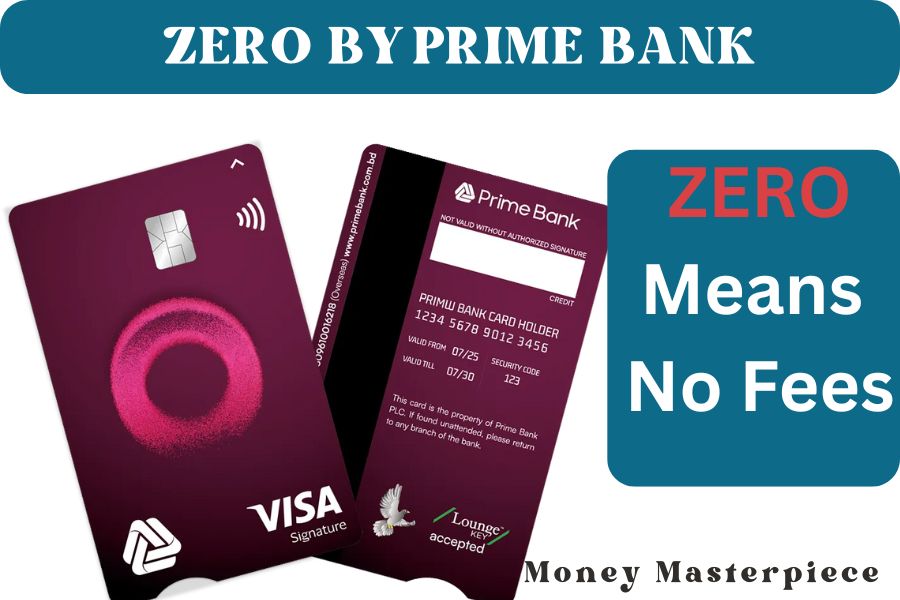
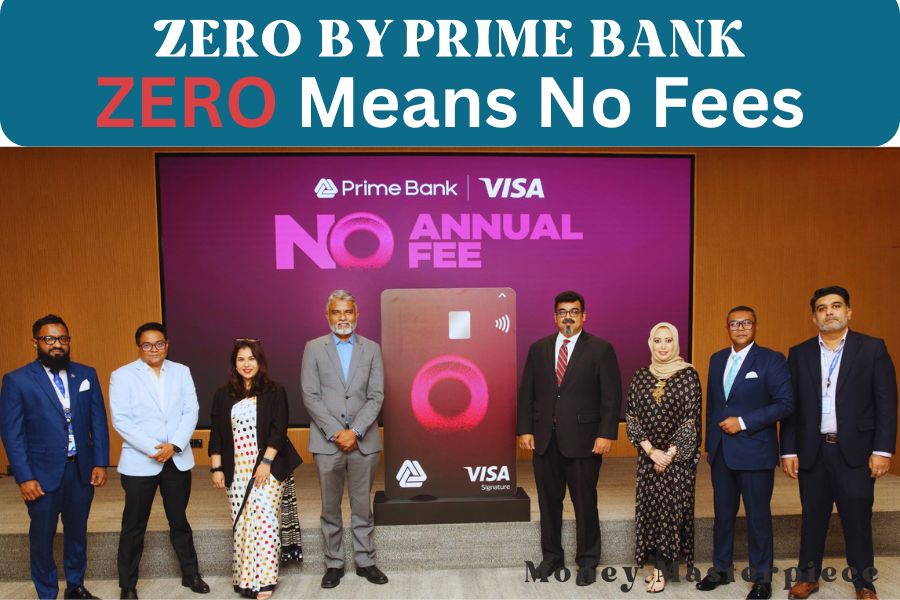
    Prime Bank PLC has launched Zero by Prime, a Visa Signature credit card that redefines how customers experience banking in Bangladesh. As the country’s first truly fee-free credit card, it combines premium lifestyle benefits with total financial transparency. Zero by Prime isn’t just another card—it’s a bold move toward customer-first innovation in retail banking.


    Why Zero by Prime Stands Out

    Zero Means Zero Fees

    Traditional credit cards often come with scheduled and hidden costs. Zero by Prime eliminates them all. This structure ensures customers enjoy the full value of their card without worrying about unexpected charges.

    One of the most compelling aspects of ZERO BY PRIME BANK is its commitment to eliminating common credit card fees. You won’t have to worry about extra charges eating into your finances, as this card comes with a remarkable list of “zero fees”:

    No Issuing Fee: Get started with no upfront cost; your card is issued completely free.

    No Annual Fee: Enjoy lifelong benefits without paying any yearly maintenance charges.

    No Over Limit Fee: You can enjoy up to 50 days interest-free with no over-limit fees.

    No Mobile Wallet Transfer Fee: Transfer funds to your mobile wallet without any extra charge.

    No EMI Processing Fee: Convert purchases into 0% EMI plans without any processing costs.

    No SMS Alert Fee: Stay updated with real-time alerts at no additional cost.

    No PIN Replacement Fee: Need a new PIN? Get it for free.

    No Statement Retrieval Fee: Access your statements anytime you need them, without paying a fee.

    With ZERO BY PRIME BANK, there are no hidden charges, ensuring you pay absolutely nothing in maintenance fees year after year

    Built for Accessibility

    One of the standout features is its blind notch design, allowing visually impaired customers to identify and use their cards independently. This small but meaningful addition reflects Prime Bank’s commitment to inclusion and user-friendly innovation.


    Zero Prime Benefits

    Beyond its zero-fee structure, ZERO BY PRIME BANK is loaded with premium benefits designed to enhance your lifestyle and financial flexibility:

    Worldwide Acceptance: The card offers worldwide ATM, POS, and E-commerce acceptance, allowing you to use it anywhere—whether shopping online, paying in-store, or withdrawing cash globally and locally.

    0% EMI Facility: This allows you to convert your purchases into easy monthly installments without paying any interest. This makes big or unexpected expenses more manageable by spreading the cost over several months, reducing financial pressure. These EMI plans come with flexible tenures (3, 6, 9, or 12 months) and are available at thousands of partner merchants. They are activated instantly at checkout with no processing fees and no surprise interest. While the card also offers an Easy Pay Plan (EPP) for larger purchases with half the usual interest, the 0% EMI facility stands out for eliminating interest costs entirely.

    Built-in Insurance Coverage: The card provides financial protection against unforeseen events, ensuring peace of mind during emergencies or accidents.

    International Airport Lounge Access: Enjoy the privilege to relax, refresh, and enjoy premium facilities at exclusive lounges worldwide, making your travel experience more comfortable and stress-free (a charge is applicable for this service).

    Reward Points: Turn your daily expenses into valuable rewards! You earn 1 Reward Point for every BDT 50 spent, which can be redeemed later.

    Convenient Bill Payment Options: Easily pay your card bill directly from your card.

    Smart Services through MyPrime App: Manage your card effortlessly, track expenses, and access exclusive features with the MyPrime app.

    24/7 Contact Center Support: Get assistance anytime with round-the-clock customer service.

    Security, Comfort, and Rewards: Whether you’re shopping or traveling, ZERO BY PRIME BANK is your ultimate companion, making every purchase seamless, rewarding, and convenient

    Premium Benefits at a Glance

    FeatureDetails
    Worldwide AcceptanceUse globally at ATMs, POS terminals, and online platforms.
    0% EMI FacilityConvert purchases into installments (3, 6, 9, or 12 months) with no fees.
    Insurance CoverageBuilt-in protection against unforeseen financial risks.
    Airport Lounge AccessRelax at premium lounges worldwide (with applicable charges).
    Reward PointsEarn 1 point per BDT 50 spent, redeemable for future purchases.
    Smart UtilitiesBill payments and management through the MyPrime app.
    24/7 Customer SupportRound-the-clock assistance ensures peace of mind anytime.

    Strategic Significance

    Reinventing Cost Structures

    By removing all traditional credit card fees, Prime Bank has challenged the status quo. This transparent structure lowers the entry barrier to premium credit facilities and sets a new benchmark in consumer banking.

    Competitive Edge

    In a crowded market, Zero by Prime differentiates itself by blending luxury with affordability. It appeals to both aspirational customers seeking lifestyle benefits and everyday users who value cost transparency.

    Financial Inclusion

    The accessible design, fee-free model, and inclusive features reflect Prime Bank’s broader mission—making financial tools available and practical for all segments of society.


    Industry Reception

    The launch event was spearheaded by Nazeem A. Choudhury, Deputy Managing Director of Consumer Banking at Prime Bank, alongside Sabbir Ahmed, Country Manager for Visa. Both emphasized how the card reflects a shift toward convenience, transparency, and premium value in Bangladesh’s financial sector.

    Industry analysts note that Zero by Prime positions Prime Bank as a customer-first innovator, while setting a new competitive standard that could pressure other banks to follow suit.


    Who Should Consider Zero by Prime?

    • Frequent travelers seeking lounge access and global usability.
    • Young professionals who want transparent, fee-free banking.
    • Everyday shoppers looking to earn rewards from daily expenses.
    • Financially cautious users who value control without surprise costs.
    • Visually impaired customers who need an accessible, thoughtful product.

    Market Impact and Future Outlook

    Zero by Prime could reshape expectations in Bangladesh’s credit card industry. As adoption grows:

    • Consumers will expect greater transparency from banks.
    • Competitors may be forced to reevaluate hidden charges.
    • Regulators could look at Zero’s model as a benchmark for fair consumer practices.

    This launch signals that Prime Bank is not only responding to customer pain points but also pushing the market toward a new era of customer-centric banking.


    ZERO BY PRIME BANK is designed to give you control over your finances with no fees and full rewards. It’s an ultimate companion for both online and in-store shopping, ensuring every purchase is seamless, rewarding, and convenient. Apply for your ZERO BY PRIME BANK Credit Card today and start your premium journey with absolutely zero cost

    Final Thoughts

    Zero by Prime is more than just a credit card—it’s a statement. By combining zero fees, premium benefits, and inclusive design, Prime Bank has created a product that balances lifestyle and accessibility with financial responsibility.

    For consumers, it offers a chance to enjoy a premium banking experience without hidden costs. For the industry, it challenges outdated norms and sets a bold precedent for transparency, innovation, and trust.

  • Banking Acronyms in Bangladesh With Abbreviations

    Banking abbreviations and acronyms are a common aspect of the financial industry, often used to simplify complex terms and concepts. These abbreviations can be found on bank statements, financial documents, and various financial websites, making it essential for individuals to understand their meanings to navigate the world of banking effectively. This blog post will provide an overview of some of the most common banking abbreviations and acronyms, helping you decipher the language of the financial world.

    Acronyms vs Abbreviations

    Acronyms and abbreviations are both shortened forms of words or phrases, but they differ in some key ways:

    Formation:

    • Acronyms: Formed by taking the initial letters or syllables of words and combining them into a new, pronounceable word. Some acronyms become words in their own right, and their original meaning may be less emphasized over time. Examples: BACH (Bangladesh Automated Clearing House), BRAC (Bangladesh Rural Advancement Committee).
    • Abbreviations: Abbreviations are shortened forms of single words or phrases. They may consist of the initial letters, a combination of letters, or a series of characters that represent the full word or phrase. Examples: Pvt. (Private), Ltd. (Limited), etc. (et cetera)

    Pronunciation:

    • Acronyms: Pronounced as a single word.
    • Abbreviations: Usually pronounced by saying each letter individually (e.g., D-R, L-T-D). Some exceptions exist, like “PhD” being pronounced “pee-aitch-dee”.

    Banking Acronyms In Bangladesh

    The list of banking abbreviations and acronyms provided in this blog post mainly focuses on Bangladesh. Therefore, this blog post will be particularly useful for individuals who are interested in understanding the banking industry in Bangladesh and its associated acronyms. Some acronyms are used in other sectors and even may seem unrelated but they are listed here for somehow being used in the banking industry. The list is alphabetically arranged to let you easily find the terms you are looking for. So, let’s start exploring!

    AACOBB Association of Anti-Money Laundering Compliance Officers of Banks in Bangladesh

    A/C Account

    ACD Agriculture Credit Department

    ACS Automated Challan System

    ACU Asian Clearing Union

    ACUD Asian Clearing Union Dollar

    ADB Asian Development Bank

    ADC Alternate Delivery Channels

    ADP Annual Development Programme

    ADR Advance Deposit Ratio

    ADs Authorised Dealers

    AFI Alliance for Financial Inclusion

    AFD Agence Francaise de Developpement

    AGDs Authorized Gold Dealers

    AGM Annual General Meeting

    AIIB Asian Infrastructure Investment Bank

    AIT Advance Income Tax

    ALCO Asset Liability Management Committee

    ALM Asset-Liability Management

    AML Anti Money Laundering

    APA Annual Performance Agreement

    APG Asia Pacific Group on Money Laundering

    APTA Asia Pacific Trade Agreement

    ASA Association for Social Advancement

    ASEAN Association of South East Asian Nations

    ATDTL Average Total Demand and Time Liabilities

    ATM Automated Teller Machine

    B2B Business to Business

    B2P Business to Person

    BAC Board Audit Committee

    BACH Bangladesh Automated Clearing House

    BACPS Bangladesh Automated Cheque Processing Systems

    BADC Bangladesh Agricultural Development Corporation

    BAFEDA Bangladesh Foreign Exchange Dealers Association

    BAMLCO Branch Anti-Money Laundering Compliance Officer

    BANBEIS Bangladesh Bureau of Educational Information and Statistics

    BARD Bangladesh Academy for Rural Development

    BAS Bangladesh Accounting Standards

    BASIC Bangladesh Small Industries and Commerce

    BAU Business As Usual

    BB Bangladesh Bank

    BBMC Bangladesh Bank Musharaka Certificate

    BBS Bangladesh Bureau of Statistics

    BBTA Bangladesh Bank Training Academy

    BCBS Basel Committee on Banking Supervision

    BCG Boston Consulting Group

    BCIC Bangladesh Chemical Industries Corporation

    BCO Branch Compliance Officer

    BCP Business Continuity Plan

    BCP Basel Core principles

    BCR Bangladesh Compounded Rate

    BDBL Bangladesh Development Bank Limited

    BDT Bangladesh Taka

    BEPZ Bangladesh Export Promotion Zone

    BEZA Bangladesh Economic Zones Authority

    BEFTN Bangladesh Electronic Fund Transfer Network

    BEPZA Bangladesh Export Processing Zone Authority

    BFIU Bangladesh Financial Intelligence Unit

    BFRS Bangladesh Financial Reporting Standards

    BGIIB Bangladesh Government Islamic Investment Bond

    BGIS Bangladesh Government Investment Sukuk

    BGITB Bangladesh Government Islamic Treasury Bill

    BGTBs Bangladesh Government Treasury Bonds

    BHBFC Bangladesh House Building Finance Corporation

    BHI Bank Health Index

    BIA Bangladesh Insurance Academy

    BIBM Bangladesh Institute of Bank Management

    BREN Bangladesh Research and Education Network.

    BGMEA Bangladesh Garments Manufactures and Exporters Association

    BHTPA Bangladesh Handloom Board Bangladesh Hi-tech Park Authority

    BIDA Bangladesh Investment Development Authority

    BIDS Bangladesh Institute of Development Studies

    BIMSTEC Bay of Bengal Initiative for Multi-Sectoral Technical and Economic Cooperation

    BIS Bank for International Settlements

    BJMC Bangladesh Jute Mills Corporation

    BKB Bangladesh Krishi Bank

    BKMEA Bangladesh Knitwear Manufacturers and Exporters Association

    BLPA Bangladesh Land Port Authority

    BO Beneficiary Owners BO Beneficial Owner

    BOI Board of Investment

    BOSEL Bangladesh Overseas Employment and Service Limited

    BoP Balance of Payments

    BPC Bangladesh Petroleum Corporation

    BPC Bangladesh Parjatan Corporation

    BPSSR Bangladesh Payment and Settlement Systems Regulations

    BPDB Bangladesh Power Development Board

    BRAC Bangladesh Rural Advancement Committee

    BRDB Bangladesh Rural Development Board

    BRMC Board Risk Management Committee

    BRPD Banking Regulation & Policy Department

    BRTA Bangladesh Road Transport Authority

    BSBL Bangladesh Samabaya Bank Limited

    BSC Bangladesh Shipping Corporation

    BSCCL Bangladesh Submarine Cable Company Limited

    BSEC Bangladesh Steel and Engineering Corporation

    BSEC Bangladesh Securities and Exchange Commission

    BSFIC Bangladesh Sugar and Food Industries Corporation

    BSCIC Bangladesh Small and Cottage Industries Corporation

    BSI Banking Soundness Index

    BSRD Bangladesh Systemic Risk Dashboard

    BSS Bangladesh Secretarial Standards

    BTCL Bangladesh Telecommunication Company Limited

    BTMC Bangladesh Textile Mills Corporation.

    BTRC Bangladesh Telecommunication Regulatory Commission

    BTMC Bangladesh Textile Mills Corporation

    BURO Basic Unit for Resources and Opportunities of Bangladesh

    c&f cost and freight

    CA Certifying Authority

    CA Chartered Accountant

    CAMD Capital Adequacy and Market Discipline

    CAMEL Capital Adequacy, Asset Quality, Management, Earnings and Liquidity

    CAMELS Capital Adequacy, Asset Quality, Management, Earnings, Liquidity and Sensitivity to Market Risk

    CAMLCO chief Anti-money Laundering Compliance Officer

    CASA Current Account, Savings Account

    CASPI CSE all share price Index

    CAR Capital Adequacy Ratio

    CBS Core Banking Solution CBS Core Banking Software

    CCA Controller of Certifying Authority

    CCB Capital Conservation Buffer

    CCB Counter-cyclical Capital Buffer

    CCC Central Compliance Committee

    CCTG Coordination Committee Technical Group

    CCTV Closed-circuit Television

    CDBL Central Depository Bangladesh Limited

    CDLC Central Depository for Large Credit

    CECRFP COVID-19 Emergency and Crisis Response Facility Project

    CEO Chief Executive Officer

    CET1 Common Equity Tier-1

    CETP Central Effluent Treatment Plant

    CEU Chief Economist’s Unit

    CEZL City Economic Zone Limited

    CFC Cyber Fusion Center

    CFP Contingency Funding Plan

    CFR Cost and Freight

    CFSI Composite Financial Stability Index

    CFT Combating the Financing of Terrorism

    CGC Corporate Governance Code

    CGS Credit Guarantee Scheme

    CIB Credit Information Bureau

    CIF Cost, Insurance and Freight

    CIC Central Intelligence Cell

    CICO Cash In/ Cash Out

    CIDD Center for Inclusive Development Dialogue

    CIP Commercially Important Person

    CIPC Customers Interest Protection Centre

    CIRDAP Centre on Integrated Rural Development for Asia and the Pacific

    CIT Cheque Imaging and Truncation

    CMMS Corporate Memory Management System

    CMS Cottage, Micro and Small Enterprise

    CMSME Cottage, Micro, Small and Medium Enterprises

    CNY Chinese Yuan Renminbi

    COVID-19 Corona Virus Disease of 2019

    CP Commercial paper

    CPI Consumer Price Index

    CRAB Credit Rating Agency of Bangladesh

    CRAR Capital to Risk-weighted Asset Ratio

    CRISL Credit Rating Information and Services Limited

    CRM Credit Risk Management

    CRMs Cash Recycler Machines/Cash Recycling Machine

    CRMR Comprehensive Risk Management Report

    CRR Cash Reserve Requirement

    CSE Chittagong Stock Exchange

    CSP Customer Security Program

    CSR Corporate Social Responsibility

    CYFI Child and Youth Finance International

    DBI-1 Department of Banking Inspection-1

    DBI-2 Department of Banking Inspection-2

    DBI-3 Department of Banking Inspection-3

    DBI-4 Department of Banking Inspection-4

    DBI-5 Department of Banking Inspection-5

    DBI-6 Department of Banking Inspection-6

    DBI-7 Department of Banking Inspection-7

    DBI-8 Department of Banking Inspection-8

    DCFCL Departmental Control Function Checklist

    DEI Diversity, Equity and Inclusion

    DFEI Department of Foreign Exchange Inspection

    DFIM Department of Financial Institutions & Market

    DFS Digital Financial Services

    DIB Dollar Investment Bond

    DID Deposit Insurance Department

    DIS Deposit Insurance System

    DITF Deposit Insurance Trust Fund

    DMBs Deposit Money Banks

    DMD Debt Management Department

    DMS Document Management System

    DNC Department of Narcotics Control

    DNS Deferred Net Settlement

    DOMS Digital Office Management System

    DOS Department of Off-site Supervision

    DP Depository Participant DPs Depository Participant

    DPA Domestic Processing Areas

    DPB Dollar Premium Bond

    DSE Dhaka Stock Exchange

    DSEX Dhaka Stock Exchange Broad Index

    D-SIBs Domestic Systemically Important Banks

    DTA Deferred Tax Assets

    DTH Direct to Home

    DVS Document Verification System

    EAR Early Alert Review

    EBCP Enterprise Business Continuity Plan

    EBITDA earnings before interest, taxes, depreciation and amortization

    EC Executive Committee

    ECB European Central Bank

    ECAI External Credit Assessment Institutions

    ECF Extended Credit Facility

    ECL Expected Credit Loss

    ECRL Emerging Credit Rating Limited

    EDF Export Development Fund

    EDS Electronic Dealing System

    EDW Enterprise Data Warehouse

    EEF Equity and Entrepreneurship Fund

    EFD Electric Fiscal Device

    EFT Electronic Fund Transfer

    EGBMP Enterprise Growth and Bank Modernization Programme

    EI Expenditure-Income

    EMI Equated Monthly Installments

    EMT Executive Management Team

    EMV EuroPay, MasterCard and VISA

    EOI Expression of Interest

    EoP End of Period

    EPB Export Promotion Bureau EPZ Export Processing Zone

    EPS Earnings Per Share

    ERAF Enterprise Risk Associates Forum

    ERGF Enterprise Risk Governance Forum

    ERM Enterprise Risk Management

    ERMC Executive Risk Management Committee

    ERP Enterprise Resource Planning

    ERQ Exporters’ Retention Quota

    ESCAP the United Nations Economic and Social Commission for Asia and the Pacific

    ESDD Environmental and Social Due Diligence

    ESF Entrepreneurship Support Fund

    ESG Environmental, Social & Governance

    ESRM Environmental and Social Risk Management

    ESRR Environmental and Social Risk Rating

    ETP Effluent Treatment Plant

    EU European Union

    EVA Economic Value Added

    EXIM Export Import Bank of Bangladesh

    FAO Food and Agriculture Organisation

    FATF Financial Action Task Force

    FC Foreign Currency

    FCA Financial Conduct Authority

    FCD Forreign Currency Deposit

    FCBs Foreign Commercial Banks

    FCK Fixed Chimney Kiln

    FCY Foreign Currency

    FDI Foreign Direct Investment

    FEPD Foreign Exchange Policy Department

    FFD Freedom Fixed Deposit

    FIs Financial Institutions

    FICSD Financial Integrity and Customer Service Department

    FID Financial Inclusion Department

    FIID Financial Institutions Inspection Department

    FIU Financial Intellligence Unit

    FMI Financial Market Infrastructure

    FPMU Food Planning and Monitoring Unit

    FoB Free on Board FPM Financial Projection Model

    FRC Financial Reporting Council

    FRS Financial Stability Report

    FRTB Floating Rate Treasury Bond

    FRTMD Foreign Reserve and Treasury Management Department

    FSD Financial Stability Department

    FSM Financial Stability Map

    FSR Financial Stability Report

    FSs Financial Statements

    FSSSPD Financial Sector Support and Strategic Planning Department

    FSSP Financial Sector Support Project

    FUM Fund Under Management

    FVI Financial Vulnerability Index

    FX Foreign Exchange

    FY Financial Year (July- June)

    G2P Government to Person

    G-7 Group of Seven

    GABV Global Alliance for Banking on Values

    GCRM Guidelines on Country Risk Management

    GDE Gross Domestic Expenditure

    GDP Gross Domestic Product

    GDS Gross Domestic Savings

    GF Green Finance

    GFSR Global Financial Stability Report

    GFET Guidelines for Foreign Exchange Transactions

    GHG Green House Gas

    GIIB Government Islamic Investment Bond

    GIZ German Agency for International Cooperation

    GNI Gross National Income GNS Gross National Savings

    GPF General Provident Fund

    GoB Government of Bangladesh

    GRA General Resources Account

    GRI Global Reporting Initiative

    GS Govornor Secretariat

    GSIMS Government Savings Instrument Management System

    GTF Green Transformation Fund

    GVA Gross Value Added

    H1 First Half

    H2 Second Half

    HBFC House Building Finance Corporation

    HFT Held for Trade

    HHK Hybrid Hoffman Kiln

    HRD Human Resources Department

    HTM Held to Maturity

    HQLA High Quality Liquid Asset

    IAD Internal Audit Department

    IADI International Association of Deposit Insurers

    IAMCL ICB Asset Management Company Ltd

    IAR Integrated Annual Report

    IAS International Accounting Standards

    IASB International Accounting Standards Board

    IB Islamic Banking

    IBF Islamic Bond Fund

    IBFT Internet Banking Fund Transfer

    IBRD International Bank for Reconstruction and Development

    IBS Islamic Banking System

    ICAAP Internal Capital Adequacy Assessment Process

    ICAB International Chartered Accountants of Bangladesh

    ICB Investment Corporation of Bangladesh

    ICC Internal Control and Compliance

    ICCD Internal Control and Compliance Division

    ICMAB Institute of Cost and Management Accountants of Bangladesh

    ICML ICB Capital Management Ltd

    ICSB Institute of Chartered Secretaries of Bangladesh

    ICT Information and Communication Technology

    ID Identity Document

    IDA International Development Association/ International Development Agency

    IDLC Industrial Development Leasing Company

    IDR Investment Deposit Ratio

    IDRA Insurance Development and Regulatory Authority

    IESBA International Ethics Standards Board for Accountants’

    IFC International Finance Corporation

    IFRS International Financial Reporting Standards

    IFF Illicit Financial Flow

    IIFM Islamic Inter-bank Fund Market

    IIRC International Integrated Reporting Council

    IMF International Monetary Fund

    IMTOs International Money Transfer Operators

    IOSCO International Organization of Securities Commissions

    IPDC Industrial Promotion and Development Company

    IPFF Investment Promotion and Financial Facility IPFF Investment Promotion and Financing Facilities

    IPO Initial Public Offering

    IR Investor Relations

    IRF Incident Response Forum

    IRM Investment Risk Management

    IRIDP-3 ‘Important Rural Infrastructure Development Project on Priority Basis-3

    ISAs International Standards on Auditing

    ISDSD Information Systems Development and Support Department

    ISMD Integrated Supervision Management Department

    ISO International Organisation for Standardisation

    ISS Integrated Supervision System

    ISSP Information System Strategy Paper

    ISTCL ICB Securities Trading Company Ltd.

    IT Information Technology

    ITC-ILO International Training Centre of the International Labour Organisation

    ITES Information Technology Enabled Services

    ITM Interbank Transaction Matrix

    JBC Jibon Bima Corporation

    JICA Japan International Cooperation Agency

    JPY Japanese Yen

    KPI Key Performance Indicators

    KRI Key Risk Indicator

    KSA Kingdom of Saudi Arabia

    KYC Know Your Customer

    LC Letter of Credit

    LCR Liquidity Coverage Ratio

    LDCL Loan Documentation Checklist

    LDPE Low-Density Polyethylene

    LEA Law Enforcement Agencies

    LED Light Emitting Diode

    LF-I-SME Local Finance Initiatives Support to SMEs

    LFSSP Line of Finance to Support SMEs Project

    LIBOR London Interbank Offered Rate

    LOS Loan Originating System

    LPG Liquefied Petroleum Gas

    LS Liquidity Support

    LSF Liquidity Support Facility

    LTD. Limited

    LTFF Long Term Financing Facility

    M1 Narrow Money

    M2 Broad Money

    MANCOM Management Committee

    MCR Minimum Capital Requirements

    ME Mutual Evaluation

    MF-CIB Credit Information Bureau for Micro Finance Institutions

    MFIs Microfinance Institutions

    MFS Mobile Financial Services

    MFSPs Mobile Financial Service Providers

    MI Market Infrastructure M

    MICR Magnetic Ink Character Recognition

    MIMAP Micro Impact of Macroeconomics and Adjustments Policies

    ML Money Laundering

    MLT Medium to Long Term

    MoF Ministry of Finance

    MoU Memorandum of Understanding

    MPD Monetary Policy Department

    MPI Murabaha Post Import

    MPS Monetary Policy Statement

    MPSA Microsoft Product and Services agreement

    MRA Microcredit Regulatory Authority

    MSI Monetary Sector Index

    MSMEs Micro, Small and Medium Enterprises

    MTMF Medium Term Macroeconomic Framework

    MTR Murabaha Trust Receipt

    MVA Market Value-added

    NAFTA North American Free Trade Agreement

    NAV Net Assets Value

    (NBDCs Non- bank Depository Corporations

    NBFIs Non-Bank Financial Institutions

    NBR National Board of Revenue

    NCI Non-controlling Interest

    NDA Net Domestic Assets

    NEER Nominal Effective Exchange Rate

    NFA Net Foreign Assets

    NFAs No-Frill Accounts

    NFC Near Field Communication

    NFCD Non-Resident Foreign Currency

    NFCs Non Financial Corporations

    NFIS National Financial Inclusion Strategy

    NGOs Non-Governmental Organisations

    NIA Negotiable Instruments Act

    NIBM National Institute of Bank Management

    NII Net Interest Income

    NIM Net Interest Margin

    NIS National Integrity Strategy

    NITAs Non-resident Investor’s Taka Accounts

    NOPAT Net Operating Profit After Tax

    NPA Non-performing Asset

    NPI Non-performing Investment

    NPL Non-performing Loan

    NPLs Non-performing Loans

    NPSB National Payment Switch, Bangladesh

    NRB Non-resident Bangladeshi

    NSDS National Sustainable Development Strategy

    NSFR Net Stable Funding Ratio

    OBO Off-shore Banking Operation

    OBU Off-shore Banking Unit

    ODA Official Development Assistance

    ODB Overdraft-block

    ODC Overdraft- current

    OFC Other Financial Corporations

    OIC Organization of Islamic Cooperation

    OMO Open Market Operation

    OMOF Open Market Operations Fund

    OMS Open Market Sales

    OPGSPs Online Payment Gateway Service Providers

    OTC Over the Counter P2B Person to Business

    P2G Person to Government

    P2P Person to Person

    PAT Profit After Tax

    PBT Profit Before Tax

    PBV Price-to-book Value

    PCB Printed Circut Board

    PCBs Private Commercial Banks

    PCIDSS Payment Card Industry Data Security Standard

    PDs Primary Dealers

    PESTEL Political, Economic, Social, Technological, Legal, and Environment.

    PET Polyethene Terephthalate

    PFDS Public Food Distribution System

    PF Proliferation Financing

    PFI Participating Financial Institution

    PGL Portfolio Guarantee Limit

    PIF Post Import Financing

    PKSF Palli Karma Sahayak Foundation

    PLS Profit and Loss Sharing

    PMBF Professional Masters in Banking and Finance

    PMFIs Participating Microfinance Institutions

    PMS Performance Management System

    PN Policy Note

    POL Petroleum, Oil and Lubricants

    POs Partner Organisations

    POS Point of Sale

    PPE Personal Protective Equipment

    PP&E Property, Plant and Equipment

    PPG Product Program Guideline

    PSD Payment Systems Department

    PSO Payment Systems Operator

    PSP Payment Services Providers

    PSR Profit Sharing Ratio

    PV Photovoltaic

    PVC Polyvinyl Chloride

    QFSAR Quarterly Financial Stability Assessment Report

    QIIP Quantum Index of Industrial Production

    QOR Quarterly Operations Report

    QR Quick Response

    RAKUB Rajshahi Krishi Unnayan Bank

    RAM Random Access Memory

    RAS Risk Appetite Statement

    RBCA Risk Based Capital Adequacy

    RBS Risk Based Supervision

    RBIA Risk Based Internal Audit

    RCDM Real-time Cash Deposit Machine

    RCF Rapid Credit Facility

    RFCD Resident Foreign Currency Deposit

    RECI Regional Economic Climate Index

    REER Real Effective Exchange Rate

    REPO Repurchase Agreement

    RFFO Regulatory Fintech Facilitation Office

    RFI Rapid Financing Instrument

    RHS Right Hand Side

    RICO Racketeer Influenced and Corrupt Organizations Act

    RJSC & F Registrar of Joint Stock Companies & Firms

    RM Reserve Money

    RMD Risk Management Division

    RMG Ready Made Garments

    RMU Risk Management Unit

    ROA Return on Assets

    ROC Regional Operating Centre

    ROE Return on Equity

    RoI Return on Investment

    RPO Repeat Public Offering

    RTDM  Real Time Deposit Machine RTDM

    RTGS Real Time Gross Settlement

    RTI Right to Information

    RTL Raw Tech Limited

    RWA Risk Weighted Assets

    SAARC South Asian Association for Regional Cooperation

    SABINCO Saudi-Bangladesh Industrial & Agricultural Investment Company Limited

    SAFA South Asian Federation of Accountants

    SAM Special Asset Management

    SAP Systems, Applications and Products in data processing

    SARs Suspicious Activity Reports

    SBs Specialized Banks

    SBC Shadharan Bima Corporation

    SCBs State -owned Commercial Banks

    SCDP Second Crop Diversification Project

    SCF Supply Chain Finance Solution

    SCT Strategic Communication Team

    SD Statistics Department

    SD Secure Digital

    SDC Sales Data Controller

    SDC Swiss Agency for Development and Cooperation

    SDGs Sustainable Development Goals

    SDP Skills Development Program

    SDR Special Drawing Rights

    SEC Securities and Exchange Commission

    SEF Small Enterprise Fund

    SEIP Skills for Employment Investment Programme

    SEK Singapore Dollar SF Sustainable Finance

    SFD Sustainable Finance Department

    SFU Sustainable Finance Unit

    SGD Singapore Dollar

    SIM Subscriber Identity Module

    SLR Statutory Liquidity Ratio

    SMA Special Mention Account

    SMAP Small and Marginal Sized Farmers Agricultural Productivity Improvement and Diversification Financing Project

    SMEs Small and Medium-sized Enterprises

    SMESDP Small and Medium-sized Enterprise Sector Development Project

    SMESPD SME & Special Programmes Department

    SMS Short Message Service

    SOC Security Operation Centre

    SOCBs State Owned Commercial Banks

    SOICs State Owned Insurance Companies

    SP Special Publication

    SPCBL Security Printing Corporation (Bangladesh) Ltd.

    SPCSSECP Supporting Post COVID-19 Small Scale Employment Creation Project

    SPM Suspended Particulate Matter

    SPS Service Process Simplification

    SPTB Special Treasury Bonds

    SPV Special Purpose Vehicle

    SREP Supervisory Review Evaluation Process

    SRF Socially Responsible Finance

    SQAT Software Quality Assurance and Testing

    SRP Supervisory Review Process

    SREP Supervisory Review Evaluation Process

    SREUP Safety Retrofits and Environment Upgrades in RMG Project

    SRF Socially Responsible Financing

    SSD Solid State Drive

    STP Straight-Through-Processing

    STRs Suspicious Transaction Reports

    SWIFT Society for Worldwide Interbank Financial Telecommunication

    TA Technical Assistance

    TAT Turnaround Time

    TBS Triple Benefit Savings

    TF Terrorist Financing

    TDS Tax Deducted at Source

    TIN Tax Identification Number

    TMS Treasury Management System

    TMSS Thengamara Mohila Sabuj Sangha

    ToR Terms of Reference

    ToT Terms of Trade

    TSEL Technaf Solar Tech Energy Limited

    TSS Technical Support Services

    UAE United Arab Emirates

    UBSP Urban Building Safety Project

    UK United Kingdom

    UNCDF United Nations Capital Development Fund

    UNCTAD United Nations Conference on Trade and Development

    UNODC United Nations Office on Drugs and Crime

    UNSDGs United Nations’ Sustainable Development Goals

    US United States

    USA United States of America

    USB Universal Serial Bus

    USD US Dollar

    USDOJ US Department of Justice

    VAS Value Added Service

    VAT Value Added Tax

    VDP Village Defense Party

    VoC Voice of Customers

    VSBK Vertical Shaft Brick Kiln

    WAR Weighted Average Resilience

    WAR-WIR Weighted Average Resilience-Weighted Insolvency Ratio

    WDV Written Down Value

    WEDB Wage Earner Development Board

    WEF Women Entrepreneur Fund

    WEO World Economic Outlook

    WFH Working From Home

    WHO World Health Organization

    WHT Withholding Tax

    WP Working Paper

    WTO World Trade Organisation

    YLP Young Leaders’ Programme

    YoY Year on Year

    Conclusion

    Understanding banking abbreviations and acronyms is crucial for navigating the complex world of finance. By familiarizing yourself with these terms, you can better comprehend financial documents, statements, and conversations. The more you learn about these abbreviations and acronyms, the more informed decisions you can make about your financial matters. So, take the time to explore the list of abbreviations and acronyms provided in this blog post, and empower yourself to better understand and manage your finances.
  • AML/CFT Compliance as a career

    In today’s rapidly evolving global financial landscape, the demand for professionals skilled in Anti-Money Laundering (AML) and Combatting the Financing of Terrorism (CFT) compliance has reached unprecedented levels. Regulatory requirements have become more stringent and complex in response to the increasing sophistication of criminal activities. Financial institutions and corporations now place a premium on compliance, risk mitigation, and ethical behavior. This has transformed AML/CFT compliance into a highly sought-after and rewarding career path with global reach. In this blog post, we will explore why individuals should consider a profession in AML/CFT compliance, the prerequisites for pursuing this career, and the rewarding aspects it offers.

    What Does AML/CFT Compliance Involve?

    Defining AML and CFT Compliance

    Anti-Money Laundering (AML) and Combatting the Financing of Terrorism (CFT) compliance are critical components of the global effort to combat financial crimes.

    • AML Compliance primarily focuses on preventing money laundering, which is the process of making illegally obtained funds appear legitimate by funneling them through various transactions or financial institutions. AML compliance measures aim to detect and report suspicious financial activities that may be indicative of money laundering.
    • CFT Compliance is centered around preventing the financing of terrorism, which involves providing financial support to terrorist organizations or individuals. CFT measures are designed to identify and disrupt the flow of funds that may be used to carry out acts of terrorism.

    Understanding the Importance of Regulatory Compliance

    The financial sector is highly regulated due to its vulnerability to criminal exploitation. Regulatory authorities around the world impose stringent AML and CFT requirements on financial institutions, businesses, and even non-profit organizations. These regulations are designed to:

    • Identify and report suspicious transactions
    • Verify the identity of customers and beneficial owners
    • Maintain comprehensive records of transactions
    • Conduct risk assessments to detect vulnerabilities
    • Implement robust internal controls and compliance programs

    Failure to adhere to these regulations can result in severe consequences, including hefty fines, legal actions, reputational damage, and loss of business licenses. Moreover, non-compliance can have far-reaching consequences, as it can contribute to the funding of criminal activities and terrorism.

    The Role of AML/CFT Professionals

    Professionals in AML/CFT compliance play a pivotal role in ensuring that organizations adhere to these regulations and prevent financial crimes. Their responsibilities include:

    • Risk Assessment: Conducting risk assessments to identify and evaluate the potential risks associated with a company’s operations and customer base.
    • Transaction Monitoring: Implementing systems and procedures to monitor transactions for unusual or suspicious activity.
    • Customer Due Diligence (CDD): Verifying the identity of customers and conducting background checks to determine the legitimacy of their financial transactions.
    • Suspicious Activity Reporting: Identifying and reporting suspicious transactions to relevant authorities, such as Financial Intelligence Units (FIUs).
    • Training and Education: Ensuring that employees are well-informed about AML/CFT regulations and compliance procedures.
    • Internal Investigations: Conducting internal investigations into potential compliance breaches and recommending corrective actions.

    Examples of Illicit Activities and Consequences of Non-Compliance

    AML and CFT compliance are crucial because they help prevent a wide range of financial crimes, such as:

    • Money Laundering: Criminals attempt to legitimize illegally obtained funds by funneling them through legitimate financial systems. Non-compliance can result in the unwitting facilitation of these activities.
    • Terrorist Financing: Non-compliance can enable the flow of funds to terrorist organizations, allowing them to carry out acts of violence and instability.
    • Fraud: Failure to identify and report fraudulent activities can lead to financial losses and damage an organization’s reputation.
    • Corruption: Money laundering often accompanies corrupt practices, such as bribes and embezzlement.
    • Drug Trafficking: Criminal organizations often rely on money laundering to hide the proceeds of drug trafficking.

    Why Opt for a Profession in AML/CFT Compliance?

    Opting for a profession in Anti-Money Laundering (AML) and Combatting the Financing of Terrorism (CFT) compliance offers numerous compelling reasons:

    1. High Demand and Job Security: AML/CFT regulations have become increasingly stringent in response to evolving financial crimes. Financial institutions, corporations, and government agencies are continuously seeking skilled professionals to ensure compliance. This high demand translates into job security and career stability.
    2. Impactful Work: AML/CFT professionals play a pivotal role in safeguarding the financial system from illicit activities that fund terrorism and organized crime. Every success in this field contributes to the security and fairness of the global financial system and protects society from the negative consequences of financial crime.
    3. Global Reach: AML/CFT compliance is not limited by geographic boundaries. It offers a career with global reach, allowing professionals to work in various countries and collaborate with international counterparts. This global perspective can be intellectually stimulating and culturally enriching.
    4. Intellectual Challenge: The field is dynamic and ever-evolving, requiring professionals to stay updated on regulatory changes, emerging threats, and new technologies. This intellectual challenge keeps the work engaging and encourages continuous learning.
    5. Cross-Functional Collaboration: Compliance officers work closely with multiple departments within organizations, including legal, risk, operations, and human resources. This cross-functional collaboration provides a comprehensive understanding of an organization’s operations and regulatory environment, fostering a well-rounded skill set.
    6. Ethical Fulfillment: A career in AML/CFT compliance offers the satisfaction of knowing that your work contributes to the ethical operation of the financial sector. By preventing financial crimes and ensuring adherence to regulations, you help maintain the integrity of financial systems.
    7. Competitive Compensation: Due to the specialized nature of AML/CFT compliance and the demand for expertise, professionals in this field often enjoy competitive compensation packages and opportunities for career advancement.
    8. Diverse Career Paths: AML/CFT compliance opens doors to diverse career paths within the financial industry, including roles in risk management, regulatory affairs, internal audit, and legal compliance. This diversity allows professionals to explore different aspects of the financial sector.
    9. Constantly Evolving Field: The AML/CFT landscape is continuously evolving, driven by changes in technology, financial products, and global regulations. This means that professionals in this field are always adapting and staying ahead of new challenges.
    10. Global Reputation: AML/CFT professionals are respected for their commitment to ethical financial practices and their role in ensuring the integrity of the international financial system. This can enhance your professional reputation within the financial industry.

    How to Pursue a Profession in AML/CFT Compliance

    Pursuing a profession in Anti-Money Laundering (AML) and Combatting the Financing of Terrorism (CFT) compliance requires a combination of education, experience, certifications, and networking. Here are the steps to help you pursue a career in this field:

    1. Educational Foundation:
      • Choose a Relevant Degree: Start by pursuing a bachelor’s degree in a related field such as finance, law, accounting, business management, or economics. These fields provide a solid foundation for understanding financial systems, regulations, and compliance.
      • Consider Advanced Education: Although not always required, obtaining a master’s degree or further education in AML/CFT or a related field can set you apart and deepen your expertise.
    2. Gain Practical Experience:
      • Entry-Level Positions: Begin your career by seeking entry-level positions in compliance, risk management, or legal departments of financial institutions, government agencies, or corporations. These roles will help you develop a practical understanding of AML/CFT regulations and their application.
      • Internships: If you’re a student or recent graduate, consider internships in AML/CFT compliance departments. Internships provide hands-on experience and networking opportunities.
    3. Certifications:
      • Obtain AML/CFT Certifications: Earning certifications specific to AML/CFT compliance can significantly enhance your qualifications. Some recognized certifications include:
        • Certified Anti-Money Laundering Specialist (CAMS)
        • Certified Financial Crime Specialist (CFCS)
        • Certified Global Sanction Specialist (CGSS)
        • Certified Fraud Examiner (CFE)
      • Continuing Education: Keep your certifications current by participating in ongoing training and education to stay informed about regulatory changes and best practices.
    4. Networking:
      • Join Industry Associations: Become a member of industry associations and organizations related to AML/CFT compliance. These groups provide networking opportunities, access to resources, and the chance to stay updated on industry trends.
      • Attend Conferences and Seminars: Participate in AML/CFT conferences, seminars, and workshops to connect with professionals in the field, learn from experts, and gain insights into the latest developments.
      • LinkedIn and Online Forums: Create a strong professional presence on LinkedIn and participate in online forums and discussions related to AML/CFT compliance. Engaging in online communities can help you build connections and share knowledge.
    5. Job Search:
      • Leverage Job Boards: Utilize job search websites and platforms specific to finance and compliance to find relevant job openings.
      • Utilize Career Services: If you’re a student or recent graduate, take advantage of your university’s career services office for job placement assistance and guidance.
      • Tailor Your Resume: Customize your resume and cover letter to highlight your relevant skills, certifications, and experience in AML/CFT compliance.
    6. Prepare for Interviews:
      • Research the Organization: Thoroughly research the prospective employer to understand their specific AML/CFT compliance needs and priorities.
      • Behavioral Questions: Be prepared for behavioral interview questions that assess your problem-solving abilities, ethical judgment, and compliance knowledge.
    7. Continuous Learning:
      • Stay up-to-date with regulatory changes, industry trends, and emerging technologies in the AML/CFT field through continuous learning and professional development.
    8. Ethical Mindset:
      • Approach your career in AML/CFT compliance with a strong ethical mindset. Emphasize the importance of integrity, transparency, and adherence to regulations in your work.

    By following these steps and continually building your knowledge and expertise, you can pursue a rewarding and impactful profession in AML/CFT compliance. This career path not only offers job security but also provides the opportunity to contribute to the ethical operation of the global financial system.

    Is a Career in AML/CFT Compliance Rewarding?

    Beyond the competitive compensation and job security that AML/CFT compliance offers, it’s essential to consider the moral implications of this career. Every success in this field contributes to the security and fairness of the global financial system, protecting society from the harmful consequences of financial crime.

    Emphasizing Ethical Fulfillment and Societal Impact

    A career in AML/CFT compliance offers immense ethical fulfillment. Compliance professionals are the frontline defenders against financial crimes that fund terrorism and enable criminal activities. Each successful compliance effort contributes to the security and fairness of the global financial system and helps protect society from the negative consequences of financial crime.

    Highlighting the Intellectual Challenge and Continuous Learning

    The AML/CFT field is dynamic and ever-evolving. Professionals must stay updated on regulatory changes, emerging threats, and new technologies. This intellectual challenge keeps the work engaging and encourages continuous learning and growth. It provides opportunities to develop expertise in a rapidly changing field.

    Discussing the Potential for Career Advancement and Competitive Compensation

    Due to the specialized nature of AML/CFT compliance and its growing importance, professionals in this field often enjoy opportunities for career advancement. This can include moving into senior compliance roles, management positions, or even consulting. Organizations are willing to offer competitive compensation packages to attract and retain top talent, providing financial stability and career progression.

    Balancing the Rewards with Challenges and Responsibilities

    While the rewards of a career in AML/CFT compliance are substantial, it’s essential to acknowledge the challenges and responsibilities that come with the territory. Compliance professionals must remain vigilant, adhere to strict ethical standards, and continuously adapt to the evolving regulatory landscape to ensure their efforts remain effective. However, the sense of purpose and societal impact make these challenges worthwhile for those committed to maintaining ethical financial practices.

    FAQs

    Is AML a difficult job?

    AML (Anti-Money Laundering) is indeed a challenging job, requiring a unique blend of skills and responsibilities. Compliance professionals in AML must navigate complex regulations, stay abreast of ever-evolving financial crime tactics, and meticulously scrutinize vast volumes of financial data. They must possess a keen eye for detail, analytical prowess, and the ability to detect subtle patterns that may indicate money laundering or terrorist financing.

    Furthermore, AML professionals must communicate effectively, both internally and with regulatory bodies, to ensure that their organizations are in compliance. The job carries significant responsibilities, as overlooking suspicious activities can result in severe legal and financial consequences for their institutions. Despite its challenges, a career in AML can be highly rewarding, offering a sense of purpose in safeguarding the integrity of the financial system and protecting society from the harmful effects of financial crime.

    Who benefits from AML?

    Anti-Money Laundering initiatives primarily benefit society and the global financial system by combatting illicit financial activities. These regulations and efforts prevent criminals from laundering their ill-gotten gains, financing terrorism, and engaging in other forms of financial crime. As a result, AML measures protect the integrity and stability of financial institutions, maintain investor confidence, and ensure fair and transparent financial markets. Additionally, AML compliance benefits governments and law enforcement agencies by providing valuable information to investigate and prosecute financial criminals. Ultimately, AML benefits everyone by fostering trust in the financial sector, promoting ethical financial practices, and contributing to a safer, more secure global economy.

    Is AML slow-growing or fast-growing?

    AML is a fast-growing field. Over the past few decades, the complexity of financial crimes and the global regulatory landscape have evolved significantly. This has led to an increased demand for professionals skilled in AML compliance across various industries, including banking, finance, and even technology. The ongoing emergence of new threats, regulatory changes, and the integration of advanced technologies like artificial intelligence and blockchain further fuel the rapid growth of AML as organizations prioritize compliance to combat financial crimes and maintain their reputations.

    Is AML compliance a good career?

    A career in AML (Anti-Money Laundering) compliance is a rewarding and highly regarded choice. It offers job security, competitive compensation, and the satisfaction of preventing financial crimes that fund illegal activities. AML professionals play a vital role in ensuring the integrity of the financial system, making it an ethical and impactful career. However, it comes with challenges such as evolving regulations and the need for continuous learning. For those who value ethics, intellectual stimulation, and a sense of purpose, AML compliance is an excellent career path with global relevance.

    In Conclusion

    A career in AML/CFT compliance is both challenging and rewarding. It demands a combination of knowledge, skills, and dedication. However, if you are inquisitive, diligent, and seeking a profession with a significant impact on society, AML/CFT compliance could be your ideal career choice. It offers the opportunity to be at the forefront of regulatory developments, shape ethical financial practices, and contribute to the security of the global financial system.