Category: Behavioral Economics

  • Why Money Matters in the Society?

    Why Money Matters in the Society?

    Money is important in society as it enables individuals to fulfill their basic needs and acquire goods and services. Money also plays a significant role in determining an individual’s status in society and can provide access to better healthcare, education, and living conditions.

    In today’s world, money is arguably one of the most crucial aspects of survival. It is a medium of exchange that enables people to purchase food, shelter, clothing, and other daily necessities. Without money, individuals may struggle to meet their basic needs and live a life of poverty.

    Money also functions as a status symbol in society. The amount of money a person has can impact their social standing and the way they are perceived by others. Those with more money often have access to better education, healthcare, and living conditions which can significantly impact their quality of life. Moreover, money plays an essential role in the economy and provides a means of creating wealth and generating income for individuals and businesses. Although money cannot buy happiness, it is undoubtedly a vital part of modern-day society and can significantly impact an individual’s life.

    Why Money Matters: Discover the Power It Holds in Society.

    Credit: greatergood.berkeley.edu

    The Importance Of Money In Modern Society

    Money is a powerful force that holds significant importance in modern society. Its historical significance dates back to ancient civilizations where bartering was the first mode of trade. The concept of currency evolved over time to suit the needs of different societies.

    Today, it plays a crucial role in economics, facilitating the exchange of goods and services. Understanding the role of money is vital to comprehend how it functions in society. Apart from facilitating trade, money also acts as a measure of wealth and value.

    It impacts everyone’s daily lives, from basic necessities to luxuries. Therefore, it is crucial to handle money responsibly. Understanding its significance provides insight into the complexities of modern society.

    The Psychology Of Money

    Money holds immense power in society, influencing people’s behavior and decisions. The psychology behind money is fascinating, as it represents more than just an object of trade. The emotional attachment people have with money is profound, often leading to irrational behavior.

    Consumer spending habits are deeply rooted in psychological factors, such as impulse buying and the desire for instant gratification. Additionally, money can impact mental health, leading to financial stress and anxiety. It’s important to understand the power of money and its psychological impact on individuals and society as a whole.

    By acknowledging the emotional attachment people have with money and recognizing the impact it has on mental health, we can make informed decisions and improve our overall well-being.

    The Connection Between Money And Power

    Money and power are deeply interconnected in our society. Wealth has a direct correlation with influence, whether in politics, business, or social mobility. Those with the most money tend to have the most power, as they can fund and control the most significant projects and initiatives.

    In politics, campaign contributions can sway decisions and create biased policies. In the business world, those with the most capital can make the most significant investments and expand their operations much faster than others. Finally, social mobility, or the ability to move up in social status, is heavily influenced by money.

    Having access to educational and career opportunities requires a certain level of financial stability that many cannot attain. Understanding the power of money in society is essential to understanding social structures and how to create a more equitable world.

    The Impact Of Money On Personal Relationships

    Money plays a significant role in personal relationships. Financial disagreements can take a toll on romantic relationships, causing stress and tension. When priorities differ, it’s important to have open and honest conversations to find a mutual solution. Financial issues can also impact friendships, as lending or borrowing money can create tension and awkwardness.

    It’s crucial to maintain financial boundaries and communicate expectations. Money affects society in various ways and can influence our personal and professional relationships. It’s important to understand the power money holds and work towards healthy and responsible financial habits.

    Navigating The Complexities Of Money Management

    Money can be complicated, but there are strategies for navigating its complexities. Financial planning and investment are two key areas to focus on. When managing money, it’s important to avoid common mistakes such as overspending or not saving enough. Financial literacy is also crucial in today’s world to understand the power money holds in society.

    It’s a skill that can help you make informed decisions and secure a better financial future. So, whether you’re just starting out or looking to improve your finances, taking the time to learn and plan can go a long way in managing your money effectively.

    Frequently Asked Questions Of Why Is Money Important In Society?

    Why Is Money So Important?

    Money is important because it allows for exchange of goods and services and facilitates economic growth.

    How Does Money Impact Society?

    Money impacts society by influencing consumer behavior, creating economic stability and shaping political policies.

    What Are The Benefits Of Money In Society?

    Money provides access to goods and services, helps individuals to achieve financial independence and allows for economic growth and development.

    Why Do We Need Money To Survive?

    We need money to purchase goods and services necessary for survival such as food, shelter, and healthcare.

    How Does The Lack Of Money Affect Society?

    The lack of money affects society by creating poverty, limited access to basic needs, economic instability and social inequality.

    What Is The Role Of Money In The Economy?

    Money plays a crucial role in the economy by serving as a medium of exchange, store of value and unit of account.

    Can Money Buy Happiness?

    Studies show that money can improve happiness up to a certain point, but beyond that point, money has little impact on overall well-being.

    Conclusion

    Money may just be a piece of paper or a number in a bank account, but its importance cannot be denied in society. It affects every aspect of our lives, from providing basic necessities such as food and shelter, to shaping our social status and defining our ambitions.

    Along with these benefits, money can also lead to negative consequences, such as greed and inequality. It is up to each individual to find a balance between valuing money and valuing the things that cannot be bought with it, like relationships and personal fulfillment.

    Money is important in society for the opportunities and comfort it can provide, but ultimately, the pursuit of it should not overshadow the value of intangible things that make life rich and meaningful. By understanding the role of money in our lives, we can make informed decisions and strive for a more equitable and fulfilling future.
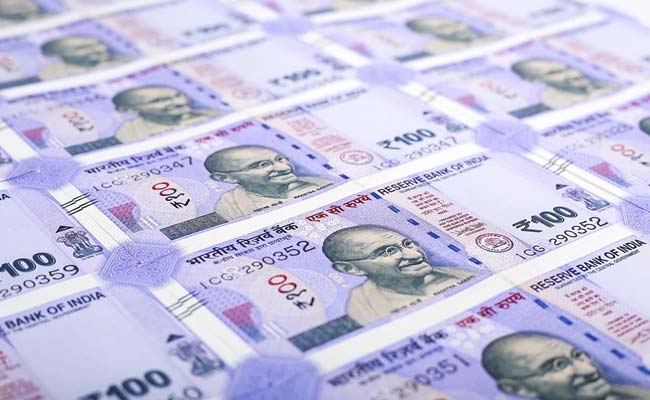
  • What are the Functions of Money? Explained by Experts.

    What are the Functions of Money? Explained by Experts.

    The basic functions of money are to serve as a medium of exchange, a unit of account, and a store of value. Money facilitates transactions, allows prices to be easily compared, and can be saved for future use.

    Money has been an essential part of human civilization throughout history, and it plays a critical role in modern economies. Understanding the functions of money is crucial for anyone who wants to grasp the complex workings of the global financial system.

    In this article, we will explore the three primary functions of money in more detail and look at how they impact our daily lives. From the simple act of buying groceries to the more complex world of investment banking, money affects us all, and it pays to have a solid grasp of its functions. So, let us dive in and explore the fascinating world of money and finance.

    What are the Functions of Money? Explained by Experts.

    Credit: www.livemint.com

    Store Of Value

    Money is often viewed as a store of value, due to its ability to be kept and used for future transactions. This is one of the key functions of money, as it allows people to accumulate wealth and save for future expenditures.

    In order to be an effective store of value, money must maintain its purchasing power over time. This means that it should not be subject to significant inflation or devaluation, which would erode its value over time. Governments and central banks have a role to play in ensuring the stability of money as a store of value, through measures such as anti-inflationary policies and sound monetary policy.

    Ultimately, the ability of money to function as a store of value is a key factor in its widespread acceptance and usage in modern economies.

    Medium Of Exchange

    Money serves as a medium of exchange for goods and services. People use money to facilitate transactions and avoid the hassle of bartering. According to economic experts, money also acts as a store of value, allowing individuals to save for future purchases, and a unit of account, providing a standard measurement of value.

    The convenience of money as a medium of exchange has led to its widespread use throughout the world. As such, its value is determined by market forces and influenced by a variety of factors, including inflation, currency exchange rates, and economic stability.

    Ultimately, money plays a critical role in modern economies and our daily lives.

    https://www.youtube.com/watch?v=i8oXkXYkEnM

    Unit Of Account

    Money functions as a unit of account, facilitating easy determination of the value of goods and services. The monetary unit provides a standard measure to compare costs, income, and profits. Thus, an efficient system of exchange is established, ensuring trust and confidence in the economy.

    Consumers can easily compare prices and make rational spending decisions. Businesses can track costs and determine profits accurately. Overall, the concept of money acting as a unit of account is crucial for a stable economic system.

    Standard Of Deferred Payment

    Money serves as a standard of deferred payment, meaning that it allows us to settle debts at a later time. This function of money is particularly important in modern economies where many transactions occur without immediate exchange. Without a means of deferred payment, economic activity would be severely constrained.

    Additionally, the use of money as a standard of deferred payment allows for more complex economic transactions such as loans and investments. Overall, this function of money plays a critical role in facilitating economic activity and growth.

    Basis Of Comparison

    Money is an essential part of our daily lives, and it serves various functions. Money acts as a medium of exchange, a store of value, and a unit of account. The medium of exchange function is what we commonly associate with money, enabling us to purchase goods and services.

    Money also serves as a store of value, meaning that we can save it for future use. Finally, money acts as a unit of account, where it provides a reference point for measuring values. The basis of comparison between different types of money is their ability to perform these functions efficiently and effectively.

    The functions of money are vital for individuals and societies in defining their economic prosperity and financial independence.

    FAQs

    What Are The 3 Functions Of Money?

    The three functions of money include a medium of exchange, unit of account, and store of value.

    How Does Money Serve As A Medium Of Exchange?

    Money serves as a medium of exchange by enabling buyers and sellers to trade goods and services without bartering.

    What Is The Importance Of Money As A Unit Of Account?

    Money serves as a unit of account by providing a common measure of value. It helps in comparative valuation of goods and services.

    How Does Money Serve As A Store Of Value?

    Money serves as a store of value by allowing people to save. It maintains its value over time and is easily accessible.

    What Is The Impact Of Inflation On The Store Of Value Of Money?

    Inflation decreases the purchasing power of money, making it less valuable over time as it loses its ability to store value.

    Why Is Liquidity Important For Money As A Store Of Value?

    Liquidity ensures that money can be quickly converted into other assets, making it easier to use as a store of value.

    Why Is The Concept Of Time Value Of Money Significant?

    The time value of money refers to the idea that a dollar today is worth more than a dollar received in the future due to inflation and other factors. It is significant because it impacts investment decisions and financial planning.

    Conclusion

    Money has been a fundamental part of human civilization, providing a medium of exchange, store of value, and unit of account. As we have seen, there are different functions of money, including serving as a medium of exchange, unit of account, store of value, and standard of deferred payment.

    These functions have been crucial in facilitating economic transactions, reducing transaction costs, increasing efficiency, and promoting economic growth. While the functions of money have remained the same over time, its form and nature have evolved. The emergence of digital currencies and online payment systems, for example, has challenged the traditional form of money and spurred innovation in the financial sector.

    As such, it is important for policymakers, businesses, and individuals to understand the functions of money and how it can be used to achieve their economic, social, and personal goals.

  • What is the Stability of Money? Exploring Its Enduring Value

    What is the Stability of Money? Exploring Its Enduring Value

    The stability of money refers to the ability of money to maintain its value over time. Money stability is a critical characteristic of any currency and is an essential component of the economy.

    To maintain the stability of money, the central bank must control inflation and ensure that prices of goods and services do not increase erratically. Inflation, which is a sustained increase in the overall price level of an economy, can erode the value of money.

    This means that currency can buy fewer goods and services than before, leading to a decrease in purchasing power. Therefore, to promote economic growth and financial stability, governments and central banks worldwide work towards maintaining the stability of money through various monetary policies and measures.

    What is the Stability of Money? Exploring Its Enduring Value.

    Credit: www.nytimes.com

    The Concept Of Money

    Money is a concept that has been around for centuries. It is defined as any physical or digital medium of exchange that is widely accepted in transactions. Throughout history, money has evolved from bartering goods to using coins, paper notes, and even digital currencies.

    Despite these changes in form, the concept of money remains the same – a means to store and transfer value. Money can also act as a store of value, allowing individuals to save up for future transactions. The stability of money is crucial to its enduring value, as it allows individuals to trust in its worth.

    Understanding the basics of money and its historical evolution can help individuals make informed financial decisions in the present day.

    The Stability Of Money

    Money has been around for centuries as a means of exchange for goods and services. The stability of money refers to its enduring value over time and its ability to retain its purchasing power. Money stability is affected by various factors such as inflation, economic growth, and political stability.

    Maintaining money stability is crucial for economic growth as it provides certainty and predictability for businesses and consumers. A stable money system also encourages investment and reduces the risk of financial crisis. Understanding the stability of money is essential for creating a sustainable and prosperous economy.

    It’s vital to have a well-regulated monetary system that can adapt to changing economic conditions to ensure long-term stability.

    Money Stability And Inflation

    The stability of money and inflation share an important relationship. Inflation is the rate at which prices of goods and services increase over time. This, in turn, affects the value of money. Higher inflation means money loses its purchasing power, and the value of savings decreases.

    To maintain money stability and fight inflation, central banks around the world implement policies such as controlling interest rates, increasing or decreasing the money supply, and regulating the banking system. Maintaining stable money is essential for a thriving economy, and it gives people confidence in their monetary investments and savings.

    A stable currency supports trade and growth and provides a reliable standard of value for prices and transactions. Consequently, central banks, governments, and financial institutions work diligently to ensure stable money and to limit the effects of inflation.

    Money Stability And Financial Crisis

    Money stability is crucial during financial crisis, yet history has shown that stability is not always guaranteed. The causes of financial crisis are varied and complex, ranging from housing bubbles to monetary policy failures. During times of crisis, central banks attempt to stabilize money through various methods such as lowering interest rates or implementing quantitative easing.

    However, these actions can also have unintended consequences and may not always be effective. Therefore, it is essential for governments and financial institutions to carefully consider their policies and actions to ensure the stability of money in times of crisis.

    By maintaining the enduring value of money, we can mitigate the devastating effects of financial instability on society.

    The Enduring Value Of Money

    Money isn’t just a medium of exchange, but a symbol of stability. The enduring value of money is rooted in trust. People trust that it will be accepted as payment and retain its value over time. Its stability is vital to economies and individuals, providing a sense of security and predictability.

    The long-term significance of money stability cannot be overstated. As technology advances, so too does the evolution of money. Cryptocurrencies challenge traditional notions of money but also create new opportunities for global transactions. Technology can impact money stability, such as the potential for cyberattacks.

    Ultimately, money stability will continue to evolve, but the enduring value of trust will remain the foundation.

    Frequently Asked Questions On What Is The Stability Of Money?

    What Is The Stability Of Money?

    Money stability refers to the value of money remaining the same over time with the ability to store value and purchasing power.

    How Is The Stability Of Money Measured?

    The stability of money is measured by analyzing inflation and deflation rates, as well as other economic indicators.

    What Factors Affect The Stability Of Money?

    Factors that affect the stability of money include economic growth, inflation, deflation, changes in currency supply, and government policies.

    Why Is The Stability Of Money Important?

    The stability of money is important for economic growth, as it encourages investment and productivity, and provides a stable base for transactions.

    How Does The Stability Of Money Impact Individuals?

    The stability of money impacts individuals by determining the value of their savings, investments, and spending power.

    What Is The Role Of The Government In Ensuring Money Stability?

    The government can ensure money stability through policies that promote economic growth, regulate inflation and deflation, and manage the currency supply.

    How Can Individuals Protect Against Instability In Money?

    Individuals can protect against instability in money by investing in diverse assets, utilizing savings accounts and other low-risk investment options, and keeping up-to-date with economic indicators.

    Conclusion

    As we come to the end of our discussion on the stability of money, we understand that it is a complex concept. We have explored how money has evolved over time, the factors that affect its stability, and the measures that are taken to maintain it.

    From inflation to recession, the stability of money plays a vital role in our economy and our lives. We learned that there are several strategies employed by governments and central banks to stabilize the value of money, such as controlling interest rates and regulating the money supply.

    It is crucial for everyone to comprehend the importance of a stable monetary system to avoid financial instability. By understanding how money works, we can make informed decisions and manage our finances better. Overall, the stability of money is a crucial aspect of modern society, and we must continue to study and improve our understanding of it for a better future.

  • What Are the Features of Money? Discover Its Key Elements.

    What Are the Features of Money? Discover Its Key Elements.

    The features of money include portability, durability, divisibility, uniformity, limited supply, and acceptability as a widely accepted medium of exchange. Money has been an integral part of human society for thousands of years, serving as a means of exchange and facilitating trade.

    The characteristics of money have evolved over time, with modern global economies now relying on complex electronic systems and digital currencies. However, the essential features of money remain unchanged. In this article, we will explore the key features of money and why they are important for both individuals and societies.

    Understanding the characteristics of money can help individuals make informed decisions about their finances and contribute to economic stability and growth. So, let’s delve into the features of money and why they matter.

    What Are the Features of Money? Discover Its Key Elements.

    Credit: www.youtube.com

    Medium Of Exchange

    Money is a medium of exchange used to purchase goods and services. It is a form of currency that facilitates transactions. The key features of money include its durability, portability, divisibility, uniformity, limited supply, and acceptability. Durability ensures that money can withstand wear and tear and last for a long time.

    Portability ensures that money can be easily transported from one place to another. Divisibility means that money can be divided into smaller units to facilitate transactions. Uniformity means that every unit of money is the same, making it easy to recognize and value.

    Limited supply ensures that the value of money is maintained over time. Acceptability means that money is recognized and accepted by all parties involved in a transaction. Understanding the features of money is crucial for everyone who wants to participate in the economy.

    Unit Of Account

    Money serves as a unit of account, which means it’s used as a way to measure value. It also helps in comparing goods and services. This feature of money is important because it enables individuals and businesses to transact with each other with ease.

    Furthermore, it enables different economic units to measure prices and track financial transactions. A good example of money serving as a unit of account is the use of prices of goods and services to determine the value of different currencies.

    This function of money provides a means for people to store value and serves as a standard for economic transactions. Overall, money as a unit of account plays a vital role in the economy and is a key element in understanding the value of goods and services.


    Store Of Value

    Money is a universal store of value that can be easily converted into goods and services at any time. It’s fundamental features are durability, portability, divisibility, and uniformity. Durability is crucial as money must be able to withstand wear and tear.

    Portability allows it to be easily carried and exchanged. Divisibility means it can be broken down into smaller denominations. Uniformity ensures that all units of money are the same, making them interchangeable. These key elements come together to make money an essential part of our daily lives.

    As a store of value, it helps us to save, invest and spend with confidence, knowing that it will retain its worth over time.

    Portability

    The portability of money is one of its key features. It allows individuals to easily carry and exchange value. Currency notes and coins are the most portable forms of money, as they can be easily transported and used. The development of digital payments has also increased the portability of money, making it easier to access and transfer funds across the globe.

    Despite the convenience of digital payments, physical currency still remains a popular form of portable money due to its ease of use and wide acceptance. The portability of money provides individuals with financial freedom and flexibility, allowing them to conduct transactions on the go and in any location.

    Durability

    Durability is an essential feature of money that ensures its longevity and continued value. Money must withstand wear and tear, environmental factors, and the passage of time. It should be able to retain its shape, color, and weight, without deteriorating or depreciating.

    Additionally, money should be easy to carry, store, and transport, while being resistant to counterfeiting and fraud. It should have a universally recognized value, enabling individuals to exchange it for goods and services across geographies and time periods. Finally, money must be divisible, allowing it to be broken down into smaller units, and fungible, meaning each unit is interchangeable with another.

    By adhering to these key elements of durability, money can serve as a reliable and trustworthy medium of exchange.

    Frequently Asked Questions For What Are The Features Of Money?

    What Are The Features Of Money?

    Money has several characteristics like durability, divisibility, portability, recognizability, uniformity, and limited supply.

    Why Is Money Considered Divisible?

    Money is divisible because we can divide it into smaller units to make transactions more flexible.

    Why Is Portability Important In Money?

    Portability is crucial in money as it allows individuals to carry it around easily, making transactions possible anywhere.

    How Is Recognizability Significant In Money?

    Recognizability is important in money to prevent fraud and counterfeiting. It ensures that people can trust the currency’s authenticity.

    Why Is Uniformity Necessary In Money?

    Uniformity is crucial in money to prevent confusion and ensure that people can recognize it no matter where they are in the world.

    Why Is Limited Supply A Feature Of Money?

    Money’s limited supply allows it to maintain its value, making it an effective tool for exchanging goods and services.

    How Does Durability Make Money Valuable?

    Durability is essential in money as it ensures that it can last for a long time and maintain its value, making it a reliable medium of exchange.

    Conclusion

    Money is an essential part of our daily lives, and understanding its features can help us use it efficiently. We’ve covered the important characteristics of money, including durability, portability, divisibility, uniformity, and limited supply. These features ensure that money circulates smoothly between transactions and maintains its value over time.

    As technology advances, new forms of money are emerging, such as cryptocurrencies and digital wallets. These innovations present both opportunities and challenges for individuals and businesses alike. While the future of money remains uncertain, we can be sure that it will continue to play a vital role in our society.

    By staying informed and educated about its features, we can use money to our advantage and achieve our financial goals.

  • Why Money Matters: Unlocking its True Power

    Why Money Matters: Unlocking its True Power

    Money is important because it provides financial security and enables individuals to fulfill their basic needs. Money is necessary to survive in today’s society, as it allows individuals to pay for housing, food, and other essential expenses.

    Beyond basic necessities, money provides opportunities for education, travel, and personal growth. Money can also be used to invest in one’s future and create a stable financial foundation. Additionally, having financial stability can lead to a sense of peace and reduced stress, which can positively impact an individual’s physical and mental health.

    Money provides individuals with the ability to support loved ones and contribute to charitable causes. While money is not the key to happiness, it is a vital aspect of life that allows individuals to meet their needs and pursue their goals.

    Why Money Matters: Unlocking its True Power

    Credit: www.etsy.com

    The Importance Of Money

    For centuries, money has played an important role in society. Throughout history, it allowed people to trade goods and services, create wealth, and establish governments. Money also facilitated the growth of economies and allowed for advancements in technology and innovation.

    The ability of money to create wealth and power still drives our world today. It provides access to resources and opportunities, motivates people to pursue success and can even influence political decisions. As such, it is critical to understand the importance of money and how it can benefit us and society as a whole.

    By unlocking the true power of money, we can achieve our goals and make a positive impact on the world around us.

    Understanding Personal Finances

    Understanding personal finances is crucial in unlocking the true power of money. Creating a personal budget is the foundation of managing one’s finances efficiently. It helps in tracking expenses, setting financial goals and saving for the future. Investing wisely is another important aspect to consider.

    Learning about different investment options and their risks can lead to long-term financial stability. Debt management is equally important as it affects one’s credit score and future borrowing options. Avoiding unnecessary debt and paying off existing debts should always be a priority.

    Make informed financial decisions with knowledge about personal finances, budgeting, investing, and managing debts.


    Mastering The Art Of Making Money

    Money, undoubtedly, holds immense power. With it, you can chase your passions without any financial burden. Pursuing your passion has never been easier than with a healthy sum at your disposal. You can also create a successful career with money on your side.

    But, the true potential lies in entrepreneurship. With sufficient funds, you can invest in your vision and turn your ideas into a booming business. In short, money is not just a mean to an end but an opportunity to fulfill your aspirations.

    Mastering the art of making money can lead to greater things in life and help you achieve your goals. So, embrace it wisely and use it to fuel your dreams.

    Financial Freedom And Wealth Creation

    Money is an essential aspect of life, and its importance cannot be denied. Achieving financial freedom and creating wealth is a process that requires careful planning and strategy. When planning for retirement, it is important to consider various factors such as expenses, savings, and investment options.

    To achieve sustainable wealth, it is crucial to create multiple streams of income and invest in assets that appreciate over time. Building a strong financial foundation is key to achieving long-term goals. With proper planning and execution, financial freedom is within reach.

    Unlock the true power of money by taking control of your finances and investing in your future.

    Money And Your Wellbeing

    Money is more than just a tool for buying things. It has a significant impact on our overall wellbeing, including our mental health. Financial stress, whether it’s debt, income instability, or lack of savings, can take a toll on our mental health.

    On the other hand, building generational wealth can provide a sense of security and independence. Moreover, money can be a powerful tool for philanthropy, supporting causes we care about and making a difference in the world. When we understand the true power of money, we can use it for our own benefit and the benefit of others.

    By taking control of our finances, we can improve not only our financial situation but also our mental and emotional wellbeing.

    Frequently Asked Questions For Why Is Money Important?

    Why Is Money So Important In Our Life?

    Money is important because it helps you access the goods and services you need to live a comfortable life.

    How Does Money Impact Our Daily Lives?

    Money impacts our daily lives in various ways, including what we eat, wear, where we live, and how we spend our leisure time.

    What Role Does Money Play In Achieving Goals?

    Money plays a crucial role in achieving goals by providing resources to support our aspirations and make them a reality.

    Can Money Buy Happiness?

    Money can enhance happiness, but it can’t buy it. Experiences, social connections, and quality of life play a more significant role in achieving happiness.

    How Does Money Impact Mental Health?

    Financial stress can negatively impact mental health, leading to anxiety, depression, and other negative outcomes. However, having financial security can increase well-being.

    What Are The Consequences Of Not Managing Money Wisely?

    Failure to manage money wisely can lead to various consequences, such as debt, job loss, legal problems, and financial stress.

    How Can People Learn To Manage Their Money Better?

    People can learn to manage their money better through education, seeking advice from financial experts, budgeting, and focusing on financial goals.

    Conclusion

    Money is a necessary component to lead a comfortable life, but like everything else, it comes with its pros and cons. It is needed to fulfill basic needs such as food, shelter, and clothing. However, the system of money has led people to become obsessed with material possessions, leading to a downplay of human values such as love and relationships.

    Money should be used as a tool to fulfill your aspirations and goals, but not at the cost of your happiness and mental peace. Saving wisely, investing responsibly, and spending consciously are few ways to strike a balance in life with regards to money.

    It is important to realize that money cannot buy everything, and one must learn to appreciate the smaller things in life. Money holds value in our lives, but ultimately, what is truly important is how you achieve a balance between your financial stability and overall well-being.

  • What Are the Main Functions of Money? Explained in Detail.

    The main functions of money are to act as a medium of exchange and a store of value. Money is used to facilitate transactions and allow for the exchange of goods and services in a market economy.

    It is also considered a store of value because it can be saved and used to purchase goods and services in the future. Money is a universal currency that allows for easy measuring and comparison of value, making it an essential tool for economic growth and development.

    Money also serves as a unit of account and a standard of deferred payment, making it an integral part of modern economic systems. In this article, we will explore the different functions of money and how it plays a crucial role in the functioning of our economies.

    What Are the Main Functions of Money? Explained in Detail.

    Credit: study.com

    Understanding Basic Economics

    Money is the backbone of any economy, and without it, life would be incredibly difficult. The basic functions of money are to act as a medium of exchange, a unit of account, and a store of value. Essentially, money makes trading goods and services more efficient and reliable.

    The concept of money dates back thousands of years, with ancient civilizations using various items as currency, such as shells or precious metals. Over time, monetary systems have evolved, from simple bartering systems to the use of paper currency and digital payments we have today.

    Understanding the role and functions of money are crucial in economics and can help individuals make better financial decisions.

    The Main Functions Of Money

    Money is a vital part of modern life and serves four key functions. Firstly, it acts as a medium of exchange that facilitates trade and commerce. Secondly, it serves as a unit of account to measure the value of goods and services.

    Thirdly, it acts as a store of value, allowing people to save money for future use. Finally, it acts as a standard of deferred payment, making it possible for people to borrow and lend money. Understanding these functions of money is crucial to realizing the importance of the role it plays in our lives and in the economy.

    As an exchange medium, money helps economies thrive by enabling trade, while acting as a unit of account helps individuals make informed choices. Being aware of its role as a store of value and standard of deferred payment can help people plan and make decisions that benefit their financial wellbeing.


    How Money Functions In Modern Society

    Money functions in countless ways in modern society and significantly impacts commerce, trade, and financial stability. The importance of currency stability cannot be overlooked. Stable currency ensures steady economic growth and prevents inflation, which is why financial institutions play a crucial role in monetary transactions.

    Central banks are also vital for maintaining economic stability, as they control the money supply and interest rates, leading to a check on inflation or deflation. In essence, money is a key determinant of a society’s well-being; it serves as a medium of exchange, a unit of account, and a store of value.

    From purchasing basic necessities to contributing to national and global economies, money is an important part of our daily lives.

    The Effects Of Money On Society

    Money has a significant impact on society. Economically, it affects various components, including production, consumption, distribution, and savings. Monetary policies implemented by governments and central banks have social implications, such as controlling inflation, unemployment and stabilising the economy. Correlation between economic growth and monetary policy is crucial as well.

    A stable or growing economy helps in reducing poverty, inequality, and increasing standards of living. On the other hand, a financial crisis can cause social unrest, unemployment and inequality. Understanding the functions of money is necessary for assessing economic and social impacts.

    Overall, managing monetary policies effectively can lead to a stable and prosperous economy with better living standards for the members of that society.

    Future Trends In Monetary Systems And Currencies

    Money plays a vital role in the economy and plays several functions such as being a medium of exchange, a measure of value, a store of value and a standard of deferred payment. With the world becoming more digitized, there is an increasing trend towards digital currencies such as cryptocurrencies.

    Blockchain technology has allowed for secure transactions without a central authority. International monetary systems, on the other hand, play a significant role in regulating the flow of money across borders. Emerging economies tend to move towards more current systems, while developed countries usually rely on the stability of their local currency.

    The future of monetary systems and currencies is hard to predict but will certainly be influenced by technology advances. As such, we can expect the trend of cryptocurrencies and digital banking to continue to grow while the influence of international monetary systems will remain stable.

    Frequently Asked Questions Of What Are The Main Functions Of Money?

    What Is The Definition Of Money?

    Money is a medium of exchange that is widely accepted in transactions for goods or services.

    What Are The Three Functions Of Money?

    The three main functions of money include: a medium of exchange, a unit of account, and a store of value.

    Why Is Money A Medium Of Exchange?

    Money serves as a medium of exchange because it eliminates the need for bartering and makes transactions more efficient.

    How Does Money Act As A Unit Of Account?

    Money acts as a unit of account by providing a standard measure of value to compare the worth of different items or assets.

    What Is The Function Of Money As A Store Of Value?

    Money serves as a store of value by retaining its purchasing power over time and allowing for future transactions.

    How Does Inflation Affect The Function Of Money As A Store Of Value?

    Inflation decreases the purchasing power of money over time and reduces its function as a store of value.

    What Happens When Confidence In A Currency Is Lost?

    When confidence in a currency is lost, it can lead to hyperinflation and eventually the rejection of the currency altogether.

    Conclusion

    As we have explored, the main functions of money are to serve as a medium of exchange, a unit of account, a store of value, and a standard of deferred payment. These functions have evolved over time, with money taking various forms, from barter trading to coins, paper money and digital currencies.

    Understanding the fundamental functions of money is important because it helps us appreciate the role of money in the economy and enables us to appreciate the importance of sound monetary policies for stable economic growth. Although money has many benefits, it also has the potential to fuel inflation, debt, and speculative bubbles.

    Therefore, it’s crucial that the authority in charge of money supply ensures that its supply is in line with the economy and controlled. Ultimately, money is a tool that needs to be used wisely and responsibly.