Category: Behavioral Economics

  • What is the Power of Money in Society?

    What is the Power of Money in Society?

    The power of money in society is immense. It holds the ability to influence and shape almost every aspect of life.

    Money can determine social status, access to resources, and opportunities. It can also impact an individual’s health, education, and future. The significance of money is deeply ingrained in the way we live and perceive the world around us. Society often equates success with wealth, leading to a culture of materialism and consumerism.

    Money can create a sense of security and freedom, but it can also cause chaos and corruption. In today’s world, the power of money is evident in the growing income disparities between the rich and poor. The wealthy have greater access to resources and opportunities while the poor struggle to meet their basic needs. Understanding the power of money in society is crucial to creating a more equitable and just world.

    Understanding The Role Of Money In Society

    Money is a powerful tool that affects society in various ways. Its importance lies in the fact that it is the medium of exchange for goods and services. From cowrie shells to digital currencies, money has evolved with society over time.

    In modern times, it plays a critical role in determining economic stability, social status, and political power. The value of money goes beyond purchasing power and enables individuals and institutions to wield significant influence. From funding research to waging wars, money is at the center of many societal decisions.

    Understanding the role of money in society is necessary to comprehend its impact and influence on our lives.

    The Psychological Impact Of Money On Individuals And Society

    Money plays a powerful role in shaping individuals and society. Our personalities and behaviors are significantly affected by our financial circumstances. Wealth often leads to confidence and higher self-worth, while poverty breeds insecurity and low self-esteem. Money molds our attitudes towards ourselves and others and influences our decision-making.

    For instance, financial stress can lead to poor mental health, affecting academic or career performance. On the other hand, financial security influences social status and can limit opportunities or provide access to better options. Understanding the psychological impact of money on individuals and society is crucial to address the growing economic disparity and its detrimental effects.

    Money is not just a financial currency but a psychological one too, impacting our everyday lives in significant ways.

    The Socioeconomic Impact Of Money In Society

    Money is a vital factor that drives society and has a significant socioeconomic impact. It is closely linked to power and influence. The unequal distribution of wealth widens the gap between the rich and the poor and has a significant impact on society.

    Studies show that the greater the income inequality, the higher the crime rate, excessive consumption and environmental degradation. On the other hand, money provides access to better healthcare, education and standard of living. The affluent use their wealth to influence political decisions, reinforcing economic inequalities and social stratification.

    The ever-increasing importance of money in society has a profound impact on the way we live, interact and relate to people. It’s important to recognize the potential negative impact of money on society and work towards creating a fairer distribution of resources for a better future.

    The Cultural Impact Of Money In Society

    Money is not just a financial tool; it shapes and influences various cultural values and beliefs. From the way we interact with each other to the relationships we build, money plays a significant role in our society. The power of money can either break or create social norms, and its influence resonates in different aspects of our daily lives.

    The societal status attached to wealth shapes the way we perceive each other, making us put more value on material possessions. Money dictates the level of social and economic mobility, an essential aspect in building relationships and achieving personal goals.

    The influence of money on cultural values and beliefs is evident, leaving a significant impact on our society.

    The Future Of Money In Society

    Money holds significant power in society. It can influence decisions and shape livelihoods. Looking towards the future, technology will play a major role in transforming the way money operates. The rise of digital currencies and mobile payment systems can redefine how individuals access financial resources.

    Additionally, the impact of technology on the banking industry is changing how banks operate, from simplifying transactions to increasing accessibility. As technology continues to evolve, it is important to consider the impact it will have on society’s financial landscape. Redefining the role of money to create an equitable society should be a priority.

    By leveraging technology to democratize access to financial resources, we can create a future where everyone has equal opportunities to thrive.

    FAQs

    What Is The Role Of Money In Society?

    Money acts as a vital tool for exchanging goods and services, borrowing, and investing.

    What Is The Relationship Between Money And Power?

    Money leads to power as people with money can influence decisions and shape society.

    Does Money Bring Happiness?

    While money can momentarily bring happiness, long-term satisfaction comes from relationships and experiences.

    What Is The Impact Of Money On Healthcare?

    Money plays a crucial role in the development and accessibility of healthcare systems worldwide.

    Can Money Create Inequalities In Society?

    Yes, unequal distribution of money can lead to economic disparities and promote social inequalities.

    What Is The Effect Of Money On Politics?

    Money is an essential part of politics as it can influence election outcomes and shape policies.

    How Does Money Affect The Education System?

    The availability of money affects the quality of education, access to resources and teacher salaries.

    Conclusion

    As summarized in this blog post, money holds immense power in society as it impacts social status, access to resources and opportunities, and shapes our societal values and norms. While it is natural to aspire for financial stability and success, it’s essential to be mindful of the impact our actions and decisions have on the wider community.

    The unequal distribution of wealth robs many individuals of their basic rights and dignity. In the pursuit of wealth, we must not compromise our values, relationships, and overall well-being. Instead, we must instill principles of generosity, compassion, and equity in our daily lives to create a world where everyone has equal access to opportunities and resources.

    As individuals, we may not be able to dismantle systemic inequalities overnight, but we can take small steps towards building a more just and equitable society.
  • What are the Negative Effects of Money?

    What are the Negative Effects of Money?

    The negative effects of money include greed and corruption. Money can lead to a love of material possessions and can cause people to value wealth over relationships and experiences.

    Money, while necessary for survival and comfort, can also bring about negative consequences. One such consequence is greed. Obsession with acquiring more money can lead to unethical behavior, such as fraud and embezzlement. There is also the danger of corruption, as people in positions of power may be swayed by the promise of money.

    Additionally, money can lead to a focus on material possessions, causing individuals to value wealth over relationships and experiences. While money can offer freedom and opportunities, it is important to recognize its potential negative effects and strive for balance.

    What are the Negative Effects of Money? The Dark Side Unveiled.

    Credit: wrestletalk.com

    The Positive Side Of Money

    Money has been and will always be a significant part of our lives. However, we often overlook the positive effects of money. One of the primary aspects of money is that it is used as a means of exchange and transaction, providing us with the ability to access goods and services quickly and efficiently.

    Money also serves as a symbol of success and security, a way for individuals to measure their achievements, and an instrument for financial freedom. By possessing money, one could fund essential necessities, invest money, and live without the fear of financial insecurity.

    Money can positively impact our lives when used appropriately. Thus, acknowledging the constructive influence of money is crucial to an individual’s overall financial wellbeing.

    The Negative Effects Of Money

    Money is often seen in a positive light, a means to achieve financial freedom and live a comfortable life. However, it’s important to acknowledge the dark side and negative impact money can have on individuals. Money addiction and obsession can lead to compulsive behavior, causing individuals to prioritize wealth over everything else.

    This can result in increased stress and anxiety, leading to physical and mental health problems. Greed and selfishness can damage relationships and cause social isolation. Focusing solely on monetary gain can also lead individuals to neglect their health, resulting in reduced well-being.

    In essence, while financial stability is important, it’s important to balance it with other aspects of life to avoid succumbing to the negative effects of money.

    The Causes Of Negative Effects Of Money

    Money is an essential part of modern society. However, it also has a dark side that can cause negative effects on individuals, communities, and even nations. There are many causes of these negative effects, one of which is social and cultural norms.

    Our society often values wealth and material possessions over other qualities, which can lead to feelings of inadequacy and greed. Another contributing factor is consumerism and materialism, which encourage people to buy more than they need and prioritize their own desires over others’ well-being.

    Finally, capitalism and economic inequality play a significant role in the negative effects of money by creating an uneven distribution of wealth and opportunities. All these factors work together to contribute to the harmful effects of money, highlighting the importance of being mindful of our relationship with wealth.

    Coping Strategies For Negative Effects Of Money

    Money, while essential, can have negative effects. To cope with these effects, mindfulness and self-awareness are crucial. Prioritizing values and relationships over monetary gain helps maintain emotional balance. Practicing gratitude and generosity in all areas of our lives can help shift our focus.

    Reducing consumption and living a simpler life can lead to finding joy in non-material things. In case negative effects persist, seeking professional help can make a significant difference. Coping strategies can help combat the negative effects of money and lead to a more fulfilling life.

    Frequently Asked Questions Of What Are The Negative Effects Of Money?

    What Are The Negative Effects Of Being Wealthy?

    Having too much money can lead to feelings of isolation, anxiety and depression.

    Can Money Really Make You Unhappy?

    Yes, according to studies, having too much money can lead to feelings of isolation, anxiety, and depression.

    Is Money The Root Of All Evil?

    Money is not inherently evil but the love of it can lead to negative actions.

    How Does Money Affect Relationships?

    Money can cause tension and conflict in relationships, especially if one person has more than the other.

    Does Having More Money Make You Selfish?

    Studies have shown that the more money people have, the less empathetic and compassionate they tend to be.

    How Can Money Negatively Affect Mental Health?

    Worrying about money can lead to stress, anxiety, and depression, particularly if you are in debt.

    Can Financial Wealth Lead To Physical Health Problems?

    Yes, stress from financial worries can lead to physical health problems like high blood pressure and heart disease.

    Conclusion

    From the above discussion, it’s evident that money has both positive and negative effects on our lives. While money can provide comfort, safety and security, it can also lead to stress, anxiety and even suicidal thoughts if not handled properly.

    The negative effects of money can be seen in relationships, mental health, and societal issues. As we strive for financial stability and success, it’s important to keep in mind that the accumulation of wealth should not come at the cost of our emotional and mental well-being.

    We must develop a healthy relationship with money and learn to manage it wisely to prevent its negative effects from taking over our lives. Thus, balance is the key to achieving a fulfilling life, where money is just one aspect, and not the sole determinant of our happiness and well-being.

  • Can Money buy happiness? Debunking the Myth with Reality

    Can Money buy happiness? Debunking the Myth with Reality

    Money can buy happiness to a certain extent depending on the individual’s level of income and priorities in life, but it is not the sole determinant of overall happiness. Despite the age-old adage that “money can’t buy happiness”, many individuals believe that money does play a significant role in their level of happiness.

    This is because having more financial means can increase access to material possessions and experiences that bring joy and fulfillment. While financial security can undoubtedly reduce stress levels and provide a sense of comfort, studies have shown that beyond a certain income threshold, additional income does not greatly impact overall happiness.

    In fact, prioritizing relationships, personal growth, and meaningful experiences over material possessions has been found to have a greater impact on one’s overall happiness.

    Does Money Bring Joy? Debunking the Myth with Science.

    Credit: greatergood.berkeley.edu

    Overview Of The Relationship Between Money And Happiness

    Money and happiness have been topics of interest for a long time. Many believe that more money leads to increased happiness. However, this idea is not as straightforward as it may seem. The belief that money brings happiness can be traced back to ancient times, where wealth was seen as a sign of power and security.

    Happiness is a multi-dimensional concept that involves various factors such as health, relationships, and personal accomplishments. While research shows that income level does have an impact on happiness, the relationship is not linear. Once a certain level of income is reached, the benefits of more money on happiness start to decrease.

    Therefore, it’s important to consider all aspects of happiness when evaluating the impact of money on our well-being.

    Scientific Studies On The Relationship Between Money And Happiness

    Money can buy happiness. This is a common misconception. Study 1 shows that income level doesn’t necessarily equate to well-being. In study 2, purchases that bring joy are experiences rather than material possessions. Comparison theory, discussed in study 3, is a key element to consider.

    Although money doesn’t guarantee happiness, it does provide security. Happiness is found in experiences, relationships and good health. Money does not buy those things. While it’s not necessary to be wealthy to be happy, financial stability plays a role. The bottom line is that having more money doesn’t make us happier.

    It’s how we use and perceive money that determines our level of happiness.

    The Role Of Money On Subjective Well-Being

    Subjective well-being refers to how an individual perceives their happiness, satisfaction, and fulfillment in life. While money can bring temporary pleasure, it doesn’t guarantee long-term happiness. In fact, numerous studies suggest that higher income doesn’t necessarily translate to higher subjective well-being.

    Happiness derived from monetary gain often plateaus after fulfilling basic needs. On the other hand, factors such as social connections, purposeful activities, and personal growth have a greater impact on subjective well-being. It’s possible to improve well-being without monetary gain by practicing gratitude, engaging in hobbies, spending time with loved ones, and volunteering.

    Therefore, rather than solely focusing on monetary goals, it’s important to prioritize other aspects of life that contribute to subjective well-being.

    Happiness As A Multifaceted Concept

    Happiness is a multifaceted concept that should not be defined solely by monetary gain. Various factors shape happiness, including love, health and security. While having financial stability is important, it is not the only aspect of life that contributes to overall well-being.

    Money can bring temporary pleasure, but it is not a long-term source of joy. True happiness is a complex emotion that stems from multiple sources, such as personal relationships, emotional well-being and physical health. In short, defining happiness by monetary gain is a myth that needs to be debunked.

    Instead, we should focus on cultivating happiness from within by prioritizing our relationships, taking care of ourselves physically and mentally, and finding joy in simple pleasures.

    Practical Applications For Debunking Money Myths On Happiness

    Money and happiness have long been connected in people’s minds, but is there scientific evidence for this? Research shows that while money can increase well-being, only up to a certain level. Beyond a certain point, there is no significant increase in happiness with more money.

    Therefore, promoting intrinsic aspirations like self-growth and community involvement, instead of extrinsic aspirations like wealth, is vital for long-term happiness. Psychological and educational interventions can also be employed to promote these aspirations and change societal mindsets towards money. By debunking the myth that more money equals more joy, individuals can focus on the things that truly matter.

    Frequently Asked Questions On Does Money Buy Happiness?

    Can Money Buy Happiness?

    Money can buy some happiness, but it is not synonymous with happiness.

    How Much Money Do You Need To Be Happy?

    The amount of money needed to be happy varies per person and situation.

    What Makes People Happy?

    People can find happiness in different things like relationships, hobbies, or achievements.

    Does Being Rich Make You Happy?

    Being rich does not guarantee happiness, but it can improve life satisfaction.

    How Does Money Affect Mental Health?

    Money can impact mental health, especially when it leads to stress and anxiety.

    Can Happiness Be Achieved Without Money?

    Happiness can be achieved without money through meaningful relationships and experiences.

    What Are Some Ways To Increase Happiness?

    Some ways to increase happiness include practicing gratitude, helping others, and spending time in nature.

    Conclusion

    To sum it up, the age-old question of whether money can make us happy is a complex one. While studies suggest that money can improve our overall well-being up to a certain point, the happiness that comes with money is likely overshadowed by other, more impactful factors such as strong relationships, personal growth, and living a life with purpose.

    It’s important to note that achieving financial stability and wealth can greatly alleviate the emotional strain that comes from financial stress, but it doesn’t guarantee lasting happiness. In the end, the relationship between money and happiness is personal and variable, meaning that money can indeed contribute to happiness; however, true satisfaction and fulfillment may come from a variety of sources.

    So, rather than solely pursuing financial stability, perhaps we should focus on cultivating meaningful relationships, unleashing our passions, and finding purpose in our lives for a well-rounded sense of happiness and fulfillment.

  • What Are the Limitations of Money? Exploring Its Boundaries.

    The limitations of money include its inability to buy happiness and love. Money cannot always guarantee security or solve all problems related to health or relationships.

    Money, a commodity that was invented to facilitate trade and commerce, has gained significance beyond its original purpose. Over the years, people have come to view it as a measure of success, a symbol of power, and a source of happiness and wellbeing.

    But despite its apparent advantages, money also has its limitations. While money can provide for basic necessities, luxuries, and material possessions, it cannot guarantee happiness or love. As the old saying goes, money can’t buy happiness or buy someone’s love. It may generate feelings of security and temporary satisfaction, but it cannot solve the underlying problems of mental and emotional wellbeing. Moreover, money cannot ensure perfect health or prevent unforeseen illnesses or medical conditions. Additionally, it cannot buy back lost time or relationships that are broken beyond repair. Therefore, while money has countless advantages, there are many limitations to consider, which we will explore in this article.

    What Are the Limits of Money? Exploring Its Boundaries.

    Credit: www.cnn.com

    Understanding The Concept Of Money

    Money is a universally recognized form of exchange for goods and services. It allows us to buy, sell, and save. The concept of money has evolved, from early bartering to paper money, to digital currencies. Governments and financial institutions create and regulate money, ensuring its stability and value.

    Financial systems are built on trust, and so money must be transparent, stable, and secure. Money is not infinite, however, and can lose value due to economic factors such as inflation. The limits of money are the boundaries of our economic systems, and its value is essential to our daily lives.

    Understanding the concept of money is crucial to effective financial planning and decision-making.

    The Illusion Of Abundance

    Money has its limits of abundance. Inflation affects its value and distorts our value systems. Consumerism and materialism have perpetuated the illusion that more money is better. This mindset has a psychological impact on individuals and society. The constant need for more money has created a culture of workaholics and a lack of satisfaction.

    The value of money cannot be solely measured by its purchasing power, but also by the value it brings to individuals and society. We must recognize the limits of money and seek to find balance in its importance in our lives.

    Money And Power

    Money and power have a close relationship, with money being a tool to acquire power. It is used to influence decisions, sway opinions, and even control actions. However, this relationship is not always ethical, as corruption can play a part in perpetuating power imbalances.

    Those without money often have less power and less influence over decisions. This can lead to a widening gap between the wealthy and the poor, and unfair advantages for those with financial resources. Such disparities have serious implications for social and political stability.

    Ultimately, money may have its limits, but its impact on power dynamics cannot be underestimated.

    The Environmental Impact Of Money

    Money has its limits, and one of them is its environmental impact. Economic growth, fueled by consumerism, has led to severe degradation of the planet. Our current economic model puts profit and growth above sustainability. However, alternative economic models are emerging that prioritize the health of the planet.

    These models aim to balance economic growth with environmental protection. These approaches include circular economics, degrowth, and regenerative economics. We must prioritize the environment and incorporate sustainability into our economic systems to ensure a healthy planet for generations to come.

    The Emotional Toll Of Pursuing Wealth

    The pursuit of wealth can take a significant toll on one’s emotional well-being. Financial stress can have a profound impact on mental health, causing anxiety, depression, and other issues. The pressure to earn more and meet societal expectations can feel overwhelming, leading people to prioritize money over personal fulfillment.

    However, research shows that prioritizing fulfillment over financial gain can improve overall happiness and well-being. It’s essential to recognize the limitations of money and to examine how our pursuit of wealth affects our mental health and overall happiness. By taking a step back and reevaluating our priorities, we can live more fulfilling lives and find a sense of peace that no amount of money can buy.

    Frequently Asked Questions On What Are The Limitations Of Money?

    What Are The Limitations Of Money?

    Money has many limitations, including that it cannot buy happiness, love, or time. It can also lead to greed and corruption.

    Can Money Solve All Problems?

    No, money cannot solve all problems. While it can help with financial issues, it cannot fix relationship, health, or mental health problems.

    Is Money The Most Important Thing In Life?

    No, money is not the most important thing in life. Other aspects like relationships, health, and personal fulfillment are also crucial.

    What Is The Downside Of Wealth?

    The downside of wealth can include feeling isolated, attracting insincere relationships, and becoming greedy or entitled.

    How Can Money Impact Happiness?

    Money can impact happiness to a certain extent, but beyond a certain point, having more money does not necessarily equal more happiness.

    Can Money Buy Success?

    Money may be able to buy opportunities to achieve success, but it cannot guarantee success in any field.

    Is Having Too Much Money A Problem?

    Having too much money can come with its own set of problems, including attracting insincere relationships and potentially becoming isolated or disconnected from society.

    Conclusion

    To sum up, money is indeed an essential component of our lives, and it helps in serving our needs and fulfilling our goals. However, one must understand that it has its limitations as well. Money cannot always buy happiness, love, or time.

    It can only provide temporary pleasures, and beyond a certain point, it stops contributing to our overall happiness. We must also acknowledge the fact that it creates a divide in our society, often leading to unequal distribution of resources and power.

    Therefore, it is crucial to have a balanced approach towards money and its significance in our lives. We should prioritize our relationships and cherish the moments that truly matter in life. By acknowledging the limitations of money and understanding its importance, we can lead a more fulfilling and content life.

  • Why is It Called Money? Uncovering the Origins of Currency

    Why is It Called Money? Uncovering the Origins of Currency

    Money is called so because it is something we use to represent value in exchange for goods or services. Money enables us to trade and simplify or eliminate the need for bartering.

    Throughout history, a variety of items have been used as money, including shells, stones, and even pieces of paper. However, it wasn’t until gold and silver became popular that we saw the widespread use of standardized coins and currency. Today, money has become so ingrained in our society that it’s hard to imagine a world without it.

    In this article, we’ll explore the history of money and how it has evolved over time. We’ll also discuss the different types of money, how money is created, and why it’s important to our economy. So let’s take a journey through time and discover why money matters.

    Why is It Called Money? Uncovering the Origins of Currency.

    Credit: www.investopedia.com

    The Origin Of Currency

    Money is a concept that has been around for centuries. Its usage, however, has evolved throughout the years. From bartering to using precious metals as currency, currency has taken many forms before it became the banknotes and coins that we now know.

    There are several theories behind the origins of money. Some believe that it started with the exchange of goods, while others attribute it to the need for a standardized unit of value. But regardless of its origins, the concept of money has revolutionized society and has played a crucial role in human history.

    Understanding the origins of currency sheds light on how it has become an important aspect of our modern economy.

    The Evolution Of Currency

    Money is an essential part of our everyday lives, providing the means to acquire goods and services. The evolution of currency dates back centuries, and its origins are varied and fascinating. The first form of currency was trade, where individuals would exchange goods or services directly.

    Later, coins made of precious metals were introduced, and paper money came into existence during the 7th century tang dynasty in china. In recent years, digital currency has emerged as a popular alternative to physical currency. Despite the evolution of currency over time, its fundamental purpose has always remained the same: to facilitate the exchange of value between individuals and societies.

    Through our understanding of the history of money, we can appreciate the many ways in which currency has shaped our world.

    Emergence Of Modern Currency

    Currency, or money, has always been a vital part of human civilization, facilitating trade and commerce. The concept of money has undergone significant changes over time. In ancient times, commodities such as grains, cattle and even seashells served as currency.

    The emergence of modern currency dates back to the 7th century, during the tang dynasty in china. Paper money was first introduced as a convenient alternative to carrying heavy copper coins. Today, currency is issued and regulated by central banks and governments around the world, with paper notes and digital transactions being the most common forms of currency.

    The origins of currency are fascinating and studying them provides insight into the evolution of our society and economic systems.

    Defining The Term “Money”

    The term “money” has been around for centuries, however, the concept of using coins, bills, and other objects as a means of exchange dates back even further. Its origin can be traced back to the ancient empires where different objects like shells and beads were exchanged as currency.

    Over time, as trade and commerce grew, kings and monarchs began to mint their own coins and started using them as a standard currency. The word “money” itself is thought to have originated from the roman goddess juno moneta. Today, money comes in various forms, including digital currencies, and continues to play a pivotal role in modern society.

    By understanding the origins and evolution of currency, we can better appreciate the significance of this essential aspect of our lives.

    The Concept Of Currency

    Currency, also known as money, is a system of exchange used in various forms throughout history. Its origins can be traced back to ancient civilizations where people would trade goods and services. Eventually, precious metals such as gold and silver began to represent value and were used as currency.

    As societies evolved, so did currency. Coins were introduced and later replaced with paper money. Today, we have digital currencies which can be used for online transactions. The concept of currency has allowed for transactions to take place seamlessly and efficiently, enabling economies to thrive.

    It is fascinating to see how something that is so essential to our daily lives has evolved over time.

    Definition Of Currency Vs Money

    Money has become an integral part of our lives and has several names, including cash, currency, or dough. Despite all the benefits it provides, it is essential to understand its origins, history, and meaning. Currency and money are two terms that often get confused, but they have notable differences.

    Currency is a system of exchange used in a specific country, while money is a broader term used for a medium of exchange that is accepted worldwide. The concept of currency and money dates back to ancient times when people used bartering as a means of exchange.

    However, the introduction of coins and paper money revolutionized the financial sector, and the use of currency and money has continued to evolve throughout history.

    Commodity Currency

    Money has a long and complex history that dates back to ancient human civilization. One of the earliest forms of currency was commodity currency, where goods such as salt and cattle were exchanged as units of value. This was later replaced by metal currency, such as bronze, silver and gold, due to its durability and portability.

    Throughout history, various countries have experimented with their own currency systems, with some adopting paper money and others utilizing electronic or digital payment methods. The origins of the term ‘money’ are unclear, but it may have come from the latin word ‘moneta’, meaning ‘mint’, where coins were originally made.

    Regardless of its origins, the concept of money has played a crucial role in the development of human society, shaping our economies and influencing our daily lives.

    Fiat Currency

    Money; a term that holds immense significance in our lives today, but have you ever wondered where it all started? It all dates back to ancient times when goods were bartered for other goods. But as societies grew and needs diversified, goods could not keep up with demands.

    Thus, the concept of fiat currency was introduced, which is a currency without intrinsic value, but the government declares it to be legal tender. The word “fiat” originated from the latin word “fiat” meaning “let it be done”, and hence, the name fiat currency.

    These notes and coins have evolved over time, with their worth now determined by various economic factors, making money an indispensable aspect of our lives today.

    Digital Currency

    Digital currency is a type of currency that is only available in digital or electronic form. It is virtual money that can be used to purchase goods and services online or in the real world. The first digital currency was bitcoin, which was created in 2009 by an unknown person using the name satoshi nakamoto.

    Bitcoin transactions are recorded on a public ledger called a blockchain. Digital currencies are convenient, fast, and secure. They don’t require physical presence as there are no coins or notes. Digital currency is decentralized because no government or central authority controls it.

    Anyone can trade in digital currencies, subject to local laws. The use of digital currencies is becoming more widespread, and their value has increased dramatically in recent years. Digital currency is a fascinating development in the world of finance, and it will be interesting to see how it evolves in the future.

    The Origin Of The Word “Money”

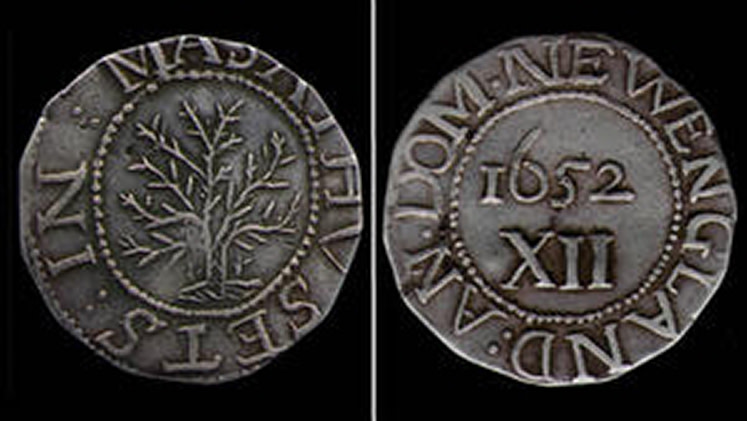
    The word “money” has undergone significant transformations throughout history. The term’s roots can be traced back to the latin word “moneta”, which was used to describe a roman temple where coins were minted. The earliest coins were created in the 7th century bc in lydia, located in what is now turkey.

    These coins, made of electrum – a mixture of gold and silver, were stamped with various symbols. In europe, coins rapidly gained popularity as a medium of exchange, and in the 16th century, paper money was introduced in china. Today, money has evolved beyond physical coins and bills to include digital transactions, cryptocurrency, and other forms of online currency.

    Regardless of its form, money remains an essential part of global economics and trade.

    The Dawning Of Coinage

    The dawn of coinage marked a major turning point in the history of money. Prior to the invention of coins, people used to trade using barter, which posed many problems. Coins, on the other hand, were more portable and widely accepted, making trade more feasible.

    The first coins were minted in lydia, a region in present-day turkey, around 600 bce. These were made of electrum, a natural alloy of gold and silver. The use of coins quickly spread, and by the time of the roman empire, most parts of the world were using coins as a medium of exchange.

    Today, coins and paper money are still widely used, but electronic forms of money, such as cryptocurrency, are rapidly gaining popularity. Despite its many modern forms, the concept of money can be traced back to the humble coin.

    The Evolution Of Money

    The evolution of money: from bartering to digital transactions, money has a rich history that has evolved over time. Initially, people exchanged goods for goods or services, known as bartering. Over time, civilizations developed their currency systems, with the lydians in present-day turkey being the first to mint coins in 600 bc.

    The greeks and romans followed by creating their currency, enabling the development of trade and commerce. Later, different denominations of coins and paper money evolved, leading to the modern-day banking system and credit cards. Recently, cryptocurrencies like bitcoin and ethereum have emerged, providing an electronic means of exchange.

    The name “money” comes from the latin word “moneta,” which translates to “mint” or “coinage. ” Ultimately, the development of money has enabled the exchange of goods and services, driving economic growth and progress.

    The Significance Of Money In Modern Times

    Money has been a fundamental aspect of modern society for eons. Its significance is undeniable, but why is it even called “money? ” currency has a profound impact on humanity, enabling us to exchange goods and services, and it revolutionised commerce.

    From the first bartering system to each nation’s note printing, the evolution of currency has been a story of innovation and development. The origins of money go back much farther than rome’s first currency. This medium of exchange began with several animals and commodity-based currencies, dating back to ancient communities.

    The introduction of coins, notes, e-transfers and credit cards have entirely transformed the meaning of currency. The contribution of currency to humanity is vast, and it is something that we can’t imagine our modern world to exist without it.

    Frequently Asked Questions Of Why Is It Called Money?

    What’S The Origin Of The Word “Money”?

    The word “money” comes from the latin word “moneta,” which means “mint” or “place of coinage. “

    Why Did People Need Money In The Past?

    People needed money to facilitate the exchange of goods and services as barter became impractical.

    How Did Ancient Civilizations Use Money?

    Ancient civilizations used various forms of money, such as cowrie shells, salt, and metal coins, to buy and sell goods.

    Who First Introduced Paper Money?

    The chinese first introduced paper money in the 7th century during the tang dynasty.

    What Is Fiat Money?

    Fiat money is a currency that is not backed by a physical commodity, such as gold or silver, but by the government’s declaration.

    How Has Money Evolved Over Time?

    Money has evolved from barter, to commodity money, to paper money, to digital money, and beyond.

    How Does Money Impact Society?

    Money affects society in countless ways, from wealth inequality to economic growth and access to resources.

    Conclusion

    Money has been an integral part of our lives since ancient times. Despite its various forms throughout history, it has always held a significant place in society. Today, we interact and transact with money daily, but do we really know why it is called “money”?

    In this blog, we have explored the history of money and the different theories behind its naming. From the latin word “moneta” to the goddess juno moneta, the origin of the word remains shrouded in mystery. Nevertheless, we do know that money is an essential tool in modern society that enables us to purchase goods and services conveniently.

    Its importance cannot be overstated, and as the world continues to evolve, so will the concept of money. Understanding its roots can provide insight into why it remains such a vital part of our daily lives. So, the next time you hold a pile of bills or swipe your credit card, remember the fascinating history behind the word “money.

  • Money vs Currency-Understanding Their Differences!

    Money vs Currency-Understanding Their Differences!

    Money is a general term for anything that can be used as a medium of exchange, store of value and unit of account. Currency, on the other hand, is a specific type of money that represents a country’s medium of exchange, including banknotes and coins.

    Money and currency are two closely related concepts, but there are distinct differences between them. While money refers to any object or token that is commonly accepted for the exchange of goods and services, currency is the official form of money used in a particular country.

    Currency includes banknotes and coins that are legal tender in the country where they are issued. Other types of money, such as checks, credit cards and electronic transfers, are not considered currency. Understanding the differences between money and currency helps individuals and businesses make better financial decisions.

    What Is Money vs. Currency? Understanding Their Differences!

    Credit: www.pnc.com

    Defining Money And Currency

    Money and currency are often used interchangeably, but they’re not the same. Money is a store of value, unit of account, and medium of exchange. It’s anything that’s widely accepted as payment for goods and services, such as dollars, euros, or pounds.

    A currency, on the other hand, is a specific type of money that’s issued by a government or central bank. It’s only legal tender within a particular country’s boundaries, and its value is backed by the government’s ability to honor debts.

    While money can be traded on global markets, currency is subject to fluctuations based on domestic economic factors. It’s important to distinguish between these two terms to understand how they function in the global economy.

    Differences Between Money And Currency

    Money and currency are often used interchangeably, but they have significant differences. Legal definitions vary, as money is an official medium of exchange recognized under government authority. Currency, on the other hand, is a type of money used in a particular country or region.

    Regulations for creating and controlling money vastly differ from currency. Money is monitored by central banks that manipulate the money supply and interest rates, while currency has its authority. While both serve as a means of exchange, currency tends to be more limited in its usages.

    Money has universal acceptance, but currency may only be accepted in specific regions or countries. It is essential to know these differences to make wise financial decisions.

    Advantages And Disadvantages Of Money And Currency

    Money and currency are often used interchangeably, but they have some key differences. Advantages of using money include its universal acceptance, making transactions easier and more efficient. However, the use of money can also lead to consumerism and a focus on material goods rather than essential needs.

    On the other hand, advantages of using currency, such as digital payment systems, include increased convenience and accessibility. But, currency also opens avenues for cyber fraud and online scams. To sum it up, it’s important to understand the differences between money and currency to make informed choices about how we handle our finances.

    Evolution Of Money And Currency

    Money and currency are often used interchangeably, but they have distinct differences. In the past, money used to be physical items like gold or silver, whereas currency is a paper or digital representation of money. Historically, people exchanged products, services, and even livestock in lieu of money.

    But with the evolution of economies around the world, currencies were adopted to ease transactions. Countries also began to print their own currency that serves as a legal tender. In today’s world, economic stability could significantly impact the value of your currency and the purchasing power of your money.

    There’s no doubt that digital currency will continue to grow in popularity, and could even replace physical money in the future. While money and currency may seem interchangeable, understanding their differences is essential to financial literacy.

    FAQs

    What Is The Difference Between Money And Currency?

    Money is a medium of exchange and a store of value while currency is a form of money that includes paper and coins.

    How Is Currency Different From Commodity Money?

    Commodity money is a physical good that has value, whereas currency is a promise to pay and has value because the government says it does.

    Can Currency Ever Become Worthless?

    Yes. Currency can become worthless if the government printing it becomes too much or if people lose trust in the currency.

    Why Do Some Countries Use Other Countries’ Currencies?

    Countries can use another country’s currency if their own currency is unstable or they want stability in trade and investment.

    How Is Digital Currency Different From Physical Currency?

    Digital currency is a type of currency that is not physical while physical currency is a paper bill or coin.

    Is Cryptocurrency A Type Of Currency?

    Yes. Cryptocurrency is a type of digital currency and is decentralized, meaning there is no central authority governing its value.

    What Should You Use As A Store Of Value: Money Or Currency?

    Money is the best store of value because it appreciates while currency loses value due to inflation.

    Conclusion

    It is clear that there is a significant difference between money and currency. Money is a universal medium of exchange that maintains value over time, while currency is simply a current form of money that represents its value. Although they are often used interchangeably, it is important to remember that not all money is currency, and not all currency is money.

    Understanding the distinction between the two is essential in comprehending how the global financial system functions and how it impacts our daily lives. As individuals and businesses alike, it is important to be mindful of how we handle each, and the implications of our financial decisions.

    By recognizing the difference between money and currency, we can make informed choices that will lead to financial stability, growth, and success.