Category: Money Market

  • Inside the BB 11th MPC Meeting

    On 22 January 2026, the Monetary Policy Committee (MPC) of Bangladesh Bank held its 11th meeting under the chairmanship of Dr. Ahsan H. Mansur. The meeting came at a critical time for the economy — inflation remains elevated, global uncertainties persist, and domestic demand pressures are building ahead of national elections and Ramadan.

    The decisions taken in this meeting reflect a careful balancing act: controlling inflation without choking growth, stabilizing liquidity without discouraging credit flow, and maintaining exchange rate stability while pushing forward financial sector reforms.

    Here’s a breakdown of what happened — and what it means for businesses, banks, investors, and ordinary citizens.

    Attendees

    The eleventh meeting of the Monetary Policy Committee (MPC) was held on 22 January, 2026, chaired by Dr. Ahsan H. Mansur, Governor of Bangladesh Bank (BB). The meeting was attended by the MPC members—

    1. Dr. Md. Habibur Rahman, Deputy Governor, Bangladesh Bank;
    2. Dr. Md. Akhtar Hossain, Chief Economist, Bangladesh Bank; Dr. Sadiq Ahmed, Economist;
    3. Dr. A.K. Enamul Haque, Director General, Bangladesh Institute of Development Studies (BIDS);
    4. Dr. Firdousi Naher, Chairman, Department of Economics, University of Dhaka;
    5. and Mr. Mahmud Salahuddin Naser, Executive Director, in charge of the Monetary Policy Department, Bangladesh Bank.

    Additionally, Mr. Sadrul Hasan, Member Secretary of the MPC and Director (Current Charge), Monetary Policy Department, was also in attendance.

    1. Inflation Still the Top Priority

    The MPC made it clear: inflation control remains the central objective.

    While Bangladesh Bank’s contractionary monetary stance has started producing results — including exchange rate stability, gradual recovery of foreign exchange reserves, and a positive real policy rate — inflation has not eased as quickly as expected.

    Several demand-side risks are on the horizon:

    • National election-related spending
    • Ramadan-driven consumption surge
    • Potential implementation of the 9th National Pay Scale

    All of these could increase consumer spending and add inflationary pressure.

    The central bank acknowledged that simply keeping interest rates high may not be enough. Inflation in Bangladesh is not purely monetary — food prices, supply chain inefficiencies, and trade rigidities play major roles.


    2. Integrated Strategy for Inflation Control

    One of the most important insights from this meeting is the recognition that inflation cannot be tackled by policy rate adjustments alone.

    The MPC emphasized:

    • Accurate estimation of food demand and domestic production
    • Timely government food imports
    • Better distribution management
    • Trade policy responsiveness to global supply shocks

    Despite global commodity prices falling, domestic prices have remained high. This suggests structural bottlenecks rather than purely demand-driven inflation.

    This is a significant acknowledgment: monetary tightening alone cannot fix supply-side inflation.

    Expect the upcoming Monetary Policy Statement (MPS) for the second half of FY26 to provide more clarity on why inflation has remained sticky despite contractionary policy.


    3. Key Policy Decision: SDF Rate Cut by 50 Basis Points

    The most actionable decision from the meeting:

    • Policy rate remains at 10.0%
    • Standing Lending Facility (SLF) remains at 11.5%
    • Standing Deposit Facility (SDF) reduced from 8.0% to 7.5%

    This is a targeted liquidity management adjustment.

    Why Lower the SDF?

    At the existing SDF rate, many banks were parking excess liquidity at the central bank instead of lending to:

    • The interbank market
    • The private sector

    By lowering the SDF rate, Bangladesh Bank is making it less attractive for banks to passively hold funds with the central bank.

    The objective:

    • Encourage more active liquidity management
    • Boost interbank transactions
    • Support private sector credit flow

    Importantly, the main policy rate was not cut. This signals that the central bank is not shifting toward easing — it is simply fine-tuning liquidity dynamics.


    4. Positive Real Policy Rate: A Turning Point

    For the first time in a long period, the real policy rate is firmly positive.

    This matters because:

    • It incentivizes savings
    • It strengthens policy credibility
    • It helps anchor inflation expectations

    A positive real rate is essential for restoring macroeconomic stability after prolonged inflationary pressure.

    This is a strong signal to markets that Bangladesh Bank is committed to maintaining discipline.


    5. National Pay Commission and Fiscal Risks

    A major risk highlighted in the meeting is the possible implementation of salary increases for public sector employees under the National Pay Commission 2025.

    If the government raises salaries without significantly increasing revenue collection, it will have to rely on deficit financing.

    That could lead to:

    • Higher government borrowing
    • Pressure on the money market
    • Rising interest rates across the financial system

    The MPC subtly but clearly indicated that fiscal discipline is crucial.

    Monetary policy alone cannot maintain stability if fiscal expansion accelerates unchecked.

    This shows coordination concerns between fiscal and monetary authorities — a key issue for macroeconomic sustainability.


    6. Exchange Rate: Commitment to Market-Based System

    The MPC reaffirmed the importance of maintaining a market-based exchange rate.

    This is critical because:

    • Artificial exchange rate controls distort markets
    • Market-based pricing improves transparency
    • It helps rebuild investor confidence
    • It reduces speculative pressure

    Exchange rate stability has already improved compared to previous volatility periods.

    Continued commitment to flexibility suggests Bangladesh Bank does not intend to return to heavy administrative controls.


    7. Banking Sector Challenges: NPLs and Liquidity Pressure

    The meeting also addressed structural weaknesses in the banking sector.

    Elevated non-performing loans (NPLs) continue to:

    • Strain weaker banks
    • Intensify liquidity pressure
    • Reduce lending capacity

    Bangladesh Bank has initiated a reform agenda aimed at:

    • Strengthening governance
    • Improving stability
    • Enhancing integrity
    • Rebuilding public confidence

    These long-term reforms are essential. Monetary policy can stabilize inflation temporarily, but without financial sector strength, sustainable growth is impossible.


    8. Why the Policy Rate Was Not Changed

    Some market participants may have expected either a rate hike (to fight inflation) or a rate cut (to support growth).

    Instead, the MPC chose stability.

    Maintaining the policy rate at 10% suggests:

    • Inflation is moderating gradually
    • Further tightening is not immediately necessary
    • Premature easing would be risky

    This reflects a cautious and data-dependent approach.


    9. What This Means for Different Stakeholders

    For Banks

    • Lower return on idle liquidity parked at Bangladesh Bank
    • Greater incentive to lend or participate in the interbank market
    • Continued high borrowing cost environment

    For Businesses

    • Borrowing rates remain elevated
    • Credit flow may improve gradually
    • Stability outlook improving

    For Investors

    • Continued high interest rate environment
    • Gradual macro stabilization underway
    • Currency volatility expected to remain contained

    For Households

    • Savings continue to be attractive
    • Inflation still a concern, especially food prices
    • No immediate relief in borrowing costs

    10. Policy Outlook: Tight Until Inflation Falls

    The MPC clearly stated that the current policy stance will continue until the desired level of inflation is achieved.

    This is forward guidance.

    It signals:

    • No quick pivot toward easing
    • Inflation remains the primary objective
    • Stability before stimulus

    Given election dynamics and possible fiscal expansion, monetary caution will likely remain through FY26.


    Final Thoughts: A Strategic Fine-Tuning Phase

    The 11th MPC meeting reflects a shift from aggressive tightening toward strategic fine-tuning.

    Key takeaways:

    • Inflation is moderating but not yet under control
    • Policy rate unchanged — signaling stability
    • SDF rate cut — encouraging liquidity circulation
    • Fiscal risks acknowledged
    • Banking sector reforms ongoing
    • Market-based exchange rate reaffirmed

    Bangladesh is currently in a delicate stabilization phase.

    The central bank appears committed to maintaining discipline while gradually normalizing financial conditions.

    The real test will be:

    • How inflation behaves during Ramadan and election season
    • Whether fiscal policy remains restrained
    • Whether banking reforms gain momentum

    If these align positively, macroeconomic stability could strengthen significantly in the second half of FY26.

    For now, the message from the MPC is clear:

    Caution, discipline, and calibrated action will guide monetary policy — until inflation is firmly under control.
  • Bangladesh Bank MPS for July-December 2025

    The Monetary Policy Statement (MPS) for July-December 2025 (H1FY26) from Bangladesh Bank (BB) is more than just a financial report; it’s a comprehensive roadmap outlining the nation’s economic strategy for the coming months. Released amidst a backdrop of significant macroeconomic challenges and a shifting political landscape, this MPS reflects Bangladesh Bank’s steadfast commitment to navigating economic turbulence, fostering stability, and driving sustainable growth. This post will delve into the key aspects of the MPS, from its underlying context to the forward-looking policy initiatives that aim to reshape Bangladesh’s financial future.

    The Macroeconomic Landscape: A Recent Review (H2FY25)

    The current interim Government, which took office in August 2024, inherited an economy grappling with significant challenges. These included persistently high inflation, a depreciating exchange rate, depleting foreign exchange (FX) reserves, a buildup of external payment arrears, tight liquidity conditions, a lack of good governance, and elevated non-performing loans (NPLs). The MPS acknowledges that these issues led to a “faltering economy characterized by institutional collapse”.

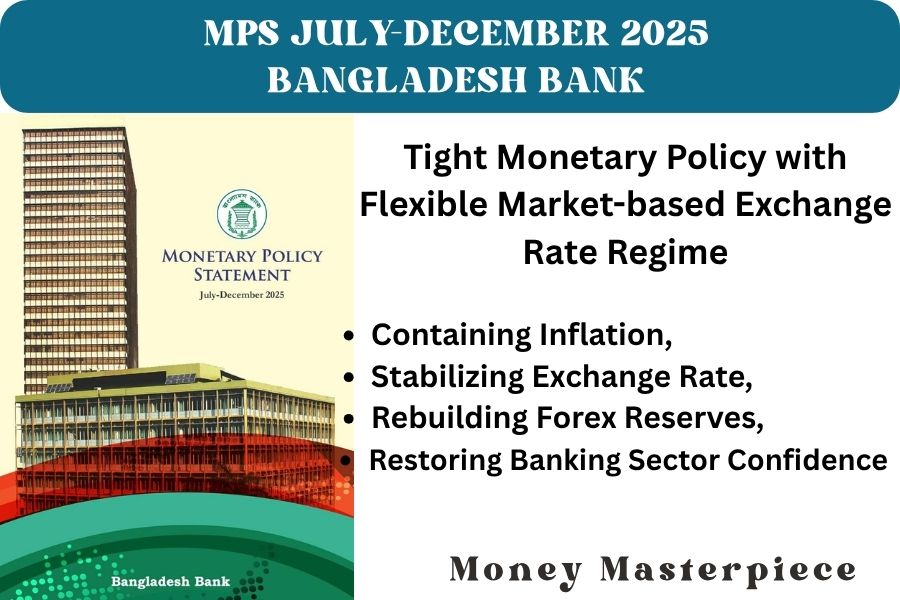
    In response, Bangladesh Bank has articulated clear and forward-looking strategies, emphasizing its commitment to containing inflation, stabilizing the exchange rate, rebuilding foreign exchange reserves, and restoring confidence in the banking sector through improved governance. To achieve these goals, BB adopted a tight monetary policy stance and implemented a fully flexible market-based exchange rate regime. Additionally, a wide range of reform programs targeting the banking sector were initiated.

    These measures have begun to yield visible results. Headline inflation, which peaked at 11.66 percent in July 2024, gradually eased to 8.48 percent by June 2025, marking the first time in over two years it fell below 9 percent. Exchange rate stability was achieved through a substantial improvement in the Balance of Payments (BoP) and BB’s initiatives towards a fully flexible exchange rate regime, which also contributed to rebuilding foreign exchange reserves. Furthermore, accountability and good governance are gradually being restored in the banking sector, leading to improved depositor confidence and an easing liquidity situation.

    Monetary Policy Stance and Projections for H1FY26

    The core objective of the H1FY26 MPS is to decelerate the rate of inflation further while maintaining exchange rate stability and strengthening financial stability. Bangladesh Bank has aligned its policies with the Government’s budgetary targets of achieving 5.5 percent GDP growth and containing inflation within the 6.5 percent ceiling for FY26.

    Key Aspects of the Monetary Policy Stance:

    • Tight Monetary Policy: BB will continue its tight monetary policy stance in the first half of FY26 to contain inflation and anchor inflation expectations.
    • Policy Rates: The policy repo rate will remain unchanged at 10.0 percent if the inflation rate stays above 7%. The Standing Lending Facility (SLF) rate will remain at 11.5 percent, and the Standing Deposit Facility (SDF) rate will be 8.0 percent.
    • Future Adjustments: BB will continuously monitor inflation and liquidity. Once projections consistently show a decline in inflation and the policy rate in real terms reaches 3.0 percent, BB will gradually begin to lower the policy rate. Policy rates may also be adjusted if exports weaken due to tariff shocks and a weaker global growth outlook, accompanied by depreciation pressures.
    • Flexible Exchange Rate Regime: BB adopted a more flexible exchange rate regime in May 2025 to enhance stability in the foreign exchange market. This flexibility is crucial for smoother adjustments to external imbalances, easing foreign exchange market pressures, and preserving foreign reserves, especially amid escalating trade tariffs impacting exports. BB publishes a reference exchange rate twice a day as a benchmark for price discovery. BB also plans to intervene in the foreign exchange market to curb volatility and ensure greater stability, consistent with the flexible regime, and to rebuild foreign exchange reserves.

    Monetary and Credit Projections for FY26:

    The MPS outlines specific projections for key aggregates:

    • Broad Money (M2): Projected to grow by 8.5 percent.
    • Reserve Money (RM): Expected to grow by 8.0 percent.
    • Private Sector Credit Growth: Projected at 8.0 percent, factoring in the contractionary monetary policy and lower credit demand. BB will also ensure supply-side interventions to support credit flows to productive sectors like agriculture and Cottage, Micro, Small, and Medium Enterprises (CMSMEs) through refinance and pre-finance schemes.
    • Public Sector Credit Growth: Projected at 18.1 percent, considering lower credit demand from the Government due to austerity measures and a budgetary borrowing target of Tk. 1,040.0 billion from the banking system.
    • Domestic Credit Growth: Projected at 10.3 percent.
    • Net Foreign Assets (NFA): Expected to show positive growth of 21.8 percent, driven by an anticipated surplus in the overall balance of payments, with predicted 10.0 percent growth in exports and remittances, and 8.0 percent growth in imports.

    Macroeconomic Outlook

    The MPS provides an in-depth look at various macroeconomic indicators and their outlook for H1FY26:

    1. Price Developments and Outlook (Inflation):

    • Recent Trend: Headline point-to-point inflation dramatically decreased from a peak of 11.66 percent in July 2024 to 8.48 percent by June 2025. Food inflation specifically reduced from 14.10 percent in July 2024 to 7.39 percent in June 2025.
    • Drivers of Decline: This success is attributed to BB’s tight monetary policy stance (policy rate steady at 10% since October 2024), exchange rate stabilization through the Crawling Peg system and enhanced flexibility, and government supply-side interventions such as rationalizing import duties, eliminating Letter of Credit (LC) margin requirements for key imports, and good harvests. Favorable international commodity prices also played a role.
    • Challenges/Impediments: Factors that previously delayed the transmission of monetary tightening included a loose monetary policy with a negative real policy rate and interest rate constraints until May 2024. Depreciation of the BDT since 2022 had a significant pass-through effect, amplifying inflation. Supply chain disruptions from political turmoil and floods, along with consumer hoarding, also contributed to price volatility.
    • Outlook for H1FY26: BB projects the downward trend in inflation to continue, approaching the target range of 6.5–7.0 percent by the end of 2025. This aligns with the IMF’s projection of 6.2 percent for FY26. This optimistic outlook is supported by an expected positive real policy rate, robust remittance inflows, improved foreign exchange reserves, and stable global commodity prices.
    • Risks: Lingering risks include weather-related disruptions impacting agricultural output, renewed global supply chain shocks, intensification of geopolitical tensions, and ongoing cost pressures from the nominal depreciation of the Taka due to U.S. reciprocal tariff measures.

    2. Growth:

    • FY25 Performance: Real GDP growth for FY25 is estimated at around 3.97 percent, marking the slowest expansion in recent years and falling short of the government’s initial target of 6.75 percent. Sectoral performance was mixed, with agriculture slowing, while industrial and services sectors showed modest recovery.
    • Growth Dynamics: Political stabilization, resilient external sector performance (driven by remittances and RMG exports), and policy support through fiscal discipline and effective monetary policy have fostered a more conducive environment for growth.
    • Constraints: Stress in the banking sector, including rising NPLs and limited credit growth, has constrained private sector expansion. Global headwinds such as sluggish growth in key trading partners, rising trade barriers, and geopolitical uncertainties continue to pose risks.
    • Outlook for H1FY26: The growth outlook is cautiously optimistic, with a government GDP growth target of 5.50 percent for FY26. International organizations like the IMF, World Bank, and ADB project growth between 4.90 percent and 5.40 percent, which BB’s model-based forecast aligns with. This rebound is expected from improved stability, resilient external sector, and anticipated rise in private sector investment. The government’s emphasis on infrastructure investment and FDI will also provide impetus.
    • Risks: Persistent weaknesses in the banking sector, global economic uncertainties (e.g., trade wars, US tariff hikes), and structural bottlenecks (e.g., need for further economic reforms) remain challenges.

    3. Liquidity and Interest Rate:

    • Liquidity Situation: Bangladesh’s banking sector experienced a tight liquidity situation in FY25 due to factors like high NPLs, loan fraud, deposit withdrawals (especially from Shariah-based banks), and the discontinuation of the 28-day repo facility.
    • BB’s Response: BB provided unsterilized liquidity support to struggling banks and reduced the cash reserve requirement (CRR) from 3.5 percent to 3.0 percent. In H2FY25, BB provided Tk. 12,09,117.8 crore in liquidity support, including Tk. 84,417.7 crore to Shariah-based Islamic banks.
    • Interest Rates: The weighted average call money rate increased to 10.14 percent in June 2025 (from 9.08 percent in June 2024). The interbank repo rate also rose to 10.37 percent (from 8.56 percent). The weighted average nominal lending rate reached 12.11 percent in May 2025, and the nominal deposit rate reached 6.29 percent.
    • Real Interest Rates: The real lending rate turned positive in February 2024, reaching 3.1 percent by the end of May 2025. The real deposit rate, while still negative, significantly improved from negative 4.2 percent in June 2024 to negative 2.8 percent in May 2025. BB expects its efforts to contain inflation and the upward trend in interest rates to help mitigate the issue of negative real interest rates on deposits.

    4. External Sector Developments and Exchange Rate:

    • Overall Stability: The external sector largely stabilized in FY25, supported by exchange rate flexibility, a balanced policy mix, foreign assistance inflows, a surge in remittances, and robust export growth.
    • Balance of Payments (BoP): The BoP flipped to an overall surplus of USD 3.29 billion in FY25, a significant improvement from a USD 4.3 billion deficit in FY24. The Current Account Balance (CAB) also returned to a surplus of USD 981 million from a large deficit.
    • Trade and Remittances: Exports grew by 8.6 percent to USD 48.3 billion in FY25, primarily driven by Ready-Made Garments (RMG). Imports showed a moderate growth of 2.4 percent. Remittance inflow reached an all-time high of USD 30.33 billion with 26.8 percent growth in FY25, boosted by market-driven exchange rates and strict oversight against informal networks.
    • Exchange Rate Movement: Following a May 14, 2025, circular allowing free movement, the interbank exchange rate of BDT vis-à-vis USD experienced mild depreciation before stabilizing with an appreciation bias in June 2025. It stood at 122.77 at the end of June 2025, a 3.89 percent depreciation for FY25. BB’s intervention in the foreign exchange market was phased out from May 15 to June 30, 2025, to foster effective interbank market functioning.
    • Foreign Exchange Reserves: Gross international reserves (BPM 6) sharply increased to USD 26.7 billion at the end of June 2025, up from USD 21.7 billion at the end of the previous fiscal year, largely due to a sizable inflow of foreign assistance.
    • Outlook: The BoP is expected to continue improving in FY26. However, risks like new US tariffs on Bangladeshi products (especially RMG) and growing domestic political uncertainty could hinder export growth and FDI.

    5. Capital Market:

    • Weak Performance: Bangladesh’s capital market showed a weak performance in H2FY25, with a downward trend in price indices and average turnover, affected by domestic high inflation, political uncertainty, and global tensions. The DSEX benchmark index dropped by 7.2 percent.
    • Reform Initiatives: The Bangladesh Securities and Exchange Commission (BSEC) has implemented reforms to restore investor confidence, including reducing capital gains tax and providing sovereign guarantees to the Investment Corporation of Bangladesh (ICB). The government is developing a liquid bond market and urging large corporations to raise capital through bonds or equity instead of solely relying on bank loans.
    • Government Securities and Funds: A total of 239 government treasury bonds were actively traded until June 2025. BB also issued “Sukuk” bonds worth BDT 50 billion, which banks and Non-Bank Financial Institutions (NBFIs) can use for statutory liquidity reserve (SLR) compliance. A special Tk. 200 crore fund for capital market investments by scheduled banks has been extended until December 31, 2026.
    • Future Plans: The interim government plans to reduce its stake in multinational companies, encourage large local firms to list on the stock exchange, crack down on market manipulation, and reduce reliance on bank loans.

    Forward-Looking Policy Initiatives

    A significant portion of the MPS is dedicated to outlining ongoing and future reform efforts, particularly within the banking sector.

    1. Upholding Good Governance:

    • BB has proactively dissolved and restructured the boards of directors of 15 banks to restore effective governance and sound management, closely supervising banks that provide daily monitoring indicators.
    • New regulations, such as the circular on “Transactions with Bank-Related Persons or Institutions” issued on May 8, 2025, impose stricter limits and provisions on credit facilities for bank-related individuals, institutions, and their affiliates to ensure transparency and proper use of funds.

    2. Banking Sector Reforms in Bangladesh:

    • Three specialized task forces have been constituted to steer these reforms, with banking sector reform being a top priority.
      • Banking Sector Reforms Task Force (BSR-TF): Leading efforts to strengthen the regulatory framework, improve asset quality, and establish effective bank resolution mechanisms. This includes the Asset Quality Review (AQR) framework and collaboration with international consulting firms like Deloitte LLP (with technical assistance from UK’s FCDO). BB also established the Banking Restructuring and Resolution Unit (BRRU) and finalized the Bank Resolution Ordinance (BRO), 2025.
      • Second Task Force: Focuses on strengthening Bangladesh Bank’s institutional capacity and restructuring its operations, with a draft Bangladesh Bank Order 2025 under review.
      • Third Task Force: Responsible for identifying, investigating, and repatriating siphoned assets. This task force, chaired by the Governor and coordinated by the Head of the Bangladesh Financial Intelligence Unit (BFIU), works with Joint Investigation Teams (JITs) to prioritize and investigate money laundering cases. They have frozen over 6,500 suspicious accounts and shared over 100 financial intelligence reports. Efforts also include amending the Money Laundering Prevention Act and Rules, and collaborating with international organizations like the Stolen Asset Recovery (StAR) Initiative and the US Department of Justice (USDOJ).

    3. Road Map to Managing Non-Performing Loans (NPLs):

    • The surge in NPLs is a major concern, primarily due to stricter loan classification guidelines implemented from September 2024 and comprehensive guidelines from April 2025.
    • BB is strengthening the banking sector by updating classified loan reporting, issuing directives on continuous loan renewal, and revising Core Risk Guidelines for the implementation of Risk-Based Supervision (RBS) from January 2026.
    • A key initiative is the roadmap to implement Expected Credit Loss (ECL)-based loan provisioning by 2027, aligning with International Financial Reporting Standard (IFRS 9). This aims to promote early recognition of credit risks, enhance financial transparency, and ensure banking sector stability.
    • BB is also developing an Emergency Liquidity Assistance (ELA) Framework to address potential liquidity shortfalls from unexpected deposit withdrawals.

    4. Enhancing Financial Inclusion and Cashless Society:

    • BB prioritizes financial inclusion, focusing on women’s economic inclusion and introducing ‘Digital Microcredit’ facilities at low-interest rates for underprivileged populations, fostering digital banking habits.
    • The national QR Code standard, ‘Bangla QR,’ has been introduced for low-cost, interoperable retail payments, with 42 banks, 7 Mobile Financial Services (MFS) providers, and 3 Payment Services Providers (PSPs) offering the facility.

    5. Asset Quality Review (AQR) and Bank Restructuring:

    • The BSR-TF has made significant strides in implementing the AQR framework, with 17 banks selected for review in three phases. Phase one (six banks) has been completed by KPMG and Ernst & Young (EY) Sri Lanka.
    • BB continues coordinating with the World Bank and the Asian Development Bank (ADB) for the second and third phases covering the remaining 11 banks.

    6. Bank Resolution Ordinance, 2025 (BRO):

    • Issued by the President on May 9, 2025, this ordinance empowers BB to initiate a resolution process for non-viable scheduled banks.
    • The primary objectives are to continue essential banking operations, safeguard depositors’ interests, prevent asset value loss, and ensure financial system stability.
    • The BRO formally confers resolution authority to Bangladesh Bank, allowing it to execute timely corrective actions and apply resolution tools such as establishing a bridge bank, bail-in mechanisms, purchase and assumption transactions, temporary public ownership, and separation/transfer of assets to asset management companies. BB will also establish a ‘Banking Sector Crisis Management Council’ to address systemic crises and maintain financial stability.

    Near-term Macroeconomic Issues and Challenges

    While the economy has begun to recover, Bangladesh still faces significant challenges. These include the persistence of inflation, uncertainties associated with the forthcoming election, slowing GDP growth, stagnant private investment, and consistently high levels of non-performing loans. On the external front, export growth may be hindered by tariff shocks. Despite eased geopolitical tensions and subsided global prices, cost pressures from the U.S. tariff-induced nominal depreciation of the Taka could still spur inflation.

    Nevertheless, Bangladesh’s economy appears to be turning around and is expected to grow moderately in FY26, driven by sustained growth in the industrial, service, and agricultural sectors. The recovery hinges on favorable domestic conditions, easing election uncertainty, and monetary and fiscal restraint, alongside benign external developments. The recent spike in export earnings and remittance inflows has created a comfortable balance of foreign exchange reserves, which if continued, is likely to generate a sizable reserve cushion soon.

    Conclusion

    In conclusion, the Bangladesh Bank’s MPS for July-December 2025 is a testament to its proactive and comprehensive approach to economic management. It reflects a firm resolve to maintain a tight monetary policy to combat inflation, ensure exchange rate stability through flexibility, and implement crucial banking sector reforms to restore confidence and long-term stability. While challenges remain, the clear strategies and forward-looking initiatives outlined in this MPS offer a path towards a more stable and resilient economic future for Bangladesh.


  • Professor Dr. Akhtar Hossain: Chief Economist of Bangladesh Bank

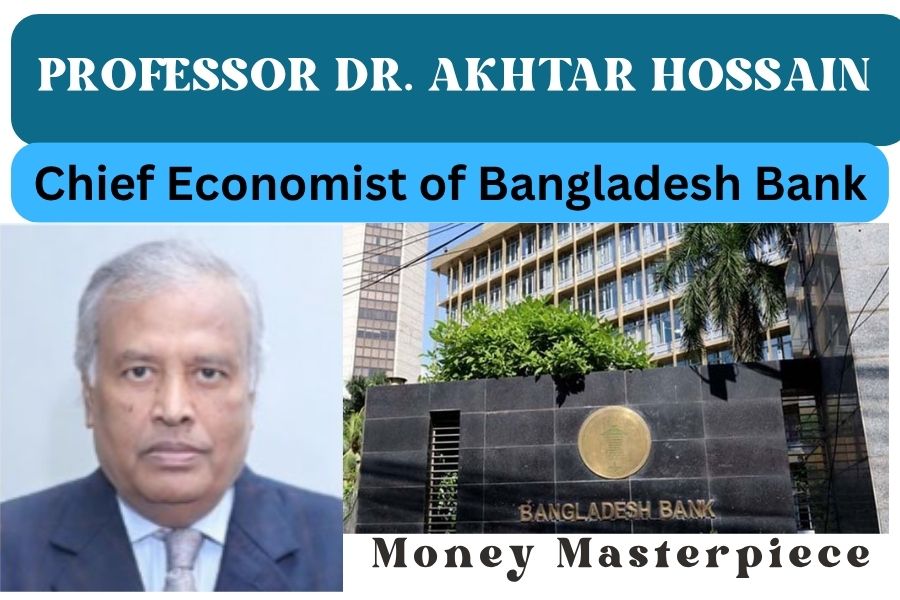
    Bangladesh Bank welcomed a distinguished economist at its helm of research and macro-policy with the appointment of Professor Dr. Akhtar Hossain as its Chief Economist, effective from 1 July 2025. A global expert in central banking and macroeconomic policy, Dr. Hossain brings with him a career spanning over four decades, with significant academic and policy contributions across Asia, Australia, Europe, and North America.

    Early Life and Education: A Brilliant Academic Beginning

    Dr. Akhand Mohammad Akhtar Hossain’s journey began in Madaripur, where he completed his SSC (1970) and HSC (1972) with First Division from Kaliganj High School and Madaripur Government College (formerly Nazimuddin College). His higher studies took shape at Jahangirnagar University, where he stood first in both B.Sc. (Honours) and M.Sc. in Economics in 1978 and 1980, respectively.

    In pursuit of deeper academic inquiry, Dr. Hossain moved to Melbourne, Australia, supported by scholarships from the University of Melbourne and La Trobe University, where he earned his MA (Honours) and PhD in Economics. His doctoral thesis on Bangladesh’s macroeconomy earned the prestigious La Trobe University Medal and was later published as a book by Oxford University Press.

    A Distinguished Global Academic and Policy Career

    Dr. Hossain began his professional career in 1981 as a Lecturer at Jahangirnagar University. Following his PhD, he joined the University of Newcastle, Australia, in 1989 and served for over 30 years, retiring as an Associate Professor of Economics in 2020. His teaching and research were always interconnected, with a sustained focus on macroeconomic policy, monetary policy, and central banking, particularly in Bangladesh and the broader Asia-Pacific region.

    Dr. Hossain’s academic influence is truly global. He has held visiting professor/scholar positions at prestigious institutions such as:

    • University of Illinois at Urbana-Champaign
    • Stanford University
    • University of Melbourne
    • University of Malaya
    • Delhi University
    • University of Tasmania
    • University of Kent

    In parallel, Dr. Hossain worked with global institutions like the World Bank, IMF, and central banks in Indonesia, Thailand, and Bangladesh. Notably, he served as a Resident Economic Advisor at Bangladesh Bank in 2004, leading several training programs and initiating research seminars on macro-monetary policy.

    Scholarship and Thought Leadership

    Dr. Hossain’s scholarly work reflects intellectual depth and policy relevance. He has authored:

    • 87 peer-reviewed journal articles
    • 27 book chapters
    • Four reference textbooks on macroeconomic and monetary issues
    • Three Bangladesh-focused books, published by Oxford University Press, Sage Publications, and University Press Limited.

    His most influential research monographs include:

    • Central Banking and Monetary Policy in the Asia-Pacific (Edward Elgar, 2009)
    • Macroeconomic and Monetary Policy Issues in Indonesia (Routledge, 2012)
    • The Evolution of Central Banking in the Asia-Pacific (Edward Elgar, 2015)
    • Central Banking in Muslim-Majority Countries (Edward Elgar, 2015)

    His upcoming work, Money and Monetary Policy for Price Stability in the Asia-Pacific, is under contract with Palgrave Macmillan.


    A Strategic Appointment: Chief Economist of Bangladesh Bank

    At a time when Bangladesh’s economy faces complex macro-financial challenges — from inflation management to external balance realignments — Dr. Hossain’s appointment as Chief Economist of Bangladesh Bank signals a strategic shift toward evidence-based policymaking. His role will be crucial in strengthening the Chief Economist’s Unit, promoting policy-oriented research, and guiding monetary policy development aligned with regional and global trends.


    Mentorship and Legacy

    In addition to his academic research, Dr. Hossain has been a passionate mentor. He has supervised five PhD students from Bangladesh, China, Indonesia, Pakistan, and Thailand, and supported numerous honours students in economics.


    Personal Ethos and Vision

    Dr. Hossain is married to Nilufar Yasmin Hossain, and the couple has four children, all professionals in diverse fields. A product of conservative, land-owning Muslim families, Dr. Hossain describes himself as socially and politically conservative, with deep empathy for pro-poor policies. He maintains no political affiliation but expresses strong commitment to equity, integrity, and inclusive development.

    Previous Chief Economists of Bangladesh Bank

    Hassan Zaman (2012–2014)

    Served as Chief Economist starting in November 2012. Previously, he was Lead Economist at the World Bank’s Dhaka office and had a PhD from University of Sussex and MSc from LSE .

    Biru Paksha Paul (2014–2016)

    Appointed after Zaman’s tenure. He worked as an associate professor at SUNY Cortland before joining Bangladesh Bank .

    Faisal Ahmed (2017–Jan 2019)

    Joined from the IMF, he brought extensive experience in macroeconomic analysis, asset management, and emerging markets advisory.

    Md Habibur Rahman (Feb 2022–Feb 2025)

    First internal appointee to the role. He was previously Executive Director of the Research Department at Bangladesh Bank and joined the position in February 2022. He moved on to become Deputy Governor in February 2025 .


    Conclusion: A Steady Hand for Economic Strategy

    Professor Dr. Akhtar Hossain’s return to Bangladesh Bank as its Chief Economist is a homecoming of an economist whose career has spanned continents but remained deeply rooted in his country’s development. His depth of experience, research rigor, and policy wisdom will be instrumental in shaping the central bank’s macroeconomic outlook and policy responses in the coming years.

    Bangladesh’s journey toward sustained, inclusive, and innovation-driven growth now has a guiding hand in one of its finest economic minds.

  • Escrow Reserve Payment You Need to know

    Escrow Reserve Payment You Need to know

    An escrow reserve payment is a designated amount of money set aside to cover potential expenses or liabilities. This can include property taxes, insurance premiums, or maintenance costs, ensuring that the funds are available when needed.

    What Is An Escrow Reserve Payment?

    An escrow reserve payment refers to a fund set aside for specific purposes in real estate transactions. It is used to ensure that there is enough money available to cover future expenses related to the property. The purpose of an escrow reserve payment is to protect both the buyer and the seller by providing a safeguard against unexpected costs.

    It also offers various benefits, such as promoting transparency and accountability in the transaction. In practice, the buyer contributes a certain amount to the reserve fund, which is then held in an escrow account managed by a neutral third party.

    This reserve is then used to cover expenses like property taxes, insurance premiums, and maintenance costs. The escrow reserve payment plays a crucial role in real estate transactions, providing financial security and ensuring a smooth process for all parties involved.

    How To Set Up An Escrow Reserve Payment

    Setting up an escrow reserve payment involves understanding the requirements. This process includes creating an escrow account, considering documentation and legal aspects, as well as acknowledging the financial obligations of all parties involved. Establishing an escrow reserve payment requires careful attention to detail, as it ensures the secure holding of funds until certain conditions are met.

    By following the necessary steps to create an escrow account, you can protect your interests and guarantee a trustworthy transaction. Documenting the terms and conditions, as well as any additional legal requirements, is crucial to ensure a smooth and transparent process.

    Additionally, understanding the financial obligations of all involved parties will help to avoid any misunderstandings or complications throughout the transaction. By following these guidelines, you can successfully set up an escrow reserve payment.

    Common Issues And Challenges With Escrow Reserve Payments

    Escrow reserve payments can present a range of common issues and challenges. These include potential risks and pitfalls that can arise during the process. Disputes and conflicts between parties can lead to delays and complications, affecting the smoothness of transactions.

    To navigate these challenges, it is important to adhere to best practices. This includes clearly outlining the terms and conditions of the escrow reserve payment, communicating effectively with all parties involved, and promptly resolving any disputes that may arise. By taking these steps, the likelihood of experiencing complications and delays can be minimized, ensuring a more efficient and successful escrow reserve payment process.

    Escrow Reserve Payment

    Credit: slideplayer.com

    Escrow Reserve Payment Vs Regular Payments

    Escrow reserve payments and regular payments have notable differences worth considering. Escrow reserve payments involve setting aside funds for future use, while regular payments are made on a regular schedule. The advantage of using an escrow account is the assurance that funds are readily available when needed.

    However, it can tie up cash flow and limit investment opportunities. Regular payments, on the other hand, offer flexibility but may require careful budgeting to ensure timely payments. Various factors should be considered when deciding between the two, such as the specific financial goals, cash flow requirements, and the overall financial situation.

    It is important to assess which type of payment is most appropriate for the particular situation at hand. Making the right choice can contribute to effective financial management and goal attainment.

    Escrow Reserve Payment: Legal And Regulatory Aspects

    Escrow reserve payments, though widely used, are subject to various legal and regulatory requirements. Understanding the laws and regulations governing escrow accounts is crucial. Compliance plays a key role in ensuring smooth transactions. Escrow agents and parties involved must adhere to their obligations and responsibilities.

    Neglecting compliance can lead to severe consequences. Non-compliance may result in legal disputes and financial penalties. It is essential to stay up-to-date with the latest regulatory changes to avoid any pitfalls. Proper knowledge and adherence to the legal framework surrounding escrow reserve payments are vital to protect all parties involved.

    By following the necessary regulations, escrow transactions can be conducted with transparency and confidence.

    Tips For A Successful Escrow Reserve Payment Process

    When selecting an escrow agent for your reserve payment, thorough due diligence is crucial. Ensure you conduct extensive research to find a reputable and reliable agent. Effective communication is vital throughout the process, so choose an agent who values transparency and keeps you informed at every step.

    It’s important to set realistic expectations and timelines from the beginning to avoid potential misunderstandings. By doing so, you can make sure the escrow reserve payment process goes smoothly and efficiently.

    Case Studies: Real-Life Examples Of Escrow Reserve Payment Success

    Successful completion of a real estate transaction using an escrow reserve payment is a prime example. One case involved an acquisition deal, wherein an escrow reserve payment played a crucial role. Additionally, another illustration showcased the utilization of an escrow reserve payment in a construction project.

    These examples demonstrate the effectiveness and relevance of implementing this payment method in various scenarios. With an escrow reserve payment, parties can mitigate risks, ensure secure transactions, and provide a sense of assurance to all stakeholders involved. It is clear that harnessing the benefits of an escrow reserve payment can lead to successful outcomes in diverse settings, fostering trust and achieving desired objectives.

    Such case studies highlight the significance of this payment mechanism in today’s business landscape.

    Frequently Asked Questions Of Escrow Reserve Payment

    Should I Cash My Escrow Surplus Check?

    Yes, cash your escrow surplus check to access the extra funds.

    Should You Pay The Escrow Shortage?

    Yes, you should pay the escrow shortage to avoid potential issues.

    Why Am I Making Escrow Payments?

    Escrow payments are made to ensure that funds are available to cover expenses related to your mortgage or insurance.

    How Do I Reduce My Escrow Payment?

    To reduce your escrow payment, follow these steps: 1. Review your property tax assessment to ensure accuracy. 2. Check your homeowner’s insurance policy to see if you can find a better rate. 3. Consider refinancing your mortgage if your interest rates have dropped.

    4. Make additional principal payments to decrease the amount in escrow.

    Conclusion

    An escrow reserve payment is an essential component of financial transactions that provides peace of mind and security for both buyers and sellers. By setting aside funds in a designated account, it ensures that unexpected expenses or liabilities can be covered without disrupting the overall transaction.

    As we have discussed throughout this blog post, escrow reserve payments offer numerous benefits, such as protection against financial risks, simplified budgeting, and enhanced transparency. This financial tool helps to mitigate potential risks and uncertainties, allowing participants to proceed with confidence in their transactions.

    Whether you are buying a house, conducting a business deal, or implementing a large-scale project, an escrow reserve payment serves as a safeguard that ensures the smooth flow of the transaction. With its numerous advantages and widespread use, it is clear that an escrow reserve payment is a valuable tool that should be considered in various financial arrangements.

  • What Do Escrow Companies Do?

    What Do Escrow Companies Do?

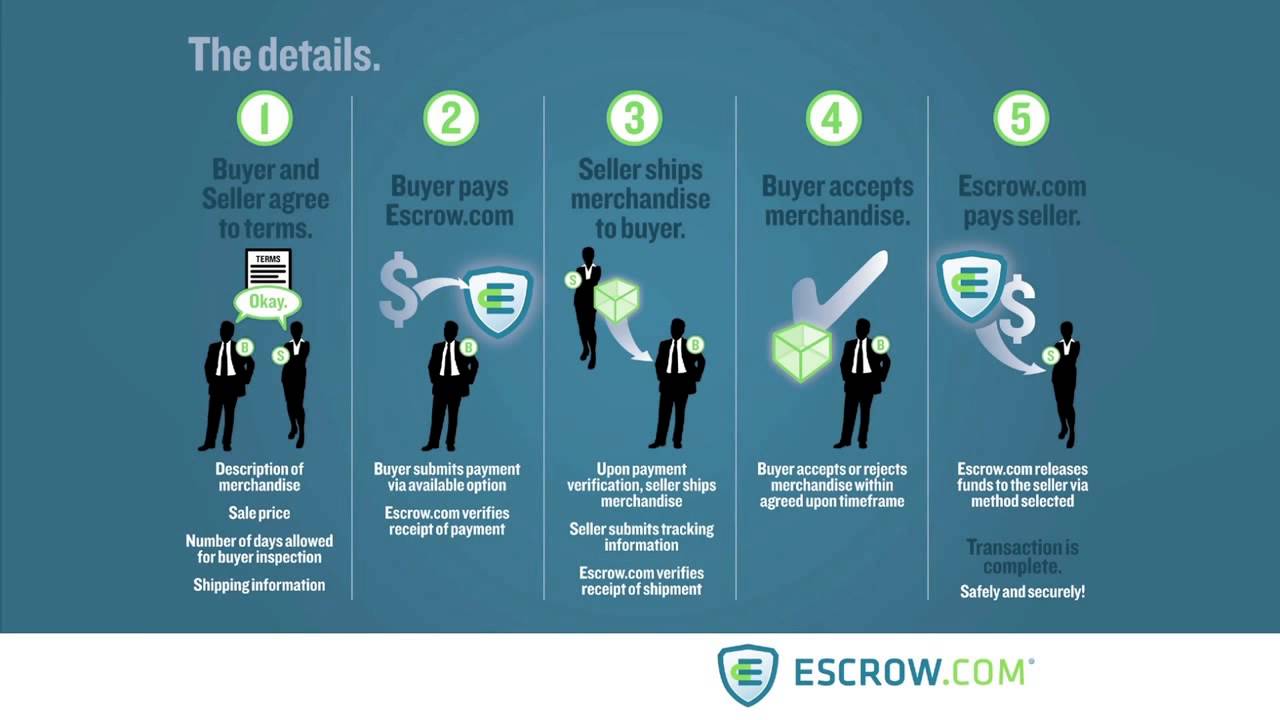
    Escrow companies hold funds and important documents during a real estate transaction to ensure a secure and fair process. Escrow companies protect the interests of all parties involved, including buyers, sellers, and lenders.

    What Do Escrow Companies Do?

    Credit: www.escrow.com

    How Escrow Companies Facilitate Real Estate Transactions

    Escrow companies perform essential functions in real estate transactions by holding funds and documents securely. They ensure compliance with legal requirements for the smooth transfer of property ownership. Facilitating effective communication among buyers, sellers, and lenders is a crucial aspect of their role.

    These companies act as neutral third parties, managing the financial aspects of the transaction until all conditions are met. By holding the funds in a secure, designated account, escrow companies provide a sense of security to all parties involved. They meticulously follow the established procedures, ensuring that all necessary documents are in order.

    With their expertise, escrow companies contribute to a seamless and efficient real estate transaction process, aligning with the requirements of buyers, sellers, and lenders.

    The Role Of Escrow Companies In Business Transactions

    Escrow companies play a crucial role in business transactions by securely holding funds and assets. They act as neutral third parties, ensuring that both buyers and sellers are protected throughout the process. By safeguarding confidential information, escrow companies maintain client trust and confidentiality.

    They coordinate the closing process, facilitating the smooth transfer of ownership and ensuring all necessary paperwork is properly completed. With their expertise and attention to detail, escrow companies help minimize the risks and uncertainties associated with complex financial transactions. Through their meticulous management of funds, assets, and sensitive information, they provide a secure and efficient platform for individuals and businesses to conduct transactions with confidence.

    Escrow Services For Online Transactions

    Escrow companies play a crucial role in online transactions by ensuring the security of payments and goods. They act as intermediaries, verifying the authenticity of the parties involved. Their primary responsibility is to hold the funds and items in a secure and neutral account until both parties fulfill their obligations.

    In case of any disputes or disagreements, escrow companies step in to provide mediation and resolve the issues in a fair and unbiased manner. This not only protects the buyers and sellers but also safeguards their transactions. With the increasing number of online transactions, escrow services have become essential to ensure a safe and reliable experience for all parties involved.

    Frequently Asked Questions Of What Do Escrow Companies Do?

    What Is The Purpose Of The Escrow Company?

    The purpose of an escrow company is to hold funds or assets during a transaction, ensuring a secure and impartial process.

    How Do Escrow Companies Make Money?

    Escrow companies make money by charging fees for their services in facilitating and managing transactions.

    What Are The Disadvantages Of Escrow?

    Escrow has a few disadvantages: delays in transactions, possibility of fraud, and additional costs.

    What 3 Things Does Escrow Include?

    Escrow includes three things: security, impartiality, and assurance for transactions.

    Conclusion

    Escrow companies play a crucial role in ensuring a smooth and secure transaction process. By acting as a neutral third party, they offer protection to both buyers and sellers. Through careful examination of legal documents, verification of funds, and coordination with all parties involved, escrow companies create a sense of trust and confidence.

    Additionally, their expertise in handling complex financial transactions, such as real estate and large purchases, eliminates the need for individuals to navigate the complexities on their own. This not only saves time and effort but also reduces the risk of fraudulent activities.

    Whether you are buying a new house or selling a high-value item, working with an escrow company is a wise decision to safeguard your interests and ensure a successful transaction. So, next time you find yourself in need of a reliable intermediary, consider the invaluable services offered by an escrow company.

  • Escrow Advance Recovery You Need to Know

    Escrow Advance Recovery You Need to Know

    Escrow Advance Recovery is a process that aims to retrieve funds placed in an escrow account. Escrow Advance Recovery is the method used to retrieve funds that have been placed in an escrow account.

    When parties deposit money into an escrow account for use in a transaction, such as a real estate purchase, disputes or non-performance can occur. In these cases, the recovery process is initiated to secure the return of the funds to their rightful owner.

    Escrow Advance Recovery involves legal measures and negotiations to resolve issues and ensure the proper distribution of the funds held. It is essential to understand the process and seek professional advice to navigate the complexities of Escrow Advance Recovery successfully.

    Escrow Advance Recovery

    Credit: u.today

    What Is Escrow Advance Recovery?

    Escrow advance recovery refers to the process of retrieving funds held in escrow accounts. Considered an essential financial mechanism, escrow advance ensures that parties involved in a transaction are protected. When a buyer fails to fulfill their obligations, recovery becomes necessary.

    This recovery often involves legal action to reclaim the funds. By understanding the concept of escrow advance and the need for recovery, individuals can safeguard their investments. The recovery process, although complex, aims to retrieve the escrow funds and protect the interests of the non-defaulting party.

    Seeking professional assistance in such cases can ensure a smoother recovery process. With escrow advance recovery, parties can mitigate financial risks and maintain the integrity of transactions.

    Common Scenarios For Escrow Advance Losses

    Common scenarios for escrow advance losses can arise in various situations. One example is when a buyer fails to secure financing and cannot complete the purchase. Another scenario could be when a seller misrepresents the property’s condition, leading to unexpected repair costs.

    Additionally, if a buyer breaches the contract by not fulfilling their obligations, they may face escrow advance losses. Moreover, a delay in the closing process due to legal or financial issues can result in financial losses for both parties. In addition, if there are disputes over the terms of the escrow agreement, it can lead to complications and potential losses.

    Highlighting these situations helps individuals understand the potential risks involved in dealing with escrow advances. By being aware of these scenarios, individuals can better protect themselves and make informed decisions regarding escrow advances.

    Steps To Recover Escrow Advances

    Recovering escrow advances involves analyzing the process, gathering documentation, assessing legal options, and preparing a recovery plan. Analyzing the process includes thoroughly examining the terms and conditions related to the escrow advances. Gathering necessary documentation involves collecting evidence such as contracts, receipts, and communication records.

    Assessing legal options involves consulting with legal experts to determine the available courses of action. Based on the analysis and legal advice, a recovery plan needs to be prepared, outlining the steps that need to be taken for reclaiming the escrow advances.

    It is important to adhere to the guidelines set forth by legal authorities and follow the recommended procedures for a successful recovery. Effective communication and negotiation skills can also play a vital role in resolving conflicts and reaching mutually acceptable solutions.

    Recovering escrow advances requires diligent effort, attention to detail, and a proactive approach to ensure a favorable outcome.

    Evaluating The Legitimacy Of Escrow Practices

    Escrow practices undergo scrutiny to assess their legality and potential violations. Examining the legitimacy of these practices is crucial in ensuring a fair and transparent process for all parties involved. By closely evaluating escrow practices, it becomes possible to identify any violations that may have occurred.

    This examination provides valuable insights into the adherence to legal requirements and safeguards against potential fraudulent activities. Through this evaluation, the legality of escrow practices can be established, ensuring a secure and trustworthy process. It is essential to maintain a vigilant approach in assessing escrow practices to safeguard the interests of individuals and organizations reliant on these services.

    Through careful examination, any irregularities can be addressed, ultimately contributing to a more reputable and reliable escrow practice.

    Understanding Escrow Laws And Regulations

    Escrow advance recovery is subject to several laws and regulations that govern escrow practices. The legal framework surrounding escrow ensures transparency and security in financial transactions. Specific laws and regulations apply to escrow advance recovery, safeguarding the interests of both parties involved.

    These regulations outline the procedures for resolving disputes and recovering funds in case of any discrepancies. It is crucial for individuals and businesses involved in escrow to be familiar with these laws to protect their financial interests. By understanding the legal framework governing escrow practices, individuals can navigate the process with confidence and ensure compliance with applicable regulations.

    This knowledge helps to establish trust and mitigate risks associated with escrow advance recovery.

    Negotiating With Escrow Agents And Brokers

    Negotiating with escrow agents and brokers requires the use of effective tactics and strategies. To engage in successful negotiations, it’s essential to present evidence supporting your claims. This can include documents, data, and other relevant information. Additionally, employing effective communication strategies is crucial.

    Clear and concise communication helps convey your points persuasively. It’s important to choose your words carefully and craft compelling arguments. By utilizing these tactics, you can increase your chances of reaching a favorable outcome in escrow negotiations. Remember, effective negotiations rely on evidence and communication to support and convey your position effectively.

    Seeking Legal Assistance

    When dealing with escrow advance recovery cases, it is crucial to seek legal assistance. Hiring a lawyer experienced in this field brings a range of benefits. First and foremost, they possess knowledge and expertise specific to escrow advance recovery, giving you an advantage in your case.

    They can guide you through the entire legal process, ensuring that you understand your rights and options. Additionally, a skilled attorney will have a thorough understanding of key considerations when selecting legal representation. They can assess the credibility and track record of potential lawyers to help you make an informed choice.

    By hiring a lawyer with expertise in escrow advance recovery cases, you are increasing your chances of a successful outcome and maximizing your recovery. Don’t hesitate to seek legal assistance as early as possible to protect your interests and secure your rights.

    Preventing Escrow Advance Losses

    Escrow advance recovery is a crucial aspect that deserves attention to prevent losses. To safeguard against falling victim to such losses, it is recommended to conduct due diligence before engaging in any escrow transactions. This involves verifying the legitimacy of escrow agents and brokers involved in the process.

    Through careful research and investigation, one can identify trustworthy and reputable individuals or firms to work with. By taking these precautions, individuals can mitigate the risk of losing their escrow advance funds. Protecting oneself from potential scams and fraudulent activities requires thoroughness and awareness.

    It is important to stay informed and cautious when entering into any escrow agreements, ensuring the security of one’s financial investments.

    Evaluating Potential Recovery Vs. Costs

    Evaluating the potential recovery versus the costs associated with escrow advance recovery requires careful consideration. It’s essential to weigh the amount to be recovered against the legal expenses, time investment, and potential outcomes. By analyzing these factors, you can make an informed decision about whether pursuing recovery is worthwhile.

    Calculating the potential costs involved, such as attorney fees, court costs, and other legal expenses, is crucial in determining the overall feasibility of recovery. Additionally, evaluating the time and effort required to pursue the recovery is essential, as it may impact other business operations.

    Assessing the potential outcomes, including the likelihood of success and potential risks, is also vital. By thoroughly evaluating these aspects, you can determine the most suitable course of action regarding escrow advance recovery.

    Alternative Dispute Resolution Options

    Presenting alternative methods like mediation and arbitration to resolve escrow advance disputes without litigation. Mediation allows disputing parties to negotiate and reach a mutually agreeable resolution with the help of a neutral third party. On the other hand, arbitration involves a third party, an arbitrator, who reviews the evidence and makes a final decision.

    These methods offer a quicker and more cost-effective way to settle disputes compared to traditional litigation. They also provide a confidential environment for resolving conflicts. Mediation and arbitration enable the parties involved to maintain control over the outcome and have a say in the resolution process.

    Considering these alternative dispute resolution options can save time, money, and stress, ultimately benefiting all parties involved in escrow advance disputes.

    Frequently Asked Questions For Escrow Advance Recovery

    Should I Pay The Escrow Shortage?

    Yes, you should pay the escrow shortage to avoid any potential issues or penalties.

    What Happens After I Pay My Escrow Shortage?

    Once you pay your escrow shortage, your account will be updated accordingly.

    Should I Get An Escrow Refund?

    Yes, you should get an escrow refund if there is an excess amount in your account.

    What Happens If You Don’T Cash An Escrow Surplus Check?

    If you don’t cash an escrow surplus check, it’s important to do so to receive your funds.

    Conclusion

    Escrow advance recovery can be a daunting and frustrating process, but it is crucial to take the necessary steps to protect your financial interests. By understanding the potential risks and working with a trusted escrow service provider, you can minimize the chances of falling victim to scams or fraudulent transactions.

    Remember to conduct thorough research, verify the legitimacy of the escrow service, and carefully review all documentation before proceeding with any transaction. In case of any suspicious activity or if you have been a victim of fraud, promptly report the incident to the relevant authorities and seek professional advice.

    Your vigilance and proactive approach will go a long way in safeguarding your financial investment and ensuring a smooth escrow advance recovery process. Trust your instincts, stay informed, and don’t hesitate to seek help when needed.