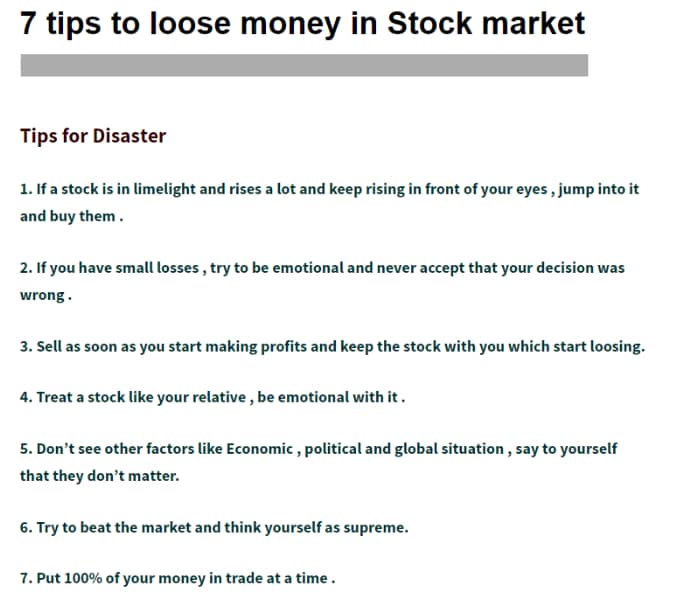
Day trading is a term used to describe the practice of buying and selling securities (stocks, bonds, etc.) within a tight time frame, typically within one business day. It is risky because the security price can change rapidly in a short period. For this reason, day traders usually only trade one stock, and they keep their positions open for a set period. However, some people like to day-trade because the thrill is seeing huge gains in a short time.
What Is Day Trading In Stock Market
The easiest way to trade on the stock market is to buy stocks and sell them shortly after. This technique is called day trading. Day traders invest in securities for a short period of time, usually overnight, and then immediately sell them at a profit. By doing this continuously, they hope to earn money from the fluctuations in the price of the stock during the day. A trader should also be aware that there are two kinds of day trading:
(i) picking off major trends and riding small price dips or churns, where you pick individual stocks up with good potential after initially selling others; and
(ii) grinding the markets, making a better profit by selling off securities that have recently had good returns but haven’t shown much growth since. It can be pretty profitable but might require some time investment and knowledge on stock valuation techniques or technical analysis (this method has gained popularity since 2000)
Day trading can be dangerous if you don’t know what you are doing. Usually, day traders make their money through buying low and selling high, so they try to time it right to buy when a stock has made its biggest price swing. These traders sometimes sit on positions for three or four days waiting for a considerable price swing that will guarantee their profits. However, this does not mean the activity is impossible to do.
Mutual funds (and closed-end funds) are the second most common type of investment. Mutual Funds are saleable at any time because they do not have to pay out dividends or sales proceeds for many years and thus never experience significant erosion in their value. This also means that you most likely won’t see much return from mutual funds picking your returns with a change in interest rates, which usually has minimal effect on this kind of
What are the risks and rewards of day trading?
The risks and rewards of day trading depend mainly on the particular strategy used. Some days, traders can make money by buying and selling stocks quickly and often; other days, they can lose much money. There is also the risk that the trader will not sell their stock at the right time or for the right price, resulting in a loss.
When should you start a day trading program?
Most traders don’t jump immediately into day trading; first, they experiment with buying and selling relatively modest amounts of low-risk securities such as index funds that track the performance of an entire market sector or a country’s economy. As time goes on, though, doing this becomes more challenging to make profitable by not having strong enough knowledge about investing in general. Therefore it is recommended that
How to choose a good day trading strategy?
There is no definitive answer, as different day trading strategies work best for other traders. However, some tips on choosing a good day trading strategy include: choosing a method that fits your trading style and goals, focusing on technical analysis when making trades, and following a consistent plan. 4. What kind of stocks helps in day trading?
Some examples of companies known to be good choices for day trading are those that regularly pay dividends and those with a short-term volatile share price (such as stock options).
How to start Day Trading index funds?
Start by reading our detailed guide on how you can trade stocks: Introduction To Investing In Stock Market is available at
What are the best tools for day trading?
There is no definitive answer to this question. Different traders have different preferences and needs, so what works best for one person may not be the right choice for another. Some of the tools used by day traders include trading platforms like E*TRADE, CBOE, and NASDAQ OMX and specific securities brokerages like Fidelity or Charles Schwab.
How to stay disciplined while day trading?
Day trading can be an advantageous experience if you are disciplined and keep track of your portfolio. Ensue that you set realistic goals for yourself, stick to your plan, and never give up on your trade. You’ll need to patiently wait until your trade is profitable before committing more capital when starting.
How to deal with emotional factors when day trading?
One way to deal with emotional factors when day trading is remembering that day trading is a hazardous proposition. While it may be enjoyable to try and make quick decisions in the bull or bear markets, it is essential to remember that even the best traders can lose money quickly if they are not careful. It is also crucial to remember that emotions can sometimes cloud judgment, so it is vital to take some time each day to reflect on what is happening in the market and how you feel.
What should I do if my computer or internet connection (for example) goes down while day trading?
It’s a good idea to have an alternate way of getting access to your portfolios when markets are open, as brokers can sometimes be intermittent due to technical issues like these. See: Picking Up Day Trading From Scratch for more insight on this topic.
What should you do if you lose money during a day trade?
If you have lost money during a day trade, you should take measures to protect yourself from further losses. For example, you may want to reduce your position size or close the trade. Be sure to take steps like this before the real-time market opens on the next trading day. How do you decide what size is too big?
Is it possible to make money day trading in the stock market?
The amount of money that you can make day trading in the stock market will vary depending on various factors, including your investment experience, financial resources, and trading strategies. However, some people believe that it is possible to make a modest income from day trading stocks if you are willing to put in the effort.
Is day trading illegal?
There is no definitive answer as to whether day trading is illegal or not. However, most financial regulators worldwide frown upon it and consider it a high-risk activity.
Day trading is typically defined as buying and selling securities within a short period, usually minutes or hours. This often involves making quick decisions based on rapidly changing market conditions.
The main reason why day trading is considered to be risky is that it can quickly lead to losses if the markets are in turmoil. If you are not experienced in day trading, you will likely end up losing all your money if the markets turn against you.
How much do you need for day trading?
To day trade, you need a minimum deposit of $100, and you will also need to have access to a computer with the internet. However, The legal minimum balance required to day trade stocks in the United States is $25,000. Day trading isn’t allowed until a deposit is received, taking the balance above $25,000 if the balance falls below that level.
What is the difference between day trading and swing trading?
Day traders will generally focus their trades on fewer stocks or even hours. On the other hand, all-day traders may have positions in several securities while favoring more extended periods to mature (typically two weeks). Swing traders are also very active in making short-term decisions as they trade multiple assets simultaneously. Both groups rely heavily on technical analysis as one primary means of decision making often combined with fundamental analysis.
Why is day trading bad?
Day trading is terrible because it can lead to the loss of vast amounts of money. Although, a day trader can earn good loot if he knows how to recognize the right time(s) for entering and exiting one position.
But buying at the wrong times is also bad as it won’t help you get profits in bullish trends that have short-run potential. So what are indicators of a strong uptrend? When will be the best place to sell stock in trend? Why do prices often vary enormously within an hour?
Is day trading profitable?
There is no easy answer for the profitability of day trading. It depends on many factors, including the markets you trade and your trading skills. However, day trading can be profitable if you are disciplined and manage your risks carefully.
Find the 22 ways that help you beat the stock market in 2022 onwards.
How difficult is day trading?
Day trading is relatively easy once you understand the basic principles. However, it can be challenging to make consistent profits and require a high discipline level. How to Track the Funds Manually?
In this section, we will share two methods for tracking your funds. I would recommend that you use 2 of these tools and spend considerable time learning how each works to handle issues that may come up. The first method is called Funds Calculator. It is available on Google Finance. You add an appropriate column date filter (if it isn’t already there) enter some parameters.
What percentage of day traders are successful?
There is no ready reference answer to this question, as success rates for day traders vary dramatically. For example, some successful day traders make up 60-75% of their trading activity while others can trade only a fraction of the time and still be successful.
Why do most day traders lose money?
There are a few reasons why most day traders lose money. For one, day trading is a high-risk activity. If you lack the skills necessary to make successful trades, you will likely lose money. Additionally, day trading is also a time-consuming activity. If you’re not able to manage your time wisely, you’re also likely to lose money. Finally, the outcome of most day trading strategies is heavily influenced by longer-term trends. As a result, many traders get discouraged and walk away before the strategy’s success can be maximized.
How often should I trade?
Day trading can only be profitable if you make trades based on your criteria instead of following the crowd mentality that dominates most markets today. In addition, it means that one must have enough discipline to eliminate all emotions from decision-making.
Should I quit my job to day trade?
The general answer is No but it depends on your circumstances and goals. However, since it is not easy to quit a job and attain financial freedom, day trading can be an excellent choice for many. Other issues to consider include:
your employer’s policies concerning outside activities whether or not the significant brokerages support you as an employee from home trades.
Is Day Trading considered self-employed?
No, day trading is not considered self-employed.
Is day trading a real job?
There is no definitive answer, as day trading can be for fun or profit. However, it is an effective way for many people to earn income and build wealth. Some day traders can even quit their jobs to become self-employed Day Trading success stories.
John Holmes is a Forex trader who started with $3 a week trading in Australia about six years ago. As I mentioned previously, money seems TOO easy when he tells his story, right? It’s all done by sitting behind the computer with
How do I become a self-employed day trader?
Assuming you want to be self-employed as a day trader, the first step is creating an LLC and filing Articles of Organization with your state. Once the LLC is formed, you will need to fill out an application for a business license found online. After the business license is obtained, you will need to apply for a National Provider Identification Number (NPIN). The NPIN can be obtained through the IRS or your state.
Do you need a degree to be a day trader?
No, a degree is not generally necessary to be a day trader. However, some day traders may have more experience and knowledge in trading than others, so it is essential to do your research before starting to trade.
What should I study to become a day trader?
You’ll need to consult with a financial advisor or other experienced traders to determine what specific skills and knowledge you’ll need to become a successful day trader. Some common subjects to covere include finance, market analysis, trading techniques, and risk management. If you are new to trading, some day traders may suggest that you start studying basic technical analysis concepts and then move to more advanced topics.
What is the exposure risk in a self-employed day trader?
The percentages associated with an individual’s daily equity account will depend primarily upon your commodity and stock market selection choices, as well as other factors such as margin requirements from different brokerage firms. Understand which company offers the best overall mix of services
Can I buy and sell stocks on the same day?
Yes. You can buy and sell stocks the same day if you have a wired transfer or direct deposit account with a brokerage. Some brokers have different procedures for business owner accounts versus personal accounts. If you wish to use an IRA account, please ensure that the broker regularly trades with IRA money before placing any trades. This is essential to avoid restrictions. Just as there are commercial banks and private banking institutions, so too can find day traders who operate throughout both public and proprietary environments.
How do day traders avoid taxes?
Some day traders may avoid paying taxes by claiming losses on their trading account. It may results in a significant decrease in taxable income.
Do you pay taxes on each stock trade?
It depends on the specific trading account and tax situation. However, you would likely pay taxes on the gains or losses from stock trades.
Do I have to pay tax on stocks if I sell and reinvest?
If you sell and reinvest stocks within a calendar year, you will pay tax on the sale and the gain. If you sell and do not reinvest within a calendar year, you will not pay tax on the sale or gain.
Are you taxed on Robinhood?
Yes, Robinhood is taxed.
Why is day trading bad on Robinhood?
Day trading is terrible for Robinhood because the stock prices can be volatile, and day trading can lead to unexpectedly high or low prices. Day trading also involves risk, including losing money if the stock price falls.
Is day trading Better Than stocks?
There is no one-size-fits-all answer to this question, as the decision of whether or not to day trade stocks depends on a variety of factors specific to each individual. However, in general, day trading is considered a more risky investment than investing in stocks outright. The reason is that day traders are typically less familiar with the stock market and its dynamics, leading to more significant losses if the market takes a sudden turn against them.
Is day trading legal?
Day trading is neither illegal nor unethical. The day trading strategies are extremely complicated and best left to professionals or savvy investors.
Is day trading like gambling?
There is no clear-cut answer to this question as it depends on a person’s individual perspective. However, most people would say that day trading is not exactly like gambling. Day trading typically involves choosing assets and stocks that you believe will perform well over the course of a specific period of time, while gambling involves taking risks based on chance.
Why do day traders fail?
There are many reasons why day traders may fail. These include, but are not limited to: lack of discipline, over-trading, market timing errors, skill, or luck failures.
Is day trading addictive?
There is no definitive answer to this question as everyone experiences different levels of addiction to different things. For example, some people may find day trading addictive because it allows them to make quick and large profits. In contrast, others may find it enjoyable and satisfying to learn and master this complex financial tool. Ultimately, whether or not day trading is considered addictive can vary from person to person.
Which time frame is best for day trading?
The best time frame for day trading is typically overnight. This is because this time period contains the least amount of market noise, not to mention these are typically the most reliable hours when it comes to trading. Additionally, speculative stocks and options contracts tend to work the best overnight. This said, however; many investors like day and swing traders use a combination of day trading (with early morning or evening showings) with other strategies such as short selling or big picture investing for target-date funds where volatility decreases throughout retirement