
Category: Kids Finance

  • Why Should Kids Learn Personal Finance?

    Why Should Kids Learn Personal Finance?

    Personal finance is an important life skill that every person should learn, and this includes children. Kids are bombarded with messages about money from a very young age – whether it’s hearing their parents talk about the bills they have to pay or seeing advertisements on TV for new toys. It can be overwhelming for them to understand how these things fit together and what it all means for their future.

    As parents, we all want our kids to grow up and be successful in life. But the truth is that success isn’t always based on talent or intelligence — it can also depend heavily on financial literacy. That’s why it’s important to teach our children about personal finance from an early age.

    Why is It Important to Learn About Finance?

    Money is an essential part of life, and understanding how to manage it is a fundamental skill that everyone should possess. Learning about finance can help you make sound financial decisions, avoid costly mistakes, and ultimately achieve your financial goals.

    Learning about personal finance will help your child understand how money works and make wise decisions with their finances as they get older. Money management skills are essential for leading a financially secure life, so teaching these principles early can set them up for long-term success. Here are some of the key benefits of teaching kids about personal finance:

    1. Make Smart Financial Decisions – When you understand basic concepts like budgeting, saving, investing and managing debt, you will be able to make smarter financial decisions throughout your life. You’ll be better equipped to navigate difficult situations such as bankruptcy or mortgage refinancing. Being knowledgeable in personal finance also helps when making major purchases or investments such as buying a house or car.

    2. Create Achievable Financial Goals – Knowing the fundamentals of finances allows individuals to set realistic goals for themselves which leads them down the path towards achieving those goals over time. Without learning how money works, individuals may not have a clear plan on how they want their money to work for them in terms of savings and investments which can delay reaching their desired outcome by years if not decades!

    3. Achieve Long-term Stability – By having a comprehensive understanding of finances one can ensure long-term stability by properly planning out where their income goes each month through budgeting and setting aside funds for retirement accounts among other things necessary for proper wealth management today that will benefit tomorrow!

    4 . Avoid Costly Mistakes – Kids need to learn how to budget, invest wisely, and save appropriately so they don’t fall into debt when they become adults. Teaching them these basics now allows them to avoid costly mistakes later on down the road. Not being financially literate could easily lead someone into making expensive mistakes with their money without even realizing it until it’s too late! For example taking out loans at high-interest rates or paying unnecessary fees due to lack of knowledge on what options are available would cause more harm than good in the long run so avoiding these scenarios altogether is key here!

    5) It Teaches Responsibility: Learning about money teaches responsibility by giving kids a sense of ownership over their own finances – if you give your child an allowance each week, have them set aside a portion for savings or investments right away so they start learning good habits early on.

    6) Encourages Smart Spending Habits: When children understand the value of money and its limited availability, they tend to be more careful when spending it – this means no impulse purchases! Showing your child how far their money can stretch with smart budgeting encourages better spending habits in adulthood too.

    Overall learning about finances is extremely beneficial because doing so helps people make smart decisions with their money while simultaneously creating achievable goals that increase overall financial stability over time while avoiding costly mistakes along the way!

    Why Should Kids Learn Personal Finance?

    Teaching kids personal finance is essential for their long-term financial well-being and overall life skills development. Here are ten detailed reasons why kids should learn personal finance:

    1. Financial Literacy Promotes Independence:

    Teaching kids about personal finance instills in them a sense of independence and self-reliance. As they learn how to manage their money, they become less dependent on others for financial support and guidance. This independence extends beyond finances and can lead to greater confidence in various aspects of their lives. Kids who are financially literate are more likely to take control of their financial future and make informed choices.

    2. Smart Money Management:

    Financial literacy equips kids with practical skills for managing their finances effectively. They learn how to create budgets, track expenses, and make informed spending decisions. These skills are essential for avoiding financial pitfalls and ensuring that their income covers their needs and goals. Kids who are financially literate are less likely to overspend, accumulate debt, or experience financial stress.

    3. Debt Prevention:

    Understanding concepts like interest rates, loans, and credit cards helps kids make responsible financial decisions. They learn the potential consequences of borrowing money and how to use credit wisely. This knowledge can prevent them from falling into the cycle of debt that many adults struggle with. Kids who grasp the implications of debt are more likely to use credit sparingly and responsibly.

    4. Goal Setting:

    Personal finance education encourages kids to set financial goals and work towards them. Whether it’s saving for a special toy, a college education, or their first car, goal setting teaches them the importance of planning and discipline. Kids learn that achieving their goals requires patience, dedication, and consistent effort. These skills can be applied to various aspects of life, fostering a sense of achievement and motivation.

    5. Delayed Gratification:

    One of the valuable lessons in personal finance is the concept of delayed gratification. Kids learn that saving money today can lead to more significant rewards in the future. This understanding helps them resist impulsive spending and instant gratification, which is a crucial life skill. Kids who practice delayed gratification are more likely to make thoughtful, long-term decisions and have a greater sense of financial security.

    6. Critical Thinking:

    Financial literacy encourages kids to think critically about financial decisions. They learn to evaluate options, consider the trade-offs, and make informed choices. By engaging in this process, children develop analytical and problem-solving skills that extend beyond finances. These critical thinking abilities become valuable assets in various areas of life, such as career choices and personal relationships.

    7. Economic Awareness:

    Understanding the fundamentals of economics is an essential aspect of personal finance education. Kids gain insight into economic concepts like inflation, supply and demand, and economic cycles. This knowledge helps them grasp the broader economic context in which they operate. It also enables them to adapt to economic changes and make informed decisions about their investments, careers, and financial strategies.

    8. Investment Knowledge:

    Learning about investments introduces kids to the concept of growing wealth over time. They discover various investment options, such as stocks, bonds, and real estate. Kids learn the benefits of diversification, risk management, and long-term planning. This knowledge empowers them to make informed investment decisions and take steps towards financial security, including saving for college, retirement, or other future goals.

    9. Financial Resilience:

    Financial literacy equips kids with resilience in the face of financial challenges. They learn to navigate unexpected expenses, emergencies, and setbacks. By understanding how to manage these situations, they can avoid falling into financial crises. This resilience extends to other life challenges, helping kids build emotional and psychological strength when facing adversity.

    10. Financial Responsibility:

    Personal finance education instills a sense of responsibility and ethics regarding money. Kids learn about honesty, integrity, and ethical financial behavior. They understand the importance of paying bills on time, honoring financial commitments, and treating others fairly in financial transactions. These values shape their character and contribute to their reputation as responsible individuals.

    Incorporating personal finance education into the curriculum or family discussions equips kids with practical skills they will use throughout their lives, ultimately improving their financial well-being and contributing to their overall success and happiness.

    Why Finance Should Be Taught in Schools?

    Financial literacy is a key life skill that should be taught in schools. Over the course of their lifetime, individuals need to be able to make wise financial decisions and understand how money works. Unfortunately, many students leave school with limited knowledge on this subject, leaving them unprepared for the future.

    By teaching finance in schools, we can help equip young people with the skills they need to succeed financially and ensure they have a secure financial future. In today’s world, there are more types of investments than ever before – from stocks and bonds to mutual funds and cryptocurrency – yet most students lack basic understanding of these concepts when they graduate high school or even college. Without an education in finance, it can be difficult for individuals to make smart decisions about their finances later in life as they may not fully understand the risks associated with different investment options or how taxes work.

    This can lead to poor spending habits that cost them dearly down the line. Furthermore, having a sound understanding of personal finance could potentially help students avoid common pitfalls such as credit card debt which often leads to decreased self-esteem and depression due to feelings of failure or embarrassment from being unable manage money responsibly . High levels of debt can also prevent young people from achieving milestones such as buying a home or starting a business at an earlier age due lack of available capital resources.
    Having access to information about budgeting , savings , debt management , retirement planning , insurance etc., early on gives individuals the opportunity learn how best take care their own finances before making any major purchases .

    To summarize: Financial literacy is an invaluable life skill that needs to taught in our educational systems so that future generations are better equipped handle all aspects related money matters throughout lives . With proper guidance on topics such investing , budgeting , saving etc., young people will have greater confidence managing finances later adulthood while avoiding costly mistakes along way .

    Why is Personal Finance Important in High School?

    Personal finance is an important life skill that everyone needs to understand in order to be successful. While there are many aspects of personal finance, understanding how money works is key for success. Unfortunately, high school students often don’t get enough education about managing their finances and as a result, they can find themselves struggling with debt or financial issues when they reach adulthood.

    That’s why it’s so important for high schoolers to learn the basics of personal finance before leaving school. The first step in learning about personal finance is understanding budgeting and spending habits. A good way for students to practice this skill is by creating a budget and tracking their expenditures on things like food, entertainment, and clothing each month.

    This will help them develop better money management skills which are essential later in life when dealing with larger expenses like cars or housing costs. Additionally, students should start saving early so that they can have funds available when unexpected costs arise such as medical bills or emergency car repairs. Saving regularly also helps build healthy habits that will set them up for success down the road

    In addition to teaching budgeting and saving skills, teaching kids about investing could provide a great foundation towards building wealth over time. Learning how stocks work can be intimidating at first but having knowledge of the stock market allows individuals more control over their investments rather than simply relying on others’ advice or predictions about where markets may go next . It’s helpful for young people who want to gain some financial freedom throughout their lives because investing has historically been one of the most effective ways of growing wealth over time if done correctly .

    Finally , being aware of credit scores from an early age is another valuable lesson that all high schoolers should learn . Knowing what impacts your score (late payments versus timely payments) as well as strategies such as keeping balances low all help create positive credit histories – something which will become increasingly important after graduation when applying for loans or mortgages . Establishing good credit now gives young adults an advantage financially later on in life since lenders view those with higher scores more favorably than those without any established history.

    Overall, teaching teenagers the basics regarding personal finance provides invaluable insight into becoming responsible consumers during college years and beyond.

    Why Should High School Students Learn About Personal Finance?

    Personal finance is an important topic that everyone should learn, but it can be especially beneficial for high school students. Learning about personal finance at a young age helps young people get into the habit of making smart financial decisions and become more successful in their adult lives. High school students should learn about personal finance because it teaches them valuable lessons that they will use throughout their life.

    By learning the basics of budgeting, savings, and investing early on, teens can develop good financial habits that will serve them well later on in life. Understanding how to manage your money properly can help you make wise investments and avoid large debts down the road. Additionally, understanding basic concepts like credit scores, loan terms and interest rates is essential for any adult looking to purchase a home or car or take out any sort of loan.

    Another reason why high school students should learn about personal finance is because it can help prepare them for college expenses such as tuition fees, textbooks costs and living costs while away from home. Knowing how much money they need to save up beforehand as well as planning ahead financially might help reduce some stress related to managing finances during college years when bills start piling up quickly due to student loans payments etc.. In addition being able to identify scholarships opportunities early on would also be helpful in reducing overall cost spent on higher education which could have long term benefits even after graduation depending on career path taken by each individual student .

    Furthermore , knowing how taxes work could be useful when filing tax return forms post-graduation which may result in additional income if done correctly . High schools already offer classes such as mathematics , accounting , economics so adding classes focusing specifically on teaching skills related directly with personal finances would provide additional knowledge required for future success . This way students who are interested could opt-in into these courses without feeling intimidated by huge amount of information presented during regular economics classes where topics usually cover broader aspects instead specific ones focusing solely on different types of investments available inside stock market etc..

    Overall learning about personal finance at a young age helps teens understand how money works and prepares them for adulthood so they don’t end up getting blindsided by unexpected expenses or debt issues later in life .

    Why We Should Not Teach Financial Literacy in Schools

    It’s no secret that in today’s world, financial literacy is a key component of success. Unfortunately, the traditional school system has not done enough to promote this important skill set among students. Many educational institutions are beginning to recognize the importance of teaching financial literacy and are integrating it into their curriculums; however, there are still some valid reasons why we should not teach financial literacy in schools.

    First and foremost, many parents feel that teaching money management skills is best left up to them rather than being included as part of an educational curriculum. This belief stems from the fact that many people view personal finance as something very private and individualistic—something that must be tailored specific to each person’s situation and goals. Furthermore, parents may worry about teachers or classmates judging them for their decisions when it comes to spending habits or other areas of money management.

    Another issue with incorporating financial education into schools is the notion that most students will have limited knowledge on how to manage finances properly due to their age and lack of life experience. Although they can gain basic information such as saving money wisely or avoiding debt when possible, more complex concepts such as investments require much more expertise which is difficult for teenagers who don’t yet understand what those concepts mean on a larger scale. As a result, these lessons may end up doing more harm than good by providing misinformation or leading students down paths which do not suit their individual needs or capabilities at this stage in life.

    Finally, dedicating time towards learning about personal finance could take away from valuable instructional time allotted for other subject areas such as math or science which might have far greater long-term benefits for young learners.. Additionally, although academic subjects often provide real-world applications through projects and activities related to career readiness – Financial Literacy may only become relevant after graduation since teens typically do not hold jobs with steady incomes until after college.

    In short, while introducing some elements of Financial Literacy into our educational systems can prove beneficial, it’s ultimately best left up o individuals themselves whether they want to pursue further studies in this field.
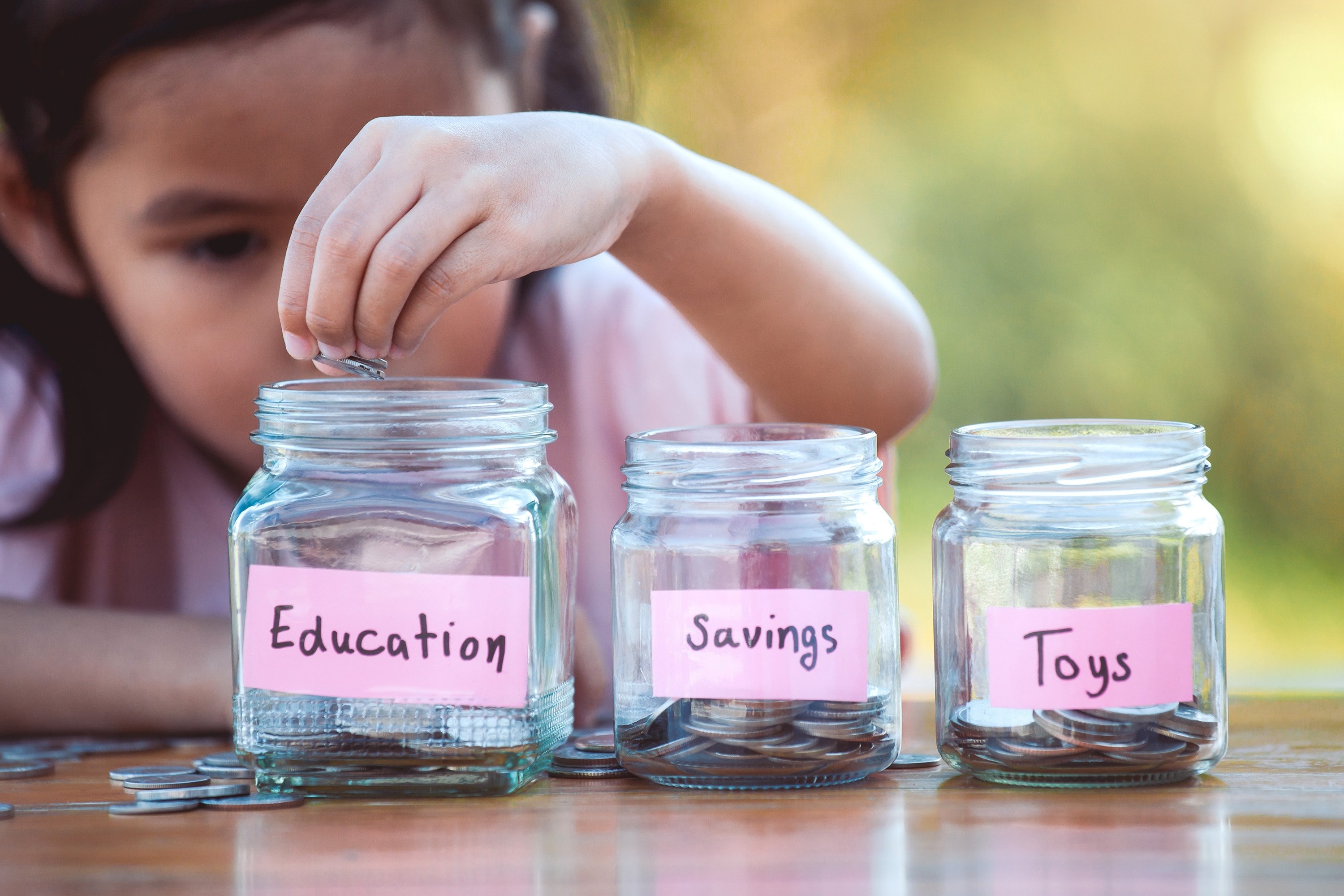
    Why Should Kids Learn About Personal Finance?

    Credit: www.dailysabah.com

    Conclusion

    Hey everyone, Today we’re talking about why kids should learn about personal finance. It’s never too early to start teaching them the basics of budgeting and investing!

    Money is an important part of our everyday lives, so it’s essential for kids to get educated on how best to manage their finances. By learning about personal finance from a young age, children will be able to make better financial decisions when they grow up. They’ll understand the importance of saving money, setting financial goals and creating a budget.

    And by understanding concepts such as inflation and interest rates, they can make wiser investments in the future. Having knowledge of personal finance also helps promote responsible spending habits among younger generations. Kids who are aware of how to save money wisely will be more likely to avoid debt or make sensible purchases that fit within their budget constraints.

  • What are Fun Ways to Teach Kids About Money?

    What are Fun Ways to Teach Kids About Money?

    Teaching kids about money is an important part of their education and development. When children learn to manage money responsibly, they can become financially successful adults. Learning how to budget and handle finances is a skill that will stay with them throughout their lives.

    Teaching these skills in creative and fun ways makes learning easier for both parents and children alike. There are many different activities that can help teach kids about the importance of budgeting, spending wisely, saving for the future, investing in stocks or mutual funds, understanding credit cards, managing debt responsibly and much more. With so much information available on this topic it may be difficult to find the right approach but luckily there are several fun ways to teach kids about money that have proven effective over time.

    These methods range from playing games like Monopoly or Cashflow 101 to taking trips to banks or setting up imaginary businesses with your kids as ’employees’. Whatever method you decide upon it should involve interactive activities while teaching your child valuable lessons on financial literacy at the same time!

    Money is an important life skill that everyone needs to learn, but teaching kids about money can be a challenge. Financial literacy isn’t typically taught in school and it’s up to parents and guardians to ensure their children are equipped with the knowledge they need to make responsible financial decisions later in life. Fortunately, there are plenty of fun ways you can teach your children about money so that learning is both educational and enjoyable.

    One way to teach kids about money is through role play activities. You can create a pretend store at home where your child gets to be the shopkeeper or customer – this will help them understand how sales work, as well as give them practice counting out cash or using credit cards for payment. Other activities like creating a budget or tracking expenses on an allowance chart helps foster better spending habits early on.

    You should also take advantage of online resources when teaching your child about finances; there are plenty of kid-friendly games and apps that make learning more fun while still being informative (e.g., Mint Bills Kids). Furthermore, encourage conversations around money by reading books focused on topics such as saving and investing together – this will open up dialogue between you and your young ones so they feel comfortable asking questions if something doesn’t make sense. Overall, providing kids with education around personal finance from an early age gives them the skills they need later in life – especially during difficult economic times where understanding money matters more than ever before!

    Teaching these concepts doesn’t have to be boring either; get creative with role playing games or interactive apps so learning becomes something enjoyable for all involved!

    Fun Ways to Teach Money to Second Graders

    Teaching money to second graders can be a fun and engaging way for them to learn about the value of currency. It’s important that kids understand how money works at an early age, so it’s essential to teach them in an enjoyable way. Here are some fun ways you can teach your students all about money:

    1) Play Money Games – There are lots of exciting games available online or on apps that kids can use to practice recognizing coins and bills, counting amounts, making change and more. Many of these games offer real-life scenarios where players must make decisions based on their knowledge of money. This helps reinforce what they’ve learned while keeping things engaging and entertaining.

    2) Use Real Money In The Classroom – Give your students a hands-on experience by letting them handle actual coins and bills in class. Let them sort through different denominations or put together puzzles featuring pictures of coins or currency symbols like dollar signs and cents signs. You could also ask questions involving real-world problems such as “If I have three quarters, two dimes, four pennies, how much do I have?”

    Answer questions with visuals whenever possible to help drive home the point even further!

    3) Start A Business – Have your students create their own mini business! They can design products (like friendship bracelets or keychains), set prices (including tax!) And then sell those items within the classroom using play money you provide for customers who pay in cash!

    This is not only great for math skills but also great life lessons regarding salesmanship, budgeting etc..

    4) Go On A Money Field Trip – Take a field trip to somewhere like a bank or local store where they get see firsthand how people use money every day outside the classroom walls. Kids love getting out into the community so this is sure to be one excursion everyone will remember!

    Plus it gives you another opportunity for discussions about financial literacy after returning back from your outing too! Teaching young children about finance principles doesn’t have to be boring; there are plenty of creative ways you can incorporate learning into something new each day without sacrificing any educational value whatsoever! Whether its playing games online or setting up shop inside their very own classroom business venture–the opportunities are endless when it comes teaching kids all about finances!

    .

    Money Lesson Activities

    As parents, teaching our children about money is one of the most important and life-changing lessons we can offer. With an understanding of how money works, kids will be equipped to make better decisions for their future. But it doesn’t have to be boring!

    Here are some fun activities you can do with your child that will help them better understand financial concepts.

    1. Play Store: This activity is great for younger kids and helps teach basic budgeting skills by having them pretend to shop in a store using fake play money or coins. Have your child choose items from around the house that they would like to buy and assign each item a price tag (you could even draw up little “price tags” on paper).

    Give your child some play money, then let them decide which items they want to purchase within their budget – this teaches them early on how much things cost and the importance of making wise spending choices.

    2. Set Up A Bank Account: Setting up a bank account with your local bank is another way you can teach children good financial habits while also helping build their credit score over time (if done correctly). When setting up the account, explain why it’s important to save rather than spend every dollar they get and discuss interest rates as well as various types of accounts available when saving or investing money long-term such as savings accounts, CD’s, etc.

    3. Allowance & Chores: You may already give your child an allowance but if not now might be a good time start! An allowance gives children real world experience managing small amounts of money — from learning delayed gratification by saving up for something special, learning how taxes work when buying goods/services at retailers who charge sales tax (though this should only apply to older teens/adults) or getting paid for completing chores around the house — all these experiences help develop valuable financial literacy skills down the road!

    4. Investing Game: If you have access to online stock trading platforms like E*TRADE or Robinhood , consider using those websites together with your teen so they can learn more about investing in stocks.. Start out by researching different companies together then opening an “investment” account where both parties agree upon certain rules such as what type of stocks are allowed (e., no penny stocks), amount invested per trade etc.

    Teaching Kids About Money

    Money is one of the most important lessons we can teach our kids, but it’s something that many parents struggle to do. Teaching kids about money can be challenging because not only are they often too young to understand the concept, but also because it’s a complex and emotional topic. However, teaching children how to manage their finances is an essential part of helping them become financially responsible adults.

    So how do you go about teaching your kids about money? Here are some tips:

    1. Start Early – It’s never too early to start talking to your child about money management.

    As soon as they reach school age, begin having conversations with them about budgeting and saving for things like toys or clothes they want. This will help lay the foundation for more advanced financial concepts later on in life.

    2. Make Learning Fun – Kids learn best when they’re engaged and excited by what they’re learning; so make sure you make talking about finances fun!

    You could try playing board games such as Monopoly or The Game Of Life which teaches players basic economic principles while still being entertaining at the same time. Alternatively, you could use apps such as Rooster Money or BusyKid which allow children to track their spending habits in a safe online environment while earning rewards for good behavior along the way!

    3) Set an Example – Children always follow their parents lead so if you want your kid’s attitude towards money management to change then yours needs to change first!

    Show them through example that being mindful with spending and setting aside funds into savings isn’t just boring grown-up stuff – rather it’s something everyone should strive for in order have financial stability now and later on down life’s road!

    4) Open A Savings Account For Them – Opening up a bank account specifically for your child is another great way of introducing them into managing their own cash flow from an early age; plus research has shown that those who open accounts before 18 tend to save more than those who don’t have any access at all!

    5) Talk About Needs vs Wants– Lastly, let your little ones know there’s a difference between “wanting” something (i..e buying candy every day after school) versus “needing” something (like going grocery shopping once per week).

    Interactive Money Activities

    When it comes to teaching kids about money, interactive activities are a great way to keep them engaged and learning. By bringing in hands-on experiences, you can help your children understand the basics of budgeting, savings, and more. Whether you’re looking for ways to introduce these concepts or reinforce existing knowledge, there are plenty of interactive money activities that can be both enjoyable and educational.

    One of the most popular interactive money activities is Monopoly. This classic board game requires players to build properties while managing their finances. Players must decide when they should buy or sell properties based on the current state of their bankrolls—making this an excellent opportunity to teach important lessons about financial decision-making!

    Additionally, if you have multiple kids playing at once, they can learn valuable skills such as negotiation and cooperation by working together as a team against other opponents. You can also try out various online games that simulate investing in stock markets or saving for retirement goals. These virtual simulations provide a realistic approach for older children who may already know some basic information about finance but need practice applying it in real life scenarios.

    Not only do these types of games offer fun challenges but also allow students a safe environment where they can experiment with different strategies without any risk involved! For younger learners (ages 5–7), you might consider setting up pretend stores where kids get play currency to purchase items from each other using math skills like counting and adding/subtracting coins correctly. You could even create opportunities for advanced problem solving such as figuring out change due after making purchases with cashier role plays thrown into mix too!

    This type of activity teaches teamwork while providing an introduction into the world economy at its simplest form—which will come in handy when it’s time for those first real-world transactions down the road! Finally, if your child has trouble keeping track of spending habits then consider hosting “budget parties” where everyone gets assigned “allowances” each month according to age appropriate amounts; participants use these allowances throughout course duration (usually one year) while trying not overspend on anything unnecessary during designated shopping trips 😉 At end day/month all accounts must be settled between members so accountability remains central component throughout entire process–providing invaluable experience when later dealing with loan payments etc…

    What are Fun Ways to Teach Kids About Money?

    Credit: www.lifehack.org

    What is the Best Way to Teach Money?

    Teaching kids about money is an incredibly important lesson, and one that should be taught early on and reinforced over time. Money management skills are essential for personal success as well as financial security in the future. However, teaching children about money can often be a challenge because it requires them to understand abstract concepts such as budgeting, saving, investing and more.

    Fortunately, there are some great strategies you can use to teach your children how to manage their money effectively. Here’s a look at five of the best ways to teach kids about money:

    1) Start Early: The earlier you start teaching your kids about money, the better prepared they will be when they become adults. Even young children can learn basic concepts like counting coins or recognizing different denominations of bills. As they get older, you can introduce them to more advanced topics like budgeting and investing.

    2) Set Up An Allowance System: Setting up an allowance system is a great way for children to learn how to manage their own finances without having all of their spending decisions made by parents or guardians.
    When setting up an allowance system with your child make sure that you set expectations ahead of time so everyone understands what is expected from each other regarding spending habits and savings goals.

    3) Use Real-Life Examples : Kids tend to respond better when real-life examples are used during discussions rather than just theoretical principles being discussed in isolation from any context . Whenever possible try using real life examples such as shopping trips or bills coming due so your child has something tangible he/she can relate too while learning these important lessons .

    4) Teach Them About Credit Cards & Loans : This may sound counterintuitive but it’s actually very important that kids understand debt related issues early on , since this knowledge will help them make wiser decisions later on in life . Explain interest rates , loan structure , credit cards usage etc., so they have enough information before making any long term commitments down the line . 5) Lead By Example : Finally, if you want your kid(s )to develop good financial habits then it’s imperative that you lead by example yourself!

    Show them how much fun saving could be (by taking regular breaks with family )and why budgeting makes sense (by tracking expenses every month ). Additionally, always talk openly about finances around them ; never hide anything which could lead into confusion later on !

    What Can I Teach My 5 Year Old About Money?

    As a parent, teaching your 5 year old about money is one of the most important lessons you can impart. Money is an integral part of our lives and it’s never too early to start learning about it. Teaching your child how to save, spend and donate responsibly will set them up for a lifetime of financial success.

    The first step in teaching your 5 year old about money is introducing them to coins and bills. Show them each type of currency and explain their value. It’s helpful to give them some play money so they can practice counting out different amounts with the coins or bills you have introduced them to.

    You can also use this opportunity as a teachable moment by explaining why certain denominations are worth more than others and how these values relate to everyday purchases like food items or toys at the store. Once they understand basic monetary concepts, it’s important that they learn how saving works. Explain that setting aside some money now will help ensure they have enough when they want something down the road – whether it be an ice cream cone or a bigger purchase such as clothing or school supplies.

    Give examples that make sense for their age level so that they really understand what saving entails and why it’s beneficial in the long run . Additionally, discuss different ways people save – from piggy banks all the way up through bank accounts – so your 5 year old knows there are various options available depending on their needs/goals..

    In addition to saving, children should begin developing spending habits from an early age as well . Modeling good behaviors is key here; show your child how you decide which purchases are necessary versus those which may not be essential right away (e..g., new clothes vs groceries). Encourage comparison shopping between stores around town if applicable – this helps kids recognize value beyond just looking at prices alone!

    And always remind them that every purchase has consequences both positive and negative-so think before spending! Finally, talk about donating portions of their earnings where appropriate . Discuss charities near you who may need extra funds during special times like holidays or natural disasters – emphasizing why giving back feels good no matter what amount someone donates .

    Setting aside even small amounts regularly helps instill empathy in children while simultaneously reinforcing responsible fiscal behavior! Overall , teaching children about money from an early age gets easier over time !

    How Do You Explain Money to Kids?

    When it comes to explaining money to kids, the key is to make sure that the discussion is age-appropriate and engaging. Money can be a tricky concept for young minds, especially those who may not have had much exposure to it before. However, with a few simple explanations and activities, you can help your kids understand the basics of budgeting and managing money in an approachable way.

    The first step in teaching children about money is introducing them to coins and bills. Explain what each one looks like, how much they’re worth, their color or design (if applicable), etc. You could also use play money as a visual aid during this part of the lesson so that your child understands the value of each denomination even better.

    This will help lay important groundwork for later lessons about saving up for things or using cashless payments such as debit cards or apps like Venmo/Cash App if they are old enough. Once your child has mastered identifying different types of currency, you can move on to more complex concepts such as budgeting and financial planning skills. Start by having them create their own “budget” based on how much allowance they get per week or month – this allows them practice making responsible decisions between wants vs needs while still being able to enjoy spending some of their allowance too!

    Talk through potential purchases together – explain why something may need to wait until next month if there isn’t enough room in their current budget (or vice versa). You could also take advantage of any real-life opportunities available; when shopping together at stores/markets give examples from time to time where certain items might cost more than others due to various factors such as quality & quantity which helps build understanding around price tags & comparison shopping strategies. Additionally, setting up a savings account for your kid(s) would be beneficial down the line – start by having them save 10% out of every allowance payment into this account; emphasizing its importance & long-term benefit.

    Doing so gradually over time introduces good habits early on related to achieving financial goals. As always, don’t forget to reward positive behavior! Whether it’s helping clean up after dinner without being asked twice, doing well academically, etc ; providing incentives accordingly – further reinforcing these principles become second nature over time.

    All in all; talking openly & honestly with your children regarding finances should never feel intimidating but rather empowering towards future aspirations with proper guidance along the way !

    Conclusion

    Teaching kids about money can be a fun and educational experience! There are lots of great activities you can do with your children to help them understand the value of money. You can start by discussing how much things cost, both in terms of goods and services, as well as taxes and other expenses.

    You can also introduce budgeting concepts, like setting goals for spending or saving money. Teaching kids about investing is another great way to get them started early on understanding the importance of using their money wisely. Finally, it’s important to discuss how credit works so they know how not to overspend or take out loans they won’t be able to pay back easily.

    With these tips and more, teaching kids about money doesn’t have to feel like a chore – there are lots of creative ways you can make it enjoyable for everyone involved!