Category: Capital Market

  • Trustee

    Trustee

    When it comes to estate planning, one of the key roles is that of a trustee. A trustee is an individual or entity that holds the legal title of assets on behalf of another person or group. They play a crucial role in managing and administering the assets as per the terms outlined in the trust document. In this article, we will delve into the responsibilities, duties, and significance of a trustee in estate planning.

    Responsibilities of a Trustee

    Being a trustee comes with a set of important responsibilities that require careful attention and adherence to the trust’s provisions. Some of the primary responsibilities of a trustee include:

    • Managing the assets held in the trust
    • Investing the trust assets prudently
    • Distributing income and principal to the beneficiaries
    • Keeping accurate records and providing regular reports
    • Filing taxes on behalf of the trust
    • Acting in the best interest of the beneficiaries

    These responsibilities are vital to ensuring that the intentions of the person creating the trust, known as the grantor, are carried out effectively and in accordance with the trust’s terms.

    Duties of a Trustee

    In addition to the specific responsibilities, a trustee also has certain fundamental duties that serve as the foundation of their role. These duties typically include:

    • Prudent administration of the trust
    • Loyalty to the beneficiaries
    • Impartiality in dealing with multiple beneficiaries
    • Proper management of trust assets
    • Regular communication with beneficiaries

    These duties embody the trustee’s obligation to act in the best interests of the beneficiaries and to carry out their fiduciary duties with the utmost care and diligence.

    Trustee

    Credit: napkinfinance.com

    Trustee

    Credit: www.investopedia.com

    Significance of a Trustee in Estate Planning

    The role of a trustee is of paramount importance in estate planning for several reasons. Firstly, a trustee serves as a crucial link between the grantor and the beneficiaries, ensuring that the grantor’s wishes are fulfilled and the beneficiaries’ needs are met. This intermediary role helps in maintaining the continuity and integrity of the trust arrangement.

    Furthermore, a trustee’s management of the trust assets can have a lasting impact on the financial well-being of the beneficiaries. By making sound investment decisions and prudently administering the trust, a trustee can contribute to the long-term financial security of the beneficiaries.

    Moreover, in cases where beneficiaries may not have the financial acumen or capability to manage the trust assets themselves, the trustee’s expertise and oversight become indispensable in safeguarding and growing the trust assets for the beneficiaries’ future benefit.

    Choosing the Right Trustee

    Given the critical nature of the trustee’s role, the selection of the right trustee is a decision that requires careful consideration. The ideal trustee should possess a blend of integrity, financial acumen, and a commitment to upholding the terms of the trust.

    While some individuals may opt to name a family member or friend as their trustee, others may choose a professional trustee, such as a corporate trustee or a trust company. Each option has its own set of advantages and considerations, and the choice often depends on the specific needs and dynamics of the trust and the beneficiaries.

    Frequently Asked Questions On Trustee

    Faq 1: What Is A Trustee And What Do They Do?

    A trustee is a person or institution appointed to manage and administer assets on behalf of beneficiaries. They have a legal responsibility to act in the best interests of the beneficiaries and make decisions in line with the trust’s objectives.

    Faq 2: How Do I Choose The Right Trustee?

    When selecting a trustee, it is important to consider their financial expertise, integrity, and ability to carry out fiduciary duties. Look for someone who understands your goals and values, and has a track record of successful trust management.

    Faq 3: Can I Be My Own Trustee?

    Yes, as long as you meet the eligibility requirements set by the law. Being your own trustee gives you control over your assets and allows you to make decisions based on your own objectives. However, it’s essential to understand the legal responsibilities that come with being a trustee.

    Conclusion

    In conclusion, the trustee plays a pivotal role in estate planning by responsibly managing and administering trust assets for the benefit of the beneficiaries. Their fiduciary duties, coupled with the significance of their role in maintaining the integrity of the trust, underscore the importance of selecting the right trustee and ensuring that they are equipped to carry out their responsibilities effectively. By understanding the role of a trustee in estate planning, individuals can make informed decisions to safeguard their legacy and the financial security of their loved ones.

  • Industry Analysis

    Industry Analysis

    Sure, here is the HTML-formatted long blog post on the topic “Industry Analysis”: Industry Analysis: Understanding the Market Landscape

    Industry analysis is a critical process that helps businesses understand the market landscape in which they operate. By conducting a thorough industry analysis, companies can gather valuable insights into the opportunities and threats present in their industry, enabling them to make well-informed business decisions.

    Industry Analysis

    Credit: corporatefinanceinstitute.com

    Key Components of Industry Analysis

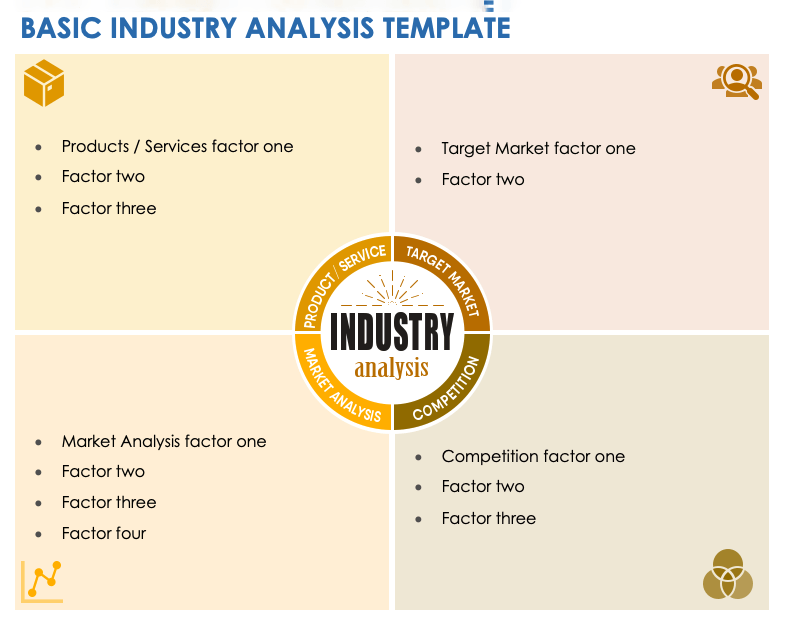
    A comprehensive industry analysis typically includes an assessment of the following key components:

    • Market Size and Growth Potential
    • Competitive Landscape
    • Regulatory and Legal Considerations
    • Technological Advancements
    • Consumer Trends and Preferences

    Market Size And Growth Potential

    Understanding the size of the market and its growth potential is crucial for businesses as it helps them identify new opportunities for expansion and development. By analyzing market size and growth potential, companies can determine the overall demand for their products or services and forecast future trends.

    Competitive Landscape

    Assessing the competitive landscape allows businesses to identify their key rivals, understand their strengths and weaknesses, and develop effective strategies to gain a competitive edge. Moreover, a thorough analysis of the competitive landscape enables companies to spot emerging competitors and potential disruptors in the industry.

    Regulatory And Legal Considerations

    Staying informed about regulatory and legal considerations is essential for businesses to ensure compliance and minimize risks. Industry analysis helps companies stay ahead of any regulatory changes that could impact their operations, allowing them to adapt and adjust their business strategies accordingly.

    Technological Advancements

    Keeping abreast of technological advancements is vital for businesses to remain innovative and competitive. Industry analysis helps companies understand the latest technological trends and developments, enabling them to embrace new technologies that can drive efficiency, productivity, and growth.

    Consumer Trends And Preferences

    Understanding consumer behavior, preferences, and trends is crucial for businesses to tailor their products or services to meet the evolving demands of their target audience. Analyzing consumer trends and preferences enables companies to develop relevant and appealing offerings that resonate with their customers.

    Industry Analysis

    Credit: penmypaper.com

    The Benefits of Industry Analysis

    Conducting a rigorous industry analysis offers several benefits to businesses, including:

    • Identifying Growth Opportunities
    • Minimizing Risks
    • Enhancing Competitive Advantage
    • Driving Innovation and Adaptation
    • Improving Decision-Making

    Industry Analysis Techniques

    There are various techniques and tools that businesses can employ to conduct an effective industry analysis. These may include:

    1. SWOT Analysis: A framework for assessing strengths, weaknesses, opportunities, and threats.
    2. Porter’s Five Forces: A model for evaluating industry competitiveness and attractiveness.
    3. PESTLE Analysis: A method for examining the external macro-environmental factors affecting an industry.
    4. Market Research: Gathering data on consumer behavior, market trends, and competitive dynamics through surveys, interviews, and data analysis.

    Frequently Asked Questions On Industry Analysis

    Faq 1: What Is The Importance Of Industry Analysis?

    Industry analysis is important as it helps businesses understand market trends, identify opportunities, and make informed decisions for growth.

    Faq 2: How Can Industry Analysis Benefit My Business?

    Industry analysis can benefit your business by providing insights on competitor strategies, customer preferences, and potential risks, enabling you to stay ahead and make proactive adjustments to your approach.

    Faq 3: What Are The Common Methods Used For Industry Analysis?

    Common methods used for industry analysis include SWOT analysis, Porter’s Five Forces analysis, market research, and trend analysis. Each method allows you to assess different aspects of the industry to gain a comprehensive understanding.

    Conclusion

    In conclusion, industry analysis is an indispensable process for businesses seeking to navigate the complexities of the market landscape. By understanding the key components, benefits, and techniques involved in industry analysis, companies can effectively position themselves for success in their respective industries.

  • Capital Structure

    Capital Structure

    Sure, here is the article in HTML format: Understanding Capital Structure: A Comprehensive Guide

    In the world of finance, understanding capital structure is essential for businesses and investors alike. This comprehensive guide will delve into the intricacies of capital structure, its components, and its significance in financial decision-making.

    What is Capital Structure?

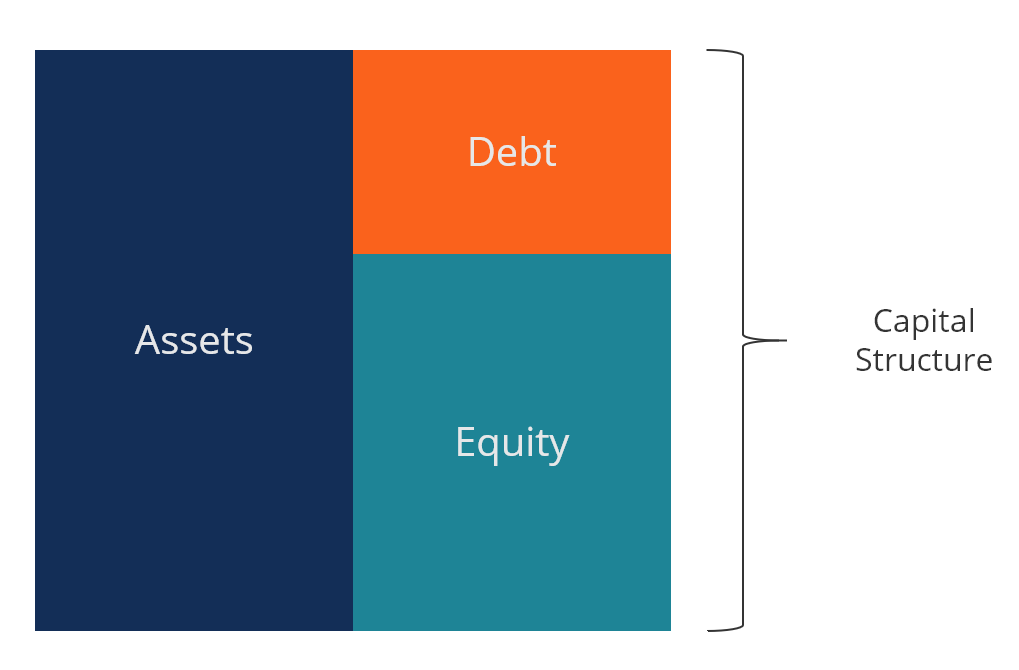
    Capital structure refers to the way a company finances its assets through a combination of equity and debt. It encompasses the composition of a company’s liabilities, including long-term debt, preferred stock, and common equity.

    Components of Capital Structure

    The key components of capital structure include:

    • Equity: Represents ownership in the company and can be in the form of common stock or preferred stock.
    • Debt: Refers to funds borrowed by the company, typically through bank loans, bonds, or other debt instruments.

    Significance of Capital Structure

    The capital structure of a company influences its financial stability, risk profile, and cost of capital. Striking the right balance between equity and debt is crucial for maximizing shareholder value and ensuring sustainable growth.

    Factors Affecting Capital Structure

    Several factors influence a company’s capital structure decisions, including:

    • Business Risk: Companies with higher business risk may opt for lower debt levels to mitigate financial distress.
    • Tax Considerations: Debt interest is tax-deductible, making it an attractive financing option for companies seeking tax advantages.
    • Cost of Debt vs. Cost of Equity: Evaluating the costs associated with both debt and equity is vital in determining the optimal capital structure.
    • Market Conditions: External market factors, such as interest rates and investor sentiment, can impact capital structure decisions.

    Capital Structure Theories

    Various theories have been advanced to guide capital structure decisions, including:

    • Modigliani-Miller Theorem: Proposes that, under certain assumptions, the value of a firm is independent of its capital structure.
    • Trade-off Theory: Suggests that companies aim to balance the tax advantages of debt with the costs of financial distress.
    • Pecking Order Theory: Argues that companies prefer internal financing, followed by debt, and equity issuance as a last resort.

    Optimal Capital Structure

    The concept of optimal capital structure revolves around finding the ideal mix of debt and equity to minimize the cost of capital and maximize the company’s value. Achieving this balance requires a thorough assessment of various financial and non-financial factors.

    Capital Structure

    Credit: dealroom.net

    Capital Structure

    Credit: corporatefinanceinstitute.com

    Importance of Capital Structure in Valuation

    Understanding a company’s capital structure is integral in the valuation process. Analysing the composition of its capital and the associated risks provides insights into its financial health and future prospects, influencing investment decisions and stock valuation.

    Frequently Asked Questions Of Capital Structure

    Faq 1: What Is The Importance Of Capital Structure?

    The capital structure plays a crucial role in determining a company’s financial health and stability. It influences the company’s cost of capital, risk profile, and ability to raise funds for growth and operations.

    Faq 2: How Does The Capital Structure Affect A Company’s Profitability?

    The capital structure directly impacts a company’s profitability by determining the cost of capital. Finding the right balance between debt and equity can optimize the cost of funds and maximize returns for shareholders.

    Faq 3: What Are The Factors To Consider When Deciding On The Capital Structure?

    When deciding on the capital structure, factors like industry norms, business risk, tax implications, growth prospects, and financial flexibility must be carefully evaluated. Optimal capital structure aligns with the company’s goals and risk appetite.

    Conclusion

    Capital structure plays a pivotal role in shaping the financial landscape of businesses. Striking the right balance between equity and debt is vital for long-term sustainability and growth. By understanding the nuances of capital structure, companies and investors can make informed decisions that drive value creation and financial success.

  • What is a Red-Herring Prospectus?

    What is a Red-Herring Prospectus?

    Understanding the Red-Herring Prospectus in the Financial Market

    In the world of finance, the term “Red-Herring Prospectus” often surfaces in the context of initial public offerings (IPOs). This document plays a significant role in the process of offering securities to the public. Understanding the intricacies of a Red-Herring Prospectus is essential for both investors and companies looking to go public.

    What is a Red-Herring Prospectus?

    Credit: www.yumpu.com

    What is a Red-Herring Prospectus?

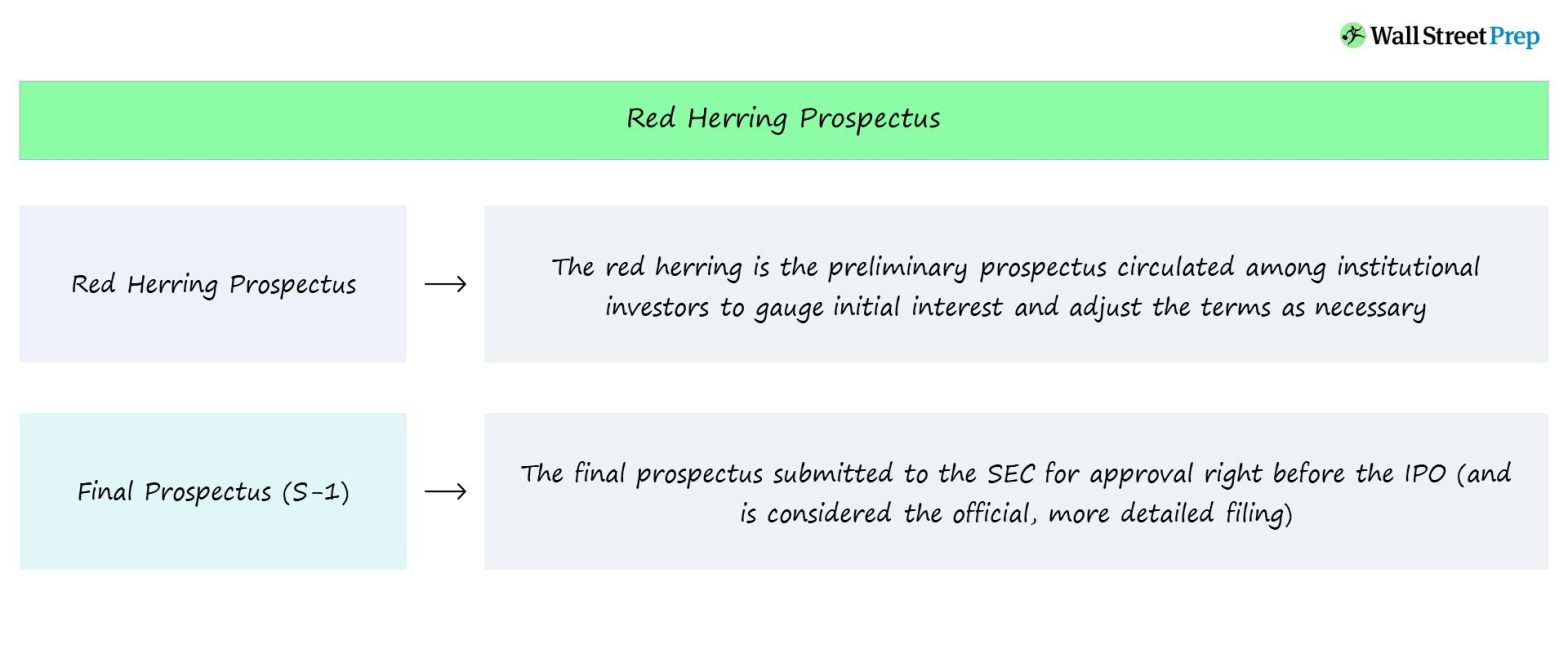
    A Red-Herring Prospectus, also known as a preliminary prospectus, is a document filed with the Securities and Exchange Commission (SEC) by a company that intends to issue securities through an IPO. This document provides essential information to potential investors about the company, its business operations, financial performance, and the securities being offered.

    One unique aspect of the Red-Herring Prospectus is that it does not include the offering price or the number of shares being offered. Hence, the term “Red-Herring” emphasizes that the document is not complete and is subject to further details, which are omitted intentionally at the time of the initial filing.

    Key Components of a Red-Herring Prospectus

    To provide a comprehensive view, a Red-Herring Prospectus typically includes various sections such as:

    • Company Overview
    • Business Operations and Strategy
    • Financial Performance and Projections
    • Risk Factors
    • Management and Directors
    • Corporate Governance
    • Legal and Regulatory Information
    • Use of Proceeds from the Offering
    • Underwriting Information
    • Other Pertinent Details

    These sections aim to provide potential investors with a holistic understanding of the company’s background, the industry in which it operates, its competitive landscape, and the associated risks and opportunities.

    Importance of the Red-Herring Prospectus

    For investors, the Red-Herring Prospectus serves as a valuable source of information to evaluate the investment opportunity. By reviewing the details presented in the document, investors can make informed decisions about whether to participate in the IPO and at what price.

    From the company’s perspective, the Red-Herring Prospectus acts as a marketing tool to generate interest and attract potential investors. It allows the company to present its business model, growth prospects, and financial position in a transparent manner, thereby building credibility among the investing community.

    The Process of Finalizing the Prospectus

    After the initial filing of the Red-Herring Prospectus, the company and its underwriters engage in a roadshow to promote the upcoming offering to institutional investors. During this period, known as the “waiting period,” the SEC conducts a thorough review to ensure compliance with disclosure requirements.

    Following the SEC’s review and any necessary amendments, the final offering price and the number of shares offered are determined and included in the document. At this stage, the Red-Herring Prospectus is no longer “red-herring” and becomes the final prospectus, ready for distribution to potential investors.

    What is a Red-Herring Prospectus?

    Credit: www.futuhk.com

    Frequently Asked Questions Of What Is A Red-herring Prospectus?

    What Is A Red-herring Prospectus?

    A red-herring prospectus is a preliminary document filed by a company before an IPO, providing essential information about the company’s offerings, risks, and financials.

    How Is A Red-herring Prospectus Different From A Prospectus?

    A red-herring prospectus is a preliminary document, while a prospectus is the final version that includes the offer price and the opening and closing dates of the IPO.

    Why Is It Called A Red-herring Prospectus?

    The term “red-herring” refers to a decoy or distraction. In the context of an IPO, it conveys that the document does not contain the final offer price or date, serving as a precaution to prevent potential investors from making uninformed decisions.

    Conclusion

    In the realm of capital markets, the Red-Herring Prospectus plays a pivotal role in the IPO process, providing critical information to both investors and companies. It serves as a bridge between the company seeking to go public and the investing public, facilitating transparency and informed decision-making.

    Understanding the contents and significance of the Red-Herring Prospectus is fundamental for anyone involved in the financial markets, facilitating the efficient allocation of capital and contributing to the overall functioning of the economy.

  • Sensitivity Analysis

    Sensitivity Analysis

    Sensitivity Analysis: Understanding the Importance of Sensitivity Analysis in Decision-Making

    Sensitivity analysis is a vital tool in decision-making processes, particularly in business and finance. It involves evaluating how the uncertainty in the output of a mathematical model or system can be allocated to different sources of uncertainty in its inputs. Essentially, it helps decision-makers understand the impact of varying input parameters on the overall outcome. In this article, we will delve into the intricacies of sensitivity analysis, its significance, and various methods used in conducting sensitivity analysis.

    Significance of Sensitivity Analysis

    Sensitivity analysis plays a crucial role in risk management and strategic planning. By identifying the key drivers of a model’s output, it enables decision-makers to focus their attention on the most influential factors. This, in turn, allows for informed decision-making and allocation of resources. Whether it’s a new product launch, a financial investment, or a strategic business decision, sensitivity analysis provides valuable insights into the potential outcomes under different scenarios.

    Furthermore, sensitivity analysis aids in assessing the robustness and reliability of models. It helps in understanding the limitations of the model by identifying the inputs that have the most significant impact on the results. This is particularly important in complex systems where a change in one input can lead to a ripple effect across the entire system.

    Methods of Sensitivity Analysis

    There are several methods used to perform sensitivity analysis, each with its own strengths and applications. Some of the commonly used methods include:

    Method Description
    One-Way Sensitivity Analysis Examines the effect of varying one input at a time while keeping others constant.
    Scenario Analysis Assesses the impact of different scenarios on the model’s output.
    Probabilistic Sensitivity Analysis Incorporates uncertainty by assigning probability distributions to input variables.

    Each method offers unique insights into the sensitivity of the model and helps in understanding the potential outcomes under different conditions. By utilizing these methods, decision-makers can gain a comprehensive understanding of the risks and opportunities associated with their decisions.

    Sensitivity Analysis

    Credit: corporatefinanceinstitute.com

    Sensitivity Analysis

    Credit: www.investopedia.com

    Application of Sensitivity Analysis

    Sensitivity analysis finds application in various fields including finance, engineering, healthcare, and environmental studies. In the financial domain, it is used to assess the impact of changing market conditions on investment portfolios and business strategies. Similarly, in healthcare, sensitivity analysis assists in evaluating the effectiveness of medical treatments and healthcare policies under different scenarios.

    Moreover, in environmental studies, sensitivity analysis is employed to understand the environmental impact of human activities and to formulate effective mitigation strategies. By identifying the most sensitive parameters, researchers can focus their efforts on the factors that have the most significant influence on the environment.

    Frequently Asked Questions For Sensitivity Analysis

    Faq 1: What Is Sensitivity Analysis And Why Is It Important In Decision Making?

    Sensitivity analysis is a vital tool used in decision making to assess the impact of changes. It helps understand how variations in factors, like cost, revenue, or time, influence outcomes, enabling informed decision-making.

    Faq 2: How Does Sensitivity Analysis Support Risk Assessment And Management?

    Sensitivity analysis supports risk assessment and management by identifying the key variables that can significantly impact project outcomes. It helps anticipate potential risks, evaluate their implications, and develop strategies to mitigate them effectively.

    Faq 3: Can Sensitivity Analysis Be Used To Optimize Business Strategies?

    Absolutely! Sensitivity analysis helps identify the most influential factors affecting business strategies. By analyzing various scenarios, it enables organizations to prioritize actions, optimize resources, and align strategies with expected outcomes, fostering better decision-making and success.

    Conclusion

    In conclusion, sensitivity analysis is a valuable tool for decision-makers across various domains. It provides insights into the impact of varying inputs on the overall outcomes, enabling informed decision-making and risk management. By employing different methods of sensitivity analysis, organizations and individuals can better understand the potential risks and opportunities associated with their decisions, ultimately leading to more robust and effective strategies.

  • Terminal Value

    Terminal Value

    Understanding the Importance of Terminal Value in Investment

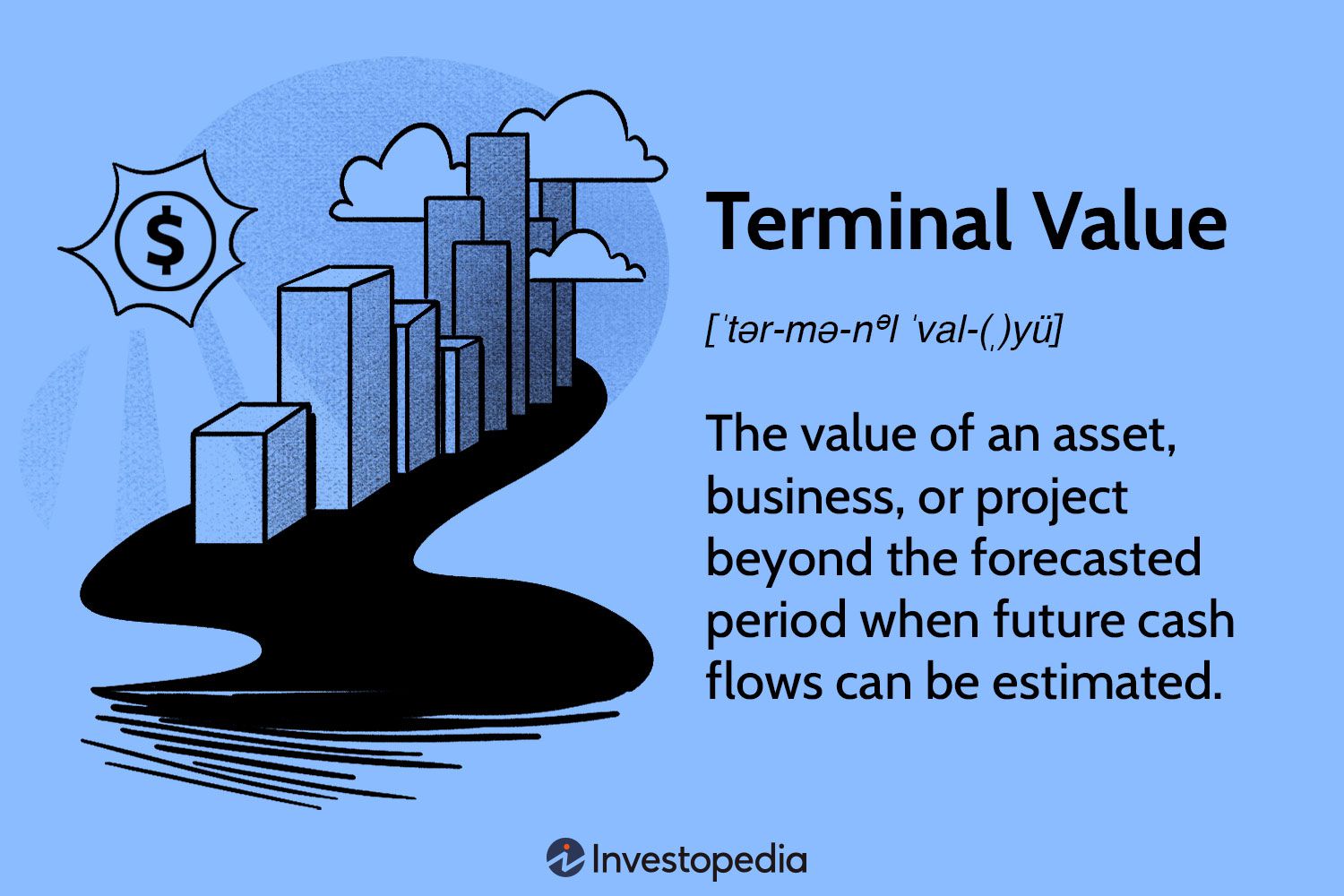
    When it comes to investment valuation, understanding the concept of terminal value is crucial. Terminal value is the value of an investment at a specific point in the future, often representing a large portion of the total value of the investment. This concept is extensively used in finance and investment analysis and is vital for making well-informed investment decisions.

    Terminal Value

    Credit: www.wallstreetprep.com

    The Significance of Terminal Value

    Terminal value plays a pivotal role in various investment valuation methods, particularly in the context of discounted cash flow (DCF) analysis. In DCF, the terminal value often accounts for a significant proportion of the total value of the investment. It represents the cash flow that occurs beyond the explicit forecast period and is typically determined using a terminal multiple or perpetuity growth method.

    One of the key reasons for the importance of terminal value is its impact on the overall valuation of an investment. As the terminal value usually represents a substantial portion of the investment’s total value, any miscalculation or oversight in determining this value can lead to significant errors in the valuation process. Therefore, an accurate estimation of terminal value is essential for arriving at a reliable assessment of an investment’s worth.

    Terminal Value

    Credit: www.lev.co

    Estimating Terminal Value

    Given the significance of terminal value, it is crucial to employ sound methodologies for estimating this critical component of investment valuation. The two primary methods for determining terminal value in DCF analysis are the terminal multiple and perpetuity growth method.

    Terminal Multiple Method

    The terminal multiple method involves applying a multiple to a measure of the investment’s cash flow at the end of the explicit forecast period to calculate its terminal value. This multiple is often derived from comparable companies or transactions in the market and represents the relationship between the company’s value and a financial metric such as EBITDA or free cash flow.

    Perpetuity Growth Method

    The perpetuity growth method, also known as the Gordon Growth Model, determines the terminal value by assuming that the cash flows will continue indefinitely at a constant growth rate beyond the explicit forecast period. The terminal value is calculated by dividing the cash flow in the final year of the forecast period by the difference between the discount rate and the growth rate.

    Importance of Accurate Projections

    Given that the terminal value is heavily influenced by the projected cash flows and the selected terminal growth rate, it is evident that the accuracy of these projections significantly impacts the reliability of the estimated terminal value. Any discrepancies in the projected cash flows or growth rates can lead to substantial variations in the calculated terminal value, potentially skewing the investment valuation.

    It is imperative for investors and analysts to diligently assess and validate the assumptions underlying the cash flow projections and growth rates to ensure the soundness of the estimated terminal value. Thorough market research, industry analysis, and macroeconomic factors must be taken into account to derive realistic and defensible projections, thereby enhancing the robustness of the terminal value estimation.

    Ensuring Sensitivity Analysis

    Given the inherent uncertainties in investment valuations, conducting sensitivity analysis on the terminal value is essential to evaluate the impact of varying assumptions on the overall valuation outcome. Sensitivity analysis helps in understanding the degree of sensitivity of the terminal value to changes in critical input parameters such as discount rates, terminal growth rates, and projected cash flows.

    By assessing the potential impact of different scenarios and assumptions on the terminal value, investors can gain valuable insights into the range of potential valuation outcomes and the associated risks. This proactive approach enables decision-makers to make more informed and well-grounded investment decisions, taking into account the inherent uncertainties and fluctuations in key valuation components.

    Frequently Asked Questions For Terminal Value

    Faq 1: What Is Terminal Value And How Is It Calculated?

    Terminal Value is the estimated future value of an investment or business after a certain period. It is calculated using the discounted cash flow (DCF) method, which involves projecting future cash flows and applying a specific discount rate.

    Faq 2: Why Is Terminal Value Important In Business Valuation?

    Terminal Value is crucial in business valuation as it captures the long-term value and growth potential of a company. It allows investors and analysts to assess the attractiveness of an investment opportunity and make informed decisions.

    Faq 3: What Factors Affect The Terminal Value Of A Business?

    Several factors influence the Terminal Value of a business, including the growth rate of cash flows, the chosen discount rate, the industry’s stability and market conditions, the competitive environment, and the company’s market share. These variables must be carefully analyzed when estimating Terminal Value.

    Conclusion

    In conclusion, terminal value plays a pivotal role in investment valuation, particularly in the context of DCF analysis. Its significant contribution to the total value of an investment underscores the cruciality of accurately estimating this component. By leveraging robust methodologies and conducting thorough sensitivity analyses, investors and analysts can enhance the reliability and validity of the terminal value, thereby enabling more informed and prudent investment decisions.