Category: Blue Economy

  • Pros and Cons of Wave Energy

    Pros and Cons of Wave Energy

    Wave energy is a renewable source of energy that can be harnessed from the ocean. The main advantage of wave energy is that it is a clean and renewable source of power that does not produce greenhouse gases or other pollutants. Wave energy is also a very predictable source of power, as the tides are caused by the regular movements of the moon and sun.

    Another advantage of wave energy is that it can be used to generate electricity, which can then be used to power homes and businesses. The main disadvantage of wave energy is that it is not currently very efficient, and only a small amount of electricity can be generated from each wave. Wave energy is also intermittent, meaning that it only produces electricity when there are waves present, which may not always coincide with when electricity is needed.

    What are the advantages and disadvantages of wave energy

    Wave energy is a form of renewable energy that can be harnessed from the power of waves. Wave energy has many potential advantages, including its renewability and its ability to generate electricity without emitting greenhouse gases. However, wave energy also has some disadvantages, including its high initial investment cost and its challenges in being able to store the energy it generates.

    What are the Advantages of Wave Energy

    Wave energy is one of the most promising renewable energy sources. It is a clean, emissions-free source of electricity that can be harnessed from water waves. Wave energy has the potential to provide a significant portion of the world’s electricity needs.

    There are several advantages of wave energy:

    1. Wave energy is a renewable resource. Unlike fossil fuels, which are finite and will eventually run out, wave energy will never run out as long as there is water on earth.

    2. Wave energy is environmentally friendly. It does not produce any greenhouse gases or other pollutants that can harm the environment. Wave energy is less disruptive to the environment than other forms of power generation, such as fossil fuels.

    3. Wave energy is efficient and reliable. Wave power is also relatively predictable and consistent, which makes it a reliable source of renewable energy.

    Once a wave power plant is built, it can generate electricity 24 hours a day, 7 days a week with little maintenance required.

    4. Wave energy is cost-effective.

    5. The biggest advantage of wave energy is its scalability. Wave power plants can be built to any size, making it possible to generate large amounts of electricity from this source.

    6. Wave power can be generated 24 hours a day, 7 days a week

    How Does Wave Energy Work

    Wave energy is a renewable energy source that can be harnessed to generate electricity. Wave energy works by capturing the kinetic energy of waves and converting it into electrical energy. There are two main types of wave energy devices: offshore and onshore.

    Offshore wave energy devices are typically more expensive to develop and operate than onshore wave energy devices, but they have the potential to generate more electricity because of the higher wave speeds offshore. Onshore wave energy devices are less expensive to develop and operate, but they have the potential to generate less electricity because of the lower wave speeds onshore. How does wave energy work?

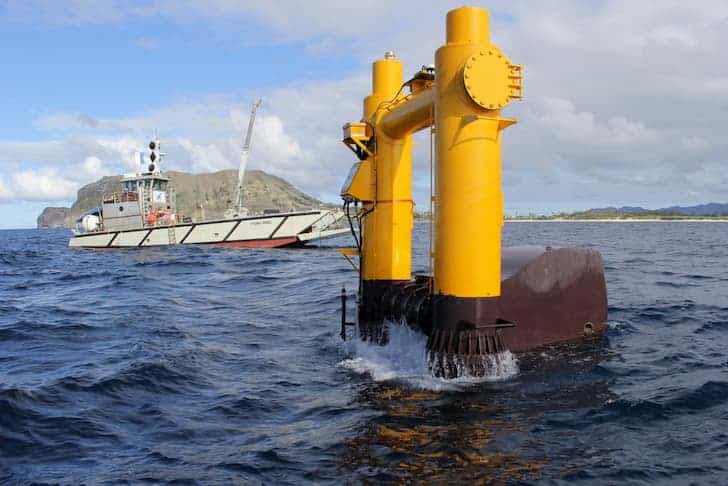
    Wave energy works by capturing the kinetic energy of waves and converting it into electricalenergy. There are two main types of wave Energy converters (WECs): point absorber WECs and attenuator WECs. Point absorber WECs capture the kineticenergy of waves as they hit a floating device in the water.

    The device then converts this kineticenergy into electricalenergy which can be used to power homes or businesses connected to an electrical grid. Attenuator WECs are long floating structures that move withthe waves, generating electricity as they do so.

    Is Wave Energy Reliable?

    Wave energy is a type of renewable energy that can be harvested from the ocean. Unlike other forms of renewable energy, wave energy is constant and predictable, making it a reliable source of power. Wave energy can be used to generate electricity or to pump water, making it a versatile form of renewable energy.

    Wave energy is generated by the movement of waves in the ocean. The kinetic energy of the waves can be harnessed using devices called wave Energy Converters (WECs). There are two main types of WECs: point absorption and offshore buoy farms.

    Point absorption WECs are anchored to the seafloor and use the up-and-down motion of waves to drive a piston, which generates electricity. Offshore buoy farms are arrays of buoys that are tethered to the seafloor and move with the waves. The buoys are connected to generators onshore via underwater cables, and the generators convert the kinetic energy of the waves into electricity.

    Wave energy has several advantages over other forms of renewable energy. First, wave energy is more constant and predictable than solar or wind power, which makes it a more reliable source of power. Second, waveenergy can be used to generate both electricity and desalinated water, making it a versatile form of renewableenergy.

    Finally, waveenergy is environmentally friendly and does not produce greenhouse gases or other pollutants. Despite these advantages, there are some challenges associated withwaveenergy development. One challenge is thatwaveenergysites are often located in remote coastal areas, which can make construction and maintenance difficultand expensive.

    Another challenge is that WECs must be designed to withstandthe harsh conditionsof saltwaterand storms at sea.

    Is Wave Energy Renewable?

    Yes, wave energy is a form of renewable energy. Wave energy is created by the motion of waves in the ocean. This motion creates kinetic energy, which can then be converted into electricity.

    There are a few different ways to capture wave energy, but the most common method is to use buoys. Buoys float on the surface of the water and as waves pass by, they bob up and down. This up-and-down motion is used to spin a turbine, which generates electricity.

    Wave energy is considered to be a very reliable form of renewable energy because waves are generated by the wind, which is a constant source of power. Additionally, wave power can be captured in shallow waters nearshore, making it easier and less expensive to build wave energy plants than other types of renewable energy plants (such as offshore wind farms).

    How Efficient is Wave Energy?

    Wave energy is a clean and renewable source of energy that has the potential to provide a significant amount of power to our homes and businesses. Wave energy technology is still in its early stages, but it has already shown great promise as an efficient and environmentally friendly source of energy. How does wave energy work?

    Wave energy devices, also called wave energy converters (WECs), capture the kinetic energy of waves and convert it into electricity. There are many different types of WECs, but they all work by using the up-and-down motion of waves to move a piston or rotor inside a chamber. This motion drives a generator to produce electricity.

    Why is wave energy efficient? One major advantage of wave energy is that it is very predictable and consistent. Unlike other renewable sources such as solar and wind, which can be intermittent due to changes in weather conditions, waves are generated by the tides, which are themselves driven by the gravitational pull of the moon.

    This means that we can predict with a high degree of accuracy when waves will occur, making it possible to generate electricity on a regular basis. Another advantage of wave energy is that it has a very high power density. This means that a relatively small amount of land is required to generate large amounts of electricity – something that is not possible with other renewable sources such as solar and wind.

    What are the challenges facing wave energy? Wave energy technology is still in its infancy, which means there are some technical challenges that need to be overcome before it can become widely adopted. One challenge is developing reliable and cost-effective WECs.

    Biomass Energy Advantages And Disadvantages

    As the world looks for ways to become more energy efficient and less reliant on fossil fuels, biomass energy is gaining popularity. Biomass is organic material that can be used to generate electricity, heat, or other forms of power. It’s a renewable resource that can come from a variety of sources, including wood pellets, agricultural waste, and even landfill gas.

    While biomass energy has many potential advantages, there are also some significant disadvantages to consider. Let’s take a closer look at both sides of the issue: Advantages of Biomass Energy

    1. It’s Renewable – One of the biggest advantages of biomass energy is that it’s a renewable resource. Unlike fossil fuels which are finite and will eventually run out, biomass can be replenished relatively quickly. This makes it a sustainable option for long-term energy production.

    2. It Reduces Greenhouse Gases – Another big advantage of using biomass energy is that it can help reduce greenhouse gas emissions. When burned, biomass releases carbon dioxide into the atmosphere just like any other fuel source. However, since it comes from recently living plants or animals, the amount of carbon dioxide released is equal to the amount that was absorbed while the plant or animal was alive.
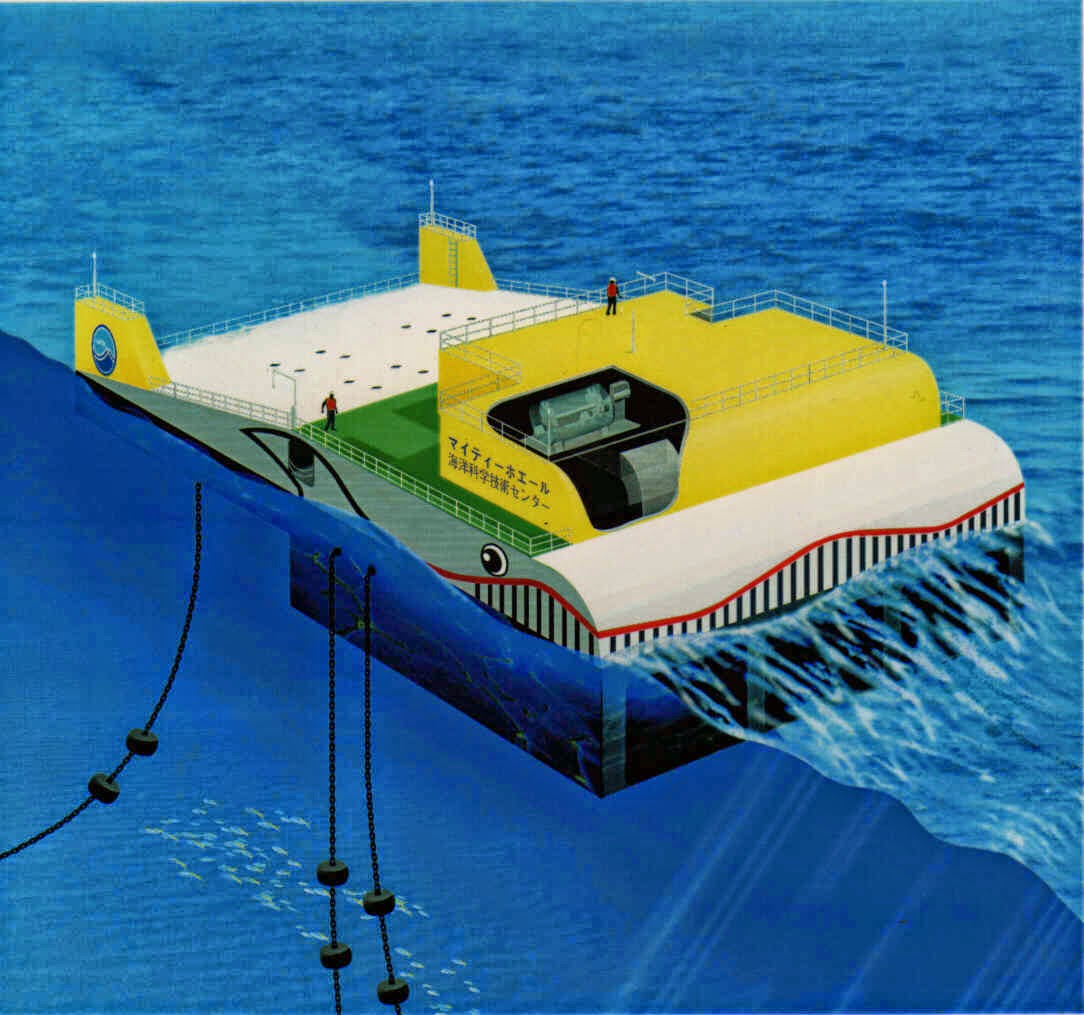
    Advantages And Disadvantages of Wave Energy

    Credit: mechanicalinventions.blogspot.com

    What are Disadvantages of Wave Energy?

    Wave energy is a renewable energy source that has the potential to help contribute to a cleaner environment and reduce our reliance on fossil fuels. However, as with any new technology, there are also some potential disadvantages of wave energy that should be considered. One of the main disadvantages of wave energy is the cost.

    Wave energy is still in the early stages of development and thus costs can be high. In addition, maintenance costs can also be higher than for other forms of renewable energy such as wind or solar power. Another disadvantage of wave energy is that it is not always consistent.

    The waves need to be of a certain size and strength in order for the devices to generate electricity and this can vary depending on the location and time of year. This means that wave farms need to have backup power sources in case there are periods when the waves are not strong enough to generate power.

    Wave energy can also have an impact on marine life. The devices used to generate electricity from waves can create noise underwater which can disturb or even harm marine creatures. There is also a risk that fish or other animals could become entangled in the device’s moving parts.

    Another disadvantage of wave energy is their environmental impact. While these technologies do not produce emissions themselves, they can cause environmental damage when they are built and operated. For example, constructing wave and tidal farms can damage coastal habitats, while the operation of these farms can create noise pollution that affects marine life.

    Additionally,wave power plants can only be built in locations with strong ocean waves, limiting their potential locations around the world.

    Conclusion

    Wave energy is a type of renewable energy that can be harnessed from the ocean. The main advantages of wave energy are that it is a renewable resource, it is relatively constant, and it has low environmental impacts. The main disadvantages of wave energy are its high initial costs, its limited geographical availability, and its potential impacts on marine life.
  • Why is the Blue Economy Important?

    Why is the Blue Economy Important?

    The blue economy is the sustainable use of ocean resources for economic growth, improved livelihoods and jobs, and ocean conservation. It is based on the recognition that the ocean is integral to life on Earth and essential for human development. The blue economy encompasses a range of sectors including fisheries, aquaculture, shipping, tourism, biotechnology, mineral resources, and energy production.

    The blue economy has come to be recognized as an important part of the global economy. In 2008, the United Nations General Assembly adopted Resolution 69/292 declaring 08 June as World Oceans Day. In 2015, at the World Ocean Summit in Valparaíso, Chile, world leaders committed to taking action to promote the conservation and sustainable use of our oceans.

    There are many reasons why the blue economy is important. The ocean provides a home for a vast array of plant and animal life; it helps regulate our climate; it produces oxygen that we need to breathe; it provides us with food; and it offers opportunities for recreation and tourism. The health of our oceans is essential for achieving Sustainable Development Goal 14: Conserve and sustainably use the oceans, seas and marine resources for sustainable development.

    The blue economy is the portion of the economy that is directly linked to the ocean, including industries like fishing, tourism, and shipping. There are a few reasons why the blue economy is so important.

    In short, the blue economy is essential for both our survival and our prosperity as a species. We need to do everything we can to protect it!

    Pros And Cons of Blue Economy

    The blue economy is a sustainable development concept that has been gaining traction in recent years. The term “blue economy” was first coined by the economist Gunter Pauli in his book The Blue Economy: 10 Years, 100 Innovations, 1 Million Jobs. In it, he argued that the world’s oceans and freshwater resources offer untapped potential for economic growth and job creation.

    The blue economy has since been defined as “the sustainable use of ocean resources to provide food security and livelihoods while preserving the health of marine ecosystems.” It is seen as an alternative to the traditional “extractive” approach to ocean management, which focuses on extracting maximum value from marine resources without regard for long-term sustainability. There are many potential advantages of pursuing a blue economy approach.

    First, it could help to alleviate poverty and hunger in coastal communities around the world that rely on fishing and aquaculture for their livelihoods.

    Second, it could create new economic opportunities in sectors such as renewable energy, maritime transportation, and tourism.

    Finally, it could help us to protect important marine habitats and species by promoting more sustainable fishing practices and aquaculture operations.

    However, there are also some risks associated with the blue economy concept. One worry is that it could lead to further exploitation of already-stressed marine resources if not managed properly. Another concern is that the benefits of the blue economy may not be evenly distributed among different countries and regions; some have argued that developed nations are more likely to reap the rewards while poorer nations may be left behind.

    Blue Economy And Climate Change

    The blue economy is a term that has been used to describe the sustainable use of ocean resources. The concept was first introduced by the United Nations Environment Programme (UNEP) in 2012 and has been gaining traction ever since. The blue economy is based on the principles of the green economy, but with a focus on the oceans.

    It takes into account the economic, social, and environmental value of marine resources and aims to create a more sustainable way of using them. There are many different sectors within the blue economy, including fisheries, tourism, shipping, and aquaculture. Each sector has its own set of challenges and opportunities when it comes to sustainability.

    Climate change is one of the biggest threats to the blue economy. Rising sea levels, ocean acidification, and changing weather patterns are all major concerns for those who rely on the oceans for their livelihoods. It’s important to note that climate change doesn’t just impact those who live near coasts or work in ocean-related industries – it affects us all.

    As we continue to burn fossil fuels and emit greenhouse gases into the atmosphere, we are putting our planet’s future at risk. We need to take action now if we want to protect our oceans and ensure a bright future for generations to come. We can start by supporting initiatives that promote sustainable fisheries, reduce pollution, and protect vulnerable marine ecosystems.

    Blue Economy Business Ideas

    The blue economy is a term that is used to describe the sustainable use of ocean resources. The blue economy includes all economic activity related to the oceans, including fishing, shipping, tourism, and more. There are many different business ideas that fall under the blue economy umbrella.

    One idea is to start a sustainable seafood company. This type of company would focus on catching and selling fish in a way that is environmentally friendly. Another idea is to start a marine conservation organization.

    This type of organization would work to protect the oceans and the creatures that live in them. The blue economy is a growing field with plenty of opportunity for businesses to make a positive impact. If you’re interested in starting a blue economy business, research your options and find an idea that fits your passions and skillset!

    Sustainable Blue Economy

    The world’s oceans are under immense pressure from climate change, overfishing, pollution and other human activities. The need to protect and conserve the world’s oceans has never been greater. The term “blue economy” was first coined by Gunter Pauli in his book The Blue Economy: 10 Years, 100 Innovations, 1 Million Jobs.

    The blue economy is an approach to sustainable development that recognizes the vital role of the oceans in our planet’s health and prosperity. The blue economy is based on three pillars: conservation, innovation and Inclusion. Conservation: The blue economy recognises that the oceans are a finite resource and must be managed responsibly to ensure their long-term health.

    This means reducing our impact on the environment through measures such as reducing plastic pollution, protecting vulnerable marine ecosystems and promoting sustainable fisheries. Innovation: The blue economy encourages innovative solutions to the challenges facing our oceans. This includes developing new technologies for ocean management, renewable energy production and environmental monitoring.

    It also means finding new ways to use marine resources sustainably, such as using seaweed as a biofuel or fish waste as fertiliser. Inclusion: The blue economy seeks to ensure that everyone can benefit from the opportunities provided by the ocean economy. This includes women, youth and indigenous peoples who have traditionally been excluded from this sector.

    Why is the Blue Economy Important?

    The blue economy is a term that is used to describe the sustainable use of ocean resources for economic growth, improved livelihoods and social inclusion. The blue economy can be contrasted with the ‘brown’ economy which focuses on the extractive industries such as oil and gas, fishing and mining. There are a number of reasons why we need a blue economy.

    Firstly, the ocean is a major source of food and energy for the world. The ocean provides us with a huge variety of seafood that we wouldn’t otherwise have access to. In addition, many coastal communities depend on tourism as their primary source of income. Therefore, it is essential that we manage these resources in a sustainable way in order to ensure food security and energy security for future generations.

    Second, the ocean plays a vital role in regulating our climate. It absorbs carbon dioxide and produces oxygen, helping to keep our planet habitable for all life forms. Additionally, the ocean helps to moderate global temperatures by absorbing heat from the sun and redistributing it around the globe. This makes it crucial in the fight against climate change.

    Thirdly, the ocean provides us with many valuable ecosystem services such as coastal protection, recreation and tourism opportunities. Therefore, it is important that we protect these natural assets so that they can continue to provide us with benefits into the future.

    It promotes good governance: Good governance is essential for the successful management of ocean resources. The blue economy provides an opportunity to strengthen institutions and build capacity for effective ocean governance.

    While the concept of the blue economy is still relatively new, it has the potential to provide significant benefits to both developed and developing countries.

    In developed countries, the blue economy can create new jobs and businesses in sectors that are often struggling due to globalization and automation. For example, the declining fishing industry in Europe has been given a new lease on life by the rise of aquaculture. In addition, many developed countries are now looking to offshore wind farms as a source of clean energy.

    The blue economy can also help reduce poverty and inequality by providing opportunities for marginalized groups such as women and small-scale fishermen. In developing countries, meanwhile, the blue economy offers a way to escape from poverty trap by harnessing ocean resources that are often underutilized or underexploited. For example, small-scale fisheries can provide an important source of food security and income for coastal communities.

    Lastly, the oceans are home to an incredible amount of biodiversity. They are teeming with plant and animal life that we are only just beginning to understand. This diversity is important not only for its own sake but also because it provides us with new medicines and other potential solutions to problems we haven’t even realized we have yet.

    How Important is the Ocean to the Economy?

    The ocean is important to the economy in many ways. It provides jobs for people who fish, work on boats, and process seafood. The ocean also helps with transportation by shipping goods from one place to another.

    Additionally, tourists often visit coastal areas to enjoy the beach and other activities, which boosts the economy.

    What is the Potential of a Blue Economy?

    The potential of the blue economy is vast. The blue economy is based on the sustainable use of ocean resources for economic growth, improved livelihoods and jobs, and social inclusion. It is a holistic approach that takes into account the environmental, social and economic dimensions of ocean development.

    The United Nations Environment Programme (UNEP) has estimated that the annual value of the world’s oceans is US$24 trillion, which is equivalent to the GDP of the United States and China combined. The blue economy has great potential for creating wealth, jobs and inclusive growth. A recent study by The Economist Intelligence Unit (EIU) found that investments in the blue economy could generate up to US$1.5 trillion in additional GDP and create up to 38 million new jobs by 2030.

    The EIU study identified four areas with high potential for investment in the blue economy: fisheries, marine aquaculture, maritime transport and tourism. Fisheries are an important part of many coastal communities around the world and they provide a vital source of food and income. Marine aquaculture is another key sector of the blue economy, with great potential for future growth.

    Maritime transport is essential for global trade and commerce, while tourism contributes significantly to economies around coasts and in island nations. The sustainability of these sectors is essential to maximizing their contribution to the blue economy. For example, fisheries need to be managed responsibly to ensure they can continue to provide a valuable source of food and income into the future.

    Aquaculture operations must be designed and managed in a way that minimizes their environmental impact. And maritime transport must become more fuel efficient so that it can operate without damaging our oceans or contributing to climate change.

    How Can We Improve the Blue Economy?

    The blue economy is a term that has been coined to describe the sustainable use of ocean resources for economic growth, improved livelihoods and social well-being. It is based on the recognition that the ocean is a finite resource and that its health is essential to our own survival and prosperity. There are many ways in which we can improve the blue economy.

    One way is by investing in Blue Economy businesses. These are businesses that have a positive impact on the ocean, such as those involved in renewable energy, sustainable fisheries, marine conservation, or eco-tourism. By supporting these businesses, we can help create jobs and grow the economy while also protecting the ocean.

    Another way to improve the blue economy is through better management of existing ocean resources. This includes things like reducing pollution, overfishing and habitat destruction. It also means making sure that we are using ocean resources efficiently and not wasting them.

    For example, aquaculture (fish farming) can be used to produce fish without depleting wild populations; similarly, careful planning can help reduce bycatch (the accidental catching of non-target species). Finally, we need to increase our investment in research and development for new technologies that can help us sustainably use ocean resources. This could include things like developing better methods for renewable energy production or finding new ways to recycle waste materials from offshore drilling operations.

    Conclusion

    The blue economy is the sustainable use of ocean resources for economic growth, improved livelihoods and jobs, and ocean ecosystem health. It includes fisheries, aquaculture, tourism, shipping, marine renewable energy, biotechnology and minerals. The blue economy is a key driver of economic growth and development in many countries.

    It provides employment for millions of people and generates billions of dollars in revenue each year. The blue economy also plays an important role in food security and nutrition, as well as in the fight against climate change. There are many reasons why the blue economy is important.

    First, it contributes to economic growth and development. Second, it provides employment for millions of people around the world. Third, it helps to ensure food security and nutrition.

    Fourth, it plays a role in combating climate change. Finally, the blue economy supports the health of our oceans and marine ecosystems.

  • The Blue Economy | All you need to know

    The Blue Economy | All you need to know

    The Blue Economy is an approach to economic development that takes into account the sustainable use of marine resources. It encompasses a wide range of activities, including fisheries, aquaculture, tourism, shipping, biotechnology, and renewable energy.

    In 2008, the United Nations General Assembly unanimously adopted Resolution A/RES/70/222, declaring June 8 as World Oceans Day. In doing so, they recognized “the role of the oceans in sustaining life on Earth and their immense potential for sustainable development.” The UN also acknowledged “the need for coordinated and concerted action to conserve and sustainably use our ocean resources.”

    The Blue Economy is a term that has been used to describe the sustainable use of ocean resources for economic growth, improved livelihoods and jobs, and increased food security. The blue economy concept recognizes that the oceans are a critical source of food, energy, and other vital resources for human beings and must be managed in a way that ensures their long-term health and productivity. While there is no single definition of the blue economy, it typically includes activities such as fisheries management, marine conservation, maritime transport and logistics, tourism, and offshore renewable energy.

    The Blue Economy offers a number of benefits, including food security, job creation, poverty alleviation, and climate change mitigation.

    What is Blue Economy?

    Most people have heard of the term “blue economy,”. The blue economy is a term that generally refers to the sustainable use of ocean resources for economic growth. This can include everything from fisheries and aquaculture to tourism and shipping.

    The blue economy is often seen as an alternative to the traditional extractive industries that have long dominated the oceans, such as oil and gas drilling. These activities can cause environmental damage, so the goal of the blue economy is to find ways to use ocean resources without harming the environment. There are many different ways to do this, and it will likely vary from place to place depending on the local conditions and resources.

    However, some common methods include using renewable energy sources like wind or solar power, promoting sustainable fishing practices, and developing environmentally friendly tourist destinations. The blue economy is still in its early stages of development, but it holds a lot of promise for creating jobs and boosting economies while also protecting our oceans.

    In recent years, the blue economy has emerged as an important area of focus for policymakers around the world as they seek to find ways to promote economic development while protecting the environment. The blue economy presents a number of opportunities for businesses and investors. For example, companies involved in fisheries management can help to ensure sustainable fish stocks; those involved in maritime transport can develop more efficient shipping routes; and those involved in tourism can promote eco-friendly tourist destinations.

    There is also growing interest in investing in offshore renewable energy projects such as wind farms. The blue economy offers immense potential for promoting sustainable development and improving livelihoods around the world. However, its success depends on effective governance at all levels – from local communities to national governments – to ensure that its benefits are shared equitably among all stakeholders.

    Blue Economy Countries

    There are a number of countries around the world that are leading the way in developing a blue economy. Here are some examples:

    Norway: Norway has long been a pioneer in sustainable fisheries management, and it is now working to develop offshore wind farms as a source of renewable energy.

    The country is also a leader in ocean-based carbon capture and storage technology, which could play a key role in mitigating climate change. Chile: Chile has one of the longest coastlines in the world, and its seafood industry is worth billions of dollars annually. The country is working to create Marine Protected Areas (MPAs) where fish stocks can rebound, and it is also investing in aquaculture and seaweed farming as alternative sources of income for coastal communities.

    Singapore: Singapore’s port is one of the busiest in the world, handling over 20 million containers every year. The city-state has invested heavily in green infrastructures such as electric vehicles and solar panels, and it is working on plans to develop floating farms and vertical gardens.

    What is Blue Economy Example?

    Credit: blogs.edf.org

    What is the Role of the Blue Economy?

    The blue economy is a term that has been used to describe the sustainable use of ocean resources for economic growth, improved livelihoods and jobs, and ocean conservation. The blue economy is based on the recognition that the ocean is a key driver of the planet’s natural systems and provides a range of benefits to humanity. These benefits include food, energy, transportation, recreation, tourism and minerals.

    The blue economy also encompasses the protection of the marine environment from pollution and degradation. The United Nations General Assembly has recognized the importance of the oceans in achieving Sustainable Development Goal 14 (SDG14), which calls for the conservation and sustainable use of the oceans, seas and marine resources for sustainable development.
    As part of this commitment, member states agreed to develop national action plans on ocean-related issues by 2020. One of the key challenges facing implementation of SDG14 is ensuring that economic activities in the maritime sector are compatible with environmental protection. This challenge is addressed through what is known as an Ecosystem Approach to Management (EAM).

    EAM takes into account the relationships between different components in an ecosystem – such as fish, coral reefs and seagrasses – and how they interact with each other and their environment. It also considers human activities that can impact upon these ecosystems – such as fishing, coastal development or pollution – and aims to manage these activities in a way that minimizes negative impacts whilst maintaining ecosystem health overall. The adoption of an Ecosystem Approach forms one pillar of SDG14 implementation; another important pillar is Blue Economy thinking.

    Blue Economy thinking takes a holistic view of how we can best utilize ocean resources without damaging or depleting them. It focuses on creating new economic opportunities whilst protecting our oceans; on using marine resources sustainably; valuing coastal communities; investing in research & development; adopting innovative technologies; minimizing pollution & waste; encouraging responsible consumption & production patterns…in short, it seeks ways in which we can have our ‘cake’ (i.e., enjoy economic prosperity) without ‘eating’ away at our planet’s finite natural capital reserves (the stock from which we derive renewable resources like fisheries).

    What are the Main Components of the Blue Economy?

    The Blue Economy refers to a sustainable approach to economic development that focuses on the responsible use and preservation of marine and aquatic resources. Its main components encompass a wide range of activities and sectors related to the oceans, seas, and freshwater bodies. The key components of the Blue Economy include:

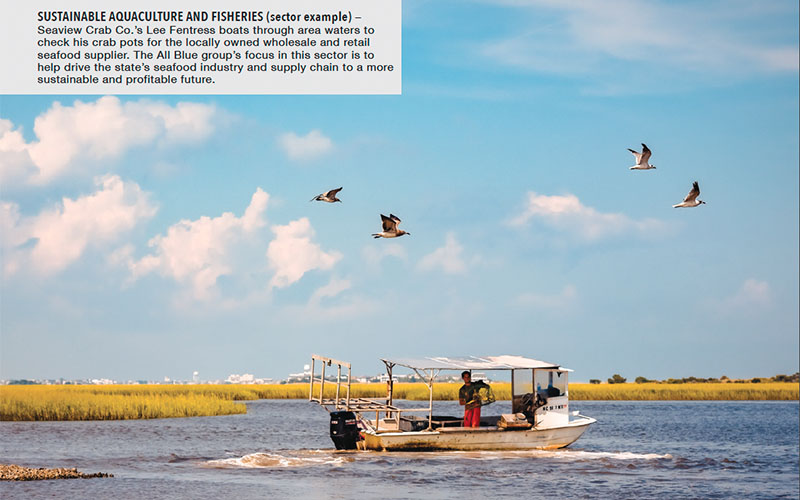
    1. Fisheries and Aquaculture: Sustainable harvesting of fish, shellfish, and aquatic plants is a fundamental component. Aquaculture, or the farming of aquatic organisms, is also a significant part, providing a renewable source of seafood.
    2. Maritime Transport: This includes shipping, ports, and related logistics. Maritime transport is vital for global trade, and it plays a central role in the efficient movement of goods and commodities.
    3. Tourism and Recreation: Coastal and marine tourism, including activities such as beach resorts, diving, snorkeling, and cruise tourism, contributes to the Blue Economy. It depends on the preservation of natural coastal environments.
    4. Renewable Energy: The Blue Economy includes the development of renewable energy sources such as offshore wind, tidal, and wave energy. These technologies harness the power of the ocean to generate electricity.
    5. Mineral Resources: Extraction of minerals and resources from the seabed, including oil and gas exploration and deep-sea mining, is a part of the Blue Economy. Sustainability and environmental responsibility are crucial in this sector.
    6. Marine Biotechnology: Research and development related to marine organisms for medical, industrial, and biotechnological applications. This includes the discovery of new pharmaceuticals and bioproducts.
    7. Marine Conservation: Efforts to protect and conserve marine ecosystems and biodiversity are central to the Blue Economy. Sustainable practices ensure that resources remain available for future generations.
    8. Maritime Security: Ensuring safety and security in maritime areas, including activities such as search and rescue, law enforcement, and combating piracy and illegal fishing.
    9. Coastal Infrastructure: Infrastructure development in coastal regions, including the construction and maintenance of ports, harbors, and coastal protection structures, is part of the Blue Economy.
    10. Research and Education: Advancements in marine science and technology, as well as educational programs related to marine conservation and sustainable practices, are essential for the growth of the Blue Economy.
    11. Blue Innovation: Encouraging innovation and entrepreneurship in industries related to the oceans, fostering the development of new technologies, products, and services that promote sustainability.
    12. Maritime and Environmental Law: Establishing and enforcing legal frameworks and regulations that govern activities in marine and coastal areas, including international agreements and conventions.
    13. Waste Management: Proper management and disposal of marine litter, plastic waste, and pollution prevention are crucial to maintain the health of ocean ecosystems.

    The Blue Economy represents a holistic approach to economic development that recognizes the interdependence of economic growth, environmental conservation, and social well-being. It seeks to balance economic opportunities with responsible stewardship of marine and aquatic resources to ensure their sustainability for current and future generations.

    The blue economy offers a number of advantages over traditional approaches to development:

    1) It is environmentally sustainable: The blue economy focuses on the sustainable use of ocean resources, which are renewable and have less impact on the environment than other forms of energy such as fossil fuels.

    2) It is economically viable: The blue economy can create new economic opportunities and jobs while also providing essential goods and services such as food, clean water, and transportation.

    3) It benefits local communities: By working with local communities, the blue economy can create shared value that helps to reduce poverty and improve livelihoods.

    4) It promotes good governance: Good governance is essential for the successful management of ocean resources. The blue economy provides an opportunity to strengthen institutions and build capacity for effective ocean governance.

    Who Benefits from the Blue Economy?

    The blue economy is based on the principle of using ocean resources in a way that does not damage the environment or deplete the resources. There are many different sectors that benefit from the blue economy, including fisheries, aquaculture, shipping, tourism, and biotechnology.

    The blue economy also provides benefits for those who live in coastal communities and depend on the oceans for their livelihoods. The blue economy is an important part of the global economy and its Sustainable Development Goals. It is estimated that by 2030, the blue economy will be worth $3 trillion and will create up to 40 million jobs.

    While the concept of the blue economy is still relatively new, it has the potential to provide significant benefits to both developed and developing countries.

    In developed countries, the blue economy can create new jobs and businesses in sectors that are often struggling due to globalization and automation. For example, the declining fishing industry in Europe has been given a new lease on life by the rise of aquaculture. In addition, many developed countries are now looking to offshore wind farms as a source of clean energy.

    The blue economy can also help reduce poverty and inequality by providing opportunities for marginalized groups such as women and small-scale fishermen. In developing countries, meanwhile, the blue economy offers a way to escape from poverty trap by harnessing ocean resources that are often underutilized or underexploited. For example, small-scale fisheries can provide an important source of food security and income for coastal communities.

    In addition, coastal tourism can be a key driver of economic growth in many developing countries.

    The blue economy can provide new opportunities for these people by creating jobs in fisheries, aquaculture, tourism, and other industries. Another advantage of the blue economy is that it can help to reduce poverty. Many coastal communities are among the poorest in the world.

    The blue economy can provide new sources of income and help to improve living conditions in these communities.

    Conclusion

    The blue economy is a term that has been coined to describe the sustainable use of ocean resources for economic growth, improved livelihoods, and jobs while preserving the health of the ocean ecosystem. It is based on three pillars: environmental sustainability, social inclusion, and economic development. A key element of the blue economy is the valuing of natural capital, which takes into account the benefits that ecosystems provide to people, such as food and water provision, carbon sequestration, recreation, and tourism.

    In order to achieve sustainable development goals related to the oceans, it is essential to move beyond traditional approaches that have often led to the overexploitation of marine resources. The blue economy provides a framework for doing this by emphasizing conservation and sustainable use in order to maintain healthy oceans and coastal areas that can support prosperous communities.