Category: Net Worth

  • Entrepreneurship as a Practice

    Most people envision entrepreneurship as a straightforward project. You begin with an idea, transform it into something tangible, and then build a business around it. This perspective is prevalent, often glorified in success stories that make entrepreneurship seem like a linear path to success. However, this understanding of entrepreneurship as a project is fundamentally flawed.

    In reality, entrepreneurship is not a neat sequence of steps leading to an inevitable outcome; rather, it’s a dynamic, iterative process that resembles a practice. This article explores the concept of entrepreneurship as a practice, highlighting its complexities, the importance of iteration, and the mindset required to thrive in this multifaceted journey.

    The Illusion of the Linear Path

    The traditional view of entrepreneurship suggests a clear beginning, middle, and end. You start with a bright idea, conduct market research, create a business plan, secure funding, and launch your product. If everything goes according to plan, you enjoy success. Unfortunately, this idealized narrative often overlooks the messy reality of entrepreneurial endeavors.

    Entrepreneurship is rarely straightforward. It is filled with uncertainties and challenges that require constant adaptation and learning. The journey often resembles a rollercoaster ride, where entrepreneurs oscillate between hope and despair, certainty and confusion. Many entrepreneurs can relate to the cycle of generating an idea, testing it, failing, and trying again—sometimes multiple times.

    Embracing Iteration: The Heart of Entrepreneurship

    At its core, entrepreneurship is about experimentation and iteration. An entrepreneur begins with an idea that may hold potential but is seldom fully realized at the outset. The process requires digging deeper, conducting thorough research, developing prototypes, seeking feedback, and conducting market tests.

    In this iterative process, entrepreneurs face frequent failures and revelations. For instance, a business idea may initially seem promising, but after testing, it may reveal significant flaws or misalignments with market needs. The emotional rollercoaster can be intense: entrepreneurs may feel frustration, anxiety, or even despair as they confront the reality of their ideas. However, this discomfort is a crucial part of the learning experience.

    As the entrepreneur cycles through these iterations—ranging from the third to the thousandth attempt—they either discover that the idea lacks viability or find a way to pivot it into something that resonates with the market. This realization often marks a significant turning point in the entrepreneurial journey, where progress begins to materialize, leading to the formation of a viable business.

    The Journey Towards Mastery

    Understanding entrepreneurship as a practice shifts the focus from achieving a single successful outcome to cultivating mastery over the entrepreneurial process. Mastery involves developing a deep understanding of various skills, including strategic planning, effective communication, resource management, and adaptability.

    Entrepreneurship demands that individuals remain open to serendipity and act without complete information. It requires entrepreneurs to be attuned to social dynamics and to develop the ability to motivate others. These skills do not always come naturally; many are trainable and can be honed over time through deliberate practice and experience.

    San Francisco entrepreneur Jesse Jacobs, founder of the renowned Samovar Tea Lounges, embodies this mindset. Jacobs has navigated the complexities of building a successful business across multiple locations while balancing personal responsibilities. His experiences serve as a testament to the notion that entrepreneurship is an evolving practice that demands resilience, adaptability, and continuous learning.

    The Role of Resilience and Adaptability

    One of the key attributes of successful entrepreneurs is resilience. The ability to bounce back from setbacks, learn from failures, and remain committed to the entrepreneurial journey is crucial. Entrepreneurs must cultivate a mindset that embraces challenges as opportunities for growth rather than insurmountable obstacles.

    Adaptability is equally essential. The business landscape is ever-changing, influenced by market trends, technological advancements, and shifting consumer preferences. Entrepreneurs who can pivot their strategies, explore new ideas, and respond to feedback are more likely to thrive in this dynamic environment.

    The Long-Term Perspective: Creating Impact Over Time

    Viewing entrepreneurship as a practice encourages a long-term perspective. Rather than seeking immediate gratification, successful entrepreneurs understand that meaningful rewards often emerge gradually. The cumulative effect of small wins, lessons learned, and incremental improvements can lead to significant impact over time.

    Entrepreneurship is not merely about financial success; it is also about creating value for customers, fostering relationships, and contributing positively to society. This broader perspective enriches the entrepreneurial experience, aligning personal fulfillment with the pursuit of success.

    Conclusion: The Ongoing Journey of Entrepreneurship

    Entrepreneurship is not a one-time event but an ongoing journey that requires commitment, resilience, and a willingness to embrace uncertainty. By adopting the mindset of entrepreneurship as a practice, aspiring entrepreneurs can navigate the complexities of their journey more effectively.

    As they embark on this path, they should focus on cultivating mastery over their skills, embracing iteration, and maintaining a long-term perspective. In doing so, they not only enhance their chances of success but also create meaningful contributions to their communities and the world at large.

    Entrepreneurship is an art, a science, and a practice—one that unfolds uniquely for each individual willing to take the plunge into the unknown.

  • All About The Saboteurs of an Entrepreneur: Pitfalls and Solutions

    Entrepreneurship is one of the most rewarding yet challenging endeavors a person can take on. The path to building something from nothing, especially when aiming for a “conscious” business that creates not only profit but also a meaningful impact, is fraught with obstacles. As entrepreneurs, we are often caught in the tension between pursuing profit and seeking to unleash potential, connect with others, and make a difference in the world. Yet, even the most purpose-driven ventures are vulnerable to certain recurring mistakes—pitfalls that can destroy a business if left unchecked.

    Based on years of experience working with hundreds of entrepreneurs, five significant saboteurs stand out as particularly dangerous for conscious entrepreneurs. Understanding these pitfalls and taking action to avoid them can save your business and help you create the lasting impact you seek.

    Here are the 10 major saboteurs that derail conscious entrepreneurs and practical solutions to overcome them:


    1. Overgiving: The Trap of Serving it All Away

    The Problem:

    Conscious entrepreneurs are often driven by a deep desire to serve and make a difference. This passion, while admirable, can lead to overgiving—pouring resources, time, and energy into service at the expense of the business’s sustainability. Over time, the relentless urge to “give away” too much leaves both the company and the entrepreneur drained. Financial reserves dwindle, emotional bandwidth is stretched to the limit, and eventually, the business collapses under the weight of good intentions.

    The Solution:

    It’s crucial to strike a balance between serving others and maintaining a healthy, sustainable business. Implement mechanisms that keep you grounded in reality, using both hard metrics (revenue, expenses, cash flow) and soft metrics (personal energy, team morale, and emotional well-being). Regularly assess these factors to ensure you’re not overextending yourself or your resources. You need to create a model of service that also sustains you—think of it as a renewable source of generosity rather than an exhaustible one.


    2. Presuming Pain: Misreading Your Market’s Problems

    The Problem:

    One of the most common mistakes conscious entrepreneurs make is assuming they know the exact problem their customers are facing. Often, entrepreneurs launch their ventures based on personal experiences, believing that the pain they have encountered is universal. But problems, pains, and needs manifest differently in different people’s lives. Basing an entire business model on untested assumptions can lead to a mismatch between your solution and the real pain points of your customers.

    The Solution:

    Instead of relying solely on personal experience, step outside your bubble and validate your assumptions by talking to potential customers. Conduct interviews with both those who’ve purchased your product and those who haven’t, to gather a full picture of your market’s needs. Ask open-ended questions and listen deeply to how they describe their pain points. Use this data to adjust your product or service, ensuring you’re addressing a real, verified need, not just a presumed one.


    3. Story Blindness: Failing to Communicate Your Why

    The Problem:

    Many conscious entrepreneurs know deep in their hearts why they’re building their businesses. They have a compelling mission and a strong backstory that fuels their work. However, they often assume that others will immediately grasp the significance of their mission without needing much explanation. As a result, storytelling and messaging—critical components for building awareness and driving sales—are neglected or done poorly.

    Without a clear, compelling story, even the most impactful businesses can flounder. If your potential customers can’t easily understand your message or the value of your solution, they won’t be motivated to take action.

    The Solution:

    First, recognize the critical importance of storytelling and effective messaging. Do an audit of your current messaging—whether it’s your website copy, social media posts, or sales presentations—and ask yourself: Is it communicating your mission clearly? Is it engaging your audience emotionally and compelling them to act?

    If your storytelling is falling flat, invest in professional copywriting or develop your own storytelling skills. A well-crafted narrative that highlights your mission, customer pain points, and how your business solves them can be a powerful driver of growth and support.


    4. Mission Creep: Spreading Yourself Too Thin

    The Problem:

    Conscious entrepreneurs often struggle with focus. Driven by a desire to serve as many people as possible, they end up broadening their mission to encompass too many goals, products, or services. This “mission creep” dilutes resources, confuses customers, and ultimately stifles growth. By trying to do too much, nothing gets done well enough to make a significant impact, and the business becomes overwhelmed by its own ambition.

    The Solution:

    Perform a mission creep audit by revisiting the core mission of your business. What is the most focused expression of your purpose? Narrow your target market and offerings to ensure you’re focusing on solving a specific problem for a specific group. This allows you to concentrate resources, optimize your messaging, and build a strong foundation before expanding. Once you have established traction, you can scale deliberately, adding services or products in a way that aligns with your mission and long-term goals.


    5. Lone Wolfing: The Myth of the Solitary Entrepreneur

    The Problem:

    The myth of the “lone entrepreneur” persists in popular culture—the idea that the most successful founders are those who go it alone, fueled solely by their vision and determination. In reality, entrepreneurship can be incredibly isolating and, without the right support, extremely difficult to sustain. No one succeeds in a vacuum, and conscious entrepreneurs, in particular, need the right people around them to stay connected to their mission and to grow.

    The Solution:

    You need a support network of mentors, peers, and champions to help you navigate the entrepreneurial journey. These people will provide guidance, hold you accountable, and share in your struggles and triumphs. Seek out those who understand your vision and can help you stay on course when challenges arise.

    Look for mentors who can offer advice based on experience, as well as peers who are building their own ventures. The connections you make within the entrepreneurial community can be the key to your resilience and success.

    6. Perfectionism Paralysis

    Entrepreneurs, especially conscious ones, often hold themselves to impossibly high standards. Driven by the desire to create a perfect product or service that aligns with their vision of making a difference, they can fall into the trap of perfectionism. While having high standards is admirable, striving for perfection can be counterproductive and lead to paralysis. Time slips away as entrepreneurs tweak, revise, and perfect every little detail, rather than releasing a good product into the world and refining it over time.

    Perfectionism not only delays progress, but it can also prevent the collection of real-world feedback, which is critical for growth. Waiting for the “perfect moment” or the “perfect version” of your product means you’re likely losing opportunities and market share to competitors who are willing to iterate and improve based on actual user experiences.

    Solution:
    Adopt a “progress over perfection” mindset. Aim to launch a minimum viable product (MVP) that’s functional and effective, even if it’s not flawless. Use customer feedback to guide subsequent iterations, allowing the product to evolve with the needs of your audience. Remember, the best feedback comes from the marketplace, not from constant internal revisions. Speed and iteration can often outpace perfection.


    7. Visionary Overload

    As a conscious entrepreneur, you likely have a big vision—perhaps even a global one. You see your business as more than just a profit-driven entity; it’s a vehicle for creating change and making the world better. However, visionary entrepreneurs can sometimes suffer from “visionary overload,” a condition where the scope of their vision becomes so vast that it feels overwhelming, resulting in inaction or scattered focus.

    This overload often comes from trying to tackle too many big problems at once or trying to expand the mission too quickly. With an enormous vision, it’s easy to lose sight of the immediate, smaller steps needed to bring that vision to life.

    Solution:
    Break your grand vision into smaller, actionable phases. Start with what’s achievable today, and build on that momentum. You don’t need to change the world overnight. Focus on one piece of the puzzle at a time, and celebrate incremental wins. This helps maintain clarity, prevent burnout, and ensures sustainable progress toward your larger goal.


    8. Fear of Selling

    Many conscious entrepreneurs are passionate about the impact they want to create, but they cringe at the idea of “selling.” Selling, to them, feels inauthentic or greedy. This fear can lead to avoidance of essential sales activities, whether that’s pitching to investors, asking for a sale, or promoting their offerings. However, without sales, even the most mission-driven business cannot survive.

    Conscious entrepreneurs often forget that selling is not about manipulation—it’s about offering solutions to problems. If your business truly provides value and makes a difference, selling is simply a way to connect people to that value.

    Solution:
    Shift your mindset around selling. Instead of viewing it as a transactional or pushy process, see it as an opportunity to help. When you sell, you’re offering something that can improve the lives of your customers, solve their problems, or enhance their experience. Reframe selling as sharing the value and mission of your work. This mental shift can transform the way you approach sales conversations and help your business grow sustainably.


    9. Shiny Object Syndrome

    In the world of entrepreneurship, new opportunities, technologies, and ideas are constantly emerging. While this abundance of possibilities is exciting, it can also lead to a phenomenon known as “shiny object syndrome.” Entrepreneurs, especially those driven by curiosity and innovation, may find themselves chasing every new trend, tool, or idea that comes along, diverting focus from their core mission.

    This leads to scattered efforts, half-completed projects, and a lack of follow-through. Over time, shiny object syndrome dilutes the entrepreneur’s original vision, resulting in stalled growth and confusion both for the founder and their team.

    Solution:
    Create a clear strategy and stay disciplined. Identify your core mission and the projects that align directly with it. When a new opportunity arises, ask yourself whether it will help advance your primary objectives or whether it’s just a distraction. Keep a “parking lot” of ideas for future exploration, but stay focused on what’s most important right now. Success comes from consistency and focus, not chasing every shiny new thing.


    10. Poor Time Management

    Entrepreneurs are often juggling multiple roles—CEO, marketer, product developer, customer support, and more. With so much on their plate, poor time management can quickly become a saboteur of progress. The inability to prioritize tasks or manage time effectively leads to missed deadlines, unfinished projects, and burnout. For conscious entrepreneurs who are especially driven by a sense of purpose, this can create a sense of guilt and frustration as they struggle to balance business operations with their mission.

    Solution:
    Develop strong time management habits. Use tools like time blocking, project management software, or the Pomodoro technique to keep yourself on track. Prioritize tasks based on urgency and importance, and delegate when possible. Conscious entrepreneurs need to recognize that their time is a valuable resource that should be invested wisely, just like any other business asset.


    Conclusion: Embracing the Challenges, Building for Success

    Entrepreneurship, especially when building a conscious business, is not for the faint of heart. The path is riddled with challenges, but by being aware of the five saboteurs—overgiving, presuming pain, story blindness, mission creep, and lone wolfing—you can take proactive steps to avoid these common pitfalls.

    Remember, entrepreneurship is not just about profit or impact; it’s about the delicate balance between the two. It’s about being both visionary and pragmatic. By staying focused on your mission, validating your assumptions, investing in storytelling, and surrounding yourself with the right people, you can build a business that not only thrives financially but also creates the kind of impact that fuels your passion and purpose.

    Take time to reflect on where you’ve been and where you’re headed. Identify which of these saboteurs might be lurking in your business, and make the necessary changes to ensure that your business is set up for long-term success.

    With awareness and intention, the struggles of today can become the stepping stones of tomorrow’s success.

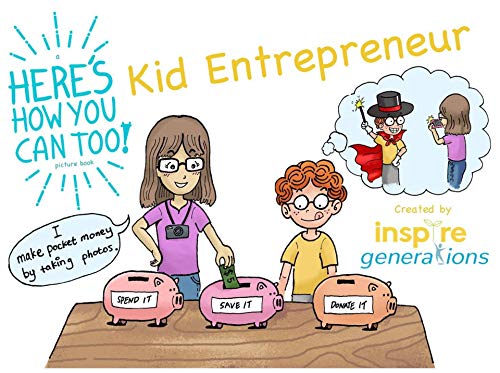
  • How to Become a Successful Kidpreneur?

    How to Become a Successful Kidpreneur?

    To become a successful kidpreneur, start by identifying your passions and interests, then brainstorm business ideas that align with them. Develop a detailed business plan and seek guidance from mentors or experienced entrepreneurs.

    Take advantage of online resources and platforms to market and grow your business. Embrace failures as learning opportunities and always strive for continuous improvement. Stay dedicated, flexible, and open-minded, and never be afraid to take risks. With determination and perseverance, you can succeed as a kid entrepreneur.

    Are you a young aspiring entrepreneur with big dreams of starting your own business? Don’t let age be a constraint! With the right mindset, guidance, and preparation, you can become a successful kid entrepreneur. In today’s world, there are numerous opportunities for young entrepreneurs to showcase their creativity, problem-solving skills, and business acumen. This article will provide you with valuable insights and practical tips on how to become a kid entrepreneur, from discovering your passions and generating business ideas to creating a solid business plan and navigating the challenges along the way. So, let’s dive in and explore the exciting world of kid entrepreneurship!

    Finding Your Passion

    Embarking on the journey of becoming a kid entrepreneur requires discovering your passion. By exploring your interests and talents, you can identify opportunities to turn your hobbies into a profitable venture. With determination and creativity, nurturing your passion can lead to a successful entrepreneurial path.

    Identify Interests

    Identifying your interests is the first step in finding your passion as a kid entrepreneur. Think about the things that excite you, make you curious, or bring you joy. What are you naturally drawn to? Is it baking delicious treats, creating new inventions, or solving challenging math problems? Whatever it may be, identifying your interests will help pave the way towards discovering your true passion.

    Explore Hobbies

    Exploring hobbies is an excellent way to uncover your hidden talents and passions. Hobbies allow you to try new activities, broaden your horizons, and learn new skills. Consider joining clubs, taking classes, or participating in workshops related to your interests. Whether it’s painting, coding, playing a musical instrument, or gardening, give yourself the opportunity to delve into different hobbies. This exploration will not only help you discover what you truly enjoy but also enhance your creativity and problem-solving abilities.

    Engaging in hobbies and activities that align with your interests can provide a unique perspective and give you a head start as a kid entrepreneur.

    Creating a table could be a great way to showcase different hobbies and skills that kids can explore:

    Hobby Description
    Painting Express your creativity through colors and brush strokes.
    Coding Create computer programs and develop problem-solving skills.
    Musical Instrument Learn to play an instrument and embrace the power of music.
    Gardening Cultivate plants, improve your patience, and learn about nature.

    Exploring various hobbies will not only help you find your passion but also expose you to different opportunities that can be turned into successful entrepreneurial ventures.

    Once you have identified your interests and explored different hobbies, you will be well on your way to finding your true passion as a kid entrepreneur. Remember, passion is the fuel that drives success, and when you love what you do, it won’t feel like work at all!

    Developing An Idea

    If you’re a kid who dreams of starting your own business, the first step is to develop a great idea. This idea will form the foundation of your venture, so it’s essential to choose something you are passionate about and that solves a problem or meets a need in the market.

    Problem Identification

    The first step in developing an idea for your kidpreneur venture is to identify a problem or challenge that people face. Think about common issues you or your friends encounter in your daily lives. It could be a problem related to school, hobbies, or even everyday tasks.

    To help you identify a problem, you can follow these steps:

    1. Observe: Pay attention to what people around you struggle with or complain about.
    2. Ask: Talk to your family, friends, and classmates to understand their challenges and frustrations.
    3. Research: Look online or visit libraries to discover common problems faced by people of your age group.

    Once you have identified a problem, it’s time to move on to the next step.

    Brainstorming Solutions

    With a clear problem in mind, it’s time to brainstorm possible solutions. Let your creativity flow and imagine different ways to address the problem. Keep in mind that your solution should be unique and innovative.

    A helpful technique for brainstorming solutions is mind mapping. Create a mind map by drawing a central idea in the middle of a page and branch out with multiple potential solutions. This visual representation can spark new ideas and connections.

    As you brainstorm solutions, consider:

    • Your skills and interests: What are you good at? What activities do you enjoy? How can you incorporate these into your solution?
    • Resources: What resources do you have access to? This could include materials, tools, or people who could assist you in implementing your solution.
    • Feasibility: Evaluate the practicality and feasibility of your ideas. Consider factors such as cost, time, and whether your solution is realistic.

    Remember, the goal of brainstorming is to generate as many ideas as possible without judgment. Once you have a list of potential solutions, you can narrow them down and select the one that excites you the most.

    Developing an idea is an exciting and crucial part of becoming a kid entrepreneur. By identifying a problem and brainstorming creative solutions, you’ll be on your way to creating a business that makes a positive impact.

    Creating A Business Plan

    Learn how to be a kid entrepreneur by creating a well-crafted business plan. This essential tool will help you outline your goals, strategies, and financial projections for your startup venture, setting you up for success in the business world.

    Creating a Business Plan

    To be a successful kid entrepreneur, you need to start with a solid business plan. A business plan is like a roadmap that sets out your goals, strategies, and how you will achieve them. It helps you stay focused and organized as you embark on your entrepreneurial journey.

    H3: Market Research

    Before you dive into starting your own business, it’s important to conduct some market research. This will help you understand your target audience, their needs, and preferences. Market research can be as simple as talking to potential customers, researching online, and visiting similar businesses in your area.

    H3: Evaluating Costs

    Once you have gathered information about your target market, it’s time to evaluate the costs involved in starting your business. This includes calculating how much money you will need for supplies, equipment, marketing, and any other expenses. It’s important to be realistic and conservative in your estimations.

    To help you organize your thoughts and information, you can create a table to list all the costs involved. This will make it easier for you to see the big picture and determine if your business idea is financially feasible.

    Here’s an example of how you can create a table to evaluate costs:

    | Item | Estimated Cost |
    |———————|—————-|
    | Supplies | $100 |
    | Equipment | $200 |
    | Marketing | $50 |
    | Total | $350 |

    Remember, it’s important to consider both the one-time startup costs as well as any ongoing expenses that you will need to cover. This will give you a clearer understanding of how much money you will need to get your business up and running.

    In conclusion, creating a business plan is an essential step in becoming a successful kid entrepreneur. By conducting market research and evaluating costs, you can lay a strong foundation for your business and set yourself up for long-term success. So, grab a pen and paper, and start planning your entrepreneurial journey today!

    How to Be a Kid Entrepreneur?

    Credit: www.amazon.com

    Building Your Brand

    When it comes to being a kid entrepreneur, building your brand is a crucial step in establishing your business. Your brand is what sets you apart from the competition and helps customers recognize and connect with your products or services. In this section, we’ll explore two key aspects of building your brand: crafting a unique identity and establishing an online presence.

    Crafting A Unique Identity

    Creating a unique identity for your business is essential in capturing the attention of your target audience. Here are some steps you can take to craft a one-of-a-kind brand:

    1. Define your mission and values: Determine what your business stands for and what you aim to achieve. This will guide your decision-making process and help you stay true to your brand.
    2. Identify your target market: Understand who your customers are, their needs, and how your product or service can fulfill those needs. This will help you tailor your branding strategy to appeal to your intended audience.
    3. Create a memorable logo: Design a logo that encapsulates your brand’s personality and communicates its essence. Consider colors, shapes, and symbols that align with your mission and resonate with your target market.

    Establishing An Online Presence

    In today’s digital age, having an online presence is crucial for any business, regardless of age. Here are some steps you can take to establish your brand online:

    • Create a professional website: Build a website that showcases your products or services and communicates your brand’s story. Ensure that your website is user-friendly, visually appealing, and optimized for search engines.
    • Utilize social media platforms: Leverage social media platforms such as Instagram, Facebook, or YouTube to connect with your target audience, share updates about your business, and engage with customers. Be consistent in your branding and provide valuable content.
    • Engage with your audience: Interact with your customers through blog posts, videos, or social media posts. Respond promptly to comments and messages to show that you value their feedback and are committed to providing exceptional customer service.

    By crafting a unique identity and establishing an online presence, you’ll lay a strong foundation for your brand and increase your chances of success as a kid entrepreneur.

    Managing Finances

    As a kid entrepreneur, managing finances is a crucial aspect of running your own business. Learning the principles of budgeting, tracking revenues, and monitoring expenses can set a strong foundation for your entrepreneurial journey. Here are some essential strategies to help you manage your finances effectively.

    Budgeting Revenues

    Creating a budget for your business revenues is essential for making informed financial decisions. Start by listing all the potential sources of income, such as product sales, services, or any other income streams. Then, establish realistic revenue targets for each of these sources based on your market research and sales projections. Remember to allocate a portion of your revenues for savings and reinvestment into the business to ensure sustainable growth.

    Tracking Expenses

    Monitoring your business expenses is vital for maintaining profitability. Keep a detailed record of all your expenditures, including costs for materials, equipment, marketing, and any other business-related expenses. Use a simple spreadsheet or accounting software to track your expenses regularly, and analyze the data to identify areas where you can reduce costs or optimize spending.

    How to Be a Kid Entrepreneur?

    Credit: www.raisingarizonakids.com

    How to Be a Kid Entrepreneur?

    Credit: www.surveycrest.com

    Frequently Asked Questions

    How Do I Become A Kid Entrepreneur?

    To become a kid entrepreneur, follow these steps: 1. Discover your passion and brainstorm business ideas. 2. Research and learn about your chosen field. 3. Create a business plan and set goals. 4. Start small by selling products or services to family and friends.

    5. Continuously learn and improve your skills, and don’t be afraid to take risks.

    Can A 12 Year Old Be An Entrepreneur?

    Yes, a 12-year-old can be an entrepreneur. Age doesn’t limit entrepreneurship, and young minds can develop creative ideas and business ventures. They may require guidance and support from adults, but passion and determination can lead to success at any age.

    Can A 10 Year Old Start A Business?

    Yes, a 10 year old can start a business. However, they may need support and guidance from parents or guardians. They can explore small ventures like selling crafts or offering services like pet sitting, within the legal and safety guidelines of their community.

    Conclusion

    Being a kid entrepreneur can be an exciting and rewarding journey. By following these steps and cultivating an entrepreneurial mindset, you can set yourself up for success. Remember to identify your passions, create a business plan, seek mentorship, and stay dedicated to your goals.

    With determination and perseverance, you can turn your ideas into a profitable business venture. So, why wait? Start your entrepreneurial journey today!

  • Can a Child Be an Entrepreneur?

    Can a Child Be an Entrepreneur?

    Yes, a child can be an entrepreneur. It’s never too early for kids to develop an entrepreneurial mindset and start their own businesses.

    Children have a natural curiosity and creative ideas that can be nurtured to build successful ventures. Starting a small business at a young age can teach them valuable skills like problem-solving, decision-making, and financial management. It also fosters independence, resilience, and a strong work ethic.

    With the rise of the internet and social media, young entrepreneurs have access to a vast network of resources and potential customers. They can sell products online, offer services, or even create their own YouTube channels or blogs. Parents, educators, and mentors play a crucial role in supporting and encouraging children’s entrepreneurial pursuits. By instilling a sense of passion and providing guidance, children can learn real-world skills while exploring their passions and potentially laying the foundation for a successful future career.

    Can a Child Be an Entrepreneur?

    Credit: www.entrepreneur.com

    The Rise Of Child Entrepreneurs

    Contrary to what many may believe, entrepreneurship is not limited to adults alone. In recent years, there has been a remarkable rise in the number of child entrepreneurs taking the business world by storm. These young minds are breaking traditional barriers and proving that age is just a number when it comes to launching successful ventures. In this article, we explore the changing perspectives towards child entrepreneurs and showcase some inspiring success stories that highlight their exceptional abilities.

    Changing Perspectives

    Gone are the days when children were encouraged to solely focus on their education and dream about their professional careers for the future. Today, society is witnessing a shift in mindset as the capabilities of young entrepreneurs are recognized and embraced. There is a growing realization that entrepreneurship instills valuable skills and experiences in children, such as creativity, critical thinking, problem-solving, and financial literacy.

    Parents, educators, and mentors are starting to understand that entrepreneurship can empower children to become confident individuals who are capable of turning their ideas into reality. This shift in perspective is seen through the increasing number of resources, programs, and support systems available to help young entrepreneurs start and develop their ventures.

    Successful Examples

    Let’s take a look at some extraordinary child entrepreneurs who have defied odds and achieved remarkable success:

    • Maya Penn: Maya started her first business, selling eco-friendly accessories, at the age of eight. She not only established a profitable company but also became an environmental advocate and an acclaimed TED speaker, inspiring others with her innovative ideas.
    • Jack Bonneau: Jack became a 10-year-old business owner when he launched his lemonade stand. With his ambitious mindset, he soon scaled up his business and started franchising his concept, teaching other young entrepreneurs the art of running their own lemonade stands.
    • Alina Morse: At the age of seven, Alina invented a healthy candy option that received national recognition. Her company, Zolli Candy, aims to provide a delicious treat without compromising dental health, and Alina has become one of the youngest entrepreneurs to secure a spot on the renowned Forbes 30 Under 30 list.

    These young entrepreneurs exemplify the unlimited potential that children possess. They serve as beacons of inspiration, showcasing what can be achieved when young minds are given the opportunity to explore their ideas and follow their passions.

    Benefits Of Encouraging Entrepreneurship In Children

    Encouraging entrepreneurship in children offers a myriad of incredible benefits that go far beyond just financial gains. In fact, it has the potential to shape their futures in profound ways, equipping them with crucial skills and fostering independence. Let’s explore these benefits in detail:

    Developing Essential Skills

    When children are exposed to entrepreneurship, they have the opportunity to develop essential skills that will be invaluable throughout their lives. These skills include:

    • 1. Creativity: Entrepreneurship encourages children to think outside the box, come up with innovative ideas, and find unique solutions to problems.
    • 2. Communication: Through interactions with customers, suppliers, and other stakeholders, children learn how to effectively express their ideas, negotiate, and build relationships.
    • 3. Problem-Solving: Entrepreneurship requires children to identify problems, analyze them, and develop strategies to overcome challenges.
    • 4. Financial Literacy: By managing their own businesses, children gain an early understanding of basic financial concepts like budgeting, saving, and investing.
    • 5. Leadership: Running a business requires children to make decisions, take responsibility, and lead others, helping them develop leadership qualities.

    Fostering Independence

    Encouraging entrepreneurship in children also fosters a sense of independence and self-reliance. By taking ownership of their business ideas, children learn to trust their abilities and make decisions on their own. This independence helps them gain confidence, develop a strong work ethic, and take responsibility for their actions. As they experience firsthand the process of planning, organizing, and executing their ventures, they become self-motivated individuals capable of setting and achieving goals.

    Challenges Faced By Child Entrepreneurs

    Child entrepreneurs face challenges such as lack of business experience, limited resources, and difficulty in gaining credibility. They may struggle with legal and financial aspects and may not be taken seriously by potential customers. Despite these obstacles, with proper guidance and support, a child can certainly become an entrepreneur and succeed in the business world.

    Legal And Financial Hurdles

    Being a child entrepreneur comes with its own set of challenges, especially from a legal and financial perspective. Children are not legally allowed to sign contracts or enter into business agreements, which can create obstacles for their entrepreneurial endeavors. They often need the assistance of their parents or guardians to navigate the legal complexities of starting and running a business. From a financial standpoint, child entrepreneurs may struggle to secure funding or investment for their ventures. Banks and institutions are generally hesitant to provide loans or financial support to children due to their lack of credit history and limited financial resources. This lack of access to capital can make it difficult for young entrepreneurs to take their business ideas off the ground.

    Balancing Education And Business

    One of the biggest challenges faced by child entrepreneurs is the delicate balance between their education and their business pursuits. Education is a vital aspect of a child’s development, and it can be challenging for them to allocate sufficient time and attention to both their studies and their entrepreneurial endeavors. Child entrepreneurs often find themselves juggling school assignments, exams, and extracurricular activities alongside the demands of running a business. This balancing act requires excellent time management skills and a strong sense of discipline. It can be challenging for young entrepreneurs to find the right balance and avoid sacrificing their education for their business aspirations. Despite these challenges, child entrepreneurs showcase incredible determination, creativity, and resourcefulness. Through their entrepreneurial experiences, they gain valuable life skills and learn the importance of resilience, hard work, and problem-solving. These experiences set them apart from their peers and lay a solid foundation for their future success as adults in the business world.
    Can a Child Be an Entrepreneur?

    Credit: www.quora.com

    Supporting And Nurturing Young Entrepreneurs

    Supporting and nurturing young entrepreneurs is essential in fostering creativity, innovation, and a sense of independence from an early age. By providing the right environment and tools, children can learn valuable entrepreneurial skills that will set them up for success in the future. This article explores two key aspects of supporting and nurturing young entrepreneurs: family and community involvement, and educational initiatives.

    Family And Community Involvement

    When it comes to supporting young entrepreneurs, family and community involvement plays a crucial role. Parents and guardians can encourage entrepreneurial thinking by creating a supportive environment at home. This includes discussing business ideas, helping children recognize opportunities, and offering guidance and advice.

    Additionally, community involvement allows young entrepreneurs to gain real-world experience and exposure to different perspectives. By participating in local markets, events, and networking opportunities, young entrepreneurs can learn from experienced professionals and connect with potential customers and mentors.

    Involving the family and community in a child’s entrepreneurial journey not only provides valuable support but also helps children build a strong network that can contribute to their growth and success.

    Educational Initiatives

    Educational initiatives play a vital role in nurturing the entrepreneurial spirit in children. Schools and educational institutions can introduce entrepreneurship as a subject or incorporate it into existing curricula. This equips young learners with essential business knowledge, problem-solving skills, and an understanding of financial literacy.

    Moreover, partnering with local businesses and entrepreneurs can expose students to real-life examples and inspire them to pursue entrepreneurial ventures. Guest lectures, workshops, and mentorship programs contribute to a well-rounded education that combines theoretical knowledge with practical experience.

    Furthermore, it is important to encourage young entrepreneurs to join entrepreneurship-focused clubs or associations within educational institutions. These platforms provide opportunities for collaboration, idea generation, and peer learning.

    By integrating entrepreneurial education into the curriculum and promoting extracurricular initiatives, educational institutions are instrumental in fostering the next generation of innovative and forward-thinking entrepreneurs.


    The Future Of Child Entrepreneurship

    Is it possible for a child to be an entrepreneur? In today’s world, the answer is a resounding yes! The future of child entrepreneurship is a vibrant and exciting landscape with endless opportunities waiting to be explored. Children, armed with creativity, innovation, and the drive to make a difference, have the potential to become successful entrepreneurs at a young age. Let’s delve into the impact of child entrepreneurship on society and the potential opportunities it presents.

    Impact On Society

    Child entrepreneurship has the potential to transform societies by fostering a culture of innovation and ingenuity. Young entrepreneurs can inspire others to pursue their passions, leading to a ripple effect of creativity and forward-thinking mindset. As these young leaders drive change, they contribute to the economic growth and development of their communities, paving the way for a brighter future.

    Potential Opportunities

    By embracing child entrepreneurship, society opens doors to a myriad of opportunities. It provides a platform for young individuals to showcase their talents, solve real-world problems, and make a positive impact on the world. These opportunities can range from creating innovative products and services to developing sustainable solutions that address environmental challenges. The potential is boundless, and the future of child entrepreneurship holds remarkable promise.

    Can a Child Be an Entrepreneur?

    Credit: schoolio.com

    Frequently Asked Questions For Can A Child Be An Entrepreneur?

    What Is The Youngest Age To Be An Entrepreneur?

    The youngest age to be an entrepreneur varies, but there is no specific age requirement. Many successful entrepreneurs start their journey at a young age, such as teenagers or even pre-teens. It’s never too early to pursue your entrepreneurial dreams and make a difference in the world.

    Who Is The Youngest Entrepreneurship?

    The youngest entrepreneur refers to the individual who starts their own business at a very early age.

    Can A Child Be A Business Owner?

    Yes, a child can be a business owner. Age is not a barrier to entrepreneurship. Many children have started successful businesses with the support of their parents or guardians. With guidance and mentorship, children can learn valuable skills and gain experience in running a business at a young age.

    Conclusion

    Cultivating entrepreneurial skills in children can have long-term benefits. By promoting creativity, problem-solving abilities, and adaptability, young entrepreneurs can develop an exceptional foundation for future success. Encouraging them to pursue their passions, providing opportunities for learning and growth, and fostering a supportive environment can empower children to harness their entrepreneurial spirit and make a positive impact on their lives and society as a whole.

    So, let your child explore their potential as an entrepreneur and help them shape a brighter future.

  • Can Kids Make a Business?

    Can Kids Make a Business?

    Yes, kids can start their own businesses, but there are some considerations to keep in mind. Starting a business as a kid can teach valuable entrepreneurial skills and provide an opportunity for creativity and independence.

    However, it’s important to consider factors such as legal requirements, parental support, and the child’s maturity level. With the right guidance and support, kids can turn their passions into profitable endeavors and gain invaluable experience along the way. We will explore the benefits, challenges, and steps involved in helping kids start and run their own businesses successfully.

    So, let’s dive in and discover the exciting world of kid entrepreneurship.

    Can Kids Make a Business?

    Credit: www.entrepreneur.com

    Benefits Of Kids Starting A Business

    Starting a business can provide kids with a range of benefits, including developing essential skills like problem-solving, financial literacy, and creativity. By being involved in entrepreneurship at a young age, children can also gain a greater sense of responsibility and independence, which can set them up for future success.

    Encouraging children to start their own businesses can have numerous advantages for their development and future success. Not only does it nurture their entrepreneurial skills and foster financial literacy, but it also cultivates a sense of responsibility and independence at a young age. Let’s explore the key benefits in detail:

    Developing Entrepreneurial Skills

    Starting a business as a kid allows them to develop invaluable entrepreneurial skills that will benefit them throughout their lives. It teaches them problem-solving, decision-making, creativity, and critical thinking. By taking ownership of their enterprise, children learn to identify opportunities, set goals, and develop strategies to achieve them while building resilience in the face of challenges.

    Learning Financial Literacy

    One of the significant advantages of kids starting a business is the opportunity to learn financial literacy from an early age. By managing their finances, tracking income and expenses, and budgeting, children acquire essential money management skills. They develop an understanding of supply and demand, pricing, profit, and loss, which lays a solid foundation for making sound financial decisions in the future.

    Can Kids Make a Business?

    Credit: www.wikihow.com

    Challenges Faced By Kids In Business

    While starting a business can be an exciting venture for kids, it also comes with its fair share of challenges. From legal and regulatory hurdles to the balancing act of managing school and business, young entrepreneurs face unique obstacles on their path to success.

    Embarking on a business venture requires young entrepreneurs to navigate through a maze of legal and regulatory hurdles. Operating within the boundaries of the law is crucial to ensuring a sustainable and legitimate business.

    Here are some of the common legal and regulatory challenges kids in business may face:

    1. Obtaining necessary permits and licenses to operate their business.
    2. Complying with age restrictions and labor laws concerning employment of minors.
    3. Adhering to local zoning and building regulations for physical storefronts.
    4. Managing tax obligations and understanding the implications of revenue reporting.

    These challenges can seem daunting, but with the right guidance and support, young entrepreneurs can overcome them.

    Balancing School And Business

    One of the biggest challenges faced by kids in business is finding a healthy balance between their academic responsibilities and their entrepreneurial pursuits. Juggling school and business can be a demanding task, requiring efficient time management and organizational skills.

    Here are some strategies that can help young entrepreneurs strike a balance:

    • Prioritize tasks by creating a schedule and sticking to it.
    • Delegate responsibilities to trusted partners or family members.
    • Utilize free periods during school to work on business-related tasks.
    • Communicate with teachers and parents to manage expectations and seek support.

    It’s essential for kids in business to remember that education remains a top priority, and finding the right balance is paramount for long-term success.


    Successful Kid Entrepreneurs

    Kid entrepreneurs are proving that age is just a number. With creativity and determination, youngsters are successfully starting their own businesses and inspiring others to follow their passions. So, can kids make a business? Absolutely!

    Inspirational Stories

    There are many incredible stories of successful kid entrepreneurs who have proven that age is not a barrier when it comes to starting a business. These young individuals have not only shown creativity and determination but also a strong entrepreneurial spirit that has resulted in their businesses flourishing. Let’s take a closer look at some of their inspirational stories.

    1. Ryan Kaji – Ryan’s World

    At just 8 years old, Ryan Kaji has soared to international fame as the face of the YouTube channel “Ryan’s World”. This young entrepreneur started his channel when he was just three, and it quickly gained popularity for his toy reviews and unboxing videos. Ryan’s World expanded into a merchandise line, earning Ryan an estimated $26 million in 2019 alone.

    2. Mikaila Ulmer – Me & the Bees Lemonade

    Mikaila Ulmer, now a teenager, started her business Me & the Bees Lemonade at the age of four! Inspired by her great-grandmother’s flaxseed lemonade recipe, she transformed it into a business that not only serves delicious lemonade but also helps save the bees. Mikaila secured a deal on the television show “Shark Tank” and received funding to expand her business.

    Lessons Learned

    These success stories teach us valuable lessons about entrepreneurship that even kids can apply to their ventures.

    1. Follow Your Passion: Both Ryan and Mikaila found success by pursuing what they loved. Ryan’s passion for toys and Mikaila’s love for lemonade and bees drove them to create businesses that resonated with others.
    2. Persistence is Key: Starting and running a business is not always smooth sailing, but both Ryan and Mikaila showed tremendous perseverance. They faced challenges along the way but never gave up on their dreams.
    3. Embrace Innovation: Ryan’s use of YouTube as a platform for toy reviews and Mikaila’s incorporation of flaxseed in her lemonade demonstrate the power of embracing new ideas and technologies.
    4. Making a Difference: These young entrepreneurs didn’t just focus on profits; they also wanted to make a positive impact. Mikaila’s commitment to saving the bees and Ryan’s ability to bring joy to children around the world highlight the importance of social responsibility.

    These lessons serve as powerful reminders that age should never be a limiting factor when it comes to pursuing entrepreneurial aspirations. With passion, persistence, innovation, and a desire to make a difference, kids can turn their ideas into successful businesses, just like Ryan Kaji and Mikaila Ulmer.

    Can Kids Make a Business?

    Credit: www.amazon.com

    Support And Resources For Kid-run Businesses

    Starting a business as a kid can be an exciting venture, full of creativity and innovation. While it may seem daunting at first, aspiring young entrepreneurs can find a wealth of support and resources to help them along the way. From mentorship programs to youth entrepreneurship organizations, these opportunities can provide valuable guidance and encouragement for kids looking to make their mark in the business world.

    Mentorship Programs

    Mentorship programs are a fantastic way for young entrepreneurs to gain insight and advice from experienced business professionals. These programs pair kids with mentors who can offer guidance, share their own entrepreneurial journeys, and provide valuable feedback on their ideas. Through regular meetings or virtual consultations, mentors can help kids navigate the challenges of running a business, refine their strategies, and build confidence in their abilities.

    Youth Entrepreneurship Organizations

    Youth entrepreneurship organizations play a crucial role in supporting and empowering young business owners. These organizations offer a wide range of resources and opportunities, including workshops, networking events, and educational materials. By connecting kids with like-minded peers, these organizations foster a sense of community, allowing young entrepreneurs to exchange ideas and collaborate on projects. Additionally, youth entrepreneurship organizations often host competitions and pitch events, giving kids the chance to showcase their businesses and gain exposure.

    Here are a few notable youth entrepreneurship organizations:

    • Junior Achievement: A global organization that empowers young people to succeed in the global economy through experiential learning programs.
    • Young Entrepreneurs Academy (YEA): An organization that helps middle and high school students start and run their own businesses through a year-long educational program.
    • Network for Teaching Entrepreneurship (NFTE): A nonprofit organization that provides entrepreneurship education to young people from under-resourced communities.

    These organizations, in collaboration with mentors and other industry professionals, provide the necessary guidance, resources, and opportunities for kids to turn their business dreams into reality.

    Tips For Parents Of Kid Entrepreneurs

    As a parent, helping your kids start their own business can be an exciting and rewarding experience. It’s important to provide guidance and support while allowing them to follow their passion and explore their entrepreneurial spirit. Here are some valuable tips for parents of kid entrepreneurs to foster their creativity, resilience, and tenacity.

    Encouraging Creativity

    Encouraging creativity in your child entrepreneur is vital for fostering their innovative thinking and problem-solving skills. Allow them to explore different ideas and encourage them to think outside the box. Create an environment that embraces creativity, where they can experiment, take risks, and learn from their mistakes. Provide them with tools and resources to explore their interests and turn their ideas into a viable business venture.

    Teaching Resilience

    Teaching resilience is crucial for helping kid entrepreneurs navigate the challenges and setbacks they may encounter in their business endeavors. Emphasize the value of perseverance and determination, and empower them to overcome obstacles and setbacks. Encourage them to learn from failures, adapt to change, and stay motivated in pursuing their goals. Teach them problem-solving skills and the importance of embracing challenges as opportunities for growth.

    Frequently Asked Questions Of Can Kids Make A Business?

    How Can A 12 Year Old Start A Small Business At Home?

    A 12 year old can start a small business at home by finding a niche or interest, creating a product or service, setting a reasonable price, and promoting through social media or word of mouth to family and friends. They can also consider selling handmade crafts or providing services like pet sitting or lawn care.

    How Can I Start A Business With No Money At 13?

    To start a business with no money at 13, there are a few options: offering services like lawn mowing or pet sitting, selling homemade crafts online, or starting a small tutoring or babysitting service. Remember to get permission from your parents and be responsible with your earnings.

    How Can Kids Get Money?

    Kids can earn money by doing chores, such as walking dogs or cleaning. They can also offer services like babysitting or lawn mowing. Another option is to sell handmade crafts or baked goods. Websites like Fiverr also provide opportunities for kids to make money online.

    Conclusion

    Kids definitely have the potential to make a business. With the right guidance and support from parents and mentors, children can learn valuable skills, such as entrepreneurship, problem-solving, and financial literacy. Starting a business at a young age not only fosters creativity and independence but also instills a sense of responsibility and discipline.

    By encouraging kids to pursue their passions and nurturing their entrepreneurial spirit, we can help cultivate the successful business leaders of tomorrow.

  • How to Teach Your Child Entrepreneurship?

    How to Teach Your Child Entrepreneurship?

    Teach your child entrepreneurship by fostering a business mindset and providing practical experiences. Teaching your child entrepreneurship involves cultivating their mindset and providing hands-on experiences to develop their business skills.

    Encourage them to think creatively and problem-solve, introduce them to the basics of financial management, and allow them to start small ventures or participate in activities that involve selling products or services. By instilling an entrepreneurial spirit in your child, you can equip them with valuable skills for future success in the business world.

    Fostering An Entrepreneurial Mindset

    Teaching your child entrepreneurship is about more than just providing them with business skills. It also involves instilling an entrepreneurial mindset that will empower them to think creatively, take risks, and embrace a growth mindset. Here are some effective ways to foster an entrepreneurial mindset in your child.

    Setting A Positive Example

    Children learn by observing and emulating the behavior of the adults around them. As a parent, you can set a positive example by demonstrating an entrepreneurial mindset in your daily life. Show your child how you tackle challenges, pursue new opportunities, and overcome setbacks with determination and resilience. Your attitude towards work, problem-solving, and learning will greatly influence how your child perceives entrepreneurship. By showcasing a positive entrepreneurial mindset, you encourage your child to develop the same traits.

    Encouraging Creativity And Risk-taking

    Innovation and risk-taking are essential aspects of entrepreneurship. Encourage your child to think creatively and come up with unique ideas. Provide them with opportunities to explore different interests, experiment with different activities, and embrace failure as a learning opportunity. Emphasize the importance of taking calculated risks and being open to trying new things. By fostering a mindset that values creativity and risk-taking, you equip your child with the tools to become a successful entrepreneur in the future.

    How to Teach Your Child Entrepreneurship?

    Credit: www.entrepreneur.com

    Practical Entrepreneurial Skills

    When it comes to teaching your child entrepreneurship, it is important to focus on practical entrepreneurial skills. These skills will help your child develop a strong foundation for their entrepreneurial journey and set them up for success later in life. In this section, we will explore two important practical skills that you can teach your child: financial literacy and problem-solving abilities.

    Teaching Financial Literacy

    To be a successful entrepreneur, your child needs to have a strong understanding of financial concepts. By teaching them financial literacy from a young age, you are empowering them to make informed financial decisions and manage their money wisely. Here are a few ways you can teach your child financial literacy:

    • Start by introducing basic concepts such as saving, budgeting, and the value of money.
    • Encourage your child to set financial goals and help them create a plan to achieve those goals.
    • Show them how to track their expenses and income using simple tools such as a budgeting worksheet or a piggy bank.
    • Teach them about the importance of investing and how it can help grow their money over time.
    • Engage your child in real-life situations where they can practice making financial decisions, such as going grocery shopping and comparing prices.

    Developing Problem-solving Abilities

    Entrepreneurs are known for their ability to solve problems creatively. By developing problem-solving abilities in your child, you are equipping them with a valuable skill that is essential in entrepreneurship. Here are a few strategies to help your child develop problem-solving abilities:

    1. Encourage curiosity and critical thinking by asking open-ended questions and fostering a love for learning.
    2. Provide your child with opportunities to make decisions and solve problems independently.
    3. Teach them to approach challenges with a positive mindset, emphasizing the importance of perseverance and resilience.
    4. Expose your child to real-life problem-solving scenarios, such as puzzles, riddles, or brain teasers.
    5. Encourage creativity by allowing your child to explore different ways of solving a problem.

    By teaching your child financial literacy and developing their problem-solving abilities, you are instilling in them the practical entrepreneurial skills they need to succeed. With these skills, your child will be well on their way to becoming a successful entrepreneur.

    Building A Supportive Environment

    Creating a supportive environment for teaching your child entrepreneurship is crucial. Encourage creativity and problem-solving skills, foster a mindset of resilience, and guide them through failures. Engage with them on business concepts and provide opportunities for them to apply their ideas.

    This approach instills the entrepreneurial spirit at an early age.

    Building a Supportive Environment: Creating Opportunities for Real-world Experience: Providing your child with real-world experiences is crucial to foster their entrepreneurial skills. Encourage them to start their own small business, whether it’s selling homemade crafts or offering services to friends and neighbors. This hands-on experience will teach them valuable lessons about money management, customer interaction, and problem-solving. Emphasize the importance of learning from both successes and failures, as these experiences will shape their entrepreneurial mindset. Networking and Mentorship: Networking plays a vital role in entrepreneurship, as it opens doors to valuable connections and opportunities. Teach your child the importance of building a network by engaging them in relevant communities or organizations. Encourage them to attend events, workshops, and conferences where they can meet like-minded individuals and potential mentors. Mentors can offer guidance, support, and industry insights, helping your child develop their entrepreneurial knowledge and skills. Example Table: | Networking Tips for Children | |—| |1. Encourage participation in clubs or organizations related to their interests.| |2. Introduce them to professionals in their desired field and encourage conversations.| |3. Teach them the art of small talk and making a good first impression.| |4. Support their involvement in extracurricular activities that foster teamwork and collaboration.| By building a supportive environment that fosters real-world experience and encourages networking and mentorship, you are laying a strong foundation for your child’s entrepreneurial journey. Remember, entrepreneurship is not only about making money but also about developing critical thinking, resilience, and creativity. By nurturing these skills from an early age, you are empowering your child to embrace challenges and create opportunities that will benefit them throughout their lives.
    How to Teach Your Child Entrepreneurship?

    Credit: codakid.com

    Balancing Education And Entrepreneurship

    Teaching children entrepreneurship is a vital way to balance education and prepare them for the future. By nurturing their creativity, teaching problem-solving skills, and encouraging risk-taking, parents can equip their children with a foundation for success in both the business world and academia.

    Emphasizing Academics

    While teaching your child entrepreneurship, it is essential to strike a balance between education and business ventures. Emphasizing academics helps your child develop a strong foundation of knowledge and skills.

    Encourage your child to excel in their studies, as it provides them with a range of essential abilities and knowledge that are beneficial in the entrepreneurial world. Doing well academically will help your child gain a broad understanding of various subjects, improve critical thinking, and develop problem-solving skills.

    Furthermore, a solid educational background instills discipline and time management skills, qualities that are crucial for any aspiring entrepreneur to have. By giving priority to education, you are giving your child the tools to succeed in both their academic and entrepreneurial pursuits.

    Teaching Time Management

    When guiding your child in entrepreneurship, it’s vital to teach them effective time management skills, as it plays a significant role in balancing their academic and business responsibilities.

    Start by helping your child establish a daily routine that allocates specific time slots for academics and entrepreneurial activities. Creating a schedule ensures that your child dedicates enough time to their studies while also having ample time to focus on their business ventures.

    Encourage your child to prioritize tasks based on importance and urgency, so they develop the ability to manage their time effectively. Teach them to set deadlines for their assignments and business goals, creating a sense of purpose and accountability.

    Moreover, effective time management skills enable your child to stay organized and avoid procrastination. By using tools such as planners, calendars, and reminder apps, your child can track their progress and stay on top of their commitments.

    Nurturing Resilience And Perseverance

    Discover effective strategies for nurturing resilience and perseverance in your child while teaching them the essential skills of entrepreneurship. Empower your little one to overcome obstacles, embrace challenges, and develop a growth mindset for future success.

    Raising a future entrepreneur requires nurturing resilience and perseverance in your child. Encouraging them to handle failure positively and cultivating a growth mindset are essential aspects that instill the determination and tenacity needed to succeed in business and in life. —

    Handling Failure Positively

    Encourage your child to embrace failure as an opportunity for growth. Teach them to analyze what went wrong and learn from the experience. Emphasize that setbacks are a natural part of the journey and that persistence is key to overcoming obstacles. —

    Cultivating A Growth Mindset

    Instill in your child a belief in their potential to improve through effort and learning. Praise their efforts and perseverance rather than solely focusing on their successes. Foster a mentality that sees challenges as opportunities for growth, ultimately nurturing a resilient and tenacious mindset. — To further strengthen their entrepreneurial spirit, engage your child in meaningful activities that allow them to take risks and make decisions. This can involve tasks such as managing a small business, creating a product, or organizing a fundraising project. Such experiences can shape their confidence and resilience, laying the foundation for their future success as an entrepreneur. — Incorporating these strategies into your child’s upbringing will provide them with the tools they need to tackle the challenges and opportunities that arise on their path to becoming a budding entrepreneur.
    How to Teach Your Child Entrepreneurship?

    Credit: www.nationwide.com

    Frequently Asked Questions Of How To Teach Your Child Entrepreneurship?

    How Do You Explain Entrepreneurship To A Child?

    Entrepreneurship means starting and running your own business. It’s about being creative, taking risks, and turning ideas into reality.

    What Is The Age To Start Entrepreneurship?

    The age to start entrepreneurship varies depending on individual motivations and resources. Some successful entrepreneurs began in their teens, while others started later in life. It’s more important to focus on passion, drive, and relevant skills rather than age when considering entrepreneurship.

    Should We Teach Kids To Be Entrepreneurs?

    Teaching kids entrepreneurship helps develop problem-solving skills, creativity, and independence. It fosters a proactive mindset and prepares them for future career success.

    Conclusion

    Teaching your child entrepreneurship not only cultivates essential skills for success but also empowers them to create their own opportunities. By nurturing their curiosity, creativity, and problem-solving abilities, you can equip them with a mindset that embraces innovation and resilience.

    Encouraging real-life experiences, fostering financial literacy, and providing mentorship are all crucial steps towards shaping the future entrepreneurial leaders of tomorrow. Start early, stay consistent, and watch your child develop the mindset and skills necessary to thrive in the ever-evolving world of business.