Category: Uncategorized

  • সরকারি সিকিউরিটিজে প্রাথমিক ডিলারদের তালিকাভুক্তি ও পরিচালনা নির্দেশিকা, ২০২৫

    গণপ্রজাতন্ত্রী বাংলাদেশ সরকারের অর্থ মন্ত্রণালয়ের অর্থ বিভাগ সম্প্রতি “Guidelines for the Enlistment and Operations of Primary Dealers in Government Securities, 2025 (Amended)” জারি করেছে। এই নির্দেশিকাটি সরকারি সিকিউরিটিজের প্রাথমিক ও মাধ্যমিক বাজারকে আরও শক্তিশালী, স্বচ্ছ এবং কার্যকর করার লক্ষ্যে প্রণয়ন করা হয়েছে। নিচে এই নির্দেশিকার মূল দিকগুলো বিস্তারিতভাবে আলোচনা করা হলো।

    সরকারি সিকিউরিটিজ

    সরকারি সিকিউরিটিজ হলো বাংলাদেশ সরকার কর্তৃক ইস্যুকৃত বিনিময়যোগ্য ঋণ উপকরণ (Tradable debt instruments), যা ‘সরকারি ঋণ আইন, ২০২২’-এর অধীনে ইস্যু করা হয় । জাতীয় বাজেটের ঘাটতি অর্থায়নের জন্য অভ্যন্তরীণ সম্পদ সংগ্রহের একটি অত্যন্ত গুরুত্বপূর্ণ মাধ্যম হিসেবে এগুলো ব্যবহৃত হয় ।

    উৎসসমূহ অনুযায়ী, সরকারি সিকিউরিটিজের প্রধান দিকগুলো নিচে তুলে ধরা হলো:

    ১. সরকারি সিকিউরিটিজের প্রকারভেদ

    বাংলাদেশ সরকার মূলত দুই ধরনের সিকিউরিটিজ ইস্যু করে থাকে:

    ট্রেজারি বিল (Treasury Bill): এগুলো স্বল্পমেয়াদী সিকিউরিটিজ, যার মেয়াদ সাধারণত এক বছর বা তার কম হয়ে থাকে।

    ট্রেজারি বন্ড (Treasury Bond): এগুলো দীর্ঘমেয়াদী সিকিউরিটিজ, যার মেয়াদ এক বছরের বেশি হয়।

    ২. বাজারের কাঠামো

    সরকারি সিকিউরিটিজের লেনদেন প্রধানত দুটি স্তরে সম্পন্ন হয়:

    প্রাথমিক বাজার (Primary Market): যেখানে সরকার সরাসরি নিলাম বা নির্দিষ্ট ব্যবস্থার মাধ্যমে বিনিয়োগকারীদের কাছে সিকিউরিটিজ ইস্যু করে।

    মাধ্যমিক বাজার (Secondary Market): যেখানে একবার ইস্যুকৃত সিকিউরিটিজসমূহ বিনিয়োগকারীদের মধ্যে পুনরায় কেনাবেচা হয়। এটি বাজারে তারল্য বা লিকুইডিটি নিশ্চিত করে।

    ৩. প্রাথমিক ডিলারদের (Primary Dealers) ভূমিকা

    সরকারি সিকিউরিটিজ বাজারের প্রাণকেন্দ্র হলো প্রাথমিক ডিলার বা পিডি [১১]। তারা ব্যাংক বা আর্থিক প্রতিষ্ঠান হিসেবে নিম্নলিখিত দায়িত্ব পালন করে:

    • নিলামের মাধ্যমে সরকারের কাছ থেকে সরাসরি সিকিউরিটিজ ক্রয় করার বাধ্যতামূলক বিডিং (Bidding Obligation) পালন করে।

    • মাধ্যমিক বাজারে ক্রেতা ও বিক্রেতা উভয়ের জন্য প্রতিনিয়ত মূল্য (Two-way Price) প্রদান করে মার্কেট মেকার হিসেবে কাজ করে।

    • বিনিয়োগকারীদের মধ্যে সরকারি সিকিউরিটিজ সম্পর্কে সচেতনতা বৃদ্ধি করে।

    পটভূমি ও উদ্দেশ্য

    জাতীয় বাজেট অর্থায়নের জন্য অভ্যন্তরীণ সম্পদ সংগ্রহে সরকারি সিকিউরিটিজ একটি গুরুত্বপূর্ণ মাধ্যম। একটি দক্ষ ও তারল্যসমৃদ্ধ বাজার নিশ্চিত করতে প্রাথমিক ডিলারদের ভূমিকা অত্যন্ত গুরুত্বপূর্ণ। ২০০৩ সালের বিদ্যমান নির্দেশিকা সংশোধন করে বাজার পরিস্থিতি ও আন্তর্জাতিক মানের সঙ্গে সামঞ্জস্য রেখে ২০২৫ সালের এই নতুন নির্দেশিকা প্রণয়ন করা হয়েছে।

    এই নির্দেশিকার প্রধান উদ্দেশ্যগুলো হলো:

    • প্রাথমিক ডিলার সিস্টেমের জন্য একটি কার্যকর ও স্বচ্ছ পরিচালনা কাঠামো তৈরি করা
    • বাধ্যতামূলক বিডিংয়ের মাধ্যমে সরকারি সিকিউরিটিজের সফল ইস্যু নিশ্চিত করা
    • বাজারে তারল্য বৃদ্ধি এবং সঠিক মূল্য নির্ধারণে সহায়তা করা
    • বিনিয়োগকারীর ভিত্তি বিস্তৃত ও বৈচিত্র্যময় করা

    প্রাথমিক ডিলার হিসেবে নিয়োগের যোগ্যতা

    বাংলাদেশ ব্যাংকের সঙ্গে পরামর্শ করে অর্থ বিভাগ ব্যাংক, আর্থিক প্রতিষ্ঠান এবং তাদের সহযোগী প্রতিষ্ঠানগুলোকে প্রাথমিক ডিলার হিসেবে নিয়োগ দেবে।

    আবেদনকারী প্রতিষ্ঠানের জন্য প্রয়োজনীয় শর্তাবলী:

    • সরকারি সিকিউরিটিজের প্রাথমিক ও মাধ্যমিক বাজারে সক্রিয়ভাবে অংশগ্রহণের আগ্রহ
    • ব্যবসায়িক কার্যক্রম পরিচালনা, লেনদেন নিষ্পত্তি ও ঝুঁকি ব্যবস্থাপনার জন্য শক্তিশালী অভ্যন্তরীণ নিয়ন্ত্রণ ব্যবস্থা
    • দক্ষ জনবল এবং আধুনিক আইটি অবকাঠামো
    • পর্যাপ্ত আর্থিক সক্ষমতা, যেমন ক্যামেলস রেটিং, মূলধনের পর্যাপ্ততা ও সামগ্রিক কমপ্লায়েন্স

    এছাড়াও, নির্দেশিকায় “Standalone Primary Dealer” ধারণা যুক্ত করা হয়েছে, যারা আমানত গ্রহণ বা সাধারণ ব্যাংকিং কার্যক্রমে যুক্ত না থেকে শুধুমাত্র সরকারি সিকিউরিটিজ ট্রেডিং ও মার্কেট মেকার হিসেবে কাজ করবে।

    প্রাথমিক ডিলারদের প্রধান বাধ্যবাধকতা

    প্রাথমিক ডিলারদের প্রাথমিক ও মাধ্যমিক উভয় বাজারে নির্দিষ্ট বাধ্যবাধকতা পালন করতে হবে।

    প্রাথমিক বাজারের বাধ্যবাধকতা:

    • প্রতিটি নিলামে সক্রিয়ভাবে অংশগ্রহণ করতে হবে
    • মোট বিডিং বাধ্যবাধকতার ৬০ শতাংশ নির্ধারিত হবে সংশ্লিষ্ট ডিলারের মোট আমানত ও দায়ের ভিত্তিতে এবং বাকি ৪০ শতাংশ সকল ডিলারের মধ্যে সমানভাবে বণ্টন করা হবে
    • ত্রৈমাসিক ভিত্তিতে ন্যূনতম ৬০ শতাংশ সাকসেস রেশিও বজায় রাখতে হবে

    মাধ্যমিক বাজারের বাধ্যবাধকতা:

    • প্রতিটি কার্যদিবসে সক্রিয় ডিলিং ডেস্ক পরিচালনা করতে হবে
    • বাংলাদেশ ব্যাংক নির্ধারিত সিকিউরিটিজের জন্য নিয়মিত দুইমুখী মূল্য প্রদান করতে হবে
    • সরকারি সিকিউরিটিজ হোল্ডিংয়ের অন্তত ২০ শতাংশ ট্রেডিং বুক হিসেবে সংরক্ষণ করতে হবে
    • বাৎসরিক বিডিং বাধ্যবাধকতার ভিত্তিতে নির্ধারিত ন্যূনতম বাৎসরিক টার্নওভার নিশ্চিত করতে হবে

    প্রাথমিক ডিলারদের সুযোগ-সুবিধা ও বিশেষ অধিকার

    দায়িত্ব পালনের স্বীকৃতিস্বরূপ প্রাথমিক ডিলাররা কিছু বিশেষ সুবিধা ভোগ করবেন:

    • নিজেদের অ্যাকাউন্টে এবং নির্দিষ্ট গ্রাহকদের পক্ষে সফল বিডের ওপর কমিশন প্রাপ্তি
    • সরকারের দায় ব্যবস্থাপনা কার্যক্রম যেমন বাই-ব্যাক ও এক্সচেঞ্জ কার্যক্রমে সরাসরি অংশগ্রহণের সুযোগ
    • সরকারি সিকিউরিটিজ লেনদেনের জন্য সিকিউরিটিজ লেন্ডিং সুবিধা ব্যবহারের সুযোগ

    কর্মক্ষমতা মূল্যায়ন ও স্টার পারফর্মার নির্বাচন

    অর্থ বিভাগ প্রতি বছর বাংলাদেশ ব্যাংকের সঙ্গে পরামর্শ করে প্রাথমিক ডিলারদের কর্মক্ষমতা মূল্যায়ন করবে। এই মূল্যায়নে পরিমাণগত সূচকের গুরুত্ব থাকবে ৮০ শতাংশ এবং গুণগত সূচকের গুরুত্ব থাকবে ২০ শতাংশ।

    বার্ষিক মূল্যায়নে শীর্ষ তিনটি প্রাথমিক ডিলারকে স্টার পারফর্মার হিসেবে ঘোষণা করা হবে। তারা সম্মাননা পত্রের পাশাপাশি পরবর্তী এক বছরের জন্য সাধারণ হারের চেয়ে বেশি কমিশন পাওয়ার যোগ্য হবেন।

    তদারকি ও বাতিলকরণ প্রক্রিয়া

    বাংলাদেশ ব্যাংক নিয়মিতভাবে প্রাথমিক ডিলারদের নথিপত্র ও সিস্টেম পরিদর্শন করতে পারবে। কোনো ডিলার নির্দেশিকা লঙ্ঘন করলে বা ধারাবাহিকভাবে সন্তোষজনক কর্মক্ষমতা প্রদর্শনে ব্যর্থ হলে অর্থ বিভাগ তাদের সদস্যপদ স্থগিত বা বাতিল করতে পারবে। এছাড়া কোনো প্রতিষ্ঠান চাইলে নির্ধারিত সময় আগে নোটিশ দিয়ে স্বেচ্ছায় প্রাথমিক ডিলার কার্যক্রম থেকে সরে যেতে পারবে।

    উপসংহার

    সরকারি সিকিউরিটিজ নির্দেশিকা, ২০২৫ বাংলাদেশের বন্ড মার্কেট উন্নয়নে একটি গুরুত্বপূর্ণ মাইলফলক। এটি প্রাথমিক ডিলারদের জবাবদিহি নিশ্চিত করার পাশাপাশি দেশের আর্থিক বাজারের স্থিতিশীলতা ও গভীরতা বৃদ্ধিতে গুরুত্বপূর্ণ ভূমিকা রাখবে। প্রাথমিক ডিলারদের পেশাদারিত্ব ও সক্রিয় অংশগ্রহণই এই নির্দেশিকার সফল বাস্তবায়নের মূল চাবিকাঠি।
  • How does investing in experiences provide more lasting joy than material goods?

    Investing in experiences provides more lasting joy than material goods because experiences are more likely to foster social connection, which is a critical driver of happiness. Whether it is a vacation, a concert, or an obstacle race like Tough Mudder, experiences typically involve interacting with others, creating a sense of community and camaraderie that material objects rarely provide.

    Beyond social benefits, the sources highlight several psychological mechanisms that make experiences superior investments for long-term well-being:

    1. Immunity to Comparison Material goods suffer from the “comparison trap.” It is easy to align the concrete features of a TV or a car against a newer model, leading to buyer’s remorse when a better version inevitably appears. In contrast, experiences are unique and abstract; comparing a trip to Bali against a trip to Florida is like comparing “apples to oranges”. Because experiences elude easy comparison, they “inoculate” us against the regret often associated with material purchases.

    2. The “Rosy View” of Memory While we quickly adapt to material possessions—they simply fade into the background of our lives—experiences tend to get better in our memory over time. Even experiences that were unpleasant in the moment, such as a rainy camping trip or a grueling hike, often become “sweet to remember” in hindsight. Research shows that while satisfaction with material purchases decreases over time, satisfaction with experiential purchases tends to increase.

    3. Connection to Identity Experiences are more deeply closely linked to our sense of who we are. When people map their purchases in relation to their “self,” they place experiences much closer to their core identity than material goods. Because experiences provide better stories and contribute to our “experiential CV,” they help define us in a way that designer purses or watches cannot. People are even less willing to trade their memories of experiences than they are to trade material possessions, because losing those memories feels like losing a part of themselves.

    How can even negative experiences create a sense of nostalgia?

    Based on the sources, negative or unpleasant experiences can create a sense of nostalgia and lasting satisfaction through several psychological mechanisms that alter how we view events in hindsight:

    1. The “Rosy View” of Memory Human memory acts like a kaleidoscope that tends to filter out immediate annoyances while retaining positive meaning. In one study involving a three-week bicycle trip, 61 percent of students reported disappointment during the trip due to rain and mosquitoes. However, after the trip, only 11 percent felt disappointed; the physical misery faded, and participants focused on the social connections, noting that the complaining seemed “silly” compared to the memory of “making a lot of great friends”. This phenomenon validates the Roman philosopher Seneca’s observation that “Things that were hard to bear are sweet to remember”.

    2. Building the “Experiential CV” Unpleasant experiences often contribute uniquely to our sense of identity and our “life story,” or what the authors call the “experiential CV”. People will often choose uncomfortable options—such as sleeping in sub-zero temperatures at the Ice Hotel in Sweden—over comfortable ones (like a Marriott) specifically because the hardship makes the experience more memorable and distinctive. For those who view time as a resource to be used productively, enduring unpleasantness is desirable because it adds a compelling line to their experiential résumé.

    3. Immunity to Regret Unlike material goods, which are easy to compare (leading to regret if a product is flawed), experiences are unique and abstract. This quality inoculates us against buyer’s remorse; even if a vacation had negative aspects (like the “tiger shark” attack mentioned in a different context or the rainy bike trip), the uniqueness of the event allows us to cherish the memory rather than comparing it unfavorably to what “could have been”.

    Why do material goods make us less happy over time?

    Material goods make us less happy over time primarily due to habituation, a fundamental barrier to lasting pleasure where the more we are exposed to something, the more its impact diminishes. Humans are adaptable creatures; while a new home or car provides an initial spike in satisfaction, we quickly get used to these stable improvements, and they fail to improve our overall happiness in the long run. This adaptation occurs because our emotional system functions less like a thermometer—which constantly registers the absolute temperature—and more like a “cheerometer,” which is highly sensitive to change but eventually resets,. Once the novelty of a material purchase wears off, the “spotlight of attention” moves on to other things, and the possession simply becomes part of the background,.

    Furthermore, material goods often fail to provide lasting joy because they are highly susceptible to the comparison trap. Unlike experiences, which are unique and abstract (making them like “apples and oranges”), material goods like TVs or cars have concrete features that are easy to align and compare against superior models. This comparability creates vulnerability to “buyer’s remorse,” as we are often happy with things only until we discover there are better things available,. Consequently, research shows that while satisfaction with experiential purchases tends to increase with the passage of time, satisfaction with material purchases typically decreases.

  • What are the five key principles for spending money to maximize happiness?

    The five key principles for spending money to maximize happiness, as outlined in Happy Money, are designed to shift the focus from accumulating wealth to using resources in ways that scientifically improve well-being.

    1. Buy Experiences Research suggests that material purchases, such as big houses or luxury cars, often fail to increase overall happiness because humans quickly adapt to them. In contrast, experiential purchases—such as trips, concerts, or special meals—provide more lasting satisfaction. Experiences are more likely to foster social connections, become a central part of one’s identity, and are harder to compare with other options, which inoculates them against buyer’s remorse. Even unpleasant experiences can become “sweet to remember” in hindsight, whereas material goods tend to lose their luster over time.

    2. Make It a Treat Abundance is the enemy of appreciation; when a pleasure is always available, we habitually take it for granted. To maximize happiness, the authors suggest voluntarily limiting access to favorite things—whether it is a latte, a specific food, or a luxury experience—to turn them back into “treats”. This strategy combats “hedonic adaptation” and allows individuals to “re-virginize” their senses, renewing the capacity for pleasure. Knowing that something will not last forever, or is available only for a limited time, encourages people to savor it more.

    3. Buy Time Money can transform how we spend our time, yet wealthier individuals often report feeling more time-pressured, not less. To increase happiness, individuals should use money to outsource “U-index” activities—tasks during which they experience unpleasant moods, such as cleaning or commuting. Taking a job with a long commute for a higher salary is often a poor trade-off for happiness, as commuting is consistently ranked as one of the least enjoyable daily activities. Conversely, using money to buy “time affluence” or feeling less harried promotes greater job and life satisfaction.

    4. Pay Now, Consume Later Modern technology and credit cards encourage a “consume now, pay later” mentality, which can be counterproductive for happiness. Reversing this to “pay now, consume later” offers two distinct benefits:

    • Anticipation: Delaying consumption allows for the se réjouir period—the pleasure derived from anticipating a future event. For many experiences, such as vacations, the joy of looking forward to the event can rival the experience itself.
    • Decoupling: Paying upfront separates the “pain of paying” from the consumption. When an experience has been paid for long ago, it feels “free” during the actual event, allowing for pure enjoyment without the mental tax of monitoring costs.

    5. Invest in Others Spending money on other people provides a significantly larger happiness boost than spending money on oneself. This “prosocial spending” effect is universal, observed in both wealthy nations and impoverished ones, and is detectable even in toddlers. The happiness return on giving is maximized when three conditions are met:

    • Choice: The giver must feel the act is voluntary, not an obligation.
    • Connection: Spending that fosters social connection with the recipient (e.g., buying a friend coffee and drinking it with them) yields more joy.
    • Impact: Seeing the specific difference the donation makes allows the giver to feel competent and effective.

    How can I apply the five principles to a modest budget?

    Applying the principles of Happy Money does not require significant wealth. In fact, the authors emphasize that shifting how you spend even small amounts of money—as little as $5—can result in measurable increases in happiness.

    Here is how to apply the five principles on a modest budget:

    1. Buy Small, Social Experiences You do not need to book a $200,000 flight to space to benefit from experiential spending. Research shows that even when spending only a few dollars, people derive more lasting pleasure from buying an experience (like a video game or a song) than a material trinket (like a keychain).

    • Strategy: Focus on low-cost activities that foster social connection, such as a picnic in the park or a local concert, rather than buying “stuff.” Experiences provide better stories and become part of your identity, regardless of the price tag,.

    2. Save Money by “Making it a Treat” This principle is uniquely suited for a modest budget because it often involves spending less to enjoy things more. “Abundance is the enemy of appreciation,” meaning that daily habits (like a daily latte) lose their ability to bring joy due to habituation,.

    • Strategy: Take a break from your favorite low-cost indulgences to reset your capacity for pleasure. If you drink a latte every day, it becomes a necessity; if you switch to regular coffee and only buy a latte on Fridays, you save money and the latte becomes a special delight again. This strategy allows you to “get more happiness for less money”.

    3. Value Your Time Over Pennies People on a budget often fall into the trap of sacrificing substantial time to save negligible amounts of money, such as driving an extra hour to save five cents on gas or spending an afternoon trying to recover a cheap item.

    • Strategy: Improve your “time affluence” by avoiding these bad trades. Additionally, replace cheap, low-happiness activities like watching TV (which the average American does for two months a year) with cheap, high-happiness activities like socializing or exercising,. You don’t need to hire a maid to “buy time”; you simply need to stop wasting time trying to save a few cents.

    4. Delay Consumption to Enjoy “Free” Happiness Anticipation is a source of joy that comes free with purchase. The pleasure derived from looking forward to an event (the se réjouir period) often rivals the event itself.

    • Strategy: Buy a treat (like a chocolate bar or a movie rental) but wait to consume it. This delay allows you to build positive expectations and enjoy the “drool factor” without spending an extra cent. Furthermore, try to prepay for small indulgences. For example, buy a $10 coffee card on Monday to use later in the week; when you finally use it, the coffee will feel “free” because the pain of paying is a distant memory.

    5. Invest $5 in Others You do not need to be a philanthropist to benefit from giving. The happiness boost from prosocial spending is detectable even when the amount given is just $5.

    Strategy: Instead of buying a coffee for yourself, buy one for a friend and drink it with them. This combines investing in others with buying an experience and connecting socially, providing a massive happiness return on a very small investment. Even small collective actions, like a group of friends each contributing $1 to pay for a stranger’s meal, can generate significant joy.

  • Iqtiaruddin Mamun Appointed BFIU Head

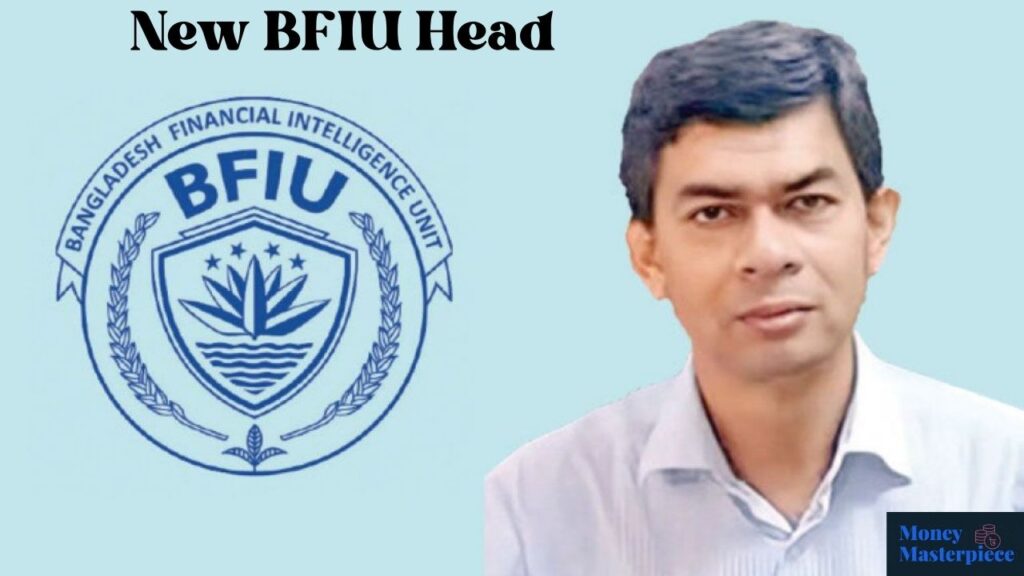
    In a significant move to strengthen the country’s financial oversight, the government of Bangladesh has appointed Iqtiaruddin Mohammad Mamun as the new head of the Bangladesh Financial Intelligence Unit (BFIU). The appointment, announced on January 12, 2026, comes at a critical juncture as the nation intensifies its crackdown on money laundering and seeks to restore stability to its financial intelligence apparatus.


    A Strategic Leadership Transition

    The Financial Institutions Division of the Ministry of Finance issued a formal notification confirming that Mr. Mamun will lead the BFIU for a two-year term. This high-profile role carries the rank and status equivalent to a Deputy Governor of Bangladesh Bank, the authority and responsibility vested in the position.

    The notification specified that the appointment is grounded in Section 24(1)(gh) of the Money Laundering Prevention Act, 2012 (amended in 2015) and Rule 22 of the Money Laundering Prevention Rules, 2019.
    As a condition of this high-profile role, Mamun is required to sever all existing work-related ties and relationships with other institutions and organizations. 

    Mr. Mamun succeeds Shahinul Islam, whose tenure ended abruptly in September last year. His arrival marks a fresh start for an agency that serves as the primary watchdog against suspicious financial activities and illicit money flows in Bangladesh.

    Who is Ikhtiar Uddin Mohammad Mamun?

    Mr. Mamun is far from a newcomer to the world of finance and regulation. Prior to this appointment, he served as a Tax Commissioner at the National Board of Revenue (NBR). His background is distinguished by both academic and professional excellence.

    Dr. Ikhtiar Uddin Mohammad Mamun possesses an exceptionally multidisciplinary educational background. His journey spans from a rigorous technical foundation in Engineering to advanced professional expertise in Accounting, followed by specialized global education in Public Finance and a PhD in Economics.

    This unique combination of engineering logic and high-level economic theory makes him a formidable leader for the BFIU.


    Educational Background Dr. Mamun

    1. Doctoral Research (2011 – 2015)

    • Institution: Monash University, Australia
    • Degree: Doctor of Philosophy (PhD) in Economics
    • Significance: Monash is one of the world’s top-ranked universities for economics and research.1 A PhD from this institution indicates a deep mastery of economic modeling, data analysis, and policy research, which is essential for identifying systemic financial risks and money laundering trends at a national level.

    2. Specialized Public Policy Education (2005 – 2006)

    • Institution: National Graduate Institute for Policy Studies (GRIPS), Tokyo, Japan
    • Degree: Master of Public Finance
    • Significance: GRIPS is a premier global hub for policy studies.2 This degree likely focused on tax policy, revenue administration, and public expenditure management—key competencies for a career in the BCS (Taxation) cadre and his current role overseeing financial integrity.

    3. Professional Cost Accounting Qualification (2003 – 2007)

    • Institution: Institute of Cost and Management Accountants of Bangladesh (ICMAB)
    • Designation: Cost and Management Accountant (CMA)
    • Significance: This professional qualification is what grants him the FCMA (Fellow) status. It provides him with the “forensic” eyes needed to audit complex corporate structures, investigate balance sheets, and detect suspicious transactions that a generalist might miss.

    4. Business Leadership (1994 – 1996)

    • Institution: Institute of Business Administration (IBA), University of Dhaka
    • Degree: Master of Business Administration (MBA)
    • Significance: IBA is the most prestigious business school in Bangladesh.3 This degree provided him with the management, organizational, and financial strategy skills necessary to lead large government departments and inter-agency task forces.

    5. Technical Foundation (1988 – 1993)

    • Institution: Bangladesh University of Engineering and Technology (BUET)
    • Degree: B.Sc. in Mechanical Engineering
    • Significance: Starting his academic journey at BUET—the nation’s top engineering university—highlights a strong background in mathematics, analytical reasoning, and problem-solving. This technical background often distinguishes elite civil servants in their ability to handle complex system-wide reforms.

    Educational Timeline Summary

    PeriodInstitutionDegree / Qualification
    2011 – 2015Monash University, AustraliaPhD in Economics
    2003 – 2007ICMAB, BangladeshCost and Management Accountant (CMA)
    2005 – 2006GRIPS, Tokyo, JapanMaster of Public Finance
    1994 – 1996IBA, University of DhakaMaster of Business Administration (MBA)
    1988 – 1993BUET, BangladeshB.Sc. in Mechanical Engineering
    1986HSCBarishal Cadet College

    Why This Matters for BFIU

    Dr. Mamun’s profile is a rare blend of The Engineer’s Logic, The Accountant’s Precision, and The Economist’s Vision.

    • His BUET and IBA degrees provide the structural and managerial grit.
    • His ICMAB qualification provides the investigative toolkit.
    • His GRIPS and Monash education provide the global perspective required to navigate international financial regulations (like FATF).
    • Authoritative Voice: He is also a recognized author on VAT and financial laws, contributing to the professional literature that guides many of the country’s accountants and legal practitioners. He has also authored books including Fundamentals of Accounting With Special Emphasis on Income Tax and Vat

    Academic & Professional Contributions

    Dr. Mamun is widely respected in the accounting and tax fraternity for his literary and instructional contributions:

    • Author: He wrote the seminal book “Fundamentals of Accounting With Special Emphasis on Income Tax and VAT” (Liton Publications), a key reference for tax practitioners.
    • Adjunct Faculty: He has shared his expertise as an instructor at North South University (NSU) in the Department of Management.
    • Editor: Served as the Associate Editor for The Cost & Management, the official journal of ICMAB.

    Professional Career & Job History

    He is a high-ranking member of the BCS (Taxation) cadre with decades of experience in the National Board of Revenue (NBR).

    • Tax Commissioner, NBR: Served as a Commissioner in various Tax Zones, managing large-scale revenue collection and tax administration.
    • Task Force Lead (2024): Headed the NBR’s specialized 7-member committee responsible for restructuring the Income Tax Law to make it more taxpayer-friendly.
    • First Secretary (Tax Policy), NBR: Played a critical role in drafting national fiscal policies and Statutory Regulatory Orders (SROs).
    • Additional Commissioner (LTU): Served in the Large Taxpayers Unit (LTU), which handles the most complex and high-value corporate tax accounts in Bangladesh.

    The Road Ahead: BFIU

    As the head of the BFIU, Mr. Mamun faces a demanding agenda. The unit is the central agency responsible for:

    1. Combating Money Laundering: Monitoring large-scale and suspicious transactions that could signal the “whitening” of illegal funds.
    2. Counter-Terrorism Financing (CTF): Identifying and blocking the flow of funds to extremist organizations.
    3. Inter-Agency Coordination: Working closely with the NBR, CID, and the Anti-Corruption Commission (ACC) to ensure a unified front against financial crime.
    4. International Compliance: Aligning Bangladesh’s financial practices with global standards set by the Financial Action Task Force (FATF).

    Why This Matters Now

    The financial sector in Bangladesh is currently undergoing a period of reform. With remittance inflows hitting record highs and the government pushing for digital tax submissions, the need for a transparent and robust BFIU has never been greater.

    By appointing a professional with both tax administration and cost management expertise, the government is signaling a shift toward technical proficiency and accountability. Mr. Mamun’s first task will likely be to restore confidence in the agency’s neutrality and effectiveness.

    Final Thoughts

    The appointment of Ikhtiar Uddin Mohammad Mamun is a promising step for Bangladesh’s financial health. His unique blend of NBR experience and professional accounting background provides the BFIU with a leader who understands the technicalities of “following the money.” As he takes charge at the Bangladesh Bank Annex building, the financial community will be watching closely to see how his leadership reshapes the fight against financial crime.

  • Bangladesh C-Suite Awards 2025

    The corporate landscape of Bangladesh paused on November 22, 2025, to honor those at the forefront of the nation’s corporate transformation. The occasion was the Mutual Trust Bank PLC Presents 4th Bangladesh C-Suite Awards, a flagship initiative of the Bangladesh Brand Forum (BBF). Gathering C-suite executives, boardroom leaders, founders, and strategists, the prestigious gala celebrated corporate excellence and the vital role of leadership in shaping the country’s future.

    This year’s awards sent a powerful message: Bangladesh’s progress hinges on leaders grounded in clarity, resilience, and purpose.

    The Winners: Who Was Awarded?

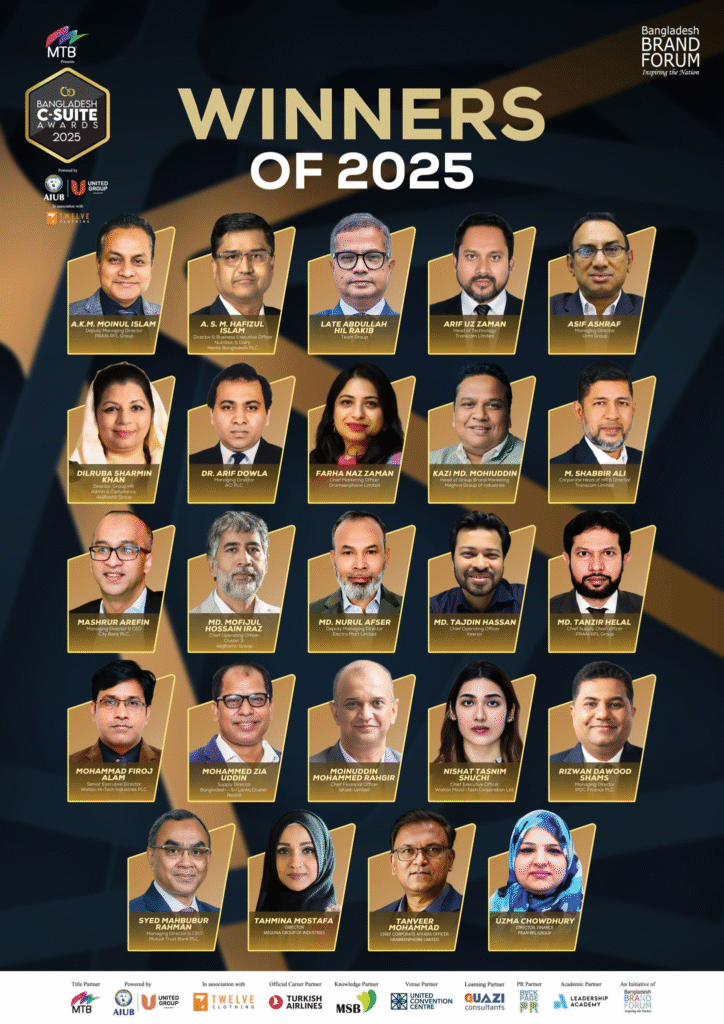
    The 4th Bangladesh C-Suite Awards recognized a total of 24 outstanding corporate leaders across 23 categories. These winners were chosen from a robust pool of 102 nominations submitted by 51 organizations, indicating a broad participation and a rising competitive spirit in Bangladeshi corporate leadership.

    The recognized leaders spanned various sectors and functional roles, emphasizing breadth in corporate excellence:

    I. Financial, Entrepreneurial, and Leadership Recognition

    The awards included specialized accolades and recognition for overall corporate and financial leadership:

    Award CategoryWinner (Title & Company)
    Chief Executive Officer (CEO)/ Managing Director (MD) of the Year (Financial Institutions) 2025Mashirur Arefin, Managing Director & CEO, City Bank PLC.
    Chief Executive Officer (CEO)/ Managing Director (MD) of the Year (For Business Revenue Per Annum 100 Crore – 499 Crore) 2025Rizwan Dawood Shams, Managing Director, IPDC Finance PLC.
    Entrepreneur of the Year 2025Dr. Arif Dowla, Managing Director, ACI PLC.
    The Positive Impact Leadership Award 2025Syed Mahbubur Rahman, Managing Director & CEO, Mutual Trust Bank PLC.
    The Luminary Award for Sustainable Innovation 2025Late Abdullah Hil Rakib, Team Group.
    Most Transformative C-Suite of the Year 2025Md. Tajdin Hassan, Chief Operating Officer, Keeron.

    II. Functional C-Suite Excellence (Finance, HR, Marketing, & Operations)

    Several key functional roles were honored, demonstrating the importance of specialized expertise within organizations:

    Award CategoryWinner (Title & Company)
    Chief Finance Officer (CFO)/ Finance Director of the Year 2025Uzma Chowdury, Director, Finance, PRAN-RFL Group Moinuddin Mohammed Rahgir, Chief Financial Officer, bKash Limited
    Chief Human Resource Officer (CHRO)/ Human Resource Director of the Year 2025M. Shabbir Ali, Corporate Head of HR & Director, Transcom Limited Dilruba Sharmin Khan, Director, Group HR, Admin & Compliance, AkijBashir Group
    Chief Marketing Officer (CMO)/ Marketing Director of the Year 2025Farha Naz Zaman, Chief Marketing Officer, Grameenphone Limited Kazi Md. Mohiuddin, Head of Group Brand Marketing, Meghna Group of Industries
    Chief Technology Officer (CTO)/ Technology Director of the Year 2025Arif Uz Zaman, Head of Technology, Transcom Limited.

    III. Industry and Operational Leadership

    The awards also specifically highlighted leaders in major economic sectors and operational management:

    Award CategoryWinner (Title & Company)
    Chief Executive Officer (CEO)/ Managing Director (MD) of the Year (FMCG) 2025Tahmina Mostafa, Director, Meghna Group of Industries.
    Chief Executive Officer (CEO)/ Managing Director (MD) of the Year (RMG) 2025Asif Ashraf, Managing Director, Urmi Group.
    Chief Operations Officer (COO)/ Operations Director of the Year 2025Md. Mofijul Hossain Iraz, Chief Operating Officer, Cluster 3, AkijBashir Group.
    Chief Supply Chain Officer (CSCO)/ Supply Chain Director of the Year 2025Md. Tanzir Helal, Chief Supply Chain officer, PRAN-RFL Group Mohammed Zia Uddin, Supply Director, Bangladesh – Sri Lanka Cluster, Reckitt
    Chief Commercial Officer (CCO)/ Sales Director of the Year 2025Mohammad Piroj Alam, Senior Executive Director, Walton Hi-Tech Industries PLC.

    The Process: Why They Were Chosen?

    The C-Suite Awards is celebrated as one of Bangladesh’s most trusted platforms for recognizing corporate excellence. The winners were selected not just for delivering results but for setting new benchmarks for corporate leadership in the country.

    A Call for Purpose-Driven Leadership

    Shariful Islam, Founder & Managing Director, Bangladesh Brand Forum, emphasized the crucial role of leadership in national development, stating: “The strength of a nation lies in the quality of its leadership.” He stressed that Bangladesh requires leaders who can “think beyond profit, act with purpose, and uphold integrity while driving growth,” positioning the C-Suite Awards as more than just a recognition, but a “call to elevate the standards of leadership”.

    A Rigorous Assessment Process

    The selection of the 24 honored leaders was ensured through a rigorous assessment process managed by a distinguished Council Board. This council was deliberately comprised of respected experts with deep experience in critical areas such as corporate leadership, business education, strategic consultancy, and economic policy.

    The panel of experts included:

    • Ashraf Bin Taj, Co-Founder & Managing Director, International Distribution Company Bangladesh PLC.
    • Professor Imran Rahman, Professor, School of Business, ULAB.
    • Mohammad Naquib Uddin Khan, Country Head & Ambassador, University of Technology Sydney.
    • Dr. A. K. Enamul Haque, Director General, Bangladesh Institute of Development Studies (BIDS).
    • M. Zulfiquar Hussain, CEO & Lead Consultant, grow n excel.

    The involvement of such a highly respected panel underscores the commitment to a fair and high-standard evaluation of the nominees.

    Setting the Stage: Resilient Leadership

    The awards ceremony was held following the 9th Leadership Summit hosted by the Bangladesh Brand Forum at the same venue. The summit operated under the timely theme: “Resilient Leadership – Thriving Amid Uncertainty,” bringing together influential business and C-suite leaders to explore how leadership must evolve in the face of shifting economic realities.

    Discussions throughout the day reinforced the “why” behind the awards, exploring themes such as:

    • Financial discipline as a leadership currency.
    • The skills required to navigate volatile environments.
    • The structural adjustments needed to secure long-term growth.
    • The need for accountability, governance, and data-driven decision-making.

    Ultimately, the combined events sent a clear message: Bangladesh’s momentum in the global economy during this defining decade relies on leaders who prioritize stability, look beyond short-term gains, and prepare their institutions for future challenges, embodying clarity, resilience, and purpose. The 24 winners of the Bangladesh C-Suite Awards 2025 represent this new standard of leadership.

  • Creative Destruction Wins the Nobel in 2025

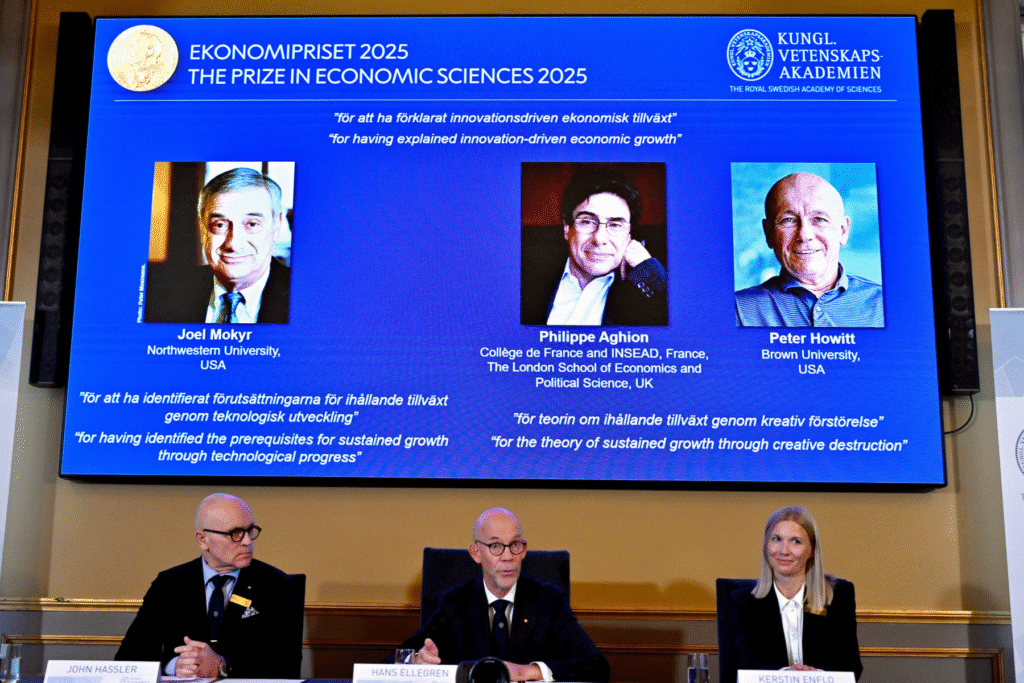
    The final Nobel award of the season arrived with a bang on Monday, October 13, 2025! The Nobel Memorial Prize in Economic Sciences was awarded to three visionary researchers for their groundbreaking work explaining the phenomenon that drives global prosperity: innovation-driven economic growth.

    Their collective work sheds light on the dynamic process of “creative destruction”, where new technologies and ideas replace older ones, shaping the rhythm of progress across generations.

    The prestigious honor—and the 11 million Swedish kronor prize—was shared by Dutch-born Joel Mokyr, 79, of Northwestern University; French economist Philippe Aghion, 69, of the Collège de France and the London School of Economics; and Canadian-born Peter Howitt, 79, of Brown University.


    The Pioneers of Creative Destruction

    • Joel Mokyr, 79, a Dutch-born economist at Northwestern University, has long studied how technological progress transforms societies.
    • Philippe Aghion, 69, from the Collège de France and London School of Economics, and Peter Howitt, 79, from Brown University, are co-authors of influential models that formalized the mechanisms of innovation-led growth.

    Together, their research deepened economists’ understanding of how ideas spread, evolve, and fuel prosperity — even as they disrupt industries and displace older systems.


    Creative Destruction: The Core of Capitalism

    The concept of creative destruction, first popularized by Joseph Schumpeter in 1942, lies at the heart of the laureates’ work. It describes how new innovations “destroy” outdated technologies and business models, paving the way for economic renewal.

    The economists’ findings help explain historical and modern examples alike:

    • Steam engines replacing horse-drawn wagons.
    • E-commerce transforming traditional retail.
    • Streaming platforms replacing DVDs and CDs.
    • Digital advertising reshaping media industries.

    Their models quantify this process and highlight the balance between progress and disruption — showing that innovation boosts long-term welfare but can also cause short-term displacement.


    From Theory to Policy: How Innovation Shapes Growth

    Aghion and Howitt’s 1992 growth model revolutionized economic thought by showing how continuous innovation sustains growth. They emphasized that markets dominated by a few powerful firms can slow down innovation, while open, competitive environments foster creativity and new ideas.

    Their research underscores the importance of:

    • Supporting workers affected by technological change, not just preserving outdated jobs.
    • Encouraging social mobility, so economic opportunity isn’t limited by family background.
    • Maintaining healthy competition, especially in industries like tech and telecom.

    As John Hassler, chair of the Nobel committee, noted:

    “Economic growth cannot be taken for granted. We must uphold the mechanisms that underlie creative destruction so that we do not fall back into stagnation.”


    Mokyr’s Optimism: Measuring the Invisible Benefits of Innovation

    Joel Mokyr’s work focuses on the cultural and historical context of innovation. He argues that even when new technologies — like Spotify or online education — don’t immediately reflect in GDP data, they dramatically enhance human welfare.

    He also emphasizes that while innovation causes temporary disruptions, it ultimately creates new opportunities, new industries, and better standards of living — echoing his belief that optimism, openness, and curiosity are key drivers of progress.


    A Wake-Up Call for Global Economies

    The 2025 Nobel announcement comes at a critical time for the global economy. As Europe faces a growing productivity gap with the U.S. and China, Aghion stresses that fostering innovation through research funding and venture capital is essential to remain competitive.

    He also warns that policies must ensure fair competition in fast-growing fields like artificial intelligence, where existing big players could otherwise stifle newcomers.

    “Those who innovate,” Aghion said, “will win this competition.”


    Behind the Scenes: Morning Surprises and Shared Joy

    All three laureates were taken by surprise when they received the news. Mokyr, jokingly, had told his students he was “more likely to be elected pope” than to win the Nobel. Aghion called it “a dream come true” to share the prize with his longtime collaborators, while Howitt admitted he initially thought the early-morning call was a prank.


    Prize Details

    The 2025 Nobel Memorial Prize in Economic Sciences comes with a total of 11 million Swedish kronor (approximately $1.2 million).

    • Joel Mokyr receives half, while Aghion and Howitt share the other half.
      Each laureate also receives an 18-carat gold medal and a diploma at the Nobel ceremony on December 10, the anniversary of Alfred Nobel’s death.

    Short Biographies

    Joel Mokyr

    (Northwestern University)

    DetailInformation
    BornJuly 26, 1946 (age 79), Leiden, Netherlands
    NationalityDutch, Israeli, and American
    Current PositionRobert H. Strotz Professor of Arts and Sciences and Professor of Economics and History at Northwestern University; also a Sackler Professorial Fellow at Tel Aviv University.
    Key ContributionAwarded one half of the prize “for having identified the prerequisites for sustained growth through technological progress.”
    BackgroundMokyr is a highly regarded economic historian. Born into a Jewish family of Holocaust survivors, he was raised in Haifa, Israel. He earned his B.A. from the Hebrew University of Jerusalem and his Ph.D. in Economics from Yale University in 1974. He joined the faculty at Northwestern University in 1974, where he has remained a prominent figure ever since.
    Nobel-Recognized WorkHis work explains that before the Industrial Revolution, technological progress often stalled because people knew how certain inventions worked, but not the underlying scientific reasons why. Mokyr demonstrated that sustained, self-generating growth became possible only when scientific and “useful knowledge” (both propositional and prescriptive) became cumulative, systematic, and widespread. He also emphasizes the critical role of social and institutional openness to new ideas and change.

    Philippe Aghion

    (Collège de France and London School of Economics)

    DetailInformation
    BornAugust 17, 1956 (age 69), Paris, France
    NationalityFrench
    Current PositionProfessor of Economics at the Collège de France and the London School of Economics (LSE). He is also affiliated with INSEAD.
    Key ContributionShared one half of the prize with Peter Howitt “for the theory of sustained growth through creative destruction.”
    BackgroundAghion is a leading figure in macroeconomics and growth theory. He is the son of Gaby Aghion, the founder of the French fashion house Chloé. He received his Ph.D. in Economics from Harvard University in 1987. His academic career includes roles at MIT, Oxford University, University College London, and a long tenure at Harvard University before moving to his current positions.
    Nobel-Recognized WorkIn collaboration with Peter Howitt, Aghion pioneered the Schumpeterian Growth paradigm. Their influential 1992 article constructed a rigorous mathematical model for “creative destruction,” the process where new, superior products and firms constantly replace older ones. This cycle of innovation (creation) and obsolescence (destruction) is what drives sustained, long-term economic growth. His subsequent work has focused on the policy implications of this theory, exploring how competition, policy, and institutions can best foster innovation.

    Peter Howitt

    (Brown University)

    DetailInformation
    BornMay 31, 1946 (age 79), Guelph, Canada
    NationalityCanadian
    Current PositionLyn Crost Professor of Social Sciences (Emeritus) at Brown University.
    Key ContributionShared one half of the prize with Philippe Aghion “for the theory of sustained growth through creative destruction.”
    BackgroundHowitt is a Canadian-born economist specializing in macroeconomics and monetary theory. He earned his B.A. from McGill University, his M.A. from the University of Western Ontario, and his Ph.D. in Economics from Northwestern University in 1973. He taught at the University of Western Ontario for nearly 25 years before joining Brown University in 2000, where he is now Professor Emeritus.
    Nobel-Recognized WorkHis decades-long collaboration with Philippe Aghion produced the seminal mathematical model of “creative destruction.” They translated the intuitive concept—originally from economist Joseph Schumpeter—into a formal framework that demonstrates how investment in research and development (R&D) is incentivized by the potential for temporary monopoly profits, and how this constant, competitive cycle of new innovations replacing old ones is the engine of sustained economic growth and higher living standards.

    Innovation as Humanity’s Lifeblood

    This year’s Nobel laureates remind us that innovation is not just about new products — it’s about renewing society itself. Their work on creative destruction explains why economic progress requires both imagination and resilience: imagination to create the future, and resilience to adapt when old systems fade away.

    As economies grapple with technological disruption and inequality, their insights offer a guiding principle: sustain innovation, support people through change, and never stop reinventing.