Category: Alternative Investments

  • How To Get Out Of Debt With A Low Income?

    How To Get Out Of Debt With A Low Income?

    To get out of debt with a low income, create a budget, cut expenses, increase income, and consider debt consolidation or negotiation. Debt can cause huge financial stress, especially when you have a low income.

    However, there are practical steps you can take to regain control of your finances and work towards becoming debt-free. By implementing a few key strategies, such as creating a budget, cutting unnecessary expenses, boosting your income, and exploring options like debt consolidation or negotiation, you can start making significant progress in your journey towards becoming debt-free.

    We will explore effective approaches and actionable tips that will help you escape the debt trap and bring lasting financial stability into your life. Let’s dive in and discover how to get out of debt with a low income.

    How To Get Out Of Debt With A Low Income

    Credit: sylvesterknox.medium.com

    Setting A Budget

    Setting a budget is a crucial step in getting out of debt, especially when you have a low income. It allows you to take control of your finances, track your expenses, and prioritize your spending. By following these steps, you can create a budget that is tailored to your income and helps you work towards a debt-free future.

    Tracking Expenses

    One of the first things you should do when setting a budget is to track your expenses. This will give you a clear picture of where your money is going and help you identify areas where you can cut back. Start by collecting your receipts, bank statements, and credit card statements for the past few months. Categorize your expenses into different categories like rent/mortgage, utilities, groceries, transportation, and entertainment. You can use a spreadsheet or a budgeting app to keep track of your expenses. This will allow you to see how much you are spending in each category and identify any areas where you may be overspending.

    Identifying Priorities

    Once you have a clear understanding of your expenses, the next step is to identify your priorities. Determine which expenses are essential and which ones you can cut back on. For example, your rent or mortgage payment and utilities are essential expenses that you cannot eliminate. However, you may be able to reduce your grocery bill by buying generic brands or shopping for sale items. Look for areas where you can make small changes that will add up over time. It’s important to prioritize your debt repayment in your budget. Allocate a portion of your income towards paying off your debts, even if it means making sacrifices in other areas. By prioritizing your debts, you can start chipping away at them and work towards becoming debt-free.
    How To Get Out Of Debt With A Low Income

    Credit: www.ramseysolutions.com

    Reducing Monthly Expenses

    One of the most effective ways to get out of debt with a low income is by reducing monthly expenses. By cutting unnecessary costs and negotiating bills, you can free up more money to put towards paying off your debts. Let’s explore these strategies in detail.

    Cutting Unnecessary Costs

    When it comes to cutting unnecessary costs, it’s important to carefully evaluate your monthly expenses and identify areas where you can make adjustments. Here are some practical ways to cut costs:

    1. Start by creating a budget to track your income and expenses. This will provide you with a clear understanding of where your money is going each month.
    2. Eliminate or reduce expenses that are not essential. For example, consider canceling unused subscriptions or memberships.
    3. Shop smart by comparing prices and finding the best deals. Look for sales, discounts, and coupons before making any purchases.
    4. Save on groceries by planning meals in advance, buying generic brands, and avoiding impulse purchases. Consider buying in bulk for frequently used items.
    5. Reduce energy costs by turning off lights when not in use, using energy-efficient appliances, and lowering the thermostat.
    6. Limit eating out and pack your lunch for work or school instead. Cooking at home not only saves money but also allows you to make healthier choices.
    7. Consider downsizing your living arrangement or finding a roommate to share expenses.

    Negotiating Bills

    Negotiating bills can yield significant savings and help you allocate more money towards debt repayment. Here are some tips for negotiating bills:

    • Contact your service providers such as internet, cable, and phone companies to inquire about any promotions, discounts, or lower-priced plans they may offer.
    • Research competitive rates and use that information as leverage during negotiations.
    • If you have a good payment history, mention it to your service provider to strengthen your negotiation position.
    • Consider bundling services from a single provider to get a discounted rate.
    • Be persistent and don’t be afraid to ask for a supervisor or manager if the initial representative is unable to meet your negotiation requests.

    Reducing monthly expenses through cutting unnecessary costs and negotiating bills can make a significant difference in your ability to get out of debt, even with a low income. By implementing these strategies, you’ll be able to free up more money to put towards debt repayment and ultimately achieve financial freedom.


    Increasing Income

    Learn how to increase your income and get out of debt even with a low income. Discover effective strategies to improve your financial situation and start building a better future.

    Increasing your income when you have a low income is an essential step to get out of debt. By finding additional sources of income and negotiating a raise, you can begin to generate more money to put towards paying off your debts. Let’s explore these strategies in more detail.

    Finding Additional Sources Of Income

    One effective way to increase your income is to find additional sources of income. This could involve taking on a second job or pursuing freelance work in your spare time. By diversifying your income streams, you can create additional revenue that can be used to pay off your debts more quickly.

    Negotiating A Raise

    Another way to boost your income is by negotiating a raise at your current job. Start by researching the average salaries for your position in your industry. Then, gather evidence of your value to the company, such as successful projects or positive feedback from clients or colleagues. Present this information to your employer during a performance review or one-on-one meeting, and confidently express your desire for a raise. Remember to focus on your accomplishments and the value you bring to the company, rather than solely emphasizing your financial needs. By increasing your income through finding additional sources of income and negotiating a raise, you can take significant strides towards getting out of debt with a low income. Remember, the key is to be proactive and persistent in your efforts to generate more money. Stay focused on your goal of becoming debt-free, and the additional income you generate can become a powerful tool in achieving financial freedom.

    How To Get Out Of Debt With A Low Income

    Credit: www.bankrate.com

    Managing Debt

    If you’re struggling with debt on a low income, there are strategies you can implement to get back on track. Explore options like budgeting, negotiating with creditors, and seeking financial assistance to effectively manage your debt and improve your financial situation.

    Consolidating Loans

    If you’re struggling with debt on a low income, consolidating your loans can be an effective way to manage and reduce your debt. Consolidation involves combining multiple loans into one, typically with a lower interest rate. This not only simplifies your monthly payments but also helps you save money in the long run. Instead of juggling different due dates and interest rates, you’ll have a single payment to focus on. Here are a few options to consider: 1. Balance Transfer Credit Cards: Look for credit cards that offer a low or zero percent introductory APR on balance transfers. Transferring high-interest debt to a card with a lower rate can help you pay off your debt faster and save on interest charges. 2. Debt Consolidation Loans: Talk to your bank or credit union about getting a debt consolidation loan. These loans are specifically designed to help you pay off your existing debts and consolidate them into one monthly payment with a fixed interest rate. 3. Home Equity Loans: If you own a home, you may have the option to use a home equity loan to consolidate your debt. This allows you to borrow against the equity you’ve built in your home and use the funds to pay off your debts. However, be cautious as using your home as collateral puts it at risk. 4. Debt Management Plans: Consider enrolling in a debt management plan offered by a reputable credit counseling agency. They will negotiate with your creditors to lower your interest rates and develop a personalized repayment plan. Through consolidation, you can simplify your debt repayment, save on interest, and ultimately work towards becoming debt-free.

    Negotiating With Creditors

    When dealing with debt on a low income, negotiating with creditors can be a valuable strategy. Creditors often understand the challenges faced by individuals with limited financial resources and may be willing to work with you. Here are some steps to take when negotiating with creditors: 1. Contact Your Creditors: Reach out to your creditors directly and explain your situation. Be honest about your financial struggles and emphasize your commitment to repaying your debts. By initiating the conversation, you show your willingness to find a solution and demonstrate responsibility. 2. Propose a Repayment Plan: Create a realistic budget that outlines how much you can afford to pay each month. Present this plan to your creditors and explain how it aligns with your financial situation. By offering a specific repayment proposal, you present yourself as proactive and committed to resolving your debts. 3. Ask for Lower Interest Rates: High-interest rates can significantly increase your debt burden. Politely ask your creditors if they would consider lowering the interest rates on your debts. Highlight any positive changes in your financial circumstances or any hardship you may be experiencing. Lower rates can help you repay your debts faster and more affordably. 4. Consider Settlement Offers: In some cases, creditors may be open to accepting a lump-sum payment that is less than the total amount owed. This is known as a debt settlement. If you have a significant amount of debt and are unable to pay it off in full, negotiating a settlement may provide some relief. However, be aware that this can have long-term consequences and should be carefully considered. Remember, communication is key when negotiating with creditors. Be respectful, honest, and persistent in your efforts to find a workable solution. By taking the initiative to address your debts head-on, you can pave the way to a debt-free future.

    Frequently Asked Questions Of How To Get Out Of Debt With A Low Income

    What Can I Do If I Can’t Afford To Pay My Debts?

    If you can’t afford to pay your debts, there are a few options you can consider. You can contact your creditors to negotiate a payment plan or to lower interest rates. Also, consider seeking assistance from credit counseling agencies or exploring debt consolidation loans.

    How Do You Get Out Of Debt On A Low Budget?

    To get out of debt on a low budget, you can prioritize essential expenses, cut back on non-essential items, and create a realistic budget. Look for ways to increase income and consider debt consolidation or negotiation with creditors. Seek financial assistance and explore financial education resources to help you manage your finances effectively.

    How Can I Get Out Of Debt With Low Income And Bad Credit?

    To get out of debt with low income and bad credit, consider budgeting, trimming expenses, increasing income, and seeking professional help. Cut unnecessary spending, find ways to earn extra money, and explore debt relief options such as debt consolidation or negotiating with creditors.

    Seek guidance from credit counseling agencies for personalized solutions.

    How Do I Get Out Of Debt When I Live Paycheck To Paycheck?

    To break free from debt while living paycheck to paycheck: 1. Create a budget and track all expenses. 2. Cut unnecessary spending and look for ways to save money. 3. Increase income through additional part-time work or freelancing. 4. Prioritize debts and make regular payments.

    5. Consider debt consolidation or negotiation for lower interest rates.

    Conclusion

    Overcoming debt with a low income requires dedication, discipline, and smart financial strategies. By creating a budget, reducing expenses, and increasing income through side hustles or freelancing, it is possible to regain control of your finances. Additionally, seeking professional advice from credit counselors or financial coaches can provide valuable guidance and support throughout your journey to financial freedom.

    Remember, small steps can lead to big results in the long run. So, stay committed and persistent, and eventually, you’ll be able to leave debt behind and enjoy a brighter financial future.

  • Best Credit Card Consolidation Loan

    Best Credit Card Consolidation Loan

    A credit card consolidation loan is a helpful option for individuals looking to combine outstanding credit card debt into a single loan with a lower interest rate.

    What Is A Credit Card Consolidation Loan?

    A credit card consolidation loan combines multiple credit card debts into one loan with a lower interest rate. Find the best credit card consolidation loan to simplify your finances and save on interest payments.

    A credit card consolidation loan is a financial tool that allows you to combine multiple credit card debts into a single loan. This type of loan can help you simplify your finances and potentially reduce your interest rates and monthly payments. It can be a smart solution if you find yourself juggling multiple credit card bills and struggling to keep up with the payments.

    How Does A Credit Card Consolidation Loan Work?

    A credit card consolidation loan works by taking out a new loan to pay off your existing credit card debts. Instead of making multiple payments to different creditors, you’ll only have one monthly payment to make towards the consolidation loan. This can help you stay organized and ensure you don’t miss any payments.

    To start the process, you’ll need to apply for a consolidation loan through a bank, credit union, or online lender. Once approved, the lender will deposit the loan amount into your bank account. Then, it’s up to you to use that money to pay off your credit card balances in full. After that, you’ll make regular monthly payments on the consolidation loan until it’s fully paid off.

    Benefits Of A Credit Card Consolidation Loan

    There are several benefits to using a credit card consolidation loan:

    1. Simplifies your finances: With a consolidation loan, you’ll have only one monthly payment to make, streamlining your bill-paying process and making it easier to keep track of your debt.
    2. Helps reduce interest rates: Depending on your credit score and lender, you may be able to secure a lower interest rate on the consolidation loan compared to your credit card rates. This could potentially save you money in interest charges over time.
    3. Lowers monthly payments: By extending the repayment period of your debt through a consolidation loan, you may be able to lower your monthly payments, making it more manageable for your budget.
    4. Clears credit card debt: Paying off your credit card debt in full with a consolidation loan can help improve your credit utilization ratio, which is an important factor in your credit score calculation.
    5. One fixed payment: Unlike credit cards with variable interest rates, a consolidation loan usually has a fixed interest rate, meaning your monthly payment will remain the same throughout the term of the loan, making it easier to plan and budget.

    A credit card consolidation loan can be a valuable tool to regain control of your financial situation and reduce the burden of credit card debt. However, it’s important to carefully consider your options and compare loan terms and interest rates from different lenders before making a decision.

    Best Credit Card Consolidation Loan

    Credit: www.businessinsider.com

    Factors To Consider Before Applying For A Credit Card Consolidation Loan

    Before applying for a credit card consolidation loan, it’s important to carefully consider certain factors that can impact your overall financial situation. By understanding these factors, you’ll be in a better position to make an informed decision and find the best credit card consolidation loan that suits your needs. Below, we’ll discuss three key factors to consider before applying for a credit card consolidation loan, namely: interest rates, loan terms and fees, and eligibility requirements.

    Interest Rates

    One of the most important factors to consider when applying for a credit card consolidation loan is the interest rate. This determines the cost of borrowing and can significantly impact the total amount you’ll have to repay. It’s essential to compare interest rates offered by different lenders to ensure you’re getting the best deal possible. Low-interest rates can help you save money in the long run, so it’s worth taking the time to research and find a loan with a competitive interest rate.

    Loan Terms And Fees

    Loan terms and fees are also crucial considerations when applying for a credit card consolidation loan. Loan terms refer to the length of time you’ll have to repay the loan, while fees include any charges or penalties associated with borrowing. It’s important to understand the loan terms and fees before signing any agreement. Look for loans with flexible repayment terms that suit your financial situation, and be vigilant about any hidden fees or charges that can add to your overall debt burden.

    Eligibility Requirements

    Before applying for a credit card consolidation loan, familiarize yourself with the eligibility requirements set by the lender. Each lender may have different criteria, including minimum credit scores, income thresholds, and a maximum debt-to-income ratio. By understanding the eligibility requirements, you can determine whether you qualify for the loan and avoid wasting time applying for loans that are beyond your reach. Be sure to check your credit score and assess your financial standing to ensure you have a better chance of approval.

    Considering the above factors before applying for a credit card consolidation loan will empower you to make a well-informed decision. By securing a loan with favorable interest rates, suitable loan terms and fees, and meeting the eligibility requirements, you can consolidate your credit card debt effectively and take control of your financial future.

    Steps To Take When Applying For A Credit Card Consolidation Loan

    Looking for the best credit card consolidation loan? Follow these steps to ensure a smooth application process and find the most suitable loan for your needs. Simplify your debt and take control of your finances today.

    A credit card consolidation loan can be a smart financial move to help you manage and pay off your credit card debt effectively. However, the process of applying for a credit card consolidation loan can feel overwhelming if you’re unsure of where to start. In this section, we’ll guide you through the steps you need to take to apply successfully. By following these steps, you’ll be on your way to consolidating your credit card debt and achieving greater financial freedom.

    Assess Your Credit Card Debt

    The first step in applying for a credit card consolidation loan is to assess your current credit card debt. This will help you determine the amount you need to borrow and create a realistic repayment plan. Gather all your credit card bills and make a note of the outstanding balances, interest rates, and minimum monthly payments for each card. By doing this, you’ll have a clear picture of your total debt and can easily compare loan offers from different lenders to find the best option for your needs.

    Research And Compare Lenders

    Once you’ve assessed your credit card debt, it’s time to research and compare lenders to find the best credit card consolidation loan for you. Look for reputable lenders that offer competitive interest rates, flexible repayment terms, and good customer reviews. Consider factors such as loan fees, prepayment penalties, and repayment options. Take advantage of online resources and comparison sites to easily compare different lenders’ offerings. By doing thorough research, you’ll be able to make an informed decision and choose a lender that suits your financial goals.

    Gather Necessary Documents

    Before you start filling out the loan application, gather all the necessary documents lenders typically require. This will help streamline the application process and ensure a faster approval. Common documents include proof of income (such as pay stubs or tax returns), identification (such as a driver’s license or passport), and proof of residence (such as utility bills or lease agreements). Additionally, you may need to provide copies of your credit card statements and recent bank statements. By having these documents ready, you can avoid delays and speed up your loan application.

    Submit Your Application

    Finally, it’s time to submit your credit card consolidation loan application. Ensure you carefully complete all required fields, double-checking for any errors or omissions. Provide accurate information and be honest about your financial situation to increase your chances of approval. Submitting your application is just the first step, so be prepared to provide any additional documentation or answer any follow-up questions from the lender. By being proactive and responsive during this process, you can expedite the approval process and start benefiting from a credit card consolidation loan sooner.

    Best Credit Card Consolidation Loan

    Credit: wallethub.com

    Tips For Finding The Best Credit Card Consolidation Loan

    When you’re overwhelmed by credit card debt, a consolidation loan can be a lifeline. It allows you to combine multiple card balances into one monthly payment, simplifying your finances and potentially saving you money on interest charges. However, finding the best credit card consolidation loan requires careful consideration. To help you in your search, here are some essential tips to keep in mind:

    Shop Around For The Lowest Interest Rates

    When comparing different consolidation loan options, the interest rate should be one of your top priorities. A low interest rate can significantly reduce your overall cost of borrowing. Take the time to research and compare interest rates from various lenders to ensure you’re getting the best deal.

    Consider The Reputation And Customer Reviews Of Lenders

    • Before committing to a lender, it’s crucial to check their reputation and customer reviews. Read what other borrowers have to say about their experience with the lender, as this can provide valuable insights into their level of customer service and reliability.
    • Look for lenders with a positive track record and a strong reputation in the industry. A company with a history of satisfied customers is more likely to provide you with a smooth and hassle-free consolidation loan experience.

    Read The Fine Print And Understand All Terms And Conditions

    1. Before signing any loan agreement, carefully read through the fine print and ensure you understand all the terms and conditions. Pay close attention to the interest rate, repayment period, fees, and any other relevant details.
    2. Make sure there are no hidden fees or surprises that could impact your ability to repay the loan. Being well-informed about the terms of your consolidation loan will help you make confident decisions and avoid future financial headaches.

    Evaluate The Customer Service And Support

    Apart from the loan terms and interest rates, it’s important to consider the customer service and support provided by the lender. A reliable and responsive customer support team can make a significant difference in your consolidation loan journey:

    Key Factors to Evaluate Importance
    Availability: Ensure they have accessible customer support channels such as phone, email, or chat. High
    Responsiveness: Check customer reviews to gauge the lender’s willingness to address queries and concerns promptly. High
    Transparency: Look for a lender that communicates clearly and provides all the necessary information you need to make informed decisions. Medium

    By considering these factors and thoroughly evaluating each potential lender, you’ll be better equipped to find the best credit card consolidation loan that meets your needs. Take the time to do your research, compare options, and make an informed decision that will put you on the path to financial freedom.

    Best Credit Card Consolidation Loan

    Credit: www.thebalancemoney.com

    Frequently Asked Questions Of Best Credit Card Consolidation Loan

    What Is The Best Credit Card Debt Consolidation Program?

    The best credit card debt consolidation program is the one that offers low interest rates, flexible repayment options, and excellent customer support. It should also have a positive track record and good reviews from previous customers.

    Do Consolidation Loans Hurt Your Credit Score?

    Consolidation loans can affect your credit score, but the impact depends on your financial situation and how you manage the loan. Missed payments or defaulting on the loan can hurt your score, while making timely payments can actually improve it.

    What Is The Best Company To Consolidate Debt With?

    The best company to consolidate debt will depend on your specific financial situation and needs. Consider researching reputable companies that offer low interest rates, flexible repayment terms, and excellent customer reviews. Make sure to compare and choose a company that suits your requirements.

    What Is The Best Loan To Pay Off Credit Cards?

    The best loan to pay off credit cards is a personal loan with low interest rates. It can help consolidate your debts and save money on interest charges. Check with different lenders to find the best terms and rates that suit your financial situation.

    Conclusion

    To sum up, the search for the best credit card consolidation loan can be daunting, but with the right information, you can make an informed decision. By considering factors such as interest rates, fees, flexibility, and customer support, you can find a loan that meets your needs and helps you regain control of your finances.

    Take the time to research and compare different options, and you’ll be on your way to financial freedom.


  • Best Way to Pay off a High Interest Credit Card

    The best way to pay off a high interest credit card is to focus on making larger payments and reducing expenses. Paying more than the minimum balance each month will help you pay off the debt faster and save on interest charges.

    Additionally, cutting back on unnecessary expenses can free up extra money to put towards your credit card payments. By following these strategies, you can effectively pay off your high interest credit card and improve your financial situation.

    Best Way to Pay off a High Interest Credit Card

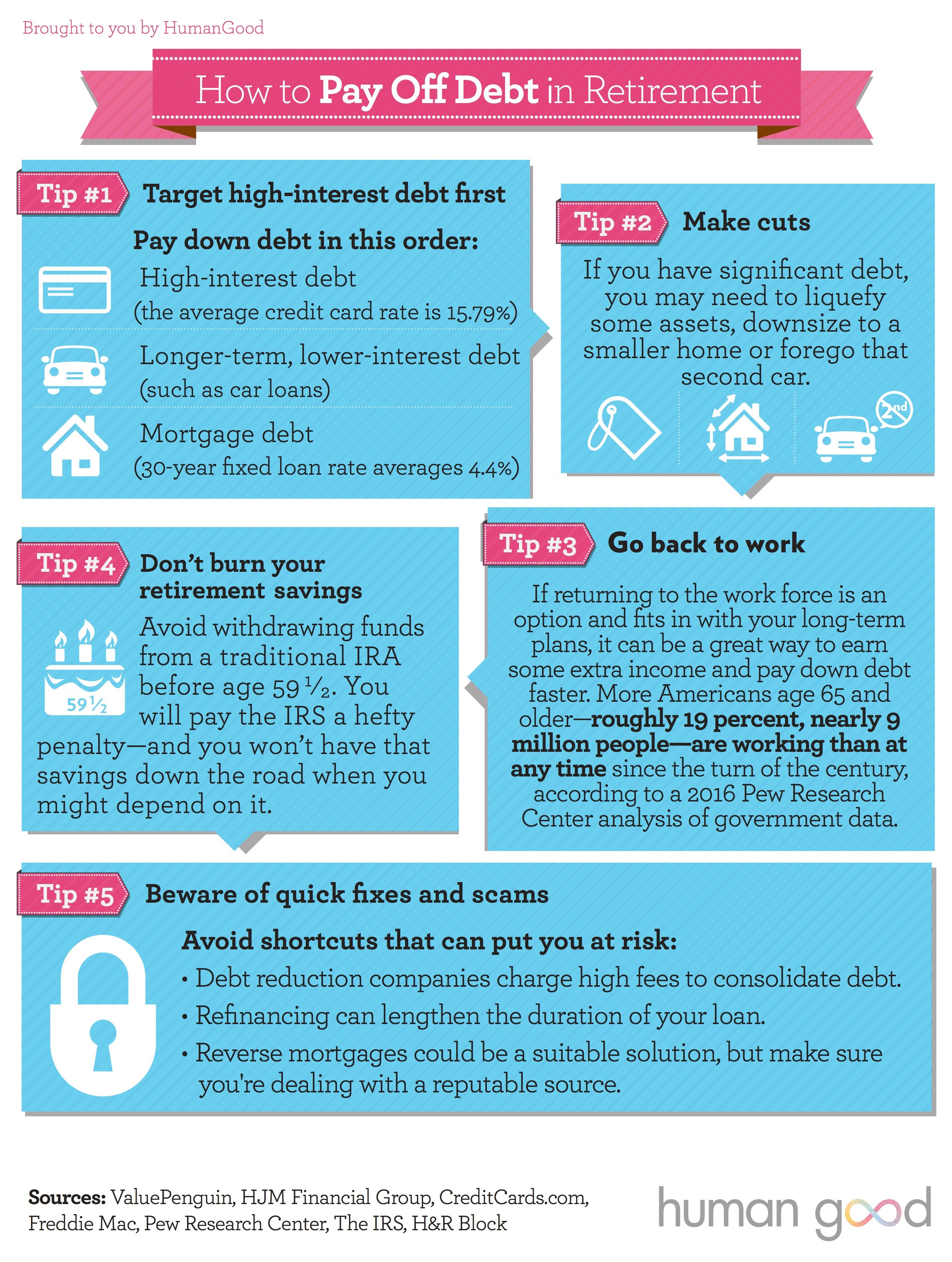
    Credit: www.humangood.org

    Evaluate Your Current Credit Card Situation

    Evaluate your current credit card situation to find the best way to pay off a high interest credit card. Analyze your debt, create a repayment plan, and consider balance transfers or debt consolidation options to save on interest and become debt-free sooner.

    If you find yourself burdened with a high-interest credit card, it’s essential to assess your current situation before taking any steps towards paying it off. Evaluating your credit card situation will give you a clear understanding of where you stand and help you make informed decisions on how to tackle your debt.

    Check Your Current Interest Rate

    Determining your credit card’s interest rate is the first step to understanding the financial implications of your debt. Interest rates play a significant role in how much you will ultimately pay back to the credit card issuer. To find your interest rate:

    1. Log in to your online credit card account.
    2. Locate the section that details your card’s terms and conditions.
    3. Look for the section that mentions the annual percentage rate (APR) or interest rate.
    4. Take note of the interest rate percentage, as this will help you evaluate the impact it has on your debt.

    Review Your Credit Card Balance, Ensuring

    Knowing your credit card balance is crucial when strategizing to pay off a high-interest credit card. To review your balance:

    1. Log in to your online credit card account.

    2. Locate the section that provides you with your current balance.

    3. Take note of this amount, as it will determine the principal amount you need to pay off.

    Explore Balance Transfer Options

    Looking to pay off your high-interest credit card? Explore balance transfer options to find the best way to tackle your debt and save on interest charges. Move your balance to a lower interest rate card and take control of your finances.

    Research Credit Card Offers With Low Interest Rates

    Understand Balance Transfer Fees

    When it comes to paying off a high-interest credit card, exploring balance transfer options can be a smart move. By transferring your outstanding balance to a credit card with a lower interest rate, you can save money on interest charges and pay off your debt more efficiently.

    Research Credit Card Offers With Low Interest Rates

    One of the first steps in exploring balance transfer options is to research credit card offers with low interest rates. Look for cards that specifically advertise balance transfer options or have promotional rates for new cardholders. Comparing different offers allows you to evaluate which credit card would be the most beneficial for your situation. Remember to pay close attention to the length of the promotional period, as well as any potential fees associated with the transfer.

    Understand Balance Transfer Fees

    To make an informed decision about balance transfers, it’s crucial to understand balance transfer fees. While a card may advertise a low or even 0% interest rate for a certain period, it’s common for there to be fees associated with the transfer. These fees are typically a percentage of the balance transferred, so it’s important to factor them into your calculations when determining if a balance transfer is the best way to pay off your high-interest credit card. Additionally, some credit cards may also have a maximum cap on the amount that can be transferred, so be sure to check for any limitations before proceeding with a balance transfer.

    By researching credit card offers with low interest rates and understanding balance transfer fees, you can navigate the world of balance transfers more effectively. This way, you’ll be able to choose the best option to pay off your high-interest credit card and save money on interest charges. Remember to weigh the pros and cons of each offer and consider consulting with a financial advisor if necessary.

    Create A Repayment Plan

    A repayment plan is the best way to tackle a high interest credit card. By creating a structured plan, you can systematically pay off your debt, saving money in interest fees and improving your financial health.

    Determine How Much You Can Afford To Pay Each Month

    Before you start tackling your high-interest credit card debt, it’s important to determine how much you can afford to pay each month. Assessing your finances and understanding your current expenditure will help you create a realistic repayment plan.

    • Step 1: List down all your monthly income from various sources.
    • Step 2: Deduct your expenses, including rent, utility bills, groceries, transportation, and other necessary costs.
    • Step 3: Identify how much money is left after subtracting your expenses from your income.

    Once you’ve calculated this amount, you know how much you can allocate towards paying off your high-interest credit card debt.

    Prioritize Your Debt Payments

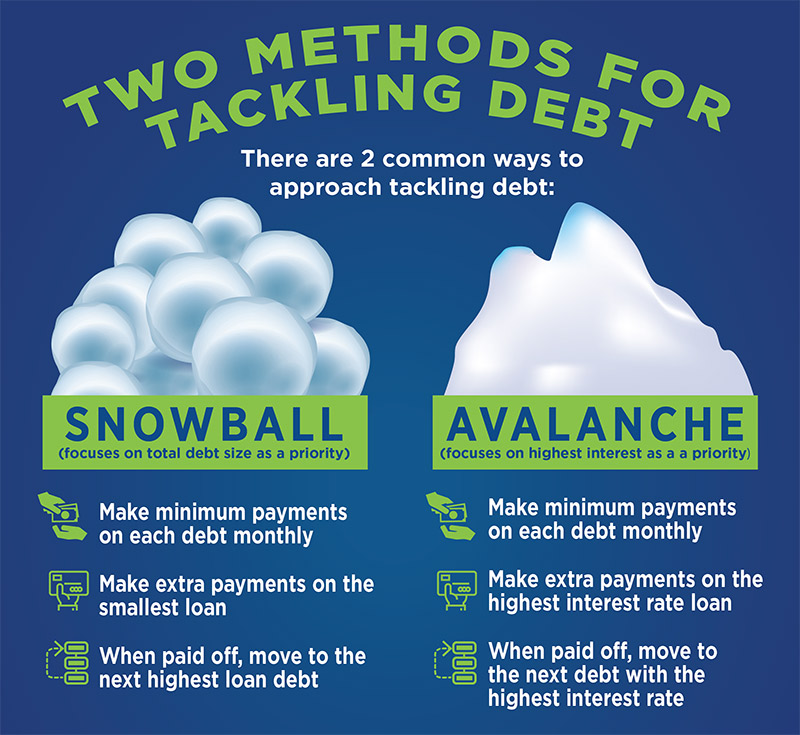
    To effectively pay off your high-interest credit card, it’s essential to prioritize your debt payments. By strategically allocating your funds, you can snowball your payments and save money on interest in the long run.

    1. Step 1: Make a list of all your credit card debts, including the balance and interest rate for each.
    2. Step 2: Identify the credit card with the highest interest rate, as this is the one costing you the most money.
    3. Step 3: Allocate the maximum amount you can afford towards paying off this high-interest credit card, while making minimum payments on your other credit cards.
    4. Step 4: Once you’ve paid off the card with the highest interest rate, move on to the one with the next highest interest rate and repeat the process.

    By prioritizing your debt payments based on interest rates, you’ll effectively reduce the amount of interest you pay over time.

    Best Way to Pay off a High Interest Credit Card

    Credit: www.investopedia.com

    Consider Debt Consolidation

    Consider debt consolidation as a potential solution to pay off your high-interest credit card. By consolidating your debts, you can streamline your monthly payments and potentially lower your interest rates. Here, we will discuss how to research and evaluate your options for debt consolidation, so you can make an informed decision.

    Research Options For Consolidating Your High-interest Debt

    When considering debt consolidation, it is important to research and explore the various options available to you. Look for reputable financial institutions, credit unions, or online lenders that offer debt consolidation services. You can also consult a credit counselor or financial advisor who can guide you through the process and help you find the best option for your specific situation.

    Evaluate The Pros And Cons Of Debt Consolidation

    While debt consolidation can be an effective way to manage your high-interest debt, it is essential to evaluate the pros and cons before making a decision. Let’s take a closer look at both:

    Pros Cons
    • Consolidating multiple debts into a single monthly payment
    • Potentially lowering your interest rates
    • Reducing the risk of missed payments and late fees
    • Simplifying your financial management
    • May require you to pay closing costs or origination fees
    • Could result in a longer repayment period
    • May impact your credit score temporarily
    • Some consolidation options may only be available to individuals with good credit

    By carefully evaluating these pros and cons, you can determine if debt consolidation is the right choice for you. Consider your financial goals, budget, and overall debt situation when making this decision. Remember, what works for one person may not work for another, so it’s important to choose an option that aligns with your individual circumstances.

    Best Way to Pay off a High Interest Credit Card

    Credit: www.crcu.org

    Frequently Asked Questions For Best Way To Pay Off A High Interest Credit Card

    How Do I Pay Off My Credit Card If My Interest Is High?

    To pay off a credit card with high interest, focus on these steps: 1. Make larger payments than the minimum amount due. 2. Prioritize paying off cards with the highest interest rate first. 3. Consider transferring the balance to a card with a lower interest rate or exploring debt consolidation options.

    4. Try negotiating with your credit card company for a lower interest rate. 5. Avoid accumulating more debt by using cash or a debit card for purchases.

    How To Pay Off $3 000 In 6 Months?

    Pay off $3,000 in 6 months by creating a budget, cutting expenses, and prioritizing debt repayments. Increase income through side hustles or part-time work. Avoid unnecessary spending and consider selling unwanted items. Stay committed and track progress to stay on target.

    What’s The Smartest Way To Pay Off A Credit Card?

    To pay off a credit card smartly, make consistent payments, prioritize high-interest cards, and consider debt consolidation or a balance transfer. Avoid adding more debt, create a budget, and explore options like snowball or avalanche methods.

    How To Pay Off $10,000 Credit Card Debt?

    Pay off $10,000 credit card debt by following these steps: 1) Create a budget and cut unnecessary expenses. 2) Increase monthly payments to pay off the principal faster. 3) Consider balance transfers to lower interest rates. 4) Explore debt consolidation options.

    5) Seek professional advice to create a personalized repayment plan.

    Conclusion

    Paying off a high-interest credit card can seem daunting, but with the right approach, it’s entirely possible. By focusing on strategies like consolidation, balance transfers, and making extra payments, you can take control of your debt. Remember to create a budget, track your expenses, and prioritize reducing your credit card balance.

    With discipline and determination, you’ll soon be free from the burden of high-interest debt and on your way to financial freedom. Start today and take the first step towards a debt-free future.


  • Credit Card Debt Forgiveness

    Credit Card Debt Forgiveness

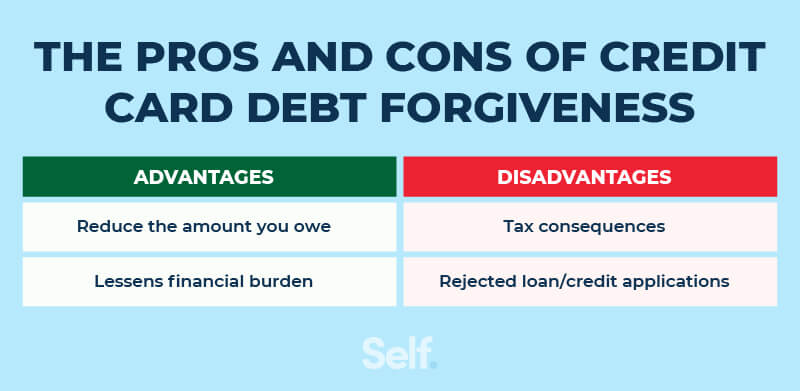
    Credit card debt forgiveness allows individuals to eliminate or reduce their outstanding credit card balances. We will explore the concept of credit card debt forgiveness, including how it works, the options available, and the potential benefits and drawbacks.

    We will also provide some tips for managing credit card debts effectively and avoiding the need for forgiveness in the future. Whether you are struggling with overwhelming credit card debt or simply want to gain a better understanding of this debt relief option, this article aims to provide you with the information you need to make informed decisions about your financial situation.

    Let’s dive in.

    Credit Card Debt Forgiveness

    Credit: www.budgetingfaithfully.com

    Understanding Credit Card Debt Forgiveness

    When it comes to managing credit card debt, many people find themselves overwhelmed with high interest rates and mounting balances. This is where credit card debt forgiveness can come to the rescue. If you are burdened with credit card debt that seems impossible to repay, understanding how credit card debt forgiveness works can provide you with a potential solution to your financial woes.

    How Does Credit Card Debt Forgiveness Work?

    Credit card debt forgiveness, also known as debt settlement, is a process that allows you to negotiate with your credit card company to reduce the total amount you owe. Instead of paying off the full balance, you can settle for a reduced lump sum payment or a manageable payment plan that is more affordable for you.

    The process typically involves contacting your credit card company or working with a debt settlement agency to negotiate the terms of your debt forgiveness. This negotiation can result in a reduction of the principal balance, the elimination of interest and fees, or even a combination of both. It is important to note that credit card debt forgiveness is not guaranteed and depends on the willingness of your credit card company to negotiate.

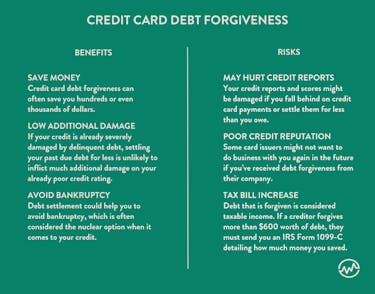
    While credit card debt forgiveness can offer relief from burdensome debt, it is important to consider the potential consequences. In some cases, settling your debt for a lesser amount may have a negative impact on your credit score. It is crucial to weigh the benefits against the potential downsides and consult with a financial advisor or credit counselor to determine the best course of action for your specific situation.

    Benefits Of Credit Card Debt Forgiveness

    There are several key benefits to credit card debt forgiveness:

    • Debt Reduction: The primary benefit of credit card debt forgiveness is the significant reduction in the amount you owe. This can provide immediate relief and a clear path towards financial freedom.
    • Lower Monthly Payments: By negotiating a settlement or a favorable payment plan, your monthly payments can become more manageable, enabling you to regain control of your finances.
    • Elimination of Fees: Credit card debt forgiveness may also involve the elimination of accumulated late fees and penalties, reducing the overall burden of your debt.
    • Quicker Debt Repayment: With a reduced balance and potentially eliminated interest charges, you can pay off your debt sooner, freeing up resources for other financial goals.

    Remember, credit card debt forgiveness is just one potential solution for managing overwhelming debt. It is essential to carefully consider your options and seek professional guidance to determine the best approach for your financial situation.

    Qualifying For Credit Card Debt Forgiveness

    If you find yourself drowning in credit card debt, you may be feeling overwhelmed and wondering if there is a way out. The good news is that credit card debt forgiveness is a possibility for those who meet certain qualifications. In this article, we will explore the criteria for qualifying for credit card debt forgiveness, including financial hardship and the option of working with debt settlement companies.

    Financial Hardship

    To be eligible for credit card debt forgiveness, you typically need to demonstrate a significant level of financial hardship. This means showing that you are experiencing difficulties meeting your financial obligations due to circumstances beyond your control. Financial hardship can arise from various situations such as job loss, unexpected medical expenses, divorce, or a decrease in income.

    When requesting credit card debt forgiveness based on financial hardship, it is important to provide supporting documentation. This can include termination letters, medical bills, divorce decrees, or documentation of income reduction. The more evidence you can provide to substantiate your claim of financial hardship, the stronger your case for debt forgiveness.

    Working With Debt Settlement Companies

    Another avenue to explore when seeking credit card debt forgiveness is working with debt settlement companies. These companies specialize in negotiating with creditors on your behalf to reduce the amount of debt you owe. Debt settlement companies have experience dealing with credit card companies and can often negotiate lower interest rates and reduced balances.

    Before partnering with a debt settlement company, it is crucial to do your research. Look for reputable companies with positive reviews and a track record of success. Be cautious of companies that promise quick fixes or guarantee debt forgiveness, as these claims may be unrealistic or even fraudulent.

    When working with a debt settlement company, they will typically require you to make regular payments into an escrow account. These funds will be used to negotiate settlements with your creditors. While debt settlement can be an effective solution for some, it is important to be aware that it may have negative impacts on your credit score and should be carefully considered before proceeding.

    In conclusion, if you are struggling with credit card debt, credit card debt forgiveness may be a viable option. By demonstrating financial hardship and considering the possibility of working with a reputable debt settlement company, you can take steps towards regaining control of your financial situation.

    The Process Of Credit Card Debt Forgiveness

    Are you struggling to manage your credit card debt? It can be overwhelming and financially draining. However, there is a way out – credit card debt forgiveness. This process allows you to negotiate with your creditors and potentially reduce or eliminate a portion of your debt. In this article, we will explore the step-by-step process of credit card debt forgiveness to help you regain control of your financial situation.

    Assessing Your Debt

    Before you can begin the credit card debt forgiveness process, you need to assess your debt situation. Start by gathering all your credit card statements and making a list of the outstanding balances, interest rates, and minimum monthly payments for each card. This will give you a clear picture of the amount of debt you need to address.

    Next, calculate your total monthly income and expenses. This will help you determine how much you can afford to pay towards your credit card debt each month. It’s important to be realistic and create a budget that allows for both debt repayment and essential living expenses.

    Additionally, consider factors such as missed payments, late fees, and accrued interest. These can significantly impact your debt amount and may need to be factored into your negotiation strategy.

    Negotiating With Creditors

    Once you have a firm grasp on your debt situation, it’s time to negotiate with your creditors. Reach out to each credit card company and explain your financial hardship. Be prepared to provide documentation to support your claims, such as pay stubs or medical bills, if applicable.

    During the negotiation process, express your willingness to work towards a resolution. Credit card companies are often open to negotiations as they prefer to receive some payment rather than none at all. Offer to pay a reduced lump sum or propose a new payment plan with lower interest rates or extended terms.

    Remember to stay calm and maintain open lines of communication with your creditors. Be persistent and patient, as the negotiation process can take time. Keep detailed records of phone conversations, emails, and any agreements reached to ensure a smooth resolution.

    If negotiating with your creditors proves challenging or unproductive, consider seeking assistance from a reputable credit counseling agency. They can provide expert advice and guidance to help you navigate the debt forgiveness process.

    In conclusion, the process of credit card debt forgiveness begins with assessing your debt and creating a realistic budget. Then, you can negotiate with your creditors to reduce or eliminate a portion of your debt. By following these steps and seeking professional assistance if needed, you can alleviate the burden of credit card debt and regain control of your financial future.

    Credit Card Debt Forgiveness

    Credit: wealthfit.com

    Impact Of Credit Card Debt Forgiveness

    Understanding the impact of credit card debt forgiveness is crucial for anyone struggling with overwhelming financial burdens. While the prospect of having your credit card debt forgiven may seem like a relief, it’s important to consider the potential consequences that come along with it. In this article, we will explore two key aspects of credit card debt forgiveness: its effects on your credit score and the legal ramifications.

    Effects On Credit Score

    Your credit score is a significant factor in determining your financial health and access to future credit opportunities. With credit card debt forgiveness, there can be both positive and negative implications for your credit score.

    On one hand, having your credit card debt forgiven can alleviate a significant financial burden, allowing you to regain control over your finances. This newfound relief can potentially lead to improved financial management and prompt bill payments, positively impacting your credit score in the long run.

    On the other hand, credit card debt forgiveness may have an initial negative impact on your credit score. When a debt is forgiven, it may be reported to credit bureaus as “settled” or “charged-off,” which can lower your credit score temporarily. It is important to note that this negative impact may vary depending on the specific reporting practices of the credit card issuer and how they classify the forgiven debt.

    Despite the potential short-term impact, it is essential to focus on rebuilding your credit score after credit card debt forgiveness. By establishing responsible financial habits, such as making timely payments and keeping credit utilization low, you can gradually improve your creditworthiness over time.

    Legal Ramifications

    While credit card debt forgiveness offers relief from financial stress, it is crucial to understand the legal ramifications associated with this process.

    When seeking credit card debt forgiveness options, it is essential to work with reputable organizations and understand the specific terms and conditions involved. Engaging with fraudulent or unethical debt relief companies can lead to severe consequences, including scams, collection lawsuits, and further financial distress.

    Credit card debt forgiveness may also have potential tax implications. In some cases, forgiven debt can be considered taxable income, leading to additional financial obligations. It is advisable to consult with a qualified tax professional to understand the potential tax consequences specific to your situation.

    By remaining vigilant and informed about the legal aspects of credit card debt forgiveness, you can navigate the process while safeguarding your financial well-being.

    Credit Card Debt Forgiveness

    Credit: www.self.inc

    Frequently Asked Questions On Credit Card Debt Forgiveness

    Can Credit Card Debt Really Be Forgiven?

    Yes, credit card debt can be forgiven.

    How Can I Legally Get Rid Of My Credit Card Debt?

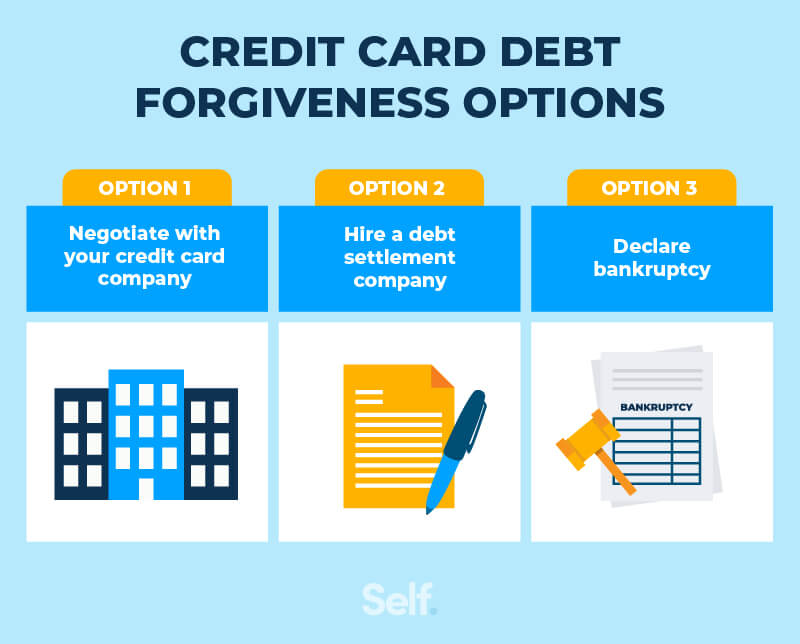
    To legally eliminate your credit card debt, you have a few options: negotiating with creditors for lower payments, enrolling in a debt management plan, filing for bankruptcy, or working with a credit counseling agency. Consider consulting a financial advisor to determine the best course of action for your specific situation.

    How Do I Get My Credit Card Debt Written Off?

    To get your credit card debt written off, you can negotiate with your credit card provider for debt settlement or explore debt consolidation options. Seek professional advice from credit counseling services to help consolidate and negotiate your debts. Be aware of debt relief scams and keep up with your payments to avoid damaging your credit score.

    Is There A Government Credit Card Debt Relief Program?

    Yes, there are government credit card debt relief programs available. They provide assistance in reducing or eliminating credit card debt for qualified individuals. These programs aim to provide financial relief and help individuals regain control of their finances.

    Conclusion

    Credit card debt forgiveness can provide much-needed relief to individuals struggling with overwhelming financial burdens. By taking advantage of debt forgiveness programs, you can potentially have a portion of your debt waived or reduced, allowing you to regain control of your finances.

    However, it is essential to fully understand the terms and conditions of these programs, as they may have implications for your credit score. Seeking professional advice and exploring all available options is crucial in your journey towards financial freedom.


  • What are the Largest Wealthtech Companies?

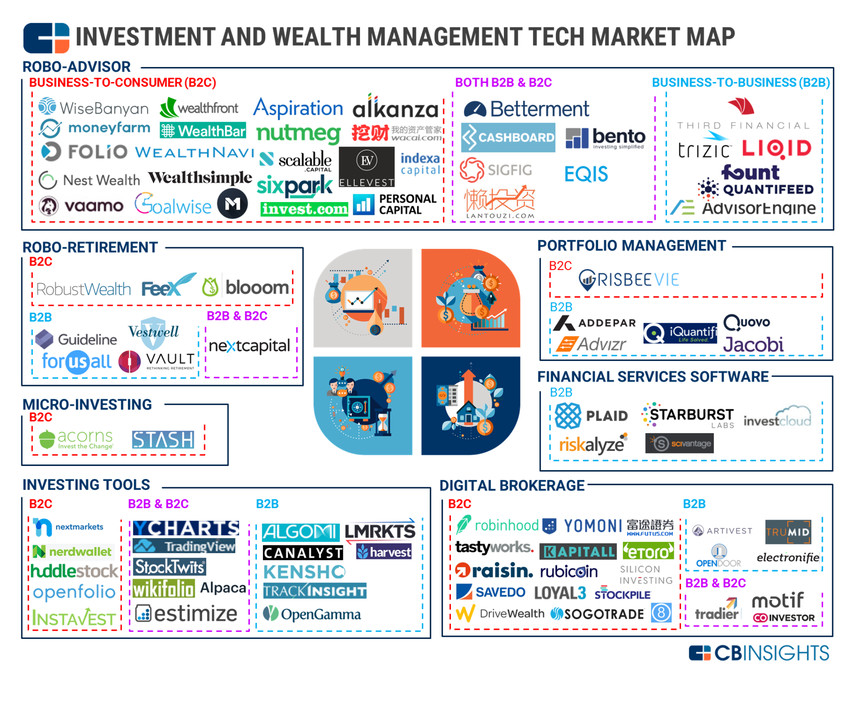
    Betterment, Robinhood, Personal Capital, and Wealthfront rank among the largest wealthtech companies as the key players in the innovative financial sector.

    Wealthtech companies are revolutionizing the financial industry by leveraging technology to manage personal and institutional wealth. These firms utilize algorithms, big data, and user-friendly interfaces to provide services ranging from automated investing to financial planning. Addepar specializes in data aggregation and analysis for wealth managers, while Personal Capital offers digital wealth management and financial advising.

    Wealthfront and Betterment pioneer in robo-advising, providing automated, algorithm-based portfolio management. Robinhood has disrupted the brokerage industry with its commission-free trading model, appealing to a new generation of investors. These companies are at the forefront of making investment advice and management more accessible and affordable, reshaping how individuals and institutions approach their financial future.

    The Rise Of Wealthtech

    The financial services industry is witnessing a transformative era, marked by the escalation of Wealthtech companies. Technology has permeated the realm of wealth management. It generates innovative solutions for both consumers and providers. The Wealthtech sector is bustling with activity, reshaping investment strategies, and democratizing financial advice.

    Early Beginnings And Evolution

    Wealthtech’s roots trace back to the aftermath of the 2008 financial crisis. During this period, trust in traditional financial institutions waned. Innovative startups seized the opportunity. They began offering digital tools aimed at investment and personal wealth management. As technology advanced, so did these companies. They developed robust platforms harnessing big data, artificial intelligence, and machine learning. This evolution disrupted the way people interact with their wealth.

    • Automated advisors, such as robo-advisors, emerged to offer low-cost investment guidance.
    • Peer-to-peer lending platforms arose to connect borrowers and lenders directly.
    • Personal finance management tools were created to help users track and plan their finances.

    Current Landscape And Growth Drivers

    The landscape of Wealthtech is now teeming with large, influential companies. These industry leaders are defined by their impressive user bases and substantial capitalization. The traction of the Wealthtech segment springs from several key drivers:

    Growth Driver Impact on Wealthtech
    Technological Advancements Digital platforms evolve to offer sophisticated investment tools.
    Regulatory Changes New regulations encourage transparency and consumer protection.
    Shift in Consumer Behavior A preference for digital-first financial services becomes prominent.
    Democratization of Finance Investing and financial advice become accessible to a wider audience.
    Global Connectivity Borderless financial ecosystems facilitate growing international investments.

    These drivers are the backbone of the sector’s rapid expansion. As a result, Wealthtech companies have mushroomed globally. They deliver innovative financial services at the fingertips of the everyday investor. Some of these firms have reached unicorn status. They have valuations soaring over the billion-dollar mark.

    Measuring The Giants

    In the realm of wealthtech, size matters. How large a company stands within this innovative financial landscape often affects its market influence and customer reach. Wide-scale operations, extensive service offerings, and heavyweight portfolios characterize the sector’s giants. To gauge their true magnitude, we must examine specific factors and metrics.

    Factors Determining Size And Influence

    Determining the size and sway of leading wealthtech enterprises involves looking at their:

    • Assets under management (AUM): A vital indicator of wealthtech influence.
    • User base: More users suggest greater market acceptance.
    • Geographical presence: Companies spanning multiple regions boast increased prominence.
    • Funding and valuation: Higher numbers often imply robust financial health and investor confidence.
    • Partnerships and integrations: Collaborations can extend a firm’s reach and functionality.
    • Innovation and technology adoption: Cutting-edge solutions propel firms ahead.

    Metrics For Success In Wealthtech

    Success in wealthtech not only reflects size but also longevity and growth prospects:

    Key Performance Indicators
    Metric Description
    Revenue growth Reflects a firm’s expanding financial footprint.
    Client retention rates High rates mean satisfied customers and stable income.
    Operational efficiency Streamlined operations lead to cost savings and improved experiences.
    Scalability Capacity to grow without sacrificing service quality.
    Market share Larger share hints at dominance and influence.
    Innovation index The frequency and impact of new product launches.

    Therefore, wealthtech titans not only possess substantial AUM but also exhibit sustained revenue escalation, high client loyalty, operational finesse, and consistent innovation. Their dominance is a composite of financial prowess, strategic partnerships, and technological foresight.

    The Titans Of Wealthtech

    Wealthtech has transformed the way we manage and invest money. The titans of this industry offer cutting-edge platforms. They make investing accessible and efficient for everyone. Below, we delve into the leaders paving the way in this financial revolution.
    Defining “largest” in the wealthtech field depends on several factors, like market capitalization, assets under management (AUM), or revenue. Here are some potential contenders for the title, depending on the chosen metric:

    By Market Capitalization:

    1. Charles Schwab Corp. (SCHW): $161.84 billion (as of October 2023) – A leading US brokerage firm with a focus on traditional and digital investing.
    2. Blackstone Inc. (BX): $111.89 billion – A global asset manager with significant investments in technology and digital solutions for wealth management.
    3. Intuit Inc. (INTU): $102.40 billion – A fintech giant known for its popular TurboTax software and expanding into wealth management through Rocket Money and other products.
    4. PayPal Holdings Inc. (PYPL): $95.92 billion – A digital payments giant offering investment and wealth management services through partnerships and its Venmo platform.
    5. Morgan Stanley (MS): $82.42 billion – A traditional investment bank actively investing in digital wealth management solutions and expanding its online presence.

    By Assets Under Management (AUM):

    1. BlackRock Inc. (BLK): $10 trillion – A global leader in asset management, offering various wealth management solutions through its iShares ETFs and other products.
    2. The Vanguard Group: $8.1 trillion – A mutual fund giant known for its low-cost index funds and target-date retirement solutions.
    3. State Street Corp. (STT): $4.2 trillion – A major custodian bank with investment management services for individuals and institutions.
    4. Fidelity Investments: $3.3 trillion – A diversified financial services provider known for its mutual funds, brokerage services, and wealth management offerings.
    5. UBS Group AG (UBS): $2.2 trillion – A global wealth management leader with a strong digital presence and focus on personalized investment solutions.

    By Revenue:

    1. BlackRock Inc. (BLK): $16.81 billion (2022 fiscal year) – Diversified revenue streams from asset management fees, technology solutions, and other services.
    2. Charles Schwab Corp. (SCHW): $15.03 billion (2023 fiscal year) – Revenue primarily from interest income, transaction fees, and investment management services.
    3. Fidelity Investments: $14.5 billion (2022 fiscal year) – Revenue from diversified sources like asset management fees, brokerage commissions, and wealth management services.
    4. Intuit Inc. (INTU): $12.32 billion (2023 fiscal year) – Revenue primarily from software sales and subscriptions, including its TurboTax and Quickbooks products.

    Remember, these are just a few examples, and the rankings may change depending on market conditions and company performance. Additionally, there are numerous other successful and noteworthy wealthtech companies worldwide, focusing on different niches and areas within the broader wealth management landscape.

    For a more comprehensive picture, consider researching specific sectors of wealthtech, like robo-advisors, digital brokerages, or wealth management platforms, to discover more potential leaders in the field.

    Innovators Of Market Disruption

    The Wealthtech sector thrives on innovative companies. They shake up traditional finance realms with technology. Here we spotlight the trailblazers. Their platforms offer unique, tech-driven solutions.

    • Robinhood – Simplified stock trading with no fees
    • Acorns – Micro-investing by rounding up purchases
    • Betterment – Automated investing and robo-advisors
    What are the Largest Wealthtech Companies?

    Credit: www.cbinsights.com

    Business Models And Revenue Streams

    The ‘Business Models and Revenue Streams’ of large wealthtech companies are as varied as the services they offer. From robo-advisors to crowd-funding platforms, these digital giants tap into the lucrative finance sector. They transform traditional wealth management with innovative approaches. Their revenue models are diverse, reflecting a blend of the latest technology, evolving markets, and changing client needs. Let’s delve into the mechanisms powering the growth of these financial titans.

    Diverse approaches to wealth management

    Diverse Approaches To Wealth Management

    Wealthtech companies employ distinct methods to provide value to users. Some offer direct-to-consumer investment solutions, whilst others cater to clients through institutions. Each approach leverages technology differently. This innovation makes accessing investment information and services easier than ever.

    Table showcasing different business models

    Company Service Model
    Robo-Advisors Automated, algorithm-driven financial planning
    Online Brokers Digital platforms for buying and selling securities
    Peer-to-Peer Lending Connecting borrowers and lenders through online platforms

    Monetizing digital financial services

    Monetizing Digital Financial Services

    Wealthtech companies capitalize on digital services for generating revenue. They monetize through subscription fees, transaction costs, or by taking a percentage of assets managed. Some rely on data analytics and insight selling to businesses. All these streams pivot on the digital nature of wealth management today.

    List of common revenue streams

    • Subscription Fees: Monthly or annual charges for platform access
    • Transaction Costs: Fees for each trade or financial operation conducted
    • Asset-Based Fees: A percentage charged based on the amount of managed assets
    • Data Analytics Revenue: Selling insights and analytics derived from user data

    Future Projections And Industry Impact

    The landscape of wealth management is rapidly evolving. This evolution stems from the innovative strides in Wealthtech, which refers to the intersection of wealth management and technology. The largest Wealthtech companies today are reshaping investment strategies and client experiences.

    With powerful algorithms, data analytics, and user-friendly platforms, they offer tailored financial advice. They make investment more accessible. These companies are poised to become even more influential in the financial sector. This section delves into the future of Wealthtech. It looks at how it may further disrupt traditional banking and finance practices.

    Predictions For The Coming Decade

    Within the next ten years, it’s expected that Wealthtech companies will:

    • Dominate the market with continued growth and increased market shares.
    • Enhance AI capabilities to provide more personalized financial advice.
    • Drive down costs, making investment tools more affordable for the masses.
    • Push the envelope in automated asset management and robo-advising.
    • Expand globally, breaking down geographic barriers for investors.

    Effects On Traditional Banking And Finance

    The rise of Wealthtech firms is set to have a significant impact:

    • Fostering increased competition among established financial institutions.
    • Encouraging banks to adopt similar technologies to stay relevant.
    • Changing consumer expectations, who will demand more digital services.
    • Leading to strategic partnerships or acquisitions between traditional banks and fintech firms.
    • Promoting greater financial inclusivity and literacy across diverse demographics.

    Wealthtech is not just transforming how we invest. It’s revolutionizing who can invest by breaking down age-old barriers. It’s leading to a future where anyone with internet access can potentially grow their wealth. This is just the beginning of a new era in the financial domain.

    What are the Largest Wealthtech Companies?

    Credit: fintech.global

    What are the Largest Wealthtech Companies?

    Credit: www.linkedin.com

    Frequently Asked Questions

    What Is The Difference Between Fintech And Wealthtech?

    Fintech focuses on the broad application of technology in finance, including payments and banking. Wealthtech, a subset of fintech, specifically innovates in wealth management and investment sectors, leveraging technology to optimize personal finance, advisory services, and portfolio management.

    What Is The Future Of Wealthtech?

    The future of Wealthtech is geared towards personalized, AI-driven investment strategies, enhanced mobile experiences, and increased accessibility for users. Advancements in blockchain and regulatory technology will further transform the industry, promoting security and compliance.

    Is Robinhood A Wealthtech Company?

    Yes, Robinhood is considered a Wealthtech company as it provides technology-driven solutions for personal investing and wealth management.

    How Fintech Is Changing Wealth Management?

    Fintech is revolutionizing wealth management by offering personalized investment solutions, automating advice through robo-advisors, and enhancing client experiences with mobile platforms. It’s making financial advice more accessible and cost-effective.

    Who Leads In Wealth Management Technology?

    Several companies are at the forefront, including Addepar, Personal Capital, Wealthfront, and Betterment, which are recognized for revolutionizing wealth management through technology.

    How Do Wealthtech Companies Make Money?

    Wealthtech firms typically earn revenue through management fees, subscription services, percentage of assets under management, or per-transaction fees.

    Conclusion

    Navigating the landscape of wealthtech titans, we uncover firms revolutionizing financial management. These powerhouses blend technology and expertise, shaping our financial future. Their innovative approaches offer both challenges and opportunities for investors and professionals alike. As the sector evolves, staying informed is key to leveraging wealthtech’s full potential.

    Keep an eye on these industry leaders—they’re redefining wealth management.

  • What Assets Are Safer And Better Than Cash?

    What Assets Are Safer And Better Than Cash?

    When it comes to managing your finances and investments, it’s important to consider the various assets that are available to you. While cash is often considered a safe and easily accessible option, there are other assets that can offer better stability, growth potential, and protection against inflation. In this article, we’ll explore some assets that are safer and better than cash for long-term financial planning.

    1. Certificates of Deposit (CDs)

    Certificates of Deposit (CDs) are a type of savings account that typically offer higher interest rates than regular savings accounts. CDs are considered a safe and low-risk investment because they are FDIC-insured and offer a fixed rate of return over a specified period of time. With CDs, you can choose the term length that suits your needs, ranging from a few months to several years.

    CDs are a great option for individuals who want to earn a higher return on their cash while minimizing risk. They are particularly suitable for short to medium-term financial goals, such as saving for a down payment on a house or a major purchase.


    2. Government and Municipal Bonds

    Government and municipal bonds are debt securities issued by governments and municipalities to raise funds for various projects and operations. These bonds are considered safe investments because they are backed by the full faith and credit of the issuing authority. Government bonds are issued by the federal government, while municipal bonds are issued by state and local governments.

    Government and municipal bonds offer fixed interest payments at regular intervals and return the principal amount at maturity. They are generally considered to be low-risk investments, making them a safer option than keeping cash in a low-interest savings account. Additionally, interest income from certain government bonds may be exempt from state and local taxes.

    3. Real Estate Investments

    Real estate can be a lucrative and tangible asset that offers potential for long-term growth and income generation. Investing in rental properties, commercial real estate, or real estate investment trusts (REITs) can provide a steady stream of rental income and the potential for property appreciation over time.

    While real estate investments may require a higher initial capital outlay compared to other assets, they can offer diversification and a hedge against inflation. Real estate is considered a hard asset, meaning it has intrinsic value and can serve as a tangible store of wealth. In comparison to holding a large amount of cash, investing in real estate can provide better long-term returns and protection against the eroding effects of inflation.

    Land, considered a non-depreciable asset, has been a valuable resource throughout history. Investing in real estate provides a tangible and inflation-resistant asset. Residential homes, office spaces, and commercial properties offer stability in times of economic uncertainty. For those with limited capital, Real Estate Investment Trusts (REITs) allow small investors to participate in the real estate market without the burden of property management.

    4. Dividend-Paying Stocks

    Stocks that pay dividends can be an attractive alternative to holding cash, especially in a low-interest rate environment. Dividend-paying stocks are issued by publicly traded companies that distribute a portion of their profits to shareholders in the form of dividends. These stocks can provide investors with a steady income stream while offering the potential for capital appreciation.

    Dividend-paying stocks are often associated with established and financially stable companies that have a history of consistent dividend payments. While there are risks involved in stock investing, dividend-paying stocks can offer a better long-term return compared to holding cash in a savings account or money market fund. Additionally, reinvesting dividends can help accelerate the growth of an investment portfolio over time.

     
    What Assets are Safer And Better Than Cash?

    Credit: eightify.app

    5.God’s Money: Gold, Silver, and Platinum

    Often referred to as “God’s money,” precious metals like gold, silver, and platinum have stood the test of time as reliable stores of value. Unlike fiat currencies that governments can print endlessly, these metals are scarce and resistant to inflation. Historical data shows the consistent appreciation of gold, making it a preferred choice for investors. For those looking for exposure without owning physical gold, investing in Gold ETFs provides an affordable and convenient option.

    Investing in precious metals such as gold and silver can serve as a hedge against economic uncertainty and currency devaluation. Precious metals have been used as a store of value for centuries and are considered a tangible asset with intrinsic worth. Unlike fiat currencies, the value of precious metals is not influenced by monetary policies or central bank actions.

    While the price of precious metals can be volatile in the short term, they have historically proven to retain value during times of market turmoil and inflation. Holding physical gold or silver, or investing in precious metal ETFs or mining stocks, can provide diversification and protection against the depreciation of paper currency. As a long-term store of wealth, precious metals can offer stability and security that surpasses holding large sums of cash.

    6. Industrial Commodities: Raw Materials

    Investing in industrial commodities like silver, cobalt, nickel, and copper offers a unique advantage. These materials not only have inherent value but also play a crucial role in various industries, such as electronics and energy. The demand for raw materials often surges, driving up their prices. Investors can gain exposure to these commodities through stocks of mining companies, mining-focused mutual funds, or derivatives like futures and options.

    7. Safe Haven Currencies

    In times of geopolitical turmoil and economic instability, safe haven currencies become a refuge for investors. The Swiss franc, known for Switzerland’s strong economic system and political stability, is a prime example. Investing in currencies like the Swiss franc, British pound, and Chinese Yuan can act as a hedge against currency depreciation. For smaller investors, currency ETFs and Forex brokers provide accessible avenues to gain exposure to these stable currencies.

    8. Value Stocks and Mutual Funds

    For those seeking higher returns than traditional bank accounts, value stocks and mutual funds present an attractive option. Value stocks, with strong fundamentals and stable dividends, provide a balance between risk and return. Dividend-focused mutual funds, such as the Vanguard High Dividend Yield Index Fund, offer an ideal entry point for retail investors looking to diversify their portfolios and earn stable returns.

    9Breaking free from the notion that cash in the bank is the safest option opens up a world of alternative assets that not only protect wealth but also offer the potential for growth. Diversifying one’s portfolio across precious metals, commodities, stable currencies, sovereign guarantees, value stocks, real estate, and even collectibles provides a robust strategy against the erosion of wealth caused by inflation. As financial landscapes evolve, understanding and embracing these alternative assets can pave the way for sustainable and intergenerational prosperity. Remember, the key to financial success lies not only in earning money but also in making smart choices about where and how to store it.. Collectibles

    Beyond traditional financial instruments, investing in collectibles such as vintage cars, rare art pieces, and limited edition items can be a unique way to preserve and grow wealth. These items, often considered timeless repositories of value, can appreciate significantly over time. Online marketplaces and platforms like Whatnot and Masterworks make it easier for investors to explore partial ownership or sell rare and valuable collectibles.

    Conclusion

    While cash provides liquidity and immediate access to funds, there are various assets that offer greater safety and potential for long-term growth. By diversifying your portfolio with assets such as CDs, government bonds, real estate, dividend-paying stocks, and precious metals, you can enhance your financial stability and protect your wealth from the erosive effects of inflation.

    It’s important to assess your risk tolerance, investment goals, and time horizon when considering alternative assets to cash. Consulting with a financial advisor can help you develop a well-rounded investment strategy that aligns with your financial objectives and enhances the security of your wealth.