Category: Alternative Investments

  • Management by Objectives

    Management by Objectives (MBO) is a management approach where the organization’s goals are aligned with employee objectives. It involves setting specific, measurable, achievable, relevant, and time-bound goals for employees to work toward.

    MBO aims to improve performance by ensuring that everyone is working toward the same strategic objectives, while also providing a framework for regular performance reviews and feedback. This approach requires clear communication and collaboration between managers and employees, as well as a focus on continuous improvement and goal attainment.

    MBO can help create a more transparent, accountable, and results-driven workplace culture, leading to better overall organizational performance.

    Frequently Asked Questions For Management By Objectives

    What Is Meant By Management By Objectives?

    Management by objectives is a strategic management technique that involves setting specific goals for employees and aligning their efforts with the overall objectives of the organization. It promotes performance-based evaluations and helps improve employee motivation and productivity.

    What Are The 4 Steps Of Management By Objectives?

    The 4 steps of management by objectives include: 1. Setting clear goals 2. Creating action plans 3. Implementing the plans 4. Monitoring progress. These steps help align organizational objectives with individual goals, increasing performance and accountability.

    What Are The Three Types Of Mbo Objectives?

    The three types of MBO objectives are performance, improvement, and personal development. Each type focuses on specific areas of an individual’s work goals.

    Conclusion

    To sum up, Management by Objectives (MBO) is an effective approach that aligns organizational goals with individual performance, promoting accountability and motivation. By setting specific objectives, providing feedback, and fostering employee participation, MBO drives productivity and success. By implementing MBO, organizations can enhance communication, teamwork, and overall performance, leading to improved business outcomes.

    Embracing MBO as a management strategy empowers employees and instills a sense of ownership, ultimately contributing to long-term organizational growth and success.

  • Stale Price

    A stale price refers to a price that has remained unchanged for an extended period. A stale price occurs when a product or service is not regularly updated to reflect changes in the market or demand.

    This can lead to decreased sales and customer interest, as consumers may perceive the offering as outdated or no longer competitive. In the fast-paced, dynamic business environment, it’s crucial for businesses to regularly review and adjust their pricing strategies to stay relevant and competitive.

    By addressing stale pricing, businesses can better align their prices with market conditions and customer expectations, ultimately improving their position in the market and driving higher sales and profitability. Additionally, regular price reviews can also help businesses identify new opportunities for innovation and differentiation to stay ahead of the competition.

    What Is Stale Price?

    Stale price refers to a pricing strategy where the price of a product remains unchanged for an extended period, resulting in decreased customer interest and potential sales. It is crucial for businesses to regularly review and update their prices to avoid the negative impact of a stale price.

    Definition Of Stale Price

    Stale price is a term used in the financial world to describe a situation where a stock or asset remains at a certain price for a prolonged period without any significant movement. It is characterized by a lack of buying and selling activity, resulting in little to no change in the price of the asset. This occurrence, also known as price stagnation, can occur for various reasons and has different implications for investors and traders.


    Causes Of Stale Price

    There are several factors that can contribute to the occurrence of stale price in the financial markets. Understanding these causes can provide insights into why certain assets may exhibit little price movement over a period of time. Here are some of the key reasons:

    1. Lack of market interest: In some cases, a stock or asset may experience a stale price because there is simply not enough interest or demand from traders and investors. This could be due to poor market conditions, low trading volumes, or a lack of news or catalysts to drive market activity.
    2. Market inefficiencies: Stale prices can also arise from market inefficiencies, such as when there is an imbalance between buyers and sellers. This can occur when there are limited participants in the market or when there are restrictions on trading certain assets, resulting in a lack of liquidity.
    3. Information asymmetry: Another cause of stale price is information asymmetry, where investors have access to different levels of information. If some investors have access to material non-public information that others do not, it can lead to a lack of trading activity and a stagnant price.
    4. Price manipulation: Stale prices can also be a result of price manipulation, where certain individuals or entities artificially control the price of an asset to keep it at a certain level. This can be done to deceive other market participants or to maintain the appearance of stability.

    These causes of stale price illustrate the complex dynamics that can influence the movement of prices in the financial markets. Traders and investors need to be aware of these factors and take them into consideration when analyzing and making decisions on various assets.

    Impact Of Stale Price

    Stale prices can significantly impact businesses, leading to decreased customer interest and sales. The lack of pricing updates may result in a perception of outdated products or services, reducing competitiveness in the market. It is crucial for businesses to regularly review and adjust their prices to maintain customer engagement and ensure profitability.

    Impact of Stale Price Stale price, also known as static pricing, can have a significant impact on both consumers and businesses. When prices remain stagnant, it can lead to various consequences that affect the market dynamics and the overall consumer experience. Effect on Consumers

    Effect On Consumers

    Stale prices can lead to consumer dissatisfaction. Instead of offering competitive and up-to-date pricing, stagnant prices give the impression that a company is not responsive to market changes. As a result, consumers may feel that they are not getting the best value for their money.

    Effect On Businesses

    Effect On Businesses

    Stale pricing can result in reduced customer loyalty. When consumers perceive that a business is not adjusting prices to reflect current market conditions, they may seek out alternative options that offer more competitive pricing. This can lead to a loss of customer retention and negatively impact the bottom line. In summary, the impact of stale pricing is far-reaching, affecting both consumers and businesses. It is essential for companies to continuously evaluate and update their pricing strategies to remain competitive and meet the evolving needs of their target market.

    How To Detect Stale Price

    Detecting stale prices is crucial for maintaining a competitive edge in the market. By identifying and rectifying stale prices, businesses can enhance their profitability and customer satisfaction. In this section, we will explore the signs of stale price and various tools that can be used to detect them.

    Signs Of Stale Price

    A sudden decrease in sales for a particular product can be a sign of a stale price. Additionally, if the product’s pricing remains unchanged despite market fluctuations, it may indicate a stale price. Other signs include an increased number of customer queries or complaints regarding the product’s pricing.

    Tools For Detecting Stale Price

    • Price tracking software
    • Competitor analysis tools
    • Data analytics platforms
    • Dynamic pricing solutions

    Strategies To Avoid Stale Price

    Stale price is an important aspect that businesses need to address in order to stay competitive in the market. A stale price is when a product or service is priced too high or too low for an extended period of time, resulting in lost sales and dissatisfied customers. To avoid stale price, businesses can implement several strategies that will help them regularly evaluate their prices and optimize them for maximum profitability.

    Regular Price Evaluation

    Regularly evaluating the prices of your products or services is essential to avoid stale price. By monitoring the market trends and competitor pricing, you can ensure that your prices remain competitive and attract customers. Regular price evaluation will help you identify any gaps or discrepancies in your pricing strategy and make necessary adjustments to avoid stale price. This can involve analyzing customer feedback, conducting market research, and keeping an eye on industry benchmarks.

    Implementing Price Optimization

    Price optimization is a crucial strategy to avoid stale price. By leveraging data analytics and predictive modeling, businesses can identify the optimal price points for their products or services. This involves analyzing factors like customer behavior, demand elasticity, and market conditions to determine the most profitable pricing strategy. Implementing price optimization enables businesses to dynamically adjust their prices in real-time, ensuring that they are always aligned with market demand.

    Furthermore, it is important to establish clear pricing goals and objectives. This will allow you to align your pricing strategy with your business objectives and ensure that you are not inadvertently setting stale prices. Regularly reviewing your pricing goals and objectives will help you stay on track and make necessary adjustments to avoid stale price.

    In conclusion, avoiding stale price is crucial for businesses to remain competitive and profitable. By implementing strategies such as regular price evaluation and price optimization, businesses can ensure that their prices are always aligned with market demand and customer expectations. This will not only attract more customers but also maximize profitability in the long run.

    Frequently Asked Questions Of Stale Price

    What Is The Problem With Stale Pricing?

    Stale pricing is a problem because it can result in outdated and inaccurate product prices. This can lead to customer dissatisfaction and loss of sales. It is important to keep pricing updated to stay competitive and maintain customer trust.

    What Is A Stale Price Investopedia?

    A stale price on Investopedia refers to outdated or expired market information. It may mislead investors.

    What Is A Stale Nav?

    A stale NAV occurs when a fund’s net asset value is not updated. This can lead to inaccurate pricing and potential financial risks. Regularly updated NAV reflects accurate fund values for investors.

    Conclusion

    To sum up, it is evident that being stuck with a stale price can be detrimental to any business. The lack of flexibility and failure to adapt to market changes can result in missed opportunities and loss of competitiveness. By regularly reevaluating and adjusting pricing strategies, businesses can stay relevant and responsive to customer demands, ultimately driving growth and success.

    Don’t let a stale price hold your business back, stay agile and proactive in the ever-evolving market.

  • Separately Managed Account (Sma)

    A Separately Managed Account (SMA) is a personalized investment account tailored to an individual’s specific needs and preferences, usually managed by a professional investment manager. SMAs typically offer more customization and control than other investment options like mutual funds or exchange-traded funds (ETFs).

    With an SMA, investors can have a say in the allocation of their assets and exercise more flexibility in managing taxes and fees. SMAs are an attractive choice for individuals seeking specialized investment strategies and a more hands-on approach to their portfolios.

    This unique investment solution provides the benefits of professional management while allowing for a personalized approach to investment decisions. As investors increasingly seek tailored and transparent investment options, SMAs have gained popularity in the financial market.

    Frequently Asked Questions Of Separately Managed Account (sma)

    What Does Sma Mean In Separately Managed Account?

    SMA stands for separately managed account. It is a personalized investment account where an individual investor’s portfolio is managed separately from others’.

    What Are The Benefits Of Sma Account?

    SMA accounts offer diversification, professional management, and potential for higher returns. They provide access to a range of investment opportunities and personalized investment strategies. SMAs also offer transparency, tax efficiency, and the ability to customize according to individual needs.

    What Is The Difference Between Separate Account And Separately Managed Account?

    A separate account is a general term, while a separately managed account is actively managed.

    Conclusion

    To sum up, a Separately Managed Account (SMA) offers investors personalized and tailored investment solutions. With the ability to have their assets managed by professional investment managers, clients can gain transparency, control, and customization in their portfolios. The flexibility, diversification, and potential tax advantages of SMAs make them an attractive option for high-net-worth individuals looking to maximize their investment returns.

    By being aware of the benefits and risks associated with SMAs, investors can make informed decisions to achieve their financial goals.

  • Investment Philosophy

    Investment philosophy guides how an investor makes decisions and manages their portfolio. It encompasses beliefs about risk, return, and market behavior, influencing the strategies and principles applied.

    Developing a clear investment philosophy is crucial for long-term success in the financial markets. It serves as a compass to navigate through market volatility, ensuring that investment decisions align with personal goals and risk tolerance. By defining a clear investment philosophy, investors can build a well-structured and diversified portfolio to weather various market conditions.

    This approach provides a strategic framework for making informed investment decisions and staying focused on long-term objectives, rather than reacting impulsively to short-term market fluctuations. A well-defined investment philosophy is essential for both individual and institutional investors to achieve consistent, sustainable investment outcomes.

    Importance Of Investment Philosophy

    Crafting a well-defined investment philosophy is crucial for successful investing. It helps investors align their goals, risk tolerance, and strategies, providing a solid foundation for decision-making and long-term success in the dynamic world of investments.

    Creating A Solid Foundation

    Creating a solid foundation is crucial when it comes to crafting an investment philosophy. A well-defined investment philosophy provides you with a roadmap to guide your decision-making process, helping you navigate the complexities of the financial markets.

    Without a solid foundation, your investment decisions could be based on emotions or short-term market fluctuations, jeopardizing the potential for long-term growth. Therefore, it is important to establish a clear set of guidelines and principles that align with your investment objectives.

    Aligning With Personal Goals

    Aligning your investment philosophy with your personal goals is another essential aspect of successful investing. By understanding what you aim to achieve, whether it’s saving for retirement, funding your child’s education, or securing financial freedom, you can tailor your investment strategy accordingly.

    An investment philosophy that aligns with your personal goals ensures that each investment decision you make is driven by a higher purpose. This alignment provides clarity, focus, and motivation, helping you stay committed to your long-term financial objectives.

    Staying Consistent

    Staying consistent with your investment philosophy is equally important. By sticking to your principles and avoiding reactionary behavior, you can maintain a disciplined approach to investing.

    Consistency allows you to ride out short-term market fluctuations and avoid making impulsive decisions that could result in losses. It also enables you to stay focused on the long-term perspective, taking advantage of compounding returns and the potential for wealth accumulation over time.

    By creating a solid foundation, aligning with your personal goals, and staying consistent, your investment philosophy can guide you towards making informed decisions that support your financial aspirations. It provides you with a framework to evaluate investment opportunities and manage risk effectively, leading to greater confidence and potentially higher returns.

    Components Of An Investment Philosophy

    Understanding the components of an investment philosophy is crucial for investors seeking to develop a sound and effective approach to managing their finances. These components encompass essential elements such as risk tolerance, time horizon, investment objectives, and asset allocation. Each factor plays a pivotal role in shaping an investor’s strategy and guiding their decisions.

    Risk Tolerance And Time Horizon

    The foundation of any investment philosophy lies in a clear understanding of risk tolerance and time horizon. Risk tolerance refers to an individual’s ability and willingness to withstand fluctuations in the value of their investments. It is imperative to assess one’s comfort level with volatility, as this directly influences the selection of suitable investment vehicles.

    Time horizon, on the other hand, denotes the duration an investor intends to hold an investment before needing to access the funds. It profoundly impacts the choice of investment options and the level of risk that can be assumed.

    Investment Objectives And Asset Allocation

    Establishing investment objectives is essential for aligning financial goals with the investment strategy. Whether the focus is on capital preservation, income generation, or long-term growth, defining clear objectives informs the selection of assets and risk management techniques.

    Furthermore, asset allocation involves distributing investments across various asset classes, such as stocks, bonds, and cash equivalents, to create a diversified portfolio. This approach aims to optimize returns while minimizing overall risk exposure.

    Different Approaches To Investment Philosophy

    When it comes to investment philosophy, there are various approaches that investors can take to make decisions about where to put their money. These approaches generally fall into two broad categories: value investing and growth investing.

    Value Investing

    Value investing focuses on seeking out stocks that are trading at a discount to their intrinsic value. In other words, it involves identifying companies that may be undervalued by the market and are trading for less than their true worth.

    This approach is often associated with the renowned investor Benjamin Graham and his disciple Warren Buffett. Value investors typically look for stocks with low price-to-earnings ratios, strong balance sheets, and consistent cash flow. They believe that over time, the market will correct the undervaluation, resulting in substantial gains for investors.

    Growth Investing

    On the other hand, growth investing involves targeting companies that are expected to experience rapid expansion and strong earnings growth in the future. Investors following this approach prioritize companies that have the potential for above-average growth, even if their current stock prices may seem expensive by traditional valuation measures.

    Growth investors are often attracted to companies in emerging industries or those that are introducing innovative products or services. They seek out stocks with high price-to-earnings ratios, robust revenue growth, and a compelling competitive advantage in their respective markets.

    Developing And Fine-tuning Your Investment Philosophy

    Developing a well-defined investment philosophy is crucial when it comes to making informed investment decisions. Your investment philosophy acts as a guiding framework that helps you navigate the complex world of investments and achieve your financial goals. By understanding your own goals, risk tolerance, and time horizon, you can develop a philosophy that aligns with your unique circumstances. In this article, we will explore the process of developing and fine-tuning your investment philosophy, focusing on two key aspects: researching investment strategies and evaluating past performance.

    Researching Investment Strategies

    Researching investment strategies is an essential step in developing an investment philosophy that suits your needs. By being well-informed about different investment strategies, you can make more educated choices about where to allocate your funds. Consider the following tips when researching investment strategies:

    1. Identify your investment objectives: Determine whether you are aiming for long-term capital growth, income generation, or a combination of both.
    2. Consider risk tolerance: Assess your risk tolerance level and decide on an appropriate risk-return tradeoff that aligns with your comfort level.
    3. Diversification: Explore strategies that emphasize diversification to minimize risk and optimize returns.
    4. Stay updated on market trends: Regularly monitor market trends and stay informed about the latest investment opportunities and potential risks.
    5. Consult reputable sources: Seek guidance from reputable financial experts, read books, and follow reliable investment blogs to expand your knowledge.

    Evaluating Past Performance

    Evaluating past performance is another critical aspect of developing and fine-tuning your investment philosophy. While past performance is not an indicator of future results, it can provide valuable insights into an investment’s historical performance. Here’s how you can evaluate past performance:

    1. Review historical returns: Examine the historical returns of various investments, analyzing their performance during different market conditions.
    2. Track consistency: Look for investments that have shown consistent performance over time, rather than relying on isolated instances of exceptional returns.
    3. Consider risk-adjusted returns: Evaluate investments based on their risk-adjusted returns, which take into account the level of risk associated with achieving a particular return.
    4. Compare benchmarks: Compare an investment’s performance against relevant benchmarks to gain a better understanding of its relative performance.
    5. Learn from mistakes: Examine investments that have underperformed and strive to understand the reasons behind their poor performance to avoid similar pitfalls in the future.

    By researching investment strategies and evaluating past performance, you can refine and strengthen your investment philosophy. Remember, an investment philosophy is a continuous process that may require adjustments and fine-tuning as you gain experience and your financial goals evolve.

    Frequently Asked Questions For Investment Philosophy

    What Is An Investment Philosophy Example?

    An investment philosophy is a set of beliefs and principles guiding an investor’s decision-making process. For example, a conservative philosophy may prioritize low-risk investments, while an aggressive philosophy may aim for higher returns through riskier strategies. It helps investors stay focused and make consistent choices.

    What Is Warren Buffett’s Investment Philosophy?

    Warren Buffett’s investment philosophy focuses on long-term value investing. His approach involves finding undervalued companies with strong fundamentals and sustainable competitive advantages. He emphasizes patience, thorough research, and the ability to ignore short-term market fluctuations. Buffett also prioritizes investing in businesses he understands and maintaining a diversified portfolio.

    What Are The 5 Golden Rules Of Investing?

    The 5 golden rules of investing are diversify, invest for the long term, buy low and sell high, minimize investment costs, and stay informed about your investments. These guidelines can help investors make sound decisions and achieve financial goals.

    Conclusion

    To sum up, having a clear investment philosophy is key to achieving long-term financial success. By taking the time to understand your risk tolerance, investment goals, and time horizon, you can make informed decisions that align with your values and objectives.

    Remember to diversify your portfolio, stay disciplined, and periodically review and adjust your strategies as needed. Ultimately, a well-defined investment philosophy will guide your choices, helping you navigate the ever-changing financial landscape with confidence.

  • Reasons Why You Should Optimize Your Portfolio

    Optimizing your portfolio can enhance your online visibility and attract potential clients. A well-optimized portfolio can showcase your skills, expertise, and unique selling points, boosting your chances of attracting new opportunities and clients.

    In today’s competitive digital landscape, optimizing your portfolio is crucial for standing out and getting noticed by your target audience. By implementing effective SEO strategies, you can improve your portfolio’s search engine ranking and increase its visibility to potential clients.

    We will explore the reasons why optimizing your portfolio is essential and how it can benefit your career or business. Whether you’re a freelancer, creative professional, or business owner, optimizing your portfolio can significantly impact your success in the digital realm. Let’s delve into the key reasons for prioritizing portfolio optimization and the advantages it can bring to your professional endeavors.

    Benefits Of Portfolio Optimization

    Are you looking to maximize the returns and minimize the risks of your investment portfolio? Portfolio optimization is the key. By optimizing your portfolio, you can ensure that your investments are working hard for you and delivering the desired results. Let’s explore the benefits of portfolio optimization.

    Maximizes Returns

    Optimizing your portfolio can lead to maximized returns. When you carefully analyze and adjust your investment holdings, you can identify opportunities for growth and capitalize on them. By diversifying your investments across various asset classes, industries, and geographies, you can spread the risk and potentially achieve higher returns over the long term.

    Moreover, portfolio optimization enables you to identify the underperforming assets and reallocate your resources to more promising ones. By trimming the non-performing positions and focusing on the winners, you can enhance your overall returns and set yourself up for long-term success.

    Minimizes Risks

    In addition to maximizing returns, portfolio optimization plays a crucial role in minimizing risks. Diversifying your investments not only helps to reduce the impact of any specific downturn in a particular investment but also protects your portfolio from market volatility.

    By spreading your investments across different asset classes, you can hedge against potential losses in any one sector. This risk mitigation strategy helps safeguard your portfolio against unexpected events and market fluctuations. It’s like the old saying goes, “Don’t put all your eggs in one basket.”

    Furthermore, portfolio optimization enables you to regularly monitor and rebalance your holdings to align with your risk tolerance and financial goals. By periodically reviewing your investments and making necessary adjustments, you can ensure that your portfolio remains aligned with your changing needs and market conditions. This active approach helps to minimize risks and maintain a steady course towards your investment objectives.

    In conclusion, portfolio optimization is a vital step for any investor who wants to maximize returns and minimize risks. By diversifying your investments, periodically reviewing your holdings, and making necessary adjustments, you can enhance your chances of achieving your financial goals. So, why wait? Start optimizing your portfolio today and set yourself up for success in the dynamic world of investing.

    Enhanced Diversification

    Enhanced diversification is a significant reason to optimize your portfolio. It offers a variety of benefits that can help mitigate risks and enhance potential returns in your investment strategy.

    Reduces Concentration Risks

    Optimizing your portfolio allows you to reduce concentration risks, which occur when a large portion of your investments is allocated to a single asset or a small number of assets. By diversifying your portfolio across different asset classes, industries, and regions, you can reduce the impact of any individual investment’s performance on your overall portfolio.

    Increases Potential For Higher Returns

    Enhanced diversification also increases your potential for higher returns. By spreading your investments across various assets, you can potentially capture the performance of different sectors and markets, leading to a more balanced and potentially higher return over the long term.

    Efficient Allocation Of Resources

    Optimizing your portfolio leads to efficient allocation of resources, ensuring that your capital is utilized in the most effective and profitable manner. By carefully analyzing and adjusting your investment mix, you can achieve a balance that maximizes returns while minimizing risks. This enhances the overall performance and sustainability of your portfolio, making it a crucial aspect of successful wealth management.

    Optimizes Capital Allocation

    Efficient portfolio optimization allows for the strategic allocation of capital across a diverse range of assets. By spreading investments across different asset classes and industries, you can reduce the overall risk of your portfolio without sacrificing potential returns.

    Balances Risk And Reward

    Optimizing your portfolio helps in striking the right balance between risk and reward. This is vital for achieving long-term financial goals while preserving capital. By diversifying investments and monitoring risk exposure, you can ensure that potential rewards are commensurate with the level of risk undertaken.

    Improved Portfolio Performance

    Optimizing your portfolio is crucial for achieving improved portfolio performance. When you take the time to optimize your portfolio, you can expect several benefits that will set you apart from the average investor. In this section, we will discuss the first two reasons why optimizing your portfolio leads to improved performance.

    Outperforms Market Indexes

    One of the key advantages of optimizing your portfolio is the potential to outperform market indexes. Unlike passive investing, where your portfolio mimics the performance of a specific index, optimization allows you to actively manage your investments and potentially surpass the average market returns.

    By analyzing market trends, assessing risk factors, and carefully selecting individual stocks and other assets, you can create a portfolio that has the opportunity to outperform the broader market. This means that even in a market downturn, your optimized portfolio has the potential to generate positive returns, providing you with a competitive edge.

    Generates Consistent Long-term Returns

    Another reason why optimizing your portfolio is beneficial is its ability to generate consistent long-term returns. When you optimize your portfolio, you create a strategic investment plan that aligns with your financial goals and risk tolerance.

    Consistency in Returns
    Focused and ongoing optimization ensures stability and reinforces
    a disciplined approach to investing, which can lead to consistent long-term returns.

    By regularly reviewing and fine-tuning your portfolio, you can capitalize on favorable market conditions and mitigate risks along the way. Consistency in the investment strategy helps you avoid making impulsive decisions based on short-term market fluctuations, which can often lead to poor performance in the long run.

    Optimizing your portfolio enables you to have a clearer understanding of the financial landscape and make informed investment decisions. With consistency in your approach, you can navigate the investment world with confidence and increase the likelihood of achieving your financial objectives.

    Frequently Asked Questions For Reasons Why You Should Optimize Your Portfolio

    What Are The Benefits Of Portfolio Optimization?

    Portfolio optimization provides several benefits, such as maximizing returns, reducing risk, and achieving investment goals. By diversifying investments, optimizing asset allocation, and rebalancing regularly, it helps investors make informed decisions and enhance their overall portfolio performance.

    Why Is An Optimal Portfolio Important?

    An optimal portfolio is important because it helps diversify investments and manage risks for better returns. By spreading investments across different assets, sectors, and geographical locations, investors can minimize losses during market downturns. This ensures a balanced and profitable investment strategy.

    What Is The Point Of Portfolio Optimization Strategy?

    A portfolio optimization strategy helps investors maximize returns and minimize risks by diversifying their investments. It involves selecting a mix of assets that achieve the best possible balance between risk and reward based on an investor’s goals and risk tolerance.

    Conclusion

    Optimizing your portfolio offers a myriad of benefits. From enhancing your online presence to attracting prospective clients, it enables you to stand out in a competitive market. By leveraging SEO strategies, you can ensure that your work gets the visibility and recognition it deserves.

    So, don’t miss out on the opportunity to showcase your skills and achievements to a broader audience. Start optimizing your portfolio today and unlock new professional opportunities.

  • Loans to Get Out of Debt

    Loans to Get Out of Debt

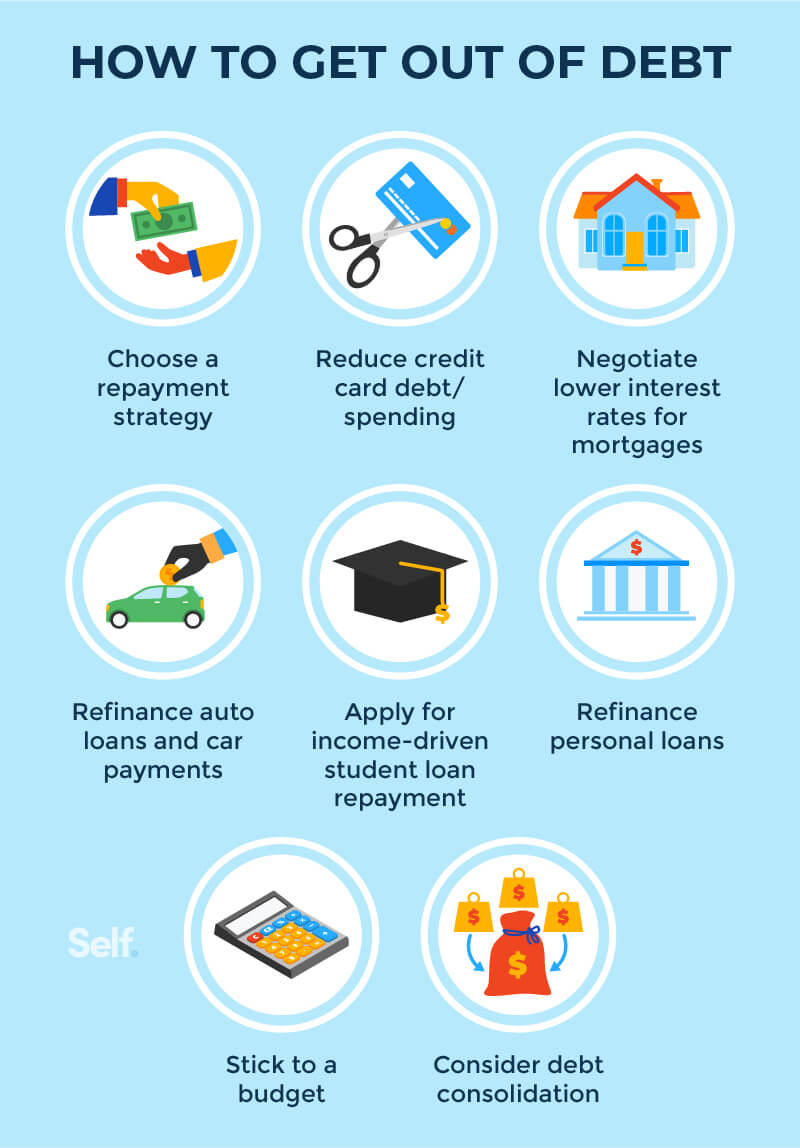
    To get out of debt, consider applying for personal loans as an effective solution. Personal loans can provide the necessary funds to pay off high-interest debts and consolidate them into one manageable loan.

    Debt can be overwhelming and burdensome, affecting not only your financial well-being but also your peace of mind. If you find yourself struggling to make minimum payments or drowning in high-interest debts, taking out a loan may be a viable option to regain control of your finances.

    By obtaining a personal loan, you can consolidate existing debts, lower your interest rates, and ultimately save money in the long run. This article will explore the benefits and considerations of using loans to get out of debt, guiding you towards a path of financial freedom and stability. So, buckle up, as we delve into the world of personal loans as a means to eliminate debt and achieve your financial goals.

    Assessing Your Financial Situation

    Assessing your financial situation can help you determine the best loans to get out of debt, ensuring a streamlined approach to your financial recovery. Analyzing your income, expenses, and debt obligations will guide you towards the most effective solutions for debt consolidation or repayment.

    Assessing your financial situation is the first crucial step towards getting out of debt. Understanding the full extent of your financial obligations and considering your income and expenses will help you develop a comprehensive plan to tackle your debts. By taking a clear and honest look at your financial situation, you can gain valuable insights into your debt and make informed decisions on the best way forward. Let’s explore two key aspects of assessing your financial situation: calculating your total debt and determining your income and expenses.

    Calculating Your Total Debt

    To begin, it’s important to calculate your total debt accurately. Gather all the necessary information, such as outstanding loans, credit card balances, and any other debts you owe. Make a list of each debt, the outstanding balance, and the interest rates attached to them. This will give you a clear picture of your current debt load. Once you have your list, consider organizing the information in a table format for better clarity:
    Debt Type Outstanding Balance Interest Rate
    Credit Cards $5,000 18%
    Student Loans $20,000 5%
    Personal Loan $8,000 12%
    Organizing your debt in this way not only helps you visualize the bigger picture, but it also allows you to prioritize your repayment strategy based on interest rates. By tackling higher-interest debts first, you can potentially save money on interest payments in the long run.

    Determining Your Income And Expenses

    Equally important is determining your income and expenses. Start by examining your monthly income from all sources, such as your salary, freelance work, or rental income. Include any additional sources of income to get an accurate representation of your financial situation. Next, assess your monthly expenses. Categorize them into essential and non-essential expenses. Essential expenses typically include bills, groceries, transportation costs, and loan repayments. Non-essential expenses might include dining out, entertainment, or unnecessary subscription services. Be thorough in identifying and documenting all your expenses. Consider creating a simple breakdown using bullet points or an ordered list:
    • Income:
      • Salary: $3,000
      • Freelance work: $500
    • Essential Expenses:
      • Rent/Mortgage: $1,200
      • Utilities: $100
      • Transportation: $300
      • Loan Repayments: $400
    • Non-Essential Expenses:
      • Dining Out: $200
      • Entertainment: $100
      • Subscriptions: $50
    Once you have a clear overview of your income and expenses, you can determine how much money is available for debt repayment. Subtract all essential and non-essential expenses from your total income. The remaining amount will guide you when planning a realistic budget and deciding how much you can allocate towards debt repayment each month. By calculating your total debt and assessing your income and expenses, you’ll have a clearer understanding of your financial situation. Armed with this knowledge, you can move forward to develop an effective plan to get out of debt. Remember, taking control of your finances is an empowering step towards financial freedom.
    Loans to Get Out of Debt

    Credit: www.self.inc

    Types Of Loans Available

    When it comes to getting out of debt, choosing the right loan option can make a significant difference in your financial journey. Different types of loans are available for individuals looking to consolidate and manage their debt effectively. Let’s explore two popular loan options – Personal loans and Balance transfer credit cards – in detail:

    Personal Loans

    A personal loan is a flexible financial tool that can help you consolidate and pay off your debts. It is an unsecured loan, meaning you don’t need to provide any collateral. Personal loans are available from banks, credit unions, and online lenders.

    Here are the key features of a personal loan:

    1. Flexible loan amounts ranging from a few hundred dollars to tens of thousands of dollars.
    2. Fixed interest rates and monthly payments, making it easier to budget.
    3. Repayment terms typically range from one to five years.

    Personal loans offer various benefits, such as:

    • Consolidating multiple debts into a single monthly payment, making it easier to manage.
    • Lower interest rates compared to credit cards, especially if you have a good credit score.
    • Fixed repayment schedule, ensuring you stay on track with your debt payments.

    Balance Transfer Credit Cards

    Another option to consider when looking for loans to get out of debt is a balance transfer credit card. This type of credit card allows you to transfer your existing credit card balances to a new card with a lower interest rate, often an introductory 0% APR for a specific period.

    Here’s what you need to know about balance transfer credit cards:

    1. Introductory 0% APR offers can range from 6 to 18 months, giving you time to pay off your debt without accumulating additional interest.
    2. Transferring your balances to a single card simplifies your repayment process.
    3. Ensure you understand the terms and fees associated with balance transfers, including any balance transfer fees or the APR that applies after the introductory period.

    Balance transfer credit cards can be beneficial in the following ways:

    • Save money on interest payments, which can help you pay off your debt more quickly.
    • Consolidate your credit card debt into one manageable payment.
    • Take advantage of introductory offers to pay down your debt faster.

    Before choosing a balance transfer credit card or a personal loan, carefully evaluate your financial situation, consider the terms and conditions, and compare interest rates and fees. This will help you make an informed decision and choose the loan option that best fits your needs.


    Evaluating Loan Options

    Facing a mountain of debt can be overwhelming, but taking out a loan can help you regain control of your finances. However, it’s crucial to evaluate your loan options carefully to make an informed decision. By comparing interest rates and examining repayment terms, you can choose the loan that suits your needs the best.

    Comparing Interest Rates

    One of the key factors to consider when evaluating loan options is the interest rate. The interest rate determines the amount you’ll pay in addition to the principal loan amount. To ensure you’re getting the best deal, comparing interest rates from multiple lenders is essential. Look for lenders that offer competitive rates, as even a small difference in interest rates can significantly impact your overall repayment amount. Consider creating a table to compare interest rates offered by different lenders, enabling you to find the most favorable option.

    Examining Repayment Terms

    Beyond interest rates, it’s crucial to examine the repayment terms offered by each lender. Repayment terms include factors such as the duration of the loan and the monthly payment amount. Longer repayment terms may offer lower monthly payments but could result in paying more interest over time. On the other hand, shorter repayment terms may come with higher monthly payments but can help you pay off your debt faster. By carefully examining these terms, you can find a balance that suits your financial situation. Consider creating a list with specific details of each lender’s repayment terms to help you make an informed choice.

    Remember, evaluating loan options requires a thorough assessment of interest rates and repayment terms. By taking the time to compare and analyze these details, you can find a loan that aligns with your financial goals, ultimately helping you get out of debt more efficiently.

    Loans to Get Out of Debt

    Credit: www.coastal24.com

    Applying For A Loan

    Looking to get out of debt? Applying for a loan could be the solution you need. Find the right loan option to help you consolidate your debts and pave the way towards financial freedom.

    Gathering Necessary Documents

    Before applying for a loan to get out of debt, it’s important to gather all the necessary documents. Take a look at the table below for a quick overview of the documents you’ll need:

    Document Description Importance
    Proof of income Recent pay stubs or tax returns Shows your ability to repay the loan
    Identification Valid government-issued ID Confirms your identity
    Employment details Contact information and duration of employment Verifies stability and income source
    Bank statements Recent statements from your bank account Provides insight into your financial situation
    Credit history Credit reports from all major bureaus Informs lenders about your creditworthiness

    By having these documents ready, you’ll streamline the application process and increase your chances of approval. Remember, bold and organized documentation speaks volumes about your commitment to repayment.

    Completing The Application Process

    Once you have gathered the necessary documents, it’s time to complete the loan application. Follow these steps to ensure a smooth and efficient process:

    1. Find a trusted lender: Research reputable lenders with favorable terms and rates.
    2. Review eligibility criteria: Check the lender’s requirements to make sure you qualify for the loan.
    3. Fill out the application: Provide accurate and complete information to avoid delays or rejections.
    4. Submit required documents: Attach the gathered documents to support your application.
    5. Include additional information: If needed, provide any supplementary details requested by the lender.
    6. Double-check for accuracy: Ensure all the information entered is correct and error-free.
    7. Submit your application: Send the application and documents electronically or through the lender’s preferred method.

    Remember, honesty and accuracy throughout the application process are key to building trust with the lender.

    Loans to Get Out of Debt

    Credit: www.investopedia.com

    Frequently Asked Questions For Loans To Get Out Of Debt

    Can I Get A Loan To Get Out Of Debt?

    Yes, you can get a loan to help you pay off your debts. It can consolidate your debt into one monthly payment, making it easier to manage. However, consider your financial situation and make sure you can afford the loan before applying.

    Can I Get A Loan To Clear My Debts?

    Yes, you can get a loan to clear your debts. Many lenders offer debt consolidation loans to help you pay off multiple debts with a single loan. Make sure to compare interest rates and terms before applying.

    What Type Of Loan Is Best For Paying Off Debt?

    The best loan for paying off debt depends on your situation, but options like personal loans or debt consolidation loans can be ideal. These loans offer lower interest rates, flexible repayment terms, and can help you consolidate your debts into one manageable payment.

    Can I Get A Government Loan To Pay Off Debt?

    Yes, you can get a government loan to pay off debt. These loans are specifically designed to help individuals manage and eliminate their debt burden. Check with your local government or financial institutions for more information on the eligibility criteria and application process.

    Conclusion

    Taking out a loan can be a viable option for getting out of debt. By carefully comparing and selecting the right loan, you can consolidate your debts, reduce interest rates, and simplify your repayment process. However, it is essential to approach loans responsibly and ensure that you have a solid plan in place to repay them.

    Remember to consider your financial situation and consult with a professional before making any final decisions. Take control of your debt and work towards a debt-free future.