Author: MMP

  • Learning from Failures: Coca-Cola, Netflix, and Amazon

    In business, failure is often treated as a dirty word. It is seen as a mark of poor judgment, lack of preparation, or weak execution. Careers stall because of it, reputations suffer from it, and companies spend enormous energy trying to avoid it. Yet, paradoxically, failure is also a critical driver of innovation. Without it, no new ground is broken, and no bold experiments take root.

    The world’s most forward-thinking companies—Coca-Cola, Netflix, and Amazon—understand this paradox. They recognize that in a volatile, hyper-competitive economy, success is inseparable from the willingness to risk mistakes. What sets them apart is not a lack of failure, but their ability to learn from it, move past it, and even celebrate it.


    Coca-Cola: Breaking Free from the Shadow of “New Coke”

    Coca-Cola is no stranger to failure. The launch of “New Coke” in 1985 is still remembered as one of the most notorious product missteps in corporate history. Intended to replace the original formula, the new version sparked public outrage and was quickly withdrawn. For decades afterward, that failure cast a long shadow over Coca-Cola’s culture. Managers became risk-averse, hesitant to propose bold ideas.

    When James Quincey became CEO in 2017, he recognized this paralyzing effect. His message was direct: “If we’re not making mistakes, we’re not trying hard enough.”

    • Reframing failure as progress: Quincey’s leadership was about removing fear from the decision-making process. Failure was reframed not as incompetence, but as evidence of ambition.
    • Encouraging experimentation: Coca-Cola began to test new products, flavors, and packaging more aggressively, accepting that not all would succeed.
    • Lesson for leaders: Cultural scars from past failures can limit growth for decades. Leaders must reset the narrative, turning mistakes into sources of resilience rather than fear.

    Netflix: Why Too Much Success Signals Trouble

    For most companies, having too many hits would be a dream. For Netflix, it was a warning sign. Reed Hastings, Netflix’s CEO, admitted that their cancellation rate for new shows was too low. “Our hit ratio is too high right now,” he explained. The logic was simple: if everything works, then the company isn’t experimenting enough.

    • Encouraging creative risk: Netflix deliberately commissions riskier projects, embracing “crazy ideas” that may fail but could also redefine categories.
    • Failing fast and cheap: By canceling shows early when they underperform, Netflix limits costs while freeing up resources for bolder bets.
    • Global experimentation: The company invests in diverse markets (e.g., Korean dramas, Spanish thrillers), knowing some will fail while others become global phenomena (Squid Game, Money Heist).
    • Lesson for leaders: A perfect success rate often hides stagnation. Failure signals that boundaries are being tested and innovation is alive.

    Amazon: The Economics of Bold Bets

    Few companies embody a tolerance for failure like Amazon. Jeff Bezos has long argued that bold experiments are inherently risky and bound to fail—yet essential for growth. In his words: “If you’re going to take bold bets, they’re going to be experiments… experiments are by their very nature prone to failure. But a few big successes compensate for dozens and dozens of things that didn’t work.”

    • Big failures, bigger wins: Amazon’s Fire Phone failed spectacularly, but Amazon Web Services (AWS) became a multi-billion-dollar empire. Prime subscriptions also reshaped consumer loyalty despite initial skepticism.
    • The portfolio mindset: By spreading risk across multiple experiments, Amazon increases its odds of creating breakthrough products.
    • Failure as a teacher: Each failure generates insights that inform the next experiment, turning wasted capital into intellectual capital.
    • Lesson for leaders: One runaway success can outweigh years of smaller losses. Risk-tolerant portfolios beat “safe” strategies in fast-changing markets.

    Why Most Organizations Struggle to Embrace Failure

    Despite these examples, most companies fail to build cultures that value mistakes. Why? Psychology and organizational design work against risk-taking:

    1. Omission Bias
      People often choose inaction over action because failure from doing nothing feels less blameworthy.
    2. Loss Aversion
      Behavioral economists show that losses hurt about twice as much as equivalent gains please us. This makes risk-taking emotionally unattractive.
    3. Career Risk
      Employees fear that one failed project will damage reputations and promotion prospects, leading to a culture of caution.

    These forces explain why innovation rhetoric is often louder than actual innovative action.


    Case Studies Beyond the Big Three

    Domino’s Pizza: Redefining “Failure Is an Option”

    Under CEO Patrick Doyle, Domino’s went through a dramatic turnaround. Its 2009 campaign admitted that customers disliked its pizza and promised radical changes. Doyle often reminded employees: “Failure is an option.” This cultural shift energized teams to innovate on menu items, technology, and delivery. By embracing failure, Domino’s became a digital leader and boosted its global market share.

    Smith College: Teaching Students to Fail Well

    In academia, Smith College created a program called “Failing Well.” Students even received symbolic “Certificates of Failure,” teaching them resilience and risk-taking. The program reframed mistakes as stepping stones rather than dead ends—an approach businesses can mirror in talent development and training.


    How Leaders Can Build a Failure-Positive Culture

    1. Redefine Failure

    Position mistakes as evidence of effort. If everything works, innovation is too safe.

    2. Normalize Learning Loops

    Encourage teams to reflect after every project—whether successful or not—and document lessons.

    3. Reward Intelligent Risk

    Differentiate between reckless mistakes and well-reasoned experiments that simply didn’t pan out. Reward the latter.

    4. Lead by Example

    Executives should openly share their own failures and the lessons drawn. Vulnerability builds trust.

    5. Manage the Portfolio

    Adopt Amazon’s model: balance many small, affordable risks with a few bold bets that could transform the business.


    Practical Framework: The Three Types of Failure

    Not all failures are created equal. Leaders should distinguish between them:

    Type of FailureDescriptionValueResponse
    Preventable FailureMistakes in routine, well-understood processesLowRoot cause analysis; eliminate quickly
    Complexity-Related FailureIssues in novel or uncertain contextsMediumLearn patterns, refine processes
    Intelligent FailureBold experiments designed to test hypothesesHighCelebrate, learn, and scale insights

    Only the last category—intelligent failure—is the one leaders should actively encourage.


    Why Learning from Failure Matters More Than Ever

    • Pace of Change: Industries evolve too quickly for rigid plans. Experimentation is survival.
    • Customer Expectations: Digital-native consumers demand constant innovation and personalization.
    • Competition and Disruption: The risk of being too safe is greater than the risk of failing.

    In today’s markets, not failing may be the most dangerous strategy of all.


    Conclusion: Turning Setbacks into Strengths

    Coca-Cola, Netflix, and Amazon demonstrate that failure is not the enemy of progress—it is a condition for it. Their leaders have redefined failure as evidence of ambition, created cultures where mistakes generate learning, and treated risk as a currency of innovation.

    For business leaders, the message is urgent: stop fearing failure, start managing it. Build systems that reward intelligent risk-taking, and create a culture where people feel safe to try. Because in the end, the companies that learn fastest from failure are the ones that win longest in the market.

  • All About Zero by Prime

    Prime Bank PLC has launched Zero by Prime, a Visa Signature credit card that redefines how customers experience banking in Bangladesh. As the country’s first truly fee-free credit card, it combines premium lifestyle benefits with total financial transparency. Zero by Prime isn’t just another card—it’s a bold move toward customer-first innovation in retail banking.


    Why Zero by Prime Stands Out

    Zero Means Zero Fees

    Traditional credit cards often come with scheduled and hidden costs. Zero by Prime eliminates them all. This structure ensures customers enjoy the full value of their card without worrying about unexpected charges.

    One of the most compelling aspects of ZERO BY PRIME BANK is its commitment to eliminating common credit card fees. You won’t have to worry about extra charges eating into your finances, as this card comes with a remarkable list of “zero fees”:

    No Issuing Fee: Get started with no upfront cost; your card is issued completely free.

    No Annual Fee: Enjoy lifelong benefits without paying any yearly maintenance charges.

    No Over Limit Fee: You can enjoy up to 50 days interest-free with no over-limit fees.

    No Mobile Wallet Transfer Fee: Transfer funds to your mobile wallet without any extra charge.

    No EMI Processing Fee: Convert purchases into 0% EMI plans without any processing costs.

    No SMS Alert Fee: Stay updated with real-time alerts at no additional cost.

    No PIN Replacement Fee: Need a new PIN? Get it for free.

    No Statement Retrieval Fee: Access your statements anytime you need them, without paying a fee.

    With ZERO BY PRIME BANK, there are no hidden charges, ensuring you pay absolutely nothing in maintenance fees year after year

    Built for Accessibility

    One of the standout features is its blind notch design, allowing visually impaired customers to identify and use their cards independently. This small but meaningful addition reflects Prime Bank’s commitment to inclusion and user-friendly innovation.


    Zero Prime Benefits

    Beyond its zero-fee structure, ZERO BY PRIME BANK is loaded with premium benefits designed to enhance your lifestyle and financial flexibility:

    Worldwide Acceptance: The card offers worldwide ATM, POS, and E-commerce acceptance, allowing you to use it anywhere—whether shopping online, paying in-store, or withdrawing cash globally and locally.

    0% EMI Facility: This allows you to convert your purchases into easy monthly installments without paying any interest. This makes big or unexpected expenses more manageable by spreading the cost over several months, reducing financial pressure. These EMI plans come with flexible tenures (3, 6, 9, or 12 months) and are available at thousands of partner merchants. They are activated instantly at checkout with no processing fees and no surprise interest. While the card also offers an Easy Pay Plan (EPP) for larger purchases with half the usual interest, the 0% EMI facility stands out for eliminating interest costs entirely.

    Built-in Insurance Coverage: The card provides financial protection against unforeseen events, ensuring peace of mind during emergencies or accidents.

    International Airport Lounge Access: Enjoy the privilege to relax, refresh, and enjoy premium facilities at exclusive lounges worldwide, making your travel experience more comfortable and stress-free (a charge is applicable for this service).

    Reward Points: Turn your daily expenses into valuable rewards! You earn 1 Reward Point for every BDT 50 spent, which can be redeemed later.

    Convenient Bill Payment Options: Easily pay your card bill directly from your card.

    Smart Services through MyPrime App: Manage your card effortlessly, track expenses, and access exclusive features with the MyPrime app.

    24/7 Contact Center Support: Get assistance anytime with round-the-clock customer service.

    Security, Comfort, and Rewards: Whether you’re shopping or traveling, ZERO BY PRIME BANK is your ultimate companion, making every purchase seamless, rewarding, and convenient

    Premium Benefits at a Glance

    FeatureDetails
    Worldwide AcceptanceUse globally at ATMs, POS terminals, and online platforms.
    0% EMI FacilityConvert purchases into installments (3, 6, 9, or 12 months) with no fees.
    Insurance CoverageBuilt-in protection against unforeseen financial risks.
    Airport Lounge AccessRelax at premium lounges worldwide (with applicable charges).
    Reward PointsEarn 1 point per BDT 50 spent, redeemable for future purchases.
    Smart UtilitiesBill payments and management through the MyPrime app.
    24/7 Customer SupportRound-the-clock assistance ensures peace of mind anytime.

    Strategic Significance

    Reinventing Cost Structures

    By removing all traditional credit card fees, Prime Bank has challenged the status quo. This transparent structure lowers the entry barrier to premium credit facilities and sets a new benchmark in consumer banking.

    Competitive Edge

    In a crowded market, Zero by Prime differentiates itself by blending luxury with affordability. It appeals to both aspirational customers seeking lifestyle benefits and everyday users who value cost transparency.

    Financial Inclusion

    The accessible design, fee-free model, and inclusive features reflect Prime Bank’s broader mission—making financial tools available and practical for all segments of society.


    Industry Reception

    The launch event was spearheaded by Nazeem A. Choudhury, Deputy Managing Director of Consumer Banking at Prime Bank, alongside Sabbir Ahmed, Country Manager for Visa. Both emphasized how the card reflects a shift toward convenience, transparency, and premium value in Bangladesh’s financial sector.

    Industry analysts note that Zero by Prime positions Prime Bank as a customer-first innovator, while setting a new competitive standard that could pressure other banks to follow suit.


    Who Should Consider Zero by Prime?

    • Frequent travelers seeking lounge access and global usability.
    • Young professionals who want transparent, fee-free banking.
    • Everyday shoppers looking to earn rewards from daily expenses.
    • Financially cautious users who value control without surprise costs.
    • Visually impaired customers who need an accessible, thoughtful product.

    Market Impact and Future Outlook

    Zero by Prime could reshape expectations in Bangladesh’s credit card industry. As adoption grows:

    • Consumers will expect greater transparency from banks.
    • Competitors may be forced to reevaluate hidden charges.
    • Regulators could look at Zero’s model as a benchmark for fair consumer practices.

    This launch signals that Prime Bank is not only responding to customer pain points but also pushing the market toward a new era of customer-centric banking.


    ZERO BY PRIME BANK is designed to give you control over your finances with no fees and full rewards. It’s an ultimate companion for both online and in-store shopping, ensuring every purchase is seamless, rewarding, and convenient. Apply for your ZERO BY PRIME BANK Credit Card today and start your premium journey with absolutely zero cost

    Final Thoughts

    Zero by Prime is more than just a credit card—it’s a statement. By combining zero fees, premium benefits, and inclusive design, Prime Bank has created a product that balances lifestyle and accessibility with financial responsibility.

    For consumers, it offers a chance to enjoy a premium banking experience without hidden costs. For the industry, it challenges outdated norms and sets a bold precedent for transparency, innovation, and trust.

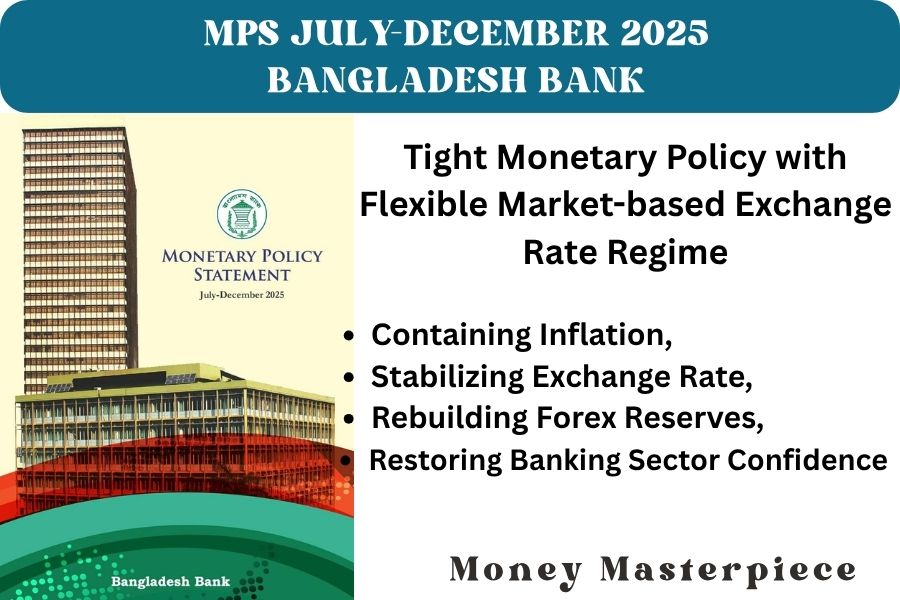
  • Bangladesh Bank MPS for July-December 2025

    The Monetary Policy Statement (MPS) for July-December 2025 (H1FY26) from Bangladesh Bank (BB) is more than just a financial report; it’s a comprehensive roadmap outlining the nation’s economic strategy for the coming months. Released amidst a backdrop of significant macroeconomic challenges and a shifting political landscape, this MPS reflects Bangladesh Bank’s steadfast commitment to navigating economic turbulence, fostering stability, and driving sustainable growth. This post will delve into the key aspects of the MPS, from its underlying context to the forward-looking policy initiatives that aim to reshape Bangladesh’s financial future.

    The Macroeconomic Landscape: A Recent Review (H2FY25)

    The current interim Government, which took office in August 2024, inherited an economy grappling with significant challenges. These included persistently high inflation, a depreciating exchange rate, depleting foreign exchange (FX) reserves, a buildup of external payment arrears, tight liquidity conditions, a lack of good governance, and elevated non-performing loans (NPLs). The MPS acknowledges that these issues led to a “faltering economy characterized by institutional collapse”.

    In response, Bangladesh Bank has articulated clear and forward-looking strategies, emphasizing its commitment to containing inflation, stabilizing the exchange rate, rebuilding foreign exchange reserves, and restoring confidence in the banking sector through improved governance. To achieve these goals, BB adopted a tight monetary policy stance and implemented a fully flexible market-based exchange rate regime. Additionally, a wide range of reform programs targeting the banking sector were initiated.

    These measures have begun to yield visible results. Headline inflation, which peaked at 11.66 percent in July 2024, gradually eased to 8.48 percent by June 2025, marking the first time in over two years it fell below 9 percent. Exchange rate stability was achieved through a substantial improvement in the Balance of Payments (BoP) and BB’s initiatives towards a fully flexible exchange rate regime, which also contributed to rebuilding foreign exchange reserves. Furthermore, accountability and good governance are gradually being restored in the banking sector, leading to improved depositor confidence and an easing liquidity situation.

    Monetary Policy Stance and Projections for H1FY26

    The core objective of the H1FY26 MPS is to decelerate the rate of inflation further while maintaining exchange rate stability and strengthening financial stability. Bangladesh Bank has aligned its policies with the Government’s budgetary targets of achieving 5.5 percent GDP growth and containing inflation within the 6.5 percent ceiling for FY26.

    Key Aspects of the Monetary Policy Stance:

    • Tight Monetary Policy: BB will continue its tight monetary policy stance in the first half of FY26 to contain inflation and anchor inflation expectations.
    • Policy Rates: The policy repo rate will remain unchanged at 10.0 percent if the inflation rate stays above 7%. The Standing Lending Facility (SLF) rate will remain at 11.5 percent, and the Standing Deposit Facility (SDF) rate will be 8.0 percent.
    • Future Adjustments: BB will continuously monitor inflation and liquidity. Once projections consistently show a decline in inflation and the policy rate in real terms reaches 3.0 percent, BB will gradually begin to lower the policy rate. Policy rates may also be adjusted if exports weaken due to tariff shocks and a weaker global growth outlook, accompanied by depreciation pressures.
    • Flexible Exchange Rate Regime: BB adopted a more flexible exchange rate regime in May 2025 to enhance stability in the foreign exchange market. This flexibility is crucial for smoother adjustments to external imbalances, easing foreign exchange market pressures, and preserving foreign reserves, especially amid escalating trade tariffs impacting exports. BB publishes a reference exchange rate twice a day as a benchmark for price discovery. BB also plans to intervene in the foreign exchange market to curb volatility and ensure greater stability, consistent with the flexible regime, and to rebuild foreign exchange reserves.

    Monetary and Credit Projections for FY26:

    The MPS outlines specific projections for key aggregates:

    • Broad Money (M2): Projected to grow by 8.5 percent.
    • Reserve Money (RM): Expected to grow by 8.0 percent.
    • Private Sector Credit Growth: Projected at 8.0 percent, factoring in the contractionary monetary policy and lower credit demand. BB will also ensure supply-side interventions to support credit flows to productive sectors like agriculture and Cottage, Micro, Small, and Medium Enterprises (CMSMEs) through refinance and pre-finance schemes.
    • Public Sector Credit Growth: Projected at 18.1 percent, considering lower credit demand from the Government due to austerity measures and a budgetary borrowing target of Tk. 1,040.0 billion from the banking system.
    • Domestic Credit Growth: Projected at 10.3 percent.
    • Net Foreign Assets (NFA): Expected to show positive growth of 21.8 percent, driven by an anticipated surplus in the overall balance of payments, with predicted 10.0 percent growth in exports and remittances, and 8.0 percent growth in imports.

    Macroeconomic Outlook

    The MPS provides an in-depth look at various macroeconomic indicators and their outlook for H1FY26:

    1. Price Developments and Outlook (Inflation):

    • Recent Trend: Headline point-to-point inflation dramatically decreased from a peak of 11.66 percent in July 2024 to 8.48 percent by June 2025. Food inflation specifically reduced from 14.10 percent in July 2024 to 7.39 percent in June 2025.
    • Drivers of Decline: This success is attributed to BB’s tight monetary policy stance (policy rate steady at 10% since October 2024), exchange rate stabilization through the Crawling Peg system and enhanced flexibility, and government supply-side interventions such as rationalizing import duties, eliminating Letter of Credit (LC) margin requirements for key imports, and good harvests. Favorable international commodity prices also played a role.
    • Challenges/Impediments: Factors that previously delayed the transmission of monetary tightening included a loose monetary policy with a negative real policy rate and interest rate constraints until May 2024. Depreciation of the BDT since 2022 had a significant pass-through effect, amplifying inflation. Supply chain disruptions from political turmoil and floods, along with consumer hoarding, also contributed to price volatility.
    • Outlook for H1FY26: BB projects the downward trend in inflation to continue, approaching the target range of 6.5–7.0 percent by the end of 2025. This aligns with the IMF’s projection of 6.2 percent for FY26. This optimistic outlook is supported by an expected positive real policy rate, robust remittance inflows, improved foreign exchange reserves, and stable global commodity prices.
    • Risks: Lingering risks include weather-related disruptions impacting agricultural output, renewed global supply chain shocks, intensification of geopolitical tensions, and ongoing cost pressures from the nominal depreciation of the Taka due to U.S. reciprocal tariff measures.

    2. Growth:

    • FY25 Performance: Real GDP growth for FY25 is estimated at around 3.97 percent, marking the slowest expansion in recent years and falling short of the government’s initial target of 6.75 percent. Sectoral performance was mixed, with agriculture slowing, while industrial and services sectors showed modest recovery.
    • Growth Dynamics: Political stabilization, resilient external sector performance (driven by remittances and RMG exports), and policy support through fiscal discipline and effective monetary policy have fostered a more conducive environment for growth.
    • Constraints: Stress in the banking sector, including rising NPLs and limited credit growth, has constrained private sector expansion. Global headwinds such as sluggish growth in key trading partners, rising trade barriers, and geopolitical uncertainties continue to pose risks.
    • Outlook for H1FY26: The growth outlook is cautiously optimistic, with a government GDP growth target of 5.50 percent for FY26. International organizations like the IMF, World Bank, and ADB project growth between 4.90 percent and 5.40 percent, which BB’s model-based forecast aligns with. This rebound is expected from improved stability, resilient external sector, and anticipated rise in private sector investment. The government’s emphasis on infrastructure investment and FDI will also provide impetus.
    • Risks: Persistent weaknesses in the banking sector, global economic uncertainties (e.g., trade wars, US tariff hikes), and structural bottlenecks (e.g., need for further economic reforms) remain challenges.

    3. Liquidity and Interest Rate:

    • Liquidity Situation: Bangladesh’s banking sector experienced a tight liquidity situation in FY25 due to factors like high NPLs, loan fraud, deposit withdrawals (especially from Shariah-based banks), and the discontinuation of the 28-day repo facility.
    • BB’s Response: BB provided unsterilized liquidity support to struggling banks and reduced the cash reserve requirement (CRR) from 3.5 percent to 3.0 percent. In H2FY25, BB provided Tk. 12,09,117.8 crore in liquidity support, including Tk. 84,417.7 crore to Shariah-based Islamic banks.
    • Interest Rates: The weighted average call money rate increased to 10.14 percent in June 2025 (from 9.08 percent in June 2024). The interbank repo rate also rose to 10.37 percent (from 8.56 percent). The weighted average nominal lending rate reached 12.11 percent in May 2025, and the nominal deposit rate reached 6.29 percent.
    • Real Interest Rates: The real lending rate turned positive in February 2024, reaching 3.1 percent by the end of May 2025. The real deposit rate, while still negative, significantly improved from negative 4.2 percent in June 2024 to negative 2.8 percent in May 2025. BB expects its efforts to contain inflation and the upward trend in interest rates to help mitigate the issue of negative real interest rates on deposits.

    4. External Sector Developments and Exchange Rate:

    • Overall Stability: The external sector largely stabilized in FY25, supported by exchange rate flexibility, a balanced policy mix, foreign assistance inflows, a surge in remittances, and robust export growth.
    • Balance of Payments (BoP): The BoP flipped to an overall surplus of USD 3.29 billion in FY25, a significant improvement from a USD 4.3 billion deficit in FY24. The Current Account Balance (CAB) also returned to a surplus of USD 981 million from a large deficit.
    • Trade and Remittances: Exports grew by 8.6 percent to USD 48.3 billion in FY25, primarily driven by Ready-Made Garments (RMG). Imports showed a moderate growth of 2.4 percent. Remittance inflow reached an all-time high of USD 30.33 billion with 26.8 percent growth in FY25, boosted by market-driven exchange rates and strict oversight against informal networks.
    • Exchange Rate Movement: Following a May 14, 2025, circular allowing free movement, the interbank exchange rate of BDT vis-à-vis USD experienced mild depreciation before stabilizing with an appreciation bias in June 2025. It stood at 122.77 at the end of June 2025, a 3.89 percent depreciation for FY25. BB’s intervention in the foreign exchange market was phased out from May 15 to June 30, 2025, to foster effective interbank market functioning.
    • Foreign Exchange Reserves: Gross international reserves (BPM 6) sharply increased to USD 26.7 billion at the end of June 2025, up from USD 21.7 billion at the end of the previous fiscal year, largely due to a sizable inflow of foreign assistance.
    • Outlook: The BoP is expected to continue improving in FY26. However, risks like new US tariffs on Bangladeshi products (especially RMG) and growing domestic political uncertainty could hinder export growth and FDI.

    5. Capital Market:

    • Weak Performance: Bangladesh’s capital market showed a weak performance in H2FY25, with a downward trend in price indices and average turnover, affected by domestic high inflation, political uncertainty, and global tensions. The DSEX benchmark index dropped by 7.2 percent.
    • Reform Initiatives: The Bangladesh Securities and Exchange Commission (BSEC) has implemented reforms to restore investor confidence, including reducing capital gains tax and providing sovereign guarantees to the Investment Corporation of Bangladesh (ICB). The government is developing a liquid bond market and urging large corporations to raise capital through bonds or equity instead of solely relying on bank loans.
    • Government Securities and Funds: A total of 239 government treasury bonds were actively traded until June 2025. BB also issued “Sukuk” bonds worth BDT 50 billion, which banks and Non-Bank Financial Institutions (NBFIs) can use for statutory liquidity reserve (SLR) compliance. A special Tk. 200 crore fund for capital market investments by scheduled banks has been extended until December 31, 2026.
    • Future Plans: The interim government plans to reduce its stake in multinational companies, encourage large local firms to list on the stock exchange, crack down on market manipulation, and reduce reliance on bank loans.

    Forward-Looking Policy Initiatives

    A significant portion of the MPS is dedicated to outlining ongoing and future reform efforts, particularly within the banking sector.

    1. Upholding Good Governance:

    • BB has proactively dissolved and restructured the boards of directors of 15 banks to restore effective governance and sound management, closely supervising banks that provide daily monitoring indicators.
    • New regulations, such as the circular on “Transactions with Bank-Related Persons or Institutions” issued on May 8, 2025, impose stricter limits and provisions on credit facilities for bank-related individuals, institutions, and their affiliates to ensure transparency and proper use of funds.

    2. Banking Sector Reforms in Bangladesh:

    • Three specialized task forces have been constituted to steer these reforms, with banking sector reform being a top priority.
      • Banking Sector Reforms Task Force (BSR-TF): Leading efforts to strengthen the regulatory framework, improve asset quality, and establish effective bank resolution mechanisms. This includes the Asset Quality Review (AQR) framework and collaboration with international consulting firms like Deloitte LLP (with technical assistance from UK’s FCDO). BB also established the Banking Restructuring and Resolution Unit (BRRU) and finalized the Bank Resolution Ordinance (BRO), 2025.
      • Second Task Force: Focuses on strengthening Bangladesh Bank’s institutional capacity and restructuring its operations, with a draft Bangladesh Bank Order 2025 under review.
      • Third Task Force: Responsible for identifying, investigating, and repatriating siphoned assets. This task force, chaired by the Governor and coordinated by the Head of the Bangladesh Financial Intelligence Unit (BFIU), works with Joint Investigation Teams (JITs) to prioritize and investigate money laundering cases. They have frozen over 6,500 suspicious accounts and shared over 100 financial intelligence reports. Efforts also include amending the Money Laundering Prevention Act and Rules, and collaborating with international organizations like the Stolen Asset Recovery (StAR) Initiative and the US Department of Justice (USDOJ).

    3. Road Map to Managing Non-Performing Loans (NPLs):

    • The surge in NPLs is a major concern, primarily due to stricter loan classification guidelines implemented from September 2024 and comprehensive guidelines from April 2025.
    • BB is strengthening the banking sector by updating classified loan reporting, issuing directives on continuous loan renewal, and revising Core Risk Guidelines for the implementation of Risk-Based Supervision (RBS) from January 2026.
    • A key initiative is the roadmap to implement Expected Credit Loss (ECL)-based loan provisioning by 2027, aligning with International Financial Reporting Standard (IFRS 9). This aims to promote early recognition of credit risks, enhance financial transparency, and ensure banking sector stability.
    • BB is also developing an Emergency Liquidity Assistance (ELA) Framework to address potential liquidity shortfalls from unexpected deposit withdrawals.

    4. Enhancing Financial Inclusion and Cashless Society:

    • BB prioritizes financial inclusion, focusing on women’s economic inclusion and introducing ‘Digital Microcredit’ facilities at low-interest rates for underprivileged populations, fostering digital banking habits.
    • The national QR Code standard, ‘Bangla QR,’ has been introduced for low-cost, interoperable retail payments, with 42 banks, 7 Mobile Financial Services (MFS) providers, and 3 Payment Services Providers (PSPs) offering the facility.

    5. Asset Quality Review (AQR) and Bank Restructuring:

    • The BSR-TF has made significant strides in implementing the AQR framework, with 17 banks selected for review in three phases. Phase one (six banks) has been completed by KPMG and Ernst & Young (EY) Sri Lanka.
    • BB continues coordinating with the World Bank and the Asian Development Bank (ADB) for the second and third phases covering the remaining 11 banks.

    6. Bank Resolution Ordinance, 2025 (BRO):

    • Issued by the President on May 9, 2025, this ordinance empowers BB to initiate a resolution process for non-viable scheduled banks.
    • The primary objectives are to continue essential banking operations, safeguard depositors’ interests, prevent asset value loss, and ensure financial system stability.
    • The BRO formally confers resolution authority to Bangladesh Bank, allowing it to execute timely corrective actions and apply resolution tools such as establishing a bridge bank, bail-in mechanisms, purchase and assumption transactions, temporary public ownership, and separation/transfer of assets to asset management companies. BB will also establish a ‘Banking Sector Crisis Management Council’ to address systemic crises and maintain financial stability.

    Near-term Macroeconomic Issues and Challenges

    While the economy has begun to recover, Bangladesh still faces significant challenges. These include the persistence of inflation, uncertainties associated with the forthcoming election, slowing GDP growth, stagnant private investment, and consistently high levels of non-performing loans. On the external front, export growth may be hindered by tariff shocks. Despite eased geopolitical tensions and subsided global prices, cost pressures from the U.S. tariff-induced nominal depreciation of the Taka could still spur inflation.

    Nevertheless, Bangladesh’s economy appears to be turning around and is expected to grow moderately in FY26, driven by sustained growth in the industrial, service, and agricultural sectors. The recovery hinges on favorable domestic conditions, easing election uncertainty, and monetary and fiscal restraint, alongside benign external developments. The recent spike in export earnings and remittance inflows has created a comfortable balance of foreign exchange reserves, which if continued, is likely to generate a sizable reserve cushion soon.

    Conclusion

    In conclusion, the Bangladesh Bank’s MPS for July-December 2025 is a testament to its proactive and comprehensive approach to economic management. It reflects a firm resolve to maintain a tight monetary policy to combat inflation, ensure exchange rate stability through flexibility, and implement crucial banking sector reforms to restore confidence and long-term stability. While challenges remain, the clear strategies and forward-looking initiatives outlined in this MPS offer a path towards a more stable and resilient economic future for Bangladesh.


  • The Wealth of Nations by Adam Smith-Book Summary

    Adam Smith’s The Wealth of Nations (1776) is a landmark work in economics that laid the foundation for classical economic thought. Divided into five books, it explores the origins and mechanisms of national wealth, the role of markets, capital, labor, and government. Here’s a breakdown of its key ideas:


    Book I: The Causes of Improvement in the Productive Powers of Labour and the Distribution of Its Produce

    Labour as the Source of National Wealth

    Smith opens with the assertion that the true wealth of a nation lies in its annual output — the total produce of its labor. This produce provides the “necessaries and conveniences of life” that sustain individuals and society. Two key determinants influence this productive output:

    1. The Skill, Dexterity, and Judgment with Which Labour Is Applied
      More skilled and efficient laborers produce more value.
    2. The Ratio of Productive to Unproductive Labour
      Productivity also depends on how many people are engaged in useful labor versus those in roles that do not directly add value (e.g., domestic servants or idle landlords).

    Among these, Smith places greater weight on the effectiveness and efficiency of labor than on mere numbers.


    The Division of Labour: A Natural Evolution of Human Propensity to Exchange

    One of Smith’s most groundbreaking insights is the concept of division of labour, which increases productivity through specialization. Importantly, Smith argues that this division is not the result of conscious design but arises naturally from a basic human tendency — the “propensity to truck, barter, and exchange.”

    Advantages of the Division of Labour:
    • Increased Dexterity: Workers performing repetitive tasks become highly skilled.
    • Time Efficiency: Specialization reduces the time wasted switching between different kinds of work.
    • Innovation: Specialization encourages inventiveness and efficiency in processes and tools.

    However, the extent of division of labour is limited by the size of the market. Smith provides a compelling illustration comparing sea and land transport between London and Edinburgh:

    • A ship with 6–8 men can carry 200 tons of goods.
    • On land, 50 wagons, 100 men, and 400 horses can only carry 4 tons in the same time.

    Thus, Smith emphasizes that larger, connected markets (especially coastal and riverine) encourage greater specialization and economic advancement.


    The Role of Exchange and the Necessity of Money

    As individuals specialize, they can no longer satisfy all their own needs and become reliant on exchange. This creates a need for money, a universally accepted medium that facilitates trade.

    Smith distinguishes two types of value:

    • Value in Use: The intrinsic utility of an object (e.g., water).
    • Value in Exchange: The power of an object to be traded for others (e.g., diamonds).

    Paradoxically, essential goods like water may have high use value but low exchange value, while luxury items like diamonds have high exchange value but little practical utility.


    Natural Price vs. Market Price: Understanding Commodity Valuation

    Smith explains that the price of a commodity comprises three components:

    1. Wages of Labour
    2. Profits of Stock (Capital)
    3. Rent of Land

    When these three elements are satisfied at their “natural” levels, the commodity reaches its natural price — the minimum required for it to reach the market sustainably.

    However, market price fluctuates based on supply and demand. When supply exceeds demand, prices fall; when demand outpaces supply, prices rise. Over time, market prices gravitate toward natural prices, as producers adjust supply to match the “effectual demand.”


    Labour Wages and Profit: The Dynamics of Compensation

    Smith dives into the factors that determine wages and profits, offering a realist’s perspective on employer-employee dynamics.

    Wages:
    • Employers tend to conspire tacitly to keep wages low.
    • Workers’ attempts at unionizing or demanding better pay are often met with resistance or even violence.
    • High wages indicate a growing and prosperous economy, whereas low wages signal stagnation.

    Smith also compares free laborers and slaves, noting that:

    • Though free workers are paid wages, they manage their own “wear and tear,” making them more economical for employers.
    • Slaves, lacking personal incentive, perform less efficiently, making their labor more expensive in the long term.
    Profits:
    • Profits are higher in young, rapidly growing economies, where capital finds the most productive uses.
    • As economies mature, competition increases, and profits decline.
    • At the extreme, high profits may consume all economic rent, leaving laborers with only subsistence-level wages.

    Why Do Wages and Profits Vary? Smith’s Five Determinants

    Smith identifies five key factors that create inequalities in wages and profits across different occupations:

    1. Agreeableness or Disagreeableness of the Job
      Unpleasant or dangerous jobs must offer higher pay to attract workers.
    2. Cost of Education or Training
      Professions requiring long training (e.g., medicine, law) yield higher rewards.
    3. Constancy or Irregularity of Employment
      Jobs with uncertain work availability must compensate with higher average wages.
    4. Degree of Trust Required
      Occupations involving financial responsibility (e.g., merchants, bankers) offer higher wages due to the level of trust required.
    5. Probability of Success
      Fields with high failure rates (e.g., acting, authorship) offer greater rewards to the few who succeed.

    Artificial Inequalities: The Role of European Policies

    Beyond natural differences, Smith sharply criticizes the artificial inequalities imposed by European policies and legal structures.

    Regulations That Restrict Competition:
    • Apprenticeship laws and guild regulations often prevent entry into trades, particularly in rural areas, favoring urban monopolies.
    • These policies limit labor mobility, stifle innovation, and distort natural wage and profit levels.
    The Law of Settlements in England:

    Smith targets the “ill-contrived” law of settlements, which restricted poor workers from moving between parishes unless they had means of support. This effectively trapped laborers in unproductive areas, curtailing their economic opportunities and “most cruelly oppressed” the working class.colonies) to restore fiscal health, alongside freeing up internal trade.

    Book II: The Nature, Accumulation, and Employment of Stock

    From Adam Smith’s The Wealth of Nations

    Understanding the Concept of Stock

    In Book II, Adam Smith explores the fundamental economic concept of stock, which refers to the total possessions of an individual or a society. Stock is divided into two main parts:

    • Stock for Immediate Consumption: This includes goods and resources meant for direct personal use or consumption, not intended to generate income.
    • Capital Stock: This portion is reserved for investment or revenue generation. It plays a critical role in economic production and growth.

    The Two Forms of Capital

    Smith categorizes capital into two broad types based on their function and durability:

    1. Fixed Capital

    Fixed capital includes assets that are used repeatedly over time in the production of goods and services. These do not circulate or get consumed immediately. Examples include:

    • Machinery and tools
    • Buildings and infrastructure
    • Acquired useful abilities (e.g., education or training of workers)

    2. Circulating Capital

    Circulating capital consists of items that are used up or exchanged in the course of producing goods and services. These items are in constant circulation and include:

    • Money
    • Raw materials and provisions
    • Finished goods waiting to be sold

    The Role of Money in Circulation

    Smith famously refers to money as “the great wheel of circulation.” It enables the smooth exchange of goods but is not, by itself, a source of national revenue. Money facilitates trade, but its accumulation does not increase the wealth of society unless it is used productively.

    Paper Money and the Banking System

    Smith devotes significant attention to the growing role of paper money, particularly bank notes, which can effectively replace gold and silver in domestic trade. This substitution allows precious metals to be exported and used more profitably elsewhere.

    • Advantages: Efficient trade facilitation and better utilization of gold/silver abroad.
    • Case in Point: The Scottish banking system is praised for innovations such as cash accounts and the discounting of bills, which increased liquidity and boosted commerce.

    Caution Against Over-Issuance

    While supportive of banking innovation, Smith warns of the risks of issuing too much paper money. Excessive circulation can lead to financial instability.

    • Example of Risk: The practice of “drawing and redrawing” in Scotland led to overextended credit.
    • Impact on England: The Bank of England had to cover excesses by supplying more coins, creating systemic strain.

    Lending and Capital: The Productive Use of Stock

    When stock is lent at interest, it becomes capital in the hands of the lender—it is expected to yield future revenue. Smith outlines a natural hierarchy in how capital should ideally be employed:

    Hierarchy of Capital Employment (Most to Least Productive)

    1. Agriculture
      • Generates food and raw materials.
      • Offers direct employment and supports other industries.
    2. Manufactures
      • Converts raw materials into finished goods.
      • Adds significant value through production.
    3. Wholesale Trade
      • Further divided into:
        • Home Trade: Trade within the country.
        • Foreign Trade of Consumption: Imports and exports for direct use.
        • Carrying Trade: Transporting goods between foreign countries for profit.

    Smith argues that agriculture benefits society most because it creates both material goods and employment.

    The Natural Flow of Capital vs. Government Intervention

    Capital, according to Smith, naturally flows toward the most profitable and productive uses. This self-regulating mechanism ensures efficiency and growth in a free market.

    • Critique of Government Interference: Smith warns against policies that try to artificially direct capital, such as:
      • Excessive encouragement of foreign trade through subsidies.
      • Protectionist measures that distort natural market dynamics.

    These interventions, he argues, often lead to misallocation of resources and reduce the overall wealth of a nation.


    Book III: The Uneven Journey of Wealth Across Nations

    From Countryside to City: The Natural Progress of Opulence

    In Book III of The Wealth of Nations, Adam Smith explores how wealth, or opulence, develops differently across societies. He begins by describing what he calls the “natural progress of opulence”, a logical and sequential process by which wealth should ideally spread through a nation.

    The Natural Order: Country Before City

    Smith argues that in a well-functioning economy, agriculture must come first. The countryside produces food and raw materials—essentials for human survival—while the towns later emerge to process these goods into manufactured items. According to Smith:

    “Subsistence is prior to convenience and luxury.”

    In other words, people must first secure the basics of life before they can pursue industry, trade, and urban growth.

    The European Reversal: How Policy Disrupted Natural Progress

    Despite the logic of this natural order, Smith observes that European history deviated from this path. The policies adopted in many European nations reversed the natural sequence, promoting urban industry and commerce at the expense of agricultural development. Smith attributes this distortion to a combination of legal, social, and economic factors rooted in the feudal era.

    1. Feudal Land Laws: Primogeniture and Entails

    Under the feudal system, laws such as primogeniture (the right of the eldest son to inherit the entire estate) and entails (legal mechanisms to keep land within a family lineage) concentrated land ownership in the hands of a few elites.

    • These large estates were unproductive and stagnant, as wealthy landowners had little incentive to innovate or improve the land.
    • Instead of engaging in profitable agriculture, they pursued status-driven vanity projects, preventing more efficient land distribution and use.

    2. Oppressive Servitude and Arbitrary Taxation

    In addition to the structural problems of land ownership, those who worked the land—often peasants or tenant farmers—were subject to:

    • Arbitrary services (labor or dues demanded at the discretion of landlords)
    • Irregular and heavy taxation, imposed without fair representation or oversight

    These oppressive conditions discouraged personal investment or improvement, making it nearly impossible for rural workers to increase productivity or accumulate wealth.

    3. The Inefficiency of Slave Labor

    Smith also critiques the reliance on slavery in various agricultural systems. He argues that:

    “The work done by slaves is in the end the dearest of any.”

    Because slaves had no personal stake in the land or its output, their work was less efficient and more costly in the long run than that of free laborers motivated by ownership or wages.

    Cities as Engines of Economic Transformation

    In contrast to the stagnation in rural areas, towns and cities experienced a very different trajectory—especially after the fall of the Roman Empire.

    From Oppression to Opportunity: The Rise of Urban Autonomy

    Gradually, urban centers began to gain freedom and stability through charters, privileges, and self-governance. This shift gave rise to:

    • Greater personal liberty
    • Secure property rights
    • Effective local governance

    These conditions encouraged entrepreneurship, trade, and innovation, allowing individuals to accumulate and enjoy the fruits of their labor.

    Cities Drive Country Prosperity

    Over time, the prosperity of towns had a positive ripple effect on the countryside:

    • Urban residents created demand for agricultural produce, giving farmers a market for their goods.
    • Cities supplied manufactured products to rural populations, enhancing their standard of living.
    • This interdependence laid the groundwork for mutual economic growth, albeit in a reversed order compared to the “natural” sequence Smith initially proposed.

    Book IV: Systems of Political Economy – A Critical Review by Adam Smith

    In Book IV of The Wealth of Nations, Adam Smith critiques prevailing economic doctrines of his time, with a primary focus on the mercantile system. Through detailed analysis, Smith dismantles popular misconceptions about wealth, trade, and the role of government in economic affairs, advocating instead for freer and more rational economic policies.


    Understanding the Mercantile System

    The Core Belief: Wealth Equals Precious Metals

    Smith begins by addressing the foundational error of the mercantile system: the belief that wealth consists in money, particularly gold and silver. This misconception leads nations to design trade policies aimed at maximizing their holdings of these metals.

    “Money, therefore, necessarily runs after goods, but goods do not always or necessarily run after money.” – Adam Smith

    Smith’s Counterargument: Money as a Tool, Not Wealth

    Smith argues that money is not wealth in itself but merely a medium of exchange and a measure of value. It does not generate revenue and is the “most unprofitable part” of national capital when idle.

    Instead, real wealth lies in goods and productive labor, which can serve various purposes beyond exchange, such as consumption and investment.


    Critique of Mercantilist Trade Policies

    Adam Smith critically evaluates several trade practices central to the mercantilist doctrine. His analysis reveals how these policies are often driven by private interests and monopolistic motives, rather than genuine national prosperity.

    1. Import Restrictions on Domestically Producible Goods

    Governments often impose high tariffs or outright bans on imported goods that can be produced at home. The aim is to protect local industries by creating monopolies.

    • Smith’s View: These restraints are destructive—they reduce revenue from customs duties and undermine the freedom of trade.
    • Motivation: Primarily rooted in private interest and monopolistic lobbying rather than public benefit.

    2. Discriminatory Duties on “Disadvantageous” Countries

    Mercantilist policies penalize imports from countries believed to have a trade surplus with the home country (e.g., France), imposing prohibitions or heavy duties.

    • Smith’s Argument: These actions are often based on prejudice and nationalism, not sound economics.
    • Reality: Trade is mutually beneficial, and balance of trade statistics are unreliable.

    3. Drawbacks on Re-Exported Goods

    A drawback is the repayment of import duties when goods are re-exported. This facilitates the “carrying trade” or the business of trading between other nations.

    • Smith’s Position: Generally favorable toward drawbacks as they encourage trade efficiency and remove artificial burdens on merchants.

    4. Bounties on Exported Goods

    Bounties are government subsidies paid to domestic producers to make their exports cheaper and more competitive abroad.

    • Smith’s Criticism: Bounties are a “pernicious expedient”. They:
      • Distort natural trade flows.
      • Misallocate capital into less profitable activities.
      • Favor monopolists at the public’s expense.
      • Are often inefficient and wasteful (e.g., the herring-buss bounty).

    A Digression: The Corn Trade and Corn Laws

    Importance of the Corn Dealer

    Smith offers a significant discussion on the corn market, emphasizing the crucial role of the inland corn dealer:

    • In Times of Scarcity: Dealers raise prices early, which encourages frugality and prevents famine by spreading supply more evenly.

    Critique of Government Intervention

    • Price Controls and Movement Restrictions: Smith warns that government attempts to fix corn prices or prohibit transport worsen shortages and often turn dearth into famine.

    Advocacy for Free Trade in Corn

    • Smith supports a liberal policy of free exportation and importation, arguing that:
      • Market freedom ensures stability.
      • Corn laws are often shaped by superstition and emotional pressure rather than economic logic.

    Colonial Trade and Its Economic Implications

    The Potential Benefits of Colonies

    Smith acknowledges that colonies have contributed to:

    • Market expansion for European goods.
    • Increased production and economic activity in Europe.

    The Problem: Monopoly of Colonial Trade

    Smith delivers a scathing critique of the monopolistic control European nations (especially Great Britain) exercised over colonial commerce.

    Economic Costs of Monopoly
    1. Capital Misallocation
      • Forces capital away from nearby, profitable European trades to faraway, riskier colonial ventures.
      • Result: Higher profits for a few, reduced benefits for the nation as a whole.
    2. Vulnerability of National Industry
      • Overdependence on colonial trade introduces instability into the British economy.
      • A single large export market increases the systemic risk of downturns.
    3. Tax Burden on Colonies
      • The colonies bear a heavy fiscal burden, often without fair representation or reciprocal benefits.
    4. Unsustainable Empire Maintenance
      • Maintaining colonies demands huge military and administrative expenses.
      • These costs outweigh any profits, making the empire an illusory “project of a gold mine”.

    Smith’s Recommendation

    • If colonies cannot contribute to the empire’s upkeep, then Britain should consider relinquishing control and freeing itself from the economic burden of defending them.

    Book V Summary: The Revenue of the Sovereign or Commonwealth

    Adam Smith’s Framework for State Finance, Taxation, and Public Responsibilities

    In Book V of The Wealth of Nations, Adam Smith explores how a sovereign or government should manage public revenue, fulfill essential duties, and ensure a fair and efficient system of taxation. He outlines both the duties of the sovereign and the sources and principles of public revenue.


    The Core Duties of the Sovereign

    Smith identifies four principal functions of the sovereign, all of which require financial support:

    1. Defence

    • Rising Costs with Civilization: In early societies like hunter-gatherers, no centralized defense expense is necessary. However, as nations develop, defense becomes more complex and costly.
    • Standing Armies: Civilized nations require professional, disciplined, and expensive armies to protect national security.

    2. Justice

    • Protection of Property: As wealth and property accumulate, more elaborate legal systems are required to prevent and resolve disputes.
    • User-Funded Judicial System: Smith proposes that those who benefit most from legal protections should help fund the justice system through fees, thereby promoting judicial efficiency and accountability.

    3. Public Works and Institutions

    • These serve to facilitate commerce and enhance public knowledge.
    a. Infrastructure for Commerce
    • Includes roads, bridges, canals, and harbors.
    • Smith suggests that tolls and user fees are the best way to finance and maintain these, ensuring alignment between demand and upkeep.
    b. Education
    • Universal Literacy and Numeracy: Essential for informed citizenship.
    • Criticism of Universities: Smith criticizes institutions where professors are salaried regardless of performance, leading to complacency. He advocates for systems that reward teaching quality and effectiveness.
    c. Religious Instruction
    • Smith favors religious pluralism. He argues that having many small, competing sects would foster more active, moderate, and responsible clergy, unlike a single established church, which may breed idleness and arrogance.

    4. Dignity of the Sovereign

    • Public spending is also needed to uphold the ceremonial and administrative dignity of the state.
    • The required level of expenditure depends on the form of government and the wealth of the society.

    Sources of Public Revenue

    Smith categorizes revenue sources into two main types:

    1. Sovereign’s Own Revenue

    • Comes from state-owned lands, natural resources, or public enterprises.
    • Smith warns that these assets are often inefficiently managed, leading to poor returns and waste.

    2. Taxes from the People

    • The main and more reliable form of revenue.
    • Smith devotes substantial discussion to tax design, advocating a fair and transparent system guided by foundational principles.

    Smith’s Four Maxims of Taxation

    Smith proposes four core principles for an effective and just tax system:

    1. Equality
      • Citizens should pay taxes in proportion to the income or benefits they derive from living in society.
    2. Certainty
      • The tax rate, timing, and method of collection must be clear, consistent, and non-arbitrary.
    3. Convenience
      • Taxes should be levied when and how it is most convenient for the taxpayer.
    4. Economy
      • Taxes should take as little as possible beyond what reaches the treasury, minimizing collection costs and economic distortion.

    Analysis of Various Forms of Taxation

    Smith evaluates several types of taxes and their impact on society and the economy:

    1. Taxes on Land Rent

    • Can be efficient if properly assessed, but valuation is difficult and inconsistent, making them hard to administer fairly.

    2. Taxes on Wages

    • Capitation taxes and heavy duties on essentials (e.g., salt, soap, candles, fuel) raise the cost of living and push wages higher.
    • This, in turn, increases commodity prices and disproportionately affects the wealthy, while potentially discouraging labor.

    3. Taxes on Consumption (Excise and Customs Duties)

    • Smith favors these, especially when levied on luxury goods, as they are:
      • Voluntarily paid
      • Less burdensome to the poor
      • Easier to adjust or eliminate
    • To minimize smuggling and enforcement complexity, he recommends focusing excise and customs on a few widely consumed goods.

    Public Debt and Its Dangers

    Smith provides a sharp critique of government borrowing:

    1. Peacetime Waste Leads to Wartime Debt

    • Excessive peacetime spending creates the need for debt during wars.
    • Debt is categorized into:
      • Unfunded Debt: Short-term borrowing.
      • Funded Debt: Long-term or perpetual annuities, often never repaid.

    2. Criticism of Perpetual Funding

    • Encourages continuous borrowing.
    • Prevents debt repayment, resulting in mounting interest burdens and taxation.

    3. Economic Consequences of Public Debt

    • Debt shifts capital from productive sectors to idle rentier classes.
    • Leads to a general erosion of private wealth and hinders economic growth.

    4. Refutation of the “Right Hand Pays the Left” Argument

    • Smith rejects the idea that domestic debt is harmless.
    • Instead, he sees it as a dangerous misallocation of resources, harming national prosperity.

    A Proposed Solution: Taxation Across the Empire

    Smith proposes a bold fiscal reform:

    • Extend British taxation to all parts of the empire, including Ireland and the American colonies.
    • This could:
      • Generate sufficient revenue to eliminate national debt.
      • Enable freer trade within the empire, providing an offsetting economic benefit.
      • Foster greater fiscal equity and integration across British dominions.

    Key Takeaways from The Wealth of Nations

    • Free markets and competition drive economic growth more efficiently than government control.
    • Division of labour and capital accumulation are key to national wealth.
    • Government’s role should focus on justice, defense, and public goods—not managing trade or industries.
    • Taxation should be fair, simple, and minimally disruptive.
    • Public debt, if unchecked, can lead to long-term national decline.

    Last Lines

    The Wealth of Nations remains a cornerstone of economic thought, advocating for liberty, efficiency, and the power of market forces—principles still central to debates in economics and policy today.


  • Public Financial Management in Bangladesh

    Public Financial Management (PFM) is the backbone of effective governance, ensuring transparent and efficient use of taxpayer money. In Bangladesh, the landscape of PFM is undergoing a significant transformation, driven by technological advancements and a renewed focus on accountability. A recent compilation of lectures by Mohammad Muslim Chowdhury, the Comptroller and Auditor General (CAG) of Bangladesh, offers invaluable insights into the evolving architecture of PFM, its historical context, and the challenges and opportunities ahead.

    The core message emphasizes the urgent need for public managers to reorient their skill-sets to leverage technological interventions that have revolutionized manual tasks within PFM, paving the way for innovation and value addition. This shift is not about job displacement but about enhancing efficiency and allowing human judgment to focus on higher-value areas.

    The Four Pillars of PFM

    The lectures conceptualize PFM through a framework of four interconnected panels, each with distinct responsibilities that are nevertheless interdependent, especially the first three in processing daily transactions:

    1. Executive (Budget Holder) Panel: This panel comprises any person or organization (including the Judiciary and Parliament) that spends the budget to render public services. Key figures include the Principal Accounting Officer (PAO), who is accountable to Parliament for the regularity and propriety of expenditure, and various Controlling Officers (COs) at different hierarchical levels. Their responsibilities are guided by crucial legal documents such as the Constitution, Rules of Business, General Financial Rules (GFR), Public Procurement Act (PPA), and Public Procurement Rules (PPR). A significant emerging issue highlighted is the erroneous mixing of policy and implementation functions within ministries, often leading to deviations from legal frameworks like the Upazila Parishad Act, where central government subordinate offices operate at the Upazila level instead of being placed under local governments.
    2. Pay and Accounts Panel: Led by the Controller General of Accounts (CGA), this panel is responsible for pre-audit before payments and comprehensive accounting after payments. Historically, the Accountant General (AG) was not directly involved in payment processes across the subcontinent before 1983, with the treasury system handling payments and initial accounts. The conversion of district treasuries into District Accounts Offices (DAFOs) and Upazila Accounts Offices (UAOs) after 1983 centralized the initial accounts preparation under the AG’s function, significantly improving the system by placing payment, accounting, and supervisory control under the same authority. This panel now utilizes the Integrated Budget and Accounting System (iBAS++) modules for streamlined operations.
    3. Treasury (Bank) Panel: This panel, represented primarily by Bangladesh Bank and its agents (like Sonali Bank historically), manages the government’s cash, receipts, and disbursements. The evolution from non-bank treasuries to bank treasuries, and now the reduced reliance on agent banks due to Electronic Fund Transfer (EFT), Magnetic Ink Character Recognition (MICR) Cheques, and A-Challan, has made the system more efficient. The Treasury Single Account (TSA), maintained with the central bank, serves as the single bank account for the entire budgetary central government, improving cash management and reducing borrowing costs by minimizing idle funds.
    4. Statutory Audit Panel: As the external audit body, the Office of the Comptroller and Auditor General (CAG) is tasked with independent audit of government accounts and transactions, reporting results to Parliament. The CAG is recognized as a Constitutional Monocratic Body, whose appointment, jurisdiction, privileges, and removal are protected by the Constitution. This panel performs compliance audit (regulatory and propriety), financial audit (correctness and reliability of accounts), and performance audit (economy, efficiency, and effectiveness). The ultimate goal is to shift from mundane, manual “ticking and checking” to system-based, holistic audit that focuses on strategic issues and overall PFM effectiveness.

    Legal and Constitutional Underpinnings of PFM

    Bangladesh’s PFM is deeply rooted in its Constitution. All executive and financial powers originate from the President, who then delegates them to various government functionaries through mechanisms like the Rules of Business. Key financial procedures are enshrined in Chapter II, Part-V of the Constitution, which defines terms like the Annual Financial Statement (AFS) (the budget statement) and distinguishes between Money Bills and other financial legislation.

    The Constitution mandates two primary funds: the Consolidated Fund (CF) and the Public Account of the Republic (PAR). The CF receives all government revenues, loans raised, and loan repayments, from which expenditures are made only after parliamentary approval through the Appropriation Act. The PAR, on the other hand, holds moneys for which the government acts as a custodian or trustee, such as provident funds and savings certificates. Crucially, withdrawals from PAR do not require parliamentary voting.

    A significant challenge highlighted is the unplanned borrowing through savings certificates under PAR, which often exceeds planned borrowing for budget deficits. This not only inflates borrowing costs due to high fixed interest rates but also violates principles of prudent public finance, as funds intended for small savers are used for general budget financing. Audit reports are urged to highlight such policy mismatches.

    The Technological Revolution and IFMIS

    The advent of iBAS++ is at the heart of PFM redesign. This integrated system features Budget Preparation, Budget Execution, and Accounting modules. The goal is to facilitate centralized payment systems and real-time record-keeping, enhancing accountability and efficiency. Innovations like A-Challan, a web-portal system, allow tax and non-tax revenues to be deposited through any bank branch, directly crediting the TSA daily, eliminating time lags in revenue recognition and improving cash management. Similarly, EFT and MICR cheques are revolutionizing payments, enabling direct credit to beneficiaries’ accounts and eventually replacing physical cheques, which will significantly reduce reconciliation efforts and audit costs.

    A major reform area is pension payment. The development of centralized employee and pensioner databases linked with National IDs has enabled better tracking, reduced anomalies (like “ghost pensioners”), and facilitated electronic payments via EFT or Mobile Financial Services (MFS) directly to beneficiaries’ chosen accounts, minimizing manual processes and harassment for pensioners. This centralization of record-keeping, even with decentralized service delivery, aims to restore the integrity of accounts and improve audit efficiency.

    Fiscal Prudence and Debt Management

    Sound fiscal management requires a clear borrowing plan tied to cash flow forecasts. The government’s borrowing instruments include Treasury Bills (tenor less than 1 year) and Treasury Bonds (tenor more than 1 year), primarily used for deficit financing. A crucial principle is the “golden rule” of public finance: capital expenditure should ideally be financed by long-term debt (bonds) to match asset and liability tenors, avoiding asset-liability mismatch. The practice of financing long-term investments with short-term treasury bills is problematic and should be flagged by auditors.

    The Ways and Means Advance (WMA) from Bangladesh Bank is a temporary borrowing facility to cover day-to-day cash mismatches, not budget deficits. Auditors are urged to ensure WMA protocols are observed and that borrowing is planned and not automatic, as was the case before 2010. The current challenge of cancelled treasury bill/bond auctions due to surplus cash from excessive savings certificate sales highlights a policy mismatch and unplanned borrowing.

    Institutional Landscape and Governance

    The government comprises policy units (Ministries/Divisions) and implementation units (Departments/Directorates, Subordinate Offices). There is a continuous effort to clarify their roles and ensure adherence to mandated functions.

    Beyond the central government’s budgetary sector, the General Government Sector includes Statutory Public Authorities (SPAs) / Autonomous Bodies and Local Government Institutions (LGIs). These entities often have their own funds and corporate governance structures, distinguishing them from traditional government departments. While they receive grants-in-aid (tax-financed, non-marketable services), their expenditures are not fully reflected in the central government’s Finance and Appropriation Accounts. The future vision is for these entities to also adopt iBAS++ and BACS, allowing for consolidated financial statements for the entire General Government, enhancing transparency and comprehensive reporting.

    A key issue with LGIs is the practice of receiving grants-in-aid via cheques upfront, leading to unspent funds lying outside the TSA and increasing central government borrowing costs. The proposed remedy is to revert to the Personal Ledger (PL) system, where LGIs would access funds from the TSA only upon incurring expenditure, similar to historical practices.

    A Vision for the Future

    The journey of PFM reform in Bangladesh is dynamic and continuous. The ultimate goal is to achieve centralized accounting with decentralized service points, allowing for real-time insights into government finances. This involves leveraging advanced technologies, continually refining the Budgeting and Accounting Classification System (BACS), and broadening its scope to encompass the entire public sector, eventually moving towards accrual-based accounting to provide a comprehensive view of assets and liabilities. This will not only make the PFM system robust and reliable but also enable audit to focus on higher-level strategic issues, adding significant value to public service delivery and accountability. The CAG emphasizes that this transformative journey requires sustained effort, professional development, and a proactive approach from all involved in public service.

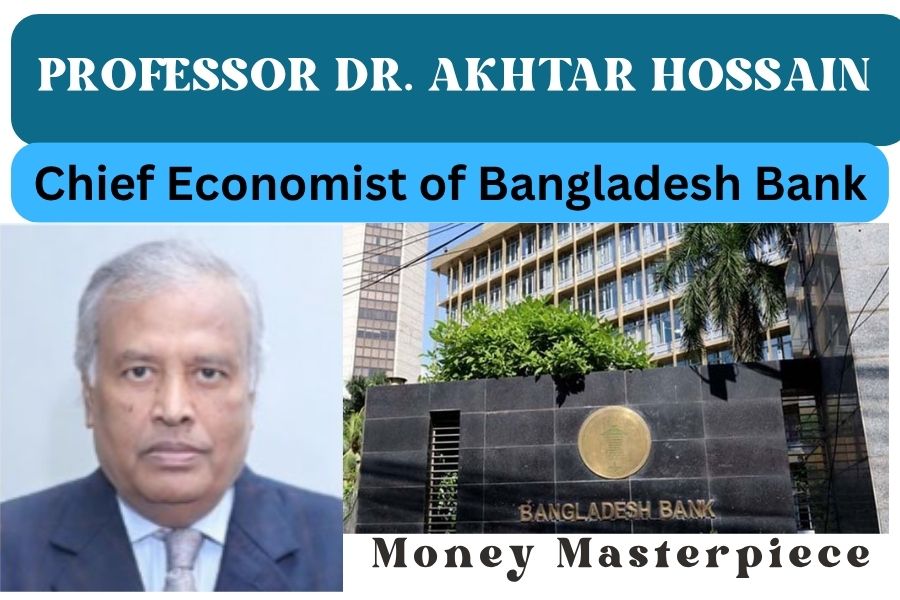
  • Professor Dr. Akhtar Hossain: Chief Economist of Bangladesh Bank

    Bangladesh Bank welcomed a distinguished economist at its helm of research and macro-policy with the appointment of Professor Dr. Akhtar Hossain as its Chief Economist, effective from 1 July 2025. A global expert in central banking and macroeconomic policy, Dr. Hossain brings with him a career spanning over four decades, with significant academic and policy contributions across Asia, Australia, Europe, and North America.

    Early Life and Education: A Brilliant Academic Beginning

    Dr. Akhand Mohammad Akhtar Hossain’s journey began in Madaripur, where he completed his SSC (1970) and HSC (1972) with First Division from Kaliganj High School and Madaripur Government College (formerly Nazimuddin College). His higher studies took shape at Jahangirnagar University, where he stood first in both B.Sc. (Honours) and M.Sc. in Economics in 1978 and 1980, respectively.

    In pursuit of deeper academic inquiry, Dr. Hossain moved to Melbourne, Australia, supported by scholarships from the University of Melbourne and La Trobe University, where he earned his MA (Honours) and PhD in Economics. His doctoral thesis on Bangladesh’s macroeconomy earned the prestigious La Trobe University Medal and was later published as a book by Oxford University Press.

    A Distinguished Global Academic and Policy Career

    Dr. Hossain began his professional career in 1981 as a Lecturer at Jahangirnagar University. Following his PhD, he joined the University of Newcastle, Australia, in 1989 and served for over 30 years, retiring as an Associate Professor of Economics in 2020. His teaching and research were always interconnected, with a sustained focus on macroeconomic policy, monetary policy, and central banking, particularly in Bangladesh and the broader Asia-Pacific region.

    Dr. Hossain’s academic influence is truly global. He has held visiting professor/scholar positions at prestigious institutions such as:

    • University of Illinois at Urbana-Champaign
    • Stanford University
    • University of Melbourne
    • University of Malaya
    • Delhi University
    • University of Tasmania
    • University of Kent

    In parallel, Dr. Hossain worked with global institutions like the World Bank, IMF, and central banks in Indonesia, Thailand, and Bangladesh. Notably, he served as a Resident Economic Advisor at Bangladesh Bank in 2004, leading several training programs and initiating research seminars on macro-monetary policy.

    Scholarship and Thought Leadership

    Dr. Hossain’s scholarly work reflects intellectual depth and policy relevance. He has authored:

    • 87 peer-reviewed journal articles
    • 27 book chapters
    • Four reference textbooks on macroeconomic and monetary issues
    • Three Bangladesh-focused books, published by Oxford University Press, Sage Publications, and University Press Limited.

    His most influential research monographs include:

    • Central Banking and Monetary Policy in the Asia-Pacific (Edward Elgar, 2009)
    • Macroeconomic and Monetary Policy Issues in Indonesia (Routledge, 2012)
    • The Evolution of Central Banking in the Asia-Pacific (Edward Elgar, 2015)
    • Central Banking in Muslim-Majority Countries (Edward Elgar, 2015)

    His upcoming work, Money and Monetary Policy for Price Stability in the Asia-Pacific, is under contract with Palgrave Macmillan.


    A Strategic Appointment: Chief Economist of Bangladesh Bank

    At a time when Bangladesh’s economy faces complex macro-financial challenges — from inflation management to external balance realignments — Dr. Hossain’s appointment as Chief Economist of Bangladesh Bank signals a strategic shift toward evidence-based policymaking. His role will be crucial in strengthening the Chief Economist’s Unit, promoting policy-oriented research, and guiding monetary policy development aligned with regional and global trends.


    Mentorship and Legacy

    In addition to his academic research, Dr. Hossain has been a passionate mentor. He has supervised five PhD students from Bangladesh, China, Indonesia, Pakistan, and Thailand, and supported numerous honours students in economics.


    Personal Ethos and Vision

    Dr. Hossain is married to Nilufar Yasmin Hossain, and the couple has four children, all professionals in diverse fields. A product of conservative, land-owning Muslim families, Dr. Hossain describes himself as socially and politically conservative, with deep empathy for pro-poor policies. He maintains no political affiliation but expresses strong commitment to equity, integrity, and inclusive development.

    Previous Chief Economists of Bangladesh Bank

    Hassan Zaman (2012–2014)

    Served as Chief Economist starting in November 2012. Previously, he was Lead Economist at the World Bank’s Dhaka office and had a PhD from University of Sussex and MSc from LSE .

    Biru Paksha Paul (2014–2016)

    Appointed after Zaman’s tenure. He worked as an associate professor at SUNY Cortland before joining Bangladesh Bank .

    Faisal Ahmed (2017–Jan 2019)

    Joined from the IMF, he brought extensive experience in macroeconomic analysis, asset management, and emerging markets advisory.

    Md Habibur Rahman (Feb 2022–Feb 2025)

    First internal appointee to the role. He was previously Executive Director of the Research Department at Bangladesh Bank and joined the position in February 2022. He moved on to become Deputy Governor in February 2025 .


    Conclusion: A Steady Hand for Economic Strategy

    Professor Dr. Akhtar Hossain’s return to Bangladesh Bank as its Chief Economist is a homecoming of an economist whose career has spanned continents but remained deeply rooted in his country’s development. His depth of experience, research rigor, and policy wisdom will be instrumental in shaping the central bank’s macroeconomic outlook and policy responses in the coming years.

    Bangladesh’s journey toward sustained, inclusive, and innovation-driven growth now has a guiding hand in one of its finest economic minds.