Author: MMP

  • Bangladesh C-Suite Awards 2025

    The corporate landscape of Bangladesh paused on November 22, 2025, to honor those at the forefront of the nation’s corporate transformation. The occasion was the Mutual Trust Bank PLC Presents 4th Bangladesh C-Suite Awards, a flagship initiative of the Bangladesh Brand Forum (BBF). Gathering C-suite executives, boardroom leaders, founders, and strategists, the prestigious gala celebrated corporate excellence and the vital role of leadership in shaping the country’s future.

    This year’s awards sent a powerful message: Bangladesh’s progress hinges on leaders grounded in clarity, resilience, and purpose.

    The Winners: Who Was Awarded?
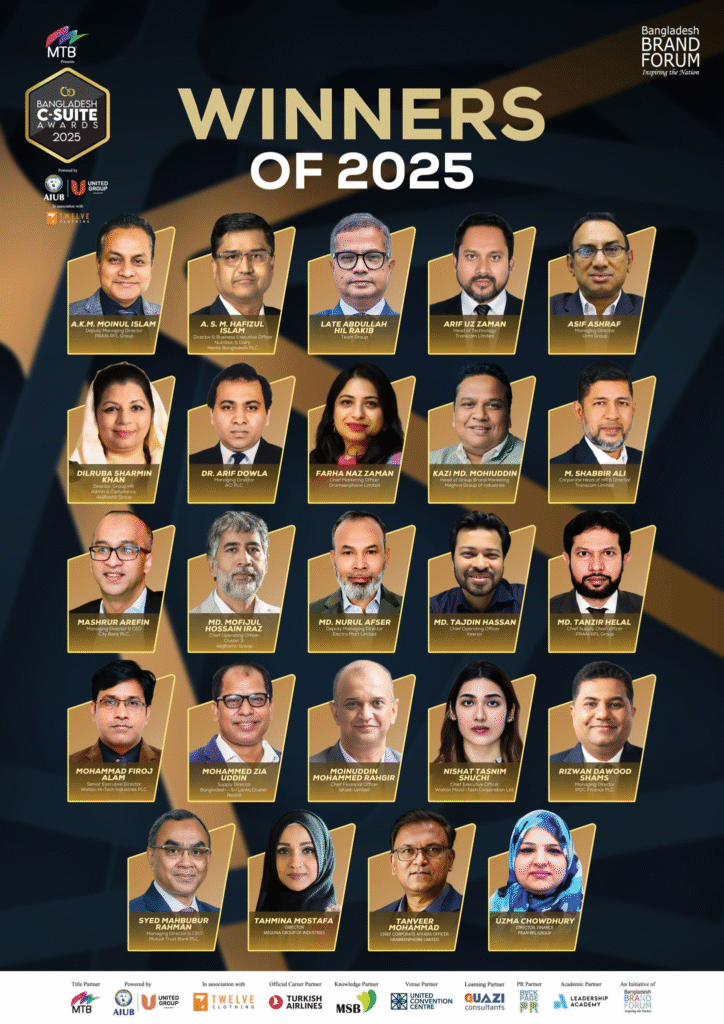
    The 4th Bangladesh C-Suite Awards recognized a total of 24 outstanding corporate leaders across 23 categories. These winners were chosen from a robust pool of 102 nominations submitted by 51 organizations, indicating a broad participation and a rising competitive spirit in Bangladeshi corporate leadership.

    The recognized leaders spanned various sectors and functional roles, emphasizing breadth in corporate excellence:

    I. Financial, Entrepreneurial, and Leadership Recognition

    The awards included specialized accolades and recognition for overall corporate and financial leadership:

    Award CategoryWinner (Title & Company)
    Chief Executive Officer (CEO)/ Managing Director (MD) of the Year (Financial Institutions) 2025Mashirur Arefin, Managing Director & CEO, City Bank PLC.
    Chief Executive Officer (CEO)/ Managing Director (MD) of the Year (For Business Revenue Per Annum 100 Crore – 499 Crore) 2025Rizwan Dawood Shams, Managing Director, IPDC Finance PLC.
    Entrepreneur of the Year 2025Dr. Arif Dowla, Managing Director, ACI PLC.
    The Positive Impact Leadership Award 2025Syed Mahbubur Rahman, Managing Director & CEO, Mutual Trust Bank PLC.
    The Luminary Award for Sustainable Innovation 2025Late Abdullah Hil Rakib, Team Group.
    Most Transformative C-Suite of the Year 2025Md. Tajdin Hassan, Chief Operating Officer, Keeron.

    II. Functional C-Suite Excellence (Finance, HR, Marketing, & Operations)

    Several key functional roles were honored, demonstrating the importance of specialized expertise within organizations:

    Award CategoryWinner (Title & Company)
    Chief Finance Officer (CFO)/ Finance Director of the Year 2025Uzma Chowdury, Director, Finance, PRAN-RFL Group Moinuddin Mohammed Rahgir, Chief Financial Officer, bKash Limited
    Chief Human Resource Officer (CHRO)/ Human Resource Director of the Year 2025M. Shabbir Ali, Corporate Head of HR & Director, Transcom Limited Dilruba Sharmin Khan, Director, Group HR, Admin & Compliance, AkijBashir Group
    Chief Marketing Officer (CMO)/ Marketing Director of the Year 2025Farha Naz Zaman, Chief Marketing Officer, Grameenphone Limited Kazi Md. Mohiuddin, Head of Group Brand Marketing, Meghna Group of Industries
    Chief Technology Officer (CTO)/ Technology Director of the Year 2025Arif Uz Zaman, Head of Technology, Transcom Limited.

    III. Industry and Operational Leadership

    The awards also specifically highlighted leaders in major economic sectors and operational management:

    Award CategoryWinner (Title & Company)
    Chief Executive Officer (CEO)/ Managing Director (MD) of the Year (FMCG) 2025Tahmina Mostafa, Director, Meghna Group of Industries.
    Chief Executive Officer (CEO)/ Managing Director (MD) of the Year (RMG) 2025Asif Ashraf, Managing Director, Urmi Group.
    Chief Operations Officer (COO)/ Operations Director of the Year 2025Md. Mofijul Hossain Iraz, Chief Operating Officer, Cluster 3, AkijBashir Group.
    Chief Supply Chain Officer (CSCO)/ Supply Chain Director of the Year 2025Md. Tanzir Helal, Chief Supply Chain officer, PRAN-RFL Group Mohammed Zia Uddin, Supply Director, Bangladesh – Sri Lanka Cluster, Reckitt
    Chief Commercial Officer (CCO)/ Sales Director of the Year 2025Mohammad Piroj Alam, Senior Executive Director, Walton Hi-Tech Industries PLC.

    The Process: Why They Were Chosen?

    The C-Suite Awards is celebrated as one of Bangladesh’s most trusted platforms for recognizing corporate excellence. The winners were selected not just for delivering results but for setting new benchmarks for corporate leadership in the country.

    A Call for Purpose-Driven Leadership

    Shariful Islam, Founder & Managing Director, Bangladesh Brand Forum, emphasized the crucial role of leadership in national development, stating: “The strength of a nation lies in the quality of its leadership.” He stressed that Bangladesh requires leaders who can “think beyond profit, act with purpose, and uphold integrity while driving growth,” positioning the C-Suite Awards as more than just a recognition, but a “call to elevate the standards of leadership”.

    A Rigorous Assessment Process

    The selection of the 24 honored leaders was ensured through a rigorous assessment process managed by a distinguished Council Board. This council was deliberately comprised of respected experts with deep experience in critical areas such as corporate leadership, business education, strategic consultancy, and economic policy.

    The panel of experts included:

    • Ashraf Bin Taj, Co-Founder & Managing Director, International Distribution Company Bangladesh PLC.
    • Professor Imran Rahman, Professor, School of Business, ULAB.
    • Mohammad Naquib Uddin Khan, Country Head & Ambassador, University of Technology Sydney.
    • Dr. A. K. Enamul Haque, Director General, Bangladesh Institute of Development Studies (BIDS).
    • M. Zulfiquar Hussain, CEO & Lead Consultant, grow n excel.

    The involvement of such a highly respected panel underscores the commitment to a fair and high-standard evaluation of the nominees.

    Setting the Stage: Resilient Leadership

    The awards ceremony was held following the 9th Leadership Summit hosted by the Bangladesh Brand Forum at the same venue. The summit operated under the timely theme: “Resilient Leadership – Thriving Amid Uncertainty,” bringing together influential business and C-suite leaders to explore how leadership must evolve in the face of shifting economic realities.

    Discussions throughout the day reinforced the “why” behind the awards, exploring themes such as:

    • Financial discipline as a leadership currency.
    • The skills required to navigate volatile environments.
    • The structural adjustments needed to secure long-term growth.
    • The need for accountability, governance, and data-driven decision-making.

    Ultimately, the combined events sent a clear message: Bangladesh’s momentum in the global economy during this defining decade relies on leaders who prioritize stability, look beyond short-term gains, and prepare their institutions for future challenges, embodying clarity, resilience, and purpose. The 24 winners of the Bangladesh C-Suite Awards 2025 represent this new standard of leadership.
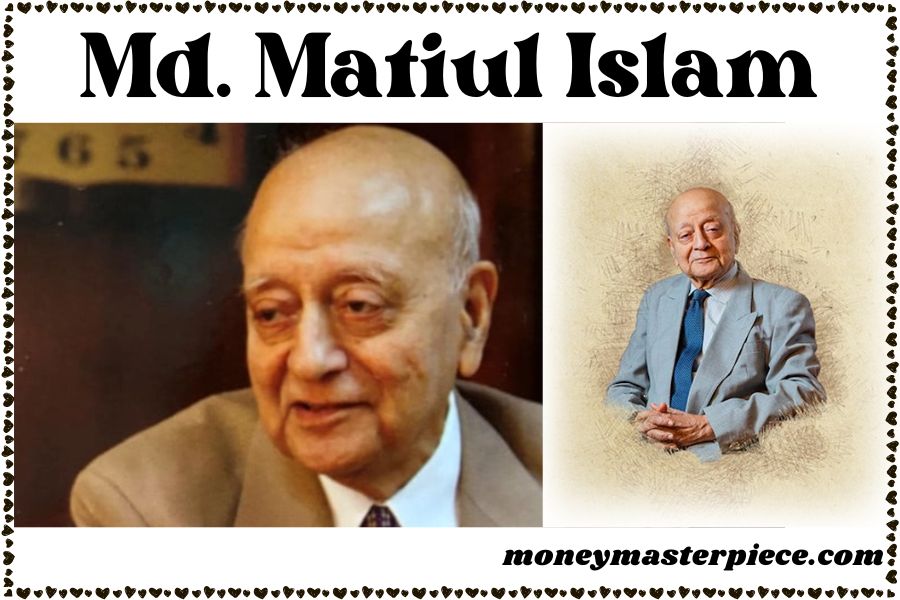
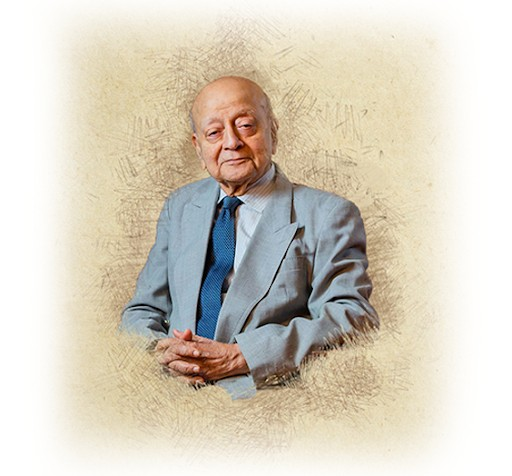
  • All About Matiul Islam: Iconic Bangladeshi in Finance

    Matiul Islam was a towering figure whose creative and visionary approach was instrumental in shaping the foundation and subsequent expansion of Bangladesh’s financial architecture. As the nation’s first finance secretary, he was critical in recovering the country’s war-torn economy, and later transitioned into a pioneering entrepreneur, driving the development of the modern private financial sector. His passing on November 20, 2025, at the age of 95, cast a shadow over Bangladesh’s financial community.

    A devoted economist, administrator, writer, and entrepreneur, Mohammed Matiul Islam’s six decades of work in accounting, finance, and international development left an indelible legacy.


    The Foundation: Education and Early Career

    Born on January 24, 1930, Matiul Islam grew up in British India and in 1946 went to Calcutta for higher studies. With the partition of India in 1947, he moved to Chittagong.

    His career was built on an exceptional academic record. He achieved a B.Com with first-class first honors from the University of Dhaka (DU) and later earned a Master’s degree in Public Administration from Harvard University. He was also a fellow of the Institute of Chartered Accountants of Bangladesh (ICAB).

    He came out successful in the central superior service examination. His distinguished career officially began with joining the Civil Service Academy in Lahore in 1952.

    Mr. Islam is known for serving as the first Finance Secretary of Bangladesh, as well as being Bangladesh’s representative to the World Bank and later with the United Nations.


    Rebuilding a Nation: Bangladesh’s First Finance Secretary

    Following Bangladesh’s independence in 1971, Matiul Islam was called upon to take on the crucial and challenging role of the country’s first Finance Secretary, appointed by January 17, 1972. Working closely with Tajuddin Ahmad, the country’s first finance and planning minister, Islam was tasked with rebuilding the nation’s war-torn banking system.

    His responsibilities were immense, including rebuilding a shattered financial system and implementing the nationalization of the banking sector.

    During this foundational period, he traveled with Sheikh Mujib and other heads of government to establish key international relationships:

    • In February 1972, he traveled to Calcutta for talks with Indira Gandhi and the Indian Foreign minister.
    • In March 1972, he journeyed to Moscow where talks with Soviet Premier Brezhnev and Prime Minister Alexei Kosygin yielded an agreement for the Soviets to build a power plant in Ghorashal and assist in clearing mines and wreckage from Chittagong Harbour.
    • Later that year, after visits to Washington D.C. and London, the groundwork for a relationship with the IMF and World Bank was established, and the country achieved US$400 million in foreign currency reserves by September 1972.

    Global Influence: Diplomat and Development Expert

    Matiul Islam’s impact extended far beyond Dhaka into the international financial arena, serving as a Bangladeshi diplomat and envoy to key global organizations.

    The World Bank

    In October 1973, Islam joined the World Bank. As Bangladesh’s representative, he spearheaded the country’s entry into the World Bank, International Monetary Fund (IMF), and Asian Development Bank (ADB).

    He served as the Alternate Executive Director for Bangladesh, working in coordination with India and Sri Lanka. When S.R. Sen, the Executive Director, passed away, Islam took over his duties, managing Bangladesh’s contributions to the IBRD, IDA, and IFC.

    His tenure, which lasted until July 1977, was marked by vocal campaigns for the equal treatment of even the poorest nations. Notably, he campaigned against a proposed U.S. Government Accountability Office audit of the World Bank, asserting that all members were equal, and if the U.S. audited the bank, every other country should have that opportunity. He collaborated closely with Robert McNamara, then President of the World Bank, to promote aid and assistance in debt restructuring, while simultaneously working to eliminate barriers to foreign investment to enhance Bangladesh’s appeal to investors.

    Secretary of Industry and UNIDO

    Following his tenure at the World Bank, Islam returned to the Government of Bangladesh in July 1977 as Secretary of Industry. His primary focus in this role was the development of Bangladesh’s private sector.

    His most significant achievement as Industry Secretary was partnering with Dubai Bank, Limited to establish the Arab-Bangladesh Bank (now AB Bank) on December 31, 1981. He later served as the founding chairman of AB Bank Limited.

    Seeking stability away from the central government following Ziaur Rahman’s assassination in 1981, Islam was offered a position at the United Nations Industrial Development Organization (UNIDO).

    He spent twelve years at UNIDO, serving six years in Vienna and six years in Delhi.

    • In Vienna, he was a Senior Industrial Development Field Adviser and served as a liaison between UNIDO and the World Bank, matching World Bank projects in need of consultant services with specialized UNIDO personnel.
    • In 1987, he transferred to Delhi, working as the UNIDO director for India and Bhutan, where he helped secure foreign direct investment and led matchmaking efforts to pair investors with local companies at no cost to India and Bhutan.

    Architect of the Private Financial Sector

    After retiring from government/NGO service in 1993, Matiul Islam turned his focus fully to entrepreneurship, becoming a pioneering figure in developing the country’s private financial sector. He went on to start four companies.

    He was instrumental in establishing several key non-bank financial institutions (NBFIs) in Bangladesh:

    • In 1996, he founded International Leasing and Financial Services (ILLFS).
    • In 1998, he followed this by founding National Housing Finance and Investment (NHFIL).
    • In 2000, he founded his primary business venture, the Industrial and Infrastructure Development Finance Company Limited (IIDFC), a non-banking financial institution (NBFI) operating under the Financial Institutions Act of 1993. As of 2015, IIDFC amassed 16.7 billion BDT (US$200 million) in assets, and Islam continued to serve as its chairman.

    Additionally, in 2003, he played a key role in founding the Credit Rating Agency of Bangladesh (CRAB) by partnering with the Indian Credit Rating Agency (ICRA), and he most recently served as the vice-chairman of CRAB.

    In his later years, he documented his extensive experience, publishing his second memoir, Recollections of a Civil Servant-Turned Banker (2019).


    Lifetime Achievement and Recognition

    Matiul Islam’s significant contributions to financial governance and public life were recognized with prestigious awards:

    • In 2010, his company, IIDFC, received the HSBC-The Daily Star Climate Award for Climate Change Mitigation for financing Bangladesh’s first green brick project, which introduced a technology using 50% less energy to manufacture bricks.
    • In 2011, he won The DHL-Daily Star Lifetime Achievement Award for his collective accomplishments over six decades in finance, accounting, and international development.
    • In 2021, the Institute of Chartered Accountants of Bangladesh (ICAB) honored him with a Lifetime Achievement Award.

    Death

    Mr. Islam left the world at the age of 95 on 20 November 2025 leaving his wife- Zohra, two daughters, five grandchildren, and one great-granddaughter..

    Last Lines

    Matiul Islam, who was described by his family as possessing great wisdom and a quiet but powerful influence, passed away on November 20, 2025. His vision and dedication ensured that the financial ecosystem of Bangladesh was not just reconstructed but systematically designed for future growth, cementing his legacy as a true pioneer.

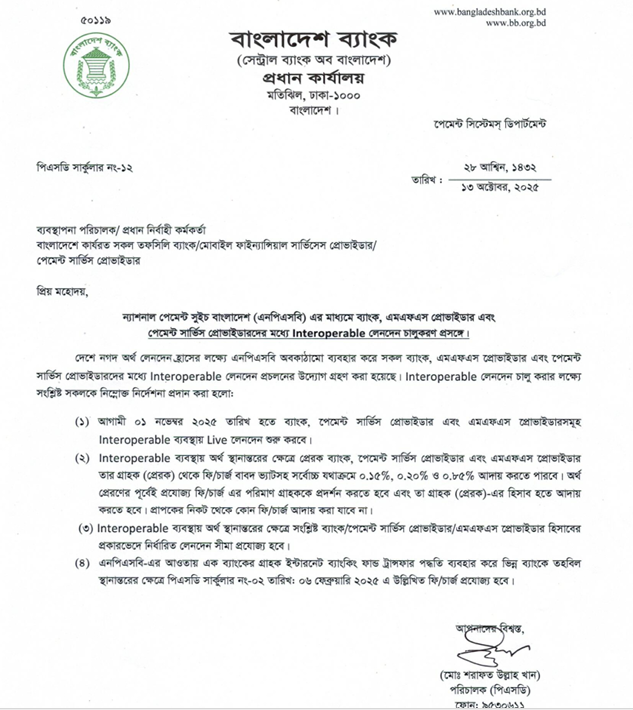
  • Interoperable লেনদেন চালু : বাংলাদেশ ব্যাংকের সার্কুলার

    ১৩/১০/২০২৫ তারিখে পিএসডি সার্কুলার নং-১২ এর মাধ্যমে আগামী ০১ নভেম্বর ২০২৫ তারিখ হতে ন্যাশনাল পেমেন্ট সুইচ বাংলাদেশ (এনপিএসবি) এর মাধ্যমে ব্যাংক, এমএফএস প্রোভাইডার এবং পেমেন্ট সার্ভিস প্রোভাইডারদের মধ্য interoperable লেনদেন চালু করতে যাচ্ছে বাংলাদেশ ব্যাংক। এতে গ্রাহকের খরচ কমবে এবং সহজে সেবা পাওয়া সম্ভব হবে।

    বছরের পর বছর ধরে বিকাশ থেকে ব্যাংক অ্যাকাউন্টে, কিংবা এক মোবাইল ওয়ালেট থেকে অন্যটিতে টাকা পাঠানোটা যেন সুরক্ষিত সীমান্ত পার হওয়ার মতো ছিল। কিন্তু আগামী ১ নভেম্বর, ২০২৫ থেকে সেই অদৃশ্য সীমান্তগুলো উঠে যাচ্ছে। বাংলাদেশ ব্যাংক একটি নতুন আন্তঃলেনদেন (interoperable) ব্যবস্থা চালু করতে যাচ্ছে, যা নিয়ে অনেকের মনেই খরচসহ নানা বিষয়ে প্রশ্ন তৈরি হয়েছে। এই আর্টিকেলে আমরা নতুন এই সিস্টেমের সবচেয়ে গুরুত্বপূর্ণ এবং চমকপ্রদ দিকগুলো সহজ ভাষায় তুলে ধরব।

    আন্ত:লেনদেন ব্যবস্থা

    আগামী ১ নভেম্বর, ২০২৫ থেকে বাংলাদেশ ব্যাংক একটি নতুন ডিজিটাল লেনদেন ব্যবস্থা চালু করতে যাচ্ছে, যার মূল উদ্দেশ্য হলো দেশের বিভিন্ন ব্যাংক, মোবাইল ফিন্যান্সিয়াল সার্ভিস (এমএফএস) এবং পেমেন্ট সার্ভিস প্রোভাইডারদের (পিএসপি) মধ্যে টাকা পাঠানোকে আরও সহজ করা এবং গ্রাহকদের জন্য খরচ কমিয়ে আনা।

    এই ব্যবস্থাটি ভালোভাবে বুঝতে হলে, চলুন প্রথমে কিছু জরুরি শব্দ ও তাদের অর্থ জেনে নিই।

    কিছু গুরুত্বপূর্ণ শব্দের সংজ্ঞা

    • এমএফএস (MFS): এমএফএস (MFS) হলো মোবাইলের একটি ডিজিটাল ওয়ালেট সেবা, যেখানে এজেন্ট পয়েন্ট থেকে টাকা জমা বা তোলা যায়। যেমন, আমরা সবাই বিকাশ, রকেট বা নগদ ব্যবহার করি।

    • পিএসপি (PSP): পিএসপি (PSP) অনেকটা MFS-এর মতোই একটি ডিজিটাল ওয়ালেট, কিন্তু এর কোনো এজেন্ট পয়েন্ট থাকে না। পাঠাও পে বা টালি পে হলো এর উদাহরণ।

    • এনপিএসবি (NPSB): এনপিএসবি (NPSB) হলো বাংলাদেশ ব্যাংকের একটি কেন্দ্রীয় প্ল্যাটফর্ম, যা দেশের সব ব্যাংক, MFS এবং PSP-কে একসাথে যুক্ত করে দেয়, যাতে আমরা মুহূর্তের মধ্যে নিজেদের মধ্যে টাকা লেনদেন করতে পারি।

    Cost of Fund: বলতে এসকল আর্থিক প্রতিষ্ঠান কর্তৃক ফান্ড সংগ্রহের গড় খরচ বা ব্যয়কে বোঝায়। উদাহরণস্বরূপ এমএফএস এর ক্ষেত্রে cost of fund হলো নগদ অর্থ মোবাইল ওয়ালেটে ই-মানি হিসাবে ডিজিটাইজ করা সংশ্লিষ্ট ব্যয়। এক্ষেত্রে এজেন্ট ও ডিস্ট্রিবিউটর কমিশন, USSD/এ্যাপ ও SMS খরচ, ভ্যাট ও প্রমোশনাল ব্যয় ইত্যাদি অন্তর্ভুক্ত। উল্লেখ্য যে, এমএফএসসমূহ এ ব্যয় cash in এর সময় না কর্তন করে, একেবারে cash out এর সময় কর্তন করে।

    এখন যেহেতু আমরা এই প্রতিষ্ঠানগুলোকে চিনি, চলুন দেখে নেওয়া যাক এদের মধ্যে টাকা লেনদেনের নতুন খরচ কেমন হবে।

    নতুন নিয়মে টাকা পাঠানোর খরচ কেমন হবে?

    এই ব্যবস্থার সবচেয়ে গুরুত্বপূর্ণ নিয়মটি হলো: যিনি টাকা পাঠাবেন, শুধু তাকেই চার্জ দিতে হবে; যিনি টাকা গ্রহণ করবেন তার কোনো খরচ নেই। টাকা পাঠানোর আগে প্রেরককে অবশ্যই খরচের পরিমাণ দেখানো হবে এবং তার সম্মতিতেই লেনদেন সম্পন্ন হবে।

    নিচের টেবিলে নতুন সর্বোচ্চ খরচের তালিকা দেওয়া হলো:

    আপনি পাঠাচ্ছেন (Sender)টাকা যেখানে যাচ্ছে (Receiver)খরচ (প্রতি হাজারে)
    ব্যাংক (Bank)অন্য যেকোনো MFS বা PSP-তে১.৫ টাকা
    পিএসপি (PSP)অন্য যেকোনো ব্যাংক, MFS বা PSP-তে২ টাকা
    এমএফএস (MFS)অন্য যেকোনো ব্যাংক, MFS বা PSP-তে৮.৫ টাকা

    • বিশেষ দ্রষ্টব্য: এক ব্যাংক থেকে অন্য ব্যাংকে টাকা পাঠানোর সর্বোচ্চ খরচ আগের মতোই লেনদেন প্রতি ১০ টাকা থাকবে। অর্থাৎ এক ব্যাংক হতে অন্য ব্যাংকে ১ লক্ষ টাকা প্রেরণ করলে প্রেরকের খরচ সর্বোচ্চ ১০ টাকা।

    এই নতুন খরচের তালিকা দেখে আপনার মনে কিছু প্রশ্ন আসতেই পারে, চলুন সেগুলোর উত্তর খোঁজা যাক।

    সত্যিই কি ‘অ্যাড মানি’র খরচ বাড়ছে?

    অনেকের প্রধান উদ্বেগ হলো, ব্যাংক থেকে মোবাইল ফিন্যান্সিয়াল সার্ভিস (MFS) যেমন বিকাশ বা নগদে টাকা আনার খরচ বা ‘অ্যাড মানি’র খরচ বাড়বে কিনা।

    বর্তমানে MFS সমূহ ব্যাংক থেকে এড মানি করার ক্ষেত্রে তিনটি পদ্ধতি ব্যবহৃত হয়:

    ক) NPSB প্ল্যাটফর্ম ব্যবহার করে

    খ) বিভিন্ন আন্তর্জাতিক প্ল্যাটফর্ম (Visa, Mastercard ইত্যাদি) ব্যবহার করে ক্রেডিট/ডেবিট কার্ড থেকে; এবং

    গ) ব্যাংক ও MFS এর নিজস্ব দ্বিপাক্ষিক চুক্তি ও সংযোগ (API Connectivity) এর মাধ্যমে ব্যাংক একাউন্ট থেকে।

    বর্তমানে অনেক MFS গ্রাহকদের জন্য ‘অ্যাড মানি’ সেবাটি বিনামূল্যে দিয়ে থাকে। এর কারণ হলো, ব্যাংক ও MFS প্রতিষ্ঠানগুলো নিজেদের মধ্যে দ্বিপাক্ষিক চুক্তির মাধ্যমে এই খরচটি (যা ক্ষেত্রবিশেষে ০.৪% পর্যন্ত হয়) নিজেরাই বহন করে।

    বাংলাদেশ ব্যাংকের নতুন সার্কুলার অনুযায়ী, ন্যাশনাল পেমেন্ট সুইচ বাংলাদেশ (NPSB) প্ল্যাটফর্ম ব্যবহার করে ‘অ্যাড মানি’ করলে প্রেরক ব্যাংক গ্রাহকের কাছ থেকে প্রতি হাজারে সর্বোচ্চ ১.৫ টাকা (০.১৫%) ফি নিতে পারবে। তবে স্বস্তির বিষয় হলো, টাকা পাঠানোর আগেই অ্যাপের স্ক্রিনে আপনাকে এই চার্জের পরিমাণ স্পষ্টভাবে দেখানো হবে, ফলে কোনো লুকানো খরচ থাকবে না।

    উল্লেখ্য যে ব্যাংকসমূহ তাদের cost of fund এবং ব্যবসায়িক কৌশল বিবেচনায় তাদের গ্রাহকদের ০.১৫% এর কম খরচে এমনকি ০% হারে NPSB ব্যবস্থায় এমএফএস ও পিএসপিসমূহে ফান্ড ট্রান্সফারের সুবিধা প্রদান করতে পারবে। একইভাবে NPSB ব্যবস্থায় এমএফএস ও পিএসপিসমূহের খরচ হ্রাস পাবে বিধায় তাদের গ্রাহকের ওয়ালেটে (প্রাপক) বোনাস প্রদানের মাধ্যমেও উক্ত ফি পুর্নভরণ করতে পারবে। আর্থিক প্রতিষ্ঠানসমূহের cost of fund এবং কারিগরি দক্ষতা প্রতিষ্ঠানভেদে ভিন্ন হওয়ায় বাংলাদেশ ব্যাংক কোন নির্দিষ্ট ফি এর পরিবর্তে সর্বোচ্চ ফি নির্ধারণ করেছে। এতে প্রতিষ্ঠানসমূহ তার ব্যবসায়িক কৌশলের নিরিখে ফি নির্ধারণ করতে পারবে বিধায় আর্থিক প্রতিষ্ঠানসমূহের মধ্যে প্রতিযোগিতা ও গ্রাহক সেবার মান বৃদ্ধি পাবে মর্মে আশা করা যায়।

    একই সাথে MFS সমূহ চাইলে NPSB প্ল্যাটফর্ম ব্যবহার না করে আগের মতো নিজস্ব দ্বিপাক্ষিক সংযোগ ও আন্তর্জাতিক প্ল্যাটফর্ম (Visa, Mastercard ইত্যাদি) ব্যবহার করেও গ্রাহকদের এড মানির সেবা প্রদান করতে পারে এবং পূর্বের মতো প্রেরক ব্যাংক বা আন্তর্জাতিক প্ল্যাটফর্মের আরোপিত ফি নিজে বহন করে বিনামূল্যে তার গ্রাহকদের এড মানির সেবা প্রদান করতে পারবে। পাশাপাশি আর্থিক প্রতিষ্ঠানসমূহ দ্রুততম সময়ে তাদের এ্যাপে প্রয়োজনীয় আপগ্রেডেশন করবে যার ফলে গ্রাহকের নিকট NPSB প্ল্যাটফর্মের পাশাপাশি দ্বিপাক্ষিক সংযোগ বা আন্তর্জাতিক প্লাটফর্মের মাধ্যমে অর্থ স্থানান্তরের অপশনও থাকবে এবং গ্রাহক তাঁর পছন্দমতো পদ্ধতি বাছাই করতে পারবে।

    কিন্তু এর মানে এই নয় যে ‘অ্যাড মানি’তে খরচ হচ্ছেই। এখানে কয়েকটি গুরুত্বপূর্ণ বিষয় রয়েছে:

    ১. বিকল্প পথ খোলা: MFS প্রতিষ্ঠানগুলোর জন্য NPSB-ই একমাত্র পথ নয়। তারা আগের মতোই তাদের নিজস্ব দ্বিপাক্ষিক সংযোগ বা ভিসা, মাস্টারকার্ডের মতো আন্তর্জাতিক প্ল্যাটফর্ম ব্যবহার করে গ্রাহকদের বিনামূল্যে ‘অ্যাড মানি’ সেবা দেওয়া অব্যাহত রাখতে পারবে।

    ২. খরচ কমানোর সুযোগ: MFS প্রতিষ্ঠানগুলো NPSB ব্যবহার করলেও গ্রাহকের খরচ পুষিয়ে দিতে পারবে। যেহেতু এই নতুন ব্যবস্থায় তাদের নিজেদের খরচও কমবে, তাই তারা গ্রাহকের ওয়ালেটে (প্রাপক) বোনাস প্রদানের মাধ্যমে প্রেরকের দেওয়া ফি ফেরত দিতে পারবে। অর্থাৎ, ব্যাংক আপনার কাছ থেকে ১.৫ টাকা নিলেও MFS আপনাকে সমপরিমাণ বোনাস দিয়ে লেনদেনটি কার্যত বিনামূল্যেই করে দিতে পারে।

    ৩. ব্যাংকের প্রতিযোগিতা: ব্যাংকগুলোকেও সর্বোচ্চ ফি নিতেই হবে এমন কোনো বাধ্যবাধকতা নেই।

    উল্লেখ্য যে ব্যাংকসমূহ তাদের cost of fund এবং ব্যবসায়িক কৌশল বিবেচনায় তাদের গ্রাহকদের ০.১৫% এর কম খরচে এমনকি ০% হারে NPSB ব্যবস্থায় এমএফএস ও পিএসপিসমূহে ফান্ড ট্রান্সফারের সুবিধা প্রদান করতে পারবে।

    সুতরাং, ‘অ্যাড মানি’র খরচ বাড়বে কিনা, তা নির্ভর করবে ব্যাংক ও MFS প্রতিষ্ঠানগুলোর প্রতিযোগিতামূলক কৌশলের ওপর।

    কিছু লেনদেন এখন আগের চেয়ে সস্তা হবে

    যদিও ‘অ্যাড মানি’র বিষয়টি বেশ nuanced, নতুন নিয়মে অন্য একটি সাধারণ লেনদেনে দ্ব্যর্থহীনভাবে দারুণ সুখবর রয়েছে। MFS ওয়ালেট (যেমন: বিকাশ, নগদ) থেকে সরাসরি ব্যাংক অ্যাকাউন্টে টাকা পাঠানোর খরচ এখন উল্লেখযোগ্যভাবে কমবে।

    বর্তমানে এই ধরনের লেনদেনে প্রতি হাজারে খরচ হয় ১০.৫ টাকা থেকে ১২.৫ টাকা। নতুন নিয়ম কার্যকর হলে এই খরচ কমে প্রতি হাজারে সর্বোচ্চ ৮.৫ টাকায় নেমে আসবে। এই পরিবর্তনটি সরাসরি ফ্রিল্যান্সার, ছোট অনলাইন ব্যবসায়ী এবং এমন প্রত্যেকের জন্য সুবিধাজনক, যারা মোবাইল ওয়ালেটে পেমেন্ট গ্রহণ করেন কিন্তু মূলধন একত্র করার জন্য ব্যাংকে টাকা জমা রাখতে চান।

    ভেঙে যাচ্ছে অদৃশ্য দেয়াল

    আগে এক আর্থিক প্রতিষ্ঠান থেকে অন্য প্রতিষ্ঠানে টাকা পাঠানোর সুযোগ ছিল সীমিত। কেবল যেসব ব্যাংক, MFS বা PSP-এর মধ্যে সরাসরি “দ্বিপাক্ষিক চুক্তি” ছিল, তাদের গ্রাহকরাই একে অপরের সাথে লেনদেন করতে পারতেন। এর ফলে নতুন বা ছোট প্রতিষ্ঠানগুলোর গ্রাহকরা আন্তঃলেনদেন সুবিধা থেকে বঞ্চিত হতো।

    নতুন NPSB সিস্টেমটি অংশগ্রহণকারী সকল ব্যাংক, MFS এবং পেমেন্ট সার্ভিস প্রোভাইডারকে (PSP) একটি অভিন্ন নেটওয়ার্কে যুক্ত করবে। (PSP বা পেমেন্ট সার্ভিস প্রোভাইডার হলো এমন প্রতিষ্ঠান যারা ডিজিটাল ওয়ালেট সেবা দেয়, কিন্তু MFS-এর মতো এজেন্টের মাধ্যমে টাকা তোলা বা জমা দেওয়ার সুবিধা দেয় না। যেমন: পাঠাও পে, টালি পে ইত্যাদি।)

    এতে আর্থিক প্রতিষ্ঠানগুলোর মধ্যকার অদৃশ্য দেয়াল ভেঙে যাবে এবং গ্রাহকদের জন্য বিকল্প বাড়বে। এটি বিশেষ করে PSP-গুলোর জন্য বড় সুযোগ তৈরি করবে, যা দেশের ডিজিটাল পেমেন্ট ব্যবস্থা শক্তিশালী করতে এবং “ক্যাশলেস বাংলাদেশ” গঠনে সহায়তা করবে।

    ‘সর্বোচ্চ ফি’ বেঁধে দেওয়া হলো কেন?

    এই নতুন নিয়মে বাংলাদেশ ব্যাংক কোনো নির্দিষ্ট ফি নির্ধারণ না করে একটি ‘সর্বোচ্চ ফি’ বেঁধে দিয়েছে। এর পেছনের মূল যুক্তি হলো প্রতিষ্ঠানগুলোর মধ্যে একটি সুস্থ প্রতিযোগিতা তৈরি করা।

    এই ব্যবস্থার ফলে প্রতিটি ব্যাংক, MFS বা PSP তাদের নিজস্ব “cost of fund” (তহবিল সংগ্রহের খরচ) এবং ব্যবসায়িক কৌশল অনুযায়ী গ্রাহকদের জন্য ফি নির্ধারণ করতে পারবে। এখানে “cost of fund” বলতে বোঝায় একটি প্রতিষ্ঠানের তহবিল সংগ্রহের গড় খরচ। যেমন, MFS-এর ক্ষেত্রে এর মধ্যে অন্তর্ভুক্ত থাকে এজেন্ট ও ডিস্ট্রিবিউটর কমিশন, USSD/অ্যাপ ও SMS খরচ, ভ্যাট এবং প্রচারণামূলক ব্যয়।

    যেহেতু প্রতিটি প্রতিষ্ঠানের খরচ এবং কারিগরি দক্ষতা ভিন্ন, তাই সর্বোচ্চ ফি নির্ধারণ করে দেওয়ায় তারা নিজেদের মধ্যে প্রতিযোগিতা করে গ্রাহকদের আকৃষ্ট করতে পারবে। আশা করা হচ্ছে, এর ফলে সেবার মান বাড়বে এবং দীর্ঘমেয়াদে গ্রাহকদের জন্য খরচও কমে আসবে।

    এই লেনদেনে বাংলাদেশ ব্যাংকের কোনো লাভ নেই

    অনেকের মনে প্রশ্ন জাগতে পারে যে, এই লেনদেনের ফি থেকে বাংলাদেশ ব্যাংক বা NPSB প্ল্যাটফর্ম কোনো মুনাফা করছে কি না। এর সরাসরি উত্তর হলো—না। গ্রাহকদের লেনদেন থেকে বাংলাদেশ ব্যাংক কোনো প্রকার চার্জ বা ফি গ্রহণ করছে না। ডিজিটাল লেনদেনকে উৎসাহিত করা এবং জনস্বার্থ নিশ্চিত করাই এই প্ল্যাটফর্মের মূল উদ্দেশ্য।

    ডিজিটাল লেনদেনের প্রসার ও জনস্বার্থে NPSB প্ল্যাটফর্ম তথা বাংলাদেশ ব্যাংক আন্তঃলেনদেনে কোনো প্রকার চার্জ/ফি গ্রহণ করছে না।

    আপনার জন্য সুবিধাগুলো কী?

    1. বেশি স্বাধীনতা: এখন আপনি আপনার ব্যাংক অ্যাকাউন্ট বা এমএফএস ওয়ালেট থেকে দেশের প্রায় যেকোনো আর্থিক প্রতিষ্ঠানের অ্যাকাউন্টে সহজেই টাকা পাঠাতে পারবেন, তা যে কোম্পানিরই হোক না কেন।

    2. স্বচ্ছ খরচ: টাকা পাঠানোর আগেই আপনি পরিষ্কারভাবে জানতে পারবেন কত টাকা খরচ হচ্ছে। এছাড়া, এমএফএস থেকে ব্যাংকে টাকা পাঠানোর মতো কিছু ক্ষেত্রে খরচ আগের চেয়ে কমে আসবে।

    3. সহজ লেনদেন: সব আর্থিক সেবা একটি প্ল্যাটফর্মে যুক্ত হওয়ায় আপনার টাকা ব্যবস্থাপনা অনেক সহজ হবে। যেমন, আপনার রকেট অ্যাকাউন্ট থেকে সরাসরি বন্ধুর পাঠাও পে ওয়ালেটে টাকা পাঠানো যাবে, যা আগে সম্ভব ছিল না।

    উপসংহার

    শেষ পর্যন্ত, এটি কেবল একটি নীতিমালা পরিবর্তন নয়; এটি বাংলাদেশে পরবর্তী প্রজন্মের আর্থিক পণ্য তৈরির ভিত্তি স্থাপন। প্রতিষ্ঠানগুলোর মধ্যেকার দরজা জোর করে খুলে দিয়ে বাংলাদেশ ব্যাংক এমন সব উদ্ভাবনী ফিনটেক সমাধানের পথ তৈরি করছে, যা আমরা হয়তো এখনো কল্পনাও করতে পারছি না। এই উদ্যোগ বাংলাদেশের ডিজিটাল আর্থিক ব্যবস্থাকে আরও উন্মুক্ত, প্রতিযোগিতামূলক এবং পরস্পরের সাথে সংযুক্ত করবে।

    এই নতুন আন্তঃলেনদেন ব্যবস্থা আপনার দৈনন্দিন টাকা পয়সার ব্যবস্থাপনায় কী পরিবর্তন আনবে বলে আপনি মনে করেন?

  • Creative Destruction Wins the Nobel in 2025

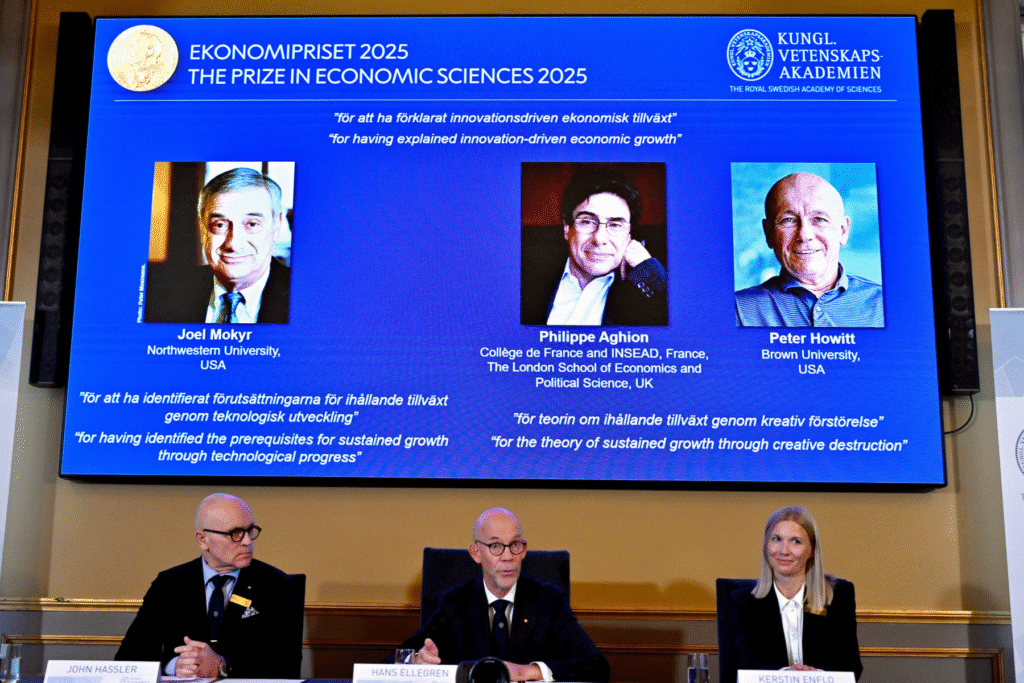
    The final Nobel award of the season arrived with a bang on Monday, October 13, 2025! The Nobel Memorial Prize in Economic Sciences was awarded to three visionary researchers for their groundbreaking work explaining the phenomenon that drives global prosperity: innovation-driven economic growth.

    Their collective work sheds light on the dynamic process of “creative destruction”, where new technologies and ideas replace older ones, shaping the rhythm of progress across generations.

    The prestigious honor—and the 11 million Swedish kronor prize—was shared by Dutch-born Joel Mokyr, 79, of Northwestern University; French economist Philippe Aghion, 69, of the Collège de France and the London School of Economics; and Canadian-born Peter Howitt, 79, of Brown University.


    The Pioneers of Creative Destruction

    • Joel Mokyr, 79, a Dutch-born economist at Northwestern University, has long studied how technological progress transforms societies.
    • Philippe Aghion, 69, from the Collège de France and London School of Economics, and Peter Howitt, 79, from Brown University, are co-authors of influential models that formalized the mechanisms of innovation-led growth.

    Together, their research deepened economists’ understanding of how ideas spread, evolve, and fuel prosperity — even as they disrupt industries and displace older systems.


    Creative Destruction: The Core of Capitalism

    The concept of creative destruction, first popularized by Joseph Schumpeter in 1942, lies at the heart of the laureates’ work. It describes how new innovations “destroy” outdated technologies and business models, paving the way for economic renewal.

    The economists’ findings help explain historical and modern examples alike:

    • Steam engines replacing horse-drawn wagons.
    • E-commerce transforming traditional retail.
    • Streaming platforms replacing DVDs and CDs.
    • Digital advertising reshaping media industries.

    Their models quantify this process and highlight the balance between progress and disruption — showing that innovation boosts long-term welfare but can also cause short-term displacement.


    From Theory to Policy: How Innovation Shapes Growth

    Aghion and Howitt’s 1992 growth model revolutionized economic thought by showing how continuous innovation sustains growth. They emphasized that markets dominated by a few powerful firms can slow down innovation, while open, competitive environments foster creativity and new ideas.

    Their research underscores the importance of:

    • Supporting workers affected by technological change, not just preserving outdated jobs.
    • Encouraging social mobility, so economic opportunity isn’t limited by family background.
    • Maintaining healthy competition, especially in industries like tech and telecom.

    As John Hassler, chair of the Nobel committee, noted:

    “Economic growth cannot be taken for granted. We must uphold the mechanisms that underlie creative destruction so that we do not fall back into stagnation.”


    Mokyr’s Optimism: Measuring the Invisible Benefits of Innovation

    Joel Mokyr’s work focuses on the cultural and historical context of innovation. He argues that even when new technologies — like Spotify or online education — don’t immediately reflect in GDP data, they dramatically enhance human welfare.

    He also emphasizes that while innovation causes temporary disruptions, it ultimately creates new opportunities, new industries, and better standards of living — echoing his belief that optimism, openness, and curiosity are key drivers of progress.


    A Wake-Up Call for Global Economies

    The 2025 Nobel announcement comes at a critical time for the global economy. As Europe faces a growing productivity gap with the U.S. and China, Aghion stresses that fostering innovation through research funding and venture capital is essential to remain competitive.

    He also warns that policies must ensure fair competition in fast-growing fields like artificial intelligence, where existing big players could otherwise stifle newcomers.

    “Those who innovate,” Aghion said, “will win this competition.”


    Behind the Scenes: Morning Surprises and Shared Joy

    All three laureates were taken by surprise when they received the news. Mokyr, jokingly, had told his students he was “more likely to be elected pope” than to win the Nobel. Aghion called it “a dream come true” to share the prize with his longtime collaborators, while Howitt admitted he initially thought the early-morning call was a prank.


    Prize Details

    The 2025 Nobel Memorial Prize in Economic Sciences comes with a total of 11 million Swedish kronor (approximately $1.2 million).

    • Joel Mokyr receives half, while Aghion and Howitt share the other half.
      Each laureate also receives an 18-carat gold medal and a diploma at the Nobel ceremony on December 10, the anniversary of Alfred Nobel’s death.

    Short Biographies

    Joel Mokyr

    (Northwestern University)

    DetailInformation
    BornJuly 26, 1946 (age 79), Leiden, Netherlands
    NationalityDutch, Israeli, and American
    Current PositionRobert H. Strotz Professor of Arts and Sciences and Professor of Economics and History at Northwestern University; also a Sackler Professorial Fellow at Tel Aviv University.
    Key ContributionAwarded one half of the prize “for having identified the prerequisites for sustained growth through technological progress.”
    BackgroundMokyr is a highly regarded economic historian. Born into a Jewish family of Holocaust survivors, he was raised in Haifa, Israel. He earned his B.A. from the Hebrew University of Jerusalem and his Ph.D. in Economics from Yale University in 1974. He joined the faculty at Northwestern University in 1974, where he has remained a prominent figure ever since.
    Nobel-Recognized WorkHis work explains that before the Industrial Revolution, technological progress often stalled because people knew how certain inventions worked, but not the underlying scientific reasons why. Mokyr demonstrated that sustained, self-generating growth became possible only when scientific and “useful knowledge” (both propositional and prescriptive) became cumulative, systematic, and widespread. He also emphasizes the critical role of social and institutional openness to new ideas and change.

    Philippe Aghion

    (Collège de France and London School of Economics)

    DetailInformation
    BornAugust 17, 1956 (age 69), Paris, France
    NationalityFrench
    Current PositionProfessor of Economics at the Collège de France and the London School of Economics (LSE). He is also affiliated with INSEAD.
    Key ContributionShared one half of the prize with Peter Howitt “for the theory of sustained growth through creative destruction.”
    BackgroundAghion is a leading figure in macroeconomics and growth theory. He is the son of Gaby Aghion, the founder of the French fashion house Chloé. He received his Ph.D. in Economics from Harvard University in 1987. His academic career includes roles at MIT, Oxford University, University College London, and a long tenure at Harvard University before moving to his current positions.
    Nobel-Recognized WorkIn collaboration with Peter Howitt, Aghion pioneered the Schumpeterian Growth paradigm. Their influential 1992 article constructed a rigorous mathematical model for “creative destruction,” the process where new, superior products and firms constantly replace older ones. This cycle of innovation (creation) and obsolescence (destruction) is what drives sustained, long-term economic growth. His subsequent work has focused on the policy implications of this theory, exploring how competition, policy, and institutions can best foster innovation.

    Peter Howitt

    (Brown University)

    DetailInformation
    BornMay 31, 1946 (age 79), Guelph, Canada
    NationalityCanadian
    Current PositionLyn Crost Professor of Social Sciences (Emeritus) at Brown University.
    Key ContributionShared one half of the prize with Philippe Aghion “for the theory of sustained growth through creative destruction.”
    BackgroundHowitt is a Canadian-born economist specializing in macroeconomics and monetary theory. He earned his B.A. from McGill University, his M.A. from the University of Western Ontario, and his Ph.D. in Economics from Northwestern University in 1973. He taught at the University of Western Ontario for nearly 25 years before joining Brown University in 2000, where he is now Professor Emeritus.
    Nobel-Recognized WorkHis decades-long collaboration with Philippe Aghion produced the seminal mathematical model of “creative destruction.” They translated the intuitive concept—originally from economist Joseph Schumpeter—into a formal framework that demonstrates how investment in research and development (R&D) is incentivized by the potential for temporary monopoly profits, and how this constant, competitive cycle of new innovations replacing old ones is the engine of sustained economic growth and higher living standards.

    Innovation as Humanity’s Lifeblood

    This year’s Nobel laureates remind us that innovation is not just about new products — it’s about renewing society itself. Their work on creative destruction explains why economic progress requires both imagination and resilience: imagination to create the future, and resilience to adapt when old systems fade away.

    As economies grapple with technological disruption and inequality, their insights offer a guiding principle: sustain innovation, support people through change, and never stop reinventing.


  • How did self-made men achieve remarkable success across various industries?

    The remarkable success achieved by self-made men across various industries in this era was generally attributed to the intelligent application of certain fixed principles to their daily affairs, combining genius, industry, foresight, and unyielding perseverance. These individuals became the architects of their own fortunes, often contributing to the increase of national wealth, the development of national resources, and the elevation of national character.

    Key characteristics and methods leading to their triumphs included:

    1. Unwavering Industry and Personal Application

    Success was rarely due to accident or chance; rather, it was the reward of intense and dedicated work.

    • Relentless Work Ethic: Many successful men devoted extraordinary time and energy to their business. For instance, Stephen Girard devoted himself to business with an energy and industry that never failed, scorning no honest labor. He was never idle, believing work was a necessity. Alexander T. Stewart worked from fourteen to eighteen hours each day in his early career, and even as a millionaire, Cornelius Vanderbilt was known for his dedication during business hours.
    • Thoroughness and Mastery: Successful individuals insisted on mastering every detail of their chosen field. John Jacob Astor was determined that there should be no detail in the fur trade, however minute, with which he was unfamiliar, viewing this knowledge as a source of power. Girard was a master of his business, able to survey the field of commerce from a high standpoint and understand the intricacies of long voyages. Jonas Chickering applied himself to mastering piano manufacturing, understanding that success was based on intelligence and deep knowledge of the theory of sound.

    2. Prudence, Economy, and Financial Integrity

    A core principle was rigid honesty, coupled with cautious, systematic management of finances.

    • Integrity and Reliability: Strict honesty was a foundational rule. Alexander T. Stewart’s first rule was honesty between seller and buyer, requiring that the truth be told over his counter. Stephen Girard never departed from his plighted word and was prompt and faithful in the execution of every contract. Andrew V. Stout was resolved that if he could not make money honestly, he would remain poor. Jonas Chickering conducted his business with integrity, refuting the theory that cunning and trickery are unavoidable in a successful mercantile career.
    • Systematic Management: Many successful men maintained a rigid system. Amos Lawrence, for instance, kept accurate accounts and avoided carrying unsettled business over the Sabbath. Stewart organized a complex system for buying and selling, keeping prices fixed and competitive. Vanderbilt managed his vessels systematically, leading to great success and safety.
    • Economy and Prudence: Many maintained simple habits and rigid economy, even after becoming wealthy. Astor practiced rigid economy in his expenditures and simple habits long after they ceased to be necessary. Lawrence adopted a rule to always possess property representing at least forty percent more than he owed, thus avoiding embarrassment. Daniel Drew, in his early years, practiced rigid economy, enabling him to live on small wages.

    3. Foresight, Boldness, and Investment Strategy

    These men possessed keen sagacity to anticipate future trends and the courage to act decisively on that knowledge.

    • Strategic Investment: Astor had a firm faith in the magnificent future of New York, regularly investing his gains in real estate, often purchasing land in what was then the suburb. Stephen Girard, looking beyond temporary business depressions, secured long-term leases that proved enormously profitable. Nicholas Longworth also made immense profits by investing savings in cheap real estate in Cincinnati’s suburbs, trusting in the city’s growth.
    • Courageous Ventures: Success often required courage in undertaking bold ventures. Girard, for instance, subscribed for the entire Government loan in 1814 when prospects were at their lowest ebb, restoring public confidence. Stewart showed courage by marking down his entire stock below wholesale price to raise cash for a note during a financial crisis. Andrew V. Stout paid off a crippling debt of $23,000 to maintain his integrity, refusing accommodation from the bank, which established his fame as an honest financier.
    • Anticipating Markets: Stewart’s keen sagacity enabled him to see the approach of the crisis of 1837 and prepare for it by selling off goods, while buying up others cheaply at auction. Later, he anticipated the Civil War by making contracts for all manufacturers’ productions, leading to millions in profit. Daniel Drew foresaw that railroads and steamboats would both thrive, reducing his fares to compete but trusting in the trade expansion of the city.

    4. Genius and Perseverance in Invention

    In the realm of invention, success depended almost entirely on sustained effort, defying widespread skepticism and enduring great personal hardship.

    • Persistent Experimentation: Inventors were defined by their refusal to give up despite numerous failures and poverty. Robert Fulton pressed forward with steam navigation despite popular ridicule and the disbelief of scientific men. Charles Goodyear, though frequently reduced to beggary and called a monomaniac, persisted through ten years of experiments until he perfected vulcanized India-rubber, defying the failures of all who preceded him.
    • Solving Practical Problems: Elias Howe, Jr., achieved the first perfect sewing machine through his skill in developing the lock stitch and perfecting the apparatus, a feat that revolutionized global industry. Eli Whitney’s mechanical genius solved the problem of cleaning cotton expeditiously, which, though it did not immediately enrich him, transformed the Southern economy.
    • Innovation for Efficiency: Chauncey Jerome solved the problem of moisture ruining wooden clocks by inventing machinery to manufacture works from brass cheaply, revolutionizing the clock trade and driving down costs drastically. Richard M. Hoe continually improved the printing press, inventing the double-cylinder press and the “Lightning Press,” drastically increasing printing speed.

    In summary, whether in commerce, finance, or invention, success was rooted in a foundational commitment to hard work, integrity, deep professional knowledge, and the unwavering conviction that personal effort, even in the face of widespread doubt, would yield success.

  • The Golden Rules of Money Getting: P.T. Barnum

    The sources provided discuss P.T. Barnum’s The Art of Money Getting, subtitled Golden Rules for Making Money,The sources provided discuss P.T. Barnum’s The Art of Money Getting, subtitled Golden Rules for Making Money, both through the direct text of the work and through the contemporary perspective of businessman Russell Brunson.

    In the larger context of The Art of Money Getting, Barnum’s “Golden Rules for Making Money” are presented as a comprehensive, foundational set of principles focused on behavior, personal effort, and integrity, which are highly relevant even today.

    The Golden Rules and the Art of Money Getting (P.T. Barnum)

    P.T. Barnum, described as America’s second millionaire, outlines his “Golden Rules” as the means to achieve financial independence. The core philosophy is straightforward: the road to wealth “is as plain as the road to the mill” and consists simply of expending less than we earn. While making money in the United States is generally “not at all difficult for persons in good health” due to numerous opportunities, keeping it is the challenge.

    The text details the following specific rules, which constitute the core of the work:

    1. Don’t Mistake Your Vocation: Success depends on selecting a profession that is congenial to one’s natural aptitudes or “peculiar genius”.
    2. Select the Right Location: Even with the right vocation, an improper location (where there is no demand or too much competition) can lead to ruin.
    3. Avoid Debt: Debt, especially for consumption (“what you eat and drink and wear”), is a “slavish position”. Money working against a person through interest is likened to “working for a dead horse”.
    4. Persevere: One must cultivate “go-aheaditiveness” and determination, never losing faith in oneself just before reaching the goal.
    5. Whatever You Do, Do It With All Your Might: This means working thoroughly, early and late, and never deferring tasks. Success requires “ambition, energy, industry, perseverance”.
    6. Use the Best Tools: In business, this primarily refers to securing the best “living tools” (employees) who possess “heads” that “think,” not just “hands”.
    7. Don’t Get Above Your Business: It is a mistake to believe one can succeed with borrowed or unearned money. The best way to acquire a fortune is to start poor, “make their own money and save it”.
    8. Learn Something Useful: Everyone should learn a trade or profession as a “tangible” fallback against life’s changing fortunes.
    9. Let Hope Predominate, But Be Not Too Visionary & Do Not Scatter Your Powers: Avoid being too visionary and focus undivided attention on one kind of business.
    10. Be Systematic: Conduct business by rule, having a time and place for everything to accomplish more work with less trouble, though one must avoid being too systematic (“red tape”).
    11. Read the Newspapers: In the modern age, consulting a trustworthy newspaper is essential to stay informed about world transactions, inventions, and improvements, as one without a newspaper is “cut off from his species”.
    12. Beware of “Outside Operations”: Sudden poverty often results from leaving one’s legitimate business to engage in speculations they don’t understand.
    13. Don’t Indorse Without Security: Never become security for others beyond what you can afford to lose, and always insist on good security, as easy money tempts borrowers toward “hazardous speculations”.
    14. Advertise Your Business: If an article is genuine and valuable, the fact must be advertised persistently. Advertising is the “sowing” that precedes the “reaping”.
    15. Be Polite and Kind to Your Customers: Civility is the “best capital ever invested in business”. Customers who pay should be accommodated, as “like begets like”.
    16. Be Charitable: Charity is a duty and pleasure, and even as policy, a liberal man commands patronage. The best charity helps those willing to help themselves.
    17. Don’t Blab: Do not share business secrets, profits, hopes, or intentions in conversation or letters, as revealing difficulties leads to loss of reputation.
    18. Preserve Your Integrity: Strict honesty is the foundation of all financial success. Integrity is “more precious than diamonds or rubies” and secures the trust of the community.

    Contemporary Relevance and Interpretation

    The principles laid out by Barnum are still considered highly relevant. Russell Brunson, who collects old books including Barnum’s 1880s version of The Art of Money Getting, views the work through a modern entrepreneurial lens focused on value creation and speed.

    Brunson’s modern take on the “Art of Money Getting” emphasizes:

    • Value Production: Wealth comes from producing “more value than you are consuming”. This echoes Barnum’s foundational rule of expending less than one earns.
    • Creating the Offer: Instead of competing on price (a strategy Brunson dismisses), success involves creating an irresistible “offer stack” by adding bonuses to increase the perceived value and make the offer unique.
    • Storytelling: Telling a story about each element of the offer increases its perceived value.
    • Speed (One-to-Many Selling): Brunson asserts that mastering the Art of Money Getting is about increasing the speed of making money. He notes that Barnum himself understood this, gathering “the many” to a circus or event to sell to them simultaneously, rather than relying on one-on-one sales. Today, this means using webinars, videos, and live events to conduct “one to many” presentations.

    For both Barnum and modern interpreters, the ultimate purpose of money-getting is laudable when the wealth is used as a “friend to humanity,” funding institutions of learning and art. Barnum’s extensive list of “Golden Rules” provides the behavioral and operational blueprint for attaining wealth, while modern interpretations focus on maximizing the creation and delivery of value to large groups to accelerate the process.