Category: Capital Market

  • Project Finance

    Project Finance

    Everything You Need to Know About Project Finance

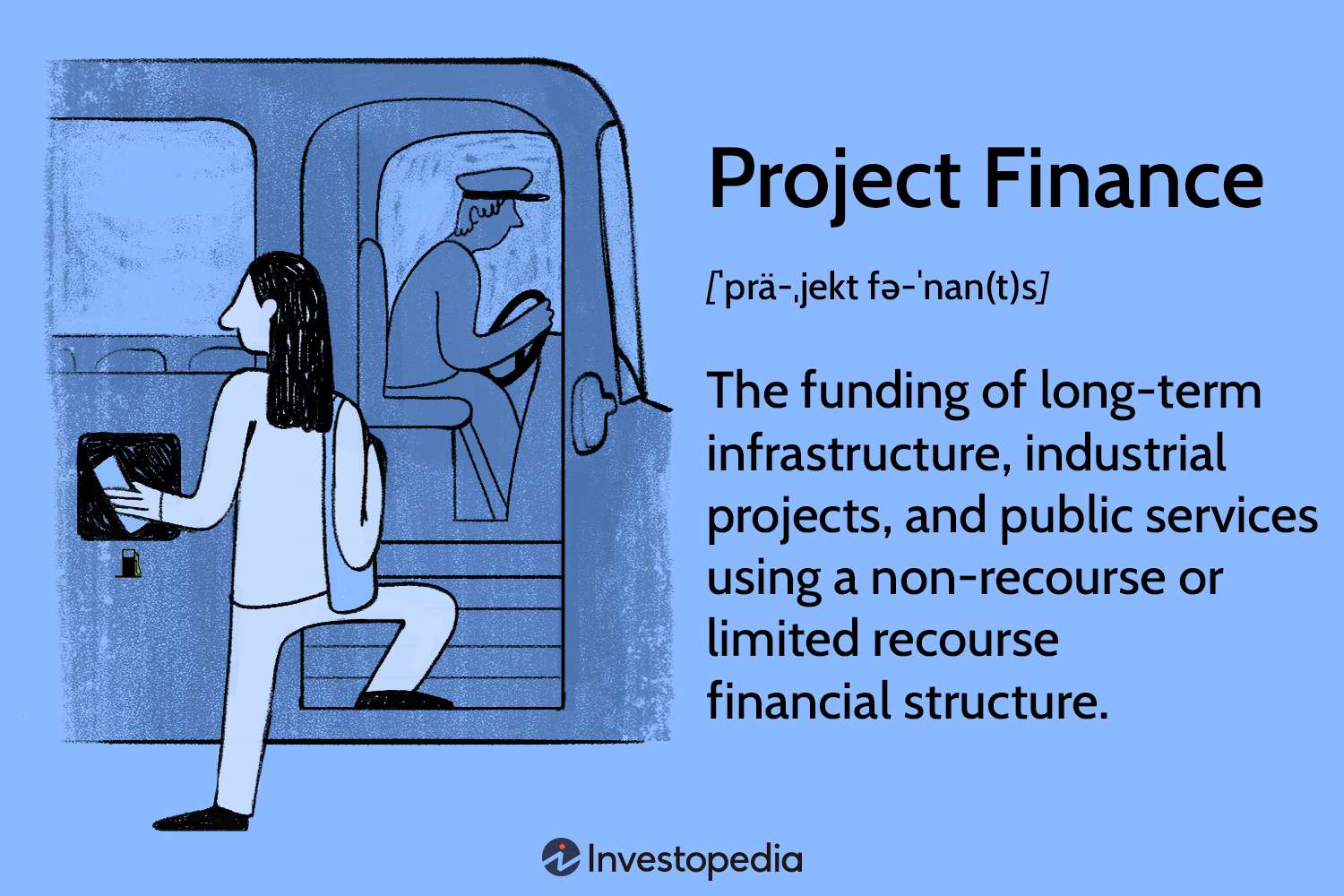
    Project finance is a complex and strategic approach to funding large-scale infrastructure and industrial projects. It involves the creation of a financial structure that’s tailored to the specific project, with its revenue-generating potential as the primary source of repayment.

    Project Finance

    Credit: www.linkedin.com

    Project Finance

    Credit: medium.com

    Project Finance vs. Corporate Finance

    When it comes to financing large projects, project finance stands in contrast to corporate finance. Unlike corporate finance, which relies on the overall resources and credit of a company, project finance isolates the finances of a specific project. This approach helps to minimize the risks for the sponsoring company or government, as the project’s funding is separate from the sponsor’s balance sheet.

    Key Players In Project Finance

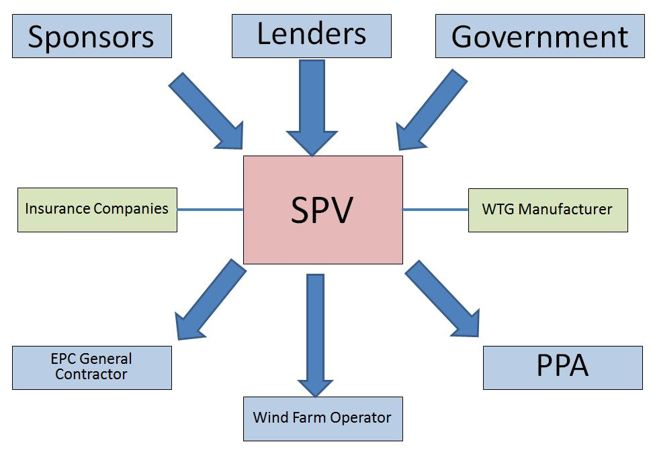
    Several key players are involved in project finance, each with their unique roles and responsibilities:

    Player Role
    Sponsor Initiates and develops the project
    Lenders Provide funding for the project
    Investors Seek returns from the project’s success
    Government May provide support, guarantees, or regulatory approvals

    Understanding Risks in Project Finance

    Project finance involves a careful assessment of risks, as large-scale projects often come with significant uncertainties. Risks can include construction delays, cost overruns, regulatory changes, and market fluctuations. To mitigate these risks, project participants use a variety of financial instruments and strategies, such as sensitivity analysis and insurance coverage.

    Advantages of Project Finance

    Project finance offers several advantages for both sponsors and investors:

    • Risk Allocation: Risks are distributed across various stakeholders, reducing the impact on any single entity.
    • Enhanced Financing: Large projects that may not be feasible under traditional financing arrangements can move forward using project finance.
    • Long-Term Funding: Projects with extended timelines can secure funding without relying on short-term cash flows.
    Challenges in Project Finance

    While project finance offers numerous benefits, it also comes with its own set of challenges:

    1. Complex Structuring: Creating the appropriate financial structure for a project requires extensive expertise and analysis.
    2. Managing Risks: Identifying and mitigating risks is a continuous process that demands a proactive approach.
    3. Regulatory Hurdles: Projects must navigate through various regulatory and legal frameworks, which can add complexity and delays.

    Project Finance In Practice

    Project finance has been used to fund a wide range of projects, including infrastructure development, renewable energy initiatives, and large-scale industrial ventures. Successful examples of project finance can be found in sectors such as transportation, energy, telecommunications, and healthcare.

    Overall, project finance serves as a powerful tool for channeling investments into impactful projects, enabling the realization of large-scale developments that can transform economies and enhance the quality of life for communities around the world.

    Frequently Asked Questions For Project Finance

    Faq 1: What Is Project Finance?

    Project finance refers to the financing method used for large-scale infrastructure or industrial projects. It involves creating a separate legal entity to manage and finance the project, using the project’s cash flow as collateral.

    Faq 2: How Does Project Finance Work?

    Project finance works by securing funding for a specific project based on its cash flow potential. The project’s risks and future revenue streams are thoroughly evaluated by lenders before providing financing. The repayment is usually done through the project’s generated revenues, minimizing the risks for the sponsors.

    Faq 3: What Are The Advantages Of Project Finance?

    Project finance offers several advantages, including limited liability for the project sponsors, as the project entity is separate from their own balance sheets. It allows for higher debt leverage, reducing the equity requirements. Additionally, project finance provides better risk management and longer-term financing options for large-scale projects.
  • Hurdle Rate

    Hurdle Rate

    Understanding Hurdle Rate in Investment: A Complete Guide

    In the world of finance and investment, the term “hurdle rate” is commonly used to evaluate the potential profitability of an investment opportunity. In this comprehensive guide, we will delve into the concept of hurdle rate, its significance, calculation methods, and its relevance in making sound investment decisions.

    What is Hurdle Rate?

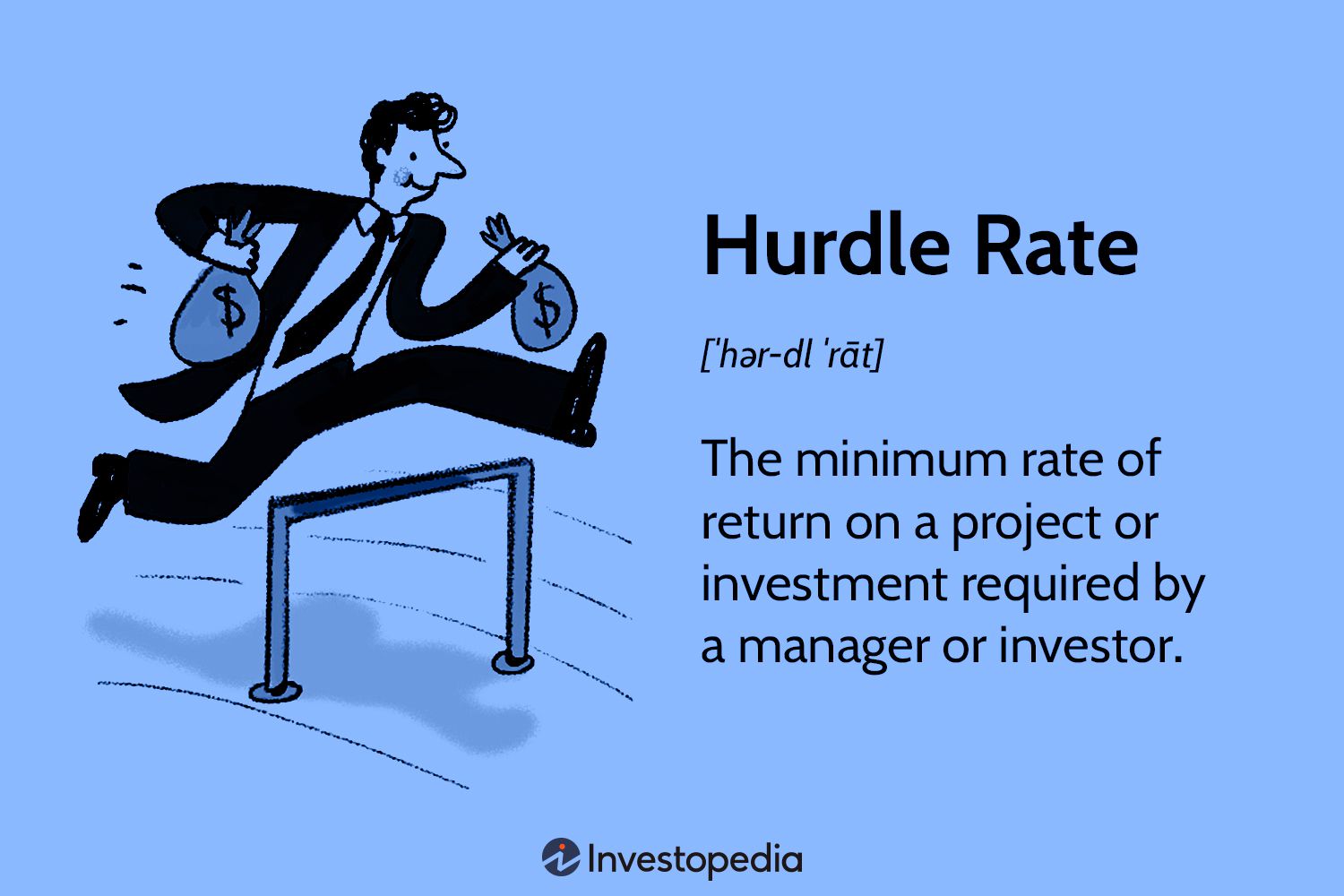
    The hurdle rate, also known as the minimum acceptable rate of return (MARR), is the minimum rate of return that an investment must generate to be considered viable. It represents the opportunity cost of investing in a particular project or opportunity, taking into account the level of risk associated with it.

    Hurdle Rate

    Credit: www.investopedia.com

    Significance of Hurdle Rate

    Establishing a hurdle rate is crucial for businesses and investors as it serves as a benchmark for assessing the attractiveness of potential investments. By comparing the expected return of an investment opportunity with the hurdle rate, decision-makers can determine whether the investment is worth pursuing.

    Calculating Hurdle Rate

    There are various methods to calculate the hurdle rate, such as the risk-free rate of return, the equity market premium, and the beta of the investment. These factors are combined using formulas like the Capital Asset Pricing Model (CAPM) to arrive at the hurdle rate that reflects the specific risk profile of the investment.

    Application of Hurdle Rate in Investment Decisions

    When evaluating potential investments, the hurdle rate acts as a filtering mechanism to prioritize opportunities with the highest likelihood of delivering returns that exceed the cost of capital. This ensures that resources are allocated to projects with the best potential for creating value.

    Hurdle Rate

    Credit: www.youtube.com

    Hurdle Rate and Risk Management

    Hurdle rates are aligned with the risk tolerance and investment objectives of the company or investor, serving as an essential tool for risk management. By setting a hurdle rate commensurate with the perceived risk, decision-makers can make informed choices regarding the allocation of resources.

    Hurdle Rate and Project Evaluation

    In project evaluation, the hurdle rate aids in determining the feasibility of a project by comparing its expected returns with the minimum required rate of return. Projects that fail to exceed the hurdle rate may be deemed unviable and not pursued, helping to avoid potentially unprofitable ventures.

    The Impact of Hurdle Rate on Investment Portfolio

    For portfolio managers and investors, the hurdle rate influences the selection of assets within the portfolio. Investments that do not meet the hurdle rate may be excluded, while those exceeding the hurdle rate are considered for inclusion, aligning the portfolio with the desired risk-return profile.

    Adapting the Hurdle Rate for Different Investments

    Different types of investments carry varying levels of risk, and as such, the hurdle rate should be adjusted to reflect this diversity. Higher-risk investments may necessitate a higher hurdle rate to compensate for the increased likelihood of lower returns or potential losses.

    Frequently Asked Questions On Hurdle Rate

    Faq 1: What Is A Hurdle Rate In Finance?

    A hurdle rate in finance is the minimum rate of return that an investment must achieve to be considered acceptable or profitable.

    Faq 2: How Is The Hurdle Rate Calculated?

    The hurdle rate is typically calculated by considering factors such as the risk-free rate, market risk premium, and specific risk factors related to the investment project.

    Faq 3: Why Is The Hurdle Rate Important?

    The hurdle rate is important because it helps investors and businesses evaluate the potential return and risk associated with an investment. It also assists in decision-making by determining whether an investment project meets the required rate of return.

    Conclusion

    In conclusion, the hurdle rate is a fundamental concept in investment decision-making, guiding the allocation of resources, risk management, and the evaluation of investment opportunities. Understanding and applying the hurdle rate empowers businesses and investors to make well-informed and strategic investment decisions, ultimately contributing to long-term financial success.

  • What is a Good Dividend Yield?

    What is a Good Dividend Yield?

    The dividend yield is a ratio that shows how much a company pays out in dividends each year relative to its stock price. For example, if a company has a dividend yield of 5%, it means it pays out $0.05 in dividends for every $1 of stock price. Dividend yields can be useful for investors when considering which stocks to buy, as higher yields typically indicate that a company is paying out more of its profits to shareholders.

    However, it’s important to remember that past dividend payments are not necessarily indicative of future ones, so investors should always do their own research before buying any stock.

    The Dividend Yield – Basic Overview

    Dividend yield is a financial ratio that tells investors how much a company pays out in dividends relative to its share price. A high dividend yield indicates that a company is paying out a large portion of its earnings as dividends, which can be an attractive proposition for income-seeking investors. However, it’s important to remember that dividend yield is just one factor to consider when evaluating a stock; it’s not necessarily a buy signal on its own.

    What Do Dividend Yields Mean?

    Dividend yield is a financial ratio that shows how much a company pays out in dividends each year relative to its stock price. The dividend yield can be calculated by dividing the annual dividend per share by the price per share. For example, if a company pays $1 in dividends per share and the stock price is $100, then the dividend yield would be 1%.

    The dividend yield is an important metric for income investors because it shows how much they are earning in dividends relative to the price of the stock. A high dividend yield means that investors are getting more bang for their buck, so to speak. Of course, it’s not all about the numbers.

    Income investors also need to take into account the quality of the company before investing. A company with a high dividend yield but poor fundamentals is not likely to be a good investment. Income investors should also keep an eye on changes in the dividend yields of companies they’re invested in.

    A sudden decrease in the dividend yield could be a sign that something is wrong at the company and that it may be time to sell.

    Highest Dividend Yield Stocks

    9 highest dividend-paying stocks in the S&P 500:

    • No. 1: Pioneer Natural Resources Co. (PXD) Dividend yield (TTM): 10%
    • No. 2: Coterra Energy Inc. (CTRA) Dividend yield (TTM): 9.3%
    • No. 3: Vornado Realty Trust (VNO) Dividend yield (TTM): 8.8%
    • No. 4: Altria Group Inc. (MO) Dividend yield (TTM): 8.3%
    • No. 5: Devon Energy Corp. (DVN) Dividend yield (TTM): 7.3%
    • No. 6: Newell Brands Inc. (NWL) Dividend yield (TTM): 7%
    • No. 7: Verizon Communications Inc. (VZ) Dividend yield (TTM): 6.7%
    • No. 8: V.F. Corp. (VFC) Dividend yield (TTM): 6.1%
    • No. 9: Simon Property Group Inc. (SPG) Dividend yield (trailing 12 months, or TTM): 5.8%

    The 5 Best Dividend Stocks In Bangladesh

    • 1. LankaBangla Finance Limited: LankaBangla Finance Limited offers a dividend yield of 5.25%
    • 2. Summit Power Limited: Summit Power Limited offers a dividend yield of 4.62%
    • 3. BRAC Bank Limited: BRAC Bank Limited offers a dividend yield of 4.57%
    • 4. Grameenphone Limited: Grameenphone Limited offers a dividend yield of 4.37%
    • 5. Square Pharmaceuticals Limited: Square Pharmaceuticals Limited offers a dividend yield of 4.15%
    Dividend Yield

    Credit: www.fool.com

    What is a Good Dividend Yield?

    A dividend yield is a company’s annual dividend payments divided by its current stock price. For example, if a company pays out $1 in dividends per year and its stock trades for $100 per share, then its dividend yield would be 1%. A high dividend yield can often be a sign that a stock is undervalued.

    That’s because investors typically require a higher return from stocks that come with more risk. So, if a high-dividend stock is trading at a low price, it may indicate that the market thinks the company’s prospects are not good. Of course, there are other factors to consider when determining whether or not to buy a stock.

    A company’s dividend history, for instance, is also important. If a company has been cutting its dividends or skipping them altogether, then it’s probably not a good idea to invest in it no matter how high the yield is. In general, though, stocks with high yields tend to be worth considering for investment purposes – especially if they appear to be undervalued.

    Is 6% a Good Dividend Yield?

    A dividend yield is the amount of cash dividends paid out by a company in a single year, divided by the company’s stock price. For example, if a company pays $2 per share in dividends in a year and its stock trades for $100 per share, then its dividend yield would be 2%. In general, a higher dividend yield is better because it indicates that the company is paying out more cash to shareholders.

    However, it’s important to remember that a high dividend yield can also be a sign that the company is in trouble and may not be able to sustain its current level of payments. So, is 6% a good dividend yield? It depends.

    If other companies in the same industry are only paying out 3% or 4% in dividends, then 6% may look attractive. But if those other companies are doing well and growing their businesses, while the company with the 6% dividend yield is struggling, then you might want to think twice before investing.

    Is a Dividend Yield of 4% Good?

    A dividend yield of 4% is good if the company is able to maintain its current dividend payments. However, if the company’s earnings decline, the dividend yield will increase and could potentially become too high, meaning that the company would be paying out more in dividends than it is earning in profits. However, as the inflation rate is rising, 4% does not look that good nawadays.

    Conclusion

    A dividend is a portion of a company’s profits that is paid out to shareholders. The dividend yield is the ratio of a company’s annual dividends per share to its stock price per share. Dividends are typically paid quarterly.

    For example, if a company has annual dividends of $1 per share and its stock trades at $40 per share, its dividend yield would be 2.5%. ($1 divided by $40 equals 0.025, or 2.5%.) Dividend yields can be used to compare different stocks or assess the attractiveness of a particular stock.

    Generally speaking, a higher dividend yield indicates a more attractive stock. However, it is important to remember that past performance is no guarantee of future results.

  • Capital Structures | How to Benefit?

    Capital Structures | How to Benefit?

    The capital structure of a company is the composition of its long-term financing. It is typically composed of debt (including bonds and loans), preferred equity, and common equity. The debt portion includes all interest-bearing obligations, while the equity portion consists of all ownership interests.

    A company’s capital structure is important because it can affect the risk and return characteristics of its securities. For example, if a company has a large amount of debt relative to its equity, then its securities will be more sensitive to changes in interest rates since they will have a higher coupon rate. Alternatively, if a company has a large amount of equity relative to its debt, then its securities will be more sensitive to changes in the stock market since they will have a larger component of their value that comes from the underlying stock price.

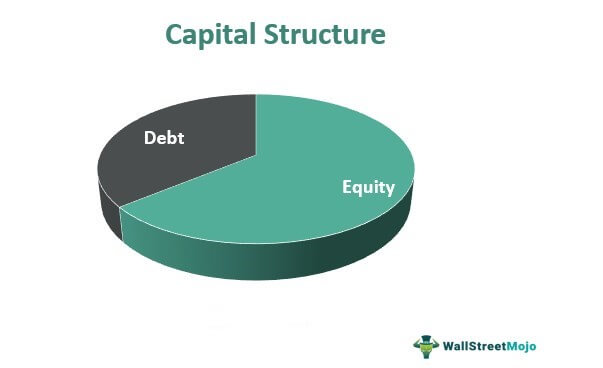
    What is Capital Structure? Capital structure refers to the way a company finances its operations and growth through a combination of debt and equity. The mix of debt and equity that a company uses to finance its business activities is known as its capital structure.

    A company’s capital structure can have a significant impact on its financial stability, profitability, and ability to raise additional capital. There are several factors that can influence a company’s decision on how to finance its operations. These include the cost of debt, the availability of equity financing, the tax treatment of different types of financing, and the overall risk profile of the company.

    A company’s capital structure should be designed in a way that minimizes financial risk and maximizes shareholder value. The optimal capital structure for a company will depend on many factors, including the industry in which it operates, its stage of development, and its overall financial strategy. Many companies use a mix of debt and equity to finance their operations, with each type of financing providing different benefits and drawbacks.

    Equity financing is typically more expensive than debt financing but may be more flexible in terms of repayment terms. Debt financing typically has lower interest rates but may require fixed payments that can put strain on cash flow during periods of slow growth.

    Capital Structure in Financial Management

    In financial management, capital structure is the composition of a company’s liabilities and equity. The capital structure is used to determine the company’s cost of capital. The mix of a company’s debt and equity affects the riskiness of its cash flows and, therefore, the required rate of return that investors demand.

    The main factors that affect a company’s capital structure are its growth opportunities, business risk, tax considerations, and financial leverage. A company with high growth prospects will tend to have a higher proportion of debt in its capital structure because it can use leverage to magnify returns to shareholders. A company with low growth prospects will tend to have a higher proportion of equity in its capital structure because it needs to minimize financial risks.

    Tax considerations also play a role in determining optimal capital structures. Debt is typically tax-deductible while equity is not, so companies with high marginal tax rates will tend to favor debt financing over equity financing. Finally, companies use financial leverage when they want to increase their returns to shareholders but cannot do so through internal growth or by issuing new equity.

    What are the 4 Types of Capital Structure?

    The capital structure of a business is the composition of its long-term liabilities. The four main types of capital structure are debt, preferred equity, common equity, and hybrid securities. Each has its own characteristics, which can affect a company’s financial health and performance.

    Debt is often the cheapest source of financing for companies, but it also comes with risks. If a company defaults on its debt payments, creditors can take control of the business. That’s why it’s important for companies to have a strong credit rating and to manage their debt load carefully.

    Preferred equity is another type of long-term financing that gives investors fixed dividend payments before common shareholders receive any dividends. Like debt, preferred equity carries some risk because if a company goes bankrupt, preferred shareholders will be paid before common shareholders but after bondholders. Common equity is funding from activities such as selling shares of stock to investors or retaining earnings from profits.

    Common shareholders don’t have any guaranteed rights to dividends or other payments from the company, so their return depends entirely on the success of the business. However, they do have voting rights that allow them to elect directors and influence corporate policy.

    Hybrid securities are a mix of debt and equity features in one security. For example, convertibles bonds can be converted into shares of stock at the holder’s option while still providing some downside protection in the form of interest payments. Hybrid securities can be complex instruments that require careful analysis by potential investors.

    What is Capital Structure With Example?

    Capital structure refers to the way a company finances its operations and growth. The two main sources of funding are equity and debt. Equity comes from investors, either through the sale of shares or by reinvesting profits back into the company.

    Debt is usually in the form of loans from financial institutions. The mix of equity and debt that a company uses to finance its operations is referred to as its capital structure. The ideal capital structure for a company will vary depending on a number of factors, including the size and stage of the business, the industry it operates in and the level of risk involved in its operations.

    There is no single “right” answer when it comes to choosing a capital structure. A company’s management team will need to consider all of these factors before making a decision on how best to finance the business.

    What is Capital Structure Theory?

    Capital structure theory is the study of how a firm finances its assets through a combination of debt and equity. The main goal of capital structure theory is to find the optimal mix of debt and equity that minimizes the cost of capital for the firm. There are two main types of capital structure theories: trade-off theory and pecking order theory.

    Trade-off theory argues that there is an optimal mix of debt and equity for a firm, where the cost of capital is minimized. This optimal mix depends on the level of risk associated with the firm’s assets. The higher the risk, the more equity should be used to finance the assets.

    However, using too much equity can also increase the cost of capital, as shareholders will demand a higher return for investing in a riskier firm. Therefore, there must be a trade-off between risk and cost when determining the optimal capital structure for a firm. Pecking order theory argues that firms have a preferred order in which they finance their assets.

    Firms will first use internal funds (retained earnings) to finance their investments, followed by debt, and then finally equity. This is because internally generated funds are less costly than external sources of financing (debt and equity). Additionally, debt is often seen as cheaper than equity because interest payments on debt are tax deductible while dividends paid to shareholders are not.

    As such, firms will only turn to external sources of financing (debt and equity) when they cannot cover their investment needs with internal funds alone.

    The optimal capital structure

    Capital structure refers to the mix of a company’s long-term debt, specific short-term debt, common equity and preferred equity. The capital structure is how a firm finances its overall operations and growth by using different sources of funds. A company’s choice of capital structure has important implications for both the level and cost of its financial leverage.

    The optimal capital structure is the combination of debt and equity that minimizes the weighted average cost of capital (WACC). This optimal mix will change as a function of changes in business conditions, tax rates, shareholder preference, etc. There are several factors that companies must consider when determining their appropriate capital structure including:

    -The costs associated with each type of financing -The benefits associated with each type of financing -The risks associated with each type of financing

    Conclusion

    There are many different types of business entities that a company can choose from, each with its own unique tax benefits and drawbacks. The most common types of business entities are sole proprietorships, partnerships, limited liability companies (LLCs), and corporations. The type of entity you choose will have major implications on your business’s capital structure.

    A sole proprietorship is the simplest and most common type of business entity. It is easy to form and offers complete control to the owner. However, it also subjects the owner to unlimited liability for the debts and obligations of the business.

    A partnership is a business entity in which two or more individuals share ownership and management responsibility. Partnerships offer several potential advantages, including shared risk and increased capital availability. However, partners are also jointly liable for the debts and obligations of the partnership.

    An LLC is a hybrid business entity that combines features of both sole proprietorships and partnerships. LLCs offer their owners limited liability protection while also allowing for pass-through taxation (like sole proprietorships). LLCs can be formed by one or more individuals or businesses.

    A corporation is a separate legal entity from its owners—known as shareholders—and is therefore subject to special tax rules. Corporations can be either publicly traded on stock exchanges or privately held.

  • Asset-Backed Securities | All you must know

    Asset-Backed Securities | All you must know

    An asset-backed security is a type of debt instrument that is secured by a pool of assets. The asset pool can be composed of a variety of assets, such as loans, leases, credit card receivables, or other types of financial instruments. Asset-backed securities are created through the process of securitization, which involves the creation of a special purpose vehicle (SPV) to hold the assets and issue the securities.

    The SPV is typically structured as a trust or company that is bankruptcy remote from the issuer. Investors in asset-backed securities receive periodic payments that are derived from the cash flows generated by the underlying assets. The payments are typically made on a monthly or quarterly basis, and they can be interest only or principal plus interest.

    Asset-backed securities offer several advantages to issuers, including improved credit ratings and lower funding costs. They also provide investors with an alternative investment option that offers higher yields than many traditional fixed-income investments.

    ABS are a type of investment that is backed by an underlying asset. The asset can be anything from a mortgage to a car loan. ABS are typically issued by financial institutions and then sold to investors.

    The income from the ABS goes to the investor, and the risk of default is borne by the issuer. ABS have become increasingly popular in recent years as a way for investors to diversify their portfolios and earn higher returns. However, they have also been criticized for being complex and opaque investments that are difficult to value.

    Critics argue that ABS are one of the main reasons why the financial crisis happened. They point to the fact that many ABS were backed by subprime mortgages, which went into default when the housing market collapsed. As a result, investors lost billions of dollars and confidence in the financial system was shaken.

    Despite these criticisms, ABS continue to be popular investments. They offer high returns and can be customized to meet the needs of any investor. If you’re thinking about investing in ABS, it’s important to do your research and understand exactly how they work before you commit any money.

    Asset-Backed Securities

    Asset-backed securities are financial instruments that are backed by a pool of assets. The most common type of asset-backed security is the mortgage-backed security, which is backed by a pool of mortgages. Other types of asset-backed securities include auto loan-backed securities and student loan-backed securities.

    Asset-backed securities were first introduced in the 1970s as a way to securitize loans that were not able to be sold on the secondary market. The first asset-backed security was issued in 1987 by Ginnie Mae, a government agency that guarantees payments on certain kinds of loans. Asset-backed securities became more popular in the 1990s as a way for banks to offload risk and free up capital.

    The benefits of investing in asset-backed securities include the potential for high returns and the fact that they are less volatile than other types of investments. However, there are also some risks associated with investing in asset-backed securities, such as interest rate risk and credit risk. Before investing in any kind of security, it’s important to do your research and understand the risks involved.

    Asset-Backed Securities (Abs)

    Credit: www.thebalancemoney.com

    What is an Example of an Asset-Backed Security?

    An asset-backed security is a type of debt security that is backed by a pool of assets. The assets can be anything from loans to receivables to securities. The key feature of an asset-backed security is that it allows investors to receive payments that are based on the performance of the underlying assets.

    For example, if a pool of mortgages is used as collateral for an asset-backed security, then the payments to investors will be based on the monthly mortgage payments made by homeowners.Asset-backed securities are often divided into tranches, which are slices of the total pool of assets. Each tranche has its own interest rate and maturity date. This structure allows investors to choose the level of risk they are comfortable with.

    Asset-backed securities can be very complex, so it is important to consult with a financial advisor before investing in them.

    Covered Bonds Vs Asset-Backed Securities

    In the wake of the 2008 financial crisis, there was a great deal of discussion about the different types of securities that are used to finance large purchases. One type of security that received a lot of attention was the asset-backed security (ABS). An ABS is a security that is backed by a pool of assets, such as mortgages or car loans.

    The advantage of an ABS is that it can be sold to investors without the need for a bank loan. However, there are some disadvantages to using an ABS, such as the fact that they are often complex and difficult to understand. Another type of security that is sometimes used to finance large purchases is the covered bond.

    A covered bond is similar to an ABS in that it is also backed by a pool of assets. However, unlike an ABS, a covered bond must be issued by a bank or other financial institution. Covered bonds have several advantages over asset-backed securities, including the fact that they are typically less complex and easier to understand.

    Additionally, covered bonds are not subject to many of the same regulations as asset-backed securities.

    Why Would an Investor Buy an AbS?

    An asset-backed security (ABS) is a type of debt security that is collateralized by a pool of assets. The asset pool can be composed of a variety of assets, such as loans, leases, credit card receivables, or other types of contracts. ABSs are typically structured as pass-through securities, meaning that the interest and principal payments from the underlying pool of assets are passed through to investors.

    Asset-backed securities were first introduced in the 1970s as a way to securitize pools of auto loans. Since then, ABSs have become an important source of funding for a variety of different types of assets. For example, mortgage-backed securities (MBSs) are one type of ABS that has played a significant role in providing financing for the housing market.

    There are several reasons why investors might choose to purchase an ABS. One reason is that they offer higher yields than other types of debt securities, such as corporate bonds. This is because investors perceive ABSs to be higher risk than other debt securities.

    As a result, issuers must offer higher interest rates on ABSs in order to attract buyers. Another reason why investors might purchase an ABS is that they can provide diversification benefits. This is because the performance of an ABS depends on the performance of the underlying asset pool, which can be quite different from other investments such as stocks or corporate bonds.

    For example, if there is a downturn in the housing market, MBSs will likely experience losses while stocks may not be affected as much. This diversification benefit can help investors reduce overall portfolio risk.

    Are AbS Considered Bonds?

    ABS, which stands for Asset-Backed Securities, are a type of debt security that is collateralized by a pool of assets. These assets can include things like loans, leases, or receivables. ABS are considered to be bonds, because they are a fixed income security.

    The payments on ABS are usually made monthly, and the interest rate is typically higher than that of traditional bonds.

    Conclusion

    Asset-Backed Securities (ABS) are a type of financial security collateralized by a pool of assets, typically loans. ABS are used to finance a variety of asset classes including auto loans, credit card receivables, and student loans. The income from the underlying assets is used to make payments on the security.

    ABS are attractive to investors because they offer higher yields than other types of investments and they are often less risky than unsecured debt. However, ABS can be complex securities and it is important to understand the underlying assets before investing.

  • Stock Exchange Vs Commodity Exchange

    Stock Exchange Vs Commodity Exchange

    The difference between a stock exchange and commodity exchange is the type of security that is traded. A stock exchange trades stocks, which are shares of ownership in a company. A commodity exchange trades commodities, which are natural resources like gold, oil, or wheat. Both exchanges allow trading between buyers and sellers, but the type of security traded is different.

    The terms “stock exchange” and “commodity exchange” are often used interchangeably, but there is a big difference between the two. A stock exchange is a market where stocks (pieces of ownership in businesses) are traded between investors. A commodity exchange is a market where commodities (raw materials like oil, wheat, or gold) are traded between investors.

    Commodities exchanges usually also trade futures contracts, which are agreements to buy or sell a commodity at a set price on a future date. There are several key differences between stock exchanges and commodity exchanges: – Stocks represent ownership in businesses, while commodities do not.

    When you buy shares of Apple stock on the Nasdaq, you own a tiny piece of one of the most valuable companies in the world. When you buy crude oil futures on the New York Mercantile Exchange (NYMEX), you don’t own anything – you’re just betting that the price of oil will go up or down. – Stock exchanges trade securities, while commodity exchanges trade derivatives.

    A derivative is an investment whose value is based on another asset – in this case, commodities. Derivatives can be complex financial instruments, and they’re often used for speculation rather than long-term investing. – finally ,Stock exchanges are regulated by government agencies like the Securities and Exchange Commission (SEC), while commodity exchanges are regulated by government agencies like the Commodity Futures Trading Commission (CFTC).

    Differences between Stock Exchange and Commodity Exchange / TN PLUS TWO COMMERCE

    What is the Difference between Commodity And Stock Exchange?

    The two terms are often used interchangeably, but there is a difference between commodity and stock exchange. A commodity exchange is a market where commodities (raw materials, agricultural products, etc.) are traded. A stock exchange is a market where stocks (pieces of ownership in businesses) are traded.

    Commodities are usually traded on futures exchanges, which are specialized markets designed to trade contracts for the future delivery of a commodity. These contracts specify the quantity and quality of the commodity that will be delivered, as well as the price and date of delivery. Stock exchanges, on the other hand, deal in equity securities – stocks and bonds – which represent ownership interests in businesses.

    These securities are bought and sold through broker-dealers who act as intermediaries between buyers and sellers.

    Is Commodity Market And Stock Market are Same?

    No, the commodity market and stock market are not the same. The main difference between the two is that the commodity market deals with physical goods while the stock market deals with stocks or shares of ownership in a company. The commodity market is a marketplace where raw materials and agricultural products are traded.

    These commodities can include metals like gold and silver, energy sources like oil and gas, and food items like wheat and corn. The prices of these commodities fluctuate based on supply and demand. The stock market is a marketplace where stocks or shares of ownership in a company are traded.

    Companies can be publicly listed on a stock exchange, which provides liquidity to shareholders and allows them to buy or sell their shares. The prices of stocks fluctuate based on many factors, including economic indicators, company performance, and global events.

    Which is Better Stocks Or Commodities?

    It is difficult to make a general statement about whether stocks or commodities are a better investment, as it depends on many factors. However, some key considerations include the investor’s goals, risk tolerance, and time horizon. For example, if an investor is looking for long-term growth potential and is willing to accept higher risks, stocks may be a better choice.

    On the other hand, if an investor wants to protect their portfolio from inflation or is interested in short-term speculation, commodities may be a better option. Ultimately, it is important to carefully consider all factors before making any investment decisions.

    Difference between Stock Market And Commodity Market

    The stock market and commodity market may seem similar at first glance, but there are actually quite a few key differences between the two. Here are the most important distinctions:

    1. The stock market is a collection of exchanges where stocks and other securities are traded.

    The commodity market, on the other hand, is a physical marketplace where raw materials and agricultural products are bought and sold.

    2. Stocks represent ownership in a company, while commodities are actual physical goods.

    3. Companies that issue stocks can be publicly or privately owned, whereas commodity-producing firms are typically large corporations.

    4. The stock market is regulated by government agencies like the Securities and Exchange Commission (SEC), whereas the commodity market falls under the purview of the Commodity Futures Trading Commission (CFTC).

    5. Stock prices can be influenced by a variety of factors, including economic indicators, company news, and global events. Commodity prices tend to be more impacted by changes in supply and demand as well as weather conditions.

    6. Unlike stocks, which can be held indefinitely, commodities must be sold before they expire – otherwise they become worthless. This expiration date is known as the “delivery month”.

    Conclusion

    The Difference between Stock Exchange And Commodity Exchange is that the former deals with stocks and shares of companies, while the latter deals with raw materials such as agricultural products, oil, gas, etc.