Government subsidies provide financial support to industries, enabling them to lower production costs and stimulate growth, innovation, and competitiveness. These subsidies play a crucial role in fostering economic development and job creation by encouraging investment, research and development, and technological advancements.
Such assistance empowers industries to enhance productivity, expand operations, and maintain a globally competitive edge. Additionally, government subsidies can help companies overcome market failures and address societal challenges, such as promoting sustainable practices and reducing environmental impact. By strategically allocating funds, subsidies can drive economic progress and contribute to the overall welfare of a nation.
Consequently, government support in the form of subsidies enables industries to flourish and contribute to economic stability and prosperity.
1. Boosting Economic Growth
Government subsidies play a significant role in boosting economic growth by supporting industries and businesses, ultimately driving the overall prosperity of a nation. These initiatives provide the necessary financial assistance to various sectors, resulting in the creation of jobs, increased investments, and enhanced productivity.
1.1 Creating Jobs
The allocation of government subsidies paves the way for the creation of new employment opportunities, thereby reducing unemployment rates and contributing to the growth of the workforce. Through financial aid and incentives, businesses are encouraged to expand, leading to the need for more manpower in the market.
1.2 Stimulating Investment
Government subsidies stimulate investment by providing financial support to companies, encouraging them to undertake new projects, research, and development. This, in turn, drives innovation and increases productivity, leading to the overall growth of the economy.
2. Fostering Innovation
Government subsidies play a crucial role in fostering innovation within industries. By providing financial support, the government incentivizes businesses to invest in research and development (R&D) as well as technological advancements. This proactive approach not only enhances the competitive edge of industries but also contributes to overall economic growth. Let’s delve into how government subsidies foster innovation in the industry through research and development and technological advancements.
2.1 Research And Development
R&D is the cornerstone of progress and innovation within any industry. Government subsidies enable businesses to allocate a significant portion of their budget towards R&D activities, such as testing new products, improving existing ones, and conducting experiments that lead to breakthrough innovations. This financial support accelerates the pace of innovation, leading to the creation of revolutionary products and solutions. Additionally, it cultivates an environment where risk-taking and experimentation are encouraged, fostering an atmosphere conducive to continuous improvement and advancement.
2.2 Technological Advancements
Technological advancements are pivotal in driving industries forward in today’s fast-paced world. Government subsidies aid in the adoption of advanced technologies by mitigating the financial burden associated with acquiring and implementing innovative tools and systems. This support encourages industries to embrace cutting-edge technologies, enhancing their operational efficiency and productivity. Furthermore, it fuels the development of new technological solutions, positioning industries at the forefront of innovation on a global scale.
3. Enhancing Global Competitiveness
3. Enhancing Global Competitiveness
3.1 Market Expansion
Subsidies provided by the government play a significant role in enhancing a nation’s global competitiveness. One way in which this is achieved is through market expansion. These subsidies contribute to the growth of industries by providing financial assistance, which allows businesses to explore and enter new markets domestically and internationally. With the support of these subsidies, businesses can invest in research, development, and marketing efforts that enable them to penetrate new markets, leading to an increase in overall competitiveness.
3.2 Export Promotion
Another crucial factor in enhancing global competitiveness is export promotion. Government subsidies aid industries in the form of export incentives, which alleviate the financial burden of exporting goods and services to foreign markets. This support enables businesses to engage in competitive pricing strategies and invest in quality improvements, ultimately enhancing their ability to compete on a global scale.
4. Supporting Sustainable Development
The category 4: Supporting Sustainable Development includes measures implemented by government subsidies aimed at fostering environmental protection and promoting renewable energy initiatives. These initiatives not only benefit the industry but also contribute to the overall sustainability and preservation of the environment.
4.1 Environmental Conservation
Environmental conservation is a key focus of government subsidies, which incentivize industries to adopt eco-friendly practices, minimize carbon emissions, and reduce their environmental impact.
4.2 Renewable Energy Initiatives
Renewable energy initiatives supported by government subsidies encourage industries to embrace sustainable energy sources such as solar, wind, and hydroelectric power, reducing reliance on fossil fuels.
Frequently Asked Questions Of How Do Government Subsidies Help Industry
Why Do Companies Get Government Subsidies?
Companies receive government subsidies to support specific industries, promote economic growth, and create jobs. These subsidies help businesses remain competitive and innovate, contributing to overall economic development and stability.
What Are Some Of The Benefits Of Subsidies?
Subsidies benefit industries by improving affordability and promoting growth. They also assist low-income individuals and spur innovation.
What Is The Effect Of A Subsidy Being Placed On The Market?
A subsidy on the market increases supply, lowers prices, and boosts consumer demand. This can lead to more competition and economic growth.
Conclusion
Government subsidies play a critical role in supporting industries, stimulating economic growth, and creating job opportunities. By providing financial aid and incentives, governments can drive innovation, enhance competitiveness in the global market, and promote sustainable development. Ultimately, these subsidies can significantly contribute to the overall prosperity and stability of various industries.
First In First Out (FIFO): An Efficient Inventory Management Technique
Inventory management is a crucial aspect of any business, regardless of its size or industry. Without proper inventory management, businesses may face stockouts, overstocking, increased costs, and dissatisfied customers. One popular and effective inventory management technique used by businesses is First In First Out (FIFO). In this article, we will explore the concept of FIFO, its benefits, and how it can be implemented.
Credit: www.netsuite.com
Understanding FIFO
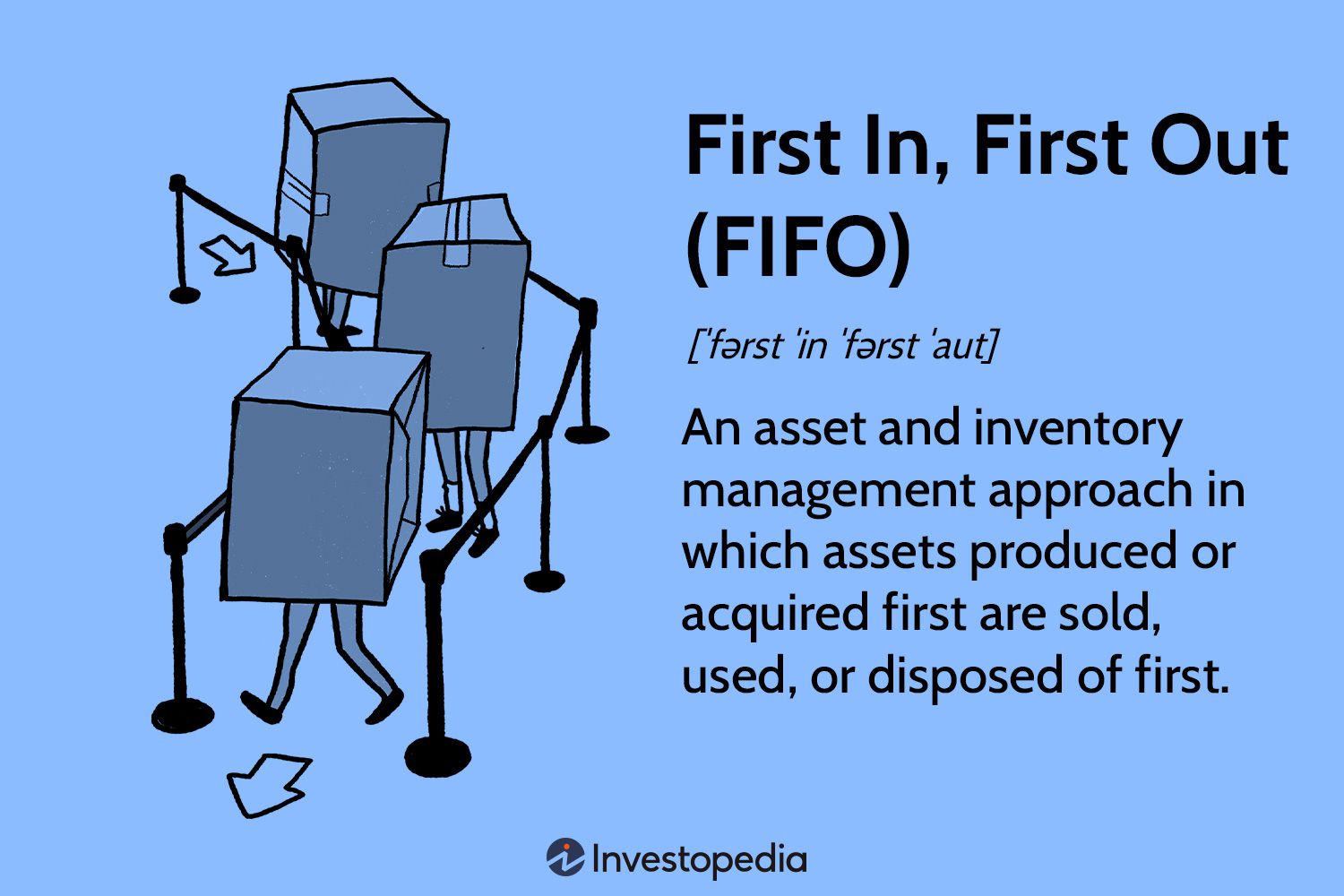
FIFO is a method of inventory management that ensures the oldest inventory is sold or used first. According to the FIFO principle, the first inventory item purchased or produced is the first to be consumed or sold. This means that the older stock is sold before the newer stock. In other words, the goods that have been in the inventory for the longest time are the first to leave the inventory.
How FIFO Works
To better understand how FIFO works, let’s consider an example. Imagine you own a grocery store and sell apples. You receive a shipment of 100 apples on Monday, followed by 150 apples on Wednesday, and 200 apples on Friday.
With FIFO, you would sell the 100 apples from Monday’s shipment first, followed by the 150 apples from Wednesday, and then the 200 apples from Friday. This ensures that the apples with the oldest arrival date are sold first.
The Benefits of FIFO
FIFO offers several advantages for businesses, including:
Product Freshness: FIFO ensures that perishable goods or items with expiration dates are sold before they become spoiled or expired. By following the principle of FIFO, businesses can maintain the quality and freshness of their products, reducing waste and customer complaints.
Cost Control: With FIFO, businesses can accurately calculate the cost of goods sold (COGS). Selling older inventory first allows businesses to accurately allocate costs and determine the profitability of each item sold. This information is vital for effective financial analysis and decision-making.
Reduced Obsolescence: By selling older inventory first, businesses can minimize the risk of stock obsolescence. This is particularly beneficial for industries with rapidly changing products, such as technology or fashion. FIFO helps to ensure that newer inventory items are not left unsold for extended periods, reducing the risk of obsolescence.
Inventory Accuracy: Implementing FIFO can improve inventory accuracy. By regularly using the older inventory first, businesses can better track their stock levels, identify slow-moving items, and make informed purchasing decisions.
Compliance with Accounting Standards: FIFO is the most commonly accepted method for inventory valuation and reporting according to Generally Accepted Accounting Principles (GAAP) and International Financial Reporting Standards (IFRS). Using FIFO can help businesses ensure compliance and streamline their financial reporting processes.
Credit: www.bigcommerce.com
Implementing FIFO
While implementing FIFO may seem straightforward, especially for businesses with perishable goods, it can be more challenging for industries with diverse product lines and different lifecycles. Here are some steps to implement FIFO effectively:
Organize Inventory: Arrange your inventory in a way that makes it easy to access and identify the oldest items. This can be done through proper labeling, barcode systems, or implementing dedicated inventory management software.
Train Employees: Educate your employees about the importance of FIFO and how to accurately identify and retrieve older inventory items. Regular training sessions can help reinforce the practice of FIFO in your business.
Regular Audits: Conduct regular audits to ensure that FIFO is being followed correctly. The audits can involve physical inspections of inventory and cross-checking against sales records.
Software Integration: Consider investing in inventory management software that provides automated FIFO tracking and reporting. This can significantly streamline the process and reduce the chances of human error.
Monitor Stock Levels: Continuously monitor your stock levels to identify slow-moving items or potential overstock situations. This can help you make informed decisions about reordering and prevent excessive holding costs.
Conclusion
FIFO is a valuable inventory management technique that offers multiple benefits, such as product freshness, cost control, reduced obsolescence, inventory accuracy, and compliance with accounting standards. By implementing FIFO effectively through organizing inventory, training employees, conducting regular audits, using software integration, and monitoring stock levels, businesses can optimize their inventory management practices and improve overall efficiency and profitability.
Ensure your business is utilizing FIFO to gain a competitive advantage and achieve better control over your inventory.
Options trading provides investors with the opportunity to profit from the movement of the underlying assets without actually owning them. One important concept that options traders need to understand is the strike price. The strike price plays a crucial role in determining the profitability of an options contract. In this article, we will explore the importance of strike price in options trading and discuss how it affects the potential returns for traders.
What is Strike Price?
The strike price, also known as the exercise price, is the predetermined price at which the owner of an option has the right to buy or sell the underlying asset. In other words, it is the price at which the optionholder can exercise their option. The strike price is set at the time the option contract is created and remains fixed for the duration of the contract.
For call options, the strike price is the price at which the optionholder has the right to buy the underlying asset. On the other hand, for put options, the strike price is the price at which the optionholder has the right to sell the underlying asset.
Strike prices are typically set at fixed intervals above or below the current market price of the underlying asset. These intervals are known as strike price increments. The choice of strike price depends on various factors such as the current market conditions, the volatility of the underlying asset, and the trader’s strategies and outlook.
Impact on Option Profitability
The strike price has a direct impact on the profitability of an options contract. When trading call options, the higher the strike price, the lower the premium paid for the option. Conversely, when trading put options, the higher the strike price, the higher the premium paid for the option.
For call options, the strike price should ideally be lower than the current market price of the underlying asset. This allows the optionholder to buy the asset at a discount and profit from any price increases. On the other hand, for put options, the strike price should ideally be higher than the current market price of the underlying asset. This allows the optionholder to sell the asset at a premium and profit from any price decreases.
In-the-Money, At-the-Money, and Out-of-the-Money are key concepts related to the strike price and option profitability. When the strike price is favorable to the optionholder, it is referred to as being “in-the-money.” If the strike price is equal to the current market price, it is considered “at-the-money.” Conversely, if the strike price is not favorable to the optionholder, it is considered “out-of-the-money.”
Choosing the Right Strike Price
Choosing the right strike price is critical for options traders. It requires a careful analysis of the underlying asset and market conditions. Traders need to consider their outlook on the asset’s price movement, time until expiration, and the level of risk they are comfortable with.
When expecting a significant price movement in the underlying asset, traders may opt for an out-of-the-money strike price to maximize potential profits. However, this approach also increases the risk of the option expiring worthless if the expected price movement does not occur within the given time frame.
On the other hand, if traders anticipate a smaller price movement or are more concerned about limiting risk, an in-the-money strike price may be preferred. Although the premium for in-the-money options is higher, these options offer a higher probability of profit if the underlying asset price moves only slightly in the predicted direction.
Frequently Asked Questions On Strike Price
What Is A Strike Price?
A strike price is the predetermined price at which an option contract can be exercised.
Why Is Strike Price Important In Options Trading?
The strike price determines the price at which an options contract holder can buy or sell the underlying asset.
How Does The Strike Price Affect Option Premiums?
The strike price plays a significant role in determining the premium of an option. In-the-money options have higher premiums than out-of-the-money options.
How Is The Strike Price Determined?
The strike price is set at the time the option contract is created, taking into consideration the current market price of the underlying asset.
Conclusion
Understanding and selecting the appropriate strike price is vital for options traders. It directly affects the profitability and risk associated with options contracts. By carefully considering market conditions, time until expiry, and risk tolerance, traders can optimize their chances of success in options trading.
Remember that strike prices should align with traders’ expectations of the underlying asset’s price movement. Whether trading call or put options, a thorough analysis of market conditions and risk management strategies is crucial for achieving consistent profitability in options trading.
The Quantity Theory of Money states that the amount of money in an economy determines the level of prices and that changes in the money supply directly impact inflation. This theory is based on the equation MV = PQ, where M is the money supply, V is the velocity of money, P is the price level, and Q is the quantity of goods and services produced.
The Quantity Theory of Money has been a fundamental concept in macroeconomics, guiding policymakers in understanding the relationship between money and inflation. It provides insights into how changes in the money supply can lead to changes in price levels and helps in formulating monetary policies to stabilize the economy.
Understanding the Quantity Theory of Money is crucial for policymakers, economists, and anyone interested in the impact of monetary policy on the economy.
The Basics Of The Quantity Theory Of Money
The quantity theory of money is an economic concept that suggests there is a direct relationship between the amount of money in circulation and the price level in an economy. It posits that an increase in the money supply will lead to inflation, while a decrease in the money supply will result in deflation.
The quantity theory of money is a fundamental concept in monetary economics that explores the relationship between the money supply and inflation. It is based on the understanding that changes in the quantity of money in circulation directly impact the price level of goods and services in an economy. The quantity theory of money is often expressed through the equation of exchange, which serves as a foundational model for understanding the dynamics of the monetary system. By delving into how changes in the money supply affect inflation and economic growth, policymakers can make informed decisions to stabilize the economy.
The Relationship Between Money Supply And Inflation
The quantity theory of money asserts that there is a direct relationship between the money supply and inflation. As the money supply increases, all other factors remaining constant, the general price level of goods and services in the economy will rise. This means that for each unit of currency, there will be fewer goods and services available for purchase. Conversely, if the money supply decreases, the price level will decrease, as there will be more goods and services available for each unit of currency.
The relationship between the money supply and inflation can be understood through the concept of excess money balances. When the money supply increases, individuals and businesses have more money at their disposal. As a result, they may increase their spending on goods and services, driving up demand. However, if the supply of goods and services does not increase in proportion to the increase in money supply, the prices of goods and services will rise, leading to inflation. This phenomenon is known as “too much money chasing too few goods.”
On the other hand, a decrease in the money supply can lead to deflation. When the money supply decreases, individuals and businesses have less money to spend, which can reduce demand for goods and services. If the supply of goods and services remains relatively constant or increases, the prices of goods and services may decrease, causing deflation. In extreme cases, deflation can lead to a downward spiral in economic activity as consumers delay spending and businesses struggle to generate revenue.
The Equation Of Exchange
The equation of exchange is a central component of the quantity theory of money. It mathematically represents the relationship between the money supply, the velocity of money, the price level, and real output in an economy. The equation is expressed as:
(M x V) = (P x Y)
Where:
– M represents the money supply
– V represents the velocity of money (the average number of times each unit of currency is spent in a given period)
– P represents the price level of goods and services
– Y represents real output or the total quantity of goods and services produced in the economy
By rearranging the equation, we can derive the relationship between the money supply (M), velocity of money (V), price level (P), and real output (Y):
M = (P x Y) / V
This equation highlights the inverse relationship between the money supply and the velocity of money. When the money supply increases, assuming velocity remains constant, the price level and/or real output must increase. Conversely, a decrease in the money supply, all other factors being equal, would lead to a decrease in the price level and/or real output.
In conclusion, the basics of the quantity theory of money revolve around the relationship between the money supply and inflation. This relationship is captured by the equation of exchange, which provides a useful framework for understanding the dynamics of the monetary system. By analyzing the impact of changes in the money supply on inflation and economic growth, policymakers can implement effective monetary policies to maintain price stability and promote sustainable economic development.
Key Assumptions Of The Quantity Theory Of Money
In understanding the Quantity Theory of Money, it’s crucial to be familiar with its key assumptions. These assumptions form the foundation for the theory’s interpretation of the relationship between the money supply and the price level. By examining the central assumptions, we can gain insights into how the quantity theory operates and influences monetary policy and economic outcomes.
Constant Velocity Of Money
The Quantity Theory of Money assumes that the velocity of money – the rate at which money circulates in the economy – remains constant. This means that transactions are consistently conducted within the economy, and changes in the money supply directly impact the price level. The notion of a stable velocity of money allows the theory to focus on the quantity of money as the primary determinant of the price level, assuming that changes in money supply will proportionally influence the aggregate price level.
Stable Money Demand
Another crucial assumption of the Quantity Theory of Money is the stability of money demand. This assumption suggests that individuals and businesses tend to hold a consistent percentage of their income as money. With a stable money demand, changes in the money supply will be directly reflected in changes in the price level, as both factors move in equilibrium according to the theory.
Critiques And Limitations Of The Quantity Theory Of Money
The Quantity Theory of Money is a crucial concept in economics, but it is not without its criticisms and limitations. Understanding these critiques can provide a more comprehensive view of how the quantity theory of money operates in the real world.
Velocity Of Money Not Constant In The Real World
The quantity theory of money assumes that the velocity of money, or the speed at which it circulates in the economy, is constant. However, in reality, the velocity of money can vary due to changes in consumer behavior, technological advancements, and shifts in the financial system. This variability challenges the assumption of a constant velocity, impacting the accuracy of the quantity theory of money in predicting price-level changes.
Money Demand Can Vary Significantly
In contrast to the quantity theory of money’s assumption of stable money demand, real-world scenarios demonstrate that money demand can fluctuate significantly. Changes in consumer confidence, interest rates, and economic conditions can alter individuals’ and businesses’ demand for holding money. These fluctuations in money demand introduce complexities that the quantity theory of money does not fully account for.
Empirical Evidence And Applications Of The Quantity Theory Of Money
The Quantity Theory of Money is a fundamental concept in economics that posits a direct relationship between the supply of money and the level of prices in an economy. Empirical evidence and practical applications of this theory are crucial for policymakers in managing inflation and monetary policy.
Understanding and applying the Quantity Theory of Money is essential in shaping economic policies and addressing key macroeconomic challenges.
Historical Examples Of Money Supply And Inflation
The Quantity Theory of Money, which states that changes in the money supply directly affect inflation and other economic variables, has been supported by numerous historical examples. One such example is the hyperinflation experienced in Germany during the early 1920s. After World War I, the German government began printing money to finance its expenses, leading to a rapid increase in the money supply. As a result, prices skyrocketed, ultimately culminating in a situation where people had to carry large amounts of cash just to buy basic goods. This extreme case highlights the direct relationship between money supply and inflation rates.
Another historical example that reinforces the Quantity Theory of Money is the experience of Zimbabwe in the late 2000s. The Zimbabwean government pursued reckless monetary policies, including printing money to finance its budget deficits. Consequently, the money supply expanded exponentially, leading to hyperinflation. Prices doubled every few hours, causing severe economic instability and hardship for the country’s citizens. These real-life examples emphasize the empirical evidence supporting the Quantity Theory of Money.
Policy Implications
The Quantity Theory of Money has important policy implications for central banks and governments worldwide. If the theory holds true, a significant increase in the money supply can result in higher inflation rates. Therefore, policymakers must carefully monitor and control the money supply to maintain price stability. Central banks use various tools, such as interest rate adjustments and open market operations, to regulate the money supply and manage inflation.
Furthermore, understanding the Quantity Theory of Money helps policymakers assess economic conditions and make informed decisions. By analyzing the relationship between money supply and inflation, they can implement appropriate fiscal and monetary policies to drive economic growth and stability. It also provides valuable insights into the impact of government spending and budget deficits on inflation rates. Policymakers can use this knowledge to guide their decisions on public finance and effectively manage the overall economy.
In conclusion, the Quantity Theory of Money has been supported by historical examples and has important policy implications. The hyperinflation episodes in Germany and Zimbabwe serve as stark reminders of the direct relationship between money supply and inflation rates. Policymakers must recognize this relationship and take proactive measures to regulate the money supply accordingly. By understanding the empirical evidence and applications of the Quantity Theory of Money, policymakers can make informed decisions to maintain price stability and foster economic growth.
Alternative Monetary Theories And Their Comparison
The Quantity Theory of Money is an alternative monetary theory that asserts a direct relationship between money supply and inflation rates. It suggests that an increase in the money supply will lead to a corresponding increase in prices, while a decrease in the money supply will result in deflation.
This theory is important in understanding the dynamics of an economy and its monetary policies.
When it comes to understanding the dynamics of the economy, several alternative monetary theories have emerged over the years. These theories attempt to explain the relationship between money supply, inflation, and economic growth. Among the most prominent theories are Monetarism, Keynesianism, the Quantity Theory of Money (QTM), and Modern Monetary Theory (MMT). Understanding the differences and similarities between these theories is crucial to gaining insights into the functioning of the economy.
Monetarism Vs. Keynesianism
Monetarism and Keynesianism are two contrasting economic theories that offer divergent views on how monetary policy should be conducted to achieve macroeconomic stability. Monetarism, closely associated with Milton Friedman, emphasizes the importance of controlling the money supply to maintain price stability. According to Monetarists, excessively expanding the money supply leads to inflation, while restricting it causes deflation.
On the other hand, Keynesianism, developed by John Maynard Keynes, focuses on the role of government intervention in managing the economy. Keynesians believe that during periods of economic downturns, the government should increase its spending and stimulate demand to boost economic growth. They argue that monetary policy alone may not be sufficient to address unemployment and recessions.
The key divergence between Monetarism and Keynesianism lies in their policy prescriptions. Monetarists advocate for a rule-based approach, whereby central banks control the money supply in a predictable and consistent manner. Conversely, Keynesians argue for discretionary policies, allowing the government to adjust spending and taxation based on the prevailing economic conditions.
The Quantity Theory Of Money Vs. Modern Monetary Theory
The Quantity Theory of Money (QTM) and Modern Monetary Theory (MMT) are two other significant monetary theories that differ in their approaches to inflation and government financing.
The Quantity Theory of Money, dating back to the classical economists, posits that the quantity of money in circulation determines the overall price level and that changes in money supply have a proportional impact on prices. In other words, an increase in the money supply will result in inflation. Monetarism, mentioned earlier, is a contemporary extension of this theory, focusing on the relationship between money supply, inflation, and economic growth.
Modern Monetary Theory (MMT), on the other hand, challenges conventional views about government financing. MMT argues that as long as a country has control over its currency, it can always meet its financial obligations by printing more money. MMT proponents argue that governments should worry less about budget deficits and focus more on achieving full employment and controlling inflation using other tools, such as taxation.
In summary, while the Quantity Theory of Money emphasizes the relationship between money supply and prices, Modern Monetary Theory refutes traditional notions of government financing. Both theories provide distinct perspectives on monetary dynamics and offer valuable insights into the complex workings of the economy.
Frequently Asked Questions On What Is The Quantity Theory Of Money?
What Is The Quantity Theory Of Money Explain?
The quantity theory of money explains that an increase in the supply of money leads to inflation. This means that as more money is available, the value of each individual unit of currency decreases, resulting in a rise in prices for goods and services.
What Does The Quantity Theory Of Money Say In The Simplest Terms?
The quantity theory of money states that the money supply and the price level are directly proportional. As the money supply increases, so does the price level. Conversely, if the money supply decreases, the price level also decreases. This theory emphasizes the impact of money supply on inflation.
Which Equation Best Describes The Quantity Theory Of Money?
The quantity theory of money is best described by the equation MV = PQ.
Conclusion
The quantity theory of money provides valuable insights into the relationship between money supply and inflation. As an important concept in economics, it establishes that the increase in money supply leads to a corresponding increase in prices. By understanding this theory, policymakers and economists can make informed decisions to effectively manage and stabilize the economy.
Incorporating the principles of the quantity theory can contribute to a better understanding of monetary policy and its impact on the overall economy.
Fair Market Value: Understanding its Importance and Calculation
When it comes to the financial world, one term that often comes up is “fair market value”. Whether you are buying or selling a property, investing in stocks, or determining the value of a business, fair market value plays a crucial role. In this article, we will dive deeper into what fair market value is, why it is important, and how it can be calculated.
Credit: memberpress.com
Credit: www.amazon.com
What is Fair Market Value?
Fair market value refers to the price at which an asset would sell on the open market, between a willing buyer and a willing seller, both having reasonable knowledge of the relevant facts and neither being under any compulsion to buy or sell. It is essentially an unbiased estimate of what an asset is worth in the current market conditions.
The Importance of Fair Market Value
The concept of fair market value is essential in various scenarios such as:
Real Estate: Determining the fair market value of a property is crucial for buying or selling. It helps ensure that both parties involved are getting a fair deal and prevents any potential issues down the line.
Investments: Investors rely on fair market value to make informed decisions about buying or selling stocks, bonds, or other financial instruments. It helps assess the profitability and potential risks associated with an investment.
Mergers and Acquisitions: During corporate transactions, determining the fair market value of a company is vital. It influences the negotiations, the stock price, and helps ensure fairness for all parties involved.
How is Fair Market Value Calculated?
Calculating fair market value can be a complex process that requires careful analysis of various factors. While the specific methods may vary depending on the asset being valued, here are some commonly used approaches:
Comparable Market Analysis (cma)
A CMA involves comparing the asset being valued with similar assets that have recently been sold in the market. Real estate agents often use this method to determine the fair market value of a property by considering factors such as location, size, condition, and recent sales of comparable properties.
Income Approach
The income approach is commonly used to value businesses or rental properties. It involves estimating the future cash flows the asset is expected to generate and then discounting those cash flows to their present value. This approach is based on the principle that the value of an asset is directly related to the income it can generate.
Cost Approach
The cost approach involves determining the fair market value of an asset by considering the cost of replacing or reproducing it. This method is frequently used for valuing properties and assets with no direct comparables in the market.
Appraisal And Expert Opinion
In certain cases, professional appraisers or experts may be hired to determine the fair market value of an asset. They take into account various factors, analyze market trends, and provide an unbiased opinion based on their expertise.
Challenges in Determining Fair Market Value
While the concept of fair market value is widely recognized and used, there are some challenges in accurately determining it. Factors such as market fluctuations, subjective opinions, and the availability of reliable data can pose difficulties. Additionally, emotional attachments, unique characteristics, or special considerations related to an asset can further complicate the valuation process.
Conclusion
Fair market value is a crucial concept in the financial world. It helps ensure fairness, transparency, and informed decision-making. Whether you are buying or selling a property, investing in stocks, or involved in corporate transactions, understanding fair market value is essential. By utilizing various valuation methods and seeking expert opinions when necessary, individuals and businesses can make well-informed choices and achieve fair outcomes.
Financial advisors wish you knew that their primary goal is to help you achieve your financial goals, ensuring a secure and stable future for you and your family. We will explore some essential facts that financial advisors wish you were aware of.
These insights will enable you to make more informed decisions about your finances, ensuring a better financial future. From understanding the importance of setting realistic and attainable goals to recognizing the value of diversification and long-term investing, these insights will empower you to take control of your financial journey.
So, let’s dive in and discover the facts financial advisors wish you knew.
The Role Of A Financial Advisor
Financial advisors play a crucial role in helping individuals and businesses navigate the complex world of finance. Their expertise and guidance can make a significant difference in achieving financial stability and growth. Understanding their responsibilities and the value they bring can empower you to make informed decisions and build a secure financial future.
Their Responsibilities
Assessing your current financial situation and goals
Developing a personalized financial plan
Monitoring and adjusting your investments
Providing guidance on retirement planning and wealth management
Offering tax-efficient strategies
Educating you about financial matters
Setting Realistic Financial Goals
Financial advisors help you set achievable financial milestones, taking into account your current situation and future aspirations. They provide valuable insights on saving, investing, and budgeting, guiding you towards long-term financial success.
Understanding Investment Strategies
Investing can be complex and overwhelming, but understanding investment strategies is crucial to make informed financial decisions. Financial advisors have a wealth of knowledge when it comes to optimizing returns and minimizing risks. In this section, we’ll discuss three fundamental investment strategies: Diversification and Risk Management.
Diversification
Diversification is a key investment strategy that every investor should understand. It involves spreading your investments across different asset classes, sectors, and geographic regions to minimize the impact of any single investment’s performance on your overall portfolio.
Here are a few reasons why diversification is essential:
Reduces the risk of significant losses: By spreading your investments, you’re not putting all your eggs in one basket. This way, if one investment underperforms, other investments may help offset the losses, reducing the impact on your overall portfolio.
Potential for better returns: Diversification allows you to tap into various market opportunities. Different asset classes perform differently over time, and having exposure to multiple asset classes can increase your chances of capturing profitable returns.
Smoothens portfolio volatility: Diversification can help to balance the volatility in your portfolio. Investments with high volatility could be offset by those with lower volatility, leading to a more stable overall portfolio.
Risk Management
Risk is an inherent part of investing, and effective risk management is crucial. This investment strategy focuses on identifying and minimizing potential risks to protect your investments. Here are a few important points about risk management:
Identifying your risk tolerance: Understanding your risk tolerance is vital in creating an investment portfolio that aligns with your financial goals and comfort level. Financial advisors will help you assess your risk tolerance and recommend suitable investments.
Asset allocation: A well-diversified portfolio is just the beginning. The appropriate distribution of assets based on your risk tolerance is equally important. Asset allocation involves determining the right mix of investment types, such as stocks, bonds, and cash, based on your risk appetite.
Regular portfolio review: Risk management is an ongoing process. It’s crucial to regularly review your portfolio to ensure it aligns with your risk tolerance and financial goals. Regular check-ins with your financial advisor will help identify any necessary adjustments to optimize your portfolio’s risk/reward potential.
The Impact Of Fees And Expenses
Financial advisors play a crucial role in helping individuals make sound investment decisions for their financial future. However, there are certain facts that advisors wish their clients knew to ensure a successful and prosperous investment journey. One such important aspect is the impact of fees and expenses associated with financial products. These seemingly small costs can have a significant long-term impact on your overall investment returns. Let’s dive deeper into the different aspects of fees and expenses that you should be aware of to make informed financial decisions.
Hidden Costs
1. Stay vigilant about hidden costs: When investing in financial products, it is important to understand that there may be hidden costs that are not explicitly mentioned upfront. These costs can erode your investment returns over time if they go unnoticed. It is crucial to carefully review the terms and conditions and ask your financial advisor about any hidden costs that may affect your investment performance.
2. Look out for trading costs: Trading costs incurred during the buying and selling of securities within your investment portfolio can impact your returns. These costs can include brokerage fees, transaction fees, and taxes. Understanding the trading costs associated with your investments can help you evaluate the potential impact on your overall returns.
Fee Structure
1. Know the fee structure: Each financial advisor or investment firm may have a different fee structure when it comes to managing your investments. It is important to understand how your advisor charges fees, whether it’s a flat fee, a percentage of your assets under management, or a combination of both. This knowledge will help you evaluate the cost-effectiveness of their services and make an informed decision.
2. Avoid excessive fees: While it is essential to compensate your financial advisor for their services, it’s equally important to ensure that you are not paying excessive fees compared to the industry average. Research and compare the fee structures of different advisors to make sure you are getting the best value for your money.
3. Consider fee negotiation: Don’t shy away from discussing fee negotiation with your financial advisor. Depending on the complexity of your financial situation and the services you require, some advisors may be open to adjusting their fees. It never hurts to have the conversation and explore the possibility of reducing your expenses.
In conclusion, being aware of the impact of fees and expenses is crucial for successful financial planning. Hidden costs can eat into your returns, and understanding the fee structure will help you evaluate the cost-effectiveness of your investment. By staying informed and actively managing your expenses, you can optimize your investment returns and work towards achieving your long-term financial goals.
Financial Planning And Budgeting
Gain insights from financial advisors about essential facts for effective financial planning and budgeting. Understand the significance of long-term planning and the impact of disciplined budgeting on achieving your financial goals.
Creating A Budget
Creating a budget is the foundation of financial planning. It allows you to have a clear understanding of your income and expenses and helps you make informed decisions about your money. A budget is like a roadmap that guides you towards your financial goals. Whether it’s saving for a down payment on a house, planning for retirement, or paying off debt, a budget is essential.
Emergency Fund Importance
Having an emergency fund is crucial for financial stability. Life is full of surprises, and unexpected expenses can quickly derail your financial progress. Having an emergency fund gives you peace of mind, knowing that you have a financial cushion to fall back on when unforeseen circumstances arise. Your emergency fund should ideally cover at least three to six months’ worth of living expenses.
Why is an Emergency Fund Important?
How to Build an Emergency Fund?
Protects you from unexpected expenses
Provides a sense of security
Prevents you from going into debt
Set aside a portion of your income each month
Automate your savings
Cut back on unnecessary expenses
By prioritizing budgeting and building an emergency fund, you lay a solid foundation for your financial future. These simple yet powerful practices can help you stay on track, no matter what life throws your way. Remember, a sound financial plan starts with a budget and the security of an emergency fund. Take control of your finances today and pave the way for a brighter tomorrow.
Retirement Planning Essentials
Discover the essentials of retirement planning with key insights financial advisors want you to know. Gain important knowledge and guidance for securing a financially stable future.
Investing in Retirement Accounts
One of the key retirement planning essentials is investing in retirement accounts. These accounts are specifically designed to help you save for your future when you are no longer working. By contributing to retirement accounts, you can take advantage of tax benefits and ensure a financially secured retirement.
If you are employed, you may have access to a 401(k) plan through your employer. This plan allows you to contribute a portion of your salary on a pre-tax basis, meaning that you won’t pay taxes on this money until you withdraw it during retirement. Some employers also offer matching contributions, which is essentially free money that can significantly boost your retirement savings.
Another popular retirement account is an Individual Retirement Account (IRA). There are two primary types of IRAs: Traditional IRA and Roth IRA. With a Traditional IRA, your contributions may be tax-deductible, and your investments grow tax-deferred until retirement. On the other hand, a Roth IRA allows you to contribute after-tax dollars and enjoy tax-free growth.
Long-Term Savings
Aside from retirement accounts, long-term savings play a vital role in your retirement planning. It’s important to have additional savings that are not tied to specific retirement accounts. These savings can provide you with financial flexibility and serve as a safety net in case of unexpected expenses.
A good strategy for long-term savings is to diversify your investments. Instead of putting all your eggs in one basket, consider spreading out your investments across different asset classes such as stocks, bonds, and real estate. Diversification helps reduce risk and maximize potential returns, especially over the long term.
It’s also crucial to regularly review and adjust your long-term savings goals. As you approach retirement, your risk tolerance may change, and it’s important to make sure your savings align with your desired lifestyle. Consulting with a financial advisor can help you determine the best course of action and optimize your long-term savings.
Investing In Retirement Accounts
401(k) plan offers tax benefits and potential employer matching contributions.
Traditional IRA provides tax-deductible contributions and tax-deferred growth.
Roth IRA allows after-tax contributions and tax-free growth.
Long-term Savings
Have additional savings apart from retirement accounts for financial flexibility.
Diversify investments across different asset classes to reduce risk.
Regularly review and adjust long-term savings goals.
Consult with a financial advisor to optimize long-term savings.
Frequently Asked Questions On Facts Financial Advisors Wish You Knew
What Is An Interesting Fact About Financial Advisors?
Financial advisors play a crucial role in helping individuals and businesses make informed decisions about their finances. They provide expert advice on investments, retirement planning, and managing money.
What Financial Advisors Don T Want You To Know?
Financial advisors may not disclose that their recommendations could be influenced by commissions or fees they receive. They may prioritize their own profits over your financial best interests. Be cautious and seek unbiased advice before making investment decisions.
What To Avoid In A Financial Advisor?
Avoid financial advisors who have a bad reputation, lack relevant qualifications or experience, charge high fees, push unnecessary products, and fail to prioritize your financial goals. Choose an advisor who is trustworthy and transparent, puts your interests first, and aligns with your specific needs and objectives.
Conclusion
To sum it up, financial advisors have a wealth of knowledge that they wish their clients knew. From the importance of setting financial goals to the benefits of diversification, these professionals are equipped to guide and support you. By understanding the value they bring, you can make informed decisions about your financial future.
So, don’t hesitate to reach out and leverage their expertise. Your financial well-being depends on it.