Category: Money Market

  • Know the Types of Monetary Policies?

    Know the Types of Monetary Policies?

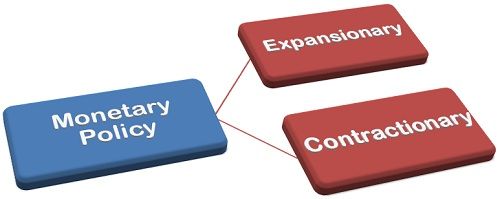
    There are two types of monetary policies: expansionary and contractionary. Expansionary monetary policy is when a central bank lowers interest rates in order to stimulate economic growth. Contractionary monetary policy is when a central bank raises interest rates in order to slow down inflation.

    There are two types of monetary policies: expansionary and contractionary. Expansionary policy is when the government increases the money supply in order to stimulate economic growth. Contractionary policy is when the government decreases the money supply in order to slow down inflation.

    Types of Monetary Policies

    Monetary policy is the process by which a central bank, like the Federal Reserve in the United States, controls the supply of money in an economy. The goals of monetary policy are to promote economic growth and stability, including low inflation and low unemployment. There are two main types of monetary policy: expansionary monetary policy and contractionary monetary policy.

    Expansionary monetary policy is when a central bank increases the money supply in an economy through various methods like lowering interest rates or buying government bonds. This type of policy is typically used during periods of economic recession or slow growth to try to stimulate more spending and economic activity. Contractionary monetary policy is when a central bank decreases the money supply in an economy through methods like raising interest rates or selling government bonds.

    This type of policy is typically used during periods of high inflation or rapid economic growth to try to slow down spending and prevent inflation from getting out of control. Which type of monetary policy should be used depends on what the current economic conditions are. If inflation is too high, then contractionary monetary policy would be used to try to bring it back down to a more manageable level.

    If there is an economic recession, then expansionary monetarypolicy would be used in order attempt to spur more spending and get the economy moving again. Ultimately, it’s up to the central bank to decide which type ofpolicy will be most effective at achieving its goals given the current circumstances.

    Contractionary Monetary Policy

    When the economy is struggling, the central banks may use contractionary monetary policy in an attempt to improve conditions. This type of policy typically involves raising interest rates and decreasing the money supply in order to slow economic growth and reduce inflation. The hope is that by doing so, the Fed will be able to stabilize prices and encourage spending and investment.

    Contractionary monetary policy is a type of monetary policy used by central banks to decrease the money supply and curb inflation. The main objective of contractionary monetary policy is to slow down economic growth and reduce inflationary pressures. Central banks use a variety of tools to achieve this goal, including:

    1. Raising Interest Rates: One of the most common tools used in contractionary monetary policy is raising interest rates. When interest rates are increased, borrowing becomes more expensive, which can slow down economic growth and reduce inflationary pressures.
    2. Selling Government Bonds: Central banks can also use open market operations to decrease the money supply by selling government bonds. This can help to raise interest rates and reduce inflationary pressures.
    3. Increasing Reserve Requirements: Central banks can also increase the amount of money that banks are required to hold in reserve. This can decrease the amount of money available for lending, which can slow down economic growth and reduce inflationary pressures.
    4. Credit Tightening: Central banks can also use other tools like credit tightening which is a process of making it harder for people and businesses to borrow money by implementing stricter loan requirements, or by increasing the cost of borrowing.

    It’s important to note that implementing contractionary monetary policy can have negative effects on the economy, such as causing unemployment and slowing economic growth. Therefore, central banks use this type of policy with caution and usually in response to a specific economic problem like high inflation, asset bubbles or overheating of the economy.

    It’s also worth mentioning that contractionary monetary policy alone can not be the solution for the economic problems, it is usually used in coordination with the fiscal policy which is the policy of government spending and taxation.

    Expansionary Monetary Policy

    When it comes to macroeconomic policy, there are two main types of monetary policy: expansionary and contractionary. Expansionary policy is when a central bank implements measures to increase the money supply in an economy, and contractionary policy is when a central bank takes measures to decrease the money supply. The goal of expansionary policy is to stimulate economic growth by increasing the amount of money available for lending and investment.

    Expansionary monetary policy is a type of monetary policy used by central banks to increase the money supply and stimulate economic growth. The main objective of expansionary monetary policy is to increase aggregate demand and promote economic growth. Central banks use a variety of tools to achieve this goal, including:

    1. Lowering Interest Rates: One of the most common tools used in expansionary monetary policy is lowering interest rates. When interest rates are lowered, borrowing becomes cheaper, which can encourage spending and investment, and stimulate economic growth.
    2. Purchasing Government Bonds: Central banks can also use open market operations to increase the money supply by purchasing government bonds. This can help to lower interest rates and stimulate economic growth.
    3. Decreasing Reserve Requirements: Central banks can also decrease the amount of money that banks are required to hold in reserve. This can increase the amount of money available for lending, which can stimulate economic growth.
    4. Credit Easing: Central banks can also use other tools like credit easing, which is a process of making it easier for people and businesses to borrow money by implementing less strict loan requirements or by decreasing the cost of borrowing.
    5. Quantitative Easing: Central banks can also use quantitative easing, which is a process of buying financial assets, usually government bonds, in order to increase the money supply.

    It’s important to note that implementing expansionary monetary policy can have positive effects on the economy, such as increasing employment and stimulating economic growth, but it can also have negative effects like inflation, currency depreciation and asset bubbles. Therefore, central banks use this type of policy with caution and usually in response to a specific economic problem such as a recession, deflation or a slow growth.

    As with contractionary monetary policy, expansionary monetary policy alone can not be the solution for the economic problems, it is usually used in coordination with the fiscal policy which is the policy of government spending and taxation.


    The goal of contractionary policy is to cool down an overheating economy by reducing the amount of money available for lending and investment. There are several tools that a central bank can use to implement expansionary or contractionary monetary policy. One tool is open market operations, which involve buying or selling government bonds in order to expand or contract the money supply.

    Another tool is changing reserve requirements, which refer to the percentage of deposits that banks must hold in reserve at the central bank. Changing reserve requirements affects how much money banks have available to lend out, and thus affects the overall level of economic activity. Finally, another tool that central banks can use is setting interest rates.

    Lowering interest rates makes it cheaper for businesses and consumers to borrow money, encouraging spending and investment; raising interest rates has the opposite effect. Expansionary monetary policy tends to be most effective during periods of economic downturn, when demand for goods and services is low and unemployment is high. By increasing the money supply and making borrowing cheaper, expansionary policy can help spur spending, boost production, and create jobs.

    Contractionary monetary policy tends to be most effective during periods of inflation (when prices are rising too rapidly) or asset bubbles (when prices get too far ahead of underlying fundamentals).

    Accommodative Monetary Policy in Bangladesh

    In Bangladesh, the Bangladesh Bank (BB) uses accommodative monetary policy as a tool to promote economic growth and address inflationary pressures. The BB uses a variety of instruments to implement accommodative monetary policy, including open market operations, changes in the policy rate and reserve requirements, and moral suasion.

    One example of the use of accommodative monetary policy in Bangladesh is the BB’s use of open market operations to increase the money supply. The BB may purchase government bonds or other securities from banks to increase the amount of money available in the economy, which can lower interest rates and encourage borrowing and spending.

    Another example is the use of changes in the policy rate, such as the repo rate, to influence the cost of borrowing. The BB may lower the repo rate to make borrowing cheaper, which can encourage businesses and consumers to invest and spend more. This can lead to increased economic activity and job creation.

    The BB also uses moral suasion to encourage banks to lend more to certain sectors, such as agriculture or small and medium enterprises (SMEs), in order to promote economic growth and development. Banks are encouraged to comply with these guidelines through persuasive language and appeals to their social responsibilities.

    Accommodative monetary policy can be an effective tool for promoting economic growth and addressing deflationary pressures in Bangladesh. However, it can also lead to inflation or asset bubbles if not used in conjunction with other policy tools such as fiscal policy and prudential regulations. The BB must balance the potential benefits of accommodative monetary policy with the risks and downsides, and adjust its policy stance accordingly.

    Other Types of Monetary Policy?

    In addition to expansionary and contractionary monetary policies, there are a few other types of monetary policy that central banks may use to achieve their economic objectives. These include:

    1. Neutral Monetary Policy: A neutral monetary policy is one where the central bank does not actively seek to stimulate or curb economic growth. Instead, it focuses on maintaining a stable rate of inflation and a stable money supply.
    2. Quantitative Easing: Quantitative easing is a monetary policy used by central banks to increase the money supply by purchasing government bonds or other financial assets. This can help to lower interest rates and stimulate economic growth.
    3. Forward Guidance: Forward guidance is a monetary policy used by central banks to signal their future intentions for interest rates or other monetary policy measures. By providing guidance on future policy, central banks can help to influence economic expectations and reduce uncertainty.
    4. Credit Easing: Credit easing is a monetary policy that aims to increase credit availability to specific sectors of the economy, such as small and medium-sized businesses or households. This can help to stimulate economic growth by increasing spending and investment.
    5. Monetary Targeting: Monetary targeting is a monetary policy strategy that aims to achieve a specific target for the money supply or a monetary aggregate (such as M2)

    These are some of the monetary policies which are used by central banks to achieve their specific goals, but the central bank chooses the monetary policy depending on the economic situation of the country.

    Conclusion

    Monetary policy is the process by which the monetary authority of a country, typically the central bank or currency board, controls either the price of money or the quantity of money in circulation. Monetary policy affects interest rates and inflation. The two main tools of monetary policy are open market operations and reserve requirements.

    There are four types of monetary policies: expansionary, contractionary, deflationary, and inflationary. Expansionary monetary policy is when a central bank increases the money supply in order to stimulate economic growth. This type of policy is usually used during periods of recession or low economic activity.

    Contractionary monetary policy is when a central bank decreases the money supply in order to control inflation. This type of policy is usually used during periods of high economic activity. Deflationary monetary policy is when a central bank decreases the money supply in order to reduce prices and increase demand.

    This type of policy is usually used during periods of deflation (declining prices). Inflationary monetary policy is when a central bank increases the money supply in order to create inflation (rising prices). This type of policy is usually used during periods of high economic activity.

  • Monetary Policy of Bangladesh | All you need to know

    The monetary policy of Bangladesh is a set of actions and measures taken by the Bangladesh Bank, the central bank of the country, to regulate the money supply and interest rates in the economy. The main goal of the monetary policy is to achieve and maintain price stability, promote economic growth and development, and ensure overall stability of the economy. To achieve these goals, the Bangladesh Bank uses a variety of tools such as setting interest rates, open market operations, and reserve requirements. The bank also closely monitors inflation, GDP growth, and other economic indicators to inform its policy decisions. Additionally, the Bangladesh Bank works closely with the government to ensure that monetary policy is aligned with broader economic goals and objectives.

    Monetary policy of Bangladesh

    The Bangladesh Bank is the central bank of Bangladesh and is responsible for implementing monetary policy in the country. The main goal of the bank’s monetary policy is to achieve and maintain price stability in the economy. This is done by controlling the money supply and interest rates, which in turn affects inflation, economic growth, and overall stability.

    To implement monetary policy, the Bangladesh Bank uses a variety of tools such as setting interest rates, open market operations, and reserve requirements. The bank sets the policy interest rate, which is the rate at which it lends to commercial banks. This is used as a benchmark for other interest rates in the economy and is used to control inflation and promote economic growth. The bank also conducts open market operations, which involve buying or selling government securities in the open market to control the money supply.

    The Bangladesh Bank also sets reserve requirements for commercial banks, which is the percentage of deposits that banks must hold in reserve. This is used to control the money supply and ensure that banks have sufficient funds to meet the demand for withdrawals.

    In addition to these tools, the Bangladesh Bank closely monitors inflation, GDP growth, and other economic indicators to inform its policy decisions. The bank also works closely with the government to ensure that monetary policy is aligned with broader economic goals and objectives.

    The Bangladesh Bank also plays a role in the foreign exchange market, managing the country’s foreign exchange reserves and influencing the exchange rate to promote stability and balance of payments.

    Overall, the monetary policy of the Bangladesh Bank is designed to promote economic growth and development, while maintaining stability and controlling inflation. The bank uses a variety of tools to implement its policy and works closely with the government to ensure that it is aligned with broader economic goals.

    In addition to the tools and goals mentioned earlier, the Bangladesh Bank also employs other aspects in its monetary policy to achieve its objectives. These include:

    • Credit Control: The bank regulates the credit flow to different sectors of the economy through a variety of measures such as setting margin requirements, directing credit to priority sectors, and controlling the growth of bank credit. This helps the bank to control inflation and promote economic growth.
    • Liquidity Management: The bank manages the liquidity position of the banking system by using various instruments such as repurchase agreements, reverse repurchase agreements, and term lending facility. This helps the bank to ensure that there is adequate liquidity in the banking system to meet the credit needs of the economy while also maintaining stability.
    • Foreign Exchange Management: The bank plays a significant role in the foreign exchange market by managing the country’s foreign exchange reserves and influencing the exchange rate to promote stability and balance of payments.
    • Supervision and Regulation: The bank supervises and regulates the activities of commercial banks and other financial institutions to ensure that they comply with laws and regulations, maintain sound banking practices, and are able to meet the credit needs of the economy.
    • Deposit Insurance: The bank provides deposit insurance to depositors of commercial banks to protect them in case of bank failure.

    All these measures are implemented with the ultimate goal of maintaining macroeconomic stability and promoting economic growth. The Bangladesh Bank also regularly publishes reports and statements, such as Monetary Policy Statement, which provide updates on the economic conditions and the bank’s monetary policy stance.

    Overall, the monetary policy of the Bangladesh Bank is a comprehensive approach that employs a variety of tools and measures to achieve its objectives. The bank closely monitors economic conditions and works closely with the government to ensure that its policy is aligned with broader economic goals.

    Who controls the monetary policy in Bangladesh?

    In Bangladesh, the monetary policy is controlled by the Bangladesh Bank, which is the central bank of the country. The bank is responsible for implementing monetary policy and ensuring that it is aligned with broader economic goals and objectives.

    The Bangladesh Bank is an autonomous institution, but it works closely with the government and other stakeholders to ensure that monetary policy is consistent with the country’s overall economic goals. The bank’s board of directors, which is appointed by the government, is responsible for setting the overall direction of monetary policy. The bank’s governor, who is also appointed by the government, is responsible for implementing the policy and making day-to-day decisions.

    The Bangladesh Bank also has a Monetary Policy Committee (MPC) which is responsible for recommending monetary policy decisions to the board of directors. The MPC is composed of the governor, two deputy governors, and other members who are appointed by the government. The MPC meets regularly to review economic conditions and make recommendations on monetary policy.

    The Bangladesh Bank also works closely with other government agencies such as the Ministry of Finance and the National Board of Revenue to ensure that monetary policy is aligned with broader economic goals. The bank also regularly consults with other stakeholders such as commercial banks, industry representatives, and academics to gather input on economic conditions and the effectiveness of monetary policy.

    In conclusion, the monetary policy in Bangladesh is controlled by the Bangladesh Bank, which is an autonomous institution, but works closely with the government and other stakeholders to ensure that it is consistent with the country’s overall economic goals. The bank’s board of directors, the Monetary Policy Committee and the Governor are responsible for setting and implementing the monetary policy

  • What are the Major Objectives of Monetary Policy in Bangladesh?

    The monetary policy of Bangladesh is the strategy and actions taken by the central bank, Bangladesh Bank, to regulate the money supply, interest rates, and inflation in the economy. The main goal of the monetary policy is to promote economic stability and growth, but it also aims to achieve other objectives such as maintaining financial stability, ensuring balance of payment and reducing poverty. To achieve these objectives, the Bangladesh Bank uses a variety of tools such as setting interest rates, open market operations, and reserve requirements. The bank also closely monitors economic indicators and works closely with the government to ensure that monetary policy is aligned with broader economic goals and objectives.

    By keeping inflation in check, supporting economic activity, and promoting financial stability, monetary policy helps to create an environment in which businesses can flourish and people can enjoy a good standard of living.

    Objectives of Monetary Policy

    The major objectives of monetary policy in Bangladesh are to achieve and maintain price stability, promote economic growth, and ensure financial stability. Monetary policy is conducted by the Bangladesh Bank through its monetary policy instruments, which include reserve requirements, open market operations, and standing facilities. The objective of maintaining price stability is to keep inflation low and stable. Some of the major objectives of monetary policy in Bangladesh are:

    1. Price stability: The primary goal of monetary policy is to maintain price stability in the economy, which is defined as keeping inflation under control. The Bangladesh Bank uses various tools such as setting interest rates, open market operations, and reserve requirements to control the money supply and interest rates in order to achieve this objective.
    2. Economic growth: Monetary policy also aims to promote economic growth and development. The bank uses monetary policy tools to encourage investment and consumption, which in turn can lead to increased economic activity and job creation.
    3. Financial stability: Monetary policy also aims to promote financial stability in the economy. The bank regulates the activities of commercial banks and other financial institutions to ensure that they comply with laws and regulations and maintain sound banking practices.
    4. Balance of payments: The bank plays a significant role in the foreign exchange market by managing the country’s foreign exchange reserves and influencing the exchange rate to promote stability and balance of payments.
    5. Deposit insurance: The bank also provides deposit insurance to depositors of commercial banks to protect them in case of bank failure.
    1. Distributional equity: Monetary policy also aims to promote distributional equity, which is the fair distribution of income and wealth across different segments of society. The bank encourages credit to priority sectors and directs credit to support the development of agriculture, small and medium-sized enterprises, and other sectors that contribute to the growth of the economy. Policymakers often seek to promote equity and efficiency in the economy through monetary policy measures such as targeted subsidies or tax breaks.
    2. Financial inclusion: Monetary policy also aims to promote financial inclusion by increasing access to credit and other financial services for under-served and marginalized groups, such as low-income households and rural areas.
    3. Employment generation: Monetary policy also aims to promote employment generation by encouraging investment and consumption, which in turn can lead to increased economic activity and job creation.
    4. Foreign exchange management: The bank plays a significant role in the foreign exchange market by managing the country’s foreign exchange reserves and influencing the exchange rate to promote stability and balance of payments.
    5. Transparency and accountability: The bank regularly publishes reports and statements, such as Monetary Policy Statement, which provide updates on the economic conditions and the bank’s monetary policy stance, to increase transparency and accountability.

    Monetary Policy FAQs

    Monetary Policy of Bangladesh And Its Impact on Economy

    The monetary policy of Bangladesh is a set of guidelines and regulations that govern the country’s money supply and inflation. The policy is designed to maintain economic stability and promote growth. The Bangladeshi central bank, the Bangladesh Bank, implements the monetary policy.

    The main objectives of the monetary policy are to: – Maintain price stability – Promote economic growth and employment

    – Manage external sector imbalances – Foster financial inclusion In order to achieve these objectives, the monetary policy uses a variety of tools, including interest rates, reserve requirements, and open market operations.

    The Bangladeshi government also has a fiscal policy that it uses in conjunction with the monetary policy to stabilize the economy.

    Monetary Policy of Bangladesh Bank

    The monetary policy of Bangladesh is formulated and implemented by the Bangladesh Bank with the primary objective of maintaining price stability in the economy. The monetary policy measures adopted by the central bank are aimed at keeping inflation within a tolerable range while ensuring sufficient liquidity in the banking system to support economic growth. In recent years, the focus of the monetary policy has been on keeping inflation under control while supporting economic growth.

    Inflation has been a major concern for Bangladesh in recent years. Headline inflation averaged 6.5 percent between FY2010 and FY2016, but increased to 7.3 percent in FY2017 due to higher food and fuel prices. Despite this increase, inflation remains below the government’s target of 8.0 percent for FY2018.

    The central bank has taken several measures to keep inflation under control, including raising interest rates and increasing reserve requirements for banks. To support economic growth, Bangladesh Bank has kept interest rates low and maintained ample liquidity in the banking system by providing loans to commercial banks through its refinance window. These measures have helped to boost credit growth, which averaged 16 percent between FY2010 and FY2017.

    As a result of these policies, GDP growth averaged 6% during this period.

    What is the Monetary Policy of Bangladesh?

    The monetary policy of Bangladesh is the policy by which the Bangladesh Bank manages money supply in order to achieve macroeconomic objectives like inflation control, GDP growth, etc. The central bank uses a number of tools to implement monetary policy, including reserve requirements, open market operations, and interest rates. In recent years, the main objective of the Bangladeshi monetary policy has been to control inflation.

    Inflation in Bangladesh has been relatively high in recent years, averaging around 6-7% per year. The central bank has raised interest rates several times in an effort to bring inflation down. However, this has not always been successful, as high food and energy prices have continued to push up inflationary pressures.

    The other main objective of Bangladeshi monetary policy is to promote economic growth. The central bank has kept interest rates low in recent years in an effort to spur lending and investment activity. This has helped to boost economic growth, which averaged around 6% per year over the past few years.

    The Bangladeshi government also places some restrictions on the activities of the central bank in terms of setting monetary policy. For example, it cannot print new currency notes without approval from the government.

    What is the Role of Monetary Policy in Bangladesh’s Economic Development?

    The role of monetary policy in Bangladesh’s economic development is to ensure that the country’s money supply grows at a rate that is consistent with its economic growth. This allows for sustainable economic development and helps to avoid inflationary pressure. In order to achieve this, the central bank of Bangladesh (BB) implements several monetary policies.

    One such policy is controlling the liquidity in the banking system through open market operations (OMOs). The BB also influences interest rates by setting the reserve requirements for banks and using other tools such as rediscounting facilities. Additionally, the BB works to promote financial stability through regulation and supervision of the banking sector.

    Conclusion

    The Bangladesh Bank has identified four major objectives of monetary policy in the country: price stability, output stabilization, promotion of economic growth, and balance of payments equilibrium. The central bank pursues these goals through a combination of expansionary and contractionary measures. Expansionary monetary policy increases the money supply in order to lower interest rates and stimulate economic activity.

    Contractionary monetary policy reduces the money supply in order to raise interest rates and slow down economic activity.