Category: Money Market

  • Escrow for Taxes And Insurance

    Escrow for Taxes And Insurance

    Escrow for taxes and insurance provides a way for homeowners to set aside funds for these expenses, ensuring they are paid on time and in full. This arrangement simplifies budgeting and financial management, as well as protecting the lender’s interests.

    With escrow, homeowners make monthly payments that are divided into principal, interest, taxes, and insurance. The lender holds these funds in an account and makes the necessary payments when they are due. This gives homeowners peace of mind knowing their obligations are being met and prevents the lender from experiencing losses due to unpaid taxes or lapsed insurance coverage.
    Escrow for Taxes And Insurance

    Credit: www.capefearhabitat.org

    Benefits Of Escrow For Taxes And Insurance

    Escrow for taxes and insurance offers several benefits to homeowners. It ensures the timely payment of taxes and insurance premiums, eliminating the risk of non-payment or lapsed coverage. By spreading out payments throughout the year, it simplifies budgeting and prevents financial strain.

    Homeowners no longer have to worry about missing due dates or facing penalties. With escrow, the burden of remembering payment deadlines is lifted, providing peace of mind. Additionally, having escrow for taxes and insurance protects homeowners from accidental oversight or forgetfulness.

    It allows them to focus on other important aspects of homeownership, knowing that essential payments are taken care of. Escrow offers a convenient and secure way to manage taxes and insurance, providing homeowners with stability and financial security.

    How Escrow Works For Taxes And Insurance

    An escrow account is set up by your mortgage lender to collect funds for paying taxes and insurance premiums. The process starts with an initial escrow analysis to calculate how much you need to contribute each month. This ensures there are enough funds to cover these expenses when they become due.

    The lender then collects the necessary funds from you as part of your monthly mortgage payment. When it’s time to pay your taxes and insurance, the lender uses the money from the escrow account to make those payments on your behalf.

    This helps spread out the cost of these expenses throughout the year, making it easier for you to manage your finances. Having an escrow account also provides peace of mind, knowing that your taxes and insurance premiums are being taken care of in a timely manner.

    Factors To Consider When Setting Up Escrow

    Factors to keep in mind while setting up an escrow include evaluating the mortgage lender’s requirements, calculating estimated taxes and insurance premiums, and assessing the impact on monthly mortgage payments. When considering escrow, it is crucial to understand the specific escrow requirements set by the lender.

    This evaluation helps ensure that the escrow arrangement aligns with your financial goals and obligations. Additionally, estimating taxes and insurance premiums enables you to have a clear understanding of the potential costs involved. This calculation aids in determining whether your budget supports the escrow arrangement.

    Lastly, it is important to evaluate the impact on your monthly mortgage payments. By doing so, you can ensure that the escrow payments are manageable and do not strain your financial situation. Considering these factors ensures a smooth escrow setup process that aligns with your needs.

    Tips For Managing Escrow For Taxes And Insurance

    When managing escrow for taxes and insurance, it is important to regularly review the escrow statements for accuracy. Understanding the escrow analysis and the factors that can cause changes is crucial. If you have any queries or concerns, it is essential to communicate with your mortgage lender.

    By staying informed and proactive, you can ensure that your escrow account is properly managed and avoid any unexpected surprises. Regularly reviewing your escrow statements can help you identify any discrepancies and take appropriate actions if needed. Keeping open communication with your mortgage lender allows you to address any questions or concerns you may have regarding your escrow account.

    Taking these steps will help you stay on top of your escrow for taxes and insurance and ensure a smooth process.

    Potential Issues And How To Address Them

    Escrow shortages and deficiencies can be potential issues when it comes to managing taxes and insurance. Sometimes, updates to property taxes and insurance premiums can result in a shortfall in the escrow account. This can lead to increased monthly payments to make up for the deficit.

    On the other hand, if there is an escrow surplus, homeowners have options for its use. Instead of leaving the surplus untouched, it can be used to pay down the mortgage, reduce future monthly payments, or even be refunded to the homeowner.

    It is important to address these issues promptly to avoid any financial burdens or discrepancies. By staying proactive and regularly reviewing escrow statements, homeowners can ensure that their escrow account remains accurate and up-to-date, minimizing any potential concerns.

    Frequently Asked Questions On Escrow For Taxes And Insurance

    Is It A Good Idea To Escrow Taxes And Insurance?

    Yes, it is a good idea to escrow taxes and insurance.

    What Does It Mean To Escrow Taxes And Insurance?

    Escrowing taxes and insurance means setting aside money for them, which is paid along with your mortgage.

    Is It Better To Pay Homeowners Insurance Through Escrow?

    Yes, paying homeowners insurance through escrow is better for convenience and ensuring coverage.

    Is Insurance Paid Through Escrow?

    Insurance is sometimes paid through escrow.

    Conclusion

    Escrow for taxes and insurance provides homeowners with a convenient and worry-free way to ensure their obligations are met. By requiring monthly payments alongside the mortgage, lenders can ensure that the necessary funds are readily available to cover property taxes and insurance premiums.

    This not only offers peace of mind for homeowners, but also protects the lender’s investment. With the costs of taxes and insurance continuously on the rise, escrow provides a built-in safeguard against unexpected financial burdens. Additionally, escrow accounts can be beneficial for homeowners who prefer the convenience of having all housing expenses consolidated into one monthly payment.

    By understanding how escrow works and the benefits it offers, homeowners can make informed decisions that promote financial stability and protect their investment in their home.

  • Escrow Bank Account

    Escrow Bank Account

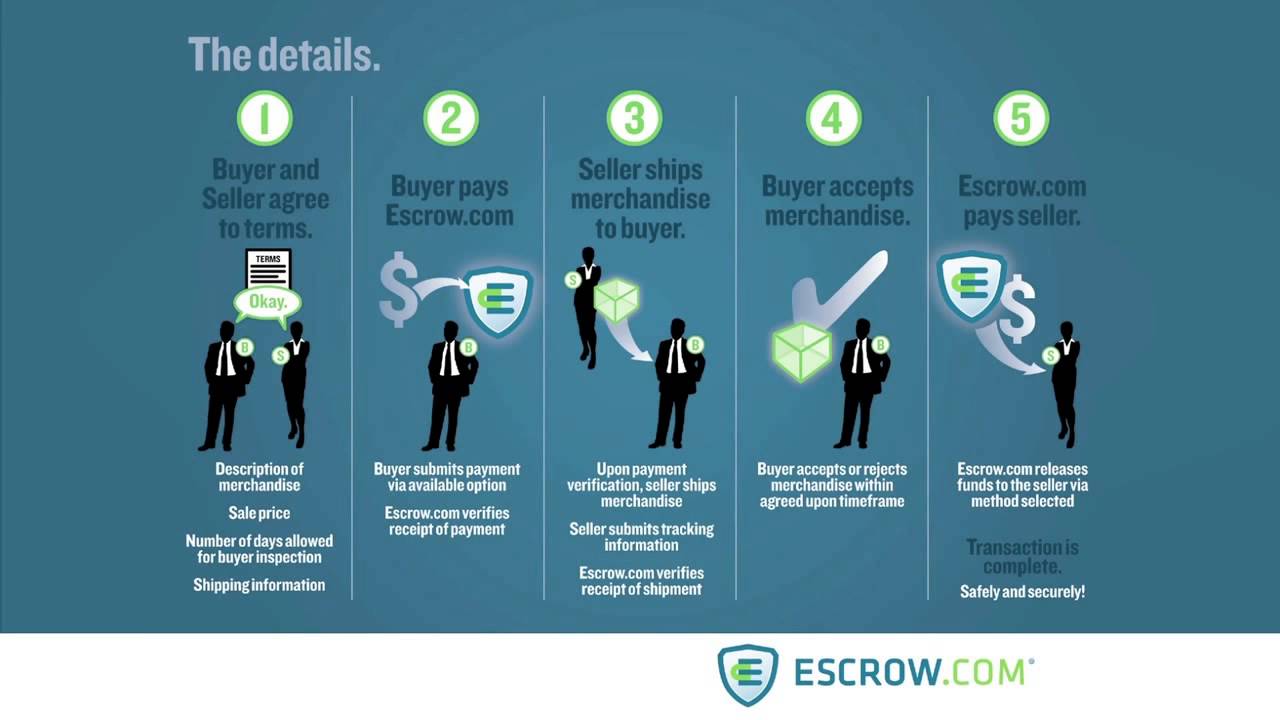
    An escrow bank account is a secure financial arrangement where a third party holds funds until a specific condition is met, providing protection to both the buyer and seller. In this type of account, the funds are kept separate from the buyer’s and seller’s personal accounts until the agreed-upon terms are fulfilled, ensuring a smooth and trusted transaction process.

    It minimizes the risk of fraud or misappropriation of funds and is commonly used in real estate transactions and online purchases to ensure the safe transfer of funds and goods. By placing the funds in an escrow bank account, parties involved can have peace of mind knowing that their transaction is secure and will only be completed once all parties meet their obligations.

    Definition And Purpose Of An Escrow Bank Account

    An escrow bank account is a bank account where funds are held in trust by a neutral third party until a specific condition or event is met. This type of account provides security for both the buyer and the seller in a transaction.

    The definition of an escrow bank account is that it serves as a temporary depository for funds during a real estate or business transaction. The purpose of an escrow bank account is to hold funds until all the terms of the agreement are fulfilled.

    This ensures that the seller receives payment and the buyer receives the property or services agreed upon. An escrow bank account acts as a safeguard, preventing any party from being defrauded or losing money. It provides a mutually beneficial arrangement for all parties involved, ensuring a smooth and secure transaction.

    Escrow Bank Account

    Credit: www.usbank.com

    How Does An Escrow Bank Account Work?

    An escrow bank account is a financial arrangement where a neutral third party holds funds until certain conditions are met. This ensures a secure transaction between the buyer and seller. The account is set up by the parties involved, including the buyer, seller, and sometimes a broker or attorney.

    In this account, the funds are deposited and held until all the terms of the agreement are fulfilled. The steps to set up an escrow bank account involve opening an account with a trusted bank, submitting necessary documentation, agreeing to the terms and conditions, and funding the account.

    This arrangement offers protection to both the buyer and seller, ensuring that the money and assets are handled properly. With an escrow bank account, transactions can proceed smoothly, providing peace of mind to all parties involved.

    Assurance Of Payment Security

    Escrow bank accounts provide assurance of payment security for both buyers and sellers. Buyers are protected as their funds are held securely in escrow until the agreed-upon conditions are met. This ensures that the buyer’s money is not released until they have received the goods or services as promised.

    Sellers also benefit from the protection offered by escrow bank accounts. They can be confident that they will receive payment once the buyer has confirmed their satisfaction with the transaction. This eliminates the risk of non-payment or fraudulent chargebacks. With an escrow bank account, both parties can engage in transactions with peace of mind, knowing that their financial interests are protected.

    Facilitation Of Transactions

    An escrow bank account serves to facilitate large financial transactions by ensuring timely payments. The account acts as a neutral third party, holding funds until all the terms of the transaction are met. By using an escrow bank account, both the buyer and seller can be confident in the secure handling of their funds.

    This arrangement eliminates the need for trust between the parties involved, as the account ensures that the payment is made only when the agreed-upon conditions are fulfilled. Whether it’s a real estate purchase, business acquisition, or any other significant monetary exchange, an escrow bank account is a valuable tool that streamlines the transaction process and protects the interests of all parties involved.

    Choosing The Right Bank

    Choosing the right bank for your escrow bank account requires thorough research on different banks and considering their fees and services. Look for a bank that offers competitive rates and low fees. Compare the services provided, such as online banking, customer support, and ease of transferring funds.

    Additionally, read reviews and seek recommendations from trusted sources to ensure the bank has a good reputation. Moreover, consider the bank’s location and accessibility, as well as any additional features that may be beneficial for your specific needs. By doing your due diligence and considering all these factors, you can find the right bank to establish an escrow bank account that meets your requirements and provides a positive banking experience.

    Meeting The Bank’S Requirements

    Meeting the bank’s requirements for an escrow bank account involves gathering the necessary documents. These include proof of identity and address, financial statements, and legal agreements. The bank will set a minimum deposit and balance to be maintained in the account.

    It’s important to have these funds readily available to ensure smooth transactions. By providing the required documentation and meeting the bank’s financial obligations, individuals and businesses can establish an escrow bank account to secure their funds and carry out important financial transactions with confidence.

    The bank will guide customers throughout the process, ensuring compliance with all necessary regulations. Establishing an escrow bank account offers peace of mind and facilitates secure financial transactions for both parties involved.

    Setting Up The Account

    Setting up an escrow bank account is a straightforward process that requires submitting an application. The account opening process usually involves filling out the necessary forms and providing the required documentation. Once you have completed the application, it is important to review it for accuracy before submitting it to the bank.

    The bank may also require additional information or clarification, which you should promptly provide to avoid any delays in the account setup. The bank will then review your application and documentation, and if everything is in order, they will open the escrow account for you.

    It is crucial to follow all the instructions provided by the bank and ensure that all the necessary details are included in your application to expedite the account opening process.

    Frequently Asked Questions For Escrow Bank Account

    What Is The Difference Between An Escrow Account And A Regular Bank Account?

    An escrow account is used for holding funds during a real estate transaction, while a regular bank account is for general banking purposes.

    Who Owns The Money In An Escrow Account?

    The money in an escrow account is owned by the parties involved in the transaction.

    Can I Open An Escrow Account With My Bank?

    Yes, you can open an escrow account at your bank.

    Is An Escrow Account Good Or Bad?

    An escrow account can be beneficial as it acts as a safe and neutral entity for financial transactions.

    Conclusion

    An escrow bank account is a vital tool in the world of financial transactions. It provides peace of mind for both parties involved in a transaction by ensuring the safekeeping and proper distribution of funds. With an escrow bank account, buyers can feel confident that their money is secure, while sellers can trust that they will receive payment once all conditions are met.

    This type of account also acts as a neutral third party, protecting both parties from fraudulent activity and facilitating a smooth transaction process. Whether you are buying or selling real estate, engaging in online transactions, or participating in mergers and acquisitions, an escrow bank account is an essential tool to consider.

    By following the guidelines of a secure escrow process, you can minimize risks and streamline your financial transactions. So, don’t hesitate to explore the benefits of an escrow bank account for your next transaction.

  • Auto Escrow Services

    Auto Escrow Services

    Auto Escrow Services are secure payment platforms that protect buyers and sellers during vehicle transactions. They offer a safe and reliable way to facilitate payments, ensuring that both parties are protected against fraud.

    An auto escrow service acts as a neutral third party, holding the funds until the transaction is complete and verified. This eliminates the risk of payment-related scams and provides peace of mind for buyers and sellers alike. With the increasing popularity of online car sales, auto escrow services have become an essential tool for ensuring safe and hassle-free transactions.

    By using an auto escrow service, both buyers and sellers can confidently complete their transactions, knowing that their funds are secure and their interests are protected.

    Understanding Auto Escrow Services

    Auto escrow services are an essential aspect of understanding the vehicle purchase process. These services protect buyers from potential scams, fraud, and financial losses. By simplifying the buying process, auto escrow services offer peace of mind to buyers. They act as intermediaries, holding the payment for the vehicle until all necessary paperwork has been completed and the vehicle is delivered.

    This ensures that both parties are protected, and the transaction is conducted securely. Auto escrow services are particularly beneficial for online vehicle purchases, where buyers may not have the opportunity to physically inspect the vehicle before making a payment. Overall, auto escrow services provide a valuable service that eliminates the risks often associated with vehicle purchases, allowing buyers to feel confident and secure throughout the process.

    Auto Escrow Services

    Credit: www.marlog-car-handling.com

    How Auto Escrow Services Work

    Auto escrow services work by following a step-by-step process to ensure a smooth transaction. First, the buyer and seller negotiate the deal and agree on a price. Then, an escrow account is set up to hold the funds securely. In the next step, the vehicle undergoes a thorough inspection to verify its condition, while ownership documents are authenticated.

    Once the inspection is complete, the funds are transferred into the escrow account. After that, the vehicle transfer and delivery are planned, ensuring the process is safe and timely. Finally, the sale is finalized by completing the legal transfer of ownership, and the funds are released to the seller.

    Auto escrow services provide a secure and reliable way to buy or sell vehicles, protecting both parties throughout the transaction.

    Benefits Of Using Auto Escrow Services

    Using auto escrow services offers numerous benefits, ensuring protection for both buyers and sellers. These services minimize the risk of fraudulent activities by providing a neutral third party mediation. By streamlining the buying process, they handle all necessary documentation and payments, facilitating a secure transaction.

    Auto escrow services offer peace of mind, as they protect against non-delivery or misrepresentation. They effectively reduce the stress associated with buying a vehicle, offering a reliable and convenient solution. With the help of these services, buyers and sellers can safely engage in transactions, without worrying about scams or possible disputes.

    Auto escrow services are a valuable resource for anyone looking to purchase or sell a vehicle, providing a secure and trustworthy platform for transactions.

    Choosing The Right Auto Escrow Service

    Choosing the right auto escrow service is crucial. Reputation and experience play a significant role. Be sure to check customer reviews and testimonials. Assess the company’s track record to ensure reliability. Security measures and insurance are essential factors. Understand the security protocols in place for your peace of mind.

    Verify insurance coverage to safeguard your investment. Fees and pricing should be carefully considered. Compare service costs and fees to make an informed decision. Ensure transparency in the pricing structure to avoid hidden charges. Look for excellent customer support and clear communication channels.

    Live support availability and timely communication are essential for a smooth auto escrow process.

    Frequently Asked Questions Of Auto Escrow Services

    How Does Car Escrow Work?

    Car escrow works by holding funds in a secure account until the car transaction is completed, protecting both the buyer and seller.

    How Do I Set Up An Escrow Account For My Car?

    To set up an escrow account for your car, follow these steps: 1. Research reputable escrow companies online. 2. Choose a company that specializes in automotive escrow services. 3. Contact the chosen company and provide them with the necessary information. 4.

    Follow their instructions to complete the setup process.

    What Is The Best Escrow System?

    The best escrow system is the one that offers secure transactions, reliable customer support, and transparent fees.

    How Much Does It Cost To Set Up An Escrow Account?

    The cost of setting up an escrow account can vary depending on the provider.

    Conclusion

    Auto escrow services are an essential tool for both buyers and sellers in the automotive industry. With their secure payment systems and streamlined processes, they offer peace of mind and protection against fraud. Whether you are purchasing a vehicle from another state or selling your car to a stranger, auto escrow services facilitate safe and smooth transactions.

    By acting as a neutral third party, they ensure that both parties fulfill their obligations and that the transaction is completed successfully. Additionally, auto escrow services can save time and money by handling all the necessary paperwork and documentation. With their seamless integration of technology and personal customer service, they have revolutionized the way automotive transactions are conducted.

    So, whether you are a buyer or a seller, consider using an auto escrow service to protect your investment and ensure a hassle-free experience.

  • Escrow Holdback for Repairs

    Escrow Holdback for Repairs

    Escrow holdback for repairs is an amount of money withheld from the seller’s proceeds to cover necessary repairs. In this arrangement, funds are set aside in a secure account until the repairs are completed.

    In real estate transactions, escrow holdback for repairs is a common practice where a portion of the seller’s funds is retained until necessary repairs are completed. Instead of resolving repair issues before closing the sale, this approach allows the buyer to handle the repairs after the purchase.

    The amount is usually agreed upon by both parties during negotiations and is held in a secure escrow account. Once the repairs are finished, the funds are released to cover the cost. This arrangement provides a level of protection for the buyer, ensuring that the necessary repairs are completed to their satisfaction.

    What Is Escrow Holdback?

    Escrow holdback refers to an arrangement where a portion of the proceeds from a real estate transaction is held in escrow to cover repairs. It acts as a form of protection for the buyer, ensuring that necessary repairs are completed after the closing of the sale.

    The definition of escrow holdback for repairs is essentially a financial tool that allows funds to be set aside in case repairs are needed. This way, the seller is not responsible for carrying out repairs prior to the closing date.

    The purpose of escrow holdback is to provide transparency and assurance to both parties involved in the transaction. For buyers, it offers peace of mind knowing that necessary repairs can be addressed without delays or additional costs. Sellers benefit from this arrangement as it protects them from potential disputes or claims related to repairs after the sale.

    Overall, escrow holdback is a useful tool that offers financial security and ensures a smooth real estate transaction process.

    Understanding Escrow Holdback For Repairs

    Escrow holdback for repairs is an important concept to understand in real estate transactions. It is a financial arrangement whereby a portion of the funds is set aside in an escrow account specifically for repairs. This helps ensure that any necessary repairs or renovations are completed before the property is transferred to the buyer.

    The amount of the holdback is typically determined based on various factors, such as the estimated cost of repairs and the agreement between the parties involved. Escrow holdback is often used instead of traditional repairs, as it offers a convenient and efficient solution for both buyers and sellers.

    By utilizing escrow holdback, buyers can have peace of mind knowing that any repairs needed will be taken care of, while sellers can streamline the selling process.

    https://www.youtube.com/watch?v=UkGNjr0CWgc

    The Escrow Holdback Process

    The escrow holdback process involves several steps to set up an escrow holdback for repairs. First, determining repair costs is essential. Once the costs are established, creating an escrow account is the next step. An escrow agreement is then drafted, including warranty provisions.

    The roles and responsibilities of the parties involved are clearly defined. The buyer has certain responsibilities, while the seller also has their own obligations. Additionally, the lender has specific responsibilities throughout the process. Following these guidelines ensures a smooth and efficient escrow holdback for repairs.

    Pros And Cons Of Escrow Holdback For Repairs

    Escrow holdback for repairs has its own set of pros and cons. In terms of advantages, it offers limited financial responsibility for buyers. This means that they don’t have to spend a hefty amount upfront for repairs. Additionally, escrow holdback provides flexibility in the timing of repairs.

    Buyers can negotiate when the repairs will be done, giving them more control. Moreover, it offers added protection for sellers. They can rest assured that the repairs will be completed before the property changes hands. On the flip side, there are a few disadvantages to consider.

    First, the closing process might be delayed due to the holdback. Second, there is a potential for disputes and difficulties surrounding the repairs. It’s important for both parties to clearly communicate and set expectations to avoid any complications. Ultimately, the decision to use escrow holdback for repairs should be carefully weighed based on individual circumstances.

    Tips For Negotiating Escrow Holdback For Repairs

    When negotiating escrow holdback for repairs, it is crucial to conduct thorough research on local real estate laws and regulations. By being aware of the specific guidelines and requirements, you can ensure a smooth negotiation process. Additionally, conducting a meticulous inspection of the property is essential to identify all repair needs accurately.

    This will help you determine the appropriate amount to be held in escrow for repairs. When setting the holdback amount, it is crucial to be reasonable and consider the scope of work required. Including the appropriate contract clauses is also vital to protect both parties involved.

    By following these tips, you can negotiate an escrow holdback for repairs successfully.

    Common Challenges And How To Resolve Them

    Disputes and disagreements often arise over repair issues, causing delays in completion and disbursement of escrow funds. Resolving these common challenges requires open communication and negotiation. Parties involved should address their concerns directly, seeking compromise and finding mutually agreeable solutions.

    By actively listening to each other’s perspectives, misunderstandings can be avoided. Prompt action is crucial in resolving disputes, as delayed decisions can prolong the process. Additionally, maintaining transparency throughout the repair process helps to build trust and alleviate concerns. Working together to find common ground and ensuring clear communication will ultimately lead to successful resolution of escrow holdback challenges.

    Remember, patience and understanding are key in navigating through these obstacles.

    Escrow Holdback Success Stories

    Escrow holdback for repairs has proven to be successful in various real-life scenarios. Both buyers and sellers have experienced higher satisfaction levels due to this approach. For instance, a buyer noticed several issues during the inspection, but the seller couldn’t afford to make the repairs upfront.

    By utilizing an escrow holdback, the buyer and seller agreed to set aside a portion of the purchase price to cover the necessary repairs. This allowed the transaction to proceed smoothly, with the funds securely held until the repairs were completed.

    In another case, the seller had already relocated and couldn’t oversee the repairs personally. With an escrow holdback, the seller felt reassured that the repairs would be completed by the buyer after closing. These success stories highlight the positive impact of escrow holdback on both buyer and seller satisfaction.

    Escrow Holdback for Repairs

    Credit: www.gcamortgage.com

    Frequently Asked Questions On Escrow Holdback For Repairs

    What Is The Average Escrow Holdback?

    The average escrow holdback is the amount of money withheld during a real estate transaction until certain conditions are met.

    What Does It Mean To Put Money In Escrow For Repairs?

    Putting money in escrow for repairs means setting aside funds to cover the costs of necessary repairs to a property.

    Who Holds Escrow Holdback Money?

    The escrow holdback money is held by the escrow agent until certain conditions are met.

    What Is An Example Of An Escrow Holdback?

    An example of an escrow holdback is when a portion of funds is withheld until certain conditions are met.

    Conclusion

    Escrow holdback for repairs provides a practical solution for homebuyers and sellers to address potential issues discovered during the inspection process. By setting aside funds in an escrow account, both parties can rest assured knowing that repairs will be handled smoothly and efficiently after the closing.

    This not only helps to streamline the transaction process but also brings peace of mind to all involved. One of the main advantages of using an escrow holdback is that it allows buyers to move forward with the purchase while still ensuring that necessary repairs are completed.

    This can be particularly beneficial in cases where time is of the essence, and buyers do not want to delay the closing process. By utilizing an escrow holdback, buyers can be confident that they are protected and that repairs will be addressed promptly.

    Furthermore, escrow holdbacks can also benefit sellers by providing a practical way to address repair requests. Rather than renegotiating the sales price or risking the deal falling through, a holdback ensures that repairs are taken care of without causing significant disruptions.

    Utilizing an escrow holdback for repairs is a practical solution that offers protection and peace of mind to both buyers and sellers. By addressing potential issues without delaying the closing process, this approach can help facilitate smoother transactions for all parties involved.

  • How to Fix Negative Escrow?

    How to Fix Negative Escrow?

    To fix negative escrow, contact your lender to determine the reason and provide any necessary documents to resolve the issue promptly. Escrow accounts streamline the management of property-related expenses, including taxes and insurance.

    However, negative escrow can occur if the amount held in the account is insufficient to cover these costs. This situation may arise due to a change in these expenses or an error in the escrow calculation. To rectify negative escrow, it is crucial to communicate with your lender, understand the cause, and provide any requested documentation.

    By addressing the issue promptly, you can prevent it from affecting your mortgage and ensure the smooth management of your property-related expenses.

    Common Causes Of Negative Escrow

    Negative escrow can be caused by insufficient funds for mortgage payments, an increase in property taxes, and costly homeowners insurance premiums. When there are not enough funds to cover the mortgage payment, the escrow account can become negative. This often happens when there is a financial hardship or unexpected expenses.

    Additionally, property taxes can increase, leading to a higher escrow payment and a potential negative balance if not properly adjusted. Costly homeowners insurance premiums can also contribute to a negative escrow account, as the insurance payments are typically included in the escrow payment.

    To fix negative escrow, it is important to address the underlying causes. This may involve refinancing to lower mortgage payments, appealing property tax assessments, or finding more affordable homeowners insurance options. By taking proactive measures, homeowners can resolve negative escrow and ensure their finances are in good standing.

    Consequences Of Negative Escrow

    Negative escrow can have serious consequences. One major issue is an escrow shortfall and deficiency, which occurs when there is not enough money in the escrow account to cover expenses. This can lead to potential legal consequences, such as late fees or even foreclosure.

    Another significant consequence is the negative impact on your credit score. Falling behind on escrow payments can result in late payment reports to credit agencies, damaging your creditworthiness. It’s crucial to address negative escrow as soon as possible to avoid these ramifications and protect your financial stability.

    Consulting with a professional, such as a real estate attorney or a financial advisor, can help you navigate the process of fixing negative escrow efficiently and effectively. Don’t delay in taking action to rectify this issue and protect yourself from further financial difficulties.

    Assessing The Extent Of Negative Escrow

    Negative escrow can be fixed by first assessing the extent of the problem. Reviewing escrow statements helps in understanding the deficit and calculating the payment breakdown. By carefully analyzing the escrow account, one can identify the factors contributing to the negative balance.

    This assessment allows homeowners to take appropriate measures to rectify the situation. It is important to address the issue promptly to avoid further complications. Consulting with a financial advisor or speaking to the lender can provide valuable guidance in resolving negative escrow.

    Taking proactive steps can help restore the escrow balance and ensure a smooth home ownership experience. By staying informed and actively managing the escrow account, homeowners can prevent negative escrow from becoming a recurring problem.

    How to Fix Negative Escrow?

    Credit: www.experian.com

    Options For Resolving Negative Escrow

    Resolving negative escrow can be done through three options. The first is making a lump sum payment to bring escrow up to date. Another option is adjusting the escrow payment and increasing the monthly mortgage payments. If these options don’t work, alternative financing options can be explored to cover the escrow shortfall.

    It’s important to carefully consider each option and assess its feasibility. Seeking advice from a financial expert may also be beneficial in finding the best solution for fixing negative escrow. Remember to stay proactive and take action as soon as possible to avoid any further complications with your escrow account.

    Working With Your Mortgage Lender

    To fix a negative escrow situation, it is essential to promptly contact your mortgage lender. Be proactive in reaching out and addressing the issue. Along with communication, providing the necessary documentation is crucial. Be prepared to submit any required paperwork to support your case.

    Additionally, explore negotiation and repayment plans with your lender. Discuss possible options to resolve the negative escrow, such as spreading out the repayment or adjusting future payments. By being proactive and cooperative, you can work with your mortgage lender to find a solution that resolves the negative escrow situation.

    Remember, communication and timely action are key to fixing the issue and ensuring a smoother mortgage experience.

    Avoiding Future Negative Escrow Situations

    Regularly reviewing escrow statements is key to avoiding future negative escrow situations. By staying up-to-date with these statements, you can identify any discrepancies or errors early on. Additionally, preparing for property tax and insurance changes can help prevent negative escrow.

    Stay informed about any potential increases or updates to these costs, and budget accordingly. One helpful strategy is to set up automatic payments for your property taxes and insurance premiums. This ensures that these expenses are always paid on time, minimizing the risk of negative escrow.

    By maintaining a steady budget and staying proactive in managing your escrow, you can effectively prevent negative escrow situations.

    Consulting A Real Estate Attorney

    Consulting a real estate attorney can be crucial when dealing with negative escrow situations. This professional can guide you through the complex process of evaluating legal options and potential disputes. Each state has specific regulations that need to be understood and considered while navigating this challenging situation.

    By working closely with an attorney, you can gain the necessary knowledge and expertise to resolve the negative escrow issue effectively. They can provide you with the guidance and representation you need to protect your rights and interests. An experienced real estate attorney will help you navigate through any legal complexities and negotiate on your behalf to find a favorable resolution.

    With their assistance, you can address the negative escrow problem and seek a fair and reasonable outcome.

    Engaging A Financial Advisor

    Engaging a financial advisor can be a wise step when trying to fix negative escrow. Assessing the long-term financial implications is crucial in this process. By working with an advisor, a plan can be developed to rebuild the escrow cushion.

    This plan should focus on setting realistic goals and creating a budget to manage future payments. It’s important to prioritize expenses and cut back on unnecessary spending. Additionally, exploring options to increase income, such as taking on a side job or freelancing, can help in replenishing the escrow account.

    Monitoring the progress of the plan regularly and making adjustments as necessary will ensure that the escrow balance is gradually restored. Remember, it takes time and effort, but with the help of a financial advisor, negative escrow can be successfully fixed.

    Hiring A Credit Counselor

    Hiring a credit counselor can be a helpful step in addressing the impact of negative escrow on your credit score. A credit counselor has the expertise to provide guidance and strategies for credit recovery. They can analyze your financial situation, help create a personalized action plan, and negotiate with creditors.

    By working with a credit counselor, you can learn about budgeting, debt management, and rebuilding your credit. They can also provide valuable resources and education to improve your financial literacy. Remember, fixing negative escrow takes time and effort, but with the right support and strategies, you can take control of your credit and work towards a positive financial future.

    Frequently Asked Questions For How To Fix Negative Escrow?

    How Do I Get Out Of Negative Escrow?

    To get out of negative escrow, you need to follow these steps: 1. Contact your lender or escrow company. 2. Pay off any outstanding debts or charges. 3. Provide any required documentation promptly. 4. Monitor your escrow account regularly to avoid future deficits.

    What Happens If Escrow Goes Negative?

    If escrow goes negative, you may have to deposit more funds to bring it back to positive.

    Can I Pay My Negative Escrow Balance?

    Yes, you can pay your negative escrow balance.

    Can You Fight Your Escrow Shortage?

    Yes, it is possible to fight your escrow shortage if you take appropriate steps.

    Conclusion

    Overall, fixing negative escrow can be a complex and frustrating process, but it’s not impossible. By understanding the root causes of negative escrow and implementing the right strategies, you can work towards resolving the issue and improving your financial standing.

    Start by thoroughly reviewing your escrow account, identifying any discrepancies, and addressing them with your mortgage servicer. Make sure to communicate effectively, provide all necessary documentation, and follow up consistently. Additionally, take steps to increase your home’s value and reduce insurance and tax expenses.

    Finally, staying proactive and vigilant about managing your escrow account will prevent future negative balances. Remember, the key is patience and persistence as you navigate this challenging situation. With dedication and the right approach, you can successfully fix negative escrow and restore financial stability.

  • Escrow Refund

    Escrow Refund

    An escrow refund is a return of funds held in an escrow account to the party who initially deposited the money. An escrow refund occurs when the terms of the escrow agreement are fulfilled, and the funds are no longer needed.

    It provides a way to protect both the buyer and the seller in a transaction, ensuring that funds are available if any issues arise. Escrow refunds can happen in various situations, such as the cancellation of a real estate transaction, the completion of a contractual agreement, or the resolution of a dispute.

    In such cases, the funds held in escrow are returned to the party who initially deposited them, providing a sense of security and financial assurance. Understanding the process of an escrow refund is essential for anyone involved in transactions that utilize escrow accounts.

    What Is An Escrow Refund?

    An escrow refund is a return of funds held in escrow during a real estate transaction. During the buying or selling of property, a third party, called the escrow agent, holds the funds in a separate account. This ensures that both parties are protected and the transaction can proceed smoothly.

    Once the transaction is completed, any remaining funds in escrow, such as deposits or fees, may be refunded to the buyer or seller. The escrow refund provides a mechanism to resolve any outstanding financial matters between the parties involved. It is an essential part of the closing process, ensuring that everyone receives the appropriate funds due to them.

    In real estate transactions, an escrow refund helps maintain transparency and accountability, providing reassurance to both buyers and sellers.

    When Can You Expect An Escrow Refund?

    An escrow refund can be expected under certain conditions. When a property is sold, the excess funds held in the escrow account may be refunded to the seller. This typically occurs when all outstanding bills and expenses, such as taxes and insurance, have been paid.

    Additionally, if there are any overpayments made by the buyer, they may be eligible for a refund. Another scenario is when a mortgage is paid in full or refinanced, resulting in an overage in the escrow account. In such cases, the lender is required to refund the surplus funds to the borrower.

    It is important to review the terms and conditions of the escrow agreement to understand the specific requirements for receiving a refund. Make sure to communicate with your lender or real estate agent to determine when you can expect an escrow refund.

    Filing A Request For An Escrow Refund

    When filing a request for an escrow refund, there are several steps that you need to follow. First, gather all the required documentation and forms. Make sure you have all the necessary paperwork before proceeding. Next, fill out the necessary forms accurately and provide any supporting documents as needed.

    Double-check your information to ensure its accuracy. Then, submit your request to the appropriate party, whether it is your lender, escrow agent, or other entity. Be sure to follow any specific instructions provided by the institution. After submitting your request, patiently wait for a response.

    It may take some time for the institution to review and process your claim. Finally, follow up on your request if necessary. If you haven’t heard back within a reasonable timeframe, don’t hesitate to reach out for an update. By following these steps, you can increase your chances of successfully obtaining an escrow refund.

    Factors Influencing The Escrow Refund Process

    Factors that influence the escrow refund process include the role of the escrow agent and external factors impacting the timeline for receiving a refund. The escrow agent plays a crucial part in facilitating the refund process, ensuring that the necessary documentation and funds are properly handled.

    However, external factors can also affect the time it takes to receive a refund. These factors may include delays in processing paperwork, disputes over the refund amount, or even unforeseen circumstances such as changes in regulations or financial constraints. It is essential to be aware of these factors and work closely with the escrow agent to streamline the refund process and minimize any potential delays.

    By understanding and addressing these influences, both parties involved can ensure a smooth and efficient escrow refund experience.

    Escrow Refund Disputes

    Escrow refund disputes can be a common occurrence when it comes to real estate transactions. Some challenges that often arise include delays in processing refunds, disagreements over the refund amount, and disputes regarding the responsibility for refund distribution. Resolving these disputes and securing your refund requires following certain steps.

    It’s essential to gather all necessary documentation to support your claim, including the initial escrow agreement, relevant communication, and any evidence of non-compliance or breach of contract. Open communication with all parties involved is crucial for finding a mutually agreeable solution.

    If direct negotiation fails, seeking mediation or arbitration can provide a fair resolution. Additionally, consulting with legal professionals who specialize in real estate law can offer guidance and support throughout the process. By taking these proactive steps, you can assert your rights and increase your chances of a successful escrow refund resolution.

    Negotiating With The Seller Or Developer

    When negotiating with the seller or developer for an escrow refund, there are strategies you can employ to increase your chances of success. First, it is important to present a strong case to support your request. Provide documentation and evidence that clearly demonstrate your grounds for seeking a larger refund.

    Be concise and persuasive in your communication, making sure to address the key points and concerns. Additionally, try to showcase your understanding of the situation and emphasize the fairness of your request. By highlighting any discrepancies or breaches of contract, you can strengthen your argument.

    Lastly, remain confident and assertive during the negotiation process, clearly stating your expectations and desired outcome. Overall, a well-prepared and persuasive approach can significantly improve your chances of negotiating a larger escrow refund.

    Seeking Legal Assistance For Escrow Refunds

    If you find yourself dealing with escrow refund issues, it may be wise to seek legal assistance. A lawyer experienced in this area can guide you through the process and help ensure that your rights are protected. They can provide valuable advice on when to take legal action and how to navigate the complexities of escrow refund disputes.

    By finding the right attorney, you can increase your chances of getting the refund you are owed. Don’t hesitate to reach out for help if you find yourself facing difficulties with an escrow refund.

    Additional Tips For A Successful Escrow Refund

    A successful escrow refund is essential, and there are additional tips to improve your chances. Take proactive measures to increase the likelihood of a refund. One of the best practices is to carefully manage and track your escrow transactions. Always follow these guidelines for better results.

    Use brief sentences that are easy to understand and in active voice. Vary your phrases and expressions to keep the reader engaged. Remember to avoid repetitive terms and overused phrases. By implementing these techniques, you can improve your chances of a successful escrow refund without any confusion.

    Escrow Refund

    Credit: www.experian.com

    Frequently Asked Questions For Escrow Refund

    Why Did I Get Money From Escrow?

    You received money from escrow because your transaction has been successfully completed.

    What Happens If I Don’T Cash My Escrow Refund Check?

    If you don’t cash your escrow refund check, you will not receive the money owed to you.

    What Is An Escrow Refund And How Does It Work?

    An escrow refund is a return of funds held in an escrow account. When a property is sold, the buyer places money into an escrow account, which is held by a neutral third party until the transaction is completed. If there are unused funds in the escrow account after the sale, the buyer is entitled to a refund.

    How Long Does It Take To Receive An Escrow Refund?

    The time it takes to receive an escrow refund can vary depending on several factors, such as the terms of the sale agreement and the efficiency of the escrow company. In general, it can take anywhere from a few weeks to a few months to receive an escrow refund.

    Conclusion

    An escrow refund is a beneficial aspect of the real estate transaction process, providing both buyers and sellers with financial reassurance. This final step ensures that any remaining funds are appropriately distributed, giving peace of mind to all parties involved.

    With the help of an escrow agent, the refund process is seamless and efficient, allowing for a smooth closing. Whether it’s due to a canceled contract, an overpayment, or an incomplete repair, an escrow refund protects everyone’s interests. By understanding the escrow refund process and the necessary documentation, buyers and sellers can navigate this aspect of the transaction with confidence.

    Remember, communication and cooperation between all parties are key to successfully obtaining an escrow refund. Overall, taking the necessary steps to secure an escrow refund can bring financial security and satisfaction to all parties involved in a real estate transaction.