Category: Behavioral Economics

  • What are the Economic Functions of Marriage in Sociology?

    What are the Economic Functions of Marriage in Sociology?

    In sociology, the economic functions of marriage encompass population growth and improved market demand. Marriage enables couples to procreate, leading to a larger labor force and higher productivity.

    Additionally, the increase in population directly corresponds to higher aggregate demand for goods and services, thus driving economic growth. This economic benefit is balanced by the opportunity cost of remaining single, as individuals forego the advantages of a solitary lifestyle.

    The economic aspects of marriage include transactions such as bride price, dowry, and exchange of goods. Overall, marriage plays a crucial role in promoting economic equality between genders and fulfilling individuals’ basic needs for safety, food, clothing, and shelter.

    What are the Economic Functions of Marriage in Sociology?

    Credit: www.britannica.com

    Economic Benefits Of Marriage

    Marriage is not only a social institution but also carries significant economic benefits. In sociology, the economic functions of marriage play a vital role in shaping societies and their economies. Understanding these functions can provide insights into the impact of marriage on population growth, labor availability, market demand, and overall economic growth.

    Population Growth And Labor Availability

    Marriages enable spouses to procreate as they strive to expand their families. This direct relationship between marriages and population growth is closely associated with a high fertility rate among spouses. As a result, high population growth leads to an increased availability of labor, which is a vital requirement in the production process. A larger labor force leads to economic growth and development, ensuring the smooth functioning of businesses and industries.

    Improved Market Demand And Economic Growth

    High population growth due to marriages creates a boost in consumption for various goods and services. The expansion of families leads to increased household spending, resulting in higher aggregate demand. This rise in demand is a significant contributor to economic growth and productivity, leading to an increase in gross domestic product. As a result, marriages play a crucial role in driving economic growth, ensuring market stability, and contributing to the overall development of societies.

    Relationship Between Marriages And Population Growth

    Marriage in sociology serves several economic functions, such as contributing to population growth by enabling spouses to procreate and expanding labor availability for the production process. Additionally, high population growth resulting from marriages stimulates market demand for goods and services, thereby driving economic growth.

    Marriages also involve an opportunity cost, as individuals give up the benefits of single life to assume family responsibilities.

    High Fertility Rates Among Spouses

    Marriages play a crucial role in population growth due to the high fertility rates among spouses. When couples enter into marital unions, one of the primary expectations is to expand their families. This desire to procreate leads to a direct relationship between marriages and population growth. As spouses strive to build their families, they contribute to the overall increase in the number of individuals within a given society.

    Direct Relationship With Population Growth

    Marriages are directly linked to population growth, as they serve as a catalyst for the expansion of society. The high fertility rates among spouses result in an increase in the number of births, thus contributing to a larger population. This increase in population has several economic implications.

    Firstly, it ensures the availability of labor. As the population grows, so does the potential workforce. This availability of labor is crucial for the smooth functioning of the production process. An expanding population means a larger labor force, which can drive economic growth and development.

    Secondly, marriages and population growth have a significant impact on market demand. With an increase in the number of individuals due to marriages, there is a greater demand for goods and services. This surge in aggregate demand stimulates economic growth by promoting increased production and consumption. The cycle continues as increased productivity leads to an increase in the gross domestic product (GDP).

    In conclusion, marriages and population growth are intricately linked. The high fertility rates among spouses directly contribute to population growth, which in turn has positive economic implications. From the availability of labor to increased market demand, marriages serve an essential economic function in ensuring the growth and development of societies.

    Importance Of Labor Availability In The Production Process

    Labor availability plays a critical role in the production process and is vital for economic development. In sociology, one of the economic functions of marriage is the provision of a labor force.

    Role Of Marriage In Providing Labor Force

    Marriage contributes to the availability of a labor force as spouses strive to expand their families through procreation. When spouses marry and have children, they create a direct relationship between marriages and population growth. The increase in population leads to a larger labor force which is essential in the production process. This labor force enables businesses to hire workers and ensures the smooth functioning of industries.

    Moreover, the division of labor within a married household is another aspect that impacts labor availability. Traditionally, men and women have different roles and responsibilities within a marriage. Men are often seen as the primary breadwinners, while women are commonly associated with domestic work and child-rearing. This division of labor ensures that both partners contribute to the overall labor force. While the roles and responsibilities are evolving with changing societal norms, the importance of a labor force within a marriage remains significant.

    The Impact Of Population Growth On Economic Development

    Population growth, facilitated through marriages, has a significant impact on economic development. When couples start families, there is an increase in aggregate demand for goods and services. With the growing population, the demand for various products rises, which leads to increased production. This, in turn, drives economic growth and contributes to the expansion of the Gross Domestic Product (GDP).

    Furthermore, population growth leads to innovation and technological advancements. As the population increases, businesses have a larger consumer base to cater to, which incentivizes them to invest in research and development. This results in the development of new products, improved technologies, and overall economic progress.

    However, it is important to note that population growth should be sustainable and balanced to ensure proper resource allocation and prevent overpopulation issues. Governments and policymakers need to create strategies that address population growth while taking into account the economic implications.

    To summarize, labor availability is crucial in the production process and economic development. Marriage plays a significant role in providing a labor force through population growth. The increase in population leads to a larger labor force, which is essential for businesses and industries. Moreover, population growth contributes to increased demand for goods and services, driving economic growth and fostering technological advancements.

    Role Of Marriages In Creating Consumption

    The economic functions of marriage in sociology are significant. Marriages contribute to population growth, which in turn leads to the availability of labor. Additionally, high population growth resulting from marriages creates consumption, driving economic growth and increasing demand for goods and services.

    High Population Growth Generates Demand For Goods And Services

    In the realm of sociology, marriages play a crucial role in creating consumption and driving economic growth. One significant way in which marriages contribute to the economy is through high population growth, which in turn generates demand for goods and services. As couples get married and start families, the population increases, creating a larger consumer base that requires various products and services to cater to their needs.

    High population growth resulting from marriages leads to a surge in demand for a wide range of goods and services. The rising number of households means an increased requirement for necessities such as housing, groceries, clothing, and healthcare. Moreover, as families grow, they often seek to improve their standard of living, increasing the demand for luxury items and experiences. This growing consumption stimulates economic activity, driving businesses to produce more, hire more workers, and invest in expansion. As a result, the economy grows, leading to enhanced prosperity and development.

    Influence Of Aggregate Demand On Economic Growth

    The presence of marriages and the subsequent creation of consumption also influences aggregate demand, which plays a critical role in driving economic growth. Aggregate demand refers to the total amount of goods and services that households, businesses, and the government are willing to purchase at a given price level. It serves as a measure of the overall demand in an economy.

    Marriages contribute to the increase in aggregate demand due to the expanding population and the needs of growing families. As the number of households rises, so does the demand for goods and services. This heightened consumption leads to increased production and business activity, creating a positive impact on the economy. With higher demand, businesses often experience higher revenues, allowing them to expand operations, invest in innovation, and hire more employees.

    The relationship between marriages and aggregate demand is a vital driver of economic growth. An increase in aggregate demand stimulates economic activity across various sectors, contributing to the overall prosperity of a society. This growth translates into a higher gross domestic product (GDP), job opportunities, and enhanced quality of life for individuals and families.

    Opportunity Cost Of Marriage

    The economic functions of marriage in sociology include population growth leading to the availability of labor and improved market demand, driving economic growth. The opportunity cost of marriage is forgoing the benefits of a single life.

    When it comes to the economic functions of marriage in sociology, one important aspect to consider is the opportunity cost of marriage. This refers to the foregone benefits of a single life that individuals give up when they enter into a marital union.

    Foregoing The Benefits Of A Single Life

    When individuals decide to marry, they are essentially choosing to forego the advantages and freedoms that come with being single. These advantages may include the ability to focus solely on personal goals, pursue individual hobbies and interests, and allocate financial resources solely for personal use.

    The opportunity cost of marriage is staying single. It means that the spouses forego the benefits of a single life. For instance, if a man marries, he loses the alternative of the bachelor life as he assumes the responsibilities of a family.

    By entering into marriage, individuals become part of a unit where the decisions and responsibilities are shared between partners. This often involves combining finances, setting joint goals, and having to compromise on personal wants and desires in order to meet the needs of the family unit.

    Taking On The Responsibilities Of A Family

    When individuals choose to marry, they also take on the responsibilities of starting and maintaining a family. These responsibilities can include providing financial stability, ensuring the well-being and care of children, managing household expenses, and contributing to the overall welfare of the family.

    By taking on these responsibilities, individuals may need to dedicate their time, energy, and resources towards fulfilling the needs of their spouse and children. This may involve sacrificing personal aspirations or career opportunities in order to prioritize the needs and well-being of their family unit.

    In conclusion, the opportunity cost of marriage in terms of economic functions refers to the foregone benefits of a single life that individuals give up when they enter into a marital union. This includes foregoing the advantages of being single and taking on the responsibilities of a family. However, despite the opportunity cost, marriage also brings economic benefits such as population growth and increased market demand.

    Frequently Asked Questions Of What Are The Economic Functions Of Marriage In Sociology?

    What Are The Economic Aspects Of Marriage?

    The economic aspects of marriage include population growth, which leads to an increase in labor availability. Marriages also create market demand for goods and services, driving economic growth. However, there is an opportunity cost as spouses forego the benefits of a single life.

    What Is The Function Of Marriage In Society In Sociology?

    The function of marriage in society in sociology is mainly related to procreation, the care and education of children, and regulating lines of descent. Marriage also promotes economic equality by dividing labor based on gender and fulfilling people’s needs for safety, food, clothing, and shelter.

    Additionally, married couples enjoy social and economic benefits such as Social Security.

    What Is The Economic Function Of Marriage Anthropology?

    The economic function of marriage in anthropology is to promote economic equality between genders through labor division. Marriage provides a structure for fulfilling people’s needs, including safety, food, clothing, and shelter.

    What Are The Social And Economic Benefits Of Marriage?

    Marriage provides social and economic benefits, such as social security benefits for married couples. It also promotes labor availability through population growth and increases market demand for goods and services, leading to economic growth. Marriage allows for the fulfillment of needs like safety, food, clothing, and shelter, and promotes economic equality through the division of labor.

    Conclusion

    Marriage in sociology serves several important economic functions. Firstly, it contributes to population growth, which leads to the availability of labor, essential for production. Additionally, marriages create a high demand for goods and services, stimulating economic growth. However, it is worth noting that marriage also involves opportunity costs, as spouses forego the benefits of a single life.

    By understanding the economic aspects of marriage, we gain insight into its significance in society. Ultimately, marriage plays a crucial role in shaping our economic landscape.
  • Why Have Marriage Rates Decreased?

    Why Have Marriage Rates Decreased?

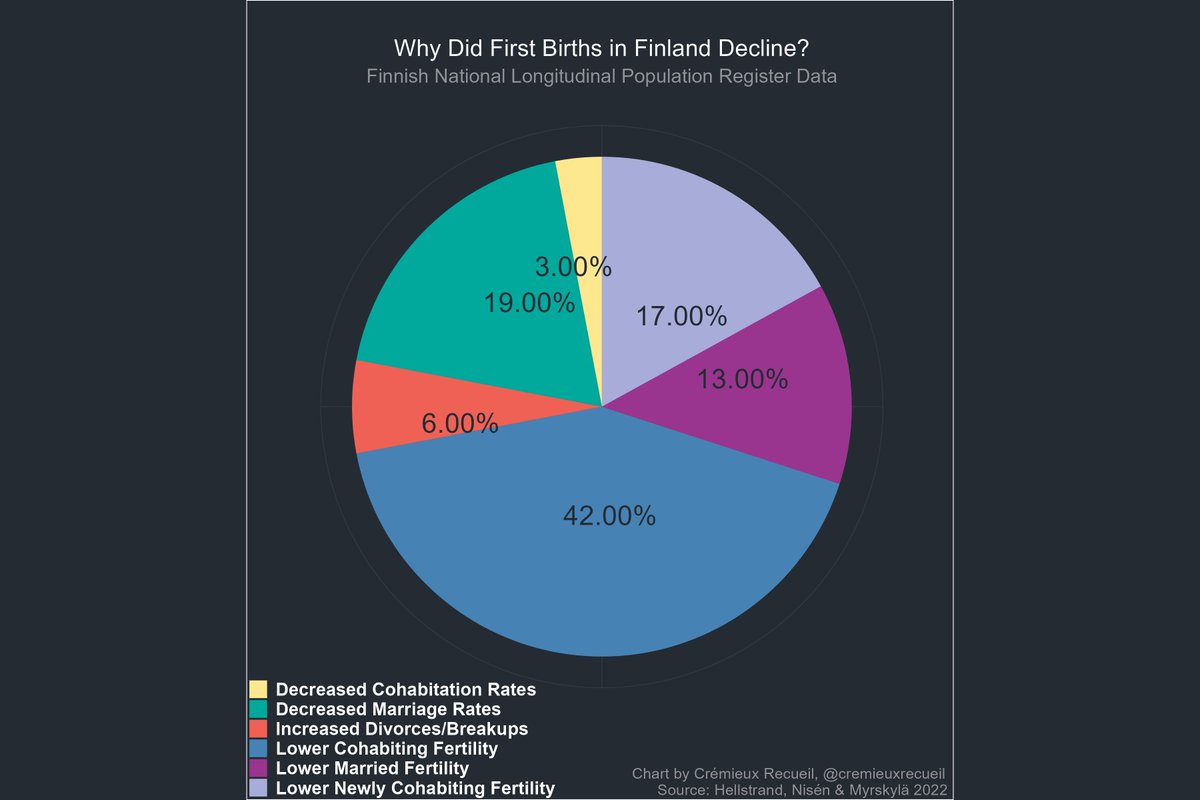
    Marriage rates have decreased due to factors such as increasing career opportunities for women, infidelity, and the fear of financial and personal losses associated with divorce. These reasons have led to a decline in the popularity of marriage, particularly among men.

    Additionally, changing societal norms and values, as well as a decline in religious adherence to marriage, have contributed to lower marriage rates. Another factor is the rise of alternative family arrangements, such as cohabitation, which provide more flexibility and independence.

    These various factors have resulted in a decrease in the number of new marriages each year and a shift in societal attitudes towards long-term commitment.

    2. Shifting Social And Cultural Factors

    In recent years, there has been a noticeable decline in marriage rates across many countries. This decline can be attributed to various societal and cultural factors, which have shifted the mindset and priorities of individuals. In this section, we will explore three crucial factors that have contributed to the decrease in marriage rates:

    Changing Societal Attitudes Towards Marriage

    One significant factor behind the decrease in marriage rates is the changing societal attitudes towards marriage. Traditionally, marriage was seen as a necessary institution for starting a family and ensuring financial stability. However, in today’s society, the perception of marriage has evolved.

    Societal attitudes towards marriage have become more individualistic and less traditional. People no longer feel compelled to enter into a legal union to validate their relationships or have children. Instead, cohabitation and long-term partnerships are now considered acceptable alternatives to marriage.

    Increased Focus On Individualism And Personal Fulfillment

    Another factor contributing to the decline in marriage rates is the increased focus on individualism and personal fulfillment. In the past, marriage was often seen as a societal expectation rather than a personal choice.

    However, with the rise of individualism, people are prioritizing their own happiness and personal fulfillment over conforming to societal norms. They are seeking to establish their careers, pursue personal goals, and enjoy their independence before considering marriage.

    The Influence Of Feminism And Gender Equality

    The influence of feminism and gender equality is also a significant factor in the decrease of marriage rates. Over the years, feminism has played a vital role in challenging traditional gender roles and promoting equality between men and women.

    As women gain more economic independence and educational opportunities, they no longer depend on marriage as a means of financial security or societal validation. Additionally, they feel empowered to postpone or forgo marriage to focus on their careers and personal growth.

    This shift towards gender equality has also affected men’s perception of marriage. With changing societal expectations, men no longer feel the pressure to be the sole breadwinners or adhere to traditional masculine roles.

    3. Economic Considerations

    Marriage rates have decreased due to economic considerations such as increasing career opportunities for women, the fear of financial loss and loss of independence after divorce, and the desire for more security living with family. Additionally, declining religious adherence and public disenchantment with marriage have also played a role in the decline.

    Impact Of The Changing Economy On Marriage Rates

    The changing economy plays a significant role in the decreasing marriage rates witnessed in recent years. As financial circumstances and economic conditions evolve, individuals are reconsidering their decision to tie the knot. Below, we explore the impact of the changing economy on marriage rates, financial instability and economic uncertainty, and the decline of the middle class and its effect on marriage.

    Financial Instability And Economic Uncertainty As Deterrents To Marriage

    The prevalence of financial instability and economic uncertainty has become a deterrent for many couples contemplating marriage. With stagnant wages, rising living costs, and the looming threat of unemployment, individuals are understandably cautious about taking on the financial responsibilities that come with marriage.

    Moreover, the fear of economic instability post-divorce weighs heavily on the decision to get married. Divorce often leads to a division of assets, including substantial financial losses for one or both partners. Considering these potential consequences, it is understandable why financial stability and economic uncertainty act as deterrents to marriage.

    Middle-class Decline And Its Effect On Marriage

    The decline of the middle class has had a significant impact on marriage rates. As the middle class faces diminishing economic opportunities and increasing economic inequality, individuals may postpone or altogether avoid marriage. The middle class has historically been the backbone of family values and stable marriages. However, with financial pressures and limited resources, the ability to afford a wedding, maintain a household, and provide for a family becomes increasingly challenging.

    This decline in the middle class not only affects individual aspirations but also the overall social fabric. With fewer individuals opting for marriage, the sense of stability and security that comes with a committed partnership is compromised.

    4. Evolving Relationship Patterns

    Marriage rates have decreased due to evolving relationship patterns. Factors such as infidelity, increasing career opportunities, independence, and finding security living with parents and siblings have led to more women choosing not to get married. Men, on the other hand, are becoming less willing to marry due to the fear of financial and personal losses associated with divorce.

    Shift Towards Cohabitation And Alternative Relationship Arrangements

    In recent years, there has been a significant shift towards cohabitation and alternative relationship arrangements, which have contributed to the decreasing marriage rates. More and more couples are choosing to live together and establish committed partnerships without formalizing their union through marriage. This trend can be attributed to various factors such as changing cultural norms, economic factors, and a desire for more personal freedom and flexibility in relationships.

    Cohabitation offers couples the opportunity to test their compatibility and determine whether they are ready for the lifelong commitment that marriage entails. It allows individuals to share financial responsibilities, live together, and build a life without the legal and social obligations that come with marriage. Additionally, some couples may choose alternative relationship arrangements such as open relationships or polyamory, which challenge the traditional concept of monogamous marriage.

    Rising Divorce Rates And Fear Of Commitment

    Another factor contributing to the decline in marriage rates is the rising divorce rates and the fear of commitment. In the past, marriage was often considered a lifelong commitment, and divorce was seen as taboo. However, with the increasing acceptance and accessibility of divorce, individuals may be more cautious about entering into marriages. They may fear the potential financial and emotional consequences of a failed marriage, leading them to avoid marriage altogether.

    Additionally, the fear of commitment can stem from a variety of reasons, including witnessing the negative effects of divorce on family and friends or experiencing personal commitment issues. Some individuals may choose to avoid the formal commitment of marriage altogether, opting for non-committal relationships or remaining single.

    Changing Views On The Importance Of Marriage In Long-term Relationships

    Furthermore, there has been a significant shift in society’s views on the importance of marriage in long-term relationships. Traditional notions of marriage as the ultimate goal and marker of success are evolving, as individuals prioritize personal growth, career advancement, and self-fulfillment. Many people are now choosing to prioritize their individual goals and happiness over societal expectations of marriage.

    Moreover, society has become more accepting of diverse relationship structures, including same-sex marriages and non-traditional family units. With the recognition and acceptance of various relationship options, individuals are no longer limited to the traditional institution of marriage as the only viable option for long-term commitment.

    In conclusion, evolving relationship patterns, such as the shift towards cohabitation and alternative relationship arrangements, rising divorce rates and fear of commitment, along with changing views on the importance of marriage in long-term relationships, are significant factors contributing to the decrease in marriage rates. As societal norms continue to evolve and individuals prioritize personal freedom and flexibility in their relationships, the institution of marriage may continue to undergo further transformations.

    5. Impact Of Technology And Digital Culture

    Rapid advancements in technology and the rise of digital culture have undoubtedly played a significant role in shaping our modern society, including our approach to relationships and marriage. In this section, we will explore how the impact of technology and digital culture has contributed to the decrease in marriage rates.

    Role Of Dating Apps And Online Platforms In Changing Relationship Dynamics

    The advent of dating apps and online platforms has revolutionized the way people meet and connect with potential partners. These platforms offer a convenient and accessible way to meet new people, eliminating the need for traditional methods like mutual friends or chance encounters.

    With a wide range of options available at their fingertips, individuals are now more likely to engage in casual dating rather than pursuing long-term committed relationships. The abundance of choices may result in commitment issues, as people constantly question if there is a better match just a swipe away.

    Furthermore, the emphasis on instant gratification inherent in these platforms can lead to a ‘hookup culture,’ where casual encounters replace the desire for lasting commitment. The ease of finding new partners through dating apps has also heightened expectations for romantic connections, making it harder to settle down and invest in a committed relationship.

    Social Media And Its Influence On Perceptions Of Marriage

    Social media has become deeply ingrained in our daily lives, impacting the way we view relationships and marriage. It has created a platform for envy-inducing posts and carefully curated portrayals of people’s lives. This constant exposure to idealized versions of relationships can lead to unrealistic expectations and dissatisfaction with one’s own romantic life.

    Moreover, social media exposes individuals to a multitude of options and potential partners, making it easier to compare and second-guess one’s current relationship. Studies have shown that increased usage of social media is associated with lower relationship quality and higher chances of infidelity.

    Increased Access To Alternative Forms Of Companionship

    Technology has provided us with alternatives to traditional marriage by offering a myriad of companionship options. Virtual relationships, friendships with benefits, and cohabitation without marriage have become viable alternatives for individuals seeking connection and intimacy without the commitment and legal implications of marriage.

    Additionally, the rise of AI-powered companionship, such as virtual assistants and sex robots, provides an unconventional but convenient solution for those longing for companionship without the complexities and uncertainties of human relationships.

    In conclusion, the impact of technology and digital culture has had a profound effect on our views and approach towards relationships and marriage. The convenience and accessibility offered by dating apps and online platforms have changed the dynamics of relationships and has led to a decrease in marriage rates. Social media’s influence on perceptions of marriage, along with increased access to alternative forms of companionship, further contribute to this decline. As technology continues to evolve, it is important to consider the potential long-term implications on our society and the institution of marriage.

    https://www.youtube.com/watch?v=nd_DVx5mQN4

    Why Have Marriage Rates Decreased?

    Credit: www.npr.org

    Frequently Asked Questions For Why Have Marriage Rates Decreased?

    Why Are People Not Getting Married Anymore?

    People are not getting married anymore due to various reasons such as infidelity, increasing career opportunities and independence, and finding more security living with their parents and siblings. Men are also becoming less willing to get married out of fear of losing their wealth and independence after a divorce.

    Additionally, declining religious adherence to marriage and public disenchantment with marriage are contributing factors.

    Is Marriage Getting Less Popular?

    Marriage rates are decreasing due to reasons such as infidelity, career opportunities, independence, and living with family for security. Men also fear potential financial and personal losses associated with divorce. Factors like declining religious adherence and cohabitation also contribute to lower marriage rates.

    Why Are People Delaying Marriage?

    People are delaying marriage due to increasing career opportunities, desire for independence, infidelity concerns, financial worries, and cultural shifts.

    Why Men Are Getting Married Less?

    Men are getting married less due to the fear of losing wealth and independence after divorce. Financial and personal losses associated with divorce are major deterrents for men.

    Conclusion

    Marriage rates have been steadily declining for various reasons. Increasing career opportunities and independence for women, fear of financial loss after divorce, and changing societal norms are some factors contributing to this trend. Additionally, the rising popularity of cohabitation and the decline in religious adherence to marriage have also played a role.

    As society continues to evolve, it is crucial to understand and address the reasons behind the decrease in marriage rates in order to build healthier relationships and families.

  • Economic Benefits of Marriage

    Economic Benefits of Marriage

    Marriage provides several economic benefits, including tax breaks, access to higher deductions and credits, the opportunity to combine incomes on tax returns, and the ability to benefit-shop for health insurance. Additionally, married couples can enjoy more Social Security benefits, retirement options, estate planning perks, and cheaper insurance.

    Spouses can transfer money and assets between them tax-free, reducing overall tax bills. The financial benefits of marriage extend beyond short-term gains, as there are long-term advantages to joining resources and sharing financial responsibilities. With these economic advantages, marriage can provide stability and financial security for couples.

    1. Financial Pros And Cons Of Marriage

    Marriage offers numerous economic benefits, such as a higher chance of building wealth, increased financial accountability, and the possibility to piggyback on certain benefits. However, it’s important to consider potential drawbacks, including the potential financial stress of a wedding and a potentially larger tax burden.

    Despite these cons, being married can provide a stronger financial foundation for couples.

    Marriage is not just about love and companionship; it also has its economic advantages and drawbacks. Before taking the plunge, it is important to consider the financial pros and cons of marriage. Let’s explore some of these factors:

    Pro: A Greater Chance At Building Wealth

    One of the major financial advantages of marriage is the increased opportunity to build wealth. With two incomes, couples can save and invest more, leading to a stronger financial foundation for their future. Additionally, joint financial planning allows for better resource allocation and strategic decision-making.

    Con: The Wedding Could Set You Back

    While marriage can bring long-term financial benefits, it’s important to acknowledge the potentially hefty price tag of a wedding. Weddings can be expensive, and the cost may eat into your savings or create significant debt. Proper budgeting and financial planning are crucial to avoid starting your marriage on the wrong financial foot.

    Pro: More Financial Accountability

    When you tie the knot, you become accountable to your partner not just emotionally but also financially. This increased sense of financial responsibility can lead to better budgeting and spending habits. Working together towards shared financial goals can result in improved financial stability and security.

    Con: Additional Money Stress

    Combining finances may also introduce additional stress into the relationship. Disagreements about spending, saving, or financial priorities can create tension. Open and honest communication about money, along with regular financial check-ins, can help minimize conflicts and ensure a healthy financial relationship.

    Con: You May Face A Bigger Tax Burden

    Although marriage can offer certain tax benefits, it’s important to understand that it may also lead to a higher tax burden. Some married couples may face a “marriage penalty” where their combined income pushes them into a higher tax bracket. It’s crucial to consult with a tax professional to understand your specific tax situation and make informed decisions.

    Pro: Unemployed?

    If one partner is unemployed, marriage can offer a safety net. The working spouse can provide health insurance coverage, retirement benefits, and other financial support. This can help alleviate the stress that comes with unemployment and provide a sense of security during challenging times.

    Pro: You Can Piggyback On Benefits

    Marriage can bring access to various benefits, including health insurance, retirement plans, and social security benefits. Spouses often have the opportunity to piggyback on their partner’s benefits, taking advantage of lower costs and broader coverage. This can result in significant savings and financial security.

    Pro: The Law May Protect You If Your Spouse Dies

    In the unfortunate event of a spouse’s death, the law may offer protection to the surviving partner. This can include inheritance rights, Social Security benefits, and other legal protections. These safeguards provide a vital safety net, ensuring financial stability during a difficult period.

    Overall, understanding the financial pros and cons of marriage is crucial before making the commitment. Open communication, financial planning, and a shared vision for the future can help navigate these economic considerations and build a strong foundation for a successful partnership.

    Economic Benefits of Marriage

    Credit: www.experian.com

    2. Tax Benefits Of Marriage

    Marriage offers various economic benefits such as tax breaks, higher income thresholds, and access to each other’s health insurance plans. Additionally, married couples enjoy Social Security benefits, retirement options, estate planning perks, and cheaper insurance rates. These financial advantages make marriage a financially sensible decision.

    Tax Breaks For Married Couples

    Married couples who file their tax returns jointly may qualify for higher tax deductions and credits than single filers. This is beneficial because you’ll also be combining your incomes on a joint tax return. And if you own a home together, the exclusion for taxes on the proceeds of the sale is doubled.

    Joint Tax Returns And Higher Deductions

    When married couples file joint tax returns, they have the opportunity to claim higher deductions. This can significantly reduce their overall tax liability and potentially increase their tax refund. By combining their incomes and expenses, they may be eligible for tax benefits and deductions that would not be available to them if they were filing individually.

    Tax Benefits For Homeowners

    Married couples who own a home together can benefit from various tax advantages. For instance, they may be eligible for deductions on mortgage interest payments, property taxes, and home improvement expenses. These deductions can reduce their taxable income and potentially lower their tax burden.

    Exclusion For Taxes On The Sale Of A Home

    One of the major tax benefits for married homeowners is the exclusion for taxes on the sale of a home. Normally, individuals can exclude up to a certain amount of the profit from the sale of their home from their taxable income. However, when married couples file joint tax returns, this exclusion amount is doubled, providing them with even greater tax savings.

    3. Health Insurance Benefits

    One of the significant economic advantages of being married is the access to better health insurance plans. When couples are married, they often have the option to choose between two health insurance plans, allowing them to compare coverages, networks, and costs. This ability to benefit-shop for health insurance can lead to significant savings and better coverage options for both spouses.

    A. Access To Better Health Insurance Plans

    Marriage provides couples with the opportunity to access each other’s health insurance plans. This means that if one spouse has access to a more comprehensive or affordable health insurance plan, the other spouse can be added as a dependent. This access to multiple options gives married couples the flexibility to choose the most suitable plan for their specific needs.

    B. Benefit-shopping For Health Insurance

    Benefit-shopping for health insurance is a unique advantage that married couples have. They can compare and evaluate different health insurance plans offered by their employers or through private providers. By shopping around, they can find plans with lower premiums, better coverage for specific medical needs, or access to preferred doctors and hospitals. This ability to compare options and choose the most cost-effective and comprehensive plan can result in substantial savings.

    C. Combining Incomes For Joint Tax Returns

    Another financial benefit of marriage is the ability to combine incomes for joint tax returns. When married couples file their tax returns jointly, they often qualify for higher tax deductions and credits compared to single filers. This is particularly advantageous because it allows both spouses to benefit from the higher deductions, potentially resulting in lower overall tax liability.

    D. Doubled Exclusions For Taxes On The Proceeds Of The Sale Of A Home

    For married couples who jointly own a home, there is an additional tax advantage. The exclusion amount for taxes on the proceeds of the sale of a home is doubled for married couples compared to single individuals. This means that when selling their primary residence, married couples can exclude a larger portion of the capital gains from taxes, resulting in potential tax savings.

    In summary, the health insurance benefits of marriage provide couples with access to better health insurance plans, the opportunity to benefit-shop for the most suitable coverage, and the ability to combine incomes for joint tax returns. Additionally, the doubled exclusions for taxes on the proceeds of the sale of a home further contribute to the economic advantages of being married.

    4. Social Support And Mental Health

    Marriage provides economic benefits by offering social support, which can positively impact mental health. Couples are more likely to follow medical advice, prioritize preventative care, and have a healthier lifestyle. This support helps to mitigate depression, isolation, and loneliness that singles without a similar support system may experience.

    Marriage not only provides companionship and emotional support but also has several economic benefits. One such benefit is the social support married couples tend to have, which plays a crucial role in maintaining mental health and overall well-being.

    Married Couples Tend To Have Social Support

    Being in a committed relationship provides a strong social support system for couples. Spouses often rely on each other for emotional support, encouragement, and guidance. This support network helps individuals cope with stress and navigate challenging situations more effectively.

    Moreover, married couples are more likely to have a wider circle of friends and family, providing additional sources of support. These relationships can offer advice, assistance, and a sense of belonging that contributes to improved mental health.

    Support In Following Doctor’s Advice And Preventative Medical Appointments

    In addition to emotional support, married couples often support each other in maintaining good health. This includes following doctor’s advice and attending preventative medical appointments.

    Couples can remind and motivate each other to schedule their regular check-ups, screenings, and vaccinations. This collaborative effort increases the chances of early detection and prevention of potential health issues, leading to better overall well-being.

    Married People Less Likely To Experience Depression, Isolation, And Loneliness

    Research shows that marriage is associated with lower rates of depression, isolation, and loneliness compared to single individuals. This can be attributed to the social support and companionship provided by marriage.

    When facing the ups and downs of life, having a spouse to share the joys and sorrows can significantly impact mental health. The emotional bond and support derived from a happy marriage contribute to decreased feelings of loneliness and isolation, resulting in improved mental well-being.

    Increased Chances Of Surviving Cancer

    Married people have been found to have better survival rates when it comes to fighting cancer. The emotional, practical, and financial support provided by a spouse during this difficult time can make a significant difference in the outcome.

    Having a supportive partner who can attend medical appointments, provide comfort, and assist with caregiving allows patients to focus on their treatment and recovery. This support system enhances the chances of beating cancer and ensures a higher quality of life during the journey.

    In conclusion, marriage not only offers emotional fulfillment but also provides economic benefits that contribute to better mental health. From social support to improved chances of surviving illnesses, being married plays a vital role in promoting overall well-being.

    5. Economic Impact On Socioeconomic Patterns

    Marriage and divorce have significant impacts on socioeconomic patterns, shaping the fabric of society. Trends in marriage and divorce rates can reflect broader economic conditions and cultural shifts. For instance, during times of economic prosperity, marriage rates tend to rise as people feel more financially secure and confident about their future. Conversely, in times of economic instability, such as recessions, divorce rates may increase as financial strain can put a strain on relationships.

    Economics plays a crucial role in individuals’ decisions regarding marriage. Financial factors, such as income, employment stability, and wealth, often influence people’s readiness to commit to marriage. Economic prospects and perceived financial compatibility are essential considerations when choosing a life partner. Furthermore, economic considerations extend beyond the decision to marry and can impact marital satisfaction and longevity.

    The stability of a marriage is influenced by various economic factors. One significant factor is income disparity between spouses. Research suggests that couples with significant income disparities may experience higher levels of marital dissatisfaction and are more likely to face conflicts related to financial matters. Unequal financial contributions can create power imbalances within the relationship, impacting overall satisfaction and stability. Additionally, economic downturns or sudden financial hardships can strain marriages and increase the likelihood of divorce.

    Income disparity within a marriage can have lasting effects on marital satisfaction and longevity. Couples with similar income levels often report higher levels of satisfaction, as they experience a sense of financial parity and shared responsibilities. On the other hand, when there is a substantial income gap between spouses, it can lead to feelings of resentment, inequality, and strain on the relationship. Studies have shown that income disparity increases the likelihood of divorce, highlighting the profound impact of economic factors on marital stability.

    Frequently Asked Questions Of Economic Benefits Of Marriage

    Is There A Financial Benefit To Being Married?

    Marriage provides financial benefits such as higher tax deductions and credits, access to each other’s health insurance plans, Social Security benefits, and the ability to transfer money and assets tax-free. Furthermore, married couples tend to support each other in making better financial decisions.

    What Are Benefits Of Marriage?

    Marriage provides social support, prevents loneliness, and helps in better health care. Couples can also enjoy financial benefits such as higher tax deductions, access to each other’s health insurance plans, and the ability to transfer money and assets tax-free.

    What Are The Financial Pros And Cons Of Getting Married?

    Financial pros of getting married include a higher chance of building wealth, more financial accountability, potential tax breaks, access to each other’s health insurance plans, and eligibility for higher income thresholds and tax deductions. On the other hand, cons may include potential wedding expenses, additional money stress, and a potentially bigger tax burden.

    How Does Economics Affect Marriage?

    Marriage has both financial benefits and drawbacks. Married couples can enjoy tax breaks, higher income thresholds, and joint access to health insurance plans. However, weddings can be expensive and may cause financial stress. Overall, economics can impact marriage by affecting financial stability, tax liabilities, and access to benefits.

    Conclusion

    Marriage not only brings emotional fulfillment but also several economic benefits. Couples who are married tend to support each other, leading to healthier lifestyles and lower healthcare costs. Additionally, married couples can take advantage of tax breaks and higher income thresholds, allowing for greater financial stability.

    Social security benefits, retirement options, and cheaper insurance are other advantages that come with marriage. Overall, the economic advantages of marriage make it a wise financial decision for couples to consider.

    https://www.youtube.com/watch?v=Xx7wSTkbPWc

  • Economics of the Wedding Industry

    Economics of the Wedding Industry

    The wedding industry is a significant contributor to the U.S. Economy, with various small enterprises involved in different sectors such as catering, wedding consulting, and dress manufacturing. Despite its relatively smaller share compared to other sectors, the wedding industry plays a substantial role in the economy.

    The industry has experienced a boom in recent times, with an increase in demand colliding with supply constraints and rising inflation, leading couples to cut expenses in certain areas. As a result, businesses within the wedding industry are facing challenges in meeting the requirements of couples while maintaining profitability.

    However, the industry continues to evolve, adapting to changing trends and consumer preferences. We will explore the economics of the wedding industry, including its size, profitability, and the impact of various factors on its growth.

    Market Size And Growth

    The wedding industry is a significant contributor to the U. S. economy, consisting of various enterprises such as caterers, wedding consultants, and dress providers. Its market size and growth make it a profitable industry for businesses involved in wedding services and products.

    Current Size Of The Wedding Industry

    The wedding industry is a significant sector within the larger event-planning industry, playing a vital role in local economies and contributing to overall economic growth. In the United States alone, the wedding industry is valued at over $70 billion annually, showcasing its scale and importance. This industry consists of various businesses, including wedding planners, caterers, photographers, florists, bridal boutiques, and more. With couples increasingly seeking more elaborate and personalized weddings, the demand for professional wedding services continues to rise.

    Trends And Projections For Future Growth

    The wedding industry has experienced consistent growth over the years and is expected to continue expanding in the foreseeable future. With changing societal norms and cultural influences, weddings have become more than just a union; they have transformed into an event that reflects the couple’s unique style and personality. This shift has opened up new avenues for businesses within the industry and created opportunities for innovation and creativity.

    According to industry experts and market research, the wedding industry is projected to grow at a compound annual growth rate (CAGR) of X% over the next five years. This growth can be attributed to several factors, including a rising number of couples getting married, an increase in average wedding budgets, and the growing popularity of destination weddings. Furthermore, as economies continue to recover from the impact of the COVID-19 pandemic, there is an expected surge in postponed weddings, contributing to the industry’s growth.

    Factors Driving The Growth Of The Industry

    Several key factors drive the growth of the wedding industry. Firstly, the rising disposable income of individuals and families has enabled couples to allocate larger budgets for their weddings. This increased spending capacity allows them to invest in more lavish venues, premium services, and unique experiences. Moreover, social media platforms have played a significant role in shaping the wedding industry. The ability to showcase extravagant weddings and the rise of wedding influencers have influenced couples to aspire to create their dream weddings, driving the demand for specialized services.

    Another factor contributing to the growth of the wedding industry is the trend of couples prioritizing experiences over material possessions. Many modern couples prefer to invest in creating memorable experiences for themselves and their guests rather than accumulating material goods. This shift in mindset has led to an increased demand for experiential elements such as destination weddings, unique wedding themes, and interactive entertainment.

    Impact Of Covid-19 On The Wedding Industry

    The COVID-19 pandemic had a significant impact on the wedding industry worldwide. Government-imposed restrictions, travel limitations, and health concerns resulted in the postponement or cancellation of countless weddings. This sudden halt in operations severely impacted businesses within the industry, such as venues, caterers, and event planners.

    Fortunately, as the vaccination rollout progresses and restrictions ease, the wedding industry is poised for a strong comeback. The pent-up demand for weddings, combined with couples’ resilience and determination to celebrate their special day, is expected to fuel a rapid recovery. As a result, the wedding industry is projected to experience a surge in bookings and a renewed sense of excitement as postponed weddings finally take place.

    In conclusion, the wedding industry is a thriving sector with a substantial market size and projected future growth. It is fueled by multiple factors such as rising disposable income, the desire for unique experiences, and the influence of social media. Despite the temporary setback caused by the pandemic, the industry is poised to regain its momentum and continue to contribute to the economy in the years to come.

    Economic Impact Of Weddings

    Weddings have a significant economic impact on various sectors and industries. From generating revenue to job creation and stimulating local economies, the wedding industry plays a crucial role in supporting and boosting economic growth. Let’s explore the various ways weddings contribute to the economy:

    Revenue Generated By Weddings

    Weddings are big business, with couples spending a substantial amount of money on their special day. The revenue generated by weddings includes expenses on venues, catering, photography, videography, flowers, decorations, wedding attire, and many other services. According to industry statistics, the wedding industry in the United States alone is worth billions of dollars annually. This significant revenue contributes to the overall economic growth of the country.

    Job Creation And Employment Opportunities

    The wedding industry creates numerous job opportunities. From wedding planners and coordinators to photographers, florists, caterers, musicians, and more, weddings provide employment to a diverse range of professionals. These job opportunities span across various sectors, contributing to a healthy job market. Additionally, weddings also create seasonal temporary employment for individuals, such as event staff and support personnel.

    Stimulating Local Economies

    Weddings have a substantial impact on local economies. When couples plan their weddings, they often choose local vendors and suppliers. This support for local businesses injects money into the community, helping small businesses thrive. From wedding venues to local caterers, florists, bakers, and other service providers, weddings contribute to the growth and prosperity of local economies.

    Supporting Various Sectors And Industries

    The wedding industry supports various sectors and industries, creating a ripple effect in the economy. When couples plan their weddings, they rely on a wide range of services and products. This includes rental companies for event supplies, beauty salons for hair and makeup services, transportation services, stationary suppliers, and more. The demand for these services ensures a steady stream of business for these sectors, further driving economic growth.

    All in all, weddings play a vital role in the economy by generating revenue, creating jobs, stimulating local economies, and supporting various sectors and industries. The economic impact of weddings reaches far beyond the bride and groom, making the wedding industry an essential contributor to overall economic growth.

    Cost Of Weddings

    Weddings are joyous occasions that bring people together to celebrate love and commitment. However, planning a wedding can also be a costly endeavor. From the venue to the flowers, every aspect of a wedding comes with a price tag. In this article, we will explore the various factors that contribute to the cost of weddings, strategies for cost savings in the wedding industry, and provide an overview of average wedding costs and a breakdown of wedding expenses.

    Average Wedding Costs

    Weddings can vary significantly in cost depending on several factors, including location, size, and level of extravagance. On average, couples in the United States spend around $30,000 to $40,000 on their wedding day. This amount includes expenses related to the ceremony, reception, attire, and other essential elements.

    Breakdown Of Wedding Expenses

    Let’s take a closer look at how couples allocate their wedding budget:

    ExpensePercentage of Budget
    Venue30%
    Food and Beverage20%
    Attire10%
    Decorations10%
    Photography and Videography10%
    Entertainment5%
    Flowers5%
    Stationery5%
    Miscellaneous5%

    Factors Influencing Wedding Costs

    The cost of a wedding can be influenced by various factors, such as:

    • Location: Weddings in metropolitan areas or popular destinations often come with a higher price tag due to increased demand.
    • Guest Count: The number of guests you invite can significantly impact the cost of the venue, catering, and other expenses.
    • Season: Getting married during peak wedding season may be more expensive, as vendors are in high demand.
    • Level of Luxury: The more elaborate and luxurious the wedding details, the higher the overall cost.

    Strategies For Cost Savings In The Wedding Industry

    While weddings can be costly, there are several strategies couples can use to save money without compromising on their special day:

    1. Plan Ahead: Giving yourself ample time to research and book vendors can help you find better deals and negotiate prices.
    2. Guest List Management: Carefully consider your guest list and prioritize inviting close friends and family. By keeping the guest count lower, you can save on catering costs and venue expenses.
    3. DIY Projects: Embrace your creative side by taking on DIY projects for decorations, favors, or even wedding invitations. Not only does this add a personal touch, but it can also save you money.
    4. Off-Peak Season and Midweek Weddings: Consider getting married during off-peak seasons or on a weekday. Many vendors offer discounted rates during these times to attract more business.
    5. Consider All-Inclusive Packages: Opting for all-inclusive wedding packages can help streamline the planning process and potentially save you money compared to booking each element separately.
    Economics of the Wedding Industry

    Credit: www.reuters.com

    Small Business Opportunities In The Wedding Industry

    The wedding industry offers a multitude of small business opportunities, including caterers, wedding consultants, and dressmakers. With a substantial role in the economy, the wedding industry is a lucrative field for entrepreneurs.

    Growth Potential For Small Businesses In The Wedding Industry

    The wedding industry is a vast and lucrative market, offering numerous opportunities for small businesses to thrive and grow. With the increasing demand for unique and personalized weddings, small businesses can tap into this growing market and cater to the specific needs and preferences of couples. From wedding planners and photographers to caterers and florists, there is ample room for small businesses to establish themselves and carve out a niche in the wedding industry.

    The growth potential for small businesses in the wedding industry is immense. According to industry statistics, the wedding industry in the United States is valued at billions of dollars, with couples spending a significant amount on their special day. This presents small businesses with the opportunity to tap into a large customer base and offer specialized services that meet the evolving demands of modern couples. By focusing on niche segments such as eco-friendly weddings or LGBTQ+ weddings, small businesses can attract clients who are in search of personalized experiences.

    Challenges Faced By Small Businesses In The Market

    While the wedding industry offers great potential for small businesses, it is not without its challenges. One of the main challenges faced by small businesses is fierce competition. The market is saturated with established wedding vendors and industry giants, making it difficult for small businesses to stand out and gain visibility. However, with a unique selling proposition and a well-defined target audience, small businesses can differentiate themselves and attract clients who are looking for fresh and innovative wedding services.

    Another challenge faced by small businesses in the wedding industry is managing finances. Wedding businesses often require upfront investments in equipment, supplies, and marketing efforts. Furthermore, fluctuations in demand throughout the year can make it difficult for small businesses to maintain a steady cash flow. Effective financial planning and budgeting are essential to navigate these challenges and ensure the long-term sustainability of small wedding businesses.

    Strategies For Success For Small Businesses

    In order to succeed in the wedding industry, small businesses need to employ effective strategies that set them apart from the competition. Here are a few strategies that can help small businesses thrive in the wedding market:

    1. Specialize and differentiate: Identifying a niche market within the wedding industry and offering specialized services can help small businesses stand out and attract clients who are looking for unique experiences.
    2. Build a strong online presence: In today’s digital age, having a strong online presence is crucial for small wedding businesses. Creating a professional website, utilizing social media platforms, and engaging in search engine optimization (SEO) can help attract potential clients and increase visibility.
    3. Network and collaborate: Building relationships with other wedding vendors and professionals can lead to collaborative opportunities and referrals. Networking at industry events and joining wedding associations can open doors to new business opportunities.
    4. Provide exceptional customer service: Customer satisfaction is key to the success of any business. By providing exceptional customer service, going above and beyond to meet clients’ needs, and delivering memorable experiences, small businesses can build a strong reputation and generate positive word-of-mouth.

    Case Studies Of Successful Small Wedding Businesses

    Here are a few examples of small businesses that have achieved success in the wedding industry:

    Business NameDescriptionSuccess Factors
    Blissful Blooms Floral DesignA boutique floral design studio specializing in romantic wedding florals.– Unique floral arrangements
    – Exceptional customer service
    – Strong online presence
    Sweet Moments Wedding CakesA family-owned bakery offering custom-designed wedding cakes.– Creative cake designs
    – Attention to detail
    – Collaborations with wedding planners
    Enchanting Events Wedding PlanningA wedding planning company specializing in destination weddings.– Expert knowledge of destination venues
    – Personalized planning services
    – Strong network of vendors

    These case studies highlight the importance of specialization, exceptional customer service, and strategic collaborations in achieving success in the competitive wedding industry.

    Wedding Industry And Local Economies

    The wedding industry has a significant impact on local economies, contributing to increased tourism, revenue generation, infrastructure development, and long-term economic growth. Weddings are not only special moments for couples but also economic drivers for various businesses and industries. In this blog post, we will explore the importance of weddings for local economies and the lasting economic effects of the wedding industry.

    Importance Of Weddings For Local Economies

    Weddings play a vital role in boosting local economies in numerous ways. Here are some key reasons why weddings are important for local economies:

    • Weddings attract visitors from outside the area, creating a surge in tourism and providing a unique opportunity for local businesses to showcase their products and services.
    • Guests attending weddings often spend money on accommodation, dining, shopping, and entertainment, thereby stimulating the local economy.
    • The wedding industry itself creates employment opportunities for local vendors, caterers, wedding planners, florists, photographers, and various other service providers.

    Increased Tourism And Revenue Generation

    The wedding industry has a profound impact on tourism and revenue generation for local economies. When couples choose a specific location for their wedding, it attracts not only their friends and family but also visitors from other regions or even countries. This influx of wedding guests leads to increased spending on local accommodations, transportation, dining, and other recreational activities. As a result, local businesses experience a surge in revenue, thereby boosting the overall economic health of the region.

    Infrastructure Development And Investment

    Furthermore, the wedding industry drives infrastructure development and investment in local communities. To cater to the increasing demand for wedding venues and services, local municipalities often invest in the development and improvement of infrastructure. This includes the construction of new wedding venues, renovation of existing event spaces, enhancement of transportation networks, and improvement of public facilities like parks and gardens. These investments not only benefit the wedding industry but also contribute to the overall growth and development of the region.

    Long-term Economic Impact Of The Wedding Industry

    The long-term economic impact of the wedding industry extends far beyond the immediate boost in tourism and revenue generation. Here are some ways in which the wedding industry continues to positively impact local economies:

    1. The wedding industry creates a ripple effect, as the money spent by wedding guests flows into various sectors of the economy, supporting other local businesses and industries.
    2. Successful weddings can enhance the reputation of a location as a desirable wedding destination, attracting more couples and businesses to the area over time.
    3. Local businesses that thrive in the wedding industry can expand and create additional job opportunities, further stimulating economic growth.

    Overall, the wedding industry plays a crucial role in bolstering local economies by increasing tourism, generating revenue, promoting infrastructure development, and fostering long-term economic growth.

    FAQs

    What Is The Economic Impact Of Weddings?

    The wedding industry has a significant economic impact, with multiple smaller enterprises contributing to different sectors. It plays a substantial role in the US economy, although its share may be relatively less significant compared to other sectors. The industry is currently facing challenges due to supply constraints and inflation, leading couples to cut expenses.

    How Profitable Is The Wedding Industry?

    The wedding industry is highly profitable, with multiple smaller enterprises involved in different sectors such as catering, wedding consulting, and dressmaking. It plays a substantial role in the US economy, although its share is relatively less significant compared to other sectors.

    The industry is currently experiencing a boom in demand, but it is also facing challenges due to supply constraints and rising costs.

    Is There Money In The Wedding Industry?

    The wedding industry is financially lucrative, with various enterprises like caterers, wedding consultants, and dressmakers contributing to its success. It plays a significant role in the US economy, although its share may be comparatively smaller. However, the industry is currently facing challenges due to inflation and limited supply.

    Couples are cutting expenses, especially on beauty services, officiants, and party favors for guests. Despite these challenges, the wedding industry continues to thrive.

    How Big Of An Industry Is The Wedding Industry?

    The wedding industry is large and thriving made up of multiple small enterprises. It includes various sectors such as caterers, wedding consultants, and dress designers. It plays a substantial role in the economy, although its share is relatively less significant compared to other sectors.

    Conclusion

    The wedding industry is a thriving sector with significant economic impact. From caterers and wedding consultants to dressmakers and various suppliers, the industry encompasses multiple smaller enterprises. Couples’ spending patterns have shifted due to inflation and constrained supply, resulting in adjustments to wedding budgets.

    However, despite these challenges, the industry continues to boom, creating opportunities for businesses and contributing to the overall economy. As weddings make a comeback after the pandemic, the wedding industry shows resilience and adaptability.

  • Economic Aspects of Marriage

    Economic Aspects of Marriage

    The economic aspects of marriage involve partners providing economic support to each other, pooling resources and income to meet family needs, and improving their standard of living through combined income. Marriage also contributes to the stability of society.

    The Economic Aspects Of Marriage

    Marriage serves important economic functions, such as pooling resources and income to fulfill family needs, improving the partners’ standard of living, and contributing to the stability of society. Additionally, marriage can promote economic equality between men and women through labor division based on sex.

    Understanding the Economic Functions of Marriage

    Marriage is not only a union of two individuals but also a partnership that involves various aspects, including economic functions. In this section, we will dive deeper into the economic aspects of marriage and how they contribute to the overall stability and prosperity of both the couple and society as a whole.

    Economic Help And Support In Marriage

    One of the fundamental economic functions of marriage is the provision of help and support between partners. In a marriage, both individuals contribute to the family’s financial well-being through their earnings and resources. This mutual support system ensures that each partner has the necessary financial assistance, creating a sense of security and stability.

    Pooling Of Resources And Income

    To fulfill the various needs of a family, marriage involves the pooling of resources and income. When a couple combines their financial assets, they are able to effectively allocate their resources to meet shared goals and obligations. This pooling of resources allows for a more efficient management of finances, enabling the couple to navigate through life’s challenges and achieve mutual prosperity.

    Fulfilling Family Needs Through Combined Income

    By pooling their income, married couples are better equipped to meet the needs of their family. Whether it’s providing for children’s education, healthcare expenses, or day-to-day necessities, the combined income of spouses provides a stronger financial foundation. This allows the family to enjoy a higher standard of living and access opportunities that might otherwise be unattainable with separate incomes.

    Improved Standard Of Living

    Marriage plays a crucial role in improving the standard of living for both partners. With the combined efforts, financial resources, and division of labor, married couples are often able to achieve a higher quality of life compared to individuals who are not in a marital partnership. This higher standard of living encompasses not only material possessions but also access to better healthcare, education, and leisure activities that contribute to overall well-being.

    Contribution To The Stability Of Society

    Beyond the individual benefits, marriage also serves as a pillar of stability for society as a whole. When couples enter into a committed partnership, they commit to building a future together, contributing to the overall social fabric. Strong and stable marriages foster a sense of community, promote family values, and provide a stable environment for raising children. By nurturing stable and supportive relationships, marriage acts as a foundation for a flourishing society.

    In conclusion, marriage goes beyond emotional and romantic aspects. It holds significant economic functions that contribute to the well-being of both individuals and society. From economic help and support to improved living standards, the pooling of resources and income in marriage plays a vital role in fostering stability and prosperity. By understanding and appreciating these economic aspects of marriage, we can acknowledge the multifaceted nature of this institution.

    The Role Of Economic Transactions In Marriage

    Marriage is not only a union of hearts, but it is also an economic institution. Economic transactions play a crucial role in marriage, shaping the dynamics and structure of relationships. These transactions come in various forms and have implications for power dynamics, gender roles, and economic equality. Let’s delve into some common forms of economic transactions in marriage.

    Bride Price As A Common Form Of Economic Transaction

    Bride price, also known as bridewealth or bride token, is a customary practice prevalent in many cultures. In this practice, the groom’s family provides goods, money, or other valuable assets to the bride’s family as compensation for marrying their daughter. The bride price serves as a show of appreciation and helps solidify the alliance between the two families. It can also serve as a measure of the groom’s ability to support his future wife.

    Bride Service As An Alternative Form Of Economic Transaction

    Another form of economic transaction in marriage is bride service. In this arrangement, the groom works for the bride’s family for a certain period as a form of compensation for the right to marry the bride. This work can range from chores to labor-intensive tasks. The purpose of bride service is often to prove the groom’s commitment and ability to provide for the bride and her family.

    Labour Division Based On Sex For Economic Equality

    Gender plays a significant role in economic transactions within marriages. In many societies, there is an established labor division based on sex, where men primarily engage in income-generating activities, and women are responsible for domestic tasks and caregiving. This division aims to achieve economic equality by ensuring that both partners contribute to the overall well-being of the household. However, it can also perpetuate gender inequalities and limit opportunities for women in the workforce.

    To promote economic equality within marriages, it is essential to challenge traditional gender roles and encourage shared responsibilities in both income generation and domestic tasks. This shift can lead to more balanced and equitable relationships, where partners have equal opportunities to contribute financially and personally.

    Marriage As A Structure For Fulfilling Needs

    Marriage serves as a structure within which people’s various needs are fulfilled. Beyond economic transactions, marriage ensures the fulfillment of basic needs such as safety, food, clothing, and shelter. It provides a framework for individuals to rely on each other for support and shared resources. By pooling their economic resources, married couples can improve their standard of living and provide a stable foundation for their family.

    In conclusion, economic transactions play a crucial role in marriage, shaping the dynamics of relationships and contributing to economic equality or inequality. Understanding the various forms of economic transactions in marriage allows us to analyze the societal norms and power dynamics surrounding unions. By promoting equitable labor division and challenging traditional gender roles, we can strive for more balanced and fulfilling marriages.

    The Political Economy Of Marriage

    Marriage is not just an institution based on love and companionship. It also has significant economic aspects that cannot be disregarded. One way to understand this is through the lens of the political economy of marriage. This perspective views marriage as a marketplace, where various economic transactions and exchanges take place.

    Viewing Marriage As A Marketplace

    When we view marriage as a marketplace, we can see that individuals, families, and even societies engage in economic decision-making processes when it comes to choosing a partner or arranging a marriage. Like any marketplace, there are specific criteria, preferences, and negotiations involved.

    Seeking Educated And Employed Partners

    In the marriage market, education and employment become crucial factors for both men and women. A well-educated and employed partner is often sought after because they offer economic stability and potential financial security for the future. This preference stems from the realization that a partner’s education and employment status can significantly impact the overall economic well-being of the marriage.

    Payment And Exchange In The Marriage Market

    Within the marketplace of marriage, various forms of payment and exchange occur. One such form is dowry, which can take different shapes and forms in different cultures. Dowry is an economic transaction where the bride’s family provides goods, wealth, or property to the groom’s family as a way of compensating for their daughter’s marriage.

    Apart from dowry, other forms of economic transactions include bride price, bride service, exchange of females, gift exchange, and indirect dowry. These transactions serve as crucial aspects in the negotiation and establishment of a marriage contract.

    Forms of Economic Transactions in Marriage
    Dowry
    Bride price
    Bride service
    Exchange of females
    Gift exchange
    Indirect dowry

    These economic transactions not only shape the financial dynamics of the marriage but also reflect societal norms, power dynamics, and gender roles within a given culture or community.

    Overall, understanding the political economy of marriage allows us to recognize the interconnectedness of economics and social institutions. Through this perspective, we can gain insights into how economic factors influence partner preferences, negotiations, and the overall economic well-being of married individuals and families.

    The Economic Impact Of Marriage On Individuals And Society

    Marriage is not only a sacred union between two individuals, but it also has significant economic implications. When two people decide to tie the knot, their financial lives become interwoven, which can have both advantages and disadvantages. In this section, we will delve deeper into the various economic aspects of marriage, shedding light on the financial advantages and disadvantages, the importance of economic considerations in choosing a spouse, the influence of marriage on career and earning potential, as well as the role of marriage in financial stability and social mobility. By understanding these economic dynamics, we can gain a clearer picture of how marriage impacts individuals and society as a whole.

    Financial Advantages And Disadvantages Of Marriage

    When it comes to finances, marriage can bring about both advantages and disadvantages. On the one hand, pooling resources and sharing expenses can lead to greater financial stability and the ability to achieve common financial goals. Couples can benefit from joint bank accounts, shared health insurance policies, and tax advantages. Additionally, married individuals may have access to better credit terms and eligibility for certain government benefits.

    On the other hand, marriage can also lead to financial disadvantages. In cases where one spouse has a poor credit history or a significant amount of debt, it can impact the couple’s ability to secure loans or favorable interest rates. Moreover, if the couple decides to divorce, the division of assets and alimony payments can have a substantial financial impact on both parties.

    Economic Considerations In Choosing A Spouse

    When choosing a life partner, economic considerations can play a crucial role. While love and compatibility are essential, individuals often take into account the financial stability and earning potential of their potential spouse. This consideration is rooted in the desire for a secure financial future and the ability to achieve shared goals and aspirations.

    Factors such as educational background, career prospects, and financial responsibility are often taken into account when making this decision. In some cases, individuals may prioritize finding a partner who can contribute to the household income or offer financial stability, while others may prioritize shared financial values and goals.

    Influence Of Marriage On Career And Earning Potential

    Marriage can significantly influence an individual’s career and earning potential. For instance, studies show that married men tend to earn higher wages compared to their single counterparts. This wage premium is often attributed to married men’s motivation to provide for their families and the increased responsibility that comes with marriage.

    On the other hand, women’s career trajectories and earning potential can be affected by marriage in various ways. While some women may experience a “marriage penalty,” characterized by decreased labor force participation and lower wages, others may benefit from the “marriage bonus,” where marriage provides opportunities for shared household responsibilities and support in career advancement.

    Navigating The Economic Challenges And Opportunities In Marriage

    Marriage is not just a union of hearts and souls, but also a merging of financial responsibilities. Managing the economic aspects of marriage can be both challenging and rewarding. From shared expenses to financial planning, income disparities, and the economic implications of divorce, it’s important for couples to navigate these aspects to ensure a stable and prosperous future together.

    Managing Finances As A Married Couple

    When it comes to managing finances as a married couple, open communication and transparency are key. Both partners should be involved in financial decision-making and have a clear understanding of each other’s income, expenses, and financial goals. Here are some strategies to help manage finances effectively:

    1. Create a joint bank account for shared expenses and savings goals.
    2. Set a budget together to track monthly expenses and identify areas for savings.
    3. Discuss financial priorities and establish short-term and long-term financial goals as a couple.
    4. Regularly review your financial situation and make any necessary adjustments to stay on track.
    5. Consider consulting a financial advisor to get professional guidance on investment strategies and retirement planning.

    Shared Expenses And Financial Planning

    Shared expenses play a crucial role in the economic dynamics of marriage. It’s important for couples to have open and honest conversations about their financial obligations and expectations. Here are some key considerations when it comes to shared expenses and financial planning:

    • Create a comprehensive list of shared expenses, including rent or mortgage payments, utility bills, groceries, and transportation costs.
    • Discuss how you will divide these expenses, taking into account each partner’s income and financial situation.
    • Consider establishing a joint account for shared expenses and contribute a predetermined amount each month.
    • Regularly review and adjust your shared expenses to ensure that your financial arrangement is fair and equitable.
    • Plan for unexpected expenses, such as medical emergencies or home repairs, by setting aside an emergency fund.

    Economic Implications Of Divorce And Separation

    While no one enters a marriage with the intention of divorce or separation, it’s important to be aware of the potential economic implications in case the relationship ends. Divorce involves the division of assets, spousal support, and potential child support payments. Here are some considerations regarding the economic implications of divorce and separation:

    ConsiderationExplanation
    Asset divisionUnderstanding the laws and regulations regarding the division of assets in your jurisdiction can help you prepare for a fair and equitable settlement.
    Spousal supportSpousal support, also known as alimony, may be awarded to one partner depending on factors such as income disparity and duration of the marriage.
    Child supportIf you have children, it’s important to consider the financial responsibilities associated with child support, including education, healthcare, and other expenses.

    Addressing Income Disparities In Marriage

    Income disparities can arise in any marriage due to variations in education, career paths, or other factors. It’s crucial to address these disparities to ensure financial stability and equality within the relationship. Here are some strategies for addressing income disparities in marriage:

    • Openly discuss and acknowledge the income disparities between partners.
    • Explore ways to support and uplift the partner with the lower income, such as investing in education or career development.
    • Consider strategies to increase the overall household income, such as pursuing additional sources of income or starting a joint business venture.
    • Create a financial plan that takes into account both partners’ current income and future earning potential.

    By addressing these economic aspects of marriage, couples can strengthen their financial foundation and enhance their overall well-being. Open communication, transparency, and mutual understanding are crucial in navigating the economic challenges and opportunities that come with marriage.

    Economic Aspects of Marriage

    Credit: www.worldfinance.com

    Frequently Asked Questions

    What Are The Economic Functions Of Marriage In Sociology?

    Partners in marriage provide economic support and pool resources to fulfill family needs, improving their standard of living and contributing to societal stability. Marriage also promotes economic equality and fulfills basic needs for safety, food, clothing, and shelter. Additionally, marriage involves economic transactions such as bride price, bride service, dowry, and gift exchange.

    What Is The Most Common Form Of Economic Transaction At Marriage?

    The most common form of economic transaction at marriage is bride price, where the groom’s family gives goods or money to the bride’s family as compensation.

    What Is The Economic Function Of Marriage Anthropology?

    The economic function of marriage in anthropology is to promote economic equality through the division of labor based on sex. Marriage provides a structure for fulfilling people’s needs for safety, food, clothing, and shelter. It also involves economic transactions such as bride price, bride service, dowry, and gift exchange.

    What Is The Political Economy Of Marriage?

    The political economy of marriage refers to the economic aspects and transactions involved in forming and maintaining a marriage. It can be seen as a marketplace where the bride’s family seeks an educated and well-earning groom and pays a price for doing so.

    Conclusion

    Marriage has long been recognized as having significant economic aspects. Partners in a marriage often contribute to each other’s financial needs and collectively improve their standard of living. Additionally, marriage plays a crucial role in the stability of society. By pooling resources and income, couples can navigate economic challenges more effectively.

    Understanding the economic functions of marriage is essential in comprehending its impact on individuals and society as a whole. Overall, marriage serves as a foundation for financial support and contributes to the well-being of both individuals and the community.

  • Economics of Marriage You Need to Consider

    Economics of Marriage You Need to Consider

    The economics of marriage includes the economic analysis of household formation and break-up, production and distribution decisions within the household, and the financial benefits such as tax breaks, social security benefits, insurance savings, and access to benefits that come with being married. It is closely related to the law and economics of marriages and households.

    Married adults have made greater economic gains over the past four decades than unmarried individuals, and applying economic principles such as cost-benefit analysis, moral hazard, and loss aversion to marriage can contribute to a successful partnership. Additionally, married couples share the responsibility of looking after their home, resulting in less time lost compared to those who live alone.

    The Economic Benefits Of Marriage

    Marriage offers various economic benefits, such as tax breaks, Social Security benefits, access to credit, insurance savings, and the ability to share costs. These advantages, however, vary depending on individual circumstances and are just one aspect of the financial picture.

    Tax Breaks And Financial Incentives For Married Couples

    Marriage comes with various economic benefits, and one significant advantage is the availability of tax breaks and financial incentives for married couples. When both partners join in matrimony, they can take advantage of certain tax deductions and credits. For example, married couples have the option to file their taxes jointly, combining their incomes and potentially lowering their overall tax burden. Additionally, they may qualify for a higher standard deduction, resulting in a more favorable tax outcome. These tax benefits can free up extra funds that couples can use for savings, investments, or other expenses.

    Social Security Benefits And Insurance Savings

    Another economic benefit of marriage is the access to Social Security benefits and potential insurance savings. In the United States, for instance, married individuals may be eligible to receive a portion of their spouse’s Social Security benefits, which can align with their retirement plans and provide essential financial support. Moreover, being married can lead to savings on insurance policies such as health, auto, and home insurance. Insurance companies often offer discounted rates for married couples due to perceived stability and reduced risks.

    Access To Shared Benefits And Resources

    Marriage allows for the pooling of resources and access to shared benefits. When couples marry, they often combine their finances and gain access to joint bank accounts, investments, and assets. This pooling of resources can lead to increased financial stability and the ability to pursue shared financial goals such as homeownership, education, or starting a business. Additionally, being married can provide access to employer-provided benefits such as health insurance, retirement plans, and flexible spending accounts, which may not be available to unmarried partners.

    Individual Retirement Account Contributions

    Marriage can also offer advantages when it comes to individual retirement account (IRA) contributions. In some countries, including the United States, married couples may be able to contribute to an IRA on behalf of their spouse, even if the spouse doesn’t have their own income. This can result in increased retirement savings for both partners and provide financial security in the later years of life.

    Sharing Costs And Economic Efficiency

    One of the most significant economic benefits of marriage is the ability to share costs and achieve economic efficiency. When couples marry, they often combine households and share expenses such as rent or mortgage payments, utility bills, groceries, and transportation costs. Sharing these costs can lead to significant savings compared to maintaining separate households and managing expenses individually. Additionally, couples can take advantage of bulk buying and discounts, further reducing costs.

    In conclusion, marriage brings several economic benefits that can help couples build a stable financial future. From tax breaks and financial incentives to access to shared resources, these advantages can enhance financial security and stability. Furthermore, the ability to share costs and achieve economic efficiency can lead to increased savings and overall economic well-being.

    Gary Becker’s Theory Of Marriage

    Gary Becker’s Theory of Marriage, a prominent economic analysis of household formation and decisions within the household, explores the concept of marriage as an economic exchange. It emphasizes how individuals make rational choices based on costs, benefits, and incentives, similar to nations engaging in trade.

    Understanding The Economic Motivations Behind Marriage

    Marriage is a complex institution that can be analyzed through various lenses, one of which is the economic perspective. Gary Becker, a renowned economist, introduced a groundbreaking theory that revolutionized the understanding of marriage in economic terms. According to Becker, individuals engage in marriage based on rational economic decision-making, where they weigh the costs and benefits carefully.

    Becker’s Analysis Of Household Formation And Decision-making

    Becker’s theory of marriage focuses on the concept of household formation and decision-making. He argues that when two individuals decide to marry, they essentially form a “household production unit” where they combine their economic resources, skills, and time to maximize their overall well-being. This concept of a household can extend beyond just the couple and include children or other family members living together in shared economic arrangements.

    Furthermore, Becker emphasizes the importance of specialization within the household. According to his theory, individuals tend to specialize in specific roles or tasks based on their comparative advantage. For instance, one partner may focus on earning income in the labor market, while the other partner specializes in household chores, childcare, or other non-market activities.

    The Role Of Economic Factors In Shaping Marital Choices And Behaviors

    Economic factors play a significant role in shaping not only the decision to marry but also the choices and behaviors within a marriage. Becker argues that individuals consider a range of economic factors such as income, wealth, education, occupation, and social status when selecting a partner.

    These economic criteria incentivize individuals to seek partners who possess complementary skills, resources, or traits that can lead to greater economic gains for both parties. For example, a high-earning individual might be more inclined to marry someone with a similar income potential, enabling them to achieve a higher standard of living.

    This economic analysis of marriage extends beyond initial partner selection. Economic factors continue to influence decision-making within the marriage through aspects such as household labor allocation, financial management, and investment choices. Becker’s theory highlights how economic incentives can shape marital behaviors and the allocation of resources within the household.

    Gender Differences In Marriage And Economics

    The economic analysis of marriage explores the decision-making processes within households, including formation and dissolution, production and distribution decisions. It also considers the financial benefits of marriage such as tax breaks, access to benefits, and sharing costs. The field is closely related to law and economics of marriages and households.

    Examining The Preferences And Choices Of Men And Women In Relationships

    When it comes to relationships, it is important to understand the preferences and choices of both men and women. While societal norms and expectations have evolved over time, there are still notable gender differences in marriage and economics. Men and women often have different priorities and considerations when it comes to choosing a partner and making decisions within a relationship.

    Research has shown that men tend to prioritize physical attractiveness, youth, and fertility in their choice of a partner. On the other hand, women tend to value characteristics such as financial stability, education, and ambition in their potential partners. These preferences can be influenced by cultural, social, and economic factors that shape our understanding of gender roles.

    Additionally, studies have revealed that men are more likely to place emphasis on certain attributes of a relationship, such as the sexual aspect, while women may prioritize emotional intimacy and companionship. These differences in preferences and choices can have significant implications for the economic dynamics within a marriage.

    Gender Disparities In Stem Subjects And Educational Attainment

    The field of Science, Technology, Engineering, and Mathematics (STEM) has long been plagued by gender disparities. Historically, there has been a lower representation of women in STEM subjects and professions. This underrepresentation can impact the economic dynamics within a marriage, as it can affect the earning potential and career opportunities for both partners.

    When women have limited access to STEM education and careers, they may be more likely to pursue occupations with lower pay and fewer advancement opportunities. This can result in an uneven distribution of financial resources within a marriage, potentially exacerbating existing gender disparities.

    The Impact Of Education On Choosing Marriage Partners

    Education plays a crucial role in shaping individuals’ preferences and choices when it comes to choosing a marriage partner. Higher levels of education are often associated with greater earning potential, career opportunities, and financial stability. As a result, individuals with higher levels of education may prioritize these attributes when selecting a partner.

    Studies have shown that individuals tend to marry partners who are similar to them in terms of educational attainment. This phenomenon, known as assortative mating, can contribute to income inequality within a marriage and perpetuate existing socioeconomic disparities in society.

    Time Use And Division Of Household Labor Between Mothers And Fathers

    Another important aspect of gender differences in marriage and economics is the division of household labor. Traditionally, women have shouldered a disproportionate share of domestic responsibilities, while men have focused more on paid work outside the home. However, in recent years, there has been a gradual shift towards more equitable division of household labor.

    Key Points:

    • Studies have shown that mothers still spend more time on household chores and childcare compared to fathers, even when both partners are working.
    • This unequal distribution of domestic labor can impact women’s career advancement and economic opportunities.
    • Efforts to achieve a more equal division of household labor can contribute to greater economic and marital satisfaction for both partners.

    Addressing and understanding these gender differences in marriage and economics is crucial for creating more equitable and fulfilling partnerships. By recognizing and challenging traditional gender roles, society can work towards establishing a more balanced and economically empowering environment for couples.

    The Economics Of Love And Identity

    Marriage, an economic analysis of household formation and distribution decisions, is closely related to the law and economics of marriages and households. The economics of love and identity explores the benefits of finding a partner and the economic gains married adults have made over the past decades.

    Exploring The Intersection Of Love, Economics, And Societal Norms

    Love and marriage have long been intertwined with societal norms and expectations. However, when we delve deeper into the economics of love and identity, we begin to see how these factors play a significant role in shaping marriage decisions. It is not just about matters of the heart; economics and societal norms have a lasting impact on individuals and communities. Let’s explore this fascinating intersection where love, economics, and societal expectations meet.

    How Identity And Cultural Factors Affect Marriage Decisions

    Identity and cultural factors are essential considerations in the realm of marriage decisions. Our cultural background, values, and traditions influence our perceptions of love, commitment, and union. These factors shape our expectations for a partner and the roles we believe we should fulfill within a marriage. From arranged marriages in some cultures to the emphasis on individual choice in others, identity and cultural factors profoundly influence who we choose to marry and the dynamics within our marriages.

    Economic Implications Of Marriage For Individuals And Society

    In addition to love and cultural factors, marriage carries significant economic implications for both individuals and society as a whole. For individuals, marriage often entails shared finances, joint investments, and mutual support in times of need. It can provide access to various financial benefits, such as tax breaks, social security benefits, insurance savings, and shared costs. Marriage also has implications for one’s career and earning potential, as partnerships often involve the division of labor and sharing of responsibilities.

    At a societal level, the economics of marriage have a broader impact. Family dynamics and household decisions shape economic productivity and spending patterns. The stability of marriages and families affects the well-being of individuals, communities, and even the economy as a whole. Understanding the economic implications of marriage allows policymakers and researchers to develop strategies for fostering healthy relationships, stimulating economic growth, and promoting social stability.

    The Changing Landscape Of Marriage Economics

    Marriage has always been a highly influential institution, with significant economic implications for individuals and society as a whole. However, the dynamics of marriage economics are constantly evolving due to changing societal attitudes and economic factors. In this article, we will explore the evolving landscape of marriage economics, the challenges faced by couples in the modern economy, the impact of economic factors on relationship dynamics, and future trends that may shape the economics of marriage.

    Evolving Societal Attitudes And Economic Implications Of Marriage

    Societal attitudes towards marriage have seen a dramatic shift in recent years. Couples are increasingly prioritizing personal fulfillment, equality, and individual aspirations when choosing a partner. This shift in attitudes has significant economic implications. As more women pursue higher education and careers, dual-income households have become the norm. This not only enhances financial stability but also alters traditional gender roles within the household. With both partners contributing financially, the distribution of economic power and decision-making within marriages has become more equitable.

    The evolving economic implications of marriage can also be seen through changes in household production and distribution decisions. Traditionally, men were the primary breadwinners while women took care of household chores and childcare. However, with the rise of dual-income households, these responsibilities are more evenly distributed. Households are now more likely to outsource tasks and rely on paid services for household maintenance, child-rearing, and even cooking. This shift is not only influenced by economic factors but also by changing gender dynamics and societal expectations.

    Challenges Faced By Couples In The Modern Economy

    The modern economy presents unique challenges for couples in terms of financial stability and economic security. While the increase in dual-income households offers benefits in terms of increased income, it also brings forth new challenges. One major challenge is the balancing act between work and personal life. Couples often find it difficult to achieve a work-life balance, resulting in increased stress levels and strained relationships. The pressure to succeed and keep up with the demands of a competitive job market can push couples to prioritize work over their relationship, potentially leading to marital discord.

    Additionally, the cost of living has risen considerably in recent years, making it more challenging for couples to achieve their financial goals. Affordable housing, quality education, and healthcare are increasingly becoming out of reach for many couples.

    The Impact Of Economic Factors On Relationship Dynamics

    Economic factors play a crucial role in shaping the dynamics of relationships within a marriage. Financial stress and economic instability can put a strain on even the strongest of relationships. Couples who face financial difficulties may experience increased conflicts, decreased marital satisfaction, and a higher likelihood of divorce.

    Moreover, the division of financial responsibilities within a marriage can have a significant impact on the relationship. If one partner earns significantly more than the other, power dynamics may become imbalanced, potentially leading to resentment and conflicts. It is essential for couples to have open and honest communication about financial matters to maintain a healthy and harmonious relationship.

    Future Trends And Potential Changes In The Economics Of Marriage

    The economics of marriage will continue to evolve in the coming years, influenced by societal, cultural, and economic factors. One notable trend is the rise of non-traditional forms of partnerships, such as cohabitation and same-sex marriages. These changes in the structure of relationships will undoubtedly impact the economic dynamics within households.

    Additionally, with the increasing automation and digitization of the workforce, there will likely be a shift in the types of skills and occupations that provide economic stability. Couples will need to adapt to these changes and ensure they have the necessary skills and financial resilience to thrive in the future economy.

    Conclusion

    The changing landscape of marriage economics is a reflection of the broader societal and economic shifts occurring in our world. As couples navigate the challenges and opportunities presented by the modern economy, it is crucial to prioritize open communication, shared financial goals, and a healthy work-life balance. By embracing these principles and adapting to the evolving economic realities, couples can build strong and resilient marriages in the face of changing economic circumstances.

    Economics of Marriage

    Credit: www.worldfinance.com

    Frequently Asked Questions On Economics Of Marriage

    What Are The Economic Benefits Of Marriage?

    The economic benefits of marriage include tax breaks, access to social security benefits, obtaining credit, insurance savings, and sharing costs. It also allows for individual retirement account contributions and access to various benefits. These benefits may vary depending on each individual’s situation.

    What Is Gary Becker’s Theory Of Marriage?

    Gary Becker’s theory of marriage is based on the economic analysis of household formation and decision making within a marriage. According to Becker, individuals enter into marriage and make decisions within the household based on economic factors such as costs, benefits, and incentives.

    How Does Marriage Affect Your Financial Situation?

    Marriage can have various financial implications, such as tax breaks, access to shared benefits, insurance savings, and the ability to obtain credit more easily. However, it’s important to note that each situation is unique, and the financial benefits of marriage are just one aspect to consider.

    What Is The Economic Theory Behind Marriage?

    Gary Becker’s theory of marriage states that individuals marry for economic reasons similar to nations engaging in trade. Marriage involves making economic decisions within the household regarding production, distribution, and household formation.

    Conclusion

    Marriage is not just an emotional commitment; it also has significant economic implications. The benefits of marriage extend beyond love and companionship, with tax breaks, social security benefits, and access to various financial resources. By sharing costs and making joint financial decisions, married couples can create economies of scale and enhance their overall financial well-being.

    Applying economic principles to marriage can lead to more successful partnerships and better financial outcomes. While every situation is unique, understanding the economic aspects of marriage can help couples navigate their financial journey together.