Author: MMP

  • How To Cancel Check

    To cancel a check, contact your bank immediately and provide the check number and amount. Additionally, follow up in writing to confirm the cancellation.

    When it comes to canceling a check, it’s important to act promptly to prevent any unauthorized transactions. By notifying your bank and providing the necessary details, you can effectively cancel the check and protect your account. Cancelling a check is a simple process that requires prompt action and clear communication with your bank.

    It’s important to ensure that the check number and amount are provided when initiating the cancellation. This helps the bank identify the specific check and take appropriate action to prevent any unauthorized transactions. Following up in writing further solidifies the cancellation request and provides a paper trail for reference. Taking these steps promptly can help safeguard your account and prevent any potential issues with the canceled check.

    Check Cancellation Policies

    When it comes to canceling a check, understanding the cancellation policies is key. By familiarizing yourself with the terms and conditions, as well as the specific cancellation policy of the issuing bank, you can ensure a hassle-free cancellation process. In this section, we will explore how to check the terms and conditions and understand the cancellation policy in order to cancel a check effectively.

    Check The Terms And Conditions

    Before attempting to cancel a check, it is important to carefully review the terms and conditions set forth by the bank or financial institution. These terms and conditions provide important information about the cancellation process, potential fees, and any specific requirements that must be met. By reading this document, you can ensure that you are aware of the bank’s policies and procedures when it comes to canceling a check.

    If you are unable to locate the terms and conditions document, you can usually find it on the bank’s website or by contacting their customer service department. Keep in mind that each bank may have slightly different terms and conditions, so it is essential to review the specific guidelines provided by your bank.

    Understand The Cancellation Policy

    Once you have reviewed the terms and conditions, the next step is to understand the specific cancellation policy of your bank. This policy outlines the steps you need to take and any requirements you must meet in order to successfully cancel a check.

    Some banks may allow you to cancel a check online through their website or mobile banking app, while others may require you to visit a branch in person. Additionally, there may be specific timeframes within which you can cancel a check, so be sure to familiarize yourself with any deadlines mentioned in the cancellation policy.

    It’s also important to note that cancellation fees may apply in certain cases. These fees can vary depending on the bank and the specific situation, so be sure to review the cancellation policy carefully to avoid any unexpected costs.

    By understanding the cancellation policy, you’ll be better equipped to navigate the process and cancel your check with ease. Remember to follow the bank’s guidelines closely to ensure a successful cancellation.

    Contact The Check Issuer

    When you need to cancel a check, the process typically involves contacting the check issuer to inform them of your decision. This is an essential step in preventing the check from being processed and debiting your account. Here are the crucial actions to take under this subheading:

    Gather Necessary Information

    Before reaching out to the check issuer, ensure that you have all the necessary information at hand. This may include the check number, date of issuance, the exact amount, and the payee’s name. Having these details readily available can facilitate a smoother process when you contact the issuer.

    Reach Out To Customer Service

    Customer service is the primary point of contact for most check issuers. Locate their contact information, which can typically be found on the checkbook or the issuer’s website. Reach out to their customer service department via phone or email, and provide the required details to initiate the check cancellation process. Be prepared to confirm your identity and account information during this interaction.

    Submit A Cancellation Request

    To cancel a check, you may need to submit a cancellation request to your bank. Follow the below steps to ensure a smooth cancellation process.

    Follow The Provided Process

    When it comes to canceling a check, it’s important to adhere to the process provided by your bank. Typically, this involves submitting a formal request through the bank’s designated channels.

    Provide Required Details

    When submitting your cancellation request, ensure you provide all required details. This may include the check number, date, payee name, and the exact amount. Following these steps will help in expediting the cancellation process and ensuring accuracy.

    Notify Your Bank

    To cancel a check, it’s important to notify your bank promptly. This can prevent any unauthorized transactions and ensure the safety of your finances.

    Inform About The Cancellation

    Once you’ve made the decision to cancel a check, it’s important to inform your bank as soon as possible. This step is crucial to protect your finances and prevent any potential issues down the line. By notifying your bank about the cancellation, you are ensuring that the check will no longer be processed and that the funds won’t be deducted from your account.

    Inquire About Any Necessary Steps

    In order to successfully cancel a check, it’s important to inquire about any necessary steps involved. This will ensure that you have all the information you need and can complete the process smoothly. Contact your bank and ask them about their specific procedures for canceling checks. They may require you to provide certain details such as the check number, date, and recipient. By gathering this information beforehand, you will be prepared and can assist the bank in canceling the check effectively.

    In addition, ask the bank if there are any fees or charges associated with canceling a check. Some banks may have a fee for this service, so it’s important to be aware of any potential costs. By clarifying these details upfront, you can make an informed decision and avoid any surprises later on.

    Once you have informed your bank and inquired about the necessary steps, follow their instructions carefully. They may ask you to submit a written request or visit the bank in person. Ensure that you fulfill all the requirements and provide any requested documents promptly. This will help expedite the cancelation process and minimize any delays or complications.


    Ensure Check Cancellation

    For easy and hassle-free check cancellation, follow these simple steps to ensure your check is properly cancelled without any issues. Avoid any unnecessary complications and save yourself time and effort.

    Canceling a check is an important step to take if you have made an error, lost a check, or suspect fraudulent activity. To ensure check cancellation goes smoothly, there are a few crucial steps you need to follow. In this guide, we will walk you through the process of confirming cancellation approval and monitoring your account to guarantee a successful cancellation.

    Confirm Cancellation Approval

    Before proceeding with canceling a check, you need to ensure that cancellation approval is obtained. This step is crucial as it validates that the cancellation request has been acknowledged and authorized by the appropriate parties. The cancelation process is typically initiated by contacting your bank or financial institution. Reach out to your bank’s customer service or visit their website to find the necessary contact information.

    Monitor Your Account

    Once the cancellation approval is confirmed, it’s essential to closely monitor your account to ensure that the canceled check does not clear. Keep a vigilant eye on your account statements, either online or through regular mail, to verify that the canceled check is not processed or cleared. If you notice any discrepancies or if the canceled check still appears as cleared, promptly contact your bank to rectify the situation.

    Monitoring your account also involves paying attention to any associated fees or charges related to canceling a check. Some banks may impose cancellation fees or penalties, and it’s important to be aware of these potential costs beforehand. Checking your account regularly will help you identify any unexpected charges and address them promptly.

    In addition to monitoring your account statements, it’s a good practice to keep a record of all communication and documentation related to the check cancellation process. This will serve as valuable evidence in case any disputes arise in the future.

    To summarize, ensuring check cancellation involves confirming cancellation approval and monitoring your account vigilantly. By following these steps, you can ensure a successful cancellation and mitigate any potential risks or issues that may arise. Remember to stay proactive and stay in touch with your bank during the process to maintain control and peace of mind.

    Frequently Asked Questions Of How To Cancel Check

    How Much Does It Cost To Cancel A Check?

    Canceling a check typically costs $15-$50 depending on the bank. Fees vary. It’s important to verify with your bank.

    Can I Make A Cancelled Check?

    No, you cannot make a cancelled check. A cancelled check is issued by the bank after it has been cashed or deposited. It serves as proof of payment and is marked as cancelled to prevent it from being reused.

    Can I Reverse A Check?

    No, you cannot reverse a check once it has been deposited or cashed.

    Conclusion

    Canceling a check is a simple process that can save you from potential financial complications. By following the steps outlined in this blog post, you can confidently navigate through the cancellation process, ensuring your peace of mind. Remember to act quickly, provide accurate information, and communicate effectively with your bank to ensure a seamless cancellation.

    By doing so, you will safeguard your finances and maintain control over your money.

  • Safe Harbor  : The Ultimate Guide to Protecting Your Online Privacy

    Safe Harbor : The Ultimate Guide to Protecting Your Online Privacy

    Safe Harbor: Ensuring Online Security for a Safer Digital Experience

    In today’s digital age, where we rely heavily on the internet for various activities, ensuring online security has become a top priority. With the increasing number of cyber threats and data breaches, it is essential to create a safe harbor for users to navigate the online world without fear. This blog post will explore the concept of safe harbor and the measures we can take to achieve a safer digital experience.

    Safe Harbor  : The Ultimate Guide to Protecting Your Online Privacy

    Credit: www.csoonline.com


    What is Safe Harbor?

    Safe harbor refers to the practice of implementing security measures to protect users’ data and privacy online. It is a set of guidelines and protocols that ensure a safe and secure environment for individuals and organizations who engage in online activities. Safe harbor protocols are designed to prevent unauthorized access, data breaches, identity theft, and other forms of cybercrime.

    By implementing safe harbor measures, individuals and organizations can navigate the digital landscape with confidence, knowing that their personal information is protected and their online activities are secure.

    Safe Harbor  : The Ultimate Guide to Protecting Your Online Privacy

    Credit: us.humankinetics.com

    The Importance of Safe Harbor

    Safe harbor is crucial for several reasons. First and foremost, it ensures the privacy and confidentiality of individuals’ data. With an increasing number of data breaches and cyber threats, protecting personal information has become more critical than ever.

    Furthermore, safe harbor fosters trust and confidence among users. When individuals know that their data is secure, they are more likely to engage in online activities such as e-commerce, online banking, and social networking. This, in turn, fuels the growth of digital economy and innovation.

    Measures for Achieving Safe Harbor

    Implementing safe harbor protocols involves a multi-faceted approach. Here are some measures that can help achieve a safer digital experience:

    1. Strong Passwords: Encourage users to create strong, unique passwords for their online accounts. This includes using a combination of upper and lowercase letters, numbers, and special characters.
    2. Two-Factor Authentication: Implement two-factor authentication, where users need to provide an additional verification method, such as a fingerprint or a temporary code sent to their mobile device, to access their accounts.
    3. Encryption: Use encryption protocols to protect sensitive data during transmission. This ensures that even if intercepted, the data remains unreadable to unauthorized parties.
    4. Regular Software Updates: Prompt users to keep their devices and software up to date with the latest security patches. These updates often contain fixes for known vulnerabilities.
    5. Secure Networks: Encourage users to connect to secure and trusted networks, especially when performing sensitive activities like online banking or making purchases.
    6. Education and Awareness: Raise awareness about online security through educational campaigns, training programs, and spreading useful tips on cyber hygiene.
    7. Privacy Policies: Clearly outline privacy policies and terms of service, ensuring transparency and informing users about data collection, storage, and usage practices.
    8. Regular Audits and Assessments: Conduct regular audits and assessments of security practices to identify vulnerabilities and address them promptly.

    Conclusion

    In conclusion, safe harbor plays a vital role in ensuring online security and protecting users’ data and privacy. By implementing strong security measures, promoting awareness, and staying up to date with the latest technologies, we can create a safer digital experience for everyone. Let’s strive towards a secure online environment where individuals and organizations can thrive without fear of cyber threats.

  • Synthetic Options

    Synthetic Options

    In the world of finance and investment, options play a vital role in providing opportunities for risk management and generating potential profits. One particular type of options strategy that traders and investors often employ is known as synthetic options. In this article, we will explore the concept of synthetic options, how they work, and why they are used in financial markets.

    What are Synthetic Options?

    Synthetic options are investment strategies that replicate the characteristics of traditional options contracts without directly owning or writing those contracts. They are constructed using combinations of other financial instruments, such as stocks, bonds, or options themselves. By combining these instruments, traders create synthetic positions that mimic the risk and payoff profiles of actual options contracts.

    How Do Synthetic Options Work?

    Synthetic options can be created through various combinations of other instruments. Here are a few examples:

    1. Long Stock + Long Put: If an investor wishes to simulate owning a call option, they can purchase the underlying stock and simultaneously buy a put option. This strategy allows the investor to benefit from potential upside gains while limiting downside risk.
    2. Short Stock + Long Call: Conversely, if an investor wants to replicate owning a put option, they can sell (short) the underlying stock and buy a call option. This strategy provides the investor with the opportunity to profit from a decline in the stock’s price.
    3. Long Call + Short Put: By combining a long call option and a short put option, an investor can effectively create a synthetic long position in the underlying stock. This strategy allows for potential upside gains, similar to owning the stock outright, while reducing the initial investment required.
    4. Short Call + Long Put: Similarly, a short call option combined with a long put option creates a synthetic short position. This strategy benefits from a decrease in the stock’s value, just like shorting the stock itself, but with limited risk.

    Benefits of Synthetic Options

    Synthetic options offer several advantages for traders and investors:

    • Cost Efficiency: Since synthetic options are created using other financial instruments, they can often be established at a lower cost compared to trading actual options contracts.
    • Risk Management: Synthetic options allow investors to manage their risk exposure by replicating the profit and loss characteristics of options without directly trading those options.
    • Flexibility: Traders can tailor synthetic options to meet their specific investment objectives by adjusting the combination of underlying instruments used.
    • Leverage: Depending on the chosen combination, synthetic options may provide traders with leverage, amplifying potential gains.

    Risks and Considerations

    While synthetic options offer several benefits, it is important to consider the risks involved:

    • Synthetic options carry similar risks to the instruments used in their construction. For example, if a synthetic position involves buying stocks, the investor is exposed to the risks associated with owning stocks, such as price volatility or company-specific factors.
    • Complexity: Constructing synthetic options requires a good understanding of the underlying instruments and their interactions. Inexperienced traders may find it challenging to implement these strategies correctly.
    • Limited Availability: Not all combinations of synthetic options may be available or liquid in the market. It is crucial to assess the liquidity and pricing of the chosen instruments before implementing a synthetic options strategy.

    In Conclusion

    Synthetic options allow investors to replicate the risk and profit potential of traditional options contracts while using different financial instruments. By combining stocks, bonds, and other options, traders can create synthetic positions that suit their specific investment objectives. Although synthetic options offer benefits such as cost efficiency and risk management, they also come with associated risks and complexities that need to be carefully considered.

    If you are interested in exploring synthetic options further, it is advisable to seek guidance from a qualified financial advisor or conduct thorough research to ensure a comprehensive understanding of the strategies and their implications.

    Disclaimer: The information provided in this article is for educational purposes only and should not be considered as financial advice. Investing in synthetic options involves risks, and individuals should consult with a professional before making any investment decisions.

    Frequently Asked Questions On Synthetic Options

    What Are Synthetic Options?

    Synthetic options are derivative financial instruments that simulate the characteristics of traditional options using a combination of other financial instruments.

    How Do Synthetic Options Work?

    Synthetic options replicate the payoffs of traditional options by using a combination of underlying assets, such as stocks, futures contracts, or other derivatives.

    Why Would Someone Use Synthetic Options?

    Traders and investors use synthetic options for various reasons, including cost-effectiveness, flexibility, and the ability to create customized investment strategies.

    What Are The Advantages Of Synthetic Options?

    Synthetic options offer advantages such as lower transaction costs, reduced risk exposure, and the ability to gain exposure to specific market conditions without directly owning the underlying assets.

  • Non Rivalrous Goods : Unleashing the Power of Shared Resources

    Non Rivalrous Goods – The Future of Consumption

    In a world consumed by scarcity, the concept of non rivalrous goods offers a glimmer of hope. When we think of goods, we typically associate them with rivalries and competition. However, non rivalrous goods challenge the traditional ideas of consumption as we know it.

    Understanding Non Rivalrous Goods

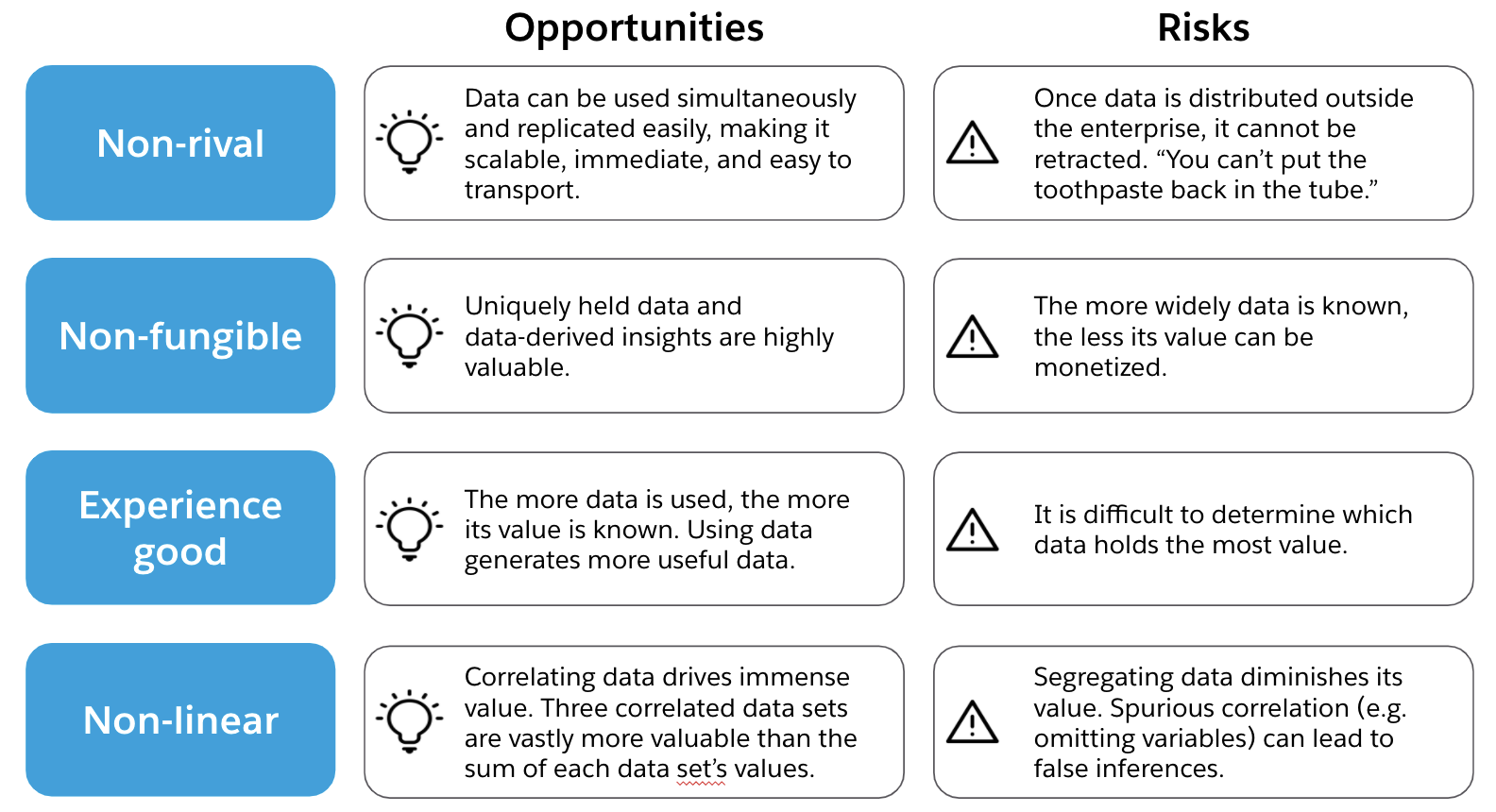
    Non rivalrous goods, also known as non rival goods or public goods, are resources that can be consumed by multiple individuals simultaneously without depleting or diminishing their availability. Unlike rivalrous goods, which are subject to scarcity and competition, non rivalrous goods have the potential to be shared and enjoyed by an unlimited number of users.

    Examples of non rivalrous goods include public parks, street lights, knowledge, and digital content such as software, e-books, and streaming services. These goods can be accessed and utilized by multiple individuals without any negative impact on others’ ability to do the same.

    Non Rivalrous Goods  : Unleashing the Power of Shared Resources

    Credit: www.amazon.com

    The Rise of Non Rivalrous Goods in the Digital Economy

    The digital revolution has played a significant role in the emergence and proliferation of non rivalrous goods. In the past, physical goods were often subject to scarcity and exclusivity. However, the rise of the internet and digital technologies has allowed for the creation and distribution of non rivalrous goods on a previously unimaginable scale.

    One of the key characteristics of non rivalrous goods in the digital economy is their ability to be easily copied and shared without any additional cost or loss of quality. For example, once a piece of software is developed, it can be replicated infinitely and distributed to users all around the world, without diminishing the original copy or preventing others from enjoying the same software simultaneously.

    This unique characteristic of non rivalrous goods has paved the way for the sharing economy, where individuals can share and access goods and services at a fraction of the cost. Platforms such as Uber, Airbnb, and Spotify exemplify the power of non rivalrous goods in transforming the way we consume and interact with resources.

    Non Rivalrous Goods  : Unleashing the Power of Shared Resources

    Credit: blogs.mulesoft.com

    The Benefits of Non Rivalrous Goods

    The concept of non rivalrous goods carries several benefits that contribute to its role as the future of consumption:

    1. Increased Efficiency: Non rivalrous goods promote efficient resource allocation, as they can be utilized by an unlimited number of users. This reduces the need for duplicate production and wasteful consumption.
    2. Cost Savings: Non rivalrous goods often come at a lower cost or can be accessed for free, allowing individuals to save money and allocate their resources to other areas.
    3. Knowledge Sharing: Non rivalrous goods, particularly in the form of knowledge and information, can be freely shared, leading to increased innovation, intellectual growth, and overall societal progress.
    4. Collaboration and Community Building: Non rivalrous goods encourage collaboration and cooperative consumption, fostering a sense of community among individuals who share common interests or needs.

    The Challenges and Future Implications

    While non rivalrous goods present a promising vision for the future of consumption, they are not without their challenges. The digital landscape raises concerns surrounding intellectual property rights, privacy, and security. Additionally, traditional economic models built upon rivalrous goods face disruption, potentially leading to social and economic upheaval.

    Looking ahead, it will be crucial to find ways to balance the benefits of non rivalrous goods with the protection of individual rights and the maintenance of economic stability. As technology continues to advance and the digital economy evolves, society will need to adapt and create new frameworks to harness the full potential of non rivalrous goods.


    Conclusion

    The concept of non rivalrous goods challenges the traditional notions of scarcity and competition that have long governed consumption. As the digital economy thrives, non rivalrous goods are shaping the future of consumption by promoting efficiency, cost savings, knowledge sharing, and collaboration. While there are challenges to address, the potential for a more inclusive, sustainable, and community-driven economy makes non rivalrous goods an exciting frontier to explore.

  • How Airbnb Makes Money

    Airbnb makes money by charging hosts a service fee for each booking and by charging guests a booking fee. This commission-based model allows Airbnb to generate revenue from both hosts and guests.

    Airbnb, a popular online marketplace for lodging and tourism experiences, implements a commission-based business model. It charges hosts a service fee and guests a booking fee, contributing to its revenue. Founded in 2008, the platform has become a dominant force in the sharing economy, offering a diverse range of accommodations and experiences worldwide.

    By facilitating peer-to-peer rentals and experiences, Airbnb enriches travel experiences while creating income opportunities for hosts. As the company continues to expand its global reach and diversify its offerings, it remains a fundamental player in the travel and tourism industry.

    How Does Airbnb Make Money?

    Airbnb, the popular online marketplace for booking accommodations and discovering unique travel experiences, has revolutionized the hospitality industry. Founded in 2008, the platform provides a way for individuals to rent out their properties or spare rooms to travelers seeking personalized, local experiences. One may wonder, “How does Airbnb make money?” To answer this question, let’s delve into the various monetization strategies employed by Airbnb.

    Listing Fees

    Airbnb charges hosts a fee to list their properties on the platform. This fee typically covers the cost of marketing, exposure, and the use of Airbnb’s booking and payment system. Hosts are required to pay a percentage of each booking made through the platform to Airbnb.

    Service Fees

    When guests book a property through Airbnb, they are subject to service fees that are added to the total cost. These fees, which are calculated as a percentage of the booking subtotal, contribute to Airbnb’s revenue stream.

    Experiences Fees

    Apart from accommodations, Airbnb also offers a range of local experiences and activities that travelers can book. Airbnb charges a fee to hosts who provide these unique experiences, contributing to the platform’s overall revenue.

    Advertising And Partnerships

    As a part of its monetization strategy, Airbnb engages in advertising and partnerships with various businesses in the travel and hospitality industry. This includes promoting destination marketing organizations, travel insurance providers, and other travel-related services on the Airbnb platform.

    Professional Tools

    Airbnb offers a suite of professional tools for hosts, such as pricing and calendar management, to optimize their property listings. Hosts can opt to pay for these premium services, providing an additional source of revenue for Airbnb.

    Frequently Asked Questions For How Airbnb Makes Money

    What Percentage Does Airbnb Take?

    Airbnb typically takes a 3% host service fee for each booking. This fee covers the use of the platform, customer support, and other services provided.

    What Is Airbnb’s Business Model?

    Airbnb’s business model is a peer-to-peer online marketplace that connects individuals who want to rent out their homes or spaces with travelers looking for accommodations. The platform earns revenue by charging hosts a commission fee on each booking made through the website.

    How Much Does Airbnb Take From Income?

    Airbnb charges hosts a service fee that typically ranges between 3% and 5% from each booking. This fee is deducted from the total income earned by hosts.

    Conclusion

    Airbnb has established itself as a lucrative platform by providing a unique and convenient way for individuals to monetize their properties. With its clever business model and smart strategies, the company earns revenue from both hosts and guests, taking a commission from each booking.

    As the sharing economy continues to thrive, Airbnb is poised to further expand its revenue streams and solidify its position in the market.


  • Herd Mentality Bias: Unmasking the Power of Social Influence

    Herd Mentality Bias- The Psychology Behind Group Conformity

    In today’s world of fast-paced social media and constant information overload, it’s easy to fall prey to the herd mentality bias. Also known as the bandwagon effect or groupthink, this psychological phenomenon occurs when individuals adopt the behavior or beliefs of a larger group.

    Understanding Herd Mentality Bias

    Humans are social beings, and our instincts drive us to seek acceptance and validation from the communities we belong to. The herd mentality bias emerges as a result of this innate desire to conform. People tend to follow the crowd because they believe that the collective decision or opinion must be the correct one.

    This bias can manifest in various aspects of life, including consumer behavior, financial markets, politics, and even personal choices. The influence of the herd mentality bias can be so strong that it overrides critical thinking and rational decision-making.

    Herd Mentality Bias: Unmasking the Power of Social Influence

    Credit: www.jatinderpalaha.com


    Causes of Herd Mentality Bias

    Several factors contribute to the development and perpetuation of herd mentality bias:

    • Uncertainty: When faced with ambiguous or uncertain situations, individuals often seek safety in numbers.
    • Information cascade: The tendency to rely on the actions and decisions of others, rather than conducting independent research.
    • Social pressure: Fear of rejection or isolation drives people to align their beliefs and behaviors with the majority.
    • Emotional contagion: When people observe others’ emotions, they tend to mimic those emotions and subsequently adopt similar behaviors.
    Herd Mentality Bias: Unmasking the Power of Social Influence

    Credit: fastercapital.com

    The Consequences of Herd Mentality Bias

    Herd mentality bias can have both positive and negative consequences, depending on the context. In some cases, group conformity can lead to positive outcomes, such as collective action or social change.

    However, there are several potential disadvantages associated with herd mentality bias:

    • Financial implications: In financial markets, herd mentality bias can drive irrational exuberance or panic, leading to asset bubbles or market crashes.
    • Reduced critical thinking: Groupthink can discourage independent thought and hinder creative problem-solving.
    • Slow adoption of change: Herd mentality bias can impede innovation and progress, as individuals may resist ideas that deviate from the group consensus.
    • Increased risk of misinformation: The spread of false information through social networks can be amplified by the herd mentality bias, leading to the formation of echo chambers.

    Overcoming Herd Mentality Bias

    Recognizing and overcoming herd mentality bias requires conscious effort and critical thinking. Here are some strategies to mitigate the influence of group conformity:

    1. Independent research: Take the time to gather information from reliable sources and critically analyze it before making decisions.
    2. Seek diverse perspectives: Engage with individuals who hold different opinions and consider alternative viewpoints.
    3. Encourage individual thinking: Foster an environment that values independent thought and rewards constructive dissent.
    4. Be aware of emotional contagion: Recognize when your emotions are being influenced by the reactions of others and evaluate them objectively.

    Conclusion

    Herd mentality bias is a powerful force that impacts individuals and societies. By understanding the underlying psychology and consequences of group conformity, we can strive to make more informed and independent decisions. Overcoming the herd mentality bias promotes critical thinking, innovation, and ultimately, a more diverse and resilient society.