Author: MMP

  • Do Escrow Accounts Pay Property Taxes

    Do Escrow Accounts Pay Property Taxes

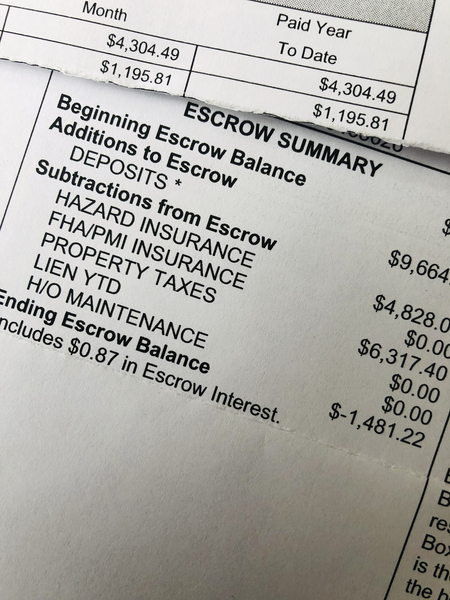
    Yes, escrow accounts do pay property taxes. Property taxes are typically included in the monthly escrow payments made by homeowners to their mortgage servicers.

    Escrow accounts are separate accounts set up by lenders to hold funds needed to pay for property taxes, insurance premiums, and other related expenses. The amount for property taxes is determined by the local municipality and is prorated over the course of the year.

    By including property taxes in the escrow account, homeowners can ensure that these payments are made on time and avoid penalties or potential issues with property liens. This system provides peace of mind and convenience for homeowners by simplifying the process of paying property taxes.

    How Escrow Accounts Work

    Escrow accounts are a common feature in property transactions. These accounts hold funds, typically managed by a third party, to cover expenses such as property taxes. Escrow accounts operate by collecting a portion of the borrower’s monthly mortgage payment to be set aside for taxes and insurance.

    This arrangement ensures that the property taxes are paid on time. Escrow accounts serve as a safeguard for both the borrower and the lender, making sure that the property taxes are handled responsibly. By including property taxes in escrow accounts, lenders can have peace of mind knowing that the taxes are paid, and borrowers can budget their monthly payments accordingly.

    So, yes, escrow accounts pay property taxes, ensuring that this crucial obligation is met promptly and efficiently.

    Benefits Of Using An Escrow Account For Property Taxes

    Using an escrow account for property taxes offers several benefits. For homeowners, it simplifies the payment process, making it easier to manage their financial obligations. By setting aside a portion of their mortgage payment into an escrow account, homeowners can proactively budget for their property taxes.

    This ensures that they have sufficient funds available when tax payments are due. Additionally, an escrow account helps homeowners avoid late payment penalties or potential tax liens, as taxes are paid on time. With the responsibility of property tax payments taken care of, homeowners can focus on other important matters without worrying about missing deadlines or scrambling to gather the necessary funds.

    Escrow accounts provide a convenient and efficient way to handle property tax obligations, offering peace of mind and financial stability for homeowners.

    Factors To Consider When Setting Up An Escrow Account For Property Taxes

    There are several factors you should consider when setting up an escrow account for property taxes. Understanding the lender’s requirements is crucial in ensuring compliance. To begin, it’s important to research and select a reliable escrow company. You want to ensure they have a good track record of managing these types of accounts.

    Additionally, determining the correct amount to be allocated for property taxes is essential. This requires careful calculation and consideration of factors such as property value and local tax rates. By taking these factors into account, you can ensure that your escrow account is set up properly and will effectively pay your property taxes when due.

    Do Escrow Accounts Pay Property Taxes

    Credit: www.bankofmissouri.com

    How Escrow Accounts Pay Property Taxes

    Escrow accounts pay property taxes based on the frequency of payments: monthly, quarterly, or annually. The process involves the lender, escrow company, and tax authorities communicating effectively. Payments are made according to a specific timing and prioritization to ensure that taxes are settled on time.

    The mechanics of this payment process are carefully managed to avoid delays and ensure compliance with legal requirements. By setting aside funds and making timely payments, escrow accounts provide a convenient way for homeowners to manage their property tax obligations.

    This helps avoid any potential penalties or consequences for missing tax payments. Overall, escrow accounts play a vital role in simplifying the property tax payment process for homeowners.

    Potential Risks And Drawbacks Of Escrow Accounts For Property Taxes

    Potential Risks and Drawbacks of Escrow Accounts for Property Taxes While escrow accounts may seem convenient, there can be some downsides to consider. One possible risk is the potential for delays or errors in the payment process. This can lead to late fees or even penalties from tax authorities.

    Additionally, escrow accounts provide limited control over the funds, as they are managed by the lender or servicer. This lack of control can be frustrating for homeowners who prefer to manage their own tax payments. Furthermore, changing or canceling an escrow account can be quite challenging, requiring extensive paperwork and approval from the lender.

    Overall, it’s important to weigh the benefits against the potential drawbacks before opting for an escrow account for property taxes.

    Considerations For Homeowners Opting Out Of An Escrow Account For Property Taxes

    Opting out of an escrow account for property taxes requires financial responsibility and discipline. Homeowners need to understand lender requirements for this choice, ensuring they meet all obligations. By self-paying property taxes, there are potential benefits such as greater control over the timing and amount of payments.

    However, it’s essential to consider the financial implications and budget accordingly. Being diligent in setting aside funds for property taxes is crucial to avoiding any late fees or penalties. Homeowners should plan and save for these payments throughout the year to ensure they have the necessary funds when property tax bills come due.

    This approach requires careful planning and consistent financial discipline to successfully manage property tax payments outside of an escrow account.

    Frequently Asked Questions Of Do Escrow Accounts Pay Property Taxes

    Does My Escrow Account Automatically Pay Taxes?

    Your escrow account doesn’t automatically pay taxes; it’s your responsibility to handle them separately.

    Is It Better To Have An Escrow Account Or Not?

    Yes, having an escrow account can be beneficial for safe and secure transactions.

    Which Of The Following Expenses Is Paid From An Escrow Account?

    Expenses like property taxes and insurance are paid from an escrow account.

    What Happens If Taxes Are More Than Escrow?

    If taxes exceed escrow, you may need to pay the difference out of pocket.

    Conclusion

    Escrow accounts can play a significant role in managing property taxes for homeowners. By requiring borrowers to contribute a portion of their property taxes each month, lenders ensure that these expenses are accounted for and paid on time. This not only provides peace of mind to both parties involved, but it also helps to prevent any late fees or penalties from being imposed.

    Additionally, for those who struggle with budgeting or who prefer to have their property taxes conveniently rolled into their mortgage payments, escrow accounts can be a beneficial option. However, it’s important for homeowners to thoroughly understand their escrow account terms and responsibilities, as well as regularly reviewing their account statements to ensure accuracy.

    Overall, escrow accounts can serve as a helpful tool in managing property taxes and providing financial stability for homeowners.
  • Escrow Agreement

    Escrow Agreement

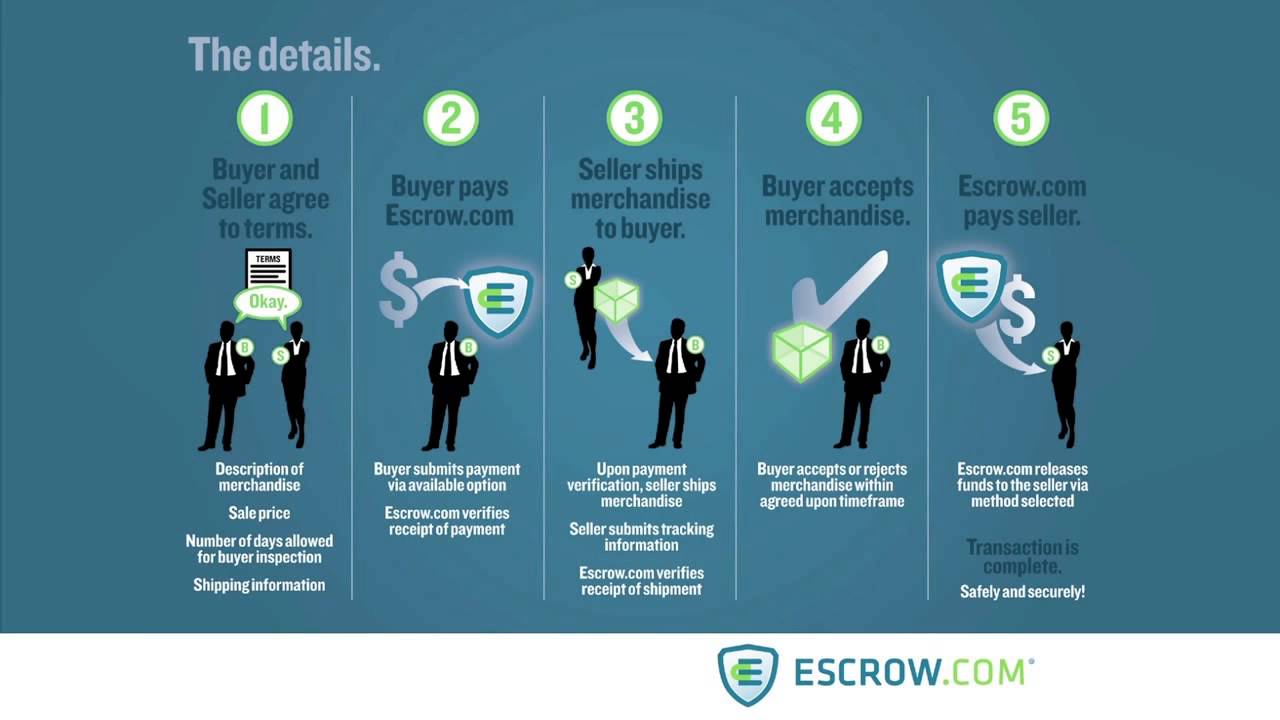
    An escrow agreement is a legal contract that involves a third party holding and managing funds or assets on behalf of two parties involved in a transaction to ensure a smooth and secure exchange. It outlines the terms, conditions, and responsibilities of each party, including the release and use of the funds or assets.

    Escrow agreements are commonly used in real estate transactions, mergers and acquisitions, and online transactions to protect the interests of all parties involved. By having an escrow agreement in place, the risk of fraudulent activity or breach of contract is minimized, providing peace of mind and assurance to both the buyer and the seller.

    This article explores the key aspects of an escrow agreement and its importance in various business transactions.

    Definition And Purpose

    An escrow agreement is a legal contract that ensures the safekeeping of valuable assets, funds, or documents. It acts as a trusted intermediary between two parties engaged in a transaction. The purpose of an escrow agreement is to mitigate the risks for both the buyer and the seller, providing a secure and transparent environment for the transaction to take place.

    The agreement stipulates that the assets or funds will be held by a neutral third party until the agreed-upon conditions are fulfilled. This arrangement provides peace of mind for the parties involved, ensuring that the terms of the transaction are met before any transfer of ownership or release of funds occurs.

    Escrow agreements are commonly used in real estate transactions, business acquisitions, and online transactions to safeguard the interests of all parties involved. Ultimately, an escrow agreement serves as a valuable tool in facilitating secure and reliable transactions.

    Parties Involved

    An escrow agreement involves multiple parties, each with distinct responsibilities and roles. The main participants are the buyer, seller, and escrow agent. The buyer is the individual purchasing a product or service and is responsible for fulfilling certain conditions set forth in the agreement.

    The seller is the party selling the product or service and must deliver it as agreed upon. The escrow agent, often a neutral third party, facilitates the transaction by receiving and holding funds or assets until all conditions have been met.

    Their role is to ensure that both the buyer and seller fulfill their obligations and that the funds or assets are released accordingly. This arrangement protects both parties from any potential risks or disputes that may arise during the transaction process.

    Understanding the roles and responsibilities of each party is crucial for a successful escrow agreement.

    Escrowed Funds

    Escrowed funds refer to money or assets held by a third party, typically an escrow agent, on behalf of two parties involved in a transaction. These funds act as a form of security, ensuring that both parties fulfill their obligations.

    The significance of escrowed funds lies in the protection they offer to buyers and sellers. When the conditions of the agreement are met, the funds are disbursed accordingly. The holding and disbursing of escrowed funds are governed by a detailed agreement, outlining the specific conditions which must be met for the release of funds.

    This process helps to mitigate risks and build trust between the parties involved. Escrowed funds provide a level of assurance and transparency, ensuring a smoother and more secure transaction.

    Dispute Resolution

    Dispute resolution clauses hold immense significance in escrow agreements, ensuring efficient conflict resolution. By incorporating such provisions, parties involved can avoid unnecessary disputes and potential litigation. These clauses outline the methods for resolving conflicts that may arise during the escrow period.

    There are various dispute resolution methods available, including negotiation, mediation, and arbitration. Negotiation allows the parties to discuss and reach a mutually agreeable solution. Mediation involves a neutral third party facilitating the negotiations to assist in resolving the dispute. Arbitration, on the other hand, entails the submission of the matter to an impartial arbitrator who renders a binding decision.

    Each method has its own advantages and should be carefully chosen based on the specific circumstances. Including a well-drafted dispute resolution clause in an escrow agreement is crucial to maintain a smooth transaction process and safeguard the interests of all parties involved.

    Termination And Release

    Termination of an escrow agreement occurs when specific conditions outlined in the contract are met. These conditions could include the completion of the agreed-upon transaction or the fulfillment of certain obligations by the parties involved. Once the escrow agreement is terminated, the next step is the release of the escrowed funds.

    This involves transferring the funds from the escrow account to the designated recipients or parties. The process typically requires the cooperation of all parties, including the escrow agent or company overseeing the agreement. To ensure a smooth release, it is important to follow the instructions and procedures outlined in the escrow agreement.

    Clear communication and compliance with the agreed-upon terms are crucial for a successful termination and release of escrowed funds.

    Escrow Agreement

    Credit: berlinpatten.com

    Elements Of An Effective Escrow Agreement

    An effective escrow agreement comprises essential components that are crucial for its proper functioning. Clear and specific language is of utmost importance in drafting this agreement. Each provision should be carefully worded to avoid any ambiguity and ensure clarity for all parties involved.

    The agreement should clearly outline the obligations and responsibilities of each party, including the escrow agent, buyer, and seller. It should also specify the conditions under which the funds or assets will be released from escrow. Additionally, the agreement should include provisions for dispute resolution and indemnification, addressing any potential conflicts that may arise during the escrow process.

    By adhering to these guidelines, a well-drafted escrow agreement can provide the necessary protection and assurance for all parties involved in a transaction.

    Drafting Considerations

    Drafting an escrow agreement requires careful consideration of several factors to address potential risks and contingencies. Each provision must be meticulously crafted to ensure all parties involved are protected. The agreement should clearly outline the terms and conditions for the release of funds or assets held in escrow.

    It is essential to accurately define the scope and purpose of the escrow arrangement. Identifying the parties involved and their responsibilities is crucial for a smooth process. Addressing potential risks and contingencies is vital to mitigate any unexpected events that may arise during the escrow period.

    Additionally, outlining the dispute resolution process can help to prevent any misunderstandings or conflicts. The escrow agreement should also include provisions for termination or modification if circumstances change. Careful consideration of these factors will help create a comprehensive escrow agreement that safeguards the interests of all parties involved.

    Legal Requirements

    An escrow agreement is subject to compliance with relevant regulations and laws. It is essential to ensure adherence to legal requirements when drafting such an agreement. These requirements serve as a safeguard for all parties involved in the transaction. By meeting these obligations, one can establish a legally sound and enforceable escrow arrangement.

    The overview of legal requirements for an escrow agreement encompasses various aspects, including the applicable laws, regulatory guidelines, and industry-specific mandates. It is crucial to thoroughly understand and ascertain the compliance obligations to ensure a smooth and effective escrow process.

    This ensures the protection of the assets in escrow and the fulfillment of contractual obligations by all parties to the agreement. Adhering to the legal requirements surrounding escrow arrangements is vital for maintaining transparency, fairness, and overall legal validity.

    Negotiating Terms And Conditions

    Negotiating the terms and conditions of an escrow agreement requires a careful balance of interests. Successful strategies involve considering the needs and expectations of all parties involved. Clear communication and active listening are key to finding common ground and reaching mutually beneficial solutions.

    It is important to approach the negotiation process with a collaborative mindset, seeking to find areas of agreement rather than engaging in adversarial tactics. Flexibility and creativity can help overcome any potential roadblocks or disagreements. By focusing on the interests and goals of each party, negotiators can build trust and create a foundation for a successful escrow agreement.

    This approach not only ensures the satisfaction of all parties involved but also promotes long-lasting relationships and future collaborations.

    Understanding And Mitigating Risks

    An escrow agreement involves understanding and mitigating risks to ensure a smooth transaction. Identifying potential risks within such an agreement is crucial to prevent any future complications. By implementing effective risk mitigation strategies, parties involved can safeguard their interests. These strategies include thorough research, reviewing contract terms, and conducting due diligence on the escrow agent.

    Additionally, establishing clear communication channels and regular monitoring can help address any issues promptly. Furthermore, establishing a contingency plan in case of unforeseen circumstances provides added protection. Understanding and mitigating risks in an escrow agreement is essential for a successful transaction without any unexpected hurdles.

    Seeking Legal Advice

    Escrow agreements are a crucial part of any business transaction, and seeking legal advice is paramount. Consulting with legal professionals during negotiation ensures the agreement aligns with your best interests. It’s easy to fall into common pitfalls, which can have negative consequences.

    However, by involving legal experts, you can identify and avoid these pitfalls. They possess the knowledge and expertise to navigate the complexities of the agreement and offer valuable insights. Legal professionals have the ability to spot potential issues and provide guidance on how to address them effectively.

    Their expertise ensures that your interests are protected and that the agreement is fair and equitable. Seeking legal advice during negotiation is key to securing a successful escrow agreement.

    Frequently Asked Questions For Escrow Agreement

    Is An Escrow Agreement Necessary?

    An escrow agreement is necessary for secure transactions and to protect the interests of all parties involved.

    What Is The Purpose Of Escrow?

    Escrow serves as a secure third-party holding mechanism for funds or valuable assets during transactions.

    What Are The Benefits Of Escrow Agreement?

    An escrow agreement offers the following advantages: secure transactions, protection against fraud, and efficient dispute resolution.

    What Should Be In An Escrow Agreement?

    An escrow agreement should include terms and conditions, details about the parties involved, the amount of money being held in escrow, the deadline for completing the transaction, and instructions for disbursing the funds.

    Conclusion

    An escrow agreement is a crucial legal tool that helps protect the interests of all parties involved in a transaction. Whether you are buying or selling real estate, a business, or another valuable asset, an escrow agreement ensures that the funds and assets are held safely until all contractual obligations are met.

    It provides security and peace of mind to both the buyer and the seller, as it guarantees that each party will fulfill their part of the agreement. Furthermore, an escrow agreement helps to streamline the transaction process, reducing the risk of disputes and ensuring a smoother and more efficient transaction.

    By working with a trusted escrow agent, you can navigate through complex financial transactions with confidence, ultimately safeguarding your investments and minimizing potential risks. So, before entering into any transaction that involves significant financial resources, consider the benefits of an escrow agreement for a secure and successful transaction.

  • Escrow Analysis

    Escrow Analysis

    An escrow analysis is a review of your escrow account to determine if the current monthly deposit is enough to cover your annual expenses, such as property taxes and insurance. Escrow analysis ensures that you have enough funds to pay these expenses throughout the year.

    This analysis takes into consideration changes in the account balance and annual expenses, and it may result in an adjustment to your monthly payment. It is crucial to understand the escrow analysis as it impacts your budget and financial planning.

    We will explore the details of an escrow analysis, its significance, and how it affects homeowners. So, let’s delve into the world of escrow analysis and its role in accurately managing your housing expenses.

    How Escrow Analysis Benefits Homebuyers

    Escrow analysis is a beneficial process for homebuyers. It provides a comprehensive overview of escrow accounts. Escrow analysis ensures that the funds collected through mortgage payments are allocated correctly. It calculates the actual amount needed for property taxes, insurance premiums, and other expenses.

    By analyzing the escrow account annually, homebuyers avoid surprises and potential shortages. The analysis adjusts monthly payments to ensure they align with actual costs. This protects homebuyers from significant financial burdens and allows for better budgeting. Additionally, escrow analysis provides transparency and peace of mind.

    Homebuyers can have a clear understanding of how their funds are being managed and allocated. Understanding escrow analysis is crucial for homeowners to effectively manage their finances and ensure a smooth homeownership experience.

    The Importance Of Escrow Analysis

    Escrow analysis is a vital process for homeowners. It helps avoid unexpected shortages in the escrow account, ensuring financial stability. Effective management of escrow payments is crucial to prevent any financial setbacks. By carefully analyzing escrow accounts, homeowners can identify any potential shortfalls and take proactive measures.

    This analysis enables them to ensure that adequate funds are allocated for property taxes, homeowners insurance, and other expenses. Taking timely action can prevent the burden of unexpected escrow shortages and provide peace of mind. Homeowners must closely monitor their escrow accounts and review them regularly to avoid any financial surprises.

    Proactive management of escrow payments is key to maintaining stability and financial well-being in homeownership.

    Factors Impacting Escrow Analysis

    Escrow analysis is influenced by various factors like changes in property taxes, insurance premiums, and assessments. Fluctuations in property taxes can impact your escrow analysis by increasing or decreasing the monthly escrow payment. Similarly, changes in insurance premiums can also affect your escrow analysis, causing adjustments to be made based on the updated premium amount.

    Additionally, assessments, such as those for community improvements or special projects, can impact your escrow analysis by increasing or decreasing the amount set aside in your escrow account. These factors should be carefully considered and reviewed periodically to ensure that your escrow analysis accurately reflects any changes in expenses related to your property.

    Regular monitoring of these factors will help you maintain a well-managed escrow account.

    Escrow Analysis

    Credit: www.neighborhoodescrow.com

    Frequently Asked Questions For Escrow Analysis

    How Is Escrow Analysis Calculated?

    Escrow analysis is calculated by adding up property taxes, insurance premiums, and other escrow fees and dividing by 12 months.

    Why Is My Escrow Analysis So High?

    Your escrow analysis may be high due to changes in property taxes or insurance premiums.

    Why Did My Mortgage Go Up After Escrow Analysis?

    Your mortgage increased after escrow analysis because of changes in insurance, taxes, or other fees.

    What Happens After Escrow Analysis?

    After escrow analysis, adjustments may be made to your monthly mortgage payments to ensure accurate tax and insurance payments.

    Conclusion

    Understanding the concept of escrow analysis is crucial for both homeowners and lenders. It ensures that the right amount of money is being placed into the escrow account to cover property taxes and insurance costs. By conducting regular escrow analysis, homeowners can avoid unexpected shortfalls or overages in their escrow accounts and have peace of mind knowing that their bills will be paid in a timely manner.

    Lenders also benefit from escrow analysis as it allows them to accurately calculate monthly mortgage payments and ensure that the correct amount is collected from homeowners. Remember that escrow analysis is not a one-time process but rather an ongoing evaluation to ensure financial stability.

    So, stay informed and work with your lender to optimize your escrow account and manage your expenses effectively.

  • What Does No Escrow Mean?

    What Does No Escrow Mean?

    No escrow means there is no third party holding funds for a transaction. Escrow provides protection and security for both parties involved in a transaction.

    Without an escrow, the buyer and seller are responsible for handling the exchange of funds and ensuring the terms of the transaction are met without any intermediary involvement. It is important to be cautious and understand the risks associated with transactions that do not have escrow services.

    For buyers and sellers engaging in transactions, the presence of an escrow can provide peace of mind. However, when no escrow exists, the transaction becomes solely reliant on the trust between the two parties. This lack of a third-party handling the funds can increase the risk of fraud or disputes during the transaction process. It is crucial for buyers and sellers to be extra vigilant, conduct thorough due diligence, and establish clear terms and conditions to protect their interests. By doing so, they can mitigate the risks associated with transactions conducted without the safety net of an escrow service.

    Understanding Escrow

    Escrow refers to a financial arrangement where a third party holds and regulates funds and documents involved in a transaction between two parties. In the context of real estate, escrow plays a crucial role in ensuring a smooth and secure transaction process.

    It acts as a neutral intermediary, safeguarding the interests of both the buyer and the seller. The definition of escrow revolves around the concept of trust and protection. The funds and documents involved in a real estate transaction are held by the escrow agent until all conditions and requirements are met.

    This provides a level of security and ensures that both parties fulfill their obligations. The benefits and purpose of escrow in real estate are manifold; it protects the buyer’s funds, minimizes the risk of fraud, and ensures that all necessary paperwork is completed accurately and efficiently.

    Understanding how escrow works can provide peace of mind during a real estate transaction.

    What Does No Escrow Mean?

    Credit: www.silive.com

    The Importance Of Escrow In Real Estate

    Escrow plays a crucial role in real estate transactions by ensuring the security of funds. It protects both buyers and sellers by holding funds in a neutral account until the transaction is completed. This way, buyers can be confident that their money is safe, and sellers can be assured that they will receive payment.

    Escrow also facilitates a smooth transaction process by acting as a mediator between the buyer, seller, and any other parties involved. It helps to verify the completion of contractual obligations and ensures that all necessary documents are in order before funds are released.

    This provides a layer of security and transparency, giving all parties involved peace of mind throughout the transaction.

    When There Is No Escrow

    When there is no escrow, it means that there is no neutral third party involved in a financial transaction. This absence of escrow can present various risks and challenges. Without escrow, buyers and sellers face the possibility of fraud or non-payment.

    Additionally, without an escrow process, it may be difficult to ensure that both parties fulfill their obligations. However, there are alternatives to escrow that can minimize these risks. One option is using a payment gateway that offers buyer protection and dispute resolution services.

    Another alternative is to use an attorney to handle the transaction and hold funds in a trust account. These alternatives can provide some level of protection and reassurance when a formal escrow arrangement is not possible.

    Common Scenarios For No Escrow

    No escrow refers to a situation where a real estate transaction does not involve an escrow account. Common scenarios for no escrow include for-sale-by-owner (FSBO) transactions, cash transactions, and private sales. In FSBO transactions, the seller manages all aspects of the sale, including handling the funds without using an escrow account.

    Cash transactions involve buyers purchasing properties directly with cash, bypassing the need for an escrow account. Private sales also often lack escrow, as the buyer and seller negotiate payments directly. While no escrow can offer some advantages, such as saving on escrow fees, it also carries risks.

    Without an escrow account, there is a higher chance of fraud or disputes arising during the transaction. So, understanding the implications of no escrow is crucial in ensuring a smooth and secure real estate transaction.

    Risks Of No Escrow

    No escrow means there is a lack of protection for both buyers and sellers. Without this secure financial arrangement, there are significant risks. One of the risks is the potential for fraudulent activities. Scammers can take advantage of the absence of escrow to carry out their deceitful schemes.

    Another risk is the increase in disputes and conflicts between parties involved in a transaction. Without a neutral third party overseeing the process, disagreements may arise, leading to legal battles and loss of trust. Furthermore, without the protection provided by escrow, buyers and sellers have inadequate safeguards against non-payment or non-delivery of goods or services.

    In conclusion, it is important to understand the risks associated with no escrow and take the necessary precautions to ensure a safe and secure transaction experience.

    Alternatives To Escrow

    No escrow means the absence of a third-party account used to hold funds in real estate transactions. Instead, there are alternatives to consider. One option is to involve attorneys in the process, who can manage the transaction legally. Another alternative is to obtain title insurance, which safeguards against potential issues with the property’s title.

    Lastly, some individuals prefer to utilize self-managed escrow accounts, where they personally handle the transaction funds. These alternatives offer flexibility and control in real estate transactions, allowing parties to proceed without the need for traditional escrow services. Whether opting for legal assistance, insurance protection, or self-management, individuals can navigate real estate transactions smoothly without relying on the concept of escrow.

    Tips For Protecting Yourself Without Escrow

    No escrow refers to a situation where a third party is not involved in securing funds during a transaction. To protect yourself, conducting thorough research and due diligence is essential. This ensures you have a clear understanding of the risks involved and can make informed decisions.

    While not having escrow may seem risky, utilizing professional services for legal and financial advice can provide valuable guidance. These experts can help navigate potential pitfalls and ensure you are protected. Additionally, implementing safeguards and documentation in the transaction process adds an extra layer of security.

    This includes creating contracts, obtaining proof of payments, and maintaining a detailed record of all transactions. By following these tips, you can protect yourself even without the use of escrow.

    Frequently Asked Questions Of What Does No Escrow Mean?

    What Does It Mean To Not Escrow?

    Not escrowing means not setting aside funds for a specific purpose or taking control of financial transactions.

    What Are The Benefits Of Not Having Escrow?

    Not having escrow gives you control over your money and faster transactions.

    Is It Better To Have Escrow Or Not?

    Having escrow is better because it ensures the safe and efficient completion of transactions.

    What Is The Purpose Of Escrow?

    The purpose of escrow is to securely hold funds or assets until agreed upon conditions are met.

    Conclusion

    No escrow may seem like a complex concept at first, but understanding its meaning is essential for anyone involved in financial transactions. By diving into the details, we can see that no escrow refers to a situation where a third-party intermediary is not involved in holding funds during a transaction.

    This lack of security can have both advantages and disadvantages, depending on the circumstances. On one hand, it allows for faster transactions and more immediate access to funds, but on the other hand, it exposes both parties to potential risks and fraudulent activities.

    To mitigate these risks, it is crucial to establish trust, conduct thorough research, and implement alternative security measures, such as digital signatures or secure payment platforms. By being aware of the implications and potential drawbacks of no escrow, individuals can make informed decisions and protect themselves in the ever-evolving world of online transactions.

  • How Long Can Escrow Take?

    How Long Can Escrow Take?

    Escrow can take anywhere from a few days to several weeks, depending on various factors.

    Factors Affecting The Duration Of Escrow

    The duration of escrow can vary depending on several factors. The financing obtained by the buyer plays a significant role in determining the length of escrow. Property inspections also impact the overall duration. Additionally, the title search and insurance process must be considered when estimating the timeframe for escrow.

    These factors can influence the smooth progression of the escrow process and affect its ultimate timeline. Understanding the impact of buyer’s financing, property inspections, and title search and insurance is crucial for all parties involved in the escrow process. By recognizing these factors, buyers, sellers, and agents can better prepare for the duration of escrow and ensure a successful transaction.

    A thorough understanding of these elements will promote a smoother and more efficient escrow process overall.

    Average Length Of Escrow Periods

    Escrow periods vary depending on the type of real estate transaction. In residential real estate, the average timeframe is usually around 30 to 45 days. However, in commercial real estate deals, the escrow period tends to be longer, often extending to 60 days or more.

    When it comes to new construction projects, the timetable for escrow can be further extended due to various factors such as obtaining permits and completing the construction process. Buyers and sellers should be aware of these different timeframes and plan accordingly.

    It is important to work closely with a real estate agent or attorney to ensure that all necessary tasks are completed within the required timelines. By understanding the average length of escrow periods, individuals can better manage their expectations and navigate the real estate process smoothly.

    How To Expedite The Escrow Process

    Escrow timelines can vary, but there are strategies to expedite the process. Clear communication is key, ensuring engagement with all parties involved. This fosters understanding and eliminates potential delays. Organizing documents in an efficient manner also accelerates the escrow process.

    By maintaining a well-structured system, information can be accessed and reviewed promptly. Adhering to deadlines is crucial, as extensions may be negotiated if required. Staying proactive and aware of these time constraints ensures a smoother and quicker escrow experience. Overall, prioritizing effective communication, efficient document organization, and timely compliance with deadlines are essential in expediting the escrow process.

    How Long Can Escrow Take?

    Credit: homebay.com

    Frequently Asked Questions On How Long Can Escrow Take?

    What Is The Longest You Can Be In Escrow?

    The length of time you can be in escrow depends on the terms of the transaction.

    What Happens If Escrow Takes Too Long?

    If escrow takes too long, it can cause delays in the transaction process.

    How Long Does It Take Escrow To Approve Payment?

    Escrow approval time varies, typically ranging from a few hours to a few days.

    Is A 60 Day Escrow Normal?

    A 60-day escrow is not uncommon for real estate transactions.

    Conclusion

    The duration of an escrow process can vary depending on several factors. These factors include the complexity of the transaction, the responsiveness of the parties involved, and any unexpected issues that may arise. While a typical timeframe for escrow can be anywhere from 30 to 60 days, it is important to note that this is not set in stone.

    Delays can occur due to various reasons, such as the need for additional inspections or financing complications. To ensure a smooth and timely escrow process, it is crucial for all parties to be proactive and communicate effectively. By staying organized, addressing any concerns promptly, and working together, both buyers and sellers can help expedite the escrow process.

    Remember, each escrow is unique, so it’s best to consult with your real estate professional for an estimate tailored to your specific transaction.

    https://www.youtube.com/watch?v=ckXakMhfD6c

  • Escrow Shortage

    Escrow Shortage

    An escrow shortage occurs when there are insufficient funds in the escrow account to cover the required expenses. Escrow shortage can result from property tax increases, changes in insurance premiums, or miscalculations in the initial escrow payment.

    In these cases, the homeowner may have to pay a lump sum to cover the shortage or have their monthly escrow payment adjusted. Understanding the causes and potential solutions for escrow shortages is essential for homeowners to manage their finances effectively and avoid financial hardships.

    We will explore the common reasons for escrow shortages and provide guidance on how to handle them.

    Understanding Escrow Shortages

    Escrow shortages occur when there is an insufficient amount of funds in an escrow account to cover expenses such as property taxes and insurance. These shortages can arise due to various reasons, including an increase in tax rates or insurance premium costs.

    Homeowners can be affected by escrow shortages as they may have to pay additional funds to cover the shortfall. It is important for homeowners to understand the definition and explanation of escrow shortages to avoid any surprises or financial burden.

    By being aware of common reasons for escrow shortages, such as changes in tax assessments or underestimation of insurance costs, homeowners can better plan and budget for potential shortages. Taking proactive measures, such as reviewing escrow statements regularly and communicating with lenders, can help homeowners manage the impact of escrow shortages on their finances.

    Identifying Escrow Shortages

    Escrow shortages can be a cause for concern when managing finances. It’s important to be able to identify the signs of a potential shortage. One way to do this is by calculating and analyzing escrow account balances regularly. By keeping track of these balances, you can stay on top of any discrepancies that may indicate a shortage.

    Additionally, there are warning signs that can help you anticipate an impending shortage. These may include unexpected increases in property taxes or insurance premiums, or even a sudden rise in the homeowner’s mortgage payment. Being aware of these indicators can help you take proactive measures to prevent or address an escrow shortage before it becomes a larger issue.

    Stay vigilant and keep a close eye on your escrow accounts to ensure financial stability.

    Managing Escrow Shortages

    A shortage in escrow can cause financial stress for homeowners. To manage this situation effectively, it is important to communicate with your mortgage servicer or lender. Reach out to them to discuss the shortage and understand the reasons behind it.

    Requesting an escrow analysis or audit can provide you with a detailed breakdown of your escrow account and help you identify any discrepancies. By taking these steps, you can gain a better understanding of your escrow shortage and work towards resolving the issue.

    It is crucial to stay proactive and engaged throughout the process to ensure a smooth resolution.

    Escrow Shortage

    Credit: nfmlending.com

    Addressing The Root Causes

    Escrow shortages can be addressed by identifying and adjusting the factors contributing to them. One crucial step is reassessing property tax assessments and insurance premiums to ensure they accurately reflect the property’s value and risk profile. By doing so, homeowners can prevent unexpected spikes in escrow payments.

    Additionally, exploring options for reducing escrow payments can be beneficial. This might involve renegotiating insurance premiums or seeking lower property tax rates. By proactively addressing the root causes of escrow shortages, homeowners can better manage their finances and avoid financial stress.

    It is important to regularly review and take action on these factors to maintain a stable escrow account and prevent shortages in the future. Through careful assessment and adjustment, homeowners can achieve greater control over their escrow payments and protect their financial well-being.

    Avoiding Escrow Shortages In The Future

    Escrow shortages can be a frustrating issue for homeowners, but there are strategies to prevent them. Regularly reviewing and updating your escrow accounts is essential in avoiding shortages. It allows you to stay on top of your property tax and insurance payments.

    Additionally, effective financial planning can help you manage unexpected expenses that may affect your escrow account. By setting aside funds for potential increases in property taxes or insurance premiums, you can ensure that your escrow account is adequately funded. Taking proactive measures like these will help you avoid future escrow shortages and give you peace of mind knowing that your finances are in order.

    Escrow Shortage Resolution Success Stories

    Real-life examples of homeowners successfully resolving escrow shortages have provided valuable insights for others. These stories highlight the lessons learned and offer guidance on navigating the escrow shortage resolution process. Homeowners, facing the challenge head-on, discovered effective strategies and shared their experiences to help others avoid common pitfalls.

    By understanding how others have tackled escrow shortages, individuals can implement similar approaches to achieve positive outcomes. These success stories emphasize the importance of proactively addressing escrow shortage issues and provide hope for those facing similar situations. Through shared experiences, homeowners gain confidence in overcoming escrow shortfall and finding resolutions that align with their financial goals.

    From negotiation tactics to exploring alternative payment options, these stories offer practical and valuable advice for homeowners seeking to resolve escrow shortages.

    Escrow Shortage: Frequently Asked Questions

    Escrow shortages can be confusing, but we’re here to answer your common questions about them. One important aspect to understand is the resolution timeline for escrow shortages. It varies depending on the specific circumstances and can take some time to be resolved.

    To avoid escrow shortages in the future, there are a few tips you can keep in mind. Firstly, review your escrow account regularly to ensure it’s properly funded. Secondly, be aware of changes in your tax or insurance amounts, as they can impact your escrow.

    Lastly, consider setting up automatic payments for your property taxes and insurance premiums to avoid any missed payments. By following these tips, you can minimize the chances of facing escrow shortages in the future.

    Frequently Asked Questions On Escrow Shortage

    What Happens If You Have An Escrow Shortage?

    When you have an escrow shortage, you may need to pay more to cover the difference.

    Should You Pay Escrow Shortage?

    Yes, you should pay the escrow shortage. It is important to keep your escrow account funded properly.

    How Do I Avoid An Escrow Shortage?

    To avoid an escrow shortage, follow these guidelines: 1. Monitor your escrow account regularly to ensure it has enough funds. 2. Pay attention to changes in property taxes or insurance premiums and adjust your escrow accordingly. 3. Review your annual escrow analysis to identify any potential shortages in advance.

    4. Consider setting up a cushion in your escrow account to provide a buffer against shortages.

    How Long Does Escrow Shortage Last?

    Escrow shortages generally last until the shortfall is repaid, which can vary depending on the specific circumstances.

    Conclusion

    As we conclude our exploration of the escrow shortage phenomenon, it becomes evident that homeowners need to be well-informed about the implications of this financial conundrum. With lenders lacking sufficient funds to cover property taxes and insurance, homeowners are faced with unexpected financial burdens and potential implications for their homes.

    It is crucial for homeowners to closely monitor their escrow accounts and communicate regularly with their lenders to ensure accuracy and avoid any surprises. By understanding the factors that contribute to an escrow shortage, such as changes in property tax rates or insurance premiums, homeowners can take proactive steps to mitigate the likelihood of encountering this issue.

    Seeking professional advice from mortgage experts and financial advisors can also offer valuable insights and guidance when navigating the complexities of escrow shortages. Ultimately, staying informed and proactive is key in maintaining a smooth homeownership experience and avoiding any unexpected financial setbacks.