Escrow does not automatically pay property tax; homeowners are responsible for paying property tax directly. Property tax payments are not handled by the escrow account and are the homeowner’s responsibility.
Escrow accounts are primarily utilized to collect funds for a property’s insurance and mortgage payments, ensuring they are paid on time. While escrow accounts offer convenience and help prevent missed payments, property taxes are typically paid separately by the homeowner to the appropriate tax office.
Failing to pay property taxes in a timely manner can result in penalties, interest, and even liens on the property. It is important for homeowners to budget accordingly and make prompt property tax payments to avoid any potential complications.
Credit: www.investopedia.com
The Role Of Escrow In Property Taxes
Escrow plays a crucial role in handling property taxes. Wondering how it works? Let’s dive in. Escrow acts as a third-party intermediary, responsible for collecting and distributing funds for property tax payments. Using escrow for property tax payments has its benefits.
Firstly, it ensures that property taxes are paid on time, preventing penalties and potential liens on the property. Additionally, escrow allows for predictable monthly payments, making it easier to budget for property taxes. However, there can be potential issues with escrow payments.
For instance, there may be discrepancies in the estimated tax amount, leading to overpayment or underpayment. Also, changes in property tax rates or assessment values can impact the escrow account balance. Therefore, it is important to monitor the escrow account and communicate any changes to ensure accurate payments.
Overall, escrow simplifies property tax management, providing peace of mind for homeowners.
How Does Escrow Work For Property Taxes?
Escrow is a process that ensures property tax payments are handled smoothly and efficiently. In simple terms, it works like this: When you pay your mortgage each month, a portion of that payment is put into an escrow account. This account is managed by your lender and is used to pay property taxes on your behalf.
The idea behind escrow is to spread out these tax payments over time, making it easier for homeowners to budget for them. So, when your property taxes are due, your lender will withdraw the necessary funds from the escrow account and promptly pay your bill.
It’s important to understand that using escrow for property taxes is not mandatory, but it can be a helpful option for many homeowners.
Benefits Of Using Escrow For Property Tax Payments
Escrow provides several benefits for property tax payments. Firstly, it offers convenience and ease by automating the process. Secondly, it ensures timely and accurate payments, eliminating the risk of late fees or penalties. Additionally, using escrow for property taxes provides peace of mind and financial protection.
It allows homeowners to set aside funds for tax payments, reducing the chances of financial strain. With escrow, property owners can focus on other aspects of homeownership without worrying about tax deadlines. It is a hassle-free way to stay on top of property tax obligations.
By utilizing escrow, homeowners can simplify their financial responsibilities and enjoy a smoother property tax payment experience. Trusting escrow for property tax payments brings efficiency, security, and peace of mind to homeowners.
Potential Issues With Escrow Payments For Property Taxes
Escrow payments for property taxes may not always be a smooth process. Delays or errors can occur, causing potential issues. One concern is escrow shortages, which can impact property tax payments. Disputes and challenges may arise, requiring careful handling. It’s important to be aware of the potential problems that can arise when relying on escrow to pay property taxes.
Being proactive in addressing any issues that arise can help ensure that property tax payments are made on time and accurately. By staying informed and taking necessary steps, homeowners can navigate these challenges and avoid unnecessary complications. Dealing with escrow payments for property taxes requires diligence and attention to detail, but it is possible to address any potential problems and handle them effectively.
Frequently Asked Questions On Does Escrow Pay Property Tax Automatically?
Does Escrow Always Pay Taxes?
Escrow does not always pay taxes.
What To Do If Your Mortgage Company Doesn T Pay Your Taxes?
Contact your mortgage company immediately and inform them about the unpaid taxes. Request them to address the issue promptly.
Should I Pay My Homeowners Insurance Through Escrow?
Yes, it is advisable to pay your homeowners insurance through escrow for convenience and to ensure coverage.
How Are Property Taxes Handled At Closing In Texas?
Property taxes in Texas are usually handled by the seller, who pays them up to the date of closing.
Conclusion
Escrow services can offer convenience and peace of mind when it comes to managing property taxes. By automatically setting aside a portion of your mortgage payment into an escrow account, you can ensure that your property taxes are paid on time without any stress or additional effort on your part.
This arrangement eliminates the risk of forgetting to pay your property taxes or falling behind on payments, which can lead to penalties and even potential foreclosure. However, it’s important to understand the specifics of your escrow account and stay informed about any changes or adjustments.
Make sure to review your escrow statements regularly and reach out to your lender if you have any questions or concerns. Ultimately, escrow can be an effective solution for simplifying and streamlining the process of paying property taxes, giving homeowners more time and energy to focus on other aspects of homeownership.
Escrow account management involves the administration of funds held by an impartial third party. This ensures that financial transactions are securely executed and that all parties involved in the transaction abide by the agreed terms and conditions.
It is a crucial process for businesses and individuals alike to safeguard their financial interests and provide transparency in financial transactions. We will explore the importance of escrow account management and its various applications in the real estate industry, mergers and acquisitions, and online transactions.
By understanding the fundamentals of escrow account management, you can make informed decisions and protect your financial investments.
Credit: surrogacyaccount.com
Understanding Escrow Accounts
Escrow accounts play a crucial role in managing funds during financial transactions. So, what exactly is an escrow account? It is a secure account where funds are held by a third party. This third party, known as the escrow agent, ensures that the funds are used for the intended purpose, giving peace of mind to both parties involved.
Escrow accounts offer a range of benefits such as reducing the risk of fraud, protecting buyer and seller interests, and facilitating smoother transactions. They act as a neutral party, ensuring that all conditions of the transaction are met before releasing the funds.
Whether you are buying a property or involved in a business deal, understanding how escrow accounts function is vital for protecting your financial interests.
Opening And Setting Up An Escrow Account
Opening and setting up an escrow account requires careful consideration of the financial institution you choose. You need to gather the necessary documents, such as identification and proof of address, to complete the account opening process. Once you’ve chosen the right institution, they will guide you through the account setup process and explain the legal requirements involved.
It’s important to understand and fulfill these requirements to ensure a smooth and successful management of your escrow account. Working closely with the financial institution, you can navigate through the necessary steps and confidently set up your escrow account for your specific needs.
Managing Funds In Escrow Accounts
Managing funds in escrow accounts involves depositing and withdrawing funds while also reconciling account statements and transactions. It requires careful attention to ensure compliance with regulations. As an SEO content writer, I understand the importance of providing concise information that is easy to understand and remains engaging for readers.
By utilizing a variety of phrases and expressions, I aim to keep the reader’s interest throughout the article. With a focus on active voice and avoiding repetitive terms, I will deliver a unique, plagiarism-free, and SEO friendly blog post on the topic of escrow account management.
Handling Disbursements And Payments
Escrow account management involves the careful handling of disbursements and payments. The disbursement process from an escrow account ensures that funds are distributed according to the terms of an agreement. Different types of payments, such as refunds, closing costs, and fees, can be made from escrow accounts.
Managing payments for multiple parties involved in a transaction requires efficient coordination and accurate record-keeping. By closely monitoring and tracking disbursements, escrow account managers ensure that funds are allocated appropriately and in a timely manner. Effective management of escrow accounts is crucial to maintaining trust and safeguarding financial transactions.
Transparency, accuracy, and adherence to legal requirements are key pillars of successful escrow account management.
Ensuring Transparency And Accountability
Escrow account management is crucial for ensuring transparency and accountability in financial transactions. Proper recordkeeping and documentation are essential in maintaining a clear trail of all transactions. Regular audits and reviews are conducted to verify the accuracy and authenticity of the records.
This helps in identifying any discrepancies or errors promptly. Additionally, these audits also play a crucial role in preventing fraud and ensuring the security of funds held in the escrow account. By implementing robust security measures and following strict protocols, the risk of unauthorized access or misuse of funds is significantly reduced.
In conclusion, effective escrow account management safeguards the interests of all parties involved and promotes trust and confidence in financial dealings.
Resolving Disputes In Escrow Accounts
Resolving disputes in escrow accounts can be a challenging task. Common disputes often arise due to conflicting interpretations or discrepancies in payment terms. These disputes can create delays and hinder smooth escrow account management. However, there are effective methods to address these issues.
Mediation and arbitration processes offer amicable ways to resolve disputes by involving neutral third parties. These processes aim to find mutually agreeable solutions, ensuring all parties reach a satisfactory outcome. In cases where disputes remain unresolved, legal recourse can be pursued.
Seeking legal intervention can provide a formal framework for dispute resolution and help clarify legal obligations. Overall, careful management and timely resolution of disputes are essential for successful escrow account administration.
Compliance And Regulatory Considerations
Understanding the relevant laws and regulations is crucial in managing escrow accounts. Compliance requirements vary across industries and jurisdictions, and it is essential to stay up-to-date to avoid penalties and legal consequences. By keeping track of changes in legislation and remaining compliant, businesses can safeguard themselves and their clients.
Adhering to compliance standards helps maintain transparency, protect sensitive information, and foster trust in financial transactions. Furthermore, it ensures that funds are securely held and released according to the agreed terms. Proper management of escrow accounts not only mitigates risks but also contributes to a smoother and more efficient process for all parties involved.
Taking the time to understand and comply with applicable regulations is vital in ensuring the integrity of escrow account management.
Best Practices For Escrow Account Management
Effective escrow account management requires the implementation of strong internal controls and procedures. Regularly monitoring and reviewing account activities is crucial in identifying and addressing any potential issues or discrepancies. It is also recommended to work with experienced professionals in escrow management who can provide expert guidance and ensure compliance with legal and regulatory requirements.
With their knowledge and expertise, they can help streamline processes, minimize risks, and safeguard the funds held in escrow accounts. By following these best practices, businesses can optimize their escrow account management and ensure the smooth and secure handling of funds.
Future Trends And Innovations In Escrow Account Management
Technology is revolutionizing the management of escrow accounts. The future of account management is being shaped by technological advancements and automation. One notable innovation is the integration of blockchain and cryptocurrency into escrow services. This technology provides transparency, security, and efficiency in transactions.
Digital transformation has had a profound impact on the industry, streamlining processes and reducing manual labor. It has paved the way for streamlined account management, making it easier for businesses and individuals to handle escrow arrangements. With these advancements, the industry is witnessing a shift towards a more secure and efficient approach to managing escrow accounts.
As technology continues to evolve, we can expect even more exciting developments in the way escrow accounts are managed and handled.
Frequently Asked Questions For Escrow Account Management
Can I Manage My Own Escrow Account?
No, you cannot manage your own escrow account. Only licensed and authorized professionals can do so. OR
Managing your own escrow account is not permitted. Seek assistance from licensed professionals.
What Is The Escrow Account Management Fee?
The escrow account management fee is a charge for overseeing and administering funds held in escrow.
What Are The Two Types Of Escrow Accounts?
There are two types of escrow accounts: residential and real estate.
Are Escrow Accounts A Good Idea?
Escrow accounts are beneficial for securing funds during a transaction. They offer protection and peace of mind.
Conclusion
Effective escrow account management is crucial for protecting the interests of all parties involved in a transaction. By establishing clear guidelines and securely holding funds, escrow accounts provide reassurance and foster trust in business dealings. A well-managed escrow account acts as a neutral third party, safeguarding funds until all conditions of a transaction are met.
This mitigates the risks associated with fraud and non-payment, ensuring a smooth and secure transaction process. Moreover, diligent monitoring and regular updates about the account’s status help maintain transparency and provide peace of mind to all stakeholders. As businesses increasingly rely on digital transactions, the role of escrow accounts will continue to grow, offering a safe and reliable solution for complex financial transactions.
By understanding the importance of escrow account management and implementing best practices, businesses can build trust, minimize risks, and facilitate successful transactions.
We all know that wealth doesn’t simply fall into our laps. Instead, it’s a result of conscious decisions and financial strategies that accumulate over time. One significant decision that can profoundly impact your financial future is the choice of a life partner. When you choose a spouse who shares your vision for a secure financial future and practices frugality, you are setting the stage for wealth maximization.
How a Frugal Spouse Maximizes Wealth?
In this blog post, we will explore the concept of having a frugal spouse and how this choice can contribute to your financial well-being. From shared financial goals to smart budgeting, reducing debt, increasing savings, investing, and ultimately, building wealth, we will delve into the ways a frugal spouse plays a vital role in your financial journey.
II. The Power of a Frugal Partner
A. Defining Frugality and Its Significance
Before we proceed, let’s clarify what we mean by a “frugal spouse.” Frugality involves a conscious choice to prioritize responsible spending and saving over excessive or unnecessary expenses. A frugal person exercises prudence in managing finances without compromising the quality of life. Having a frugal spouse can be a game-changer when it comes to wealth building.
B. The Difference Between Being Frugal and Being Cheap
It’s essential to understand that frugality should not be confused with cheapness. While a frugal individual aims to maximize the value of their spending, a cheap person might cut corners at the expense of quality and comfort. A frugal spouse seeks to make wise financial choices while still enjoying life’s pleasures.
C. How a Frugal Spouse Contributes to a Financially Secure Future
A frugal spouse can have a significant influence on your financial security. They bring valuable qualities to the relationship, including discipline, an ability to differentiate between needs and wants, and a commitment to financial stability. Let’s explore how these traits translate into concrete financial benefits.
III. Shared Financial Goals
A. Setting Financial Goals as a Couple
One of the most potent aspects of a frugal spouse is their shared commitment to financial goals. These goals can encompass various aspects of your life, from short-term savings for a dream vacation to long-term financial security for retirement. A frugal spouse aligns their financial objectives with yours, creating a unified vision for your financial future.
B. The Importance of Aligned Financial Objectives
Couples with shared financial goals tend to be more successful in reaching them. A frugal partner ensures that both individuals are on the same page when it comes to saving, investing, and spending. This alignment fosters a sense of teamwork, reinforcing your financial journey.
C. How a Frugal Partner Can Drive Goal Achievement
Having a frugal spouse is like having a built-in accountability partner. They encourage responsible financial choices and help keep you both focused on achieving your goals. Whether it’s paying off debts, buying a home, or saving for a comfortable retirement, your frugal partner’s influence can be instrumental.
IV. Budgeting and Expense Management
A. The Role of Budgeting in Financial Stability
Budgeting is the cornerstone of financial stability. It involves tracking income and expenses, ensuring that you don’t spend more than you earn. With a frugal spouse, budgeting becomes a more straightforward and fruitful process, as both partners are committed to making the most of their resources.
B. How a Frugal Spouse Can Influence Responsible Spending
Frugality naturally lends itself to responsible spending. A frugal spouse will encourage the elimination of unnecessary expenses and ensure that your hard-earned money is directed toward essentials, savings, and investments.
C. Practical Tips for Effective Budgeting as a Couple
Effective budgeting involves open communication and compromise. A frugal spouse will help you establish a budget that considers both individuals’ financial habits and aspirations, creating a balanced approach to managing your finances.
V. Reducing Debt and Increasing Savings
A. The Impact of Debt on Financial Well-Being
Debt can be a significant obstacle to wealth accumulation. It not only hinders your ability to save and invest but also leads to interest payments that drain your resources. A frugal spouse will help you make a concerted effort to reduce and manage your debts.
B. Strategies for Debt Reduction
A frugal partner is adept at identifying strategies for paying off debts effectively. They will help you create a debt repayment plan, prioritize high-interest debts, and minimize the accumulation of new debt.
C. How a Frugal Spouse Can Boost Savings and Investments
Reducing debt opens the door to increased savings. With a frugal spouse by your side, you’ll be more likely to prioritize saving for emergencies, retirement, and other long-term goals. This approach sets the stage for wealth maximization.
VI. Investing for the Future
A. The Significance of Investing for Long-Term Wealth
Saving alone is not enough to maximize wealth; you must also invest your savings wisely. A frugal spouse understands the value of growing your money through investments and will actively participate in building an investment portfolio.
B. How a Frugal Partner Can Increase Investment Opportunities
Frugal individuals are often keen on finding the best investment opportunities while minimizing fees and unnecessary risks. Their thoughtful approach to investments can lead to substantial long-term returns, ensuring your financial security.
C. Investment Options and Strategies for Couples
As a couple, you have various investment options, from individual retirement accounts (IRAs) to joint brokerage accounts. A frugal spouse can guide you in selecting the right investments and create a diversified portfolio that aligns with your financial goals.
VII. Embracing a Frugal Lifestyle
A. The Frugal Lifestyle and Its Impact
Living a frugal lifestyle doesn’t mean depriving yourself of life’s pleasures. Instead, it’s about making conscious choices to maximize the value of your spending and reduce waste. Having a frugal spouse introduces you to this way of living, and it can bring about significant financial changes.
B. Shared Frugal Habits and Benefits
When both partners adopt a frugal lifestyle, you’re more likely to minimize discretionary spending, avoid impulsive purchases, and make sound financial decisions. This results in higher savings rates and a more secure financial future.
C. Tips for Embracing a Frugal Lifestyle as a Couple
Start by evaluating your spending habits and identifying areas where you can cut costs. Create a frugal living plan that aligns with both partners’ goals and values. Establish shared routines that support your frugal lifestyle, such as cooking at home, using public transportation, or DIY home maintenance.
VIII. The Power of Communication and Decision-Making
A. Open Communication in Financial Matters
Effective communication is a cornerstone of any successful relationship, especially when it comes to finances. A frugal spouse values open and honest conversations about money. Regularly discussing your financial goals, challenges, and progress is essential for building and maintaining your wealth.
B. Joint Decision-Making for Financial Matters
In a partnership, decisions about money should be made jointly. A frugal spouse emphasizes shared decision-making in financial matters, ensuring that both partners have a say in budgeting, investing, and spending. This collaborative approach fosters a sense of teamwork and shared responsibility.
C. Managing Disagreements About Money
While you and your frugal spouse may share a common vision, there will still be moments of disagreement. It’s essential to address these differences constructively. Frugal partners can use their financial savvy to find compromises that align with both individuals’ goals.
IX. Protecting Your Financial Future
A. Building an Emergency Fund
Financial emergencies can happen unexpectedly, and having an emergency fund is crucial for maintaining your financial stability. A frugal spouse encourages building this safety net, ensuring that you can navigate challenging times without derailing your long-term financial plans.
B. Estate Planning and Insurance
Estate planning and insurance are often overlooked aspects of wealth maximization. A frugal spouse emphasizes the importance of having wills, life insurance, and other protective measures in place to secure your family’s financial future.
X. Setting the Stage for Retirement
A. Retirement Planning as a Couple
Retirement planning is a significant part of wealth maximization. A frugal spouse helps ensure that both partners are actively saving and investing for retirement. They’re knowledgeable about the importance of tax-advantaged retirement accounts like IRAs and 401(k)s.
B. Early Retirement and Financial Independence
For those who dream of early retirement or financial independence, a frugal spouse is a valuable asset. They will help you strategize, save aggressively, and invest intelligently to reach these goals sooner.
XI. Nurturing Your Wealth for the Future
A. Continued Education and Improvement
The financial world is always evolving, so staying informed is vital. A frugal spouse is likely to encourage ongoing financial education and may introduce you to investment opportunities you hadn’t considered.
B. Reaping the Benefits of a Frugal Partnership
In summary, having a frugal spouse can be a game-changer when it comes to wealth maximization. From aligning financial goals and budgeting together to reducing debt, increasing savings, and investing wisely, the impact of a frugal partner is profound. Together, you can embrace a frugal lifestyle, communicate effectively about finances, protect your financial future, and set the stage for a secure retirement.
Ultimately, the power of a frugal spouse lies in their commitment to your shared financial journey. With their influence, you can maximize your wealth, leading to a more secure and prosperous future.
Conclusion
Choosing a frugal spouse is a strategic move that can significantly impact your financial well-being. Together, you can navigate the complexities of managing money, ensuring a secure and prosperous future. By sharing financial goals, embracing a frugal lifestyle, communicating openly, and making sound financial decisions, you set the stage for a lifetime of wealth maximization.
If you’re not yet in a relationship, remember the importance of shared financial values when choosing a life partner. If you’re already with a partner, encourage open dialogue about your financial aspirations and make conscious efforts to embrace a frugal lifestyle. With a frugal spouse by your side, you’re well on your way to maximizing your wealth and securing a brighter future.
Financial management in a marriage is a crucial aspect of building a strong and lasting partnership. Money can be a source of both unity and division in a relationship, making it essential for couples to navigate this terrain effectively. This blog will guide you through the intricacies of managing your finances together, highlighting the importance of setting joint financial goals and maintaining open communication.
How to Manage Your Money as a Married Couple?
Marriage marks the beginning of an exciting journey, and as you join your lives together, managing your finances as a team becomes a crucial part of this adventure. The dynamics of handling money as a married couple can be both rewarding and challenging, but with the right approach, you can build a strong financial foundation that supports your shared dreams and aspirations. In this guide, we will explore the strategies and principles to effectively manage your money as a married couple.
I. Setting Financial Goals Together
One of the initial steps to effective financial management as a married couple is establishing shared financial goals. These goals serve as a roadmap for your financial journey and provide you with a sense of direction. Identify both short-term and long-term objectives, whether it’s buying a house, starting a family, saving for your children’s education, or planning for retirement. Collaboratively create a budget that aligns with these objectives, helping you allocate your income efficiently to achieve your financial aspirations.
II. Open Communication About Finances
Transparent and honest communication about finances is at the core of successful money management in a marriage. Regularly discuss your financial situation, including income, expenses, debts, and savings. Share your concerns, expectations, and financial anxieties. Constructive conversations can help you understand each other’s financial personalities and work towards a compromise when disagreements arise. Effective financial discussions can foster trust and harmony in your relationship.
III. Joint or Separate Bank Accounts
Couples often face the decision of whether to maintain joint or separate bank accounts. There are pros and cons to each approach. Joint accounts can streamline bill payments, shared expenses, and savings, ensuring that both partners have equal access. However, some individuals prefer the autonomy of separate accounts, allowing them to maintain financial independence while contributing to joint expenses. Finding the right balance that suits your relationship is essential.
IV. Division of Financial Responsibilities
Managing finances as a team involves dividing financial responsibilities and tasks. Determine who will handle which financial aspects – from paying bills to tracking expenses or managing investments. Ensure you both have a clear understanding of your roles and responsibilities. A cooperative approach to financial chores and decisions can make money management less burdensome and more efficient.
V. Saving and Investing as a Couple
As a couple, building an emergency fund is crucial. This financial safety net can provide you with peace of mind when unexpected expenses arise. Furthermore, investing together for your future is a sound strategy. You can work together to define your investment goals and risk tolerance, and share the responsibilities of monitoring and maintaining your investment portfolio. Collaborating on financial security and growth can be both rewarding and fulfilling.
VI. Dealing with Debt
Addressing existing debts and loans is an important part of financial management as a married couple. Develop a strategy to manage and eliminate debts together, prioritizing high-interest debts first. Open communication is key when discussing the burden of debt, and working together to create a repayment plan can alleviate financial stress. Be proactive in preventing debt from causing strains in your relationship.
VII. Planning for Major Expenses
Married life often involves planning for significant expenses, such as buying a house, financing your children’s education, or taking dream vacations. Setting clear goals and a timeline for achieving them can be a fulfilling experience for both partners. These financial milestones can serve as motivation and bring you closer together as you work as a team to realize your dreams.
VIII. Maintaining Individual Financial Goals
While managing your finances as a couple is essential, it’s also important to recognize and respect each other’s individual financial goals. Some dreams and aspirations may be personal, like starting a side business, pursuing a hobby, or advancing your education. Supporting each other’s individual goals demonstrates a strong partnership that values personal growth and fulfillment.
IX. Seek Professional Advice
In some instances, managing your finances may become complex, or you may have different perspectives on certain financial matters. Seeking professional advice, such as consulting a financial advisor, can help you navigate these challenges. A financial advisor can offer guidance and create a tailored financial plan that aligns with your shared goals while considering your unique financial situations.
X. Celebrate Financial Milestones
As you progress toward your financial goals, it’s crucial to celebrate your achievements together. Whether it’s reaching a significant savings milestone, paying off a loan, or achieving a higher income, celebrating your success can strengthen your bond. These celebrations can be a reminder of your shared commitment and hard work.
XI. Emergency Fund and Insurance
Maintaining a well-funded emergency savings account and having appropriate insurance coverage are essential components of your financial strategy. In the face of unexpected medical expenses, accidents, or other emergencies, your preparedness can help mitigate financial strain and protect your family’s well-being.
XII. Adjust and Revisit Your Financial Plan
Life circumstances change, and your financial plan should adapt accordingly. Regularly revisit and adjust your financial goals and strategies to reflect your evolving priorities, income changes, and financial situations. Open communication and flexibility in adapting to new challenges will continue to be your allies in maintaining a harmonious financial life together.
Conclusion
Managing your finances as a married couple is an ongoing journey that requires commitment, understanding, and teamwork. As you work together to achieve your financial goals, you’re not only securing your financial future but also building a stronger and more resilient partnership. By communicating openly, sharing responsibilities, and celebrating your achievements, you can create a life filled with financial stability and shared success.
The married couple experiences numerous economic benefits, including tax advantages and shared expenses, that contribute to financial stability and enhanced wealth accumulation. Marriage brings not only emotional fulfilment but also economic advantages.
One of the most significant benefits is the tax advantage that married couples enjoy. By filing joint tax returns, couples benefit from lower tax rates and increased deductions, resulting in substantial tax savings. Additionally, sharing household expenses like rent or mortgage payments, utility bills, and groceries allows both partners to split the costs, ultimately reducing individual financial burdens.
This shared financial responsibility can lead to increased savings and wealth accumulation over time. Furthermore, being married often provides access to employer-provided benefits like healthcare coverage and retirement plans, enhancing the overall financial security of the couple. These combination of economic benefits make marriage an appealing option for couples aiming for a stable and prosperous future.
Exploring The Financial Advantages Of Being Married
Joint Tax Filings and Tax Benefits
Marriage brings about several financial advantages, offering couples various avenues to experience economic benefits. One such advantage is joint tax filings and the accompanying tax benefits. When spouses file their taxes jointly, they can potentially lower their overall tax liability. This is especially beneficial when one spouse earns significantly more than the other. Filling taxes jointly allows the couple to combine their incomes and take advantage of higher tax brackets, deductions, and credits, thus potentially reducing their tax obligation. Furthermore, it simplifies the tax filing process, eliminating the need for separate tax filings. By leveraging the joint tax filing status, married couples can maximize their tax savings and enjoy increased disposable income.
Access To Spousal Benefits And Insurance Coverage
Another significant financial advantage of marriage is the access to spousal benefits and insurance coverage. Many employers provide benefits to employees’ spouses, including health insurance, dental coverage, vision plans, and retirement plans. Being married allows couples to take advantage of these offerings, saving them a substantial amount of money. Moreover, in situations where one spouse does not have access to employer-provided benefits, they can rely on their partner’s coverage. This eliminates the need for individual plans, which can be costly. By accessing spousal benefits and insurance coverage, married couples can enjoy comprehensive protection at a fraction of the cost it would take to acquire separate plans.
H3 Heading: Shared Household Expenses and Cost Reductions
H3shared Household Expenses And Cost Reductions/h3
Content: Shared Household Expenses and Cost Reductions
Marriage often leads to shared household expenses, resulting in significant cost reductions. Couples can merge their finances, creating a joint budget and pooling their resources. This allows them to divide expenses and tackle financial obligations together, leading to overall savings. Shared housing costs such as rent, mortgage payments, utilities, and property taxes can be split, reducing the financial burden on each individual. Additionally, couples can enjoy economies of scale by purchasing groceries, household supplies, and other shared expenses in larger quantities, leading to savings. By sharing household expenses and embracing a collaborative financial approach, married couples can achieve cost reductions and allocate their resources more efficiently.
Optional: Table representing Tax Benefits
Tax Benefits
• Lower tax liability through joint tax filing
• Access to higher tax brackets, deductions, and credits
• Simplified tax filing process
Optional: Unordered List representing Spousal Benefits
Health insurance coverage
Dental coverage
Vision plans
Retirement plans
Optional: Ordered List representing Shared Expenses
Rent or mortgage payments
Utilities (electricity, water, etc.)
Property taxes
Groceries
Household supplies
The Role Of Stability In Economic Prosperity
The role of stability in economic prosperity cannot be overstated, especially in the context of a married couple. Financial security, long-term planning, shared financial goals and investments, and a reduced risk of financial instability are all key factors that contribute to the economic benefits of a married couple.
Financial Security And Long-term Planning
One of the primary economic benefits of being married is the increased level of financial security that it brings. When a couple combines their incomes, it often provides them with a more stable financial foundation. This financial security allows them to better weather unexpected expenses, such as medical bills or home repairs, without having to rely heavily on credit cards or loans.
Furthermore, being in a committed relationship often encourages long-term planning. Married couples are more likely to set long-term financial goals and work together towards achieving them. Whether it’s saving for retirement, buying a home, or sending children to college, the shared commitment to financial planning ensures that both partners are on the same page and working towards a common vision.
Shared Financial Goals And Investments
Married couples typically have shared financial goals and objectives. This alignment allows them to effectively pool their resources and make strategic investments that can yield substantial returns in the long run. Whether it’s investing in stocks, real estate, or starting a business together, having shared financial goals gives couples the ability to make informed decisions about their money and increase their chances of financial success.
Shared investments also extend to shared responsibilities, such as homeownership. When a couple buys a home together, they are not only investing in a place to live but also building equity and wealth over time. This joint investment can provide a strong foundation for future financial stability and growth.
Reduced Risk Of Financial Instability
Marriage can reduce the risk of financial instability from factors such as job loss or illness. When couples share their financial burdens, they can better navigate difficult circumstances and mitigate potential crises. For example, if one partner loses their job, the other partner’s income can help bridge the financial gap until a new job is secured.
Additionally, married couples can often access better healthcare benefits and insurance coverage through their spouse’s employer. This can provide an extra layer of financial protection in the event of unexpected medical expenses.
In conclusion, stability plays a crucial role in the economic prosperity of married couples. Through financial security, long-term planning, shared financial goals and investments, and a reduced risk of financial instability, married couples can enjoy increased economic benefits and improve their overall financial well-being.
Advantages Of Dual Incomes For Married Couples
Marriage can bring about numerous economic benefits for couples, one of which is the ability to rely on dual incomes. This not only provides financial stability but also opens up several opportunities for growth and security. In this article, we will explore the advantages of having two incomes in a marriage. Let’s take a closer look:
Increased Earning Potential And Career Advancement
One of the primary advantages of dual incomes for married couples is the increased earning potential. With both partners having jobs or careers, the household income rises significantly, offering a wider range of opportunities and financial security.
Having dual incomes allows couples to pursue their respective career goals and ambitions, which can lead to accelerated career advancement. There is greater potential for promotions, salary raises, and professional development when both partners are actively contributing to the workforce. This not only boosts the earnings of the household but also strengthens the overall financial foundation.
Ability To Save And Invest
The ability to save and invest is another major advantage of having two incomes within a marriage. With the combined earnings, couples have more disposable income to dedicate towards savings and investments. This can lead to long-term wealth accumulation and a secure financial future.
Having dual incomes allows couples to build up emergency funds, retirement savings, and investment portfolios more rapidly. They can plan for major expenses like buying a home, raising children, or pursuing higher education without having to rely heavily on loans and credit. The additional income provides greater financial stability and ensures a comfortable lifestyle.
Enhanced Financial Freedom And Flexibility
Dual incomes provide enhanced financial freedom and flexibility for married couples. With two sources of income, there is greater room for discretionary spending, vacations, and leisure activities. Couples can enjoy a higher quality of life and make choices without being limited by strict financial constraints.
This financial freedom also allows couples to take risks and explore new opportunities. They can start businesses, pursue entrepreneurial ventures, or make career changes without worrying solely about the financial implications. Dual incomes provide a safety net, enabling couples to take calculated risks and chase their dreams.
In conclusion, the advantages of dual incomes for married couples are significant. It not only increases earning potential and career advancement opportunities but also offers the ability to save, invest, and enjoy financial freedom. The combined efforts of both partners create a solid financial foundation, ensuring a prosperous and fulfilling life together.
Social And Emotional Support As Economic Assets
Marriage is not only a union of hearts, but it also brings along numerous economic benefits. One of these significant advantages is the social and emotional support that married couples provide to each other. This support serves as an economic asset that enhances their overall well-being, financial decision-making, job performance, and network opportunities. Let us explore three key areas where social and emotional support strengthens the economic foundation of a married couple.
Emotional Well-being And Job Performance
Research shows that a supportive and nurturing marriage has a positive impact on emotional well-being, which in turn influences job performance. When both partners feel loved, understood, and supported, they are more likely to experience lower stress levels and higher self-esteem. This emotional well-being can significantly contribute to their effectiveness in the workplace, leading to increased productivity and better career prospects.
Mutual Accountability For Financial Decisions
One of the notable economic benefits of a married couple is the shared responsibility and accountability for financial decisions. When partners have open and transparent communication about money matters, they can jointly plan and strategize their financial goals. This mutual accountability helps prevent impulsive spending, encourages savings, and fosters a sense of shared ownership in their financial success. It also minimizes the risks associated with individual decision-making, ultimately strengthening their financial stability and future prospects.
Shared Knowledge And Networking Opportunities
Marriage provides a platform for shared knowledge and networking opportunities. Each partner brings their unique set of skills, experiences, and connections to the relationship. By combining their individual strengths, married couples can access a wider range of resources and opportunities. They can leverage their network of family, friends, and professional contacts to seek advice, guidance, or potential career opportunities. This collaborative approach enhances their economic prospects, facilitates business ventures, and opens doors to new career paths.
A strong marriage, built on a foundation of social and emotional support, serves as an essential economic asset for couples. Not only does it contribute to their emotional well-being and job performance, but it also fosters mutual accountability for financial decisions and provides access to shared knowledge and networking opportunities. By recognizing and utilizing these economic benefits, couples can nurture their relationship while enhancing their financial stability and future prospects.
The Economic Impact Of Marriage On Society
Marriage is not only a union between two individuals, but it also has a significant economic impact on society. The economic benefits of marriage extend beyond the couple themselves and have far-reaching effects on various aspects of the economy. Let’s explore the economic impact of marriage on society and how it contributes to economic stability, lowers social welfare costs, and positively influences the financial well-being of children.
Economic Stability And Growth
Married couples play a crucial role in fostering economic stability and growth within society. When two individuals decide to tie the knot, they combine their financial resources, thus creating a more robust financial foundation. Jointly-owned assets, shared income, and pooled resources allow married couples to navigate economic challenges more effectively. This financial stability enables them to make long-term investments, such as purchasing a home, starting a business, or saving for retirement. Ultimately, the economic stability and growth generated by married couples contribute to the overall strength and resilience of the economy.
Lower Social Welfare Costs
One of the key economic benefits of marriage is the reduction in social welfare costs. Married couples are less likely to rely on public assistance programs compared to individuals who are unmarried or living in non-traditional family structures. Joint financial responsibilities and shared household resources often result in a higher standard of living, reducing the need for government support. Consequently, the lower dependence on social welfare programs leads to cost savings for the government, allowing these funds to be allocated towards other societal needs, such as education or infrastructure development.
Positive Influence On Children’s Financial Well-being
The economic impact of marriage extends to children, as well. Numerous studies have highlighted the positive influence that married parents have on their children’s financial well-being. Children raised in stable, intact families are more likely to have access to economic resources and opportunities that contribute to their long-term financial success. Married parents can provide a supportive environment that fosters financial literacy, responsible spending habits, and a strong work ethic. Additionally, the stability and financial security provided by married parents reduce the likelihood of children experiencing poverty or relying on government assistance in the future.
Credit: www.pbs.org
Frequently Asked Questions
What Are The Benefits Of A Couple Being Married?
Marriage benefits couples by fostering emotional connection, mutual support, and companionship. It provides stability, a sense of belonging, and strengthens family bonds. Additionally, married couples enjoy legal rights and privileges, such as tax benefits and inheritance rights. Marriage also allows for shared responsibilities and enhanced financial security.
How Much Benefits Do A Married Couple Get?
A married couple can enjoy various benefits, including tax advantages, social security benefits, inheritance rights, and healthcare coverage. These benefits can provide financial security and legal protections for both spouses.
Are There Any Tax Benefits To Being Married?
Yes, there are tax benefits to being married. Couples filing jointly may have lower tax rates and may qualify for certain deductions and credits. They can also combine income to reach higher income thresholds for certain tax benefits.
What Are The Financial Pros And Cons Of Getting Married?
Financial pros of getting married include tax benefits, shared expenses, and pooling of resources for investments. However, cons may arise from joint debts, potential conflicts over spending, and the possibility of splitting assets in the event of a divorce.
Conclusion
To sum up, the financial advantages of being a married couple cannot be ignored. From shared expenses and tax benefits to increased earning potential and improved financial stability, marriage can significantly impact one’s economic wellbeing. Moreover, the emotional support and partnership that come with marriage further contribute to a healthier and more prosperous life.
So, if you’re thinking about tying the knot, consider the economic benefits that await you.
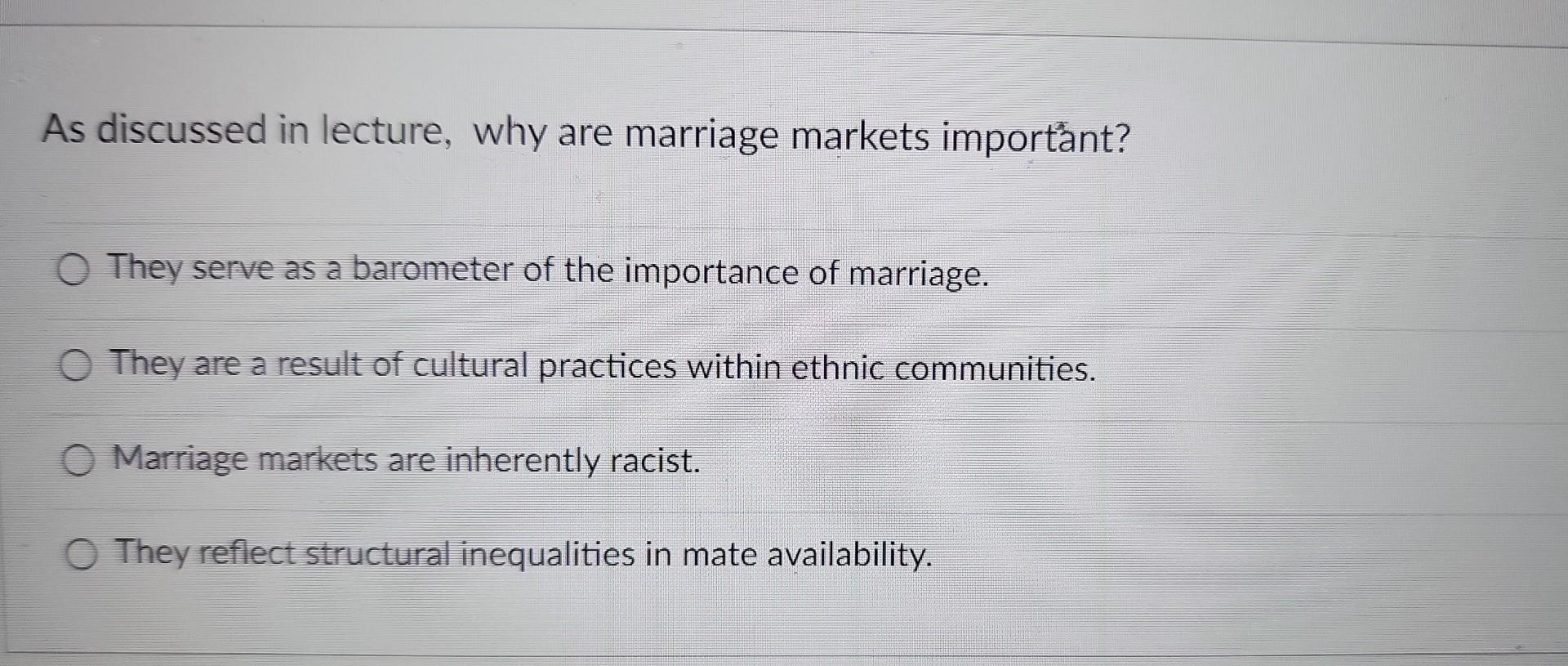
The marriage market is important because it plays a crucial role in societal stability and personal fulfillment. Marriage markets are of immense significance as they foster stability in society by providing a platform for individuals to seek committed partnerships.
It is through these markets that people find compatible life partners, creating the foundation for strong families and cohesive communities. Additionally, marriage markets are key for personal fulfillment as they offer opportunities for individuals to form emotional connections, share experiences, and build a life together.
These markets facilitate the search for love, companionship, and support, enabling individuals to create meaningful relationships that contribute to their overall happiness. Therefore, understanding the importance of marriage markets is essential in recognizing their impact on both individual lives and the broader social fabric.
Credit: en.wikipedia.org
Understanding Marriage Markets
The Concept Of Marriage Markets
Marriage markets are the social and economic systems that facilitate the exchange of individuals in the pursuit of forming marital unions. These markets encompass a wide range of factors, including cultural norms, societal expectations, and personal preferences. In simple terms, a marriage market can be seen as a metaphorical marketplace where potential partners are evaluated and chosen based on certain criteria.
Overview Of How Marriage Markets Function
Marriage markets function as a complex network where individuals meet, interact, and evaluate each other as potential spouses. Just like any market, there are different players with distinct roles and bargaining power. In this context, the prospective brides and grooms are the participants who actively engage in the selection process.
Marriage markets follow a variety of dynamics and strategies depending on the specific cultural and social context. In some societies, arranged marriages are prevalent, where families play a significant role in finding suitable matches. On the other hand, modern marriage markets often involve individuals actively searching for their own partners, relying on platforms such as dating websites and social media.
The primary goal of a marriage market is to assess compatibility between potential partners. Compatibility can encompass a range of factors, including social status, education, wealth, religion, and personal values. These factors act as criteria that guide the selection process and influence whom individuals choose to consider as suitable candidates for marriage.
Factors Affecting The Dynamics Of Marriage Markets
The dynamics of marriage markets can be influenced by various factors that shape the overall landscape of partner selection. Some common factors include:
Economic conditions and financial stability: In many societies, financial security plays a crucial role in partner selection. Individuals often seek partners who can contribute to their economic well-being and ensure a stable future.
Social and cultural norms: Cultural traditions and social expectations can heavily impact the functioning of marriage markets. Factors such as caste, ethnicity, and societal pressure to conform to certain ideals can shape the criteria for partner selection.
Gender roles and expectations: Preconceived notions about gender roles and expectations can significantly influence marriage markets. Traditional gender norms may affect the bargaining power and choices available to individuals.
Education and employment opportunities: Education and employment can serve as powerful determinants in marriage markets. Higher education levels and career prospects often contribute to an individual’s desirability as a partner.
These factors, among others, contribute to the evolving nature of marriage markets and shape the strategies employed by individuals seeking a suitable partner.
Economic Significance Of Marriage Markets
Marriage markets play a crucial role in the economy due to factors like inheritance, wealth distribution, and labor specialization, making them essential for societal stability and economic growth. These markets facilitate the exchange of resources and alliances between families, contributing significantly to socioeconomic development.
Examining The Economic Impact Of Marriage Markets
Marriage markets, often overlooked in economic discussions, play a crucial role in shaping societies and economics on a broader scale. By examining the economic impact of marriage markets, we can gain deeper insights into the intricate dynamics that influence economic growth and income distribution.
Link Between Marriage Markets And Economic Growth
The relationship between marriage markets and economic growth goes beyond the surface level. A strong and vibrant marriage market contributes significantly to the overall economic prosperity of a society. The interplay between marriage, family formation, and economic growth cannot be underestimated. Studies have shown that marriage markets have a positive impact on the economy, driving productivity, innovation, and investment.
When individuals enter into marriage, they form households that act as economic units. These households contribute to the economy through increased consumption and spending, thereby stimulating economic growth. Moreover, marriage and family formation often lead to stability, which is vital for economic development. Stable families are more likely to invest in long-term financial planning, education, and homeownership, all of which support economic growth.
Furthermore, marriage markets fuel entrepreneurship and small business development. As individuals marry and start families, they are often motivated to pursue entrepreneurial ventures to provide for their loved ones. This entrepreneurial drive not only creates job opportunities but also fosters innovation and competition in the market.
Role Of Marriage Markets In Income Distribution
Income distribution is a critical factor in societal well-being, and marriage markets play a significant role in ensuring a fair and equitable distribution of income. Marriage acts as an economic partnership, where both spouses pool their resources and share the financial burdens of life. This pooling of resources can lead to greater income stability and reduce income inequality within households.
Marriage markets also contribute to income distribution by facilitating the creation of dual-earner households. In today’s modern society, it is increasingly common for both spouses to be engaged in the workforce. This dual-earner model allows households to have multiple sources of income, which can help mitigate the risks associated with single-income households and provide greater financial security.
Moreover, marriage markets can also influence income distribution through assortative mating. Assortative mating refers to the tendency of individuals to select partners with similar educational, social, and economic backgrounds. When individuals with high earning potential marry each other, it can exacerbate income inequality. However, on the flip side, it can also lead to a more productive and prosperous society, as households with higher human capital contribute significantly to economic growth.
In conclusion, marriage markets have a substantial economic impact that goes beyond personal relationships. By examining the economic significance of marriage markets, we can better understand the link between marriage, economic growth, and income distribution. These insights can inform policies and interventions that promote stable marriages, entrepreneurship, and a fairer distribution of income, ultimately benefiting society as a whole.
Societal Implications Of Marriage Markets
Marriage markets play a significant role in shaping our society in various ways. Cultural norms, social perspectives, gender roles, family structures, and dynamics are all influenced by the institution of marriage and the practices associated with it. Understanding the societal implications of marriage markets is crucial to comprehend the complexities and impact they have on individuals and communities. In this article, we will delve into the cultural and social perspectives of marriage markets, explore how they influence gender roles and expectations, and examine their impact on family structures and dynamics.
Cultural And Social Perspectives Of Marriage Markets
The cultural and social perspectives surrounding marriage markets are deeply rooted in tradition and vary across different societies. Cultural beliefs, values, and norms shape the way individuals approach marriage and the criteria they consider when choosing a partner.
Table 1: Cultural and Social Perspectives of Marriage Markets
Perspective
Description
Arranged marriages
In some cultures, marriages are arranged by families or matchmakers, placing importance on factors such as social status, wealth, and family reputation.
Love marriages
In other cultures, individuals have the freedom to choose their partners based on love, attraction, and compatibility.
Negotiation and transactions
In certain societies, marriage is viewed as a negotiation or transaction between families, involving the exchange of resources, dowries, or bride prices.
These cultural and social perspectives influence not only the process of finding a suitable partner but also the expectations placed on individuals within a marriage.
Influence Of Marriage Markets On Gender Roles And Expectations
Marriage markets wield a significant influence on gender roles and expectations within a society. Traditional gender roles often define and shape the roles and responsibilities expected of men and women within a marriage.
Men are typically expected to be the primary breadwinners, providing financial stability for the family.
Women, on the other hand, often assume domestic roles, taking care of the household and raising children.
This traditional division of labor can be reinforced by marriage markets, where partners are chosen based on their perceived ability to fulfill these roles. However, as societal norms evolve, the influence of marriage markets on gender roles has also begun to change. Increasingly, there is a shift towards more egalitarian partnerships, where responsibilities are shared and gender roles are not strictly defined.
Impact Of Marriage Markets On Family Structures And Dynamics
Marriage markets can exert a significant impact on family structures and dynamics within a society. The choice of a partner through marriage markets often extends beyond the individuals involved, as the union brings together two families.
This intergenerational alliance can influence the power dynamics, expectations, and interactions within the larger family unit. It can also impact the distribution of resources, inheritance patterns, and the social standing of the families involved. Additionally, the presence of marriage markets can affect the formation and stability of families.
Stigma and pressure: The existence of marriage markets can create a stigma around individuals who remain unmarried or fail to find a partner within the perceived ideal parameters. This can lead to societal pressure to conform to the norm and enter into a marriage.
Diversification of family structures: Marriage markets may also shape the diversity of family structures, including nuclear families, extended families, and blended families.
By understanding the impact of marriage markets on family structures and dynamics, we can gain insight into the complexities surrounding marriages and the role they play in shaping society as a whole.
Marriage Markets And Personal Satisfaction
Marriage markets play a crucial role in our society, shaping the relationships and happiness of individuals. In this section, we will explore the impact of marriage markets on personal satisfaction by examining how they influence individual happiness and satisfaction, the factors affecting partner choices, and case studies that highlight the importance of compatibility within these markets.
How Marriage Markets Influence Individual Happiness And Satisfaction
Marriage markets have a significant impact on the happiness and satisfaction of individuals. When individuals enter the marriage market, they are faced with a pool of potential partners. The choices they make within this market can greatly affect their overall happiness and satisfaction in their marriage.
Within marriage markets, factors such as compatibility, shared values, and mutual goals play a crucial role in determining the success and happiness of a marriage. Individuals who find partners with whom they share these important aspects are more likely to experience long-lasting fulfillment.
Factors influencing happiness in marriage markets:
1. Compatibility
2. Shared values
3. Mutual goals
4. Communication skills
5. Emotional support
By considering these factors within the marriage market, individuals can increase the likelihood of finding a partner who brings them genuine happiness and satisfaction. This reinforces the importance of actively engaging with the marriage market and being mindful of the choices made.
Factors Affecting Partner Choices In Marriage Markets
When it comes to selecting a partner within the marriage market, various factors come into play. These factors can significantly impact the satisfaction and happiness individuals experience in their relationships.
Some of the key factors influencing partner choices are:
Physical attraction
Personality compatibility
Educational background
Financial stability
Family values and cultural alignment
While these factors may vary from person to person, they shape the decisions made within the marriage market and eventually impact the level of personal satisfaction individuals derive from their marriages. It is essential to consider these factors thoroughly and prioritize the elements that align with personal values and aspirations.
Case Studies Highlighting The Importance Of Compatibility Within Marriage Markets
Case studies provide valuable insights into the importance of compatibility within marriage markets. Let’s explore a few examples:
Case Study 1: Sarah and Mark
Sarah and Mark met through a marriage market and were initially attracted to each other’s good looks. However, as they got to know each other better, they discovered significant differences in their values and goals.
Case Study 2: Emily and John
Emily and John, on the other hand, found compatibility in their personalities and shared values within the marriage market. This foundation of compatibility led to a strong and fulfilling partnership.
These case studies highlight how compatibility plays a vital role in determining the long-term satisfaction and happiness of individuals within marriage markets. They serve as reminders of the importance of prioritizing compatibility over mere attraction in partner choices.
Policy Implications And Future Considerations
Marriage markets play a crucial role in shaping society, with important policy implications and future considerations. Understanding why marriage markets are important is key to addressing issues related to inequality, gender dynamics, and social stability. By examining the factors that influence marriage choices, policymakers can design interventions that promote healthier and more equitable partnerships.
Policy Interventions To Address Issues Within Marriage Markets
Marriage markets play a crucial role in society, shaping individuals’ lives and the overall social fabric. Therefore, it becomes imperative for policymakers to address the various issues within these markets. By implementing targeted interventions, policymakers can effectively improve the functioning and outcomes of marriage markets.
One important policy intervention is the promotion of gender equality and equal opportunities. By dismantling the barriers and biases that hinder women’s access to education, employment, and decision-making power, policymakers can enhance the pool of potential partners within marriage markets. This will not only empower women but also ensure a more diverse and equitable marketplace for individuals seeking lifelong companionship.
Another crucial policy consideration is the provision of comprehensive relationship education. By equipping individuals with the necessary skills and knowledge to build healthy and long-lasting relationships, policymakers can contribute to the overall well-being of marriage markets. This includes educating individuals about effective communication, conflict resolution, and understanding the importance of shared values and goals. Such interventions aim to reduce divorce rates and promote stable, fulfilling marriages.
Policy Interventions to Address Issues within Marriage Markets
– Promote gender equality and equal opportunities
– Provide comprehensive relationship education
Outlook On The Future Of Marriage Markets
As society continues to evolve, so do marriage markets. Understanding the future trends and dynamics of these markets is crucial for policymakers and individuals alike. A few key outlooks can help shape policies and guide individuals’ decisions in navigating marriage markets:
1. Changing Marriage Patterns: Marriage markets are witnessing a shift in traditional marriage patterns. The rise of cohabitation, delayed marriage, and higher divorce rates necessitate a reexamination of societal perceptions and policies surrounding marriage. Policymakers need to adapt to these changing patterns to provide effective support and regulations in line with evolving societal needs.
2. Digital Transformation: The advent of technology has transformed marriage markets. The increased use of online dating platforms and matchmaking apps has expanded the pool of potential partners, allowing individuals to connect beyond geographical and social boundaries. Policies should be developed to protect users, ensure transparency, and prevent any form of discrimination or exploitation within the digital marriage market.
Changing Marriage Patterns
Digital Transformation
Recommendations For Individuals Navigating Marriage Markets
In an increasingly complex marriage market landscape, individuals need guidance in navigating their way to finding a compatible life partner. Some recommendations for individuals are as follows:
1. Self-Reflection: Before entering the marriage market, take time for self-reflection. Understand your values, goals, and preferences in a potential partner. This awareness will help you make informed decisions and avoid compromising on important aspects of a successful marriage.
2. Expand Social Networks: Actively participate in social activities, events, and communities to broaden your social networks. Increasing your exposure to diverse individuals enhances the chances of finding a perfect match and increases the chances of encountering potential partners who share your interests and values.
3. Seek Professional Help: Consider seeking guidance from relationship counselors or matchmakers who can provide personalized advice and support. Such professionals can assist in identifying compatible partners, addressing personal challenges, and improving interpersonal skills.
Self-Reflection
Expand Social Networks
Seek Professional Help
In conclusion, addressing policy implications and considering the future of marriage markets is crucial for individuals and society as a whole. By implementing targeted interventions, understanding future trends, and adopting recommended practices, policymakers and individuals can positively impact the functioning and outcomes of marriage markets for the better.
Frequently Asked Questions For Why Are Marriage Markets Important?
Why Is Marriage Important To The Economy?
Marriage is important to the economy because it promotes stability, encourages homeownership, and increases consumer spending. It also reduces government spending on social welfare programs. Married couples tend to have higher incomes and accumulate more wealth, contributing to economic growth.
What Is The Concept Of Marriage Market?
The concept of the marriage market involves individuals seeking suitable partners based on various criteria. It refers to the pool of potential spouses where people evaluate and select partners based on attributes like age, education, wealth, and social status.
Why Is Marriage Considered A Market?
Marriage is considered a market because individuals seek partners who can provide economic, social, and emotional benefits. People approach marriage as a transaction, weighing qualities and compatibility to ensure a mutually beneficial arrangement.
Why Is Marriage Socially Important?
Marriage is socially important because it promotes stability, companionship, and the formation of strong families. It provides a legal and social framework for emotional support, shared responsibilities, and the raising of children. Additionally, it symbolizes commitment, love, and unity within a society.
Conclusion
Marriage markets play a crucial role in our society by providing individuals with the opportunity to find compatible partners and form lifelong commitments. They serve as platforms where people can connect, share values, and build strong foundations for families. With their economic, cultural, and social significance, marriage markets contribute to the well-being of individuals and communities alike.
So let’s acknowledge their importance and continue to support and nurture these vital institutions.

:max_bytes(150000):strip_icc()/document-with-title-escrow-agreement--687013664-bf0c2918820648dd9125ee95e82d62e6.jpg)