
Blog

  • Best Options for Credit Card Debt

    Best Options for Credit Card Debt

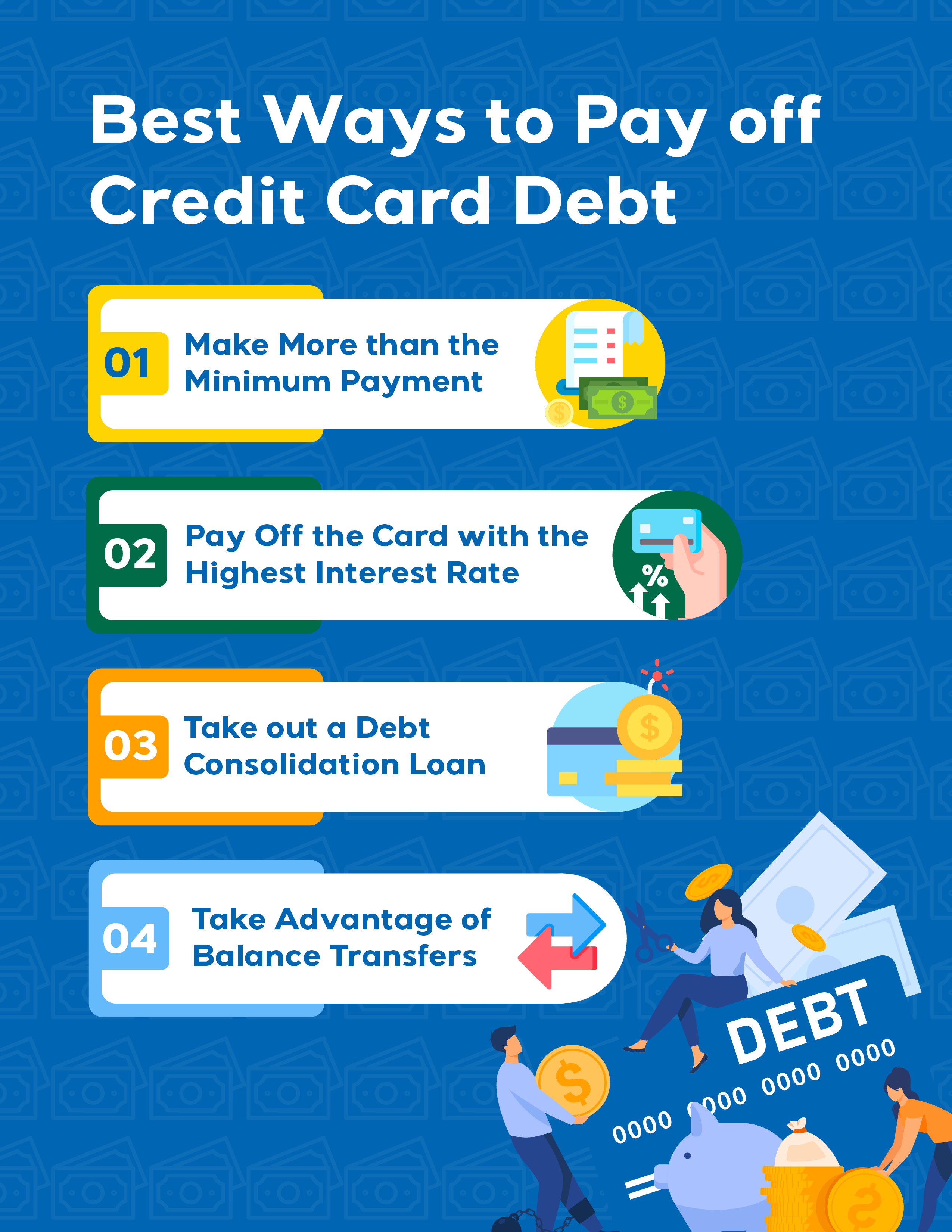
    For credit card debt, the best options include balance transfer, debt consolidation, negotiation with creditors, and seeking professional help. Are you struggling with credit card debt and looking for the best options to get out of it?

    Managing credit card debt can be overwhelming and stressful, but there are several viable solutions to help you regain control of your finances. We will explore the top options that can effectively address your credit card debt concerns. These options include balance transfer, debt consolidation, negotiation with creditors, and seeking professional help.

    By taking advantage of these strategies, you can take proactive steps towards becoming debt-free and achieving financial stability. Let’s delve into each option and find the one that best suits your needs.
    Best Options for Credit Card Debt

    Credit: www.palisadesfcu.org

    1. Credit Card Debt Consolidation

    Are you drowning in credit card debt and looking for the best options to get back on track financially? If so, credit card debt consolidation can be an excellent choice. Debt consolidation allows you to combine multiple high-interest credit card balances into one manageable payment, potentially saving you money on interest charges and helping you pay off your debt faster.

    1.1 Balance Transfer

    A balance transfer is a popular method of credit card debt consolidation. It involves transferring your outstanding balances from high-interest credit cards to a new credit card with a lower interest rate. This option enables you to consolidate your debts into one card, making it easier to keep track of your payments and reducing the amount of interest you pay.

    To take advantage of a balance transfer, look for credit cards that offer a low or 0% introductory APR on balance transfers. This way, you can save money on interest charges during the promotional period, allowing you to make significant progress in paying off your debt. However, keep in mind that after the introductory period, the interest rate may increase, so it’s essential to have a plan in place to pay off your balance during this time.

    1.2 Personal Loan

    Another option for credit card debt consolidation is taking out a personal loan. With a personal loan, you can borrow a lump sum of money to pay off your credit card balances. This allows you to consolidate your debt into one loan, making it easier to manage and potentially lowering your interest rate.

    When considering a personal loan for debt consolidation, compare interest rates and loan terms from different lenders to find the best option for your situation. Look for a loan with a reasonable interest rate and monthly payment that fits within your budget. By securing a lower interest rate through a personal loan, you may be able to save money on interest charges and pay off your debt more quickly.

    Remember, credit card debt consolidation is not a magic solution, but it can help you simplify your finances, reduce your interest payments, and become debt-free faster. It’s essential to have a solid repayment plan in place and be disciplined with your spending to make the most of these debt consolidation options.

    Best Options for Credit Card Debt

    Credit: www.usatoday.com

    2. Debt Repayment Strategies

    When it comes to paying off your credit card debt, having a well-thought-out repayment strategy is crucial. Implementing the right strategy can help you stay disciplined, manage your debt effectively, and ultimately become debt-free. In this section, we will discuss two popular debt repayment strategies: the Snowball Method and the Avalanche Method.

    2.1 Snowball Method

    The Snowball Method is a debt repayment strategy that focuses on paying off your smallest debts first. Here’s how it works:

    1. List all your credit card debts from smallest to largest, regardless of interest rates.
    2. Make minimum payments on all your debts every month.
    3. Allocate any extra money you have towards paying off the smallest debt.
    4. Once the smallest debt is paid off, move on to the next smallest debt and repeat the process.
    5. Continue this snowball effect until all your debts are paid off.

    The Snowball Method is effective because it provides a sense of accomplishment when you clear your smaller debts. This motivation can keep you focused and motivated to tackle your larger debts. While the Snowball Method may result in paying more interest in the long run, the psychological benefits can make it a worthwhile strategy for many.

    2.2 Avalanche Method

    The Avalanche Method, on the other hand, prioritizes paying off debts with the highest interest rates first. Here’s how it works:

    1. List all your credit card debts from highest to lowest interest rates.
    2. Make minimum payments on all your debts every month.
    3. Allocate any extra money towards paying off the debt with the highest interest rate.
    4. Once the debt with the highest interest rate is paid off, move on to the next one with the next highest interest rate.
    5. Continue this method until all your debts are paid off.

    The Avalanche Method can save you more money on interest payments compared to the Snowball Method. By eliminating debts with higher interest rates first, you reduce the overall interest charges you’ll incur. Although it may take longer to pay off your smaller debts, this method can be financially beneficial in the long run.


    3. Credit Counseling

    Get the best options for credit card debt with credit counseling. Find expert guidance on managing your finances and improving your credit score, tailored to your specific needs. Say goodbye to debt and hello to financial freedom.

    If you find yourself overwhelmed by credit card debt, credit counseling may be a viable option for you. This form of debt relief involves seeking assistance from a qualified credit counselor who can help you develop a plan to manage and eliminate your debt. Through a systematic process of financial assessment and debt management plans, credit counseling can provide you with the guidance you need to regain control of your financial situation.

    3.1 Financial Assessment

    Before embarking on a debt management plan, a comprehensive financial assessment is conducted by the credit counselor. This assessment helps to determine your current financial situation, including your income, expenses, and debt obligations. The counselor will analyze your financial data to identify areas where you can cut back on expenses and develop a realistic budget to meet your needs. Through this process, the counselor gains a complete understanding of your financial picture, enabling them to provide tailored guidance and recommendations. During the financial assessment, it’s important to be completely transparent and provide accurate information about your finances. This will ensure that the credit counselor has all the necessary details to create an effective debt management plan.

    3.2 Debt Management Plan

    A debt management plan is a key component of credit counseling. It is a personalized strategy developed by the credit counselor to help you pay off your credit card debt in a manageable and efficient manner. This plan typically involves negotiating with your creditors to reduce interest rates, eliminate late fees, and create a structured repayment schedule that aligns with your budget. One of the primary benefits of a debt management plan is that it consolidates your monthly payments into a single payment. This simplifies your financial obligations and makes it easier to stay on top of your debts. Moreover, with the guidance of a credit counselor, you can learn effective money management skills that will help you avoid future debt problems. It’s important to note that a debt management plan requires discipline and commitment to stick to the agreed-upon payment schedule. By adhering to the plan, you can gradually reduce your credit card debt, improve your credit score, and ultimately achieve financial freedom. In conclusion, credit counseling offers an effective way to tackle credit card debt. Through a thorough financial assessment and the development of a debt management plan, you can regain control of your finances and work towards a debt-free future. By partnering with a reputable credit counseling agency, you can receive the guidance and support needed to navigate the complexities of debt relief.

    4. Bankruptcy As A Last Resort

    While exploring options to deal with your credit card debt, bankruptcy should always be considered as a last resort. It is important to exhaust all other alternatives before turning to this drastic measure. Bankruptcy can have serious long-term consequences on your credit score and financial future. However, in certain cases, it can provide a fresh start and relief from overwhelming debt. If you have reached a point where bankruptcy seems inevitable, it is crucial to understand the different types available and the potential impact they may have on your situation.

    4.1 Chapter 7 Bankruptcy

    Chapter 7 bankruptcy, also referred to as “liquidation bankruptcy,” is the most common type of bankruptcy filed by individuals. This option aims to give debtors a clean slate by liquidating their non-exempt assets to pay off their creditors. With Chapter 7, you may be able to eliminate most, if not all, of your unsecured debts like credit card debt, medical bills, and personal loans.

    Here are a few key points to consider:

    • Chapter 7 bankruptcy is typically a quicker process, often lasting around three to six months.
    • It may be subject to a means test to determine if you qualify based on your income.
    • You may be able to keep certain assets, known as exempt assets, such as necessary clothing and household items.
    • Non-exempt assets, including valuable property and luxury items, may be sold to repay creditors.

    4.2 Chapter 13 Bankruptcy

    Chapter 13 bankruptcy, also known as “reorganization bankruptcy,” offers an alternative solution for individuals who have a regular income and want to repay their debts over time. Unlike Chapter 7, Chapter 13 does not involve liquidating assets. Instead, it allows debtors to create a repayment plan to pay back their creditors over a specific period, usually between three and five years.

    Consider the following aspects of Chapter 13 bankruptcy:

    • Chapter 13 bankruptcy requires you to have a steady income to develop a debt repayment plan.
    • Your repayment plan will be based on your disposable income, considering your reasonable living expenses.
    • While it may take longer than Chapter 7 bankruptcy, Chapter 13 allows you to retain your assets and catch up on missed mortgage or car payments.
    • Once you complete your repayment plan, any remaining eligible debts are typically discharged.

    It’s worth noting that bankruptcy laws vary by country and state. Consulting with an experienced bankruptcy attorney can help you navigate the complexities of the legal process and determine the best course of action for your specific situation.
    Best Options for Credit Card Debt

    Credit: www.foxbusiness.com

    Frequently Asked Questions On Best Options For Credit Card Debt

    What Is The Most Effective Way To Manage Credit Card Debt?

    To effectively manage credit card debt, create a detailed budget, prioritize high-interest debts, and make regular payments. Cut unnecessary expenses and consider consolidation or balance transfer options. Communication with creditors is key, so negotiate lower interest rates or ask for a payment plan to reduce your debt.

    Which Option Makes It Easier To Get Out Of Credit Card Debt?

    Paying off high-interest credit card debt.

    How Do I Get Rid Of $30 K In Credit Card Debt?

    To eliminate $30K in credit card debt, consider these steps: 1. Create a budget to track expenses and prioritize debt payments. 2. Cut down on non-essential spending to free up extra funds. 3. Negotiate with credit card companies for lower interest rates or payment plans.

    4. Explore debt consolidation options like personal loans or balance transfers. 5. Consider credit counseling or debt settlement programs if necessary. Stay determined and consistent in your efforts to become debt-free.

    Does Consolidating Debt Hurt Your Credit?

    Consolidating debt can initially impact your credit, but in the long run, it may actually improve it. This is because it shows that you’re taking steps to manage your debt responsibly. However, it’s crucial to make your payments on time and avoid taking on new debt to maintain a positive credit score.

    Conclusion

    To effectively manage credit card debt, it’s crucial to explore the best options available. By considering strategies such as balance transfers, debt consolidation loans, and professional debt counseling, individuals can regain control over their finances. It’s important to remember that each option has its own pros and cons, so careful evaluation and planning are essential.

    Ultimately, taking proactive steps towards reducing credit card debt will lead to financial stability and peace of mind.
  • Sword Financing  : Empowering Financial Success

    Sword Financing : Empowering Financial Success

    Sword Financing: Empowering Your Financial Journey

    Do you dream of owning your own sword? Whether you’re a collector or a fantasy enthusiast, obtaining the perfect sword can be a thrilling experience. However, swords can often come with a hefty price tag, making it challenging to fulfill your desires. That’s where Sword Financing comes in to assist you in your quest.


    Introduction to Sword Financing

    Sword Financing prides itself on being the leading provider of financial solutions for sword enthusiasts. Our goal is to make sword acquisition more accessible and affordable for everyone. With our innovative financing options, you can bring your fantasy to life and add that perfect sword to your collection without breaking the bank.

    Sword Financing  : Empowering Financial Success

    Credit: infinite-intelligence.net

    The Benefits of Sword Financing

    1. Flexibility: Sword Financing offers flexible repayment plans tailored to your needs. With our range of financing options, you can choose the plan that suits your budget the best.

    2. Quick and Simple Process: Applying for financing has never been easier. Our user-friendly online platform allows you to complete the entire process from the comfort of your own home, eliminating the need for time-consuming paperwork.

    3. Competitive Interest Rates: At Sword Financing, we understand the importance of fair interest rates. We offer competitive rates, ensuring that your monthly payments remain affordable.

    4. No Hidden Fees: Transparency is crucial to us. You can rest assured knowing that we have no hidden fees or additional charges. What you see is what you get.

    Sword Financing  : Empowering Financial Success

    Credit: www.theasianbanker.com

    How Sword Financing Works

    1. Online Application: Begin your sword financing journey by visiting our website and filling out a simple online application. We require basic personal and financial information to assess your eligibility.

    2. Loan Approval: Once submitted, our team will review your application promptly. We understand that time is of the essence, and we strive to provide swift responses.

    3. Explore Financing Options: Upon approval, you will have the opportunity to explore our range of financing options. Choose the plan that aligns with your budget and preferences.

    4. Receive Funds: After selecting your preferred financing option, the funds will be deposited directly into your account. You can then proceed to acquire the sword of your dreams.

    5. Repayment: Make your repayments according to the agreed-upon terms. Our flexible repayment options allow you to manage your finances easily.

    Why Choose Sword Financing?

    1. Expertise: With years of experience in financial operations, Sword Financing understands the unique needs of sword enthusiasts. We are here to guide you every step of the way.

    2. Secure and Reliable: We prioritize the security and privacy of our customers. Rest assured that your personal information is protected through advanced encryption techniques.

    3. Customer Satisfaction: Customer satisfaction is at the core of our service. We aim to deliver a seamless and hassle-free experience that exceeds your expectations.

    Conclusion

    Sword Financing is your ultimate ally in achieving your sword acquisition goals. We offer flexible financing options, competitive interest rates, and a simple application process. With us, you can turn your dreams into reality and add that perfect sword to your collection. Begin your financial journey with Sword Financing today!

  • Grace Period

    A grace period refers to a specified period in which a particular action can be taken without experiencing any negative consequences or penalties. In various aspects of life, the concept of a grace period plays a crucial role in providing individuals with a certain level of flexibility and leniency.

    Understanding the Grace Period

    Grace periods are commonly associated with financial transactions and contracts, such as loans, credit cards, and insurance policies. In these scenarios, they are designed to give individuals an opportunity to fulfill their obligations without incurring late fees, penalties, or having their accounts negatively impacted.

    For example, credit cards often offer a grace period for purchases, allowing cardholders to pay their balance in full without accruing any interest charges. Similarly, loan agreements may include a grace period before late payment fees are imposed, offering borrowers extra time to settle their outstanding debt.

    Besides financial matters, grace periods also extend to other situations. Consider rental agreements: tenants are often granted a grace period after the due date for their rent before the landlord can take eviction actions. This period helps to provide tenants with a chance to remedy their late payment before facing more serious consequences.

    Importance of the Grace Period

    The importance of a grace period cannot be understated, as it allows individuals to rectify any unintended delays or oversights without facing immediate negative consequences. This provision instills a sense of fairness and understanding, acknowledging that people may encounter unforeseen circumstances or simply need additional time to meet their obligations.

    One significant benefit of a grace period is that it promotes financial responsibility and planning. For example, credit card users who take advantage of the grace period for purchases are able to avoid paying hefty interest charges on their outstanding balances. This incentive encourages individuals to manage their finances more prudently, avoiding unnecessary debt and fostering healthier spending habits.

    In addition, grace periods can also contribute to maintaining healthy relationships between service providers and their customers. By implementing grace periods, service providers demonstrate their understanding and empathy towards their clients’ circumstances. This can lead to improved customer satisfaction and loyalty, as customers feel valued and supported in their efforts to fulfill their obligations.


    Making the Most of a Grace Period

    To make the most of a grace period, it is crucial to be aware of its terms and conditions. Understanding the specific duration of the grace period, any requirements, and potential consequences can help individuals plan their actions accordingly.

    Here are a few tips to maximize the benefits of a grace period:

    • Set up reminders: To ensure you do not miss the deadline, set up reminders for yourself well in advance.
    • Plan your payments: Use the grace period to plan your budget and make sure you can fulfill your obligations on time.
    • Utilize interest-free periods: If your credit card offers an interest-free grace period, take advantage of it by paying your balance in full each month.
    • Communicate: If you are facing difficulties in meeting your obligations within the grace period, it is essential to communicate with the relevant parties to discuss potential solutions.

    Ultimately, the grace period serves as a valuable tool for individuals to navigate their financial and contractual obligations with greater ease and flexibility. By understanding and utilizing the grace period effectively, individuals can avoid unnecessary penalties and establish a stronger foundation for financial success.

    Frequently Asked Questions

    Q: How Does The Grace Period Work?

    A: The grace period is the additional time given after a deadline to complete a task or make a payment without penalty.

    Q: What Are The Common Reasons For Having A Grace Period?

    A: Grace periods are typically provided to allow flexibility for unforeseen circumstances, such as delays in payment processing or unexpected emergencies.

    Q: Is A Grace Period The Same As An Extension?

    A: Although similar, a grace period is typically a predetermined time frame, while an extension requires a specific request and approval.

    Q: Can I Request A Grace Period For Any Type Of Payment?

    A: Grace periods are commonly used for various payments, including loans, credit card bills, utilities, and subscription renewals.


  • Corporate Raider : Unleashing the Power of Strategic Acquisitions

    The Rise of Corporate Raiders: Examining Their Strategies and Impact

    Corporate raiders have emerged as influential figures in the business world, making significant impacts on company structures and operations. This blog post delves into the rise of corporate raiders, their strategies, and the consequences of their actions.

    Understanding Corporate Raiders

    Corporate raiders are investors who target underperforming or undervalued companies with the intention of acquiring them, restructuring their operations, and ultimately realizing substantial profits. They employ various tactics to achieve these goals.

    The Tactics Of Corporate Raiders

    Corporate raiders adopt different strategies to gain control of their target companies. These tactics include:

    • Hostile takeovers: Corporate raiders may bypass management and directly approach shareholders to obtain a controlling stake in the company, thereby gaining the power to change its direction.
    • Proxy fights: By contesting the company’s board of directors during shareholder meetings, raiders seek to replace existing management with their preferred candidates who align with their restructuring plans.
    • Greenmail: In this strategy, raiders purchase large quantities of a company’s shares and threaten to take over the company to force the target company to repurchase the shares at a premium, thus profiting from the transaction.
    Corporate Raider  : Unleashing the Power of Strategic Acquisitions

    Credit: www.linkedin.com

    https://www.youtube.com/watch?v=iGfW76MFOIA

    The Impact of Corporate Raiders

    While corporate raiders are often criticized for their aggressive methods, their activities can result in both positive and negative outcomes.

    The Positive Effects

    Corporate raiders can bring about positive changes within companies, such as:

    • Efficiency improvements: Through restructuring and streamlining operations, raiders can eliminate inefficiencies that may have hindered the company’s growth and profitability.
    • Enhanced shareholder value: By challenging complacent management and implementing more effective strategies, raiders may increase the value of the company’s shares, benefitting existing shareholders.
    • Increased market competition: The entry of a corporate raider can shake up a stagnant market, encouraging healthy competition and fostering innovation.

    The Negative Effects

    However, there are also potential downsides to the activities of corporate raiders, including:

    • Job losses: In their pursuit of profitability, raiders may implement cost-cutting measures that result in layoffs and downsizing, impacting employees.
    • Short-term focus: Some raiders may prioritize quick financial gains over long-term sustainable growth, potentially compromising the long-term viability of the target company.
    • Market instability: The sudden entrance of a corporate raider can lead to market volatility and uncertainty, potentially affecting the stability of the overall economy.

    The Legal and Ethical Considerations

    Corporate raiders operate within a legal framework and must comply with relevant regulations. However, ethical concerns have been raised regarding their practices, particularly when they prioritize personal gains over the well-being of employees and communities.

    It is essential for corporate raiders to strike a balance between driving profitability and considering the broader societal impact of their actions.

    Corporate Raider  : Unleashing the Power of Strategic Acquisitions

    Credit: www.bloomberg.com

    The Future of Corporate Raiders

    The influence of corporate raiders is likely to persist as they continue to target undervalued companies and implement strategies to unlock their potential. However, as stakeholders demand greater corporate responsibility and ethical practices, raiders may need to adapt their methods and focus on long-term sustainability.

    Conclusion

    The rise of corporate raiders has reshaped the business landscape, driving both positive and negative changes. While their tactics are often seen as aggressive, the impact of corporate raiders ultimately depends on their ability to balance profit-seeking with ethical considerations. As business dynamics evolve, it will be interesting to observe how corporate raiders adapt to changing demands for responsible and sustainable business practices.

  • Zero Based Budgeting: Master the Art of Financial Empowerment

    Zero Based Budgeting: Master the Art of Financial Empowerment

    Zero Based Budgeting (ZBB) is a financial management approach that aims to improve budgeting efficiency by requiring
    every expense to be justified and approved based on its merits and necessity. Unlike traditional budgeting methods,
    where the previous year’s budget serves as the baseline for the subsequent year, ZBB starts from scratch, analyzing
    each expense item individually.

    With ZBB, organizations have the opportunity to prioritize resources and allocate budgets based on their current
    needs and objectives. By taking the time to evaluate expenses in detail, businesses can identify areas of waste,
    reduce unnecessary costs, and reallocate resources to more productive areas.


    The ZBB Process

    The ZBB process typically involves the following steps:

    1. Planning: Identify the budgeting period and assemble a team to oversee the ZBB process. This team
      may include representatives from various departments to ensure comprehensive evaluation.
    2. Baseline Assessment: Start from a zero base and review all expenses, regardless of their previous
      allocations. This step helps identify essential and non-essential expenses.
    3. Justification: Each expense item must be substantiated and justified, providing detailed information
      on its purpose, impact, and expected outcomes. This analysis helps decision-makers understand the importance
      of each expenditure.
    4. Prioritization: Organize expenses based on their significance to the organization’s goals and
      objectives. This step allows businesses to optimize their resource allocation.
    5. Approval and Allocation: Review and seek approval for the proposed budget. Once approved, allocate
      the budget accordingly, giving priority to critical areas.
    6. Monitoring and Review: Regularly monitor and review expenses to ensure they align with the approved
      budget. Adjustments can be made as needed to optimize spending throughout the budgeting period.
    Zero Based Budgeting: Master the Art of Financial Empowerment

    Credit: www.linkedin.com

    The Benefits of Zero Based Budgeting

    Implementing Zero Based Budgeting can bring several advantages to organizations:

    • Improved cost management: ZBB helps businesses identify wasteful expenses and allocate resources based on their
      value and necessity.
    • Enhanced accountability: By justifying and supporting each expense, ZBB fosters a culture of accountability
      and transparency.
    • Increased operational efficiency: The comprehensive evaluation of expenses enables organizations to optimize
      resource allocation, leading to increased efficiency.
    • Better decision-making: With a clear understanding of each expense’s purpose and impact, decision-makers can
      make informed choices about budget allocation.
    • Innovative approach: Zero Based Budgeting encourages innovative thinking, as every expense must be evaluated
      from scratch, pushing organizations to explore new ways to optimize spending.

    Challenges of Zero-Based Budgeting

    While Zero Based Budgeting offers many benefits, it is important to consider the potential challenges:

    • Time-consuming: The comprehensive evaluation process requires time and effort from the organization.
    • Resistance to change: Some employees may resist the shift to ZBB, particularly if they were used to traditional budgeting methods.
    • Complexity: Implementing ZBB can be challenging, especially for larger organizations with numerous departments
      and expense items.
    • Initial cost increase: Despite the potential long-term benefits, the initial implementation phase
      may require additional resources and investment.

    Conclusion

    Zero Based Budgeting provides organizations with a powerful tool to optimize their resource allocation and drive
    financial efficiency. By starting from scratch and evaluating each expense on its own merits, organizations can
    identify wasteful spending, prioritize critical expenses, and make informed decisions about budget allocation.
    While there are challenges to consider, the benefits of ZBB make it a worthwhile approach for businesses looking
    to improve their financial management and accountability.

  • Short Call

    Options trading offers a range of strategies for investors to profit from both volatile and non-volatile markets. One such strategy is the short call, also known as writing a call option. This strategy involves selling a call option on a stock that an investor already owns. In this blog post, we will explore the concept of the short call strategy, its benefits, and how it can be used effectively.

    What is a Short Call?

    A short call refers to the act of selling a call option with the expectation that the price of the underlying asset will decrease or remain below the strike price of the option until its expiration. With a short call, the investor is essentially taking a bearish view on the stock.

    When an investor sells a call option, they receive a premium from the buyer who is purchasing the right to buy the underlying stock at the strike price. If the stock price remains below the strike price at expiration, the seller keeps the premium and the option expires worthless for the buyer. However, if the stock price exceeds the strike price, the seller may be obligated to sell the stock at the strike price.


    The Benefits of the Short Call Strategy

    The short call strategy can provide several benefits for options traders:

    • Income Generation: By selling call options and collecting premiums, investors can generate a consistent income stream from their existing stock holdings.
    • Hedging: The short call strategy can serve as a hedge against potential losses in a stock. If the stock price decreases, the premiums received from selling the call options can offset some of the losses.
    • Flexibility: Traders can choose the strike price and expiration date when selling call options, providing flexibility in aligning the strategy with their market outlook.
     

    Tips for Effective Use of the Short Call Strategy

    While the short call strategy can be a lucrative option for traders, it is important to keep a few key tips in mind:

    1. Choose the Right Strike Price: The strike price should be selected based on careful analysis and the trader’s outlook for the underlying stock. It is essential to consider the potential risk and reward of the trade.
    2. Consider Time Decay: Options experience time decay, meaning their value decreases as time passes. Traders should take advantage of this by selecting options with shorter expiration dates to maximize premium collection.
    3. Monitor the Stock Price: Stay vigilant and keep an eye on the stock price movements. If the stock price approaches or exceeds the strike price, it may be necessary to take appropriate action to minimize potential losses.
    4. Implement Risk Management: Like any trading strategy, risk management is essential. Traders should establish stop-loss orders or other risk mitigation techniques to protect against potential market moves against their positions.

    Risks and Considerations

    Although the short call strategy can be beneficial, it is crucial to understand and evaluate the risks involved:

    • The potential for unlimited losses if the stock price significantly rises above the strike price.
    • The obligation to sell the stock at the strike price if the option is exercised.
    • The possibility of missing out on potential gains if the stock price rises above the strike price.

    As with any investment strategy, it is important to thoroughly research and understand the risks and rewards of the short call strategy before implementing it.


    FAQs

    How Long Is A Typical Short Call?

    A typical short call lasts for a maximum of 5 minutes, allowing for quick and concise communication.

    What Is The Purpose Of A Short Call?

    Short calls are designed to efficiently convey information, provide updates, or address brief queries, saving time for both parties involved.

    Can A Short Call Be Scheduled?

    Yes, short calls can be scheduled to ensure that both parties have a designated time to connect and discuss important matters promptly.

    Is There A Recommended Agenda For A Short Call?

    While there is no specific agenda for a short call, it is advisable to prioritize the most crucial topics, ensuring that the limited time is utilized effectively.

    Conclusion

    The short call strategy offers options traders an opportunity to generate income and hedge against potential losses. By carefully selecting the strike price and expiration date, monitoring stock price movements, and implementing effective risk management, investors can make the most of this strategy. However, it is essential to remember that options trading involves risks, and proper due diligence should be exercised before employing this strategy or any other option strategy.