Blog

  • Happiness Economics

    Welcome to the fascinating field of happiness economics! In a world where economic growth and material possessions are often considered the primary measures of success and well-being, happiness economics takes a different approach. It seeks to understand and measure happiness as a fundamental indicator of human progress and welfare.

    What is Happiness Economics?

    Happiness economics, also known as the economics of happiness or well-being economics, is an interdisciplinary field that combines insights from economics, psychology, sociology, and other social sciences to study and quantify happiness. It aims to move beyond traditional economic indicators like GDP to prioritize people’s subjective well-being.

    Measuring Happiness

    One of the primary challenges in happiness economics is measuring subjective well-being accurately. Researchers use various methods, including surveys and questionnaires, to gauge individuals’ happiness levels. They consider factors such as life satisfaction, contentment, and positive emotions, along with negative emotions and life events that may impact well-being.

    To obtain reliable data, large-scale surveys are conducted, often involving thousands of respondents. These surveys help researchers gather valuable insights into the factors that contribute to happiness, such as income, employment status, social relationships, health, and personal values.


    The Easterlin Paradox

    The Easterlin Paradox, named after economist Richard Easterlin, challenges the prevailing notion that economic growth leads to increased happiness. The paradox states that although higher income levels do contribute to individual happiness, beyond a certain threshold, further increases in income don’t necessarily result in greater well-being on a societal level.

    This paradox suggests that once basic needs are met, factors like social connections, health, and work-life balance become more crucial in determining overall happiness. It emphasizes the importance of non-monetary aspects of life that contribute significantly to our well-being.


    Policy Implications

    Happiness economics has far-reaching policy implications. Governments and policymakers can use happiness research to inform decision-making and design policies that prioritize the well-being of their citizens. By focusing on factors that contribute to happiness, policy choices can be made to optimize societal welfare, rather than solely focusing on economic growth.

    For example, instead of purely pursuing GDP growth, governments can prioritize investing in education, healthcare, social infrastructure, and promoting social cohesion. By understanding the importance of factors like work-life balance, job satisfaction, and mental health, policymakers can create environments that promote greater happiness and well-being for their populations.

    Subjective Well-being and Economic Success

    Another interesting insight from happiness economics is that subjective well-being can actually lead to economic success, rather than the other way around. Happier individuals tend to be more productive, creative, and innovative. They experience better physical and mental health, leading to reduced healthcare costs and increased longevity.

    Moreover, happy individuals are more likely to contribute positively to their communities, fostering social capital and creating a virtuous cycle of well-being. They also exhibit greater resilience in the face of adversity and are more likely to adapt to changing circumstances.

    Frequently Asked Questions

    What Is Happiness Economics?

    Happiness economics is a branch of economics that focuses on measuring and understanding the factors that affect people’s well-being and life satisfaction. It explores how economic policies and decisions impact happiness levels in society.

    Why Is Happiness Important?

    Happiness is important because it has numerous benefits for individuals and society as a whole. It improves overall well-being, physical and mental health, productivity, and social relationships. Moreover, happy individuals contribute positively to the community and have a higher quality of life.

    How Is Happiness Measured?

    Happiness is measured through various methods such as surveys, self-reporting, and the use of subjective well-being indicators. These indicators consider factors like life satisfaction, positive emotions, and absence of negative emotions. Researchers use these measurements to evaluate and analyze happiness levels and trends.

    Can Money Buy Happiness?

    While money can provide comfort and security, it is not the sole determinant of happiness. Studies show that once basic needs are met, additional wealth has diminishing returns on happiness. Factors such as relationships, health, and personal fulfillment play a significant role in overall happiness.

    Conclusion

    Happiness economics offers a unique perspective on measuring and understanding human well-being. By considering happiness as a fundamental economic indicator, we can build societies that prioritize the overall welfare of individuals.

    While economic growth remains essential for human progress, happiness economics highlights the significance of non-monetary aspects of life that contribute to our overall satisfaction and well-being. It encourages policymakers to consider a holistic approach to development and make choices that optimize societal welfare.


  • The Economics of Love And Marriage

    The Economics of Love And Marriage

    The economics of love and marriage explores how individuals make rational decisions based on the costs and benefits of entering into relationships, getting married, having children, or getting a divorce, in order to maximize their utility. This economic approach to marriage theory considers factors such as income inequality, search costs, and the value of love as a form of insurance in determining relationship outcomes.

    It also examines the concept of assortative matching and why individuals tend to marry people who are similar to them. By understanding the economic dynamics of love and marriage, we can gain insights into the factors that influence these important life decisions.

    Understanding The Economic Approach To Marriage

    Understanding the Economic Approach to Marriage takes an analytical look at the complex dynamics between love, marriage, and economics. It examines how individuals make rational decisions by weighing the costs and benefits associated with entering into a marital union. By adopting an economic perspective, we can gain valuable insights into the factors that influence people’s decisions in matters of the heart.

    The Basic Tenet Of An Economic Approach To Marriage

    An economic approach to marriage suggests that individuals approaching this lifelong commitment do so with a utility-maximizing mindset. They carefully evaluate the potential costs and benefits before making a decision. Unlike traditional notions of romance guiding the process, the economic approach acknowledges the rationality behind an individual’s choice. This theory proposes that people enter into marriage when they believe the utility gained from being married outweighs the utility of remaining single or continuing their search for a more suitable partner.

    Maximizing Utility Through Cost-benefit Analysis

    The economic approach to marriage encourages individuals to engage in a detailed cost-benefit analysis. Here, they carefully consider the potential advantages and disadvantages associated with marriage. This evaluation encompasses aspects like emotional well-being, companionship, financial stability, division of household responsibilities, and shared goals. By weighing these factors, individuals can make informed decisions that maximize their overall utility, thus increasing the chances of long-term relationship satisfaction.

    Comparing The Costs And Benefits Of Marriage, Having Children, And Divorce

    In the realm of economics, it’s not just marriage that is subjected to cost-benefit analysis. Individuals also assess the costs and benefits of having children and the possibility of divorce. They consider factors such as the financial implications of raising a child, the impact on their careers, the emotional fulfillment of parenthood, and the potential consequences of ending a marriage. By scrutinizing these aspects, individuals can make decisions that align with their overall well-being and life goals.

    By applying an economic lens to love and marriage, we can gain a deeper understanding of the factors that drive individuals to make certain choices. It highlights the importance of rational decision-making in intimate relationships and recognizes the significance of considering costs and benefits. Exploring the economics of love and marriage can shed light on the intricate balance between emotions and logic in matters of the heart.

    Becker’s Economic Theory Of Marriage

    Becker’s Economic Theory of Marriage explores the interplay between love and economics. It suggests that individuals make rational decisions based on the costs and benefits when choosing to marry, have children, or divorce, aiming to maximize their utility. This theory provides insights into the economics of love and marriage.

    Becker’s Economic Theory of Marriage is an approach to understanding the decision-making process behind marriage using economic principles. According to this theory, individuals decide to marry when the expected utility derived from marriage exceeds that of remaining single or continuing the search for a more suitable partner.

    Utility Expected From Marriage Exceeding That Of Remaining Single

    The decision to marry is influenced by the expected utility that individuals anticipate from entering into this institution as opposed to remaining single. This utility encompasses various factors such as companionship, emotional support, financial stability, and the potential for starting a family. When the expected benefits outweigh the costs associated with marriage, individuals are more likely to choose this path.

    Factors Influencing The Decision To Marry

    Several factors come into play when making the decision to marry. These factors can be both internal, such as personal values and goals, and external, such as societal norms and pressures. Some of the key factors influencing the decision to marry include:

    • Desire for companionship and emotional connection
    • Stability and security provided by marriage
    • Cultural and societal expectations
    • Desire to start a family
    • Financial considerations and economic stability
    • Shared values and compatibility

    The Role Of Economic Considerations In Mate Selection

    Economic considerations play a significant role in the process of mate selection. While love and emotional connection are important factors in choosing a partner, individuals often take economic factors into account as well. Some of the economic considerations that individuals may consider include:

    • Financial compatibility and similar financial goals
    • Career prospects and earning potential
    • Education and socioeconomic background
    • Ability to contribute to household finances
    • Shared values and attitudes towards money and financial responsibility

    By considering these economic factors, individuals aim to ensure a level of financial stability and compatibility within the relationship, which can contribute to long-term marital satisfaction.

    The Impact Of Economic Factors On Marriage Rates

    Economic factors have a significant impact on marriage rates. Growing income inequality and a disappearing middle class contribute to fewer Americans getting married. Historically, periods of income inequality have seen a decline in marriage rates as poorer workers marry less frequently and divorce more often.


    The Economics of Love And Marriage – Impact of Economic Factors on Marriage Rates

    Growing Income Inequality And Its Effect On Marriage Rates

    One significant economic factor that has an impact on marriage rates is growing income inequality. The uneven distribution of wealth has led to a decline in the number of marriages in recent years. Studies have shown that as income inequality increases, fewer people are getting married. This can be attributed to several reasons:

    • Lack of financial stability: Individuals facing lower income brackets may feel less financially secure and may delay or avoid marriage.
    • Differences in socioeconomic status: Income inequality can create a divide between individuals of different economic backgrounds, making it challenging for them to form successful and sustainable relationships.

    Disappearing American Middle Class And Its Influence On Marriage Trends

    The disappearing American middle class is another economic factor that significantly influences marriage trends. The middle class traditionally formed the backbone of stable marriages and family units. However, economic changes, such as job insecurity, stagnating wages, and rising living costs, have contributed to the decline of the middle class. This has had the following effects on marriage rates:

    1. Financial strain: With limited economic opportunities and increasing financial pressure, many individuals may hesitate to commit to marriage.
    2. Delayed milestones: The disappearing middle class has led to delayed milestones such as homeownership and stable careers, which, in turn, may delay or discourage marriage.

    Historical Correlation Between Income Inequality And Marriage Rates

    The historical correlation between income inequality and marriage rates further reinforces the impact of economic factors on marriage rates. Throughout history, periods of income inequality have consistently been associated with changes in marriage rates:

    Period Income Inequality Marriage Rates
    1920s High Decreased
    1950s-1960s Low Increased
    Present day High Decreasing

    From the table above, it is evident that income inequality has a significant influence on the decision to marry, with higher levels of inequality corresponding to lower marriage rates.

    The Economics Of Romantic Relationships


    The Economics of Romantic Relationships

    Romantic relationships are not just about emotions and affection; they also have a significant economic dimension. Examining the economic principles in the context of romantic relationships helps us understand the various factors that influence partner selection, relationship satisfaction, and stability. Let’s delve deeper into the economics of romantic relationships.

    Examining The Economic Principles In Romantic Relationships

    In the realm of romance, economic principles play a fundamental role in shaping behaviors and choices. People enter into relationships with the aim of maximizing their utility. They weigh the costs and benefits involved, considering factors such as personal characteristics, compatibility, and long-term goals. Therefore, it is crucial to examine the economic principles at play to gain deeper insights into the dynamics of romantic relationships.

    Economic Factors Influencing Partner Selection

    Partner selection is influenced by various economic factors that individuals prioritize differently. These factors include financial stability, educational attainment, career prospects, and socioeconomic background. Individuals may consciously or subconsciously seek partners who possess desirable economic attributes, as these can contribute to the overall stability and well-being of the relationship.

    The table below highlights some common economic factors influencing partner selection:

    Economic Factors Description
    Financial Stability Having a secure financial foundation that ensures a stable future.
    Educational Attainment Achievement and level of education, which may indicate intelligence and future earning potential.
    Career Prospects Potential for growth, advancement, and financial success in a chosen profession.
    Socioeconomic Background Family background and upbringing, which can influence values, lifestyle, and socioeconomic status.

    Economic Contribution To Relationship Satisfaction And Stability

    Economics also plays a crucial role in determining relationship satisfaction and stability. Economic factors, such as income distribution, financial compatibility, and division of household responsibilities, contribute to the overall well-being of a partnership. A harmonious balance in these economic aspects fosters satisfaction and stability, strengthening the foundation of the relationship.

    In summary, approaching romantic relationships through an economic lens helps us understand the underlying principles that guide partner selection, relationship satisfaction, and stability. By considering the economic factors at play, individuals can make informed choices and build stronger, more resilient relationships.


    Gender Roles, Empowerment, And Marriage

    Gender roles, empowerment, and marriage intersect with the economics of love and marriage. Understanding the economic factors behind decision-making in relationships can shed light on why individuals choose to marry, have children, or get divorced, and how economic inequality can impact marriage rates.

    By examining the costs and benefits, individuals can make rational choices in pursuit of maximizing their utility in relationships.

    The Shift In Gender Roles And Its Impact On Marriage

    Gender roles within marriages have experienced a significant transformation over the years. In the past, traditional gender roles dictated that men were the primary breadwinners, while women were expected to take care of household chores and child-rearing. However, as societies have become more progressive, these roles have begun to evolve.

    One of the key impacts of the shift in gender roles on marriage is the sharing of household responsibilities. In modern marriages, both partners contribute financially and participate in household chores, leading to a more equitable division of labor. This shift not only reduces the burden on one partner but also fosters a greater sense of partnership and equality within the marriage.

    Furthermore, the changing gender roles have also influenced decision-making within marriages. Traditionally, men were considered the decision-makers, especially regarding major financial matters. However, as gender roles have become more fluid, decisions within marriages are now commonly made through joint discussions and mutual consent. This shift promotes open communication and collaboration between partners, leading to stronger and healthier relationships.

    The Influence Of Female Empowerment On Marriage Dynamics

    Female empowerment has played a crucial role in reshaping marriage dynamics. With greater access to education and employment opportunities, women have become more independent and assertive in their personal lives. This empowerment has resulted in significant changes within marriages.

    One notable influence of female empowerment on marriage dynamics is the rise of egalitarian relationships. As women become more financially independent, they are less likely to accept traditional gender roles and seek partnerships based on mutual respect and shared responsibilities. This shift has led to more equitable power dynamics within marriages, where both partners have an equal say in decision-making and contribute equally to the household.

    Additionally, female empowerment has also led to increased marital satisfaction. When women are empowered, they are more likely to have a sense of self-worth and fulfillment, which positively impacts their overall happiness within their marriages. This empowerment allows women to have a voice, pursue their aspirations, and make choices that align with their personal goals, resulting in stronger and more fulfilling relationships.

    Economic Implications Of Gender Equality In Marriages

    Gender equality within marriages has substantial economic implications. When both partners have equal access to education, employment, and financial resources, it leads to enhanced financial stability and economic well-being for the family as a whole.

    One significant economic implication of gender equality is the increased household income. With both partners contributing financially, the household income is typically higher, allowing for a better standard of living and increased financial security. This increased income can also provide more opportunities for investment, saving, and wealth accumulation, benefiting the family’s long-term financial stability.

    Gender equality in marriages also has positive effects on the labor market. When women have equal access to education and employment opportunities, it leads to a more diverse and skilled workforce. This diverse workforce promotes innovation, creativity, and economic growth, benefiting society as a whole.

    Furthermore, gender equality within marriages can also lead to reduced income inequality. When women are empowered and economically self-sufficient, it reduces the economic disparities between genders, contributing to a more equal society overall.

    In conclusion, the shift in gender roles, the influence of female empowerment, and the economic implications of gender equality have reshaped the dynamics of love and marriage. These changes have fostered more equitable and fulfilling relationships, enhanced financial stability, and contributed to a more equal and prosperous society.

    The Economics of Love And Marriage

    Credit: www.amazon.com

    Frequently Asked Questions Of The Economics Of Love And Marriage

    What Is The Economics Of Marriage Theory?

    The economics of marriage theory is based on the idea that people make rational decisions about marriage, children, and divorce by weighing the costs and benefits. It considers factors like income inequality and the influence of economic conditions on marriage rates.

    Love, in economics, is seen as a form of insurance that provides support in tough times. The theory also looks at assortative matching and the factors that contribute to people marrying those who are similar to them.

    What Is Becker’s Marriage Theory?

    Becker’s marriage theory states that individuals decide to marry based on the expected utility they will gain from the marriage compared to staying single or searching for a better partner. Economic factors, such as costs and benefits, play a significant role in this decision-making process.

    How Does Economic Influence Marriage?

    Economic influence on marriage is seen in income inequality affecting marriage rates. With uneven economic recovery and a disappearing middle class, fewer Americans are getting married. Historically, periods of income inequality result in lower marriage rates, as poorer individuals marry less often and divorce more frequently.

    What Is Love In Economics?

    In economics, love is considered a form of insurance that provides support in difficult times. It creates bonds of reciprocity and helps mitigate free-rider and moral hazard issues associated with social and private insurance.

    Conclusion

    Love and marriage are not only matters of the heart but also have economic implications. The economics of love and marriage theory suggests that individuals analyze the costs and benefits before making decisions related to marriage, child-rearing, or divorce. Economic factors such as income inequality also play a role in the declining marriage rates.

    Love, as an economic concept, provides support and acts as insurance during challenging times. Understanding these economic dynamics helps us comprehend the complexities of love and marriage in today’s world.

  • Who Uses Robo-Advisors?

    Who Uses Robo-Advisors?

    Robo-advisors are primarily used by individual investors and small to medium-sized businesses as a low-cost and convenient solution for managing their investments. These automated platforms provide personalized investment advice and portfolio management services, eliminating the need for traditional financial advisors.

    With user-friendly interfaces and advanced algorithms, robo-advisors appeal to both experienced investors looking to streamline their investment process and novices seeking professional guidance. Additionally, robo-advisors are popular among tech-savvy investors who value the convenience of managing their portfolios anytime, anywhere.

    By leveraging technology and artificial intelligence, robo-advisors have gained traction in the financial industry, offering accessible and efficient investment solutions to a wide range of users.

    Who Uses Robo-Advisors?

    Credit: due.com

    The Rise Of Robo-Advisors In The Financial Industry

    Robo-advisors are gaining popularity in the financial industry due to their convenience and accessibility. These automated investment platforms are used by both individual investors and financial institutions. Robo-advisors provide a digital solution for managing and investing money based on algorithms and pre-set criteria.

    They offer a low-cost alternative to traditional financial advisors and appeal to tech-savvy investors looking for a hands-off approach. The benefits of using robo-advisors include lower fees, diversified portfolios, and personalized investment strategies based on the investor’s goals and risk tolerance.

    Many people find robo-advisors attractive for their user-friendly interfaces and 24/7 availability, allowing them to monitor and manage their investments anytime, anywhere. As the financial industry embraces digital transformation, robo-advisors are becoming a preferred choice for investors seeking efficient and cost-effective investment solutions.

    Who Uses Robo-Advisors?

    Who uses robo-advisors? Millennials and the tech-savvy generation find appeal in technology-driven investment solutions for convenience and accessibility. Digital natives value the automated features that cater to their busy lifestyles. Busy professionals and time-strapped individuals appreciate the efficiency and time-saving elements of robo-advisors.

    Retirees and passive investors are drawn to the lower costs and fees, which are especially beneficial for those on fixed incomes. The passive investment strategies and portfolio diversification offered by robo-advisors also appeal to this group. Overall, the various benefits and features of robo-advisors attract a wide range of investors, regardless of age or financial background.

    They address the needs and preferences of today’s tech-savvy, time-conscious individuals, providing a convenient and efficient way to manage investments.

    How Robo-Advisors Appeal To Different Investors

    Robo-advisors attract a range of investors due to their customization and personalization features. These platforms offer tailored investment plans that align with individual goals and risk tolerance. Additionally, they provide flexibility in asset allocation and portfolio rebalancing. With low minimum investment requirements, even small investors can access investment opportunities.

    Robo-advisors also offer the chance for diversification without a large initial investment. The transparency and ease of use of these platforms make them appealing to both novice and experienced investors. Clear fee structures and intuitive user interfaces simplify the investment process.

    In conclusion, robo-advisors appeal to different investors by offering customization, low investment requirements, diversification opportunities, transparency, and ease of use.

    Overcoming The Barriers To Robo-Advisor Adoption

    Robo-advisors are being utilized by a diverse range of individuals, including those who have managed to overcome various barriers to their adoption. Trust and security concerns, for instance, could deter potential users. However, the reputation and regulation of robo-advisor platforms help alleviates such worries.

    Additionally, data protection and privacy measures are implemented to safeguard users’ personal information. Some individuals may still prefer human interaction and financial advice, but hybrid robo-advisory services combine automation with human expertise to address this preference. Lack of awareness and education about robo-advisors is another obstacle, which can be overcome through educational resources and financial literacy programs.

    By demonstrating the value and benefits of robo-advisors, more individuals can become aware of their potential and embrace these innovative tools.

    Frequently Asked Questions

    Who Can Benefit From Using Robo-Advisors?

    Robo-advisors are ideal for individuals who are new to investing and want a low-cost, hassle-free way to build a diversified portfolio. They are also popular among busy professionals who don’t have time to actively manage their investments but still want to grow their wealth over the long term.

    Are Robo-Advisors Only For Tech-Savvy Millennials?

    No, robo-advisors are not just for tech-savvy millennials. While they were initially popular among younger investors, people of all ages are now embracing this convenient and cost-effective investment option. Robo-advisors simplify the investment process, making it accessible and easy to understand for investors of all generations.

    How Do Robo-Advisors Determine The Right Investment Strategy For Me?

    Robo-advisors use advanced algorithms and sophisticated software to analyze your financial goals, risk tolerance, and time horizon. Based on this information, they create a personalized investment plan that is tailored to your unique needs. These algorithms are designed to optimize your portfolio for maximum returns and minimize risk based on your individual circumstances.

    Can I Trust Robo-Advisors With My Money?

    Yes, you can trust robo-advisors with your money. These platforms are regulated and licensed, providing a level of security and oversight. Additionally, robo-advisors use modern security measures, like two-factor authentication and encryption, to ensure your personal and financial information is protected.

    However, it’s always wise to do thorough research and choose a reputable robo-advisor with a proven track record.

    How Much Do Robo-Advisors Charge For Their Services?

    Robo-advisors typically charge a percentage of your assets under management (aum), ranging from 0. 2% to 0. 5% annually. This fee includes all investment management, rebalancing, and other services offered by the platform. Compared to traditional financial advisors who charge much higher fees, robo-advisors provide a cost-effective solution for investors looking to grow their wealth over the long term.

    Can I Switch From A Traditional Financial Advisor To A Robo-Advisor?

    Yes, it is possible to switch from a traditional financial advisor to a robo-advisor. However, it’s important to carefully evaluate the costs and benefits before making a decision. While robo-advisors are typically more affordable, they may not provide the same level of personalized advice and guidance as a human advisor.

    Consider your specific needs and preferences before making the switch.

    Conclusion

    Robo-advisors have gained significant popularity among various types of investors. These automated platforms offer a convenient and cost-effective way to manage investments without the need for extensive financial knowledge or experience. Individuals who may not have the time or resources to devote to active investing can benefit greatly from using robo-advisors.

    Robo-advisors also appeal to younger investors who are comfortable with technology and prefer digital solutions. The ease of use, low fees, and ability to start with smaller investment amounts make these platforms especially appealing to millennials and gen z investors.

    Furthermore, robo-advisors can also be a valuable tool for experienced investors who are looking to diversify and streamline their investments. By using these automated platforms, investors can take advantage of sophisticated algorithms that help to optimize their portfolios based on their risk tolerance, goals, and market conditions.

    Ultimately, robo-advisors have democratized investing by making it accessible to a wide range of individuals and providing a simplified and efficient approach to wealth management. Whether you are a beginner investor or a seasoned veteran, robo-advisors can provide valuable support and guidance in achieving your financial goals.

  • Credit Card Debt Forgiveness

    Credit Card Debt Forgiveness

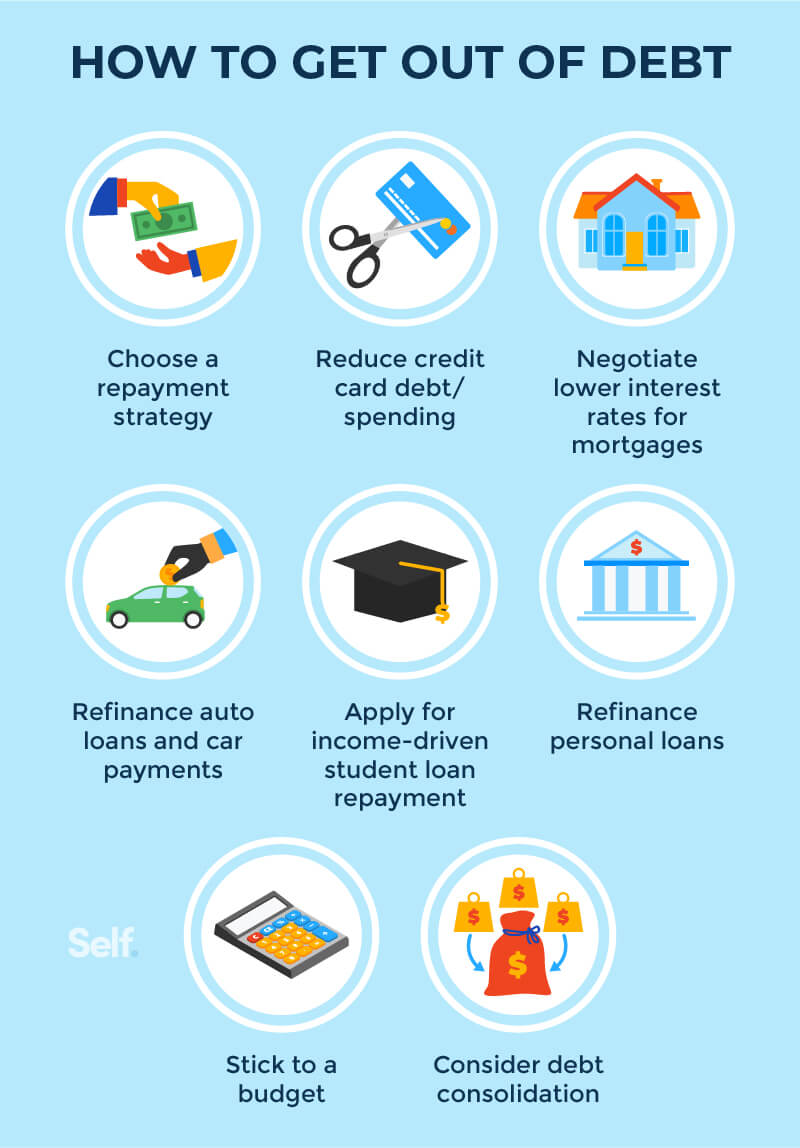
    Credit card debt forgiveness allows individuals to eliminate or reduce their outstanding credit card balances. We will explore the concept of credit card debt forgiveness, including how it works, the options available, and the potential benefits and drawbacks.

    We will also provide some tips for managing credit card debts effectively and avoiding the need for forgiveness in the future. Whether you are struggling with overwhelming credit card debt or simply want to gain a better understanding of this debt relief option, this article aims to provide you with the information you need to make informed decisions about your financial situation.

    Let’s dive in.

    Credit Card Debt Forgiveness

    Credit: www.budgetingfaithfully.com

    Understanding Credit Card Debt Forgiveness

    When it comes to managing credit card debt, many people find themselves overwhelmed with high interest rates and mounting balances. This is where credit card debt forgiveness can come to the rescue. If you are burdened with credit card debt that seems impossible to repay, understanding how credit card debt forgiveness works can provide you with a potential solution to your financial woes.

    How Does Credit Card Debt Forgiveness Work?

    Credit card debt forgiveness, also known as debt settlement, is a process that allows you to negotiate with your credit card company to reduce the total amount you owe. Instead of paying off the full balance, you can settle for a reduced lump sum payment or a manageable payment plan that is more affordable for you.

    The process typically involves contacting your credit card company or working with a debt settlement agency to negotiate the terms of your debt forgiveness. This negotiation can result in a reduction of the principal balance, the elimination of interest and fees, or even a combination of both. It is important to note that credit card debt forgiveness is not guaranteed and depends on the willingness of your credit card company to negotiate.

    While credit card debt forgiveness can offer relief from burdensome debt, it is important to consider the potential consequences. In some cases, settling your debt for a lesser amount may have a negative impact on your credit score. It is crucial to weigh the benefits against the potential downsides and consult with a financial advisor or credit counselor to determine the best course of action for your specific situation.

    Benefits Of Credit Card Debt Forgiveness

    There are several key benefits to credit card debt forgiveness:

    • Debt Reduction: The primary benefit of credit card debt forgiveness is the significant reduction in the amount you owe. This can provide immediate relief and a clear path towards financial freedom.
    • Lower Monthly Payments: By negotiating a settlement or a favorable payment plan, your monthly payments can become more manageable, enabling you to regain control of your finances.
    • Elimination of Fees: Credit card debt forgiveness may also involve the elimination of accumulated late fees and penalties, reducing the overall burden of your debt.
    • Quicker Debt Repayment: With a reduced balance and potentially eliminated interest charges, you can pay off your debt sooner, freeing up resources for other financial goals.

    Remember, credit card debt forgiveness is just one potential solution for managing overwhelming debt. It is essential to carefully consider your options and seek professional guidance to determine the best approach for your financial situation.

    Qualifying For Credit Card Debt Forgiveness

    If you find yourself drowning in credit card debt, you may be feeling overwhelmed and wondering if there is a way out. The good news is that credit card debt forgiveness is a possibility for those who meet certain qualifications. In this article, we will explore the criteria for qualifying for credit card debt forgiveness, including financial hardship and the option of working with debt settlement companies.

    Financial Hardship

    To be eligible for credit card debt forgiveness, you typically need to demonstrate a significant level of financial hardship. This means showing that you are experiencing difficulties meeting your financial obligations due to circumstances beyond your control. Financial hardship can arise from various situations such as job loss, unexpected medical expenses, divorce, or a decrease in income.

    When requesting credit card debt forgiveness based on financial hardship, it is important to provide supporting documentation. This can include termination letters, medical bills, divorce decrees, or documentation of income reduction. The more evidence you can provide to substantiate your claim of financial hardship, the stronger your case for debt forgiveness.

    Working With Debt Settlement Companies

    Another avenue to explore when seeking credit card debt forgiveness is working with debt settlement companies. These companies specialize in negotiating with creditors on your behalf to reduce the amount of debt you owe. Debt settlement companies have experience dealing with credit card companies and can often negotiate lower interest rates and reduced balances.

    Before partnering with a debt settlement company, it is crucial to do your research. Look for reputable companies with positive reviews and a track record of success. Be cautious of companies that promise quick fixes or guarantee debt forgiveness, as these claims may be unrealistic or even fraudulent.

    When working with a debt settlement company, they will typically require you to make regular payments into an escrow account. These funds will be used to negotiate settlements with your creditors. While debt settlement can be an effective solution for some, it is important to be aware that it may have negative impacts on your credit score and should be carefully considered before proceeding.

    In conclusion, if you are struggling with credit card debt, credit card debt forgiveness may be a viable option. By demonstrating financial hardship and considering the possibility of working with a reputable debt settlement company, you can take steps towards regaining control of your financial situation.

    The Process Of Credit Card Debt Forgiveness

    Are you struggling to manage your credit card debt? It can be overwhelming and financially draining. However, there is a way out – credit card debt forgiveness. This process allows you to negotiate with your creditors and potentially reduce or eliminate a portion of your debt. In this article, we will explore the step-by-step process of credit card debt forgiveness to help you regain control of your financial situation.

    Assessing Your Debt

    Before you can begin the credit card debt forgiveness process, you need to assess your debt situation. Start by gathering all your credit card statements and making a list of the outstanding balances, interest rates, and minimum monthly payments for each card. This will give you a clear picture of the amount of debt you need to address.

    Next, calculate your total monthly income and expenses. This will help you determine how much you can afford to pay towards your credit card debt each month. It’s important to be realistic and create a budget that allows for both debt repayment and essential living expenses.

    Additionally, consider factors such as missed payments, late fees, and accrued interest. These can significantly impact your debt amount and may need to be factored into your negotiation strategy.

    Negotiating With Creditors

    Once you have a firm grasp on your debt situation, it’s time to negotiate with your creditors. Reach out to each credit card company and explain your financial hardship. Be prepared to provide documentation to support your claims, such as pay stubs or medical bills, if applicable.

    During the negotiation process, express your willingness to work towards a resolution. Credit card companies are often open to negotiations as they prefer to receive some payment rather than none at all. Offer to pay a reduced lump sum or propose a new payment plan with lower interest rates or extended terms.

    Remember to stay calm and maintain open lines of communication with your creditors. Be persistent and patient, as the negotiation process can take time. Keep detailed records of phone conversations, emails, and any agreements reached to ensure a smooth resolution.

    If negotiating with your creditors proves challenging or unproductive, consider seeking assistance from a reputable credit counseling agency. They can provide expert advice and guidance to help you navigate the debt forgiveness process.

    In conclusion, the process of credit card debt forgiveness begins with assessing your debt and creating a realistic budget. Then, you can negotiate with your creditors to reduce or eliminate a portion of your debt. By following these steps and seeking professional assistance if needed, you can alleviate the burden of credit card debt and regain control of your financial future.

    Credit Card Debt Forgiveness

    Credit: wealthfit.com

    Impact Of Credit Card Debt Forgiveness

    Understanding the impact of credit card debt forgiveness is crucial for anyone struggling with overwhelming financial burdens. While the prospect of having your credit card debt forgiven may seem like a relief, it’s important to consider the potential consequences that come along with it. In this article, we will explore two key aspects of credit card debt forgiveness: its effects on your credit score and the legal ramifications.

    Effects On Credit Score

    Your credit score is a significant factor in determining your financial health and access to future credit opportunities. With credit card debt forgiveness, there can be both positive and negative implications for your credit score.

    On one hand, having your credit card debt forgiven can alleviate a significant financial burden, allowing you to regain control over your finances. This newfound relief can potentially lead to improved financial management and prompt bill payments, positively impacting your credit score in the long run.

    On the other hand, credit card debt forgiveness may have an initial negative impact on your credit score. When a debt is forgiven, it may be reported to credit bureaus as “settled” or “charged-off,” which can lower your credit score temporarily. It is important to note that this negative impact may vary depending on the specific reporting practices of the credit card issuer and how they classify the forgiven debt.

    Despite the potential short-term impact, it is essential to focus on rebuilding your credit score after credit card debt forgiveness. By establishing responsible financial habits, such as making timely payments and keeping credit utilization low, you can gradually improve your creditworthiness over time.

    Legal Ramifications

    While credit card debt forgiveness offers relief from financial stress, it is crucial to understand the legal ramifications associated with this process.

    When seeking credit card debt forgiveness options, it is essential to work with reputable organizations and understand the specific terms and conditions involved. Engaging with fraudulent or unethical debt relief companies can lead to severe consequences, including scams, collection lawsuits, and further financial distress.

    Credit card debt forgiveness may also have potential tax implications. In some cases, forgiven debt can be considered taxable income, leading to additional financial obligations. It is advisable to consult with a qualified tax professional to understand the potential tax consequences specific to your situation.

    By remaining vigilant and informed about the legal aspects of credit card debt forgiveness, you can navigate the process while safeguarding your financial well-being.

    Credit Card Debt Forgiveness

    Credit: www.self.inc

    Frequently Asked Questions On Credit Card Debt Forgiveness

    Can Credit Card Debt Really Be Forgiven?

    Yes, credit card debt can be forgiven.

    How Can I Legally Get Rid Of My Credit Card Debt?

    To legally eliminate your credit card debt, you have a few options: negotiating with creditors for lower payments, enrolling in a debt management plan, filing for bankruptcy, or working with a credit counseling agency. Consider consulting a financial advisor to determine the best course of action for your specific situation.

    How Do I Get My Credit Card Debt Written Off?

    To get your credit card debt written off, you can negotiate with your credit card provider for debt settlement or explore debt consolidation options. Seek professional advice from credit counseling services to help consolidate and negotiate your debts. Be aware of debt relief scams and keep up with your payments to avoid damaging your credit score.

    Is There A Government Credit Card Debt Relief Program?

    Yes, there are government credit card debt relief programs available. They provide assistance in reducing or eliminating credit card debt for qualified individuals. These programs aim to provide financial relief and help individuals regain control of their finances.

    Conclusion

    Credit card debt forgiveness can provide much-needed relief to individuals struggling with overwhelming financial burdens. By taking advantage of debt forgiveness programs, you can potentially have a portion of your debt waived or reduced, allowing you to regain control of your finances.

    However, it is essential to fully understand the terms and conditions of these programs, as they may have implications for your credit score. Seeking professional advice and exploring all available options is crucial in your journey towards financial freedom.


  • Idiosyncratic Risk

    Idiosyncratic Risk

    Idiosyncratic risk, also referred to as unsystematic risk, is an essential concept in the world of finance. It plays a vital role in understanding investment strategies and evaluating the potential risks associated with individual securities or assets. In this article, we will delve deeper into the intricacies of idiosyncratic risk, why it matters, and how it can impact investment decisions.

    Defining Idiosyncratic Risk

    In simple terms, idiosyncratic risk refers to the risks that are unique to a particular asset or security and cannot be diversified away through a well-diversified portfolio. Unlike systematic risk, which affects the entire market, idiosyncratic risk only impacts specific companies, industries, or sectors, making it a more localized form of risk.

    Idiosyncratic risk arises due to factors that are specific to individual companies, such as management decisions, industry-specific regulations, competitive advantages, customer base, or even natural disasters. These factors introduce uncertainty and potential volatility into the value and performance of a particular investment.

    Understanding the Impact of Idiosyncratic Risk

    Idiosyncratic risk can have both positive and negative impacts on investment returns. On one hand, positive idiosyncratic events, such as successful product launches, mergers and acquisitions, or favorable regulatory changes, can lead to above-average returns for investors who hold the related securities. On the other hand, negative idiosyncratic events, such as earnings disappointments, lawsuits, or unexpected industry downturns, can result in significant losses.

    For investors, idiosyncratic risk becomes a crucial consideration when building a diversified portfolio. By diversifying investments across different asset classes, sectors, and geographies, investors aim to reduce idiosyncratic risk. This diversification strategy helps to minimize the potential impact of any single company’s poor performance on the overall portfolio.

    However, it is important to note that not all idiosyncratic risk can be eliminated through diversification alone. Some factors, such as macroeconomic events or shifts in investor sentiment, can impact a broad range of companies and exert systemic pressures on the market. These systematic risks are beyond the control of individual investors.

    Evaluating Idiosyncratic Risk

    Accurately evaluating idiosyncratic risk requires a comprehensive analysis of various factors that can affect a particular investment. Some key methods and tools used to evaluate idiosyncratic risk include:

    • Financial Statements Analysis: Examining a company’s financial statements, including its income statement, balance sheet, and cash flow statement, can provide insights into its financial health and potential idiosyncratic risks.
    • Industry Analysis: Understanding the specific industry dynamics, such as competition, regulatory environment, and technological advancements, can help assess idiosyncratic risks associated with that industry.
    • Management Assessment: Evaluating the competence and decision-making abilities of a company’s management team can give insights into the potential idiosyncratic risks stemming from their actions or strategic direction.
    • External Factors Evaluation: Considering external factors such as geopolitical events, macroeconomic conditions, or changes in consumer preferences can help identify idiosyncratic risks that may not be directly related to the company’s operations.

    By utilizing these evaluation methods, investors can gain a better understanding of the idiosyncratic risks associated with potential investments, enabling them to make more informed decisions.

    Managing Idiosyncratic Risk

    While it may not be possible to completely eliminate idiosyncratic risk, there are several strategies investors can employ to manage and mitigate its impact on their portfolios:

    • Diversification: As mentioned earlier, diversifying holdings across different asset classes, sectors, and geographies can help reduce the impact of idiosyncratic risk. This strategy ensures that losses from one investment are potentially offset by gains in others.
    • Thorough Research: Conducting extensive research and analysis before making investment decisions can help identify potential idiosyncratic risks. This includes analyzing financial data, industry trends, competitors, and any other relevant factors.
    • Hedging: Implementing hedging strategies, such as options or futures contracts, can provide a level of protection against adverse idiosyncratic events. These strategies help minimize potential losses when specific risks materialize.
    • Regular Monitoring: Continuously monitoring investments and staying updated on company news, industry developments, and market conditions allows investors to react promptly to idiosyncratic events that may affect their holdings.

    By incorporating these risk management strategies, investors can effectively navigate the uncertainties associated with idiosyncratic risks.

    Frequently Asked Questions Of Idiosyncratic Risk

    What Is Idiosyncratic Risk?

    Idiosyncratic risk refers to the uncertainty that is unique to a particular company or investment, and cannot be diversified away.

    How Does Idiosyncratic Risk Differ From Systematic Risk?

    Idiosyncratic risk is specific to an individual investment, while systematic risk affects the entire market.

    Why Is Idiosyncratic Risk Important For Investors?

    Understanding idiosyncratic risk helps investors assess the potential volatility and performance of specific investments.

    How Can Investors Measure Idiosyncratic Risk?

    Idiosyncratic risk can be measured using statistical tools such as the standard deviation of returns or beta coefficients.

    Conclusion

    Idiosyncratic risk poses unique challenges and opportunities for investors. While it can lead to unexpected losses, it can also present opportunities for above-average returns. Understanding the concept of idiosyncratic risk, its impact on investment returns, and the strategies to manage it is essential for successful investing. By employing sound risk management techniques and conducting thorough research, investors can effectively navigate the complexities of idiosyncratic risk and make informed investment decisions.

  • The Benefits of Wealthtech

    In recent years, the financial landscape has witnessed a revolutionary transformation with the rise of wealthtech, bringing about a myriad of advantages for both individuals and financial institutions. This technological evolution has not only democratized access to financial tools but has also paved the way for a more inclusive, efficient, and innovative financial system. Let’s delve into the key advantages that wealthtech brings to the table.

    For Individuals:

    1. Democratization of Investment:

    Wealthtech has broken down barriers, democratizing access to investment opportunities. Robo-advisors and micro-investing platforms empower individuals to embark on their investment journey with minimal amounts, making wealth accumulation more attainable.

    Example: John, a young professional, starts investing with just $100 through a user-friendly robo-advisor, diversifying his portfolio effortlessly.

    2. Personalized Financial Management:

    Utilizing cutting-edge algorithms and big data, wealthtech tools offer personalized financial insights. These insights, tailored to individual needs and goals, empower users to make informed decisions, thereby enhancing their overall financial management.

    Example: Maria receives tailored investment recommendations based on her risk tolerance, financial goals, and preferences, optimizing her portfolio for long-term growth.

    3. Convenience and Automation:

    Wealthtech platforms streamline financial tasks, from portfolio management to budgeting and bill payments. The convenience and automation provided by these platforms free up valuable time for users, reducing stress and allowing them to focus on other aspects of their lives.

    Example: David sets up automatic transfers to his investment account and receives real-time updates on his portfolio, simplifying his financial management.

    4. Lower Costs:

    Compared to traditional financial services, wealthtech solutions often come with lower fees and minimum investment requirements. This affordability makes them accessible to a broader audience, especially younger investors or those with smaller portfolios.

    Example: Sarah, a college student, benefits from a robo-advisor’s low fees, enabling her to invest with a limited budget and start building her wealth.

    5. Increased Engagement and Education:

    Wealthtech platforms go beyond transactions; they offer educational resources and interactive tools. These resources help users enhance their financial literacy, understand investment strategies, and stay informed about market trends.

    Example: Mark explores educational content on a wealthtech platform, gaining insights that empower him to make informed investment decisions.

    For Financial Institutions:

    1. Improved Efficiency and Scalability:

    Wealthtech solutions automate manual tasks and streamline workflows, resulting in reduced operational costs and increased efficiency for financial institutions. This efficiency allows them to serve a larger client base and scale their operations effectively.

    Example: XYZ Bank implements a wealthtech solution, automating client onboarding processes and reducing administrative overhead.

    2. Enhanced Client Engagement and Retention:

    By providing personalized services and engaging experiences, wealthtech platforms strengthen the bond between financial institutions and their clients. This enhanced engagement leads to higher client satisfaction, retention, and loyalty.

    Example: A financial advisory firm uses a wealthtech platform to offer personalized financial plans, increasing client satisfaction and loyalty.

    3. Expanding Market Reach:

    Wealthtech facilitates the expansion of financial institutions’ market reach by attracting younger generations and tech-savvy individuals who prefer digital solutions. This broadens their client base and opens up new revenue streams.

    Example: A traditional bank launches a mobile wealth management app, attracting a younger demographic and expanding its market presence.

    4. Data-Driven Insights and Decision Making:

    Wealthtech platforms generate valuable data about client behavior, market trends, and investment preferences. Financial institutions can leverage this data to enhance product offerings, personalize services, and make informed, data-driven decisions for strategic growth.

    Example: An investment firm analyzes client data to identify emerging investment trends, informing the development of new financial products.

    5. Innovation and Competitive Advantage:

    Embracing wealthtech positions financial institutions as innovators, allowing them to offer cutting-edge solutions that set them apart from competitors. This innovative approach strengthens their market position and attracts new clients.

    Example: A forward-thinking bank introduces AI-driven investment advisory services, gaining a competitive edge and attracting tech-savvy clients.

    Conclusion:

    The benefits of wealthtech extend far beyond convenience; they represent a paradigm shift in the financial landscape. As individuals enjoy personalized financial management and lower costs, financial institutions are reaping the rewards of enhanced efficiency, expanded market reach, and data-driven innovation.