Blog

  • Paradox Of Thrift : Unlocking the Untapped Power of Saving

    The Paradox of Thrift: Understanding its Importance in the Economy

    In economics, the concept of “the paradox of thrift” refers to a situation where individual attempts to save more can lead to a decrease in overall saving and economic growth. It may seem counterintuitive, but this paradox highlights the interconnectedness of saving and spending in an economy. In this article, we will delve deeper into the paradox of thrift and explore its implications.

    How Does the Paradox of Thrift Work?

    At first glance, it may seem logical that if individuals decide to save more money, it should be beneficial for the economy as a whole. After all, saving is essential for long-term financial stability and economic growth. However, when everyone in the economy starts saving at the same time, it can have unintended consequences.

    When people reduce their spending and increase their saving, it directly affects businesses. As consumer demand decreases, businesses have less incentive to produce goods and services, which ultimately leads to a decrease in employment opportunities. Consequently, the decrease in employment reduces people’s ability to save, perpetuating a cycle of reduced spending and economic stagnation.


    Paradox Of Thrift  : Unlocking the Untapped Power of Saving

    Credit: fastercapital.com

    The Multiplier Effect

    One of the key factors that exacerbates the paradox of thrift is the multiplier effect. When individuals save rather than spend, the overall level of spending in the economy decreases. This decrease in spending ripples through the economy, affecting various sectors. Businesses experience reduced revenues, which can result in cost-cutting measures such as layoffs or reduced investment in new projects.

    The reduction in consumer spending further reverberates to suppliers, who experience decreased demand for their products or services. This then leads to more layoffs or reduced production capacity. The cycle continues, ultimately undermining economic growth and stability.

    Paradox Of Thrift  : Unlocking the Untapped Power of Saving

    Credit: www.mdpi.com

    Government Intervention and Balancing the Paradox

    While the paradox of thrift can have negative repercussions on the economy, governments play a crucial role in mitigating the effects. Through fiscal policy, governments can stimulate aggregate demand by implementing measures such as tax cuts or increased government spending on infrastructure projects.

    By increasing government spending, it injects money into the economy and helps compensate for the decrease in consumer spending. This can kick-start economic activity, boost employment, and bring confidence back to the market. Additionally, governments can implement policies that encourage savings while also promoting spending, striking a balance between individual saving and economic growth.

    The Importance of Consumer Confidence

    The paradox of thrift also highlights the significance of consumer confidence in economic stability. When consumers are cautious about the future and save more, it reflects a lack of confidence in the economy. This can further dampen economic activity, as businesses respond to decreased demand by reducing investment and employment opportunities.

    On the other hand, when consumers have confidence in the economy and are more willing to spend, it fuels economic growth. Increased consumer spending encourages businesses to invest and expand, thus creating more employment opportunities and ultimately leading to a healthier economy.

    In Conclusion

    The paradox of thrift serves as a reminder that individual saving habits can have far-reaching impacts on the economy as a whole. While saving is crucial for personal financial stability, excessive saving can hinder economic growth. Finding a balance between saving and spending is essential, and governments play a significant role in ensuring that the economy remains dynamic and resilient.

  • Best Way to Pay off a High Interest Credit Card

    The best way to pay off a high interest credit card is to focus on making larger payments and reducing expenses. Paying more than the minimum balance each month will help you pay off the debt faster and save on interest charges.

    Additionally, cutting back on unnecessary expenses can free up extra money to put towards your credit card payments. By following these strategies, you can effectively pay off your high interest credit card and improve your financial situation.

    Best Way to Pay off a High Interest Credit Card

    Credit: www.humangood.org

    Evaluate Your Current Credit Card Situation

    Evaluate your current credit card situation to find the best way to pay off a high interest credit card. Analyze your debt, create a repayment plan, and consider balance transfers or debt consolidation options to save on interest and become debt-free sooner.

    If you find yourself burdened with a high-interest credit card, it’s essential to assess your current situation before taking any steps towards paying it off. Evaluating your credit card situation will give you a clear understanding of where you stand and help you make informed decisions on how to tackle your debt.

    Check Your Current Interest Rate

    Determining your credit card’s interest rate is the first step to understanding the financial implications of your debt. Interest rates play a significant role in how much you will ultimately pay back to the credit card issuer. To find your interest rate:

    1. Log in to your online credit card account.
    2. Locate the section that details your card’s terms and conditions.
    3. Look for the section that mentions the annual percentage rate (APR) or interest rate.
    4. Take note of the interest rate percentage, as this will help you evaluate the impact it has on your debt.

    Review Your Credit Card Balance, Ensuring

    Knowing your credit card balance is crucial when strategizing to pay off a high-interest credit card. To review your balance:

    1. Log in to your online credit card account.

    2. Locate the section that provides you with your current balance.

    3. Take note of this amount, as it will determine the principal amount you need to pay off.

    Explore Balance Transfer Options

    Looking to pay off your high-interest credit card? Explore balance transfer options to find the best way to tackle your debt and save on interest charges. Move your balance to a lower interest rate card and take control of your finances.

    Research Credit Card Offers With Low Interest Rates

    Understand Balance Transfer Fees

    When it comes to paying off a high-interest credit card, exploring balance transfer options can be a smart move. By transferring your outstanding balance to a credit card with a lower interest rate, you can save money on interest charges and pay off your debt more efficiently.

    Research Credit Card Offers With Low Interest Rates

    One of the first steps in exploring balance transfer options is to research credit card offers with low interest rates. Look for cards that specifically advertise balance transfer options or have promotional rates for new cardholders. Comparing different offers allows you to evaluate which credit card would be the most beneficial for your situation. Remember to pay close attention to the length of the promotional period, as well as any potential fees associated with the transfer.

    Understand Balance Transfer Fees

    To make an informed decision about balance transfers, it’s crucial to understand balance transfer fees. While a card may advertise a low or even 0% interest rate for a certain period, it’s common for there to be fees associated with the transfer. These fees are typically a percentage of the balance transferred, so it’s important to factor them into your calculations when determining if a balance transfer is the best way to pay off your high-interest credit card. Additionally, some credit cards may also have a maximum cap on the amount that can be transferred, so be sure to check for any limitations before proceeding with a balance transfer.

    By researching credit card offers with low interest rates and understanding balance transfer fees, you can navigate the world of balance transfers more effectively. This way, you’ll be able to choose the best option to pay off your high-interest credit card and save money on interest charges. Remember to weigh the pros and cons of each offer and consider consulting with a financial advisor if necessary.

    Create A Repayment Plan

    A repayment plan is the best way to tackle a high interest credit card. By creating a structured plan, you can systematically pay off your debt, saving money in interest fees and improving your financial health.

    Determine How Much You Can Afford To Pay Each Month

    Before you start tackling your high-interest credit card debt, it’s important to determine how much you can afford to pay each month. Assessing your finances and understanding your current expenditure will help you create a realistic repayment plan.

    • Step 1: List down all your monthly income from various sources.
    • Step 2: Deduct your expenses, including rent, utility bills, groceries, transportation, and other necessary costs.
    • Step 3: Identify how much money is left after subtracting your expenses from your income.

    Once you’ve calculated this amount, you know how much you can allocate towards paying off your high-interest credit card debt.

    Prioritize Your Debt Payments

    To effectively pay off your high-interest credit card, it’s essential to prioritize your debt payments. By strategically allocating your funds, you can snowball your payments and save money on interest in the long run.

    1. Step 1: Make a list of all your credit card debts, including the balance and interest rate for each.
    2. Step 2: Identify the credit card with the highest interest rate, as this is the one costing you the most money.
    3. Step 3: Allocate the maximum amount you can afford towards paying off this high-interest credit card, while making minimum payments on your other credit cards.
    4. Step 4: Once you’ve paid off the card with the highest interest rate, move on to the one with the next highest interest rate and repeat the process.

    By prioritizing your debt payments based on interest rates, you’ll effectively reduce the amount of interest you pay over time.

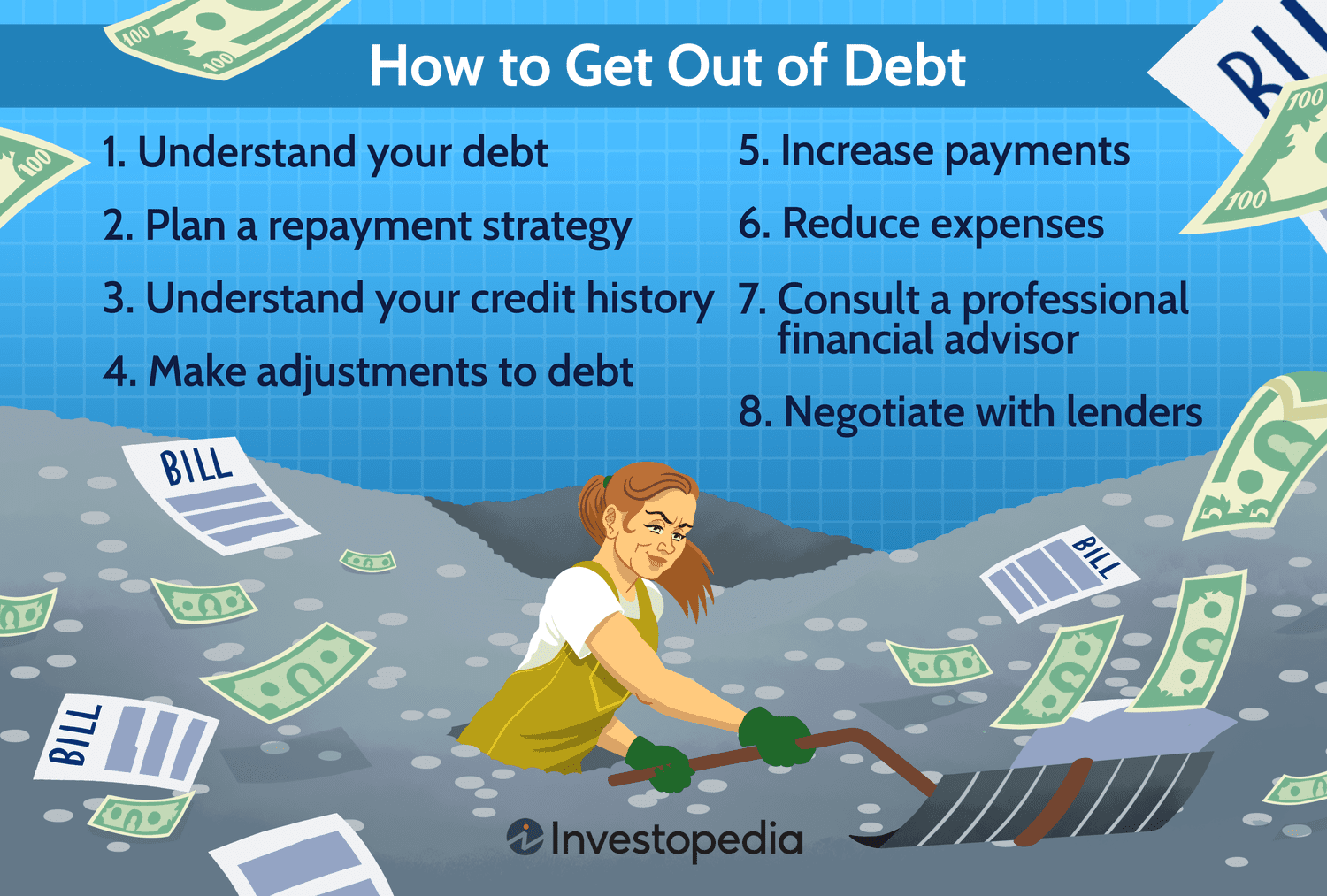
    Best Way to Pay off a High Interest Credit Card

    Credit: www.investopedia.com

    Consider Debt Consolidation

    Consider debt consolidation as a potential solution to pay off your high-interest credit card. By consolidating your debts, you can streamline your monthly payments and potentially lower your interest rates. Here, we will discuss how to research and evaluate your options for debt consolidation, so you can make an informed decision.

    Research Options For Consolidating Your High-interest Debt

    When considering debt consolidation, it is important to research and explore the various options available to you. Look for reputable financial institutions, credit unions, or online lenders that offer debt consolidation services. You can also consult a credit counselor or financial advisor who can guide you through the process and help you find the best option for your specific situation.

    Evaluate The Pros And Cons Of Debt Consolidation

    While debt consolidation can be an effective way to manage your high-interest debt, it is essential to evaluate the pros and cons before making a decision. Let’s take a closer look at both:

    Pros Cons
    • Consolidating multiple debts into a single monthly payment
    • Potentially lowering your interest rates
    • Reducing the risk of missed payments and late fees
    • Simplifying your financial management
    • May require you to pay closing costs or origination fees
    • Could result in a longer repayment period
    • May impact your credit score temporarily
    • Some consolidation options may only be available to individuals with good credit

    By carefully evaluating these pros and cons, you can determine if debt consolidation is the right choice for you. Consider your financial goals, budget, and overall debt situation when making this decision. Remember, what works for one person may not work for another, so it’s important to choose an option that aligns with your individual circumstances.

    Best Way to Pay off a High Interest Credit Card

    Credit: www.crcu.org

    Frequently Asked Questions For Best Way To Pay Off A High Interest Credit Card

    How Do I Pay Off My Credit Card If My Interest Is High?

    To pay off a credit card with high interest, focus on these steps: 1. Make larger payments than the minimum amount due. 2. Prioritize paying off cards with the highest interest rate first. 3. Consider transferring the balance to a card with a lower interest rate or exploring debt consolidation options.

    4. Try negotiating with your credit card company for a lower interest rate. 5. Avoid accumulating more debt by using cash or a debit card for purchases.

    How To Pay Off $3 000 In 6 Months?

    Pay off $3,000 in 6 months by creating a budget, cutting expenses, and prioritizing debt repayments. Increase income through side hustles or part-time work. Avoid unnecessary spending and consider selling unwanted items. Stay committed and track progress to stay on target.

    What’s The Smartest Way To Pay Off A Credit Card?

    To pay off a credit card smartly, make consistent payments, prioritize high-interest cards, and consider debt consolidation or a balance transfer. Avoid adding more debt, create a budget, and explore options like snowball or avalanche methods.

    How To Pay Off $10,000 Credit Card Debt?

    Pay off $10,000 credit card debt by following these steps: 1) Create a budget and cut unnecessary expenses. 2) Increase monthly payments to pay off the principal faster. 3) Consider balance transfers to lower interest rates. 4) Explore debt consolidation options.

    5) Seek professional advice to create a personalized repayment plan.

    Conclusion

    Paying off a high-interest credit card can seem daunting, but with the right approach, it’s entirely possible. By focusing on strategies like consolidation, balance transfers, and making extra payments, you can take control of your debt. Remember to create a budget, track your expenses, and prioritize reducing your credit card balance.

    With discipline and determination, you’ll soon be free from the burden of high-interest debt and on your way to financial freedom. Start today and take the first step towards a debt-free future.


  • Social Networking  : Unlock the Power of Connection

    Social Networking : Unlock the Power of Connection

    Social Networking: Connecting the World Digitally

    In today’s digital age, social networking has become an integral part of our lives. It has revolutionized the way we connect, interact, and share information. Social networking platforms have opened up endless possibilities for communication and collaboration, enabling individuals from all around the world to connect with each other. In this blog post, we will explore the benefits of social networking, its impact on society, and how it has transformed the way we communicate.

    Social Networking  : Unlock the Power of Connection

    Credit: growth99.com

    The Benefits of Social Networking

    Social networking brings people together, regardless of geographical boundaries. It allows us to connect and communicate with friends, family, colleagues, and even strangers, providing a sense of belonging and community. Through social networking, we can easily stay connected with people who are important to us, no matter where they are in the world.

    One of the key benefits of social networking is the ability to share information and ideas. Whether it’s through text, photos, videos, or links, social networking platforms provide a platform for individuals and businesses to share their thoughts, experiences, and expertise with a wider audience.

    Furthermore, social networking enables us to discover new opportunities, both personally and professionally. We can join groups and communities that align with our interests or professional goals, expanding our network and connecting with like-minded individuals. These connections can lead to new friendships, collaborations, and even career opportunities.


    The Impact of Social Networking on Society

    Social networking has had a profound impact on society, transforming the way we communicate and interact with each other. It has revolutionized the traditional methods of communication, making interactions more instantaneous, convenient, and global.

    One of the significant impacts of social networking is its ability to break down barriers and bridge gaps between cultures. Through social networking, individuals from different backgrounds can come together, share experiences, and gain knowledge about diverse cultures and perspectives. It has opened up new horizons for understanding and appreciation of different cultures and has contributed to promoting inclusivity and global awareness.

    Moreover, social networking has played a vital role in supporting social movements and bringing about social change. It has provided a platform for individuals to voice their opinions, raise awareness on social issues, and mobilize others towards a common cause. From raising funds for charitable organizations to organizing protests and awareness campaigns, social networking has empowered individuals to make a meaningful impact on society.

    Transformation of Communication

    Social networking platforms have transformed the way we communicate, offering a wide range of features and tools to facilitate interaction and collaboration. These platforms have become our primary means of communication, allowing us to connect with others in real-time through instant messaging, video calls, and voice chats.

    Additionally, social networking platforms have made it easier to share and consume information. Through news feeds, we can stay updated with the latest news, trends, and happenings around the world. We can also follow our favorite brands, celebrities, and influencers, and get an insight into their lives and activities.

    Furthermore, social networking has facilitated collaborative work environments, enabling teams to communicate and collaborate irrespective of their physical location. It has enhanced productivity and efficiency by providing tools for file sharing, project management, and virtual meetings.

    Social Networking  : Unlock the Power of Connection

    Credit: www.linkedin.com

    Conclusion

    Social networking has undoubtedly transformed the way we connect, communicate, and collaborate. It has provided us with endless opportunities to interact with others, share information, and create meaningful connections. However, it is essential to use social networking platforms responsibly and maintain a balance between the digital world and real-life interactions.

    As social networking continues to evolve, it will likely shape the future of communication and further connect the world digitally. Embracing the benefits of social networking while being mindful of its impact will allow us to harness its power and create a positive digital environment.

  • Harry Markowitz

    Harry Markowitz, an American economist and Nobel laureate, is widely regarded as one of the most influential figures in the field of finance. His groundbreaking work on modern portfolio theory has revolutionized the way investors think about risk and return, leading to the development of more sophisticated investment strategies. In this article, we will delve into Markowitz’s contributions and their impact on the world of finance.


    Early Life and Education

    Harry Markowitz was born on August 24, 1927, in Chicago, Illinois. He grew up during the Great Depression, which significantly shaped his thinking about risk and financial stability. Markowitz attended the University of Chicago, where he earned a bachelor’s degree in economics in 1947.

    Modern Portfolio Theory

    Markowitz’s most significant contribution to finance is his development of modern portfolio theory (MPT) in the 1950s. MPT is a mathematical framework that allows investors to optimize their portfolios by considering the trade-off between expected return and risk. It emphasizes the importance of diversification in reducing risk and maximizing returns.

    MPT introduced the concept of the efficient frontier, which represents the set of portfolios that offer the highest expected return for a given level of risk. Markowitz demonstrated that by investing in a combination of different assets with varying risk and return characteristics, investors could achieve a more efficient portfolio that offers superior risk-adjusted returns.


    Key Concepts of MPT

    There are several key concepts associated with modern portfolio theory:

    • Expected Return: The anticipated return an investor expects to earn on an investment.
    • Variance: A statistical measure that quantifies the spread between numbers in a data set and represents the risk associated with an investment.
    • Covariance: A measure of the relationship between the returns of two different assets. Positive covariance indicates that the assets tend to move in the same direction, while negative covariance indicates the opposite.
    • Efficient Frontier: The set of optimal portfolios that offer the highest expected return for a given level of risk.

    Impact and Legacy

    Markowitz’s groundbreaking work on modern portfolio theory has had a profound impact on the world of finance. It has provided investors with a systematic framework for constructing and evaluating investment portfolios, enabling them to make more informed decisions based on their risk preferences.

    His research has been widely adopted by portfolio managers, financial advisers, and academics around the world. The principles of MPT are now an integral part of investment management and are taught in finance courses across universities.


    Awards and Recognition

    In 1990, Harry Markowitz was awarded the Nobel Prize in Economic Sciences for his pioneering work on portfolio theory. The Nobel committee recognized his research as a fundamental contribution to the understanding of risk and return in financial markets.

    Frequently Asked Questions

    What Is The Harry Markowitz Theory And Its Significance?

    Harry Markowitz theory, a cornerstone of modern finance, outlines portfolio diversification to minimize risk and maximize returns.

    How Does The Harry Markowitz Theory Impact Investment Strategies?

    Applying the Harry Markowitz theory helps investors achieve optimal portfolio allocation, balancing risk and returns based on individual risk appetite.

    How Can I Implement The Harry Markowitz Theory In My Investment Portfolio?

    To implement the Harry Markowitz theory, analyze asset correlations, define risk tolerance, and diversify investments across different asset classes.

    What Are The Key Benefits Of Using The Harry Markowitz Theory In Investment?

    Key benefits of the Harry Markowitz theory include better risk management, enhanced portfolio diversification, and improved potential for stable long-term returns.

    Conclusion

    Harry Markowitz’s trailblazing research on modern portfolio theory has forever changed the way investors approach portfolio construction. By highlighting the importance of diversification and risk management, Markowitz has enhanced investment decision-making and generated significant advancements in the field of finance. His genius and contributions continue to shape the investment industry, making Harry Markowitz a true pioneer in the world of finance.

  • Sovereign Debt  Survival Guide: Mastering Strategies for Financial Stability

    Sovereign Debt Survival Guide: Mastering Strategies for Financial Stability

    Sovereign Debt – Understanding the Basics of Government Debt

    In today’s interconnected global economy, governments often rely on borrowing to finance their operations and fund public expenditure. This borrowing is known as sovereign debt, which refers to the debt owed by a national government in the form of bonds or other government securities.

    Understanding sovereign debt and its implications is crucial as it can have a significant impact on a country’s economy and financial stability. In this article, we will delve into the basics of sovereign debt and its key aspects.

    What is Sovereign Debt?

    Sovereign debt, also known as government debt or public debt, is the money owed by a national government to various creditors, including domestic and foreign individuals, financial institutions, and other governments. It is accumulated through the issuance of government bonds or securities.

    When a country needs to fund its expenditures, such as infrastructure projects, social welfare programs, or defense, it can issue bonds to investors. These bonds represent a promise to repay the borrowed amount along with accrued interest over a specified period. Governments raise funds from investors by selling these bonds in the primary market.

    Investors purchase these government bonds considering them as relatively safe investments as they are backed by the full faith and credit of the government. The interest earned on these bonds is typically paid to investors semi-annually. Upon maturity, the government repays the principal amount.


    Sovereign Debt  Survival Guide: Mastering Strategies for Financial Stability

    Credit: www.politico.eu

    Risks and Benefits

    While sovereign debt can provide an essential source of funding for government operations, it also carries risks and benefits that impact both the issuing country and investors involved.

    Benefits Of Sovereign Debt

    • Government debt allows countries to finance large-scale infrastructure projects, such as building roads, bridges, and airports, which can drive economic growth.
    • It helps fund social welfare programs, including healthcare, education, and poverty alleviation, contributing to the overall well-being of citizens.
    • Sovereign debt can be an attractive investment option for bondholders seeking relative safety and stability compared to riskier assets.

    Risks Associated With Sovereign Debt

    • High levels of debt can lead to concerns about a country’s ability to repay, which may result in a downgrade of its creditworthiness and increase the cost of borrowing.
    • Excessive reliance on foreign creditors can make a country vulnerable to external shocks and fluctuations in interest rates.
    • Inflation erodes the value of future interest and principal payments, impacting the purchasing power of investors.

    Managing Sovereign Debt

    Managing sovereign debt efficiently is crucial for governments to avoid financial crises and maintain economic stability. Here are some key strategies used to manage sovereign debt:

    Debt-to-gdp Ratio

    One important measure to assess a country’s debt burden is the debt-to-GDP ratio. It compares the total amount of debt to the country’s GDP, providing insights into its ability to generate income and repay debts. Monitoring and managing this ratio is crucial to maintaining fiscal sustainability.

    Budget Discipline

    Governments must maintain fiscal discipline by creating and adhering to responsible budgets. This involves controlling spending, ensuring revenue generation, and avoiding excessive borrowing. Effective budget management contributes to reducing the risk of debt accumulation.

    External Assistance

    In times of economic distress, countries may seek external assistance such as loans from international financial institutions or bilateral agreements to address their debt servicing obligations. This helps in managing debt during challenging times.

    Economic Growth And Structural Reforms

    Promoting sustainable economic growth and implementing structural reforms can enhance a country’s capacity to generate income, thereby improving its ability to service debts. This can be achieved through policies that encourage investments, stimulate innovation, and enhance productivity.

    Sovereign Debt  Survival Guide: Mastering Strategies for Financial Stability

    Credit: synder.com

    Conclusion

    Sovereign debt plays a crucial role in financing government operations and funding essential programs while driving economic growth. Careful management of this debt is essential to avoid excessive burdens, maintain financial stability, and ensure sustainable economic development. Understanding the risks and benefits associated with sovereign debt allows both governments and investors to make informed decisions and contribute to the stability and progress of nations.

  • Penny Stock Prophets: Unleashing the Power of Low-Cost Investments

    Penny Stock Prophets: Unleashing the Power of Low-Cost Investments

    Penny Stock: An Introduction to Low-Cost Investing

    Investing in stocks is a great way to grow your wealth, but it can also be intimidating and expensive. However, there is a fascinating corner of the stock market known as penny stocks that offer an affordable entry point for beginner investors. In this article, we will explore what penny stocks are, how to invest in them, and the risks and rewards associated with this type of investment.


    What are Penny Stocks?

    Penny stocks are shares of companies that trade for a very low price, typically below $5 per share. These stocks are often found on smaller exchanges or over-the-counter markets and are generally associated with small or micro-cap companies.

    The low price of penny stocks is both their appeal and their risk. On one hand, investing in penny stocks can be an exciting opportunity to buy a significant number of shares for a relatively low cost. These stocks also have the potential to deliver substantial returns if the company’s fortunes improve.

    On the other hand, penny stocks are notorious for their volatility and lack of liquidity. The low price makes them susceptible to wild price swings and manipulation. Therefore, careful analysis and due diligence are essential before investing in penny stocks.

    Penny Stock Prophets: Unleashing the Power of Low-Cost Investments

    Credit: www.yumpu.com

    How to Invest in Penny Stocks

    Investing in penny stocks generally requires an online brokerage account. Here are the steps to get started:

    1. Choose a reputable online broker that offers access to penny stocks.
    2. Open an account with the chosen broker and deposit funds to invest.
    3. Conduct thorough research to identify potential penny stocks that fit your investment strategy.
    4. Analyze the financial health, industry trends, and recent news of the companies of interest.
    5. Consider diversifying your investments to mitigate risk.
    6. Place your trade and monitor your investments regularly.

    It is crucial to note that although investing in penny stocks can be enticing, it is not a guaranteed path to riches. Due to the high volatility, it is recommended to only invest money that you can afford to lose.

    Penny Stock Prophets: Unleashing the Power of Low-Cost Investments

    Credit: www.amazon.com

    Risks and Rewards

    As with any investment, penny stocks come with their own set of risks and rewards. Here are some key points to consider:

    Risks Rewards
    • High volatility
    • Lack of reliable information
    • Potential for price manipulation
    • Limited liquidity
    • Greater risk of company failure
    • Potential for high returns
    • Opportunity to buy a large quantity of shares
    • Discovery of undervalued companies
    • Chance to invest in new technologies or industries
    • Faster growth compared to established stocks

    Conclusion

    Penny stocks can be an interesting investment option for individuals seeking affordable entry points into the stock market. However, it is crucial to approach this investment strategy with caution and realistic expectations. Investing in penny stocks requires thorough research and careful decision-making to navigate the risks effectively.

    By understanding the nature of penny stocks, conducting due diligence, and diversifying your portfolio, you can increase your chances of success in this speculative investment realm. Remember, while penny stocks can potentially offer high returns, they also carry significant risks. Always consult with a financial advisor or do your own research before making any investment decisions.