Have you ever wondered what happens to shares when their owners fail to meet certain obligations? In the world of finance, forfeited shares are an intriguing topic that often leaves investors baffled. In this article, we will explore the basics of forfeited shares, their implications, and how they can affect both companies and shareholders.
Credit: fastercapital.com
What are Forfeited Shares?
Forfeited shares are shares that were once owned by a shareholder but have been repossessed or canceled by the issuing company. This usually occurs when a shareholder fails to pay the required amount on their shares within a specified time frame or breaches certain terms and conditions set by the company.
Reasons for Forfeited Shares
There are several reasons why shares may be forfeited. These include non-payment of calls on shares, non-compliance with share transfer restrictions, or a violation of shareholder agreements. Companies have the authority to forfeit shares if the shareholders fail to meet their obligations and may proceed to sell the forfeited shares to recover any outstanding debts.
Implications for Shareholders
When shares are forfeited, shareholders lose their ownership rights and any dividends or benefits associated with the shares. The forfeited shares are typically sold to new shareholders, diluting the ownership of existing shareholders. Forfeited shares can also have financial ramifications for shareholders, as any outstanding debts owed by the defaulting shareholders may be transferred to the remaining shareholders.
Consequences for Companies
Forfeited shares can have both positive and negative consequences for companies. On the positive side, the company can recover any outstanding debts by selling the forfeited shares. Additionally, the sale of forfeited shares can generate additional capital for the company. However, the negative aspect lies in the potential dilution of ownership of existing shareholders and the impact on the company’s reputation if there are numerous cases of forfeited shares.
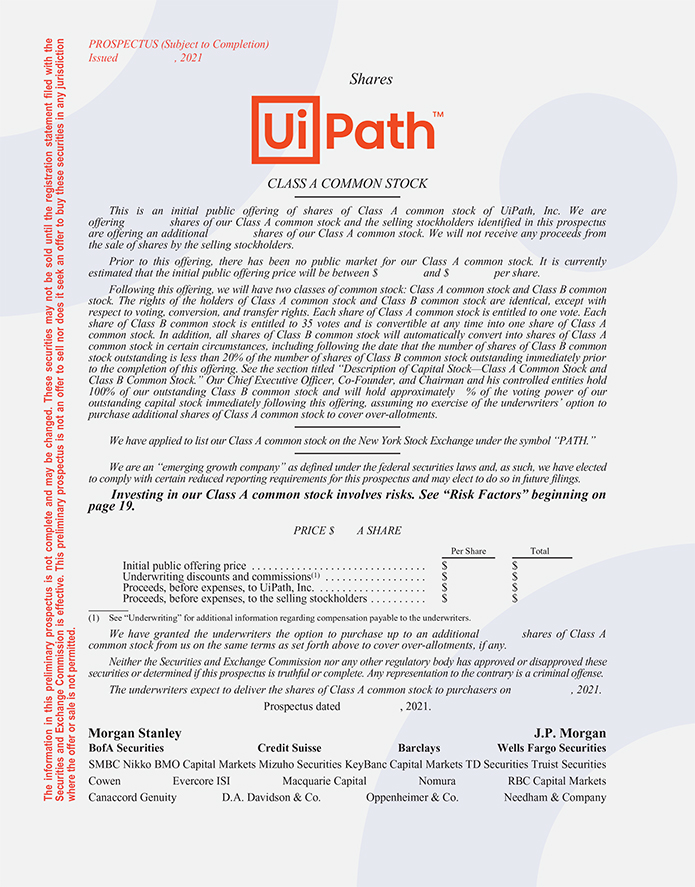
Credit: www.sec.gov
Legal Procedures for Forfeit
The process of forfeiting shares involves following legal procedures. These procedures can vary depending on the jurisdiction and the specific terms set out in the company’s articles of association. Typically, the company must provide a notice to the defaulting shareholder, allowing them a specified period to rectify the breach. If the shareholder fails to comply, the shares can be forfeited and sold.
Conclusion
Understanding forfeited shares is crucial for both investors and companies. It is essential for shareholders to comply with their obligations to avoid the loss of their shares. For companies, the management of forfeited shares is important for recovering debts and maintaining a healthy financial position. By knowing the implications of forfeited shares, investors can make informed decisions, while companies can protect their interests and maintain a strong shareholder base.
Mortgages can have a significant impact on credit scores due to their long-term financial commitment and potential risk for missed payments or defaults. When borrowers take out a mortgage, lenders report the loan to credit bureaus, which affects credit utilization, payment history, and the length of credit history, all important factors in determining credit scores.
If borrowers make timely mortgage payments, it can positively impact their credit scores over time. However, missed payments or defaults can result in negative marks and lower credit scores. It’s crucial to understand the implications of mortgages on credit scores before committing to this type of loan.
The Basics Of Credit Scores
Understanding credit scores is essential for anyone looking to borrow money, especially when it comes to mortgages. Your credit score is a three-digit number that summarizes your creditworthiness, indicating how likely you are to repay your debts on time. Lenders use credit scores to evaluate your creditworthiness and determine whether they should lend money to you.
What Are Credit Scores?
A credit score is a numerical representation of your creditworthiness, based on your credit history. It is calculated using various factors and ranges from 300 to 850. The higher your credit score, the better your creditworthiness is perceived by lenders.
Factors that affect credit scores:
Factor
Impact on Credit Score
Payment History
Affects 35% of the credit score
Credit Utilization
Affects 30% of the credit score
Length of Credit History
Affects 15% of the credit score
New Credit
Affects 10% of the credit score
Credit Mix
Affects 10% of the credit score
Payment history, which includes making payments on time, has the most significant impact on your credit score. Late payments or defaults can have a negative impact on your score. Credit utilization, which is the percentage of available credit you are currently using, also plays a significant role in determining your creditworthiness.
The length of your credit history is another factor considered by lenders. A longer credit history shows your ability to manage credit over time. Opening new credit accounts and applying for new loans can impact your credit score, so it’s important to be cautious when considering new credit.
The credit mix refers to the types of credit you have, such as credit cards, loans, and mortgages. Having a diverse credit mix can positively impact your credit score.
Understanding these factors can help you manage your credit effectively and improve your credit score over time. By maintaining a positive payment history, keeping credit utilization low, and being mindful of new credit applications, you can ensure a healthy credit score, which is crucial when it comes to obtaining a mortgage or other loan.
Understanding Mortgages
In this section, we will delve into the world of mortgages and understand how they can impact your credit scores. Mortgages are a significant financial commitment that can have long-term effects on your creditworthiness. Therefore, it is crucial to comprehend the ins and outs of mortgages to make informed decisions. Let’s start by exploring the different types of mortgages available.
Types Of Mortgages
Mortgages come in various forms, each catering to the unique needs and circumstances of borrowers. Here are some common types of mortgages:
Conventional Mortgages: These mortgages are not insured or guaranteed by any government agency and generally require a higher down payment.
FHA Loans: Backed by the Federal Housing Administration, FHA loans are tailored to assist first-time homebuyers with lower down payment requirements.
VA Loans: Exclusively available to eligible veterans, active-duty service members, and surviving spouses, VA loans are guaranteed by the Department of Veterans Affairs, often allowing for favorable terms.
USDA Loans: Designed for individuals in certain rural areas, USDA loans offer affordable financing options with low or no down payment requirements.
Understanding the different types of mortgages empowers you to choose the most appropriate option based on your financial situation and homeownership goals. Now, let’s explore how mortgages function.
How Mortgages Work
Mortgages are essentially loans secured by real estate properties. When you decide to purchase a home, you typically take out a mortgage from a lender. Here’s a simplified breakdown of the mortgage process:
Loan Application: You apply for a mortgage by submitting your financial information to the lender, including income, credit history, and assets.
Pre-Approval: If you meet the lender’s criteria, you receive a pre-approval, indicating the maximum loan amount you can borrow.
Home Search: With a pre-approval in hand, you start searching for a home within your budget.
Loan Selection: Once you find a home, you finalize the loan terms with the lender, such as the interest rate, repayment period, and closing costs.
Closing: The loan is finalized, and you become a homeowner. You sign the necessary documents, pay any applicable fees, and the lender funds the purchase of the property.
Repayment: You make regular monthly payments towards the loan, which typically include both principal and interest, over the agreed-upon term.
Understanding how mortgages work is fundamental to managing your finances and building a strong credit profile. By fulfilling your mortgage obligations responsibly, you can positively impact your credit scores over time.
Impact Of Mortgages On Credit Scores
Owning a home is a dream come true for many. However, when it comes to financing this big purchase, getting a mortgage is often the most viable option for most people. It’s important to understand how mortgages affect credit scores, as your credit score plays a crucial role in determining your financial health. In this article, we will explore the various aspects of how mortgages impact credit scores and what you can do to ensure a positive outcome.
Payment History And Credit Scores
Bold words: Payment history is one of the most significant factors influencing your credit score. When you take out a mortgage, consistently making your monthly payments on time is of utmost importance. Missing or making late mortgage payments can have a negative impact on your credit score. It is crucial to meet your payment obligations promptly to maintain a healthy credit score.
Credit Utilization And Mortgages
Bold words: Credit utilization refers to the percentage of your available credit that you are currently using. When you have a mortgage, it adds to your overall debt. It is important to understand that high levels of debt can negatively impact your credit score, as it can indicate financial instability. Therefore, managing your overall debt and keeping your credit utilization low is essential for maintaining a good credit score while having a mortgage.
Credit Mix And New Credit
Bold words: Credit mix refers to the types of credit you have in your financial portfolio. Having a mix of different types of credit, such as mortgage loans, credit cards, and auto loans, can have a positive impact on your credit score. When you add a mortgage to your credit mix, it shows lenders that you can handle different types of credit responsibly. Additionally, when you apply for a mortgage, it could result in a temporary decrease in your credit score due to a new credit inquiry. However, this short-lived dip can be quickly recovered with responsible credit management.
To summarize, understanding how mortgages impact credit scores is crucial when taking on a home loan. Consistently making your mortgage payments on time, managing your overall debt and credit utilization, and diversifying your credit mix can all contribute to maintaining a healthy credit score. By being aware of these factors, you can navigate the mortgage process with confidence while keeping your credit score in excellent shape.
Improving Credit Scores After A Mortgage
Tips For Maintaining A Good Credit Score After A Mortgage
Now that you’ve secured a mortgage and are on your way to homeownership, it’s essential to focus on maintaining a healthy credit score. Here are some practical tips to ensure your credit remains strong:
Pay your bills on time: Timely payment of bills, such as credit card balances, utilities, and any other outstanding debts, is crucial for maintaining a good credit score. Missing payments can have a negative impact on your creditworthiness.
Keep credit utilization low: Aim to utilize only a small percentage of your available credit. Keeping balances low demonstrates responsible credit management and reduces the risk of overspending.
Monitor your credit report: Regularly review your credit report to identify inaccuracies or potential errors that could affect your score. By detecting these issues early, you can take appropriate action to rectify them.
Avoid opening new credit accounts: Although you may be tempted to apply for new credit cards or loans, refrain from doing so immediately. Multiple applications can negatively impact your score by signaling potential financial difficulties.
Rebuilding Credit After A Mortgage
If your credit score took a hit during the mortgage application process, don’t worry. There are steps you can take to rebuild your credit and boost your score:
Make payments on time: Consistently paying your bills on time will gradually help repair your credit. This demonstrates responsibility and reliability to potential creditors.
Reduce outstanding debts: Prioritize paying off outstanding debts, starting with the ones that have the highest interest rates. By gradually reducing your debt, you show lenders that you’re actively working towards improving your creditworthiness.
Consider a secured credit card: If you’re struggling to obtain a regular credit card due to poor credit, a secured credit card may be an option. With a secured card, you’ll make a deposit as collateral, giving creditors assurance that you’re committed to rebuilding your credit.
Seek credit counseling: If you’re feeling overwhelmed by debt or unsure about how to rebuild your credit, consider speaking with a credit counselor. They can help you create a personalized plan based on your financial situation.
Seeking Professional Advice
Seeking professional advice regarding mortgages and their impact on credit scores is crucial for making informed financial decisions. Consulting with financial advisors or credit counseling services can provide valuable insights and personalized guidance to manage your mortgage effectively while protecting your credit score.
Consulting With Financial Advisors
Financial advisors are well-versed in the complexities of mortgages and credit scores. They can offer tailored recommendations based on your financial situation, helping you navigate the impact of your mortgage on your credit score. Their expertise can assist in developing a strategy to maintain a healthy credit rating while managing your mortgage responsibilities effectively.
Credit Counseling Services
Credit counseling services specialize in offering advice on credit management and financial decisions. These professionals can provide valuable insights into how your mortgage may affect your credit score. They can offer strategies to mitigate any negative impact and guide you towards maintaining a positive credit standing while managing your mortgage obligations.
Frequently Asked Questions Of How Mortgages Affect Credit Scores?
How Much Does A Mortgage Affect Credit Score?
A mortgage can affect credit score, as it is a significant financial commitment. Timely payments can boost your score, while late payments can lower it. The impact depends on individual circumstances.
How Many Points Does A Mortgage Inquiry Affect Credit Score?
A mortgage inquiry typically impacts a credit score by a few points.
How Does Not Having A Mortgage Affect Your Credit Score?
Not having a mortgage can affect your credit score differently depending on your financial situation. If you have other types of loans and credit accounts that you manage responsibly, not having a mortgage won’t have a significant negative impact. However, if you have a limited credit history, not having a mortgage could reduce your credit score as it is an important factor in credit scoring models.
Conclusion
To sum up, understanding how mortgages impact credit scores is crucial for individuals looking to make informed financial decisions. By making timely mortgage payments, managing debt responsibly, and avoiding defaults or foreclosures, borrowers can maintain or even improve their credit scores.
It is important to remember that responsible mortgage management can contribute to long-term financial stability and open doors to greater opportunities in the future. So, be wise in your mortgage choices and plan for a brighter financial future.
Asset bubbles cause recessions by creating a false sense of wealth and driving up unsustainable investment. This leads to the misallocation of resources, excessive debt, and a subsequent economic downturn.
The overvaluation of assets results in a sharp correction, causing financial instability and negatively impacting consumer and investor confidence. Consequently, the burst of the asset bubble triggers a chain reaction that can culminate in a recession. Asset bubbles artificially inflate the value of assets, leading to a misalignment between market prices and intrinsic value.
This deviation creates vulnerabilities in the financial system, ultimately contributing to economic downturns and recessions. Understanding the detrimental impact of asset bubbles on the economy is crucial for implementing effective measures to mitigate their adverse effects.
Historical Examples
As we examine historical examples, it’s evident that asset bubbles have played a significant role in causing recessions. Understanding these instances provides valuable insights into the impact of asset bubbles on economic downturns.
Great Depression
The Great Depression is a prime example of an asset bubble precipitating a severe economic downturn. In the 1920s, stock prices soared to unsustainable levels, driven by speculation and excessive borrowing. This created a stock market bubble that eventually burst, leading to a massive market crash in 1929 and triggering a long-lasting recession.
Dot-com Bubble
The Dot-Com Bubble of the late 1990s and early 2000s offers another poignant example. The rapid rise of internet and technology stocks led to inflated valuations, as investors poured money into companies with little or no earnings but high growth potential. When the bubble finally burst in the early 2000s, countless dot-com companies went bankrupt, resulting in a significant economic slowdown.
Impact On Economy
Asset bubbles, when left unchecked, can have a devastating impact on an economy. Not only do they lead to financial instability and wealth inequality, but their bursting can cause recessions that have far-reaching consequences. Let’s examine the different ways in which asset bubbles can affect an economy.
Financial Instability
One of the main repercussions of asset bubbles is the creation of financial instability. When the prices of assets, such as real estate or stocks, rise rapidly and exceed their intrinsic value, a bubble is formed. This abnormal increase in prices can result in an unsustainable level of debt as investors borrow heavily to invest in these overvalued assets. When the bubble bursts, the sudden decline in asset prices can lead to defaults on loans, bankruptcies, and ultimately, financial turmoil.
Wealth Effect
The wealth effect refers to how changes in asset prices impact consumer spending and, consequently, the overall economic activity. During an asset bubble, as the prices of assets rise, individuals who own these assets experience an increase in their net worth. This increase in wealth can lead to a surge in consumer confidence and spending as people feel more prosperous and financially secure.
However, when the bubble bursts, and asset prices plummet, the reverse happens. The sudden loss in wealth can cause individuals to cut down on their spending, leading to a decrease in consumption. This decline in consumer demand can have a ripple effect on businesses, resulting in reduced production levels, layoffs, and even closures.
Impact of Asset Bubbles on the Economy
Increased financial instability
Greater wealth inequality
Reduced consumer spending
Decreased production levels
Layoffs and unemployment
The combination of these factors can ultimately lead to a recession. As businesses struggle, unemployment rises, and consumer spending declines further, the economy slows down, and GDP growth contracts. The effects can be long-lasting, as the consequences of the burst bubble permeate through various sectors and industries.
It is important for policymakers and regulators to monitor and take preventive measures to address asset bubbles in their early stages to avoid the destructive impact they can have on the economy. By implementing policies that promote financial stability, regulate excessive speculation, and ensure responsible lending practices, economies can mitigate the risk of asset bubbles and their associated recessions.
Prevention And Mitigation
Preventing and mitigating the risks associated with asset bubbles is crucial to avoiding the devastating impacts of recessions. By implementing effective strategies, authorities can enhance the stability of financial markets and protect economies from potential downturns. Two key approaches to prevention and mitigation are regulatory measures and investor education.
Regulatory Measures
Regulatory measures play a vital role in identifying and addressing asset bubbles before they burst. Governments and financial regulators worldwide have implemented various policies to prevent excessive speculation and unsustainable price increases. These measures include:
Tightening lending standards: By imposing stricter loan requirements and reducing excessive lending, regulators can curb the formation of asset bubbles fueled by easy credit.
Implementing macroprudential policies: These policies aim to maintain financial system stability by monitoring and regulating risks within the overall economy. Measures such as loan-to-value ratios and capital adequacy requirements help prevent excessive borrowing and reduce the impact of asset price collapses.
Regulating financial institutions: Strengthening oversight and regulations for banks, investment firms, and other financial institutions can help ensure responsible practices and discourage risky behaviors that contribute to asset bubbles.
Improving market transparency: Enhancing the disclosure requirements for asset-backed securities and derivatives can provide investors with better information to make informed decisions, reducing the likelihood of market distortions.
Implementing countercyclical measures: Adopting measures such as increasing capital requirements during periods of excessive asset price growth can help restrain speculative activities and mitigate the risk of asset bubble formation.
Investor Education
Another essential aspect of preventing and mitigating asset bubbles is providing comprehensive education to investors. By empowering individuals with the knowledge and tools to make informed investment decisions, authorities can reduce the vulnerability of markets to speculative bubbles. Some strategies to promote investor education include:
Increasing financial literacy: Governments, educational institutions, and financial authorities should collaborate to improve financial literacy among the general public. This includes educating individuals about risk management, diversification, and the potential dangers of excessive speculation.
Encouraging responsible investing practices: Promoting responsible investment behaviors, such as long-term investment strategies and avoiding herd mentality, can help prevent market overheating caused by irrational exuberance.
Enhancing transparency and disclosure: Authorities should encourage companies to provide clear and accurate information to investors, enabling them to evaluate investment opportunities more effectively and avoid potential bubbles.
By combining regulatory measures with investor education, countries can enhance financial stability and reduce the risk of recessions triggered by asset bubbles. Striking a balance between market innovation and prudent oversight can contribute to sustainable economic growth and protect against the damaging consequences of speculative excesses.
Frequently Asked Questions For How Do Asset Bubbles Cause Recessions
Why Do Asset Bubbles Cause Recession?
Asset bubbles cause recession because they lead to unsustainable price increases, overstretched borrowing, and misallocation of resources. When the bubble bursts, it triggers a downward economic spiral, leading to reduced consumer spending, investment, and economic activity, ultimately resulting in a recession.
Do Recessions Follow Bubbles?
Yes, recessions often follow economic bubbles due to unsustainable growth and eventual market correction. This pattern has been evident in historical economic cycles.
What Is The Asset Price Bubble Crisis?
The asset price bubble crisis refers to a situation where the prices of assets, such as stocks or real estate, increase rapidly and unsustainably, followed by a steep decline. This can lead to financial instability and economic downturns.
Conclusion
Asset bubbles can have detrimental effects on the economy, often resulting in recessions. The excessive surge in prices for assets like housing or stocks can create the illusion of wealth and encourage reckless borrowing and investing. However, when the bubble inevitably bursts, it leaves behind a trail of financial distress and economic slowdown.
It is crucial for policymakers and individuals alike to monitor and manage these bubbles to prevent potential recessions in the future.
An impaired asset refers to an asset whose value has suffered a significant decrease and is unlikely to recover or generate the expected cash flows as originally estimated. This decline in value can be attributed to various factors, such as changes in market conditions, technological advancements, legal issues, or poor performance of the asset itself.
Credit: www.omnilabs.ai
2. Categories of Impaired Assets
Impaired assets can be broadly classified into two categories:
Tangible Assets: These are physical assets, such as buildings, machinery, vehicles, or land, which experience a decrease in value due to reasons mentioned earlier.
Intangible Assets: These assets lack physical presence and include patents, trademarks, copyrights, or goodwill. Impairment in intangible assets can arise from changes in market demand, obsolescence, or legal disputes.
3. Impact of Impaired Assets
Impaired assets can have a significant impact on an organization’s financial health and overall performance. Some of the key consequences of impaired assets include:
Reduced profitability: When an asset’s value declines, it affects an organization’s financial statements, leading to reduced profitability and lower returns on investments.
Risk of insolvency: If a substantial portion of an organization’s assets are impaired, it may face challenges in meeting its financial obligations, which can ultimately lead to insolvency.
Credibility and reputation: Impaired assets can impact an organization’s reputation and credibility among stakeholders, including investors, lenders, and customers.
Decreased market value: Impaired assets can lead to a decline in a company’s market value, making it less attractive to potential investors or stakeholders.
4. Strategies for Recovery
Recovering from impaired assets requires a strategic approach that focuses on maximizing the asset’s value or mitigating the negative impacts. Here are some strategies for asset recovery:
Asset revaluation: Conduct a thorough assessment of the impaired asset’s current value by employing independent experts or valuers. This revaluation helps in determining the true worth of the asset and enables appropriate decision-making.
Asset restructuring: In certain cases, restructuring an impaired asset can generate value. This may involve redesigning the asset, modifying its use, or exploring new market opportunities to revive its prospects.
Asset disposal: Selling off an impaired asset may be the best option if its recovery potential is low. By divesting such assets, organizations can free up capital to invest in more profitable ventures.
Legal recourse: In situations where impairment is caused by legal issues or contractual disputes, seeking legal recourse becomes crucial. Engaging legal professionals can help in resolving disputes and protecting an organization’s interests.
Strategic partnerships: Collaborating with other businesses or industry players can help in repositioning and revitalizing impaired assets. Joint ventures or partnerships can bring fresh perspectives, additional resources, and expertise to revive the asset’s value.
5. Conclusion
Impaired assets can pose significant challenges to organizations, affecting their financial standing and overall performance. Recognizing the impact and implementing appropriate recovery strategies is essential to minimize losses and maximize the value of impaired assets. Regular monitoring, risk assessment, and strategic decision-making are crucial to ensure the long-term success and sustainability of a business.
A call warrant is a financial instrument that gives the holder the right but not the obligation to purchase an underlying asset, such as shares or bonds, at a predetermined price, known as the strike price, within a specified period of time. It is essentially a type of derivative security and is commonly used in the financial markets.
Call warrants are issued by companies, governments, or financial institutions and can be traded on various exchanges. They are popular among investors who want to take advantage of potential price increases in the underlying asset.
How Call Warrants Work
When you buy a call warrant, you are essentially purchasing the right to buy the underlying asset at a future date at the strike price specified in the warrant. The warrant has an expiration date, after which it becomes worthless.
Let’s consider an example to understand how call warrants work. Suppose you purchase a call warrant for XYZ Company with a strike price of $50 and an expiration date of one year. This means that within the next year, you have the right to buy XYZ Company’s shares for $50 each.
If the price of XYZ Company’s shares increases above $50 before the expiration date of the warrant, you can exercise the warrant by buying the shares at the strike price and then sell them for a profit in the open market. However, if the price remains below $50 or falls, the warrant would become worthless, and you would lose the premium paid for the warrant.
Advantages of Call Warrants
1. Potential for high returns: Call warrants offer the possibility of making substantial profits if the price of the underlying asset rises significantly. This potential for high returns can be attractive to investors looking for a more aggressive investment strategy.
2. Leverage: Call warrants allow investors to control a larger number of shares or bonds for a fraction of the cost of purchasing the underlying asset outright. This leverage can amplify the gains if the price of the asset increases.
3. Diversification: Call warrants provide investors with an opportunity to diversify their portfolios by gaining exposure to different types of assets without having to invest directly in them. This can help spread the investment risk across multiple assets.
Risks of Call Warrants
1. Limited lifespan: Call warrants have a specific expiration date, after which they become worthless. If the price of the underlying asset does not reach the strike price before the expiration date, the investor loses the premium paid for the warrant.
2. Volatility: Call warrants are highly affected by market volatility. If the price of the underlying asset experiences large fluctuations, it can impact the value of the warrant, leading to potential losses for the investor.
3. Investment knowledge required: Investing in call warrants requires a certain level of knowledge and understanding of the financial markets. It is important to thoroughly research and analyze the underlying asset before investing in its call warrants.
Frequently Asked Questions Of Call Warrant
What Are Call Warrants?
Call warrants are financial instruments that allow investors to buy an underlying asset (such as stocks) at a predetermined price within a specified period.
How Do Call Warrants Work?
Call warrants give investors the right, but not the obligation, to purchase the underlying asset at a fixed exercise price before the expiration date. If the market price exceeds the exercise price, investors can profit from the difference.
What Are The Benefits Of Investing In Call Warrants?
Investing in call warrants offers potential for higher returns compared to investing directly in the underlying asset. Call warrants also provide leverage, allowing investors to control a larger position with a smaller investment.
What Factors Influence The Value Of Call Warrants?
The value of call warrants is influenced by the price of the underlying asset, volatility, time to expiration, and interest rates. Understanding these factors can help investors make informed decisions.
Conclusion
Call warrants can be a valuable tool for investors who want to speculate on the price movements of underlying assets. They offer the potential for high returns and leverage but also come with risks that need to be carefully considered. Before investing in call warrants, it is essential to conduct thorough research and seek professional advice to make informed investment decisions.
To resist a hostile takeover, a company can implement a poison pill defense and adopt a staggered board. These measures help to deter hostile bidders and protect the company’s control.
When a company becomes a potential target for a hostile takeover, it must take proactive steps to protect its interests and maintain its independence. Hostile takeovers can disrupt the company’s operations, reduce shareholder value, and lead to significant changes in management and strategy.
By implementing effective defense strategies, a company can safeguard itself against unwanted acquisition attempts and maintain its long-term viability. We will explore various tactics that companies can use to resist hostile takeovers and protect their interests from potential acquirers.
Adopting Poison Pill Defense
When it comes to thwarting a hostile takeover, companies may employ various defense mechanisms, with one commonly utilized strategy being the adoption of a poison pill defense. This approach is designed to discourage potential acquirers from making unsolicited bids by imposing significant obstacles on the acquisition process.
Understanding Poison Pill Strategy
A poison pill is a defensive strategy used by companies to make their stock less attractive to potential acquirers. It typically involves issuing new shares to existing shareholders or offering them the opportunity to purchase shares at a steep discount. This dilution of stock value makes acquisition more expensive and less appealing.
Implementing Poison Pill Plan
In order to implement a poison pill defense, the company’s board of directors would need to adopt a shareholder rights plan. This plan outlines the specific terms and conditions of the poison pill, including the trigger thresholds for the plan to be activated, the rights of existing shareholders, and the process for acquiring additional shares.
Implementing Staggered Board
One effective strategy that companies can employ to resist a hostile takeover is implementing a staggered board structure. By creating a staggered board, a company can protect itself from hostile takeovers by making it more difficult for outside entities to gain control of the board of directors.
Creating Staggered Board Structure
To create a staggered board structure, a company divides its board of directors into different classes, with each class serving for a specific term. Typically, each class serves a staggered term of three years.
For example, if a company has nine directors on its board, it may divide them into three classes with three directors in each class. The terms of each class would be staggered, with one class up for re-election each year.
This setup ensures that not all directors’ positions are up for election at the same time, making it more difficult for a hostile entity to gain control of the entire board in a single election. It provides the company with stability and continuity, reducing the vulnerability to hostile takeovers.
Benefits Of Staggered Board
A staggered board offers several benefits for a company seeking to protect itself from hostile takeovers:
Continuity: By having a staggered board structure, the company maintains continuity and avoids sudden disruptions in leadership.
Protection: The structure makes it challenging for an outside entity to gain control of the board in a single election, providing a level of protection against hostile takeovers.
Evaluation: The staggered board structure allows for regular evaluation and assessment of directors’ performance, ensuring the company’s board remains effective.
Decision-making: With a staggered board, decision-making processes are more deliberate and well-considered, as directors serve for fixed terms and cannot be easily replaced all at once.
Shareholder Confidence: Implementing a staggered board can enhance shareholder confidence, as it demonstrates the company’s commitment to stability and long-term success.
Overall, the implementation of a staggered board structure offers valuable safeguards to companies, making it more challenging for hostile takeovers to succeed while providing continuity and stability in corporate governance.
Engaging In White Knight Strategy
To resist hostile takeovers, a company can engage in a White Knight strategy. This involves seeking a more favorable acquisition offer from a friendly party, thereby preventing the hostile takeover. By creating alliances and exploring strategic alternatives, the company can effectively defend itself against the threat of a hostile takeover.
When a company is facing a hostile takeover, one of the strategies it can employ to resist the takeover is engaging in a white knight strategy. This strategy involves seeking out a more favorable and friendly acquirer who can rescue the company from the clutches of the hostile bidder. The ultimate goal is to find a white knight who is willing to acquire the company and protect the interests of all stakeholders, including employees, shareholders, and customers.
Identifying Potential White Knights
Identifying potential white knights is the first step in implementing a successful white knight strategy. The company needs to thoroughly analyze and research potential acquirers who have a vested interest in the industry and a track record of protecting the interests of the companies they acquire. Some ways to identify potential white knights include:
Examining the acquisition history of companies in the industry
Reviewing the track record of reputed investors in the industry
Exploring partnerships or alliances with other companies in the industry
Engaging in discreet conversations with friendly companies
By identifying potential white knights, the company can narrow down its options and focus its efforts on negotiating with the most suitable acquirers.
Negotiating With White Knights
Once potential white knights have been identified, the company needs to enter into negotiations to secure a favorable deal. The negotiation process involves several key steps to ensure a successful outcome:
Evaluating the terms: The company needs to carefully evaluate the terms proposed by the white knight, ensuring they align with the company’s objectives and protect the interests of its stakeholders.
Seeking advice: It’s crucial for the company to seek advice from professional advisors such as investment bankers or lawyers who have experience in negotiating similar deals.
Creating a win-win situation: During negotiations, the company should strive to create a win-win situation where both parties benefit. This can include offering incentives or concessions to the white knight to make the deal more attractive.
Executing a legally binding agreement: Once negotiations have been successfully concluded, the company must ensure that the agreement is legally binding and clearly outlines the responsibilities and obligations of both parties.
By following these steps, the company can increase its chances of successfully engaging in a white knight strategy and resisting a hostile takeover.
Utilizing Share Buybacks
Utilizing Share Buybacks can be an effective strategy for a company to resist a hostile takeover attempt. By repurchasing its own shares from the open market, a company can limit the number of shares in circulation, making it more challenging for a potential acquirer to gain a controlling interest. This approach demonstrates a company’s confidence in its own value and can help to defend against unwanted external influence.
Purpose Of Share Buybacks
Share buybacks serve various purposes in the corporate landscape. The primary objective is to enhance shareholder value by reducing the number of outstanding shares and increasing earnings per share. Additionally, buybacks can be utilized to prevent dilution arising from employee stock options and signal confidence in the company’s financial health and future prospects.
Executing Share Buyback Plan
When executing a share buyback plan, it’s essential to carefully consider the timing and amount of shares to be repurchased. Companies may opt for open market purchases or tender offers, which require proper communication with shareholders and compliance with regulatory requirements. A well-planned buyback can boost stock value and fortify the company’s position against hostile takeovers.
Frequently Asked Questions For How Can Company Resist Hostile Takeover
How Do You Counter A Hostile Takeover?
To counter a hostile takeover, companies can employ strategies like poison pills, seeking a white knight, or implementing a staggered board of directors. Other options include increasing shareholder rights, strengthening corporate governance, and communicating with shareholders to garner support.
What Defense Strategy Is Used Against Hostile Takeover?
The defense strategy against hostile takeover includes implementing poison pills, share repurchases, crown jewels, white knight, or pac-man defense.
How Will You Defend Your Company In A Takeover Bid?
To defend from a takeover bid, our company would assess strategic options. We’d seek alliances, enhance operations, and provide shareholder value. Additionally, creating barriers and communicating the company’s value proposition are essential strategies.
Conclusion
In this ever-evolving corporate landscape, safeguarding a company from hostile takeovers is imperative for long-term success. By implementing robust defense strategies, conducting comprehensive risk assessments, and fostering strong corporate governance, companies can fortify their position against potential threats. Additionally, adopting a proactive approach and staying vigilant to market dynamics can help companies strategically navigate potential takeover attempts.
Ultimately, by prioritizing protection and ensuring resilience, companies can solidify their independence and maintain control over their future trajectory.