After filing bankruptcy, your credit score is likely to be significantly affected and will generally lower your credit score. Bankruptcy has a negative impact on your creditworthiness and can stay on your credit report for several years, making it difficult to secure new credit or loans.
However, with time and responsible financial behavior, it is possible to rebuild your credit score. Rebuilding credit after bankruptcy requires consistent and on-time payments, keeping credit utilization low, and gradually adding positive credit history to your report. By following these steps, you can improve your credit score over time.
Credit: www.debt.org
Factors Affecting Your Credit Score After Filing Bankruptcy
Filing for bankruptcy can have a significant impact on your credit score. After filing, factors such as payment history, debt-to-income ratio, and credit utilization play a crucial role in rebuilding your creditworthiness. It’s important to establish positive financial habits to improve your score over time.
Impact Of Bankruptcy On Your Credit Score
Declaring bankruptcy can have a significant impact on your credit score. It is a negative mark that stays on your credit report for several years, making it more challenging to obtain credit in the future. Bankruptcy can lower your credit score substantially, often plummeting it by 100 or more points. This reduction can make it difficult to secure loans, credit cards, or even rent an apartment. However, it’s important to understand that this is not the end of the road for your credit score.
Despite the challenges, it is possible to rebuild your credit score after bankruptcy. By taking positive steps and implementing responsible financial strategies, you can gradually improve your creditworthiness. Here are some crucial steps to help you rebuild your credit:
Importance of Timely Payments: Paying your bills on time is critical in rebuilding your credit score. Establishing a history of making on-time payments demonstrates financial responsibility to lenders and shows your commitment to meeting your financial obligations.
Managing Your Finances Wisely: Take control of your finances by creating a budget and sticking to it. This will help you avoid unnecessary spending and ensure that you have enough money to cover your essential expenses and debt payments.
Managing Your Finances Wisely
Avoid new debt: While seeking to rebuild your credit, it’s crucial to avoid accumulating new debt that you may struggle to repay. Focus on managing existing debt responsibly, rather than taking on additional financial obligations.
Establish an emergency fund: Building an emergency fund can provide a safety net during unforeseen circumstances. This fund can help you avoid relying on credit cards or loans for unexpected expenses and prevent future financial setbacks.
By implementing these steps and creating responsible financial habits, you can slowly but surely improve your credit score after bankruptcy. Remember, rebuilding your credit takes time and patience, but with dedication and discipline, you can regain your financial footing.
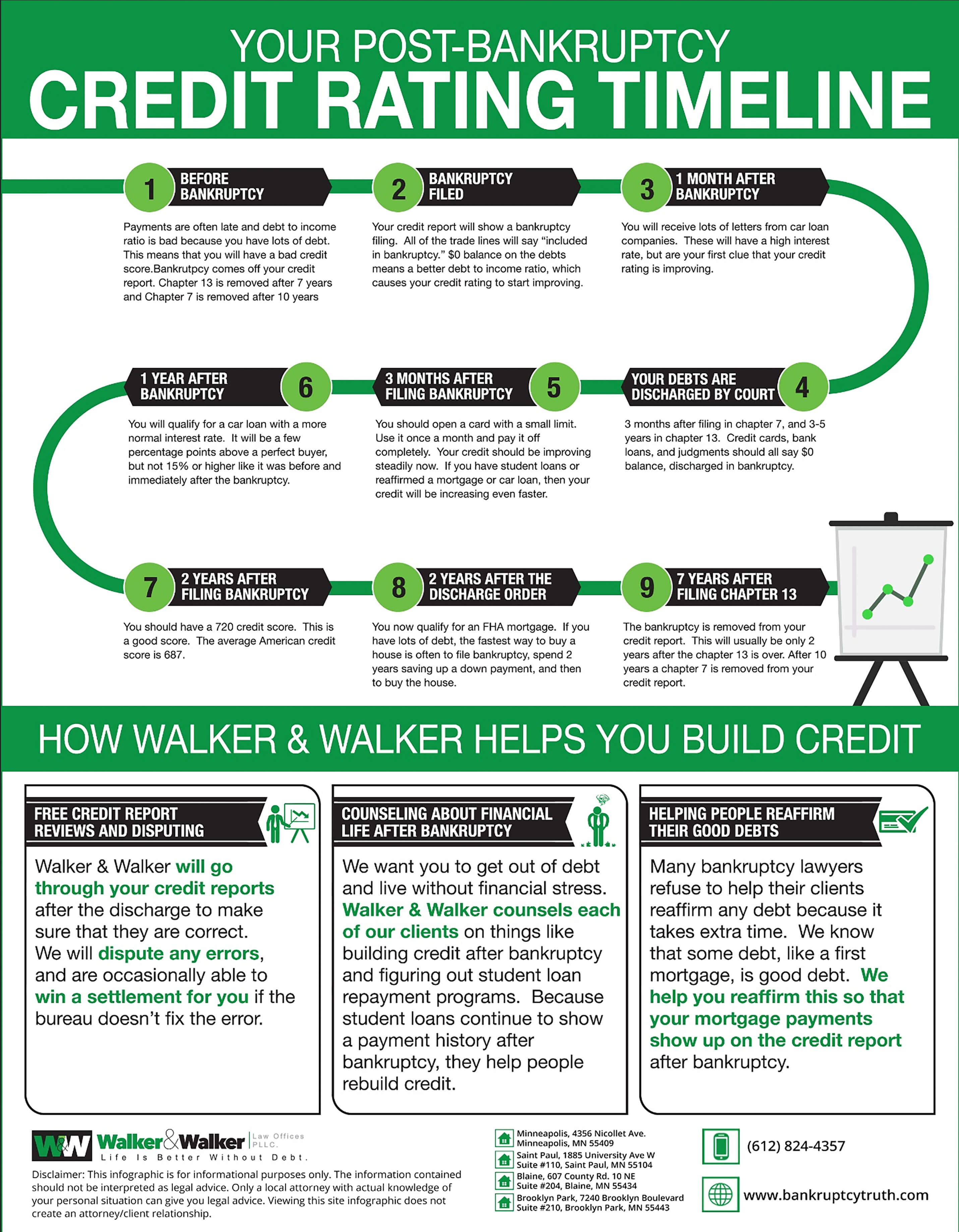
Credit: www.bankruptcytruth.com
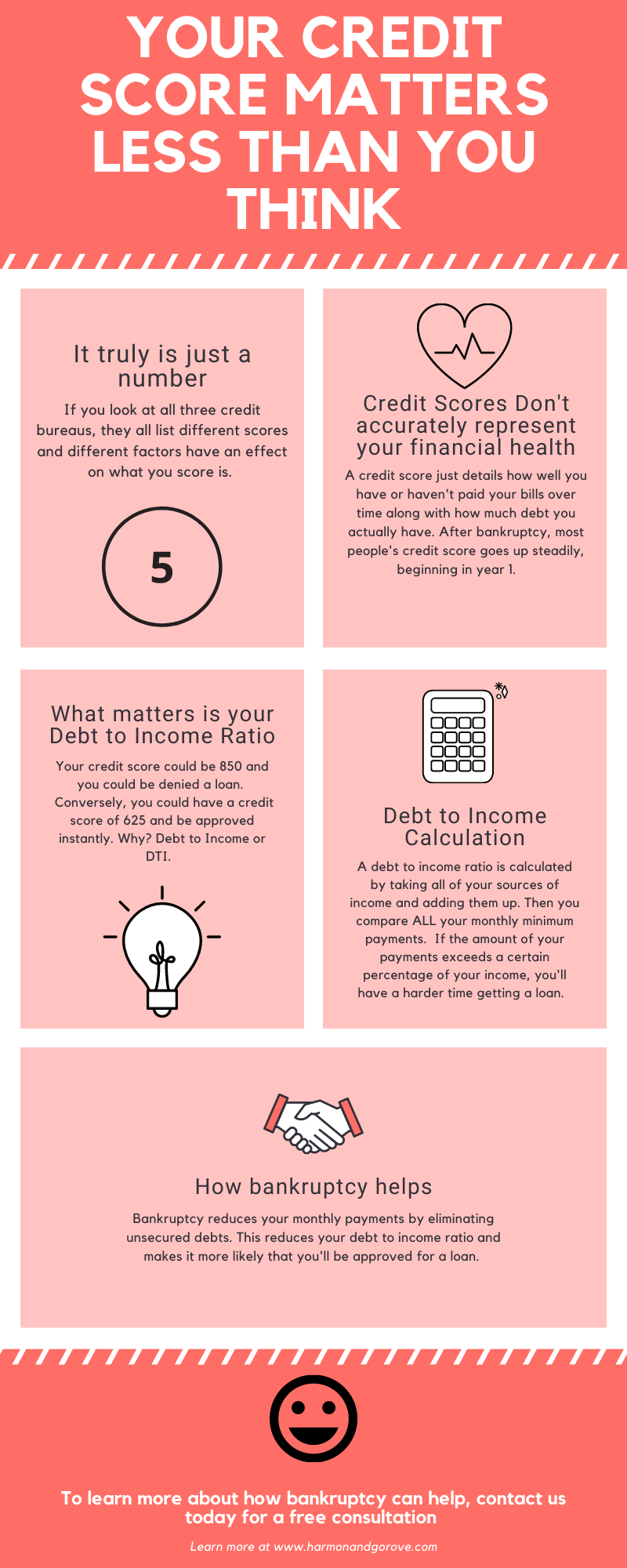
Credit: www.harmonandgorove.com
Frequently Asked Questions Of After Filing Bankruptcy What Is Your Credit Score
What Is The Average Credit Score After Bankruptcy?
The average credit score after bankruptcy varies. It depends on various factors, such as your financial behavior post-bankruptcy and how you manage your debts. Building credit from scratch is possible, and with responsible financial decisions, you can improve your credit score over time.
Does My Credit Score Start Again After Bankruptcy?
Your credit score does not start again after bankruptcy. It takes time to rebuild your credit history and improve your score. Successfully managing your finances and making on-time payments can help you rebuild your credit over time.
How Much Will My Credit Score Go Up When Bankruptcy Falls Off?
Your credit score will likely increase when bankruptcy is removed, but the exact amount is hard to determine. It depends on other factors like your credit history, payment behavior, and current financial situation. Be patient, practice responsible borrowing, and eventually, your score will improve.
What Would Your Credit Rating Be If You Are Declare Bankruptcy?
If you declare bankruptcy, your credit rating will be negatively impacted.
Conclusion
Ultimately, filing for bankruptcy will have an impact on your credit score. However, it is not the end of the road. With time and responsible financial behavior, you can start rebuilding your credit. Stay diligent in making timely payments, keeping your debt levels low, and regularly checking your credit report.
Remember, the key is perseverance and patience as your credit score will gradually improve over time. Stay committed to your financial goals, and you will be on the path to a healthier credit future.
Prominent examples of hostile takeovers include the attempted acquisition of Dell by Carl Icahn and the takeover of Time Warner by AOL. Despite facing resistance, both takeovers generated significant media attention and had profound impacts on the companies involved.
In the case of Dell, Carl Icahn tried to derail the company’s go-private deal, arguing that it undervalued the company. Alternatively, the AOL-Time Warner merger resulted in one of the biggest corporate disasters in history, as the transformed conglomerate lost billions of dollars and eventually unraveled.
These examples demonstrate the contentious nature of hostile takeovers and the potential consequences they can have on companies and their stakeholders.
The Anatomy Of Hostile Takeovers
The anatomy of hostile takeovers involves an in-depth examination of the definition and characteristics associated with this aggressive form of corporate acquisition. Understanding the dynamics of hostile takeovers is crucial for investors, business professionals, and anyone interested in the world of high-stakes corporate maneuvering.
Definition Of Hostile Takeovers
Hostile takeovers occur when a bidding company attempts to acquire another company without the consent or cooperation of the target company’s management board. Unlike friendly takeovers, which involve negotiations and mutual agreement, hostile takeovers are marked by resistance and opposition.
Characteristics Of Hostile Takeovers
Hostile takeovers possess several distinctive characteristics:
Non-Consensual Acquisition: In a hostile takeover, the target company’s management is typically blindsided by the bid, as the acquiring company bypasses their approval and goes directly to the shareholders.
Takeover Tactics: Hostile takeovers are often characterized by aggressive tactics, such as making unsolicited bids, taking advantage of undervalued stock prices, or launching proxy fights to gain control of the target company’s board.
Resistance: Unlike friendly takeovers, which are facilitated by open dialogue and cooperation, hostile takeovers face significant resistance from the target company’s management and board of directors. They employ strategies like poison pills, litigation, or adopting defensive measures (like issuing additional shares) to deter the acquisition.
Financial Motives: Hostile takeovers are driven by financial motives, such as gaining access to valuable assets, acquiring market share, or eliminating competition. The acquiring company believes that the target company holds significant value and can boost its own strategic goals.
Increased Shareholder Value: Successful hostile takeovers can result in increased shareholder value as the stock prices of the target company often surge after the deal is finalized, reflecting the perceived benefits of the acquisition.
Famous Hostile Takeover Attempts
When it comes to the world of mergers and acquisitions, hostile takeovers have always managed to grab attention. These aggressive attempts to acquire control over a target company against their wishes have led to some fascinating battles throughout history. In this article, we will explore two prominent examples of hostile takeover attempts that made headlines and shook the corporate world.
The Time Warner – Aol Case
The Time Warner – AOL case is often hailed as one of the most notable hostile takeover attempts in history. In the late 1990s, AOL, an internet services company, was at the height of its success. Meanwhile, Time Warner, a media conglomerate, was looking to tap into the growing online market. Seeing an opportunity, AOL made a bold move and proposed a merger with Time Warner.
However, what initially seemed like a promising partnership quickly turned into a struggle for control. As the negotiation progressed, it became clear that AOL’s intention was to dominate the merged entity, placing its executives in top positions. This angered Time Warner’s shareholders, who were concerned about the company’s long-established reputation. As a result, what started as a friendly merger discussion transformed into an all-out battle for power.
Pfizer’s Attempted Takeover Of Astrazeneca
In 2014, pharmaceutical giant Pfizer made headlines with its persistent pursuit of AstraZeneca, a British-Swedish multinational pharmaceutical company. Pfizer sought to acquire AstraZeneca in a hostile takeover, eager to tap into its extensive research and development capabilities and bolster its product pipeline.
However, AstraZeneca firmly resisted Pfizer’s advances, arguing that the proposed deal undervalued its potential and would not be in the best interest of its shareholders. AstraZeneca also voiced concerns about potential job losses and the impact on the company’s research and development efforts. The standoff between the two companies ignited discussions about the importance of national interest, as Pfizer’s acquisition would have resulted in a significant foreign takeover of a British company.
Ultimately, Pfizer’s attempted takeover of AstraZeneca failed, as the British government expressed concerns about the potential loss of jobs and intellectual property within the UK. This example demonstrates how national interests and strategic considerations can play a pivotal role in shaping the outcome of a hostile takeover attempt.
Successful Hostile Takeovers
Successful hostile takeovers are unique occurrences in the business world, where a target company is acquired against its will by another company. These takeovers often involve major corporations and can reshape entire industries. In this section, we will explore two prominent examples of successful hostile takeovers and examine their impact.
Dell’s Acquisition Of Emc Corporation
Dell’s acquisition of EMC Corporation in 2016 is a notable example of a successful hostile takeover. EMC Corporation, a multinational data storage company, was initially resistant to Dell’s advances, dismissing them as undervalued. However, Dell persisted and employed various strategies to gain control.
Offering a substantial premium on EMC’s stock price, Dell enticed many shareholders to sell their shares. Additionally, Dell leveraged its substantial financial resources to launch a tender offer, directly approaching EMC’s shareholders and bypassing the company’s management.
The hostile takeover became inevitable when enough shareholders expressed their willingness to sell their shares to Dell. Ultimately, the acquisition allowed Dell to expand its presence in the data storage market significantly.
Tata Steel’s Acquisition Of Corus Group
In 2007, Tata Steel, an Indian multinational steel company, successfully executed a hostile takeover of the British-based Corus Group. This acquisition marked a significant milestone in Tata Steel’s expansion strategy and enhanced its position in the global steel industry.
Tata Steel’s acquisition of Corus Group involved a combination of financial strength and strategic planning. Initially, Corus resisted Tata Steel’s advances, stating that the initial bid undervalued the company. However, Tata Steel revised its offer, raising the bid price to a level that wealthy shareholders found difficult to refuse.
The bidding process intensified as both Tata Steel and Corus Group engaged in a competitive exchange of offers. Eventually, Tata Steel emerged as the preferred bidder, effectively completing the hostile takeover.
Impact Of Hostile Takeovers
A hostile takeover occurs when a company’s management resists acquisition attempts by an unwanted buyer. Such takeovers can have far-reaching consequences, affecting both shareholders and the target company’s operations. Understanding the impact of hostile takeovers on these aspects is crucial in evaluating the implications and complexities that arise in such situations.
Effect On Shareholders
Hostile takeovers can have significant implications for shareholders, both in terms of their investments and potential financial gains or losses. Let’s explore some key effects:
Change in Stock Value: When the news of a hostile takeover emerges, it often triggers a surge or decline in the target company’s stock value. Shareholders may witness fluctuations in share prices as market sentiment reacts to the potential outcome of the takeover.
Profit Prospects: Since hostile takeovers often result in new management, shareholders may anticipate changes in the company’s strategy and direction. This anticipation can influence investor confidence, with the potential for increased profit prospects or reduced confidence in the target company’s future performance.
Loss of Control: Shareholders may lose their ability to influence decisions and policies in a hostile takeover. The acquiring company gains control over board seats and management, potentially compromising the interests of existing stakeholders.
Tender Offer Response: In an attempt to resist the takeover, target company management may encourage shareholders to reject the acquiring company’s tender offer. The response from shareholders plays a pivotal role in determining the outcome of the takeover battle.
Payoff Opportunities: In some instances, shareholders may have an opportunity to sell their shares at a premium during a hostile takeover bid. However, if the takeover fails, shareholders might face a decline in stock value.
Impact On Company Operations
The impact of hostile takeovers extends beyond shareholders to the target company’s operations and its future trajectory. Here are some key aspects:
Impact
Description
Disrupted Workforce
If management and personnel changes occur post-takeover, it can create uncertainty and disruption among employees, potentially affecting productivity and morale.
Change in Strategy
Acquiring companies often have their own vision and objectives, which may lead to significant shifts in the target company’s strategy, products, or services.
Integration Challenges
Merging different corporate cultures, systems, and operations can be complex, causing potential integration challenges that may disrupt day-to-day business activities.
Asset Restructuring
The acquiring company might restructure the target company’s assets, potentially divesting certain divisions or selling non-core assets to streamline operations.
Financial Repercussions
Hostile takeovers often involve substantial financial transactions and debt financing. Consequently, the target company may experience changes in its capital structure and financial stability.
Hostile takeovers have the potential to create major disruptions and reshaping within the targeted company, altering its future course. Understanding both the impact on shareholders and the target company’s operations is essential when analyzing the outcomes of such takeover battles.
Defensive Measures Against Hostile Takeovers
Defensive measures against hostile takeovers are crucial for companies to protect themselves from potential acquisitions that could be detrimental to their interests. These measures are implemented to deter or resist unsolicited acquisition attempts that are hostile in nature.
Poison Pills And Golden Parachutes
Poison pills are a common defensive strategy used by companies to make their stocks less attractive to potential acquirers. They allow existing shareholders to purchase additional shares at a discounted price, diluting the ownership stake of the hostile bidder. On the other hand, golden parachutes are provisions in employment contracts that provide substantial compensation or benefits to executives in the event of a change in control, making it costly for an acquirer to replace top management.
White Knight Strategy
The white knight strategy involves a friendly third-party company, often a competitor, stepping in to acquire the target company, thus thwarting the hostile bidder’s efforts. This approach can provide a more favorable outcome for the target company and its shareholders, allowing the business to merge with a more compatible suitor.
Frequently Asked Questions On What Are Some Prominent Examples Of Hostile Takeovers?
What Is The Most Famous Hostile Takeover?
The most famous hostile takeover is the acquisition of RJR Nabisco by Kohlberg Kravis Roberts in 1988.
What Is A Real World Example Of A Hostile Takeover?
A real world example of a hostile takeover is the attempted acquisition of Yahoo by Microsoft in 2008.
What Is A Recent Example Of A Hostile Takeover?
A recent example of a hostile takeover is the acquisition of Resurs Bank by Klarna Bank in 2021.
Conclusion
To summarize, hostile takeovers have been a recurring phenomenon in the corporate world. Notable examples include the merger between Proctor & Gamble and Gillette, the AOL and Time Warner debacle, and the HP-Compaq merger. These instances demonstrate the complex dynamics and power struggles that can arise when one entity seeks to gain control over another.
Understanding the intricacies of hostile takeovers provides valuable insights into the strategies and outcomes that can unfold in this competitive landscape.
Hire a financial advisor when you lack expertise in managing complex financial matters or need guidance to achieve financial goals. Many people find it helpful to hire a financial advisor when they face important financial decisions.
This could include scenarios like retirement planning, managing a windfall, or navigating complex tax situations. Financial advisors can offer valuable expertise and personalized guidance to help individuals optimize their financial situation. Whether it’s creating an investment strategy or navigating complex financial products, a financial advisor can provide the necessary support and expertise to help individuals make informed decisions.
Assessing Your Financial Situation
Assessing your financial situation is a crucial step in determining whether or not you need to hire a financial advisor. Understanding your current financial position and future objectives is imperative for making informed decisions about your financial well-being.
Assessing Your Current Financial Goals
Take the time to evaluate your short and long-term financial goals. Consider factors such as saving for retirement, purchasing a home, funding your children’s education, or starting a business. Understanding your aspirations will help you determine if you require professional guidance to achieve them.
Evaluating Your Investment Portfolio
Assess your investment portfolio to ensure it aligns with your risk tolerance and objectives. Analyze the diversification, performance, and fees associated with your investments. Identifying any areas that require adjustment or improvement can help in determining the need for a financial advisor’s expertise.
Complex Financial Decisions
Making important financial decisions can be a complex and daunting task. From tax planning to retirement and estate planning, these decisions require careful consideration and expert knowledge. Having a professional financial advisor by your side can help you navigate through these complexities and ensure that you make sound choices that align with your financial goals.
Navigating Tax Planning
When it comes to tax planning, it can be challenging to keep up with the ever-changing tax laws and regulations. Hiring a financial advisor can provide you with the expertise needed to navigate through this complex landscape. They can analyze your financial situation, identify potential tax-saving opportunities, and help you develop a personalized tax strategy. By optimizing your tax planning, you can minimize your tax liability and maximize your savings.
Retirement And Estate Planning
Planning for retirement and managing your estate are critical financial tasks that require careful attention to detail. It’s important to have a comprehensive retirement plan in place to ensure a comfortable and secure future. A financial advisor can help you assess your retirement goals, determine your savings needs, and develop a retirement strategy tailored to your unique circumstances.
Moreover, when it comes to estate planning, it’s vital to protect your assets and ensure your wealth is distributed according to your wishes. A professional financial advisor can help you navigate the complexities of estate planning, including drafting wills, setting up trusts, and minimizing estate taxes. They can guide you through the process, making sure that your loved ones are provided for and your legacy is preserved.
Behavioral Finance And Emotional Decision-making
When it comes to managing your finances, emotions can play a significant role in the decisions you make. Behavioral finance is a field of study that examines how our emotions and cognitive biases can impact financial decision-making. Emotions such as fear, anxiety, and greed can often lead to impulsive and irrational choices, especially during times of market volatility. Thus, understanding and managing these emotions is crucial for making rational and informed financial decisions.
Managing Emotions During Market Volatility
During periods of market volatility, it’s common for investors to experience a rollercoaster of emotions. Fear can make us overly cautious, leading us to sell our investments prematurely. On the other hand, greed can cloud our judgment, causing us to make inflated and riskier investment decisions. To effectively manage these emotions, here are a few strategies you can implement:
Stay Informed: Keeping yourself well-informed about the market can help alleviate fear and uncertainty. Regularly reviewing financial news and updates can provide you with a broader perspective and enable you to make more rational decisions.
Consult with a Financial Advisor: Seeking guidance from a qualified financial advisor can help you navigate market volatility and make informed decisions based on your unique goals and risk tolerance. They can provide you with objective advice and help you stay focused on your long-term financial objectives, regardless of short-term market fluctuations.
Stick to Your Plan: Having a well-defined financial plan in place is critical when it comes to managing emotions during market volatility. By following a pre-determined investment strategy, you can avoid making hasty decisions based on short-term market movements.
Keep a Long-Term Perspective: Remember that investing is a long-term journey. It’s essential to keep emotions in check and focus on the bigger picture. Short-term market fluctuations are a normal part of investing, and staying committed to your long-term goals can help you avoid emotional decision-making.
Overcoming Cognitive Biases
In addition to managing emotions, it’s equally essential to overcome cognitive biases that can cloud our judgment. Cognitive biases are inherent thought patterns that often lead us to make irrational decisions. Here are a few common cognitive biases and strategies to overcome them:
Cognitive Bias
How to Overcome
Loss Aversion: The tendency to feel the pain of a loss more intensely than the pleasure of a gain.
– Focus on long-term gains – Review historical performance – Diversify your investments
Confirmation Bias: The tendency to seek information that confirms our existing beliefs and opinions.
– Seek alternative viewpoints – Challenge your assumptions – Consider opposing arguments
Herding Mentality: The inclination to follow the crowd and make decisions based on the actions of others.
– Conduct independent research – Trust your own analysis – Stay true to your investment strategy
By being aware of these biases and implementing strategies to overcome them, you can make more rational and objective financial decisions, free from emotional influence.
Maximizing Financial Opportunities
When it comes to maximizing financial opportunities, knowing when to hire a financial advisor can make a significant impact on your long-term financial health. Identifying investment opportunities and optimizing risk management are crucial components of wealth building, and a skilled financial advisor can provide the expertise needed to navigate these complex areas.
Identifying Investment Opportunities
Identifying investment opportunities requires a keen understanding of the market and the ability to recognize potential growth areas. A financial advisor can analyze market trends and help you identify promising investment opportunities that align with your financial goals. By leveraging their insights and expertise, you can make informed investment decisions that have the potential to yield significant returns.
Optimizing Risk Management
Optimizing risk management is essential for safeguarding your wealth against potential market fluctuations. A skilled financial advisor can devise a risk management strategy tailored to your financial objectives, balancing risk and reward to protect your assets while maximizing growth opportunities. With their guidance, you can develop a diversified investment portfolio that mitigates risk and capitalizes on market upswings.
Frequently Asked Questions Of When Should You Hire Financial Advisor
When Should You Start Seeing A Financial Advisor?
Start seeing a financial advisor when you have financial goals, need help with investments, retirement, or taxes, or experiencing major life changes. Seeking advice early can prevent future financial mistakes and set you on the right path for long-term success.
At What Net Worth Should I Get A Financial Advisor?
You should consider a financial advisor if your net worth is over $250,000. A financial advisor can help manage and grow your wealth more effectively.
Should I Get A Financial Advisor In My 20s?
Yes, getting a financial advisor in your 20s can help you plan for the future, set financial goals, and manage your investments wisely. An advisor can provide valuable guidance and help you make informed decisions about saving, budgeting, and investing for long-term financial success.
Conclusion
To conclude, hiring a financial advisor can be a valuable move for anyone seeking assistance and guidance in managing their finances. With their expertise and knowledge, they can help you clarify your financial goals and develop strategies to achieve them.
They can also provide objective advice and solutions tailored to your specific needs and circumstances. By enlisting the services of a qualified financial advisor, you can gain peace of mind and confidence in your financial future.
Diluted Shares: Understanding the Impact on Shareholders
When discussing the world of investments and finance, one term that often comes up is “diluted shares.” While it may sound complex, understanding the concept of diluted shares is crucial for shareholders and investors alike. In this article, we will dive deep into diluted shares, what they mean, and how they can impact you as a shareholder.
What are Diluted Shares?
Diluted shares refer to the potential increase in the number of outstanding shares of a company’s stock. This increase occurs when a company issues additional shares, such as through stock options, convertible securities, or stock warrants. Dilution takes place because new shares are being introduced into the market, essentially diluting the ownership and voting rights of existing shareholders.
Dilutive securities, such as stock options or convertible bonds, have the potential to be converted into common shares, which can significantly impact the ownership structure of a company. When these securities are converted, the number of outstanding shares increases, and existing shareholders’ ownership percentage decreases.
Credit: www.abbott.com
https://www.youtube.com/watch?v=i21Awka5Eug
The Impact on Shareholders
The impact of diluted shares on shareholders can vary depending on the specific circumstances and magnitude of dilution. Let’s explore some of the key considerations:
Dilution Type
Impact
Stock Options
When stock options are exercised, new shares are issued, potentially reducing the value of existing shares. This, in turn, can dilute the ownership percentage of shareholders.
Convertible Securities
If a company issues convertible bonds or preferred stock, these securities can be converted into common shares, leading to dilution. The conversion ratio determines to what extent existing shareholders’ ownership will be diluted.
Stock Warrants
Similar to stock options, the exercise of stock warrants results in the issuance of new shares. This can dilute the value and ownership of existing shares.
When the number of outstanding shares increases, the earnings per share (EPS) and the value of each share can be diluted. This occurs because earnings are divided among a greater number of shares. A lower EPS can negatively impact a company’s stock price and, consequently, the value of shareholders’ investments.
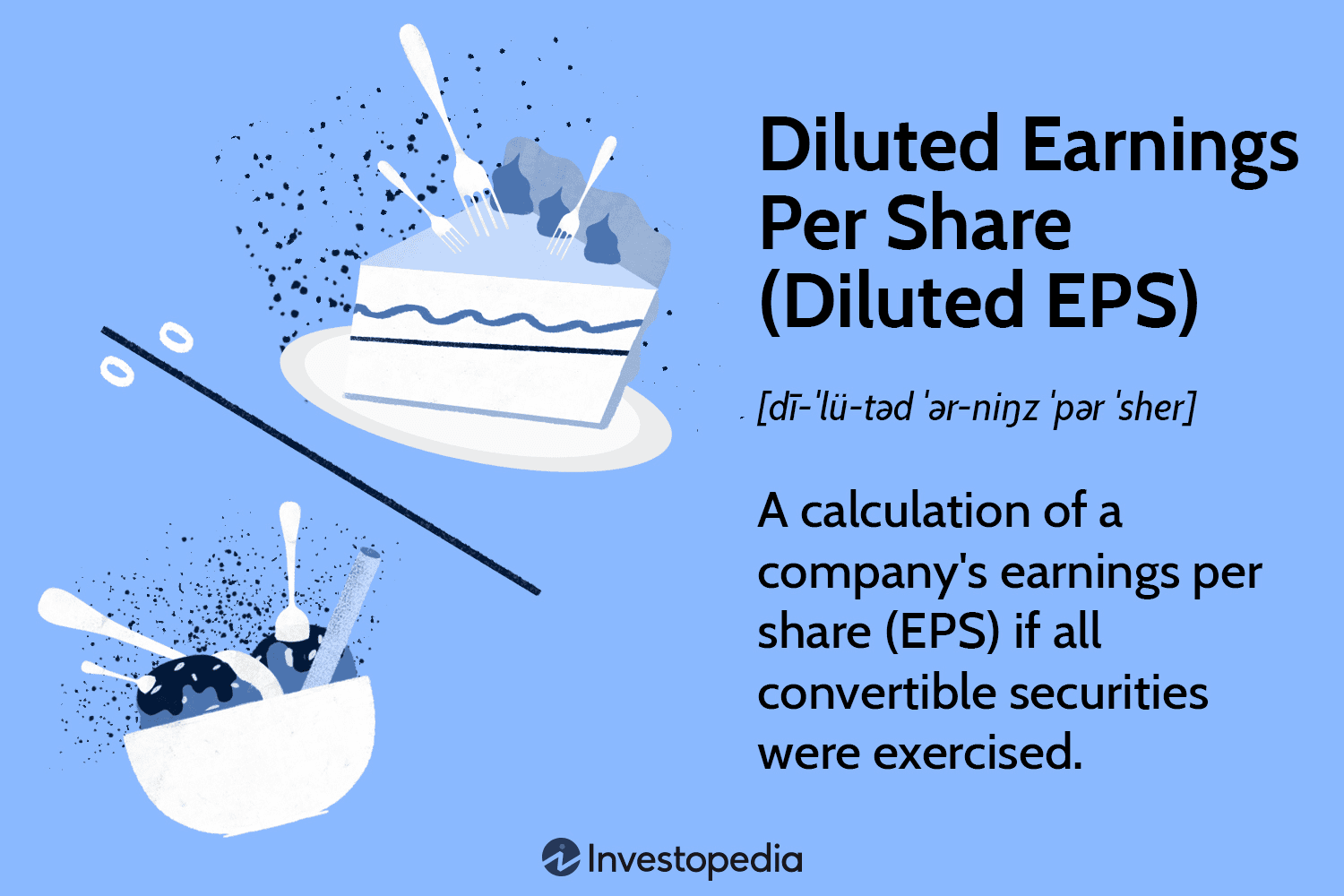
Credit: www.ourcrowd.com
Understanding Diluted EPS
One way to assess the impact of diluted shares on a company’s financials is by considering diluted earnings per share (EPS). Diluted EPS takes into account the potential dilution from outstanding convertible securities and stock options.
Diluted EPS reflects the lowest possible earnings a company could have if all dilutive securities were converted into common shares. By including the effect of dilution, diluted EPS gives a more conservative estimate of a company’s earnings per share.
When evaluating a company’s performance or making investment decisions, it’s crucial to consider both basic EPS (which does not consider potential dilution) and diluted EPS. Comparing these values can provide a clearer picture of a company’s financial health and growth prospects.
Conclusion
Diluted shares are an important concept to understand for shareholders and investors. The introduction of new shares through convertible securities, stock options, or stock warrants can dilute the ownership and value of existing shares. Dilution may impact earnings per share and, consequently, a company’s stock price.
By being aware of the potential impact of diluted shares, shareholders can make more informed decisions and assess the overall financial health and growth potential of a company. It’s always recommended to consult with a financial advisor or conduct thorough research before making any investment decisions.
The Naked Call Options Strategy: An In-Depth Guide
Investing in options can be a lucrative way to generate income and hedge against market volatility. One such options strategy is the naked call, which involves selling call options without owning the underlying stock. In this comprehensive guide, we will explore the ins and outs of the naked call strategy, its risks and rewards, and how to execute it effectively.
Understanding Naked Call Options
A naked call, also known as an uncovered call, is a high-risk options strategy available to experienced traders. It involves selling call options on a stock that the investor does not own. The seller is obligated to deliver the shares if the option is exercised by the buyer.
This strategy is based on the belief that the stock price will remain stagnant or decline, resulting in the options expiring worthless. By selling the call options, traders aim to collect the premium upfront and keep it if the options expire out of the money.
The Risks of Naked Call Options
While the naked call strategy can offer attractive benefits, it also comes with substantial risks that every investor must be aware of:
Unlimited Loss Potential: Unlike buying a call option, where the maximum loss is limited to the premium paid, selling a naked call exposes the investor to unlimited losses if the stock price rises significantly.
Obligation to Deliver: If the options are exercised, the seller must deliver the shares at the strike price, regardless of the stock’s current market price. This can lead to significant losses if the stock price rises above the strike price.
Margin Requirements: As selling naked calls involves substantial risk, brokers often require investors to maintain a margin account and deposit collateral to cover potential losses.
Executing the Naked Call Strategy
When implementing the naked call strategy, there are several key factors to consider:
Stock Selection: Choose stocks with high volatility and a bearish outlook. Conduct thorough fundamental and technical analysis to assess the likelihood of the stock price declining or remaining stagnant.
Option Selection: Sell call options with strike prices above the current market price. The premium received should adequately compensate for the potential risks involved.
Time Horizon: Consider the expiration date of the options. Shorter time frames can result in higher premiums, but they also increase the risk of the stock price rising unexpectedly.
Risk Management: Implement stop-loss orders to define the maximum loss you are willing to accept. This can help limit potential losses if the stock price moves against your position.
Alternative Strategies
If the naked call option strategy seems too risky, there are alternative strategies that investors can consider:
Covered Call Strategy: Instead of selling naked calls, investors can sell call options on stocks they already own. This reduces the risk as the investor has the shares to deliver if the options are exercised.
Bull Put Spread: This strategy involves selling put options at a lower strike price and buying put options at an even lower strike price. It allows investors to profit from a bullish or sideways market while limiting potential losses.
Collar Strategy: This strategy combines buying protective put options and selling covered call options simultaneously. It helps to limit downside risk while generating income from the sale of call options.
Frequently Asked Questions Of Naked Call
Faq: What Is A Naked Call?
A Naked Call refers to an options trading strategy where an investor sells a call option without owning the underlying stock. By doing so, the investor assumes the risk of unlimited losses if the price of the stock rises above the strike price of the call option.
Faq: How Does A Naked Call Work?
When an investor sells a Naked Call, they collect the premium from selling the call option upfront. If the price of the underlying stock remains below the strike price, the investor keeps the premium. However, if the stock price rises above the strike price, the investor may have to buy the stock at the higher market price and deliver it to the buyer of the call option.
Faq: What Are The Risks Of Trading Naked Calls?
The main risk of trading Naked Calls is the potential for unlimited losses. If the price of the underlying stock rises significantly, the investor may be required to buy the stock at a higher price and deliver it to the option buyer.
This could result in significant financial losses if not managed properly.
Faq: Are There Any Benefits To Using Naked Calls?
While Naked Calls carry risks, they can also provide opportunities for generating income through the collection of premiums from selling call options. This strategy can be appealing to investors who anticipate a sideways or bearish market, where they believe the price of the underlying stock will remain below the strike price.
Conclusion
The naked call options strategy can be a powerful tool in an experienced trader’s arsenal. However, it is crucial to understand the risks involved and approach it with caution. Before implementing this strategy, conduct thorough research, consult with a financial advisor, and ensure it aligns with your risk tolerance and investment goals.
Taking out a personal loan might be a bad idea if you have a low credit score and high debt-to-income ratio. It can further deteriorate your financial situation.
Personal loans can be appealing for quick cash, but it’s important to assess the potential drawbacks before applying. Before committing to this financial obligation, consider the impact it could have on your credit score and overall financial health. We’ll discuss the circumstances in which personal loans may not be the best option and explore alternative strategies to address your financial needs.
By the end, you’ll have a better understanding of when it’s wise to pursue a personal loan and when it might do more harm than good.
High-risk Situations
When Personal Loans Are a Bad Idea
When it comes to personal loans, there are certain high-risk situations that warrant careful consideration. In these scenarios, taking out a personal loan may not be the best financial decision. Understanding these situations can help you make informed choices about managing your finances.
Limited Income
Finding yourself in a situation with a limited income can make it difficult to manage the repayments of a personal loan. As personal loan payments are fixed, they can strain your budget, leading to financial stress and potential missed payments. In such cases, seeking alternatives for managing expenses such as budgeting and seeking financial counseling may be more beneficial.
Outstanding Debt
If you already have outstanding debt, taking on additional financial obligations through a personal loan can exacerbate your current financial challenges. It can lead to a cycle of debt accumulation and increase the risk of default. It’s essential to focus on paying off existing debts before considering a personal loan to prevent further financial strain.
Poor Financial Management
Poor financial management can lead to detrimental consequences when it comes to personal loans. From failing to establish a budget to succumbing to impulsive spending habits, individuals with poor financial management skills often find themselves trapped in a cycle of debt and financial instability. In this article, we will delve into two key aspects that highlight why personal loans can be a bad idea for those who struggle with managing their finances: lack of budgeting and impulsive spending.
Lack Of Budgeting
Without a budget in place, individuals tend to overspend and lose track of their expenses. A budget acts as a financial roadmap, allowing you to prioritize your needs, monitor your cash flow, and allocate funds accordingly. By not having a budget, you run the risk of mismanaging your finances and taking on unnecessary debt.
Impulsive Spending
Impulsive spending is another common pitfall for individuals with poor financial management skills. It refers to making purchases based on immediate desires rather than considering long-term financial goals. Personal loans can provide quick access to funds, making it tempting for individuals to give in to impulsive buying behaviors. Unfortunately, this can lead to accumulating debt that is difficult to repay, putting you in an even more precarious financial situation.
It is important to note that personal loans can be a useful financial tool if utilized responsibly. However, for individuals who struggle with poor financial management, taking on a personal loan can exacerbate their existing problems. Before considering a personal loan, it is crucial to address and improve your financial habits, such as setting up a budget and curbing impulsive spending.
Unsuitable Purposes
Considering personal loans for unsuitable purposes, such as funding non-essential expenses or gambling, can lead to financial strain. It is essential to assess the necessity and potential consequences before pursuing a personal loan, ensuring responsible financial decision-making.
Luxury Purchases
When considering personal loans, it is crucial to evaluate the purpose of the loan and whether it aligns with your financial goals. While personal loans can be a valuable tool in certain situations, they are not suitable for every need. It’s important to be mindful of the temptations that can arise when it comes to borrowing money.
If you are thinking about using a personal loan for luxury purchases, it may be a bad idea. Luxury items such as designer clothes, expensive vacations, or the latest gadgets may provide temporary satisfaction, but they often come with hefty price tags and offer little long-term value. Borrowing money to indulge in these luxuries can strain your budget and leave you drowning in debt.
Instead of using a personal loan for luxury purchases, it is wise to save up and purchase these items with cash or consider alternative financing options. If you still find yourself tempted to use a personal loan for nonessential items, take a step back and evaluate whether it is a true necessity or simply a fleeting desire.
Investment In High-risk Ventures
Another situation where a personal loan may be a bad idea is when you are considering investing in high-risk ventures. While there is potential for high returns, such investments also come with a significant level of uncertainty and risk. Borrowing money to invest in projects such as startups, speculative stocks, or risky real estate ventures can expose you to substantial financial loss.
Before considering a personal loan for investment purposes, it is important to carefully evaluate the potential risks and rewards. It is advisable to consult with a financial advisor who can provide guidance based on your individual circumstances and risk tolerance. Exploring lower-risk investment options or building a diversified investment portfolio may be a more prudent approach to growing your wealth.
Remember, personal loans are meant to address financial needs that offer long-term value and enhance your overall financial well-being. Using them for luxury purchases or high-risk ventures may lead to financial instability and burden that can be challenging to overcome. It’s crucial to make informed decisions about borrowing money that are aligned with your financial goals and priorities.
Negative Impact On Credit
When considering personal loans, it’s crucial to understand the potential negative impact on credit. Unfortunately, personal loans can negatively affect credit in several ways, which borrowers should be aware of before taking out a loan.
Increased Debt-to-income Ratio
A personal loan can increase debt-to-income ratio, potentially causing a negative impact on credit. With a higher debt-to-income ratio, lenders may view borrowers as riskier and could be less likely to approve future credit applications.
Missed Payments
Missed payments on a personal loan can significantly damage credit. Any payment that is 30 days or more past due can be reported to credit bureaus, lowering the borrower’s credit score and making it harder to obtain credit in the future. Additionally, missed payments can result in late fees, further increasing the financial burden.
Frequently Asked Questions On When Personal Loans Bad Idea
Is It A Bad Idea To Take Out A Personal Loan?
No, taking out a personal loan is not necessarily a bad idea. However, it depends on your individual financial situation and needs. Make sure to carefully consider interest rates, repayment terms, and whether you can comfortably afford the loan payments before making a decision.
At What Point Is A Personal Loan A Good Idea?
A personal loan is a good idea when you need immediate funds for emergencies or large expenses. It can be helpful for debt consolidation, home renovations, or unexpected medical bills.
What Is The Risk Of Getting A Personal Loan?
The main risk of a personal loan is the potential for high interest rates. It’s important to carefully consider your ability to repay the loan. Defaulting on the loan can lead to damaged credit and financial penalties.
Conclusion
Obtaining a personal loan can be a tempting solution to financial challenges, but it’s crucial to evaluate the long-term consequences. Carefully weigh the interest rates, fees, and repayment terms before committing to a personal loan. Remember, borrowing should only be done when absolutely necessary and if you have a solid plan for repayment.
Before making any decisions, it’s wise to explore alternative options and seek professional financial advice.