
Category: Uncategorized

  • Forward Integration: Boost Your Business with Seamless Expansion!

    Forward Integration: Boost Your Business with Seamless Expansion!

    Forward Integration: Expanding Your Business for Growth

    In the ever-evolving world of business, finding ways to expand and grow is crucial for success. One strategy that has gained popularity is forward integration. So, what exactly is forward integration and how can it benefit your business? Let’s dive in and explore.

    Forward Integration  : Boost Your Business with Seamless Expansion!

    Credit: land-book.com

    What is Forward Integration?

    Forward integration is a business strategy where a company expands its operations by incorporating activities further along the supply chain. It involves taking control of distribution channels or retail outlets to sell its products or services directly to consumers. Essentially, it means moving closer to the end consumer.

    By implementing forward integration, businesses can reduce their dependency on intermediaries and gain more control over the customer experience. This strategy enables companies to enhance profitability, increase market share, and establish a stronger presence in the market.

    The Benefits of Forward Integration

    Forward integration offers several advantages to businesses:

    1. Increased Profitability: By eliminating intermediaries, companies can capture a larger portion of the profit margin. This can significantly impact the bottom line and enhance overall profitability.
    2. Enhanced Control: With forward integration, businesses have more control over product quality, pricing, and customer service. This greater control fosters customer satisfaction and loyalty, leading to long-term success.
    3. Market Expansion: Forward integration allows businesses to enter new markets and reach a wider customer base. By owning retail outlets or distribution channels, companies can extend their geographic reach and tap into new opportunities.
    4. Brand Building: Direct interaction with customers through forward integration provides companies with valuable insights. This enables them to build a stronger brand, tailor their offerings to customer needs, and build long-lasting relationships.

    Implementing Forward Integration

    Now that we understand the benefits of forward integration, let’s explore how businesses can effectively implement this strategy:

    1. Market Research:

    Prior to venturing into forward integration, conducting thorough market research is essential. Identify target markets, customer preferences, and potential obstacles. This data will guide your decision-making process and ensure a successful implementation.

    2. Acquiring Distribution Channels:

    Acquiring or creating distribution channels is a crucial step in forward integration. This could involve setting up retail outlets, acquiring existing stores, or partnering with distributors. The goal is to have direct access to customers and gain control over the distribution process.

    3. Streamlining Operations:

    To ensure smooth functioning of the integrated operations, it is important to streamline processes. This includes optimizing supply chain management, inventory control, and logistics. Embrace technologies that enable efficient operations, such as inventory management software and automated order fulfillment systems.

    4. Staff Training:

    Train your staff to provide exceptional customer service. With direct customer interaction, well-trained employees are vital for building strong customer relationships and delivering a positive brand experience.


    Real-Life Examples of Successful Forward Integration

    Many renowned companies have implemented forward integration with great success. Here are a few examples:

    1. Apple:

    Apple, known for its premium electronic products, established its own retail stores worldwide. This forward integration strategy allowed the company to create an exclusive shopping experience for customers. It also provided them with valuable insights into customer preferences, leading to continuous innovation and product enhancements.

    2. Starbucks:

    Starbucks, a leading coffeehouse chain, not only expanded its retail presence but also ventured into coffee bean sourcing and roasting. This forward integration enabled Starbucks to have full control over its supply chain, ensuring the quality and consistency of its products. It also added an element of differentiation, as Starbucks could directly communicate its ethical sourcing practices to customers.

    3. Tesla:

    Tesla, the electric vehicle pioneer, decided to sell its vehicles directly to consumers rather than relying on traditional car dealerships. By embracing forward integration, Tesla could educate potential buyers about the benefits of electric vehicles and create a unique buying experience. This strategy has helped Tesla establish itself as a leading brand in sustainable transportation.
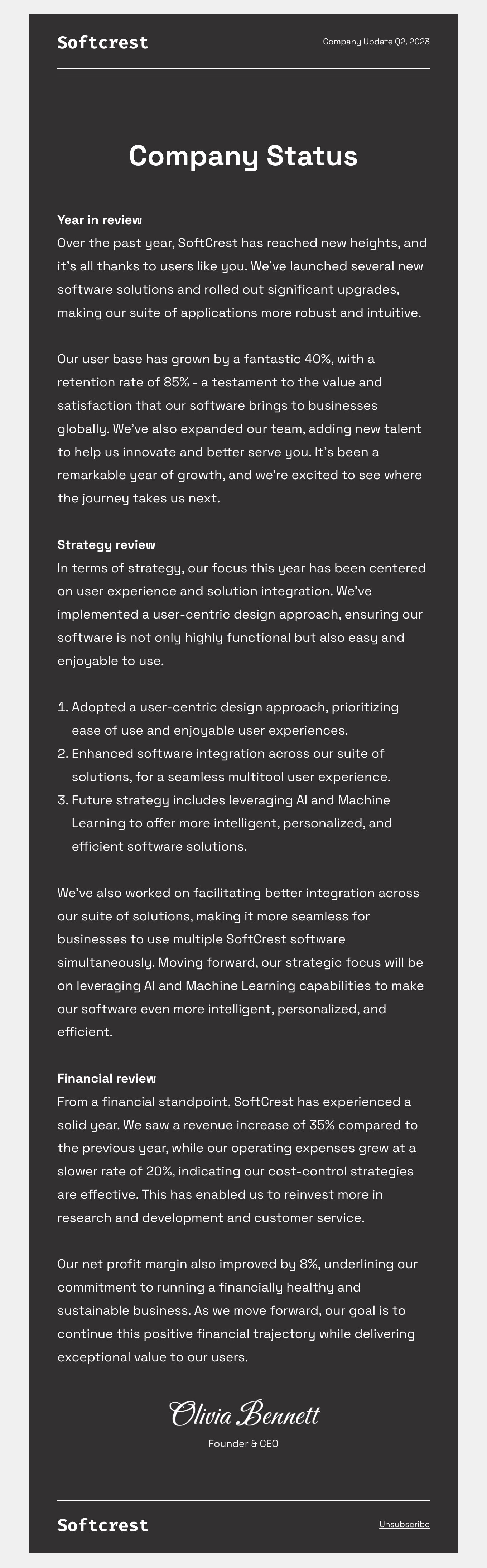
    Forward Integration  : Boost Your Business with Seamless Expansion!

    Credit: designmodo.com

    Conclusion

    Forward integration is a powerful business strategy that offers numerous benefits in terms of profitability, control, market expansion, and brand building. By embracing forward integration, companies can position themselves for growth and gain a competitive edge in the market. With careful planning, market research, and streamlined operations, forward integration can unlock new opportunities and pave the way for long-term success.

  • Tracking Error Explained: Uncovering the Power of Precise Portfolio Analytics

    Tracking Error Explained: Uncovering the Power of Precise Portfolio Analytics

    Tracking Error: What Is It and How Does It Affect Your Investments?

    When it comes to investing in financial markets, one of the key factors to consider is performance. Investors want their portfolios to generate returns that match or exceed the benchmark index they are comparing themselves to. However, achieving perfect returns that precisely mirror the benchmark is nearly impossible due to a phenomenon known as tracking error.

    Tracking Error Explained: Uncovering the Power of Precise Portfolio Analytics

    Credit: pubs.acs.org

    Understanding Tracking Error

    Tracking error refers to the divergence between the returns of an investment portfolio and its benchmark index. It measures the extent to which a fund or portfolio manager deviates from the index it is designed to track. This deviation can be caused by various factors such as transaction costs, portfolio rebalancing, or differences in the composition of the index and the portfolio.

    While tracking error is often associated with passive investing strategies like index funds and exchange-traded funds (ETFs), it is relevant for all types of investment portfolios. Even actively managed funds aim to outperform their benchmark index, and the level of tracking error can provide insights into the performance of the fund manager.

    Calculating Tracking Error

    Tracking error is usually calculated using the standard deviation of the difference between the portfolio’s returns and the benchmark’s returns over a specific period. The formula is as follows:

    Tracking Error (%) = Standard Deviation (Portfolio Returns – Benchmark Returns)

    A higher tracking error indicates a larger deviation from the benchmark, meaning the portfolio’s performance is less correlated with the index. Conversely, a lower tracking error suggests that the portfolio closely mirrors the index’s performance.

    Tracking Error Explained: Uncovering the Power of Precise Portfolio Analytics

    Credit: www.nature.com

    The Effects of Tracking Error on Investments

    The level of tracking error can have significant implications for investors. Here are a few key effects:

    1. Performance Comparison: Tracking error helps investors assess how well a portfolio manager is able to replicate the benchmark index. If the tracking error is high, it suggests that the manager’s investment decisions are deviating significantly from the index. On the other hand, a low tracking error implies that the manager is closely mimicking the index’s performance.
    2. Costs and Expenses: Tracking error can also affect the costs associated with an investment. Funds that track an index closely with low tracking error often have lower expenses. Conversely, actively managed funds with higher tracking error might have higher trading costs due to frequent buying and selling of securities.
    3. Diversification: Tracking error can help investors determine how diversified their portfolios are. A high tracking error indicates that the portfolio has significant exposure to assets that are not included in the benchmark index. This can be a sign of either intentional deviation by the manager in pursuit of higher returns or unintentional exposure to additional risks.
    4. Risk Assessment: Tracking error serves as a measure of risk. Investors can evaluate the volatility of an investment portfolio by examining its tracking error. A higher tracking error implies a riskier portfolio, as it indicates greater deviation from the benchmark index.

    Controlling Tracking Error

    Investors who are mindful of tracking error can take steps to manage it effectively:

    • Investment Strategy: Choosing the right investment strategy is crucial. Passive investors may opt for index funds or ETFs with low tracking error, allowing them to obtain returns close to the benchmark index. Active investors, on the other hand, must be cognizant of the trade-offs between potential outperformance and higher tracking error.
    • Portfolio Rebalancing: Regular portfolio rebalancing can help align the composition of the portfolio with the benchmark index, reducing tracking error. This involves adjusting the weightings of different assets within the portfolio regularly to maintain the desired asset allocation.
    • Transaction Costs: Minimizing transaction costs can help reduce tracking error. Investors should carefully consider the impact of buying and selling securities on the overall performance of the portfolio. High turnover rates can lead to increased tracking error and erode returns over time.
    • Investment Due Diligence: Before investing in a fund, it’s essential to research its historical tracking error and understand the factors contributing to any deviations from the benchmark. This information can provide insights into the fund manager’s investment philosophy and decision-making process.

    In conclusion, tracking error is a critical metric for investors to consider when evaluating the performance and risk of investment portfolios. By understanding and managing tracking error effectively, investors can make smarter investment decisions and align their portfolios with their financial goals.

  • Moral Suasion

    Values and ethics play a significant role in shaping individual behavior, and in a broader context, the behavior of societies. While laws, regulations, and penalties are commonly used to encourage compliance, there exists another powerful tool known as moral suasion.

    What is Moral Suasion?

    Moral suasion refers to the act of appealing to one’s moral principles and values in order to influence desired behavior or promote certain actions. It relies on reasoning, persuasion, and collective responsibility rather than coercion or force.

    The Power of Values and Ethics:

    Values and ethics act as guiding principles for individuals and communities, shaping their behavior and decision-making processes. By appealing to these values, moral suasion aims to create a sense of moral obligation and accountability, motivating individuals to act in accordance with societal expectations.

    Examples of Moral Suasion:

    ExampleExplanation
    Banning single-use plastic bagsBy highlighting the environmental consequences and encouraging the use of reusable bags, individuals are compelled to act responsibly for the benefit of the planet.
    Promoting organ donationThrough educational campaigns and personal stories highlighting the impact of organ donation, people are urged to make informed decisions and save lives.
    Encouraging blood donationAppealing to the compassion and sense of community, individuals are motivated to donate blood and help save lives.
    Reducing food wasteBy raising awareness about the environmental and social repercussions of food waste, people are motivated to minimize waste and contribute to a more sustainable world.

    The Role of Leadership:

    Leaders, whether in public or private domains, play a crucial role in shaping moral suasion campaigns. Their ethical behavior, consistent messaging, and transparency directly influence the public’s trust and willingness to adopt desired behaviors.

    The Challenges Faced:

    Moral suasion is not without its challenges. One of the major obstacles lies in effectively communicating the importance of the desired behavior and appealing to individuals’ sense of moral duty. Moreover, it requires continuous efforts to ensure sustainability and long-term adherence.

    Effectiveness and Benefits:

    When executed successfully, moral suasion can yield numerous benefits:

    1. Behavior change: Moral suasion can be a powerful tool for influencing behavior, driving positive change, and promoting collective responsibility.
    2. Voluntary compliance: By appealing to one’s values and morality, individuals are more likely to voluntarily follow the desired behavior rather than feeling forced.
    3. Long-term impact: When values and ethics become ingrained in individuals’ minds, the impact of moral suasion extends beyond a particular campaign, leading to sustained positive behavior changes.
    4. Building social fabric: Encouraging individuals to act in line with shared values fosters a sense of community and social cohesion.

    Conclusion:

    Moral suasion, driven by values and ethics, serves as a potent means of bringing about positive societal change. By appealing to individuals’ inner motivations, it offers a more effective and sustainable approach to influencing behavior. However, it requires consistent efforts, effective communication, and strong leadership to ensure its success.

    Frequently Asked Questions For Moral Suasion

    What Is Moral Suasion?

    Moral suasion is a persuasive technique used by individuals or organizations to influence behavior based on moral principles.

    How Does Moral Suasion Work?

    Moral suasion works by appealing to an individual’s sense of right and wrong, aiming to convince them to act in a morally responsible manner.

    What Are Some Examples Of Moral Suasion?

    Examples of moral suasion include public campaigns promoting environmental responsibility, urging people to donate to charity, or encouraging honesty and integrity in businesses.

    Is Moral Suasion Effective?

    Moral suasion can be effective, but its success depends on various factors such as the target audience, the strength of the moral argument, and the credibility of the persuader.


  • Kangaroo Bond : Unlocking Lucrative Investment Opportunities

    Kangaroo Bond – A Guide to Investing in Australia’s Market

    Kangaroo Bond is a type of bond that is issued by non-Australian entities in the Australian market, denominated in Australian dollars. This bond has gained popularity among international issuers due to Australia’s stable economy, strong credit ratings, and attractive interest rates.

    What is a Kangaroo Bond?

    A Kangaroo Bond, named after Australia’s iconic animal, the kangaroo, is a bond issued by foreign entities in the Australian bond market. It offers non-Australian issuers an opportunity to raise capital in Australian dollars and tap into the country’s investor base.

    Kangaroo Bonds are typically issued by supranational organizations, multinational corporations, and foreign governments. They are denominated in Australian dollars (AUD) and are subject to Australian regulations and oversight.

    Benefits of Investing in Kangaroo Bonds

    Kangaroo Bonds offer several benefits to foreign issuers and investors:

    • Access to Australian Market: Kangaroo Bonds allow non-Australian entities to access Australia’s deep and liquid bond market.
    • Diversification: Investing in Kangaroo Bonds provides diversification for investors by adding exposure to the Australian market, which has shown resilience and stability.
    • Attractive Interest Rates: The Australian bond market often offers higher interest rates compared to other developed markets, making Kangaroo Bonds an appealing investment option.
    • Strong Credit Ratings: Australia has a strong credit rating, making Kangaroo Bonds attractive to investors seeking low-risk investments.
    • Currency Diversification: Kangaroo Bonds enable issuers and investors to diversify their currency exposure by accessing the Australian dollar.

    Risks and Considerations

    While Kangaroo Bonds have their benefits, it is crucial to consider the risks associated with investing in them:

    • Currency Risk: Fluctuations in the Australian dollar’s value can impact the bond’s return when converted back into the investor’s currency.
    • Interest Rate Risk: Changes in interest rates can affect the value of Kangaroo Bonds. A rise in rates may lead to a decrease in bond prices, while a decline in rates may result in higher bond prices.
    • Market Liquidity Risk: The liquidity of Kangaroo Bonds may vary, and in certain situations, investors may find it difficult to sell their securities at desired prices.
    • Sovereign Risk: Investors need to assess the creditworthiness of the issuer as Kangaroo Bonds are subject to the issuer’s home country regulations and economic conditions.
    Kangaroo Bond  : Unlocking Lucrative Investment Opportunities

    Credit: medium.com

    Kangaroo Bond  : Unlocking Lucrative Investment Opportunities

    Credit: fastercapital.com

    Investing in Kangaroo Bonds

    Investing in Kangaroo Bonds requires careful consideration and research. Here are some steps to get started:

    1. Evaluate your investment objectives and risk tolerance: Determine why you want to invest in Kangaroo Bonds and how much risk you are willing to take.
    2. Research potential issuers: Look for issuers with strong credit ratings and assess their financial health, stability, and performance.
    3. Understand the bond’s terms and conditions: Review the bond’s maturity, coupon rates, payment frequency, and any special features it may have.
    4. Consult with a financial advisor: Seek guidance from a financial professional who can provide personalized advice based on your investment goals and risk tolerance.
    5. Monitor your investment: Keep track of the bond’s performance, stay updated on market trends, and make adjustments to your portfolio as needed.

    Conclusion

    Kangaroo Bonds present a valuable investment opportunity for both issuers and investors. They offer access to Australia’s stable economy, attractive interest rates, and a diversified currency exposure. However, it’s essential to carefully evaluate the associated risks and conduct thorough research before investing in Kangaroo Bonds. By understanding your investment objectives and seeking professional advice, you can make informed decisions and potentially benefit from this unique investment instrument.

  • Wealth Effect : Ignite Your Prosperity with the Power of the Wealth Effect

    The concept of the wealth effect is an important factor influencing the behavior of consumers and the overall health of an economy. It refers to the impact that changes in the value of assets, such as housing or stock market investments, have on an individual’s perception of their wealth and subsequent spending habits. Let’s explore the wealth effect in more detail and understand its implications.

    Wealth Effect  : Ignite Your Prosperity with the Power of the Wealth Effect

    Credit: wolfstreet.com

    How Does the Wealth Effect Work?

    When individuals see an increase in the value of their assets, they tend to perceive themselves as wealthier. This perception often leads to increased confidence in their financial situation, prompting them to spend more. The wealth effect is based on the assumption that people view their wealth as a reflection of their future income and use it to determine their levels of consumption.

    For example, if the value of a person’s investment portfolio rises significantly, they might feel more confident in making large purchases, such as a new car or home renovations. This increased spending, in turn, stimulates economic growth as businesses experience higher demand and revenue.

    The Wealth Effect and Consumer Spending

    Consumer spending plays a significant role in driving economic growth. When individuals feel financially secure due to an increase in their wealth, they are more likely to engage in discretionary spending. This spending ranges from luxury items to leisure activities and dining out.

    However, it’s important to note that the magnitude of the wealth effect varies among individuals. High-income households, with a large proportion of their wealth invested in assets like stocks and real estate, generally experience a more pronounced wealth effect. On the other hand, lower-income households, whose wealth is primarily derived from income, may have a lesser impact from changes in asset values.

    Credit: fastercapital.com

    Implications of the Wealth Effect on the Economy

    The wealth effect can have a significant impact on the overall health of the economy. When there is a positive wealth effect, consumer spending increases, leading to greater demand for goods and services. This, in turn, stimulates business investment and job creation.

    Conversely, a negative wealth effect can occur when there is a decrease in the value of assets, causing individuals to feel less wealthy. This reduction in perceived wealth can lead to a decrease in consumer spending, resulting in lower demand and potential economic slowdown.

    Understanding the wealth effect is crucial for policymakers and economists as they evaluate the state of the economy and make decisions regarding monetary policy. By monitoring changes in asset values and analyzing the subsequent impact on consumer behavior, they can better anticipate potential economic trends.

    Examples of the Wealth Effect

    Historically, we can observe instances where the wealth effect has influenced the economy:

    • Dot-Com Bubble (late 1990s): During the dot-com bubble, stock prices in the technology sector experienced a significant increase. This surge in wealth led to increased consumer spending, contributing to economic growth.
    • Global Financial Crisis (2007-2008): The collapse of the housing market and stock prices during the financial crisis caused a negative wealth effect. As people’s perceived wealth decreased, consumer spending declined, exacerbating the economic downturn.
    • Pandemic-induced Stock Market Surge (2020): Despite the economic challenges brought by the COVID-19 pandemic, the stock market experienced a surge. This increase in asset values contributed to the wealth effect and supported consumer spending.

    Conclusion

    The wealth effect is a fundamental concept in understanding consumer spending and its impact on the economy. Changes in asset values can greatly influence an individual’s perception of wealth, leading to a corresponding adjustment in their spending habits. Policymakers and economists closely monitor these effects to gain insights into economic behaviors and make informed decisions. Whether positive or negative, the wealth effect is an important driver of economic growth and stability.


  • Hindsight Bias

    When looking back at past events, it’s often easy to feel like we knew the outcome all along. We convince ourselves that we could have predicted the future with accuracy. This phenomenon is known as hindsight bias, and it can have a significant impact on our decision-making, judgments, and overall understanding of the world.

    What is Hindsight Bias?

    Hindsight bias, also referred to as the “I knew it all along” effect, is a cognitive bias that causes individuals to believe that they could have predicted an event’s outcome after it has already occurred, even when there was no reasonable basis for predicting that outcome in advance. It distorts our understanding of the past and skews our perception of our own abilities to foresee what is to come.

    The human mind naturally seeks explanations and patterns in events, often leading us to construct narratives that give us a sense of control and understanding. Hindsight bias plays into this natural inclination, as it allows us to retroactively fit the facts to support our preconceived notions of what should have happened.

    How Does Hindsight Bias Impact Decision-Making?

    One of the significant repercussions of hindsight bias is the influence it has on our decision-making processes. When we believe that we could have predicted an outcome due to hindsight bias, we become overconfident in our ability to forecast future events. This overconfidence can lead to poor decision-making, as we rely too heavily on our flawed perception of our own predictive abilities.

    For example, let’s say you came across a stock market prediction made by an analyst that accurately forecasted a market crash. Hindsight bias might lead you to believe that this prediction was predictable all along, causing you to place unwarranted trust in the analyst’s future predictions. However, it neglects the role of chance and luck in the initial prediction. This unwarranted trust can lead to financial losses.

    The Influence of Hindsight Bias on Historical Interpretation

    Hindsight bias has a profound impact on how we interpret historical events. It can lead us to overlook the complexities and uncertainties that existed at the time, and instead, focus on outcomes that seem inevitable in hindsight. This oversimplification of historical events distorts our understanding of the past and prevents us from learning valuable lessons.

    For example, when looking back at the outcome of a military campaign, hindsight bias might cause us to believe that a particular strategy should have been obvious from the start. However, this ignores the fog of war, the limited information available to decision-makers at the time, and the multiple potential outcomes that were plausible.


    Minimizing the Impact of Hindsight Bias

    Awareness is the first step towards minimizing the impact of hindsight bias. By recognizing that our understanding of events is colored by our knowledge of the outcome, we can begin to guard against its effects. Here are a few strategies that can help:

    1. Consider multiple perspectives: Instead of fixating on a single explanation for an event, consider various plausible explanations and outcomes.
    2. Document your predictions: Keep a record of your predictions for future reference. This can help you assess the accuracy of your foresight and guard against hindsight bias influencing your perceptions.
    3. Seek diverse opinions: Engage in discussions with individuals who hold different viewpoints. This can challenge your biases and provide a more well-rounded perspective on events.

    Frequently Asked Questions On Hindsight Bias

    Q: What Is Hindsight Bias?

    A: Hindsight bias is the tendency to believe that an event was predictable or inevitable after it has occurred.

    Q: How Does Hindsight Bias Affect Decision-making?

    A: Hindsight bias can lead to overconfidence in decision-making and an underestimation of the uncertainty and complexity involved in past events.

    Q: What Causes Hindsight Bias?

    A: Hindsight bias can be caused by our natural inclination to create a coherent narrative out of past events and our tendency to overlook or downplay information that contradicts our current knowledge.

    Q: Can Hindsight Bias Be Avoided?

    A: While it is difficult to completely avoid hindsight bias, being aware of its presence and actively seeking alternative perspectives can help mitigate its effects.

    Conclusion

    Hindsight bias is a cognitive bias that distorts our understanding of past events and our ability to predict future occurrences. By recognizing the existence of this bias and implementing strategies to mitigate its effects, we can make more informed decisions and develop a more accurate perception of the world. Remember, we may never truly predict the future, but by staying mindful of our biases, we can increase our chances of making better decisions moving forward.