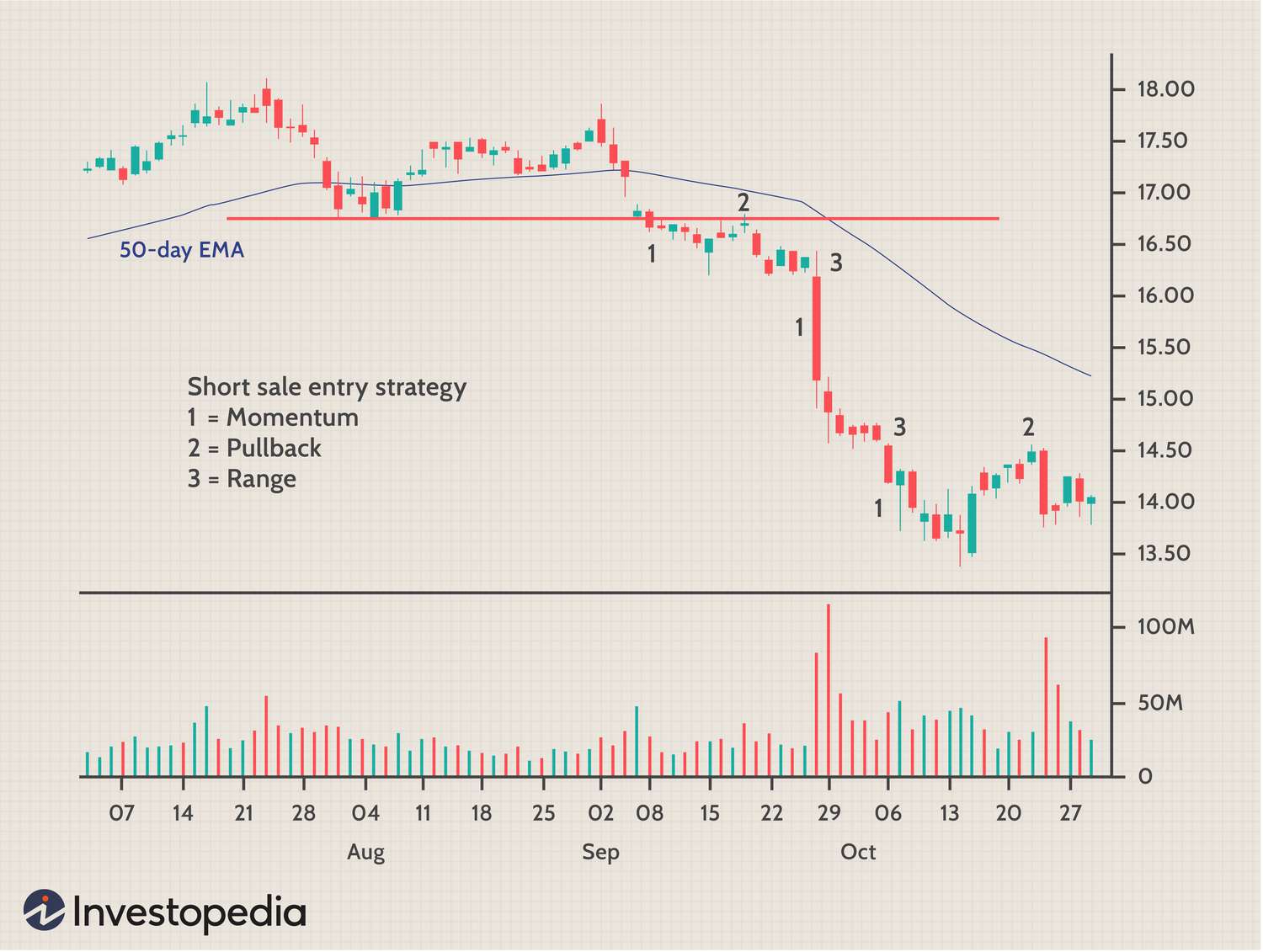
Swap contracts are an essential tool in financial markets, widely used by individuals, companies, and financial institutions alike. They provide a way to manage risk exposure and hedge against fluctuations in interest rates, currencies, or other financial variables. In this comprehensive guide, we will explore what swap contracts are, how they work, and their benefits and risks.
What are Swap Contracts?
A swap contract, also known as a swap agreement, is a legally binding agreement between two parties to exchange cash flows based on predetermined terms. These terms can involve variables such as interest rates, currencies, commodities, or any other financial indices. The purpose of a swap contract is to manage risk exposure and/or take advantage of market conditions.
How do Swap Contracts Work?
In a typical interest rate swap, one party agrees to pay a fixed interest rate while the other party agrees to pay a floating interest rate based on an underlying benchmark, such as the LIBOR (London Interbank Offered Rate). The fixed rate payer benefits if interest rates rise, while the floating rate payer benefits if interest rates fall.
The exchange of cash flows occurs periodically, often on a quarterly or semi-annual basis, until the maturity of the contract. The payment dates and amounts are specified in the swap agreement.
Swap contracts can be customized to meet the specific needs of the parties involved. For example, parties can choose the notional amount, which is the amount used to calculate the cash flows but is typically not exchanged. They can also choose the length of the contract and the frequency of cash flows.
Benefits of Swap Contracts
Risk Management: Swap contracts provide a means to manage risk exposure by allowing parties to transfer the risk associated with interest rate fluctuations, currency exchange rates, or commodity prices.
Flexibility: Swap contracts can be tailored to meet the needs of the parties involved, allowing for customization of terms and conditions.
Liquidity: Swap contracts are highly liquid instruments, meaning they can be bought or sold easily in the market, providing participants with the ability to enter or exit positions quickly.
Cost Reduction: By entering into a swap contract, parties can take advantage of more favorable financing terms or reduce borrowing costs.
Arbitrage Opportunities: Swap contracts can create opportunities for participants to exploit price differences between markets, thereby generating profits.
Risks of Swap Contracts
Counterparty Risk: There is a risk that one party may default on their payment obligations, resulting in financial loss for the other party.
Interest Rate Risk: Changes in interest rates can impact the value of swap contracts, potentially resulting in losses for one party.
Liquidity Risk: In times of market stress or economic instability, it may be more challenging to find a willing buyer or seller for a swap contract, leading to decreased liquidity.
Market Risk: Swap contracts are exposed to the risks associated with the underlying variable, such as changes in currency exchange rates or commodity prices.
Frequently Asked Questions On Swap Contracts
What Are Swap Contracts?
Swap contracts are financial agreements between two parties to exchange cash flows or financial instruments. They are commonly used to manage risks, hedge positions, or speculate on future market conditions.
How Do Swap Contracts Work?
Swap contracts involve exchanging cash flows or financial instruments based on predetermined terms and conditions. The parties involved agree on the notional amount, payment dates, and the reference rate used to determine the cash flows. The goal is to benefit from the difference between the agreed-upon terms and prevailing market conditions.
Why Are Swap Contracts Used In Finance?
Swap contracts are used in finance to manage risks and achieve certain objectives. They can be used to hedge against interest rate or currency fluctuations, manage credit risk, or gain exposure to specific markets or industries. They provide flexibility and customization for individuals and organizations to meet their financial needs.
What Types Of Swap Contracts Are There?
There are various types of swap contracts, including interest rate swaps, currency swaps, credit default swaps, and commodity swaps. Each type serves a different purpose and helps participants manage different types of risks or achieve specific financial goals.
Conclusion
Swap contracts are versatile financial instruments that offer participants a way to manage risk exposure and take advantage of market conditions. They provide flexibility, liquidity, and customization options, allowing parties to tailor the contract to their specific needs. However, swap contracts also carry certain risks, including counterparty, interest rate, liquidity, and market risks.
Before entering into a swap contract, it is crucial to understand the terms and risks involved. Consulting with a financial professional is recommended to ensure that the contract aligns with your objectives and risk tolerance.
Index funds may lack flexibility and personalization for investors, limiting potential for growth and diversification. Additionally, they may not offer the opportunity for active management or the ability to outperform the market.
Index funds, a popular investment option, have several drawbacks that warrant consideration. While they offer low fees and broad market exposure, they may not be suitable for all investors. This article explores the reasons to avoid index funds and outlines alternative investment strategies for those seeking greater control and potential for higher returns.
By understanding the limitations of index funds, investors can make more informed decisions about their investment portfolios.
High Market Risk
High market risk is a major factor to consider when deciding whether to invest in index funds. Market volatility and lack of flexibility are key reasons to be cautious when considering index funds as an investment option.
Market Volatility
Market volatility is the degree of variation in trading prices over time. This can lead to rapid and unexpected changes in the value of index funds. Investors may experience significant losses if the market experiences sudden fluctuations.
Lack Of Flexibility
Lack of flexibility in index funds means that investors have limited control over the funds’ holdings. This can result in the inability to quickly adjust the portfolio to mitigate risks during tumultuous market conditions. Likewise, portfolio adjustments may not align with individual investment goals or risk tolerances.
Underperformance Potential
When considering the drawbacks of index funds, it’s important to acknowledge the potential for underperformance. While index funds have become a popular choice for many investors due to their low fees and passive management, there are certain limitations that can lead to underperformance.
Benchmark Limitations
One key factor contributing to the underperformance potential of index funds is the limitations of the benchmark index they track. While index funds aim to replicate the performance of a specific index, they may not be exact replicas due to factors such as tracking error and market inefficiencies. This can result in the fund falling short of expectations and failing to deliver the desired returns. Moreover, as the benchmark index changes over time, the fund’s performance may not accurately reflect current market conditions.
Active Management Outperformance
In addition to benchmark limitations, index funds may miss out on potential gains that actively managed funds can achieve. By sticking to the predetermined allocations and not deviating from the index they track, index funds may not capitalize on opportunities to outperform the market. This passive approach can hinder the fund’s ability to adapt to changing market trends and exploit undervalued assets. As a result, investors may experience underperformance compared to actively managed funds that can make strategic decisions based on market conditions.
Limited Diversification
Index funds may not offer sufficient diversification, limiting exposure to various market sectors. This can impact overall portfolio risk and potential returns. Diversifying beyond an index fund may be beneficial for a well-rounded investment strategy.
Sector Weighting
One of the main reasons to avoid index funds is their limited diversification, particularly when it comes to sector weighting. Index funds aim to replicate the performance of a specific market index, such as the S&P 500, by holding a diverse range of securities.
However, the sector weighting within index funds can pose a significant risk. Stock market sectors often perform differently from each other due to various factors such as economic conditions, industry trends, and regulatory changes. In an index fund, the sector weighting is determined by the weight of each sector in the underlying index.
This means that if a specific sector becomes overvalued or experiences a downturn, the index fund will be affected. For example, if the technology sector experiences a decline, an index fund that holds a significant portion of its assets in technology stocks will be heavily impacted.
Stock Concentration
Another aspect of limited diversification in index funds is stock concentration. Index funds typically have a large number of holdings, but the holdings themselves might not be equally weighted. This can lead to an imbalance in the performance of the fund.
For instance, if a small number of stocks within the index perform exceptionally well, the index fund will benefit from their growth. However, if those stocks experience a decline, the fund’s returns will be negatively affected. This concentration of holdings can increase the fund’s volatility and expose investors to additional risks.
Moreover, stock concentration can limit the potential for higher returns. By diversifying across various stocks, investors increase their chances of benefiting from the outperformance of individual stocks. However, index funds with limited diversification may miss out on such opportunities.
Overall, limited diversification in index funds, particularly in terms of sector weighting and stock concentration, can limit the potential for consistent returns and expose investors to unnecessary risks. It’s essential for investors to consider the drawbacks of index funds and explore alternative investment options that offer better diversification.
Cost Considerations
When considering investment options, it’s crucial to take a critical look at the associated costs. Cost considerations play a crucial role in determining the potential returns and overall performance of an investment. This is particularly true when it comes to index funds, where seemingly minor costs can have a significant impact on your returns.
Expense Ratios
Expense ratios are a key consideration for any index fund investor. These represent the percentage of your investment that goes towards covering the fund’s operating expenses. Even seemingly small differences in expense ratios can add up over time, significantly impacting your overall returns. It’s imperative to carefully assess the expense ratios of index funds before making any investment decisions.
Tracking Error
Another important cost consideration when it comes to index funds is the tracking error. This refers to the variance between the performance of the index fund and the actual index it’s supposed to track. A high tracking error can erode returns, making it essential to evaluate this aspect when choosing a fund. Lower tracking errors are generally preferable as they indicate a closer alignment with the index’s performance.
Frequently Asked Questions On Reasons To Avoid Index Funds
Why Not To Invest In Index Funds?
Index funds may not offer potential for high returns. Market fluctuations can impact investment. Diversifying into other assets is key.
What Is The Main Disadvantage Of Investing In Index Funds?
The main disadvantage of investing in index funds is limited potential for high returns.
Why Not Just Invest In The S&p 500?
Investing solely in the S&P 500 may not provide enough diversification for a balanced portfolio. Adding other assets can reduce risk and enhance potential returns.
Conclusion
In light of the potential drawbacks, it’s crucial to carefully consider the risks associated with index funds. While the low maintenance and diversity are appealing, possible downsides include lack of flexibility and underperformance in specific market conditions. It’s essential to weigh these factors when making investment decisions.
Long and Short Positions – Explained | SEO Optimized Blog
When it comes to trading and investing, one of the key concepts to understand is the distinction between long and short positions. These terms refer to the direction a trader or investor takes when entering a trade or investment. In this article, we will dive deep into what long and short positions are, how they work, and why they matter in the financial markets.
What is a Long Position?
A long position is when a trader or investor buys an asset with the expectation that its value will rise over time. In other words, they believe the price of the asset will increase, allowing them to sell it at a higher price and make a profit. When you go long on a stock, for example, you are buying shares with the intention to sell them later at a higher price.
Long positions are commonly associated with bullish sentiment, as traders who go long are optimistic about the market’s future performance. They have a positive outlook and believe that the asset will appreciate in value.
Credit: www.amazon.com
What is a Short Position?
On the other hand, a short position is when a trader or investor sells an asset that they don’t currently own, with the expectation that its value will decline. They aim to buy it back later at a lower price, thus profiting from the price difference. Short selling is often used to take advantage of downward market trends or overvalued assets.
Short positions are correlated with bearish sentiment, as traders who go short anticipate a decline in the price of the asset. They believe that selling high and buying back at a lower price will allow them to profit.
Risk and Reward
Both long and short positions come with their own set of risks and rewards. When you go long, the potential for profit is unlimited, as there is no cap on how high an asset’s price can go. However, the risk lies in the possibility of the asset’s value decreasing, resulting in loss.
Short positions operate differently. When you go short, the maximum profit you can make is limited to the price at which you sold the asset, as it can only drop to zero. However, your risk is potentially unlimited, as the asset’s price can theoretically increase infinitely.
Long vs. Short in Different Markets
The concept of long and short positions applies to various financial markets, such as stocks, commodities, and currencies. In the stock market, going long is the most common strategy, as investors believe in the long-term growth potential of companies. Short positions, while less common, are used to hedge against market downturns or bet on the decline of specific stocks.
In the commodities market, both long and short positions are prevalent. Traders may go long on commodities like gold or oil to take advantage of rising global demand. Conversely, short positions in commodities can be used to speculate on falling prices or to hedge against potential losses.
In the currency market, going long or short is a fundamental strategy. For instance, traders may go long on a currency pair if they believe one currency will strengthen against another. Conversely, short positions can be taken if they anticipate a currency’s value will weaken.
Credit: www.udemy.com
Conclusion
Understanding the difference between long and short positions is essential for anyone participating in the financial markets. Both strategies have their own benefits and risks, and choosing the right approach depends on the trader’s perception of the market’s direction.
While long positions are associated with bullish sentiment, short positions cater to the bearish market sentiment. Being aware of these terms gives traders flexibility in adapting their strategies to different market conditions, ultimately leading to successful trading and investing.
To live off your dividends, you should invest in dividend-paying stocks or funds and reinvest the dividends until you have enough to cover your expenses. Living off your dividends can be a financially sustainable way to support your lifestyle.
By purchasing dividend-paying stocks or funds and reinvesting the dividends, you can gradually accumulate enough income to cover your expenses. This strategy allows you to generate regular cash flow without the need for traditional employment. Whether you’re planning for retirement or seeking financial independence, living off dividends can provide you with the freedom to pursue your passions and enjoy a comfortable lifestyle.
We will explore the steps you can take to effectively live off your dividends and achieve financial stability. So, let’s dive in and discover how you can make your dividends work for you.
Building Your Dividend Portfolio
One of the keys to living off your dividends is building a solid dividend portfolio. This portfolio will consist of high-quality dividend stocks that provide you with a steady stream of income. In this section, we will explore how to select high-quality dividend stocks and the importance of diversifying your dividend portfolio.
Selecting High-quality Dividend Stocks
When building your dividend portfolio, it is crucial to select high-quality dividend stocks. These are stocks of companies that have a strong track record of paying consistent dividends and have the potential for future growth. Here are a few factors to consider when selecting high-quality dividend stocks:
Dividend History: Look for companies that have a history of consistently paying dividends over time. This demonstrates their commitment to rewarding shareholders.
Dividend Yield: The dividend yield is the annual dividend payment divided by the stock price. Aim for stocks with a reasonable dividend yield that aligns with your income needs.
Financial Stability: Assess the financial stability of the company by analyzing its financial statements and key financial ratios. Look for companies with low debt levels and a strong cash flow.
Profitability: Examine the company’s profitability by evaluating metrics such as return on equity (ROE) and profit margins. Companies with consistent and growing profits are more likely to sustain dividend payments.
Diversifying Your Dividend Portfolio
Diversification is an essential strategy when building your dividend portfolio. It involves spreading your investments across different sectors, industries, and geographic regions to reduce risk. By diversifying, you protect your portfolio from being overly exposed to a single company or sector. Here are a few tips to effectively diversify your dividend portfolio:
Industry Allocation: Allocate your investments across various industries such as healthcare, technology, finance, and consumer goods. This ensures that your portfolio is not heavily dependent on the performance of a single industry.
Geographic Allocation: Consider investing in companies from different countries or regions. This helps mitigate the impact of economic or political factors specific to a particular country.
Company Size: Include stocks from companies of different sizes, such as large-cap, mid-cap, and small-cap. Each size category offers different growth and dividend potential.
Asset Classes: Besides stocks, diversify your portfolio by including other asset classes like bonds or real estate investment trusts (REITs). These assets provide additional income streams and diversification benefits.
By selecting high-quality dividend stocks and diversifying your dividend portfolio, you enhance the stability and income potential of your investment strategy. Remember to regularly review and adjust your portfolio based on changing market conditions and your financial goals.
Maximizing Dividend Income
One of the key strategies to live off your dividends is to maximize your dividend income. By implementing effective techniques, such as reinvesting dividends and closely monitoring and adjusting your portfolio, you can optimize your earnings and enjoy a steady stream of passive income.
Reinvesting Dividends
Reinvesting dividends is a powerful method to accelerate the growth of your dividend income. Instead of simply pocketing the cash received from dividends, you can reinvest it to purchase additional shares of dividend-paying stocks. This approach allows you to compound your returns over time, as each additional share generates further dividends.
To take advantage of reinvesting dividends, consider setting up a dividend reinvestment plan (DRIP) with your broker or financial institution. A DRIP automatically reinvests the dividends you receive into additional shares of the same stock. This means your dividend income can grow exponentially without requiring any additional effort on your part.
Monitoring And Adjusting Your Portfolio
Regularly monitoring and adjusting your portfolio is essential to maximize your dividend income. Keep an eye on the performance of your dividend-paying stocks to identify any underperforming securities. If a stock consistently fails to meet your income expectations, consider replacing it with a more promising alternative.
When monitoring your portfolio, focus on key metrics such as dividend yield, payout ratio, and dividend growth rate. These indicators can help you gauge the health and potential of your dividend investments. Additionally, stay informed about the financial performance and outlook of the companies you have invested in, as any significant changes can impact their ability to sustain and increase their dividends.
Consider diversifying your portfolio across various sectors and industries to mitigate risk. This way, if one sector experiences a downturn, you can rely on the dividends from other sectors to maintain a steady income stream. Regularly rebalancing your portfolio can also ensure that you stay aligned with your investment goals and risk tolerance.
In conclusion, maximizing your dividend income requires strategic planning and diligent management. By reinvesting dividends and actively monitoring and adjusting your portfolio, you can optimize your earnings and achieve financial independence through your dividend investments.
Tax-efficient Strategies
When it comes to living off your dividends, implementing tax-efficient strategies can make a significant difference in your overall financial picture. By taking advantage of various tax-advantaged accounts and strategic dividend timing, you can maximize your income while minimizing your tax liability. Let’s explore these strategies in detail:
Utilizing Tax-advantaged Accounts
One effective way to optimize your dividend income is by utilizing tax-advantaged accounts. These accounts, such as Individual Retirement Accounts (IRAs) and 401(k) plans, offer tax benefits that can help you keep more of your hard-earned dividends in your pocket.
By contributing to traditional tax-advantaged accounts, you can potentially deduct your contributions from your taxable income, reducing the amount of tax you owe. Additionally, any dividends earned within these accounts grow tax-free until you withdraw them during retirement. This allows your dividends to compound and grow over time without being subject to annual taxes.
In contrast, Roth IRAs and Roth 401(k) plans offer a different tax advantage. While contributions to these accounts are not tax-deductible, any dividends earned and withdrawals made during retirement are tax-free. This can be advantageous if you expect to be in a higher tax bracket during retirement.
Therefore, by strategically allocating your dividend investments into these tax-advantaged accounts, you can reap the benefits of reduced tax liability, potential tax deductions, and tax-free growth.
Strategic Dividend Timing
An often overlooked strategy to live off your dividends tax-efficiently is strategic dividend timing. By carefully planning when to receive your dividend payments, you can potentially minimize your tax liability.
For instance, if you are in a lower tax bracket this year, you may choose to delay receiving certain dividend payments until the following year when you expect to be in a higher tax bracket. By doing so, you can potentially reduce your overall tax burden and retain more of your dividend income.
Conversely, if you anticipate a lower tax rate in the current year, it may be advantageous to accelerate the receipt of dividend payments. By doing this, you can take advantage of the lower tax rate and potentially increase your cash flow.
Keep in mind that the timing of dividend payments depends on several factors, including your overall financial situation, predicted tax rates, and investment income. It is advisable to consult with a financial advisor or tax professional who can assist you in developing a personalized strategic dividend timing plan.
In conclusion, by utilizing tax-advantaged accounts and implementing strategic dividend timing, you can optimize your dividend income and reduce your tax liability. These tax-efficient strategies provide a framework for living off your dividends while maximizing your financial well-being.
Living Off Dividends And Budgeting
Living off your dividends can be a smart way to generate passive income and achieve financial independence. However, it requires careful planning and budgeting to ensure a sustainable income stream. In this article, we will explore important strategies for living off dividends and managing your budget effectively. Let’s dive in!
Creating A Sustainable Withdrawal Strategy
To live off your dividends, it’s essential to develop a sustainable withdrawal strategy that balances your income needs with the longevity of your investment portfolio. Here are a few key steps:
Determine your desired income: Start by outlining your desired annual income and adjust it for inflation to maintain your purchasing power over time.
Evaluate your dividend portfolio: Assess the quality of your dividend-paying stocks and ensure their dividend yields can support your income goals. Consider diversifying across different sectors to reduce risk.
Calculate your withdrawal rate: Determine the percentage of your portfolio that you plan to withdraw each year. Experts often suggest the 4% rule as a guideline, but individual circumstances may vary.
Rebalance regularly: Periodically review your portfolio’s performance and adjust your holdings to maintain an appropriate balance of income-generating assets.
Managing Expenses And Cash Flow
To successfully live off dividends, it’s important to manage your expenses and cash flow effectively. Here are some tips:
Create a budget: Start by tracking your expenses and identifying areas where you can cut back. A comprehensive budget will help you live within your means and avoid financial stress.
Emergency fund: Set aside a portion of your dividends as an emergency fund to cover unexpected expenses. Aim for three to six months’ worth of living expenses.
Minimize debt: Pay off high-interest debt as soon as possible. High-interest payments can eat into your dividend income and hinder your ability to live off your investments comfortably.
Manage cash flow: Consider reinvesting a portion of your dividends to compound your earnings while balancing your immediate income needs. This approach can help your income grow over time.
By creating a sustainable withdrawal strategy and effectively managing your expenses and cash flow, you can enjoy a fulfilling lifestyle while living off your dividends. Stay disciplined and adapt your strategy as needed to ensure long-term financial stability and prosperity!
Navigating Economic Changes
Navigating economic changes is an essential aspect of living off your dividends. Understanding how to adapt to various economic shifts ensures a stable income stream. In this section, we will delve into the strategies for navigating economic changes and sustaining your financial independence.
Understanding Interest Rate Environment
The interest rate environment significantly impacts dividend income and investment decisions. When interest rates are low, dividend stocks become more attractive for investors seeking income. Conversely, when interest rates rise, fixed-income investments may become more appealing. Understanding the implications of interest rate fluctuations is crucial for making informed investment choices.
Adapting To Market Volatility
Market volatility can pose challenges for individuals relying on dividends. Maintaining a diversified portfolio can help mitigate the impact of market fluctuations. Additionally, focusing on companies with a history of consistent dividend payouts and sustainable business models can provide stability during turbulent market conditions.
Frequently Asked Questions For How To Live Off Your Dividends?
Is It Realistic To Live Off Dividends?
Yes, it is realistic to live off dividends, given a substantial investment portfolio. With a diversified portfolio, regular dividend payments can provide a consistent income stream. It’s important to carefully manage investments to ensure stable and reliable dividend income.
How Much Does It Take To Make $1000 A Month In Dividends?
To make $1000 a month in dividends, it depends on the dividend yield of the investment. Assuming an average yield of 4%, an investment of about $300,000 would be needed.
How To Make $5,000 A Month In Dividends?
To make $5,000 a month in dividends, you need to invest in dividend-paying stocks or funds. Look for established companies that consistently pay dividends, diversify your portfolio, and reinvest your dividends to compound your earnings. Regularly review your investments and adjust as needed to achieve your financial goals.
Conclusion
To sum up, living off your dividends can be a smart financial strategy that provides a steady income stream. By carefully researching and selecting dividend-paying stocks, diversifying your portfolio, and reinvesting your dividends, you can create a sustainable source of passive income.
Remember to regularly review your investment strategy and adapt to changing market conditions. Start your journey towards financial independence today and enjoy the rewards of living off your dividends.
Companies pay dividends to distribute profits to shareholders and attract investors for long-term growth. This rewards shareholders and signals company stability and financial health.
Dividends are a way for companies to share profits with shareholders. By paying dividends, companies can attract and retain investors, demonstrating their financial stability and commitment to returning value to shareholders. It also signals confidence in future growth. Investors often perceive companies that pay dividends as more stable and reliable, leading to increased investor confidence and potential stock price increases.
Dividends can also provide a steady income stream for investors, particularly those seeking income from their investments. This consistent income can be attractive to retirees and individuals looking to supplement their earnings. However, companies must carefully consider their financial situation and growth opportunities before implementing a dividend policy to ensure sustainable and balanced financial stewardship.
Reasons For Paying Dividends
Some companies pay dividends to reward shareholders and attract investors. It shows financial stability and potential for growth, boosting investor confidence in the company. Additionally, paying dividends can also mitigate the risk of investing in the company’s stock.
Reasons for Paying Dividends
When a company decides to distribute a portion of its earnings to its shareholders, it’s known as paying dividends. There are several reasons why a company may choose to pay dividends.
H3 headings must be in HTML syntax.
Profit Sharing
share profits with their shareholders. By paying out a portion of the earnings, companies reward investors for their investment and provide them with a return on their investment.
Maintaining Investor Interest
Maintaining Investor Interest
create stability and pique the interest of investors. When investors are confident that they will receive regular returns, they are more likely to hold onto their shares, thus maintaining the company’s investor base.
Ensuring Each Heading Adheres To Html Syntax
code
“`
Ensuring Each Heading Adheres To Html Syntax
“`
In conclusion, paying dividends can be a way for companies to share profits, maintain investor interest, and demonstrate financial stability.
Impact On Company Performance
Understanding why some companies pay a dividend and the impact it has on their performance is crucial for investors and stakeholders. It plays a significant role in assessing the financial stability and market perception of a company. So, let’s delve into the factors that influence a company’s decision to pay dividends and how it affects their overall performance.
Financial Stability
Companies paying dividends often indicate a robust financial position, possessing consistent profits and healthy cash reserves.
Market Perception
Dividend-paying companies are generally viewed as stable and mature, indicating confidence in the company’s future earnings and growth prospects.
Alternatives To Dividend Payments
Some companies pay dividends to distribute profits to their shareholders. Alternatives to dividend payments include reinvesting profits into the business, share buybacks, and debt repayments. These options can provide financial benefits for the company and its investors, while also supporting future growth and sustainability.
Subheading: Alternatives To Dividend Payments
While paying dividends is a common way for companies to distribute profits to shareholders, there are also other alternatives companies can consider. These alternatives can be more flexible and efficient, allowing companies to use their funds in ways that benefit both the shareholders and the company itself.
Share Buybacks
Share buybacks are one popular alternative to dividend payments that companies can employ. In this method, instead of distributing cash to shareholders, the company uses its resources to repurchase its own outstanding shares from the open market. By reducing the number of shares available, the company effectively increases the ownership stake of existing shareholders.
Share buybacks provide several advantages, including:
Increased earnings per share (EPS) for remaining shareholders
Enhanced control for existing stakeholders
Potential tax benefits for shareholders
While share buybacks may be seen as a positive move by shareholders, they can also have potential downsides. It’s important for companies to carefully consider the impact of reducing their cash reserves and the potential impact on their financial position.
Reinvesting Profits
Another alternative to dividend payments is reinvesting profits back into the company. Instead of distributing the profits to shareholders, the company can allocate the funds towards expansion, research and development, or other growth opportunities.
Reinvesting profits allows the company to:
Finance new projects or acquisitions
Improve infrastructure and technology
Enhance long-term growth prospects
By reinvesting profits, companies can potentially generate higher returns for shareholders in the future. This strategy is particularly favored by companies in industries where reinvestment can drive innovation and competitive advantages.
However, it’s important for companies to strike a balance between reinvestment and rewarding shareholders. If a company consistently reinvests profits without providing shareholder returns, it may discourage investors and impact its market valuation.
Challenges And Considerations
In the world of corporate finance, the decision to pay a dividend involves several challenges and considerations. Understanding these factors is crucial for companies aiming to balance the interests of their shareholders and maintain their financial stability.
Tax Implications
One significant challenge companies face when deciding to pay a dividend relates to tax implications. When distributing dividends, both the company and its shareholders need to consider the tax consequences, which can impact their overall financial strategy. For the company, dividends are typically not tax-deductible, leading to potential implications on their taxable income. Meanwhile, shareholders must also account for taxes on the dividends they receive, affecting their net returns.
Pressure To Maintain Consistency
Another factor influencing the decision to pay dividends is the pressure to maintain consistency. Once a company starts paying dividends, there is often an expectation from shareholders for this practice to continue. Companies may face challenges in managing these expectations, especially when financial conditions fluctuate. Maintaining a consistent dividend payment can add financial strain during tough times, requiring careful consideration and strategic planning to balance shareholder expectations with the company’s financial health.
Frequently Asked Questions For Why Do Some Companies Pay A Dividend
Is It Good For A Company To Pay Dividends?
Yes, paying dividends can attract investors and indicate financial stability to shareholders. It provides a tangible return on investment and reinforces confidence in the company’s performance.
What Is The Advantage For Company Paying Dividends?
Paying dividends benefits companies by attracting investors, providing a regular income stream, showcasing financial stability, and potentially boosting stock value.
Which Company Pays Highest Dividend?
Company dividend payouts fluctuate, but some well-known companies with high dividend yields include AT&T, Verizon, and ExxonMobil.
Conclusion
Dividends provide a tangible return for investors, signaling financial stability and growth potential. Companies paying dividends exhibit confidence in their long-term prospects, attracting potential stakeholders. Furthermore, dividends can offer income to shareholders, leveraging the power of compounding. Understanding the reasons behind dividend payments can aid in making informed investment decisions.
Fidelity Bonds: Protecting Your Business Against Employee Dishonesty
As a business owner, you always strive to create a productive and trustworthy work environment. However, no matter how carefully you select and train your employees, there is always a risk of potential financial loss due to employee dishonesty. To safeguard your business against such risks, it’s essential to consider investing in fidelity bonds.
What are Fidelity Bonds?
Fidelity bonds, also known as employee dishonesty bonds, are insurance policies designed to protect businesses against financial losses caused by dishonest acts committed by their employees. These bonds provide coverage for various fraudulent activities, including theft, forgery, embezzlement, and fraud.
Not only do fidelity bonds cover losses caused by employees, but they also extend coverage to losses arising from theft committed by outside parties, such as customers or vendors. This comprehensive coverage helps mitigate the financial impact of dishonest acts and provides peace of mind to business owners.
Credit: www.simonandschuster.com
Credit: www.facebook.com
Types of Fidelity Bonds
There are three common types of fidelity bonds:
First-Party Fidelity Bonds: These bonds protect your business against losses resulting from the dishonest acts of your own employees.
Third-Party Fidelity Bonds: These bonds cover losses caused by dishonest acts committed by outside parties, such as customers or vendors.
ERISA Bonds: Specifically designed for businesses that manage employee benefit plans, ERISA bonds provide protection against dishonest acts related to employee benefit programs.
Benefits of Fidelity Bonds
Investing in fidelity bonds offers several important benefits for your business:
Financial protection: Fidelity bonds provide coverage for potential losses caused by dishonest acts, minimizing the financial impact on your business.
Enhanced credibility: Demonstrating that your business is protected by fidelity bonds can instill trust and confidence in your customers, vendors, and stakeholders.
Risk management: Fidelity bonds serve as an essential risk management tool, allowing you to identify potential vulnerabilities and implement effective internal controls.
Increased employee morale: By having a fidelity bond in place, your employees will feel reassured that their workplace is safeguarded against dishonest acts, creating a positive work environment.
Factors to Consider when Choosing Fidelity Bonds
When selecting fidelity bonds for your business, it’s crucial to consider the following factors:
Factor
Consideration
Coverage Limit
Ensure the bond provides adequate coverage to protect against potential financial losses.
Exclusions
Review the policy’s exclusions to understand what acts are not covered.
Policy Cost
Compare quotes from different insurers to find the right balance between coverage and cost.
Insurer Reputation
Choose an insurer with a strong reputation and financial stability.
Conclusion
Fidelity bonds provide essential financial protection against employee dishonesty, ensuring that your hard-earned business assets are secure. By investing in these bonds, you not only mitigate potential financial losses but also build trust with your customers and create a positive work environment for your employees. Remember to consider the coverage limit, exclusions, cost, and insurer reputation when selecting the right fidelity bond for your business. Ultimately, prioritizing the protection of your business against dishonest acts is a wise and responsible decision.