Social economics is a branch of economics that focuses on the connection between social behavior and economic activity. It explores how economic decisions and processes are influenced by social factors, such as cultural norms, social institutions, and interpersonal relationships.
Understanding Social Economics
Social economics recognizes that human behavior is not solely driven by rational self-interest, as traditional economics assumes. Instead, it acknowledges that people are influenced by their social environment, including family, friends, communities, and larger societal structures.
By studying social economics, we gain insights into the social and psychological factors that shape economic behavior. This interdisciplinary field brings together insights from sociology, psychology, anthropology, and economics to provide a more holistic understanding of how individuals and societies make economic decisions.
The Social Dimension of Economic Decisions
In social economics, economic decisions are not isolated from the surrounding social context. Social norms, values, and beliefs play a crucial role in shaping economic behavior. For example, cultural norms may dictate whether individuals prioritize saving or spending, invest in education or material possessions, or engage in charitable giving.
Furthermore, social institutions and structures, such as the legal system, government policies, and market regulations, profoundly influence economic outcomes. They can either promote or hinder social well-being, equality, and the efficient allocation of resources.
Social Economics and Public Policy
Social economics has practical implications for public policy. By understanding the social dimensions of economic decisions, policymakers can design policies that address social issues and promote positive societal outcomes.
For example, social economics suggests that investing in education and healthcare can have long-term benefits for both individuals and society as a whole. It recognizes that social safety nets, such as unemployment benefits and healthcare coverage, are essential for ensuring social well-being and reducing inequality.
Social economics also emphasizes the importance of building strong social networks and community bonds. Studies have shown that social capital, which refers to the networks, norms, and trust within a community, can lead to better economic outcomes, such as increased job opportunities and economic resilience during times of crisis.
Key concepts in Social Economics
Here are some key concepts in social economics:
Externalities: Social economics recognizes that economic activities can have both positive and negative impacts on society that are not reflected in market prices. These externalities can include pollution, congestion, or positive social spillovers.
Income inequality: Social economics examines the causes and consequences of income inequality. It highlights the importance of fairness and social justice in economic systems.
Social norms: Social norms influence economic behavior, and social economics explores how social norms are formed, maintained, and changed over time.
Social capital: Social capital refers to the resources embedded in social relationships. It includes the networks, trust, and shared norms that can enhance economic outcomes.
Frequently Asked Questions On Social Economics
Why Is Social Economics Important?
Social economics is crucial as it studies the impact of social factors on economic activities, helping us understand how societal issues affect markets and socioeconomic outcomes.
How Does Social Economics Explain Inequality?
Social economics provides insights into the roots of inequality by examining the social structures, institutions, and policies that shape distribution of resources and opportunities in society.
What Are The Key Concepts In Social Economics?
Key concepts in social economics include social capital, social norms, income distribution, social justice, and collective decision-making, offering a comprehensive understanding of the interplay of society and the economy.
How Does Social Economics Address Poverty?
Social economics addresses poverty by analyzing the root causes, such as inadequate access to education and healthcare, and suggests policies that can tackle poverty and promote inclusive growth.
Conclusion
Social economics offers a more comprehensive understanding of economic behavior by incorporating social factors into our analysis. It recognizes that economic decisions and outcomes are shaped by social norms, institutions, and interpersonal relationships. By studying social economics, we can develop policies and strategies that promote social well-being, equality, and sustainable economic growth.
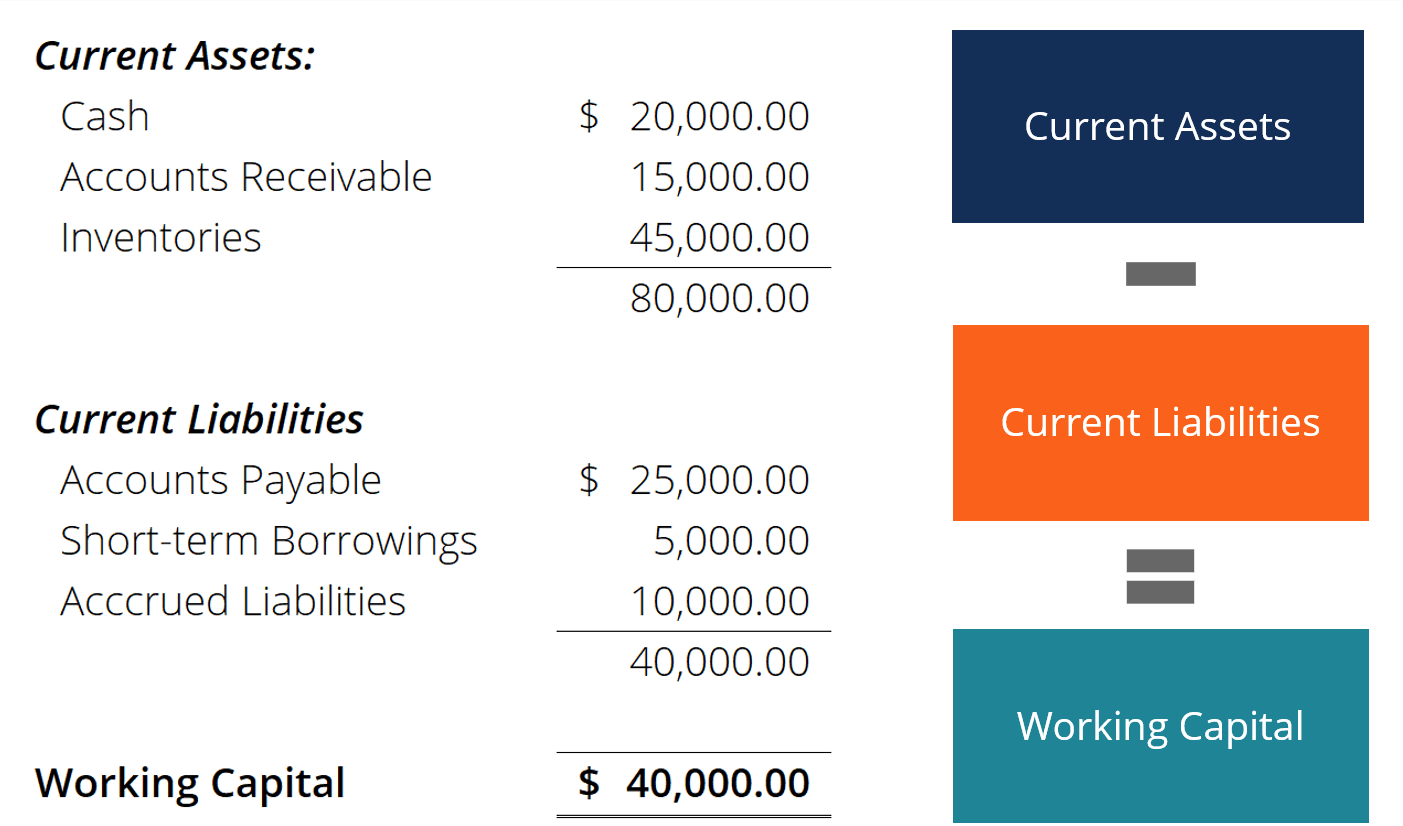
Net Working Capital (NWC) is a financial metric that measures an organization’s ability to meet its short-term obligations. It represents the difference between a company’s current assets and its current liabilities.
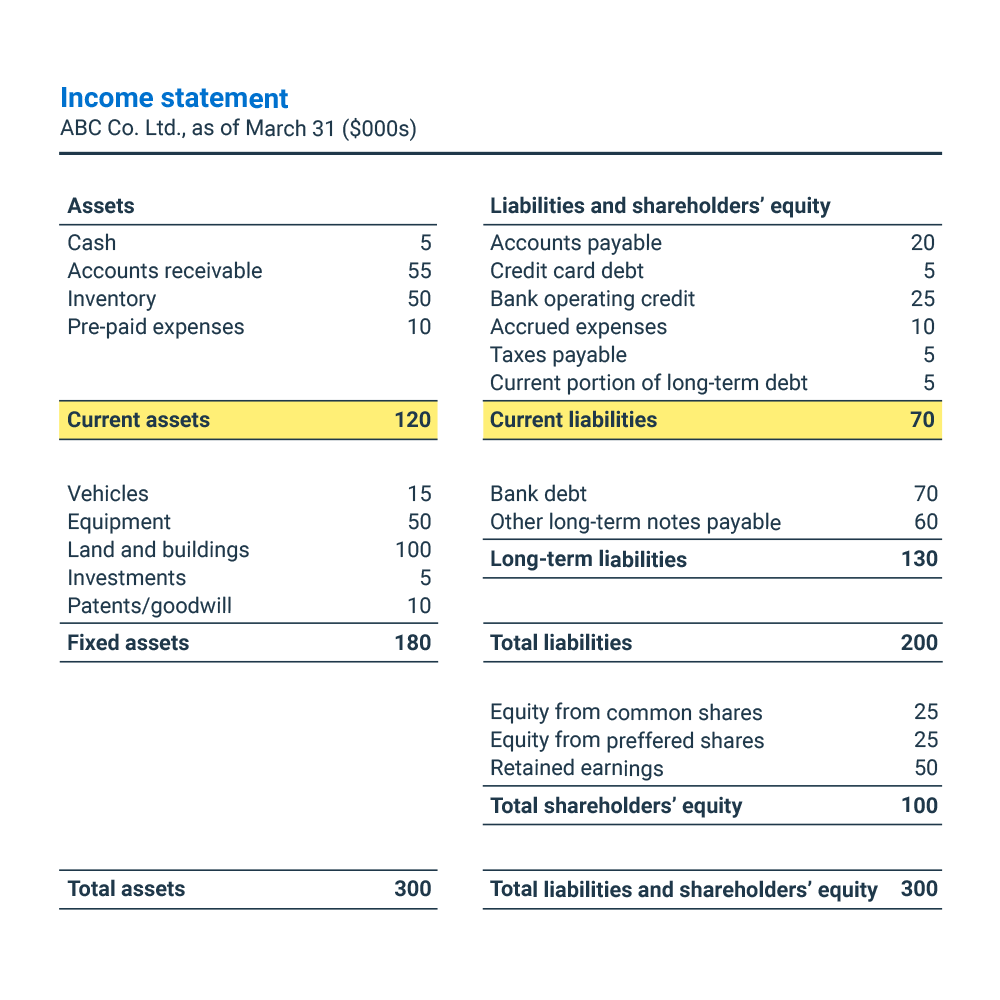
To calculate the net working capital, you subtract the current liabilities from the current assets. Current assets include cash, accounts receivable, inventory, and other assets that are expected to be realized within one year. On the other hand, current liabilities include accounts payable, short-term debt, and other obligations due within one year.
Importance of Net Working Capital
Net working capital is a crucial measure of a company’s liquidity and financial health. It indicates whether a business has enough resources to cover its short-term obligations and continue its operations smoothly.
Having a positive net working capital is generally considered favorable, as it signifies that a company has more current assets than current liabilities. This surplus can be used to manage unexpected expenses, seize growth opportunities, and ensure the company’s stability during economic downturns.
In contrast, negative net working capital suggests that a company may struggle to meet its short-term obligations. It might be an indication of liquidity problems, such as slow-paying customers, excessive inventory, or excessive short-term debt. Companies with negative net working capital may face difficulties in paying suppliers, employees, or other immediate expenses.
Interpreting Net Working Capital Ratio
The net working capital ratio helps analyze a company’s financial health by comparing its current assets to its current liabilities. The formula for the net working capital ratio is:
Net Working Capital Ratio = Current Assets / Current Liabilities
The higher the net working capital ratio, the better a company’s ability to cover its short-term obligations. Generally, a ratio above 1 is considered preferable, indicating that the company has more assets than liabilities to meet its obligations comfortably.
However, it’s important to interpret the net working capital ratio in the context of the specific industry and company’s operations. Different industries have varying working capital requirements, and excessively high or low ratios may signal inefficiencies or other underlying issues.
Managing Net Working Capital
Effectively managing net working capital is crucial for the financial stability and growth of a company. Here are some strategies to optimize net working capital:
Monitor and streamline inventory: Excessive inventory ties up cash and increases storage and holding costs. Regularly evaluate inventory levels and optimize ordering and stocking processes.
Improve accounts receivable collection: Promptly collect outstanding payments from customers by implementing efficient billing and payment collection systems. This can reduce the need for short-term borrowing to cover expenses.
Manage accounts payable effectively: Negotiate favorable payment terms with suppliers and strive to take advantage of early payment discounts. However, be cautious not to jeopardize relationships or miss out on crucial supplies.
Optimize cash management: Monitor cash flow closely to ensure that there are sufficient funds to meet short-term obligations. Implement effective cash flow forecasting and manage surplus cash wisely.
Regularly review and adjust pricing: Evaluate pricing strategies to enhance profitability while considering the potential impact on sales volume and competitive position. Proper pricing can support positive cash flow and improve net working capital.
Credit: corporatefinanceinstitute.com
Credit: www.bdc.ca
Conclusion
Net working capital is an important financial metric that measures a company’s ability to meet its short-term obligations. It provides insights into the business’s liquidity and financial standing. Maintaining a positive net working capital and managing it effectively can contribute to a company’s growth and stability.
The advantages of the Gordon Growth Model include its simplicity, ability to estimate the intrinsic value of a stock, and its reliance on easily available data. However, the model has limitations, such as its dependence on assumptions, sensitivity to inputs, and lack of applicability to non-dividend-paying companies.
The Gordon Growth Model is a widely used tool in finance for valuing stocks. It offers advantages in terms of simplicity, estimations of intrinsic value, and reliance on accessible data. However, this model also has its limitations. This article will explore the advantages and disadvantages of the Gordon Growth Model, shedding light on its applicability and cautioning against potential drawbacks.
Understanding the pros and cons of this model is essential for investors and financial analysts seeking to make informed decisions in the stock market. By analyzing its strengths and weaknesses, we can gain a more comprehensive understanding of the Gordon Growth Model’s true value.
Advantages Of Gordon Growth Model
The Gordon Growth Model provides several advantages that make it a valuable tool for investors and analysts seeking to estimate the intrinsic value of a stock.
Accurate Valuation
The model provides a straightforward approach to estimating the value of a stock based on its expected dividends. By considering the expected future dividends and the required rate of return, the Gordon Growth Model helps in determining a reasonable valuation for a stock.
Simplicity And Ease Of Use
One of the primary advantages of the Gordon Growth Model is its simplicity and ease of use. It involves only a few key inputs, such as the current dividend, the expected growth rate, and the required rate of return. This simplicity makes it accessible to a wide range of investors and analysts, allowing them to quickly estimate the intrinsic value of a stock.
Disadvantages Of Gordon Growth Model
One disadvantage of the Gordon Growth Model is its reliance on assumptions that may not hold true in real-world scenarios. Additionally, this model does not account for changes in market conditions, making its predictions less accurate.
The Gordon Growth Model, also known as the Dividend Discount Model, is a commonly used method to value stocks. While this model presents several advantages, it is important to consider its disadvantages as well. By understanding the limitations and assumptions of the Gordon Growth Model, investors can make informed decisions based on a comprehensive analysis. Let’s take a look at some of the key disadvantages of this model.
Assumptions
Like any financial model, the Gordon Growth Model is built upon a set of assumptions. It assumes that the expected dividend growth rate remains constant, which may not always be the case in real-world scenarios. Economic conditions, changes in a company’s financial situation, or industry-specific factors can often lead to fluctuations in dividend growth rates.
Another assumption of this model is that the required rate of return remains constant. However, market conditions and investor sentiment can impact the discount rate and make it subject to change. So, relying solely on a constant required rate of return may not accurately reflect the dynamics of the stock market.
Limitations
The Gordon Growth Model has some limitations that need to be considered. Firstly, it assumes that the company’s dividends will grow indefinitely at a constant rate. While this may be applicable for stable and mature companies, it may not hold true for high-growth companies or those facing uncertain future prospects.
Additionally, the model assumes that the dividend payout ratio remains constant. However, companies often adjust their dividend policies according to their financial situation and investment opportunities. Therefore, this assumption may not always align with the actual dividend payout behavior of a company.
Sensitivity To Inputs
Furthermore, the Gordon Growth Model is sensitive to its inputs. Any changes in the expected growth rate or the required rate of return can significantly impact the calculated intrinsic value of a stock. Small variations in these inputs can result in large deviations in the estimated value, making it imperative for investors to carefully evaluate the accuracy and reliability of the chosen inputs.
In conclusion, while the Gordon Growth Model provides a straightforward valuation approach, it is crucial to recognize its disadvantages. Understanding the assumptions, limitations, and sensitivities associated with this model can help investors make more informed and accurate decisions in the dynamic world of financial markets.
Frequently Asked Questions For What Are Advantages And Disadvantages Gordon Growth Model
What Are The Disadvantages Of Gordon Growth Model?
The disadvantages of the Gordon Growth Model include its sensitivity to dividend growth assumptions and the assumption of constant growth rate, which may not accurately reflect market conditions. It also fails to consider the impact of external factors such as interest rates and market volatility.
What Are The Advantages And Disadvantages Of Dividend Growth Model?
Advantages of dividend growth model include clear estimation of stock value and potential for higher returns. Disadvantages include reliance on future dividend estimations and potential inaccuracies.
What Are The Risks Of Gordon Growth Model?
The risks of the Gordon Growth model include assumptions about constant growth, accuracy of the growth rate, and sensitivity to changes in the discount rate.
Conclusion
The Gordon Growth Model offers a straightforward approach to valuation but is not without its drawbacks. Its simplicity makes it accessible, but reliance on assumptions can lead to inaccuracies. Understanding its limitations can help investors make informed decisions when using this model.
Overall, it’s essential to weigh the pros and cons before applying this method in financial analysis.
No, affording a super yacht may be unattainable for most individuals due to the significant cost involved. A super yacht is the ultimate symbol of luxury, providing an unmatched experience of opulence and extravagance on the open sea.
From glamorous parties to state-of-the-art amenities, owning a super yacht is a dream for many. However, the reality is that these floating palaces come with an astronomical price tag that only a select few can afford. The cost of a super yacht can range from several million to hundreds of millions of dollars, and that’s not including the additional expenses for maintenance, crew, and mooring.
Therefore, unless you belong to the ultra-wealthy elite, owning a super yacht may remain a distant aspiration. Nevertheless, there are alternative ways to enjoy the luxury of a super yacht, such as chartering or booking a vacation onboard one, which can still provide an unforgettable experience at a fraction of the cost.
Factors To Consider
When considering whether you can afford a super yacht, there are several key factors to take into account to ensure the financial feasibility of owning and operating such a luxurious vessel. These factors include:
Purchase Price
The purchase price of a super yacht can range from a few million dollars to hundreds of millions, depending on its size, amenities, and customizations. Being clear on your budget and desired specifications is essential.
Maintenance And Operating Costs
Super yachts require significant ongoing maintenance and operating costs to keep them in pristine condition. This includes fuel, regular servicing, repairs, and upgrades, which can amount to millions annually.
Crew And Staff Expenses
Hiring and retaining a professional crew, including captain, engineers, stewards, and chefs, adds to the operational costs. Their salaries, training, and benefits should be factored into the budget.
Insurance
Insurance for a super yacht is a significant expense. You need to consider hull insurance, liability coverage, crew medical insurance, and additional coverage for valuable artwork, water toys, and other onboard assets.
Berthing Fees
Berthing fees vary based on the yacht’s size, location, and amenities of the marina. These recurring expenses can add up quickly and should be included in the financial planning.
Financial Planning
When it comes to affording a super yacht, proper financial planning is essential. A thorough evaluation of your financial situation, determination of a realistic budget, and exploration of financing options are crucial steps in making your dream a reality. By incorporating savings and investment strategies, you can ensure that your yacht ownership journey is both feasible and financially sustainable.
Determining Your Budget
Before embarking on your super yacht purchase, determining a budget is the first step towards financial planning. It is important to assess your current financial situation, evaluate your income, and calculate your potential expenses. By thoroughly analyzing your finances, you will be able to set a realistic budget that aligns with your financial capacity. Keep in mind that your budget should not only include the cost of purchasing the super yacht but also consider ongoing maintenance, crew, insurance, and docking fees.
Setting Realistic Financial Goals
Setting realistic financial goals is crucial in ensuring that your super yacht ownership is sustainable in the long term. Engaging with a financial advisor can provide you with valuable insights on how to align your goals with your budget. Your goals may involve a specific timeline for purchasing the yacht, achieving a certain net worth, or maintaining a set level of disposable income. These goals will help you stay focused and motivated, making it easier to manage your finances effectively.
Exploring Financing Options
Exploring financing options is another essential aspect of financial planning when it comes to affording a super yacht. While some individuals may be able to pay in cash, many others require financing to make their dream a reality. This can involve traditional bank loans, yacht-specific lenders, or partnering with other investors. By researching and comparing different financing options, you can find the best fit for your financial situation and objectives. Don’t forget to consider the interest rates, repayment terms, and any additional fees associated with each option.
Savings And Investment Strategies
Implementing effective savings and investment strategies is essential for building the necessary funds to afford a super yacht. Consider setting up specific savings accounts dedicated to your yacht purchase, taking advantage of tax-efficient investment vehicles, and diversifying your portfolio to maximize returns. By managing your savings and investments wisely, you can accelerate your progress towards owning a super yacht while minimizing financial risk.
In conclusion, financial planning is a fundamental aspect of assessing whether you can afford a super yacht. By determining your budget, setting realistic financial goals, exploring financing options, and implementing savings and investment strategies, you can take the necessary steps towards making your yacht ownership dreams a reality.
Additional Expenses
Considering the additional expenses associated with owning a super yacht, it is crucial to assess your financial capability. Can you afford the luxurious lifestyle, maintenance costs, crew wages, and docking fees? Evaluating these factors will help determine if owning a super yacht is within your budget.
Upgrades And Customizations
When it comes to owning a super yacht, the initial purchase price is just the beginning. There are several additional expenses to consider, and one of the major ones is the cost of upgrades and customizations.
Once you’ve acquired your super yacht, you’ll likely want to make it truly one-of-a-kind, reflecting your personal style and preferences. Whether it’s state-of-the-art entertainment systems, luxurious cabin interiors, or advanced navigation equipment, these upgrades can be a significant expense.
Customizations also extend to the exterior of the yacht. From a helipad to a swimming pool, additional decks, or even a personal submarine, the possibilities are endless. However, keep in mind that each customization comes with its own price tag, so it’s important to budget accordingly.
Taxes And Duties
Aside from the initial purchase cost, there are a number of ongoing expenses associated with owning a super yacht, which includes taxes and duties. When you own a luxury item of this magnitude, it’s inevitable that governments will levy their share.
Depending on your location, you may be subject to various taxes and duties, such as VAT (Value Added Tax) or import duties. These charges can vary greatly from country to country, so consulting with a maritime tax advisor is essential to understanding and planning for these expenses.
Additionally, it’s important to be aware of any annual taxes that may be applicable in your jurisdiction. Some countries impose an annual luxury tax on yachts, further increasing the overall cost of ownership.
Onboard Amenities And Furnishing
One of the key reasons people invest in a super yacht is for the luxury and comfort it provides. However, these luxurious onboard amenities and furnishings come with a hefty price.
From plush carpets and designer furniture to high-end appliances and state-of-the-art technology, outfitting your yacht to be the epitome of opulence can be a significant expense. Whether you prefer custom-built pieces or designer brand names, the costs of furnishing and equipping your yacht can quickly add up.
Additionally, ongoing maintenance and repair of these onboard amenities should also be factored into your budget. Regular cleaning, refurbishments, and upgrades are necessary to ensure that your yacht remains in pristine condition.
Fuel And Utilities
It’s no secret that owning a super yacht requires an immense amount of fuel and utilities. From powering the engines to operating various systems onboard, the cost of fuel can be staggering.
Additionally, there are other utility expenses to consider, such as electricity, water, and waste management. These ongoing costs are necessary for the smooth operation of your yacht, ensuring that you and your guests enjoy a comfortable experience at all times.
Furthermore, docking fees and marina expenses should also be accounted for. Depending on your chosen destinations, various ports and marinas may charge different fees for mooring, maintenance, or access to amenities.
Expense
Cost
Fuel
Varies based on usage
Electricity
Depends on usage and location
Water
Depends on usage and location
Waste management
Depends on the service provider
Docking fees
Varies based on the marina and location
As you can see, owning a super yacht involves much more than just the initial purchase price. Additional expenses such as upgrades and customizations, taxes and duties, onboard amenities and furnishing, as well as fuel and utilities, must all be carefully considered and planned for. By understanding and accounting for these costs, you can ensure that your dream of owning a super yacht remains a reality.
Yacht Purchase Options
Considering purchasing a super yacht? There are various ownership options available, including fractional ownership, charter management, and financing. By exploring these options, you can make a will-informed decision on whether a super yacht is within your budget.
Yacht Purchase Options
Dreaming of owning a super yacht is one thing, but understanding the yacht purchase options available is essential. Whether you are considering a new or pre-owned yacht, are interested in chartering, or exploring fractional or co-ownership, understanding the best fit for you is crucial. Each option has its own unique advantages and drawbacks, so let’s take a closer look at the different yacht purchase options available.
New Yacht vs. Pre-Owned Yacht
New Yacht:
– Brand new yachts offer the latest designs and technology.
– You can customize the yacht according to your preferences.
– Minimal wear and tear means lower maintenance costs initially.
– Higher initial investment than pre-owned yachts.
Pre-Owned Yacht:
– Often more cost-effective than buying new.
– Immediate availability, no waiting for the construction period.
– May require more maintenance and upgrades.
Charter Yacht Ownership
– Allows you to experience the luxury of a super yacht without the long-term commitment.
– Provides access to a wide range of yachts in different destinations.
– Less financial risk, as you don’t have to worry about depreciation of the asset.
Fractional Yacht Ownership
– Shared ownership with multiple individuals, reducing the financial burden.
– Access to high-quality yachts that might be out of reach for individual ownership.
– Flexible usage, allows you to divide time between co-owners.
Yacht Co-Ownership
– Shared ownership with one or more partners, often friends or family.
– Reduces the initial financial outlay and spreads the costs of maintenance and running expenses.
– Requires a clear and legally binding agreement to outline the ownership and usage terms.
Alternative Yachting Experiences
Embarking on a super yacht journey may seem like an unattainable dream for many individuals. However, there are alternative yachting experiences that provide an opportunity to enjoy the luxury and thrill of being on a yacht without breaking the bank. Whether you’re seeking a short-term adventure or a long-term commitment, these alternative options offer a chance to indulge in the world of yachting at a more affordable price. Let’s explore some of the options available:
Renting A Yacht
Renting a yacht is a popular choice for those who want to experience the opulence and freedom of being on board. With rental options available for various durations, you can choose the perfect yacht to suit your budget and preferences. Whether it’s a day trip or a week-long adventure, renting allows you to enjoy the pleasures of yachting without the hefty costs of ownership. You can experience the thrill of cruising through crystal-clear waters, discovering secluded coves, and embracing the breathtaking views, all while being treated like royalty on your own floating paradise.
Joining A Yacht Club
If you’re looking for a more long-term involvement in the world of yachting, joining a yacht club is an excellent option. Yacht clubs provide a social and recreational platform for like-minded individuals who share a passion for yachting. By becoming a member, you’ll have access to a fleet of yachts that you can use at your convenience. Many yacht clubs also offer training programs, allowing you to gain the necessary skills and certifications to operate a yacht confidently. Immerse yourself in a vibrant community, meet fellow passionate sailors, and enjoy the prestige of being part of a distinguished yachting institution.
Yacht Sharing Platforms
Yacht sharing platforms are revolutionizing the way people experience yachting by making it more accessible and affordable. These platforms connect yacht owners with individuals who are looking to share the yacht experience. You can join as a solo traveler or create a group to share the costs of renting a yacht. Share the journey and expenses with other adventure-seeking individuals, creating unforgettable memories together. This collaborative approach enables you to enjoy the luxurious amenities and picturesque destinations, all while splitting the expenses, resulting in a significantly more budget-friendly option.
Yacht Charters And Vacations
If you’re seeking a once-in-a-lifetime yachting experience, consider indulging in a yacht charter or vacation. Chartering a yacht gives you the freedom to explore exotic destinations, ranging from the Mediterranean to the Caribbean, without the hassle of ownership. Relax and unwind as a professional crew takes care of your needs, providing you with an unparalleled level of comfort and service. With a myriad of charter options available, you can tailor your experience to your desires, whether it’s a private family getaway or a lavish party with friends. Yacht charters offer the perfect balance of luxury, convenience, and flexibility, allowing you to create unforgettable memories that will last a lifetime.
Frequently Asked Questions On Can I Afford Super Yacht?
How Much Money Do I Need To Make To Afford A Yacht?
To afford a yacht, you’ll need a significant amount of money. The cost depends on factors like size, brand, and features. Generally, prices start at several hundred thousand dollars and can go up to millions. Saving and investing a considerable sum is necessary to fulfill this luxurious dream.
How Do People Afford Super Yachts?
People afford super yachts through wealth accumulation via successful careers, entrepreneurship, inheritance, or investment gains. They may also rent or charter yachts to enjoy luxury without ownership. Proper financial planning and strategic asset management can help individuals afford the costs associated with purchasing and maintaining a super yacht.
What Is The Average Income Of A Yacht Owner?
The average income of a yacht owner varies greatly, but it is generally in the high six to low seven figures.
Conclusion
While super yachts may seem unattainable, with careful financial planning and realistic expectations, it is indeed possible to afford one within reach. By considering the costs involved and being mindful of ongoing expenses, individuals can work towards owning a super yacht and enjoy all the luxurious experiences that come with it.
Locational obsolescence is a term used in the real estate industry to describe a property’s loss of value due to factors related to its location. It refers to the decline in desirability and economic viability of a property, often caused by external factors beyond the control of the property owner. In this article, we will explore the concept of locational obsolescence, its impact on the real estate market, and how it can affect property values.
What Causes Locational Obsolescence?
There are several factors that can contribute to locational obsolescence:
1. Changes In Neighborhood Characteristics
Neighborhoods evolve and change over time. What was once a thriving residential area may now have deteriorated infrastructure or increased crime rates. These changes can make the location less desirable for potential buyers or investors, leading to a decrease in property values.
2. Environmental Factors
Environmental factors such as pollution, noise, or proximity to hazardous sites can significantly impact a property’s value. For example, living near a busy highway or industrial area can result in increased noise levels and reduced air quality, making the location less desirable for potential buyers.
3. Lack Of Amenities And Services
The absence or insufficient availability of amenities and services such as schools, parks, hospitals, or shopping centers can diminish the desirability of a location. People often look for convenience and easy access to essential facilities when choosing a property, and the absence of these amenities can lead to locational obsolescence.
Credit: www.yumpu.com
The Impact on Property Values
Locational obsolescence can have a significant impact on property values:
1. Decreased Market Demand
A location affected by locational obsolescence may experience a decrease in market demand. Potential buyers and investors might be hesitant to invest in properties located in areas with declining desirability and limited growth potential, resulting in reduced property values.
2. Longer Time On The Market
Properties affected by locational obsolescence tend to stay on the market for more extended periods. The lengthened time on the market can further decrease property values as buyers perceive these properties as less attractive or with limited investment potential.
3. Negative Price Adjustments
In order to attract buyers, sellers may have to adjust their listing prices downwards, leading to negative price adjustments. This downward pressure on property prices can have a ripple effect on the surrounding area, further exacerbating the locational obsolescence issue.
Credit: www.tandfonline.com
Strategies for Dealing with Locational Obsolescence
While locational obsolescence may seem like an insurmountable challenge, there are strategies that property owners and investors can adopt to mitigate its impact:
1. Property Renovations And Improvements
Investing in property renovations and improvements can help enhance the desirability of a location. Upgrading the property’s features or amenities can attract potential buyers and improve its marketability, thereby offsetting the negative effects of locational obsolescence.
2. Neighborhood Revitalization Efforts
Collaborating with local authorities or community organizations to initiate neighborhood revitalization efforts can help in combating locational obsolescence. These efforts can lead to improved infrastructure, amenities, and services, thereby rejuvenating the area and increasing property values.
3. Targeted Marketing Strategies
Developing targeted marketing strategies that highlight the unique aspects and potential of a property despite its location can help attract potential buyers who are willing to overlook the locational obsolescence. Effective marketing techniques can emphasize the property’s value proposition and potential for future development or growth.
4. Property Repurposing
In some cases, properties affected by locational obsolescence can be repurposed to cater to alternative uses. For example, a commercial property may be converted into a mixed-use development, thereby revitalizing the area and attracting a new set of buyers or tenants.
Conclusion
Locational obsolescence can be a challenging issue for property owners and investors, but it is not insurmountable. By understanding the causes of locational obsolescence and adopting appropriate strategies, it is possible to mitigate its impact and preserve property values. Property renovations, neighborhood revitalization efforts, targeted marketing strategies, and property repurposing are just some of the approaches that can help combat locational obsolescence and unlock the potential of a property, despite its less-than-ideal location.
Depreciation is an accounting concept that allows businesses to allocate the cost of an asset over its useful life. Accumulated Depreciation, on the other hand, is the running total of all the depreciation expenses recognized for that asset since its acquisition. In this article, we will explore the importance of accumulated depreciation and discuss its calculation methods.
The Importance of Accumulated Depreciation
Accumulated Depreciation plays a vital role in financial reporting as it allows businesses to reflect the gradual wear and tear, or obsolescence of their assets on their balance sheets. It serves three main purposes:
Asset Valuation: By deducting the accumulated depreciation from the cost of an asset, businesses can report the current net book value or carrying value of the asset. This provides a more accurate representation of the asset’s worth, considering its age and overall condition.
Replacement Planning: Accumulated Depreciation also helps businesses plan for future asset replacements. By keeping track of the total depreciation expense, companies can estimate when an asset will likely become obsolete or need replacement.
Tax Deduction: In certain tax jurisdictions, businesses can claim tax deductions for the cost of acquiring and depreciating assets. Accumulated Depreciation records provide the necessary documentation to support these deductions.
Calculation Methods
The calculation of accumulated depreciation depends on the chosen depreciation method. Some commonly used methods include:
Straight-line method: This is the simplest and most commonly used depreciation method. Under this method, an asset’s depreciation expense remains constant over its useful life. The formula for calculating annual depreciation is: (Cost of Asset – Residual Value) / Useful Life.
Declining balance method: This method recognizes higher depreciation expenses in the earlier years and gradually reduces the amount over time. It is often used for assets that have a higher probability of becoming obsolete quickly.
Units-of-production method: This method bases depreciation on the actual usage or production of the asset. It works well for assets where wear and tear vary based on usage, such as machinery.
It is important to note that the choice of depreciation method can significantly impact the calculation of accumulated depreciation and the resulting financial statements. This decision should be based on factors like the nature of the asset, its useful life, and the industry standards.
Example Calculation
Let’s consider an example to illustrate the calculation of accumulated depreciation using the straight-line method. Suppose a company acquires a delivery van for $30,000 with an estimated useful life of 5 years and no residual value.
Year
Depreciation Expense
Accumulated Depreciation
Net Book Value
1
$6,000
$6,000
$24,000
2
$6,000
$12,000
$18,000
3
$6,000
$18,000
$12,000
4
$6,000
$24,000
$6,000
5
$6,000
$30,000
$0
As shown in the table above, the company recognizes an equal depreciation expense of $6,000 per year. After 5 years, the accumulated depreciation reaches $30,000, equal to the cost of the van. At this point, the net book value of the asset becomes zero, indicating that it has now been fully depreciated.
Frequently Asked Questions
What Is Accumulated Depreciation?
Accumulated depreciation refers to the total depreciation expenses that have been charged against an asset over its useful life.
Why Is Accumulated Depreciation Important?
Accumulated depreciation is important because it helps in determining the net book value of an asset, which is the cost of the asset minus its accumulated depreciation. It provides valuable information about the asset’s value and potential future expenses related to depreciation.
How Is Accumulated Depreciation Calculated?
Accumulated depreciation is calculated by subtracting the asset’s salvage value (if any) from its original cost and then allocating the resulting amount evenly over its useful life. This allocation is done through various depreciation methods like straight-line, declining balance, or units-of-production.
Can Accumulated Depreciation Be Negative?
No, accumulated depreciation cannot be negative. It always represents the total depreciation charged against an asset, so it can only increase over time.
Conclusion
Accumulated Depreciation is a crucial component of financial reporting that reflects the wear and tear or obsolescence of an asset over time. By deducting accumulated depreciation from an asset’s cost, businesses can determine its net book value, plan for replacements, and claim tax deductions. Understanding the different methods of calculating accumulated depreciation is essential for accurate financial reporting.