Category: Uncategorized

  • Swing Trading

    Swing Trading Blog Post

    Swing trading is a popular and effective trading strategy utilized by many traders in the financial markets. Unlike day trading, which involves buying and selling securities within the same trading day, swing traders aim to capture short to medium-term price movements over several days to weeks. In this blog post, we will delve into the world of swing trading, exploring its benefits, key strategies, and essential tips for beginners.

    The Benefits of Swing Trading

    Swing trading offers several advantages for traders, making it an appealing choice for beginners and experienced traders alike:

    • Less time commitment: Swing trading does not require constant monitoring of the markets, as trades are typically held for a few days to weeks. This makes it suitable for individuals with full-time jobs or other commitments.
    • Reduced risk exposure: Unlike day trading, swing traders are less exposed to sudden market fluctuations and can benefit from the overall trend of the market.
    • Potential for significant profits: Swing trading enables traders to capture larger price movements compared to day trading, potentially leading to higher returns on investment.

    Key Swing Trading Strategies

    Successful swing trading relies on employing effective strategies. Here are some key strategies to consider:

    Support And Resistance Levels

    Identifying support and resistance levels can help swing traders determine when to enter or exit a trade. Support levels represent price points where a security’s price tends to stop falling, while resistance levels indicate points where prices tend to stop rising.

    Trend Following

    Trend following involves analyzing the direction of the market trend and entering trades that align with the prevailing trend. This strategy aims to ride the upward or downward movement of a security for potential profits.

    Breakout Trading

    Breakout trading focuses on identifying price breakouts of support or resistance levels. Traders enter trades when the price breaks above resistance or below support, which may signal the beginning of a new trend.

    Technical Indicators

    Technical indicators such as moving averages, relative strength index (RSI), and stochastic oscillators can assist swing traders in identifying potential entry and exit points. These indicators help traders understand the underlying momentum and strength of a security’s price movement.

    Essential Tips for Beginner Swing Traders

    If you are new to swing trading, consider the following tips to enhance your chances of success:

    • Develop a trading plan: Define your trading goals, strategies, risk tolerance, and position sizing rules. Having a well-defined plan will help you make informed and disciplined trading decisions.
    • Use proper risk management: Implementing risk management techniques, such as setting stop-loss orders, can protect your capital and minimize potential losses.
    • Practice with a demo account: Before risking real capital, practice swing trading using a demo account to gain familiarity with the strategies and develop your trading skills.
    • Stay updated with market news: Stay informed about economic events, company announcements, and other market news that can impact the securities you trade.
    • Stay disciplined and patient: Stick to your strategies and avoid making impulsive trading decisions based on emotions. Patience is essential as swing trading requires waiting for the right market conditions.

    Frequently Asked Questions On Swing Trading

    What Is Swing Trading And How Does It Work?

    Swing trading is a trading strategy where traders aim to capture short-term price movements. It involves holding a position for a few days to weeks to profit from price fluctuations.

    What Are The Benefits Of Swing Trading?

    Swing trading provides opportunities for traders to benefit from both upward and downward price swings. This strategy allows for flexibility and the potential for higher returns compared to long-term investing.

    How Is Swing Trading Different From Day Trading?

    While both swing trading and day trading involve short-term trading, swing trading typically involves holding positions for a longer period, often days or weeks, whereas day trading involves closing positions by the end of the trading day.

    What Are The Key Factors To Consider In Swing Trading?

    Important factors to consider include identifying trends, conducting technical analysis, setting entry and exit points, managing risk, and staying updated on market news and events.

    Conclusion

    Swing trading can be a profitable trading strategy for individuals looking to participate in the financial markets while maintaining a more flexible schedule. By employing the right strategies, managing risk, and staying disciplined, beginners can increase their chances of success with swing trading. Remember, practice and continuous learning are key to improving your swing trading skills over time.


  • What Is Revolving Debt?

    What Is Revolving Debt – A Comprehensive Guide

    In the realm of personal finance, understanding different types of debt is crucial for managing your financial well-being. One common type of debt that many people encounter is revolving debt. In this comprehensive guide, we will delve into the world of revolving debt, explaining what it is, how it works, and what you need to know to make informed decisions about your finances.

    What is Revolving Debt?

    Revolving debt is a type of credit that allows borrowers to repeatedly access funds up to a predetermined limit. Unlike installment loans, which have a fixed amount borrowed to be repaid in installments over a specified period, revolving debt offers flexibility in terms of borrowing and repaying.

    Credit cards are the most common example of revolving debt, where the borrower is granted a line of credit that they can use for purchases or cash advances. As the borrower makes payments, the available credit replenishes, allowing them to borrow again up to the assigned credit limit.


    What Is Revolving Debt: Unraveling the Power of Credit

    Credit: fastercapital.com

    How Revolving Debt Works

    Revolving debt operates on a cycle. When you use your credit card to make a purchase, the amount charged becomes part of your outstanding balance. Each month, you receive a statement detailing the minimum payment required and the due date.

    If you pay only the minimum, the remaining balance will carry over to the next billing period, accumulating interest. To avoid interest charges, it’s important to pay your entire balance before the due date. If you don’t, the unpaid balance will incur interest, increasing the overall amount you owe.

    The key feature of revolving debt is its revolving nature. As you make payments, your available credit increases. For example, if you have a credit limit of $5,000 and make a payment of $1,000, your available credit will become $4,000.

    What Is Revolving Debt: Unraveling the Power of Credit

    Credit: kr-asia.com

    The Advantages of Revolving Debt

    Revolving debt offers several advantages that make it popular among borrowers:

    • Flexibility: Unlike installment loans, revolving debt allows you to borrow and repay according to your needs, provided you stay within the credit limit.
    • Convenience: Having a revolving line of credit readily available can provide financial security in times of emergencies or unexpected expenses.
    • Building Credit: Responsible use of revolving debt, such as making timely payments, can positively impact your credit score, which is crucial for future borrowing opportunities.

    The Disadvantages of Revolving Debt

    While revolving debt has its benefits, it also comes with some drawbacks:

    • Interest Accumulation: Failing to pay off your balance in full each month can lead to high interest charges, causing your debt to grow over time.
    • Temptation to Overspend: The ease of access to credit can lead to impulsive buying decisions, potentially landing borrowers in debt traps.
    • Impact on Credit Score: High credit utilization, which is the ratio of your outstanding balance to your credit limit, can negatively impact your credit score and borrowing capabilities.

    Managing Revolving Debt

    To effectively manage revolving debt and avoid falling into debt traps, consider the following strategies:

    1. Create a Budget: Set a realistic budget and use your credit wisely, only spending what you can afford to pay off.
    2. Pay on Time: Make your payments on or before the due date to avoid late fees and interest charges.
    3. Pay More Than the Minimum: Whenever possible, pay more than the minimum required payment to reduce your outstanding balance and minimize interest accumulation.
    4. Regularly Monitor Your Credit: Stay on top of your credit by routinely checking your credit reports for errors and ensuring accuracy.

    Conclusion

    Revolving debt, such as credit cards, can be a useful financial tool when used responsibly. By understanding how revolving debt works and implementing effective strategies for managing it, you can use it to your advantage and avoid the potential pitfalls associated with excessive debt.

    Remember, always borrow within your means and make informed financial choices to build a strong and healthy financial future.

  • What Is Contingent Liability?

    What Is Contingent Liability

    A contingent liability refers to a potential obligation that may or may not arise depending on the outcome of a future event. Unlike actual liabilities, which are certain and measurable, contingent liabilities are uncertain and their occurrence depends on the occurrence of a specific event or circumstance.

    Contingent liabilities are commonly found in business and legal contexts. They are often disclosed in financial statements as potential obligations that may impact a company’s financial position.

    Types of Contingent Liabilities

    There are several types of contingent liabilities that a business may encounter. These include:

    Type Description
    Lawsuits and Legal Claims These arise when a company is involved in a legal dispute, such as a pending lawsuit or claim.
    Product Warranties These occur when a company provides warranties for its products, and there is a possibility of future claims or repairs.
    Guarantees and Indemnifications These arise when a company guarantees the performance or payment of a third-party, and there is a risk that the company may need to fulfill the guarantee.
    Pension Obligations These occur when a company is responsible for providing pension benefits to its employees and future obligations are uncertain.

    Accounting for Contingent Liabilities

    Accounting for contingent liabilities requires companies to assess the likelihood of the contingency becoming an actual liability and to estimate the potential financial impact.

    Contingent liabilities are generally categorized into three classes:

    1. Probable contingent liabilities: These are likely to occur and can be reasonably estimated. They are recorded in the financial statements and disclosed as an actual liability.
    2. Reasonably possible contingent liabilities: These have a chance of occurring, but the likelihood is not high. They are usually disclosed in the financial statements as a footnote.
    3. Remote contingent liabilities: These are unlikely to occur and do not require recognition or disclosure in the financial statements.

    Companies must carefully assess contingent liabilities in collaboration with legal advisors and experts to ensure accurate reporting and compliance with accounting standards.

    What Is Contingent Liability: Unraveling the Financial Risk

    Credit: www.facebook.com


    What Is Contingent Liability: Unraveling the Financial Risk

    Credit: fastercapital.com

    Importance of Disclosing Contingent Liabilities

    Disclosure of contingent liabilities is crucial for providing transparency to stakeholders and investors. It allows them to evaluate the potential risks and uncertainties associated with a company’s financial position.

    Proper disclosure enables investors to make informed decisions regarding their investments. It also helps in maintaining the credibility and trustworthiness of a company in the eyes of stakeholders.

    Contingent liabilities can significantly impact a company’s financial health, and failure to disclose them can lead to legal and reputational consequences.

    Managing Contingent Liabilities

    To effectively manage contingent liabilities, companies should:

    • Proactively identify potential contingent liabilities and assess their likelihood and potential impact.
    • Implement risk management strategies to minimize the occurrence and potential impact of contingent liabilities.
    • Maintain proper documentation and records related to contingent liabilities.
    • Regularly review and update contingency plans to address potential liabilities.
    • Seek legal advice when necessary to ensure compliance with laws and regulations.

    By taking proactive measures, companies can mitigate the financial and reputational risks associated with contingent liabilities.

    Conclusion

    Contingent liabilities are potential obligations that may or may not arise depending on the outcome of a future event. They can have significant financial implications for businesses, and their proper management and disclosure are essential.

    By understanding the types of contingent liabilities, accounting for them correctly, and implementing effective management strategies, companies can effectively navigate potential risks and uncertainties, safeguarding their financial stability and reputation.

  • Martingale Strategy

    Martingale Strategy – The Key to Successful Trading

    When it comes to trading in the financial markets, one strategy that has gained significant popularity among traders is the Martingale strategy. This approach, also known as the doubling down strategy, is often used in binary options and forex trading. In this article, we will explore what the Martingale strategy is, how it works, and whether it is a viable option for long-term profitability.

    What is the Martingale Strategy?

    The Martingale strategy is based on the principle of doubling down after every loss. The idea behind this approach is that if you keep doubling your investment after each loss, eventually, when you win, you will recover all your previous losses and make a profit. This strategy is commonly used in games of chance and has found its way into trading as a method to recover from losing trades.

    How Does the Martingale Strategy Work?

    Let’s say you are trading binary options and decide to use the Martingale strategy. You start with a $100 investment. If your first trade is a loss, according to the Martingale strategy, you would double your investment and place a $200 trade on the next opportunity. If that trade is also a loss, you would again double your investment and place a $400 trade, and so on. The idea is to keep doubling your investment until you win and recover your losses.

    Proponents of the Martingale strategy argue that eventually, you will have a winning trade, which will not only recover your previous losses but also give you a profit. However, it is important to note that this strategy comes with significant risks and should not be adopted blindly.

    Is the Martingale Strategy Viable?

    While the Martingale strategy may sound tempting, it is crucial to consider its drawbacks and risks. One major risk is the possibility of hitting a losing streak. If you encounter a long sequence of losses, the strategy can quickly deplete your trading account, forcing you to risk an enormous amount of capital on a single trade just to recover your previous losses. Additionally, many binary options brokers have trading limits or caps on the maximum investment size, which can restrict the implementation of the Martingale strategy.

    Another downside of the Martingale strategy is that it assumes that an eventual win is guaranteed. While markets may transition through periods of high volatility or consolidation, there is always the possibility of an extended losing streak that could wipe out your account balance before a winning trade occurs.

    Successful Implementation of the Martingale Strategy

    If you choose to utilize the Martingale strategy in your trading, it is essential to approach it cautiously and set realistic expectations. Here are a few tips for successful implementation:

    1. Start with an adequate trading capital: Ensure you have sufficient funds to endure potential losing streaks and to accommodate increasing trade sizes as per the strategy.
    2. Set limits: Have predefined limits for the number of consecutive losses you are willing to tolerate before recalculating your approach or considering alternative trading methods.
    3. Monitor market conditions: Keep a close eye on market trends and adapt your strategy accordingly. Avoid using the Martingale strategy during times of high volatility or when the market is ranging.
    4. Combine with risk management: Implement solid risk management techniques such as stop-loss orders and take-profit levels to cap potential losses and lock in profits.
    5. Practice and refine: Before using the Martingale strategy in live trading, thoroughly backtest it on historical data and practice using it in a demo account.

    Frequently Asked Questions On Martingale Strategy

    Faq 1: What Is The Martingale Strategy?

    The Martingale strategy is a betting system that requires doubling the wager after every loss, with the goal of recouping previous losses and making a profit.

    Faq 2: How Does The Martingale Strategy Work?

    The Martingale strategy operates under the assumption that a player cannot lose indefinitely. After a loss, the strategy recommends doubling the bet until a win occurs, then starting over with the initial bet.

    Faq 3: Is The Martingale Strategy Effective?

    While the Martingale strategy may seem appealing, it is not foolproof. It does not guarantee winnings and can lead to significant losses if a player experiences a streak of losing bets.

    Faq 4: What Are The Advantages Of Using The Martingale Strategy?

    One advantage of the Martingale strategy is its simplicity and ease of use. It can also provide short-term gains if a player gets fortunate with consecutive wins.

    Conclusion

    The Martingale strategy can be an enticing approach to recover from losses quickly. However, it is essential to understand the risks associated with this strategy and proceed with caution. While it may work well under specific market conditions, it is not a guaranteed path to success. Traders should consider the drawbacks, set realistic expectations, and combine the strategy with proper risk management techniques to increase their chances of profitable trading.

    Remember, trading in the financial markets involves inherent risks, and no strategy can guarantee consistent profits. It is crucial to educate oneself, develop a well-rounded trading plan, and adapt strategies to align with one’s risk tolerance and financial goals.

  • Just In Time Method: Boost Efficiency and Minimize Waste

    Just In Time Method: Boost Efficiency and Minimize Waste

    Just In Time Method

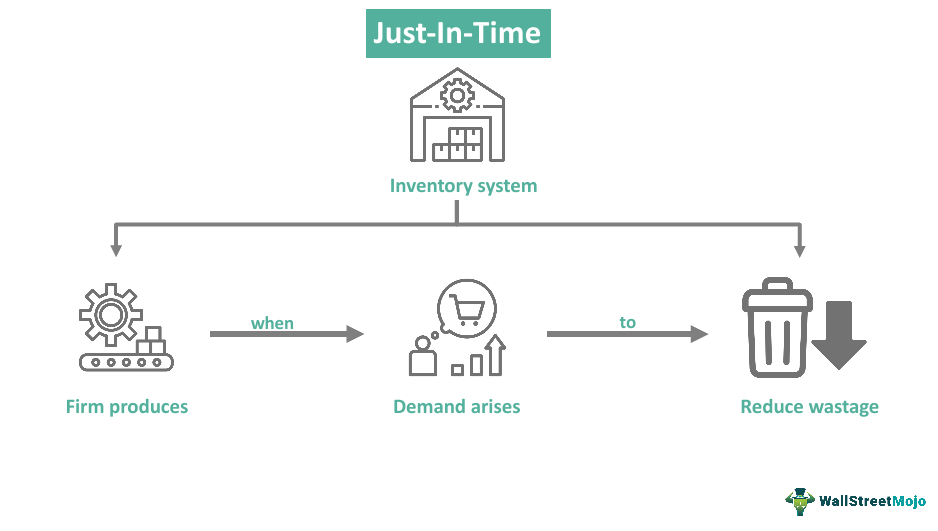
    Just In Time (JIT) is a popular inventory management strategy that aims to streamline production processes by minimizing inventory levels and bringing materials or products to the production line exactly when they are needed. This method was first introduced by Toyota in the 1970s and has since been adopted by many industries worldwide.

    Just In Time Method: Boost Efficiency and Minimize Waste

    Credit: www.netsuite.com

    How does the Just In Time method work?

    The Just In Time method focuses on reducing waste, improving efficiency, and increasing productivity. It involves close coordination with suppliers, as materials are only delivered when they are needed for production. By minimizing inventory levels, companies can free up capital that would otherwise be tied up in inventory costs.

    The JIT method relies on accurate demand forecasting and a well-coordinated supply chain. It requires suppliers to have the ability to deliver materials quickly and in small quantities. This enables companies to respond rapidly to changes in customer demand, reduce storage costs, and eliminate the risk of holding obsolete or slow-moving inventory.


    Just In Time Method: Boost Efficiency and Minimize Waste

    Credit: twitter.com

    Benefits of the Just In Time method

    The Just In Time method offers several benefits to companies who implement it effectively:

    • Reduced Inventory Costs: By keeping inventory levels low and eliminating the need for excessive storage space, companies can significantly reduce inventory carrying costs.
    • Improved Cash Flow: With less capital tied up in inventory, companies can allocate their resources to other areas of their business, improving cash flow and financial stability.
    • Reduced Waste: JIT helps to minimize waste by avoiding overproduction, excess inventory, and unnecessary movement of materials.
    • Increased Efficiency: By delivering materials or products just in time, companies can optimize production processes and reduce lead times, ultimately increasing overall efficiency.
    • Enhanced Quality: JIT emphasizes the importance of quality control at each stage of production, reducing the risk of defects and improving overall product quality.

    Potential Challenges with JIT

    While the Just In Time method offers numerous advantages, it is important to be aware of potential challenges that may arise when implementing this strategy:

    Challenge Solution
    Supplier Reliability Implement effective supplier management and establish strong relationships with reliable suppliers.
    Accuracy of Demand Forecasting Invest in advanced forecasting methods and adopt a data-driven approach to demand planning.
    Production Interruptions Implement contingency plans to address potential production disruptions and ensure backup suppliers are available if needed.
    Tightly Coordinated Supply Chain Ensure effective communication and collaboration between all stakeholders in the supply chain.

    By addressing these challenges and implementing appropriate strategies, companies can overcome potential hurdles and fully leverage the benefits of the Just In Time method.

    Conclusion

    The Just In Time method is an effective approach to inventory management that focuses on reducing waste, improving efficiency, and increasing productivity. By minimizing inventory levels and delivering materials or products just in time, companies can significantly reduce costs, improve cash flow, and enhance overall operational performance. However, it is crucial to carefully plan, coordinate, and address potential challenges to ensure successful implementation of JIT.

  • Fringe Benefits  : Unlocking the Hidden Power of Extra Perks

    Fringe Benefits : Unlocking the Hidden Power of Extra Perks

    Fringe Benefits

    Fringe benefits refer to the extra perks employees receive in addition to their regular salary or wages. These benefits are usually offered by employers as a way to attract and retain top talent. They can range from health insurance and retirement plans to flexible work schedules and employee discounts. In this article, we will explore the importance of fringe benefits and why they matter for both employers and employees.

    1. Attracting and Retaining Employees

    Offering a comprehensive package of fringe benefits can help employers attract and retain skilled employees. In a competitive job market, candidates often consider the overall compensation package when choosing between job offers. Companies that offer desirable benefits have a higher chance of attracting top talent and encouraging employee loyalty.

    2. Improved Employee Satisfaction and Morale

    Fringe benefits contribute to overall employee satisfaction and morale. When employees feel valued and supported by their employer, they are more likely to be engaged and motivated at work. Benefits such as flexible work hours, paid time off, and wellness programs can enhance work-life balance, reduce stress, and increase job satisfaction.

    3. Increased Productivity and Performance

    Providing fringe benefits can have a positive impact on employee productivity and performance. Employees who have access to benefits like health insurance and retirement plans tend to have better physical and mental well-being. This, in turn, leads to reduced absenteeism, improved focus, and higher productivity levels.

    Fringe Benefits  : Unlocking the Hidden Power of Extra Perks

    Credit: fastercapital.com

    4. Tax Advantages for Employers and Employees

    Both employers and employees can benefit from tax advantages associated with fringe benefits. For employers, certain fringe benefits may be tax-deductible, lowering their overall tax burden. Employees, on the other hand, may enjoy tax exclusions on certain benefits, such as health insurance premiums, reducing their taxable income.

    5. Competitive Advantage in the Job Market

    Companies that offer attractive fringe benefits gain a competitive advantage in the job market. This is especially true in industries where the demand for skilled workers is high. A comprehensive benefits package can help set employers apart from their competitors, attracting top talent and positioning the company as an employer of choice.

    6. Employee Health and Well-being

    Fringe benefits that promote employee health and well-being can have long-term benefits for both the employee and the employer. Health insurance coverage, wellness programs, and access to fitness facilities or discounts encourage employees to prioritize their health. This, in turn, reduces healthcare costs, decreases absenteeism, and improves overall employee well-being.


    7. Enhancing Work-Life Balance

    Flexible work schedules, paid time off, and family-friendly policies are important components of a comprehensive fringe benefits package. These benefits allow employees to balance their work and personal lives effectively. Employees who have a good work-life balance tend to be less stressed and more satisfied, leading to increased loyalty and higher retention rates.

    8. Employee Engagement and Loyalty

    When employees feel valued and appreciated through fringe benefits, they are more likely to be engaged and loyal to their employer. This translates into lower turnover rates, reduced recruitment and training costs, and a more stable and productive workforce. Employees who receive attractive benefits are also more likely to recommend their company to others.

    Fringe Benefits  : Unlocking the Hidden Power of Extra Perks

    Credit: www.nitsotech.com

    9. Cost Savings for Employees

    Fringe benefits can lead to cost savings for employees, particularly in areas such as healthcare and retirement planning. By providing access to group insurance plans and retirement savings programs, employers help employees save money compared to purchasing individual plans. This improves employees’ financial security and overall well-being.

    10. Compliance with Employment Laws

    Offering fringe benefits ensures compliance with relevant employment laws and regulations. Employers are required to provide certain benefits, such as social security contributions and workers’ compensation, as mandated by law. By offering a comprehensive package of benefits, employers can easily meet legal obligations while also demonstrating their commitment to employees’ welfare.

    Conclusion

    In conclusion, fringe benefits play a vital role in attracting and retaining employees, improving job satisfaction, enhancing productivity, and gaining a competitive advantage. From a tax perspective, both employers and employees can enjoy advantages associated with these benefits. By offering a comprehensive package of fringe benefits, companies can create a positive work environment, promote employee well-being, and ensure legal compliance.