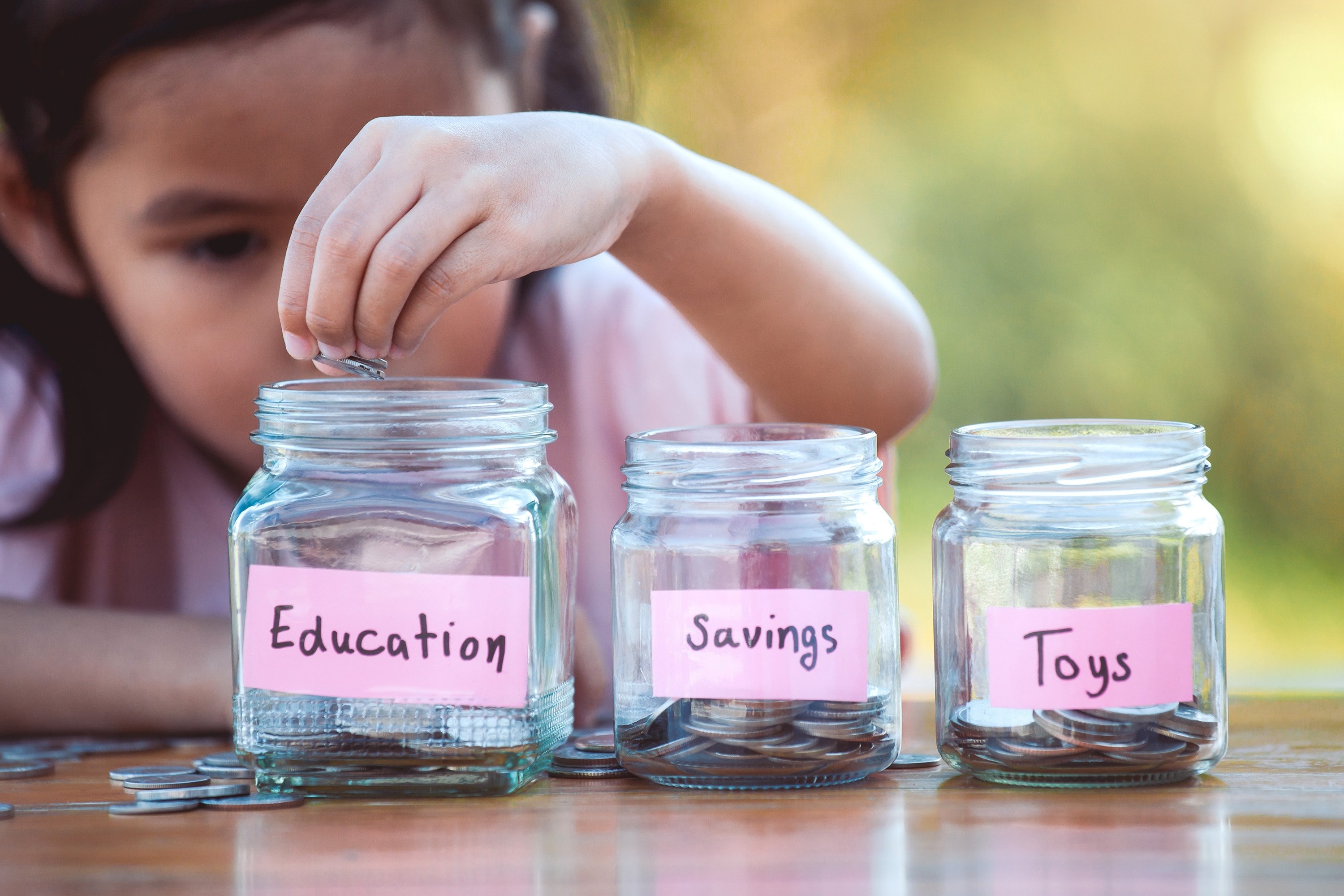
Money, a ubiquitous yet elusive aspect of our lives, plays a significant role in shaping our daily decisions. Whether you’re just starting your financial journey or looking to level up your money management skills, understanding key concepts is essential. In this comprehensive guide, we’ll delve into four crucial numbers about money – fixed costs, savings, investments, and guilt-free spending.
1. Fixed Cost:
Fixed costs are the bedrock of your financial stability. These are the recurring, non-negotiable expenses that remain constant each month. Examples include rent or mortgage payments, utility bills, insurance premiums, and loan repayments. Knowing your fixed costs allows you to establish a baseline for your budget.
Why It Matters:
Provides Financial Predictability: Fixed costs offer a stable and predictable framework for your monthly financial obligations, allowing you to plan with confidence.
Forms the Foundation for Budgeting: Understanding your fixed costs establishes the groundwork for creating a comprehensive budget, aiding in effective financial planning.
Assesses Income Adequacy: By knowing your fixed costs, you can evaluate whether your income aligns with your essential financial responsibilities, ensuring financial sustainability.
How to Optimize:
Regularly Review and Renegotiate: Periodically review fixed expenses, exploring opportunities to renegotiate contracts or find more cost-effective alternatives.
Seek Cost-saving Opportunities: Look for ways to reduce fixed costs without compromising necessities, optimizing service plans or exploring discounts.
Allocate a Specific Percentage: Designate a predetermined percentage of your income to cover fixed costs, ensuring a balanced financial allocation strategy.
2. Savings:
Savings act as a financial safety net and a pathway to achieving future goals. This number represents the portion of your income set aside for unexpected expenses, emergencies, and long-term objectives. Establishing a savings habit safeguards you from financial setbacks and opens doors to opportunities.
Why It Matters:
Financial Cushion in Emergencies: Savings provide a safety net, offering financial security during unexpected expenses or emergencies, mitigating the impact of unforeseen challenges.
Facilitates Goal Attainment: Whether it’s buying a home, pursuing higher education, or taking a dream vacation, savings serve as the funding source for achieving your aspirations.
Reduces Credit Dependency: Having substantial savings reduces reliance on credit for unexpected expenses, preventing debt accumulation and fostering financial independence.
How to Optimize:
Aim for at Least 20% Savings: Strive to allocate a minimum of 20% of your income to savings, ensuring a robust financial foundation for present and future needs.
Automate Transfers: Simplify the saving process by setting up automated transfers to your savings account, promoting consistency and discipline in building your financial reserves.
Diversify Savings: Allocate savings into distinct categories, including emergency funds, short-term goals (e.g., vacations), and long-term objectives like retirement, optimizing your financial portfolio.
3. Investment:
Investing is a wealth-building strategy that involves allocating money with the expectation of generating returns over time. This number represents the percentage of your income directed towards investments, such as stocks, bonds, real estate, or retirement accounts. Investments have the potential to grow your wealth exponentially.
Why It Matters:
Accelerates Wealth Accumulation through Compound Growth:
Compound growth is the magic that happens when your investment earns returns, and those returns, in turn, generate more returns. Over time, this compounding effect can significantly accelerate wealth accumulation.
Example: If you invest $1,000 with an annual return of 10%, you’ll have $1,100 after the first year. In the second year, the return is not just on your initial $1,000 but on the new total of $1,100, leading to exponential growth.
Provides a Hedge Against Inflation:
Inflation erodes the purchasing power of money over time. By investing, you position your money to outpace inflation, ensuring that your wealth maintains or increases its real value.
Example: If the inflation rate is 3%, and your investment grows by 5%, your purchasing power increases by 2% after adjusting for inflation.
Creates Passive Income Streams for the Future:
Smart investments can generate passive income, allowing you to earn money with minimal ongoing effort. This income becomes especially valuable in retirement or when pursuing financial independence.
Example: Rental income from real estate or dividends from stocks can serve as consistent sources of passive income.
How to Optimize:
Diversify Your Investment Portfolio for Risk Mitigation:
Diversification involves spreading your investments across different asset classes to reduce risk. A well-diversified portfolio includes a mix of stocks, bonds, real estate, and possibly other investment vehicles.
Example: If one sector, such as technology, experiences a downturn, diversified investments in healthcare or real estate can help offset losses.
Start Early to Leverage the Power of Compounding:
Time is a critical factor in compounding. The earlier you start investing, the more time your money has to grow exponentially. Even small contributions can lead to substantial wealth over an extended period.
Example: Starting to invest $100 per month at age 25 can yield more significant returns by age 60 compared to starting at age 35, even if the total contribution is the same.
Regularly Reassess and Adjust Your Investment Strategy Based on Financial Goals:
Financial goals evolve over time. Regularly reassessing your investment strategy ensures alignment with your changing objectives, risk tolerance, and market conditions.
Example: As you approach retirement, you might shift towards more conservative investments to preserve capital, adjusting your strategy for changing life stages.
4. Guilt-free Spending:
Guilt-free spending is an often-overlooked but crucial aspect of financial well-being. This number represents the amount allocated for discretionary spending – the activities that bring joy and fulfillment without compromising financial goals. It’s about finding a balance between responsible financial behavior and enjoying the present.
Why It Matters:
Fosters a Positive Relationship with Money:
Building a positive relationship with money is essential for long-term financial success. Guilt-free spending allows you to view money as a tool for both responsibility and enjoyment.
By embracing guilt-free spending, you cultivate a mindset that sees money as a means to achieve your goals and bring happiness into your life.
Enhances Overall Well-being:
Financial well-being is intricately linked to your overall well-being. Guilt-free spending contributes to a balanced life by creating room for leisure, entertainment, and self-care.
Engaging in activities that bring joy without worrying about the financial repercussions adds a layer of fulfillment to your daily experiences.
Mitigates the Risk of Burnout:
Overly restrictive budgeting can lead to burnout, stress, and a sense of deprivation. Guilt-free spending acts as a safeguard against these negative consequences.
Allowing yourself the freedom to indulge in guilt-free activities prevents financial stress from becoming a source of mental and emotional exhaustion.
How to Optimize:
Determine a Reasonable Percentage:
Begin by evaluating your overall budget and financial goals. Allocate a reasonable percentage of your income specifically for guilt-free spending.
This percentage should strike a balance between responsible financial behavior and the desire to enjoy the fruits of your labor.
Prioritize Experiences over Material Possessions:
When engaging in guilt-free spending, prioritize experiences over material possessions. Experiences often provide more lasting joy and memories.
Whether it’s a weekend getaway, a hobby you’re passionate about, or dining at your favorite restaurant, opt for experiences that contribute positively to your well-being.
Align with Values and Priorities:
Ensure that your discretionary spending aligns with your values and priorities. This alignment adds purpose to your spending and prevents impulsive decisions.
By consciously choosing activities or purchases that resonate with your values, you enhance the overall meaning and satisfaction derived from guilt-free spending.
Conclusion:
In the realm of personal finance, these four numbers – fixed costs, savings, investment, and guilt-free spending – form the pillars of a robust and balanced financial plan. Understanding and optimizing these figures empower you to navigate financial challenges, build wealth, and enjoy a fulfilling lifestyle. As you embark on your financial journey, remember that knowledge is your greatest asset, and each number plays a unique role in sculpting your financial future. Strive for financial mastery, and watch your money work for you in ways you never imagined.
The concept of “money lenses” delves into the intricate ways individuals perceive and engage with finances. Shaped by personal experiences, cultural influences, upbringing, and societal norms, these lenses are the filters through which people view money. Exploring some common money lenses provides a nuanced understanding of how beliefs and behaviors intertwine in the realm of personal finance.
Money Lenses: Shaping Your Financial Perspective
A Money Lens serves as your unique worldview, influencing how you approach purchases and navigate the economic landscape. One predominant lens is the cost perspective, where frugality takes center stage. However, in various scenarios, you can seamlessly interchange different Money Lenses to tailor your financial approach. Take a trip, for instance:
Cost: Opt for budget-friendly options, from transportation to accommodation, and relish inexpensive experiences.
Convenience: Prioritize ease with services like Lyft and taxis, opting for a centrally located hotel for added convenience.
Delight: Indulge in a premium experience with a pre-arranged car service, personalized amenities, and a seamless travel journey.
These lenses offer a versatile toolkit, allowing you to adapt your financial approach based on the situation, creating a customized and enriched perspective on spending.
Embarking on a journey through money lenses unravels the intricacies of how individuals perceive and navigate financial landscapes. Let’s delve deeper into each lens, exploring the nuanced perspectives and behaviors associated with cost, value, convenience, security, results, speed, status, delight, and experience.
1. Cost Lens:
The Cost Lens, a pivotal perspective in personal finance, revolves around the meticulous scrutiny of expenses and a judicious quest for value. Individuals with this lens prioritize minimizing costs, seeking optimal deals, and carefully weighing the financial implications of every decision. It’s a lens that sharpens the focus on fiscal efficiency and economic prudence.
Perspective:
Minimizing Expenses: Individuals with a cost-money lens prioritize minimizing expenses and extracting maximum value from their financial choices.
Behavior:
Budget-Conscious: They are inherently budget-conscious, meticulously evaluating costs and seeking discounts.
Financial Implications: Every decision is carefully weighed, considering the broader financial implications.
2. Value Lens:
The Value Lens illuminates financial decisions through the prism of quality and enduring benefits in proportion to cost. Individuals with this lens prioritize investments aligned with their values, seeking long-term returns and meaningful outcomes. It’s a perspective that transcends immediate costs, focusing on the sustained value derived from financial choices.
Perspective:
Quality and Benefits: The value money lens focuses on the quality and benefits derived from expenditures in proportion to the cost.
Behavior:
Investing in Long-Term Benefits: Individuals with this lens are willing to invest in products or services that offer long-term benefits.
Alignment with Values: Choices align with personal values, ensuring a meaningful and enduring return on investment.
3. Convenience Lens:
he Convenience Lens in personal finance illuminates a mindset that prioritizes ease and efficiency in financial transactions. Individuals wielding this lens seek streamlined processes, opting for services and products that save time and effort. In a world where convenience is a coveted currency, this lens influences decisions that prioritize the seamless and hassle-free aspects of financial interactions.
Perspective:
Ease and Efficiency: Convenience-focused individuals prioritize ease and efficiency in financial transactions.
Behavior:
Opting for Efficiency: They may choose services and products that save time and effort, even if they come at a slightly higher cost.
Time-Saving Choices: Convenience is a significant factor in decision-making, often trumping other considerations.
4. Security Lens:
The Security Lens in personal finance encapsulates a mindset anchored in the paramount importance of financial stability and risk protection. Those viewing their finances through this lens prioritize secure investments, insurance, and robust savings to safeguard against uncertainties. In an ever-changing economic landscape, the Security Lens guides decisions with a focus on long-term financial well-being and protection.
Perspective:
Financial Stability: The security money lens places a high value on financial stability and protection against risks.
Behavior:
Opting for Safety: Individuals may choose secure investment options, invest in insurance, and prioritize savings for unforeseen circumstances.
Long-Term Security: Decisions are guided by a focus on long-term financial security rather than immediate gains.
5. Results Lens:
The Results Lens in personal finance unveils a perspective driven by a thirst for tangible outcomes and measurable returns. Individuals wielding this lens are strategic risk-takers, focusing on investments and financial endeavors with clear and impactful results. In the pursuit of measurable success, the Results Lens shapes decisions that align with achieving concrete and meaningful financial milestones.
Perspective:
Tangible Outcomes: The results money lens emphasizes achieving tangible outcomes and measurable returns on financial investments.
Behavior:
Calculated Risks: Individuals may take calculated risks, strategically invest, and focus on financial endeavors with clear and measurable results.
Outcome-Oriented: Decisions are driven by the desire for tangible and impactful results.
6. Speed Lens:
In the realm of personal finance, the Speed Lens signifies a mindset driven by the need for prompt and efficient financial transactions. Individuals wielding this lens prioritize swift payment methods and streamlined processes, embracing the momentum of financial decisions in a fast-paced world.
Perspective:
Quick and Efficient: Speed-focused individuals prioritize quick and efficient financial transactions.
Behavior:
Fast Payment Methods: They may opt for fast payment methods and streamlined financial processes.
Prompt Results: Services that deliver prompt results hold significant appeal for those with a speed money lens.
7. Status Lens:
The Status Lens in personal finance unveils a mindset driven by the symbolic and social value of financial choices. Individuals wielding this lens are inclined to make expenditures that elevate their social standing, utilizing wealth as a means of recognition and status enhancement in their communities.
Perspective:
Symbolic and Social Value: The status money lens focuses on the symbolic and social value associated with financial choices.
Behavior:
Enhancing Social Standing: Individuals may be inclined to spend on items or experiences that enhance their social standing and display affluence.
Seeking Recognition: Financial achievements are viewed through the lens of social recognition and status enhancement.
8. Delight Lens:]
The Delight Lens in personal finance paints a vibrant picture of financial decision-making driven by joy and satisfaction. Those embracing this lens willingly explore avenues that bring happiness, recognizing the profound impact of delight on their financial landscape. In a world where emotional fulfillment intertwines with monetary choices, the Delight Lens takes center stage.
Perspective:
Seeking Joy: Delight-focused individuals prioritize joy, satisfaction, and positive emotions in their financial experiences.
Behavior:
Willingness to Spend: They may be willing to spend on things that bring happiness and delight, even if the cost is higher.
Emotional Fulfillment: Financial choices are guided by the pursuit of emotional fulfillment and satisfaction.
9. Experience Lens:
The Experience Lens in personal finance paints a canvas where every monetary choice is a brushstroke, creating a masterpiece of memorable moments. Guided by a desire for emotional fulfillment, individuals embracing this lens prioritize spending on experiences, weaving a rich tapestry of positive, lasting memories into their financial narrative.
Perspective:
Overall Experience: The experience money lens values the overall experience and emotional connection associated with financial interactions.
Behavior:
Prioritizing Experiences: Individuals may prioritize spending on experiences, travel, and activities that contribute to a positive and memorable financial narrative.
Emotional Connection: Financial decisions are made with a focus on building positive emotional connections and lasting memories.
10. Scarcity Lens:
The Scarcity Lens in personal finance reveals a perspective where money is perceived as limited and finite. Individuals navigating this lens tend to save excessively, practice extreme frugality, and harbor a fear of financial instability.
Beliefs:
Limited and Finite: Individuals with a scarcity money lens perceive money as scarce, limited, and finite.
Behaviors:
Excessive Saving: Inclined to save excessively, they may adopt frugal habits to an extreme.
Fear of Instability: Fearful of financial instability, they may hesitate to spend even when necessary.
11. Abundance Lens:
The Abundance Lens in personal finance reflects a mindset that sees money as a boundless source of opportunities and growth. Those adopting this lens embrace calculated risks, investments, and experiential spending, unlocking a world of financial possibilities.
Beliefs:
Opportunities for Growth: Those with an abundance money lens see money as a source of opportunities for wealth and financial growth.
Behaviors:
Calculated Risks: Open to taking calculated risks, they may invest and explore avenues for financial expansion.
Experiential Spending: More willing to spend on experiences that contribute to personal and financial growth.
12. Power Lens:
The Power Lens in personal finance unveils a perspective where money is seen as a potent tool for influence, control, and empowerment. Those wielding this lens strategically navigate financial decisions to enhance their authority and impact.
Beliefs:
Tool for Influence: The power money lens sees money as a tool for influence, control, and empowerment.
Behaviors:
Seeking Impact: Individuals may seek financial success to gain authority and make a significant impact in various aspects of their lives.
Strategic Financial Decisions: Making strategic financial decisions to enhance personal and professional influence.
13. Freedom Lens:
The Freedom Lens in personal finance reflects a perspective deeply valuing financial independence and unrestricted decision-making. Those embracing this lens prioritize entrepreneurship, passive income, and flexible financial pursuits, seeking the liberty to shape their economic destiny on their own terms.
Beliefs:
Value of Independence: The freedom money lens places high value on financial independence and the ability to make choices without constraints.
Behaviors:
Entrepreneurial Pursuits: Prioritizing entrepreneurship and passive income for greater financial autonomy.
Flexibility: Seeking financial flexibility to align with personal values and life goals.
14. Generosity Lens:
The Generosity Lens in personal finance unfolds a narrative where joy derives not just from financial gain but from sharing wealth with others. Rooted in the belief that true abundance is found in giving, individuals embracing this lens prioritize charitable contributions, acts of kindness, and supporting causes that extend beyond personal gain.
Beliefs:
Joy in Sharing: A generosity money lens emphasizes the joy and fulfillment derived from sharing wealth with others.
Behaviors:
Charitable Giving: Prioritizing charitable giving, supporting causes, and actively contributing to the well-being of others.
Helping Financially: Actively assisting others financially as a means of spreading abundance.
Last Lines
Understanding these money lenses goes beyond surface-level observations, providing a profound insight into the intricate relationship individuals have with money. Recognizing one’s dominant money lens can pave the way for intentional financial decision-making, fostering a more harmonious and fulfilling financial journey. As these lenses coalesce and evolve over time, individuals can leverage this understanding to align their financial behaviors with their core values and aspirations.
To sell a financed car without paying it off, you need to find a buyer who is willing to take over your loan or provide you with the full amount to pay off the loan. When it comes to selling a car that is still being financed, it can be a bit more complicated than selling a car that is fully paid off.
However, it is not impossible. To successfully sell a financed car without paying it off, you would need to find a buyer who is willing to either take over your loan or provide you with the full amount to pay off the loan.
We will discuss some strategies and options to help you sell your financed car smoothly and avoid any potential pitfalls. Let’s dive in!
Understanding Your Financing Options
Explore your financing options and learn how to sell a financed car without the hassle of paying it off upfront. Discover helpful tips and strategies for navigating the process and maximizing your options.
When it comes to selling a financed car without paying it off, it’s crucial to fully understand your financing options. Whether you have a loan from a bank, credit union, or through a dealership, taking the time to explore and assess your financing terms can greatly impact your selling process.
To help you get started, here are some key points to consider:
Exploring financing terms and options:
Research different financing options available in the market.
Compare interest rates, repayment periods, and monthly installments.
Understand the impact of your credit score on the financing terms.
Assessing your current car loan situation:
Determine the outstanding balance of your car loan.
Determine the current market value of your car.
Calculate the equity (if any) you have in the car.
Reviewing the terms and conditions of your loan agreement:
Carefully read your loan agreement to understand any restrictions or penalties related to selling the car before paying it off.
Look for clauses regarding prepayment penalties or transferability of the loan to the buyer.
Consider consulting a legal professional if the loan agreement is complex or confusing.
By examining your financing terms and conditions, you can gain a clearer picture of what’s involved in selling your financed car. This knowledge will help you make informed decisions throughout the process and avoid any surprises or setbacks. Remember to carefully assess your financial situation and seek professional advice if needed.
With a solid understanding of your financing options, you can confidently move forward with your car-selling journey.
Evaluating The Market Value Of Your Car
Evaluate the market value of your financed car to determine how to sell it without paying off the loan. Get an appraisal from a reputable dealer or use online valuation tools. This helps you strategize your selling price and negotiate with potential buyers.
Researching Current Car Market Trends
Conduct comprehensive research on the current car market trends to understand the demand and pricing for your specific make and model. Here’s how:
Utilizing Online Valuation Tools
Take advantage of online valuation tools to get an estimate of your car’s worth. These tools consider various factors such as make, model, year, mileage, condition, and location. Here are a few reliable online valuation tools to utilize:
Kelley Blue Book (KBB): KBB provides fair market value estimates based on your car’s details. It considers factors like mileage, condition, optional features, and recent sales data.
Edmunds: This platform offers appraisal tools to help you determine your car’s value accurately. It considers vehicle condition, mileage, location, and optional equipment.
Autotrader: Autotrader provides a unique pricing tool that takes into account market trends and recent sales data to estimate your car’s value accurately.
Carfax: Carfax offers a free valuation tool that considers factors such as mileage, location, condition, and optional features to provide an instant estimate of your car’s worth.
Considering The Condition And Mileage Of Your Vehicle
Evaluating the condition and mileage of your car is crucial in determining its market value. These factors can significantly impact the selling price. Consider the following:
Condition: Assess your car’s overall condition, including the exterior, interior, mechanical components, and any recent repairs or maintenance. Take note of any cosmetic or mechanical issues that may affect its value.
Mileage: Take into account the number of miles your car has accumulated. Lower mileage can be a selling point and potentially increase its market value.
Remember to compare the estimated value from online tools with other similar listings in your area. Pricing your car competitively will attract potential buyers and increase the chance of a successful sale.
Negotiating With Your Lender
Learn the secrets of negotiating with your lender when selling a financed car without paying it off. Discover effective strategies to reach a mutually beneficial agreement and avoid additional financial burdens.
When it comes to selling a financed car without paying it off, negotiating with your lender plays a crucial role in ensuring a smooth transaction. By contacting your lender and informing them of your intention to sell, you can begin exploring possible options for transferring the loan to the buyer while navigating the process of obtaining a loan payoff amount.
Contacting Your Lender And Informing Them Of Your Intention To Sell:
Reach out to your lender: Initiating contact with your lender as soon as you decide to sell is essential. Inform them about your intention to sell the financed car and inquire about the necessary steps to proceed.
Submit required documentation: Your lender may require specific documents to begin the process, such as a vehicle sale contract, buyer’s information, and any additional paperwork they deem necessary.
Provide buyer information: It is important to share the buyer’s contact details with your lender, as they will need to perform credit checks and evaluate the buyer’s qualification for assuming the loan.
Stay proactive: Throughout the negotiation process, maintain regular communication with your lender to ensure all requirements are met promptly, facilitating a smooth transfer of the loan.
Discussing Possible Options For Transferring The Loan:
Loan assumption: In some cases, lenders may allow the buyer to assume the remaining loan balance and continue making the monthly repayments. This option requires the buyer to meet certain eligibility criteria set by the lender.
Refinance the loan: Another option is for the buyer to secure their financing to pay off the existing loan in full. This could involve applying for a new car loan with their preferred financial institution to cover the remaining balance.
Balloon payments: Depending on the terms of the loan agreement, your lender may permit the buyer to make a lump sum payment, known as a balloon payment, to satisfy the outstanding debt.
Navigating The Process Of Obtaining A Loan Payoff Amount:
Request a payoff statement: To determine the exact loan payoff amount, contact your lender and ask for a payoff statement. This statement outlines the remaining balance, including any fees or interest that may be applicable.
Be aware of timing: Keep in mind that obtaining a loan payoff amount may take some time. It is prudent to request this information well in advance of the anticipated sale to allow sufficient time for processing and to avoid any delays.
Account for additional fees: In addition to the outstanding loan balance, be prepared for potential additional fees, such as early payment penalties or administrative charges. These fees can vary depending on the terms of your loan agreement.
Remember, it’s crucial to maintain open and proactive communication with your lender throughout the negotiation process. By understanding the available options for transferring the loan and obtaining an accurate loan payoff amount, you can sell your financed car without paying it off smoothly and efficiently.
Advertising And Attracting Potential Buyers
Selling a financed car without paying it off can be challenging. However, there are strategies available to attract potential buyers, such as offering incentives or finding buyers who are willing to assume the loan. It’s important to navigate this process carefully and consult with professionals to ensure a smooth transaction.
Crafting An Enticing Car Listing:
When it comes to selling a financed car without paying it off, one of the crucial steps is creating an enticing car listing that attracts potential buyers. Crafting a well-written and visually appealing listing is essential in grabbing the attention of interested parties.
Here are some tips to help you create an engaging car listing:
Highlight the car’s best features: Start your listing by showcasing the car’s standout qualities. Whether it’s a reliable engine, low mileage, or luxurious interiors, make sure to emphasize what makes your car special.
Use high-quality photos: Include clear and captivating images of the car from different angles. High-quality photos can significantly increase the chances of attracting potential buyers.
Be detailed in your description: Provide a comprehensive yet concise description of the car, including important details such as make, model, year, mileage, and condition. Mention any recent repairs or upgrades as well.
Describe the financing situation: Be transparent about the fact that the car is still financed but highlight the benefits for potential buyers. For example, mention that the buyer can take over the monthly payments without any down payment.
Include contact information: Make it easy for interested buyers to reach out to you. Include your preferred method of contact, such as phone number or email address, in the listing.
Choosing The Right Platforms For Advertising:
Selecting the appropriate platforms for advertising your financed car is key to reaching potential buyers effectively. Consider the following options when deciding where to promote your car listing:
Online classified websites: Platforms like Craigslist, Autotrader, and Cars.com are popular choices for advertising cars. These websites attract a large audience of car buyers and offer specific categories to list financed cars.
Social media platforms: Utilize social media platforms like Facebook Marketplace, Instagram, and Twitter to reach a wider audience. Take advantage of relevant hashtags and join car selling groups to boost visibility.
Local newspapers and community boards: Place an ad in local newspapers and community boards to target potential buyers in your area. These traditional methods can still yield positive results, especially for buyers searching for a car nearby.
Employing Effective Marketing Strategies To Reach Potential Buyers:
Implementing effective marketing strategies can significantly increase your chances of reaching potential buyers for your financed car. Here are some strategies to consider:
Price competitively: Research similar cars on the market and price your car accordingly. Offering a competitive price will attract more buyers and increase the chances of a quick sale.
Leverage word of mouth: Spread the word about your car sale to friends, family, and colleagues. They may know someone interested in buying a car or can help promote your listing to their networks.
Create urgency: Emphasize limited availability or mention if you’re considering other offers. This can create a sense of urgency and prompt potential buyers to act quickly.
Utilize paid advertising: Consider investing in paid advertising options, such as Google Ads or Facebook Ads, to target specific demographics and increase your listing’s visibility.
Respond promptly to inquiries: When potential buyers reach out with inquiries, respond promptly and provide all the necessary information. Being responsive can help build trust and increase the likelihood of a successful sale.
Remember, crafting an enticing car listing, choosing the right platforms for advertising, and employing effective marketing strategies are essential steps in selling a financed car without paying it off. By following these tips, you can attract potential buyers and increase your chances of a successful sale.
Facilitating The Sale And Transfer Process
If you’re wondering how to sell a financed car without paying it off, our process makes it easy. We facilitate the sale and transfer smoothly, taking care of all the necessary paperwork and ensuring a seamless transition for both parties.
Avoid the hassle of paying off your loan upfront and let us handle the details for you.
Selling a financed car can seem like a daunting task, especially when it comes to navigating the process of transferring ownership and loan responsibilities. However, with some careful planning and organization, you can facilitate the sale smoothly and successfully. In this section, we will focus on meeting with potential buyers, arranging test drives, preparing necessary documentation for the sale, and ensuring a seamless transfer of ownership and loan responsibilities.
Meeting With Potential Buyers And Arranging Test Drives:
Advertise your car: Create compelling listings on online platforms or use social media to reach a wider audience of potential buyers.
Respond promptly: Be responsive to inquiries and schedule meetings with interested buyers in a timely manner.
Choose safe meeting locations: Opt for public places with surveillance cameras or consider meeting at a mechanic’s shop or dealership.
Accompany potential buyers on test drives: Make sure to join them during test drives to safeguard your car and address any questions or concerns.
Preparing Necessary Documentation For The Sale:
Gather important paperwork: Collect all essential documents such as the car’s title, loan agreement, and maintenance records.
Know your loan payoff amount: Contact your lender to determine the remaining balance on your car loan.
Obtain a payoff quote: Request a written payoff quote from your lender, including any additional fees.
Be transparent about the loan balance: Inform potential buyers about the existing loan and provide them with an estimate of the amount needed to pay it off.
Prepare a bill of sale: Create a bill of sale that clearly outlines the terms and conditions of the sale, including the agreed-upon purchase price and any warranties or guarantees.
Ensuring A Smooth Transfer Of Ownership And Loan Responsibilities:
Coordinate with your lender: Connect with your lender to facilitate the transfer of ownership and loan responsibilities. They will guide you through the necessary steps.
Pay off the loan before the sale: Ideally, it’s best to pay off the loan before the sale to streamline the transfer process. However, if that’s not possible, follow your lender’s instructions for handling the sale with an outstanding loan balance.
Handle the loan payoff: Once you and the buyer agree on a sale price, work with your lender to pay off the balance. Ensure the funds are transferred and the loan is released.
Transfer the title: Complete the necessary paperwork to transfer the vehicle’s title to the buyer. Follow your state’s guidelines for submitting the required documentation.
Notify your insurance company: Inform your insurance provider about the transfer of ownership, and adjust or cancel your coverage accordingly.
By taking these steps and staying organized throughout the selling process, you can sell your financed car without paying it off entirely while ensuring a smooth transfer of ownership and loan responsibilities. Remember to consult with professionals, such as your lender or local DMV, for specific guidelines and requirements in your area.
Dealing With Financial Implications And Outstanding Loan Balances
Selling a financed car without paying off the loan can be challenging, but there are options available. Explore refinancing, negotiating with the lender, or finding a buyer willing to assume the loan to navigate the financial implications and outstanding loan balances.
Selling a financed car before paying off the loan may seem like a challenge, but with careful planning and understanding of the financial implications, it can be done. In this section, we will discuss how to deal with outstanding loan balances while selling a financed car.
We will cover calculating the remaining loan balance, explore options for covering the debt, and understand the impact of the sale on your credit profile.
Calculating The Remaining Loan Balance:
Contact your lender: Reach out to your lender to obtain the exact amount needed to pay off the loan. They will provide you with the payoff amount, which includes the principal balance and any remaining interest.
Review your loan agreement: Refer to your loan agreement to understand if there are any penalties or fees associated with prepayment. These may impact the total amount you need to pay.
Consider additional fees: Keep in mind that there might be additional fees for obtaining the necessary paperwork to transfer ownership to the buyer.
Exploring Options For Covering The Remaining Debt:
Pay off the loan balance: If you have sufficient funds, you can pay off the remaining loan balance before selling the car. This will give you a clean title to transfer to the buyer.
Negotiate with the buyer: If you cannot cover the full loan balance, you may negotiate with the buyer to assume the remaining debt. However, this option requires the buyer’s willingness and the lender’s approval.
Utilize a personal loan: Another option is to secure a personal loan to cover the remaining loan balance. This allows you to pay off the lender and transfer the title to the buyer.
Understanding The Impact Of The Sale On Your Credit Profile:
Credit reporting: The lender will report the sale to credit bureaus, indicating that the loan has been paid in full or settled. This will be reflected in your credit history.
Credit utilization: Selling a financed car without paying it off can impact your credit utilization ratio, which compares your debt to available credit. A high utilization rate can negatively affect your credit score.
Potential credit implications: If the sale does not cover the total loan balance and results in a partial settlement, it may have a negative impact on your credit score. Lenders may view this as an indication of financial difficulty.
Remember, selling a financed car without paying it off requires careful consideration of the financial implications and open communication with the lender and potential buyer. Ensure that you understand the terms of your loan agreement and explore all available options before proceeding.
Understanding Legal And Regulatory Considerations
Title: Understanding Legal and Regulatory Considerations When Selling a Financed Car
Selling a financed car before paying it off involves navigating legal and regulatory considerations. It is crucial to understand the terms of your loan agreement and consult with professionals to ensure a smooth and legal transaction.
Familiarizing Yourself With Local Laws And Regulations:
Research local laws and regulations related to selling a financed car in your area.
Understand the specific requirements and restrictions imposed by the government or regulatory bodies.
Educate yourself on any legal obligations or responsibilities you must fulfill during the selling process.
Complying With Required Documentation And Procedures:
Obtain a payoff quote from your lender to understand the remaining balance on your financed car.
Gather all necessary documents, such as the vehicle title, loan agreement, and any associated paperwork.
Check if your lender has any specific procedures or requirements for selling a financed vehicle.
Ensure that you are up to date on any registration, insurance, or tax obligations before proceeding with the sale.
Seeking Legal Advice If Necessary:
Consult with a qualified attorney who specializes in automotive law.
Seek legal guidance if you encounter any complex situations or uncertainties.
A lawyer can help you navigate potential legal issues and ensure you are fully compliant with the law.
By seeking professional advice, you can protect yourself from potential disputes or problems down the line.
Remember, it is crucial to familiarize yourself with the local laws and regulations governing the sale of a financed car. Compliance with the required documentation and procedures is necessary to avoid any legal complications. If needed, seeking legal advice can provide further clarity and ensure a smooth selling process.
Ensuring A Smooth Transition
Selling a financed car without paying it off can be a smooth transition with these helpful tips. Navigate the process seamlessly and ensure a successful sale without the burden of paying off the loan upfront.
Selling a financed car without paying it off can be a complex process. However, by taking certain steps and coordinating with your lender, you can ensure a smooth transition for both yourself and the new owner. Here are some crucial factors to consider:
Informing The New Owner About Any Remaining Loan Obligations
To prevent any surprises or misunderstandings, it is essential to inform the new owner about any outstanding loan obligations related to the car. Here’s how to go about it:
Research the outstanding balance: Find out the exact amount that needs to be paid off to fully settle the loan.
Educate the potential buyer: Clearly communicate the remaining loan balance to the interested buyer. Ensure they understand that they will be responsible for repaying the remaining amount.
Provide documentation: Give the new owner access to all relevant loan documents, including the original loan agreement and any other paperwork that outlines the current outstanding balance.
Coordinating With Your Lender To Finalize The Loan Payoff
To avoid complications down the line, it’s crucial to work closely with your lender and ensure a seamless loan payoff process. Here’s what you need to do:
Contact your lender: Inform your lender about your intention to sell the financed car. They will guide you through the necessary steps to proceed.
Cooperate with the lender requirements: Follow your lender’s instructions regarding the necessary paperwork, payment methods, and any additional documentation they may need from you.
Stay in constant communication: Maintain open lines of communication with your lender throughout the entire process. Promptly respond to any requests or inquiries they have to expedite the loan payoff.
Keeping Proper Records Of The Sale And Loan Settlement
Maintaining accurate records of the sale and loan settlement is crucial to protect yourself legally and financially. Remember to:
Document the sale: Ensure you have a bill of sale or any other legally binding document that records the transfer of ownership from you to the new owner.
Record loan settlement: Keep detailed records of the loan payoff process. This includes payment receipts, confirmation from your lender, and any other pertinent documentation.
Retain copies of all paperwork: Make copies of all the relevant paperwork for your records, such as the loan agreement, bills of sale, and any correspondence with your lender. These documents will be crucial for future reference or if any disputes arise.
By following these guidelines, you can sell your financed car without paying it off and ensure a smooth transition for both parties involved. Remember to be transparent with the new owner about any loan obligations, coordinate with your lender to finalize the loan payoff, and keep proper records of the sale and settlement.
Frequently Asked Questions For How To Sell A Financed Car Without Paying It Off
Does Selling A Financed Car Hurt Your Credit?
Selling a financed car can potentially affect your credit negatively.
Will Carmax Buy My Car If I Still Owe Money On It?
Yes, CarMax can buy your car even if you still owe money on it.
Can I Sell My Financed Car Without Paying It Off?
Yes, you can sell your financed car without paying it off. However, the outstanding loan balance will need to be paid off before transferring the title to the new owner. Alternatively, you can find a buyer who is willing to take over your car loan and continue making payments on your behalf.
What Happens If I Sell My Financed Car?
If you sell your financed car, the outstanding loan balance will need to be paid off. The proceeds from the sale will be used to settle the remaining debt. If there is any remaining amount after paying off the loan, you will receive it.
However, if the sale amount is less than the loan balance, you will be responsible for paying the difference.
Conclusion
Selling a financed car can be a daunting task, but with the right knowledge and preparation, it is possible to navigate this process successfully. Start by calculating the payoff amount and ensuring you have the funds to cover it. Then, gather all necessary documents, such as the title, loan agreement, and maintenance records, to present a complete picture to potential buyers.
Utilize effective marketing strategies, including online advertisements and social media platforms, to reach a broader audience. Don’t forget to be transparent about the car’s history and any remaining payments. If you’re struggling to find a buyer, consider reaching out to dealerships or trading in your car.
Overall, selling a financed car without paying it off requires careful planning, open communication, and understanding the potential limitations. By following these steps and leveraging the right resources, you can navigate the selling process and find a suitable buyer for your financed car.
Debt is being marketed to adults as much as toys are to children. Let’s explore what are some of the results of this.
Excessive debt marketing Results
The marketing of debt to adults has resulted in several negative consequences. One of the most significant is that many adults are now burdened with high levels of debt, which can be difficult to manage and can have serious consequences for their financial well-being. In addition, the marketing of debt has contributed to a culture of consumerism, where people are encouraged to buy things they don’t necessarily need, often using credit. This can lead to a cycle of debt that is difficult to break out of. Finally, the marketing of debt can be misleading and deceptive, with many people not fully understanding the terms and conditions of the credit they are taking on, leading to unexpected fees and charges.
High Levels of Debt: The marketing of debt to adults has resulted in many people in Bangladesh being burdened with high levels of debt. For example, credit card companies often market their products to young people and low-income earners, who may not have the financial means to repay the debt.
Interest Rates: High interest rates are often associated with debt, which can make it difficult for people to repay what they owe. In Bangladesh, many people take out loans from microfinance institutions at high interest rates, resulting in them becoming trapped in a cycle of debt.
Consumerism: The marketing of debt has contributed to a culture of consumerism in Bangladesh, where people are encouraged to buy things they don’t necessarily need. For example, banks and other financial institutions offer personal loans for various purchases, such as holidays and electronic gadgets, encouraging people to take on debt to fund their lifestyles.
Credit Cards: Credit card companies have heavily marketed their products in Bangladesh, resulting in many people taking on debt they can’t afford to repay. In some cases, credit card debt has led to people being blacklisted by banks, making it difficult for them to access credit in the future.
Hidden Fees: The marketing of debt can be misleading and deceptive, with many people in Bangladesh not fully understanding the terms and conditions of the credit they are taking on. For example, some microfinance institutions charge hidden fees, such as processing fees and insurance fees, which can add significantly to the overall cost of the loan.
Payday Loans: Payday loans have become popular in Bangladesh, with many people taking out these high-interest, short-term loans to cover their expenses. However, these loans can lead to a cycle of debt, with people taking out one loan to repay another.
Repayment Difficulties: Many people in Bangladesh struggle to repay their debt, which can result in a range of negative consequences, such as harassment from debt collectors, legal action, and even imprisonment in extreme cases.
Limited Financial Literacy: The marketing of debt can take advantage of people’s limited financial literacy, with many people in Bangladesh not fully understanding the terms and conditions of the credit they are taking on. This can lead to people taking on debt they can’t afford to repay, resulting in a cycle of debt.
Stress and Anxiety: Debt can be a significant source of stress and anxiety for many people in Bangladesh. It can lead to sleepless nights, relationship breakdowns, and other negative consequences that can impact people’s mental health and well-being.
Stagnant Economic Growth: The marketing of debt to adults can also have a negative impact on the wider economy in Bangladesh. High levels of debt can lead to reduced consumer spending, resulting in stagnant economic growth and a lack of investment in critical areas such as infrastructure and education.
Conclusion
In conclusion, excessive debt marketing can have serious consequences on both individuals and the economy. When people accumulate too much debt, they become financially vulnerable, which can lead to bankruptcy, foreclosure, and other financial hardships. Additionally, excessive debt can have ripple effects on the larger economy, contributing to economic instability and potentially leading to a recession. Therefore, it is important for individuals to be mindful of their borrowing habits, and for companies to engage in responsible marketing practices that prioritize the financial well-being of their customers over short-term profits.
Personal finance is an important life skill that every person should learn, and this includes children. Kids are bombarded with messages about money from a very young age – whether it’s hearing their parents talk about the bills they have to pay or seeing advertisements on TV for new toys. It can be overwhelming for them to understand how these things fit together and what it all means for their future.
As parents, we all want our kids to grow up and be successful in life. But the truth is that success isn’t always based on talent or intelligence — it can also depend heavily on financial literacy. That’s why it’s important to teach our children about personal finance from an early age.
Why is It Important to Learn About Finance?
Money is an essential part of life, and understanding how to manage it is a fundamental skill that everyone should possess. Learning about finance can help you make sound financial decisions, avoid costly mistakes, and ultimately achieve your financial goals.
Learning about personal finance will help your child understand how money works and make wise decisions with their finances as they get older. Money management skills are essential for leading a financially secure life, so teaching these principles early can set them up for long-term success. Here are some of the key benefits of teaching kids about personal finance:
1. Make Smart Financial Decisions – When you understand basic concepts like budgeting, saving, investing and managing debt, you will be able to make smarter financial decisions throughout your life. You’ll be better equipped to navigate difficult situations such as bankruptcy or mortgage refinancing. Being knowledgeable in personal finance also helps when making major purchases or investments such as buying a house or car.
2. Create Achievable Financial Goals – Knowing the fundamentals of finances allows individuals to set realistic goals for themselves which leads them down the path towards achieving those goals over time. Without learning how money works, individuals may not have a clear plan on how they want their money to work for them in terms of savings and investments which can delay reaching their desired outcome by years if not decades!
3. Achieve Long-term Stability – By having a comprehensive understanding of finances one can ensure long-term stability by properly planning out where their income goes each month through budgeting and setting aside funds for retirement accounts among other things necessary for proper wealth management today that will benefit tomorrow!
4 . Avoid Costly Mistakes – Kids need to learn how to budget, invest wisely, and save appropriately so they don’t fall into debt when they become adults. Teaching them these basics now allows them to avoid costly mistakes later on down the road. Not being financially literate could easily lead someone into making expensive mistakes with their money without even realizing it until it’s too late! For example taking out loans at high-interest rates or paying unnecessary fees due to lack of knowledge on what options are available would cause more harm than good in the long run so avoiding these scenarios altogether is key here!
5) It Teaches Responsibility: Learning about money teaches responsibility by giving kids a sense of ownership over their own finances – if you give your child an allowance each week, have them set aside a portion for savings or investments right away so they start learning good habits early on.
6) Encourages Smart Spending Habits: When children understand the value of money and its limited availability, they tend to be more careful when spending it – this means no impulse purchases! Showing your child how far their money can stretch with smart budgeting encourages better spending habits in adulthood too.
Overall learning about finances is extremely beneficial because doing so helps people make smart decisions with their money while simultaneously creating achievable goals that increase overall financial stability over time while avoiding costly mistakes along the way!
Why Should Kids Learn Personal Finance?
Teaching kids personal finance is essential for their long-term financial well-being and overall life skills development. Here are ten detailed reasons why kids should learn personal finance:
1. Financial Literacy Promotes Independence:
Teaching kids about personal finance instills in them a sense of independence and self-reliance. As they learn how to manage their money, they become less dependent on others for financial support and guidance. This independence extends beyond finances and can lead to greater confidence in various aspects of their lives. Kids who are financially literate are more likely to take control of their financial future and make informed choices.
2. Smart Money Management:
Financial literacy equips kids with practical skills for managing their finances effectively. They learn how to create budgets, track expenses, and make informed spending decisions. These skills are essential for avoiding financial pitfalls and ensuring that their income covers their needs and goals. Kids who are financially literate are less likely to overspend, accumulate debt, or experience financial stress.
3. Debt Prevention:
Understanding concepts like interest rates, loans, and credit cards helps kids make responsible financial decisions. They learn the potential consequences of borrowing money and how to use credit wisely. This knowledge can prevent them from falling into the cycle of debt that many adults struggle with. Kids who grasp the implications of debt are more likely to use credit sparingly and responsibly.
4. Goal Setting:
Personal finance education encourages kids to set financial goals and work towards them. Whether it’s saving for a special toy, a college education, or their first car, goal setting teaches them the importance of planning and discipline. Kids learn that achieving their goals requires patience, dedication, and consistent effort. These skills can be applied to various aspects of life, fostering a sense of achievement and motivation.
5. Delayed Gratification:
One of the valuable lessons in personal finance is the concept of delayed gratification. Kids learn that saving money today can lead to more significant rewards in the future. This understanding helps them resist impulsive spending and instant gratification, which is a crucial life skill. Kids who practice delayed gratification are more likely to make thoughtful, long-term decisions and have a greater sense of financial security.
6. Critical Thinking:
Financial literacy encourages kids to think critically about financial decisions. They learn to evaluate options, consider the trade-offs, and make informed choices. By engaging in this process, children develop analytical and problem-solving skills that extend beyond finances. These critical thinking abilities become valuable assets in various areas of life, such as career choices and personal relationships.
7. Economic Awareness:
Understanding the fundamentals of economics is an essential aspect of personal finance education. Kids gain insight into economic concepts like inflation, supply and demand, and economic cycles. This knowledge helps them grasp the broader economic context in which they operate. It also enables them to adapt to economic changes and make informed decisions about their investments, careers, and financial strategies.
8. Investment Knowledge:
Learning about investments introduces kids to the concept of growing wealth over time. They discover various investment options, such as stocks, bonds, and real estate. Kids learn the benefits of diversification, risk management, and long-term planning. This knowledge empowers them to make informed investment decisions and take steps towards financial security, including saving for college, retirement, or other future goals.
9. Financial Resilience:
Financial literacy equips kids with resilience in the face of financial challenges. They learn to navigate unexpected expenses, emergencies, and setbacks. By understanding how to manage these situations, they can avoid falling into financial crises. This resilience extends to other life challenges, helping kids build emotional and psychological strength when facing adversity.
10. Financial Responsibility:
Personal finance education instills a sense of responsibility and ethics regarding money. Kids learn about honesty, integrity, and ethical financial behavior. They understand the importance of paying bills on time, honoring financial commitments, and treating others fairly in financial transactions. These values shape their character and contribute to their reputation as responsible individuals.
Incorporating personal finance education into the curriculum or family discussions equips kids with practical skills they will use throughout their lives, ultimately improving their financial well-being and contributing to their overall success and happiness.
Why Finance Should Be Taught in Schools?
Financial literacy is a key life skill that should be taught in schools. Over the course of their lifetime, individuals need to be able to make wise financial decisions and understand how money works. Unfortunately, many students leave school with limited knowledge on this subject, leaving them unprepared for the future.
By teaching finance in schools, we can help equip young people with the skills they need to succeed financially and ensure they have a secure financial future. In today’s world, there are more types of investments than ever before – from stocks and bonds to mutual funds and cryptocurrency – yet most students lack basic understanding of these concepts when they graduate high school or even college. Without an education in finance, it can be difficult for individuals to make smart decisions about their finances later in life as they may not fully understand the risks associated with different investment options or how taxes work.
This can lead to poor spending habits that cost them dearly down the line. Furthermore, having a sound understanding of personal finance could potentially help students avoid common pitfalls such as credit card debt which often leads to decreased self-esteem and depression due to feelings of failure or embarrassment from being unable manage money responsibly . High levels of debt can also prevent young people from achieving milestones such as buying a home or starting a business at an earlier age due lack of available capital resources. Having access to information about budgeting , savings , debt management , retirement planning , insurance etc., early on gives individuals the opportunity learn how best take care their own finances before making any major purchases .
To summarize: Financial literacy is an invaluable life skill that needs to taught in our educational systems so that future generations are better equipped handle all aspects related money matters throughout lives . With proper guidance on topics such investing , budgeting , saving etc., young people will have greater confidence managing finances later adulthood while avoiding costly mistakes along way .
Why is Personal Finance Important in High School?
Personal finance is an important life skill that everyone needs to understand in order to be successful. While there are many aspects of personal finance, understanding how money works is key for success. Unfortunately, high school students often don’t get enough education about managing their finances and as a result, they can find themselves struggling with debt or financial issues when they reach adulthood.
That’s why it’s so important for high schoolers to learn the basics of personal finance before leaving school. The first step in learning about personal finance is understanding budgeting and spending habits. A good way for students to practice this skill is by creating a budget and tracking their expenditures on things like food, entertainment, and clothing each month.
This will help them develop better money management skills which are essential later in life when dealing with larger expenses like cars or housing costs. Additionally, students should start saving early so that they can have funds available when unexpected costs arise such as medical bills or emergency car repairs. Saving regularly also helps build healthy habits that will set them up for success down the road
In addition to teaching budgeting and saving skills, teaching kids about investing could provide a great foundation towards building wealth over time. Learning how stocks work can be intimidating at first but having knowledge of the stock market allows individuals more control over their investments rather than simply relying on others’ advice or predictions about where markets may go next . It’s helpful for young people who want to gain some financial freedom throughout their lives because investing has historically been one of the most effective ways of growing wealth over time if done correctly .
Finally , being aware of credit scores from an early age is another valuable lesson that all high schoolers should learn . Knowing what impacts your score (late payments versus timely payments) as well as strategies such as keeping balances low all help create positive credit histories – something which will become increasingly important after graduation when applying for loans or mortgages . Establishing good credit now gives young adults an advantage financially later on in life since lenders view those with higher scores more favorably than those without any established history.
Overall, teaching teenagers the basics regarding personal finance provides invaluable insight into becoming responsible consumers during college years and beyond.
Why Should High School Students Learn About Personal Finance?
Personal finance is an important topic that everyone should learn, but it can be especially beneficial for high school students. Learning about personal finance at a young age helps young people get into the habit of making smart financial decisions and become more successful in their adult lives.
High school students should learn about personal finance because it teaches them valuable lessons that they will use throughout their life.
By learning the basics of budgeting, savings, and investing early on, teens can develop good financial habits that will serve them well later on in life. Understanding how to manage your money properly can help you make wise investments and avoid large debts down the road. Additionally, understanding basic concepts like credit scores, loan terms and interest rates is essential for any adult looking to purchase a home or car or take out any sort of loan.
Another reason why high school students should learn about personal finance is because it can help prepare them for college expenses such as tuition fees, textbooks costs and living costs while away from home. Knowing how much money they need to save up beforehand as well as planning ahead financially might help reduce some stress related to managing finances during college years when bills start piling up quickly due to student loans payments etc.. In addition being able to identify scholarships opportunities early on would also be helpful in reducing overall cost spent on higher education which could have long term benefits even after graduation depending on career path taken by each individual student .
Furthermore , knowing how taxes work could be useful when filing tax return forms post-graduation which may result in additional income if done correctly . High schools already offer classes such as mathematics , accounting , economics so adding classes focusing specifically on teaching skills related directly with personal finances would provide additional knowledge required for future success . This way students who are interested could opt-in into these courses without feeling intimidated by huge amount of information presented during regular economics classes where topics usually cover broader aspects instead specific ones focusing solely on different types of investments available inside stock market etc..
Overall learning about personal finance at a young age helps teens understand how money works and prepares them for adulthood so they don’t end up getting blindsided by unexpected expenses or debt issues later in life .
Why We Should Not Teach Financial Literacy in Schools
It’s no secret that in today’s world, financial literacy is a key component of success. Unfortunately, the traditional school system has not done enough to promote this important skill set among students. Many educational institutions are beginning to recognize the importance of teaching financial literacy and are integrating it into their curriculums; however, there are still some valid reasons why we should not teach financial literacy in schools.
First and foremost, many parents feel that teaching money management skills is best left up to them rather than being included as part of an educational curriculum. This belief stems from the fact that many people view personal finance as something very private and individualistic—something that must be tailored specific to each person’s situation and goals. Furthermore, parents may worry about teachers or classmates judging them for their decisions when it comes to spending habits or other areas of money management.
Another issue with incorporating financial education into schools is the notion that most students will have limited knowledge on how to manage finances properly due to their age and lack of life experience. Although they can gain basic information such as saving money wisely or avoiding debt when possible, more complex concepts such as investments require much more expertise which is difficult for teenagers who don’t yet understand what those concepts mean on a larger scale. As a result, these lessons may end up doing more harm than good by providing misinformation or leading students down paths which do not suit their individual needs or capabilities at this stage in life.
Finally, dedicating time towards learning about personal finance could take away from valuable instructional time allotted for other subject areas such as math or science which might have far greater long-term benefits for young learners.. Additionally, although academic subjects often provide real-world applications through projects and activities related to career readiness – Financial Literacy may only become relevant after graduation since teens typically do not hold jobs with steady incomes until after college.
In short, while introducing some elements of Financial Literacy into our educational systems can prove beneficial, it’s ultimately best left up o individuals themselves whether they want to pursue further studies in this field.
Credit: www.dailysabah.com
Conclusion
Hey everyone, Today we’re talking about why kids should learn about personal finance. It’s never too early to start teaching them the basics of budgeting and investing!
Money is an important part of our everyday lives, so it’s essential for kids to get educated on how best to manage their finances. By learning about personal finance from a young age, children will be able to make better financial decisions when they grow up. They’ll understand the importance of saving money, setting financial goals and creating a budget.
And by understanding concepts such as inflation and interest rates, they can make wiser investments in the future. Having knowledge of personal finance also helps promote responsible spending habits among younger generations. Kids who are aware of how to save money wisely will be more likely to avoid debt or make sensible purchases that fit within their budget constraints.
Teaching kids about money is an important part of their education and development. When children learn to manage money responsibly, they can become financially successful adults. Learning how to budget and handle finances is a skill that will stay with them throughout their lives.
Teaching these skills in creative and fun ways makes learning easier for both parents and children alike. There are many different activities that can help teach kids about the importance of budgeting, spending wisely, saving for the future, investing in stocks or mutual funds, understanding credit cards, managing debt responsibly and much more. With so much information available on this topic it may be difficult to find the right approach but luckily there are several fun ways to teach kids about money that have proven effective over time.
These methods range from playing games like Monopoly or Cashflow 101 to taking trips to banks or setting up imaginary businesses with your kids as ’employees’. Whatever method you decide upon it should involve interactive activities while teaching your child valuable lessons on financial literacy at the same time!
Money is an important life skill that everyone needs to learn, but teaching kids about money can be a challenge. Financial literacy isn’t typically taught in school and it’s up to parents and guardians to ensure their children are equipped with the knowledge they need to make responsible financial decisions later in life. Fortunately, there are plenty of fun ways you can teach your children about money so that learning is both educational and enjoyable.
One way to teach kids about money is through role play activities. You can create a pretend store at home where your child gets to be the shopkeeper or customer – this will help them understand how sales work, as well as give them practice counting out cash or using credit cards for payment. Other activities like creating a budget or tracking expenses on an allowance chart helps foster better spending habits early on.
You should also take advantage of online resources when teaching your child about finances; there are plenty of kid-friendly games and apps that make learning more fun while still being informative (e.g., Mint Bills Kids). Furthermore, encourage conversations around money by reading books focused on topics such as saving and investing together – this will open up dialogue between you and your young ones so they feel comfortable asking questions if something doesn’t make sense.
Overall, providing kids with education around personal finance from an early age gives them the skills they need later in life – especially during difficult economic times where understanding money matters more than ever before!
Teaching these concepts doesn’t have to be boring either; get creative with role playing games or interactive apps so learning becomes something enjoyable for all involved!
Fun Ways to Teach Money to Second Graders
Teaching money to second graders can be a fun and engaging way for them to learn about the value of currency. It’s important that kids understand how money works at an early age, so it’s essential to teach them in an enjoyable way. Here are some fun ways you can teach your students all about money:
1) Play Money Games – There are lots of exciting games available online or on apps that kids can use to practice recognizing coins and bills, counting amounts, making change and more. Many of these games offer real-life scenarios where players must make decisions based on their knowledge of money. This helps reinforce what they’ve learned while keeping things engaging and entertaining.
2) Use Real Money In The Classroom – Give your students a hands-on experience by letting them handle actual coins and bills in class. Let them sort through different denominations or put together puzzles featuring pictures of coins or currency symbols like dollar signs and cents signs. You could also ask questions involving real-world problems such as “If I have three quarters, two dimes, four pennies, how much do I have?”
Answer questions with visuals whenever possible to help drive home the point even further!
3) Start A Business – Have your students create their own mini business! They can design products (like friendship bracelets or keychains), set prices (including tax!) And then sell those items within the classroom using play money you provide for customers who pay in cash!
This is not only great for math skills but also great life lessons regarding salesmanship, budgeting etc..
4) Go On A Money Field Trip – Take a field trip to somewhere like a bank or local store where they get see firsthand how people use money every day outside the classroom walls. Kids love getting out into the community so this is sure to be one excursion everyone will remember!
Plus it gives you another opportunity for discussions about financial literacy after returning back from your outing too! Teaching young children about finance principles doesn’t have to be boring; there are plenty of creative ways you can incorporate learning into something new each day without sacrificing any educational value whatsoever! Whether its playing games online or setting up shop inside their very own classroom business venture–the opportunities are endless when it comes teaching kids all about finances!
.
Money Lesson Activities
As parents, teaching our children about money is one of the most important and life-changing lessons we can offer. With an understanding of how money works, kids will be equipped to make better decisions for their future. But it doesn’t have to be boring!
Here are some fun activities you can do with your child that will help them better understand financial concepts.
1. Play Store: This activity is great for younger kids and helps teach basic budgeting skills by having them pretend to shop in a store using fake play money or coins. Have your child choose items from around the house that they would like to buy and assign each item a price tag (you could even draw up little “price tags” on paper).
Give your child some play money, then let them decide which items they want to purchase within their budget – this teaches them early on how much things cost and the importance of making wise spending choices.
2. Set Up A Bank Account: Setting up a bank account with your local bank is another way you can teach children good financial habits while also helping build their credit score over time (if done correctly). When setting up the account, explain why it’s important to save rather than spend every dollar they get and discuss interest rates as well as various types of accounts available when saving or investing money long-term such as savings accounts, CD’s, etc.
3. Allowance & Chores: You may already give your child an allowance but if not now might be a good time start! An allowance gives children real world experience managing small amounts of money — from learning delayed gratification by saving up for something special, learning how taxes work when buying goods/services at retailers who charge sales tax (though this should only apply to older teens/adults) or getting paid for completing chores around the house — all these experiences help develop valuable financial literacy skills down the road!
4. Investing Game: If you have access to online stock trading platforms like E*TRADE or Robinhood , consider using those websites together with your teen so they can learn more about investing in stocks.. Start out by researching different companies together then opening an “investment” account where both parties agree upon certain rules such as what type of stocks are allowed (e., no penny stocks), amount invested per trade etc.
Teaching Kids About Money
Money is one of the most important lessons we can teach our kids, but it’s something that many parents struggle to do. Teaching kids about money can be challenging because not only are they often too young to understand the concept, but also because it’s a complex and emotional topic. However, teaching children how to manage their finances is an essential part of helping them become financially responsible adults.
So how do you go about teaching your kids about money? Here are some tips:
1. Start Early – It’s never too early to start talking to your child about money management.
As soon as they reach school age, begin having conversations with them about budgeting and saving for things like toys or clothes they want. This will help lay the foundation for more advanced financial concepts later on in life.
2. Make Learning Fun – Kids learn best when they’re engaged and excited by what they’re learning; so make sure you make talking about finances fun!
You could try playing board games such as Monopoly or The Game Of Life which teaches players basic economic principles while still being entertaining at the same time. Alternatively, you could use apps such as Rooster Money or BusyKid which allow children to track their spending habits in a safe online environment while earning rewards for good behavior along the way!
3) Set an Example – Children always follow their parents lead so if you want your kid’s attitude towards money management to change then yours needs to change first!
Show them through example that being mindful with spending and setting aside funds into savings isn’t just boring grown-up stuff – rather it’s something everyone should strive for in order have financial stability now and later on down life’s road!
4) Open A Savings Account For Them – Opening up a bank account specifically for your child is another great way of introducing them into managing their own cash flow from an early age; plus research has shown that those who open accounts before 18 tend to save more than those who don’t have any access at all!
5) Talk About Needs vs Wants– Lastly, let your little ones know there’s a difference between “wanting” something (i..e buying candy every day after school) versus “needing” something (like going grocery shopping once per week).
Interactive Money Activities
When it comes to teaching kids about money, interactive activities are a great way to keep them engaged and learning. By bringing in hands-on experiences, you can help your children understand the basics of budgeting, savings, and more. Whether you’re looking for ways to introduce these concepts or reinforce existing knowledge, there are plenty of interactive money activities that can be both enjoyable and educational.
One of the most popular interactive money activities is Monopoly. This classic board game requires players to build properties while managing their finances. Players must decide when they should buy or sell properties based on the current state of their bankrolls—making this an excellent opportunity to teach important lessons about financial decision-making!
Additionally, if you have multiple kids playing at once, they can learn valuable skills such as negotiation and cooperation by working together as a team against other opponents.
You can also try out various online games that simulate investing in stock markets or saving for retirement goals. These virtual simulations provide a realistic approach for older children who may already know some basic information about finance but need practice applying it in real life scenarios.
Not only do these types of games offer fun challenges but also allow students a safe environment where they can experiment with different strategies without any risk involved!
For younger learners (ages 5–7), you might consider setting up pretend stores where kids get play currency to purchase items from each other using math skills like counting and adding/subtracting coins correctly. You could even create opportunities for advanced problem solving such as figuring out change due after making purchases with cashier role plays thrown into mix too!
This type of activity teaches teamwork while providing an introduction into the world economy at its simplest form—which will come in handy when it’s time for those first real-world transactions down the road!
Finally, if your child has trouble keeping track of spending habits then consider hosting “budget parties” where everyone gets assigned “allowances” each month according to age appropriate amounts; participants use these allowances throughout course duration (usually one year) while trying not overspend on anything unnecessary during designated shopping trips 😉 At end day/month all accounts must be settled between members so accountability remains central component throughout entire process–providing invaluable experience when later dealing with loan payments etc…
Credit: www.lifehack.org
What is the Best Way to Teach Money?
Teaching kids about money is an incredibly important lesson, and one that should be taught early on and reinforced over time. Money management skills are essential for personal success as well as financial security in the future. However, teaching children about money can often be a challenge because it requires them to understand abstract concepts such as budgeting, saving, investing and more.
Fortunately, there are some great strategies you can use to teach your children how to manage their money effectively. Here’s a look at five of the best ways to teach kids about money:
1) Start Early: The earlier you start teaching your kids about money, the better prepared they will be when they become adults. Even young children can learn basic concepts like counting coins or recognizing different denominations of bills. As they get older, you can introduce them to more advanced topics like budgeting and investing.
2) Set Up An Allowance System: Setting up an allowance system is a great way for children to learn how to manage their own finances without having all of their spending decisions made by parents or guardians. When setting up an allowance system with your child make sure that you set expectations ahead of time so everyone understands what is expected from each other regarding spending habits and savings goals.
3) Use Real-Life Examples : Kids tend to respond better when real-life examples are used during discussions rather than just theoretical principles being discussed in isolation from any context . Whenever possible try using real life examples such as shopping trips or bills coming due so your child has something tangible he/she can relate too while learning these important lessons .
4) Teach Them About Credit Cards & Loans : This may sound counterintuitive but it’s actually very important that kids understand debt related issues early on , since this knowledge will help them make wiser decisions later on in life . Explain interest rates , loan structure , credit cards usage etc., so they have enough information before making any long term commitments down the line . 5) Lead By Example : Finally, if you want your kid(s )to develop good financial habits then it’s imperative that you lead by example yourself!
Show them how much fun saving could be (by taking regular breaks with family )and why budgeting makes sense (by tracking expenses every month ). Additionally, always talk openly about finances around them ; never hide anything which could lead into confusion later on !
What Can I Teach My 5 Year Old About Money?
As a parent, teaching your 5 year old about money is one of the most important lessons you can impart. Money is an integral part of our lives and it’s never too early to start learning about it. Teaching your child how to save, spend and donate responsibly will set them up for a lifetime of financial success.
The first step in teaching your 5 year old about money is introducing them to coins and bills. Show them each type of currency and explain their value. It’s helpful to give them some play money so they can practice counting out different amounts with the coins or bills you have introduced them to.
You can also use this opportunity as a teachable moment by explaining why certain denominations are worth more than others and how these values relate to everyday purchases like food items or toys at the store. Once they understand basic monetary concepts, it’s important that they learn how saving works. Explain that setting aside some money now will help ensure they have enough when they want something down the road – whether it be an ice cream cone or a bigger purchase such as clothing or school supplies.
Give examples that make sense for their age level so that they really understand what saving entails and why it’s beneficial in the long run . Additionally, discuss different ways people save – from piggy banks all the way up through bank accounts – so your 5 year old knows there are various options available depending on their needs/goals..
In addition to saving, children should begin developing spending habits from an early age as well . Modeling good behaviors is key here; show your child how you decide which purchases are necessary versus those which may not be essential right away (e..g., new clothes vs groceries). Encourage comparison shopping between stores around town if applicable – this helps kids recognize value beyond just looking at prices alone!
And always remind them that every purchase has consequences both positive and negative-so think before spending! Finally, talk about donating portions of their earnings where appropriate . Discuss charities near you who may need extra funds during special times like holidays or natural disasters – emphasizing why giving back feels good no matter what amount someone donates .
Setting aside even small amounts regularly helps instill empathy in children while simultaneously reinforcing responsible fiscal behavior! Overall , teaching children about money from an early age gets easier over time !
How Do You Explain Money to Kids?
When it comes to explaining money to kids, the key is to make sure that the discussion is age-appropriate and engaging. Money can be a tricky concept for young minds, especially those who may not have had much exposure to it before. However, with a few simple explanations and activities, you can help your kids understand the basics of budgeting and managing money in an approachable way.
The first step in teaching children about money is introducing them to coins and bills. Explain what each one looks like, how much they’re worth, their color or design (if applicable), etc. You could also use play money as a visual aid during this part of the lesson so that your child understands the value of each denomination even better.
This will help lay important groundwork for later lessons about saving up for things or using cashless payments such as debit cards or apps like Venmo/Cash App if they are old enough. Once your child has mastered identifying different types of currency, you can move on to more complex concepts such as budgeting and financial planning skills. Start by having them create their own “budget” based on how much allowance they get per week or month – this allows them practice making responsible decisions between wants vs needs while still being able to enjoy spending some of their allowance too!
Talk through potential purchases together – explain why something may need to wait until next month if there isn’t enough room in their current budget (or vice versa). You could also take advantage of any real-life opportunities available; when shopping together at stores/markets give examples from time to time where certain items might cost more than others due to various factors such as quality & quantity which helps build understanding around price tags & comparison shopping strategies. Additionally, setting up a savings account for your kid(s) would be beneficial down the line – start by having them save 10% out of every allowance payment into this account; emphasizing its importance & long-term benefit.
Doing so gradually over time introduces good habits early on related to achieving financial goals. As always, don’t forget to reward positive behavior! Whether it’s helping clean up after dinner without being asked twice, doing well academically, etc ; providing incentives accordingly – further reinforcing these principles become second nature over time.
All in all; talking openly & honestly with your children regarding finances should never feel intimidating but rather empowering towards future aspirations with proper guidance along the way !
Conclusion
Teaching kids about money can be a fun and educational experience! There are lots of great activities you can do with your children to help them understand the value of money. You can start by discussing how much things cost, both in terms of goods and services, as well as taxes and other expenses.
You can also introduce budgeting concepts, like setting goals for spending or saving money. Teaching kids about investing is another great way to get them started early on understanding the importance of using their money wisely. Finally, it’s important to discuss how credit works so they know how not to overspend or take out loans they won’t be able to pay back easily.
With these tips and more, teaching kids about money doesn’t have to feel like a chore – there are lots of creative ways you can make it enjoyable for everyone involved!