Category: Personal Finance

  • Should I Pay a Debt Collector?

    Should I Pay a Debt Collector?

    Should I Pay a Debt Collector?

    Dealing with debt collectors can be stressful. You might wonder, “Should I pay a debt collector?” This guide will help you make an informed decision. Let’s dive in and understand your options.

    Should I Pay a Debt Collector?

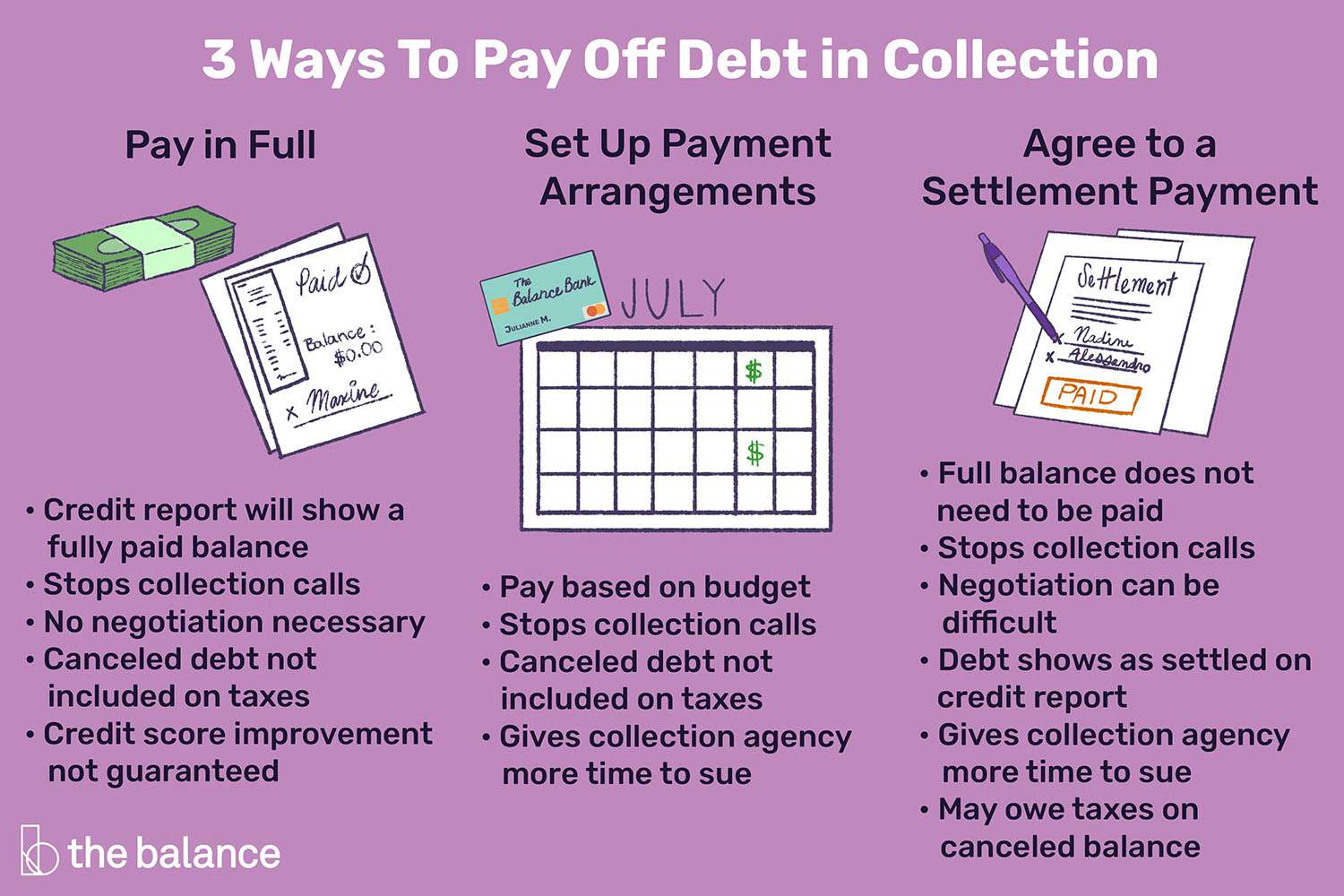
    Credit: www.thebalancemoney.com

    What is a Debt Collector?

    A debt collector is a person or company that collects debts. They usually work on behalf of creditors. Sometimes, they buy debts from other companies. Their job is to get you to pay what you owe.

    Understand Your Rights

    You have rights when dealing with debt collectors. Knowing these rights can help you. Here are some key points:

    • Debt collectors must treat you fairly.
    • They cannot harass or threaten you.
    • They must provide proof of the debt.
    • You have the right to dispute the debt.

    Steps to Take Before Paying

    Before you decide to pay, follow these steps:

    1. Verify The Debt

    First, make sure the debt is real. Ask the collector for proof. They must provide details about the debt. This includes the amount owed and the original creditor.

    2. Check The Statute Of Limitations

    Debts have a time limit called the statute of limitations. After this time, you may not have to pay. Check the laws in your state. If the debt is too old, the collector cannot sue you.

    3. Review Your Finances

    Look at your budget. Can you afford to pay the debt? Paying a debt collector might strain your finances. Make sure you can handle it without causing more problems.

    4. Negotiate

    Debt collectors may accept less than the full amount. Try to negotiate. Offer a lump sum or a payment plan. Get any agreement in writing.

    Reasons to Pay a Debt Collector

    There are good reasons to pay a debt collector. Here are some:

    • It can improve your credit score.
    • It can stop collection calls and letters.
    • It can prevent legal action.

    Reasons Not to Pay a Debt Collector

    Sometimes, paying a debt collector is not the best choice. Here are some reasons:

    • The debt is too old.
    • You cannot afford to pay.
    • You are unsure if the debt is valid.

    What Happens If You Do Not Pay?

    If you do not pay, several things can happen:

    • The debt collector may keep contacting you.
    • Your credit score may go down.
    • The collector might sue you.

    It is important to understand the consequences. Make an informed decision.
    Should I Pay a Debt Collector?

    Credit: obryanlawoffices.com

    How to Handle Debt Collectors

    Here are some tips for dealing with debt collectors:

    • Stay calm and polite.
    • Keep records of all communication.
    • Do not share personal information.
    • Know your rights and use them.

    Frequently Asked Questions

    What Happens If I Ignore A Debt Collector?

    Ignoring a debt collector can lead to legal action or negative impacts on your credit score.

    Can A Debt Collector Sue Me?

    Yes, debt collectors can sue you for unpaid debts, resulting in potential wage garnishment or asset seizure.

    Should I Negotiate With A Debt Collector?

    Negotiating with a debt collector can help reduce the debt amount or set up a manageable payment plan.

    Will Paying Off Debt Improve My Credit?

    Paying off debt can improve your credit score by reducing your credit utilization and showing positive payment history.

    Conclusion

    Deciding whether to pay a debt collector is not easy. You need to consider your rights, the age of the debt, and your financial situation. Remember to verify the debt and negotiate if possible. By understanding your options, you can make the best decision for your situation.

  • Who is the Owner of CuraDebt?

    Who is the Owner of CuraDebt?


    Who is the Owner of Curadebt?

    Curadebt is a company that helps people with their debts. It offers solutions for debt relief. But, who owns Curadebt?

    Who is the Owner of Curadebt?

    Credit: www.curadebt.com

    About Curadebt

    Curadebt was founded to help people manage their debts. The company provides various financial services. It helps people find the right debt relief plan.

    Curadebt Services

    • Debt Settlement
    • Debt Consolidation
    • Tax Debt Relief
    • Business Debt Relief
     

    The Owner of Curadebt

    The owner of Curadebt is a person who cares about helping people. The founder’s name is Eric Pemper. He started Curadebt to make a difference.

    Who Is Eric Pemper?

    Eric Pemper is a businessman. He has experience in financial services. He wanted to help people with their debt problems. So, he started Curadebt.

    Eric Pemper’s Vision

    Eric Pemper’s vision is clear. He wants to provide the best debt relief services. He believes in helping people get out of debt.

    Curadebt’s Mission

    Curadebt’s mission is to help people become debt-free. The company aims to provide the best solutions. It focuses on customer satisfaction.

    How Curadebt Helps People

    Curadebt helps people in many ways. The company offers personalized debt relief plans. Here are some ways Curadebt helps:

    • Reducing Debt Amount
    • Lowering Interest Rates
    • Creating Affordable Payment Plans
    • Providing Financial Advice

    Debt Settlement

    Debt settlement is one of Curadebt’s services. It helps reduce the total debt amount. Curadebt negotiates with creditors on behalf of the clients.

    Debt Consolidation

    Debt consolidation is another service. It combines multiple debts into one. This makes it easier to manage payments.

    Tax Debt Relief

    Tax debt relief helps with unpaid taxes. Curadebt provides solutions to resolve tax issues. It can help reduce penalties and interest.

    Business Debt Relief

    Business debt relief is for businesses. Curadebt helps businesses manage their debts. This service helps businesses stay afloat.

     
    Who is the Owner of Curadebt?

    Credit: www.homeowner.com

    Customer Testimonials

    Many people have benefited from Curadebt. Here are some testimonials from happy clients:

    NameTestimonial
    John DoeCuradebt helped me reduce my debt by 50%. I am very happy!
    Jane SmithThanks to Curadebt, I can manage my payments better now.

    Frequently Asked Questions

    Who Owns Curadebt?

    Curadebt is owned by Eric Pemper.

    When Was Curadebt Founded?

    Curadebt was founded in 2000.

    What Services Does Curadebt Offer?

    Curadebt offers debt relief and tax relief services.

    Where Is Curadebt Headquartered?

    Curadebt is headquartered in Hollywood, Florida.

    Conclusion

    Eric Pemper is the owner of Curadebt. He started the company to help people with their debts. Curadebt offers various financial services. The company aims to provide the best debt relief solutions. Many people have benefited from Curadebt’s services. The mission of Curadebt is to help people become debt-free.


  • What is a Debt Relief Program?

    What is a Debt Relief Program?

    What is a Debt Relief Program?

    Debt can be stressful. It can feel like a heavy burden. Many people struggle with debt. But there is a solution. A debt relief program can help. This article will explain what a debt relief program is. It will also show how it can help you.

    Understanding Debt Relief Programs

    A debt relief program helps reduce your debt. It can make your debt easier to manage. It is designed to help people in financial trouble. These programs can offer various solutions. Some common ones include debt settlement and consolidation.

    Types Of Debt Relief Programs

    There are several types of debt relief programs. Here are a few:

    • Debt Settlement: This program negotiates with creditors. It aims to reduce the total amount you owe. You may pay a lump sum that is less than your total debt.
    • Debt Consolidation: This program combines multiple debts into one. It often offers a lower interest rate. This makes it easier to pay off your debt.
    • Credit Counseling: This program offers advice. It helps you manage your finances better. It can also help you create a budget to pay off your debt.
    • Bankruptcy: This is a legal process. It can eliminate most of your debts. But it can have serious long-term effects on your credit score.

    How Do Debt Relief Programs Work?

    Debt relief programs work in different ways. It depends on the type of program. Here is a general idea:

    Type of Program How It Works
    Debt Settlement Negotiates with creditors to reduce the amount you owe. You pay a lump sum.
    Debt Consolidation Combines multiple debts into one. Offers a lower interest rate.
    Credit Counseling Provides advice on managing finances and creating a budget.
    Bankruptcy Legal process that can eliminate most debts. Affects your credit score.
    What is a Debt Relief Program?

    Credit: www.debt.org

    Benefits of Debt Relief Programs

    Debt relief programs offer many benefits. Here are some key advantages:

    • Reduced Debt: You can reduce the total amount you owe.
    • Lower Interest Rates: You may get lower interest rates. This can make payments more manageable.
    • Single Payment: Combining debts means one monthly payment. This can simplify your finances.
    • Financial Advice: Credit counseling offers expert advice. It can help you manage your money better.
    • Stress Relief: Reducing debt can lower stress. It can improve your overall well-being.

    Steps to Enroll in a Debt Relief Program

    Enrolling in a debt relief program is simple. Follow these steps:

    1. Assess Your Debt: Know how much you owe. List all your debts.
    2. Research Programs: Look for reputable debt relief programs. Check reviews and ratings.
    3. Contact a Provider: Reach out to a debt relief provider. Ask about their services and fees.
    4. Consultation: Many providers offer a free consultation. Discuss your financial situation with them.
    5. Choose a Program: Select the best program for your needs. Make sure you understand the terms.
    6. Enroll: Complete the enrollment process. Provide all necessary documents.
    7. Follow the Plan: Stick to the plan created for you. Make payments on time.

    Things to Consider Before Enrolling

    Before you enroll in a debt relief program, consider these factors:

    • Fees: Some programs have fees. Make sure you understand the cost.
    • Impact on Credit Score: Some programs may affect your credit score. Know the risks.
    • Scams: Be aware of scams. Choose a reputable provider.
    • Long-term Effects: Consider how the program will affect your finances in the long run.
    • Commitment: Be ready to commit to the program. Follow the plan strictly.
    What is a Debt Relief Program?

    Credit: www.investopedia.com

    Frequently Asked Questions

    What Is A Debt Relief Program?

    A debt relief program helps reduce or eliminate your debt through various strategies like negotiation, consolidation, or settlement.

    How Does Debt Relief Work?

    Debt relief works by negotiating with creditors to lower interest rates, reduce the debt amount, or extend payment terms.

    Who Qualifies For Debt Relief?

    Individuals with significant debt, financial hardship, and inability to meet minimum payments typically qualify for debt relief programs.

    Are Debt Relief Programs Safe?

    Reputable debt relief programs are safe and regulated. Always research and choose a credible company.

    Conclusion

    Debt relief programs can be a great help. They offer various solutions to manage and reduce debt. By understanding how they work, you can choose the best option for you. Always research and consider all factors before enrolling. With the right program, you can gain financial freedom and peace of mind.

  • Are There Fake Debt Collectors?

    Are There Fake Debt Collectors?

    Are There Fake Debt Collectors?

    Debt collection is a serious business. But, not all debt collectors are real. Some are fake. They want to scam people. It’s important to know how to spot them. This article will help you understand what fake debt collectors are. You will also learn how to protect yourself.

    What Are Fake Debt Collectors?

    Fake debt collectors pretend to collect debts. But, they don’t work for real companies. They use tricks to scare people. They want to steal money or personal information.

    How Do Fake Debt Collectors Operate?

    Fake debt collectors use many tricks. They might call you. They might send letters. They might even email you. They will say you owe money. They will threaten you if you don’t pay. They want you to feel scared. They hope you will pay them quickly.

    Common Tactics Used by Fake Debt Collectors

    • They use fake names.
    • They say they are from a real company.
    • They ask for payment right away.
    • They threaten legal action.
    • They demand payment by wire transfer or gift cards.
    Are There Fake Debt Collectors?

    Credit: www.goamplify.com

    How to Spot a Fake Debt Collector?

    It’s important to know how to spot a fake debt collector. Here are some signs:

    They Ask For Personal Information

    Real debt collectors already have your details. Fake ones ask for your Social Security number. They also ask for bank account details. Don’t give this information to anyone.

    They Don’t Provide Proof Of Debt

    Real debt collectors will give you proof. Fake ones won’t. They might avoid your questions. They might get angry if you ask for proof.

    They Pressure You To Pay Immediately

    Real debt collectors give you time to pay. Fake ones want money now. They will say bad things will happen if you don’t pay.

    They Use Scare Tactics

    Fake debt collectors use threats. They might say you will go to jail. They might say they will take your property. Real debt collectors don’t use threats.

    They Ask For Unusual Payment Methods

    Fake debt collectors ask for payment by wire transfer. They might ask for gift cards. Real debt collectors don’t use these methods.

    What to Do If You Encounter a Fake Debt Collector?

    If you think a debt collector is fake, follow these steps:

    Ask For Their Information

    Ask for their name and company. Ask for their phone number and address. Write this information down.

    Request Proof Of Debt

    Ask for a written proof of debt. Real debt collectors will send this to you. Fake ones won’t.

    Do Not Share Personal Information

    Don’t give them your Social Security number. Don’t give them your bank details. Protect your information.

    Report The Fake Debt Collector

    Contact the Federal Trade Commission (FTC). You can also report to your state’s Attorney General. They can help you.

    How to Protect Yourself from Fake Debt Collectors?

    Here are some tips to protect yourself:

    Know Your Rights

    The Fair Debt Collection Practices Act (FDCPA) protects you. It gives you rights. Know these rights.

    Check Your Credit Report

    Check your credit report often. Look for any unusual activity. Report anything strange.

    Keep Records

    Keep records of all your debts. This helps you know what you owe. It also helps you spot fake debt collectors.

    Be Careful With Your Personal Information

    Don’t share personal details with strangers. Protect your Social Security number. Protect your bank details.

    Are There Fake Debt Collectors?

    Credit: www.bankrate.com

    Frequently Asked Questions

    What Are Fake Debt Collectors?

    Fake debt collectors pretend to collect debts. They often use threats to scare people into paying money.

    How Can I Identify Fake Debt Collectors?

    Check for missing details like company name, address, and phone number. Real collectors provide this information.

    What Should I Do If Contacted By Fake Collectors?

    Do not share personal information. Report the incident to the Federal Trade Commission (FTC) immediately.

    Are Fake Debt Collectors Common?

    Yes, fake debt collectors are increasingly common. Scammers use various tactics to trick individuals into paying.

    Conclusion

    Fake debt collectors are a real problem. They use tricks to steal money. But, you can protect yourself. Know the signs of a fake debt collector. Know what to do if you encounter one. Follow the tips in this article. Stay safe and protect your information.

    Frequently Asked Questions (FAQs)

    What Should I Do If A Debt Collector Threatens Me?

    If a debt collector threatens you, stay calm. Ask for their information. Report them to the FTC or your state’s Attorney General.

    Can A Debt Collector Ask For Payment By Gift Cards?

    No, real debt collectors do not ask for gift cards. This is a sign of a scam.

    How Can I Verify A Debt Collector?

    Ask for proof of debt. Contact the original creditor. Check if the debt is real.

    What Information Should I Not Share With Debt Collectors?

    Do not share your Social Security number. Do not share your bank details. Protect your personal information.

    How Can I Report A Fake Debt Collector?

    You can report them to the FTC. You can also report them to your state’s Attorney General. They will help you.

  • Is Debt Consolidation Risky?

    Is Debt Consolidation Risky?

    Is Debt Consolidation Risky?

    Debt can be very stressful. It can make life hard. Many people look for ways to manage debt. One popular way is debt consolidation. But, is debt consolidation risky? Let’s find out.

    Is Debt Consolidation Risky?

    Credit: fastercapital.com

    What Is Debt Consolidation?

    Debt consolidation means combining all your debts into one. You take one big loan to pay off smaller loans. This way, you have only one payment to make each month.

    How Does Debt Consolidation Work?

    Here is a simple example. You have three loans:

    • Loan A: $1,000 at 15% interest
    • Loan B: $2,000 at 20% interest
    • Loan C: $3,000 at 10% interest

    You take a new loan for $6,000. This new loan has an interest rate of 12%. You use this money to pay off Loan A, Loan B, and Loan C. Now, you only have one loan to worry about. This is debt consolidation.

    Benefits of Debt Consolidation

    Debt consolidation has many benefits. Here are some of them:

    Benefit Description
    One Monthly Payment It is easier to manage one payment instead of many.
    Lower Interest Rates A new loan might have a lower interest rate.
    Improved Credit Score Paying off old debts can improve your credit score.

    Risks of Debt Consolidation

    Debt consolidation also has risks. Here are some of them:

    Risk Description
    High Fees Some consolidation loans have high fees.
    Longer Repayment Period You might end up paying for a longer time.
    New Debt Temptation You might be tempted to take on new debt.
    Is Debt Consolidation Risky?

    Credit: www.investopedia.com

    Is Debt Consolidation Right for You?

    Debt consolidation is not for everyone. You need to think about your situation. Here are some questions to ask yourself:

    • Can I afford the new loan payments?
    • Will the new loan save me money?
    • Am I ready to change my spending habits?

    Steps to Take Before Consolidating Debt

    Before you consolidate your debt, do these steps:

    1. Check your credit score. A good score can get you a better loan.
    2. Make a list of all your debts. Include the interest rates and monthly payments.
    3. Research different consolidation loans. Compare interest rates and fees.
    4. Create a budget. Make sure you can afford the new loan payments.

    Frequently Asked Questions

    What Is Debt Consolidation?

    Debt consolidation combines multiple debts into a single loan.

    Is Debt Consolidation Good For Credit?

    Debt consolidation can improve credit by reducing your credit utilization ratio.

    How Does Debt Consolidation Work?

    Debt consolidation replaces multiple debts with one loan at a lower interest rate.

    Can Debt Consolidation Lower Monthly Payments?

    Yes, it often lowers monthly payments by extending the loan term.

    Conclusion

    Debt consolidation can help. It can make managing your debt easier. But, it also has risks. Think carefully before deciding. Make sure it is the right choice for you.

  • Is Debt Forgiveness Real?

    Is Debt Forgiveness Real?

    Is Debt Forgiveness Real?

    Debt can be very stressful. Many people dream of debt forgiveness. But is debt forgiveness real? Let’s find out.

    Is Debt Forgiveness Real?

    Credit: thecollegeinvestor.com

    What is Debt Forgiveness?

    Debt forgiveness means a lender cancels part or all of your debt. This means you do not have to pay that amount back. It sounds like a dream, but it can be real.

    Types of Debt Forgiveness

    Debt forgiveness comes in many forms. Here are some common types:

    • Student Loan Forgiveness: This is for people who have student loans. Some programs forgive part of your loan if you work in certain jobs.
    • Credit Card Debt Forgiveness: Sometimes, credit card companies may cancel part of your debt. This can happen if you are in a debt settlement program.
    • Mortgage Forgiveness: This happens when a lender cancels part of your mortgage debt. It is less common but can happen in special cases.
    Is Debt Forgiveness Real?

    Credit: m.youtube.com

    How Does Debt Forgiveness Work?

    Debt forgiveness is not automatic. You usually have to apply for it. Here are some steps:

    1. Contact Your Lender: Tell them you are having trouble paying your debt.
    2. Provide Proof: You may need to show proof of your financial situation. This can include pay stubs or tax returns.
    3. Apply for Programs: Some programs have specific applications. Make sure to follow all instructions.
    4. Wait for Approval: Your lender will review your application. This can take time.

    Pros and Cons of Debt Forgiveness

    Debt forgiveness can be very helpful, but it also has downsides. Here are some pros and cons:

    Pros Cons
    Reduces your debt Can hurt your credit score
    Less stress May have tax implications
    More financial freedom Not everyone qualifies

    Is Debt Forgiveness Right for You?

    Debt forgiveness is not for everyone. It can be a good option if:

    • You have a lot of debt
    • You are struggling to make payments
    • You qualify for a forgiveness program

    However, it is important to think carefully. Make sure to weigh the pros and cons.

    Common Myths About Debt Forgiveness

    There are many myths about debt forgiveness. Here are some common ones:

    • Myth: Debt forgiveness is easy to get. Fact: It can be hard to qualify.
    • Myth: Debt forgiveness does not affect your credit. Fact: It can lower your credit score.
    • Myth: All debts can be forgiven. Fact: Only certain types of debt qualify.

    Frequently Asked Questions

    Is Debt Forgiveness Possible?

    Yes, debt forgiveness is possible through various programs designed to reduce or eliminate certain types of debt.

    Who Qualifies For Debt Forgiveness?

    Eligibility varies by program, but generally includes individuals facing financial hardship or working in specific professions.

    How Does Debt Forgiveness Work?

    Debt forgiveness programs reduce or eliminate a portion of your debt, often after meeting specific requirements.

    What Are The Types Of Debt Forgiveness?

    Common types include student loan forgiveness, credit card debt forgiveness, and mortgage forgiveness.

    Conclusion

    Debt forgiveness is real, but it is not easy. It can help reduce your debt and stress. However, it can also have downsides. Make sure to research and consider your options. Always talk to a financial advisor if you are unsure.