Author: MMP

  • What Is Regenerative Finance?

    Regenerative finance refers to an approach that promotes sustainable economic growth and social well-being through financial systems and investments. It aims to create positive impacts on the environment, communities, and economies, ensuring the regeneration and resilience of these systems for future generations.

    By investing in regenerative finance, individuals and organizations can foster sustainability and address social and environmental issues while generating financial returns. This approach seeks to integrate financial systems with sustainable practices, promoting long-term prosperity and a more balanced future for all stakeholders.

    Regenerative Finance: A Sustainable Approach

    Regenerative finance is a concept that combines the principles of regenerative agriculture with finance and investment practices. It goes beyond traditional finance by aiming to create positive and sustainable impacts on both financial systems and the communities they serve. Instead of focusing solely on profit maximization, regenerative finance considers the well-being of people and the planet.

    A Brief Introduction

    Regenerative finance is about reimagining the role of finance in society. It recognizes that traditional finance systems often contribute to inequality, environmental degradation, and social injustices. In contrast, regenerative finance seeks to create financial systems that are inclusive, resilient, and environmentally sustainable.

    Through regenerative finance, individuals, communities, and organizations can align their investments with their values. The goal is to not only generate financial returns but also to support projects and businesses that have a positive impact on social, economic, and environmental aspects.

    Key Principles

    Regenerative finance is guided by several key principles:

    • 1. Restoring Ecosystems: Regenerative finance aims to invest in projects that actively contribute to the restoration of ecosystems. This includes supporting sustainable agriculture, renewable energy, and conservation efforts.
    • 2. Building Resilient Communities: Regenerative finance focuses on investments that strengthen communities by promoting economic equality, providing access to affordable housing and healthcare, and supporting local businesses and cooperatives.
    • 3. Ethical and Transparent Practices: Regenerative finance operates with a commitment to ethical and transparent practices. This means investing in companies that prioritize social and environmental responsibility, as well as advocating for policies that promote transparency and accountability in the financial sector.
    • 4. Regenerative Economy: Regenerative finance aims to contribute to the transition towards a regenerative economy. This involves supporting projects and initiatives that prioritize circular economy practices, reduce waste and pollution, and promote sustainable consumption and production.
    • 5. Empowering Stakeholders: Regenerative finance seeks to empower stakeholders by actively involving them in decision-making processes. This includes engaging with local communities, employees, and customers to ensure that their voices are heard and their needs are considered.

    By adhering to these principles, regenerative finance has the potential to transform the financial industry and promote a more sustainable and equitable future.

    1. Understanding The Concept Of Regenerative Finance

    Regenerative Finance is a revolutionary concept that goes beyond traditional financial models. It focuses on investing in sustainable solutions that restore and regenerate the environment, communities, and economies. Embracing this approach can create a positive impact and pave the way for a more sustainable and inclusive future.

    Defining Regenerative Finance

    Regenerative finance is a concept that goes beyond the traditional understanding of finance. It revolves around the idea of not just sustaining our financial systems, but actively working towards regenerating them, creating positive impacts for both people and the planet. It is a holistic approach that considers the long-term effects of financial decisions, focusing on creating sustainable and equitable economies.

    Differentiating From Traditional Finance

    In order to understand regenerative finance better, it is essential to differentiate it from traditional finance. Traditional finance typically focuses on short-term profits and economic growth, often disregarding social and environmental consequences. On the other hand, regenerative finance takes into account the interconnectedness of financial systems with the well-being of communities and the environment, aiming to generate positive outcomes in all aspects.

    Unlike traditional finance, which often perpetuates inequality and environmental degradation, regenerative finance seeks to create a system that is inclusive, fair, and regenerative in nature. It recognizes the importance of balancing economic growth with social and environmental sustainability. By considering the long-term impacts of financial decisions, regenerative finance moves away from the mindset of extractive practices and embraces approaches that regenerate resources, nurture relationships, and build resilience.

    Regenerative finance also emphasizes the role of communities in decision-making processes. Rather than being dictated solely by profit-driven motives, it promotes participatory finance, where stakeholders collaborate to determine the best financial solutions for their communities. By empowering individuals and communities, regenerative finance enables them to shape their own economic future, fostering economic justice and equity.

    Furthermore, regenerative finance places significance on the concept of intergenerational equity. It recognizes the need to make responsible financial decisions today that will have positive impacts for future generations. By considering the long-term consequences of our financial choices, we can work towards creating a sustainable and thriving world for future generations to come.


    2. The Importance Of Regenerative Finance

    Regenerative finance is a concept that goes far beyond traditional models of finance, focusing not only on economic growth but also on addressing social and environmental challenges. By promoting economic resilience and sustainable practices, regenerative finance can create a positive impact in communities and contribute to a more equitable and sustainable future.

    Addressing Social And Environmental Challenges

    Regenerative finance plays a crucial role in addressing social and environmental challenges that our world is facing today. With the increasing threats of climate change, resource depletion, and income inequality, it is essential to adopt financial practices that prioritize the well-being of both people and the planet.

    Through regenerative finance, businesses and individuals can align their investment decisions with social and environmental values. This means supporting initiatives that promote renewable energy, ethical supply chains, fair labor practices, and community development. By investing in projects and businesses that have a positive impact, regenerative finance can contribute to building a more sustainable and just society.

    Moreover, regenerative finance encourages transparency and accountability, ensuring that financial institutions and companies operate in a socially and environmentally responsible manner. This not only benefits the communities and ecosystems directly affected by their activities but also creates a more trustworthy and resilient financial system overall.

    Promoting Economic Resilience

    Another important aspect of regenerative finance is its focus on promoting economic resilience. Traditional financial systems often prioritize short-term gains and stability, without considering the long-term consequences on society and the environment. In contrast, regenerative finance seeks to build an economy that is adaptable and robust, capable of withstanding shocks and uncertainties.

    By integrating sustainability principles into financial decision-making, regenerative finance encourages investments in sectors that are inherently resilient. This includes supporting renewable energy, local food systems, regenerative agriculture, and circular economy practices. These industries not only have a lower impact on the environment but also tend to be less affected by market volatility, making them more resilient in times of economic crisis.

    Furthermore, regenerative finance promotes economic inclusivity by supporting initiatives that provide access to financial services and resources for marginalized communities. By empowering individuals and businesses with the tools they need to thrive, regenerative finance has the potential to reduce inequality and create a more inclusive economy.

    In summary, the importance of regenerative finance lies in its ability to address social and environmental challenges while promoting economic resilience. By adopting sustainable financial practices, we can create a financial system that supports a more equitable and sustainable future.

    3. Applying Regenerative Finance In Practice

    Regenerative finance encompasses sustainable investment and economic practices aimed at promoting long-term environmental and social prosperity. It involves considering the natural and social systems in financial decision-making, leading to investments that generate positive impacts on the environment and communities. Applying regenerative finance in practice involves integrating these principles into investment strategies and financial operations for a more sustainable future.

    Regenerative finance goes beyond traditional economic models by prioritizing sustainable and ethical practices. By adopting regenerative finance principles, individuals and organizations can make a positive impact on the world while still achieving their financial goals.

    Investing In Impactful Projects

    One of the ways to apply regenerative finance is by investing in impactful projects. Instead of solely focusing on financial returns, investors can evaluate projects based on their social and environmental impact. These projects often contribute to sustainable development, promote renewable energy, or support communities in need. By directing capital towards such initiatives, individuals and organizations can actively participate in creating a better future for all.

    Supporting Ethical Businesses

    Another aspect of implementing regenerative finance involves supporting ethical businesses. Making conscious choices about where to spend our money can greatly influence the overall economy. By supporting businesses that prioritize fair trade, environmental sustainability, and social responsibility, we can drive positive change through our purchasing power. Ethical businesses help create a regenerative economy by reinvesting their profits into sustainable practices and supporting local communities.

    By aligning our financial decisions with regenerative finance principles, we can contribute to a more equitable and sustainable world. Whether it’s investing in impactful projects or supporting ethical businesses, every action counts towards building a regenerative economy.

    4. Potential Barriers And Solutions

    When it comes to the implementation of regenerative finance, there are potential barriers that must be addressed before full-scale adoption can take place. It is essential to recognize these challenges and work toward solutions that will pave the way for the successful integration of regenerative finance principles into the financial industry.

    Overcoming Financial Industry Resistance

    The financial industry has often resisted significant changes due to entrenched interests and traditional business models. The adoption of regenerative finance may face initial opposition from established financial institutions and stakeholders.

    • Educational Campaigns: Promoting awareness and understanding of regenerative finance principles through targeted educational initiatives can help overcome resistance within the financial industry.
    • Demonstrating Benefits: Highlighting the long-term benefits, including greater resilience, sustainability, and ethical considerations, can help align the interests of financial players with the principles of regenerative finance.
    • Collaborative Partnerships: Fostering alliances between forward-thinking financial institutions and industry leaders can lead to the gradual acceptance and adoption of regenerative finance approaches.

    Building Regulatory Frameworks

    Regulatory frameworks play a crucial role in shaping the operations and practices of the financial sector. Building supportive regulations that embrace regenerative finance principles is vital for its widespread integration.

    1. Policy Advocacy: Engaging in policy advocacy to influence lawmakers and regulatory bodies in crafting frameworks that promote regenerative finance can help create an enabling environment.
    2. Incentivizing Compliance: Offering incentives and rewards for financial entities that adhere to regenerative finance principles can encourage voluntary compliance and spur industry-wide change.
    3. Transparent Standards: Establishing clear and transparent standards for regenerative finance practices ensures regulatory clarity while fostering confidence among market participants.

    Frequently Asked Questions Of What Is Regenerative Finance?

    What Is Regenerative Finance Web3?

    Regenerative finance Web3 refers to a financial system that focuses on sustainable practices and building a decentralized, transparent, and inclusive economy using Web3 technologies. It combines regenerative principles with blockchain, cryptocurrencies, and smart contracts for a more sustainable and equitable financial ecosystem.

    What Is The Meaning Of Regenerative Economy?

    A regenerative economy refers to a system that aims to restore and enhance the well-being of ecosystems and communities. It focuses on creating sustainable and circular practices, minimizing waste, and promoting the regeneration of natural resources for long-term prosperity.

    What Is Refi Vs Defi?

    ReFi is short for “refinancing,” which refers to the process of replacing an existing loan with a new one to get better terms. DeFi, on the other hand, stands for “decentralized finance,” which uses blockchain technology to provide financial services without the need for intermediaries like banks.

    Conclusion

    Regenerative finance offers a sustainable approach to investing and economic development. By focusing on long-term positive impact, it aligns financial interests with environmental and social goals. Ultimately, regenerative finance holds the potential to create a more equitable and resilient global economy.

    Embracing this approach can lead to transformative change for the better.

  • Sunk Cost  : Unlocking the Power of Decision Making

    Sunk Cost : Unlocking the Power of Decision Making

    Sunk Cost: Understand the Concept and Make Informed Decisions

    When making decisions, whether in our personal lives or in business, it’s important to consider various factors that can influence the outcome. One such factor that often goes unnoticed is the concept of sunk cost. Sunk cost refers to the investment or expense that has already been made and cannot be recovered, regardless of future decisions. Understanding the concept of sunk cost can help you make more informed decisions by focusing on the future rather than dwelling on the past.

    Definition of Sunk Cost

    Sunk cost is an economic concept that refers to the money, time, or resources that have already been spent and cannot be recovered. These costs are irrelevant to future decision-making because they are already incurred. Despite being unable to get a return on the investment, people often let sunk costs influence their decisions by considering the initial expense rather than focusing on the potential benefits or drawbacks associated with future choices.

    Examples of Sunk Cost

    Let’s consider a few examples to better understand the concept of sunk cost:

    Example Description
    1 Imagine you purchased a nonrefundable concert ticket for $100, but the night of the concert coincides with an important work event. The money spent on the ticket is a sunk cost and should not influence your decision to attend the concert or attend the work event.
    2 In a business scenario, if a company invests a significant amount of money in developing a new product, but later realizes it is not viable in the market, the money spent on development becomes sunk costs. The company should focus on future product ideas instead of trying to recover the initial investment.
    3 For individuals considering further education, imagine you have already completed two years of a four-year degree program and spent a significant amount of money on tuition. If you realize that pursuing a different field aligns better with your goals and interests, the money and time invested in the initial degree are sunk costs. It would be wise to consider switching paths based on future opportunities rather than fixating on the sunk costs.
    Sunk Cost  : Unlocking the Power of Decision Making

    Credit: study.com

    Sunk Cost  : Unlocking the Power of Decision Making

    Credit: medium.com

    The Impact of Sunk Cost Fallacy

    Sunk cost can lead to a cognitive bias known as the “sunk cost fallacy,” where people justify their decisions based on the amount of time or money already invested rather than considering the potential benefits or losses of different options. This fallacy often leads to irrational decision-making and can hinder progress or success.


    Making Informed Decisions

    To make informed decisions and avoid the trap of the sunk cost fallacy, consider the following strategies:

    • Recognize sunk costs: Identify the costs that cannot be recovered and acknowledge their irrelevance to future decision-making.
    • Focus on the future: Prioritize the potential benefits or drawbacks associated with future actions and ignore the influence of sunk costs.
    • Seek objective opinions: Consult with others who are not invested in the sunk costs to gain a fresh perspective on the decision.
    • Weigh alternatives: Evaluate different options based on their current and potential value, rather than being swayed by past investments.
    • Learn from experience: Reflect on past decisions influenced by sunk costs and use those experiences to make better choices in the future.

    By applying these strategies, you can avoid the pitfalls of the sunk cost fallacy and make decisions that are truly beneficial in the long run.

    Conclusion

    Sunk costs are an unavoidable part of life, but it’s essential to understand that they should not dictate future decisions. By recognizing the concept of sunk cost and avoiding the sunk cost fallacy, you can make informed decisions that are based on potential benefits rather than past investments. Remember to focus on the future, weigh alternatives objectively, and learn from past experiences to make decisions that lead to success and progress.

  • What Difference Between Nostro And Vostro Account

    A nostro account is held by a bank abroad in the currency of another country, while a vostro account is held by a foreign bank in the local currency. Nostro accounts help banks manage foreign currency transactions, while vostro accounts help foreign banks manage local currency operations.

    These accounts allow banks to facilitate cross-border transactions and provide banking services in other countries. Both nostro and vostro accounts play a crucial role in international banking, allowing banks to conduct business seamlessly across borders. Understanding the difference between these two types of accounts is essential for professionals working in the banking sector.

    We will explore the distinctions between nostro and vostro accounts, their purposes, and their significance in facilitating global financial transactions.

    Definition Of Nostro And Vostro Accounts

    A Nostro account is a type of account that a bank holds in a foreign currency in another bank, typically in that foreign country’s currency. This type of account is used for handling international trade and settlement.

    Nostro Account

    When a bank in one country holds an account with another bank in a foreign country, it is known as a Nostro account. The term “Nostro” is derived from the Latin word meaning “ours”.

    Vostro Account

    Conversely, a Vostro account is an account that a bank holds on behalf of a foreign bank in that bank’s home currency. The term “Vostro” comes from the Latin word meaning “yours”.

    This means that the Nostro account is ‘my account with you’ and the Vostro account is ‘your account with me’.

    Purpose Of Nostro And Vostro Accounts

    Nostro and Vostro accounts serve different purposes in international banking. The Nostro account is held by a bank on foreign currency, while the Vostro account is held by a foreign bank in the local currency. These accounts facilitate international transactions and settlements between banks.

    Nostro Account

    A Nostro Account is a foreign currency account held by a bank in a foreign bank. It is often used to facilitate international trade and foreign exchange transactions. The term “nostro” comes from the Latin word meaning “ours” or “belonging to us,” which reflects the purpose of this account. It allows a bank to hold funds in a different currency on behalf of its customers or other correspondent banks.

    The primary purpose of a Nostro Account is to enable banks to easily conduct transactions in foreign currencies without having to convert funds back and forth. This helps in streamlining international business operations and reducing associated costs. The funds in a Nostro Account are usually segregated and cannot be used for any other purposes than facilitating foreign exchange transactions.

    Vostro Account

    A Vostro Account is the opposite of a Nostro Account. It refers to an account held by a foreign bank on behalf of a local bank. The term “vostro” means “yours” in Latin, indicating that the account is owned by the foreign bank and held on behalf of the local bank. This account allows the local bank to outsource its foreign currency transactions to the foreign bank.

    The purpose of a Vostro Account is to enable the foreign bank to hold funds on behalf of the local bank and facilitate its foreign currency transactions. This ensures that the local bank can offer services to its customers in foreign currencies without the need for establishing a presence in multiple countries. The funds in a Vostro Account are owned by the local bank and can be used for its own operations.

    Key Features Of Nostro And Vostro Accounts

    When it comes to international banking, Nostro and Vostro accounts play a crucial role in facilitating cross-border transactions. While both accounts serve a similar purpose, there are key differences that set them apart. In this section, we will explore the key features of Nostro and Vostro accounts and their significance in the banking industry.

    Nostro Account

    A Nostro account is a foreign currency account maintained by a bank in its books with another bank located in a foreign country. The word “nostro” comes from Latin and means “ours.” Essentially, it represents the bank’s funds held in a foreign country’s currency. This account allows the bank to conduct transactions in the foreign currency and manage its foreign exchange risk.

    The key features of a Nostro account include:

    1. The account is maintained by a domestic bank with a foreign bank
    2. Transactions in the foreign currency are conducted through this account
    3. A Nostro account allows the bank to facilitate international payments and trade
    4. The bank can receive and hold foreign currency on behalf of its customers
    5. Nostro accounts help banks manage their liquidity and foreign exchange exposure

    Vostro Account

    A Vostro account, on the other hand, is a local currency account maintained by a foreign bank on behalf of a domestic bank. The word “vostro” comes from Italian and means “yours.” The account represents the domestic bank’s funds held by the foreign bank. This account enables the foreign bank to provide services to the domestic bank’s customers without the need for the customer to have an account with the foreign bank.

    The key features of a Vostro account include:

    1. The account is maintained by a foreign bank on behalf of a domestic bank
    2. It allows the foreign bank to provide services to the domestic bank’s customers
    3. Vostro accounts are used for facilitating cross-border transactions and trade
    4. The foreign bank holds the local currency on behalf of the domestic bank
    5. Vostro accounts help in establishing correspondent banking relationships

    Both Nostro and Vostro accounts are essential in international banking as they enable banks to facilitate cross-border transactions and provide services to customers in foreign countries. Understanding the key features of these accounts can help individuals and businesses navigate the complexities of global finance.

    Differences Between Nostro And Vostro Accounts

    In the world of banking, two important terms are “Nostro” and “Vostro” accounts. Understanding the differences between these two types of accounts is crucial for anyone involved in international trade, foreign exchange, or banking operations.

    Ownership

    A Nostro account is owned by the depositor’s bank and held by a foreign bank, whereas a Vostro account is owned by a foreign bank and held by the depositor’s bank.

    Location

    Nostro accounts are located in a foreign country and denominated in the local currency, while Vostro accounts are held on behalf of a foreign bank in the domestic country and managed in the foreign bank’s currency.

    Management

    In a Nostro account, the depositor’s bank manages the account, whereas in a Vostro account, the foreign bank manages the account on behalf of the depositor’s bank.


    Examples Of Nostro And Vostro Accounts In Practice

    Nostro and Vostro accounts are fundamental banking terms that play a crucial role in international transactions. Understanding these concepts is essential for businesses and individuals involved in cross-border financial activities. Let’s explore some real-life examples of Nostro and Vostro accounts in practice.

    Nostro Account Example

    Suppose Bank A, located in Country X, wants to establish a presence in Country Y to facilitate international transactions. To do so, Bank A opens a Nostro account with Bank B, a banking institution in Country Y. This Nostro account serves as Bank A’s foreign currency account held with Bank B. It allows Bank A to receive and hold funds denominated in the currency of Country Y.

    With their Nostro account, Bank A can efficiently manage cross-border transactions such as wire transfers and foreign currency exchanges. For instance, if a customer in Country Y wants to send money to a recipient in Country X, Bank B subtracts the requested amount from Bank A’s Nostro account, debits the customer’s account, and transfers the funds to Bank A. Bank A can then credit the recipient’s account in Country X with the converted funds.

    Vostro Account Example

    Now let’s consider the Vostro account from Bank B’s perspective. As mentioned above, Bank B holds a Nostro account for Bank A. In this scenario, Bank A acts as the domestic bank, and Bank B acts as the correspondent bank for its international transactions. Bank A maintains a Vostro account with Bank B in Country Y to manage its foreign currency transactions.

    With the Vostro account, Bank B can receive and hold funds from Bank A in the currency of Country X securely. It allows Bank B to facilitate Bank A’s international transactions smoothly. For instance, Bank B can process wire transfers and currency conversions on behalf of Bank A, ensuring efficient and timely settlements between Bank A and its customers. The Vostro account also enables Bank B to assess Bank A’s creditworthiness and monitor its financial activities.

    Both Nostro and Vostro accounts are vital tools for banks to facilitate international transactions and provide efficient global banking services. Understanding how these accounts operate in practice can help businesses and individuals navigate the complexities of cross-border financial activities more effectively.

    Frequently Asked Questions Of What Difference Between Nostro And Vostro Account

    What Is A Vostro Account With Example?

    A vostro account is a type of foreign currency account for a bank’s correspondent bank. For example, if Bank A has a vostro account with Bank B in another country, Bank B holds funds on behalf of Bank A. This allows for international transactions and easy access to foreign currency.

    What Is An Example Of A Nostro Account?

    A Nostro account is an example of a bank account that a bank holds in a foreign currency at another bank.

    How Much Money Is Locked Up In Nostro Vostro Accounts?

    The amount of money locked up in nostro Vostro accounts varies, but it can reach billions of dollars.

    Conclusion

    Understanding the difference between nostro and vostro accounts is essential for international banking. With this knowledge, businesses can effectively manage their foreign transactions and minimize risks. By grasping the distinct features and purposes of each account, companies can optimize their global financial operations, ensuring smooth and secure cross-border transactions.

  • Capital Structure

    Capital Structure

    Sure, here is the article in HTML format: Understanding Capital Structure: A Comprehensive Guide

    In the world of finance, understanding capital structure is essential for businesses and investors alike. This comprehensive guide will delve into the intricacies of capital structure, its components, and its significance in financial decision-making.

    What is Capital Structure?

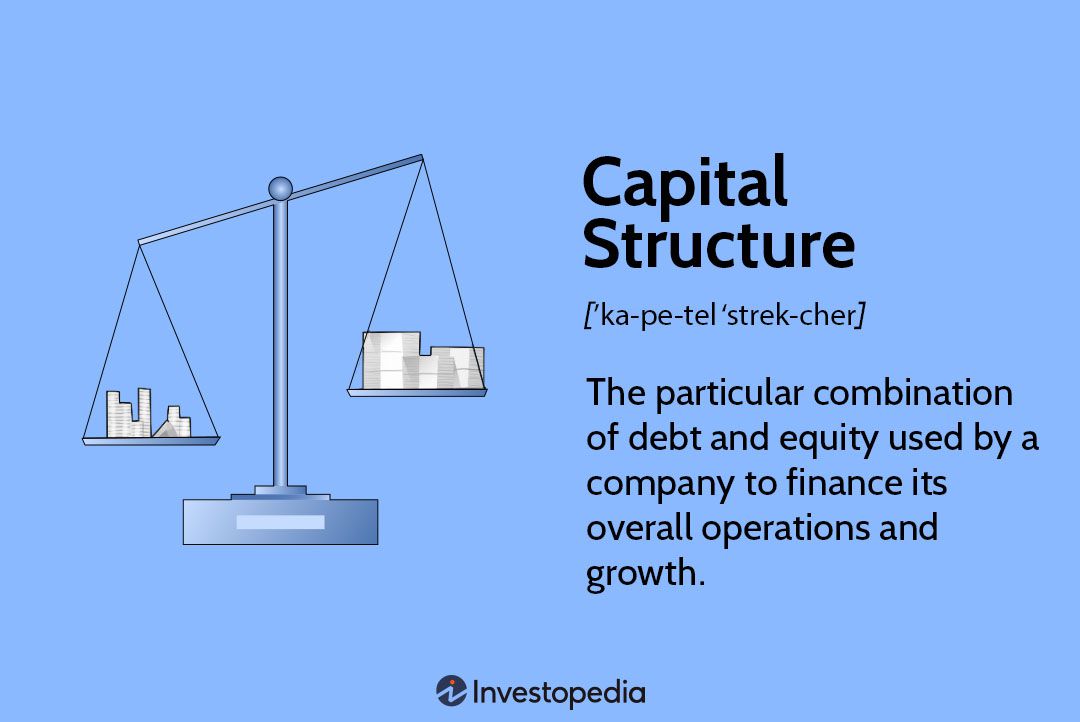
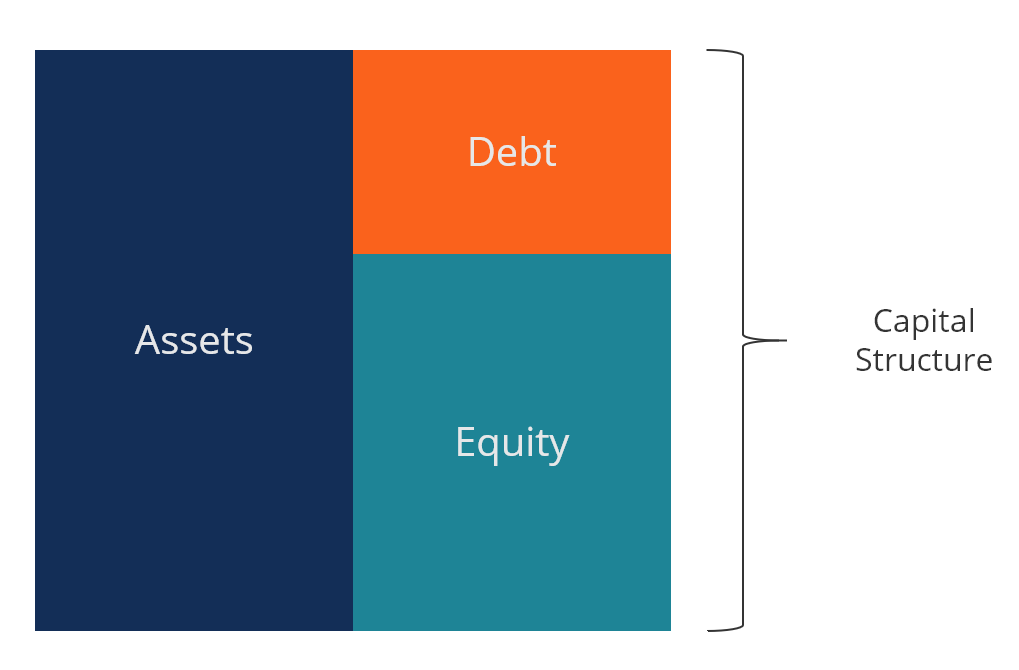
    Capital structure refers to the way a company finances its assets through a combination of equity and debt. It encompasses the composition of a company’s liabilities, including long-term debt, preferred stock, and common equity.

    Components of Capital Structure

    The key components of capital structure include:

    • Equity: Represents ownership in the company and can be in the form of common stock or preferred stock.
    • Debt: Refers to funds borrowed by the company, typically through bank loans, bonds, or other debt instruments.

    Significance of Capital Structure

    The capital structure of a company influences its financial stability, risk profile, and cost of capital. Striking the right balance between equity and debt is crucial for maximizing shareholder value and ensuring sustainable growth.

    Factors Affecting Capital Structure

    Several factors influence a company’s capital structure decisions, including:

    • Business Risk: Companies with higher business risk may opt for lower debt levels to mitigate financial distress.
    • Tax Considerations: Debt interest is tax-deductible, making it an attractive financing option for companies seeking tax advantages.
    • Cost of Debt vs. Cost of Equity: Evaluating the costs associated with both debt and equity is vital in determining the optimal capital structure.
    • Market Conditions: External market factors, such as interest rates and investor sentiment, can impact capital structure decisions.

    Capital Structure Theories

    Various theories have been advanced to guide capital structure decisions, including:

    • Modigliani-Miller Theorem: Proposes that, under certain assumptions, the value of a firm is independent of its capital structure.
    • Trade-off Theory: Suggests that companies aim to balance the tax advantages of debt with the costs of financial distress.
    • Pecking Order Theory: Argues that companies prefer internal financing, followed by debt, and equity issuance as a last resort.

    Optimal Capital Structure

    The concept of optimal capital structure revolves around finding the ideal mix of debt and equity to minimize the cost of capital and maximize the company’s value. Achieving this balance requires a thorough assessment of various financial and non-financial factors.

    Capital Structure

    Credit: dealroom.net

    Capital Structure

    Credit: corporatefinanceinstitute.com

    Importance of Capital Structure in Valuation

    Understanding a company’s capital structure is integral in the valuation process. Analysing the composition of its capital and the associated risks provides insights into its financial health and future prospects, influencing investment decisions and stock valuation.

    Frequently Asked Questions Of Capital Structure

    Faq 1: What Is The Importance Of Capital Structure?

    The capital structure plays a crucial role in determining a company’s financial health and stability. It influences the company’s cost of capital, risk profile, and ability to raise funds for growth and operations.

    Faq 2: How Does The Capital Structure Affect A Company’s Profitability?

    The capital structure directly impacts a company’s profitability by determining the cost of capital. Finding the right balance between debt and equity can optimize the cost of funds and maximize returns for shareholders.

    Faq 3: What Are The Factors To Consider When Deciding On The Capital Structure?

    When deciding on the capital structure, factors like industry norms, business risk, tax implications, growth prospects, and financial flexibility must be carefully evaluated. Optimal capital structure aligns with the company’s goals and risk appetite.

    Conclusion

    Capital structure plays a pivotal role in shaping the financial landscape of businesses. Striking the right balance between equity and debt is vital for long-term sustainability and growth. By understanding the nuances of capital structure, companies and investors can make informed decisions that drive value creation and financial success.

  • What Drives The Price Of Goldx

    The price of Goldx is driven by supply and demand dynamics in the global market. Goldx is a highly valuable precious metal that has been sought after for centuries due to its beauty and intrinsic worth.

    While the price of Goldx can fluctuate, it is largely determined by factors such as global economic conditions, geopolitical events, inflation, and investor sentiment. The supply of Goldx is limited, as it is a finite resource that requires significant resources to extract.

    However, the demand for Goldx is driven by various factors such as jewelry manufacturing, technology, central bank reserves, and investment portfolios. By understanding the key drivers of Goldx prices, investors can make informed decisions about whether to buy or sell this precious metal.

    1. Supply And Demand

    The price of gold is driven by a variety of factors, but one of the key determinants is the balance between supply and demand. When the demand for gold exceeds the available supply, the price tends to rise, and vice versa. In this section, we will explore two important aspects that influence the supply and demand dynamics of gold: mining production and central bank reserves.

    1.1. Mining Production

    Gold mining production plays a significant role in the overall supply of gold in the market. As the supply of gold increases, it can lead to a decrease in its price. Conversely, if mining production decreases, the reduced supply can drive the price of gold upwards.

    Gold mining is a complex process involving various stages, such as exploration, extraction, and refining. The exploration stage involves identifying potential gold deposits, while the extraction stage involves removing the gold ore from the ground. Once the ore is extracted, it undergoes a refining process to extract the pure gold.

    The level of gold mining production is influenced by several factors. One of the primary factors is the cost of production. When the cost of mining becomes too high, mining companies may reduce their operations, resulting in a decrease in overall production. Additionally, geopolitical and environmental factors can also impact mining production, such as political instability in mining regions or stricter environmental regulations.

    It is important to note that gold mining production has limitations. The process of identifying and extracting gold deposits can be challenging, and there is a finite amount of gold available in the Earth’s crust. As a result, mining production cannot be easily increased to meet growing demand, which can create a supply-demand imbalance and drive the price of gold.

    1.2. Central Bank Reserves

    Central banks hold significant reserves of gold, which can influence the supply of gold in the market. Central banks acquire and hold gold as a form of foreign exchange reserve and for diversification purposes. The decisions made by central banks regarding their gold reserves can have a substantial impact on the overall supply and demand dynamics.

    Central banks can influence the price of gold through their buying and selling activities. When central banks increase their gold reserves, it creates additional demand for gold, potentially driving its price higher. On the other hand, if central banks decide to sell a portion of their gold reserves, it can increase the supply of gold in the market and put downward pressure on the price.

    Central bank decisions regarding gold reserves are influenced by various factors, including economic stability, inflation rates, and geopolitical considerations. Gold is often seen as a safe-haven asset, and central banks may increase their holdings during times of economic uncertainty or when they anticipate potential currency devaluation.

    Overall, the supply and demand dynamics of gold are influenced by mining production and central bank reserves. As mining production fluctuates and central banks make decisions regarding their gold reserves, the price of gold can experience significant movements. Understanding these factors is essential for investors and market participants seeking to analyze and predict gold price trends.

    2. Economic And Political Stability

    The economic and political stability of a country has a significant impact on the price of gold. Investors often turn to gold as a safe haven during uncertain times, which drives up demand and consequently raises its price.

    In addition to the supply and demand factors, another crucial determinant of the price of Goldx is economic and political stability. Investors often flock to gold as a safe-haven asset during times of uncertainty. This is because gold has historically maintained its value and acted as a hedge against inflation and geopolitical risks.

    2.1. Inflation And Deflation

    Economic stability, or lack thereof, plays a significant role in influencing the price of Goldx. Inflation, which refers to the increase in prices of goods and services, erodes the purchasing power of currency. During periods of high inflation, investors seek refuge in gold as it has shown resilience in the face of depreciating currencies. On the other hand, deflation, characterized by a decrease in prices, can also impact the price of gold. During deflationary periods, central banks may implement measures to stimulate economic growth, such as lowering interest rates or increasing money supply. These actions increase the likelihood of inflation in the future, prompting investors to turn to gold as a safeguard against potential eroding values.

    2.2. Global Political Events

    Global political events can cause significant fluctuations in the price of Goldx. Political instability, conflicts, or changes in government policies can shake investor confidence in traditional financial markets, leading to a surge in demand for gold. This demand is driven by the belief that gold provides a safe store of value during times of geopolitical uncertainty. For example, when there are rising tensions between countries or political leaders, investors may shift their investments from volatile assets to gold. The perception of gold as a stable and secure asset class during turbulent times drives its price higher. In conclusion, economic and political stability play critical roles in determining the price of Goldx. The impacts of inflation and deflation, as well as global political events, drive investors to seek refuge in gold as a safe-haven asset. Understanding these factors is crucial for anyone looking to invest in or track the price movements of Goldx.

    3. Market Sentiment And Speculation

    When it comes to the price of gold, there are several factors that drive its volatility and fluctuations. One of the key influencers is market sentiment and speculation. The way investors perceive the value of gold, as well as the potential for future price movements, can have a significant impact on its market price. In this article, we will explore two important aspects of market sentiment and speculation: investor confidence and market manipulation.

    3.1. Investor Confidence

    Investor confidence plays a crucial role in determining the price of gold. When investors have a positive outlook on the global economy and financial markets, they are more likely to invest in riskier asset classes such as stocks and bonds, which can lead to a decrease in the demand for gold. On the other hand, during times of economic uncertainty or geopolitical tensions, investors tend to seek safe haven assets like gold, driving up its price.

    Moreover, central bank policies and interest rates also influence investor confidence in gold. When central banks implement expansionary monetary policies or lower interest rates, it can be viewed as a signal of potential inflation, which tends to increase the demand for gold as a hedge against inflation.

    3.2. Market Manipulation

    Market manipulation is another factor that affects the price of gold. Unscrupulous traders or institutions may attempt to artificially influence the gold market for their own gains. This can be done through various tactics like spreading false rumors, engaging in large-scale trading activities to create an illusion of demand or supply, and using derivative instruments to manipulate the market.

    Notably, market manipulation can occur both on a small scale, involving individual traders, as well as on a larger scale, involving institutional players. Such practices can distort the true value of gold and lead to price volatility that is not necessarily reflective of genuine market sentiment.

    It is important for investors to be aware of the potential for market manipulation and to exercise caution when making investment decisions based on short-term price movements. Keeping a long-term perspective and focusing on the fundamental drivers of gold’s value can help mitigate the impact of market manipulation and speculation.

    4. Currency Fluctuations

    The price of Goldx is influenced by currency fluctuations, which impact its value in the global market. As different currencies strengthen or weaken, the price of gold often adjusts accordingly. This relationship between currency movements and gold prices is a key factor to consider for investors and traders in the precious metals market.

    Currency fluctuations play a significant role in driving the price of GoldX. The value of different currencies constantly fluctuates in response to various economic factors. These fluctuations directly impact the price of gold as it is denominated in US dollars. Let’s delve deeper into the two key aspects of currency fluctuations – exchange rates and foreign investments.

    4.1. Exchange Rates

    Exchange rates determine how one currency converts into another. When the value of a currency weakens against the US dollar, it takes more units of that currency to purchase an ounce of gold. This increases the demand for gold and subsequently drives its price higher. Conversely, when a currency strengthens against the US dollar, less of that currency is needed to buy gold. This leads to a decrease in demand and could potentially cause the price of gold to decline.

    4.2. Foreign Investments

    Foreign investments in gold can also influence its price. When global investors perceive a particular currency as unstable or uncertain, they tend to seek refuge in the safe-haven asset of gold. This heightened demand from foreign investors increases the price of gold. For instance, if investors expect a decline in the value of their own currency, they may choose to convert their holdings into gold. This not only drives up the price of gold but can also have implications on exchange rates. Foreign investments can also be influenced by geopolitical tensions or economic instability in certain regions. When there is political unrest or economic uncertainty, investors often flock to gold for its intrinsic value and stability. These factors contribute to an uptick in demand and, consequently, a rise in the price of gold. It is important to note that currency fluctuations do not solely dictate the price of gold, but they are one of the key driving forces behind it. Understanding the impact of exchange rates and foreign investments on gold prices is crucial for investors and analysts alike. By keeping a close eye on these factors, one can gain valuable insights into the dynamics of the gold market and make informed decisions. In conclusion, currency fluctuations have a direct impact on the price of gold. Exchange rates and foreign investments play a pivotal role in determining the demand for gold, which ultimately affects its price. By monitoring these currency-related factors, investors can better navigate and anticipate changes in the gold market.

    5. Gold Production Costs

    Gold production costs play a significant role in influencing the price of gold. Understanding the various factors that contribute to these costs can provide insights into the fluctuations in gold prices.

    5.1. Labor And Energy Costs

    The labor and energy costs associated with gold production are critical determinants of its overall production expenses. Labor costs encompass wages, insurance, and other benefits for mining personnel. Energy costs include expenditures related to fuel, electricity, and other resources required for mining operations.

    5.2. Technological Advancements

    Technological advancements have revolutionized the gold mining industry, impacting production costs and overall efficiency. Innovations such as automated machinery, advanced exploration techniques, and sustainable mining practices have the potential to optimize production processes and reduce expenses.

    Frequently Asked Questions For What Drives The Price Of Goldx

    What Is Causing Gold Price To Rise?

    The rising gold price is primarily caused by a combination of factors like economic uncertainty, inflation, and high demand.

    What Is Driving Up Gold Prices?

    Global economic uncertainty and inflationary pressures have been driving up gold prices. Investors see gold as a safe haven investment during times of instability, which has increased demand and subsequently pushed prices higher. Additionally, central banks’ increased gold purchases and low interest rates have further fueled the price surge.

    What Are The Factors That Affect The Price Of Gold?

    Factors that affect the price of gold include supply and demand, economic and political stability, inflation, interest rates, and the value of the US dollar. When these factors fluctuate, it influences the price of gold in global markets.

    Conclusion

    In the ever-changing market, various factors influence the price of gold. Understanding these dynamics is crucial for investors and traders. Whether it’s inflation, market uncertainty or geopolitical events, these factors play a significant role in determining gold’s value. Keeping an eye on these drivers can help in making informed decisions in the gold market.

  • Vostro Account

    Vostro Account

    Introduction

    A Vostro account is a type of bank account that is held by a bank on behalf of a foreign bank. It is commonly used in international trade to facilitate cross-border transactions. In this article, we will explore the details of Vostro accounts, their features, and how they work.

    Understanding Vostro Accounts

    A Vostro account is established by a correspondent bank to hold funds on behalf of a foreign bank. The term “Vostro” is derived from the Latin word for “yours”. Therefore, a Vostro account represents funds that are held ‘for your [the foreign bank’s] account’ by the correspondent bank.

    The main purpose of a Vostro account is to facilitate international trade transactions between banks. It allows foreign banks to have a local presence in a foreign country without establishing physical branches.

    Vostro accounts are often used for various purposes, such as receiving and making payments, handling foreign exchange transactions, and providing trade finance services.

    Features of Vostro Accounts

    1. Trust Relationship: A Vostro account is built on a trusted relationship between the correspondent bank and the foreign bank. The correspondent bank acts as a custodian of funds and carries out transactions on behalf of the foreign bank.

    2. Restricted Access: Only the foreign bank that owns the Vostro account has access to it. The correspondent bank cannot utilize the funds for its own purposes.

    3. Currency Flexibility: Vostro accounts can be denominated in various currencies, allowing for efficient currency conversions and international transactions.

    4. Transaction Monitoring: Correspondent banks closely monitor Vostro accounts to ensure adherence to regulatory requirements and prevent money laundering or fraudulent activities.

    How Vostro Accounts Work

    When a foreign bank opens a Vostro account, it establishes a bilateral agreement with a correspondent bank. The foreign bank deposits funds into the Vostro account, which are held by the correspondent bank on behalf of the foreign bank.

    The correspondent bank then processes incoming and outgoing payments related to the foreign bank’s activities. It may also provide additional banking services such as foreign exchange, trade finance, and cash management.

    Through the Vostro account, the foreign bank can receive payments from its clients in the local currency of the correspondent bank’s country. It can also make payments to its clients in the same currency, simplifying cross-border transactions.

    Benefits of Vostro Accounts

    1. Enhanced Global Presence: Vostro accounts allow foreign banks to expand their global reach without establishing physical branches in every country of operation.

    2. Efficient Cross-Border Transactions: Vostro accounts streamline international payments, making them faster and more cost-effective. It eliminates the need for multiple intermediaries and reduces transaction fees.

    3. Access to Local Currency: With a Vostro account, foreign banks can easily access local currencies, enabling seamless transactions with local businesses and customers.

    4. Risk Mitigation: Vostro accounts provide an added layer of security and transparency in cross-border transactions, reducing the risk of fraud or non-payment.

    Frequently Asked Questions For Vostro Account

    What Is A Vostro Account Used For?

    A Vostro Account is used for facilitating international trade and enables banks to handle transactions on behalf of their foreign clients.

    How Does A Vostro Account Benefit Businesses?

    By having a Vostro Account, businesses can streamline international transactions, simplify cross-border payments, and enhance cash flow management.

    Why Should I Consider Opening A Vostro Account?

    Opening a Vostro Account can provide you with greater ease in conducting international business, reducing risks associated with cross-border transactions, and accessing a broader customer base.

    Can I Open A Vostro Account With Any Bank?

    Yes, you can open a Vostro Account with any bank that offers this service. It is important to choose a reliable bank with a strong global presence to ensure smooth international transactions.

    Conclusion

    Vostro accounts play a crucial role in facilitating international trade and cross-border transactions. These accounts offer foreign banks the opportunity to establish a local presence in foreign markets without the need for physical branches. By leveraging the services of trusted correspondent banks, foreign banks can efficiently manage payments, currency exchange, and trade finance operations. Vostro accounts provide enhanced global reach, efficient transaction processing, and access to local currencies, making them an indispensable tool for banks engaged in international business.