Author: MMP

  • Pareto Improvement

    Pareto Improvement – Achieving Optimal Solutions

    When it comes to decision-making and problem-solving, achieving optimization is often the ultimate goal. One approach to optimize outcomes is through Pareto Improvement, a concept made popular by the Italian economist Vilfredo Pareto.

    What is Pareto Improvement?

    Pareto Improvement refers to a situation where at least one individual or entity can be made better off without making anyone else worse off. It focuses on increasing overall well-being or efficiency by reallocating resources or making changes that result in improvements for one or more parties without negatively impacting others.

    Understanding the Pareto Principle

    The foundation of Pareto Improvement lies in the Pareto Principle, also known as the 80/20 rule. This principle suggests that roughly 80% of the effects come from 20% of the causes. In the context of Pareto Improvement, it implies that it is possible to achieve significant improvements by focusing efforts on a small proportion of factors or elements.

    The concept in practice

    To better understand Pareto Improvement, let’s consider a real-life scenario. Imagine a company that produces two types of products: A and B. Due to limited resources, the company must decide how many units of each product to manufacture.

    Currently, the company produces 50 units of A and 100 units of B each month. Their sales data shows that the demand for product B is much higher than for A. Therefore, it would make sense to reallocate some of the resources from A to B in order to maximize overall profits.

    Products Current Quantity Optimal Quantity
    A 50 40
    B 100 110

    In this example, by reducing the production of product A to 40 units and increasing the production of product B to 110 units, the company achieves a Pareto Improvement. The resources are reallocated in a way that increases the company’s overall profits while not adversely affecting any other party.

    Benefits of Pareto Improvement

    Pareto Improvement offers several advantages in problem-solving and decision-making:

    • Efficiency: By focusing on the most critical factors, Pareto Improvement allows for the efficient allocation of resources.
    • Increased well-being: The primary aim of Pareto Improvement is to improve the well-being of individuals or entities involved, leading to overall satisfaction.
    • Conflict resolution: By finding solutions that benefit multiple parties, Pareto Improvement can be an effective means of resolving conflicts.
    • Strategic decision-making: Pareto Improvement helps in making strategic decisions by identifying the factors that have the greatest impact.

    Limitations and Considerations

    Although Pareto Improvement is a valuable approach, it is not without its limitations:

    • Zero-sum situations: In some cases, it may not be possible to achieve Pareto Improvement due to zero-sum situations, where any gain for one party is always a loss for another.
    • Subjectivity: Determining the optimal allocation of resources can be subjective, requiring careful analysis and consideration.

    Frequently Asked Questions Of Pareto Improvement

    What Is Pareto Improvement?

    Pareto Improvement refers to a situation where one individual’s well-being is improved without reducing the well-being of any other individual.

    Why Is Pareto Improvement Important?

    Pareto Improvement is important because it promotes the idea of maximizing overall welfare without causing harm to anyone in a given scenario.

    How Does Pareto Efficiency Relate To Pareto Improvement?

    Pareto Efficiency is a concept closely related to Pareto Improvement, as it refers to a state where resources are allocated in the most efficient way possible, maximizing benefits for all parties involved.

    Can Pareto Improvement Be Achieved In Real-world Situations?

    Yes, Pareto Improvement can be achieved in real-world situations through careful analysis and decision-making that takes into account the interests and well-being of all parties involved.

    Conclusion

    Pareto Improvement is a concept that helps us achieve optimal solutions in decision-making and problem-solving scenarios. By focusing on reallocating resources or making changes that benefit one or more parties without negatively impacting others, we can create win-win situations and improve overall outcomes. Understanding and applying the principles of Pareto Improvement can lead to more effective decision-making and a greater sense of satisfaction for all involved.


  • Trustee

    Trustee

    When it comes to estate planning, one of the key roles is that of a trustee. A trustee is an individual or entity that holds the legal title of assets on behalf of another person or group. They play a crucial role in managing and administering the assets as per the terms outlined in the trust document. In this article, we will delve into the responsibilities, duties, and significance of a trustee in estate planning.

    Responsibilities of a Trustee

    Being a trustee comes with a set of important responsibilities that require careful attention and adherence to the trust’s provisions. Some of the primary responsibilities of a trustee include:

    • Managing the assets held in the trust
    • Investing the trust assets prudently
    • Distributing income and principal to the beneficiaries
    • Keeping accurate records and providing regular reports
    • Filing taxes on behalf of the trust
    • Acting in the best interest of the beneficiaries

    These responsibilities are vital to ensuring that the intentions of the person creating the trust, known as the grantor, are carried out effectively and in accordance with the trust’s terms.

    Duties of a Trustee

    In addition to the specific responsibilities, a trustee also has certain fundamental duties that serve as the foundation of their role. These duties typically include:

    • Prudent administration of the trust
    • Loyalty to the beneficiaries
    • Impartiality in dealing with multiple beneficiaries
    • Proper management of trust assets
    • Regular communication with beneficiaries

    These duties embody the trustee’s obligation to act in the best interests of the beneficiaries and to carry out their fiduciary duties with the utmost care and diligence.

    Trustee

    Credit: napkinfinance.com

    Trustee

    Credit: www.investopedia.com

    Significance of a Trustee in Estate Planning

    The role of a trustee is of paramount importance in estate planning for several reasons. Firstly, a trustee serves as a crucial link between the grantor and the beneficiaries, ensuring that the grantor’s wishes are fulfilled and the beneficiaries’ needs are met. This intermediary role helps in maintaining the continuity and integrity of the trust arrangement.

    Furthermore, a trustee’s management of the trust assets can have a lasting impact on the financial well-being of the beneficiaries. By making sound investment decisions and prudently administering the trust, a trustee can contribute to the long-term financial security of the beneficiaries.

    Moreover, in cases where beneficiaries may not have the financial acumen or capability to manage the trust assets themselves, the trustee’s expertise and oversight become indispensable in safeguarding and growing the trust assets for the beneficiaries’ future benefit.

    Choosing the Right Trustee

    Given the critical nature of the trustee’s role, the selection of the right trustee is a decision that requires careful consideration. The ideal trustee should possess a blend of integrity, financial acumen, and a commitment to upholding the terms of the trust.

    While some individuals may opt to name a family member or friend as their trustee, others may choose a professional trustee, such as a corporate trustee or a trust company. Each option has its own set of advantages and considerations, and the choice often depends on the specific needs and dynamics of the trust and the beneficiaries.

    Frequently Asked Questions On Trustee

    Faq 1: What Is A Trustee And What Do They Do?

    A trustee is a person or institution appointed to manage and administer assets on behalf of beneficiaries. They have a legal responsibility to act in the best interests of the beneficiaries and make decisions in line with the trust’s objectives.

    Faq 2: How Do I Choose The Right Trustee?

    When selecting a trustee, it is important to consider their financial expertise, integrity, and ability to carry out fiduciary duties. Look for someone who understands your goals and values, and has a track record of successful trust management.

    Faq 3: Can I Be My Own Trustee?

    Yes, as long as you meet the eligibility requirements set by the law. Being your own trustee gives you control over your assets and allows you to make decisions based on your own objectives. However, it’s essential to understand the legal responsibilities that come with being a trustee.

    Conclusion

    In conclusion, the trustee plays a pivotal role in estate planning by responsibly managing and administering trust assets for the benefit of the beneficiaries. Their fiduciary duties, coupled with the significance of their role in maintaining the integrity of the trust, underscore the importance of selecting the right trustee and ensuring that they are equipped to carry out their responsibilities effectively. By understanding the role of a trustee in estate planning, individuals can make informed decisions to safeguard their legacy and the financial security of their loved ones.

  • How Are Collectibles Taxed?

    Collectibles are taxed based on their capital gains when sold. They are subject to a maximum tax rate of 28%.

    Collectibles are subject to taxation based on capital gains at a maximum tax rate of 28%. When you sell collectible items, you will be taxed on the profit you make from the sale.

    Taxation On Collectibles

    Collectibles are subject to specific tax regulations that differ from traditional investments. It’s crucial to understand the taxation on collectibles to ensure compliance and optimize your tax liabilities.

    Capital Gains Tax

    When an individual sells a collectible item for a profit, the capital gain from the sale is generally subject to capital gains tax. The tax rate for collectibles held for more than a year is typically lower than that for ordinary income, providing potential tax advantages for long-term investors.

    Ordinary Income Tax

    Alternatively, if a collector sells a collectible less than a year after acquiring it, the profit may be subject to ordinary income tax rather than the more favorable capital gains tax rate. It’s important to differentiate the holding period to determine the applicable tax rate accurately.

    Tax Strategies For Collectibles

    When it comes to collectibles, taxes can be a bit complex. However, with the right tax strategies, collectors can minimize their tax obligations and maximize their investment returns. In this article, we will explore three effective tax strategies for collectibles: holding them for over a year, donating them to charity, and utilizing a 1031 exchange.

    Hold For Over A Year

    If you’re looking to reduce your tax liability on collectibles, one effective strategy is to hold onto them for over a year. When you hold a collectible for more than a year, it becomes eligible for long-term capital gains tax rates, which are generally lower than short-term rates. This means that if you decide to sell your collectible after holding it for over a year, you may pay less in taxes on the profit you make. It’s important to keep accurate records of the purchase date and price, as well as any expenses related to the collectible, to ensure compliance with tax regulations.

    Donate To Charity

    Another tax strategy for collectibles is to donate them to a qualified charitable organization. The IRS allows collectors to deduct the fair market value of a donated collectible from their taxable income. By donating collectibles instead of selling them, you can potentially eliminate capital gains taxes altogether. It’s important to obtain a qualified appraisal of the collectible’s value, as well as documentation from the charity, to support your deduction claims. Additionally, make sure to research the charity’s policies regarding the acceptance of collectibles to ensure a smooth donation process.

    1031 Exchange

    A 1031 exchange, also known as a like-kind exchange, is another tax strategy that can be advantageous for collectors. This strategy allows you to defer capital gains taxes by exchanging one collectible for another similar collectible. By reinvesting the proceeds from the sale into a qualifying replacement collectible, you can defer the tax liability until a later date. It’s important to note that the 1031 exchange applies to collectibles used for investment or business purposes, so personal-use collectibles may not qualify. Working with a qualified intermediary and adhering to strict timing and filing requirements is crucial for a successful 1031 exchange.

    Frequently Asked Questions Of How Are Collectibles Taxed

    How Do I Avoid Paying Taxes On Collectibles?

    To avoid paying taxes on collectibles, follow these steps: 1. Understand tax laws and regulations regarding collectibles. 2. Utilize tax-deferred strategies like a 1031 exchange or an Individual Retirement Account (IRA). 3. Consider gifting or donating collectibles to qualified organizations. 4.

    Take advantage of tax deductions, such as capital losses. 5. Seek advice from a tax professional for personalized guidance.

    What Does The Irs Consider Collectibles?

    The IRS considers collectibles as tangible personal properties, such as art, antiques, and precious metals. These items are often held for investment purposes.

    How Much Tax Do You Pay On Inherited Collectibles?

    You pay tax on inherited collectibles based on their fair market value at the time of inheritance. The tax rate depends on your income bracket.

    Conclusion

    Understanding the taxation of collectibles is essential for collectors and investors. By grasping the different tax implications and planning accordingly, individuals can maximize their returns and minimize potential tax burdens. As the value of collectibles can fluctuate, staying informed about tax regulations is crucial for making sound financial decisions.


  • Elliott Wave Theory : Decode the Hidden Patterns

    Elliott Wave Theory – A Comprehensive Guide | SEO Optimized Blog

    Introduction

    The Elliott Wave Theory is a popular technical analysis tool used by traders and investors to identify potential market trends and reversals. Developed by Ralph Nelson Elliott in the 1930s, this theory suggests that financial markets move in repetitive patterns or waves.

    The Basics of Elliott Wave Theory

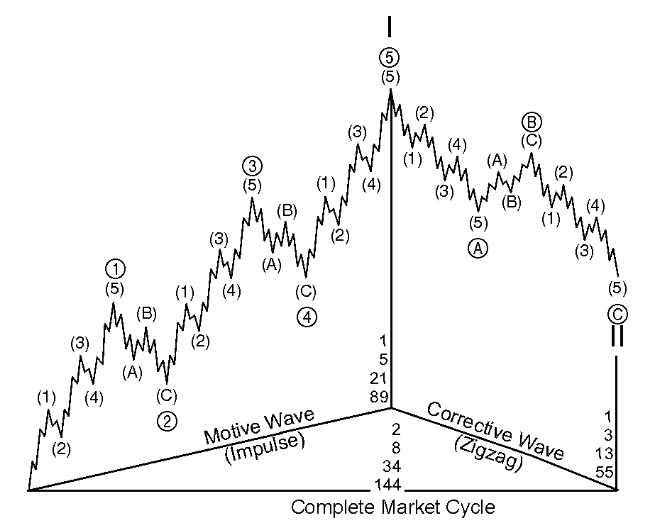
    According to Elliott, market trends are formed by a series of five waves in the direction of the main trend (known as “impulse waves”), followed by three corrective waves against the primary direction (known as “corrective waves”). These waves create a cycle that repeats across different time frames, from minutes to years.

    The impulse waves are numbered 1, 2, 3, 4, and 5, while the corrective waves are labeled A, B, and C. The impulse waves represent the main trend, while the corrective waves are counter-trend movements. This pattern of five waves followed by three waves is known as an “Elliott Wave” or “Elliott Wave Cycle.”

    Key Concepts of Elliott Wave Theory

    To effectively use the Elliott Wave Theory, it’s essential to understand the key concepts that underpin it:

    1. Wave 1: The first wave in an Elliott Wave Cycle is an impulse wave that follows the completion of a previous cycle. It represents the start of a new trend in the direction of the larger time frame trend.
    2. Wave 2: The second wave is a corrective wave that typically retraces a portion of the first wave’s advance. It is commonly observed as a pullback or correction against the primary trend.
    3. Wave 3: Wave 3 is considered the longest and most powerful wave in an Elliott Wave Cycle. It usually demonstrates significant momentum and often surpasses the peak of Wave 1 in an uptrend or the trough of Wave 1 in a downtrend.
    4. Wave 4: The fourth wave is another corrective wave that retraces a portion of the Wave 3 advance. It often frustrates traders and may take the form of a prolonged consolidation or sideways movement.
    5. Wave 5: The fifth wave is the final wave of an impulse wave sequence. It typically marks the end of the larger trend and can be accompanied by increased media attention and extreme market sentiment.
    6. Wave A: The first corrective wave follows the completion of a five-wave impulse sequence. It typically retraces a portion of the impulse wave’s move.
    7. Wave B: The second corrective wave in an Elliott Wave Cycle is a counter-trend move that retraces a significant portion of Wave A’s decline.
    8. Wave C: The third corrective wave is the final wave of the Elliott Wave Cycle. It completes the correction and most often exceeds the extreme of Wave A.

    Applying Elliott Wave Theory in Trading

    Elliott Wave Theory can be applied to various financial markets, including stocks, forex, commodities, and cryptocurrencies. Traders use this theory to identify potential entry and exit points, as well as to determine stop loss and take profit levels.

    By understanding the wave patterns and wave counts, traders can improve their accuracy when forecasting future market moves. Elliott Wave analysis is often used in conjunction with other technical indicators and patterns to make well-informed trading decisions.

    Elliott Wave Theory  : Decode the Hidden Patterns

    Credit: zodiactrading.medium.com

    Limitations and Challenges

    While Elliott Wave Theory can be a valuable tool, it is not without limitations. It requires a high level of subjectivity and interpretation, which can lead to different analysts arriving at different wave counts. The complexity of the theory can also make it challenging to master.

    Furthermore, Elliott Wave Theory may not always accurately predict market movements, as financial markets are influenced by various factors such as economic news, geopolitical events, and investor sentiment. It is crucial to combine Elliott Wave analysis with other fundamental and technical analysis tools for a more comprehensive market perspective.


    Elliott Wave Theory  : Decode the Hidden Patterns

    Credit: fastercapital.com

    In Conclusion

    Elliott Wave Theory provides traders with a framework for understanding market cycles and trends. By identifying patterns and wave counts, traders can gain insights into potential entry and exit points in the market. However, it is essential to acknowledge the limitations and challenges associated with this theory and use it in conjunction with other analytical tools.

  • Market Dynamics

    Market Dynamics – Understanding the Forces that Shape Markets

    Introduction

    Market dynamics refers to the forces and factors that impact the behavior of a market. Understanding market dynamics is crucial for businesses as it helps them navigate the ever-changing business landscape and make informed decisions. This article explores the key elements of market dynamics and their significance.

    Forces Shaping Market Dynamics

    The following forces play a vital role in shaping market dynamics:

    Forces Description
    Supply and Demand Supply and demand are the fundamental forces driving market dynamics. The interaction between the supply of goods or services and the demand for them determines the equilibrium price and quantity in a market. When supply exceeds demand, prices tend to decrease, and vice versa.
    Competition Market competition, both from direct and indirect competitors, influences market dynamics. Competitors’ actions, pricing strategies, marketing efforts, and product innovations can impact market share, pricing, and customer preferences.
    Technological Advancements Technological advancements can disrupt existing markets or create new ones. Innovations in technology can lead to changes in consumer behavior, market expansion, and the introduction of new products or services.
    Economic Factors Economic factors such as inflation rates, interest rates, and economic growth impact market dynamics. These factors affect consumer purchasing power, business investments, and overall market sentiment.
    Social and Cultural Factors Social and cultural factors influence consumer preferences and market behavior. Factors like demographics, cultural norms, and social trends shape market dynamics by creating demand for certain products or services.

    Impact of Market Dynamics

    Market dynamics have several implications for businesses:

    • Pricing Strategies: Understanding market dynamics helps businesses determine optimal pricing strategies based on factors such as supply and demand, competition, and customer preferences.
    • Competitive Advantage: Monitoring market dynamics enables businesses to identify opportunities and gain a competitive edge by adapting to changing market conditions, exploring new markets, or developing innovative products.
    • Market Expansion: By analyzing market dynamics, businesses can identify potential market gaps and opportunities for expansion, both geographically and in terms of target demographics.
    • Risk Management: Thorough understanding of market dynamics allows businesses to anticipate and manage risks associated with changes in customer behavior, economic fluctuations, or competitive threats.

    Adapting to Market Dynamics

    Adapting to market dynamics requires constant monitoring and flexibility. Here are some strategies for businesses to navigate market changes:

    1. Market Research: Conduct regular market research to stay updated on evolving consumer preferences, market trends, and emerging technologies.
    2. Customer Segmentation: Analyze customer data to identify different market segments and tailor products or services that cater to their specific needs and preferences.
    3. Innovation: Embrace innovation by investing in research and development to bring new products or services to market, meeting changing customer demands and staying ahead of competitors.
    4. Collaboration: Build strategic partnerships or alliances to leverage complementary strengths and expand market reach, especially in rapidly evolving industries.
    5. Monitoring Competitors: Keep an eye on competitors’ activities, pricing strategies, and market positioning to adjust your own strategies accordingly.
    6. Continuous Improvement: Regularly review and optimize your business processes, customer service, and product offerings to ensure they align with evolving market dynamics and meet customer expectations.

    Frequently Asked Questions For Market Dynamics

    What Are The Key Factors Driving Market Dynamics?

    Market dynamics are primarily driven by consumer demand, technological advancements, competitive forces, and economic factors. These elements influence the behavior and trends within a specific market.

    How Do Market Dynamics Impact Businesses?

    Market dynamics can profoundly impact businesses by shaping their strategies, market positioning, product development, and pricing decisions. Understanding and adapting to market dynamics is crucial for sustained growth and competitive advantage.

    What Role Does Customer Behavior Play In Market Dynamics?

    Customer behavior plays a significant role in market dynamics. Preferences, buying patterns, and evolving needs of customers can drive shifts in market trends, product demand, and the overall competitive landscape. Analyzing and understanding customer behavior is essential for businesses to stay ahead in dynamic markets.

    How Can Businesses Stay Agile In Response To Changing Market Dynamics?

    To stay agile, businesses should regularly monitor market trends, conduct market research, and gather customer feedback. They should invest in innovation, adapt their strategies swiftly, and foster a culture of continuous improvement. Staying responsive to market dynamics helps businesses navigate challenges and seize opportunities effectively.

    Conclusion

    Market dynamics play a vital role in shaping the behavior and performance of markets. By understanding and adapting to these dynamics, businesses can gain a competitive advantage, identify market opportunities, manage risks, and ensure long-term success. Constant monitoring and strategic adjustments are essential to thrive in dynamic market environments.

  • Industry Analysis

    Industry Analysis

    Sure, here is the HTML-formatted long blog post on the topic “Industry Analysis”: Industry Analysis: Understanding the Market Landscape

    Industry analysis is a critical process that helps businesses understand the market landscape in which they operate. By conducting a thorough industry analysis, companies can gather valuable insights into the opportunities and threats present in their industry, enabling them to make well-informed business decisions.

    Industry Analysis

    Credit: corporatefinanceinstitute.com

    Key Components of Industry Analysis

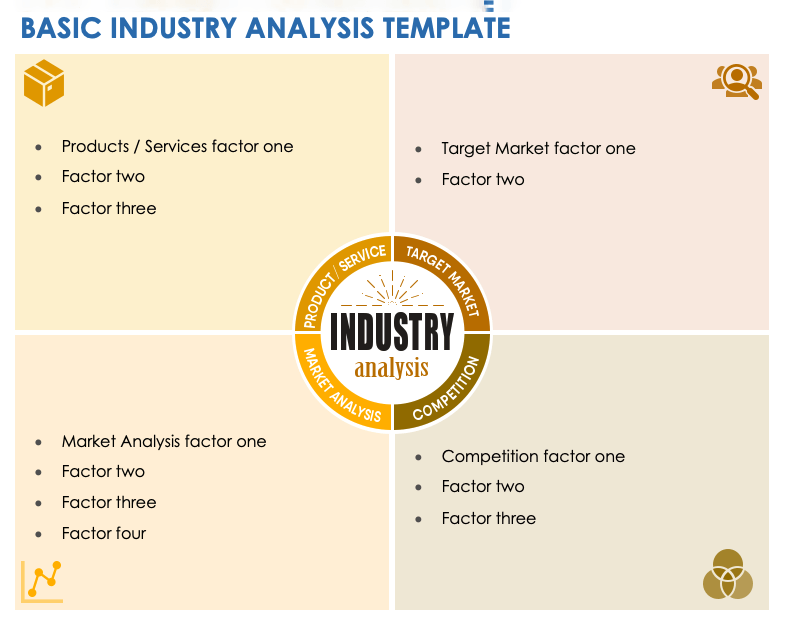
    A comprehensive industry analysis typically includes an assessment of the following key components:

    • Market Size and Growth Potential
    • Competitive Landscape
    • Regulatory and Legal Considerations
    • Technological Advancements
    • Consumer Trends and Preferences

    Market Size And Growth Potential

    Understanding the size of the market and its growth potential is crucial for businesses as it helps them identify new opportunities for expansion and development. By analyzing market size and growth potential, companies can determine the overall demand for their products or services and forecast future trends.

    Competitive Landscape

    Assessing the competitive landscape allows businesses to identify their key rivals, understand their strengths and weaknesses, and develop effective strategies to gain a competitive edge. Moreover, a thorough analysis of the competitive landscape enables companies to spot emerging competitors and potential disruptors in the industry.

    Regulatory And Legal Considerations

    Staying informed about regulatory and legal considerations is essential for businesses to ensure compliance and minimize risks. Industry analysis helps companies stay ahead of any regulatory changes that could impact their operations, allowing them to adapt and adjust their business strategies accordingly.

    Technological Advancements

    Keeping abreast of technological advancements is vital for businesses to remain innovative and competitive. Industry analysis helps companies understand the latest technological trends and developments, enabling them to embrace new technologies that can drive efficiency, productivity, and growth.

    Consumer Trends And Preferences

    Understanding consumer behavior, preferences, and trends is crucial for businesses to tailor their products or services to meet the evolving demands of their target audience. Analyzing consumer trends and preferences enables companies to develop relevant and appealing offerings that resonate with their customers.

    Industry Analysis

    Credit: penmypaper.com

    The Benefits of Industry Analysis

    Conducting a rigorous industry analysis offers several benefits to businesses, including:

    • Identifying Growth Opportunities
    • Minimizing Risks
    • Enhancing Competitive Advantage
    • Driving Innovation and Adaptation
    • Improving Decision-Making

    Industry Analysis Techniques

    There are various techniques and tools that businesses can employ to conduct an effective industry analysis. These may include:

    1. SWOT Analysis: A framework for assessing strengths, weaknesses, opportunities, and threats.
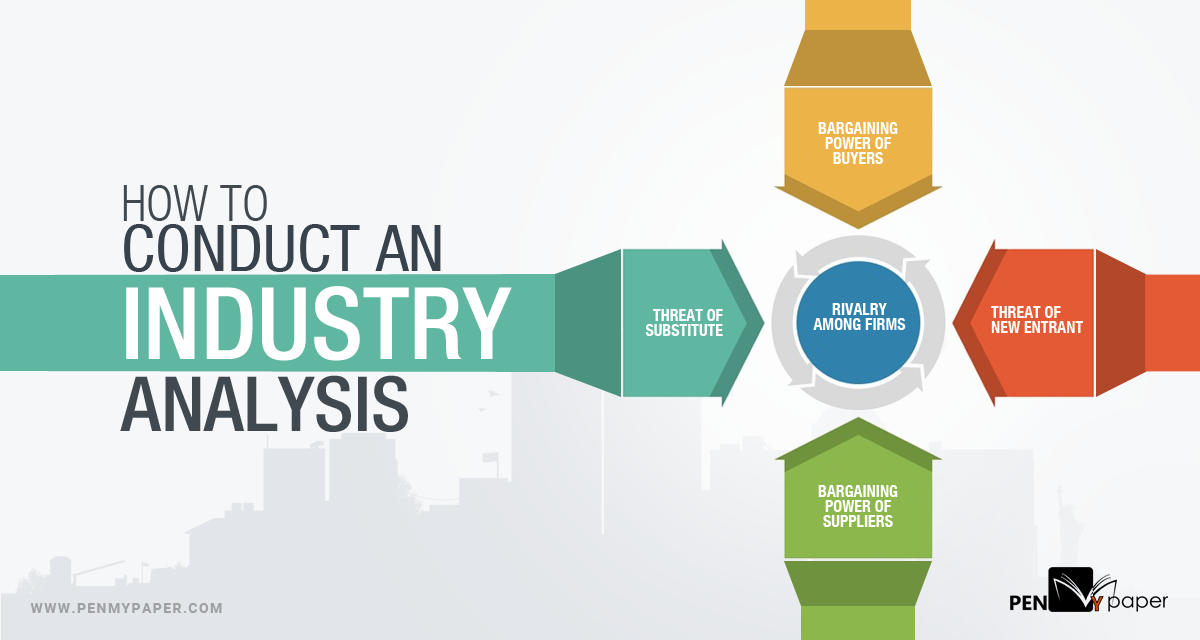
    2. Porter’s Five Forces: A model for evaluating industry competitiveness and attractiveness.
    3. PESTLE Analysis: A method for examining the external macro-environmental factors affecting an industry.
    4. Market Research: Gathering data on consumer behavior, market trends, and competitive dynamics through surveys, interviews, and data analysis.

    Frequently Asked Questions On Industry Analysis

    Faq 1: What Is The Importance Of Industry Analysis?

    Industry analysis is important as it helps businesses understand market trends, identify opportunities, and make informed decisions for growth.

    Faq 2: How Can Industry Analysis Benefit My Business?

    Industry analysis can benefit your business by providing insights on competitor strategies, customer preferences, and potential risks, enabling you to stay ahead and make proactive adjustments to your approach.

    Faq 3: What Are The Common Methods Used For Industry Analysis?

    Common methods used for industry analysis include SWOT analysis, Porter’s Five Forces analysis, market research, and trend analysis. Each method allows you to assess different aspects of the industry to gain a comprehensive understanding.

    Conclusion

    In conclusion, industry analysis is an indispensable process for businesses seeking to navigate the complexities of the market landscape. By understanding the key components, benefits, and techniques involved in industry analysis, companies can effectively position themselves for success in their respective industries.