Author: MMP

  • Who Gives Debt Relief?

    Who Gives Debt Relief?

    Who Gives Debt Relief?

    Debt can be overwhelming. Many people struggle with it every day. But help is available. Several organizations and programs offer debt relief. This article will guide you through them.
    Who Gives Debt Relief?

    Credit: www.mdpi.com

    Non-Profit Credit Counseling Agencies

    Non-profit credit counseling agencies are a great place to start. They offer free or low-cost services. These services include budgeting help and debt management plans.

    • National Foundation for Credit Counseling (NFCC)
    • Financial Counseling Association of America (FCAA)

    These agencies provide certified counselors. These counselors work with you to create a plan. They can negotiate with creditors on your behalf.

    Debt Settlement Companies

    Debt settlement companies can also help. They negotiate with your creditors. The goal is to reduce the amount you owe. This can be a risky option. It can negatively impact your credit score.

    • Freedom Debt Relief
    • National Debt Relief

    Make sure to research these companies. Ensure they are reputable. Read reviews and check for any complaints.

    Government Programs

    The government offers several debt relief programs. These can help with student loans, mortgages, and taxes.

    Student Loans

    The U.S. Department of Education offers various programs. These include income-driven repayment plans and loan forgiveness programs.

    • Income-Driven Repayment Plans
    • Public Service Loan Forgiveness (PSLF)
    • Teacher Loan Forgiveness

    Mortgages

    The U.S. Department of Housing and Urban Development (HUD) provides assistance. They offer programs to help avoid foreclosure.

    • Home Affordable Modification Program (HAMP)
    • Federal Housing Administration (FHA) loans

    Taxes

    The Internal Revenue Service (IRS) offers options to manage tax debt. These include installment agreements and offers in compromise.

    • Installment Agreements
    • Offers in Compromise

    Debt Consolidation

    Debt consolidation is another option. This involves combining multiple debts into one. This can simplify payments and lower interest rates.

    There are several ways to consolidate debt:

    • Personal loans
    • Balance transfer credit cards
    • Home equity loans

    Consider speaking with a financial advisor. They can help you decide if debt consolidation is right for you.

    Bankruptcy

    Bankruptcy is a last resort. It can provide relief but has serious consequences. It can stay on your credit report for up to 10 years.

    Types Of Bankruptcy

    • Chapter 7 Bankruptcy: Liquidation
    • Chapter 13 Bankruptcy: Repayment Plan

    Consult with a bankruptcy attorney. They can help you understand your options.

    Friends and Family

    Sometimes, friends and family can help. They may be able to lend money or provide support. Be sure to discuss terms and repayment plans clearly.

    Who Gives Debt Relief?

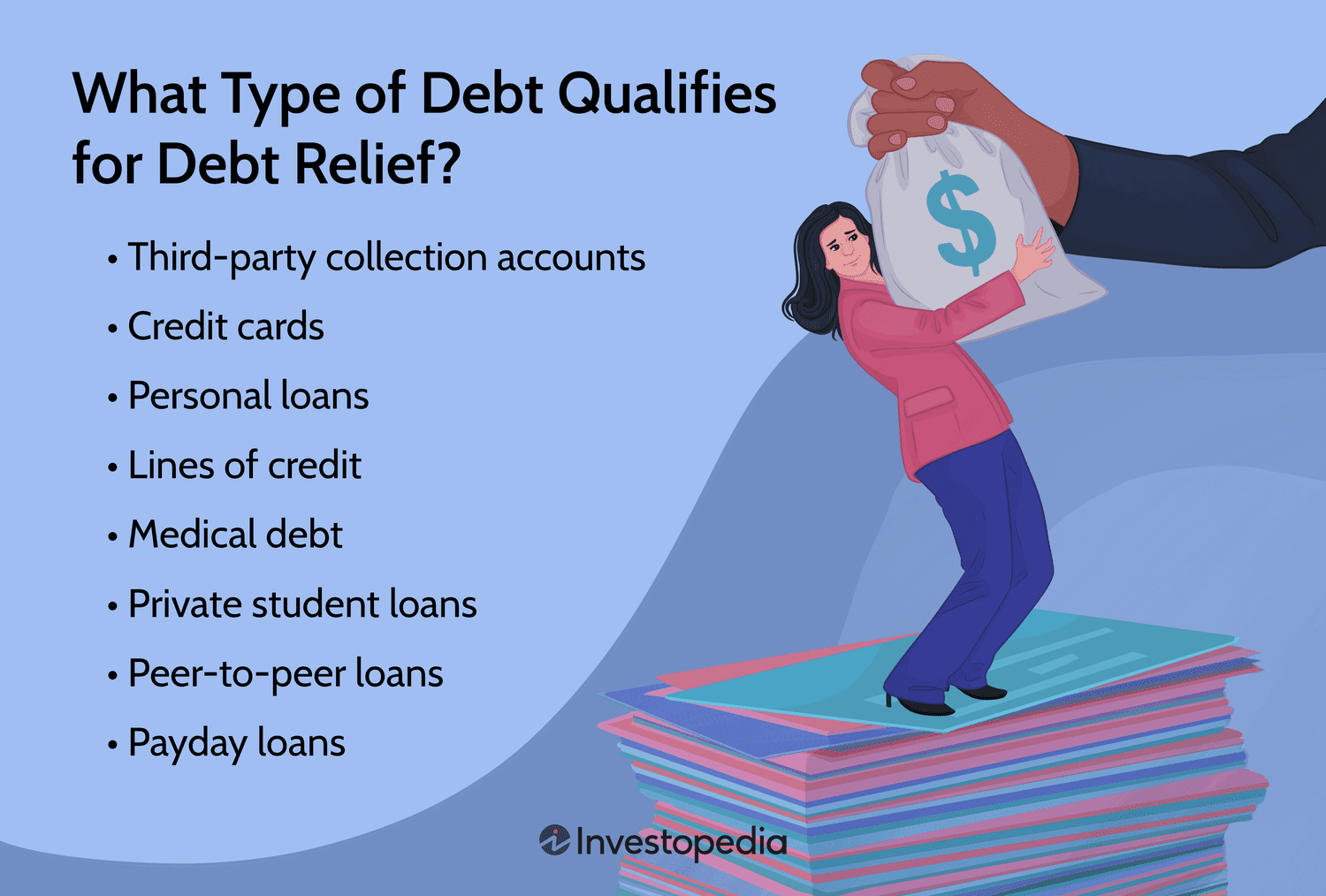
    Credit: www.investopedia.com

    Frequently Asked Questions

    Who Offers Debt Relief Services?

    Many organizations, including credit counseling agencies and debt settlement companies, offer debt relief services.

    Is Debt Relief Available For Credit Card Debt?

    Yes, debt relief programs can help manage and reduce credit card debt.

    Can Non-profit Agencies Provide Debt Relief?

    Non-profit credit counseling agencies often provide debt relief programs and financial education.

    How Does Debt Settlement Work?

    Debt settlement involves negotiating with creditors to pay a lump sum less than the total owed.

    Conclusion

    Debt relief is available from many sources. Non-profit agencies, debt settlement companies, and government programs can help. Debt consolidation and bankruptcy are other options. Friends and family may also provide support.

    Take the time to research your options. Seek professional advice when needed. Debt relief can help you regain control of your finances.
  • Who Has the Best Debt Relief Program?

    Who Has the Best Debt Relief Program?

    Who Has the Best Debt Relief Program?

    Are you feeling overwhelmed by debt? You are not alone. Many people struggle with debt every day. The good news is there are programs to help you. But who has the best debt relief program? Let’s find out!

    What is Debt Relief?

    Debt relief helps people manage or reduce their debt. It can come in many forms. Some programs lower your interest rates. Others reduce the amount you owe. Some programs even eliminate your debt altogether.

    Who Has the Best Debt Relief Program?

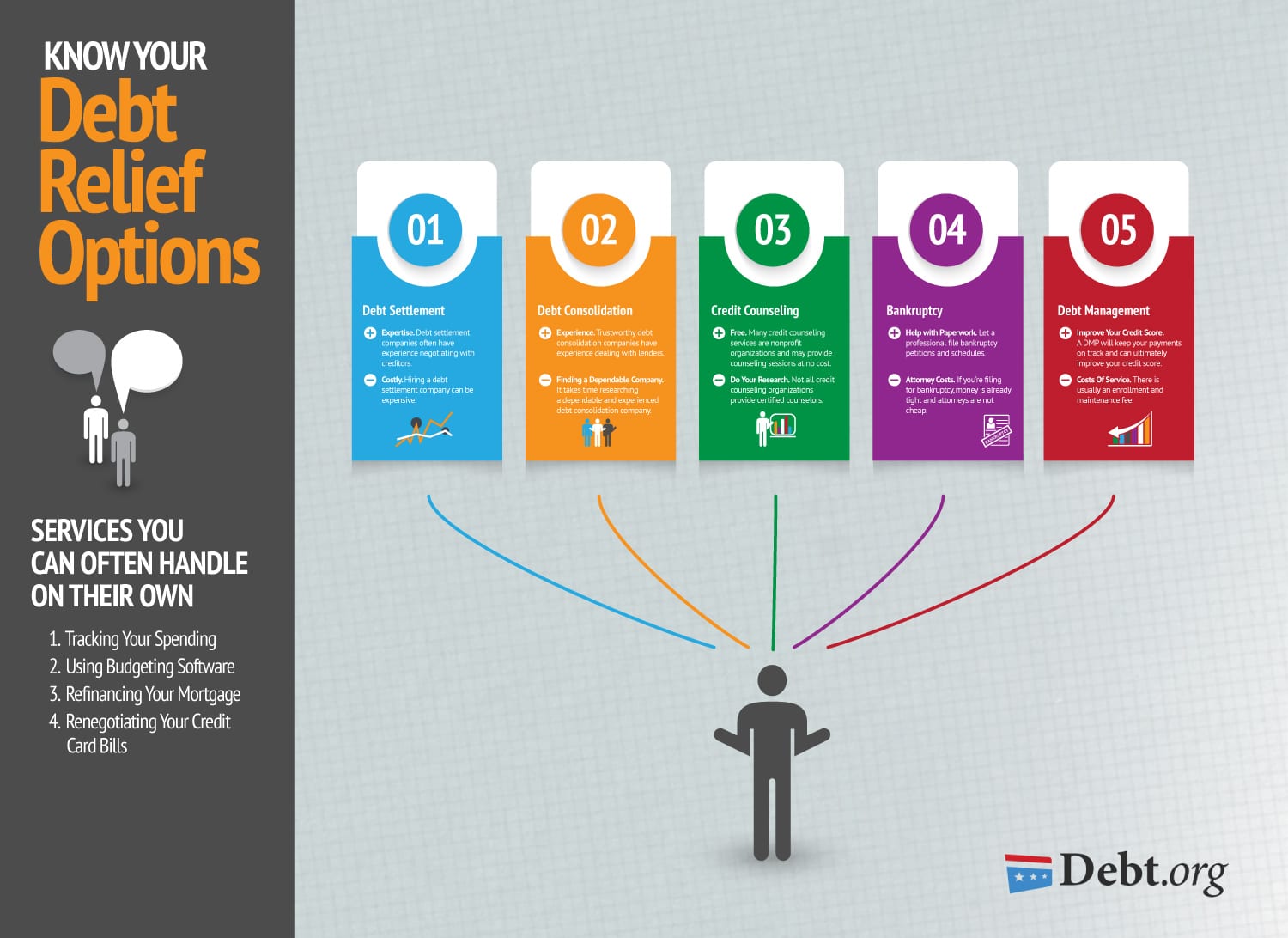
    Credit: www.debt.org

    Types of Debt Relief Programs

    There are several types of debt relief programs. Each has its benefits. Let’s look at them in detail.

    Debt Consolidation

    Debt consolidation combines all your debts into one. You then make a single monthly payment. This can make managing your debt easier. It can also lower your interest rate.

    Debt Settlement

    Debt settlement involves negotiating with creditors. The goal is to reduce the total amount you owe. This can be a good option if you have a lot of debt.

    Debt Management Plans

    Debt management plans are offered by credit counseling agencies. They help you create a plan to pay off your debt. They may also negotiate lower interest rates for you.

    Bankruptcy

    Bankruptcy is a last resort. It can eliminate most of your debts. But it will hurt your credit score for a long time.

    Who Has the Best Debt Relief Program?

    Credit: www.incharge.org

    Top Debt Relief Programs

    Many companies offer debt relief programs. Here are some of the best.

    National Debt Relief

    National Debt Relief is one of the top debt relief companies. They offer debt settlement services. They can help you reduce your debt by up to 50%. They have a good reputation and many positive reviews.

    • Pros: High success rate, good customer service
    • Cons: Fees can be high

    Freedom Debt Relief

    Freedom Debt Relief is another top company. They also offer debt settlement services. They have helped over 600,000 people. They have a good reputation and many positive reviews.

    • Pros: Experienced, good customer service
    • Cons: Fees can be high

    Accredited Debt Relief

    Accredited Debt Relief offers debt settlement and debt consolidation services. They have a good reputation. They have helped many people reduce their debt.

    • Pros: Multiple services, good customer service
    • Cons: Fees can be high

    Consolidated Credit

    Consolidated Credit offers debt management plans. They can help you create a plan to pay off your debt. They also offer credit counseling services.

    • Pros: Multiple services, good customer service
    • Cons: Fees can be high

    How to Choose the Best Debt Relief Program

    Choosing the best debt relief program can be hard. Here are some tips to help you.

    Consider Your Debt

    First, think about how much debt you have. Some programs are better for large amounts of debt. Others are better for smaller amounts.

    Think About Your Goals

    Next, think about your goals. Do you want to lower your interest rate? Do you want to reduce the total amount you owe? Do you want to eliminate your debt altogether?

    Look At The Fees

    Finally, look at the fees. Some programs have high fees. Make sure you understand all the costs before you sign up.

    Frequently Asked Questions

    What Is Debt Relief?

    Debt relief reduces or eliminates debt owed by individuals or businesses through various programs or strategies.

    How Do Debt Relief Programs Work?

    Debt relief programs negotiate with creditors to reduce the debt amount or create manageable repayment plans.

    Who Qualifies For Debt Relief Programs?

    Individuals with substantial unsecured debt, such as credit card debt, often qualify for debt relief programs.

    Is Debt Relief A Good Option?

    Debt relief can be beneficial for those struggling to pay off large amounts of unsecured debt.

    Conclusion

    There are many debt relief programs to choose from. The best one for you depends on your situation. National Debt Relief, Freedom Debt Relief, Accredited Debt Relief, and Consolidated Credit are all good options. Remember to consider your debt, your goals, and the fees. With the right program, you can take control of your debt and start on the path to financial freedom.

  • What is a Debt Relief?

    What is a Debt Relief?

    What is Debt Relief?

    Debt relief is a way to help people who owe a lot of money. It can make the debt smaller or easier to pay back. People seek debt relief when they can’t pay what they owe. Let’s learn more about debt relief and how it can help you.

    Why Do People Need Debt Relief?

    Many people face problems with debt. They may owe money on credit cards, loans, or medical bills. Sometimes, they can’t pay back what they owe. This can cause stress and worry. Debt relief can help them find a way out of their debt problems.

    Types of Debt Relief

    There are different types of debt relief. Each type works in a different way. Here are some common types:

    • Debt Settlement: This is when you make a deal with the people you owe money to. You pay less than what you owe, and they agree to forgive the rest.
    • Debt Consolidation: This is when you combine all your debts into one loan. You then make one payment each month. This can make it easier to keep track of your payments.
    • Credit Counseling: This is when you get help from experts. They can teach you how to manage your money better. They may also help you make a plan to pay back your debts.
    • Bankruptcy: This is a legal way to get rid of some or all of your debts. It can have serious effects on your credit score, so it should be a last resort.

    Benefits of Debt Relief

    Debt relief can help you in many ways. Here are some benefits:

    • Less Stress: Debt can cause a lot of stress. Debt relief can help you feel more in control of your money.
    • Lower Monthly Payments: Some types of debt relief can lower your monthly payments. This can make it easier to pay your bills on time.
    • A Plan to Pay Off Debt: Debt relief can help you make a plan to pay off your debt. This can give you a clear path to being debt-free.
    What is a Debt Relief?

    Credit: www.debt.org

    How to Get Debt Relief

    Getting debt relief starts with understanding your debt. Here are some steps to help you get started:

    1. Make a List: Write down all your debts. Include how much you owe and the interest rates.
    2. Set a Budget: Make a budget to see how much money you have each month. Include your income and all your expenses.
    3. Choose a Debt Relief Option: Decide which type of debt relief is best for you. You may want to talk to a credit counselor for advice.
    4. Take Action: Start working on your debt relief plan. Stick to your budget and make your payments on time.

    Debt Relief and Your Credit Score

    Your credit score is a number that shows how well you handle money. Debt relief can affect your credit score in different ways. Some types of debt relief can lower your score. Others may help you improve it over time.

    Here are some tips to keep your credit score healthy:

    • Pay your bills on time.
    • Keep your credit card balances low.
    • Don’t apply for too much new credit at once.
    • Check your credit report regularly for mistakes.
    What is a Debt Relief?

    Credit: www.investopedia.com

    Choosing the Right Debt Relief Option

    Choosing the right debt relief option is important. Here are some questions to ask yourself:

    • How much do I owe?
    • Can I make my monthly payments?
    • Do I need help managing my money?
    • Am I willing to deal with the effects on my credit score?

    Once you answer these questions, you can choose the best option for you. You may also want to talk to a financial expert for advice.

    Common Myths About Debt Relief

    There are many myths about debt relief. Here are some common ones:

    • Myth: Debt relief is only for people with a lot of debt.
    • Fact: Anyone with debt can seek help. It’s important to find the right option for your situation.
    • Myth: Debt relief will ruin my credit score forever.
    • Fact: Debt relief can affect your credit score, but you can rebuild it over time.
    • Myth: I can handle my debt on my own.
    • Fact: Many people need help with their debt. It’s okay to ask for help.

    Frequently Asked Questions

    What Is Debt Relief?

    Debt relief involves reducing or eliminating a borrower’s debt through various methods.

    How Does Debt Relief Work?

    Debt relief programs negotiate with creditors to lower interest rates or reduce the principal amount owed.

    Who Qualifies For Debt Relief?

    Eligibility depends on your debt amount, income, and financial hardship.

    Is Debt Relief A Good Option?

    Debt relief can be beneficial if you’re struggling with unmanageable debt.

    Conclusion

    Debt relief can help you manage your debt and reduce stress. There are different types of debt relief to fit your needs. It’s important to choose the right option and stick to your plan. Remember, it’s okay to ask for help. With the right plan, you can become debt-free and improve your financial future.

  • Is It a Good Idea to Get Debt Relief?

    Is It a Good Idea to Get Debt Relief?

    Is It a Good Idea to Get Debt Relief?

    Debt relief is a way to help people manage their debts. It can provide a fresh start. But is it always a good idea to get debt relief? Let’s find out.

    What is Debt Relief?

    Debt relief means reducing or eliminating debt. It can involve different methods. These methods can include debt consolidation, debt settlement, and bankruptcy.

    Types Of Debt Relief

    • Debt Consolidation: Combine multiple debts into one payment. This can make it easier to manage.
    • Debt Settlement: Negotiate with creditors to pay less than what you owe.
    • Bankruptcy: A legal process to eliminate most debts. It can have long-lasting effects on your credit score.

    Pros of Debt Relief

    Debt relief can offer several benefits. Here are some of the main advantages:

    1. Lower Monthly Payments

    Debt relief can lower your monthly payments. This makes it easier to manage your finances.

    2. Reduced Stress

    Debt relief can reduce the stress of dealing with multiple creditors. It can bring peace of mind.

    3. Avoid Bankruptcy

    Some debt relief options can help you avoid bankruptcy. Bankruptcy can have severe long-term effects on your credit.

    Cons of Debt Relief

    While debt relief can help, it also has drawbacks. Here are some cons to consider:

    1. Impact On Credit Score

    Debt relief can hurt your credit score. This can make it harder to get loans in the future.

    2. Fees And Costs

    Some debt relief programs charge high fees. These fees can add up and make your situation worse.

    3. Not A Quick Fix

    Debt relief is not a quick fix. It can take time to see results and get out of debt.

    Is It a Good Idea to Get Debt Relief?

    Credit: www.nationaldebtrelief.com

    Is Debt Relief Right for You?

    Debt relief is not a one-size-fits-all solution. It’s important to consider your personal situation. Here are some factors to think about:

    1. Amount Of Debt

    Consider how much debt you have. Debt relief may be more suitable for those with significant debt.

    2. Ability To Pay

    Think about your ability to make payments. Debt relief can help if you struggle to pay your bills.

    3. Long-term Goals

    Consider your long-term financial goals. Debt relief may impact your future plans.

    Is It a Good Idea to Get Debt Relief?

    Credit: www.investopedia.com

    Alternatives to Debt Relief

    If debt relief doesn’t seem right, there are other options. Here are some alternatives:

    1. Budgeting

    Create a budget to manage your money better. This can help you pay off debt faster.

    2. Credit Counseling

    Credit counselors can provide advice and create a plan. They can help you manage your debt.

    3. Debt Management Plan

    A debt management plan can help you pay off debt. It involves working with a credit counselor.

    Steps to Take Before Getting Debt Relief

    Before deciding on debt relief, take these steps:

    1. Assess Your Situation

    Look at your debts, income, and expenses. Understand your financial situation.

    2. Research Options

    Research different debt relief options. Understand the pros and cons of each one.

    3. Seek Professional Advice

    Consider talking to a financial advisor. They can provide guidance on the best option for you.

    Frequently Asked Questions

    What Is Debt Relief?

    Debt relief involves reducing or renegotiating debt to make it easier to manage.

    How Does Debt Relief Work?

    Debt relief can lower interest rates, extend payment terms, or reduce the principal amount.

    Is Debt Relief A Good Option?

    It depends on your financial situation. Consult a financial advisor for personalized advice.

    Can Debt Relief Hurt My Credit?

    Debt relief can temporarily lower your credit score, but it may improve over time with proper management.

    Conclusion

    Debt relief can be a good idea for some people. It can help reduce debt and stress. But it also has risks and costs. Consider your situation and research your options. Seek professional advice if needed. Make an informed decision that best suits your needs.

    Debt relief is a tool to help manage debt. It is not a one-size-fits-all solution. Weigh the pros and cons carefully before deciding.

  • Should I Pay a Debt Collector?

    Should I Pay a Debt Collector?

    Should I Pay a Debt Collector?

    Dealing with debt collectors can be stressful. You might wonder, “Should I pay a debt collector?” This guide will help you make an informed decision. Let’s dive in and understand your options.

    Should I Pay a Debt Collector?

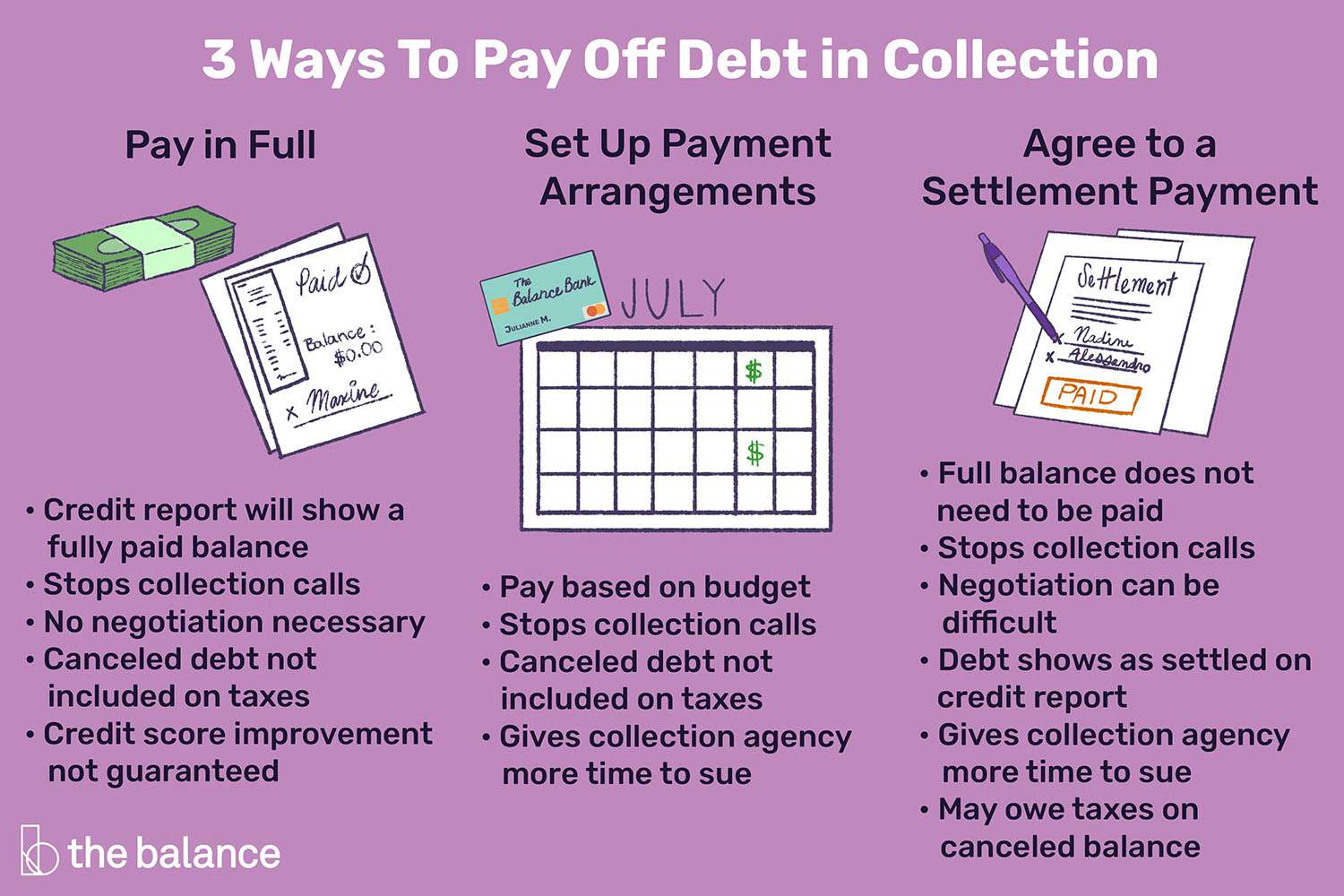
    Credit: www.thebalancemoney.com

    What is a Debt Collector?

    A debt collector is a person or company that collects debts. They usually work on behalf of creditors. Sometimes, they buy debts from other companies. Their job is to get you to pay what you owe.

    Understand Your Rights

    You have rights when dealing with debt collectors. Knowing these rights can help you. Here are some key points:

    • Debt collectors must treat you fairly.
    • They cannot harass or threaten you.
    • They must provide proof of the debt.
    • You have the right to dispute the debt.

    Steps to Take Before Paying

    Before you decide to pay, follow these steps:

    1. Verify The Debt

    First, make sure the debt is real. Ask the collector for proof. They must provide details about the debt. This includes the amount owed and the original creditor.

    2. Check The Statute Of Limitations

    Debts have a time limit called the statute of limitations. After this time, you may not have to pay. Check the laws in your state. If the debt is too old, the collector cannot sue you.

    3. Review Your Finances

    Look at your budget. Can you afford to pay the debt? Paying a debt collector might strain your finances. Make sure you can handle it without causing more problems.

    4. Negotiate

    Debt collectors may accept less than the full amount. Try to negotiate. Offer a lump sum or a payment plan. Get any agreement in writing.

    Reasons to Pay a Debt Collector

    There are good reasons to pay a debt collector. Here are some:

    • It can improve your credit score.
    • It can stop collection calls and letters.
    • It can prevent legal action.

    Reasons Not to Pay a Debt Collector

    Sometimes, paying a debt collector is not the best choice. Here are some reasons:

    • The debt is too old.
    • You cannot afford to pay.
    • You are unsure if the debt is valid.

    What Happens If You Do Not Pay?

    If you do not pay, several things can happen:

    • The debt collector may keep contacting you.
    • Your credit score may go down.
    • The collector might sue you.

    It is important to understand the consequences. Make an informed decision.

    Should I Pay a Debt Collector?

    Credit: obryanlawoffices.com

    How to Handle Debt Collectors

    Here are some tips for dealing with debt collectors:

    • Stay calm and polite.
    • Keep records of all communication.
    • Do not share personal information.
    • Know your rights and use them.

    Frequently Asked Questions

    What Happens If I Ignore A Debt Collector?

    Ignoring a debt collector can lead to legal action or negative impacts on your credit score.

    Can A Debt Collector Sue Me?

    Yes, debt collectors can sue you for unpaid debts, resulting in potential wage garnishment or asset seizure.

    Should I Negotiate With A Debt Collector?

    Negotiating with a debt collector can help reduce the debt amount or set up a manageable payment plan.

    Will Paying Off Debt Improve My Credit?

    Paying off debt can improve your credit score by reducing your credit utilization and showing positive payment history.

    Conclusion

    Deciding whether to pay a debt collector is not easy. You need to consider your rights, the age of the debt, and your financial situation. Remember to verify the debt and negotiate if possible. By understanding your options, you can make the best decision for your situation.

  • Who is the Owner of CuraDebt?

    Who is the Owner of CuraDebt?


    Who is the Owner of Curadebt?

    Curadebt is a company that helps people with their debts. It offers solutions for debt relief. But, who owns Curadebt?

    Who is the Owner of Curadebt?

    Credit: www.curadebt.com

    About Curadebt

    Curadebt was founded to help people manage their debts. The company provides various financial services. It helps people find the right debt relief plan.

    Curadebt Services

    • Debt Settlement
    • Debt Consolidation
    • Tax Debt Relief
    • Business Debt Relief
     

    The Owner of Curadebt

    The owner of Curadebt is a person who cares about helping people. The founder’s name is Eric Pemper. He started Curadebt to make a difference.

    Who Is Eric Pemper?

    Eric Pemper is a businessman. He has experience in financial services. He wanted to help people with their debt problems. So, he started Curadebt.

    Eric Pemper’s Vision

    Eric Pemper’s vision is clear. He wants to provide the best debt relief services. He believes in helping people get out of debt.

    Curadebt’s Mission

    Curadebt’s mission is to help people become debt-free. The company aims to provide the best solutions. It focuses on customer satisfaction.

    How Curadebt Helps People

    Curadebt helps people in many ways. The company offers personalized debt relief plans. Here are some ways Curadebt helps:

    • Reducing Debt Amount
    • Lowering Interest Rates
    • Creating Affordable Payment Plans
    • Providing Financial Advice

    Debt Settlement

    Debt settlement is one of Curadebt’s services. It helps reduce the total debt amount. Curadebt negotiates with creditors on behalf of the clients.

    Debt Consolidation

    Debt consolidation is another service. It combines multiple debts into one. This makes it easier to manage payments.

    Tax Debt Relief

    Tax debt relief helps with unpaid taxes. Curadebt provides solutions to resolve tax issues. It can help reduce penalties and interest.

    Business Debt Relief

    Business debt relief is for businesses. Curadebt helps businesses manage their debts. This service helps businesses stay afloat.

     
    Who is the Owner of Curadebt?

    Credit: www.homeowner.com

    Customer Testimonials

    Many people have benefited from Curadebt. Here are some testimonials from happy clients:

    NameTestimonial
    John DoeCuradebt helped me reduce my debt by 50%. I am very happy!
    Jane SmithThanks to Curadebt, I can manage my payments better now.

    Frequently Asked Questions

    Who Owns Curadebt?

    Curadebt is owned by Eric Pemper.

    When Was Curadebt Founded?

    Curadebt was founded in 2000.

    What Services Does Curadebt Offer?

    Curadebt offers debt relief and tax relief services.

    Where Is Curadebt Headquartered?

    Curadebt is headquartered in Hollywood, Florida.

    Conclusion

    Eric Pemper is the owner of Curadebt. He started the company to help people with their debts. Curadebt offers various financial services. The company aims to provide the best debt relief solutions. Many people have benefited from Curadebt’s services. The mission of Curadebt is to help people become debt-free.