Author: MMP

  • Can I Do Debt Relief Myself?

    Can I Do Debt Relief Myself?

    Debt can be stressful and overwhelming. Many people wonder if they can handle debt relief on their own. The answer is yes, you can manage debt relief yourself. This guide will show you how to do it.

    Understanding Debt Relief

    Debt relief means reducing or eliminating your debt. It can help you manage your finances better. There are many ways to achieve debt relief.

    Types Of Debt Relief

    • Debt Settlement: Negotiating with creditors to pay less than you owe.
    • Debt Consolidation: Combining multiple debts into one loan.
    • Debt Management Plans: Working with a credit counseling agency to repay your debt.
    • Bankruptcy: A legal process to eliminate debt, but it has serious consequences.

    Steps to Do Debt Relief Yourself

    Here are the steps to manage debt relief on your own:

    1. Assess Your Financial Situation

    First, you need to understand your financial situation. Make a list of all your debts. Include the amount owed, interest rates, and due dates.

    Create a budget to see how much money you have left after paying for necessities. This will help you see how much you can pay towards your debt each month.

    2. Contact Your Creditors

    Next, reach out to your creditors. Explain your financial situation and ask for help. They may offer lower interest rates or a payment plan.

    Be honest and polite when talking to your creditors. They are more likely to help if they understand your situation.

    3. Negotiate A Settlement

    If you have a lump sum of money, you can try to negotiate a settlement. Offer to pay a percentage of your debt in exchange for the rest being forgiven.

    Start by offering a low amount, and be ready to negotiate. Make sure to get any agreement in writing.

    4. Create A Debt Repayment Plan

    Once you have negotiated with your creditors, create a repayment plan. Decide how much you will pay each month towards each debt.

    Stick to your plan and make your payments on time. This will help you pay off your debt faster and improve your credit score.

    5. Consider Debt Consolidation

    If you have multiple debts, debt consolidation can help. It combines all your debts into one loan with a single payment.

    Look for a loan with a lower interest rate than your current debts. This can save you money and make it easier to manage your payments.

    6. Avoid Taking On New Debt

    While you are working on debt relief, avoid taking on new debt. This will make it harder to pay off your existing debts.

    Focus on living within your means and only spending money on necessities.

    Benefits of Doing Debt Relief Yourself

    There are many benefits to managing debt relief on your own:

    • Save Money: You won’t have to pay fees to a debt relief company.
    • Control: You have control over your finances and decisions.
    • Learn Financial Skills: You will learn valuable money management skills.
    Can I Do Debt Relief Myself?

    Credit: www.creditassociates.com

    Can I Do Debt Relief Myself?

    Credit: www.moneymanagement.org

    Challenges of Doing Debt Relief Yourself

    Managing debt relief on your own can be challenging:

    • Time-Consuming: It takes time to contact creditors and negotiate.
    • Stressful: Dealing with debt can be stressful and emotional.
    • Complex: Understanding debt relief options can be complicated.

    When to Seek Professional Help

    Sometimes, it may be best to seek professional help. Consider getting help if:

    • You are overwhelmed and don’t know where to start.
    • You have tried to manage your debt, but it keeps growing.
    • Your creditors are not willing to negotiate with you.
    • You are facing legal action from your creditors.

    Frequently Asked Questions

    What Is Debt Relief?

    Debt relief involves strategies to reduce or eliminate debt.

    Can I Negotiate With Creditors?

    Yes, you can directly negotiate with creditors to reduce your debt.

    Is Debt Settlement A Good Option?

    Debt settlement can lower your debt but may impact your credit score.

    How Does Debt Consolidation Work?

    Debt consolidation combines multiple debts into one loan with a lower interest rate.

    Conclusion

    Yes, you can do debt relief yourself. It requires time, effort, and patience. Assess your financial situation, contact your creditors, and create a repayment plan.

    Consider debt consolidation and avoid taking on new debt. Remember, there are benefits and challenges to managing debt relief on your own. If you need help, don’t hesitate to seek professional assistance.

    Take control of your finances and work towards a debt-free future. You can do it!
  • What is Another Name for Debt Relief?

    What is Another Name for Debt Relief?

    What is Another Name for Debt Relief?

    Introduction

    Debt relief is a way to reduce or eliminate debt. It helps people who owe money. But, did you know debt relief goes by other names too? In this article, we will explore other names for debt relief. We will also discuss different ways to achieve debt relief.

    Other Names for Debt Relief

    Debt relief has many other names. Some of these names include:

    • Debt Management: This is a plan to pay off debts. It involves negotiating with creditors.
    • Loan Forgiveness: This means canceling part or all of a debt. Often used for student loans.
    • Debt Consolidation: This combines multiple debts into one. It simplifies payments.
    • Credit Counseling: This is advice to manage debts. It helps create a budget.
    • Bankruptcy: This is a legal process to eliminate debts. It has long-term effects.

    Types of Debt Relief

    Debt relief comes in many forms. Here are some common types:

    Type Description
    Debt Settlement Negotiating with creditors to reduce the total debt.
    Debt Management Plan Making a plan to pay off debts over time.
    Debt Consolidation Loan Combining multiple debts into one loan with a lower interest rate.
    Credit Counseling Getting advice from experts to manage and reduce debts.
    Bankruptcy Legal process to eliminate or repay debts under court supervision.

    Benefits of Debt Relief

    Debt relief offers many benefits. These include:

    • Reduced Stress: Knowing you have a plan reduces financial stress.
    • Lower Payments: Debt relief often means lower monthly payments.
    • Improved Credit Score: Managing debt can improve your credit score over time.
    • Financial Freedom: Once debts are paid, you can start saving money.
    What is Another Name for Debt Relief?

    Credit: www.afscme.org

    What is Another Name for Debt Relief?

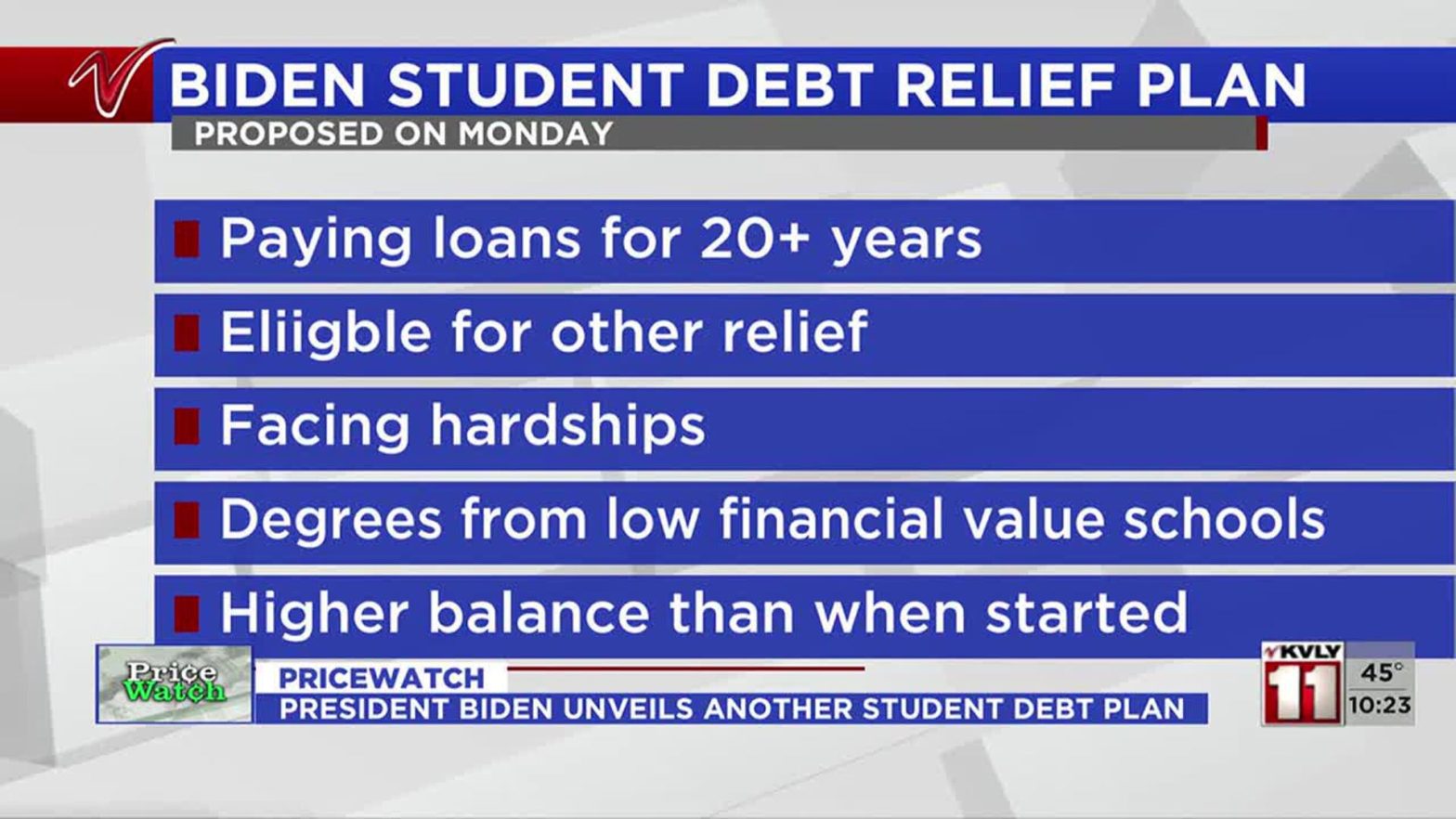
    Credit: www.valleynewslive.com

    How to Achieve Debt Relief

    Achieving debt relief involves several steps. Here is a simple guide:

    1. Assess Your Debt: Know how much you owe and to whom.
    2. Explore Options: Research different debt relief options.
    3. Seek Professional Help: Consider consulting a credit counselor.
    4. Create a Plan: Make a realistic plan to pay off your debts.
    5. Stick to the Plan: Follow your plan and make regular payments.

    Common Myths About Debt Relief

    Many myths surround debt relief. Let’s debunk some of these myths:

    • Myth 1: Debt relief ruins your credit score forever.
      Fact: Debt relief can initially lower your score, but managing debt improves it over time.
    • Myth 2: Only irresponsible people need debt relief.
      Fact: Many responsible people face financial difficulties due to unforeseen events.
    • Myth 3: Debt relief companies are scams.
      Fact: Many reputable companies offer legitimate debt relief services.
    • Myth 4: Debt relief is a quick fix.
      Fact: Debt relief takes time and commitment to achieve.

    Frequently Asked Questions

    What Is Debt Relief Also Called?

    Debt relief is also referred to as debt forgiveness or debt cancellation.

    Is Debt Restructuring The Same As Debt Relief?

    No, debt restructuring involves modifying loan terms, while debt relief often means reducing or eliminating debt.

    Can Debt Settlement Be Considered Debt Relief?

    Yes, debt settlement is a form of debt relief where creditors agree to accept less than the owed amount.

    What Is Debt Forgiveness?

    Debt forgiveness means a lender agrees to cancel part or all of a borrower’s debt.

    Conclusion

    Debt relief is essential for managing financial burdens. It is also known by other names such as debt management, loan forgiveness, and credit counseling. Understanding the different types of debt relief can help you choose the best option for your situation. Remember, achieving debt relief takes time and effort. Seek professional help if needed. By following a plan and staying committed, you can achieve financial freedom.

  • Unicorns Startups of 2024: Resilience and Innovation

    Despite the tight venture capital market, unicorns are still emerging every month, showcasing the relentless innovation and adaptability of the startup ecosystem. Using data from Crunchbase, CB Insights, and PitchBook, TechCrunch has tracked the newly minted unicorns of 2024. This list features a variety of sectors, including AI, cybersecurity, health tech, and fintech, demonstrating that groundbreaking ideas continue to attract significant investment.

    Notable Unicorns by Month

    July Highlights

    1. Aven – Valued at $1 billion
      • Industry: Consumer Credit Cards
      • Funding: $142 million Series D led by Khosla Ventures and General Catalyst
      • Founded: 2019
    2. Flo Health – Valued at $1 billion
      • Industry: Health Tech (Fertility-Tracking App)
      • Funding: $200 million Series C
      • Founded: 2015
    3. Altana Technologies – Valued at $1 billion
      • Industry: Global Supply Chain Management
      • Funding: $200 million Series C
      • Founded: 2018
    4. Chainguard – Valued at $1.1 billion
      • Industry: Cybersecurity
      • Funding: $140 million Series C
      • Founded: 2021
    5. Harvey – Valued at $1.5 billion
      • Industry: Legal AI Platform
      • Funding: $100 million from Google Ventures, OpenAI, and others
      • Founded: 2021
    6. Saronic Technologies – Valued at $1 billion
      • Industry: Defense Tech (Autonomous Surface Vessels)
      • Funding: $175 million Series B
      • Founded: 2019

    June Highlights

    1. Huntress – Valued at $1.55 billion
      • Industry: Cybersecurity (Extended Detection and Response)
      • Funding: $150 million Series D
      • Founded: 2015
    2. xAI – Valued at $24 billion
      • Industry: AI (Multimodal Large Language Model)
      • Funding: $6 billion Series B
      • Founded: 2023
    3. BillionToOne – Valued at $1 billion
      • Industry: Genetic Testing
      • Funding: $130 million Series D
      • Founded: 2016

    May Highlights

    1. Altruist – Valued at $1.5 billion
      • Industry: Fintech (Investment Management)
      • Funding: $169 million Series E
      • Founded: 2018
    2. Weka – Valued at $1.6 billion
      • Industry: SaaS Data Storage (AI Use Cases)
      • Funding: $140 million Series E
      • Founded: 2013
    3. Farcaster – Valued at $1 billion
      • Industry: Blockchain Social Media
      • Funding: $150 million Series A
      • Founded: 2021
    4. Sigma Computing – Valued at $1.5 billion
      • Industry: AI-driven Big Data Analytics
      • Funding: Raised almost $560 million to date
      • Founded: 2014
    5. Humanity Protocol – Valued at $1 billion
      • Industry: Blockchain Palm-Scanning Identity
      • Funding: $30 million Seed Round
      • Founded: 2023

    April Highlights

    1. Cyera – Valued at $1.5 billion
      • Industry: Data Security
      • Funding: $300 million Series C
      • Founded: 2021
    2. Monad Labs – Valued at $3 billion
      • Industry: Blockchain (Ethereum)
      • Funding: $225 million Series A
      • Founded: 2023
    3. Nexamp – Valued at $1.5 billion
      • Industry: Clean Energy
      • Funding: $520 million (debt and venture financing)
      • Founded: 2007
    4. Grow Therapy – Valued at $1.4 billion
      • Industry: Health Tech (Therapist Finder)
      • Funding: $88 million Series C
      • Founded: 2020
    5. Cognition AI – Valued at $2 billion
      • Industry: AI Software Engineer
      • Funding: $175 million Series B
      • Founded: 2023
    6. Xaira Therapeutics – Valued at $2.7 billion
      • Industry: AI Drug Discovery
      • Funding: $1 billion Series A
      • Founded: 2023

    March Highlights

    1. io.net – Valued at $1 billion
      • Industry: Cloud Service for AI Models
      • Funding: $33 million Series A
      • Founded: 2019
    2. Perplexity – Valued at $1 billion
      • Industry: AI Search Engine
      • Funding: $73.6 million Series B and $62.7 million
      • Founded: 2021
    3. Octane – Valued at $1.1 billion
      • Industry: Instant Financing (Mowers and Recreational Vehicles)
      • Funding: $50 million
      • Founded: 2014
    4. Celestial AI – Valued at $1.2 billion
      • Industry: AI (Cloud Computing Platform)
      • Funding: $175 million Series C
      • Founded: 2018
    5. IntraBio – Valued at $1 billion
      • Industry: Neurodegenerative Diseases Drug Discovery
      • Funding: $40 million
      • Founded: 2015
    6. Liquid Death – Valued at $1.4 billion
      • Industry: Beverage
      • Funding: $67 million
      • Founded: 2017

    February Highlights

    1. Blink Health – Valued at $1.3 billion
      • Industry: Online Pharmacy
      • Funding: $81 million in private equity
      • Founded: 2014
    2. NinjaOne – Valued at $1.9 billion
      • Industry: Mobile Device Management and Security
      • Funding: $231 million Series C
      • Founded: 2014
    3. Ascend Elements – Valued at $1.6 billion
      • Industry: Sustainable Battery
      • Funding: $162 million
      • Founded: 2015
    4. Lambda – Valued at $1.5 billion
      • Industry: GPU Cloud Computing for AI
      • Funding: $320 million Series C and $800 million in July
      • Founded: 2015
    5. EigenLayer – Valued at $1.1 billion
      • Industry: Ethereum Staking
      • Funding: $100 million Series B
      • Founded: 2021
    6. Figure – Valued at $2.6 billion
      • Industry: Humanoid Robots
      • Funding: $675 million Series B
      • Founded: 2021
    7. Together AI – Valued at $1.25 billion
      • Industry: Cloud Service for Open Source AI Models
      • Funding: $106 million
      • Founded: 2020
    8. Bugcrowd – Valued at $1 billion
      • Industry: Crowdsourced Bug-Fixing Cybersecurity
      • Funding: $102 million Series E
      • Founded: 2012

    January Highlights

    1. ElevenLabs – Valued at $1 billion
      • Industry: AI Text-to-Speech Generator
      • Funding: $80 million Series B
      • Founded: 2017
    2. Quantinuum – Valued at $5.3 billion
      • Industry: Quantum Computing Cloud Service
      • Funding: $300 million
      • Founded: 2021
    3. Zūm – Valued at $1.3 billion
      • Industry: School Transportation Fleet Management
      • Funding: $140 million Series E
      • Founded: 2015

    Conclusion

    The steady creation of unicorns in 2024, despite the challenging venture capital market, is a testament to the enduring power of innovation. From AI and cybersecurity to health tech and fintech, these startups are pushing the boundaries of what’s possible and attracting substantial investments. Keep an eye on this dynamic landscape as new powerhouses continue to emerge throughout the year.

  • Is It Bad to Use Debt Relief?

    Is It Bad to Use Debt Relief?

    Is It Bad to Use Debt Relief?

    Debt relief can be a confusing topic. Many people find themselves buried in debt. They wonder if debt relief is a good idea. This article will help you understand debt relief. We will explore the pros and cons. By the end, you will know if debt relief is right for you.

    Is It Bad to Use Debt Relief?

    Credit: www.nationaldebtrelief.com

    Is It Bad to Use Debt Relief?

    Credit: www.debt.com

    What is Debt Relief?

    Debt relief means reducing or eliminating debt. It can help people who cannot pay their bills. There are many ways to get debt relief. Each way has its benefits and risks.

    Common Types Of Debt Relief

    • Debt Consolidation: This combines multiple debts into one loan. You make one monthly payment. It often has a lower interest rate.
    • Debt Settlement: This involves negotiating with creditors. You pay a lump sum that is less than the total debt. Creditors forgive the remaining debt.
    • Credit Counseling: This involves working with a counselor. They help you create a plan to manage your debt. They also help you create a budget.
    • Bankruptcy: This is a legal process. It can eliminate most or all of your debts. It has a long-term impact on your credit score.

    Pros of Using Debt Relief

    Debt relief can be a good option for many people. Here are some benefits:

    Reduced Stress

    Debt can cause a lot of stress. It can affect your health and relationships. Debt relief can reduce this stress. It can make your life more manageable.

    Lower Monthly Payments

    Debt relief can lower your monthly payments. This makes it easier to pay your bills. It can also free up money for other needs.

    Improved Credit Score

    Some types of debt relief can improve your credit score. For example, paying off debts through debt consolidation can boost your score.

    A Fresh Start

    Debt relief can give you a fresh start. This is especially true with bankruptcy. It can help you rebuild your financial life.

    Cons of Using Debt Relief

    Debt relief is not perfect. There are some downsides to consider:

    Impact On Credit Score

    Some types of debt relief can hurt your credit score. For example, bankruptcy and debt settlement can lower your score. This can make it harder to get loans in the future.

    Fees And Costs

    Debt relief can be expensive. There are fees for debt consolidation and credit counseling. Bankruptcy also has legal fees. These costs can add up.

    Possible Scams

    There are scams in the debt relief industry. Some companies promise to eliminate your debt. They take your money but do not help you. Be careful when choosing a debt relief company.

    Long-term Commitment

    Debt relief can take a long time. For example, debt consolidation loans can last for many years. You need to be committed to the process.

    When to Use Debt Relief

    Debt relief is not for everyone. Here are some situations when it might be a good idea:

    • High Debt: If you have a lot of debt, debt relief can help. It can make your debt more manageable.
    • Missed Payments: If you are missing payments, debt relief can help. It can lower your payments and reduce fees.
    • High Interest Rates: If your interest rates are high, debt relief can help. It can lower your interest rates and save you money.
    • Overwhelming Stress: If debt is causing you stress, debt relief can help. It can reduce your stress and improve your life.

    How to Choose a Debt Relief Option

    Choosing the right debt relief option is important. Here are some tips to help you decide:

    Assess Your Debt

    Look at your debt. How much do you owe? What are your interest rates? This will help you choose the right option.

    Consider Your Credit Score

    Your credit score is important. Some debt relief options can hurt your score. Consider how much impact you are willing to accept.

    Research Your Options

    Learn about different debt relief options. Understand their pros and cons. This will help you make an informed decision.

    Get Professional Help

    Consider talking to a credit counselor. They can help you understand your options. They can also help you create a plan.

    Frequently Asked Questions

    What Is Debt Relief?

    Debt relief refers to strategies for reducing or eliminating debt.

    Is Debt Relief A Good Option?

    Debt relief can be beneficial if managed properly.

    Can Debt Relief Affect My Credit Score?

    Yes, debt relief can negatively impact your credit score initially.

    How Does Debt Relief Work?

    Debt relief works by negotiating with creditors to lower the debt amount.

    Conclusion

    Debt relief is not always bad. It can help many people manage their debt. However, it is not a one-size-fits-all solution. You need to consider the pros and cons. Look at your financial situation. Then decide if debt relief is right for you.

    Remember to do your research. Be careful of scams. And consider getting professional help. With the right approach, debt relief can be a good tool to help you get back on track.

  • How to Get Debt Relief?

    How to Get Debt Relief?

    How to Get Debt Relief?

    Debt can make life very hard. Many people struggle with managing their finances. But, there are ways to get debt relief. This article will guide you through the steps.

    Understanding Debt

    Debt is money you owe to someone else. This could be from credit cards, loans, or other expenses. It’s important to know how much you owe.

    Types Of Debt

    • Credit Card Debt
    • Student Loans
    • Mortgage Loans
    • Personal Loans
    • Medical Bills
    How to Get Debt Relief?

    Credit: www.bankrate.com

    Steps to Get Debt Relief

    Follow these steps to manage your debt better.

    1. Make A Budget

    A budget helps you track your income and expenses. Write down your monthly income. List all your monthly expenses. This will show you where your money goes.

    2. Cut Unnecessary Expenses

    Find ways to spend less. Cut back on things you don’t need. This will give you more money to pay off your debt.

    3. Increase Your Income

    Find ways to earn more money. You could take on a part-time job. You could also sell things you don’t need.

    4. Pay More Than The Minimum

    Paying just the minimum amount will keep you in debt longer. Try to pay more than the minimum each month. This will help you get out of debt faster.

    5. Use The Debt Snowball Method

    The debt snowball method is a way to pay off debt. Start with the smallest debt first. Pay it off as quickly as you can. Then move on to the next smallest debt.

    6. Consider Debt Consolidation

    Debt consolidation means combining all your debts into one. This can make it easier to manage your payments. You might get a lower interest rate too.

    7. Negotiate With Creditors

    Talk to the people you owe money to. Ask if they can lower your interest rate. They might also agree to a smaller monthly payment.

    8. Seek Professional Help

    If you’re struggling, seek help from a professional. A credit counselor can give you advice. They can help you make a plan to pay off your debt.

    Benefits of Getting Debt Relief

    Getting debt relief has many benefits. Here are a few:

    • Reduced Stress
    • Improved Credit Score
    • More Money for Savings
    • Better Financial Security
    How to Get Debt Relief?

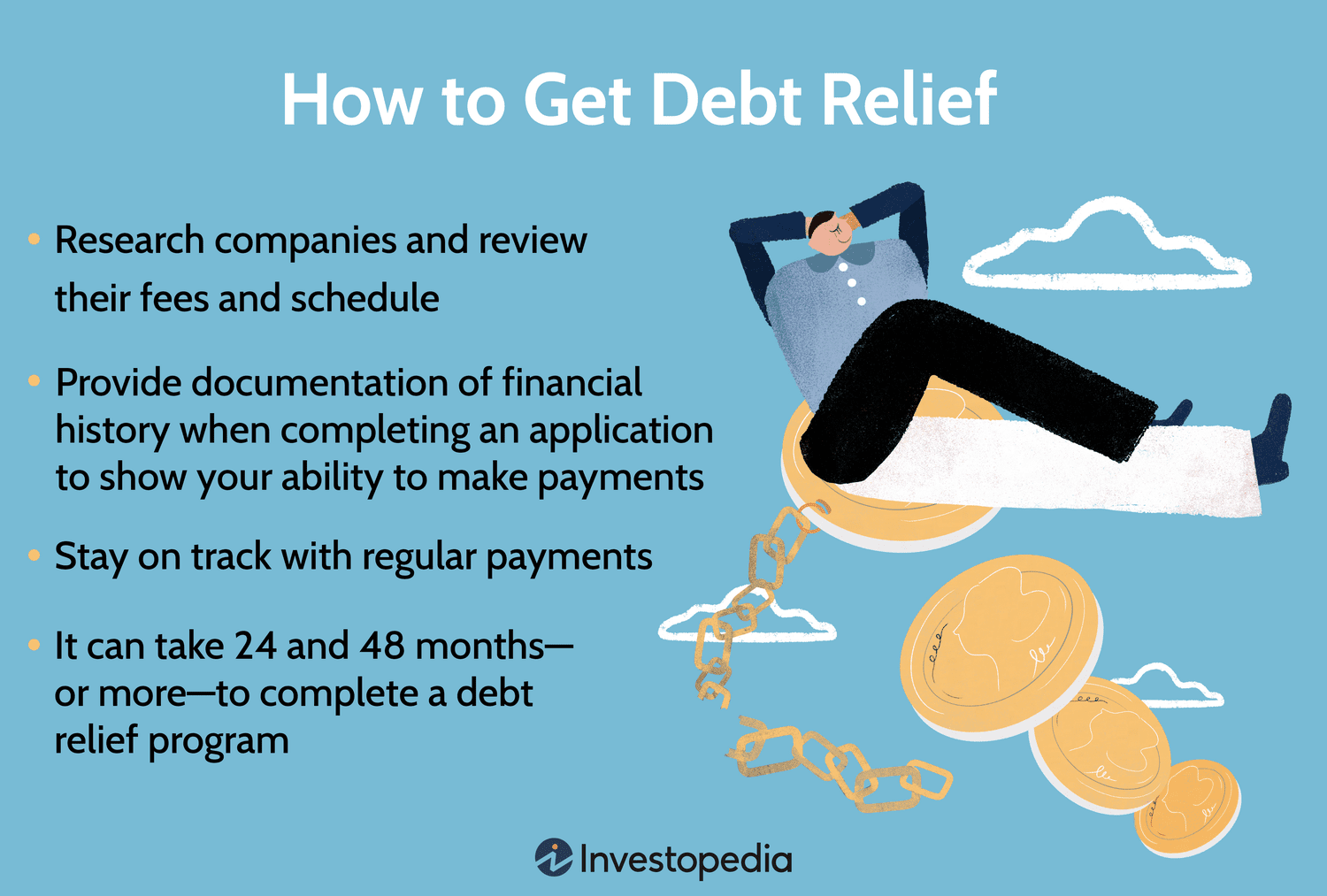
    Credit: www.investopedia.com

    Frequently Asked Questions

    What Is Debt Relief?

    Debt relief involves reducing or eliminating debt for individuals or businesses, often through settlement or consolidation.

    How Can I Qualify For Debt Relief?

    You typically qualify by proving financial hardship, such as unemployment or medical expenses, affecting your ability to repay.

    What Are The Types Of Debt Relief?

    Common types include debt consolidation, settlement, credit counseling, and bankruptcy.

    Is Debt Relief A Good Option?

    Debt relief can be beneficial if you’re struggling to manage debt and need help to avoid bankruptcy.

    Conclusion

    Getting debt relief is possible. It takes time and effort. But, the benefits are worth it. Follow the steps in this article to start your journey to debt relief.

    Frequently Asked Questions (FAQs)

    What Is The Best Way To Get Out Of Debt?

    The best way to get out of debt is to make a plan. Start by creating a budget. Cut unnecessary expenses. Increase your income if possible. Pay more than the minimum on your debts.

    How Can I Get Help With My Debt?

    You can get help from a credit counselor. They can give you advice and help you make a plan. You can also talk to your creditors and ask for lower payments.

    What Is Debt Consolidation?

    Debt consolidation is when you combine all your debts into one. This can make it easier to manage your payments. You might also get a lower interest rate.

    What Is The Debt Snowball Method?

    The debt snowball method is a way to pay off debt. You start with the smallest debt first. Pay it off as quickly as you can. Then move on to the next smallest debt.

    Why Is It Important To Get Debt Relief?

    Getting debt relief is important because it reduces stress. It can improve your credit score. You will have more money for savings. It also gives you better financial security.

  • What are the Negative Impacts of Debt Relief?

    What are the Negative Impacts of Debt Relief?

    Negative Impacts of Debt Relief

    Debt relief is a way to help people who owe a lot of money. It can be helpful, but it also has some negative impacts. In this article, we will explore these negative impacts.

    What is Debt Relief?

    Debt relief means reducing or forgiving the debt someone owes. It can be done by lowering the interest rate or the amount owed. It can also mean giving more time to pay back the debt.

    What are the Negative Impacts of Debt Relief?

    Credit: www.transunion.com

    Types of Debt Relief

    • Debt Settlement: This means paying less than what you owe.
    • Debt Consolidation: This means combining all your debts into one loan.
    • Bankruptcy: This means legally saying you cannot pay your debts.

    Negative Impacts on Personal Finances

    1. Lower Credit Score

    Debt relief can hurt your credit score. A lower credit score means it is harder to borrow money in the future.

    2. Additional Fees

    Debt relief programs may charge extra fees. These fees can add up and make your debt even bigger.

    3. Tax Consequences

    Sometimes, forgiven debt is considered income. This means you might have to pay taxes on the forgiven amount.

    4. Limited Access To Credit

    After using debt relief, you might find it hard to get new loans. Lenders may see you as a risky borrower.

    5. Continued Financial Struggles

    Debt relief does not teach better money habits. Without learning these habits, you might get into debt again.

    Negative Impacts on the Economy

    1. Reduced Lending

    When people use debt relief, lenders lose money. This can make lenders less willing to give out new loans.

    2. Higher Interest Rates

    To make up for losses, lenders might raise interest rates. This makes borrowing more expensive for everyone.

    3. Moral Hazard

    Debt relief can encourage risky behavior. If people think their debts will be forgiven, they might borrow more carelessly.

    4. Impact On Financial Institutions

    Debt relief can hurt banks and other financial institutions. If they lose too much money, it can cause problems for the whole economy.

    Long-Term Consequences

    1. Loss Of Assets

    Sometimes, debt relief requires you to sell assets. This can mean losing your home or car.

    2. Emotional Stress

    Dealing with debt and debt relief can be very stressful. This stress can affect your mental health.

    3. Relationships

    Money problems can strain relationships. Debt relief can cause arguments with family and friends.

    4. Career Impact

    Some employers check credit scores. A low credit score can hurt your chances of getting a job.

    Alternatives to Debt Relief

    1. Budgeting

    Creating a budget can help you manage your money better. It can help you avoid getting into debt.

    2. Financial Counseling

    A financial counselor can give you advice. They can help you make a plan to pay off your debt.

    3. Savings

    Building up savings can help you avoid debt. Even a small emergency fund can make a big difference.

    4. Debt Management Plan

    A debt management plan can help you pay off your debt. It involves making regular payments over time.

    Frequently Asked Questions

    What Are The Risks Of Debt Relief?

    Debt relief can damage credit scores and future borrowing capacity.

    Can Debt Relief Lead To More Debt?

    Yes, improper debt management post-relief can result in accumulating new debt.

    Is Debt Relief Expensive?

    Debt relief programs often come with high fees and hidden costs.

    Does Debt Relief Affect Your Credit Score?

    Debt relief can significantly lower your credit score.

    Conclusion

    Debt relief can provide temporary help. But it also has many negative impacts. It can hurt your credit score, add fees, and cause tax issues. It can also impact the economy by reducing lending and raising interest rates. Before choosing debt relief, consider other options like budgeting and financial counseling.

    What are the Negative Impacts of Debt Relief?

    Credit: www.thebalancemoney.com

    Frequently Asked Questions (FAQ)

    Question Answer
    What is debt relief? Debt relief means reducing or forgiving the debt someone owes.
    How can debt relief hurt my credit score? Debt relief can be reported to credit agencies, lowering your score.
    Are there fees with debt relief programs? Yes, many programs charge extra fees that can add up.
    Can debt relief affect my taxes? Yes, forgiven debt is sometimes considered income and taxed.
    What are alternatives to debt relief? Alternatives include budgeting, financial counseling, and savings.