Venture capitalists (VCs) are individuals or firms that invest in high-growth, early-stage businesses. VCs typically invest in companies that have the potential to generate large returns and are too risky for traditional financing sources.
There are a number of factors that VCs consider when selecting companies to invest in.
These include the company’s business model, competitive landscape, management team, and financial projections. The VCs also assess the market opportunity and the company’s ability to execute its business plan. Ultimately, the decision comes down to whether the VC believes there is a good chance of achieving a high return on investment.
There are a number of factors that venture capitalists take into account when selecting companies to invest in. Some of the more important considerations include the team behind the business, the market opportunity, and the potential for growth.
The team is critical because they will be responsible for executing on the business plan.
The venture capitalist needs to believe that the team has the skills and experience necessary to succeed. They also need to be confident that the team is committed to making the business a success.
The market opportunity is important because it will determine how large the potential market is for the product or service.
The larger the market, the more potential there is for growth. The venture capitalist also needs to believe that there is a realistic chance of capturing a significant portion of that market.
Finally,the potential for growth is essential.
The venture capitalist wants to see evidence that there is a clear path to achieving significant scale. This could include things like a strong sales pipeline or partnerships with other businesses in complementary industries.
The Most Important Thing a Venture Capitalist seeks
Venture capitalists are looking for a number of things when they invest in a company. They want to see a strong management team, a well-defined business model, and a product or service that has the potential to be profitable. They also want to see evidence that the company has a solid plan for growth and is capable of executing on that plan. Here are 10 factors to explain what venture capitalists look for in a company:
Market Potential: Venture capitalists look for companies with a large market opportunity that can generate significant revenue and growth. For example, a company operating in a rapidly growing market such as technology or healthcare would be more attractive to a VC.
Unique Value Proposition: Companies that have a unique and differentiated product or service offering have a higher chance of attracting VC attention. For example, a company that has developed a new technology to solve a pressing problem in the market would be highly valued by VCs.
Experienced Team: A strong and experienced management team is crucial to the success of a startup. Venture capitalists want to see that the team has the skills, expertise, and experience to execute the company’s business plan. For example, a startup with a CEO who has a successful track record in the industry would be more attractive to VCs.
Traction: Evidence of market traction, such as customer acquisition and revenue growth, is a key factor in attracting VC investment. For example, a company that has demonstrated steady growth in revenue and has a large customer base would be more attractive to VCs.
Scalability: Venture capitalists want to see that a company has the potential to scale its business to reach a large market. For example, a company with a software platform that can be easily scaled to meet growing customer demand would be more attractive to VCs.
Competitive Advantage: Companies with a strong competitive advantage, such as patented technology or a proprietary product, are more likely to attract VC investment. For example, a company that has developed a unique product with no competitors would be more attractive to VCs.
Financial Projections: Venture capitalists want to see a solid financial plan with realistic projections for revenue and growth. For example, a company with a detailed financial model that shows how it will achieve its goals would be more attractive to VCs.
Exit Potential: Venture capitalists want to see a clear path to an exit, such as an initial public offering (IPO) or acquisition, that will provide a return on their investment. For example, a company with a clear plan for an IPO or acquisition would be more attractive to VCs.
Alignment of Interests: Venture capitalists want to see that the interests of the company and its founders are aligned with their own. For example, a company with founders who are willing to give up some equity for the benefit of the company and its investors would be more attractive to VCs.
Industry Trends: Companies operating in industries with favorable trends and growth potential are more likely to attract VC investment. For example, a company operating in the renewable energy sector, which is growing rapidly, would be more attractive to VCs.
In addition, they need to believe that the team has what it takes to scale the business and create value for shareholders over the long term.
Credit: www.ey.com
Type of Companies Venture Capitalists Invest In?
Venture capitalists typically invest in companies that are in a high-growth phase. These companies usually have a new product or service that has potential for large-scale success. They may also be working on a new technology that has the potential to disrupt an existing market.
VCs typically look for companies with a strong management team, a clear vision for the future, and a track record of successful execution. They also tend to invest in companies that are located in Silicon Valley or other tech hubs, as these regions tend to be more supportive of startups.
So, to sum up, venture capitalists typically invest in high-growth companies that have disruptive potential, strong management teams, and a clear vision for the future.
Why are Venture Capitalists Selective in the Investment?
Venture capitalists are typically very selective in deciding while doing the investment for a number of reasons. First, they want to ensure that their money is going into a company with a good chance of success. Second, they want to minimize their risk by investing in companies that have a strong management team and a solid business plan.
Finally, venture capitalists often invest in companies that are located in areas with high growth potential.
How a VC Invests in a Company?
Assuming you are asking how a Venture Capitalist (VC) firm invests in a company:
A VC firm will first conduct due diligence on a company to assess its investment potential. This includes reviewing the company’s business model, evaluating the management team, and understanding the competitive landscape.
If the VC firm believes there is potential for growth, they will then negotiate with the company on an investment amount and equity stake.
The size of the investment from a VC firm can range from a few hundred thousand dollars to tens of millions, depending on the stage of the company (seed, early-stage, late-stage) and perceived risk. In exchange for their investment, VC firms typically receive preferred shares which entitles them to higher returns in case of an exit event such as an IPO or acquisition.
It’s important to note that not all companies that raise money from VC firms are successful – some companies may never generate enough revenue to become profitable and may ultimately have to shut down. However, for those that do become successful, VC investments can provide significant returns.
How Do Venture Capitalists Invest in Startups?
Venture capitalists (VCs) are investors who provide capital to startup companies and small businesses that are believed to have high growth potential. VCs typically invest in companies that are in their early stages of development, when the risk of failure is highest but the potential for reward is also greatest.
VCs look for startups with a strong team of founders, a novel and scalable business idea, and a clear path to market.
They also prefer companies that are located in Silicon Valley or other entrepreneurial hotbeds, as these regions tend to have the most successful startups.
Once a VC firm decides to invest in a startup, they will typically provide the company with seed money, which is used to finance the early stages of product development and market testing. The amount of seed money can vary greatly depending on the perceived riskiness of the venture.
If a startup shows promise, VC firms will often follow up with additional rounds of funding (known as Series A and Series B financing). These later rounds usually involve larger sums of money and give VC firms greater control over the direction of the company.
Ultimately, VCs hope to make a profit by selling their stakes in the startup either through an initial public offering (IPO) or by selling them to another company.
They may also choose to hold onto their investments for longer periods if they believe the company has long-term potential.
Conclusion
Venture capitalists are looking for companies that have the potential to grow quickly and generate a lot of revenue. They want to invest in companies that are innovative and have a strong management team. They also look at the market opportunity and the competitive landscape.
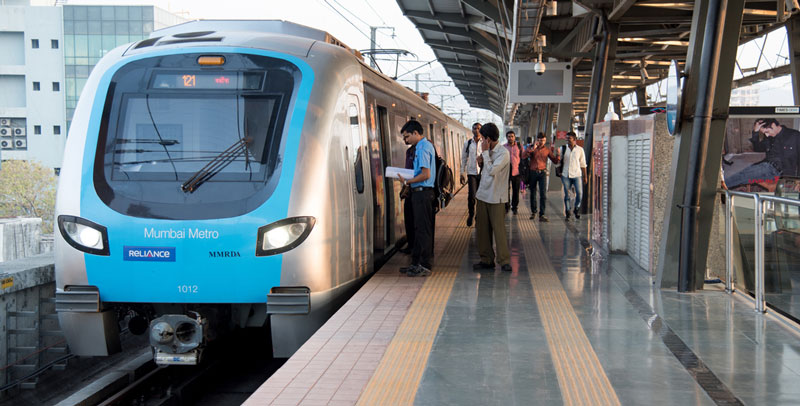
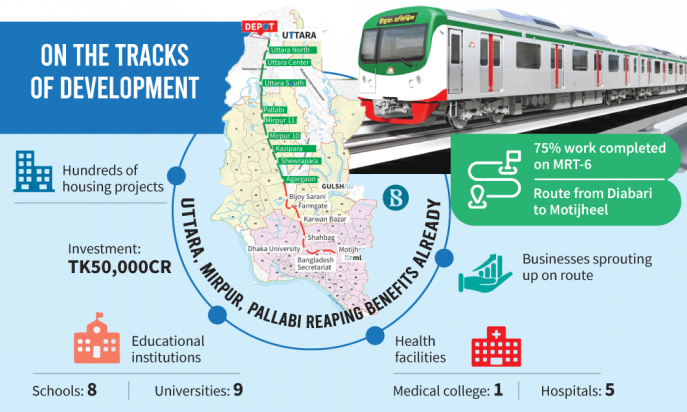
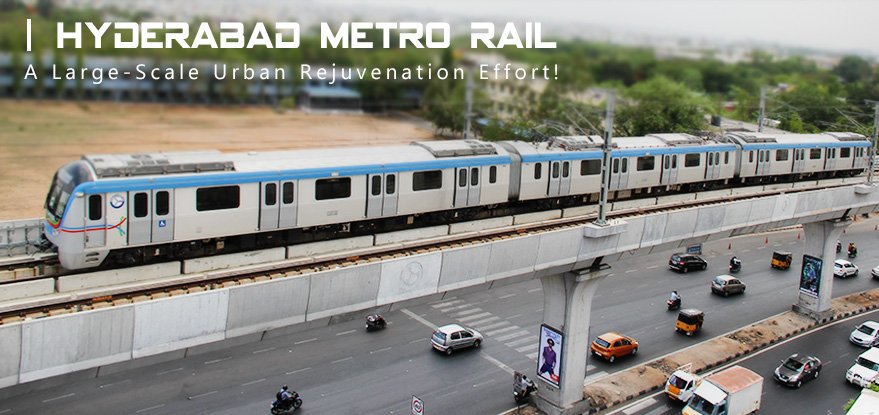
Metro rail is important for the development of an area because it provides efficient and reliable transportation, which can help to reduce traffic congestion and pollution. In addition, metro rail can also help to boost economic activity by providing access to jobs, shopping, and entertainment.
The development of an area is essential for the economy and Metro Rail is one of the most important factors in this process. By providing fast, reliable transportation, Metro Rail makes it possible for people to live in one area and work in another. This increases the number of potential customers for businesses, which leads to more jobs and economic growth.
In addition, Metro Rail helps to reduce traffic congestion and pollution, making it a sustainable form of transportation that benefits both the environment and public health.
How Metro Rail Develops an Area?
Metro rail systems can have a significant impact on the development of an area by providing reliable and efficient transportation that encourages economic growth and development. Here are a few ways in which a metro rail system can affect the development of an area:
Improved access to employment and education: A metro rail system can provide access to job centers and educational institutions, making it easier for people to commute to work or school. This can help to attract and retain workers and students, boosting the local economy.
Increased property values: The presence of a metro rail system can increase the value of real estate in the area, as it makes the location more desirable and convenient for commuters. This can lead to an increase in property values and contribute to the overall economic development of the region.
Redevelopment of underutilized areas: A metro rail system can stimulate the redevelopment of underutilized or derelict areas by making them more accessible and attractive to businesses and residents. This can lead to the revitalization of neighborhoods and the creation of new job opportunities.
Enhanced quality of life: A metro rail system can improve the quality of life in an area by reducing traffic congestion and air pollution, and providing a safe and convenient alternative to driving. This can make the area more appealing to residents and visitors.
One way in which metro rail can contribute to the development of an area is by providing a reliable and efficient means of transportation for residents and visitors. This can make it easier for people to access employment, education, and other opportunities within the city, and may encourage economic growth and development.
Metro rail systems can also stimulate real estate development and property values in the areas they serve. The presence of a convenient and reliable transportation option can make an area more attractive to businesses and residents, which can lead to increased demand for commercial and residential properties.
In addition, metro rail systems can help to reduce traffic congestion and improve air quality by providing an alternative to car travel. This can make an area more livable and attractive to potential residents and businesses.
Finally, metro rail systems can serve as a catalyst for urban redevelopment and revitalization. The construction of a metro rail line can stimulate investment and development in underutilized or underserved areas, leading to the creation of new jobs, businesses, and housing opportunities.
What Makes the Metro System More Sustainable?
The Metro system is one of the most important pieces of infrastructure in any city. It is a lifeline for many people who rely on it to get around, and it plays a vital role in the economy. However, the Metro system is not without its problems.
One of the biggest challenges facing the Metro system is sustainability.
There are a number of factors that contribute to the unsustainable nature of the Metro system. First, the Metro system is very energy intensive.
The trains require a lot of electricity to operate, and this electricity often comes from dirty power sources such as coal-fired power plants. Second, the Metro system produces a significant amount of waste. Each day, there are tons of garbage and recyclables that are generated by the trains and stations.
This waste often ends up in landfills or incinerators, which are two of the least sustainable methods for dealing with waste.
So what can be done to make the Metro system more sustainable? One solution that has been proposed is to switch to cleaner power sources for the trains.
This would involve investing in renewable energy sources such as solar and wind power, which would significantly reduce the carbon footprint of the Metro system. Another solution is to improve waste management practices at all levels of theMetro system. This could involve things like increasing recycling and composting rates, as well as working with businesses alongthe train routes to reduce packaging and other forms o f waste .
Implementing these solutions would go a long way towards makingtheMetro sys tem more sus tainable .
Credit: blogs.adb.org
Why Metro Rail is Important?
A metro rail, also called a rapid transit or subway system, is an important part of a city’s public transportation infrastructure. Metro rails can help to reduce traffic congestion and pollution, and they can also offer a fast and convenient way to get around a city. In many cases, metro rails are faster and more efficient than buses or cars.
There are many reasons why metro rail is important. First, metro rail can help to reduce traffic congestion in a city. By providing an alternative to driving, metro rail can take some of the pressure off of a city’s roads.
This can lead to shorter commute times and less time spent sitting in traffic. Second, metro rail can help to reduce pollution levels in a city. Buses and cars emit pollutants into the air, but trains run on electricity, which is much cleaner for the environment.
Third, metro rail offers a fast and convenient way to get around a city. In many cases, it is faster than taking a bus or driving because there is no need to deal with traffic congestion.
Are Metros Good for the Environment?
As the world becomes more and more populated, cities are struggling to find ways to accommodate all of the people while still maintaining a livable environment. This has led to the rise in popularity of public transportation, specifically subways and metros. But are these really good for the environment?
The short answer is: yes, metros are good for the environment. In fact, they’re one of the best options for reducing your carbon footprint. Public transportation generally requires less energy per passenger than either private cars or buses, and metros have an even better track record.
One study found that a single subway train can move 4 times as many people as a bus and emits only 1/10th of the pollution [1]. That’s because trains are much more efficient than buses – they don’t have to start and stop as often, so they use less fuel overall. And since metros typically run on electricity (which can be generated from renewable sources), their emissions are even lower.
Of course, not all public transportation is created equal – some systems are better than others at reducing pollution. For example, light rail systems (like San Francisco’s BART) tend to be even cleaner than subways because they use less energy per passenger mile [2]. So if you have the option to take light rail instead of a subway or bus, it’s probably your best bet for reducing your carbon footprint.
Why is Metro Needed for Big Cities?
The need for a metro in big cities is dictated by the simple fact that these cities are teeming with people. A metro provides an efficient way to move large numbers of people around a city, which is essential in bustling metropolises. By having a dedicated underground transportation system, a city can avoid the gridlock and pollution that comes with relying too heavily on cars and buses.
Moreover, a well-designed metro can help to spur economic development by making it easier for people to get to job centers, businesses, and cultural attractions. Big cities need metro systems in order to function at their best.
Conclusion
A metro rail system can play a key role in the development of an area by improving access to employment, education, and other amenities, and by stimulating economic growth and redevelopment.
The blog post discusses how metro rail is important for the development of an area. It cites several reasons why this is the case, including that metro rail can spur economic growth, improve quality of life, and increase accessibility. The post also notes that while metro rail projects can be costly and require significant planning, they can ultimately pay off for cities and communities.
Disadvantages of metro rail include high construction costs and limited accessibility, inflexibility, and difficulty for people with disabilities to access it.
Also, it is expensive to build and maintain, and it can be disruptive to neighborhoods during construction. Additionally, metro rail can be less reliable than other modes of transportation during bad weather or mechanical problems.
However, Despite these drawbacks, metro rail can offer efficient transportation options for urban areas, reducing traffic congestion and carbon emissions. However, careful planning and consideration of these disadvantages are essential to ensure that metro rail systems are implemented in a way that maximizes benefits and minimizes drawbacks for all users.
Credit: twitter.com
What are the Disadvantages of Metro Rail?
Cost: Building and maintaining a metro rail system can be expensive, particularly in the initial stages of construction and development. This can be a significant disadvantage for cities or countries that may not have the financial resources to support such a project.
Displacement: In some cases, the construction of a metro rail system may require the acquisition of land or the demolition of buildings, which can lead to displacement of residents or businesses. This can be a controversial issue and may lead to social or political opposition to the project.
Noise pollution: Metro trains can be noisy, particularly when they are running underground or in close proximity to residential areas. This can be a source of noise pollution and may be a nuisance for people living or working near the tracks.
Vibration: Metro trains can also cause vibration when they are running, which can be a problem for buildings or structures located near the tracks. This can lead to structural damage or other issues that may need to be addressed.
Limited coverage: Metro rail systems typically only cover certain parts of a city, and they may not reach all destinations. This can be a disadvantage for people who live or work in areas that are not serviced by the metro, as they may have to rely on other modes of transportation.
Limited hours of operation: Metro rail systems often have limited hours of operation, and they may not run late at night or on weekends. This can be a disadvantage for people who need to travel outside of normal operating hours.
Limited access for people with disabilities: Metro rail systems may not be fully accessible for people with disabilities, particularly if the stations or trains are not equipped with features such as elevators or wheelchair ramps.
Crime: Metro rail systems can be vulnerable to crime, particularly if they are not well-staffed or well-lit. This can be a concern for passengers who may feel unsafe using the system.
Delays and disruptions: Metro rail systems may experience delays or disruptions due to maintenance, repairs, or other issues. This can be a inconvenience for passengers and may impact their travel plans.
Limited flexibility: Metro rail systems are typically fixed systems that follow a predetermined route and schedule. This can be a disadvantage for people who need to travel to destinations that are not serviced by the metro or who need to make last-minute changes to their travel plans.
In some cases, bad weather can cause disruptions to train services due to flooding or snowfall on tracks . This can lead to delays and cancellations, which can be frustrating for passengers. Thanks to the authority that MRT in Bangladesh is elevated to avoid such disruptions.
Finally, metro rail systems can be inflexible and may not be able to accommodate sudden changes in demand or unexpected events. For example, if there is a major sporting event or concert taking place in a city, the metro rail system may not be able to handle the increased passenger volume. This can lead to delays and overcrowding, which can be frustrating for riders.
The above list shows the major disadvantages of metro rail in short. We will explore more deep insights below for every possible relevant case. So, let’s dig it down.
High Costs And Investments
Metro rail systems are praised for their ability to provide efficient and environmentally friendly public transportation options in urban areas. However, like any infrastructure project, there are also disadvantages that need to be considered. One significant drawback of metro rail systems is the high costs and investments associated with them.
Let’s explore some key points under this subheading:
Financial Burden On Governments And Taxpayers
The construction and maintenance of metro rail systems require substantial financial resources, often placing a significant burden on governments and taxpayers.
Governments have to allocate a considerable portion of their budget to fund these projects, diverting funds from other essential areas such as education, healthcare, and social welfare.
Taxpayers may experience higher taxes or fees as a result of the financial demands of metro rail systems. This can lead to public dissatisfaction and potential backlash against the government’s decision to invest in such projects.
Expensive Construction And Maintenance
The construction of metro rail systems involves complex engineering and extensive infrastructure development, making it a costly endeavor.
Land acquisition, tunneling, and station construction are just some of the expensive components involved in building a metro rail system.
Additionally, regular maintenance is necessary to keep the system running smoothly and ensure passenger safety. This ongoing upkeep requires substantial financial resources that can strain budgetary allocations.
Limited Funding For Other Infrastructure Projects
The high costs associated with metro rail systems can lead to limited funding for other infrastructure projects, creating a potential imbalance in urban development.
Governments must prioritize metro rail projects, possibly at the expense of investing in other critical transportation or social infrastructure needs.
This limited funding can impede progress in areas such as road and bridge repairs, airport expansions, or the development of new healthcare facilities, negatively impacting a city’s overall growth and well-being.
While metro rail systems provide numerous benefits, it’s essential to acknowledge the high costs and investments associated with them. The financial burden on governments and taxpayers, expensive construction and maintenance, and limited funding for other infrastructure projects are all potential disadvantages that need to be considered when evaluating the feasibility of implementing a metro rail system.
Limited Coverage And Accessibility
Lack Of Extensive Network Coverage
The metro rail system undoubtedly has its advantages as a means of transportation, but it also comes with certain limitations that need to be addressed. One of the major disadvantages is the lack of extensive network coverage, which restricts its accessibility for a significant portion of the population.
Below are the key points to consider:
Limited geographical coverage: Metro rail systems are usually designed to serve urban areas, focusing on densely populated regions. As a result, they often fail to extend their network to suburban and rural areas. This limitation poses a challenge for residents living outside the city center who may heavily rely on other modes of transportation.
Inadequate connectivity: In some cities, the metro rail system may fail to provide seamless connectivity across different parts of the city. This can lead to inconvenience and a significant inconvenience for commuters who need to travel to areas not covered by the system. Lack of connectivity hampers the overall efficiency and effectiveness of the metro rail network.
Inconvenience For Residents In Suburban And Rural Areas
Metro rail systems are often confined to urban areas, leaving residents in suburban and rural areas with limited access to this mode of transportation. This creates a set of challenges and inconveniences that need to be highlighted:
Dependency on alternative modes of transportation: In the absence of a well-developed metro rail network, residents of suburban and rural areas heavily rely on other modes of transportation, such as cars or buses. This dependency can result in increased congestion on roads and longer commuting times.
Higher costs: With limited access to metro rail, residents in suburban and rural areas are compelled to bear the higher costs associated with owning and maintaining private vehicles. This can be financially burdensome, especially for low-income households.
Limited Access For People With Disabilities
While metro rail systems aim to provide convenient transportation options for all, they often fall short in terms of accessibility for people with disabilities. Here are the key points to consider:
Inadequate infrastructure: Metro rail stations may lack appropriate infrastructure to cater to the needs of people with disabilities, such as elevators or ramps. This can make it extremely challenging or even impossible for individuals with mobility impairments to access the platforms and trains.
Lack of assistance: The absence of dedicated assistance services, such as trained staff or accessibility features, can further exacerbate the difficulties faced by people with disabilities. This limited access hinders their ability to travel independently and hampers their overall mobility.
The limited coverage and accessibility of metro rail systems is an ongoing challenge that needs to be addressed. Expanding the network to suburban and rural areas, improving connectivity, and prioritizing accessibility for people with disabilities will go a long way in making metro rail a more viable and inclusive mode of transportation.
Congestion During Peak Hours
Overcrowding In Trains And Stations
Metro rail systems are often plagued by overcrowding during peak hours, which can be a major disadvantage for commuters. The sheer volume of passengers in trains and stations can lead to a number of issues, including:
Limited space: As more and more people use the metro during rush hours, trains and stations can become extremely crowded. This can make it difficult for passengers to find a comfortable spot or even move around freely.
Physical discomfort: Overcrowding on trains can result in discomfort for passengers, with tight spaces and lack of seating becoming major concerns. Commuters often have to stand for long durations, leading to fatigue and physical strain.
Safety risks: When trains and stations become excessively overcrowded, safety risks escalate. Pushing, shoving, and accidental falls can occur due to the sheer number of people trying to squeeze in and out of the train cars or stations.
Increased stress levels: Being surrounded by a large number of people in confined spaces can be overwhelming and stressful for many commuters. The noise, lack of personal space, and constant jostling can add to the already stressful experience of traveling during peak hours.
Increased Waiting Times Due To High Passenger Demand
With overcrowding comes increased waiting times, as metro systems struggle to cater to the high demand during peak hours. This can have several implications for commuters, such as:
Longer queues: As more passengers flood the metro stations, the queues for ticket purchase, security checks, and boarding tend to get longer. This can lead to delays in reaching the platform and boarding the train.
Train frequency issues: Metro systems often struggle to maintain the desired frequency of train services during peak hours, resulting in longer gaps between trains. This means passengers may have to wait longer for their train to arrive, further worsening the commuting experience.
Limited capacity: Overcrowded trains may have limited space available for boarding, which can cause delays as passengers wait for the next train or try to squeeze into an already packed carriage. This can lead to frustration and further delays in the overall journey.
Missed connections: Increased waiting times can also impact the ability to make timely connections with other transportation modes. For commuters relying on synchronized transfers, longer waiting times can disrupt their travel plans and result in additional delays.
Difficulty In Finding Parking Space Near Metro Stations
One significant disadvantage of metro rail systems is the challenge of finding parking spaces near stations. This issue arises when commuters choose to drive to the metro station instead of using other modes of transport. The difficulties in finding parking space can lead to:
Time constraints: Limited parking spaces mean that commuters may spend significant time searching for an available spot. This can cause delays and may result in missing the desired train.
Increased expenses: Some metro systems charge parking fees, which can add to the overall cost of commuting. Additionally, additional expenses may include gas consumption and wear and tear on the vehicle due to extended driving distances.
Environmental concerns: The lack of parking spaces forces some commuters to park their vehicles in unauthorized areas, such as no-parking zones or residential streets. This can lead to congestion, violations, and environmental issues, as well as inconvenience for residents in those areas.
Congestion during peak hours is a genuine concern when it comes to metro rail systems. Overcrowding in trains and stations, increased waiting times due to high passenger demand, and difficulty in finding parking spaces near metro stations are significant disadvantages that can impact the overall commuting experience.
It is important for metro authorities to address these issues to ensure a smoother and more efficient transportation system.
Disruption Of Surface Transportation
Disadvantages Of Metro Rail: Disruption Of Surface Transportation
Traffic Congestion Caused By Construction Activities
Construction activities related to metro rail projects can often lead to significant traffic congestion in the affected areas. Here are some key points to consider:
Closure of lanes: During the construction phase, it becomes necessary to close lanes for the safety of workers and the public. This closure can result in reduced road capacity and increased traffic congestion.
Detours and diversions: Construction work may require the implementation of detours and diversions, which can cause confusion and inconvenience for commuters who are unfamiliar with the area.
Delays and longer travel times: The disruptions caused by construction activities can lead to delays and longer travel times for those using the impacted roads. This can be particularly frustrating during peak hours.
Diversion Of Resources From Improving Road Infrastructure
One of the main drawbacks of metro rail projects is the diversion of resources from improving existing road infrastructure. Consider the following:
Limited budget allocation: Developing and maintaining metro rail systems often requires a significant investment of funds. This can result in a reduction of available resources for road repairs and upgrades.
Neglected road maintenance: When resources are redirected to metro rail projects, road maintenance activities may take a back seat. This neglect can lead to deteriorating road conditions and increased hazards for drivers.
Inequality in investment: Metro rail projects tend to receive more attention and funding compared to road infrastructure. This imbalance can create disparities in transportation options, particularly in areas that rely heavily on surface transportation.
Increased Air And Noise Pollution During Construction
The construction phase of metro rail projects can contribute to heightened air and noise pollution in the surrounding areas. Here are some notable points:
Dust and emissions: Construction activities often generate dust and emissions from machinery, leading to poor air quality. This can have detrimental effects on the health of nearby residents and workers.
Noise disturbances: Construction work involving heavy machinery and excavation can produce loud noises, causing disruptions for both residents and businesses in the vicinity.
Environmental impacts: The increase in air and noise pollution during construction can have adverse effects on the local environment, including wildlife habitat disruption and possible contamination of water bodies.
While metro rail systems offer a range of benefits, it is essential to consider the potential disadvantages they bring, especially regarding the disruption of surface transportation. The traffic congestion caused by construction activities, diversion of resources from road infrastructure improvement, and increased air and noise pollution during construction are all significant aspects that need to be carefully managed and mitigated to ensure a balanced and sustainable transportation network.
Dependency On Fixed Routes
Disadvantages Of Metro Rail: Dependency On Fixed Routes
Metro rail systems are a popular mode of transportation in many cities, providing a convenient and efficient way to travel. However, it is important to consider the disadvantages that come with relying on this fixed-route system.
Inflexibility In Meeting Dynamic Transportation Demands
Limited route options: Metro rail systems typically have a predetermined set of routes, which often fail to address the diverse transportation needs of a city or region.
Lack of adaptability: Changes in population density, traffic patterns, and urban development can render metro rail routes ineffective in meeting evolving transportation demands.
Inconvenience for non-centralized areas: Metro rail systems are often designed to serve densely populated urban areas, leaving out suburban or rural regions. Commuters residing in these areas face inconvenience due to limited connectivity options.
Difficulty in accommodating off-peak hours: Metro rail services are primarily tailored to peak commuting hours, making it inconvenient for individuals who work unconventional hours or wish to travel during non-peak times.
Inconvenience When Traveling To Destinations Not Served By Metro
Restricted access to specific locations: Metro rail networks may not extend to all parts of a city, limiting accessibility to certain destinations such as airports, universities, or industrial areas.
Lengthy transfer processes: Travelers often have to combine metro rides with bus or taxi services to reach their final destination, leading to longer travel times and increased hassle.
Inconsistent connectivity: Metro rail lines may not seamlessly connect with other modes of transportation, resulting in gaps in the overall transportation network.
Lack Of Alternative Routes During Emergencies Or System Failures
Vulnerability to disruptions: Metro rail systems are susceptible to technical glitches, power outages, or maintenance issues, causing delays and service interruptions.
Absence of alternative transportation options: When metro services are halted, commuters may face difficulties finding immediate alternative routes, potentially leading to missed appointments or delays.
Limited options for emergency evacuation: In cases of natural disasters or emergencies, metro rail systems may not be able to provide adequate evacuation routes, further compromising passenger safety.
While metro rail systems offer several advantages, it’s important to acknowledge their limitations. The dependency on fixed routes can lead to inflexibility in meeting dynamic transportation demands, inconvenience when traveling to destinations not served by the metro, and a lack of alternative routes during emergencies or system failures.
Cities and transportation authorities should strive to find a balance between metro rail and other modes of transportation to ensure comprehensive and efficient mobility solutions for all residents.
Maintenance And Safety Concerns
Regular Maintenance Causing Service Disruptions
Regular maintenance is a critical aspect of operating a safe and efficient metro rail system. However, it also poses a significant disadvantage as it often leads to service disruptions and inconveniences for commuters. Here are some key points to consider:
Metro rail systems require regular maintenance to ensure the safety and reliability of the infrastructure, tracks, signals, and trains.
Maintenance work often requires partial or complete closures of rail lines, leading to delays and the need for alternative transportation arrangements.
Commuters may have to find alternative routes and modes of transportation during maintenance periods, causing inconvenience and potentially longer travel times.
Service disruptions due to maintenance can be particularly problematic during peak hours, affecting the daily routines of many passengers.
Safety Risks Associated With Railway Accidents Or Incidents
While metro rail systems are designed with safety in mind, accidents and incidents can still occur. It is important to be aware of the potential safety risks involved. Here are some key points to consider:
Railway accidents, though rare, can result in injuries or even fatalities for passengers and employees.
Incidents such as derailments, collisions, or fires can be catastrophic, causing significant damage to both the infrastructure and the lives of those involved.
Safety protocols and emergency response systems are in place to mitigate risks and handle accidents promptly, but there is no guarantee of complete prevention.
Passenger behavior and adherence to safety guidelines play a crucial role in ensuring a secure environment for everyone on board.
Potential For Terrorist Attacks And Security Challenges
Metro rail systems, due to their popularity and the large number of people they transport daily, can be potential targets for terrorist attacks. It is crucial to address the security challenges associated with these transportation networks. Here are some key points to consider:
Terrorist attacks on metro rail systems can cause extensive damage, injuries, and loss of life, impacting both individuals and society as a whole.
Authorities need to implement stringent security measures such as surveillance systems, bag checks, and increased police presence to deter potential attacks.
Balancing security with commuter convenience is a challenge, as strict security measures may result in longer wait times and queues, inconveniencing passengers.
Continuous monitoring and the implementation of intelligence-led security measures are essential to minimize risks and maintain public confidence in the safety of metro rail systems.
Environmental Impact
Metro rail systems have long been praised for their ability to ease traffic congestion and promote sustainable transportation. However, it’s important to acknowledge that there are also disadvantages associated with these systems. One significant area of concern is the environmental impact of metro rail.
This article will explore the various ways in which metro rail systems can negatively affect the environment.
Energy And Resource Consumption During Operations
Metro rail systems require substantial amounts of energy and resources to operate efficiently. Some key points to consider are:
Energy consumption: Metro trains run on electricity, and the massive amount of power needed to keep the trains running contributes to high energy consumption.
Carbon emissions: The energy used to power metro rail systems often relies on non-renewable sources like coal or natural gas. This leads to the generation of greenhouse gas emissions, contributing to air pollution and climate change.
Resource depletion: Building and maintaining metro rail systems requires significant amounts of raw materials such as steel, concrete, and other construction materials. The extraction and manufacturing processes associated with these materials can deplete natural resources and cause environmental degradation.
Noise Pollution And Vibrations Affecting Nearby Communities
Metro rail operations can also have a negative impact on nearby communities due to noise pollution and vibrations. Key points to consider include:
Noise pollution: The operation of metro trains generates noise levels that can be disruptive to nearby residents. The constant rumbling and screeching of trains can cause annoyance, disturbed sleep, and stress.
Vibrations: The movement of trains along the tracks creates vibrations that can be felt throughout the surrounding area. These vibrations can damage nearby buildings and infrastructure, impacting the quality of life for those residing in the vicinity.
Disruption To Ecosystems During Construction
The construction phase of metro rail systems often involves massive disruptions to existing ecosystems. Some important points to consider are:
Habitat destruction: The construction of metro rail lines often requires clearing out vegetation, which can result in the loss of natural habitats for various forms of wildlife.
Soil erosion: Excavation and earthmoving processes during construction can lead to soil erosion, impacting the stability of surrounding areas and potentially polluting nearby water bodies.
Disruption of waterways: Building tunnels and bridges for metro rail systems can significantly alter the flow of water in rivers, streams, and drainage systems, affecting aquatic ecosystems and causing disturbance to the natural flow of water.
While metro rail systems offer numerous benefits, it is crucial to recognize and address their potential negative impacts on the environment. By understanding these disadvantages, we can work towards finding solutions that minimize the ecological footprint of metro rail systems and promote sustainability in urban transportation.
Frequently Asked Questions
Does Metro Rail Cause Traffic Congestion?
No, metro rail systems actually help to reduce traffic congestion in cities by providing an efficient and convenient mode of transportation. With more people using the metro, there are fewer cars on the road, resulting in reduced traffic jams.
Are Metro Rail Fares Expensive?
While the cost of metro rail fares may vary depending on the location and length of the journey, they are generally affordable and cost-effective compared to other modes of transportation. The convenience and time saved from using the metro often outweigh the expense for many commuters.
Does Metro Rail Have Limited Reach?
Metro rail systems usually have extensive networks that connect various parts of the city, making it convenient for commuters to reach their desired destinations. However, it is important to note that the coverage of metro rail networks may not be evenly distributed across all areas of a city.
Are Metro Rail Stations Overcrowded?
During peak hours, metro rail stations can get crowded as commuters rush to catch trains. However, metro rail authorities have effective crowd management systems in place, and efforts are made to ensure a smooth flow of passengers. Overall, the convenience and efficiency of metro rail outweigh any temporary crowding issues.
Does Metro Rail Take Longer Than Other Modes Of Transport?
Compared to other modes of transportation, such as cars or buses, metro rail systems often provide faster and more reliable travel times, especially during peak hours. The dedicated tracks and fewer stops along the route ensure a quicker journey, making metro rail an attractive option for many commuters.
Are Metro Rail Systems Prone To Breakdowns Or Delays?
While rare, metro rail systems may experience breakdowns or delays due to technical issues or unexpected incidents. However, metro rail authorities have stringent maintenance and operational protocols in place to minimize disruptions and ensure a smooth travel experience for commuters.
Conclusion
Despite the numerous benefits of metro rail systems, they also have some significant drawbacks. One disadvantage is the high cost of construction and maintenance. Building a metro rail system requires significant investment, and the cost can be prohibitive for smaller cities or those with limited resources. Additionally, maintaining a metro rail system can be expensive, as it requires specialized equipment and skilled technicians to keep it running smoothly.
Another disadvantage is the limited coverage area of metro rail systems. While they are efficient for transporting people within a city, they do not reach into suburban or rural areas. This can be a problem for those who live outside the city and need to commute in for work or other purposes.
Overall, while metro rail systems can be a convenient and efficient means of transportation, they also have their fair share of disadvantages that should be considered before making the decision to invest in one.
Capital budgeting is the process of making decisions about investments in long-term assets for a company. The goal of capital budgeting is to find projects that will increase the value of the firm and create shareholder wealth.
There are several methods that can be used in capital budgeting, including net present value, internal rate of return, and payback period.
Each method has its own advantages and disadvantages, so it is important to understand all of them before making any investment decisions.
The most important thing to remember when doing capital budgeting is that future cash flows are estimated and therefore subject to uncertainty. This means that there is always some risk involved in any investment decision, but this risk can be minimized by using careful analysis and sound judgment.
As a business owner, you’re always looking for ways to invest in your company and ensure its long-term success. One of the most important aspects of this is capital budgeting. Capital budgeting is the process of allocating funds for major investments, such as new equipment or facilities.
There are a few different methods you can use to approach capital budgeting. The most common is the payback period method, which looks at how long it will take for an investment to “pay back” its initial cost. Another popular method is the net present value (NPV) method, which takes into account the time value of money when making investment decisions.
Whichever method you choose, capital budgeting is an important tool for ensuring that your business makes smart, profitable investments.
Capital Budgeting
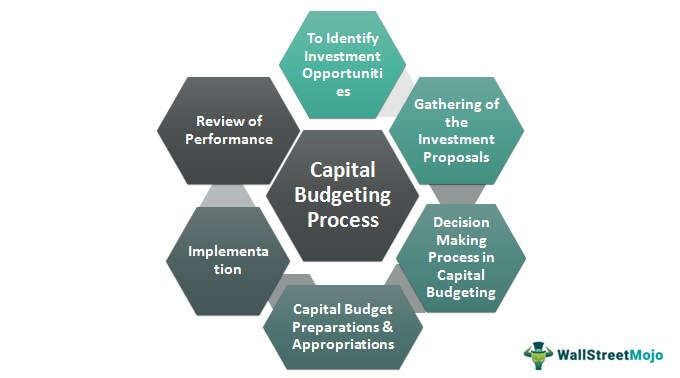
Capital budgeting is a process used by organizations to determine which long-term investments or projects are worth Pursuing. These investments could include things like new facilities, equipment, products, or processes.
The goal of capital budgeting is to ensure that an organization’s limited resources are being used in the most efficient way possible. There are several steps involved in capital budgeting:
1. Defining the project scope and objectives
2. Identifying potential projects
3. estimating the costs and benefits of each project
4. Evaluating the risks associated with each project
5. Selecting the most feasible option
6. Implementing and monitoring the chosen project
7. Reviewing results and modifying plans as necessary
Organizations use different methods to evaluate potential projects and make decisions about which ones to pursue. Some common methods include net present value (NPV), internal rate of return (IRR), payback period, and profitability index (PI). Each method has its own advantages and disadvantages, so it’s important for organizations to choose the one that best fits their needs.
Which method you use will also affect how you calculate your estimates—you’ll need different information if you’re using NPV vs IRR, for example. But in general, you’ll need to consider both financial and non-financial factors when making your calculations.
Credit: www.wallstreetmojo.com
What are the Methods of Capital Budgeting?
There are three methods of capital budgeting: the payback method, the net present value method, and the internal rate of return method.
The payback method is a simple capital budgeting technique that calculates how long it will take for an investment to “pay back” its initial cost. The payback period is determined by dividing the initial investment by the annual cash flows from the project.
One advantage of using payback period is that it’s relatively easy to calculate; however, a major disadvantage is that it doesn’t take into account the time value of money like NPV and IRR do.
The net present value (NPV) method is a more sophisticated capital budgeting technique that takes into account the time value of money. NPV calculations discount future cash flows back to their present value, and then compare this number to the initial investment. If the NPV is positive, then the investment should be accepted; if it is negative, then it should be rejected.
The internal rate of return (IRR) is another popular capital budgeting technique that also takes into account the time value of money. IRR calculations find the interest rate at which an investment’s NPV equals zero – in other words, it’s the “hurdle rate” that an investment must clear in order to be accepted. Like NPV, if an investment’s IRR exceeds its required rate of return, then it should be accepted; if not, it should be rejected.
The advantage of using IRR over other methods is that it takes into account the time value of money by discounting all future cash flows from an investment at a specific interest rate.
What is Capital Budgeting And Types?
There are several different methods that can be used in capital budgeting, each with its own advantages and disadvantages.
Some of the most common methods include net present value, internal rate of return, and payback period. Net present value (NPV) is one of the most popular methods for evaluating capital projects or investments. NPV takes into account the time value of money by discounting all future cash flows from an investment at a specific interest rate.
The NPV method essentially estimates how much an investment is worth today based on its expected future cash flows. The internal rate of return (IRR) method is another common technique for analyzing capital projects or investments. IRR measures the expected percentage return on an investment over its lifetime.
Payback period is another commonly used method for evaluating capital projects or investments. Payback period simply measures how long it will take for an investment to “pay back” its initial cost.
Conclusion
Capital budgeting is a process of allocating resources to long-term investments. The purpose of capital budgeting is to determine whether an investment will generate enough return to justify the initial cost. The decision rule for capital budgeting is simple: if the present value of cash flows from an investment exceeds the cost of that investment, then it should be accepted; if not, it should be rejected.
However, there are many factors that can complicate this decision rule, such as risk and uncertainty. As a result, businesses often use different methods to evaluate investments, such as net present value and internal rate of return.
Yes, Metro trains are sustainable. The company has a long-term plan to make all of its trains electric by 2030. Additionally, the company is working on other sustainability initiatives, such as reducing energy consumption and waste.
The question of whether or not metro trains are sustainable is a complex one. There are many factors to consider, including the environmental impact of the manufacturing process, the fuel used to power the trains, and the overall efficiency of the system.
In terms of manufacturing, it is clear that metro trains are not as sustainable as electric buses or bicycles.
However, they are more sustainable than cars or trucks. The main reason for this is that metro trains are much heavier than other vehicles, so they require more energy and resources to produce.
When it comes to powering the train, electricity is by far the most sustainable option.
Metro trains can be powered by renewable energy sources like solar and wind power, which have little to no negative impact on the environment. Additionally, electric trains produce zero emissions, which is a major benefit over diesel-powered trains.
Finally, we must consider the overall efficiency of metro train systems.
While they may not be perfect, mass transit systems like metros are still significantly more efficient than private vehicles in terms of both energy use and capacity per passenger mile traveled. In other words, even if we assume that metro trains are only slightly more sustainable than other options on an individual basis, their large-scale efficiency gains make them a much more sustainable option overall.
Are Metro Trains Electric
As the name suggests, Metro Trains are electric. They use a third rail system, which means that there is a bar on one side of the track that power flows through to provide electricity to the train. The advantage of this system is that it is very efficient and allows the train to go faster and for longer periods of time without needing to stop.
Are Metro Trains Environmentally Friendly?
The world is becoming more and more aware of the importance of sustainability, and that includes transportation. People are looking for ways to reduce their carbon footprint, and one option is taking the metro. But is it really environmentally friendly?
Here are some things to consider:
-The electricity that powers the metro train comes from a variety of sources, including renewable energy. So while the train itself may be emissions-free, the power source may not be.
-Another thing to consider is the manufacturing process of the metro train. Materials like steel and aluminum have a large carbon footprint because of all the energy required to extract them from the earth and turn them into products.
-And finally, there’s also the issue of waste.
Metro trains generate a lot of waste, including paper tickets, plastic bags, and Styrofoam coffee cups. While some of this waste can be recycled, a lot of it ends up in landfills.
Are Trains Environmentally Sustainable?
The amount of energy required to operate a train depends on many factors, such as the weight of the train, the distance it travels, and the speed at which it moves. However, trains are generally more energy-efficient than other modes of transportation. For example, a typical passenger train requires only 0.6 MJ (megajoules) of energy per passenger-kilometer traveled, while an automobile requires about 2 MJ/p-km.
This means that trains emit less greenhouse gases and other pollutants per person than cars or buses.
In addition to being more energy-efficient than other forms of transportation, trains also have the potential to run on renewable energy sources. For example, some trains in Europe are powered by wind turbines or solar panels.
And in the United States, Amtrak is experimenting with using biodiesel fuel made from soybeans to power its locomotives.
So overall, yes – trains are environmentally sustainable!
What is the Most Sustainable Form of Transport?
There is no definitive answer to this question as sustainability is relative and what works for one person or community might not work for another. That said, some of the most sustainable forms of transport include walking, biking, public transit, and carpooling. These modes of transportation require little to no fossil fuels and emit few if any emissions into the atmosphere.
They are also relatively inexpensive which makes them more accessible to a wider range of people.
How Environmentally Friendly are Trains?
Trains are a very efficient way to move large numbers of people and goods over long distances. They use far less energy per person than cars or planes, and emit much less pollution.
In recent years, many countries have been investing in high-speed rail (HSR) systems.
These can travel at speeds of up to 300 km/h (186 mph), making them much faster than conventional trains. HSR also uses less energy per passenger kilometer than slower trains, making it an even more efficient way to travel.
Some environmental groups have criticized HSR projects, claiming that they often require the construction of new infrastructure which can damage ecosystems.
However, most HSR systems use existing railways which have been upgraded, so the overall impact is usually positive.
Overall, trains are a very environmentally friendly way to travel and are only getting more so as technology improves.
Conclusion
In a world where sustainability is becoming increasingly important, many people are wondering if public transportation is doing its part. In particular, are metro trains sustainable?
The answer is yes!
Metro trains are powered by electricity, which can be generated from renewable sources like solar and wind power. Additionally, metro trains are efficient in terms of energy use, meaning they use less energy per passenger mile than cars or buses.
Not only are metro trains sustainable from an environmental perspective, but they also offer social and economic benefits.
For example, they help to reduce traffic congestion and pollution, while also providing an affordable and convenient form of transportation for millions of people around the world.
There are many advantages of metro rail, including reducing traffic congestion, saving energy, and improving air quality. Metro rail can also help to reduce noise pollution and create jobs. Additionally, metro rail can improve public safety by providing a secure and efficient transportation option.
Metro trains typically run at higher speeds than regular buses or trams, and they make fewer stops, so they can cover longer distances in less time. This makes them ideal for commuting between different parts of a city.
There are many advantages to metro rail, including its efficiency, capacity, and environmental friendliness. Metro rail is a vital part of many cities’ public transportation systems, and its popularity is only increasing. Here are some of the key advantages of metro rail:
Metro Rail Advantages
The Metro Rail is a massive public transportation system that serves the metro area. It includes different rail lines making it one of the most comprehensive rail systems in the country. While the Metro Rail can be a great way to get around cities, there are some advantages that users should be aware of. 1. The Metro Rail is an extremely efficient way to get around cities. It can take passengers from one side of the city to the other in a matter of minutes, which is much faster than driving or taking a bus.
2. The Metro Rail is also very affordable. A single ride only costs only as low as Tk. 20 for the lowest distance in Bangladesh, and there are discounts available for frequent users. This makes it an ideal option for budget-minded commuters.
3. The Metro Rail is convenient for many people who live and work in subarbs. There are different stations spread out across the city, so chances are good that there will be a station near your home or office.
4. The Metro Rail runs frequently, so passengers never have to wait long for a train. Trains arrive every 10 minutes during peak hours and every 20 minutes during off-peak hours.
5 . The Metro Rail is relatively safe compared to other modes of transportation. Metro systems have strict safety standards, so passengers can be sure that they will reach their destination safely.
According to data from 2013 , there were only 0 .24 crimes per million passenger miles on the system . This low rate of crime makes the Metro Rail one of the safest ways to get around LA . There is also a police presence at each station , which furthers enhances safety .
6. They are reliable: Metro trains usually run on schedule, so passengers can count on them to get them where they need to go on time.
7. They are comfortable: Metro trains offer a smoother ride than buses or trams, and they are often air-conditioned, making them more comfortable for passengers during hot summer months.
Why Metro is Better Than Local Train?
There are a few reasons why the metro is usually better than the local train. First, the metro is faster because it makes fewer stops. Second, the metro is typically newer and cleaner than the local train.
Third, the metro is less likely to be delayed or cancelled than the local train. Finally, the metro typically has better security than the local train.
There are several reasons why a metro rail system may be considered better than a local train system:
Speed: Metro trains are typically faster than local trains because they have dedicated tracks that are not shared with other modes of transportation. This allows them to travel at higher speeds, making them a quicker and more efficient way to travel.
Capacity: Metro trains are generally larger than local trains, and they can carry a larger number of passengers at once. This makes them a good option for transporting large numbers of people, particularly during peak travel times.
Frequency: Metro trains generally run on a more frequent schedule than local trains, with trains arriving at stations at regular intervals. This makes them a more reliable option for people who need to travel on a regular basis.
Comfort: Metro trains are often more comfortable than local trains, with air conditioning, padded seats, and other amenities that can make the journey more pleasant.
Safety: Metro trains are typically more modern and well-maintained than local trains, which can make them safer for passengers. They may also have additional safety features, such as security cameras and emergency call buttons.
Connectivity: Metro trains are often integrated with other modes of transportation, such as buses and trams, making it easier for people to connect to their final destination. This can make them a more convenient option for people who need to transfer between different modes of transportation.
Environmental friendliness: Metro rail is a much cleaner form of transportation than cars or buses, emitting far less pollution into the atmosphere. Additionally, it often uses electricity as its power source, which further reduces its environmental impact.
Economic development: The metro rail system could stimulate economic development in the areas served by the system by making it easier for people to access employment, education, and other opportunities.
Is Metro Good for the Environment?
There are many reasons to believe that metro is good for the environment. First, metro reduces traffic congestion and pollution from automobiles. Second, metro can help reduce sprawl and save energy by encouraging development near transit stations.
Third, because metros typically use electricity as their power source, they generate far less pollution than buses or trains powered by diesel fuel.
Of course, not all metros are created equal when it comes to environmental friendliness. Some older systems may be powered by dirty coal-fired power plants, while newer ones may rely on cleaner natural gas or renewable sources like solar or wind power.
But overall, metro systems tend to have a much smaller environmental footprint than other modes of transportation.
What is the Point of a Metro?
A metro, or metropolitan area, is a region consisting of a densely populated urban core and its less-populated surrounding territories, sharing industry, infrastructure, and housing. A metro area usually comprises multiple jurisdictions and municipalities: neighborhoods, townships, boroughs, cities, counties, districts, states, and even nations like the eurodistricts. In addition to the central city, a metro area includes both the suburban areas that surround the urban core and the rural areas beyond.
The point of a metro is to make efficient use of resources by sharing them among multiple jurisdictions. This can be seen in the way that metros share transportation infrastructure like highways and public transit; in how they cooperate on economic development projects; and in how they jointly plan for growth. Metros also allow for more efficient delivery of government services by consolidating them within a smaller geographic area.
Conclusion
The advantages of metro rail are many and varied, but some of the most important ones include the fact that it is much cheaper to build and maintain than other types of transport infrastructure, such as roads and bridges. It is also far more efficient, meaning that it can move large numbers of people around quickly and without causing traffic jams. In addition, metro systems tend to be very reliable, meaning that passengers can rely on them to get them where they need to go on time.