The global economy is constantly evolving, and a major driving force behind this change is the emergence of new market economies. These emerging markets, also known as developing economies, are countries that exhibit high growth potential and are rapidly industrializing. In recent years, they have gained significant attention and have become the focus of many investors and businesses looking for new opportunities.
Emerging Market Economies
Emerging Market Economies: Unveiling the Booming Landscape
Emerging market economies (EMEs) are captivating the world with their rapid growth and immense potential. But what exactly are they, and why should you care? Let’s dive into the fascinating world of these dynamic economies:
Definition:
EMEs are countries transitioning from developing to developed economies. They exhibit characteristics like:
High GDP growth: Often exceeding developed economies, offering attractive investment opportunities.
Rising per capita income: Living standards improve, driving domestic demand and market expansion.
Developing financial systems: Stock markets, banks, and other institutions evolve, increasing financial sophistication.
Young and growing populations: Abundant labor force fuels economic activity and innovation.
Examples of EMEs:
India, China, Brazil, Indonesia, and Mexico are prominent examples, though the list constantly evolves.
Why do EMEs matter?
Global Growth Drivers: EMEs contribute significantly to world GDP growth, influencing global economic trends.
Investment Opportunities: Rapid growth and untapped potential offer lucrative investment opportunities in various sectors.
New Markets and Consumers: Rising income creates thriving consumer markets for global businesses.
Innovation Hubs: EMEs foster innovation in diverse fields, shaping future technologies and solutions.
Characteristics of Emerging Market Economies
Emerging market economies are characterized by a set of unique and defining features, making them attractive for investment and poised for future growth:
1
Rapid Economic Growth: Emerging markets typically experience high rates of economic growth, often outpacing that of developed economies.
2
Abundant Natural Resources: Many emerging market economies are rich in natural resources, such as oil, gas, minerals, and agricultural products, providing a valuable asset base.
3
Large Consumer Base: These economies often have a large population, which translates into a substantial consumer market and potential for increased consumption.
4
Improving Infrastructure: Governments in emerging market economies are investing heavily in infrastructure development, including transportation, communication, and energy.
5
Technological Advancements: Emerging market economies are embracing technology, leading to increased innovation and productivity.
Key Drivers of Emerging Market Growth
Several key factors contribute to the growth and development of emerging market economies:
Globalization: The increased integration of global markets has opened new opportunities for emerging market economies to participate in international trade and attract foreign direct investment.
Demographic Dividend: Many emerging market economies have a young and growing population, which contributes to a large labor force and potential for increased productivity.
Rising Middle Class: As incomes rise and poverty levels decline, the middle class in emerging markets expands, driving consumer spending and domestic demand.
Access to Capital: Emerging market economies have seen increased access to capital through foreign investments, international financial institutions, and domestic financial sector reforms.
Policies and Reforms: Governments in emerging market economies have implemented policy reforms to encourage economic growth, attract investments, and improve business environments.
Opportunities and Challenges
With their immense potential, emerging market economies bring both opportunities and challenges:
Opportunities:
High potential for returns on investments due to rapid economic growth.
Access to new markets and consumers for businesses seeking expansion.
Abundance of natural resources for industries requiring raw materials.
Innovation and technological advancements driving new business possibilities.
Challenges:
Political and economic instability in some emerging market economies.
Infrastructure gaps that need to be addressed for sustainable growth.
Regulatory complexities and legal frameworks that may pose barriers to entry.
Exchange rate volatility and currency risk.
Examples of Emerging Market Economies
Emerging market economies can be found across different regions of the world. Some prominent examples include:
China: The world’s second-largest economy, experiencing rapid growth over the past few decades.
India: A rapidly growing economy with a large population and a burgeoning middle class.
Brazil: One of the largest economies in Latin America, known for its natural resources and agricultural production.
Russia: An energy-rich nation with significant potential for growth in various sectors.
Mexico: A vital player in the North American Free Trade Agreement (NAFTA) and a hub for manufacturing and exports.
The Future of Emerging Market Economies
As the global economy becomes more interconnected, emerging market economies are expected to play an increasingly significant role in shaping the future of global growth:
Emerging markets are projected to contribute significantly to global GDP growth in the coming decades.
The expansion of the middle class in emerging markets will drive consumption and stimulate demand for goods and services.
Technological advancements and innovation in emerging markets will contribute to global innovation.
Increased regional and international cooperation will create more opportunities for trade and investment.
Ultimately, emerging market economies present immense potential for investors and businesses seeking new avenues for growth. However, it is vital to carefully assess the risks and challenges associated with each market before venturing into them. The ability to adapt to local conditions and navigate through unique market dynamics will be crucial for success in these thriving economies.
To become debt-free, focus on creating a budget and reducing expenses. Achieving financial freedom is a goal for many individuals, and one significant step towards attaining this is to become debt-free.
Debts can accumulate quickly and hinder your ability to live a comfortable and stress-free life. However, by implementing effective strategies, you can work towards eliminating debt and gaining control over your finances. This article will provide essential tips on how to become debt-free, including creating a budget, reducing expenses, and developing a repayment plan.
Incorporating these strategies into your financial management can ultimately lead to a debt-free future and a stronger financial foundation. So, let’s get started on the journey towards financial freedom!
Create A Budget
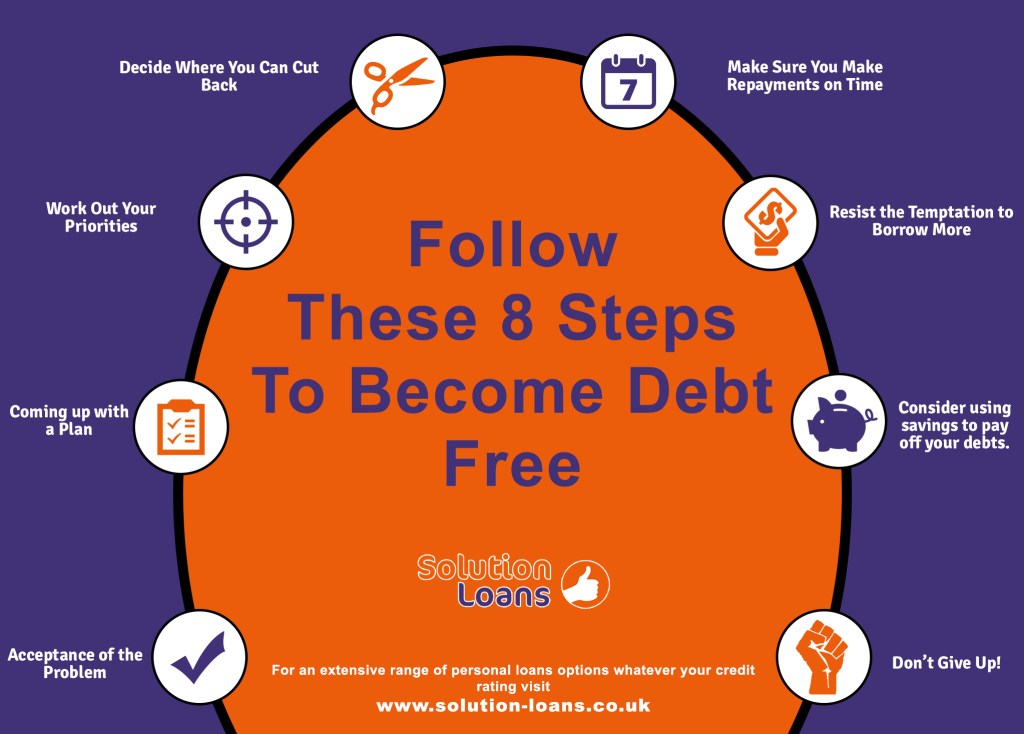
Creating a budget is a crucial step towards financial stability and becoming debt-free. A budget helps you track your income and expenses, identify areas where you can cut back on spending, and have better control over your financial situation. By analyzing your financial habits and making conscious decisions about your money, you can take charge of your debt and work towards a debt-free future.
Track Your Income And Expenses
Tracking your income and expenses is the foundation of creating a successful budget. Start by making a list or a spreadsheet of all your income sources, such as your salary, side hustle earnings, or any other form of income. Next, gather all your bills, receipts, and financial records to determine your monthly expenses.
To track your expenses effectively, categorize them into essential and non-essential expenditures. Essential expenses include items like rent or mortgage payments, utilities, groceries, and transportation costs. Non-essential expenses are things like entertainment, dining out, or impulse purchases.
Once you have a clear overview of your income and expenses, you can calculate your monthly surplus or deficit. This will give you an idea of how much money you have left after covering your essential expenses and how much you need to cut back in other areas.
Identify Areas To Cut Back On Spending
Identifying areas where you can cut back on spending is an essential step toward becoming debt-free. It may require some honest evaluation and lifestyle adjustments, but it’s worth it in the long run. Take a close look at your non-essential expenses and ask yourself if you can live without certain luxuries or find cheaper alternatives.
To identify areas for potential cutbacks, consider the following strategies:
Evaluate your subscriptions and memberships. Cancel those you don’t use or find cheaper alternatives.
Review your grocery shopping habits. Plan meals, buy in bulk, and avoid unnecessary food waste.
Cut down on entertainment expenses. Look for free or low-cost activities, take advantage of community resources, and limit dining out.
Reduce transportation costs. Explore carpooling, public transportation, or walking/cycling for short distances.
Lower utility bills. Practice energy-saving habits, such as turning off lights when not in use, adjusting thermostat settings, and minimizing water consumption.
Remember that every small cutback adds up and can make a significant difference in your budget. It’s important to stay consistent and disciplined in your spending habits to accelerate your journey towards becoming debt-free.
Credit: www.solution-loans.co.uk
Develop A Repayment Plan
Developing a repayment plan is essential for anyone looking to become debt-free. By strategizing how to distribute payments and prioritize debts, individuals can take control of their finances and make progress towards financial freedom.
Developing a repayment plan is a crucial step towards becoming debt-free. By creating a well-defined strategy, you can effectively manage your debts and work towards eliminating them. Follow these steps to develop a repayment plan that suits your financial situation.
List Your Debts
To begin with, it is essential to make a comprehensive list of all your debts. This includes credit card bills, student loans, personal loans, and any other outstanding amounts you owe. Listing your debts allows you to have a clear overview of your financial obligations and serves as a starting point for developing your repayment plan.
Prioritize And Strategize
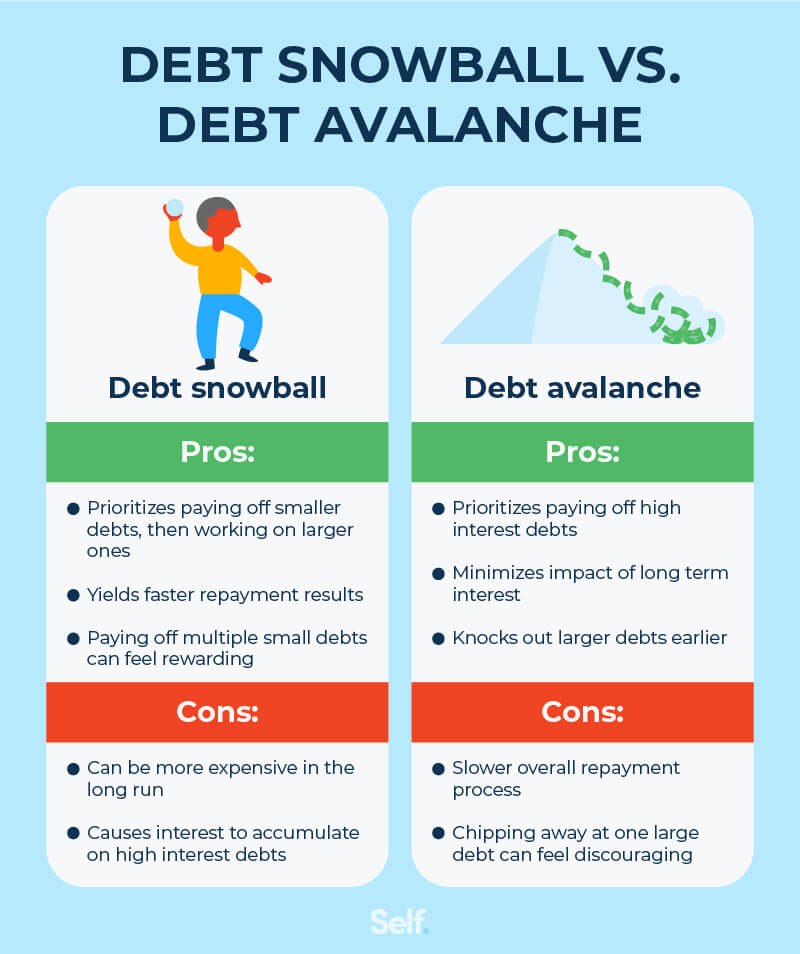
Once you have listed your debts, the next step is to prioritize and strategize your repayment plan. Start by categorizing your debts into high-interest and low-interest ones. High-interest debts, such as credit card bills, should be given top priority as they tend to accumulate more interest over time. By allocating more funds towards these debts, you can effectively reduce the overall interest burden.
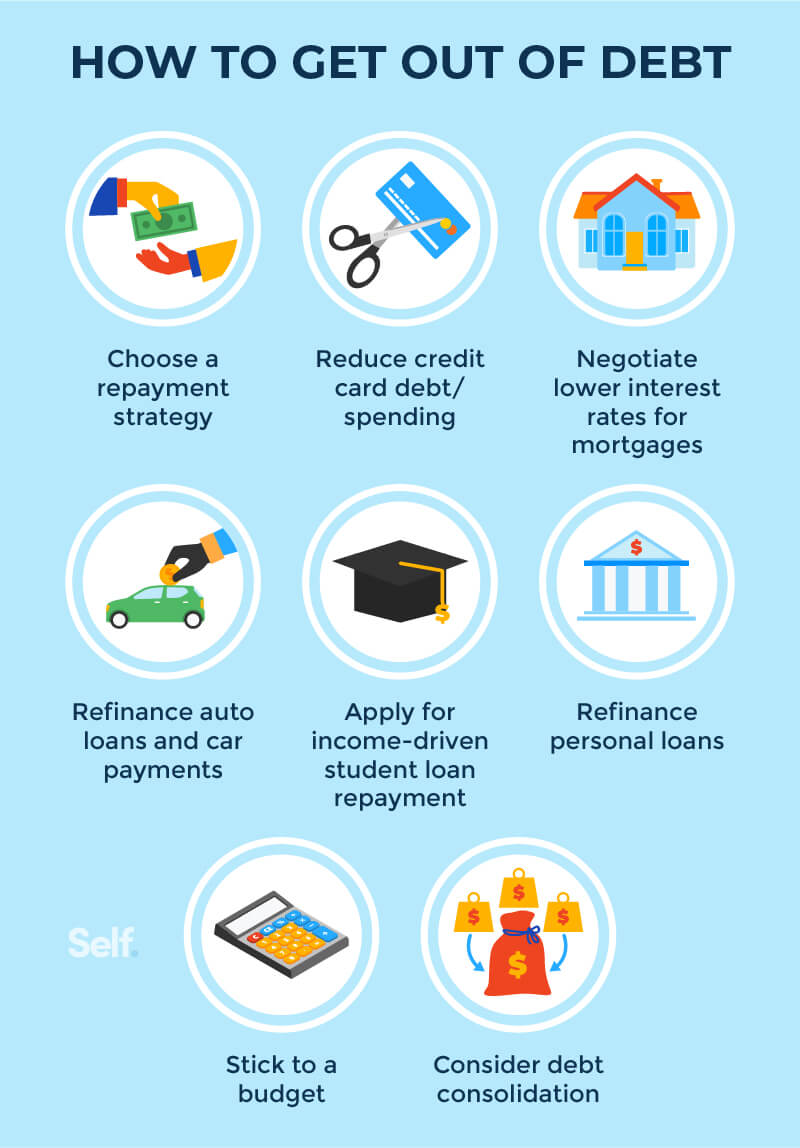
After prioritizing, consider the repayment strategies you can adopt. Two popular methods include the snowball method and the avalanche method. The snowball method involves paying off the smallest debts first, while the avalanche method focuses on repaying debts with the highest interest rates. Analyze your financial capabilities and choose the strategy that best suits your circumstances.
Consider Debt Consolidation or Refinancing
If you are struggling to manage multiple debts, debt consolidation or refinancing might be worth considering. Debt consolidation involves combining several debts into a single loan, usually with a lower interest rate. This can make your repayments more manageable and simplify the overall debt repayment process.
On the other hand, refinancing involves negotiating with your creditors or finding a new lender to obtain a lower interest rate on your existing loans. This can help reduce your monthly payments and save money in the long run.
In conclusion, developing a repayment plan is a crucial step towards achieving a debt-free life. By listing your debts, prioritizing and strategizing, and considering debt consolidation or refinancing options, you can effectively work towards eliminating your debts and gaining financial freedom. Take control of your finances today and set yourself on the path to becoming debt-free.
Increase Your Income
Discover proven strategies to become debt-free and increase your income. Unlock financial freedom through smart money management and effective debt repayment techniques. Take control of your finances and create a secure future for yourself.
When it comes to getting out of debt, increasing your income can be a game changer. By finding ways to earn more money, you will have extra funds to put towards paying off your debt faster. Here are two strategies to help you increase your income:
Explore Side Hustles
If you’re looking to generate additional income, exploring side hustles is a fantastic option. Side hustles are small jobs or projects that you can take on alongside your regular job. These can include freelance work, selling handmade crafts online, or offering services like tutoring or pet sitting.
Here are some ideas for side hustles to consider:
Side Hustle
Description
E-commerce Store
Set up an online store and sell products that you are passionate about.
Rideshare Driver
Drive for a ridesharing platform and make money in your spare time.
Freelance Writing
Offer your writing skills to businesses or individuals who need content.
Photography
Take up photography as a side gig and sell your photos online or to clients.
By exploring side hustles, you can not only give your income a boost, but also tap into your skills and passions to make extra money.
Request A Raise Or Promotion
If you’ve been working hard and feel that you deserve it, requesting a raise or promotion can be a great way to increase your income. Here are some tips to help you navigate this process:
Research: Familiarize yourself with industry salary standards and gather evidence of your accomplishments to support your case.
Prepare: Schedule a meeting with your supervisor and come prepared with a list of reasons why you deserve a raise or promotion.
Communicate: Clearly articulate your achievements, skills, and contributions to the company during the meeting.
Be flexible: If a raise or promotion isn’t feasible at the moment, consider negotiating for other benefits like additional vacation time or professional development opportunities.
Follow up: Regardless of the outcome, follow up with a thank-you note expressing your appreciation for the opportunity to discuss your progress and goals.
Remember, requesting a raise or promotion requires confidence and a well-prepared approach. Don’t be afraid to advocate for yourself and the value you bring to your organization.
Credit: www.self.inc
Reduce Your Expenses
Reducing your expenses is a key step in becoming debt-free. By lowering your monthly bills and cutting unnecessary costs, you can free up more money to put towards paying off your debts. Let’s explore some strategies for achieving this:
Lower Monthly Bills
Lowering your monthly bills can have a significant impact on your overall expenses. Here are a few ways you can achieve this:
Review your service providers: Consider shopping around for new providers to potentially get better deals on your utilities, internet, cable, or insurance.
Negotiate with your providers: Contact your current service providers and negotiate lower rates or ask for any available discounts.
Bundle your services: Look into bundling your internet, cable, and phone services with the same provider to potentially save on monthly fees.
Cut Unnecessary Costs
Identifying and eliminating unnecessary costs from your budget can lead to significant savings. Here are some areas to consider cutting back on:
Eating out: Instead of dining out frequently, try cooking at home and taking packed lunches to work. This can help you save money on restaurant bills.
Entertainment subscriptions: Assess your streaming and subscription services and unsubscribe from those you rarely use or can do without.
Impulse purchases: Before making a purchase, ask yourself if it is a want or a need. Minimizing impulse buying can help you save money.
Unused memberships: Evaluate any memberships or subscriptions you have and cancel those you no longer use or find alternatives that offer similar benefits at lower costs.
Transportation costs: Consider carpooling, using public transportation, or even cycling to reduce fuel and maintenance expenses.
By reducing your monthly bills and cutting unnecessary costs in these areas, you can make significant progress towards achieving a debt-free future. Take a close look at your expenses, identify areas where you can make changes, and commit to stick to your budget. Every small saving counts and brings you one step closer to financial freedom!
Credit: www.ramseysolutions.com
Frequently Asked Questions Of Ways To Become Debt Free
How Do I Become Completely Debt Free?
To become completely debt-free, follow these steps:
1. Create a budget and stick to it. 2. Cut unnecessary expenses and save money. 3. Pay off high-interest debts first. 4. Consider debt consolidation or negotiating with creditors for lower interest rates.
5. Stay committed and disciplined in paying off debts.
How Long Will It Take To Pay Off $20000 In Credit Card Debt?
It depends on your repayment strategy, but typically, paying off $20,000 in credit card debt may take several years. Making consistent monthly payments and potentially increasing payments can help expedite the process. Consider seeking professional advice to create an effective repayment plan.
How Can I Legally Avoid Paying Debt?
Legally avoiding debt requires proactive financial management. You can negotiate with creditors for a rescheduled payment plan, seek credit counseling, or explore debt consolidation options. Bankruptcy may be a last resort, with potential consequences. Remember, it’s crucial to honor financial obligations and seek professional guidance when necessary.
How To Pay Off $50,000 In Debt?
To pay off $50,000 in debt, follow these steps:
1. Create a budget and cut down on unnecessary expenses. 2. Increase your income by getting a second job or freelancing. 3. Prioritize your debts and make larger payments on high-interest debts.
4. Consider consolidating your debts into a single, lower interest loan. 5. Stay disciplined and stick to your repayment plan.
Conclusion
Becoming debt-free requires commitment, perseverance, and smart financial planning. By implementing the strategies discussed in this blog post, such as creating a budget, cutting expenses, increasing income, and paying off high-interest debts first, you can take control of your financial situation.
Remember, every small step counts, and consistency is key. Stay focused on your goals, and you’ll soon be on your way to a debt-free future. Start your journey to financial freedom today!
In this article, we will dive into the concept of the Prisoner’s Dilemma – a classic game theory scenario that explores the tensions between individual self-interest and group cooperation. Understanding the nuances of this game can provide valuable insights into decision-making, both in strategic contexts and in everyday life.
What is the Prisoner’s Dilemma?
The Prisoner’s Dilemma is a hypothetical situation where two suspects are arrested and held in separate prison cells. Both suspects are aware that the police have strong evidence against them, but only have enough to convict them of a lesser crime. The police offer each prisoner a deal:
Prisoner A
Prisoner B
If you confess and your partner remains silent:
You will go free while your partner serves a 10-year sentence.
If you both confess:
You will both serve a 5-year sentence.
If you both remain silent:
You will both serve a 1-year sentence.
From this table, it is clear that the best outcome for each individual is to confess, as it minimizes their sentence when compared to the other options. However, when both prisoners decide to confess, they end up with a less favorable outcome compared to if they had both remained silent.
Applying the Prisoner’s Dilemma to Real-World Situations
While the Prisoner’s Dilemma is a theoretical construct, similar scenarios arise in many aspects of life. It can be seen in business negotiations, international relations, environmental decision-making, and even personal relationships.
For example, in a business negotiation, two parties may have the option to cooperate and form a mutually beneficial partnership or compete against each other. If both parties choose to compete, they may gain short-term advantages, but in the long run, they could miss out on opportunities for growth.
In an international context, consider the issue of arms control between two nations. If one nation chooses to disarm its nuclear weapons and the other doesn’t, the disarmed nation may face substantial security risks. At the same time, if both nations continue their weaponization efforts, they risk escalating conflicts and a potential arms race.
Strategies for the Prisoner’s Dilemma
Various strategies have been developed to analyze how individuals might behave in a Prisoner’s Dilemma scenario. These strategies take into account assumptions about rational decision-making and the intentions of the other player.
TFT (Tit for Tat): This strategy involves starting with cooperation and then mirroring the opponent’s previous move. It promotes reciprocal behavior.
Always Cooperate: This strategy involves always choosing cooperation, regardless of the other player’s choice. It is based on the belief that cooperation leads to the best outcome in the long run.
Always Defect: This strategy involves always choosing defection. It is a pessimistic approach, assuming that the other player will always go for personal gain.
Random Selection: This strategy involves choosing cooperation or defection at random. It introduces an element of unpredictability.
Through research and analysis, it has been discovered that immediate self-interest often leads individuals to defect, even though the overall outcome might have been better if both parties had cooperated.
The Importance of Cooperation
The Prisoner’s Dilemma highlights the value of cooperation in achieving the best possible outcomes for all parties involved. It also demonstrates the importance of trust and communication in developing strategies that promote collective success.
When individuals prioritize their self-interest over cooperation, it can lead to suboptimal results and missed opportunities. However, when people work together towards a common goal, whether in personal relationships or complex decision-making scenarios, the chances of achieving positive outcomes increase significantly.
Conclusion
The Prisoner’s Dilemma serves as a reminder that human behavior is influenced by a complex interplay of factors, including self-interest, trust, and long-term benefits. By understanding the dynamics of this classic game theory scenario, we can enhance our decision-making skills and adopt strategies that prioritize cooperation over immediate personal gain.
So, the next time you find yourself faced with a situation that resembles the Prisoner’s Dilemma, remember to consider the potential benefits of cooperation and the long-term consequences of prioritizing individual self-interest.
Welcome to our blog post that delves into the fascinating concept of the Kondratieff Wave, also known as the long economic cycle. In this article, we will explore what the Kondratieff Wave is, its historical background, and the potential implications it has on various sectors of the economy.
What is the Kondratieff Wave?
The Kondratieff Wave, named after the Russian economist Nikolai Kondratieff, refers to a long-term economic cycle that spans several decades. It describes a recurring pattern of economic growth and contraction, characterized by alternating periods of innovation, expansion, stagnation, and recession.
The Kondratieff Wave theory suggests that societies go through distinct phases in their economic development. These phases are associated with the emergence and diffusion of major technological advancements. Each wave, lasting approximately 40 to 60 years, is marked by a specific set of industries or technologies that drive economic growth.
Historical Background
The origins of the Kondratieff Wave theory date back to the early 20th century when Nikolai Kondratieff conducted extensive research on long-term patterns in the global economy. His analysis revealed that economies exhibit cycles of expansion and contraction that can be traced back several centuries.
Kondratieff identified five distinct waves: the Industrial Revolution and steam power (1780s to 1840s), the age of railways and steel (1840s to 1890s), the electrical and chemical revolution (1890s to 1940s), the age of oil and automobiles (1940s to 1970s), and the era of information technology and telecommunications (1970s to present).
Implications of the Kondratieff Wave
The Kondratieff Wave theory has significant implications for various sectors of the economy:
1. Innovation And Technological Advancements
Each wave is characterized by the emergence and diffusion of specific industries or technologies. Understanding the Kondratieff Wave can help businesses and policymakers identify upcoming trends, invest in innovation, and adapt their strategies to capitalize on new opportunities.
2. Economic Cycles And Market Opportunities
The Kondratieff Wave theory suggests that economies experience long-term cycles of expansion and contraction. By studying the historical patterns, investors can anticipate market trends and make informed decisions about asset allocation, timing market entry or exit, and managing risk.
3. Socioeconomic Dynamics
The Kondratieff Wave theory also highlights the socio-economic implications of each wave. Different industries and technologies shape society, influencing employment patterns, income distribution, and overall living standards.
4. Policy Planning And Economic Development
Policymakers can utilize the insights provided by the Kondratieff Wave theory to design long-term strategies for economic development. By aligning policies with the dominant industries in each wave, governments can foster growth, promote innovation, and address potential challenges that arise during periods of economic downturn.
Frequently Asked Questions
What Is The Kondratieff Wave And How Does It Impact The Economy?
The Kondratieff Wave is a long-term economic cycle that describes the fluctuation of economic activity. It impacts the economy by influencing periods of growth and decline over several decades.
How Long Is A Kondratieff Wave Cycle?
A Kondratieff Wave cycle typically spans around 50 to 60 years, consisting of four distinct phases: spring, summer, autumn, and winter.
What Causes The Kondratieff Wave?
The Kondratieff Wave is caused by various factors, including technological advancements, business cycles, and socio-political changes. These factors contribute to the periodic growth and contraction in economies.
How Can Businesses Adapt To The Kondratieff Wave?
Businesses can adapt to the Kondratieff Wave by implementing strategies such as innovation, diversification, and long-term planning. Adapting to the cycles can help businesses thrive during periods of growth and navigate challenges during downturns.
Conclusion
The Kondratieff Wave theory offers a valuable framework for understanding the long-term patterns of economic growth and contraction. By analyzing the historical cycles and the dominant industries of each wave, businesses, investors, and policymakers can make informed decisions and navigate the complexities of the ever-changing economic landscape.
It is important to note that the Kondratieff Wave theory is subject to ongoing debate in the field of economics, with critics questioning its predictive power and relevance in the modern global economy. Nevertheless, its value lies in its ability to provide a historical perspective and shed light on potential trends and opportunities that can shape our future.