Author: MMP

  • Getting Out of Debt With No Money

    Getting Out of Debt With No Money

    To get out of debt with no money, focus on increasing income and reducing expenses. Here’s how you can take control of your finances and improve your financial situation.

    Dealing with debt can be overwhelming, especially if you don’t have much money to spare. However, there are strategies you can implement to regain control of your financial situation. The first step is to increase your income by exploring additional sources of revenue.

    Consider taking on a side job or freelancing to boost your earnings. Next, reduce your expenses by creating a budget and identifying areas where you can cut back. Prioritize essential expenses and eliminate non-essential ones. Additionally, negotiate with creditors to lower your interest rates or establish a payment plan. By taking proactive steps and making smart financial choices, you can gradually work towards getting out of debt even without a significant amount of money.

    Getting Out of Debt With No Money

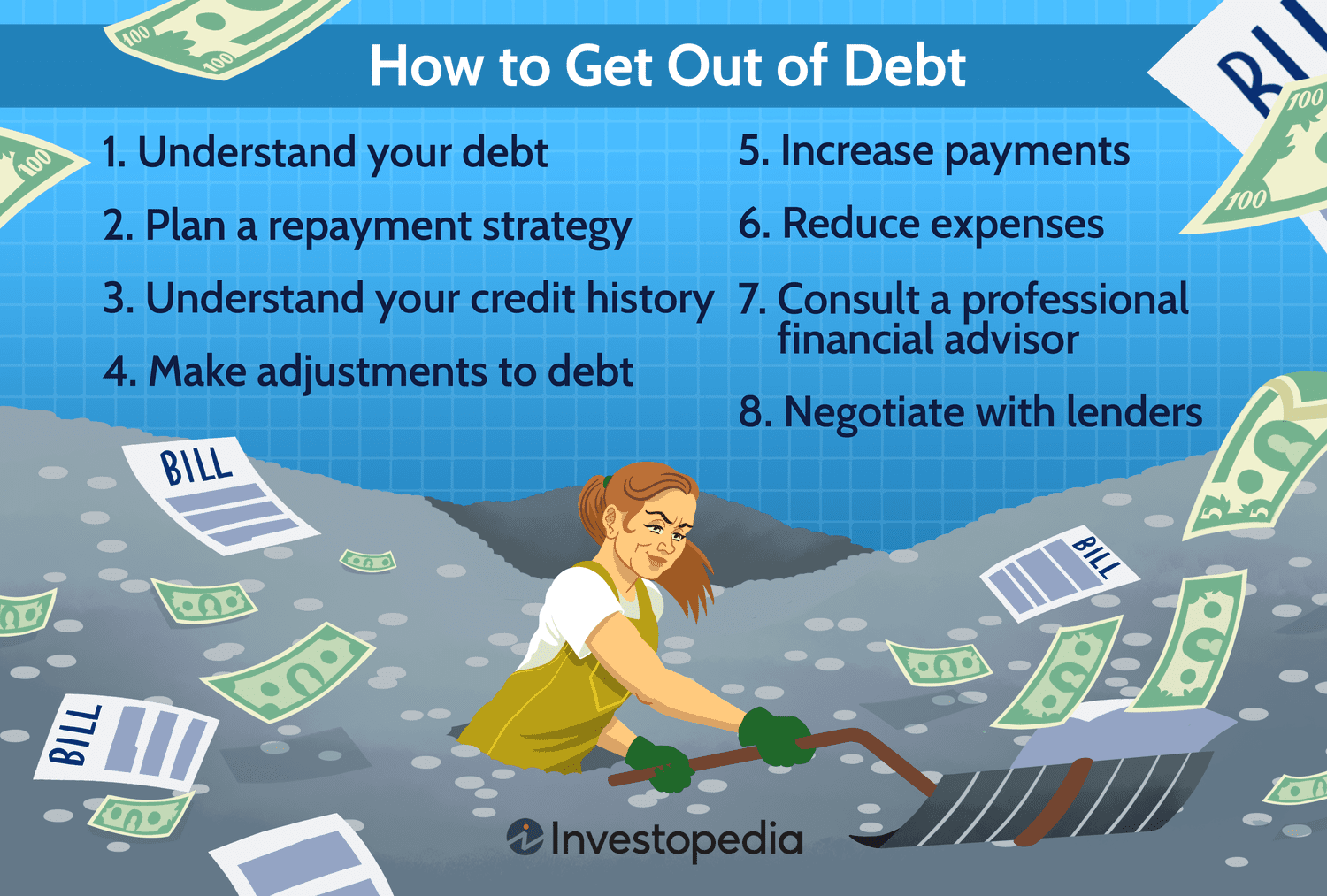
    Credit: www.warriortrading.com

    Evaluate Your Financial Situation

    Evaluate your financial situation to find a way out of debt, even if you have no money to start with. Take a close look at your income, expenses, and prioritize debt payments to create a plan that works for you.

    Assess Your Debts

    Debt Type Amount Owed Interest Rate
    Credit Card 1 $5,000 15%
    Credit Card 2 $3,000 18%
    Student Loan $20,000 5%
    Car Loan $10,000 8%

    Before you can effectively tackle your debt, it’s important to evaluate your financial situation. This involves assessing your debts and understanding the amount owed, interest rates, and payment terms. Here’s a breakdown of the debts you may have:

    Credit Card 1: You owe $5,000 on this credit card with an interest rate of 15%.

    Credit Card 2: Another credit card debt of $3,000 with a higher interest rate of 18%.

    Student Loan: If you have a student loan, the amount owed may be substantial. For example, let’s say you owe $20,000 at an interest rate of 5%.

    Car Loan: If you have a car loan, it’s crucial to include it in your assessment. Suppose you owe $10,000 at an interest rate of 8%.

    Calculate Your Income And Expenses

    Once you’ve assessed your debts, the next step is to calculate your income and expenses. Understanding your financial inflows and outflows will help you determine how much money you can allocate towards debt repayment.

    • Income: Include all sources of income, such as your monthly salary, freelance work, or rental income.
    • Expenses: Make a detailed list of your essential expenses like rent/mortgage, utilities, groceries, and transportation. Don’t forget to include any recurring payments or subscriptions.

    With this information, you can subtract your total expenses from your income to determine your disposable income. This is the amount of money you have available to put towards paying off your debts. Remember, every dollar counts, so even a small surplus can make a difference in your debt repayment journey.

    Create A Budget And Stick To It

    One of the first steps to getting out of debt when you have no money is to create a budget and, most importantly, stick to it. A budget is a powerful tool that helps you track your income and expenses, allowing you to allocate your money strategically. By creating a budget and committing to it, you can take control of your financial situation and start making progress towards becoming debt-free.

    Cutting Expenses

    To create a budget, you must first take a close look at your expenses. Identify areas where you can cut back and eliminate unnecessary costs. By reducing your expenses, you can redirect that money towards paying off your debt. Consider these strategies to cut expenses:

    • Evaluate your monthly subscriptions: Cancel any subscriptions or memberships that you don’t need or use frequently. This can include streaming services, gym memberships, or magazine subscriptions.
    • Limit eating out: Cooking meals at home can significantly reduce your food expenses. Plan your meals, make grocery lists, and stick to them to avoid impulse buying.
    • Reduce utility costs: Look for ways to save on electricity, water, and gas. Turn off lights when not in use, use energy-efficient appliances, and implement water-saving techniques.
    • Shop smart: Before making a purchase, compare prices from different stores or online platforms. Look for sales, discounts, and coupons to get the best deals.

    Increasing Income

    While cutting expenses is essential for getting out of debt, increasing your income can also accelerate the process. Here are some ways to boost your income:

    1. Take on a part-time job: Consider finding a part-time job or freelancing opportunities to supplement your current income. This additional source of income can be dedicated towards paying off your debt.
    2. Utilize your skills: If you have marketable skills, offer your services on platforms like Fiverr or Upwork. By utilizing your skills, you can earn extra income in your spare time.
    3. Create a side hustle: Turn your hobbies or talents into a profitable side business. Whether it’s selling handmade crafts, offering tutoring services, or starting a small online business, a side hustle can generate extra income.
    4. Rent out unused space: If you have an extra room or a parking space, you can consider renting it out to earn additional income.

    By incorporating both expense-cutting and income-increasing strategies into your budget, you can start making a significant dent in your debt. Remember, the key is to stick to your budget consistently while finding ways to save and earn more money. Over time, your dedication and smart financial choices will help you achieve your goal of getting out of debt, even when you initially have little or no money.

    Explore Debt Repayment Strategies

    In this section, we will explore effective debt repayment strategies that can help you get out of debt, even if you don’t have much money to spare. By understanding these strategies and implementing them wisely, you can take control of your financial situation and work towards a debt-free future.

    Prioritize Your Debts

    When you are dealing with multiple debts, it is crucial to prioritize and focus on the ones that require immediate attention. By creating a clear picture of your outstanding debts, you can identify which ones are more urgent and need to be addressed first.

    One way to do this is by listing your debts in order of interest rates, starting from the highest to the lowest. By tackling the debts with the highest interest rates first, you can minimize the amount of interest accumulating over time and potentially save money in the long run.

    Another approach is to prioritize debts based on their sizes. This method involves paying off the smaller debts first and then moving on to the larger ones. By achieving small victories early on, you can build momentum and stay motivated to tackle the larger debts down the line.

    Negotiate With Creditors

    In some cases, it may be possible to negotiate with your creditors to reduce the amount you owe or renegotiate the terms of your debt repayment. This can be particularly beneficial if you are struggling to meet your financial obligations due to limited funds.

    Start by contacting your creditors and explaining your situation. Be honest about your financial limitations and express your willingness to repay the debt. In some cases, creditors may be willing to offer a repayment plan with reduced monthly payments or even a settlement amount lower than your total debt.

    Proactively reaching out to your creditors demonstrates your commitment to resolving the debt and can potentially lead to more flexible arrangements. However, it’s important to remember that not all creditors will be open to negotiations, so it’s crucial to be prepared for different outcomes.

    By prioritizing your debts and negotiating with creditors, you can begin to take proactive steps towards getting out of debt, even if you have limited financial resources. Remember, every little effort counts, and by staying committed to your goal, you can make significant progress towards achieving financial freedom.
    Getting Out of Debt With No Money

    Credit: www.ericwilsonlaw.com

    Consider Debt Consolidation Or Settlement

    Consider debt consolidation or settlement as a viable option for getting out of debt when you have little to no money. These solutions can help you consolidate your debts into one manageable payment or negotiate lower settlements with your creditors.

    If you find yourself overwhelmed by debt and have no money to spare, debt consolidation or settlement may be viable options to consider. These strategies can help you regain control of your finances and pave the way towards a debt-free future. Let’s take a closer look at both options:

    Consolidate Your Debts

    Debt consolidation involves combining multiple debts into one manageable payment. This can simplify your financial situation by reducing the number of creditors and monthly payments you need to juggle. When you consolidate your debts, you essentially take out a new loan to pay off your existing debts. This allows you to focus on just one monthly payment, making it easier to stay organized and keep on top of your financial obligations.

    To consolidate your debts, you can explore a few different options:

    • Personal Loan: You might qualify for a personal loan from a bank, credit union, or online lender. This loan can be used to pay off your outstanding debts, consolidating them into one loan with a single interest rate and payment plan.
    • Balance Transfer: If you have credit card debts, you can transfer the balances to a new credit card with a lower interest rate or even a 0% introductory APR. This way, you can save on interest and focus on repaying the consolidated balance.
    • Home Equity Loan or Line of Credit: If you own a home, you may be able to leverage the equity you have built to secure a loan or line of credit. This can help you consolidate your debts into one manageable payment, typically at a lower interest rate.

    It’s important to carefully consider the terms, interest rates, and fees associated with each option. Determine which choice aligns best with your financial circumstances and goals. Debt consolidation can be an effective way to simplify your debt load and potentially save money on interest payments.

    Work With A Debt Settlement Company

    If your financial situation is dire and you are unable to make payments on your debts, working with a debt settlement company might be a suitable alternative. These companies negotiate with your creditors on your behalf to reach a settlement, typically for a reduced amount. The idea is to pay a lump sum or a series of agreed-upon payments to clear your debt. Debt settlement can help you avoid bankruptcy and provide much-needed debt relief.

    When considering a debt settlement company, it’s essential to do thorough research and choose a reputable organization. Look for companies that are accredited and have a track record of successful settlements. Additionally, carefully review any fees associated with their services and ensure they are transparent and reasonable.

    Keep in mind that debt settlement can have negative impacts on your credit score, as it involves not paying the full amount owed. However, if you’re already struggling to make payments and facing potential bankruptcy, settling your debts may be the more favorable option.

    Be sure to weigh the benefits and drawbacks of debt consolidation and settlement carefully. Consider consulting with a financial advisor or credit counselor to determine which approach is best suited to your specific circumstances. Remember, taking action is the first step towards reclaiming your financial freedom.
    Getting Out of Debt With No Money

    Credit: www.credit.com

    Frequently Asked Questions Of Getting Out Of Debt With No Money

    How Can I Pay Off My Debt If I Have No Money?

    To pay off debt with no money, start by creating a budget to track expenses. Cut down on non-essential spending and consider increasing your income through side jobs or selling unused items. Reach out to your creditors to negotiate a payment plan or seek assistance from credit counseling agencies.

    Stay committed and disciplined to gradually eliminate your debt.

    How Can I Escape My Debt Without Paying?

    To escape debt without paying, it is important to take responsibility for your financial obligations. Avoiding payment is not a viable solution and typically leads to legal consequences. Instead, consider options like budgeting, negotiating with creditors, or seeking professional debt counseling to create a plan for repayment and financial freedom.

    How Can I Get Rid Of My Debt Without Paying?

    The only way to get rid of debt is by paying it off. There are no legal loopholes or shortcuts to avoid paying what you owe. Make a budget, cut expenses, increase income, and put all extra money towards your debt for a quicker payoff.

    What Happens If You Can’t Afford To Pay Your Debt?

    If you can’t afford to pay your debt, there are several options available. You can negotiate with your creditors for a payment plan or settlement. You can also consider credit counseling or debt consolidation programs. Bankruptcy may be a last resort.

    Seek professional advice to find the best solution for your situation.

    Conclusion

    To sum it up, conquering debt when you’re strapped for cash may seem impossible, but it’s not. By prioritizing your expenses, creating a realistic budget, exploring additional sources of income, and seeking professional guidance, you can successfully navigate your way to financial independence.

    Remember, financial freedom is within reach, and with determination and discipline, you can conquer debt and pave the way for a brighter financial future. So, take charge of your finances today and start your journey towards a debt-free life.


  • Mental Accounting: Unlocking the Secrets to Financial Decision Making

    Mental Accounting: Unlocking the Secrets to Financial Decision Making

    Mental Accounting and Its Impact on Personal Finances

    Managing personal finances requires more than just basic math skills. It involves understanding and analyzing our own behaviors and thought patterns towards money. One such cognitive bias that influences our financial decision-making is mental accounting. In this article, we’ll delve into what mental accounting is, how it affects our financial choices, and tips to overcome its negative impact.

    Mental Accounting: Unlocking the Secrets to Financial Decision Making

    Credit: www.linkedin.com

    Mental Accounting: Unlocking the Secrets to Financial Decision Making

    Credit: www.amazon.com

    What is Mental Accounting?

    Mental accounting refers to the tendency of individuals to categorize and treat money differently based on various factors such as its origin, purpose, or current balance. Instead of considering money as a unified and interchangeable resource, we mentally partition it into separate virtual buckets or accounts.

    For example, imagine receiving a $500 tax refund. Some individuals may decide to splurge on an expensive dining experience, considering it as “extra” money. Others might choose to save it for a rainy day or pay off existing debts.

    The Impact of Mental Accounting

    Mental accounting can have both positive and negative implications for our personal finances. On the positive side, it allows us to efficiently budget by allocating funds to specific needs or goals. However, it can also lead to irrational financial decisions due to the following three key effects:

    1. Segregation Effect

    The segregation effect occurs when we treat different forms of money or accounts as separate entities rather than considering the bigger picture. For instance, overspending on a credit card while having cash savings can be attributed to the mental separation between these two accounts.

    2. Bucketing Effect

    Bucketing effect explains our tendency to allocate resources within different mental accounts, even if it doesn’t yield optimal outcomes. For example, some people may hesitate to spend money on a well-deserved vacation because it is mentally tagged as their “savings” or “emergency fund,” even when there is no crisis.

    3. Loss Aversion Effect

    Loss aversion effect refers to our reluctance to realize a loss and our tendency to place a higher value on avoiding losses compared to securing equivalent gains. Many individuals hesitate to sell losing stocks because they don’t want to acknowledge the loss of initial investment, even if it makes financial sense.


    Overcoming the Negative Impact

    While mental accounting is a natural cognitive process, being aware of its potential drawbacks and applying strategies to overcome them can help us make more rational financial decisions. Here are some tips:

    Create An Overall Financial Plan

    Having a comprehensive financial plan that covers all your financial goals will help you see the bigger picture. This way, you won’t get caught up in the segregation effect and be able to make more informed financial decisions.

    Review And Update Your Budget Regularly

    Regularly reviewing and updating your budget allows you to assess your spending patterns and identify any suboptimal bucketing effects. This will enable you to reallocate funds to areas where they are needed most, based on your current goals and priorities.

    Consolidate And Simplify Your Accounts

    Consider consolidating your various accounts and reducing unnecessary categorizations. By simplifying your financial structure, you’ll have a clearer understanding of your overall financial position and minimize the negative impacts of mental accounting.

    Focus On The Value Of Money

    Rather than getting caught up in the origin or purpose of the money, focus on its value. Train yourself to evaluate the opportunity cost and long-term benefits of your financial decisions instead of being driven solely by mental accounting biases.

    Seek Professional Advice

    If you find it challenging to overcome the negative impact of mental accounting on your financial decisions, don’t hesitate to seek advice from a financial professional. They can provide insights and guidance tailored to your specific situation.

    In conclusion, mental accounting can significantly impact our personal finances, both positively and negatively. Understanding its effects and implementing strategies to mitigate its drawbacks can help us make better financial decisions and achieve our long-term goals with greater success.

  • Promissory Estoppel

    Promissory estoppel, also known as equitable estoppel, is a legal doctrine that has gained significant importance in contract law. It is a principle that prevents a party from going back on its promise or representation even if it is not supported by consideration. This article will delve into the concept of promissory estoppel, its elements, and its application in various scenarios.

    What is Promissory Estoppel?

    Promissory estoppel is a legal doctrine that serves as an exception to the general rule of consideration in contract law. It allows a party to enforce a promise made by another party, even if it lacks the element of consideration. In simple terms, it prevents a person who has made a promise from going back on that promise if the other party relies on it to their detriment.

    Elements Of Promissory Estoppel

    For promissory estoppel to apply, certain elements must be established:

    1. Clear and definite promise: The promise made by one party must be clear, unambiguous, and capable of enforcement.
    2. Reliance: The party seeking to enforce the promise must have reasonably relied upon it.
    3. Detrimental reliance: The reliance on the promise must have resulted in a significant change in the position of the party seeking enforcement.
    4. Injustice: It must be unjust for the party who made the promise to go back on it.

    Application Of Promissory Estoppel

    Promissory estoppel has been applied in various scenarios, such as:

    ScenarioApplication of Promissory Estoppel
    Real estate transactionsIf a party makes a promise regarding the transfer of property rights and the other party relies on it by investing time, money, or labor, promissory estoppel may prevent the promisor from going back on the promise.
    Employment contractsWhen an employer makes a promise to an employee regarding job security or benefits, and the employee relies on it by accepting or continuing employment, promissory estoppel may be invoked if the employer attempts to break the promise.
    Family lawIn cases of child support or property division, promissory estoppel can be applied to enforce promises made regarding financial support or property division between former partners.

    Significance of Promissory Estoppel

    Promissory estoppel plays a crucial role in shaping contract law by emphasizing fairness and preventing injustice. It allows parties to enforce promises, even in the absence of consideration, to avoid situations where one party takes advantage of the other’s reliance on a promise.

    By incorporating promissory estoppel into contract law, the legal system ensures that parties are held accountable for their promises and that individuals are protected from the harm caused by broken promises. It promotes equity and discourages fraud or unconscionable behavior.

    Limitations Of Promissory Estoppel

    While promissory estoppel can be a powerful tool in certain situations, it is subject to certain limitations:

    • Pre-existing contractual relationship: Promissory estoppel cannot be invoked if there is already a valid and enforceable contract between the parties that covers the subject matter in question.
    • No expectation of reliance: If the promise was made without any expectation that the other party would rely on it, promissory estoppel may not be applicable.
    • Inequality of bargaining power: The doctrine may not apply if there is a significant imbalance of power between the parties, as it could lead to exploitation or unfair advantage.

    Frequently Asked Questions Of Promissory Estoppel

    What Is Promissory Estoppel?

    Promissory estoppel is a legal principle that prevents a person from going back on their promise if the other party relied on it.

    How Does Promissory Estoppel Differ From A Contract?

    While a contract requires consideration, promissory estoppel does not. It is based on the principle of fairness and preventing injustice.

    What Are The Elements Of Promissory Estoppel?

    The elements of promissory estoppel typically include a clear promise, reliance on that promise, and injustice if the promise is not honored.

    Can Promissory Estoppel Be Used As A Defense?

    Yes, promissory estoppel can be used as a defense when one party tries to back out of an agreement after the other party has relied on it.

    Conclusion

    Promissory estoppel serves as a vital safeguard in contract law to protect parties from the detriment caused by broken promises. Its elements and application in various scenarios emphasize the importance of fair dealing and keeping one’s word. While it is not a cure-all remedy, promissory estoppel holds substantial significance by promoting accountability, fairness, and justice within contractual relationships.

  • Unexpected Earnings  : Secrets to Skyrocket Your Revenue

    Unexpected Earnings : Secrets to Skyrocket Your Revenue

    Unexpected Earnings – A Pleasant Surprise to Boost Your Finances

    Imagine waking up one morning to find a pleasant surprise – unexpected earnings! Whether it’s a bonus from your employer, a tax refund, or an unexpected windfall, unexpected earnings can provide a significant boost to your financial situation. In this article, we will explore the various ways unexpected earnings can benefit you and provide some smart strategies to make the most of this windfall.

    1. Pay off debt

    One of the best uses for unexpected earnings is to pay off high-interest debt. By reducing or eliminating your debt, you can save money on interest payments and improve your overall financial health. Take a proactive approach and prioritize paying off credit card debt, personal loans, or outstanding bills. The sooner you become debt-free, the better off you’ll be in the long run.

    2. Build an emergency fund

    Creating an emergency fund is crucial for financial stability. Unexpected expenses can arise at any time, such as medical bills, car repairs, or home maintenance. By setting aside a portion of your unexpected earnings into an emergency fund, you’ll have a financial safety net that can help you navigate these situations without relying on further borrowing or credit. Aim to save at least three to six months’ worth of living expenses in your emergency fund.

    3. Invest for the future

    When unexpected earnings come your way, consider putting a portion of it towards your long-term financial goals. Investing in stocks, bonds, real estate, or mutual funds can provide you with potential returns that will grow over time. Consult with a financial advisor to determine the best investment options for your specific situation and risk tolerance. Remember, investing is a marathon, not a sprint, so be sure to do your due diligence and make informed decisions.

    Unexpected Earnings  : Secrets to Skyrocket Your Revenue

    Credit: www.amazon.com

    4. Upgrade or replace essential items

    If you’ve been putting off necessary upgrades or replacements, unexpected earnings can provide an opportunity to address those needs. From replacing a worn-out appliance to upgrading your computer or investing in a reliable vehicle, using a portion of your extra income to improve your essential items can enhance your quality of life and reduce future maintenance costs.

    5. Splurge responsibly

    While it’s important to be responsible with your unexpected earnings and use them wisely, it’s also okay to treat yourself. Allocate a portion of your extra income for something that brings you joy or fulfills a long-standing desire. Whether it’s a well-deserved vacation, a hobby you’ve been wanting to pursue, or an experience you’ve been dreaming of, indulging in a splurge can provide a healthy balance and improve your overall well-being.


    Unexpected Earnings  : Secrets to Skyrocket Your Revenue

    Credit: www.entrepreneur.com

    Conclusion

    Unexpected earnings are truly a pleasant surprise. By using them wisely and strategically, you can make a significant positive impact on your financial situation. Whether it’s paying off debt, building an emergency fund, investing for the future, upgrading essential items, or indulging in a responsible splurge, the key is to think long term and make choices that align with your goals. Remember, unexpected earnings present a valuable opportunity to improve your financial well-being and secure a more stable future.

  • Hot IPO: Unleashing the Explosive Potential

    Hot IPO: Unleashing the Explosive Potential

    Initial Public Offerings (IPOs) have become the talk of the town in the investment community. With the recent surge in companies going public, investors are closely watching for the next hot IPO to add to their portfolio. In this article, we will delve into the world of IPOs and explore why they have become such a popular trend in the stock market.

    Understanding IPOs

    An IPO is the process by which a privately-held company offers its shares to the public for the first time, making it a publicly-traded entity. It allows companies to raise capital by selling ownership stakes in the company to investors.

    When a company decides to go public, it usually does so to raise funds for future growth opportunities, repay debt, or expand their operations. IPOs are often accompanied by a significant amount of media attention, as investors around the world eagerly anticipate the company’s debut on the stock market.

    The Appeal of Hot IPOs

    Investors are drawn towards hot IPOs for several reasons. Firstly, participating in an IPO offers the opportunity to get in on the ground floor of a company that has the potential to become the next big success story. Early investors can potentially benefit from significant stock price increases as the company grows and gains market share.

    Secondly, IPOs provide diversification opportunities for investors. By investing in IPOs, one can add a unique asset class to their investment portfolio, potentially increasing returns and reducing overall risk.

    Thirdly, hot IPOs often create a buzz in the financial markets, attracting media attention and driving investor excitement. Investors enjoy being a part of the hype surrounding a successful IPO, as it can be a thrilling and rewarding experience if they end up buying shares at the initial offering price and selling them at a higher price later.

    Risks and Considerations

    While investing in hot IPOs can be enticing, it’s important to note that they come with risks. Due diligence is crucial before investing in any IPO, as not all companies that go public are guaranteed to succeed.

    One risk associated with IPOs is the potential for volatility. The initial trading period of an IPO can be highly unpredictable, with share prices experiencing significant fluctuations. Therefore, it’s essential for investors to carefully assess the company’s business model, market potential, and competitive landscape before making any investment decisions.

    Additionally, IPOs often come with lock-up periods, during which early investors and company insiders are restricted from selling their shares. This lock-up period can cause a supply-demand imbalance, which may impact share prices in the short term.

    Choosing the Right IPO

    Investors looking to invest in IPOs should conduct thorough research and analysis to identify promising opportunities. Consider the company’s financials, growth prospects, industry trends, and competitive advantages.

    It’s also crucial to evaluate the management team’s experience and track record. A strong management team can significantly impact the success of an IPO and the company’s future growth prospects.

    Conclusion

    In conclusion, hot IPOs have surged in popularity due to the potential for significant returns and the excitement surrounding companies going public. However, investors need to exercise caution and perform thorough due diligence before investing in any IPO. The risks associated with IPOs should not be overlooked.

    For investors willing to take on the risks and choose the right IPO, participating in these high-profile offerings can be a profitable and thrilling investment opportunity.

  • Down Payment

    Down Payment – A Guide to Making a Smart Investment

    When it comes to purchasing a home or a car, one of the biggest hurdles that most people face is the down payment. A down payment is a lump sum of money that is paid upfront when making a purchase. It acts as a security and shows your commitment to the purchase. In this blog post, we will explore the importance of down payments and provide you with some tips on how to make a smart investment.

    Why are Down Payments Important?

    Down payments play a vital role in various financial transactions for several reasons:

    • Reduced loan amount: By making a significant down payment, you can reduce the overall loan amount you need to borrow. This, in turn, lowers your monthly payments and interest charges.
    • Better interest rates: Lenders generally offer more favorable interest rates to borrowers who make larger down payments. By making a larger initial investment, you can save a substantial amount of money on interest over the life of the loan.
    • Equity in the asset: A down payment increases your equity in the purchased property or vehicle right from the start. This gives you a stake in the asset and can provide a sense of security and financial stability.

    How Much Should You Put Down?

    The amount you should put down as a down payment varies depending on several factors:

    Asset Recommended Down Payment
    Home 20% of the purchase price
    Car 10-20% of the purchase price

    While these are general recommendations, it’s essential to consider your financial situation, loan terms, and any applicable down payment assistance programs. Remember, the more you can put down, the better off you’ll be financially in the long run.

    Tips for Making a Smart Down Payment

    To make the most of your down payment and ensure a smart investment, follow these tips:

    1. Save in advance: Start saving for your down payment as early as possible. Consider setting aside a portion of your monthly income specifically for this purpose.
    2. Create a budget: Evaluate your monthly expenses and income to determine how much you can comfortably save towards your down payment without compromising your other financial obligations.
    3. Explore down payment assistance programs: Research available down payment assistance programs provided by government agencies, nonprofits, and employers. These programs can help reduce the required down payment.
    4. Improve your credit score: A higher credit score can increase your chances of getting approved for a loan and secure better interest rates. Pay your bills on time, reduce your debt, and dispute any errors on your credit report.
    5. Consider your long-term goals: Think about your long-term plans and the financial impact of your purchase. Ensure that your down payment aligns with your goals and doesn’t strain your savings.

    Frequently Asked Questions Of Down Payment

    What Is A Down Payment?

    A down payment is an initial amount of money paid upfront when purchasing a house or car.

    Why Is A Down Payment Necessary?

    A down payment is necessary because it shows the lender that you are committed to the purchase and reduces the amount of money you need to borrow.

    How Much Should I Put Down For A Down Payment?

    The amount you should put down for a down payment depends on various factors like the cost of the property or car, your financial situation, and the lender’s requirements.

    Can I Use A Loan For The Down Payment?

    Using a loan for the down payment is generally not recommended, as it adds to your debt and may affect your eligibility for the main loan.

    Conclusion

    A down payment is an essential aspect of making a smart investment when purchasing a home or a car. By putting down a significant amount upfront, you can reduce your loan amount, secure better interest rates, and establish equity in the asset. Remember to save in advance, explore down payment assistance programs, and consider your long-term goals to ensure a wise down payment decision. By following these tips, you’ll be on your way to a smarter financial future.