Author: MMP

  • How Does Deflation Impact Consumers?

    Deflation impacts consumers by decreasing the price level of goods and services, leading to reduced spending and economic contraction.

    The Definition Of Deflation

    How Does Deflation Impact Consumers?

    Deflation refers to a sustained decrease in the general price level of goods and services within an economy. It is the opposite of inflation, where prices rise over time. When deflation occurs, the purchasing power of individuals tends to increase as their money can buy more goods and services.

    Causes Of Deflation

    Deflation can be caused by various factors, including:

    • A decrease in consumer demand: When consumers become hesitant to spend money, businesses may lower their prices to attract customers, leading to deflationary pressures.
    • Technological advancements: As technology improves and production becomes more efficient, the cost of manufacturing goods may decrease. This can result in lower prices.
    • Reduction in money supply: If there is less money circulating in the economy, consumers may have limited funds to purchase goods and services. When demand falls, prices may decline.

    Effects Of Deflation On The Economy

    Deflation can have both positive and negative effects on the economy, including:

    1. Increased purchasing power: As prices decline, consumers can buy more with their money, which can stimulate consumption and potentially boost economic growth.
    2. Risk of lower investment: Deflation can discourage businesses from investing in capital projects as they anticipate falling prices. This can lead to reduced economic activity and job losses.
    3. Debt burden: Deflation can increase the burden of debt for individuals and businesses. If prices are falling, the value of money borrowed remains the same while the value of assets used to secure the loan may decline.

    Overall, deflation impacts consumers in various ways, from increasing purchasing power to potentially reducing investment and increasing debt burdens. It is important for policymakers to monitor deflationary trends and implement appropriate measures to maintain a balanced and stable economy.

    Impact Of Deflation On Consumers

    Deflation occurs when there is a sustained decrease in the overall price level of goods and services. While this may seem like a positive phenomenon, it can have a significant impact on consumers, affecting their purchasing power, borrowing, and saving habits.

    Decreased Purchasing Power

    During periods of deflation, consumers may experience a decrease in their purchasing power. This means that the value of their money increases, but the prices of goods and services decrease even more. As a result, consumers may find it harder to afford the same quantity of goods and services they were able to before. This decrease in purchasing power can have a ripple effect on the economy, leading to reduced consumption and decreased demand for products.

    Impact On Borrowing And Saving

    Deflation can also impact borrowing and saving habits of consumers. When prices are falling, individuals may delay making purchases in anticipation of further price declines. This can lead to a decrease in consumer spending, which has a negative impact on businesses and the overall economy. Furthermore, deflation can discourage borrowing as people may be hesitant to take on debt when they expect their income and asset values to decline. This reduction in borrowing can slow down economic activity and hinder economic growth.

    On the other hand, deflation can be advantageous for savers. As the prices of goods and services decrease, the real value of money increases over time. Savers can benefit from higher purchasing power, allowing them to buy more in the future with the same amount of money. However, excessive deflation can lead to a deflationary spiral, with consumers continuously delaying purchases and creating a vicious cycle of economic stagnation.

    In conclusion, deflation can have a significant impact on consumers. Decreased purchasing power and the impact on borrowing and saving habits can influence individual financial decisions and overall economic conditions. It is important for policymakers to closely monitor and manage deflationary pressures to minimize the negative effects on consumers and maintain a healthy and stable economy.


    Strategies For Consumers To Cope With Deflation

    Deflation can have a significant impact on consumers by reducing the prices of goods and services. While this may seem advantageous at first glance, deflation can also lead to decreased income and greater economic uncertainty. To navigate these challenging times, consumers need to adopt certain strategies to cope with the effects of deflation effectively. In this article, we will explore two key strategies: adjusting spending habits and diversifying investments.

    Adjusting Spending Habits

    During times of deflation, it is essential for consumers to reevaluate their spending habits and make necessary adjustments. Here are some strategies to consider:

    1. Create a Budget: Developing a budget helps you gain control over your finances and identify areas where you can cut costs.
    2. Prioritize Needs: When making purchasing decisions, prioritize essential items over non-essential ones to ensure that you are focusing on the most critical aspects of your daily life.
    3. Shop Smart: Take advantage of sales, discounts, and promotions to make the most of your money. Compare prices and consider purchasing generic or store-brand products instead of more expensive name brands.
    4. Avoid Impulse Buying: Before making a purchase, take some time to consider whether it is a necessity or simply an impulsive desire. This will help prevent unnecessary spending.
    5. Track Expenses: Keep a record of your expenses to gain a better understanding of where your money is going. This will enable you to identify areas where you can make further adjustments.

    Diversifying Investments

    In times of deflation, diversifying your investments is crucial for protecting your financial well-being. Consider the following strategies:

    1. Invest in Bonds: Bonds are often considered a safe investment during deflation. These fixed-income securities provide stability and can offer consistent returns, even in a deflationary environment.
    2. Explore Real Estate: Real estate investments have the potential to provide long-term capital appreciation and rental income, making them an attractive option to counter the effects of deflation.
    3. Diversify across Industries: Investing in a variety of industries can help mitigate the risks associated with deflation. This approach ensures that your investments are not concentrated in a single sector that may be more heavily impacted by deflationary pressures.
    4. Consider Precious Metals: Precious metals, such as gold and silver, are often sought after during periods of economic uncertainty. Adding these assets to your investment portfolio can act as a hedge against deflation.
    5. Seek Professional Advice: Consulting with a financial advisor can provide valuable insights and guidance on how to best diversify your investments during deflationary times.

    By adjusting spending habits and diversifying investments, consumers can navigate the challenges presented by deflation and achieve financial stability. It is important to remember that these strategies require careful consideration and informed decision-making. By implementing these tactics, consumers can protect their purchasing power and make the most of the opportunities that arise during deflation.

    Government Policies To Mitigate Consumer Impact

    When deflationary pressures grip an economy, governments often take measures to lessen the negative effects on consumers. These policies aim to stimulate spending, boost economic growth, and safeguard the well-being of individuals and households. Two common strategies employed by governments to mitigate consumer impact are Central Bank Interventions and Fiscal Policy Measures.

    Central Bank Interventions

    Central banks play a crucial role in managing deflationary trends by implementing various measures to increase liquidity and encourage spending. Here are some common interventions:

    • Interest Rate Reductions: Central banks lower interest rates to incentivize borrowing, making it more affordable for consumers to access credit and purchase goods or services.
    • Quantitative Easing (QE): In extreme deflationary circumstances, central banks may resort to QE, which involves purchasing government bonds or other assets to inject additional money into the economy. This increases liquidity and stimulates spending.
    • Forward Guidance: Central banks provide forward guidance, signaling future monetary policy actions, to manage expectations and encourage consumers and businesses to spend now rather than delay purchases.

    Fiscal Policy Measures

    Fiscal policy measures involve government actions to control taxation, government spending, and policies related to public finances. Here are some common fiscal policy measures employed during deflationary periods:

    • Tax Reductions: Governments can reduce tax rates to leave more money in consumers’ pockets, boosting their purchasing power and incentivizing spending.
    • Increased Government Spending: Governments may increase spending on infrastructure projects, social welfare programs, or public services to stimulate economic activity and create employment opportunities.
    • Expansionary Fiscal Policies: During deflation, governments may adopt expansionary fiscal policies, such as increasing public investment or implementing income redistribution programs to support low-income households.

    In conclusion, these government policies, including Central Bank Interventions and Fiscal Policy Measures, work hand in hand to mitigate the negative impact of deflation on consumers. By providing liquidity, lowering interest rates, and implementing tax reductions or increased spending, governments strive to stimulate economic growth, boost consumer confidence, and safeguard the financial well-being of individuals and households.

    Case Studies Of Deflation Impact On Consumers

    Historical Examples

    In the past, deflation has had a substantial impact on consumers around the world. One historical example is the Great Depression in the United States during the 1930s, where prices plummeted, leading consumers to delay purchases in anticipation of even lower prices. This resulted in a sharp decline in consumer spending, further exacerbating the economic downturn.

    Global Perspectives

    Deflation has also affected consumers on a global scale. For instance, Japan experienced a prolonged period of deflation known as the ‘Lost Decade’ in the 1990s, which had a profound impact on consumer behavior. As prices fell, consumers delayed spending, contributing to stagnation in the economy.

    Frequently Asked Questions On How Does Deflation Impact Consumers?

    How Does Deflation Affect Consumers?

    Deflation reduces prices, giving consumers more purchasing power. However, it can lead to lower wages and increased unemployment. Consumers may delay spending, resulting in economic slowdown. It also increases the real value of debt, making it harder for consumers to repay loans.

    Who Does Deflation Hurt The Most?

    Deflation hurts borrowers the most as the value of their debt increases and their future incomes decrease. It also harms businesses as consumers delay purchases, leading to lower profits and job losses. Additionally, deflation affects investors as the value of their assets declines, resulting in financial losses.

    Who Gets Hurt By Deflation?

    Deflation hurts borrowers as the value of debts increases. It also impacts businesses as sales and profits decrease. Consumers may delay purchases, affecting the economy. Overall, deflation negatively affects individuals, businesses, and the economy as a whole.

    Conclusion

    Deflation can have both positive and negative effects on consumers. On the one hand, it can lead to lower prices, allowing consumers to stretch their budgets further. However, it can also result in reduced wages, job losses, and a decrease in overall consumer spending.

    Therefore, it is important for consumers to understand the implications of deflation and plan accordingly to navigate its impact on their finances.
  • What Is A Boat Loan?

    A boat loan is a specific type of financing used to purchase a boat. Boat loans are loans offered to individuals for purchasing a watercraft, such as a yacht, sailboat, or fishing boat.

    Typically, these loans have fixed interest rates and a set repayment term, usually ranging from two to 20 years. Borrowers can use the boat as collateral for the loan, and the interest rates and terms will vary depending on the borrower’s credit score and the cost of the boat.

    Boat loans work similarly to car loans, and there are different loan options available, including secured and unsecured loans. Many financial institutions, such as banks and credit unions, offer boat loans, making it easier for individuals to afford their dream boat.

    1. Introduction To Boat Loans

    Boat loans are a common way for individuals to finance the purchase of a new or used boat. Understanding the basics of boat loans can help you make informed decisions when considering your options for purchasing a boat by leveraging the financing options available to you. This article will provide you with an introduction to boat loans, including the types of loans available and the importance of considering boat loans as a viable option for acquiring your dream boat.

    1.1 Types Of Loans

    Before diving into the specifics of boat loans, it’s important to understand the various types of loans that are available for financing a boat purchase.

    • Secured Boat Loans
    • Unsecured Boat Loans
    • Fixed-Rate Loans
    • Variable-Rate Loans

    1.2 Importance Of Boat Loans

    Boat loans play a crucial role for individuals who are looking to purchase a boat but may not have the upfront financial resources to do so. Understanding the importance of boat loans can help you recognize the value of leveraging financing options to make your dream of owning a boat a reality.

    2. How Boat Loans Work

    2. How Boat Loans Work

    2.1 Loan Application Process

    When applying for a boat loan, the process typically involves filling out an application through a financial institution or lender. You may need to provide personal information, such as your income, employment status, and credit history. The lender will evaluate your application to determine the loan amount and interest rate that you qualify for.

    2.2 Eligibility Criteria

    To be eligible for a boat loan, most lenders consider factors such as your credit score, income, and debt-to-income ratio. A good credit score and a stable income can increase your chances of qualifying for a boat loan with favorable terms. Additionally, some lenders may have specific requirements regarding the type and age of the boat being financed.


    3. Factors To Consider Before Getting A Boat Loan

    Before diving into a boat loan, it’s crucial to consider several factors to ensure a smooth and manageable borrowing experience. From interest rates to loan terms and down payments, understanding these components is essential in making an informed decision.

    3.1 Interest Rates

    Interest rates play a significant role in determining the overall cost of a boat loan. High interest rates can considerably increase the total amount paid over the loan term. It’s important to compare rates from different lenders to secure the most favorable option.

    3.2 Loan Terms

    Loan terms, including the duration and repayment structure, have a direct impact on the monthly payments and the total amount paid towards the loan. It’s crucial to evaluate various loan term options based on individual financial capabilities and goals.

    3.3 Down Payment

    The down payment for a boat loan can significantly affect the loan amount and monthly payments. A larger down payment can reduce the loan amount, resulting in lower interest costs and more manageable monthly payments. It’s important to assess the feasibility of different down payment options based on personal financial situations.

    4. Pros And Cons Of Boat Loans

    A boat loan can be a smart way to finance your dream of owning a boat, but like any financial decision, it’s important to consider the pros and cons carefully. Understanding the advantages and disadvantages of boat loans can help you make an informed choice that aligns with your financial goals.

    4.1 Advantages Of Boat Loans

    Financing your boat with a loan offers several advantages that make it an attractive option for many prospective boat owners:

    • Affordable Payments – Boat loans spread the cost of your purchase over time, allowing you to make affordable monthly payments rather than paying the full amount upfront.
    • Preserve Savings – By financing your boat, you can preserve your savings or emergency fund for other expenses or investments.
    • Improved Credit – Successfully managing a boat loan can contribute to building or improving your credit score, which may benefit you in the future.

    4.2 Disadvantages Of Boat Loans

    While boat loans offer advantages, it’s essential to consider the potential drawbacks as well:

    1. Interest Costs – Taking out a loan means paying interest, adding to the overall cost of the boat over time.
    2. Risk of Debt – Borrowing money for a boat means taking on debt, which can impact your overall financial health if not managed responsibly.
    3. Depreciation – Like any large purchase, a boat may depreciate in value, potentially leaving you owing more on the loan than the boat is worth.

    Frequently Asked Questions On What Is A Boat Loan?

    What Is A Typical Boat Loan?

    A typical boat loan is a financing option provided by lenders for purchasing a boat. It typically involves fixed interest rates and monthly payments over a set loan term. Loan amounts and terms vary based on the borrower’s creditworthiness and the boat’s value.

    Is It Hard To Get A Loan To Buy A Boat?

    Getting a loan for a boat can be challenging, as it depends on credit history and loan terms. It’s recommended to shop around for lenders specializing in boat loans. Maintaining a good credit score increases the chances of getting approved.

    What Type Of Loan Is Best For A Boat?

    The best type of loan for a boat is a specialized marine loan, tailored for boat purchases. These loans often have lower interest rates and longer repayment terms. They may also offer financing for new or used boats, as well as flexible payment options.

    Conclusion

    A boat loan is a helpful tool to finance your dream boat. It’s important to research and compare loan options before making a decision. Understanding the terms, interest rates, and repayment options is crucial for a successful boat loan experience.

    Ultimately, finding a loan that fits your budget and needs will ensure smooth sailing on the water.

  • Why Doesnt England Use Euro

    England doesn’t use the Euro because it has chosen to maintain its own currency, the British pound. The decision was made to preserve economic independence and avoid potential impact on domestic policies related to the exchange rate and interest rates.

    England’s decision to keep the British pound instead of adopting the Euro is based on a desire to maintain control over its economic policies. This decision allows the country to independently manage its exchange rate and interest rates, without being influenced by decisions made by the European Central Bank.

    Additionally, keeping the British pound provides stability and a sense of national identity. As a result, England’s choice not to use the Euro aligns with its commitment to economic sovereignty and preserves its unique financial standing in the global market.

    Historical Context

    Understanding the historical context behind England’s decision not to use the Euro is essential. It sheds light on the intricacies of the country’s relationship with the European Union and the economic dynamics that unfolded over the years.

    Adoption Of The Euro By European Union

    The European Union, comprising 19 of its member states, opted to adopt the Euro as their official currency in 1999. This move aimed to foster economic integration, streamline trade, and facilitate financial transactions within the region. It represented a significant step toward unifying the European market and boosting the economic prowess of the participating nations.

    Uk’s Decision To Opt-out

    However, the United Kingdom decided to opt-out of the Eurozone despite being a member of the European Union. This decision, made during the Maastricht Treaty negotiations, reflected the UK’s reluctance to fully integrate its monetary policies with the rest of the EU. The UK continued to use the pound sterling, citing concerns about losing control over its monetary system and the potential impact on its economic sovereignty.

    Economic Implications

    When it comes to the decision of why England doesn’t use the Euro, it’s important to consider the economic implications of such a choice. Let’s delve into the impact on monetary policy, trade, and investment.

    Impact On Monetary Policy

    England’s decision not to adopt the Euro means the country maintains its own independent monetary policy. This allows the Bank of England to control interest rates and quantitative easing, influencing the economy based on domestic conditions rather than the broader Eurozone.

    Trade And Investment

    With the Pound Sterling as its official currency, England benefits from the flexibility of having its own exchange rate. This can positively impact trade and foreign direct investment. However, not being part of the Eurozone could potentially lead to trade barriers and exchange rate risks with Eurozone countries, posing challenges for international transactions.


    Public Opinion

    Public opinion in England concerning the adoption of the Euro currency is a complex and multifaceted issue. Several factors contribute to the reluctance to embrace the Euro, including the perception of the currency, national identity, and economic considerations.

    Perception Of The Euro

    The perception of the Euro among the English public is heavily influenced by past economic experiences and the stability of the pound sterling. Many view the Euro as a symbol of the economic integration of Europe, which raises concerns about losing control over monetary policy and the potential impact on the national economy.

    National Identity

    The question of adopting the Euro is closely tied to the sense of national identity in England. The pound sterling has been deeply ingrained in the national identity, and the idea of parting with it is met with significant resistance. There is a prevailing sentiment that adopting the Euro would compromise England’s sovereignty and independence.

    Potential Future Scenarios

    As the discussion about the UK’s non-adoption of the Euro continues, it’s important to consider the potential future scenarios that could impact this decision. From the implications of Brexit to the reconsideration of Euro adoption, there are several factors shaping the future outlook for England’s currency policy.

    Reconsideration Of Euro Adoption

    Despite the persistent reluctance to adopt the Euro, England may reconsider its stance in the future. The benefits of adopting a common currency shared by other European countries could lead to a reassessment of the current policy. However, this decision would require careful evaluation of the economic and political implications.

    Implications Of Brexit

    The Brexit referendum has played a significant role in shaping England’s currency preferences. The aftermath of Brexit has not only solidified the country’s commitment to the Pound Sterling but also created further division regarding the potential adoption of the Euro. The uncertainties surrounding the post-Brexit economic landscape have added complexity to this decision.

    Frequently Asked Questions For Why Doesnt England Use Euro

    Why Does Britain Not Use The Euro?

    Britain does not use the euro because it chose to keep its national currency, the pound sterling. The decision reflects concerns about losing control over monetary policy. Additionally, the British public and government were not convinced of the benefits of adopting the euro.

    Could You Ever Use Euros In England?

    No, euros are not widely accepted in England. It is best to use the local currency, the British pound.

    Why Don T All Eu Countries Use The Euro?

    Not all EU countries use the euro because it’s not mandatory for membership. Some countries have specific opt-out arrangements.

    Conclusion

    England’s decision to not adopt the Euro can be attributed to several key factors. The country’s historical allegiance to the pound sterling, its desire to maintain control over its monetary policy, and the potential economic risks associated with joining a currency union all contribute to this choice.

    While some arguments for adopting the Euro exist, England’s current position reflects a careful consideration of its unique circumstances and economic priorities. As a result, the pound sterling continues to serve as a symbol of national identity and economic stability for the country.

  • Homemade Dividends  : Secure Your Financial Future with High-Yield Power Strategies.

    Homemade Dividends : Secure Your Financial Future with High-Yield Power Strategies.

    Homemade Dividends: A Guide to Maximizing Your Investment Returns

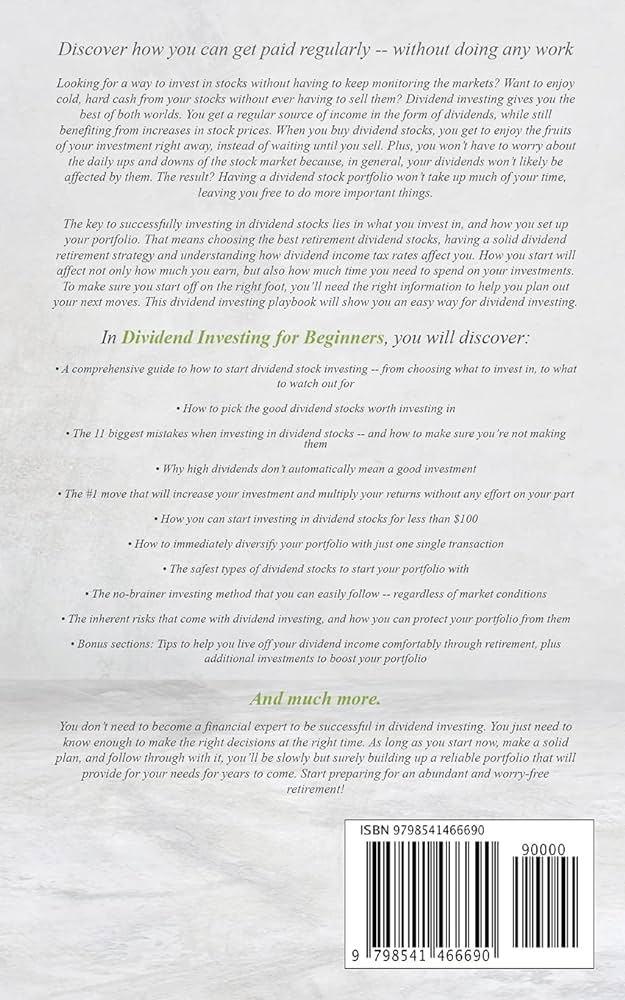
    Investing in the stock market can be a great way to grow your wealth. One popular investment strategy is to invest in dividend-paying stocks. Dividends are regular payments made by companies to their shareholders, usually from their profits. While investing in dividend stocks can provide a steady stream of income, did you know that you can create your own dividends? In this article, we will explore the concept of “homemade dividends” and show you how you can maximize your investment returns.

    Homemade Dividends  : Secure Your Financial Future with High-Yield Power Strategies.

    Credit: www.amazon.com

    What are Homemade Dividends?

    Homemade dividends refer to the process of generating income from your investment portfolio without relying solely on the dividends paid by companies. Instead of waiting for companies to decide when and how much they will pay in dividends, you can create your own regular income stream by using a combination of strategies.

    Homemade Dividends  : Secure Your Financial Future with High-Yield Power Strategies.

    Credit: www.bankrate.com

    The Benefits of Homemade Dividends

    Creating your own dividends has several advantages:

    • Income Control: With homemade dividends, you are no longer dependent on the dividend policies of companies. You have more control over your investment income.
    • Flexibility: You can customize your homemade dividends strategy based on your financial goals and risk tolerance.
    • Boosting Returns: By blending different strategies, you can potentially increase your overall investment returns.

    Strategies for Generating Homemade Dividends

    Here are some effective strategies to consider when creating your own dividends:

    1. Selling Covered Calls

    Selling covered calls is a strategy where you sell the right to someone else to buy your shares at a predetermined price within a specific time frame. By doing so, you can collect premiums that act as income. This strategy is most effective in a stable or slightly bullish market.

    Advantages Considerations
    • Generates immediate income
    • Allows you to keep your shares and benefit from any price appreciation
    • Your profits are capped if the stock price rises above the predetermined price
    • There is a possibility that your shares may be called away

    2. Dividend Reinvestment Plan (drip)

    A Dividend Reinvestment Plan (DRIP) allows you to reinvest the dividends you receive back into the company by purchasing additional shares. This strategy can help you compound your investment over time. DRIPs are often offered by companies directly.

    Advantages:

    • Increases your investment position
    • Eliminates the need to time the market
    • Often available at a discount

    3. High-yield Savings Accounts Or Fixed Deposits

    While not directly related to the stock market, consider allocating a portion of your portfolio to high-yield savings accounts or fixed deposits. These financial instruments offer a stable and predictable income stream. By diversifying your income sources, you can enhance the overall stability of your portfolio.

    4. Building A Balanced Portfolio

    Creating a well-diversified portfolio is crucial for generating homemade dividends. By spreading your investments across various asset classes, sectors, and geographical regions, you reduce the risk of over-reliance on a few stocks. Additionally, a balanced portfolio allows you to benefit from dividends paid by different types of companies.

    Monitoring and Adjustment

    Regularly monitoring your portfolio and adjusting your strategies is essential for maximizing your homemade dividends. Keep an eye on market conditions, company performance, and changes in your investment goals.

    Remember, building homemade dividends takes time, patience, and careful planning. It’s important to seek professional advice or do thorough research before implementing any investment strategies.

    The Bottom Line

    Creating homemade dividends can be a powerful way to increase your investment returns and take control of your income stream. By combining different strategies such as selling covered calls, utilizing DRIPs, diversifying your portfolio, and exploring external income sources, you can enjoy a more robust and sustainable financial future.

  • Laissez Faire

    Understanding Laissez-Faire Economics – The Concept and Implications
    Section Word Count
    Introduction 100
    What is Laissez-Faire Economics? 200
    History of Laissez-Faire Economics 200
    Arguments For Laissez-Faire Economics 250
    Arguments Against Laissez-Faire Economics 250
    Conclusion 100

    Introduction

    Laissez-faire is an economic theory that advocates for minimal government intervention in the economy. It promotes free markets, private property rights, and voluntary exchanges. This concept has been debated among economists and policymakers for centuries, with proponents believing in its ability to foster economic growth and opponents raising concerns about inequality and market failures.

    What is Laissez-Faire Economics?

    Laissez-faire, which translates to “let do” or “let it be” in French, is the idea that the economy functions best when left to its own devices, without government interference. It suggests that individuals and businesses should have the freedom to pursue their economic self-interest without restrictions, enabling market forces to determine prices, allocate resources, and regulate economic activity.

    Under laissez-faire economics, the government’s role is limited to protecting property rights, enforcing contracts, and maintaining law and order. It promotes a system where businesses compete based on supply and demand, leading to efficiency and innovation.

    History of Laissez-Faire Economics

    The origins of laissez-faire economics can be traced back to the writings of philosophers such as Adam Smith, who proposed the concept of the invisible hand. Smith argued that individuals acting in their self-interest inadvertently promote the well-being of society as a whole. This idea gained popularity in the late 18th and early 19th centuries during the Industrial Revolution.

    In the 19th century, British economist John Stuart Mill further developed the principles of laissez-faire economics. However, it was in the 20th century that laissez-faire faced criticism and some government intervention became necessary to address the shortcomings of unregulated markets, such as economic recessions and inequality.

    Arguments For Laissez-Faire Economics

    Proponents of laissez-faire economics believe that it has several benefits:

    • Efficiency: Free markets, driven by supply and demand, allocate resources more efficiently than a centrally planned economy. It allows for the optimal allocation of goods and services.
    • Innovation: Laissez-faire encourages entrepreneurial spirit and innovation by rewarding successful ventures. This leads to technological advancements and overall economic growth.
    • Individual Freedom: Laissez-faire advocates argue that it promotes individual freedom and personal autonomy. Individuals have the liberty to make economic choices without government interference.
    • Competition: Without government interventions, businesses are encouraged to compete, resulting in lower prices, better quality products, and increased consumer welfare.

    Arguments Against Laissez-Faire Economics

    Opponents of laissez-faire economics raise several concerns:

    • Inequality: Laissez-faire can result in the concentration of wealth and power in the hands of a few, exacerbating income inequality and leading to social unrest.
    • Market Failures: Unregulated markets can lead to market failures, such as monopolies, externalities, and information asymmetry. Government intervention is necessary to correct these market failures and protect consumers.
    • Public Goods: Free markets often fail to provide public goods, such as national defense, infrastructure, and education, which are essential for the overall welfare of society.
    • Social Safety Nets: In a laissez-faire system, there is a risk that vulnerable individuals might not have access to essential services, necessitating government intervention to provide social safety nets.

    Frequently Asked Questions For Laissez Faire

    Faq 1: What Is Laissez Faire And Its Significance In Economics?

    Laissez Faire is an economic theory promoting minimal government intervention and allowing free markets to operate naturally, fostering economic growth and individual freedom.

    Faq 2: How Does Laissez Faire Differ From Other Economic Systems?

    Laissez Faire differs from other economic systems by advocating for limited government intervention, while systems like socialism and communism involve more control and regulation.

    Faq 3: What Are The Benefits Of Implementing A Laissez Faire Economic System?

    Implementing a Laissez Faire economic system can lead to increased innovation, market competition, and individual liberty, fostering economic prosperity and growth.

    Faq 4: Are There Any Disadvantages Of A Laissez Faire Economic System?

    While a Laissez Faire system can benefit the economy, it may also result in income inequality, monopoly formation, and inadequate regulation in certain sectors, requiring careful consideration.

    Conclusion

    While the concept of laissez-faire economics has had a significant impact on economic theory and policy, its implementation remains a topic of debate. Striking the right balance between market freedom and government intervention continues to challenge policymakers. Understanding the implications and limitations of laissez-faire economics is crucial for shaping effective economic systems that promote both economic growth and social welfare.

  • Kidspreneurship: Tiny Leaders Bringing Big Ideas to Life

    Forget lemonade stands and cookie sales. We’re entering the era of the kidpreneur – young innovators tackling real-world problems and building businesses with ingenuity and passion. While the image of a child CEO might spark amusement, kidspreneurship is a serious movement brewing around the globe, fostering entrepreneurial spirit and essential life skills in the next generation.

    So, what exactly is kidspreneurship? It’s not just about children selling crafts or running errands. It’s about empowering them to identify opportunities, develop solutions, and navigate the world of business, all while nurturing creativity, problem-solving skills, and financial literacy. Kidspreneurs aren’t miniature adults; they’re a unique breed of entrepreneurs, fueled by passion, boundless energy, and a fresh perspective on the world.

    Beyond lemonade stands: Today’s kidspreneurs are a diverse bunch, tackling an array of industries. We have young inventors designing eco-friendly products, tech whizzes coding apps, and budding fashionistas launching clothing lines. From baking delicious and healthy treats to creating educational online platforms, these mini-moguls are proving that age is just a number when it comes to driving innovation and change.

    The benefits of kidspreneurship go far beyond financial gain:

    Kidspreneurship isn’t just about cute crafts and pocket money. It’s a powerful force shaping young minds, equipping them with invaluable skills and fostering a spirit of innovation. Let’s delve into the treasure trove of benefits that come with this exciting journey:

    1. Skill-o-Rama:

    • Problem-solving: Navigating business challenges, from product development to marketing, hones strategic thinking and adaptability.
    • Initiative and resourcefulness: Turning an idea into reality demands independent action and creative resource management.
    • Financial literacy: Budgeting, pricing, and understanding profit and loss build a strong foundation for financial awareness.
    • Communication and teamwork: Pitching ideas, collaborating with mentors, and interacting with customers builds confidence and communication skills.

    2. Confidence Boost:

    • Seeing dreams take flight: Transforming an idea into a tangible venture fosters a sense of accomplishment and self-belief.
    • Overcoming challenges: Bouncing back from setbacks and learning from mistakes builds resilience and confidence in facing future challenges.
    • Recognizing and valuing their contributions: Earning respect and appreciation for their efforts empowers children and validates their capabilities.

    3. Creativity Unleashed:

    • Thinking outside the box: Kidspreneurship encourages unconventional solutions and fosters a love for innovation.
    • Expressing oneself: Turning passions into products allows children to explore their unique talents and interests.
    • Finding inspiration in everyday life: The world becomes a playground for ideas, where even the mundane sparks creative solutions.

    4. Future-Ready Skills:

    • Adaptability and resilience: Navigating the ever-changing world of business prepares children for a dynamic future.
    • Entrepreneurial mindset: Cultivating a proactive and opportunity-seeking attitude empowers them to take charge of their future.
    • Lifelong learning: The constant need to learn and adapt fosters a passion for continuous growth and knowledge acquisition.

    5. Beyond Business:

    • Social responsibility: Many kidpreneurs create ventures with a social impact, instilling a sense of community and responsibility.
    • Leadership skills: Guiding others, delegating tasks, and motivating their team builds valuable leadership qualities.
    • Global perspective: Interacting with diverse customers and mentors broadens their horizons and fosters cultural understanding.

    Kidspreneurship isn’t just about starting a business; it’s about cultivating the skills and mindset that empower children to thrive in any path they choose. So, let’s celebrate these tiny bosses, nurture their dreams, and prepare them to be the innovative and resilient leaders of tomorrow.

    But it’s not all sunshine and rainbows:

    Kidspreneurship also requires the right support system. Parents and educators play a crucial role in guiding and nurturing their young ventures, providing mentorship, financial assistance, and emotional support. It’s important to encourage their ideas, celebrate their successes, and offer guidance through challenges without stifling their creativity or independence.

    The future of kidspreneurship is bright: As the world embraces innovation and celebrates entrepreneurship, we can expect to see even more young minds breaking barriers and carving their own paths. By fostering a supportive ecosystem and providing the right tools and resources, we can empower the next generation of kidpreneurs to build a better future, not just for themselves, but for everyone.

    So, the next time you see a child brimming with entrepreneurial spirit, don’t underestimate them. You might just be witnessing the seeds of a future game-changer taking root.

    Let’s nurture the kidpreneurs of today, and prepare for a future where their ingenuity and passion shape a brighter world.