Author: MMP

  • Mean-Variance Optimization

    Mean-variance optimization is a portfolio construction technique that aims to maximize return while minimizing risk. It involves finding the ideal balance between expected return and portfolio volatility.

    Mean-variance optimization is a popular method used by investors and financial professionals to create efficient investment portfolios. By considering the trade-off between risk and return, this approach helps to build diversified investment portfolios that offer the best possible performance for a given level of risk tolerance.

    This strategy makes use of statistical measures to determine the optimal allocation of assets, ensuring that the portfolio’s risk is minimized without sacrificing potential returns. Additionally, mean-variance optimization takes into account the correlation between different assets, allowing for greater diversification. Overall, this approach provides a robust framework for creating well-balanced and risk-conscious investment portfolios.

    Mean-variance Optimization: An Introduction

    Welcome to the world of Mean-Variance Optimization! In the realm of finance and investment management, this technique is widely regarded as a powerful tool for constructing optimal portfolios. By understanding the principles behind Mean-Variance Optimization, investors and financial professionals can make informed decisions based on statistical analysis and risk-return trade-offs.

    What Is Mean-variance Optimization?

    Mean-Variance Optimization is a mathematical framework used to determine the optimal allocation of investment assets within a portfolio. It takes into account two key factors: the expected returns and the volatility of each asset. This optimization approach aims to strike a balance between maximizing returns and minimizing risk, ultimately leading to the construction of an efficient portfolio.

    The process of Mean-Variance Optimization involves calculating the expected returns and covariance matrix of the assets in the portfolio. The expected return represents the average return an investor can anticipate from holding a particular asset, while the covariance matrix quantifies the relationships between different assets and their respective volatilities.

    With these inputs, Mean-Variance Optimization uses mathematical optimization techniques to find the asset weights that yield the highest expected return for a given level of risk. The concept of risk here is measured by the standard deviation of the portfolio, providing a measure of the overall volatility.

    The Importance Of Mean-variance Optimization

    Mean-Variance Optimization plays a crucial role in portfolio management by providing a systematic and data-driven approach to decision-making. Unlike traditional methods that often rely on intuition or simplistic rules of thumb, Mean-Variance Optimization takes advantage of available historic data and statistical models to achieve optimal outcomes.

    One of the primary advantages of Mean-Variance Optimization is its ability to quantify risk and return trade-offs. By incorporating both risk and return into the decision-making process, investors can make more informed choices that align with their individual risk preferences and investment objectives.

    Moreover, Mean-Variance Optimization enables investors to diversify their portfolios effectively. Diversification, as the saying goes, is the only free lunch in finance. By spreading investments across different assets with low correlations, portfolio risk can be reduced without sacrificing potential returns. Mean-Variance Optimization identifies the optimal combination of assets that achieve this desired diversification effect.

    In a world where market conditions are subject to change, Mean-Variance Optimization provides a dynamic approach to asset allocation. By regularly updating the optimization model with new data, investors can adapt their portfolios to evolving market trends and adjust their asset allocations accordingly. This flexibility helps mitigate risk and ensures that portfolios remain optimized for maximum performance.

    In summary, Mean-Variance Optimization is a powerful tool for constructing efficient investment portfolios. By leveraging mathematical models to analyze risk and return trade-offs, investors can optimize their asset allocations and achieve their financial goals more effectively. With its ability to quantify risk, diversify portfolios, and adapt to changing market conditions, Mean-Variance Optimization is a valuable technique in the realm of finance and investment management.

    Key Concepts Of Mean-variance Optimization

    When it comes to understanding Mean-Variance Optimization, it’s essential to grasp the key concepts that make up this investment strategy. By focusing on expected returns and risk, covariance matrix, and the efficient frontier, investors can optimize their portfolios for maximum returns while minimizing risk.

    Expected Returns And Risk

    Expected returns and risk are foundational concepts in Mean-Variance Optimization. Expected returns represent the average anticipated performance of a particular investment, while risk relates to the potential variability of those returns. By analyzing these factors, investors can gain insight into the potential rewards and potential losses associated with different investment options.

    Covariance Matrix

    The covariance matrix plays a crucial role in Mean-Variance Optimization as it quantifies the relationships between multiple assets within a portfolio. By examining the covariance matrix, investors can determine how the movements of different assets correlate with each other, providing insight into diversification and risk reduction opportunities.

    Efficient Frontier

    The efficient frontier is a vital concept in Mean-Variance Optimization, representing the set of optimal portfolios that offer the highest expected return for a given level of risk, or the lowest risk for a given level of expected return. By plotting the efficient frontier, investors can identify the optimal risk-return tradeoff, enabling them to construct portfolios that maximize returns while minimizing risk.

    Benefits And Limitations Of Mean-variance Optimization

    Mean-variance optimization is a powerful tool for investors seeking to maximize returns while managing risk. It allows for efficient portfolio diversification by considering the trade-off between expected return and risk. However, it has limitations such as assumptions of normality and historical data that may not reflect future market conditions.

    Benefits and Limitations of Mean-Variance Optimization Mean-Variance Optimization (MVO) is a widely used portfolio optimization technique that aims to maximize returns while minimizing risk. However, like any investment strategy, MVO has its own set of benefits and limitations. Understanding these can help investors make informed decisions when implementing MVO in their portfolios. Advantages of Mean-Variance Optimization
    • Maximizes returns while minimizing risk
    • Provides a systematic approach to portfolio construction
    • Enables diversification across different asset classes
    • Helps in setting clear investment objectives
    • Can be tailored to accommodate specific risk preferences
    • Sensitive to input parameters such as expected returns and risk
    • Assumes a normal distribution of asset returns
    • May not account for non-linear relationships between assets
    • Historical data used may not reflect future market conditions
    • Requires continuous rebalancing and monitoring

    Practical Implementation Of Mean-variance Optimization

    Implementing mean-variance optimization in your portfolio management strategy can help you achieve efficient returns while managing risk. In this section, we will explore the key aspects of practically implementing mean-variance optimization, including data collection and analysis, optimization techniques, and portfolio rebalancing.

    Data Collection And Analysis

    Effective data collection and analysis is the foundation of any successful mean-variance optimization strategy. By gathering accurate and relevant data, you can make informed decisions that lead to better investment outcomes.

    When it comes to data collection, consider the following:

    • 1. Identify the relevant data points: Determine the key variables that impact your portfolio, such as historical returns, volatilities, and correlations.
    • 2. Gather high-quality data: Use reliable sources to collect accurate data for the identified variables.
    • 3. Periodically update your data: As market conditions change, regularly update your data to reflect the latest information.

    Once you have collected the data, thorough analysis is essential. This involves:

    • 1. Preprocessing the data: Clean and organize the data to ensure its quality and consistency.
    • 2. Calculating statistical measures: Calculate relevant statistics such as mean returns, standard deviations, and correlations.
    • 3. Identifying outliers: Detect any anomalies in the data that may impact the optimization results.

    Optimization Techniques

    To optimize your portfolio using mean-variance optimization, explore various techniques that enhance the efficiency of your investment strategy. Consider the following approaches:

    1. 1. Modern portfolio theory (MPT): MPT is the foundation of mean-variance optimization, emphasizing the trade-off between risk and return. It helps you find the optimal portfolio allocation.
    2. 2. Constraint optimization: Incorporate constraints in your optimization model to ensure the portfolio aligns with your specific investment objectives, such as minimum or maximum weights for certain assets or sectors.
    3. 3. Alternative optimization algorithms: Explore advanced optimization algorithms, such as quadratic programming or evolutionary algorithms, to find more efficient portfolio solutions.

    Portfolio Rebalancing

    Regular portfolio rebalancing is crucial to maintain the optimal allocation derived through mean-variance optimization. It ensures that your portfolio remains aligned with your desired risk and return objectives. Here are some key considerations for portfolio rebalancing:

    • 1. Set rebalancing thresholds: Determine the range within which portfolio weights can deviate before triggering a rebalancing event.
    • 2. Monitor and adjust portfolio weights: Regularly review the portfolio’s asset weights and make necessary adjustments to bring them back to their target allocations.
    • 3. Reallocate based on changing market conditions: If market dynamics shift, consider reallocating the portfolio to take advantage of new opportunities or manage emerging risks.

    By following these practical implementation steps, you can leverage mean-variance optimization to build a well-balanced and efficient investment portfolio that aligns with your risk-return objectives.

    Frequently Asked Questions For Mean-variance Optimization

    What Is Mean-variance Optimization?

    Mean-variance optimization is a method used to determine the optimal mix of assets in a portfolio. It balances the trade-off between risk and return by minimizing the portfolio’s variance while maximizing its expected return. This technique helps investors make informed decisions based on their risk preferences and investment goals.

    What Is Capm Mean-variance Optimization?

    CAPM mean-variance optimization is a quantitative investment strategy that combines the Capital Asset Pricing Model (CAPM) with modern portfolio theory. It aims to maximize returns by selecting investments based on their expected returns and risks, considering the correlation between them.

    What Is Optimised Mean Variance Saa?

    Optimised mean variance SAA is a strategic investment approach to maximize returns while managing risk efficiently. It aims to balance expected returns and portfolio volatility for optimal performance. This method considers market conditions and portfolio characteristics to achieve long-term investment goals.

    Conclusion

    Mean-variance optimization is a valuable tool in portfolio management. By carefully considering both the expected return and volatility of assets, investors can find the optimal balance that maximizes their risk-adjusted returns. Implementing this technique can lead to more efficient and diversified portfolios, ultimately helping investors achieve their financial goals.

    With the right tools and a thorough understanding of the underlying concepts, investors can navigate the complexities of the market and make informed investment decisions.
  • Why Real Estate Risky Investment

    Real estate is a risky investment due to market fluctuations and high capital requirements, which can lead to financial losses. Despite potential for high returns, it carries significant uncertainty and requires careful management.

    Investing in real estate can be a tempting venture due to its potential for high returns, but it also comes with its own set of risks. Market fluctuations, regulatory changes, and high capital requirements make it a particularly precarious investment.

    Even with careful management, unforeseen economic downturns or shifts in demand can lead to financial losses. Understanding the risks associated with real estate investing is crucial for making informed decisions and mitigating potential downsides in this volatile market.

    Market Volatility

    Market volatility is a significant factor leading to the risk associated with real estate investments. The fluctuation in market conditions can cause uncertainty and unpredictability, making it a risky endeavor.

    Economic Factors

    The real estate market is greatly influenced by economic factors such as GDP growth, employment rates, and consumer confidence. In times of economic downturn, property values tend to decrease, posing a risk to real estate investments.

    Interest Rate Fluctuations

    Interest rates play a crucial role in the real estate market. Fluctuations in interest rates can have a substantial impact on property affordability and mortgage payments, affecting the demand for real estate investment and ultimately leading to market volatility.

    Lack Of Liquidity

    Real estate is a risky investment due to the lack of liquidity, making it difficult to sell properties quickly. This can lead to financial setbacks, especially in times of economic uncertainty. Investors should carefully consider the potential challenges associated with illiquid assets before making investment decisions.

    Property Sale Challenges

    One of the reasons why real estate is considered a risky investment is the lack of liquidity. Unlike stocks or bonds that can be easily bought and sold, properties can take a significant amount of time to convert into cash. This creates challenges for investors who need quick access to their funds.

    When it comes to selling a property, there are numerous challenges that can prolong the process. First, finding a suitable buyer can be time-consuming and often requires the assistance of a real estate agent. Second, the negotiation and paperwork involved in the sale can also cause delays.

    Moreover, the condition and location of the property can significantly impact its saleability. A run-down or undesirable location can deter potential buyers, resulting in a lengthier selling process. Additionally, the current state of the real estate market can affect the speed at which a property is sold. During a downturn, properties may languish on the market for months or even years before finding a buyer.

    Time To Convert To Cash

    When investing in real estate, it is important to consider the time it takes to convert your property into cash. Unlike other investment options, real estate often requires a substantial amount of time for a sale to be finalized and the funds to be received.

    Typically, the timeframe to sell a property can range from a few weeks to several months, and in some cases, even longer. This can be a major disadvantage for investors who may need access to their funds quickly, such as during a financial emergency.

    Furthermore, the selling process itself can be time-consuming. From listing the property, hosting open houses or showings, to negotiating with potential buyers, there are numerous steps involved in selling a property. Each step takes time, and the overall process can be unpredictable, making it difficult to plan and manage finances effectively.

    In addition to the time it takes to sell a property, it is also important to consider the costs associated with the sale. Real estate transactions often involve expenses such as real estate agent fees, closing costs, and potential repairs or renovations to make the property more attractive to buyers. These costs can further eat into the potential returns from the investment.

    https://www.youtube.com/watch?v=jf4IJcst1_g

    High Capital Requirement

    One of the reasons real estate is considered a risky investment is the high capital requirement it demands. From significant down payments to ongoing maintenance costs, investing in real estate ties up a substantial amount of capital that can be risky if not carefully managed.

    Down Payment

    The initial down payment for a real estate investment can be substantial, typically ranging from 10% to 20% of the property’s purchase price. This represents a considerable amount of capital that needs to be committed upfront, limiting the liquidity of the investor’s portfolio.

    Maintenance Costs

    Real estate investments also come with ongoing maintenance costs that can place further strain on an investor’s capital. From regular repairs and updates to unexpected expenses, maintaining a property requires a continuous financial commitment that can erode potential returns.

    Influence Of External Factors

    When it comes to investing, real estate is often touted as a lucrative opportunity. However, it’s important to acknowledge the inherent risks associated with this type of investment. One of the major factors contributing to the riskiness of real estate investment is the influence of external factors.

    Regulatory Changes

    Real estate investment is susceptible to regulatory changes, which can significantly impact the profitability and feasibility of a property. Government policies, zoning regulations, and tax laws are subject to change, potentially affecting property values and rental income. These uncertainties make real estate investment a risky endeavor as investors must navigate through evolving legal frameworks and compliance requirements.

    Environmental Risks

    Environmental risks pose another challenge for real estate investors. Factors such as climate change, natural disasters, and pollution can directly impact the value and structural integrity of properties. Additionally, environmental regulations and remediation costs may emerge, further amplifying the investment risk. The unpredictability of environmental hazards adds a layer of uncertainty to real estate investments.

    Frequently Asked Questions For Why Real Estate Risky Investment

    What Is The Biggest Risk Of Real Estate?

    The biggest risk of real estate is market fluctuations and economic downturns. Economic instability can lead to property devaluation.

    Is Real Estate A High Risk Industry?

    Yes, real estate can be a high-risk industry due to market fluctuations and economic conditions. However, proper research and risk management can mitigate these challenges.

    Is Real Estate More Riskier Than Stocks?

    Real estate and stocks present different risks, with real estate being more stable due to its physical nature, whereas stocks can be volatile. However, both can carry risks depending on market conditions and investor knowledge. It’s crucial to assess individual circumstances.

    Conclusion

    Real estate investment can be a risky endeavor due to various factors such as market fluctuations, financial dependency, and property management issues. However, by conducting thorough research, seeking professional advice, and diversifying your investments, you can mitigate these risks and make profitable decisions.

    Remember, careful planning and understanding of the market can help you navigate the complexities of real estate investing and potentially reap substantial rewards.

  • Circuit Breaker  : Unleashing the Power of Electrical Safety

    Circuit Breaker : Unleashing the Power of Electrical Safety

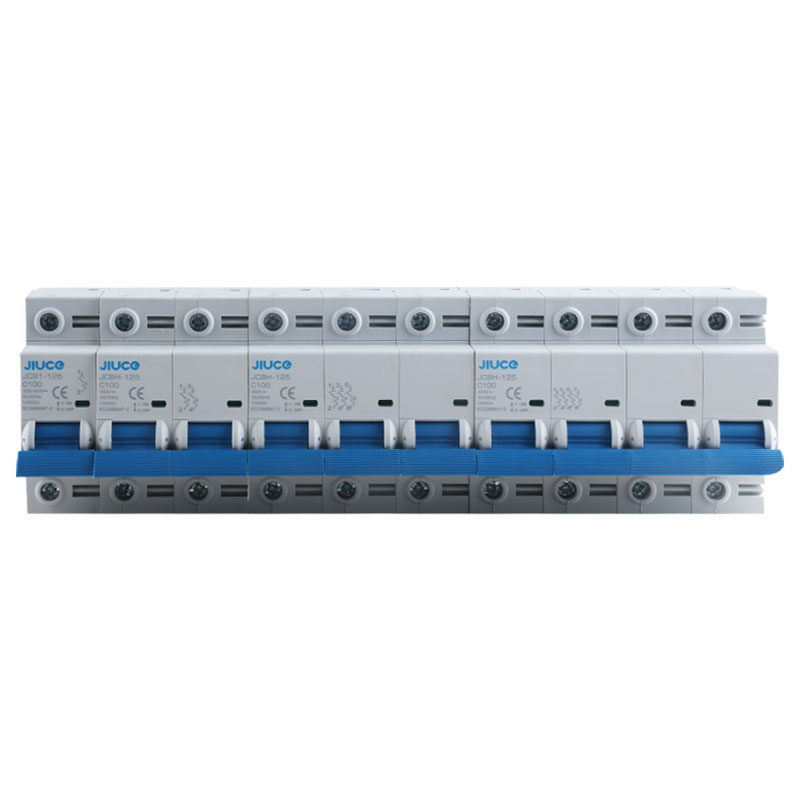
    A circuit breaker is a crucial component of electrical systems that helps to protect electrical circuits from damage caused by excessive current. It acts as a safety device and performs the essential function of automatically interrupting the flow of current when it exceeds safe levels.

    How Does a Circuit Breaker Work?

    A circuit breaker consists of a switch-like mechanism that can be manually or automatically operated. It is designed to open and close the circuit under normal operating conditions, but, more importantly, to trip and break the circuit when current exceeds the specified limit.

    When current flowing through a circuit breaker exceeds its rated capacity, the mechanism within it detects this overload and triggers the opening of the circuit. This interruption prevents damage to the electrical system, appliances, and wiring caused by excessive heat and current flow.

    Circuit Breaker  : Unleashing the Power of Electrical Safety

    Credit: www.linkedin.com

    Circuit Breaker  : Unleashing the Power of Electrical Safety

    Credit: m.facebook.com

    The Importance of Circuit Breakers

    Circuit breakers play a crucial role in preventing electrical fires and other hazards. By breaking the circuit and stopping the flow of current, they prevent overheating and potential damage to the system. This protection is particularly important in residential, commercial, and industrial settings where electrical systems are constantly in use and may be subjected to varying loads and conditions.

    If a circuit is overloaded, without a circuit breaker in place, the excess current can cause wires to heat up and potentially melt insulation. As a result, the risk of electrical fires increases significantly. Circuit breakers are designed to quickly and effectively interrupt the circuit, minimizing the risk of such incidents.

    Types of Circuit Breakers

    There are various types of circuit breakers available, each designed to accommodate different voltage levels and current capacities. These include:

    • Miniature Circuit Breakers (MCBs): Commonly used in residential and commercial applications, MCBs offer protection for low-voltage circuits.
    • Molded Case Circuit Breakers (MCCBs): Suitable for higher voltage applications, MCCBs provide protection for larger electrical systems and industrial machinery.
    • Residual Current Circuit Breakers (RCCBs): Primarily used for personal protection, RCCBs are designed to detect and interrupt current imbalances caused by faults or leakage to the ground.
    • Arc Fault Circuit Interrupters (AFCIs): These specialized circuit breakers are designed to detect dangerous electrical arcs and prevent fires.

    Benefits of Using Circuit Breakers

    In addition to their primary role of protecting electrical systems, circuit breakers offer several benefits:

    • Enhanced Safety: Circuit breakers significantly reduce the risk of electrical fires, electrical shocks, and damage to appliances and equipment.
    • Convenience: With circuit breakers, the process of restoring power is hassle-free. When a circuit trips, it can be easily reset by flipping the switch back into the “on” position.
    • Cost-Effective: Circuit breakers are a cost-effective solution compared to fuses. Unlike fuses, which need to be replaced every time they blow, circuit breakers can simply be reset.
    • Protection Against Overloads: Circuit breakers automatically interrupt the circuit when the current exceeds safe levels, preventing damage to appliances and wiring.
    • Flexibility: Circuit breakers provide flexibility in terms of adjusting current ratings. They can be easily replaced or upgraded to accommodate changing electrical requirements.

    Maintaining and Testing Circuit Breakers

    Regular maintenance and testing of circuit breakers are essential to ensure their proper functioning. Some recommended maintenance practices include:

    1. Inspecting for any signs of damage, such as cracks or loose connections.
    2. Cleaning the circuit breaker to remove debris or dust that can interfere with its operation.
    3. Testing the circuit breaker’s functionality by performing routine tripping and resetting procedures.
    4. Updating and documenting the circuit breaker’s condition and testing results.

    Conclusion

    Circuit breakers are a vital component of electrical systems that protect against overcurrent and help prevent electrical fires. They provide enhanced safety, convenience, and cost-effectiveness while allowing flexibility in adjusting to changing electrical demands. Regular maintenance and testing are crucial to ensure their reliable performance. By understanding the importance of circuit breakers and their proper use, we can ensure the safety and longevity of our electrical systems.

  • How Does International Monetary Fund Function

    The International Monetary Fund (IMF) functions by providing financial assistance and policy advice to member countries facing economic difficulties. It aims to promote global monetary cooperation, secure financial stability, facilitate international trade, and reduce poverty around the world.

    The IMF’s function involves monitoring the economic and financial developments of its member countries, providing technical assistance and financial support to countries in need, and promoting economic stability through its policy advice and surveillance. By playing a crucial role in global economic governance and coordination, the IMF helps prevent financial crises and supports the stability and growth of the world economy.

    Through its various programs and initiatives, the IMF strives to foster economic stability and development across the globe.

    History Of Imf

    The History of IMF is crucial to understand how the International Monetary Fund functions. It all began after World War II, with the Bretton Woods Conference in July 1944. This conference aimed to create a framework for economic cooperation and establish post-war economic stability. As a result, the IMF was established as part of the Bretton Woods Agreement, which was signed by 44 nations.

    Formation

    The formation of the IMF occurred in 1944 as a result of the Bretton Woods Agreement. This intergovernmental organization was tasked with overseeing the international monetary system and ensuring exchange rate stability. Its primary goal was to prevent competitive devaluations and balance of payments problems among member countries.

    Evolution

    Over time, the IMF’s roles and functions evolved to meet changing global economic needs. Its early focus on stabilizing exchange rates shifted towards providing financial assistance to member countries facing balance of payments problems. As the international monetary system continued to evolve, the IMF’s scope expanded to include economic surveillance, policy advice, and technical assistance.

    Membership And Governance

    The International Monetary Fund (IMF) operates on the principles of membership and governance. Member countries play a crucial role in shaping the policies and decisions of the IMF, ensuring global financial stability and economic cooperation. The governance structure of the organization, along with specific membership criteria, facilitates the effective functioning of the IMF.

    Membership Criteria

    The IMF has a membership of 190 countries across the globe, making it a truly international institution. In order to become a member of the IMF, a country must meet certain criteria:

    1. A country needs to be a member of the United Nations or a specialized agency such as the World Trade Organization.
    2. It must represent an economy that participates in international trade and has a role in the global monetary system.
    3. The country should be willing to adhere to the IMF’s Articles of Agreement and cooperate with other member countries in achieving the organization’s objectives.

    Once the membership criteria are fulfilled, a country can apply for membership to the IMF. The application is then reviewed by the organization’s Executive Board, which consists of representatives from member countries. The Executive Board makes decisions regarding membership applications and other key issues related to the functioning of the IMF.

    Governance Structure

    The governance structure of the IMF is designed to promote representation and accountability. The main components of the governance structure include:

    • Board of Governors: This is the highest decision-making body of the IMF and comprises representatives from each member country. The Board of Governors meets once a year to discuss and decide on major policy issues.
    • Executive Board: The Executive Board acts as the operational arm of the IMF and is responsible for day-to-day management. It consists of 24 Executive Directors, who are appointed or elected by member countries or groups of countries.
    • Managing Director: The Managing Director is the head of the IMF and is elected by the Executive Board. This individual plays a crucial role in overseeing the organization’s activities and representing the IMF in global forums.

    The governance structure ensures that decisions are made collectively and that the interests of member countries are well-represented. It also promotes transparency and accountability by providing a platform for member countries to voice their opinions and contribute to the decision-making process.

    Functions Of Imf

    The International Monetary Fund (IMF) functions by providing financial assistance to member countries facing balance of payment problems, offering policy advice and surveillance to promote economic stability and growth, and providing technical assistance and training to help countries address economic challenges and build institutional capacity.

    Through these functions, the IMF aims to foster global monetary cooperation, secure financial stability, facilitate international trade, and contribute to sustainable economic growth.

    Functions of IMF

    Economic Surveillance

    International Monetary Fund (IMF) performs economic surveillance by monitoring global economic conditions, exchange rates, and macroeconomic policies. It provides member countries with economic analysis and policy recommendations to foster stability and sustainable growth.

    Financial Assistance

    The IMF offers financial assistance to member countries facing balance of payments problems. This support helps stabilize their economies and restore confidence, enabling them to implement necessary reforms.

    Challenges And Criticisms

    The International Monetary Fund (IMF), as an international organization, plays a crucial role in maintaining global economic stability. However, it is not without its challenges and criticisms. Let’s delve into some of these challenges and examine the criticisms faced by the IMF.

    Conditionalities

    One of the significant criticisms faced by the IMF is its imposition of conditionalities when providing financial assistance to countries. These conditions often entail implementing specific economic policies, such as austerity measures and structural reforms, to address fiscal imbalances. While intended to promote economic stability, they have sparked debates about their impact on social welfare and local economies.

    Effectiveness

    Assessing the effectiveness of IMF interventions has been a subject of scrutiny. Some argue that the IMF’s policies could exacerbate economic disparities and worsen social conditions in recipient countries, raising questions about the overall impact of its programs. Additionally, concerns have been raised about the transparency and accountability of the IMF’s decision-making processes, influencing the perceived effectiveness of its initiatives.


    Frequently Asked Questions For How Does International Monetary Fund Function

    What Are The Functions Between The International Monetary Fund And The World Bank?

    The International Monetary Fund focuses on financial stability, exchange rates, and economic development, while the World Bank provides financial and technical assistance for development projects. Both organizations aim to promote global economic stability and growth through different means.

    Does The Imf Give Money To People?

    Yes, the IMF provides financial assistance to countries, not individuals. It offers loans and support to stabilize economies.

    Where Does International Monetary Fund Get Its Money?

    The International Monetary Fund gets its money from member countries who contribute funds based on their quotas.

    Conclusion

    The International Monetary Fund (IMF) plays a crucial role in promoting global financial stability and cooperation. By offering financial assistance, conducting economic assessments, and providing policy advice, the IMF aims to assist member countries in managing economic challenges and fostering sustainable growth.

    In this interconnected world, the IMF’s efforts to maintain stability and enhance financial resilience have a direct impact on the well-being of nations and their citizens. Understanding the functions of the IMF is essential for comprehending the dynamics of the global economy and the complexities of international financial systems.

  • How To Start A Side Business

    To start a side business, first identify a profitable niche and create a detailed business plan.

    Finding Your Side Business Idea

    Uncover your ideal side business idea with these effective strategies. Start by identifying your skills, passions, and market needs to find the right fit for your side hustle. Explore different options and evaluate the potential for profitability and enjoyment, and take the first step towards your entrepreneurial journey.

    Assessing Your Skills And Interests

    One of the most crucial steps in finding your side business idea is assessing your own skills and interests. To start, take some time to reflect on what you’re good at and what you enjoy doing. Consider your hobbies, past experiences, and any specialized knowledge you may have. By determining your skills and interests, you’ll be able to align your side business with your passion and capitalize on what you’re already good at.

    Researching Market Demand

    Once you have identified your skills and interests, the next step is to research market demand. This involves understanding if there is a need or demand for your side business idea. Conduct market research to find out if there is already a saturated market or if there is room for your unique offering.

    Start by looking for similar businesses or services in your area or online. Conduct a competitive analysis to understand how you can differentiate yourself and offer something new to customers. Additionally, explore online platforms, forums, and social media groups related to your niche to gather insights about customer preferences and needs.

    Remember that finding a side business idea with high market demand increases your chances of success and profitability.

    Creating A Business Plan

    To start a side business, it is essential to create a well-structured business plan. This document will outline your goals, target audience, marketing strategies, and financial projections, providing a roadmap for success. With a thoughtfully crafted business plan, you can confidently embark on your entrepreneurial journey.

    Creating a Business Plan plays a crucial role in the success of your side business. It provides a roadmap, helping you clarify your goals and make informed decisions. A well-structured business plan outlines your business structure and goals, as well as highlights your marketing strategy. Let’s explore each of these elements in detail, starting with defining your business structure and goals.

    Setting Up Your Operations

    Once you have decided to start a side business, it’s time to set up your operations. This involves creating a workspace, and taking care of legal and financial aspects. Setting up these foundational elements will lay the groundwork for a successful side business.

    Creating A Workspace

    Creating a dedicated workspace can greatly improve your productivity and focus. Here are some steps to consider:

    • Find a quiet area in your home or consider renting office space if necessary. A space that is free from distractions will help you stay focused.
    • Set up a comfortable workspace with a desk, chair, and any necessary tools or equipment for your specific business.
    • Ensure proper lighting and ventilation to create a conducive work environment.
    • Organize your workspace with storage solutions such as shelves or filing cabinets to keep your materials and documents in order.

    Setting Up Legal And Financial Aspects

    Before diving into your side business, it’s important to take care of the legal and financial aspects. This will help protect your business and ensure its sustainability. Consider the following steps:

    1. Choose a business name and check for its availability. Registering your business name will give you legal protection and establish your brand identity.
    2. Decide on the legal structure of your business, whether it’s a sole proprietorship, partnership, or limited liability company (LLC). Each structure has its pros and cons, so research and consult with a professional to make the right choice.
    3. Obtain the necessary permits and licenses required for your business, depending on your industry and location. This will ensure that you’re operating legally and avoid any potential issues.
    4. Open a separate business bank account to keep your personal and business finances separate. This will help with tax reporting and budgeting.
    5. Consider consulting with an accountant or bookkeeper to set up an organized system for tracking your income and expenses. This will make tax time much easier and help you make informed financial decisions.

    By following these steps to create a dedicated workspace and take care of the legal and financial aspects, you’ll be well on your way to starting a successful side business. These foundational elements will provide a solid base for the future growth and sustainability of your venture.

    Marketing And Branding Your Side Business

    Discover effective strategies for marketing and branding your side business with this comprehensive guide. Learn how to start your own venture and promote it successfully to attract customers and increase your profits.

    Building An Online Presence

    When it comes to marketing and branding your side business, building an online presence is an essential step. In today’s digital age, having a strong online presence can help you reach a wider audience and attract potential customers. Here’s how you can get started:

    1. Create a website:

    Having a website is like having a virtual storefront. It gives your side business a professional image and allows potential customers to find information about your products or services. Make sure your website is visually appealing, user-friendly, and optimized for search engines.

    1. Optimize your website for SEO:

    SEO, or search engine optimization, is the process of improving your website’s visibility in search engine results. By optimizing your website for SEO, you can increase your chances of appearing higher in search engine rankings, which means more organic traffic to your site. Research relevant keywords and incorporate them into the content on your website.

    1. Start a blog:

    Creating and maintaining a blog can help establish your expertise in your industry and provide value to your audience. Share informative and engaging content related to your side business, and be consistent with your posting schedule. This will not only attract readers but also enhance your online presence.

    1. Utilize email marketing:

    Building an email list and sending regular newsletters or updates can be an effective way to connect with your audience. Offer incentives for visitors to subscribe to your mailing list, such as exclusive discounts or valuable content. Use email marketing tools to automate the process and track your campaign’s success.

    Utilizing Social Media And Networking

    Social media is a powerful tool for marketing and branding your side business. Here are some strategies you can implement:

    1. Create social media profiles:

    Identify which social media platforms your target audience uses the most and create profiles on those platforms. Consistently post engaging content, interact with your followers, and respond to comments and messages in a timely manner. Use hashtags and relevant keywords to increase your visibility.

    1. Harness the power of visual content:

    Visual content tends to attract more attention on social media. Utilize images, videos, and graphics to showcase your products or services. Share behind-the-scenes footage, customer testimonials, or sneak peeks of upcoming projects to keep your audience engaged and interested.

    1. Engage with the community:

    Networking is crucial for the growth of your side business. Join online communities, participate in relevant discussions, and connect with potential customers and industry influencers. Offer valuable insights, share your expertise, and build relationships that can lead to partnerships or collaborations.

    1. Run social media ads:

    If you have a marketing budget, consider running targeted ads on social media platforms. This can help you reach a larger audience and drive traffic to your website or social media profiles. Experiment with different ad formats and target demographics to find what works best for your side business.


    Managing Your Time And Resources

    Managing Your Time and Resources is crucial when it comes to starting a side business. It’s important to find a balance between your side business and other commitments, as well as setting realistic goals and priorities to make the most of your time and resources.

    Setting Realistic Goals And Priorities

    When starting a side business, setting realistic goals and priorities is key. This involves identifying what is most important for the growth of your business and allocating your time and resources accordingly. By establishing clear goals and prioritizing tasks, you can stay organized and focused on achieving significant milestones.

    Balancing Your Side Business With Other Commitments

    Balancing your side business with other commitments such as family, work, and personal responsibilities is necessary. You can achieve this by creating a schedule that includes dedicated time for your side business without neglecting other important aspects of your life. Effective time management allows you to optimize the use of your available resources while ensuring that all areas of your life receive the necessary attention.

    Frequently Asked Questions On How To Start A Side Business

    What Is The Best Side Business To Start?

    The best side business to start varies for each person, but options like freelance writing, tutoring, and selling handmade products online can be profitable and require minimal investment. Find something you enjoy and that aligns with your skills and interests to boost your chances of success.

    How Hard Is It To Start A Side Business?

    Starting a side business can be challenging but not impossible. With proper planning, dedication, and effort, anyone can do it. It requires careful consideration of your ideas, market research, and time management. Success depends on your perseverance and the value you offer to customers.

    Do Side Hustles Need Llc?

    No, side hustles don’t require an LLC, but it can offer liability protection and tax benefits.

    Conclusion

    Starting a side business can be an exciting and fulfilling endeavor. By following the steps outlined in this blog post, you can achieve success in your entrepreneurial journey. Remember to focus on your passions, conduct thorough market research, create a solid business plan, and embrace the power of digital marketing.

    With determination and perseverance, you can turn your side business into a thriving enterprise. Take action now and unlock your potential for financial freedom.

  • Special Dividend : Maximizing your Returns with an Unexpected Windfall

    Special Dividend: What You Need to Know

    A special dividend is an extra dividend payment issued by a company to its shareholders. It is in addition to the regular dividends that are paid out on a periodic basis, such as quarterly or annually. This special payout is typically a one-time event and is not part of the company’s regular dividend policy.

    Special dividends are usually paid out when a company has excess cash or profits that it wants to distribute to its shareholders. It can be a way to reward investors or provide them with an immediate return on their investment. These dividends are often larger than regular dividends and can result in a significant cash payout for shareholders.

    One of the main reasons why companies decide to issue special dividends is to manage their excess cash. A company may accumulate cash reserves over time due to successful operations or an influx of funds from a sale of assets or a merger. Rather than keeping that excess cash idle, the company may choose to distribute it to shareholders in the form of a special dividend.

    Additionally, special dividends can be used as a strategic move to boost the company’s stock price. When a company announces a special dividend, it can create positive sentiment among investors, leading to an increase in demand for the stock. This increased demand can drive up the stock price, benefiting shareholders who hold the stock.

    Special Dividend  : Maximizing your Returns with an Unexpected Windfall

    Credit: arthgyaan.com


    Special Dividend  : Maximizing your Returns with an Unexpected Windfall

    Credit: fastercapital.com

    Key Features of Special Dividends

    Special dividends have a few distinct features that set them apart from regular dividends:

    Feature Description
    One-time event Special dividends are typically paid out only once and are not part of the company’s regular dividend schedule.
    Higher payout Special dividends are often larger than regular dividends, resulting in a significant cash payout for shareholders.
    Excess cash distribution They are usually distributed when a company has excess cash or profits that it wants to distribute to its shareholders.
    Positive impact on stock price The announcement of a special dividend can create positive sentiment among investors, potentially leading to an increase in the company’s stock price.

    Benefits of Special Dividends

    Special dividends can offer several benefits to both the company and its shareholders:

    • Shareholder reward: Special dividends are a way for companies to reward their shareholders for their investment and loyalty.
    • Increased investor confidence: The announcement of a special dividend can boost investor confidence in the company, indicating financial strength and stability.
    • Stock price appreciation: A positive reaction to the announcement of a special dividend can lead to a rise in the company’s stock price, benefiting shareholders.
    • Tax advantages: Depending on the jurisdiction, special dividends may have certain tax advantages for the shareholders.

    Considerations for Investors

    While special dividends can be enticing for investors, there are a few factors to consider:

    • Long-term prospects: Evaluate whether the company’s financial position and long-term prospects justify the special dividend payout.
    • Dividend sustainability: Assess if the company has the ability to sustain future dividends after the special dividend is paid out.
    • Tax implications: Understand the tax implications of receiving a special dividend and consult with a tax professional if needed.
    • Market conditions: Take into account the prevailing market conditions and the potential impact on the company’s stock price.

    Conclusion

    Special dividends can be an attractive proposition for both companies and investors. They allow companies to manage their excess cash while providing shareholders with an additional return on their investment. As an investor, it’s important to carefully evaluate the company’s financial position and consider the potential long-term implications before making any investment decisions related to special dividends.