Author: MMP

  • How Financial Advisors Can Help Debt?

    Financial advisors provide crucial assistance in managing debt by offering expert advice and creating customized strategies. Debt can be overwhelming, but these professionals help clients develop a clear picture of their financial situation, explore available options, and design a plan to alleviate debt burdens efficiently.

    By utilizing their expertise, financial advisors can provide clients with a comprehensive analysis of their debt, propose suitable debt management tools and techniques, and guide them towards achieving financial freedom. From consolidating debts, negotiating with creditors, and setting realistic repayment goals, to offering ongoing support and monitoring progress, financial advisors play a pivotal role in helping individuals regain control of their finances and achieve a debt-free future.

    The Role Of Financial Advisors

    Financial advisors play a crucial role in helping individuals and families overcome debt and achieve financial stability. With their professional expertise and customized financial plans, they provide invaluable guidance and support to help individuals navigate the complexities of debt management. In this article, we will explore the various ways in which financial advisors can assist in alleviating debt and creating a solid financial foundation.

    Professional Expertise

    Financial advisors possess the knowledge and experience necessary to effectively address debt-related issues. With their understanding of financial markets, investment strategies, and debt management techniques, they can offer insights that are tailored to the specific needs of their clients. Their expertise extends beyond mere numbers; they analyze individual circumstances, explore options, and provide recommendations that align with the goals and values of the client. By leveraging their professional knowledge, financial advisors guide individuals towards making informed decisions that will have long-lasting positive impacts on their financial well-being.

    Customized Financial Plan

    A key aspect of a financial advisor’s role in debt management is developing a customized financial plan. This plan takes into account individual income, expenses, assets, and liabilities to create a comprehensive roadmap for debt reduction. Through careful evaluation, financial advisors identify areas where individuals can cut costs, optimize their budgets, and maximize their income potential. They outline clear steps to be taken, suggest debt consolidation strategies when appropriate, and establish a timeline for achieving debt reduction goals. By tailoring the plan to suit individual circumstances, financial advisors empower individuals to overcome debt in a structured and achievable manner.

    Moreover, financial advisors provide ongoing support and guidance throughout the implementation of the financial plan. They track progress, evaluate the effectiveness of strategies, and make adjustments as necessary. By ensuring that individuals stay on track and keep their financial goals in focus, financial advisors help them maintain their motivation and stay committed to the debt repayment plan.

    In summary, financial advisors play a vital role in assisting individuals in their journey towards debt reduction and financial security. They bring their professional expertise and customizable financial plans to the table, which enable them to provide tailored guidance and support. By working with a financial advisor, individuals can gain the tools and knowledge necessary to overcome debt and ultimately achieve long-term financial success.

    Debt Management Strategies

    Financial advisors can assist in debt management strategies by providing personalized plans to tackle debt effectively. They offer guidance on consolidating debts, negotiating with creditors, and creating budgets to regain financial stability. With their expertise, individuals can navigate the complexities of debt management and work towards a debt-free future.

    Financial advisors can play an instrumental role in helping individuals tackle their debt by implementing effective debt management strategies. These strategies are designed to provide individuals with the necessary tools and guidance to regain control of their finances and ultimately achieve debt freedom. Here are three key debt management strategies:

    Debt Consolidation

    Debt consolidation is a powerful approach that financial advisors often recommend to individuals burdened with multiple debts. It involves combining all outstanding debts into a single loan or credit line with a lower interest rate. By doing so, individuals simplify their repayment process and save money on interest charges. Debt consolidation provides not only financial relief but also peace of mind as individuals have a clear overview of their monthly repayment obligations.

    Budgeting And Planning

    Creating a realistic budget and sticking to it is crucial when dealing with debt. Financial advisors help individuals chart out a comprehensive budget that considers their income, expenses, and debt obligations. This budgeting and planning process entails identifying unnecessary expenses, prioritizing debt repayments, and establishing clear financial goals. By adopting a disciplined approach to budgeting, individuals can steadily reduce their debt and regain financial stability.

    Debt Repayment Strategies

    Financial advisors guide individuals in developing effective debt repayment strategies. These strategies may include the snowball method or the avalanche method. The snowball method involves paying off the smallest debts first, while the avalanche method focuses on tackling debts with the highest interest rates. By implementing these strategies, individuals can make significant progress in reducing their debt and gain momentum as they clear smaller balances or chisel away at high-interest debts.

    It’s essential to note that debt management strategies vary depending on individual circumstances. Financial advisors leverage their expertise and customize strategies to match the specific needs and goals of their clients. By accessing professional guidance, individuals can overcome their debt challenges more efficiently and start building a solid financial foundation.

    Negotiating With Creditors

    Dealing with debt can be overwhelming and stressful, but financial advisors are there to lend a helping hand. One important aspect of their role is negotiating with creditors on behalf of their clients. By leveraging their expertise and experience, financial advisors can assist in debt resolution and pave the way towards financial freedom.

    Debt settlement is a viable option that financial advisors explore with creditors to help alleviate financial burdens. With debt settlement, a creditor agrees to accept a reduced amount as a full payment on the outstanding debt. This can significantly reduce the total debt owed, allowing individuals to make more manageable payments and regain control over their finances. Negotiating favorable debt settlements requires sound financial knowledge, persuasive negotiation skills, and a thorough understanding of the client’s financial situation.

    High interest rates on debts can make it challenging to make progress in paying them off. Financial advisors step in to negotiate lower interest rates with creditors. By persuading lenders to reduce the interest rates, financial advisors help to decrease the overall cost of the debt and allow for more substantial portions of payments to go towards reducing the principal amount owed. This reduction in interest rates not only eases the financial burden but also shortens the time it takes to become debt-free.

    By negotiating with creditors, financial advisors play a crucial role in helping individuals tackle their debt issues effectively. Whether it’s through debt settlement or reducing interest rates, they strive to create a more feasible financial landscape for their clients. With their expertise and guidance, individuals can take proactive steps towards regaining control over their finances and achieving a debt-free future.

    Improving Credit Score

    Financial advisors have the expertise to guide individuals in improving their credit scores and managing debt effectively. Through personalized strategies and financial planning, they can help clients take control of their finances and achieve a better financial standing.

    Credit Report Review

    One of the first steps a financial advisor can take to help improve your credit score is to review your credit report. Your credit report contains important information about your financial history, including details about your credit accounts, payment history, and any outstanding debts. By thoroughly examining your credit report, a financial advisor can identify any errors or discrepancies that may be negatively impacting your credit score.

    A credit report review with a financial advisor will also involve analyzing your credit utilization ratio, which is the amount of credit you’re using compared to your total credit limit. This ratio plays a significant role in determining your creditworthiness, as lenders prefer to see a lower credit utilization ratio. By assessing this ratio, a financial advisor can provide guidance on how to better manage your credit and potentially increase your credit score.

    Rebuilding Credit

    If your credit score has been negatively impacted by past mistakes or financial hardships, a financial advisor can assist you in rebuilding your credit. A key aspect of this process is devising a personalized plan tailored to your unique financial situation. This plan may involve strategies such as:

    1. Creating a budget to manage your income and expenses effectively
    2. Establishing a savings account to demonstrate financial stability
    3. Setting up automatic payments for your bills to avoid missed payments
    4. Working with creditors to negotiate lower interest rates or payment plans
    5. Exploring options like secured credit cards or credit builder loans to establish positive credit history

    Through careful guidance and support, a financial advisor can help you navigate the complexities of rebuilding your credit and set you on a path towards financial success.

    Long-term Financial Wellness

    Long-term financial wellness is essential for individuals looking to build a strong financial future and achieve their goals. Financial advisors play a crucial role in achieving this goal by providing expert guidance and personalized strategies to help individuals manage their debt effectively and work towards long-term financial stability. One of the key areas where financial advisors can make a profound impact is in helping individuals develop a solid plan for savings and investments, as well as retirement planning.

    Savings And Investments

    Creating a sound strategy for savings and investments is vital for mitigating debt and securing financial stability in the long run. Financial advisors work with individuals to develop tailored plans that allocate funds into diverse investment vehicles, such as stocks, bonds, and mutual funds, as well as high-yield savings accounts. These efforts help individuals to build a strong financial foundation that can be utilized to manage debt effectively while also growing their wealth over time.

    Retirement Planning

    Retirement planning plays a crucial role in long-term financial wellness. Financial advisors assist individuals in creating comprehensive retirement plans that align with their financial goals and debt management strategies. This includes guidance on retirement account contributions, investment choices, and retirement income projections to ensure that individuals can navigate through their retirement years without being burdened by debt.

    Frequently Asked Questions For How Financial Advisors Can Help Debt?

    Can A Financial Advisor Help You Get Out Of Debt?

    Yes, a financial advisor can assist you in overcoming debt by offering expert guidance and creating effective financial strategies. They provide personalized solutions, helping you develop a realistic budget and explore debt repayment options that align with your goals. Their expertise can significantly improve your financial situation.

    Can A Financial Advisor See Your Debt?

    Yes, a financial advisor can see your debt as part of their analysis and assessment. They use this information to provide advice and suggest strategies to manage and reduce your debt effectively.

    Who Is The Best Person To Talk To About Debt?

    To get advice on debt, the best person to talk to is a financial advisor or credit counselor. They can provide expert guidance on managing debt and creating a plan to improve your financial situation.

    Conclusion

    Financial advisors play a crucial role in helping individuals tackle their debt and regain financial stability. By offering personalized advice and guidance, these professionals empower their clients to develop effective strategies for managing debt, creating budgets, and improving credit scores.

    With their expertise and knowledge, financial advisors can provide invaluable support and assist individuals in achieving their long-term financial goals. Don’t let debt control your life – seek the assistance of a qualified financial advisor today.

  • Stochastic Oscillator  : Maximize Your Profits with the Power of Technical Analysis

    Stochastic Oscillator : Maximize Your Profits with the Power of Technical Analysis

    Stochastic Oscillator

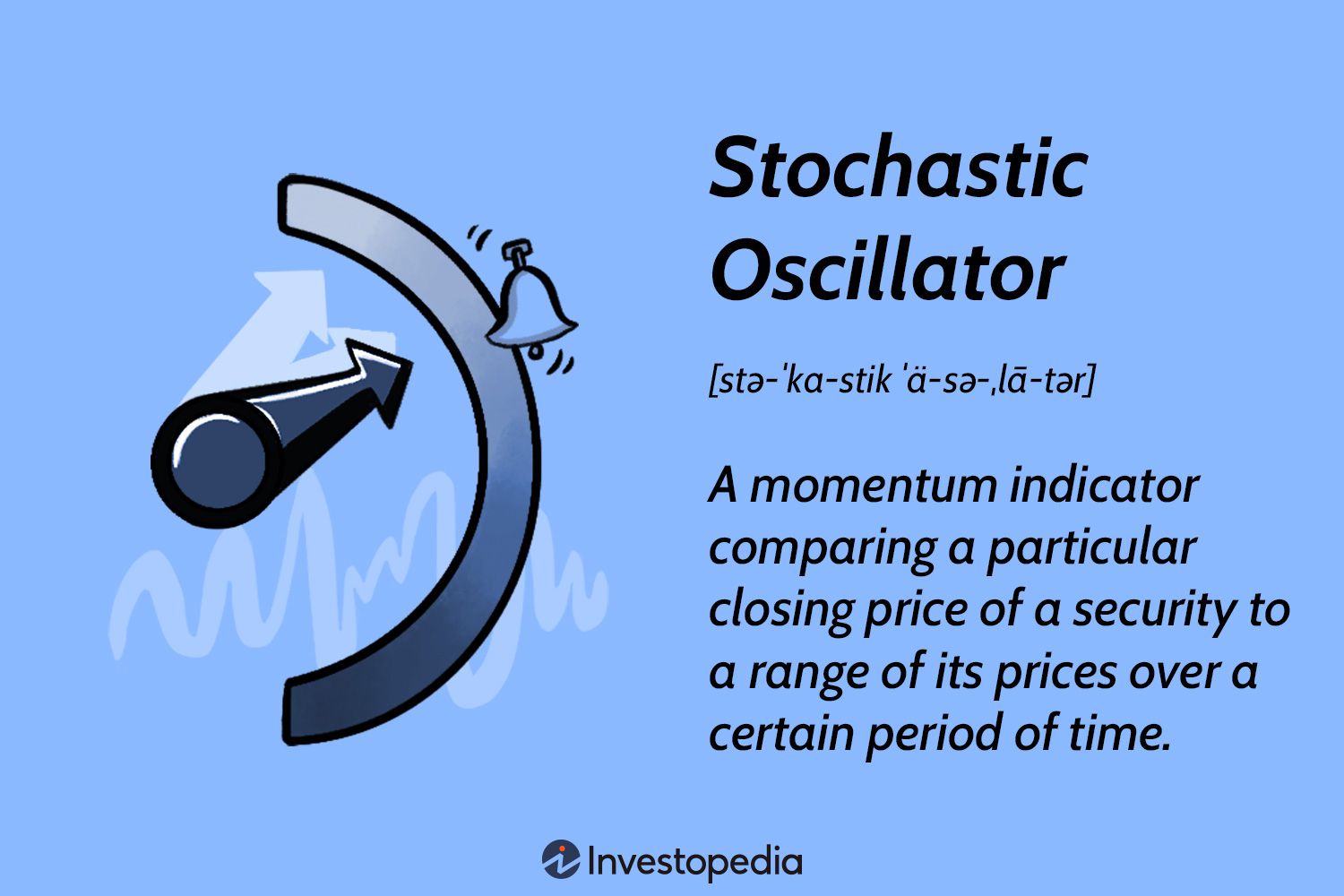
    The stochastic oscillator is a popular technical analysis tool used by traders and investors to identify potential reversals in price trends. It is a momentum indicator that compares a security’s closing price with its price range over a specified period of time. The stochastic oscillator consists of two lines – %K and %D – that oscillate between 0 and 100.

    Stochastic Oscillator  : Maximize Your Profits with the Power of Technical Analysis

    Credit: www.investopedia.com

    How Does the Stochastic Oscillator Work?

    The stochastic oscillator is derived from the observation that as prices increase, closing prices tend to be closer to the upper end of the price range, while in a downtrend, closing prices tend to be closer to the lower end of the price range. By comparing the current closing price with the highest high and lowest low over a specific period, the stochastic oscillator determines the position within the range.

    This information is then plotted on a chart and displayed as two lines: %K and %D. The %K line represents the current price relative to the range, while the %D line is the moving average of %K. Typically, a 14-day period is used for calculation, but this can be adjusted according to the trader’s preference.


    Interpreting the Stochastic Oscillator

    The stochastic oscillator generates signals based on overbought and oversold conditions. When the %K line crosses above the %D line, it is considered a bullish signal, indicating that the price may be poised to rise. Conversely, when the %K line crosses below the %D line, it is considered a bearish signal, suggesting that the price may be ready to decline.

    Additionally, the stochastic oscillator is often used to identify overbought and oversold levels. Traditionally, values above 80 are considered overbought, while values below 20 are considered oversold. Traders may interpret these levels as potential reversal points, as overbought conditions can signal a potential decline, while oversold conditions may indicate a potential rise in price.

    Stochastic Oscillator  : Maximize Your Profits with the Power of Technical Analysis

    Credit: www.britannica.com

    Using the Stochastic Oscillator in Trading

    The stochastic oscillator is a versatile tool that can be used in various trading strategies. When combined with other technical analysis indicators, it can provide valuable insights into market conditions and potential opportunities. Here are a few ways traders use the stochastic oscillator:

    Trend Confirmation:

    Traders can use the stochastic oscillator to confirm the strength of a trend. If the oscillator’s lines are consistently moving in the same direction as the price trend, it suggests that the trend is strong and likely to continue. Conversely, if the oscillator’s lines start to diverge from the price trend, it may signal a potential reversal or weakening trend.

    Reversal Confirmation:

    The stochastic oscillator can also be used to confirm potential reversals. When the %K line crosses above the %D line in the oversold zone, it may indicate a bullish reversal signal. Conversely, when the %K line crosses below the %D line in the overbought zone, it may suggest a bearish reversal signal.

    Divergence Analysis:

    Divergence occurs when the price trend and the oscillator’s lines move in opposite directions. This can signal a potential reversal in the price trend. Traders look for situations where the price makes a new high or low, but the stochastic oscillator fails to reach a new high or low. This bearish or bullish divergence can indicate weakening momentum and a possible trend reversal.

    Conclusion

    The stochastic oscillator is a popular tool among traders and investors for identifying potential changes in price trends. By providing signals for overbought and oversold conditions, as well as confirming trends and possible reversals, it can be a valuable addition to any trading strategy. However, like any technical analysis tool, it is important to use the stochastic oscillator in conjunction with other indicators and analysis methods to make well-informed trading decisions.

  • Temporary Car Insurance

    Temporary car insurance provides short-term coverage for drivers, typically ranging from a day to a few weeks. It offers flexibility for unique situations, such as borrowing a vehicle or test driving a new car.

    Temporary car insurance, also known as short-term car insurance, offers a convenient and flexible option for those who only require coverage for a brief period of time. Whether you need to borrow a friend’s car for a weekend road trip or want to provide temporary coverage for a visiting relative, this type of insurance can meet your needs without the commitment of a long-term policy.

    We will explore the benefits and considerations of temporary car insurance, helping you make an informed decision when seeking short-term coverage for your vehicle.

    What Is Temporary Car Insurance?

    Temporary car insurance is a short-term auto insurance policy that provides coverage for a limited duration, typically ranging from a single day to several months. Unlike traditional annual policies, temporary car insurance offers flexibility, making it an ideal option for drivers who may only require coverage for a brief period.

    How Is It Different?

    Temporary car insurance is distinct from standard auto insurance in that it allows drivers to obtain coverage for a specific time frame, eliminating the need for a long-term commitment. This temporary solution is particularly advantageous for individuals who are borrowing or renting a vehicle for a short period, helping them avoid being tied to a standard annual policy.

    When Is It Useful?

    Temporary car insurance can be especially useful in a variety of situations, such as when individuals are borrowing a friend’s car, embarking on a road trip, or needing coverage for a temporary vehicle. It also proves beneficial for students returning home for holidays or individuals requiring immediate insurance for a newly purchased car.

    Benefits Of Temporary Car Insurance

    Temporary car insurance provides flexibility for short-term coverage without affecting existing policies. It is ideal for borrowing vehicles, test-driving, or moving house, offering peace of mind and cost-effective protection. This temporary option is easy to obtain and can be tailored to individual needs, making it a convenient choice for various situations.

    Benefits of Temporary Car Insurance Temporary car insurance offers several advantages for drivers who may need short-term coverage for various reasons. From flexibility to cost-effectiveness, this type of insurance provides practical solutions for different situations.

    Flexibility

    Temporary car insurance is designed to offer flexibility to drivers who require short-term coverage. Whether you need to borrow a friend’s car for a weekend getaway or drive a rental car during a vacation, temporary car insurance can be customized to suit your specific needs. This type of insurance allows you to adjust the length of coverage based on your requirements, providing the flexibility to stay insured only for the necessary duration.

    Cost-effectiveness

    One of the key benefits of temporary car insurance is its cost-effectiveness. Instead of committing to a long-term policy, you can opt for short-term coverage when you only need insurance for a limited period. This can result in significant cost savings as you only pay for the exact duration of coverage required. Additionally, temporary car insurance allows you to avoid annual policy fees and enables you to streamline costs based on your immediate needs. In conclusion, temporary car insurance provides the flexibility to adapt coverage to your specific needs and offers a cost-effective alternative to long-term policies. Whether you need short-term coverage for a borrowed car or a rental vehicle, temporary car insurance presents a practical and economical solution.

    How To Obtain Temporary Car Insurance

    Are you searching for a flexible insurance option for your temporary driving needs? Temporary car insurance provides a convenient solution for short-term coverage, suitable for situations such as borrowing a car, Test driving a vehicle, or driving a rental car. In this guide, we’ll walk you through the requirements and process to obtain temporary car insurance.

    Requirements

    To obtain temporary car insurance, you need to meet certain requirements. Here are the basic criteria:

    • Age: Typically, you must be at least 21 years old.
    • Driving License: A valid driver’s license for the country in which you wish to secure the insurance.
    • Vehicle Information: Details of the vehicle you want to insure, including the registration number and the vehicle owner’s permission.

    Process

    The process of obtaining temporary car insurance is generally straightforward. Here’s an overview of the typical steps:

    1. Research: Research and compare various insurance providers that offer temporary coverage.
    2. Quote: Obtain a quote by providing the necessary details about yourself and the vehicle.
    3. Application: Complete the application process by providing personal and vehicle information.
    4. Payment: Make the required payment to activate the temporary insurance coverage.

    Considerations Before Purchasing

    Before purchasing temporary car insurance, there are several essential considerations to keep in mind to ensure the coverage meets your specific needs and requirements.

    Coverage Options

    When considering temporary car insurance, understanding the coverage options is essential. Liability coverage is mandatory in most states and covers damages to another person’s property or injury to another person in an at-fault accident. Collision coverage pays for damages to your car in an accident, regardless of fault. Comprehensive coverage protects against non-collision-related incidents, such as theft or natural disasters.

    Duration

    The duration of temporary car insurance should align with your specific needs. Whether you require coverage for a weekend getaway, a week-long business trip, or a month-long vacation, ensure that the policy’s duration provides adequate protection for the intended timeframe.

    Frequently Asked Questions For Temporary Car Insurance

    Is Temporary Car Insurance Legit?

    Yes, temporary car insurance is legitimate. It provides short-term coverage for specific needs.

    Can I Get Insurance For A Week?

    Yes, you can get insurance for a week. Many insurance companies offer short-term policies to meet your temporary coverage needs.

    Can You Get Temporary Car Insurance In The Us?

    Yes, you can get temporary car insurance in the US. It’s commonly known as short-term auto insurance. Temporary car insurance offers coverage for a short period, usually from one day to a few months, providing flexibility for various situations.

    Conclusion

    Temporary car insurance provides a flexible solution for short-term coverage needs. It offers peace of mind for drivers who require temporary additional protection. With the convenience of easily accessible coverage, individuals can navigate unexpected situations with confidence. Explore the options available to find the right fit for your temporary insurance needs.


  • Mezzanine Financing

    Mezzanine Financing – An Innovative Solution for Funding Business Growth

    Mezzanine financing, a hybrid form of business funding, has gained significant popularity in recent years as an alternative source of capital for companies looking to fuel their growth. This unique financing option has emerged as a viable solution for businesses seeking to bridge the gap between equity and debt financing.

    Understanding Mezzanine Financing

    Mezzanine financing is a form of capital structure that sits between senior debt and equity in terms of risk and return. It involves providing a company with a combination of debt and equity that is subordinate to senior debt but ranks above equity in terms of priority and claim on assets.

    Mezzanine funding offers businesses flexible financing options by combining debt-like components, such as interest payments and repayment terms, with equity-like components, including warrants or conversion rights. This unique structure allows companies to access capital while minimizing dilution to existing shareholders.

    The Benefits of Mezzanine Financing

    Mezzanine financing offers several advantages to businesses in need of growth capital:

    • Flexible Terms: Mezzanine financing provides flexible terms that can be tailored to the specific needs of the company, including interest payments, repayment structures, and conversion options.
    • Lower Equity Dilution: By opting for mezzanine financing, businesses can retain a higher percentage of equity ownership compared to traditional equity financing, minimizing dilution for existing shareholders.
    • Enhanced Leverage: Mezzanine financing allows companies to leverage their existing balance sheet and cash flow without the need for additional collateral, making it an attractive option for businesses with valuable assets.
    • Growth Acceleration: With access to additional funds, companies can accelerate their growth plans, invest in research and development, expand their operations, or pursue strategic acquisitions.
    • Flexible Exit Options: Mezzanine financing offers various exit strategies, such as refinancing, dividend recapitalization, or an initial public offering (IPO), providing flexibility in meeting long-term financial objectives.

    Mezzanine Financing Process

    The process of obtaining mezzanine financing typically involves the following steps:

    Step Description
    1 Business Evaluation: The company’s management team goes through a comprehensive evaluation process to determine if mezzanine financing is the right fit for their financing needs.
    2 Financial Analysis: Financial statements, projections, and business plans are reviewed in detail to assess the company’s ability to meet the financial obligations associated with mezzanine financing.
    3 Structure Negotiation: Companies negotiate the terms of the mezzanine financing, including interest rates, maturity dates, conversion rights, and other relevant conditions.
    4 Due Diligence: The lender conducts thorough due diligence to validate the company’s business model, market position, and financial projections.
    5 Documentation: Legal documents, including loan agreements, warrants, and security agreements, are prepared and executed.
    6 Funding: Once all conditions are met, the mezzanine financing is disbursed, providing the company with the necessary capital to support its growth objectives.

    Is Mezzanine Financing Suitable for Your Business?

    Mezzanine financing is well-suited for companies in specific situations. It is most beneficial for established businesses with a proven track record, consistent cash flow, and valuable assets. Additionally, companies that have a clear plan for using the funds to support growth initiatives and a defined exit strategy are more likely to benefit from mezzanine financing.

    However, it is essential to consider the potential risks associated with mezzanine financing, including higher interest rates compared to traditional loans and the potential loss of ownership if the financial obligations cannot be met. A thorough evaluation of the company’s financial position and future prospects is crucial before pursuing this financing option.

    Frequently Asked Questions On Mezzanine Financing

    What Is Mezzanine Financing?

    Mezzanine financing is a hybrid form of financing that combines debt and equity. It provides businesses with access to additional capital, typically used to fund expansion or acquisitions.

    How Does Mezzanine Financing Work?

    Mezzanine financing involves lenders providing funds to a company in exchange for an equity stake or high-interest subordinated debt. This allows businesses to access capital beyond what traditional lenders may offer.

    What Are The Advantages Of Mezzanine Financing?

    Mezzanine financing offers several advantages, including flexible repayment terms, potential tax benefits, and the ability to retain control while accessing additional capital for growth opportunities.

    Who Uses Mezzanine Financing?

    Mezzanine financing is commonly utilized by mid-sized and large companies seeking to expand, acquire other businesses, or finance buyouts. It is also an option for startups with a strong growth trajectory.

    Conclusion

    Mezzanine financing presents a valuable opportunity for businesses seeking innovative funding solutions to support their growth plans. With its flexible terms, lower equity dilution, and enhanced leverage, mezzanine financing offers a win-win situation for both companies and investors.

    Before making any financial decisions, it is crucial to consult with experts in the field, such as financial advisors or investment bankers, to assess the suitability of mezzanine financing for your specific business needs. A well-structured mezzanine financing deal can unlock valuable capital and propel your business towards new heights of success.

  • How Do Credit Cards Work

    Credit cards work by allowing users to make purchases on credit, with the issuer lending them the money to be paid back later, often with interest. They provide convenience and the ability to build credit while also offering various rewards and benefits.

    Credit cards are a popular financial tool that allows users to make purchases on credit. When you use a credit card, the issuer lends you the money for the purchase, and you are required to pay back the borrowed amount, usually with interest, within a specific period.

    This arrangement enables you to access funds and build a credit history. In addition, credit cards often come with rewards programs and other benefits, making them a convenient and advantageous way to manage your finances. Understanding how credit cards work can help you make informed financial decisions and utilize credit effectively.

    The Basics Of Credit Cards

    Understanding the basics of credit cards is essential for financial literacy. This article will explain the fundamental aspects of credit cards, from their definition to how credit card transactions work.

    What Is A Credit Card?

    A credit card is a plastic card issued by a financial institution that allows the cardholder to borrow funds to make purchases, with the promise of repayment in the future. When a credit card is used for a transaction, the cardholder essentially borrows money from the card issuer to make the purchase.

    How Credit Card Transactions Work

    Credit card transactions involve several key players, namely the cardholder, the merchant, the merchant’s bank, the card network (such as Visa or Mastercard), and the card issuer. When a cardholder makes a purchase using a credit card, the merchant sends the transaction details to their bank for authorization. The bank then communicates with the card network and the card issuer to verify the transaction and approve the purchase. Once approved, the card issuer covers the cost of the transaction, and the cardholder becomes responsible for repaying the borrowed amount.

    Understanding Interest And Fees

    Credit cards work by allowing you to borrow money to make purchases. When you carry a balance, interest and fees may apply. It’s essential to understand how these charges work to effectively manage your credit card debt.

    Understanding Interest and Fees Credit cards are a convenient way to make purchases while offering various benefits. However, it’s important to understand the interest and fees associated with them to make informed decisions. Let’s delve into the mechanisms behind these crucial aspects. Types of Fees Credit cards often carry several types of fees, which can impact your overall cost. These fees typically include annual fees, late payment fees, cash advance fees, and foreign transaction fees. Each of these fees can add to the cost of using a credit card, so it’s important to be aware of them before making a decision. How Interest is Calculated Interest on credit cards is typically calculated using the average daily balance method. This means that the amount owed is calculated each day and then averaged over the billing cycle. The interest rate, often expressed as an annual percentage rate (APR), is applied to this average daily balance to determine the interest charged. It’s crucial to be mindful of how the interest is calculated to manage your credit card balances effectively.

    Credit Card Benefits And Rewards

    When it comes to using a credit card, it’s not all about spending and debt. Credit cards also offer various benefits and rewards to their users. Understanding these perks can help you make the most of your credit card and take advantage of the value it provides.

    Cashback And Rewards Programs

    Earning cashback and rewards points with your credit card can put money back in your pocket. Many credit cards offer cashback on specific categories such as groceries, dining, or gas. Additionally, rewards programs allow you to accumulate points that can be redeemed for travel, merchandise, or even statement credits. These benefits provide a great way to maximize your spending and earn valuable perks through your credit card usage.

    Insurance And Purchase Protection

    Aside from rewards, insurance and purchase protection are also credit card perks that can be highly beneficial. Many credit cards offer various insurance coverages, such as travel insurance, rental car insurance, and purchase protection. These protections can save you money and provide peace of mind, especially when making significant purchases or traveling. Understanding and utilizing these benefits can add significant value to your credit card usage.

    Managing Your Credit Card

    Understanding how to manage your credit card is crucial in maintaining financial stability. By utilizing your credit card responsibly, you can build a positive credit history and avoid falling into unnecessary debt traps.

    Tips For Responsible Credit Card Use

    • Make timely payments to avoid interest charges.
    • Keep track of your spending by reviewing your monthly statements.
    • Set a budget and use your card accordingly.
    • Avoid maxing out your credit limit to maintain a good credit score.

    Avoiding Credit Card Debt

    1. Pay more than the minimum balance to reduce interest expenses.
    2. Avoid using your card for impulse purchases.
    3. Refrain from using your credit card as a substitute for cash.
    4. Be cautious when considering cash advances which often incur high fees.
    https://www.youtube.com/watch?v=CI_OwAuGOAw

    Frequently Asked Questions For How Do Credit Cards Work

    How Exactly Do Credit Cards Work?

    Credit cards allow you to make purchases on credit. When you use a credit card, the issuer pays the merchant, and you repay the issuer at a later date, often with interest. Your credit limit determines how much you can spend.

    Making timely payments can help build your credit score.

    How Do Payments On A Credit Card Work?

    Credit card payments work by allowing you to spend up to your credit limit, and then you must pay at least the minimum monthly amount. Interest is charged on any unpaid balance. If you pay the full balance, no interest is charged.

    Late payments may incur fees.

    What Is The Minimum Payment On A $3000 Credit Card?

    The minimum payment on a $3000 credit card typically ranges from 1% to 3% of the total balance. This can vary depending on the card issuer’s terms and conditions. It’s important to check your specific credit card agreement for the exact minimum payment required.

    Conclusion

    Understanding how credit cards work is essential for making informed financial decisions. By grasping the concepts of APR, credit limits, and repayment options, you can effectively manage your finances and build a positive credit history. With disciplined use, credit cards can serve as valuable financial tools.

    It is important to stay informed and use credit responsibly.

  • Market Depth  : Unleashing the Hidden Potential

    Market Depth : Unleashing the Hidden Potential

    Market Depth: Understanding the Key to Successful Trading

    When it comes to trading in financial markets, having a deep understanding of market depth is crucial for making informed decisions. Market depth refers to the liquidity and pricing dynamics of a particular asset or security. It provides valuable insights into the current supply and demand levels, which can help traders gauge the market sentiment and plan their trades accordingly.

    Market Depth  : Unleashing the Hidden Potential

    Credit: www.woodwing.com

    What is Market Depth?

    In simple terms, market depth measures the number of buy and sell orders at different price levels. It shows the standing orders that have yet to be executed and are waiting in the order book. Market depth is displayed in a market depth chart or table, which typically illustrates the bid and ask prices alongside the corresponding quantity of contracts or shares.

    For example, let’s say you are trading stocks. The market depth will show you the number of pending buy orders at various price levels, representing the demand for that particular stock. Similarly, you can see the number of sell orders, reflecting the supply available in the market. By evaluating the depth of the market, traders can identify potential buying or selling opportunities.

    Why is Market Depth Important?

    Understanding market depth is crucial for several reasons. First and foremost, it provides a clear picture of the supply and demand dynamics of an asset. By analyzing the number of pending buy and sell orders, traders can ascertain whether the market is skewed towards buyers or sellers. This information can help them predict short-term price movements and make informed trading decisions.

    Furthermore, market depth allows traders to gauge the liquidity of a market. Liquidity refers to the ease with which an asset can be bought or sold without significantly impacting its price. A highly liquid market typically has a substantial number of orders at various price levels, enabling faster execution. On the other hand, a shallow market depth indicates low liquidity, which may result in slippage and higher trading costs.

    https://www.youtube.com/watch?v=jejYQlKUz_o

    How to Interpret Market Depth

    Interpreting market depth requires a combination of technical analysis and understanding of market dynamics. Here are some key factors to consider when evaluating market depth:

    • Bid and Ask Prices: The bid price represents the maximum price that buyers are willing to pay, whereas the ask price indicates the minimum price at which sellers are willing to sell. The difference between the bid and ask price, known as the spread, is essential in assessing market depth.
    • Order Size: The quantity of shares or contracts at each price level is an important metric to evaluate market depth. Larger order sizes at a particular price level often indicate stronger buying or selling pressure.
    • Order Imbalance: Assessing the ratio between buy and sell orders can provide insights into the market sentiment. An imbalance towards buy orders signals bullish sentiment, while a higher number of sell orders indicates bearish sentiment.

    Strategies to Utilize Market Depth

    Traders can utilize market depth to develop their trading strategies and improve their chances of success:

    • Identifying Support and Resistance Levels: Market depth analysis allows traders to identify key support and resistance levels based on the order book. Support levels are prices at which significant buying pressure exists, while resistance levels indicate selling pressure. These levels can act as potential entry or exit points for traders.
    • Spotting Market Manipulation: Large traders or institutions may attempt to manipulate the market by placing fake orders. By closely monitoring market depth, traders can identify unusual order patterns or sudden changes, enabling them to avoid falling victim to such manipulative tactics.
    • Executing Scalping Strategies: Scalping involves taking advantage of short-term price fluctuations. Traders utilizing scalping strategies often rely on market depth to spot quick buying or selling opportunities in highly liquid markets.
    Market Depth  : Unleashing the Hidden Potential

    Credit: www.linkedin.com

    In Conclusion

    Market depth plays a vital role in successful trading. By understanding the dynamics of supply and demand and interpreting market depth charts, traders can gain an edge in the market. Incorporating market depth analysis into trading strategies can lead to more informed decision-making and improved profitability. Remember, market depth analysis is an ongoing process that requires continuous monitoring and adaptation to stay ahead of the competition.