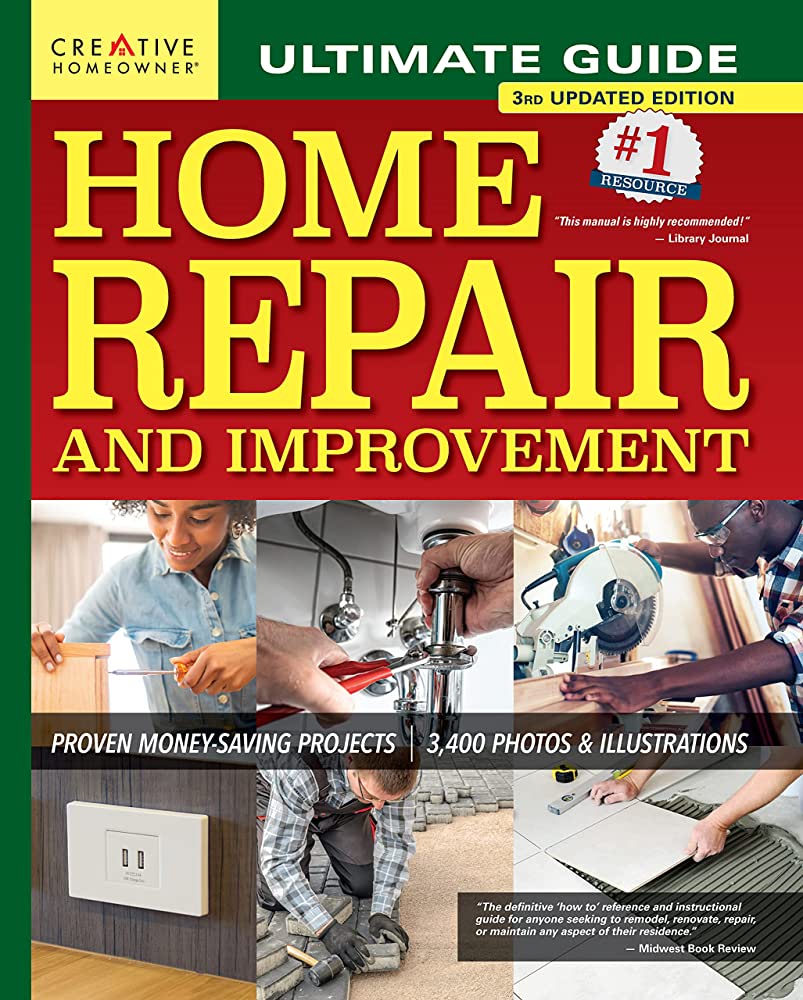
To save money on home repairs, learn how to do them yourself or hire a reputable handyman. Home repairs can be costly and stressful, but there are ways to save money without compromising quality.
One option is to learn how to do the repairs yourself, as this can eliminate the need for costly labor charges. Additionally, hiring a reputable handyman can also be a cost-effective choice, as they typically have lower hourly rates than specialized contractors.
Another tip is to purchase materials and supplies in bulk or online to save on costs. By using these strategies, you can minimize the financial burden of home repairs while still maintaining the safety and comfort of your home.

Credit: www.pinterest.com
Assess What Needs Repairing
Before starting any diy home repairs, it is essential to assess what needs repairing. Proper assessment helps you determine the extent of the damage, plus the supplies and tools needed, and whether you can handle the repairs yourself. Not all repairs are diy-friendly, and some may require specialized skills or professional help.
Here are some of the things to consider when assessing your home repairs:
Common Home Repairs That Can Be Done On Your Own
Fortunately, there are several home repairs that you can do yourself to save money. These include:
- Fix a leaky faucet
- Unclog a drain
- Replace a toilet or sink
- Patch a hole in the wall
- Paint a room
- Replace light fixtures or switches
- Install shelves or curtains
- Clean gutters
Although these repairs are diy-friendly, it’s crucial to know your limits. If you feel that a particular repair is beyond your abilities, it’s best to hire a professional.
How To Determine The Severity Of The Repair Needed
After identifying what needs repairing, you need to gauge the extent of the damage. Some problems can be fixed with a quick diy solution, while others require a long-term approach. Here are some tips to help you determine the severity of the repair needed:
- Check for any safety hazards, like exposed wires or gas leaks. These repairs require immediate professional assistance.
- Determine the root cause of the damage. If it’s due to structural issues, it’s best to consult a professional contractor.
- If the damage is merely cosmetic, like a scratch on furniture, you can quickly fix it yourself using a diy solution.
- Assess if the repair is worth it. If the repair costs are too high, it might be better to replace the item or appliance instead.
Assessing what needs repairing is the first step to save money on home repairs. By knowing which repairs you can handle yourself and determining the severity of the damage, you can avoid unnecessary expenses and prevent further damage to your home.
Stock Up Your Toolbox
Home repairs can be a time-consuming and costly endeavor, but fortunately, there are several ways to save money. One effective way to cut costs is to stock up your toolbox with essential tools. With the right tools, you can complete most repairs around your home without hiring professionals.
Explain The Importance Of Having Essential Tools For Home Repairs
Owning essential tools is crucial for every homeowner. They can be a lifeline in the event of an emergency repair, saving you thousands of dollars on labour costs. Additionally, owning basic tools allows you to handle minor repairs yourself, which can be a time and money saver in the long run.
When you have the right tools, you can easily fix minor issues without having to wait for a vendor or repair person to arrive.
Tools For Most Home Repair Projects
Here’s a list of essential tools every homeowner must have in their toolbox:
- Hammer: Choose a 16-ounce hammer with a comfortable grip, which is perfect for hanging photo frames and artwork.
- Screwdrivers: A good set of screwdrivers including phillips and flathead, in various sizes is necessary.
- Pliers: Choose a tongue-and-groove style pliers that can grasp and turn a variety of shapes and sizes.
- Tape measure: The tape measure is an essential tool that will help you measure everything from the length of the curtain to the width of the room.
- Utility knife: A utility knife is a multipurpose tool that can cut through cardboard, plastic, and drywall.
- Level: A level is a must-have tool for hanging anything straight and levelled.
- Saw: A handsaw or a circular saw can come in handy for cutting boards or trimming tree branches.
You can purchase these tools from local hardware stores or online marketplaces at reasonable prices. Opting for a discount store brand can also help save money. Additionally, you can borrow tools from friends or family members who have them.
Discuss Where To Purchase Affordable Tools Or Borrow From Friends And Family
There are a variety of places to buy affordable tools. Big box hardware stores, such as home depot, lowe’s, and menards, regularly offer promotions and discounts on tools, and their store brands are less expensive. You can explore thrift stores and even garage sales in your area; they sometimes sell lightly used, nominal quality, and affordable tools.
If you don’t have the budget to buy essential tools, borrowing them from friends or family is always an option. But make sure to return them on time and in good condition.
Owning essential tools is significant for any homeowner. With the right tools on hand, you can handle most home repairs and save money in the process. You can easily buy affordable tools from hardware stores, thrift stores, online marketplaces, or even borrow from friends or family members to save more money.
Learn The Basics Of Diy Home Repairs
Are you tired of calling in professionals every time you have a diy home repair job to do? It’s time to learn the basics of diy home repairs. With a little knowledge and practice, you can tackle minor home repairs without breaking the bank.
We’ll teach you how to learn the basics of diy home repairs and offer tips to help you practice repairing on small projects before tackling larger, more complex repairs
The Basics Of Diy Home Repairs
Learning the basics of diy home repairs starts with finding the right resources. You can find helpful online resources and diy books that can guide you through every step of the repair process. Here are some reputable online resources and books to get you started:
- Youtube: Youtube has a vast collection of diy home repair videos covering everything from fixing a leaky faucet to installing a ceiling fan.
- Diy network: Diy network is a great resource with articles, how-to guides, and videos on home repairs, diy renovating, and more.
- Better homes and gardens: Better homes and gardens is an excellent source of tips, tricks, and diy ideas for home improvement projects.
- The complete do-it-yourself manual: This popular book is a comprehensive guide to basic diy home repair jobs and is perfect for beginners.
- Home repair handbook: The home repair handbook offers step-by-step guides on how to carry out different diy home repair projects.
Tips On How To Practice Repairing
Before taking on large and complex home repair projects, you must practice. Here are some tips to help you practice your diy skills before tackling more extensive repairs:
- Start with small repair jobs: Begin with small diy projects like fixing a leaky faucet, unclogging a drain, or replacing a light fixture. This will help you hone your skills and gain confidence for more complex repairs.
- Watch tutorials: Youtube is an excellent resource for watching diy tutorials before attempting repairs. Watching videos will help you visualize the repair process, and you’ll pick up tips and techniques along the way.
- Familiarize yourself with your tools: Before starting any diy project, familiarize yourself with the tools you’ll need. Knowing how to use each tool correctly will make the repair process more manageable.
- Have a plan: Whether it’s a small or extensive diy repair job, having a plan is essential. Know what steps you need to take before you begin and always have a backup plan in case something goes wrong.
- Start with a partner: Learning how to diy home repairs is much more comfortable with a partner. Not only will you have someone to share the workload, but you’ll also have someone to consult with if you run into any problems.
Learning the basics of diy home repairs is a valuable skill that will save you money in the long run. Online resources and books can guide you through every step of the repair process, and practicing on small diy projects will help you gain confidence and hone your skills.
Remember always to put safety first before attempting any diy home repairs.
Diy Home Repair Hacks And Tips
Home repairs can be costly, but with a bit of creativity and resourcefulness, you can do some repairs yourself. Diy home repair hacks and tips can help you complete repairs quickly and efficiently. Here are some tips that will help you save money and get the job done without hiring a professional.
Using Household Items As Tools
Want to save money on tools? Look around your home first to see what you can use before buying new ones. Here are some household items that can double as tools:
- Butter knife: This can be used to seal small cracks in walls or ceilings.
- Hair dryer: Use it to remove air bubbles from wallpaper or to dry out wet surfaces.
- Rubber bands: These can help you get a better grip when opening jars or removing stripped screws.
- Toothpaste: It can remove marks on surfaces, like scuff marks on floors or crayon marks on walls.
Using Online Tutorials
Diy hacks and tips for home repairs are all over the internet. Using online tutorials can help you get an idea of the repair process, even if you’re new to diy repairs. Here are some popular websites to help you get started:
- Youtube: This video-sharing platform has a plethora of tutorials for diy repairs.
- Instructables: This website has detailed guides and tutorials on everything from plumbing to gardening.
- Wikihow: It offers detailed step-by-step guides with pictures to help you complete repairs.
Finding Support Groups And Forums For Advice
Don’t be afraid to ask for advice and suggestions before starting a diy home repair project. Joining a support group or forum can provide you with the help you need. Here are some online support groups and forums that can guide you through:
- Houzz: Houzz has an active diy community that can assist with home design and repair.
- Reddit diy: This subreddit has a community of diy enthusiasts who can offer advice and inspiration.
- Home repair tutor: This website has a community of diy experts and enthusiasts for advice, tips, and tricks.
With these diy home repair hacks and tips, you’ll be able to complete repairs efficiently. These tips can help you save money, but make sure to evaluate the project before starting it. Some projects may require a professional’s assistance. Remember to use these tips as a guide and not a replacement for professional service.
Happy repairing!
When To Call A Professional
When to call a professional:
Home repairs can often seem daunting, but with the right tools and knowledge, many homeowners can safely and effectively tackle minor repairs themselves. However, some repairs are more complex and require the skills of a professional. Here are some warning signs to help homeowners determine when it’s time to call in a professional.
Explain When It’S Best To Hire A Professional, And When It’S Safe To Continue With Diy Repairs
While there are many benefits to tackling home repairs yourself, it’s important to know when it’s best to hire a professional. Hiring a professional may be the best option for larger, more complicated repairs, or if you’re not comfortable with the task at hand.
It’s safe to continue with diy repairs if the issue is minor, and won’t put you or your family in danger.
Provide A List Of Warning Signs To Help Homeowners Determine When It’S Time To Call In A Professional
- Electrical issues: If you notice flickering lights, an overloading circuit, or exposed wires, it’s time to call a professional electrician.
- Plumbing problems: If you have low water pressure, a leaky pipe, or a clogged drain that you can’t fix yourself, it’s time to call a professional plumber.
- Structural issues: If you notice cracks in your walls or foundation, it’s important to call in a professional to ensure your home is safe to live in.
- Hvac system: If your heating or air conditioning unit is making strange noises, or not functioning properly, it’s time to call a professional hvac technician.
- Roofing problems: If you notice a leak in your roof, or missing shingles, it’s time to call a professional roofing contractor.
Discuss How To Find A Reputable And Affordable Professional For Larger, More Complicated Repairs
Finding a reputable and affordable professional for larger, more complicated repairs can be a daunting task, but it’s essential to find someone who you trust to get the job done correctly. Here are some tips to help you find the right professional for your specific needs.
- Ask for referrals from friends, family, and neighbors who have had similar repairs done.
- Check online reviews and ratings from previous customers.
- Get multiple quotes from different professionals to compare pricing and services offered.
- Make sure they are licensed, insured, and have a good track record with the better business bureau.
Remember that while diy repairs can save you money and provide a sense of satisfaction, it’s essential to know when it’s best to call in a professional. By following these tips and trusting the right professionals for your home repairs, you can ensure the safety and longevity of your home.
Save enough for the down payment of your dream home with the tips and tricks here.
FAQS
How Can I Save Money On Home Repairs?
There are several ways to save money on home repairs, such as researching and purchasing materials on your own, doing some repairs yourself, and comparing quotes from different contractors.
What Are Some Diy Repairs I Can Do?
Minor repairs such as replacing a light switch or fixing a leaky faucet can easily be done yourself with online tutorials and simple tools.
When Should I Hire A Professional For Repairs?
For major repairs or those that require specialized skills or equipment, it is best to hire a professional to avoid mistakes and ensure the job is done safely and correctly.
Is It Worth It To Pay For A Maintenance Plan?
Maintenance plans can be worth it if they cover routine maintenance that can prevent major repairs, but you must weigh the cost and benefits to see if it’s worth it for your situation.
How Can I Prevent Future Repairs And Save Money?
Performing regular maintenance such as cleaning gutters, inspecting roof and pipes, and fixing minor issues as soon as they arise can prevent major repairs and save money in the long run.
Conclusion
To sum up, saving money on home repairs doesn’t have to be a daunting task. With a bit of research, planning, and the right tools, you can significantly reduce the costs of home repairs without compromising the quality of the work.
Remember, prevention is key, so always keep up with regular maintenance to avoid costly repairs in the future. When a repair does arise, don’t be afraid to try fixing it yourself or seek help from family or friends. And, finally, don’t forget to shop around for the best deals and compare prices from different contractors and suppliers.
By following these tips, you can keep your home in good condition while keeping your wallet happy.