Category: Reviews

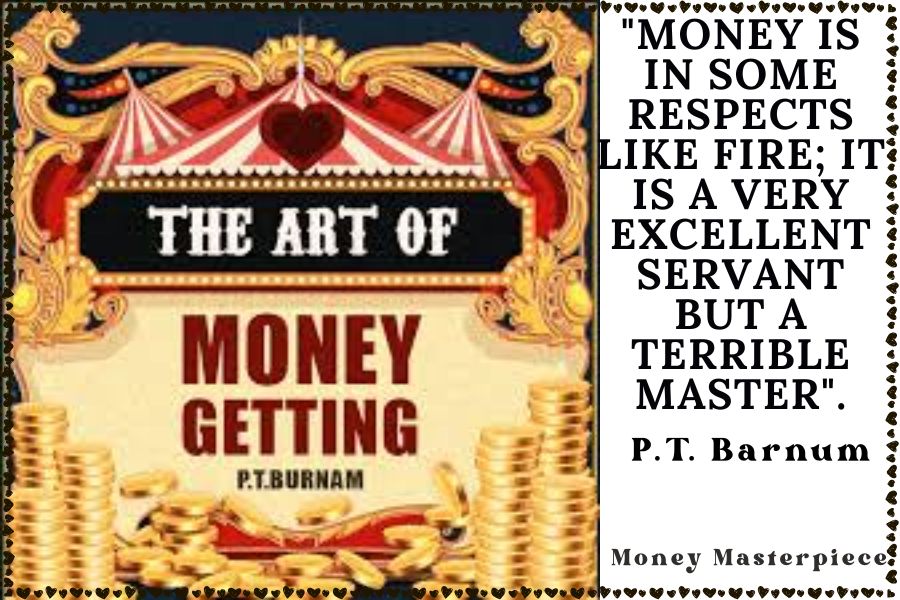
  • The Art of Money Getting by P.T. Barnum

    The Art of Money Getting; or, Golden Rules for Making Money by P.T. Barnum is a classic book on wealth, work ethic, and integrity. Barnum, a famous entrepreneur and showman, provides practical advice on building and preserving fortune. His rules combine common sense, prudence, and morality. Written in simple words, the book offers timeless lessons for anyone seeking financial security.


    Who May Benefit from the Book

    • Young professionals searching for financial discipline and guidance
    • Entrepreneurs aiming to grow their businesses wisely
    • Students seeking direction in career choices
    • Readers interested in wealth-building and character development
    • Anyone struggling with debt or financial mismanagement

    Top 3 Key Insights

    1. True economy means spending less than you earn, not being miserly.
    2. Perseverance and self-reliance are essential for lasting success.
    3. Integrity and honesty are the strongest foundations for wealth and reputation.

    4 More Lessons and Takeaways

    1. Choosing the right vocation and location matters as much as effort. Success follows when skill meets demand.
    2. Debt is a dangerous form of slavery. Living within means keeps a man free and respected.
    3. Business requires focus. Dividing attention across too many ventures brings failure.
    4. Politeness, charity, and fairness to customers and workers increase goodwill, which ensures long-term profit and legacy.

    The Book in 1 Sentence

    Barnum teaches that financial success is built on economy, persistence, integrity, wise choices, and respect for others.


    The Book Summary in 1 Minute

    P.T. Barnum’s The Art of Money Getting delivers practical rules for earning and keeping wealth. He stresses economy, health, honesty, and self-reliance as essential foundations. Barnum warns against debt, vanity, and scattering energy across too many ventures. He emphasizes choosing the right career, working diligently, and treating customers with kindness. Integrity, charity, and systematic work are highlighted as keys to financial and personal fulfillment.


    The Book Summary in 7 Minutes

    Barnum opens his book with a reminder that wealth without health is meaningless. Good health is the foundation of success. He argues that in America, opportunities are abundant, and the road to wealth is plain: spend less than you earn.

    Economy and Financial Discipline

    True economy, Barnum explains, is often misunderstood. It is not meanness but wise spending. A man may ruin himself by saving pennies in the wrong place and wasting dollars elsewhere. Vanity and the desire to impress others cause many to live beyond their means. To Barnum, real independence comes only when income exceeds expenses.

    Choosing the Right Vocation

    Every person has natural abilities. A mechanic who hates machinery or a lawyer without a gift for law will struggle. Barnum urges young people to select vocations that align with their talents. Parents must not impose careers on children against their nature, as forcing one’s hand leads to lifelong dissatisfaction.

    Selecting the Right Location

    After vocation, location is the next key. A skilled person in the wrong place will fail. Opening a business in a village without demand or growth prospects is a recipe for ruin. Barnum highlights that sometimes relocation is necessary, and a bold move can save a failing career.

    The Dangers of Debt

    Debt enslaves and destroys character. A debtor loses self-respect and constantly fears creditors. Barnum condemns borrowing for consumption, calling it “money working against you.” His maxim is simple: pay as you go. Debt-free living ensures peace of mind and builds credibility.

    Perseverance and Self-Reliance

    Barnum insists that perseverance is the key difference between success and failure. Many people give up just before reaching their goals. Perseverance must be paired with self-reliance, as depending too much on others weakens resolve. Determination and pluck separate the successful from the defeated.

    Work with All Your Might

    Success comes only to those who throw themselves fully into their work. Half-hearted effort brings mediocrity. Barnum urges diligence, early and late labor, and refusal to procrastinate. Luck is not real; instead, success follows consistent effort and sound methods.

    Using the Best Tools and People

    Employers should hire workers who use both hands and heads. Skilled, thoughtful employees are valuable assets. Barnum warns against overpaying those who think themselves indispensable but encourages rewarding loyalty and ability. The best results come from personal supervision combined with skilled helpers.

    Stay Grounded in Business

    Barnum cautions against starting business with unearned wealth or lottery luck. True success is built gradually, through patience, economy, and effort. He observes that poor boys often grow rich, while sons of the rich grow poor due to inexperience.

    Learn Something Useful

    Life is uncertain, and fortunes change. Barnum advises everyone to learn a trade or skill to fall back upon in case of failure. A practical skill ensures security in times of trouble.

    Avoiding Visionary Schemes

    Many men remain poor because they chase visionary projects and scatter their energies. Barnum warns against pursuing too many ventures at once. Concentration on a single line of work brings mastery and success.

    Be Systematic

    System saves time and energy. Barnum recommends doing tasks promptly, keeping order, and avoiding careless habits. Yet he warns against excessive formality, which leads to inefficiency. Balanced order brings productivity and leisure.

    The Importance of Newspapers

    In an age of rapid change, businessmen must stay informed. Newspapers provide valuable knowledge of markets, inventions, and trends. A man without news is cut off from progress.

    Beware of Outside Operations

    Barnum warns successful men against risky investments outside their field. Speculation in unknown areas often leads to ruin. Staying with what one knows is safer than gambling on uncertain promises.

    Caution with Endorsements

    He advises never to endorse notes or loans without security. Even for family, one should only risk what can be lost without regret. Careless endorsements have ruined many.

    Advertising and Publicity

    For merchants and showmen alike, advertising is vital. Good products must be advertised consistently until the public is fully aware. Clever, memorable advertisements attract customers, but spurious goods will fail regardless of promotion.

    Politeness and Customer Care

    Courtesy pays better than rudeness. Customers return to polite sellers and avoid those who cheat or act harshly. Barnum stresses that treating customers well is an investment in future profit.

    Charity and Generosity

    Generosity brings goodwill and prosperity. Barnum promotes thoughtful charity, given to those willing to help themselves. Miserly men are shunned, while liberal men earn respect and patronage.

    Guarding Secrets

    Sharing business secrets, hopes, or losses damages reputation and invites harm. Barnum warns against careless talk or letters that reveal too much. Silence protects business interests.

    Integrity Above All

    The book closes with integrity as the supreme rule. Dishonesty leads to prison and disgrace, while honesty commands trust and opportunity. For Barnum, honesty is the best policy and the surest path to lasting wealth.


    About the Author

    Phineas Taylor Barnum (1810–1891) was an American showman, businessman, and politician, best known for founding the Barnum & Bailey Circus. He earned fame for his exhibitions of curiosities and entertainment enterprises. Despite controversy, Barnum built a reputation as one of the most successful entrepreneurs of the 19th century. Beyond show business, he wrote extensively on money, character, and industry, blending practical wisdom with moral lessons. His influence extended to philanthropy, education, and civic life, where he advocated for perseverance, honesty, and innovation.


    How to get the best of the Book

    Read one chapter at a time, then reflect on how the lesson applies to your personal or business life. Keep notes and revisit them often.


    Conclusion

    Barnum’s The Art of Money Getting offers timeless wisdom for wealth and character. His simple yet powerful rules stress economy, honesty, and perseverance. For modern readers, his guidance remains as relevant as in his day: success is not luck but discipline, integrity, and effort.

  • The Science of Getting Rich by W. D. Wattles

    The Science of Getting Rich by Wallace D. Wattles is a practical guide that blends philosophy, faith, and actionable principles for wealth creation. First published in 1910, it continues to inspire readers who seek prosperity through disciplined thought and purposeful action. Unlike many motivational texts, this book presents wealth-building as an exact science, not a matter of luck.


    Who May Benefit from the Book

    • Individuals seeking financial improvement through structured thinking and action.
    • Entrepreneurs desiring practical guidance for sustainable wealth creation.
    • Readers interested in self-help and prosperity literature.
    • Professionals aiming to balance spiritual growth with material success.
    • Anyone curious about the philosophy of abundance and prosperity.

    Top 3 Key Insights

    1. Wealth creation is an exact science governed by universal laws.
    2. Thoughts shape reality, and a clear mental vision backed by faith attracts riches.
    3. True prosperity comes from creative action, not competition, by adding value to others.

    4 More Lessons and Takeaways

    1. Gratitude connects to abundance: A grateful mind stays in harmony with universal intelligence, ensuring continuous flow of wealth.
    2. Faith fuels action: Strong belief prevents doubt and directs energy toward purposeful actions that open channels of opportunity.
    3. Efficiency over quantity: Success results from doing each act well, with focus and commitment, rather than attempting too much.
    4. Impression of increase: Every interaction should leave others better off, reinforcing the principle of advancing life for all.

    The Book in 1 Sentence

    Wealth comes through faith-driven thought, gratitude, and purposeful action aligned with universal laws of abundance and creativity.


    The Book Summary in 1 Minute

    Wattles explains that getting rich is not luck but a science. He argues that thought shapes reality, and by holding a clear vision of wealth, infused with faith and gratitude, individuals can manifest abundance. Success requires efficient action in the present, shifting from competition to creation, and always giving more in use value than taken in cash.


    The Book Summary in 7 Minutes

    The Right to be Rich

    Wattles begins by affirming that everyone has the right to be rich. A fulfilling life requires money, as it enables full expression of body, mind, and soul. Poverty restricts growth, while wealth empowers one to serve others. The desire for riches is a natural desire for more abundant life.

    Wealth as a Science

    He stresses that getting rich follows universal laws, much like mathematics. Anyone can become wealthy by acting in a “Certain Way.” This approach is independent of environment or luck and works with certainty when applied faithfully.

    Abundance and Opportunity

    Opportunity is not monopolized. Though industries may be controlled, new opportunities constantly arise. The universe, made of Formless Substance, is inexhaustible. Poverty persists only because people fail to act in the Certain Way.

    The Power of Thought

    Thought is the creative force that shapes reality. By impressing ideas upon Formless Substance, desired results take form. To succeed, one must think abundance, not poverty, and maintain a clear mental picture of desired wealth.

    Increasing Life

    The universe seeks constant expansion. Riches align with this purpose, as they allow greater expression of life. The focus should be on creation rather than competition. True wealth benefits all, as no gain is achieved at another’s expense.

    How Riches Come

    Wealth flows through existing channels of trade and commerce. To attract it, one must offer more in use value than received in cash. Holding a vivid vision, backed by certainty, ensures that opportunities align to deliver riches.

    The Role of Gratitude

    Gratitude keeps the mind aligned with abundance and prevents drifting into fear of scarcity. A thankful spirit maintains harmony with Formless Substance, ensuring continuous flow of blessings. Gratitude naturally strengthens faith.

    Thinking in the Certain Way

    Desires must be clearly defined. Vague wishes cannot impress Formless Substance. Faith, purpose, and gratitude must accompany the vision, creating a mental attitude of ownership before the riches appear physically.

    Using the Will Correctly

    The will should be applied only to oneself, not others. It strengthens discipline, keeps focus on abundance, and avoids distractions like poverty consciousness. True willpower compels persistent faith-driven action.

    Acting Now

    Action is crucial. Wealth does not appear by thought alone; one must act effectively in the present environment. Each task should be performed with excellence, regardless of current circumstances, while remaining aligned with future vision.

    Efficient Action

    Success depends not on doing more, but on doing each act efficiently. Faith and purpose must be infused into every effort. Small but effective actions compound to create large results.

    Choosing the Right Business

    Any business can bring wealth if approached in the Certain Way. True success comes from work one genuinely desires, aligning with inner purpose. Desire signals innate capacity to succeed in that field.

    Conveying Increase

    Every interaction should leave others with an impression of increase. People naturally seek growth, and when they sense advancement, they remain connected. Giving more in use value ensures lasting prosperity.

    The Advancing Man

    Wage earners, professionals, and entrepreneurs alike can apply these principles. Success radiates when individuals infuse faith and purpose into their work, uplifting everyone they encounter. The advancing person inspires confidence and attracts opportunities.

    Final Cautions and Observations

    Wealth is not blocked by governments or systems. Challenges dissolve when one acts with faith, gratitude, and persistence. Speaking of failure or entertaining doubts disrupts the creative process. True failures often redirect toward better outcomes.

    The Summary Science

    The book condenses into clear steps:

    • Think in harmony with Formless Substance.
    • Hold a definite vision of riches.
    • Maintain unwavering faith and gratitude.
    • Act efficiently in the present.
    • Provide more in use value than taken in cash.
    • Advance yourself and others simultaneously.

    About the Author

    Wallace D. Wattles (1860–1911) was an American writer and pioneer in the self-help movement. Despite personal struggles and financial challenges, he studied widely in philosophy, religion, and social reform. His works emphasize the creative power of thought and practical methods for personal growth. The Science of Getting Rich remains his most influential book, inspiring countless prosperity thinkers and motivational writers.


    How to Get the Best of the Book

    Read with an open mind, apply principles daily, and practice gratitude. Focus on efficient action, not mere theory, and stay consistent.


    Conclusion

    Wattles presents wealth-building as a predictable process rooted in thought, faith, gratitude, and action. His method promotes abundance for all, rejecting competition for creation. Anyone who follows this disciplined approach with persistence can achieve both prosperity and personal fulfillment.

  • The Wealth of Nations by Adam Smith-Book Summary

    Adam Smith’s The Wealth of Nations (1776) is a landmark work in economics that laid the foundation for classical economic thought. Divided into five books, it explores the origins and mechanisms of national wealth, the role of markets, capital, labor, and government. Here’s a breakdown of its key ideas:


    Book I: The Causes of Improvement in the Productive Powers of Labour and the Distribution of Its Produce

    Labour as the Source of National Wealth

    Smith opens with the assertion that the true wealth of a nation lies in its annual output — the total produce of its labor. This produce provides the “necessaries and conveniences of life” that sustain individuals and society. Two key determinants influence this productive output:

    1. The Skill, Dexterity, and Judgment with Which Labour Is Applied
      More skilled and efficient laborers produce more value.
    2. The Ratio of Productive to Unproductive Labour
      Productivity also depends on how many people are engaged in useful labor versus those in roles that do not directly add value (e.g., domestic servants or idle landlords).

    Among these, Smith places greater weight on the effectiveness and efficiency of labor than on mere numbers.


    The Division of Labour: A Natural Evolution of Human Propensity to Exchange

    One of Smith’s most groundbreaking insights is the concept of division of labour, which increases productivity through specialization. Importantly, Smith argues that this division is not the result of conscious design but arises naturally from a basic human tendency — the “propensity to truck, barter, and exchange.”

    Advantages of the Division of Labour:
    • Increased Dexterity: Workers performing repetitive tasks become highly skilled.
    • Time Efficiency: Specialization reduces the time wasted switching between different kinds of work.
    • Innovation: Specialization encourages inventiveness and efficiency in processes and tools.

    However, the extent of division of labour is limited by the size of the market. Smith provides a compelling illustration comparing sea and land transport between London and Edinburgh:

    • A ship with 6–8 men can carry 200 tons of goods.
    • On land, 50 wagons, 100 men, and 400 horses can only carry 4 tons in the same time.

    Thus, Smith emphasizes that larger, connected markets (especially coastal and riverine) encourage greater specialization and economic advancement.


    The Role of Exchange and the Necessity of Money

    As individuals specialize, they can no longer satisfy all their own needs and become reliant on exchange. This creates a need for money, a universally accepted medium that facilitates trade.

    Smith distinguishes two types of value:

    • Value in Use: The intrinsic utility of an object (e.g., water).
    • Value in Exchange: The power of an object to be traded for others (e.g., diamonds).

    Paradoxically, essential goods like water may have high use value but low exchange value, while luxury items like diamonds have high exchange value but little practical utility.


    Natural Price vs. Market Price: Understanding Commodity Valuation

    Smith explains that the price of a commodity comprises three components:

    1. Wages of Labour
    2. Profits of Stock (Capital)
    3. Rent of Land

    When these three elements are satisfied at their “natural” levels, the commodity reaches its natural price — the minimum required for it to reach the market sustainably.

    However, market price fluctuates based on supply and demand. When supply exceeds demand, prices fall; when demand outpaces supply, prices rise. Over time, market prices gravitate toward natural prices, as producers adjust supply to match the “effectual demand.”


    Labour Wages and Profit: The Dynamics of Compensation

    Smith dives into the factors that determine wages and profits, offering a realist’s perspective on employer-employee dynamics.

    Wages:
    • Employers tend to conspire tacitly to keep wages low.
    • Workers’ attempts at unionizing or demanding better pay are often met with resistance or even violence.
    • High wages indicate a growing and prosperous economy, whereas low wages signal stagnation.

    Smith also compares free laborers and slaves, noting that:

    • Though free workers are paid wages, they manage their own “wear and tear,” making them more economical for employers.
    • Slaves, lacking personal incentive, perform less efficiently, making their labor more expensive in the long term.
    Profits:
    • Profits are higher in young, rapidly growing economies, where capital finds the most productive uses.
    • As economies mature, competition increases, and profits decline.
    • At the extreme, high profits may consume all economic rent, leaving laborers with only subsistence-level wages.

    Why Do Wages and Profits Vary? Smith’s Five Determinants

    Smith identifies five key factors that create inequalities in wages and profits across different occupations:

    1. Agreeableness or Disagreeableness of the Job
      Unpleasant or dangerous jobs must offer higher pay to attract workers.
    2. Cost of Education or Training
      Professions requiring long training (e.g., medicine, law) yield higher rewards.
    3. Constancy or Irregularity of Employment
      Jobs with uncertain work availability must compensate with higher average wages.
    4. Degree of Trust Required
      Occupations involving financial responsibility (e.g., merchants, bankers) offer higher wages due to the level of trust required.
    5. Probability of Success
      Fields with high failure rates (e.g., acting, authorship) offer greater rewards to the few who succeed.

    Artificial Inequalities: The Role of European Policies

    Beyond natural differences, Smith sharply criticizes the artificial inequalities imposed by European policies and legal structures.

    Regulations That Restrict Competition:
    • Apprenticeship laws and guild regulations often prevent entry into trades, particularly in rural areas, favoring urban monopolies.
    • These policies limit labor mobility, stifle innovation, and distort natural wage and profit levels.
    The Law of Settlements in England:

    Smith targets the “ill-contrived” law of settlements, which restricted poor workers from moving between parishes unless they had means of support. This effectively trapped laborers in unproductive areas, curtailing their economic opportunities and “most cruelly oppressed” the working class.colonies) to restore fiscal health, alongside freeing up internal trade.

    Book II: The Nature, Accumulation, and Employment of Stock

    From Adam Smith’s The Wealth of Nations

    Understanding the Concept of Stock

    In Book II, Adam Smith explores the fundamental economic concept of stock, which refers to the total possessions of an individual or a society. Stock is divided into two main parts:

    • Stock for Immediate Consumption: This includes goods and resources meant for direct personal use or consumption, not intended to generate income.
    • Capital Stock: This portion is reserved for investment or revenue generation. It plays a critical role in economic production and growth.

    The Two Forms of Capital

    Smith categorizes capital into two broad types based on their function and durability:

    1. Fixed Capital

    Fixed capital includes assets that are used repeatedly over time in the production of goods and services. These do not circulate or get consumed immediately. Examples include:

    • Machinery and tools
    • Buildings and infrastructure
    • Acquired useful abilities (e.g., education or training of workers)

    2. Circulating Capital

    Circulating capital consists of items that are used up or exchanged in the course of producing goods and services. These items are in constant circulation and include:

    • Money
    • Raw materials and provisions
    • Finished goods waiting to be sold

    The Role of Money in Circulation

    Smith famously refers to money as “the great wheel of circulation.” It enables the smooth exchange of goods but is not, by itself, a source of national revenue. Money facilitates trade, but its accumulation does not increase the wealth of society unless it is used productively.

    Paper Money and the Banking System

    Smith devotes significant attention to the growing role of paper money, particularly bank notes, which can effectively replace gold and silver in domestic trade. This substitution allows precious metals to be exported and used more profitably elsewhere.

    • Advantages: Efficient trade facilitation and better utilization of gold/silver abroad.
    • Case in Point: The Scottish banking system is praised for innovations such as cash accounts and the discounting of bills, which increased liquidity and boosted commerce.

    Caution Against Over-Issuance

    While supportive of banking innovation, Smith warns of the risks of issuing too much paper money. Excessive circulation can lead to financial instability.

    • Example of Risk: The practice of “drawing and redrawing” in Scotland led to overextended credit.
    • Impact on England: The Bank of England had to cover excesses by supplying more coins, creating systemic strain.

    Lending and Capital: The Productive Use of Stock

    When stock is lent at interest, it becomes capital in the hands of the lender—it is expected to yield future revenue. Smith outlines a natural hierarchy in how capital should ideally be employed:

    Hierarchy of Capital Employment (Most to Least Productive)

    1. Agriculture
      • Generates food and raw materials.
      • Offers direct employment and supports other industries.
    2. Manufactures
      • Converts raw materials into finished goods.
      • Adds significant value through production.
    3. Wholesale Trade
      • Further divided into:
        • Home Trade: Trade within the country.
        • Foreign Trade of Consumption: Imports and exports for direct use.
        • Carrying Trade: Transporting goods between foreign countries for profit.

    Smith argues that agriculture benefits society most because it creates both material goods and employment.

    The Natural Flow of Capital vs. Government Intervention

    Capital, according to Smith, naturally flows toward the most profitable and productive uses. This self-regulating mechanism ensures efficiency and growth in a free market.

    • Critique of Government Interference: Smith warns against policies that try to artificially direct capital, such as:
      • Excessive encouragement of foreign trade through subsidies.
      • Protectionist measures that distort natural market dynamics.

    These interventions, he argues, often lead to misallocation of resources and reduce the overall wealth of a nation.


    Book III: The Uneven Journey of Wealth Across Nations

    From Countryside to City: The Natural Progress of Opulence

    In Book III of The Wealth of Nations, Adam Smith explores how wealth, or opulence, develops differently across societies. He begins by describing what he calls the “natural progress of opulence”, a logical and sequential process by which wealth should ideally spread through a nation.

    The Natural Order: Country Before City

    Smith argues that in a well-functioning economy, agriculture must come first. The countryside produces food and raw materials—essentials for human survival—while the towns later emerge to process these goods into manufactured items. According to Smith:

    “Subsistence is prior to convenience and luxury.”

    In other words, people must first secure the basics of life before they can pursue industry, trade, and urban growth.

    The European Reversal: How Policy Disrupted Natural Progress

    Despite the logic of this natural order, Smith observes that European history deviated from this path. The policies adopted in many European nations reversed the natural sequence, promoting urban industry and commerce at the expense of agricultural development. Smith attributes this distortion to a combination of legal, social, and economic factors rooted in the feudal era.

    1. Feudal Land Laws: Primogeniture and Entails

    Under the feudal system, laws such as primogeniture (the right of the eldest son to inherit the entire estate) and entails (legal mechanisms to keep land within a family lineage) concentrated land ownership in the hands of a few elites.

    • These large estates were unproductive and stagnant, as wealthy landowners had little incentive to innovate or improve the land.
    • Instead of engaging in profitable agriculture, they pursued status-driven vanity projects, preventing more efficient land distribution and use.

    2. Oppressive Servitude and Arbitrary Taxation

    In addition to the structural problems of land ownership, those who worked the land—often peasants or tenant farmers—were subject to:

    • Arbitrary services (labor or dues demanded at the discretion of landlords)
    • Irregular and heavy taxation, imposed without fair representation or oversight

    These oppressive conditions discouraged personal investment or improvement, making it nearly impossible for rural workers to increase productivity or accumulate wealth.

    3. The Inefficiency of Slave Labor

    Smith also critiques the reliance on slavery in various agricultural systems. He argues that:

    “The work done by slaves is in the end the dearest of any.”

    Because slaves had no personal stake in the land or its output, their work was less efficient and more costly in the long run than that of free laborers motivated by ownership or wages.

    Cities as Engines of Economic Transformation

    In contrast to the stagnation in rural areas, towns and cities experienced a very different trajectory—especially after the fall of the Roman Empire.

    From Oppression to Opportunity: The Rise of Urban Autonomy

    Gradually, urban centers began to gain freedom and stability through charters, privileges, and self-governance. This shift gave rise to:

    • Greater personal liberty
    • Secure property rights
    • Effective local governance

    These conditions encouraged entrepreneurship, trade, and innovation, allowing individuals to accumulate and enjoy the fruits of their labor.

    Cities Drive Country Prosperity

    Over time, the prosperity of towns had a positive ripple effect on the countryside:

    • Urban residents created demand for agricultural produce, giving farmers a market for their goods.
    • Cities supplied manufactured products to rural populations, enhancing their standard of living.
    • This interdependence laid the groundwork for mutual economic growth, albeit in a reversed order compared to the “natural” sequence Smith initially proposed.

    Book IV: Systems of Political Economy – A Critical Review by Adam Smith

    In Book IV of The Wealth of Nations, Adam Smith critiques prevailing economic doctrines of his time, with a primary focus on the mercantile system. Through detailed analysis, Smith dismantles popular misconceptions about wealth, trade, and the role of government in economic affairs, advocating instead for freer and more rational economic policies.


    Understanding the Mercantile System

    The Core Belief: Wealth Equals Precious Metals

    Smith begins by addressing the foundational error of the mercantile system: the belief that wealth consists in money, particularly gold and silver. This misconception leads nations to design trade policies aimed at maximizing their holdings of these metals.

    “Money, therefore, necessarily runs after goods, but goods do not always or necessarily run after money.” – Adam Smith

    Smith’s Counterargument: Money as a Tool, Not Wealth

    Smith argues that money is not wealth in itself but merely a medium of exchange and a measure of value. It does not generate revenue and is the “most unprofitable part” of national capital when idle.

    Instead, real wealth lies in goods and productive labor, which can serve various purposes beyond exchange, such as consumption and investment.


    Critique of Mercantilist Trade Policies

    Adam Smith critically evaluates several trade practices central to the mercantilist doctrine. His analysis reveals how these policies are often driven by private interests and monopolistic motives, rather than genuine national prosperity.

    1. Import Restrictions on Domestically Producible Goods

    Governments often impose high tariffs or outright bans on imported goods that can be produced at home. The aim is to protect local industries by creating monopolies.

    • Smith’s View: These restraints are destructive—they reduce revenue from customs duties and undermine the freedom of trade.
    • Motivation: Primarily rooted in private interest and monopolistic lobbying rather than public benefit.

    2. Discriminatory Duties on “Disadvantageous” Countries

    Mercantilist policies penalize imports from countries believed to have a trade surplus with the home country (e.g., France), imposing prohibitions or heavy duties.

    • Smith’s Argument: These actions are often based on prejudice and nationalism, not sound economics.
    • Reality: Trade is mutually beneficial, and balance of trade statistics are unreliable.

    3. Drawbacks on Re-Exported Goods

    A drawback is the repayment of import duties when goods are re-exported. This facilitates the “carrying trade” or the business of trading between other nations.

    • Smith’s Position: Generally favorable toward drawbacks as they encourage trade efficiency and remove artificial burdens on merchants.

    4. Bounties on Exported Goods

    Bounties are government subsidies paid to domestic producers to make their exports cheaper and more competitive abroad.

    • Smith’s Criticism: Bounties are a “pernicious expedient”. They:
      • Distort natural trade flows.
      • Misallocate capital into less profitable activities.
      • Favor monopolists at the public’s expense.
      • Are often inefficient and wasteful (e.g., the herring-buss bounty).

    A Digression: The Corn Trade and Corn Laws

    Importance of the Corn Dealer

    Smith offers a significant discussion on the corn market, emphasizing the crucial role of the inland corn dealer:

    • In Times of Scarcity: Dealers raise prices early, which encourages frugality and prevents famine by spreading supply more evenly.

    Critique of Government Intervention

    • Price Controls and Movement Restrictions: Smith warns that government attempts to fix corn prices or prohibit transport worsen shortages and often turn dearth into famine.

    Advocacy for Free Trade in Corn

    • Smith supports a liberal policy of free exportation and importation, arguing that:
      • Market freedom ensures stability.
      • Corn laws are often shaped by superstition and emotional pressure rather than economic logic.

    Colonial Trade and Its Economic Implications

    The Potential Benefits of Colonies

    Smith acknowledges that colonies have contributed to:

    • Market expansion for European goods.
    • Increased production and economic activity in Europe.

    The Problem: Monopoly of Colonial Trade

    Smith delivers a scathing critique of the monopolistic control European nations (especially Great Britain) exercised over colonial commerce.

    Economic Costs of Monopoly
    1. Capital Misallocation
      • Forces capital away from nearby, profitable European trades to faraway, riskier colonial ventures.
      • Result: Higher profits for a few, reduced benefits for the nation as a whole.
    2. Vulnerability of National Industry
      • Overdependence on colonial trade introduces instability into the British economy.
      • A single large export market increases the systemic risk of downturns.
    3. Tax Burden on Colonies
      • The colonies bear a heavy fiscal burden, often without fair representation or reciprocal benefits.
    4. Unsustainable Empire Maintenance
      • Maintaining colonies demands huge military and administrative expenses.
      • These costs outweigh any profits, making the empire an illusory “project of a gold mine”.

    Smith’s Recommendation

    • If colonies cannot contribute to the empire’s upkeep, then Britain should consider relinquishing control and freeing itself from the economic burden of defending them.

    Book V Summary: The Revenue of the Sovereign or Commonwealth

    Adam Smith’s Framework for State Finance, Taxation, and Public Responsibilities

    In Book V of The Wealth of Nations, Adam Smith explores how a sovereign or government should manage public revenue, fulfill essential duties, and ensure a fair and efficient system of taxation. He outlines both the duties of the sovereign and the sources and principles of public revenue.


    The Core Duties of the Sovereign

    Smith identifies four principal functions of the sovereign, all of which require financial support:

    1. Defence

    • Rising Costs with Civilization: In early societies like hunter-gatherers, no centralized defense expense is necessary. However, as nations develop, defense becomes more complex and costly.
    • Standing Armies: Civilized nations require professional, disciplined, and expensive armies to protect national security.

    2. Justice

    • Protection of Property: As wealth and property accumulate, more elaborate legal systems are required to prevent and resolve disputes.
    • User-Funded Judicial System: Smith proposes that those who benefit most from legal protections should help fund the justice system through fees, thereby promoting judicial efficiency and accountability.

    3. Public Works and Institutions

    • These serve to facilitate commerce and enhance public knowledge.
    a. Infrastructure for Commerce
    • Includes roads, bridges, canals, and harbors.
    • Smith suggests that tolls and user fees are the best way to finance and maintain these, ensuring alignment between demand and upkeep.
    b. Education
    • Universal Literacy and Numeracy: Essential for informed citizenship.
    • Criticism of Universities: Smith criticizes institutions where professors are salaried regardless of performance, leading to complacency. He advocates for systems that reward teaching quality and effectiveness.
    c. Religious Instruction
    • Smith favors religious pluralism. He argues that having many small, competing sects would foster more active, moderate, and responsible clergy, unlike a single established church, which may breed idleness and arrogance.

    4. Dignity of the Sovereign

    • Public spending is also needed to uphold the ceremonial and administrative dignity of the state.
    • The required level of expenditure depends on the form of government and the wealth of the society.

    Sources of Public Revenue

    Smith categorizes revenue sources into two main types:

    1. Sovereign’s Own Revenue

    • Comes from state-owned lands, natural resources, or public enterprises.
    • Smith warns that these assets are often inefficiently managed, leading to poor returns and waste.

    2. Taxes from the People

    • The main and more reliable form of revenue.
    • Smith devotes substantial discussion to tax design, advocating a fair and transparent system guided by foundational principles.

    Smith’s Four Maxims of Taxation

    Smith proposes four core principles for an effective and just tax system:

    1. Equality
      • Citizens should pay taxes in proportion to the income or benefits they derive from living in society.
    2. Certainty
      • The tax rate, timing, and method of collection must be clear, consistent, and non-arbitrary.
    3. Convenience
      • Taxes should be levied when and how it is most convenient for the taxpayer.
    4. Economy
      • Taxes should take as little as possible beyond what reaches the treasury, minimizing collection costs and economic distortion.

    Analysis of Various Forms of Taxation

    Smith evaluates several types of taxes and their impact on society and the economy:

    1. Taxes on Land Rent

    • Can be efficient if properly assessed, but valuation is difficult and inconsistent, making them hard to administer fairly.

    2. Taxes on Wages

    • Capitation taxes and heavy duties on essentials (e.g., salt, soap, candles, fuel) raise the cost of living and push wages higher.
    • This, in turn, increases commodity prices and disproportionately affects the wealthy, while potentially discouraging labor.

    3. Taxes on Consumption (Excise and Customs Duties)

    • Smith favors these, especially when levied on luxury goods, as they are:
      • Voluntarily paid
      • Less burdensome to the poor
      • Easier to adjust or eliminate
    • To minimize smuggling and enforcement complexity, he recommends focusing excise and customs on a few widely consumed goods.

    Public Debt and Its Dangers

    Smith provides a sharp critique of government borrowing:

    1. Peacetime Waste Leads to Wartime Debt

    • Excessive peacetime spending creates the need for debt during wars.
    • Debt is categorized into:
      • Unfunded Debt: Short-term borrowing.
      • Funded Debt: Long-term or perpetual annuities, often never repaid.

    2. Criticism of Perpetual Funding

    • Encourages continuous borrowing.
    • Prevents debt repayment, resulting in mounting interest burdens and taxation.

    3. Economic Consequences of Public Debt

    • Debt shifts capital from productive sectors to idle rentier classes.
    • Leads to a general erosion of private wealth and hinders economic growth.

    4. Refutation of the “Right Hand Pays the Left” Argument

    • Smith rejects the idea that domestic debt is harmless.
    • Instead, he sees it as a dangerous misallocation of resources, harming national prosperity.

    A Proposed Solution: Taxation Across the Empire

    Smith proposes a bold fiscal reform:

    • Extend British taxation to all parts of the empire, including Ireland and the American colonies.
    • This could:
      • Generate sufficient revenue to eliminate national debt.
      • Enable freer trade within the empire, providing an offsetting economic benefit.
      • Foster greater fiscal equity and integration across British dominions.

    Key Takeaways from The Wealth of Nations

    • Free markets and competition drive economic growth more efficiently than government control.
    • Division of labour and capital accumulation are key to national wealth.
    • Government’s role should focus on justice, defense, and public goods—not managing trade or industries.
    • Taxation should be fair, simple, and minimally disruptive.
    • Public debt, if unchecked, can lead to long-term national decline.

    Last Lines

    The Wealth of Nations remains a cornerstone of economic thought, advocating for liberty, efficiency, and the power of market forces—principles still central to debates in economics and policy today.
  • The Psychology of Money: Lessons and Perspectives

    Money, often perceived as a mere numerical entity, is, in reality, a dance between the cold arithmetic of spreadsheets and the complex emotions of human nature. In his book, “The Psychology of Money,” Morgan Housel unravels the intricate relationship between financial decisions and the intricate fabric of our lives. In this exploration, we’ll dissect key lessons from the book through the lenses of personal finance and productivity.

    Lessons and Perspectives

    Financial DNA: Unraveling Personal Histories

    Our financial decisions are deeply rooted in our unique life experiences, forming our financial DNA. Housel emphasizes how events like stock market movements and inflation during our formative years shape our attitudes towards money. Understanding this, we can appreciate that people aren’t inherently “crazy” with their financial decisions; rather, they are navigating the world based on their personal life experiences and worldview.

    Resource Recommendation: “The Psychology of Money” by Morgan Housel

    Compound Kings: The Power of Early Investing

    Warren Buffett’s journey is a testament to the power of compounding. Starting to invest at a young age allowed him to harness the magic of compounding over time. This highlights the counterintuitive nature of compounding, where small, consistent investments can lead to substantial wealth. The lesson here is clear: start early, be consistent, and let time work its compounding magic.

    Resource Recommendation: “The Essays of Warren Buffett” by Warren Buffett

    Pessimism & Money: Balancing Realism and Optimism

    Our inclination towards pessimism in financial matters is explored by Housel. While bad news tends to grab attention, the slow progress and positive changes over time often go unnoticed. Recognizing this bias is crucial for making sound financial decisions. It’s about striking a balance between being realistic about challenges and maintaining optimism about the gradual improvements that unfold over time.

    Two Forgotten Elements: Luck and Risk

    Success is a complex interplay of talent, luck, and risk. Housel illustrates this through the story of Bill Gates, Paul Allen, and Kent Evans. While Gates and Allen had exceptional talent and a unique advantage, Evans faced an unfortunate tail event. Understanding the role of luck and risk in financial decisions fosters humility and a broader perspective. It’s a reminder that success is a combination of factors, and acknowledging this complexity is key.

    The Key to Happiness: Controlling Your Time

    The pursuit of wealth often intertwines with the desire for happiness. Housel suggests that the true key to happiness lies in having control over your time. While financial success is a goal for many, it should not come at the expense of losing control over your life. This lesson emphasizes the importance of aligning financial pursuits with the ability to lead a fulfilling and balanced life.

    Tail Events: Embracing the Unpredictable

    Housel introduces the concept of long tails, where a small number of events can account for the majority of outcomes. Understanding and embracing the unpredictable nature of tail events is vital, especially in investing. The examples of art collecting, venture capital, and business highlight how a few outlier events can significantly impact overall success.

    Resource Recommendation: “Fooled by Randomness” by Nassim Nicholas Taleb

    Beyond Bling: True Wealth vs. Being Rich

    Distinguishing between being rich and being wealthy is a crucial lesson. True wealth lies in financial assets yet to be spent, emphasizing the importance of self-control and restraint. Accumulating wealth isn’t about showcasing possessions but about building assets and making prudent investment decisions for the future.

    The Real Price: Accepting the Uncertainty

    Investing, like climbing a mountain, comes with inherent uncertainty and risk. Recognizing and accepting the emotional price of volatility is crucial. Housel compares investing to buying a car, highlighting the need to pay the price, whether in dollars or emotions, for the potential rewards. Understanding that success in investing requires enduring the challenges is essential for a fruitful journey.

    Hedonic Treadmills: Knowing When Enough Is Enough

    The concept of Hedonic Adaptation warns against the never-ending pursuit of goals without recognizing when enough is enough. The examples of Bernie Madoff and Gupta emphasize that unlimited wealth doesn’t guarantee happiness. Knowing when to stop and finding contentment along the way is crucial for a balanced and fulfilling life.

    Resource Recommendations

    Before we delve into the detailed implementation of these lessons, let’s explore some additional resources that can complement and deepen your understanding of personal finance and productivity:

    1. “Your Money or Your Life” by Vicki Robin and Joe Dominguez
      • This book offers a transformative approach to money and life. It encourages readers to examine their relationship with money, align their spending with their values, and achieve financial independence.
    2. “Atomic Habits” by James Clear
      • James Clear explores the science of habit formation, providing actionable insights into building good habits and breaking bad ones. Understanding habits is crucial for maintaining consistent financial practices and increasing productivity.
    3. “The Millionaire Next Door” by Thomas J. Stanley and William D. Danko
      • The authors analyze the habits and characteristics of millionaires, debunking common myths and providing practical advice on accumulating wealth. It’s a valuable resource for understanding the mindset of successful individuals.

    Now, let’s dive into the practical application of the lessons from “The Psychology of Money.”

    Implementation of Lessons

    1. Assess Your Financial DNA
      • Reflect on your personal experiences with money. Identify any biases or beliefs that may be influencing your financial decisions. Understanding your financial DNA is the first step towards making intentional and informed choices.
    2. Start Early, Invest Consistently
      • Encourage individuals to start investing early, even with small amounts. Emphasize the power of compounding and how consistent contributions over time can lead to significant wealth accumulation. Recommend resources on beginner-friendly investment strategies.
    3. Balance Realism and Optimism
      • Educate individuals about the bias towards pessimism in financial matters. Highlight the importance of staying informed while maintaining a realistic but optimistic outlook on long-term financial trends. Share success stories that emphasize gradual improvements.
    4. Acknowledge the Role of Luck and Risk
      • Discuss the interconnectedness of talent, luck, and risk in financial success. Encourage humility by recognizing that external factors play a role in one’s financial journey. Foster a mindset that embraces uncertainty while making informed decisions.
    5. Prioritize Time Control Over Material Wealth
      • Guide individuals to assess their priorities. Help them understand that the pursuit of material wealth, without control over one’s time, may lead to dissatisfaction. Provide tools and strategies for achieving a balance between financial goals and personal well-being.
    6. Embrace Tail Events in Investing
      • Explain the concept of long tails in investing. Encourage a diversified investment approach that acknowledges the potential impact of outlier events. Share case studies or examples where a small number of investments significantly influenced overall returns.
    7. Distinguish Between True Wealth and Being Rich
      • Emphasize the importance of building financial assets for the future. Challenge the notion that visible possessions equate to true wealth. Provide guidance on saving, investing, and making decisions that contribute to long-term financial well-being.
    8. Accept the Emotional Price of Investing
      • Prepare individuals for the emotional challenges of investing. Share stories of successful investors who endured market volatility. Highlight the importance of patience and long-term thinking. Recommend resources on managing investment-related stress and anxiety.
    9. Recognize When Enough Is Enough
      • Discuss the concept of Hedonic Adaptation. Encourage individuals to define their financial goals clearly and recognize when they’ve achieved them. Promote contentment and mindfulness in financial decision-making, preventing the endless pursuit of unattainable goals.

    Conclusion

    As personal finance advisors and productivity coaches, understanding the psychology of money is paramount. Morgan Housel’s insights provide a roadmap for navigating the intricate dance between financial decisions and human nature. By applying these lessons, we can guide individuals toward intentional financial choices, fostering a harmonious relationship between wealth and well-being.

  • 15 Life-Changing Lessons from Think and Grow Rich


    Think and Grow Rich by Napoleon Hill is a timeless classic in the field of personal development and success. Published in 1937, this book continues to inspire and empower individuals to achieve their financial and life goals. It offers a wealth of wisdom and insights that are just as relevant today as they were when Hill penned them. In this blog post, we will explore 15 key lessons from this influential book.

    Lessons from Think and Grow Rich

    Lesson 1: Desire is the Starting Point of Achievement

    Napoleon Hill argues that desire is the first step towards achieving any goal. The intensity of your desire is directly proportional to your motivation and commitment to making that goal a reality. Hill suggests that you must have a burning desire for your objective, to the point where it becomes an obsession. This intense desire not only propels you forward but also influences your subconscious mind, which then aligns your thoughts and actions towards the attainment of your goal.

    Lesson 2: Faith is the Key to Unlocking Possibilities

    Faith, in Hill’s view, is the unwavering belief that you can achieve your desires. It’s having absolute confidence in your vision and the path you’re pursuing. Hill emphasizes that faith is a potent force that can help you overcome challenges and obstacles. Negative thoughts, such as doubt, fear, and cynicism, can undermine faith and hinder progress. Therefore, cultivating a positive mindset and believing in yourself and your dreams are essential components of success.

    Lesson 3: Auto-Suggestion Shapes Your Subconscious

    Auto-suggestion is a powerful technique that involves repeatedly affirming your goals and desires to yourself. By doing this, you program your subconscious mind to accept these affirmations as facts. Over time, your subconscious begins to work in alignment with your desires, helping you make decisions and take actions that bring you closer to your goals. It’s a process of self-conditioning that can transform your thoughts and beliefs, ultimately influencing your reality.

    Lesson 4: Specialized Knowledge Enhances Your Value

    Acquiring specialized knowledge is a lifelong journey. Hill asserts that it’s not enough to rely solely on formal education; continuous learning and skill development are critical. This specialized knowledge increases your value in your chosen field, making you an asset to employers, clients, or customers. Hill also suggests that knowledge is potential power; it becomes truly powerful when you apply it to your goals.

    Lesson 5: Imagination Fuels Creativity and Innovation

    Hill encourages the use of imagination as a tool for generating ideas and envisioning success. Your ability to conceive and believe in your goals is fundamental to achieving them. Imagination helps you visualize your desired outcomes, making them feel more attainable. It also fuels creativity and innovation, enabling you to devise unique solutions and strategies on your journey towards success.

    Lesson 6: Organized Planning Maximizes Efficiency

    Successful individuals, according to Hill, are meticulous planners. Organized planning involves creating well-structured, detailed plans that outline your objectives and the steps required to achieve them. These plans act as roadmaps, ensuring that your actions are purposeful and in line with your goals. They help you avoid wasted time and resources by keeping you focused on what truly matters.

    Lesson 7: Prompt Decision-Making Combats Procrastination

    Procrastination is a common obstacle to success. Hill emphasizes the importance of making decisions promptly and adhering to them. Successful people make decisions swiftly and remain committed to them. Procrastination often results from doubt and fear, and Hill suggests that overcoming these negative emotions is crucial to becoming a decisive individual.

    Lesson 8: Persistence Leads to Triumph

    Persistence is the unwavering determination to continue pursuing your goals, even in the face of obstacles, failures, and setbacks. Hill highlights that many individuals give up just when success is within reach. Those who persist, however, push through adversity and eventually achieve their desired outcomes. Persistence is a critical component of a person’s character and is often the deciding factor between those who succeed and those who do not.

    Lesson 9: Harness the Power of the Mastermind

    Hill introduces the concept of the mastermind as a powerful force in achieving success. A mastermind group is formed by surrounding yourself with like-minded individuals who support each other in their goals, plans, and dreams. These individuals should be sympathetic to your desires and provide constructive feedback and accountability. The collective wisdom and energy generated by a mastermind group can supercharge your progress and motivation.

    Lesson 10: Tap into the Subconscious Mind

    Napoleon Hill underscores the incredible potential of your subconscious mind. He likens it to a powerful archive or storage center that receives and retains your thoughts and impressions, whether positive or negative. Hill suggests that by feeding your subconscious mind with positive thoughts and affirmations related to your goals, you can shape your reality. Your subconscious mind works tirelessly behind the scenes to help you attract the outcomes you desire.

    Lesson 11: Specific Goals Lead to Achievement

    Setting specific, well-defined goals is crucial for success. Vague desires often result in vague or unfulfilled outcomes. Hill advocates for setting clear and precise objectives that leave no room for ambiguity. Specific goals provide focus and direction for your efforts, increasing your chances of success.

    Lesson 12: Persistence in Thinking Yields Results

    Persistence isn’t limited to actions; it also applies to your thought patterns. Hill suggests that holding a particular thought persistently in your mind can lead to its eventual realization. This concept aligns with the idea that your thoughts shape your reality. By continuously thinking about and visualizing your goals, you’re more likely to make them a reality.

    Lesson 13: Trust in Your Ability to Achieve

    Self-confidence plays a pivotal role in the journey toward success. Hill emphasizes that you must believe in yourself and your capacity to attain your goals. Self-doubt and insecurity can be significant obstacles, while unwavering self-confidence can propel you forward, even in the face of challenges.

    Lesson 14: Become What You Desire

    To achieve a goal, Hill argues that you must become the kind of person who can attain it. This means aligning your thoughts, actions, and habits with your objectives. By embodying the qualities and characteristics necessary for success, you become a magnet for the opportunities and resources that can help you reach your goals.

    Lesson 15: Build a Like-Minded Team

    Surrounding yourself with individuals who share your goals and values is critical for sustained success. Hill recommends forming a team of like-minded people who support your vision and are equally committed to their own goals. Collaborative effort and the exchange of ideas within such a group can accelerate your progress and help you overcome obstacles.

    Evaluation and Review

    “Think and Grow Rich” by Napoleon Hill is a timeless self-help classic that has inspired countless individuals on their journey to success. Hill’s book offers a compelling mix of practical advice and motivational wisdom, making it a valuable resource for those seeking personal and financial growth.

    One of the book’s strengths is its emphasis on the power of mindset. Hill asserts that success begins with a burning desire and unwavering faith in one’s abilities. This psychological foundation is crucial for achieving any goal and is a central theme throughout the book.

    Hill’s concept of the mastermind group is another standout feature. He underscores the importance of surrounding oneself with like-minded individuals who can provide support, accountability, and fresh perspectives. This idea of collaborative effort and shared knowledge remains relevant in today’s interconnected world.

    However, some critics argue that the book oversimplifies the path to success, implying that it’s merely a matter of positive thinking and determination. Additionally, Hill’s approach may not resonate with everyone, as it leans heavily on personal development and self-improvement concepts.

    In conclusion, “Think and Grow Rich” is a motivational classic that has guided generations toward their aspirations. While some may find its principles too idealistic or lacking in specific strategies, its enduring popularity suggests that it continues to inspire and empower individuals to pursue their dreams and achieve success.

    Final Words

    In conclusion, “Think and Grow Rich” by Napoleon Hill offers a comprehensive roadmap to achieving success, wealth, and personal fulfillment. These 15 lessons underscore the book’s timeless wisdom and practical advice. By applying these principles to your life, you can embark on a transformative journey toward realizing your dreams and aspirations. Remember that success is not a matter of chance but a result of deliberate thought, action, and unwavering belief in your ability to achieve your goals.

  • Mastering Wealth with 15 Lessons from the Rich Habits

    In the pursuit of financial success and personal fulfillment, understanding and implementing the right habits can make all the difference. Tom Corley’s book, “Rich Habits,” delves into the habits and behaviors of the wealthy, offering valuable insights that can transform your life. In this blog post, we’ll explore 15 powerful lessons from the book that can help you develop the rich habits necessary for prosperity and happiness.

    1. Control Your Thoughts & Emotions

    A staggering 94% of wealthy individuals have mastered the art of filtering their emotions. They understand that emotions can cloud judgment and hinder decision-making. To win in life, it’s essential to remove emotions, objectively understand situations, and analyze potential outcomes. Control your emotions before they control you.

    2. Think Rich

    Thinking rich is a foundational principle for achieving wealth. To think rich, you must believe it’s possible, commit to the pursuit of wealth, and focus on the future. Your thoughts shape your reality, so when you think rich, you attract riches into your life.

    3. Start Investing

    Wealthy individuals recognize the power of money working for them. Start investing early, consistently, automatically, and for the long term. When you invest wisely, your money becomes a tool for wealth creation.

    4. Improve Daily

    The concept of continuous improvement is pivotal to success. Aim to improve by 1% every day. This can be achieved by reading more, learning more, and gaining more experiences. Small daily improvements compound over time and yield significant results.

    5. Moderation is Key

    Balance is the cornerstone of a successful life. Mastering moderation involves becoming disciplined, adopting healthy habits, and allowing your body time to recharge. When you find balance, you master life itself.

    6. Care for Yourself

    Your health is your wealth. Making money becomes much harder if you’re not in good health. Prioritize self-care by exercising regularly, staying hydrated, and consuming nutritious foods. Great wealth is unattainable without good health.

    7. Set Goals

    Goal-setting is a common trait among the wealthy. To set effective goals, establish a timeframe, find an accountability partner, and break your goals into smaller, manageable steps. Setting goals without limits opens the door to limitless possibilities.

    8. Network

    Your network is a reflection of your potential for success. Building and maintaining meaningful relationships is crucial. Start networking as early as possible, as one of the greatest indicators of your future success is determined by the people who know you and trust you. Remember, your network is your net worth.

    9. Form Good Daily Habits

    Your daily habits have the power to shape your future. Form good daily habits by being consistent, sticking to a schedule, writing down your goals, and focusing on the bigger picture. These habits, when compounded over time, can change your life.

    10. Act

    Action is the catalyst for change. Use today as a stepping stone for your future success. Start by setting clear goals, waking up early, maintaining discipline, completing tasks, and following a routine. Each action you take today builds the foundation for your wealth and success.

    Incorporating these 10 lessons from “Rich Habits” into your life can set you on a path toward financial prosperity and personal fulfillment. Remember that wealth is not solely about monetary gain but also about holistic well-being and happiness. By cultivating these rich habits, you can create a life filled with abundance and opportunities.