Author: MMP

  • How Petrodollars Affect Us Dollar?

    Petrodollars significantly impact the value of the US dollar through their influence on oil prices and global trade. The rise and fall of oil prices directly affect the value of the US dollar as many countries, particularly oil-importing nations, need to purchase oil using the US dollar.

    When oil prices increase, these countries must exchange more of their own currency for dollars, increasing demand for the US dollar and strengthening its value. Conversely, when oil prices decrease, less currency is needed, weakening the demand for the US dollar and leading to a decline in its value.

    Additionally, petrodollars generated by oil-exporting countries contribute to the overall strength of the US dollar by increasing its circulation in international markets. This constant flow of petrodollars further supports the importance of the US dollar in global trade and finance.

    The Petrodollar System

    The petrodollar system refers to the arrangement between the United States and Saudi Arabia, established in the 1970s, which has had a profound impact on the value and stability of the US dollar. This system became possible due to the significant role of oil in the global economy and the strategic position of these two countries.

    Origin And Development

    The petrodollar system emerged from an agreement reached between the United States and Saudi Arabia in 1974, following the 1973 oil crisis. At that time, OPEC, the Organization of the Petroleum Exporting Countries, decided to use oil as a political and economic tool, leading to skyrocketing oil prices and an energy crisis in several countries.

    In response, the US negotiated with Saudi Arabia to ensure a stable oil supply and safeguard its economic interests. The outcome was an agreement that linked the sale of oil by OPEC nations, primarily priced in US dollars, to the recycling of petrodollars by the oil-producing countries, particularly Saudi Arabia.

    This agreement offered various benefits to both parties involved. For Saudi Arabia, it meant increased revenue and security through a guaranteed market for its oil. In return, the US secured its position as the global economic powerhouse, as the demand for dollars rose due to its necessity for purchasing oil.

    Key Players

    The core players in the petrodollar system are the United States, Saudi Arabia, and OPEC nations. However, other countries and entities have also become part of this intricate system.

    • United States: As the issuer of the world’s primary reserve currency, the US benefits from the petrodollar system by maintaining demand for its currency, allowing it to print more dollars and borrow at lower interest rates, thereby fueling economic growth.
    • Saudi Arabia: Being the largest oil exporter and having vast reserves, Saudi Arabia plays a central role in the petrodollar system. It invests its surplus petrodollars in various assets globally, further reinforcing the strength of the dollar.
    • OPEC nations: As a collective of major oil-producing countries, OPEC has a significant influence on the petrodollar system. Their decision to price oil in dollars and reinvest surplus revenue has a direct impact on currency markets and global economic stability.

    The petrodollar system not only affects these key players but also influences other nations, global financial markets, and the value of the US dollar. Understanding this system is crucial in comprehending the intricate dynamics in the world of global finance.

    Impact On The Us Dollar

    Introductory paragraph

    Impact on the US Dollar: The influence of petrodollars on the US dollar is significant, as they play a crucial role in shaping the global reserve currency and impacting the US economy.

    H3 Heading 1: Global Reserve Currency

    Global Reserve Currency

    In today’s global financial landscape, the US dollar holds the coveted position of being the global reserve currency, predominantly due to its status as the preferred medium of exchange in international trade. The petrodollar system, established since the 1970s, further solidified the US dollar’s dominance.

    Under this system, major export nations, especially those rich in oil reserves, price crude oil exclusively in US dollars. Consequently, countries worldwide acquire substantial amounts of US dollars to purchase oil, effectively elevating the demand for the currency.

    This demand for US dollars gives the United States immense economic and geopolitical advantages. It allows the country to borrow at lower interest rates, and the treasury bonds issued enjoy higher demand. Additionally, the US dollar’s status as a global reserve currency provides it with stability, assuring investors and enabling smoother international trade.

    H3 Heading 2: Influence on US Economy

    Influence On Us Economy

    The influx of petrodollars has a profound impact on the US economy, influencing various aspects that directly affect citizens and businesses alike.

    1. Strengthening the US Dollar: The constant flow of petrodollars strengthens the US dollar’s position in the foreign exchange market. This strengthens purchasing power, making imports relatively cheaper. However, it can also make US exports more expensive, affecting the country’s trade balance.

    2. Foreign Investments: Petrodollars provide the US with a source of foreign investments. Countries accumulating surplus dollars from oil sales often invest in US assets, supporting industries, infrastructure, and job creation within the country.

    3. Inflation and Monetary Policy: The accumulated dollars can impact domestic inflation and influence the Federal Reserve’s monetary policy decisions. As the Federal Reserve controls the money supply, the presence of petrodollars can affect interest rates and overall financial stability.

    4. Budget and Trade Deficits: The demand for the US dollar generated by the petrodollar system can help the US government finance its budget deficits. However, it can also contribute to trade imbalances, as increased dollar liquidity often leads to higher imports and a widening trade deficit.

    End of content

    Controversies And Criticisms

    The influence of petrodollars on the US dollar has sparked various controversies and criticisms. These issues range from geopolitical tensions to environmental concerns, raising questions about the long-term sustainability and implications of this economic relationship.

    Geopolitical Tensions

    Geopolitical tensions have emerged as a significant concern regarding petrodollars and their impact on the US dollar. The reliance on oil-exporting nations to maintain the value of the US dollar has created a complex web of interdependencies that can be subject to political maneuvering and power struggles.

    For instance, changes in political leadership in oil-exporting countries often lead to fluctuations in oil prices, thus influencing the exchange rate of the US dollar. These fluctuations can result in economic instability and uncertainty on a global scale, affecting industries, governments, and individuals alike.

    Moreover, geopolitical tensions and conflicts can disrupt oil production and supply, causing price spikes that have a direct impact on the purchasing power of the US dollar. This vulnerability has raised concerns about the stability and reliability of the petrodollar system.

    Environmental Concerns

    In recent years, environmental concerns have become a focal point in the controversies surrounding petrodollars and their impact on the US dollar. The heavy reliance on oil production and consumption has raised alarm bells regarding climate change, pollution, and the depletion of natural resources.

    Oil extraction and refining processes have been linked to significant environmental damage, including air and water pollution, deforestation, and habitat destruction. The carbon emissions resulting from burning fossil fuels contribute to the exacerbation of global warming, exacerbating the risks associated with climate change.

    Furthermore, the petrodollar system incentivizes countries to continue relying on fossil fuels, hindering the transition to renewable energy sources. This reliance not only perpetuates environmental harm but also poses long-term economic risks as the world shifts towards cleaner and more sustainable alternatives.

    In conclusion, the controversies and criticisms surrounding petrodollars and their influence on the US dollar are multifaceted. From geopolitical tensions to environmental concerns, these issues highlight the need for a reassessment of our economic systems to ensure a more sustainable and stable future.

    Future Outlook

    Petrodollars significantly impact the strength of the US dollar in the future outlook. The influx of petrodollars can bolster the dollar’s value, providing stability and influence in the global economy. However, the reliance on this can also lead to vulnerability and dependence on the oil market.

    How Petrodollars Affect US Dollar – Future Outlook

    Challenges And Opportunities

    The future of the US dollar, in relation to petrodollars, poses a mix of challenges and opportunities that can significantly impact global financial markets. While the petrodollar system has been a key factor in maintaining the US dollar’s dominance as the world’s reserve currency, several challenges need to be addressed to preserve this status.

    Potential Shifts

    As global energy dynamics evolve and the world transitions towards cleaner, renewable sources, the reliance on fossil fuels may decline. This has the potential to affect petrodollar accumulation and its influence on the US dollar.

    • Shifts in Oil Demand: The growing demand for alternative energy sources and increasing efforts to combat climate change may lead to a decrease in oil consumption. This could impact the amount of petrodollars flowing into the global economy and potentially weaken the US dollar’s position.
    • Geopolitical Factors: Changes in geopolitical landscapes can have repercussions on petrodollar arrangements. Shifts in alliances, trade agreements, or political tensions among oil-producing nations could alter the flow of petrodollar revenues and influence the US dollar in unexpected ways.
    • Rise of Digital Currencies: The emergence of cryptocurrencies and digital currencies backed by specific assets, such as commodity-backed stablecoins, could potentially disrupt the petrodollar system. If countries adopt these digital currencies for energy transactions, it could lead to reduced reliance on the US dollar and reshape global financial dynamics.

    However, amidst these potential challenges, there also lie opportunities for the US dollar to maintain its position:

    1. Adaption to New Energy Realities: The US has been investing in renewable energy sources, such as wind and solar power. If the US positions itself as a leader in the renewable energy sector, it could mitigate the potential negative impacts on petrodollars and maintain the demand for the US dollar.
    2. Digitization of Financial Systems: The ongoing digital transformation in financial systems worldwide presents an opportunity for the US dollar. If the US takes advantage of the digital age by developing innovative financial technologies and digital payment solutions, it can strengthen the US dollar’s position in international transactions.
    3. Diversification of Markets: The US can explore new markets and strengthen economic ties with emerging economies. By diversifying its export destinations and attracting investments from different regions, the US can reduce its dependency on petrodollars and reinforce the stability of the US dollar.

    As the energy landscape continues to evolve, the future outlook for how petrodollars affect the US dollar remains uncertain. The challenges and opportunities outlined above signal the need for proactive measures to navigate potential shifts in the global financial system.


    Frequently Asked Questions Of How Petrodollars Affect Us Dollar?

    How Does Us Benefit From Petrodollar?

    The US benefits from the petrodollar by ensuring global demand for the US dollar. This gives the country economic leverage and stability. Additionally, it supports the value of the dollar and reduces the risk of inflation.

    What Will Happen If We Lose The Petrodollar?

    Losing the petrodollar could lead to economic instability, as it is currently the dominant currency for trading oil. This would affect global financial markets, potentially causing fluctuations in exchange rates and increasing the cost of imports. It may also impact countries heavily reliant on oil exports.

    How Do Oil Prices Affect The U.s. Dollar?

    Oil prices have an impact on the U. S. dollar due to the relationship between oil and the currency market. When oil prices rise, it often leads to an increase in the cost of imports and transportation, which can cause inflation in the U.

    S. economy. This can then weaken the value of the dollar compared to other currencies.

    Conclusion

    To summarize, petrodollars significantly impact the United States dollar, exerting both positive and negative consequences. These funds elevate the dollar’s status as the global reserve currency, enabling economic stability and facilitating international trade. However, the reliance on petrodollars also leaves the US vulnerable to fluctuations in oil prices and geopolitical tension.

    Consequently, understanding the complexities of petrodollar flows is crucial for comprehending the dynamics of global finance and its implications for the US economy.
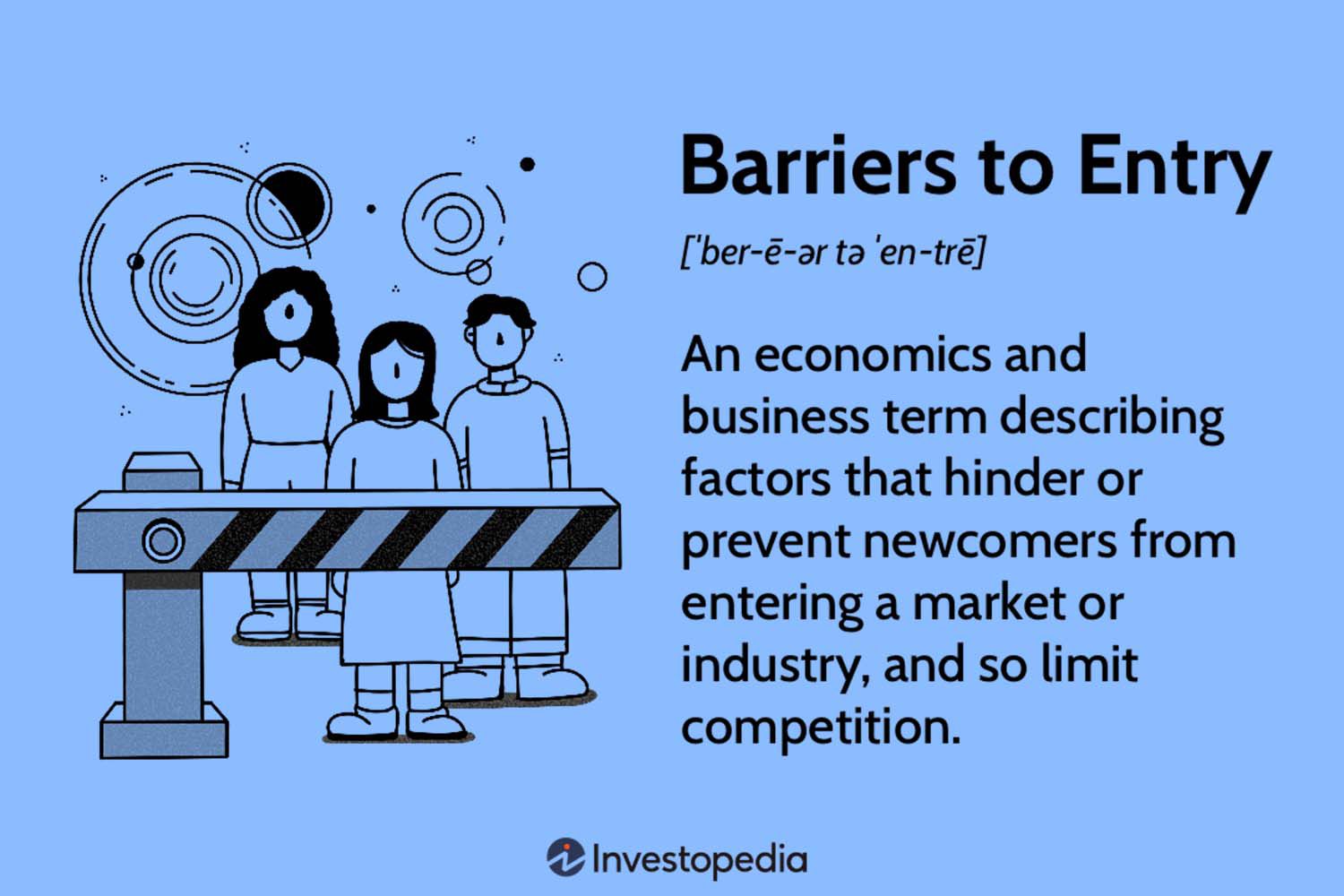
  • Barriers To Entry: Overcoming Obstacles to Success

    Barriers To Entry: Overcoming Obstacles to Success

    Barriers to Entry: The Challenges of Starting a New Business

    Starting a new business is an exciting venture, but it can also be a daunting task. Entrepreneurs often face various barriers to entry, which are hurdles or challenges that make it difficult for new businesses to enter a particular industry or market. These barriers can range from economic factors to legal and technological hurdles. In this article, we will explore some of the common barriers to entry and discuss how to overcome them.

    Barriers To Entry: Overcoming Obstacles to Success

    Credit: fastercapital.com

    Economic Barriers

    One of the significant barriers to entry for new businesses is the economic barrier. This includes the cost of setting up the business, acquiring resources, and maintaining operations. Small businesses often struggle to secure funding or investment to cover their initial startup costs. Additionally, existing companies with significant economies of scale can offer products or services at a lower cost, making it challenging for new businesses to compete.

    To overcome economic barriers, entrepreneurs can seek financial assistance or explore alternative funding options, such as angel investors or crowdfunding. Conducting thorough market research and creating a solid business plan can also help in attracting potential investors.

    https://www.youtube.com/watch?v=dU5jGEVOlQ0

    Regulatory Barriers

    Regulatory barriers refer to the rules, regulations, and licenses that new businesses need to comply with to enter a particular market. Government regulations can vary depending on the industry, and compliance with these regulations can impose significant costs and delays. Some sectors, such as healthcare or finance, have strict licensing requirements, which can pose a challenge for startups.

    To navigate regulatory barriers, entrepreneurs must be well-informed about the legal requirements in their industry. Seeking legal advice and consulting experts can help in understanding the compliance procedures. Additionally, networking with industry professionals and joining relevant associations can provide valuable insights and support.

    Barriers To Entry: Overcoming Obstacles to Success

    Credit: www.flexjobs.com

    Technological Barriers

    In the digital age, technological barriers can heavily impact new businesses. Keeping up with advancements and incorporating the latest technology into operations can be costly and time-consuming. Additionally, existing companies may already have established technology infrastructure and patents that create barriers for new entrants.

    Entrepreneurs can overcome technological barriers by prioritizing innovation and staying updated with industry trends. Investing in research and development can help create a competitive advantage. Collaborating with technology experts and leveraging partnerships with established companies can also provide access to necessary resources and knowledge.

    Brand and Reputation Barriers

    Established brands often enjoy strong customer loyalty and trust, making it challenging for new businesses to gain market share. Building brand awareness and reputation takes time and effort, and competing against well-known brands can be an uphill battle.

    To overcome brand and reputation barriers, entrepreneurs must focus on differentiation and showcasing their unique value proposition. Highlighting the advantages of their products or services can attract customers. Implementing effective marketing strategies, utilizing social media platforms, and creating a strong online presence can help in building brand recognition.

    Conclusion

    Starting a new business comes with its fair share of challenges. However, by understanding and addressing the various barriers to entry, entrepreneurs can increase their chances of success. Economic barriers, regulatory hurdles, technological challenges, and brand and reputation barriers can be overcome with careful planning, research, and innovation. By staying adaptable, persistent, and focused, new businesses can pave their way in the market and thrive.

  • What Is A Boiler Room Operation

    A boiler room operation is a fraudulent scheme where high-pressure sales tactics are used to promote risky or non-existent investments. It typically involves aggressive cold calling and employs misleading or false information to con people out of their money.

    These operations often target vulnerable individuals and can result in significant financial losses. Boiler room operations are commonly associated with securities fraud and are illegal in many jurisdictions. The term “boiler room” derives from the cramped, high-pressure sales environments in which these schemes are typically conducted.

    Investors should be cautious of unsolicited investment opportunities and always conduct thorough due diligence before making any financial decisions. Understanding the hallmarks of a boiler room operation is crucial for avoiding potential scams and protecting one’s assets.

    The Origins

    Early Beginnings

    Boiler room operations have a notorious history, originating in the early 20th century. These illegal schemes involved high-pressure sales tactics to fraudulently sell often non-existent or worthless securities to unsuspecting investors. The term “boiler room” was coined due to the cramped, high-pressure environment in which these fraudulent operations typically took place.

    Evolution Over Time

    As technological advancements and communication methods evolved, boiler room operations adapted to the changing landscape. Modern boiler rooms have shifted to utilizing online platforms, telemarketing, and email spam campaigns to reach a wider audience and perpetrate their fraudulent activities.

    Common Characteristics

    A boiler room operation typically has several common characteristics that can help to identify and differentiate it from legitimate investment opportunities. Understanding these characteristics is crucial for investors to avoid falling victim to fraudulent schemes.

    High-pressure Sales Tactics

    Boiler room operations often use high-pressure sales tactics to persuade potential investors to part with their money. These tactics can include relentless phone calls, urgent deadlines, and aggressive pitches that create a sense of urgency and fear of missing out. Investment professionals at these operations may use manipulative language to push investors into making rushed decisions without fully understanding the risks involved.

    Unregistered Securities

    Another common characteristic of a boiler room operation is the sale of unregistered securities. These investment offerings are often not registered with the appropriate regulatory authorities, making them illegal and highly risky for investors. Unregistered securities typically lack the necessary disclosures and oversight, leaving investors vulnerable to fraud and financial loss.

    Legality And Regulation

    What Is A Boiler Room Operation: Legality and Regulation

    A boiler room operation involves the use of aggressive and often deceptive sales tactics to sell questionable or fraudulent investments. Given the deceptive nature of these practices, it’s crucial to understand the legality and regulatory measures surrounding boiler room operations. Let’s delve into the legal implications and regulatory measures concerning this dubious activity.

    Legal Implications

    Engaging in a boiler room operation constitutes a serious violation of securities laws. Perpetrators can be charged with fraud, securities violations, and theft, as they prey on unsuspecting investors through false information and high-pressure sales tactics. Furthermore, participants in such operations face substantial fines, imprisonment, and permanent bans from the securities industry.

    Regulatory Measures

    Regulatory bodies such as the Securities and Exchange Commission (SEC) and the Financial Industry Regulatory Authority (FINRA) are at the forefront of combating boiler room operations. Authorities continually strengthen regulations and implement measures to detect, prevent, and prosecute those involved in these illicit schemes. Enhanced scrutiny, strict enforcement, and collaboration across international jurisdictions are crucial in curtailing the proliferation of boiler room operations.

    Impact And Prevention

    A boiler room operation is a fraudulent scheme where individuals use high-pressure sales tactics to persuade people to invest in low-value or non-existent securities. To prevent falling victim to this type of scam, it’s important to be cautious of unsolicited investment offers and to thoroughly research any investment opportunity before making a decision.

    Impact and Prevention Boiler room operations can have devastating financial impact on individuals and businesses. It’s crucial to understand the implications of falling victim to such schemes and take preventive measures to avoid potential losses. Financial Impact The financial impact of falling victim to a boiler room operation can be severe. Victims may suffer significant financial losses and emotional distress. These operations often lead to investment fraud, securities manipulation, and other illegal activities designed to deceive and defraud unsuspecting individuals. Preventive Measures Preventing boiler room operations requires vigilance and caution. By taking appropriate preventive measures, individuals and businesses can protect themselves from potential harm. Some key preventive measures include: 1. Conducting thorough research before engaging in any investment opportunities. 2. Verifying the credentials of the individuals and firms offering investment opportunities. 3. Being cautious of high-pressure sales tactics and unsolicited investment offers. 4. Seeking professional advice from certified financial advisors or investment professionals to validate opportunities. By staying informed and diligent, individuals and businesses can significantly reduce the risk of falling victim to a boiler room operation.

    Frequently Asked Questions For What Is A Boiler Room Operation

    How Does A Boiler Room Work?

    A boiler room works by heating water to produce steam, which is then circulated through a system of pipes to provide heat or hot water for a building. The boiler uses a fuel source, such as gas, oil, or electricity, to heat the water.

    Proper maintenance is key for efficiency.

    What Does Running A Boiler Room Mean?

    Running a boiler room refers to a high-pressure sales environment usually selling dubious investments. It involves aggressive tactics and often illegal activities.

    What Do People Do In A Boiler Room?

    In a boiler room, people operate and maintain boilers to ensure efficient heating and hot water supply. They monitor gauges, control systems, and perform routine inspections. Regular tasks include fueling, cleaning, and repairing boilers to keep them running safely and effectively.

    Conclusion

    To sum up, boiler room operations are deceptive and fraudulent schemes that pose serious risks to unsuspecting individuals and investors. It’s imperative to stay vigilant and informed to avoid falling victim to such scams. Recognizing the red flags and seeking professional advice can help safeguard against financial losses and protect personal assets.

    Stay informed, stay safe.


  • How Does Securitization Increase Liquidity?

    Securitization increases liquidity by providing a means for financial institutions to convert illiquid assets into tradable securities, thereby attracting a wider pool of investors. This process involves the pooling and packaging of assets, such as mortgages or loans, and issuing asset-backed securities (ABS) or collateralized debt obligations (CDOs) that can be bought and sold in secondary markets.

    Securitization contributes to liquidity in several ways. Firstly, it allows financial institutions to free up capital that would otherwise be tied up in illiquid assets, enabling them to make new loans or investments. Secondly, it enhances market efficiency by facilitating the transfer of risk from the originators of the assets to a more diverse group of investors who are willing to hold the securities.

    Lastly, the ability to trade securities in secondary markets increases their liquidity as investors have the option to sell the assets before they mature. Overall, securitization provides an avenue for transforming illiquid assets into a more liquid form, enhancing market liquidity in the process.

    What Is Securitization?

    Securitization is a process that increases liquidity by converting illiquid assets, such as mortgages or loans, into tradable securities. This allows financial institutions to free up capital and manage risk effectively in the market.

    Definition Of Securitization

    Securitization is a financial process that involves transforming illiquid assets into tradable securities. This practice allows companies or institutions to pool together various types of assets, such as mortgages, loans, or receivables, and convert them into securities that can be bought and sold in secondary markets. In simple terms, securitization is the packaging of assets into financial instruments that can be sold to investors.

    Explanation Of Securitized Assets

    Securitized assets are the underlying assets that are used to create the securities in securitization transactions. These assets can include a wide range of financial instruments, including residential or commercial mortgages, auto loans, credit card receivables, student loans, or even future revenue streams from royalties, contracts, or leases.

    When securitizing these assets, they are converted into securities, such as mortgage-backed securities (MBS), asset-backed securities (ABS), or collateralized debt obligations (CDOs). These securities represent a claim on the cash flows generated by the underlying assets.

    For example, in the case of mortgage-backed securities, a pool of mortgage loans is structured into different tranches or classes of securities. Each tranche represents a different level of risk and return. Investors can purchase the tranches based on their risk appetite and investment objectives.

    The securitized assets are typically separated from the originating company’s balance sheet, which helps to reduce risk and minimize the impact of potential defaults. The cash flows generated from these assets are used to pay interest and principal to the investors who hold the securities.

    Overall, securitization provides a mechanism for companies or financial institutions to raise funds by selling off illiquid assets and transforming them into more liquid securities. This process allows for diversification, risk transfer, and increased liquidity in the financial markets.

    Importance Of Liquidity

    Securitization enhances liquidity by transforming illiquid assets into tradable securities. This process allows investors to buy and sell these securities easily, bolstering the liquidity in financial markets.

    Importance Of Liquidity In Financial Markets

    When it comes to financial markets, liquidity plays a crucial role in ensuring their smooth functioning and stability. Liquidity represents the ability to convert an asset into cash quickly and without causing significant price changes. It is the lifeblood of financial markets, facilitating efficient trading and investment activities. The importance of liquidity cannot be overstated, as it impacts various aspects of the financial system, including market integrity, investor confidence, and overall economic growth.

    Benefits Of Maintaining Liquidity

    Maintaining liquidity in the financial markets offers several significant benefits for investors, businesses, and the economy as a whole. Let’s explore these benefits below:

    Improved Market Integrity And Stability

    When liquidity is high, markets are characterized by lower bid-ask spreads and reduced price volatility. This creates a conducive environment for market participants, as it allows them to buy and sell assets at competitive prices with minimal transaction costs. Additionally, high liquidity ensures that market orders can be executed quickly and efficiently, minimizing the risk of order delays or price impact. Overall, maintaining liquidity improves market integrity and stability, enhancing trust and confidence among investors.

    Enhanced Flexibility For Investors And Businesses

    One of the key advantages of a liquid market is the flexibility it offers to investors and businesses. In a liquid market, assets can be easily converted into cash, providing individuals and organizations with greater freedom in managing their portfolios and meeting their financial obligations. For investors, this means they have the ability to enter or exit positions swiftly, reducing their exposure to risk. Similarly, businesses can access capital more readily, enabling them to fund their operations, invest in growth opportunities, and navigate economic uncertainties.

    Increased Market Access And Competitiveness

    A highly liquid market attracts a broader range of participants, including individual investors, institutional investors, and market makers. This increased market access fosters greater competition, leading to tighter spreads and better pricing for all participants. Moreover, a liquid market encourages the development of new financial products and services, as issuers can easily access funding through securitization. This enhances innovation in the financial industry, creating more diverse investment opportunities and stimulating economic growth.

    Efficient Risk Management

    Liquidity is a vital component of effective risk management in financial markets. In a liquid market, investors can swiftly adjust their positions or hedge their exposure by entering into offsetting transactions. This ability to manage risk efficiently helps reduce the overall vulnerability of the market to sudden price swings or systemic shocks. Furthermore, liquidity also facilitates effective price discovery, allowing investors to make informed decisions based on accurate market valuations.

    Conclusion

    In conclusion, liquidity is a critical aspect of financial markets, providing numerous benefits to investors, businesses, and the overall economy. By maintaining high levels of liquidity, markets can attract more participants, enhance market stability, and foster efficient risk management. Therefore, policymakers, regulators, and market participants must prioritize maintaining liquidity to ensure the smooth functioning and resilience of financial systems.

    Roles And Participants In Securitization

    Securitization involves different roles and participants, including originators, investors, and credit rating agencies. It enhances liquidity by converting illiquid assets into tradable securities, thereby increasing market fluidity. This process allows financial institutions to free up capital for additional lending, promoting economic growth.

    Securitization plays an essential role in increasing liquidity in the financial market. By transforming illiquid assets into securities that can be bought and sold, securitization opens up new investment opportunities and enhances market liquidity. Understanding the key roles in the securitization process and the parties involved is crucial to grasp how securitization boosts liquidity.

    Key Roles In Securitization Process:

    Originator:

    The originator, typically a financial institution or company, is the entity that owns the underlying assets to be securitized. They initiate the securitization process by identifying suitable assets, such as mortgage loans or credit card receivables, to be pooled together.

    Issuer:

    The issuer, often a special purpose vehicle (SPV) created specifically for securitization, is responsible for issuing the securities backed by the pooled assets. The SPV ensures that the securitization transaction is legally separate from the originator and provides a secure legal structure for the securitized assets.

    Underwriter:

    The underwriter, usually an investment bank or financial institution, assists the issuer in structuring and marketing the securities to potential buyers in the market. They assess the risk of the securitized assets and help determine the terms and pricing of the securities.

    Investors:

    Investors are the individuals or entities that purchase the securities issued through securitization. They range from institutional investors, such as pension funds and insurance companies, to individual investors seeking to diversify their investment portfolios.

    Parties Involved In Securitization:

    Servicer:

    The servicer, often the originator or a separate entity, is responsible for administering and monitoring the securitized assets on behalf of the investors. They collect the cash flows from the underlying assets, handle any delinquencies or defaults, and distribute the proceeds to the investors.

    Rating agencies:

    Rating agencies provide independent assessments of the creditworthiness of the securities being issued. They assign credit ratings to the securities based on their analysis of the underlying assets, the structure of the transaction, and the credit enhancement measures in place. These ratings help investors evaluate the risk associated with the securities and make informed investment decisions.

    Regulators:

    Regulators play a crucial role in overseeing securitization activities to ensure compliance with applicable regulations and protect investors’ interests. They set the regulatory framework, establish disclosure requirements, and supervise the conduct of parties involved in securitization.
    In conclusion, securitization involves various roles and participants who collaborate to transform illiquid assets into tradable securities. The key roles include the originator, issuer, underwriter, and investors. Additionally, parties like the servicer, rating agencies, and regulators play important roles in maintaining transparency and safeguarding the interests of investors. Understanding these roles is essential in comprehending how securitization enhances liquidity in the financial market.

    Securitization As A Tool For Liquidity Management

    Securitization, in the realm of finance, has emerged as a powerful tool for liquidity management. By transforming illiquid assets into tradable securities, securitization enables financial institutions to free up capital and enhance liquidity. This modern financial practice significantly contributes to ensuring a steady flow of funds in the market. Let’s delve deeper into how securitization amplifies liquidity and its impact on market dynamics.

    How Securitization Enhances Liquidity

    Securitization plays a crucial role in enhancing liquidity by converting illiquid assets such as mortgages, car loans, or credit card receivables into securities that can be bought and sold on the open market. Through this process, these assets are transformed into cash, thereby bolstering the liquidity position of the issuing institution.

    Impact Of Securitization On Market Liquidity

    The utilization of securitization has a profound impact on market liquidity by injecting a continuous stream of tradable securities into the market. This facilitates an increase in the availability of investable assets and broadens the scope for investors to diversify their portfolios. Consequently, securitization contributes to the overall health of the market by bolstering liquidity and fostering a conducive investment environment.


    Case Studies On Securitization And Liquidity

    Securitization plays a crucial role in boosting liquidity, especially in financial markets. By converting illiquid assets into tradable securities, securitization allows companies to access a wider pool of investors, which in turn increases liquidity. Understanding the impact of securitization on liquidity is essential, and examining case studies can offer valuable insights into this relationship.

    Examples Of Successful Securitization Projects

    Several notable instances highlight the effectiveness of securitization in improving liquidity across industries. One such case is the securitization of mortgage-backed securities in the real estate sector, where financial institutions package and sell mortgages to investors. This process not only provides immediate liquidity to the originating lender but also allows investors to access a diverse range of mortgage assets, thereby bolstering market liquidity.

    In the automotive industry, auto loan securitization has proven to enhance liquidity by allowing lenders to offload a portion of their loan portfolios, thus freeing up capital to issue new loans. Moreover, securitizing future receivables, such as credit card receivables and royalties in the entertainment industry, has also been instrumental in generating liquidity by converting these assets into investment-worthy securities.

    The Relationship Between Securitization And Liquidity In Different Industries

    Securitization has a demonstrable impact on liquidity across various sectors, underscoring its adaptive nature. In the healthcare industry, asset-backed securities (ABS) derived from medical equipment leases have facilitated the circulation of funds, improving liquidity for healthcare providers. This process enables healthcare entities to access capital for essential upgrades and expansion efforts, ultimately benefiting patient care and operational efficiency.

    Similarly, securitization has revolutionized the energy sector, with special purpose vehicles (SPVs) formed to securitize future cash flows from energy projects. By transforming these cash flows into tradable securities, companies can raise immediate capital to fund new initiatives, promoting liquidity and advancing the development of sustainable energy solutions.

    Frequently Asked Questions For How Does Securitization Increase Liquidity?

    How Can Securitization Be Used To Change Illiquid Assets Into Liquid Assets?

    Securitization transforms illiquid assets into liquid assets by bundling them into tradeable securities. This process allows assets like mortgages or credit card debt to be sold and converted into cash, increasing liquidity for the original asset holder.

    What Are The Advantages Of Securitization?

    Securitization offers several advantages, including risk diversification, improved liquidity, and access to new sources of funding. It allows companies to convert illiquid assets into tradable securities, which can attract more investors. Additionally, securitization can enhance financial performance and reduce capital requirements, making it an attractive financing option for businesses.

    Are Banks More Liquid As A Result Of Securitization?

    Securitization enhances bank liquidity, as securitized assets can be converted into cash quickly. This enables banks to access funds and manage their cash flow efficiently.

    Conclusion

    Securitization plays a crucial role in enhancing liquidity by transforming illiquid assets into tradable securities. This process involves pooling and repackaging assets, which are then sold to investors. By doing so, securitization provides a mechanism for financial institutions to access additional funding, thereby increasing liquidity in the market.

    Furthermore, securitization enables diversification of risk and facilitates the flow of capital to borrowers. Ultimately, this process contributes to a more efficient financial system, benefiting both investors and borrowers alike.

  • How Robert Duggan Became Billionaire

    Robert Duggan became a billionaire through strategic investments and successful business ventures. With a keen eye for opportunity and a knack for building wealth, Duggan amassed his fortune through astute decision-making.

    As a highly successful entrepreneur and investor, Robert Duggan’s journey to becoming a billionaire is an inspiring tale of determination and financial acumen. With a background in technology and healthcare industries, Duggan strategically navigated market trends and emerging opportunities to grow his wealth.

    His ability to identify and capitalize on lucrative investment prospects played a pivotal role in his ascent to billionaire status. Through shrewd business acumen and calculated risk-taking, Duggan’s story serves as a testament to the rewards of strategic entrepreneurship and prudent financial management. This article will explore the key factors that contributed to Robert Duggan’s rise to billionaire status, shedding light on the traits and strategies that propelled his success in the business world.

    Early Life And Background

    Robert Duggan, the billionaire entrepreneur and philanthropist, has a remarkable story of rags to riches. His early life and background laid the foundation for his unprecedented success in the business world. Understanding his upbringing and educational path provides insight into the journey of this self-made billionaire.

    Family And Upbringing

    Robert Duggan was raised in a middle-class family in California, where hard work and integrity were instilled in him from an early age. His parents, who were both educators, emphasized the value of education and encouraged him to pursue his passions. The supportive and nurturing environment at home laid the groundwork for his future achievements.

    Education And Career Beginnings

    With a thirst for knowledge, Duggan pursued his higher education at the University of California, where he studied business and finance. It was during his college years that he developed a keen interest in entrepreneurship and innovation. After graduation, he embarked on his career journey, starting with entry-level roles at prominent companies in the finance sector.

    Entrepreneurial Ventures

    Robert Duggan’s journey to becoming a billionaire is an inspiring tale of entrepreneurial ventures that have led to incredible success. His commitment to innovative business pursuits and his resilience in the face of challenges have positioned him as a prominent figure in the entrepreneurial world. Let’s explore some of the defining milestones in Robert Duggan’s entrepreneurial journey, including the founding of Pharmacyclics, and the successes and challenges he encountered along the way.

    Founding Pharmacyclics

    Robert Duggan’s notable entrepreneurial venture includes the founding of Pharmacyclics, a biopharmaceutical company focused on developing innovative therapies for the treatment of cancer and other diseases. Through strategic vision and a keen understanding of the healthcare industry, Duggan established Pharmacyclics as a pioneering force in medical research and development. His leadership and business acumen propelled the company to unprecedented success, setting the stage for his remarkable entrepreneurial trajectory.

    Successes And Challenges

    Amidst the successes achieved in his entrepreneurial endeavors, Robert Duggan has faced formidable challenges, underscoring the resilience and adaptability that have characterized his approach to business. Navigating through industry fluctuations and global economic shifts, Duggan has demonstrated a steadfast determination to overcome obstacles and continue driving his ventures toward success. This unwavering dedication has not only solidified his position as a billionaire entrepreneur but has also served as a source of inspiration for aspiring business leaders.

    Investment Strategies

    Investment Strategies are crucial to the success of any business mogul, and Robert Duggan’s path to becoming a billionaire is a compelling demonstration of this. Through a calculated approach to investing and notable acquisitions, Duggan established himself as a formidable force in the business world.

    Approach To Investing

    Duggan’s approach to investing centers around meticulous research and calculated risk-taking. He prioritizes industries with potential for disruptive innovation and growth and diligently evaluates opportunities with a keen eye for long-term potential. His methodical approach has seen significant success across various sectors, giving him a reputation as a strategic and shrewd investor.

    Notable Investments

    Robert Duggan’s portfolio includes ventures in biotechnology, pharmaceuticals, and technology, with a focus on companies with groundbreaking products and services. Notable investments such as his involvement in the cystic fibrosis drug development and the breakthrough cancer treatment field have solidified his reputation as a forward-thinking and impactful investor.

    Philanthropy And Personal Life

    Robert Duggan, a renowned billionaire, has made a significant mark not only in the business world but also in the realm of philanthropy and personal life. His commitment to philanthropic endeavors and his diverse personal interests play a pivotal role in shaping his identity beyond his financial success. Let’s explore the remarkable philanthropic efforts and personal pursuits that define Robert Duggan outside the boardroom.

    Charitable Work

    Throughout his journey to becoming a billionaire, Robert Duggan has steadfastly dedicated himself to charitable causes. His philanthropic efforts encompass a wide range of initiatives, from supporting educational programs to funding medical research and advancements. Robert’s focus on giving back to society is evident through his substantial contributions to various noble causes.

    Personal Interests

    Beyond his achievements in the business realm, Robert Duggan is fervently passionate about a multitude of personal interests. His diverse hobbies and pursuits reflect his multifaceted nature and reveal a deeper dimension to his extraordinary life. From art collecting to adventurous travels, Robert engages in endeavors that enrich his personal experiences and fulfill his passions.

    Frequently Asked Questions Of How Robert Duggan Became Billionaire

    How Much Is Robert Duggan Worth?

    Robert Duggan’s net worth is estimated to be $2. 1 billion, according to Forbes.

    How Did Robert Duggan Become A Billionaire?

    Robert Duggan became a billionaire through strategic investment and successful entrepreneurship in the pharmaceutical and biotechnology industries.

    What Are The Key Factors Behind Robert Duggan’s Success?

    Robert Duggan’s success can be attributed to his vision, risk-taking ability, innovative mindset, and astute business acumen in identifying lucrative market opportunities.

    Conclusion

    Robert Duggan’s journey to becoming a billionaire is a testament to hard work, determination, and strategic decision-making. His ability to navigate challenges and capitalize on opportunities has propelled him to great success. By learning from his experiences, aspiring entrepreneurs can glean valuable insights for their own path to achievement.


  • Unlocking the Power of Spot Exchange Rate: Maximize Your Currency Investments

    Unlocking the Power of Spot Exchange Rate: Maximize Your Currency Investments


    Spot Exchange Rate: Understanding the Basics

    The spot exchange rate is an important concept in the world of forex trading. It refers to the rate at which one currency can be exchanged for another on the spot or immediate basis. In simpler terms, it’s the exchange rate you see quoted on financial news websites and currency exchange boards at airports.

    Why is the spot exchange rate important?

    The spot exchange rate is used for various purposes, including international trade, tourism, and investments. It determines the value of one currency in relation to another, allowing businesses and individuals to convert their money from one currency to another.

    For example, if you are planning a trip to a different country, you would need to know the spot exchange rate to convert your local currency into the currency of the destination country. Similarly, if you are a company that imports goods from another country, you would need to convert your local currency into the currency of that country to pay for the goods.

    Spot exchange rates are influenced by a variety of factors, including interest rates, inflation, political stability, and economic performance. Here are some key factors that can impact spot exchange rates:

    Factors Explanation
    Interest Rates Higher interest rates can attract foreign investors, increasing the demand for a currency and driving up its value.
    Inflation Countries with lower inflation rates tend to have stronger currencies as the purchasing power of their currency remains relatively higher.
    Political Stability Currencies of politically stable countries are more attractive to investors, leading to a higher demand and increased value.
    Economic Performance Countries with strong economic growth and stable economic indicators often experience higher currency values.

    How are spot exchange rates quoted?

    Spot exchange rates are often quoted as currency pairs, indicating the relative value of one currency to another. For example, the exchange rate between the US dollar and the euro might be quoted as 1 USD = 0.85 EUR. This means that 1 US dollar is equivalent to 0.85 euros.

    These quotes can vary among different financial institutions and can change rapidly due to market fluctuations. It’s important to stay updated with the latest spot exchange rate if you are involved in international transactions.

    The difference between spot exchange rate and forward exchange rate

    The spot exchange rate differs from the forward exchange rate, which refers to the exchange rate agreed upon today for a transaction that will occur in the future. While the spot exchange rate is based on current market conditions, the forward exchange rate takes into account anticipated changes in currency values.

    Forward exchange rates allow businesses to hedge against potential currency fluctuations. For example, if a company knows it will need to convert a certain amount of currency in the future, it can lock in a favorable forward exchange rate to protect against unfavorable movements in the spot exchange rate.

    When engaging in international transactions, it’s crucial to understand how spot exchange rates work. By monitoring and analyzing exchange rate trends, businesses and individuals can make informed decisions regarding their currency conversions, investments, and international trade activities.

    Understanding the factors that influence spot exchange rates and staying updated with the latest rates will help to minimize risks and maximize potential gains in the global forex market.

    The spot exchange rate is a fundamental concept in the world of forex trading. It determines the value of one currency in relation to another, allowing for seamless currency conversions in various transactions. By keeping an eye on market factors and staying updated with the latest spot exchange rates, individuals and businesses can navigate the global forex market more effectively and make informed decisions.