Fair Market Value: Understanding its Importance and Calculation
When it comes to the financial world, one term that often comes up is “fair market value”. Whether you are buying or selling a property, investing in stocks, or determining the value of a business, fair market value plays a crucial role. In this article, we will dive deeper into what fair market value is, why it is important, and how it can be calculated.
Credit: memberpress.com
Credit: www.amazon.com
What is Fair Market Value?
Fair market value refers to the price at which an asset would sell on the open market, between a willing buyer and a willing seller, both having reasonable knowledge of the relevant facts and neither being under any compulsion to buy or sell. It is essentially an unbiased estimate of what an asset is worth in the current market conditions.
The Importance of Fair Market Value
The concept of fair market value is essential in various scenarios such as:
Real Estate: Determining the fair market value of a property is crucial for buying or selling. It helps ensure that both parties involved are getting a fair deal and prevents any potential issues down the line.
Investments: Investors rely on fair market value to make informed decisions about buying or selling stocks, bonds, or other financial instruments. It helps assess the profitability and potential risks associated with an investment.
Mergers and Acquisitions: During corporate transactions, determining the fair market value of a company is vital. It influences the negotiations, the stock price, and helps ensure fairness for all parties involved.
How is Fair Market Value Calculated?
Calculating fair market value can be a complex process that requires careful analysis of various factors. While the specific methods may vary depending on the asset being valued, here are some commonly used approaches:
Comparable Market Analysis (cma)
A CMA involves comparing the asset being valued with similar assets that have recently been sold in the market. Real estate agents often use this method to determine the fair market value of a property by considering factors such as location, size, condition, and recent sales of comparable properties.
Income Approach
The income approach is commonly used to value businesses or rental properties. It involves estimating the future cash flows the asset is expected to generate and then discounting those cash flows to their present value. This approach is based on the principle that the value of an asset is directly related to the income it can generate.
Cost Approach
The cost approach involves determining the fair market value of an asset by considering the cost of replacing or reproducing it. This method is frequently used for valuing properties and assets with no direct comparables in the market.
Appraisal And Expert Opinion
In certain cases, professional appraisers or experts may be hired to determine the fair market value of an asset. They take into account various factors, analyze market trends, and provide an unbiased opinion based on their expertise.
Challenges in Determining Fair Market Value
While the concept of fair market value is widely recognized and used, there are some challenges in accurately determining it. Factors such as market fluctuations, subjective opinions, and the availability of reliable data can pose difficulties. Additionally, emotional attachments, unique characteristics, or special considerations related to an asset can further complicate the valuation process.
Conclusion
Fair market value is a crucial concept in the financial world. It helps ensure fairness, transparency, and informed decision-making. Whether you are buying or selling a property, investing in stocks, or involved in corporate transactions, understanding fair market value is essential. By utilizing various valuation methods and seeking expert opinions when necessary, individuals and businesses can make well-informed choices and achieve fair outcomes.
Financial advisors wish you knew that their primary goal is to help you achieve your financial goals, ensuring a secure and stable future for you and your family. We will explore some essential facts that financial advisors wish you were aware of.
These insights will enable you to make more informed decisions about your finances, ensuring a better financial future. From understanding the importance of setting realistic and attainable goals to recognizing the value of diversification and long-term investing, these insights will empower you to take control of your financial journey.
So, let’s dive in and discover the facts financial advisors wish you knew.
The Role Of A Financial Advisor
Financial advisors play a crucial role in helping individuals and businesses navigate the complex world of finance. Their expertise and guidance can make a significant difference in achieving financial stability and growth. Understanding their responsibilities and the value they bring can empower you to make informed decisions and build a secure financial future.
Their Responsibilities
Assessing your current financial situation and goals
Developing a personalized financial plan
Monitoring and adjusting your investments
Providing guidance on retirement planning and wealth management
Offering tax-efficient strategies
Educating you about financial matters
Setting Realistic Financial Goals
Financial advisors help you set achievable financial milestones, taking into account your current situation and future aspirations. They provide valuable insights on saving, investing, and budgeting, guiding you towards long-term financial success.
Understanding Investment Strategies
Investing can be complex and overwhelming, but understanding investment strategies is crucial to make informed financial decisions. Financial advisors have a wealth of knowledge when it comes to optimizing returns and minimizing risks. In this section, we’ll discuss three fundamental investment strategies: Diversification and Risk Management.
Diversification
Diversification is a key investment strategy that every investor should understand. It involves spreading your investments across different asset classes, sectors, and geographic regions to minimize the impact of any single investment’s performance on your overall portfolio.
Here are a few reasons why diversification is essential:
Reduces the risk of significant losses: By spreading your investments, you’re not putting all your eggs in one basket. This way, if one investment underperforms, other investments may help offset the losses, reducing the impact on your overall portfolio.
Potential for better returns: Diversification allows you to tap into various market opportunities. Different asset classes perform differently over time, and having exposure to multiple asset classes can increase your chances of capturing profitable returns.
Smoothens portfolio volatility: Diversification can help to balance the volatility in your portfolio. Investments with high volatility could be offset by those with lower volatility, leading to a more stable overall portfolio.
Risk Management
Risk is an inherent part of investing, and effective risk management is crucial. This investment strategy focuses on identifying and minimizing potential risks to protect your investments. Here are a few important points about risk management:
Identifying your risk tolerance: Understanding your risk tolerance is vital in creating an investment portfolio that aligns with your financial goals and comfort level. Financial advisors will help you assess your risk tolerance and recommend suitable investments.
Asset allocation: A well-diversified portfolio is just the beginning. The appropriate distribution of assets based on your risk tolerance is equally important. Asset allocation involves determining the right mix of investment types, such as stocks, bonds, and cash, based on your risk appetite.
Regular portfolio review: Risk management is an ongoing process. It’s crucial to regularly review your portfolio to ensure it aligns with your risk tolerance and financial goals. Regular check-ins with your financial advisor will help identify any necessary adjustments to optimize your portfolio’s risk/reward potential.
The Impact Of Fees And Expenses
Financial advisors play a crucial role in helping individuals make sound investment decisions for their financial future. However, there are certain facts that advisors wish their clients knew to ensure a successful and prosperous investment journey. One such important aspect is the impact of fees and expenses associated with financial products. These seemingly small costs can have a significant long-term impact on your overall investment returns. Let’s dive deeper into the different aspects of fees and expenses that you should be aware of to make informed financial decisions.
Hidden Costs
1. Stay vigilant about hidden costs: When investing in financial products, it is important to understand that there may be hidden costs that are not explicitly mentioned upfront. These costs can erode your investment returns over time if they go unnoticed. It is crucial to carefully review the terms and conditions and ask your financial advisor about any hidden costs that may affect your investment performance.
2. Look out for trading costs: Trading costs incurred during the buying and selling of securities within your investment portfolio can impact your returns. These costs can include brokerage fees, transaction fees, and taxes. Understanding the trading costs associated with your investments can help you evaluate the potential impact on your overall returns.
Fee Structure
1. Know the fee structure: Each financial advisor or investment firm may have a different fee structure when it comes to managing your investments. It is important to understand how your advisor charges fees, whether it’s a flat fee, a percentage of your assets under management, or a combination of both. This knowledge will help you evaluate the cost-effectiveness of their services and make an informed decision.
2. Avoid excessive fees: While it is essential to compensate your financial advisor for their services, it’s equally important to ensure that you are not paying excessive fees compared to the industry average. Research and compare the fee structures of different advisors to make sure you are getting the best value for your money.
3. Consider fee negotiation: Don’t shy away from discussing fee negotiation with your financial advisor. Depending on the complexity of your financial situation and the services you require, some advisors may be open to adjusting their fees. It never hurts to have the conversation and explore the possibility of reducing your expenses.
In conclusion, being aware of the impact of fees and expenses is crucial for successful financial planning. Hidden costs can eat into your returns, and understanding the fee structure will help you evaluate the cost-effectiveness of your investment. By staying informed and actively managing your expenses, you can optimize your investment returns and work towards achieving your long-term financial goals.
Financial Planning And Budgeting
Gain insights from financial advisors about essential facts for effective financial planning and budgeting. Understand the significance of long-term planning and the impact of disciplined budgeting on achieving your financial goals.
Creating A Budget
Creating a budget is the foundation of financial planning. It allows you to have a clear understanding of your income and expenses and helps you make informed decisions about your money. A budget is like a roadmap that guides you towards your financial goals. Whether it’s saving for a down payment on a house, planning for retirement, or paying off debt, a budget is essential.
Emergency Fund Importance
Having an emergency fund is crucial for financial stability. Life is full of surprises, and unexpected expenses can quickly derail your financial progress. Having an emergency fund gives you peace of mind, knowing that you have a financial cushion to fall back on when unforeseen circumstances arise. Your emergency fund should ideally cover at least three to six months’ worth of living expenses.
Why is an Emergency Fund Important?
How to Build an Emergency Fund?
Protects you from unexpected expenses
Provides a sense of security
Prevents you from going into debt
Set aside a portion of your income each month
Automate your savings
Cut back on unnecessary expenses
By prioritizing budgeting and building an emergency fund, you lay a solid foundation for your financial future. These simple yet powerful practices can help you stay on track, no matter what life throws your way. Remember, a sound financial plan starts with a budget and the security of an emergency fund. Take control of your finances today and pave the way for a brighter tomorrow.
Retirement Planning Essentials
Discover the essentials of retirement planning with key insights financial advisors want you to know. Gain important knowledge and guidance for securing a financially stable future.
Investing in Retirement Accounts
One of the key retirement planning essentials is investing in retirement accounts. These accounts are specifically designed to help you save for your future when you are no longer working. By contributing to retirement accounts, you can take advantage of tax benefits and ensure a financially secured retirement.
If you are employed, you may have access to a 401(k) plan through your employer. This plan allows you to contribute a portion of your salary on a pre-tax basis, meaning that you won’t pay taxes on this money until you withdraw it during retirement. Some employers also offer matching contributions, which is essentially free money that can significantly boost your retirement savings.
Another popular retirement account is an Individual Retirement Account (IRA). There are two primary types of IRAs: Traditional IRA and Roth IRA. With a Traditional IRA, your contributions may be tax-deductible, and your investments grow tax-deferred until retirement. On the other hand, a Roth IRA allows you to contribute after-tax dollars and enjoy tax-free growth.
Long-Term Savings
Aside from retirement accounts, long-term savings play a vital role in your retirement planning. It’s important to have additional savings that are not tied to specific retirement accounts. These savings can provide you with financial flexibility and serve as a safety net in case of unexpected expenses.
A good strategy for long-term savings is to diversify your investments. Instead of putting all your eggs in one basket, consider spreading out your investments across different asset classes such as stocks, bonds, and real estate. Diversification helps reduce risk and maximize potential returns, especially over the long term.
It’s also crucial to regularly review and adjust your long-term savings goals. As you approach retirement, your risk tolerance may change, and it’s important to make sure your savings align with your desired lifestyle. Consulting with a financial advisor can help you determine the best course of action and optimize your long-term savings.
Investing In Retirement Accounts
401(k) plan offers tax benefits and potential employer matching contributions.
Traditional IRA provides tax-deductible contributions and tax-deferred growth.
Roth IRA allows after-tax contributions and tax-free growth.
Long-term Savings
Have additional savings apart from retirement accounts for financial flexibility.
Diversify investments across different asset classes to reduce risk.
Regularly review and adjust long-term savings goals.
Consult with a financial advisor to optimize long-term savings.
Frequently Asked Questions On Facts Financial Advisors Wish You Knew
What Is An Interesting Fact About Financial Advisors?
Financial advisors play a crucial role in helping individuals and businesses make informed decisions about their finances. They provide expert advice on investments, retirement planning, and managing money.
What Financial Advisors Don T Want You To Know?
Financial advisors may not disclose that their recommendations could be influenced by commissions or fees they receive. They may prioritize their own profits over your financial best interests. Be cautious and seek unbiased advice before making investment decisions.
What To Avoid In A Financial Advisor?
Avoid financial advisors who have a bad reputation, lack relevant qualifications or experience, charge high fees, push unnecessary products, and fail to prioritize your financial goals. Choose an advisor who is trustworthy and transparent, puts your interests first, and aligns with your specific needs and objectives.
Conclusion
To sum it up, financial advisors have a wealth of knowledge that they wish their clients knew. From the importance of setting financial goals to the benefits of diversification, these professionals are equipped to guide and support you. By understanding the value they bring, you can make informed decisions about your financial future.
So, don’t hesitate to reach out and leverage their expertise. Your financial well-being depends on it.
Negative Goodwill – A Comprehensive Guide on Its Meaning and Implications
Welcome to our latest blog post, where we will explore the concept of negative goodwill and its implications in the business world. Negative goodwill is a term often used in accounting and finance, and it can have significant effects on companies and their financial statements. In this article, we will explain what negative goodwill is, how it arises, and the potential impacts it can have on businesses.
Understanding Negative Goodwill
Negative goodwill, also known as a bargain purchase, occurs when a company acquires the assets of another company for less than their fair market value. In simpler terms, it means that the purchasing company paid less for the acquired assets than the estimated value of those assets. This situation usually arises during financial distress or when the selling company faces financial difficulties or is in a distressed state.
This negative difference between the purchase price and the fair market value of the assets acquired is recognized as negative goodwill. From an accounting perspective, this negative goodwill is classified as a gain and is recorded as an extraordinary item in the buyer’s financial statements.
Factors Contributing to Negative Goodwill
Several factors can contribute to the occurrence of negative goodwill. For instance:
1. Financial Distress:
When a company is in severe financial distress, it may result in its assets being undervalued.
2. Market Conditions:
During an economic downturn, when the market is down, the fair market value of assets may decrease.
3. Industry-Specific Factors:
Sector-specific events, such as changes in regulations or technology advancements, can devalue assets.
4. Competitive Pressures:
Intense competition in a particular industry can lead to lower prices for acquired assets.
Credit: fastercapital.com
https://www.youtube.com/watch?v=x8o0vE4v610
Implications of Negative Goodwill
Now let’s take a closer look at the implications of negative goodwill:
Boost to Buyer’s Financial Statements: Negative goodwill is recognized as a gain in the buyer’s financial statements. This gain can help improve the buyer’s overall financial position by increasing its net income and shareholders’ equity.
Sign of Distress for the Seller: Negative goodwill typically indicates financial distress for the seller. It signifies that the seller had to sell its assets at a price below their fair market value due to financial difficulties.
Enhancement of Future Earnings: Acquiring assets at a bargain price can provide the buyer with opportunities for future earnings growth. It allows them to generate higher profits in the long term, assuming the assets appreciate in value.
Tax Benefits: Negative goodwill can sometimes provide tax benefits to the buyer. They may be able to claim deductions on the purchase price below the fair market value of the assets acquired.
Credit: www.linkedin.com
Conclusion
In summary, negative goodwill, or bargain purchase, occurs when a company acquires assets for less than their fair market value. It is often caused by financial distress or adverse market conditions. Negative goodwill has significant implications for both the buyer and the seller. While it can boost the buyer’s financial statements and future earnings potential, it indicates financial difficulties for the seller. As with any accounting concept, it is crucial for businesses and investors to understand the implications and consider how negative goodwill may impact their financial analysis and decision-making processes.
Thank you for reading our comprehensive guide on negative goodwill. We hope you found it informative and helpful in understanding this complex accounting concept. If you have any questions or would like to learn more, please feel free to contact us.
Have you ever wondered about synthetic positions and how they can be used in investment strategies? In this article, we will provide you with a comprehensive guide to synthetic positions, including what they are, how they work, and their potential benefits and drawbacks. So, let’s dive in!
Understanding Synthetic Positions
Synthetic positions refer to a strategy in which an investor replicates the risk and reward profile of a specific financial instrument using a combination of other instruments. These positions are often created when an investor wants to gain exposure to an asset without direct ownership or to leverage their investments.
For instance, if an investor wants to profit from the upward movement in a particular stock but doesn’t want to purchase the actual shares, they can create a synthetic position by combining options, futures, or other derivatives.
How Do Synthetic Positions Work?
Synthetic positions are created through the strategic combination of different financial instruments, often derivatives, to mimic the underlying asset’s price movements. By using options, futures, or other contracts, investors can replicate the risk and reward characteristics of owning the asset directly.
Let’s take an example to understand this concept better:
Instrument
Position
Payoff Profile
Long Stock
Buy shares of XYZ
Linear upside potential with unlimited risk
Long Call Option
Buy Call Options on XYZ
Non-linear upside potential with limited risk
Short Put Option
Write Put Options on XYZ
Limited upside potential with limited risk
In this example, an investor wanting to profit from an upward move in XYZ stock can create a synthetic long position by buying call options and writing put options on XYZ. This combination allows the investor to participate in the stock’s potential upside while limiting their risk.
Potential Benefits of Synthetic Positions
Risk Management: Synthetic positions allow investors to manage their risk exposure more effectively. By using derivatives, investors can hedge against adverse price movements and protect their portfolios.
Cost Efficiency: Creating synthetic positions may be more cost-effective than buying or selling the underlying asset directly. Derivatives can provide leverage and allow investors to gain exposure with less capital investment.
Flexibility: Synthetic positions offer flexibility in tailoring the risk and reward profile according to an investor’s preferences. Investors can use different combinations of derivatives to achieve their desired exposure.
Drawbacks of Synthetic Positions
Complexity: Synthetic positions involve the use of various financial instruments and strategies, which can be complex to understand and implement. Investors must thoroughly understand the underlying instruments and associated risks.
Risks of Derivatives: Synthetic positions heavily rely on derivatives, which can be highly volatile and subject to market changes. If not properly managed, derivative positions can lead to significant losses.
Counterparty Risk: When dealing with derivatives, investors face counterparty risk, the risk that the other party may default or fail to fulfill their obligations. This risk can be mitigated by selecting reputable counterparties.
Frequently Asked Questions Of Synthetic Position
Faq: What Is A Synthetic Position In Investment?
A synthetic position in investment refers to the replication of the performance of an asset or trading strategy using a combination of financial derivatives. It allows investors to gain exposure to certain assets without directly owning them.
Faq: How Does A Synthetic Position Work?
A synthetic position is created by combining long and short positions of options or other derivatives to simulate the behavior of the underlying asset. By using derivatives, investors can replicate the risk-return profile of the desired investment without actually buying or selling the asset itself.
Faq: Why Would Someone Use A Synthetic Position?
Investors use synthetic positions for various reasons. They may want to gain exposure to an asset class that is not easily accessible or expensive to trade directly. It can also be used for hedging purposes, reducing risk or enhancing returns, or taking advantage of arbitrage opportunities in the market.
Faq: What Are The Advantages Of Using Synthetic Positions?
There are several advantages to using synthetic positions. Firstly, it offers flexibility as investors can tailor the position to their specific objectives and risk appetite. It also allows for cost-effective exposure to certain assets and strategies. Additionally, synthetic positions can provide better liquidity and overcome certain restrictions or limitations in the markets.
Conclusion
Synthetic positions offer investors an alternative way to gain exposure to specific assets or implement investment strategies. By strategically combining different financial instruments, investors can replicate the risk and reward profile of the desired asset class. However, it’s essential to thoroughly understand the complexities and risks involved in synthetic positions, and proper risk management is crucial to avoid potential losses.
Structural Unemployment – Causes, Effects, and Solutions
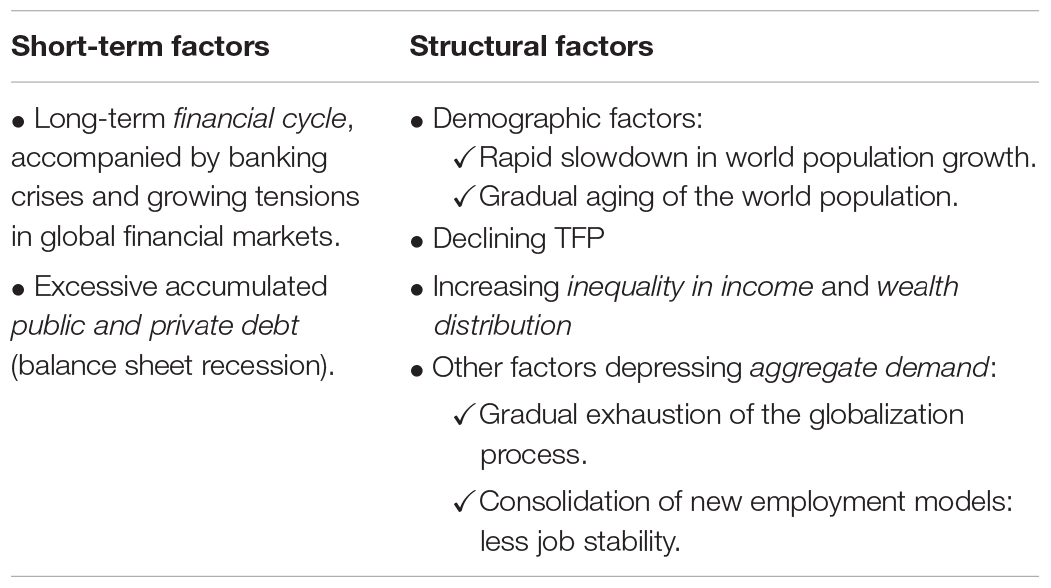
Structural unemployment is a type of unemployment caused by a mismatch between the skills and qualifications of job seekers and the requirements of available job positions. Unlike cyclical unemployment, which is directly related to the ups and downs of the business cycle, structural unemployment is more long-term and stems from fundamental shifts in the economy.
Credit: www.frontiersin.org
Causes of Structural Unemployment
There are several factors contributing to structural unemployment:
Technological advancements:
The automation and digitalization of industries often lead to a decreased demand for certain jobs that can be replaced by machines or computer programs.
Globalization:
The integration of world economies has resulted in outsourcing and offshoring, leading to job losses in certain industries in developed countries.
Changes in consumer preferences:
When consumer preferences shift, certain industries may decline, resulting in layoffs and unemployment for workers in those sectors.
Educational system:
Inadequate education and training programs may leave workers ill-equipped to meet the changing demands of the job market.
Credit: www.mdpi.com
Effects of Structural Unemployment
Structural unemployment has significant social and economic implications:
High unemployment rates:
Structural unemployment contributes to overall unemployment rates, causing economic distress and reduced productivity.
Income inequality:
The loss of jobs in specific industries can disproportionately affect certain groups, leading to increased income inequality.
Skills mismatch:
Workers may find it challenging to transition into new industries due to a lack of transferable skills, resulting in prolonged unemployment.
Social unrest:
Long-term unemployment can lead to social unrest and increased social welfare costs as individuals face financial hardships.
Solutions for Structural Unemployment
Addressing structural unemployment requires proactive measures to align the workforce with evolving labor market needs:
1. Education and Training Programs
Investing in educational programs that teach relevant skills and providing retraining opportunities for displaced workers can help bridge the skills gap.
2. Flexible Labor Markets
Implementing policies that promote labor market flexibility, such as reducing barriers to entry or encouraging entrepreneurship, can facilitate smoother transitions for job seekers.
3. Industry Collaboration
Encouraging collaboration between industries, educational institutions, and government bodies can ensure that education and training programs align with the demands of the job market.
4. Innovation and Research
Investing in research and development can promote innovation and create new job opportunities in emerging industries.
Addressing structural unemployment requires a multi-faceted approach that combines education, policy changes, and collaboration to ensure individuals are equipped with the necessary skills for available job positions. By adapting to the changing economic landscape, we can mitigate the adverse effects of structural unemployment and foster sustainable economic growth.
Investing in real estate options is a profitable way to make money in the real estate industry. By utilizing options contracts, investors have the right, but not the obligation, to buy or sell a property at a predetermined price within a specified timeframe, allowing them to profit from changes in property values.
We will explore how to make money with real estate options, including strategies such as leasing options, wholesale options, and fix-and-flip options. Additionally, we will highlight important considerations and risks involved in real estate option investing. Whether you’re a beginner or an experienced investor, understanding the ins and outs of real estate options can provide you with lucrative opportunities in the market.
Understanding Real Estate Options
What Are Real Estate Options?
A real estate option is a contract that gives the buyer the right, but not the obligation, to purchase or sell a property at a predetermined price within a specified period. This financial tool allows investors to control a property without owning it outright.
How Do Real Estate Options Work?
Real estate options work by the property owner granting the buyer the exclusive right to buy or sell the property at an agreed-upon price within a defined time frame. The buyer pays a fee, known as the option consideration, to secure the option agreement. If the buyer chooses to exercise the option, they can either purchase the property or sell the option to another investor for a profit.
Key Terms To Know In Real Estate Options
Option consideration: The payment made by the buyer to the seller for the right to purchase or sell the property.
Strike price: The price at which the buyer can buy or sell the property.
Expiration date: The deadline by which the option must be exercised.
Assignment: The transfer of the option from the original buyer to another party.
Finding Profitable Real Estate Opportunities
Finding Profitable Real Estate Opportunities
When it comes to making money through real estate options, finding profitable opportunities is crucial. You need to research the market, evaluate the profitability of potential properties, and negotiate deals with property owners. By following these strategies, you can maximize your chances of success in the real estate market.
Researching The Market And Identifying Potential Properties
Researching the market is essential to identify potential properties with high-profit potential. Utilize online databases to gather information on local real estate trends and market conditions. Look for areas experiencing growth and development to spot emerging opportunities. Once you’ve identified potential properties, conduct thorough financial analysis and due diligence to ensure their viability.
Evaluating The Profitability Of Real Estate Options
When evaluating the profitability of real estate options, consider factors such as location, market demand, property condition, and potential for value appreciation. Calculate the potential return on investment (ROI) and assess the long-term rental income or resale value. By conducting a comprehensive evaluation, you can make informed decisions about the profit potential of each property.
Negotiating Deals With Property Owners
Negotiation skills are vital in securing profitable real estate opportunities. Approach property owners with a clear understanding of market trends and the benefits of their property. Demonstrate your value as a potential buyer or investor and negotiate terms that are favorable for both parties. Establishing rapport and communicating effectively can lead to successful deals in the real estate market.
Executing Real Estate Option Contracts
Learn how to execute real estate option contracts and maximize your earnings in the lucrative world of real estate options. Discover strategies to make money and leverage your investments for a profitable outcome.
Drafting And Reviewing Option Contracts
Before executing a real estate option contract, it is crucial to draft and review the contract thoroughly to protect both parties involved. The contract should outline the terms and conditions of the option, including the purchase price, duration of the option period, and any specific clauses or contingencies.
During the drafting process, it is essential to clearly define the rights and obligations of the buyer and seller. This can include specifying the property details, such as the address and legal description, as well as any responsibilities regarding repairs, maintenance, or insurance.
Additionally, the contract should also address financing and payment terms, including whether the buyer will obtain a mortgage or if the option payment will be credited towards the purchase price. It is important to include a provision for dispute resolution or mediation in case any conflicts arise.
Reviewing the contract with a real estate attorney is highly recommended to ensure legal compliance and to minimize the risk of future disputes. They can provide valuable insights, identify any potential red flags, and address any concerns regarding the contract’s enforceability.
Common Pitfalls To Avoid When Executing Option Contracts
While executing an option contract, it is essential to steer clear of common pitfalls that can jeopardize your real estate investment. Being aware of these potential pitfalls can help you navigate the process smoothly and protect your interests.
1. Lack of clarity: One common pitfall is not having a clearly defined contract. A well-drafted and precisely-worded contract will help minimize misunderstandings and legal disputes. Ensure that the contract includes all essential terms and conditions, leaving no room for ambiguity.
2. Inadequate due diligence: Failing to conduct thorough due diligence on the property could result in unexpected issues or costs down the road. Take the time to research and gather all necessary information about the property, such as its current condition, any liens or encumbrances, zoning restrictions, and potential future development plans.
3. Ignoring legal requirements: Real estate transactions are subject to various legal requirements and regulations. Ignoring these legal obligations can lead to significant legal consequences. Make sure you comply with all relevant laws and regulations, including obtaining any necessary permits, licenses, or certifications.
4. Failure to communicate effectively: Clear communication is vital throughout the execution process. Ensure that both parties are on the same page regarding the terms of the option contract, expectations, and timelines. Regularly communicate with the other party, keeping them updated on any significant developments or changes.
5. Not seeking professional advice: Real estate transactions can be complex, and it is often worth seeking professional advice from experts such as real estate attorneys, accountants, or financial advisors. They can provide insights and guidance to help you make informed decisions and avoid costly mistakes.
By keeping these common pitfalls in mind and taking necessary precautions, you can increase the chances of executing a successful real estate option contract, minimizing risks, and maximizing the potential for profit.
Strategies For Maximizing Profits
Discover effective strategies to maximize your profits through real estate options. Learn how to make money by leveraging the power of real estate investments and capitalize on market opportunities for lucrative returns.
Flipping Properties With Real Estate Options
Making money through real estate options is an enticing prospect for both seasoned investors and newcomers to the industry. One particularly lucrative strategy for maximizing profits is to flip properties using real estate options. Flipping involves purchasing a property at a discounted price through an option contract and then quickly reselling it at a higher price.
This strategy allows investors to capitalize on market fluctuations and potentially generate substantial returns in a relatively short period. By leveraging real estate options, investors can secure attractive properties with minimal capital investment. This method suits those who enjoy the thrill of closing deals swiftly and turning a handsome profit.
Renting Or Leasing Properties Acquired Through Options
An alternative strategy for maximizing profits with real estate options is to acquire properties and then rent or lease them out. This approach allows investors to generate consistent streams of income in the form of rental payments. By holding onto properties acquired through options, investors can benefit from potential appreciation over time while generating passive income.
Moreover, renting or leasing properties provides a sense of stability, as this passive income can serve as a reliable source of cash flow. By carefully selecting properties in high-demand areas and ensuring that rental rates align with market values, investors can optimize their returns and potentially build long-term wealth.
Using Real Estate Options To Acquire Properties For Development
For those looking to take on more ambitious projects, using real estate options to acquire properties for development can be a highly profitable strategy. Developers can leverage options to secure parcels of land or existing properties at a predetermined price, allowing them to initiate development plans without significant upfront costs.
Benefits of using real estate options for development:
– Reduced financial risk by locking in prices
– Flexibility to pursue development when market conditions are favorable
– Potential for substantial gains through value appreciation
By utilizing real estate options to acquire properties for development, investors can strategically time their projects to maximize profitability. This strategy is particularly suitable for individuals with expertise in construction and development, as it allows them to leverage their skills and market knowledge to generate significant returns.
Frequently Asked Questions On How Make Money Real Estate Options
What Is The Most Profitable Type Of Real Estate?
Residential real estate, such as housing units and apartments, is often the most profitable type. Its demand remains steady, ensuring a continuous stream of potential buyers or renters, which contributes to high returns and long-term growth.
What Is The Best Way To Make Money Buying Real Estate?
The best way to make money buying real estate is by investing in properties with high potential for appreciation and rental income. Focus on location, market demand, and property condition. Buy at a good price, maintain the property, and consider leasing or selling for maximum profit.
How Do Real Estate Options Work?
Real estate options allow you to buy or sell a property at a later date with a predetermined price. It gives you the right, but not the obligation, to proceed with the transaction. This allows flexibility and can be beneficial when market conditions are uncertain.
Conclusion
Real estate options can provide a lucrative opportunity to make money. By leveraging your knowledge, research, and negotiation skills, you can tap into a profitable market and generate a steady stream of income. With careful planning and strategic decision-making, real estate options offer the potential for financial growth and success.
Start exploring this investment avenue and unlock the doors to a profitable future in real estate.