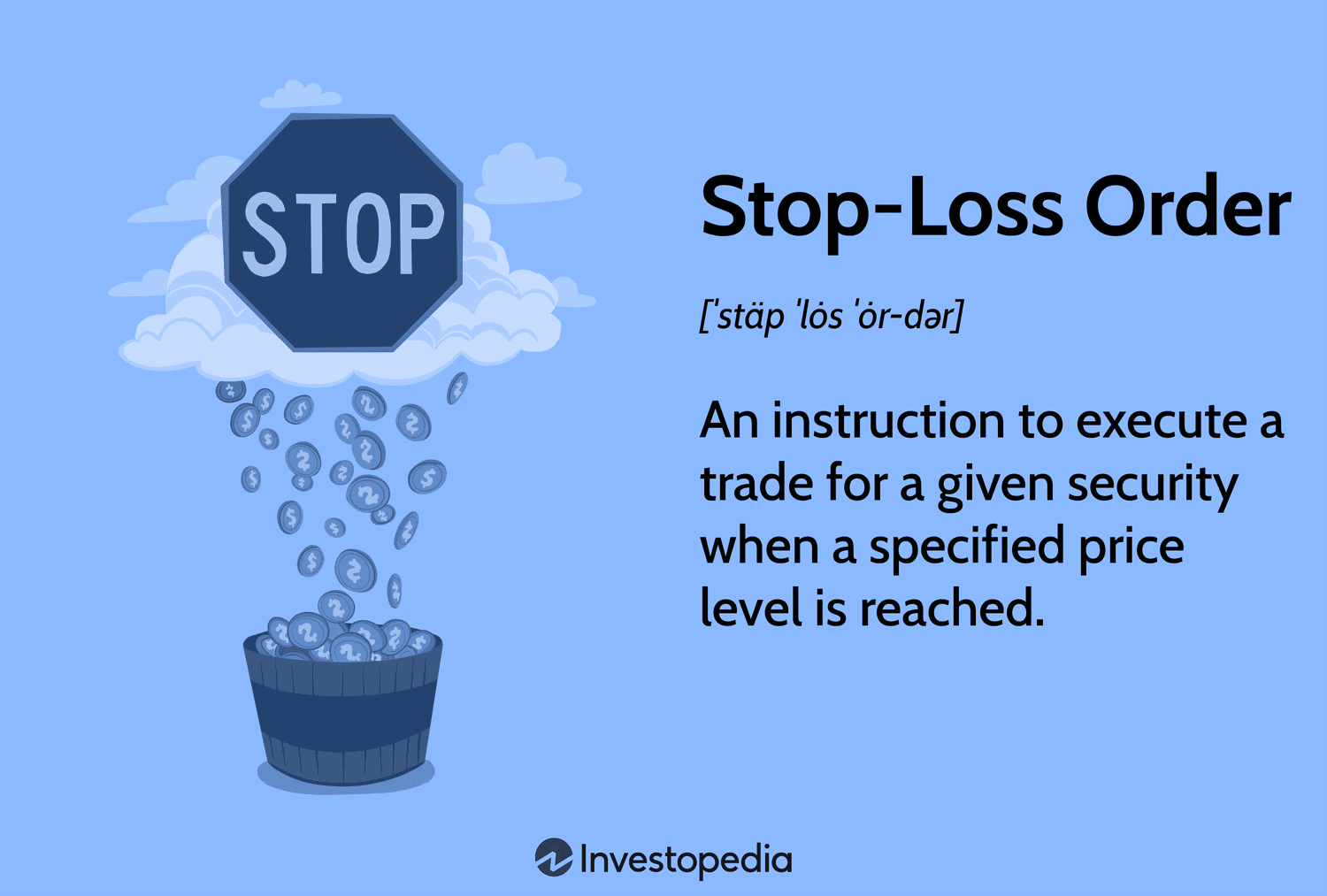
A stop loss order is a risk management tool used by investors and traders in the financial markets to minimize potential losses. It is an order placed with a broker to sell a security when it reaches a certain price level, known as the stop price.
Why Use Stop Loss Orders?
Stop loss orders are an essential part of any investment strategy. Here are some key reasons why you should consider using them:
Minimize Losses: Stop loss orders provide a predetermined exit point, helping limit potential losses in case the market moves against your position.
Emotion-Free Decision Making: By setting a stop loss order, you eliminate the need to make impulsive decisions based on emotions, allowing for a more disciplined and rational approach to investing.
Protect Profits: Stop loss orders can also be used to lock in profits by automatically selling a security when it reaches a specified price level. This ensures that you don’t miss out on potential gains.
Time and Convenience: Stop loss orders save time and effort by automating the selling process. Instead of constantly monitoring the market, you can set your stop loss order and have peace of mind.
Types of Stop Loss Orders
There are different types of stop loss orders that cater to specific needs. Here are the most commonly used ones:
1. Market Stop Order
A market stop order is triggered when the security reaches the specified stop price, which then becomes a market order to sell the security at the prevailing market price. This type of order provides certainty of execution but may result in a sale at a price significantly different from the stop price.
2. Limit Stop Order
A limit stop order is triggered when the security reaches the stop price, but it is executed only at or above a specified limit price. This type of order offers price protection but may not guarantee execution if the market price does not reach the limit price.
3. Trailing Stop Order
A trailing stop order is a dynamic stop loss order that adjusts the stop price as the market price moves in your favor. It helps protect profits by trailing the price at a defined percentage or price distance. If the price falls by the specified amount, the stop price is triggered, and the security is sold.
Credit: www.binance.com
Credit: www.investopedia.com
Tips for Setting Stop Loss Orders
Consider Volatility: Set the stop price based on the market’s volatility. Highly volatile securities may require wider stop prices to account for price fluctuations.
Technical Analysis: Use technical analysis tools and indicators to determine suitable stop loss levels. Support levels, trendlines, and moving averages can guide you in setting effective stop prices.
Risk-Reward Ratio: Evaluate the risk-reward ratio before placing a stop loss order. Ensure that the potential reward justifies the potential loss.
Review Regularly: Review and adjust your stop loss orders periodically, especially as market conditions change or when your investment goals evolve.
Conclusion
Stop loss orders are an essential risk management tool for investors and traders. They help protect against potential losses, provide a systematic approach to decision making, and offer convenience and peace of mind. By understanding the different types of stop loss orders and following best practices for setting them, you can enhance your investment strategy and protect your capital.
Crypto asset management is the next big thing due to its potential for high returns. With the growing popularity of cryptocurrencies, effective management is essential for maximizing profits and minimizing risks.
As the adoption of cryptocurrencies continues to expand, individuals and businesses are seeking professional solutions to manage their digital assets. The volatile nature of the crypto market requires specialized knowledge and expertise to navigate successfully. Effective asset management can provide investors with an edge in the highly competitive and dynamic crypto space.
By leveraging advanced portfolio management strategies and tools, investors can optimize their crypto holdings while mitigating potential downsides. As more investors recognize the importance of proper asset management in the crypto sphere, the demand for specialized services is expected to rise significantly in the near future.
Rising Popularity Of Cryptocurrency
Rising Popularity of Cryptocurrency
The Rising Popularity of Cryptocurrency is undeniable, with digital currencies gaining significant traction in recent years. With the surge of interest in decentralized finance (DeFi) and non-fungible tokens (NFTs), more individuals and businesses are turning to cryptocurrencies as viable investment opportunities and a means of diversifying their portfolios. As a result, the crypto asset management industry is poised for substantial growth as it caters to the evolving needs of investors in this dynamic space.
Market Growth
Cryptocurrency Market Growth is witnessing unprecedented momentum, driven by factors such as growing investor confidence, technological advancements, and an expanding user base. The global cryptocurrency market continues to expand rapidly, with new blockchain projects and digital assets entering the market regularly, contributing to the diversification and expansion of investment opportunities in the crypto space.
Increasing Acceptance
Widespread Adoption: Cryptocurrency is experiencing increasing acceptance across various sectors, including e-commerce, entertainment, and traditional financial institutions. This widespread adoption not only enhances the legitimacy of digital assets but also fosters a more favorable environment for crypto asset management solutions.
Regulatory Clarity: The regulatory landscape surrounding cryptocurrencies is gradually evolving, with many jurisdictions providing clearer guidelines and frameworks for crypto-related activities. This legitimacy and regulatory clarity contribute to the increasing acceptance of cryptocurrencies and pave the way for their seamless integration into mainstream investment portfolios.
Challenges In Crypto Asset Management
As the crypto market continues to evolve, the complexities and challenges associated with managing crypto assets have become more pronounced. These challenges are diverse and multifaceted, ranging from regulatory uncertainty to security concerns.
Regulatory Uncertainty
The lack of clear and consistent regulations pertaining to cryptocurrencies and digital assets poses a significant obstacle for individuals and businesses involved in crypto asset management. Navigating through the ambiguous regulatory landscape can result in compliance risks and legal uncertainties, hindering the smooth operation of crypto asset management activities.
Security Concerns
Security is a critical issue in the management of crypto assets. The decentralized nature of cryptocurrencies makes them susceptible to various security threats, including hacking, fraudulent activities, and unauthorized access. Addressing these security concerns is paramount to safeguarding the integrity and value of crypto asset portfolios.
Emergence Of Asset Management Solutions
With the rapid growth of the cryptocurrency market, the emergence of asset management solutions has become essential to address the need for effective management and security of digital assets. Innovative technologies and risk management tools have played a pivotal role in shaping the future of crypto asset management.
Innovative Technologies
The integration of blockchain technology has revolutionized crypto asset management by providing a transparent and secure platform for transactions and record-keeping. Decentralized finance (DeFi) solutions have also enabled efficient and autonomous management of digital assets, offering opportunities for decentralized lending, staking, and yield farming.
Risk Management Tools
Robust risk management tools, such as smart contract audits, multi-signature wallets, and cold storage solutions, are critical in safeguarding crypto assets against potential security threats and vulnerabilities. These tools ensure the integrity and safety of digital assets, providing investors with peace of mind and confidence in their investment strategies.
Future Trends In Crypto Asset Management
Future Trends in Crypto Asset Management
Crypto asset management is rapidly evolving, embracing new technologies and integrating with traditional finance systems. As the industry continues to mature, several key trends are emerging that are shaping the future of this dynamic sector.
Decentralized Finance (defi)
Decentralized Finance (DeFi) is poised to revolutionize the way we manage and utilize crypto assets. By leveraging blockchain technology, DeFi platforms offer users the ability to access financial services such as lending, borrowing, and trading without the need for traditional intermediaries. This trend is promoting financial inclusion and empowering individuals to have greater control over their assets.
Integration With Traditional Finance
The integration of crypto asset management with traditional finance systems is gaining momentum. As institutional interest in cryptocurrencies grows, there is a rising demand for seamless integration between crypto assets and traditional investment vehicles. This trend is driving the development of sophisticated infrastructure that facilitates the seamless transfer of assets between crypto and traditional financial markets.
Frequently Asked Questions On Why Crypto Asset Management Next Big Thing
What Is The Future Of Crypto Asset Management?
The future of crypto asset management is evolving rapidly, driven by technology advancements and increasing demand. Institutional investors are entering the market, leading to greater regulation and professionalization. Innovations such as decentralized finance (DeFi) and non-fungible tokens (NFTs) are shaping the industry’s trajectory.
What Is The Future Of Asset Management?
The future of asset management is marked by advanced technology, personalized services, and sustainable investment strategies. With AI and data analytics, asset managers will have better insights for decision-making. ESG investments are gaining traction, and digital platforms will make investment management more accessible and cost-effective for individuals and institutions.
What Is The Future Of The Crypto Industry?
The future of the crypto industry is promising, with potential for widespread adoption. As technology advances, it will become more user-friendly and integrated into mainstream finance. Regulatory clarity and security measures will likely improve, making crypto investments more secure and attractive to a broader audience.
Conclusion
In a nutshell, crypto asset management is poised to revolutionize the financial industry. As digital currencies continue to gain prominence, effective management strategies will be crucial for investors. By leveraging advanced technologies and professional expertise in this space, individuals and businesses can navigate the complexities of cryptocurrency investments with confidence.
Penetration Pricing: An Effective Strategy for Business Growth
Penetration pricing is a pricing strategy that aims to capture a large market share by setting low initial prices for products or services. This strategy is commonly used by businesses to enter a new market or to gain a competitive advantage over existing players. In this article, we will delve into the concept of penetration pricing, its benefits, and how to implement it successfully.
The Basics of Penetration Pricing
When implementing a penetration pricing strategy, businesses intentionally set their prices lower than the competition. The objective is to attract customers by offering a lower price and then gradually increase prices once the market share has been established.
Penetration pricing is particularly effective in industries where there is high competition or when launching a new product in an established market. By offering a lower price, businesses can entice customers away from competitors and stimulate demand for their product or service.
Credit: www.thamizharasu.com
The Benefits of Penetration Pricing
Implementing a penetration pricing strategy offers several benefits for businesses:
Market Entry: Penetration pricing allows businesses to quickly establish a presence in a new market. By offering lower prices, businesses can attract customers and gain traction faster than if they entered with higher prices.
Competitive Advantage: By undercutting their competitors’ prices, businesses can gain a significant competitive advantage. This can force other players in the market to lower their prices or differentiate themselves in other ways to stay competitive.
Increased Sales and Market Share: Lower prices tend to attract price-sensitive customers, allowing businesses to increase sales volume and capture a larger market share. As customer loyalty grows, businesses can then gradually raise prices to improve profitability.
Customer Acquisition: Penetration pricing can entice new customers who may have been hesitant to try a product or service at a higher price point. Once these customers are acquired, businesses can focus on customer retention strategies to build long-term loyalty.
Credit: www.thamizharasu.com
How to Implement Penetration Pricing
Implementing a successful penetration pricing strategy requires careful consideration and planning. Here are some key steps to follow:
Market Research: Conduct thorough market research to understand customer behavior, competitor pricing strategies, and market trends. This will help you determine the optimal price point for your product or service.
Select the Right Product: Choose a product or service that has a competitive advantage and is attractive to customers at a lower price point.
Promote the Lower Price: Develop a marketing campaign that highlights the lower price compared to competitors. Emphasize the value customers will receive at the discounted price.
Monitor and Adjust: Continuously monitor the market, competitor pricing, and customer feedback. Adjust your pricing strategy accordingly to stay competitive and maximize profitability.
Gradual Price Increases: Once you have gained a significant market share, gradually increase your prices while ensuring the perceived value of your product or service justifies the higher cost.
Conclusion
Implementing a penetration pricing strategy can be a highly effective approach for businesses looking to enter new markets or gain a competitive edge. By setting low initial prices, businesses can attract customers, increase sales volume, and capture a larger market share. However, it’s important to carefully assess the market, competitors, and customer behavior to determine the optimal pricing strategy for long-term success.
Circular Economy: A Sustainable Solution for the Future
The concept of a circular economy has gained significant attention in recent years as a sustainable solution for the future. Unlike the traditional linear economy that follows a “take-make-dispose” model, a circular economy aims to minimize waste, reduce resource consumption, and foster sustainable production and consumption patterns.
What is a Circular Economy?
A circular economy is an economic system that focuses on creating a closed-loop system, where resources are reused, recycled, or repurposed instead of being discarded. The goal is to minimize waste and keep resources in circulation for as long as possible. By embracing the principles of a circular economy, we can move away from the current disposable lifestyle and transition towards a more sustainable and regenerative model.
The Benefits of a Circular Economy
There are numerous benefits associated with adopting a circular economy approach:
Reduced Waste: The circular economy model aims to eliminate waste by promoting recycling, reusing, and repurposing materials. This reduces the pressure on natural resources and reduces the environmental impact of waste disposal.
Conservation of Resources: By extending the lifespan of products and materials, a circular economy helps conserve valuable resources such as water, energy, and raw materials.
Lower Carbon Footprint: By reducing the extraction of raw materials and the energy required for production, a circular economy can substantially lower carbon emissions and mitigate climate change.
Economic Growth: Transitioning to a circular economy can create new business opportunities, jobs, and economic growth. It can stimulate innovation in the production and recycling sectors, fostering a sustainable and resilient economy.
Enhanced Product Design: A circular economy encourages product design that considers reuse and recyclability. By creating products that are easier to repair, remanufacture, or recycle, we can reduce waste and promote a more sustainable consumption culture.
Social Benefits: A circular economy can also have positive social impacts by addressing issues such as poverty, inequality, and access to resources. It promotes a more inclusive and equitable society.
Strategies for Implementing a Circular Economy
Implementing a circular economy requires a comprehensive approach by multiple stakeholders, including businesses, governments, and consumers. Here are some strategies that can help in the transition:
Product Life Extension: Encourage product longevity through repair, refurbishment, and the sharing economy. By shifting towards a culture of reuse and repair, we can reduce the demand for new products.
Resource Efficiency: Optimize the use of resources by improving production processes, adopting eco-design principles, and minimizing waste generation.
Product Design: Design products to be easily disassembled, reusable, recyclable, and made from sustainable materials. This encourages the incorporation of recycled content into new products.
Closed-Loop Systems: Develop closed-loop systems for materials and resources by promoting recycling and responsible waste management practices.
Collaboration: Foster collaboration between businesses, governments, and consumers to drive innovation and develop new business models that support the circular economy.
Consumer Awareness and Education: Raise awareness among consumers about the benefits of a circular economy and provide them with information and tools to make sustainable choices.
Success Stories and Case Studies
There are several success stories and case studies that demonstrate the positive impact of a circular economy.
Country/Company
Initiative
Outcome
Netherlands
The Netherlands’s Circular Economy Package
Achieved a 24% reduction in greenhouse gas emissions by 2020 and created thousands of new jobs.
Interface
Interface’s Modular Flooring
Implemented a take-back program where end-of-life carpet tiles are recycled into new products, reducing waste and resource consumption.
Ellen MacArthur Foundation
New Plastics Economy Initiative
Working towards eliminating plastic pollution by redesigning the global plastics system to be circular.
Frequently Asked Questions On Circular Economy
Faq 1: What Is Circular Economy?
A circular economy is a system that aims to minimize waste and maximize resource efficiency by reusing and recycling materials, creating a continuous loop of resources.
Faq 2: Why Is Circular Economy Important?
The circular economy is important because it offers a sustainable solution to the linear “take-make-waste” model, reducing environmental impacts, conserving resources, and promoting economic growth.
Faq 3: How Does The Circular Economy Work?
In a circular economy, products and materials are designed to be reused, repaired, or recycled, eliminating the concept of waste. Through various strategies, such as product life extension, resource recovery, and remanufacturing, the cycle continues.
Faq 4: What Are The Benefits Of Adopting A Circular Economy?
Adopting a circular economy brings numerous benefits including reduced waste generation, lower carbon emissions, increased resource efficiency, job creation, and enhanced long-term economic stability.
Conclusion
A circular economy offers a sustainable solution for the future by promoting resource efficiency, minimizing waste, and stimulating economic growth. Embracing the principles of a circular economy is crucial to addressing the environmental challenges we face today, such as climate change and resource scarcity. By implementing strategies and collaborating across sectors, we can transition towards a more sustainable and regenerative model that benefits both the planet and society as a whole.
Athletes often go broke due to poor financial management and overspending. The high income during their careers often leads to reckless spending without proper financial planning.
Athletes may also be vulnerable to investment scams and trusting the wrong financial advisors. As a result, many of them face financial difficulties after retirement. Additionally, sudden injuries or career-ending events can also impact their financial stability. These factors emphasize the importance of financial literacy and responsible financial planning for athletes.
This article explores the reasons behind athletes’ financial struggles and offers insights into how they can avoid falling into financial hardship post-career.
The Financial Pressures On Athletes
Athletes are often under immense financial pressures due to a variety of factors. These pressures can stem from both high earnings and high expenses, as well as lack of financial education.
High Earnings And High Expenses
Professional athletes often experience a dramatic increase in their earnings during their careers. However, this increase in income can lead to a lifestyle with elevated expenses. Luxurious homes, high-end vehicles, and extravagant spending can quickly deplete their earnings.
Lack Of Financial Education
Many athletes have reached the pinnacle of their sporting careers without acquiring the necessary financial education to effectively manage their wealth. This lack of financial literacy can result in poor investment decisions, trusting the wrong financial advisors, and eventually, financial downfall.
The Influence Of Lifestyle And Entourage
Athletes are often exposed to a lavish lifestyle and the pressures that come with it. This can lead to poor financial decisions, as well as the maintenance of an extravagant entourage, ultimately contributing to their financial downfall.
Pressure To Appear Wealthy
Athletes face immense pressure to appear wealthy and maintain a certain level of opulence due to the public’s perception of their success. This pressure can lead to excessive spending on luxury items, expensive clothing, and high-end cars, putting a strain on their finances.
Financially Draining Entourage
Athletes often surround themselves with a financially draining entourage, including friends, family members, and hangers-on who expect to benefit from the athlete’s success. This entourage can lead to excessive spending on unnecessary luxuries, investments in risky ventures, and a general erosion of the athlete’s financial stability.
Risks And Consequences
Athletes are often faced with unique financial challenges that can lead to a variety of risks and consequences. From investment pitfalls to legal and personal repercussions, the financial well-being of athletes can be vulnerable to numerous factors. Understanding these risks and consequences is essential to help them navigate the complexities of managing their wealth. In this section, we’ll delve into the specific challenges that athletes may encounter, shedding light on the potential pitfalls and implications of mismanaging their finances.
Investment Pitfalls
Athletes, in pursuit of securing their financial futures, often encounter investment pitfalls that can jeopardize their wealth. Risky ventures, lack of diversification, and undue reliance on unreliable financial advisors are common pitfalls that athletes may fall into. These factors can lead to substantial financial losses, posing a significant threat to their long-term financial stability.
Legal And Personal Consequences
Mismanaged finances can have serious legal and personal ramifications for athletes. Unpaid taxes, mounting debts, and legal disputes can tarnish their reputations and lead to severe consequences, including bankruptcy, damaged relationships, and even legal actions. The negative impact on their personal and professional lives can be profound, making it crucial for athletes to navigate their financial decisions with caution.
Strategies For Financial Stability
Athletes often face financial challenges due to factors such as unexpected career-ending injuries, mismanagement of funds, or lack of financial literacy. Implementing strategies for financial stability is crucial to help athletes protect their wealth and secure their future. By building a support system, engaging in long-term financial planning, and making wise investment choices, athletes can mitigate the risk of going broke.
Building A Support System
Athletes can benefit greatly from a strong support system consisting of financial advisors, wealth managers, and trusted professionals who can provide guidance and support in managing their finances. This support system can help athletes make informed decisions and avoid falling prey to unscrupulous individuals and financial pitfalls. Additionally, establishing relationships with mentors and fellow athletes who have successfully managed their finances can provide valuable insights and encouragement.
Long-term Financial Planning
Long-term financial planning is essential for athletes to ensure that they have a sustainable income and are prepared for the future. This involves creating a comprehensive financial plan that includes budgeting, saving, and investing in diverse and stable assets. Athletes can also consider options such as retirement plans, insurance policies, and setting up trusts to safeguard their wealth for the long term. It’s important to work with professionals who specialize in financial planning to create a tailored strategy that aligns with their specific needs and goals.
Frequently Asked Questions Of Why Athletes Go Brokex
Do A Lot Of Athletes Go Broke?
Yes, many athletes face financial difficulties after retirement due to mismanagement of funds and lifestyle choices.
Why Do Athletes Become Poor?
Athletes may become poor due to mismanagement of finances, overspending on luxuries, lack of financial knowledge, or trusting the wrong people with their money. They might also face challenges post-retirement in finding stable career options or dealing with injuries that hamper their earning potential.
At What Age Do Most Former Athletes Go Flat Broke?
Former athletes typically go flat broke in their 30s or 40s due to declining income and financial mismanagement. This can be attributed to high living expenses and lack of financial planning.
Conclusion
Athletes face significant financial challenges after retirement, leading to a high rate of bankruptcy. By understanding the factors contributing to this phenomenon, athletes can better prepare for their financial future. It’s crucial for athletes to seek proper financial advice and education to prevent a financial downward spiral.
Ultimately, with the right strategies in place, athletes can secure their financial stability and plan for a successful life after sports.
Vanishing Premium Policy: A Comprehensive Guide | SEO Optimized
Welcome to our detailed guide on the Vanishing Premium Policy! In this article, we will explore what this policy entails, how it works, and its potential benefits for policyholders. We will also address any concerns or drawbacks associated with this type of insurance policy. So, let’s dive in!
What is a Vanishing Premium Policy?
A Vanishing Premium Policy is a type of life insurance policy where the premiums gradually decrease over time until they ultimately disappear. This unique feature allows policyholders to continue their coverage without having to make ongoing premium payments in the later years of the policy.
Typically, a Vanishing Premium Policy is structured in a way that the excess premiums paid during the early years of the policy are invested, generating returns that offset the cost of future premium payments. As a result, the policy reaches a stage where the accumulated cash value is sufficient to support the policy’s cost, hence eliminating the need for further premium payments.
Credit: www.aarp.org
How Does a Vanishing Premium Policy Work?
Vanishing Premium Policies usually operate on the basis of a whole life insurance plan or a universal life insurance plan. Here’s a step-by-step explanation of how this policy works:
Step
Description
1
Policyholder purchases a Vanishing Premium Policy.
2
During the early years, the policyholder pays higher premiums, in excess of the required amount to cover the insurance cost.
3
The excess premiums are invested in various financial instruments or the policy’s cash value account.
4
Over time, the accumulated returns from the investments or the cash value account are used to offset the cost of the policy’s annual premiums.
5
As the policy approaches maturity, the cash value becomes sufficient to cover the remaining premium payments.
6
Ultimately, the premiums vanish, and the policy remains active.
Benefits of a Vanishing Premium Policy
Vanishing Premium Policies offer several advantages for policyholders:
Financial Flexibility: The policyholder has the option to redirect the money that would have been used for premium payments towards other financial goals or investment opportunities.
Long-term Savings: By investing the excess premiums, policyholders can accumulate substantial cash value over time, which can be accessed during emergencies or retirement.
Continued Coverage: The policy remains in force even after the premiums vanish, ensuring that the policyholder’s beneficiaries receive the death benefit upon the insured’s demise.
Potential Concerns and Drawbacks
While Vanishing Premium Policies offer numerous benefits, it’s important to be aware of potential concerns:
Initial Higher Premiums: During the early years, the policyholder must bear the burden of higher premium payments, which may be a financial challenge.
Investment Risks: The accumulated cash value is subject to investment risks, and if the returns fall short of expectations, it may affect the policy’s ability to cover future premiums.
Policy Surrender Charges: If the policy is surrendered or terminated before it reaches maturity, there might be surrender charges or penalties, reducing the overall return.
Credit: www.amazon.com
Conclusion
A Vanishing Premium Policy is a unique life insurance option that offers policyholders the benefit of reducing or eliminating premium payments in the later years of the policy. It provides financial flexibility, long-term savings, and continued coverage for beneficiaries. However, potential concerns such as higher initial premiums, investment risks, and surrender charges should be carefully considered.
If you are considering a Vanishing Premium Policy, it is crucial to consult with a trusted insurance professional who can guide you through the various options and help determine if this type of policy suits your financial needs and goals.

:max_bytes(150000):strip_icc()/stop-limit-order-2c639b575958430095e5031c359ed390.jpg)