Author: MMP

  • Home Insurance Policies: Unpacking the Various Types You Need to Know

    Home Insurance Policies: Unpacking the Various Types You Need to Know

    The best type of home insurance depends on the individual’s specific needs and circumstances. However, a comprehensive policy that covers all major risks, including property damage, liability, and loss of personal possessions, is usually recommended.

    Homeowners should also consider the deductible, coverage limits, and exclusions before purchasing insurance. As a homeowner, protecting your investment with the right type of home insurance is crucial. Your home is perhaps the most valuable asset you own, and it’s important to ensure that it’s adequately covered in the event of unforeseen circumstances.

    A good home insurance policy should provide financial protection against damage or loss caused by natural disasters, theft, and liability claims. With so many different types of insurance coverage available, choosing the best one for your needs can be confusing. In this article, we’ll take a closer look at some of the factors you should consider when selecting a home insurance policy.

    Protect Your Home with the Ultimate Insurance Coverage: Finding the Right Policy.

    Credit: evolveins.com

    Understanding Home Insurance

    Home insurance is a necessity for all homeowners, protecting them from various risks and financial losses. Home insurance is a contract between a homeowner and an insurance company. It provides protection for your home, personal property, and liability. If your home is damaged or destroyed due to a covered event such as fire or theft, your insurance company will cover the expenses.

    Various types of home insurance are available, including basic home insurance, comprehensive home insurance, and bundled home insurance. Your home insurance covers your house, personal belongings, liability claims, additional expenses, and living expenses. It’s crucial to select the home insurance policy that suits your requirements and offers adequate coverage for your property.

    Factors To Consider When Choosing Home Insurance

    Choosing the right type of insurance for your home is crucial. Firstly, your location plays a key role in determining the type of insurance you need. For instance, if you reside in a high-risk zone, you may need insurance that covers natural disasters like floods and earthquakes.

    Secondly, the value and age of your property is important. High-value properties will understandably require more coverage, while older homes may need extra repairs and maintenance that make higher coverage worthwhile. Next, the level of coverage you need matters depending on factors like theft risk and potential liability claims.

    Lastly, consider the deductible – if you can afford a higher deductible, you can save on your policy premiums. All these factors should be weighed before choosing what’s best for you.

    Types Of Home Insurance Coverage

    There are various types of home insurance coverage available, providing different levels of protection for your home. Dwelling coverage is a standard type of coverage that protects the structure of your home, while personal property coverage covers your belongings. Liability coverage protects you from legal responsibility for injuries or property damage to others, and additional living expense coverage caters for costs incurred in case you’re unable to live in your home.

    It’s essential to evaluate your home’s needs before selecting the type of insurance policy that fits your situation. Make sure you choose a reliable insurance company with a record of prompt claims payment, clear policy terms and coverage options. It’s also crucial to check if you meet the minimum coverage requirements for your state.

    Overall, the best type of home insurance provides protection for your home and all its contents in the event of unforeseen circumstances.

    Comparison Of Home Insurance Policies

    Comparison of home insurance policies to make an informed decision about the best home insurance policy for your needs, you’ll want to consider a few key factors. Start by reviewing the coverage offered by the respective policies, as well as any exclusions that may apply.

    Be sure to check the limits of the policy, as well as the deductible you would be required to pay in the event of a claim. Additional factors to consider include the reputation of the insurance company, level of customer service and any discounts that may be available.

    By carefully comparing home insurance policies based on these factors, you can choose the coverage that will give you the greatest peace of mind at the most affordable price.

    How To Select The Best Home Insurance Policy

    Selecting the best home insurance policy can be a daunting task, but it’s essential to secure your home. Start by reviewing quotes from multiple insurers. Study the policy’s coverage, deductible, and claims process. Ensure it covers your needs. If you have any doubts, clarify with the insurer before choosing.

    Look for discounts or bundle policies to save money. It’s also wise to check the insurer’s customer service by reading reviews. Finally, if you have any specific requirements, such as earthquake coverage, ensure it’s included. With careful consideration, you can select your best home insurance policy.

    Frequently Asked Questions On What Is The Best Type Of Home Insurance?

    What Types Of Home Insurance Are Available?

    Homeowners insurance and dwelling insurance are the two main types of home insurance.

    Which Coverage Is Best For My Home?

    When it comes to choosing the best coverage, it depends on your needs. A comprehensive policy that covers all the essential aspects is best.

    What Does A Standard Home Insurance Policy Cover?

    Typically, a standard home insurance policy covers damages to the structure of your home, personal property, and liability protection.

    How Much Is Home Insurance Coverage?

    The cost of home insurance coverage depends on various factors like coverage options, location, and other risks, and typically costs around $1,200 annually.

    Is Flood Damage Covered Under Home Insurance?

    Typically, flood damage is not covered under standard home insurance policies. You need additional flood insurance for flood damages.

    Can I Change My Coverage?

    Yes, you can change your coverage limits or policy type. Speak with your insurance provider to make the required changes.

    Conclusion

    Finding the best type of home insurance requires careful consideration and research. There are various types of policies available, each with its own coverage limits and exclusions. Homeowners should assess their individual needs and budget before selecting a policy. It’s essential to shop around, compare quotes from multiple insurers, and read the policy details comprehensively before making a final decision.

    A good home insurance policy should adequately protect the home, personal property, and liability, considering potential risks. It’s worth noting that the cheapest policy may not always be the best one. Homeowners should prioritize coverage, reliability, and trustworthiness when selecting a policy.

    By choosing the right home insurance policy, homeowners can secure peace of mind, knowing that their investment and belongings are adequately protected in the event of an unexpected loss.


  • Discover the Secrets of Finding Affordable Health Insurance

    Discover the Secrets of Finding Affordable Health Insurance

    To find affordable health insurance, compare plans from different providers online and consider your healthcare needs and budget. Health insurance is an essential aspect of one’s well-being, but it can be challenging to find the right coverage that suits your budget and healthcare needs.

    With the rise of medical costs, it may be challenging to find cheap health insurance. Nonetheless, by understanding what coverage you need and doing some research, you can find affordable health insurance options that provide comprehensive coverage. In this guide, we’ll explore some practical steps that you can take to find health insurance that meets your requirements while staying within your budget.

    From comparison sites to government-backed options and employer-sponsored benefits, let’s take a closer look at your options for affordable health insurance.

    Discover the Secrets of Finding Affordable Health Insurance

    Credit: www.mayoclinichealthsystem.org

    Understanding Health Insurance

    Health insurance is a necessity that shouldn’t be overlooked. Understanding health insurance should be a priority before you buy it. There are many types of health insurance plans, such as pos, ppo, and hmo. Each plan has different requirements and benefits.

    Health insurance networks determine which doctors and hospitals are in-network. Having health insurance can provide many benefits, such as covering preventive care, emergency care, and prescription drugs. Getting affordable health insurance can be challenging, but it’s essential to research and compare all options.

    Start by visiting the health insurance marketplace, or speak with an insurance broker or agent who can help you find the right plan for your needs.

    Factors To Consider While Shopping For Health Insurance

    Finding affordable health insurance can be a daunting task, but there are certain factors to consider that can make the process easier. First, understand the factors that affect health insurance costs, such as age, location, and medical history. Determine your specific health insurance needs based on your health and financial situation.

    Comparing plans from different insurance providers is also key to finding the most affordable option. Look for plans with lower premiums and deductibles, but also consider the coverage provided for services such as doctor visits, prescription drugs, and hospital stays.

    By keeping these factors in mind and doing some research, you can find a health insurance plan that fits your needs and budget.


    Tips For Finding Affordable Health Insurance

    Finding affordable health insurance can be daunting but here are some tips to help. Begin by evaluating options through health insurance marketplaces, these offer a range of health plans to choose from. Another option is to explore group health insurance plans that are offered through employers or organizations.

    High-deductible health plans can also help lower costs, but require more out-of-pocket expenses. You may also be eligible for tax credits and subsidies to help reduce the cost of health insurance. Finally, don’t be afraid to negotiate with insurance companies to find a better deal.

    By weighing the pros and cons of each option, you can make an informed decision and find affordable health insurance that fits your needs and budget.

    Resolving Issues With Affordable Health Insurance

    Affordable health insurance is a major concern for many people. One of the biggest issues is denied claims, which can lead to high medical bills. If this happens, the first step is to understand the appeals process. This can be a complicated and time-consuming process, but there are resources available for consumer assistance.

    Additionally, it’s important to try and negotiate with healthcare providers and insurance companies to reduce costs. Taking proactive steps, such as preventing medical issues before they arise and signing up for wellness programs, can also help offset costs. By following these steps, it is possible to navigate the complex world of healthcare and find affordable options.

    Frequently Asked Questions For How To Find Affordable Health Insurance

    What Is Affordable Health Insurance?

    Affordable health insurance refers to an insurance policy that has a lower premium cost than other plans. These plans provide essential benefits without additional costs.

    How Do I Find Affordable Health Insurance?

    To find affordable health insurance, the best way is to compare policies. You can compare the premium cost, benefits provided, and overall expense to choose the right one.

    What Are The Factors That Affect Insurance Cost?

    Some of the factors that affect insurance cost are age, lifestyle, medical history, and location. Your policy’s benefits and features also play a role in determining its cost.

    What Is The Best Age To Get Health Insurance?

    The ideal age to get health insurance coverage is when you’re young. Premiums are typically lower during this time, and you’re less likely to have pre-existing medical conditions.

    What Are The Benefits Of Affordable Health Insurance?

    Affordable health insurance helps you stay financially protected by providing coverage for essential health services. It also comes with other benefits like tax credits, subsidies, and cost-sharing reduction.

    Conclusion

    As you can see, finding affordable health insurance can be a bit challenging, but it is definitely possible. By researching your options, comparing plans, and using resources like healthcare marketplaces, you can find a plan that works for you and your budget.

    Remember to also take advantage of any discounts or subsidies that may be available to you. Don’t forget to read the fine print and ask questions before signing up for a plan. Health insurance is an important investment that can provide peace of mind when it comes to your health and finances.

    With the right plan in place, you can save money on medical expenses and focus on what really matters – your well-being.

  • Secure Your Future: The Ultimate Guide to Finding the Best Health Insurance for Young Adults

    Secure Your Future: The Ultimate Guide to Finding the Best Health Insurance for Young Adults

    The best health insurance for young adults is affordable care act (aca) plans. Aca offers comprehensive coverage and subsidies to make it more affordable for young adults to get insurance.

    Navigating the world of health insurance can be overwhelming, especially for young adults who are just starting out in the workforce or attending college. One of the best options for young adults is the affordable care act (aca), also known as obamacare.

    The aca offers comprehensive coverage, including preventative care and mental health services, at an affordable price. Young adults may also qualify for subsidies to help make their insurance even cheaper. However, it’s important to compare plans and choose the one that best fits your needs and budget. In this article, we’ll explore the options available to young adults looking for health insurance and provide information to help make the decision easier.

    Secure Your Future: The Ultimate Guide to Finding the Best Health Insurance for Young Adults

    Credit: www.forbes.com

    Understanding Health Insurance For Young Adults

    Health insurance is a vital investment for young adults. It protects them from the high cost of medical expenses that could otherwise be crippling. Young adults may not understand all the terminology surrounding health insurance, such as premiums, deductibles, and copayments.

    However, understanding these terms is important in selecting the right coverage. When looking for health insurance, young adults should choose a plan that offers comprehensive coverage that meets their individual needs. Factors to consider include prescription medications, preventative care, and hospitalization.

    With the right coverage, young adults can focus on their education, work, and other goals without worrying about the financial burden of unexpected medical expenses.

    Factors To Consider When Choosing Health Insurance

    Choosing the right health insurance plan as a young adult can be overwhelming. One of the first factors to consider is whether to opt for an individual plan or a family plan. Deductibles, copayments, and coinsurance all impact the overall cost of a plan and should be evaluated carefully.

    It’s also important to understand the network restrictions and pre-authorization requirements of a plan. Keep in mind that the cheapest plan may not always be the best option for your individual needs. Take the time to research and compare plans before making a decision.

    By doing so, you can find the best health insurance plan that offers the coverage you need at a cost you can afford.

    https://www.youtube.com/watch?v=bzMMNqGhEsg

    Comparing Top Health Insurance Providers For Young Adults

    Comparing top health insurance providers for young adults when looking for the best health insurance, it’s important to consider the company’s reputation, coverage options, affordability, and customer support. Some of the top providers for young adults include blue cross blue shield, aetna, unitedhealthcare, and kaiser permanente.

    Blue cross blue shield is highly regarded for its extensive coverage and large provider network. Aetna offers a range of plan options and benefits for its members. Unitedhealthcare provides flexible coverage options and excellent customer support. And kaiser permanente is known for its quality care and comprehensive coverage.

    It’s essential to research and compare each provider to find the best fit for your needs and budget. By considering all factors, you can find the optimal plan to keep you healthy and protected.

    Best Health Insurance Plans For Different Needs And Budgets

    Young adults need health insurance to cover unexpected medical expenses. Choose a plan that suits your needs and budget. The best overall health insurance plans provide comprehensive coverage at reasonable prices. Affordable health insurance plans for young adults are available with low deductibles and premium rates.

    Those with pre-existing conditions should look for plans that provide the required coverage. The best health insurance plans for young adults who travel often offer international coverage at reasonable rates. Explore options that offer the best coverage for your specific needs.

    Tips For Maximizing Your Health Insurance Coverage

    Maximizing your health insurance coverage can be a daunting task, but it’s important for young adults to reduce out-of-pocket costs whenever possible. To start, it’s essential to understand how to navigate the claims process, including what’s covered by your plan and how to submit claims properly.

    Additionally, preventative care benefits can help keep you healthy and save money in the long run, so make sure to take advantage of these offerings. Finally, it’s important to be strategic in making the most of your health insurance benefits throughout the year.

    Be proactive in scheduling appointments and procedures, and always keep track of your deductibles and out-of-pocket costs. With these strategies in mind, you can feel confident in your ability to maximize your health insurance coverage.

    Frequently Asked Questions Of Best Health Insurance For Young Adults

    What Type Of Health Insurance Plan Is Best For Young Adults?

    As a young adult, a high-deductible health plan or catastrophic coverage is a good option. These plans typically have lower monthly premiums but higher out-of-pocket costs. Check if your preferred healthcare providers are covered or if there are any networks you must use.

    Can Young Adults Stay On Their Parent’S Health Insurance Plan?

    Yes. Under current law, young adults can stay on their parent’s health plan until the age of 26, regardless of student status, financial dependence, employment, or marital status. However, if you move to a different state, you may have to change plans.

    How Can Young Adults Get Affordable Health Insurance?

    Young adults can get insurance through their job, school, or the health insurance marketplace. The marketplace offers plans with different prices, coverage levels, and monthly premiums. It can also determine if you qualify for financial assistance to lower the cost of your premiums.

    What Is A Health Savings Account And Is It A Good Option For Young Adults?

    A health savings account (hsa) is a tax-advantaged account that can be used to pay for qualified medical expenses. It is a good option for young adults who are generally in good health and have low medical expenses. Contributions to an hsa can be made pre-tax and the funds roll over from year to year.

    Conclusion

    Ultimately, choosing the right health insurance plan is a critical decision for young adults as it can greatly affect their financial stability and physical well-being. With the numerous options available, it is crucial to take the time to compare different policies, understand what is covered, and grasp the costs involved.

    As a young adult, you should have a good understanding of your healthcare needs, which will enable you to select a plan that meets your requirements. The best health insurance for young adults provides comprehensive coverage and allows for easy access to medical care at an affordable cost.

    By getting the right healthcare coverage, you can safeguard your health and finances and enjoy peace of mind. Remember, the right health insurance plan may be the only way to avoid the financial burden that comes with unexpected sickness or injury.

  • How Do Hedge Funds Manage Risk?

    How Do Hedge Funds Manage Risk?

    Hedge funds manage risk by using various strategies and tools. They employ risk management techniques such as diversification, hedging, and leverage to reduce potential losses and maximize profits.

    Hedge funds are known for their high-risk, high-reward investment strategies. As such, risk management is crucial to their success. These funds use a variety of risk management techniques to reduce potential losses and maximize profits. One of the most common strategies hedge funds use is diversification, which involves investing in a variety of assets to spread risk.

    Another technique is hedging, which involves taking offsetting positions to minimize potential losses. Hedge funds also often use leverage, which involves borrowing money to invest in assets and potentially increasing returns. Ultimately, effective risk management is essential for hedge funds to succeed in the highly competitive investment market.

    How Do Hedge Funds Manage Risk?

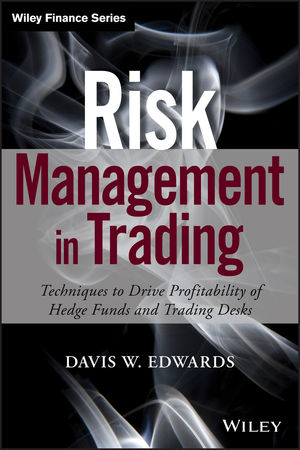
    Credit: www.wiley.com

    Understanding The Basics Of Hedge Fund Risk Management

    Hedge funds manage risk in several ways. They face risks such as market, credit, operational, and liquidity risks. To maintain stability, they establish risk tolerance levels and diversify their portfolios. By diversifying their investments across different asset classes, they minimize their exposure to risks.

    Hedge funds also use various risk management tools, such as derivatives, to control their risk exposure. The use of leverage also reduces risks, as it enables them to increase their returns while controlling risk. Hedge funds take calculated risks to generate returns for their investors, managing risks by diversifying portfolios and using risk management tools.

    Hedge Fund Risk Management Techniques

    Hedge funds have an increasing need for risk management techniques. The primary strategy used by hedge funds to reduce risk is hedging. For instance, they use derivatives such as options and futures to hedge their positions. Hedge funds also use leverage, which means borrowing money to increase their investment.

    This technique can amplify returns, but it also increases risk. Other risk management methods include diversification and portfolio optimization. Each technique has its benefits and drawbacks. Using several techniques in tandem may provide a more comprehensive risk management strategy. Ultimately, the chosen technique depends on the fund manager’s risk appetite and the fund’s investment objectives.

    Hedge fund managers must select the risk management technique that best aligns with their strategies and goals to reduce risk while maximizing returns.

    Hedge Fund Risk Management Best Practices

    Hedge fund managers need to adhere to the regulatory landscape for risk management. Best practices for managing risk include diversification, due diligence, and stress testing. Successful hedge funds implement risk management strategies that incorporate disciplined risk controls and a robust framework for monitoring market volatility.

    Transparency and open communication are crucial when managing risk. Hedge fund managers need to establish clear communication channels with investors to better align with their expectations and ensure transparency. Hedge fund managers should adopt a proactive approach to risk management, consistently review and update risk management plans, and implement the best practices to create a sustainable business model.

    Frequently Asked Questions

    How Do Hedge Funds Manage Risk In Their Portfolio?

    Hedge funds manage risk through a variety of strategies, including diversification, position sizing, and hedging with derivatives.

    What Risk Control Mechanisms Do Hedge Funds Employ?

    Hedge funds use stop-loss orders, value-at-risk calculations, scenario analysis, stress tests, and other risk models to control risk.

    Why Do Hedge Funds Use Leverage To Manage Risk?

    Leverage is used to amplify returns, but it also increases risk. Hedge funds use leverage to maximize returns while minimizing risks.

    How Do Hedge Funds Manage Risk In Volatile Markets?

    Hedge funds use a variety of strategies such as short selling, hedging, diversification, and risk management to manage risk in volatile markets.

    What Are Some Common Risks That Hedge Funds Face?

    Hedge funds face risks such as market risk, liquidity risk, credit risk, operational risk, and regulatory risk. Proper risk management is key to success.

    Conclusion

    Overall, hedge funds manage risk through a variety of methods that are tailored to their specific investment strategies. These methods include diversification, hedging, leveraging, and careful analysis of market trends and data. While there is no one-size-fits-all approach to managing risk, hedge funds have the advantage of greater flexibility and agility to adjust to changing market conditions than other types of investment funds.

    By actively managing their portfolios and utilizing a range of risk management techniques, hedge funds aim to generate attractive returns for their investors while minimizing the impact of market volatility. Ultimately, successful hedge funds are those that are able to balance risk and reward in a way that maximizes their potential for long-term success.

    For investors looking to explore the world of hedge funds, it is important to research and evaluate different funds based on their unique investment strategies and overall track record of performance and risk management.

  • What is the Role of Hedge Funds in Institutional Investing?

    What is the Role of Hedge Funds in Institutional Investing?

    Hedge funds play a significant role in institutional investing, offering alternative investment strategies and diversification opportunities beyond traditional investments. Institutional investing involves the management of large sums of money by organizations such as pension funds, insurance companies, and endowments.

    Hedge funds have become increasingly popular among institutional investors due to their unique investment strategies, which can offer higher returns and lower risks than traditional investments. Hedge funds also provide diversification opportunities, as they invest in assets that are not correlated with traditional investments.

    However, hedge funds are also associated with higher fees and less transparency compared to traditional investments, which can be a deterrent for some institutional investors. Overall, the role of hedge funds in institutional investing is to provide alternative investment options and diversification opportunities beyond what is traditionally available.

    What is the Role of Hedge Funds in Institutional Investing?

    Credit: www.institutionalinvestor.com

    Understanding Hedge Funds

    Hedge funds are complex investment pools that employ techniques beyond traditional investing approaches. They’re professionally managed, typically utilize leverage, and are only available to accredited investors. Hedge funds are technically analogous to mutual funds, but operate with a high degree of freedom and flexibility, allowing them to use a variety of speculative strategies that wouldn’t be possible with mutual funds.

    This often includes short-selling or betting on falling prices of assets. Hedge funds aim to deliver alpha, generate high returns, and mitigate portfolio risks. Their strategies range from aggressive to defensive, making them a popular choice for institutional investors who seek non-correlated returns.

    While some hedge funds have earned spectacular gains, others have run into trouble, so selecting the right hedge fund manager is critical.

    Hedge Funds And Institutional Investment

    Hedge funds have emerged as more popular choices for institutional or accredited investors as they look for alternatives to traditional mutual funds. Unlike mutual funds, hedge funds can pursue strategies beyond just buying and holding stocks. They are often considered more sophisticated and can be used to enhance portfolio returns and manage portfolio risk.

    Furthermore, hedge funds can offer more personalized portfolio management and unique investment opportunities, like the ability to invest in private equity or distressed assets. However, hedge funds may carry higher fees and may not be suitable for all investors due to their higher risk profile.

    Despite this, many institutional investors still allocate a portion of their portfolio to hedge funds in order to achieve higher returns and diversify their portfolios.

    Hedge Fund Legal And Regulatory Framework

    The role of hedge funds in institutional investing is heavily influenced by various legal and regulatory frameworks. These frameworks are designed to provide guidelines and restrictions to govern hedge funds. Laws and regulations, such as the investment company act of 1940 and the securities act of 1933, provide hedge funds with the legal right to operate under specific conditions.

    Tax considerations also play a fundamental role in the hedge fund industry, often determining how and where investments are made. As such, hedge funds need to understand the impact of tax on their operations and investments. Overall, understanding the legal and regulatory framework for hedge funds is essential for institutional investors seeking to maximize returns while minimizing risk.

    Risks Associated With Hedge Fund Investments

    Hedge fund investments have gained popularity in institutional investing, but not without risks. Risks associated with hedge funds include market, credit, liquidity, counterparty and operational risks. Due diligence is crucial when considering hedge funds, as it offers investors an in-depth understanding of the fund’s strategy, investment process, and risk management.

    Hedge funds are known for their management of sophisticated strategies that require comprehensive risk management plans. Therefore, investors must scrutinize a hedge fund’s portfolio, evaluate the fund’s historical performance and analyze its compliance with regulatory requirements. Additionally, investors must also evaluate the hedge fund’s internal operational controls.

    Given the risks associated with hedge funds, institutional investors must have a strong risk management framework to mitigate such risks. An effective risk management strategy can help investors optimize returns and minimize downside risks.

    Future Of Hedge Funds In Institutional Investing

    Hedge funds have played an increasingly important role in institutional investing. Amid shifting industry trends and outlook, hedge funds continue to face both challenges and opportunities. One challenge is the pressure to deliver high returns in a low interest rate environment.

    Another is the potential liquidity risk associated with the use of leverage and other complex instruments. On the other hand, hedge funds can provide access to new markets and innovative strategies that traditional asset managers may not offer. Additionally, hedge funds often attract talented and experienced investment professionals who can supplement the expertise of institutional investors.

    As institutional investors continue to seek alpha and diversification, hedge funds are likely to remain a valuable part of their investment portfolios.

    Frequently Asked Questions Of What Is The Role Of Hedge Funds In Institutional Investing?

    What Are Hedge Funds And How Do They Operate?

    Hedge funds are alternative investment vehicles that use various strategies to generate high returns and manage risk for institutional investors. They typically have high minimum investment requirements and are primarily open to accredited investors.

    What Role Do Hedge Funds Play In Institutional Investing?

    Hedge funds play a significant role in institutional investing by providing portfolio diversification and risk management solutions. They offer access to a wide range of investment strategies that help institutional investors manage their portfolio risk and generate alpha.

    How Are Hedge Funds Different From Mutual Funds?

    Hedge funds are different from mutual funds in several ways. They are not publicly traded and are primarily open to accredited investors. Hedge funds also have more leeway to invest in alternative assets and typically use more sophisticated investment strategies.

    Who Typically Invests In Hedge Funds?

    Hedge funds are typically open only to accredited investors, which include high-net-worth individuals, private banks, family offices, pension funds, endowments, and foundations.

    What Are Some Of The Risks Associated With Hedge Fund Investing?

    Hedge funds are not without risks and may involve significant losses. The risks associated with hedge fund investing include market risk, leverage risk, liquidity risk, management risk, and legal and regulatory risk. It is essential to perform due diligence before investing in hedge funds.

    Conclusion

    Hedge funds have become a vital component of institutional investing, providing investors with a variety of benefits, including portfolio diversification, higher returns, and risk management. They have evolved over the years, enhancing their investment strategies and becoming more sophisticated, making them a valuable tool for institutional investors seeking to generate superior returns while managing their risk exposure.

    Despite the criticism and controversies surrounding hedge funds, they continue to play a crucial role in the investment landscape, attracting significant assets under management from institutional investors across the globe. As hedge funds continue to evolve and adapt to the changing market conditions and regulatory environment, institutional investors need to carefully evaluate and understand their investment strategies and risk management protocols to ensure that they align with their investment objectives.

    Ultimately, the role of hedge funds will continue to be significant as institutional investors seek to achieve their investment goals in an increasingly complex and challenging investment landscape.

  • How Do Hedge Funds Impact the Economy?

    How Do Hedge Funds Impact the Economy?

    Hedge funds impact the economy by affecting financial markets through their investment strategies and large-scale transactions. Hedge funds are alternative investment vehicles managed by professional managers who aim to generate high returns for their investors.

    These funds are often utilized by high net worth individuals, pension funds, and institutional investors due to high minimum investments. Hedge funds have the ability to make large and complex transactions in financial markets, which can affect the prices of assets and influence market trends.

    Their investment strategies can also create ripple effects across the economy, impacting industries and the overall financial system. Additionally, their involvement in corporate governance can lead to changes in business operations and management decisions. Therefore, hedge funds play a significant role in shaping the economy and financial system.

    How Do Hedge Funds Impact the Economy?

    Credit: news.bitcoin.com

    The Role Of Hedge Funds In The Economy

    Hedge funds play a significant role in the economy, impacting it in various ways. They are privately owned investment entities that pool money from high net worth individuals and institutions to generate a higher return on investment. Due to their strong partnerships with banks and financial institutions, hedge funds have become key stakeholders in the global economy.

    Hedge funds have been around since the 1940s, and have undergone significant transformations since then. They are now major players in the financial industry, with a combined worth of trillions of dollars. The relationship between hedge funds and the economy is complex, and often debated.

    While some argue that hedge funds provide much-needed liquidity to financial markets, others suggest that they exacerbate financial instability. Regardless, hedge funds are likely to remain a crucial aspect of the global financial system for years to come.

    Types Of Hedge Funds

    Hedge funds refer to investment funds that use various techniques to generate high returns. The types of hedge funds vary based on their investment strategies. Event-driven hedge funds, for instance, invest in companies experiencing significant events, such as mergers and acquisitions, bankruptcies, or spin-offs.

    Global macro hedge funds, on the other hand, take positions in the global financial and political markets. Long/short equity hedge funds invest in stocks, taking long and short positions depending on their views. Finally, relative value hedge funds invest in undervalued securities, seeking to profit from the market’s mispricing.

    Despite the potential benefits of hedge funds, they can impact the economy by creating volatility, exacerbating market downturns, and creating herding behavior. Therefore, regulators must oversee these funds to ensure their positive role in the economy.

    Positive Impacts Of Hedge Funds On The Economy

    Hedge funds are known for their significant impact on the economy, and their positive effects are numerous. One such impact is the boosting of capital markets, which in turn results in increased economic activity. Hedge funds provide capital to companies and help them grow, thereby creating job opportunities and stimulating economic growth.

    Additionally, hedge funds increase liquidity in the market, which makes it easier for businesses to access funding and for investors to buy and sell assets. This, in turn, makes the economy more efficient and productive. Overall, hedge funds have a positive impact on the economy, and their presence is crucial for the growth and development of various sectors.

    Negative Impacts Of Hedge Funds On The Economy

    Hedge funds have a significant impact on the economy. However, their effects are not always positive. One negative impact is the volatility they cause in market prices. Their investment strategies can lead to sudden fluctuations in asset prices, causing uncertainty and instability in financial markets.

    Additionally, hedge funds often operate with reduced transparency, making it difficult to assess their risk exposures and potential impacts on the larger economy. This lack of transparency can also make it difficult for regulators to monitor their activities. Moreover, hedge funds may pose possible systematic risks to the economy, particularly if their failures spread throughout the broader financial system.

    These factors suggest that hedge funds can have negative impacts on the economy and should be carefully monitored to avoid their negative effects.

    Regulation Of Hedge Funds And Their Impact On The Economy

    Hedge funds play a crucial role in the economy, and regulation of this industry is paramount. Regulation is crucial in preventing fraudulent activities and enhancing transparency. Effective regulation also promotes market efficiency and stability. The hedge fund industry is currently subject to less regulatory oversight compared to traditional investment markets, thereby posing significant risks to the broader financial system.

    However, regulations that are too stringent can hinder innovation and increase costs, thereby negatively impacting economic growth. Balancing regulatory oversight and economic growth requires a delicate balance. Whilst the precise contribution of hedge funds to the economy remains a topic of debate, few can dispute their ability to bring diversity to the investment universe, which is crucial for a stable and growing economy.

    Frequently Asked Questions On How Do Hedge Funds Impact The Economy?

    How Do Hedge Funds Operate And Make Money?

    Hedge funds make money by charging a management fee and taking a percentage of profits made from investments.

    How Big Is The Hedge Fund Industry?

    The hedge fund industry is worth trillions of dollars and has a significant impact on global capital markets.

    Do Hedge Funds Benefit The Economy?

    Hedge funds can provide liquidity, increase market efficiency and fund innovative projects. However, they can also contribute to volatility and inequality.

    Who Invests In Hedge Funds?

    High net worth individuals, institutional investors and even some pension funds typically invest in hedge funds.

    Can Hedge Funds Cause Market Crashes?

    While hedge funds can contribute to market volatility, they are not usually the sole cause of market crashes.

    Conclusion

    Hedge funds unquestionably play an active and critical role in the economy. They act as key financial intermediaries, pooling the wealth of wealthy individuals and institutions and using it to invest in various financial assets. The employment of hedge funds is associated with greater market liquidity, the consumption of risk, and superior returns.

    Hedge funds are agents of disruption, injecting volatility and uncertainty into capital markets. Hedge fund investment is not only an economic activity but also a complicated one, with positive and negative implications. However, because hedge funds operate in a relatively unregulated market, their activities carry a greater level of risk than other financial entities.

    To ensure that these risks are monitored and regulated in an efficient, effective, and transparent way, policymakers would need to introduce laws that are specifically designed to govern hedge fund activities in the financial sector.